Temporary Disruption
We have implemented additional assurance measures to protect our systems.
As a result, we have suspended some of our systems and services. We apologise for any temporary disruption some customers may experience.
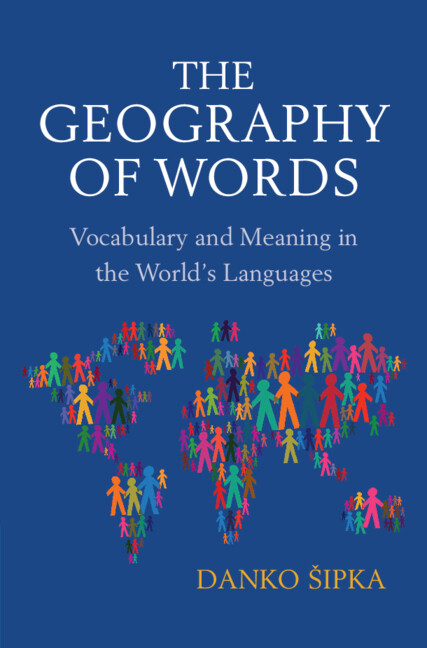
Languages around the world organize their lexicons, or vocabularies, in a myriad of different ways. This book is a celebration of global linguistic diversity, bringing together fascinating cases from a wide range of languages to explore how and why this lexical variation occurs. Each of the thirty-six short chapters shows how different culturally-specific words, relating to a range of phenomena such as kinship, colour, space, time, objects, smells, and animals, vary across languages and geographical locations. It also explains the mechanisms of development in vocabularies, showing why this variation occurs, and how languages and cultures interact, to deepen the reader's understanding of one of the most important aspects of linguistics. Assuming little to no prior knowledge of linguistics, and introducing concepts in an accessible way, this book is an entertaining, informative read for anyone who wants to learn more about the incredible variation and diversity of the human lexicon.
‘… an engaging travelogue of words and cultural practices … Recommended.’
E. L. Battistella Source: Choice
‘… Sipka adopts a playful tone and sprinkles the text with puns, wry comments, and humorous illustrations … [He] has achieved his goal and more: a book for both general readers and linguistics instructors.’
Donald R. Riccomini Source: Society for Technical Communication
Loading metrics...
* Views captured on Cambridge Core between #date#. This data will be updated every 24 hours.
Usage data cannot currently be displayed.
This section outlines the accessibility features of this content - including support for screen readers, full keyboard navigation and high-contrast display options. This may not be relevant for you.
Accessibility compliance for the HTML of this book is currently unknown and may be updated in the future.