Refine search
Actions for selected content:
26 results
Discovery of a 36-min long-period transient ASKAP J142431.2–612611
-
- Journal:
- Publications of the Astronomical Society of Australia / Volume 43 / 2026
- Published online by Cambridge University Press:
- 04 June 2026, e083
-
- Article
-
- You have access
- Open access
- HTML
- Export citation
Designing and Implementing Deliberative Processes for Health Technology Assessment: A Good Practices Report of a Joint HTAi/ISPOR Task Force
-
- Journal:
- International Journal of Technology Assessment in Health Care / Volume 38 / Issue 1 / 2022
- Published online by Cambridge University Press:
- 03 June 2022, e37
-
- Article
-
- You have access
- Open access
- HTML
- Export citation
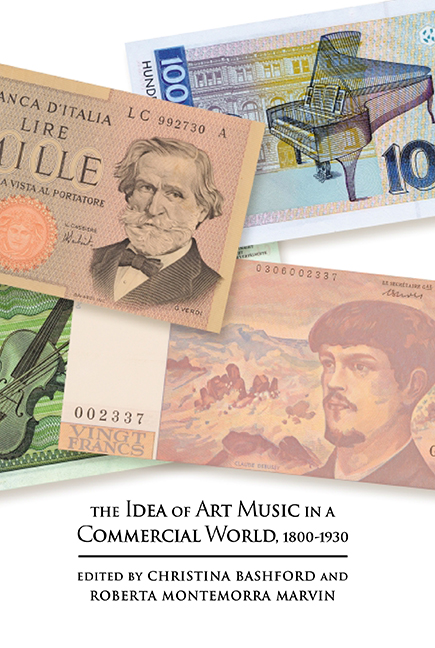
The Idea of Art Music in a Commercial World, 1800-1930
-
- Published by:
- Boydell & Brewer
- Published online:
- 27 May 2021
- Print publication:
- 19 May 2016
CAPACITY BUILDING IN AGENCIES FOR EFFICIENT AND EFFECTIVE HEALTH TECHNOLOGY ASSESSMENT
-
- Journal:
- International Journal of Technology Assessment in Health Care / Volume 32 / Issue 4 / 2016
- Published online by Cambridge University Press:
- 17 October 2016, pp. 292-299
-
- Article
- Export citation
PART II - PERSONALITIES
-
- Book:
- The Idea of Art Music in a Commercial World, 1800-1930
- Published by:
- Boydell & Brewer
- Published online:
- 27 May 2021
- Print publication:
- 19 May 2016, pp 85-85
-
- Chapter
- Export citation
PART IV - REPERTOIRES
-
- Book:
- The Idea of Art Music in a Commercial World, 1800-1930
- Published by:
- Boydell & Brewer
- Published online:
- 27 May 2021
- Print publication:
- 19 May 2016, pp 201-201
-
- Chapter
- Export citation
List of Figures
-
- Book:
- The Idea of Art Music in a Commercial World, 1800-1930
- Published by:
- Boydell & Brewer
- Published online:
- 27 May 2021
- Print publication:
- 19 May 2016, pp vii-ix
-
- Chapter
- Export citation
Music in Society and Culture
-
- Book:
- The Idea of Art Music in a Commercial World, 1800-1930
- Published by:
- Boydell & Brewer
- Published online:
- 27 May 2021
- Print publication:
- 19 May 2016, pp 351-351
-
- Chapter
- Export citation
Contents
-
- Book:
- The Idea of Art Music in a Commercial World, 1800-1930
- Published by:
- Boydell & Brewer
- Published online:
- 27 May 2021
- Print publication:
- 19 May 2016, pp v-vi
-
- Chapter
- Export citation
A Note on Translations
-
- Book:
- The Idea of Art Music in a Commercial World, 1800-1930
- Published by:
- Boydell & Brewer
- Published online:
- 27 May 2021
- Print publication:
- 19 May 2016, pp xiii-xiii
-
- Chapter
- Export citation
PART III - INSTRUMENTS
-
- Book:
- The Idea of Art Music in a Commercial World, 1800-1930
- Published by:
- Boydell & Brewer
- Published online:
- 27 May 2021
- Print publication:
- 19 May 2016, pp 151-151
-
- Chapter
- Export citation
List of Tables
-
- Book:
- The Idea of Art Music in a Commercial World, 1800-1930
- Published by:
- Boydell & Brewer
- Published online:
- 27 May 2021
- Print publication:
- 19 May 2016, pp ix-ix
-
- Chapter
- Export citation
Index
-
- Book:
- The Idea of Art Music in a Commercial World, 1800-1930
- Published by:
- Boydell & Brewer
- Published online:
- 27 May 2021
- Print publication:
- 19 May 2016, pp 327-350
-
- Chapter
- Export citation
PART V - SETTINGS
-
- Book:
- The Idea of Art Music in a Commercial World, 1800-1930
- Published by:
- Boydell & Brewer
- Published online:
- 27 May 2021
- Print publication:
- 19 May 2016, pp 249-249
-
- Chapter
- Export citation
Acknowledgements
-
- Book:
- The Idea of Art Music in a Commercial World, 1800-1930
- Published by:
- Boydell & Brewer
- Published online:
- 27 May 2021
- Print publication:
- 19 May 2016, pp xiii-xiii
-
- Chapter
- Export citation
PART I - PUBLISHERS
-
- Book:
- The Idea of Art Music in a Commercial World, 1800-1930
- Published by:
- Boydell & Brewer
- Published online:
- 27 May 2021
- Print publication:
- 19 May 2016, pp 17-17
-
- Chapter
- Export citation
Frontmatter
-
- Book:
- The Idea of Art Music in a Commercial World, 1800-1930
- Published by:
- Boydell & Brewer
- Published online:
- 27 May 2021
- Print publication:
- 19 May 2016, pp i-iv
-
- Chapter
- Export citation
Bibliographic Abbreviations
-
- Book:
- The Idea of Art Music in a Commercial World, 1800-1930
- Published by:
- Boydell & Brewer
- Published online:
- 27 May 2021
- Print publication:
- 19 May 2016, pp xiv-xvi
-
- Chapter
- Export citation
Notes on Contributors
-
- Book:
- The Idea of Art Music in a Commercial World, 1800-1930
- Published by:
- Boydell & Brewer
- Published online:
- 27 May 2021
- Print publication:
- 19 May 2016, pp x-xii
-
- Chapter
- Export citation
IS THIS THE REAL LIFE? IS THIS JUST FANTASY?
-
- Journal:
- International Journal of Technology Assessment in Health Care / Volume 30 / Issue 3 / July 2014
- Published online by Cambridge University Press:
- 31 July 2014, pp. 239-240
-
- Article
-
- You have access
- HTML
- Export citation
