Refine search
Actions for selected content:
270 results
322 A multi-omic approach to understanding adverse pregnancy outcomes and postpartum weight retention: Insights from the GROWell study
-
- Journal:
- Journal of Clinical and Translational Science / Volume 10 / Issue s1 / April 2026
- Published online by Cambridge University Press:
- 08 May 2026, p. 109
-
- Article
-
- You have access
- Open access
- Export citation
Educational attainment and mental health outcomes: A within-sibship Mendelian randomization study
-
- Journal:
- Psychological Medicine / Volume 55 / 2025
- Published online by Cambridge University Press:
- 26 September 2025, e282
-
- Article
-
- You have access
- Open access
- HTML
- Export citation
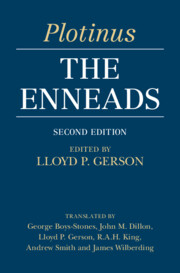
Plotinus: The Enneads
-
- Published online:
- 11 September 2025
- Print publication:
- 11 September 2025
5.2 (11) - On the Generation and Order of the Things Which Come after the First
- from Ennead Five
-
- Book:
- Plotinus: The Enneads
- Published online:
- 11 September 2025
- Print publication:
- 11 September 2025, pp 552-555
-
- Chapter
- Export citation
2.8 (35) - On Seeing, or On How It Is That Distant Things Appear Small
- from Ennead Two
-
- Book:
- Plotinus: The Enneads
- Published online:
- 11 September 2025
- Print publication:
- 11 September 2025, pp 204-207
-
- Chapter
- Export citation
Preface to the Second Edition
-
- Book:
- Plotinus: The Enneads
- Published online:
- 11 September 2025
- Print publication:
- 11 September 2025, pp ix-xii
-
- Chapter
- Export citation
3.5 (50) - On Love
- from Ennead Three
-
- Book:
- Plotinus: The Enneads
- Published online:
- 11 September 2025
- Print publication:
- 11 September 2025, pp 293-306
-
- Chapter
- Export citation
3.2–3 (47 and 48) - On Providence
- from Ennead Three
-
- Book:
- Plotinus: The Enneads
- Published online:
- 11 September 2025
- Print publication:
- 11 September 2025, pp 251-284
-
- Chapter
- Export citation
5.9 (5) - On Intellect, Ideas, and Being
- from Ennead Five
-
- Book:
- Plotinus: The Enneads
- Published online:
- 11 September 2025
- Print publication:
- 11 September 2025, pp 629-642
-
- Chapter
- Export citation
1.9 (16) - On Exiting from the Body
- from Ennead One
-
- Book:
- Plotinus: The Enneads
- Published online:
- 11 September 2025
- Print publication:
- 11 September 2025, pp 126-127
-
- Chapter
- Export citation
4.8 (6) - On the Descent of Souls into Bodies
- from Ennead Four
-
- Book:
- Plotinus: The Enneads
- Published online:
- 11 September 2025
- Print publication:
- 11 September 2025, pp 513-525
-
- Chapter
- Export citation
Fragment: Plotinus on Voluntary Death, by Elias
- from Ennead One
-
- Book:
- Plotinus: The Enneads
- Published online:
- 11 September 2025
- Print publication:
- 11 September 2025, pp 128-128
-
- Chapter
- Export citation
6.6 (34) - On Numbers
- from Ennead Six
-
- Book:
- Plotinus: The Enneads
- Published online:
- 11 September 2025
- Print publication:
- 11 September 2025, pp 777-801
-
- Chapter
- Export citation
4.1 (21) - On the Substantiality of the Soul 2
- from Ennead Four
-
- Book:
- Plotinus: The Enneads
- Published online:
- 11 September 2025
- Print publication:
- 11 September 2025, pp 379-380
-
- Chapter
- Export citation
5.4 (7) - How That Which Is After the First Comes from the First, and on the One
- from Ennead Five
-
- Book:
- Plotinus: The Enneads
- Published online:
- 11 September 2025
- Print publication:
- 11 September 2025, pp 580-584
-
- Chapter
- Export citation
1.1 (53) - What Is the Living Being and What Is the Human Being?
- from Ennead One
-
- Book:
- Plotinus: The Enneads
- Published online:
- 11 September 2025
- Print publication:
- 11 September 2025, pp 43-55
-
- Chapter
- Export citation
On the Life of Plotinus and the Order of His Books by Porphyry of Tyre
-
- Book:
- Plotinus: The Enneads
- Published online:
- 11 September 2025
- Print publication:
- 11 September 2025, pp 18-40
-
- Chapter
- Export citation
5.7 (18) - On Whether or Not There Are Ideas of Individuals
- from Ennead Five
-
- Book:
- Plotinus: The Enneads
- Published online:
- 11 September 2025
- Print publication:
- 11 September 2025, pp 609-612
-
- Chapter
- Export citation
6.9 (9) - On the Good or the One
- from Ennead Six
-
- Book:
- Plotinus: The Enneads
- Published online:
- 11 September 2025
- Print publication:
- 11 September 2025, pp 884-902
-
- Chapter
- Export citation
2.3 (52) - On Whether the Stars Are Causes
- from Ennead Two
-
- Book:
- Plotinus: The Enneads
- Published online:
- 11 September 2025
- Print publication:
- 11 September 2025, pp 147-165
-
- Chapter
- Export citation
