Refine search
Actions for selected content:
51 results

Cultural Connections between the Continent and Early Medieval England
- Philological Studies in Honour of Rolf H. Bremmer Jr
-
- Published by:
- Boydell & Brewer
- Published online:
- 25 June 2026
III. Intellectual Influences
-
- Book:
- Cultural Connections between the Continent and Early Medieval England
- Published by:
- Boydell & Brewer
- Published online:
- 25 June 2026, pp 121-122
-
- Chapter
- Export citation
IV. Manuscript Connections
-
- Book:
- Cultural Connections between the Continent and Early Medieval England
- Published by:
- Boydell & Brewer
- Published online:
- 25 June 2026, pp 225-226
-
- Chapter
- Export citation
Tabula gratulatoria
-
- Book:
- Cultural Connections between the Continent and Early Medieval England
- Published by:
- Boydell & Brewer
- Published online:
- 25 June 2026, pp 310-313
-
- Chapter
- Export citation
List of Abbreviations
-
- Book:
- Cultural Connections between the Continent and Early Medieval England
- Published by:
- Boydell & Brewer
- Published online:
- 25 June 2026, pp xi-xiv
-
- Chapter
- Export citation
II. Interactions
-
- Book:
- Cultural Connections between the Continent and Early Medieval England
- Published by:
- Boydell & Brewer
- Published online:
- 25 June 2026, pp 63-64
-
- Chapter
- Export citation
Index of Manuscripts
-
- Book:
- Cultural Connections between the Continent and Early Medieval England
- Published by:
- Boydell & Brewer
- Published online:
- 25 June 2026, pp 307-309
-
- Chapter
- Export citation
List of Contributors
-
- Book:
- Cultural Connections between the Continent and Early Medieval England
- Published by:
- Boydell & Brewer
- Published online:
- 25 June 2026, pp ix-x
-
- Chapter
- Export citation
General Index
-
- Book:
- Cultural Connections between the Continent and Early Medieval England
- Published by:
- Boydell & Brewer
- Published online:
- 25 June 2026, pp 296-306
-
- Chapter
- Export citation
I. Parallels and Differences
-
- Book:
- Cultural Connections between the Continent and Early Medieval England
- Published by:
- Boydell & Brewer
- Published online:
- 25 June 2026, pp 17-18
-
- Chapter
- Export citation
Frontmatter
-
- Book:
- Cultural Connections between the Continent and Early Medieval England
- Published by:
- Boydell & Brewer
- Published online:
- 25 June 2026, pp i-iv
-
- Chapter
- Export citation
Contents
-
- Book:
- Cultural Connections between the Continent and Early Medieval England
- Published by:
- Boydell & Brewer
- Published online:
- 25 June 2026, pp v-vi
-
- Chapter
- Export citation
List of Figures and Tables
-
- Book:
- Cultural Connections between the Continent and Early Medieval England
- Published by:
- Boydell & Brewer
- Published online:
- 25 June 2026, pp vii-viii
-
- Chapter
- Export citation
Selected Publications on Old English Philology by Rolf H. Bremmer Jr
-
- Book:
- Cultural Connections between the Continent and Early Medieval England
- Published by:
- Boydell & Brewer
- Published online:
- 25 June 2026, pp 289-295
-
- Chapter
- Export citation
Old English Philology across the North Sea: Origins, Innovations and Connections
-
-
- Book:
- Cultural Connections between the Continent and Early Medieval England
- Published by:
- Boydell & Brewer
- Published online:
- 25 June 2026, pp 1-16
-
- Chapter
- Export citation
Lindy Brady, ed. Old English Tradition: Essays in Honor of J. R. Hall. Medieval and Renaissance Texts and Studies 578. Tempe: Arizona Center for Medieval and Renaissance Studies, 2021. Pp. 356. $90.00 (paper).
-
- Journal:
- Journal of British Studies / Volume 62 / Issue 4 / October 2023
- Published online by Cambridge University Press:
- 19 February 2024, pp. 1048-1049
-
- Article
- Export citation
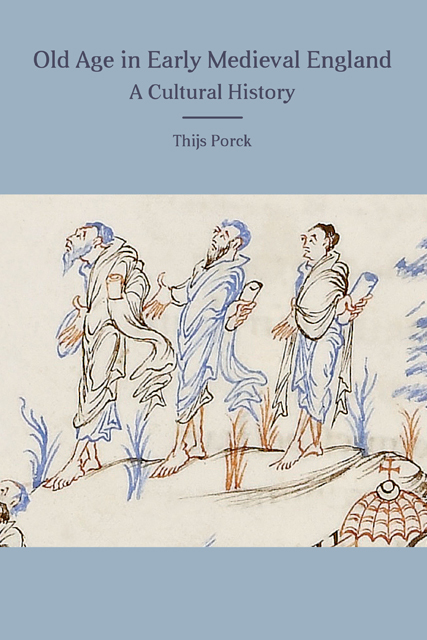
Old Age in Early Medieval England
- A Cultural History
-
- Published by:
- Boydell & Brewer
- Published online:
- 17 January 2023
- Print publication:
- 15 February 2019
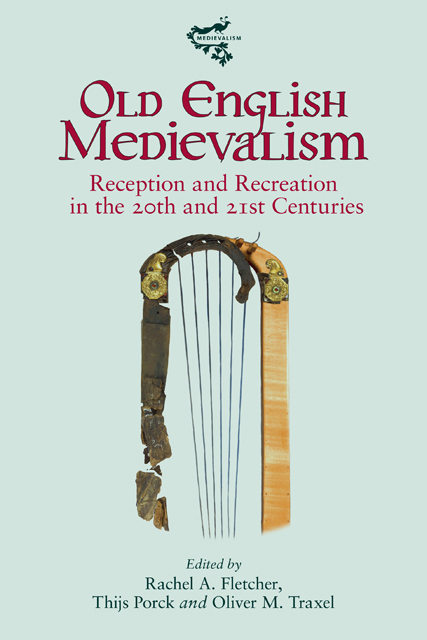
Old English Medievalism
- Reception and Recreation in the 20th and 21st Centuries
-
- Published by:
- Boydell & Brewer
- Published online:
- 17 December 2022
- Print publication:
- 29 November 2022
III - Translating and Composing in Neo-Old English
-
- Book:
- Old English Medievalism
- Published by:
- Boydell & Brewer
- Published online:
- 17 December 2022
- Print publication:
- 29 November 2022, pp 171-172
-
- Chapter
- Export citation
Acknowledgements
-
- Book:
- Old English Medievalism
- Published by:
- Boydell & Brewer
- Published online:
- 17 December 2022
- Print publication:
- 29 November 2022, pp xiii-xiv
-
- Chapter
- Export citation
