To save content items to your account,
please confirm that you agree to abide by our usage policies.
If this is the first time you use this feature, you will be asked to authorise Cambridge Core to connect with your account.
Find out more about saving content to .
To save content items to your Kindle, first ensure no-reply@cambridge.org
is added to your Approved Personal Document E-mail List under your Personal Document Settings
on the Manage Your Content and Devices page of your Amazon account. Then enter the ‘name’ part
of your Kindle email address below.
Find out more about saving to your Kindle.
Note you can select to save to either the @free.kindle.com or @kindle.com variations.
‘@free.kindle.com’ emails are free but can only be saved to your device when it is connected to wi-fi.
‘@kindle.com’ emails can be delivered even when you are not connected to wi-fi, but note that service fees apply.
Direct numerical simulations of spatially developing high-enthalpy hypersonic turbulent boundary layers are performed under non-catalytic wall-cooling conditions. Two distinct levels of chemical reactivity are considered, together with a chemically frozen case for reference. The main objective is to elucidate the underlying mechanisms of high-enthalpy turbulence–chemistry interactions and to develop reliable closure models for high-enthalpy hypersonic turbulent boundary layers. It is well established that high-enthalpy reactions have a negligible influence on the turbulent velocity statistics, and it is further shown here that this behaviour arises from the compensating effects. Specifically, the mean temperature is reduced by endothermic reactions, accompanied by a decrease in mixture molar mass, leading to an approximately unchanged mean density. Furthermore, the chemical time scale is found to be much larger than the large-eddy turnover time, resulting in strong linear correlations between the temperature and species mass fraction fluctuations. Consequently, the refined strong Reynolds analogy (RSRA) can be effectively extended from enthalpy to temperature and species mass fraction fluctuations in high-enthalpy hypersonic turbulent boundary layers. A correlation correction for RSRA is proposed, which corrects the breakdown of the original RSRA in the region near the mean temperature peak, while retaining good performance in the outer layer. An isobaric presumed probability density function model incorporating the correlation-corrected RSRA is further developed, which extends the applicability of the temperature-based presumed probability density function approach to stronger high-enthalpy conditions. This work contributes to the development of engineering models for turbulence–chemistry interactions in high-enthalpy hypersonic turbulent boundary layers.
Real-world outcomes of repetitive transcranial magnetic stimulation (rTMS) for depressive disorders vary, and generalizable predictors of response and remission remain unclear.
Objective
To identify demographic, clinical, and treatment-related predictors of rTMS outcomes using a multinational registry.
Methods
We pooled registry data from six countries between January 2017 and April 2026. Patients with depression treated with rTMS were included. Primary outcomes were response and remission. Predictors were evaluated using hierarchical logistic regression. Model 1 was the primary complete-case core model, with sensitivity analyses using multiple imputation and excluding clinical-trial-derived patients. Model 2 incorporated treatment-dose and medication variables, whereas Model 3 explored clinical and sociodemographic variables with substantial missingness and was considered hypothesis-generating. Clinician-rated and patient-reported outcomes were also analyzed separately.
Results
Among 2,015 cases, 1,691 were analyzed. Response and remission rates were 43.6% and 28.7%, respectively. More treatment sessions were associated with higher odds of response (adjusted odds ratio (aOR) = 1.02 per session, p = 0.002), whereas lower baseline depression severity was consistently associated with higher odds of remission (aOR = 0.33, p < 0.001). Intermittent theta-burst stimulation was associated with lower odds of remission than high-frequency rTMS (aOR = 0.39, p < 0.001), although this association varied by outcome rater and protocol effects for response were non-significant. Country-level differences were observed, whereas medication-related and sociodemographic associations were inconsistent.
Conclusions
Treatment exposure and baseline severity were the most stable predictors of rTMS outcomes. Protocol and regional variations warrant standardized prospective studies to define personalized rTMS strategies.
Comprehension of wh-questions often poses challenges for children with autism spectrum disorder (ASD) in wh-movement languages like English. However, it remains unclear whether wh-in situ languages like Mandarin present similar difficulties. Moreover, the present study explores potential differences in comprehension between Mandarin subject and object wh-questions. We hypothesize a subject wh-question advantage, given that Mandarin object wh-questions exhibit a longer dependency than subject wh-questions. If confirmed, it would support that Mandarin wh-questions involve covert movement. Using eye-movement measures of the intermodal preferential looking (IPL) paradigm, this study investigates the comprehension of matrix subject and object wh-questions in Mandarin-speaking children with ASD (N = 35, mean age = 60.94 months) compared to their typically developing (TD) peers (N = 38, mean age = 29.66 months), matched on expressive vocabulary levels. The results showed that children in the TD group comprehended both subject and object wh-questions. However, in the ASD group, children comprehended only subject wh-questions. Overall, Mandarin-speaking children with ASD exhibited weaker comprehension of wh-questions than their TD counterparts, with particular difficulty processing object wh-questions. The subject-over-object advantage in wh-questions among Mandarin-speaking children with ASD suggests that they were sensitive to the longer dependency involved in object wh-questions. These findings support the involvement of covert movement in Mandarin wh-questions.
In 2021, in order to optimise the quality of informant questionnaires, the local memory service introduced the Brief Informant Questionnaire (BIQ), consisting of five short prompts that allow family members or carers to share their observations about memory changes, daily functioning, behaviour, and any potential risks such as safety concerns. As part of this, we asked the simple binary question “Do you think it is dementia”.
Aim:
• To evaluate the accuracy of a single item on the BIQ by comparing the informant’s response with the clinical diagnosis following comprehensive assessment.
Methods:
• Data was collected from the 50 randomly selected patients who attended the local memory clinic from 2022 to 2024. 5 informants did not provide the response to the question “Do you think it is dementia?” and they were not included. As such, 45 cases were included in the final analysis.
• In scenario 1, only definite “Yes” and “No” responses were used to evaluate the diagnostic performance.
• In scenario 2, “Not sure” responses were combined with “Yes” responses.
Results:
Scenario 1:
Patient had dementia and informant agreed: 28/29 Sensitivity: 96.5%
Patient did not have dementia and informant agreed: 5/5 Specificity: 100%
Positive Predictive Value: 28/28=100%
Negative Predictive Value: 5/6=83.3%
Scenario 2:
Patient had dementia and informant agreed or was not sure: Sensitivity: 34/35=97.1%
Patient did not have dementia and informant agreed or was not sure: Specificity: 5/10=50%
Positive Predictive Value: 34/39=87.1%
Negative Predictive Value: 5/6=83.3%
Conclusion:
The BIQ demonstrates very high sensitivity in both analysis scenarios (96.5% and 97.1%) and a strong positive predictive value (100% and 87.1%), indicating that an affirmative response was highly indicative of a true dementia diagnosis.
When “not sure” responses were grouped with “yes,” the specificity decreased, reflecting reduced ability to identify non-dementia cases.
Although the number of negative cases was small, the findings suggest that the BIQ performs reliably within the current assessment pathway and is clinically useful.
Completing this questionnaire prior to the initial assessment helps ensure that relevant information is available from the start, improves the quality and efficiency of the assessment process, and supports more person-centred assessments and care planning.
Overall, these findings provide evidence to support the use of this single item from the BIQ across wider memory services as an aid to identifying possible dementia.
The high comorbidity between mental and cardiovascular diseases is widely recognized, but the underlying mechanisms are not yet well understood. We investigated the familial coaggregation and shared genetic loading between these diseases.
Methods
Using claims data from Taiwan’s universal health insurance program, we identified cohorts of 4,513,509 individuals with parental information and 3,330,181 with full-sibling information born between 1970 and 1999, and followed up until 2020. Genotyping was available for 106,796 unrelated participants from the Taiwan Biobank. Multiple logistic regression models were used to estimate the association of parental history, full-sibling history, and polygenic risk scores (PRSs) for severe mental illnesses (schizophrenia, bipolar disorder, major depressive disorder [MDD]) with the risk of myocardial infarction, stroke, peripheral arterial disease (PAD), and heart failure.
Results
Individuals with a parental history of schizophrenia, bipolar disorder, or MDD were more likely to have stroke and PAD. Coaggregation in full-siblings was observed for MDD with myocardial infarction and heart failure, bipolar disorders with stroke, and schizophrenia with PAD. The PAD risk increased with more relatives affected by MDD; the magnitude of association was larger when both parents were affected than when either parent was affected, and when there were two affected siblings than in those with only one. MDD PRS was positively associated with the risk of myocardial infarction and PAD.
Conclusions
This study revealed familial coaggregation between mental and cardiovascular diseases, and shared polygenic liability of MDD with cardiovascular diseases. Our findings suggest the potential benefit of family-based integrated screening and preventive strategies.
The utilization of carbon dioxide (CO2) has garnered significant attention as a strategy to mitigate anthropogenic emissions. Within this field, the conversion processes of CO2 through photocatalytic systems have emerged as a particularly noteworthy area of research. This approach leverages solar energy for the reaction and is considered a promising and environmentally friendly alternative to traditional thermally driven catalytic systems. This article aims to summarize recent advancements in several key photo-conversion pathways, including the synthesis of methane, methanol, C2 hydrocarbons, dimethyl carbonate, and glycerol carbonate. Additionally, potential configurations for the development of processes aimed at producing various chemicals will be proposed. Current insights indicate that the photocatalytic conversion of CO2 could be effectively integrated with chemical absorption methods, provided that appropriate separation and process intensification strategies are developed. From an economic perspective, the photocatalytic reduction of CO2 minimizes the reliance on green hydrogen as a hydrogen source, thereby significantly improving overall economic viability. Environmentally, it is essential to enhance the reaction conversion and product selectivity of the photocatalytic conversion processes to maximize their decarbonization potential. Overall, this paper is particularly suited for readers who are new to this field and are interested in transitioning from experimental work to process development.
In compressible turbulent boundary layers (CTBLs), the strong Reynolds analogy (SRA) refers to a set of quantitative relationships between temperature and velocity fluctuations. The essence of the SRA is the linear relationship between these fluctuations in large-scale motions. We investigate the transport processes of the second-order statistical moments associated with temperature and velocity fluctuations to reveal the physical mechanisms underlying this linear correlation. An important finding is that there exists a strong linear mechanism between the turbulent production of velocity and temperature fluctuations. Nonlinear mechanisms, such as the viscous-thermal dissipation, the work contribution, and particularly the pressure term, lead to the failure of the existing SRAs in the outer layer. Based on the above findings, a refined SRA (RSRA) is proposed, which better describes the quantitative relation between the temperature and velocity fluctuation intensities. An approximate expression for the turbulent Prandtl number under different Mach numbers and wall-cooling conditions is derived with the newly proposed RSRA. The relations proposed in this paper are validated through the direct numerical simulation data of flat-plate zero-pressure-gradient CTBLs at different Mach numbers and wall temperatures.
We undertake a comprehensive investigation into the distribution of in situ stars within Milky Way-like galaxies, leveraging TNG50 simulations and comparing their predictions with data from the H3 survey. Our analysis reveals that 28% of galaxies demonstrate reasonable agreement with H3, while only 12% exhibit excellent alignment in their profiles, regardless of the specific spatial cut employed to define in situ stars. To uncover the underlying factors contributing to deviations between TNG50 and H3 distributions, we scrutinise correlation coefficients among internal drivers (e.g. virial radius, star formation rate [SFR]) and merger-related parameters (such as the effective mass-ratio, mean distance, average redshift, total number of mergers, average spin-ratio, and maximum spin alignment between merging galaxies). Notably, we identify significant correlations between deviations from observational data and key parameters such as the median slope of virial radius, mean SFR values, and the rate of SFR change across different redshift scans. Furthermore, positive correlations emerge between deviations from observational data and parameters related to galaxy mergers. We validate these correlations using the Random Forest Regression method. Our findings underscore the invaluable insights provided by the H3 survey in unravelling the cosmic history of galaxies akin to the Milky Way, thereby advancing our understanding of galactic evolution and shedding light on the formation and evolution of Milky Way-like galaxies in cosmological simulations.
Turbulent emulsions are ubiquitous in chemical engineering, food processing, pharmaceuticals and other fields. However, our experimental understanding of this area remains limited due to the multiscale nature of turbulent flow and the presence of extensive interfaces, which pose significant challenges to optical measurements. In this study, we address these challenges by precisely matching the refractive indices of the continuous and dispersed phases, enabling us to measure local velocity information at high volume fractions. The emulsion is generated in a turbulent Taylor–Couette flow, with velocity measured at two radial locations: near the inner cylinder (boundary layer) and in the middle gap (bulk region). Near the inner cylinder, the presence of droplets suppresses the emission of angular velocity plumes, which reduces the mean azimuthal velocity and its root mean squared fluctuation. The former effect leads to a higher angular velocity gradient in the boundary layer, resulting in greater global drag on the system. In the bulk region, although droplets suppress turbulence fluctuations, they enhance the cross-correlation between azimuthal and radial velocities, leaving the angular velocity flux contributed by the turbulent flow nearly unchanged. In both locations, droplets suppress turbulence at scales larger than the average droplet diameter and increase the intermittency of velocity increments. However, the effects of the droplets are more pronounced near the inner cylinder than in the bulk, likely because droplets fragment in the boundary layer but are less prone to break up in the bulk. Our study provides experimental insights into how dispersed droplets modulate global drag, coherent structures and the multiscale characteristics of turbulent flow.
Kawasaki disease is a leading cause of acquired heart disease in children in the developed world, characterised by acute systemic vasculitis, with a complex aetiology that remains poorly understood. Recent studies have highlighted the potential anti-inflammatory effects of Interleukin-35 in various proinflammatory and cardiovascular conditions. However, the relationship between Interleukin-35 gene polymorphisms and Kawasaki disease susceptibility, particularly in Chinese children, has not been well-explored.
In this study, we investigated the association between five Interleukin-35 single-nucleotide polymorphisms—rs2243115, rs2243123, rs583911, rs353698, and rs2302164—and Kawasaki disease in a cohort of Chinese children. A total of ninety-four Kawasaki disease patients and one hundred healthy controls were enrolled, with the Kawasaki disease patients further divided into subgroups based on the presence or absence of coronary artery lesions and incomplete or complete Kawasaki disease. Genotyping of Interleukin-35 polymorphisms was performed using the MassARRAY system.
The results showed the GT + GG genotypes and G allele of rs2243115 (T > G) were significantly more prevalent in Kawasaki disease patients with coronary artery lesions than in those without coronary artery lesions, suggesting a possible association with the development of coronary artery lesions. Additionally, the G allele of rs353698 (A > G) was more frequently observed in the incomplete Kawasaki disease group compared to the complete Kawasaki disease group, suggesting a possible association with the risk of incomplete Kawasaki disease.
Recent studies have increasingly utilized gradient metrics to investigate the spatial transitions of brain organization, enabling the conversion of macroscale brain features into low-dimensional manifold representations. However, it remains unclear whether alterations exist in the cortical morphometric similarity (MS) network gradient in patients with schizophrenia (SCZ). This study aims to examine potential differences in the principal MS gradient between individuals with SCZ and healthy controls and to explore how these differences relate to transcriptional profiles and clinical phenomenology.
Methods
MS network was constructed in this study, and its gradient of the network was computed in 203 patients with SCZ and 201 healthy controls, who shared the same demographics in terms of age and gender. To examine irregularities in the MS network gradient, between-group comparisons were carried out, and partial least squares regression analysis was used to study the relationships between the MS network gradient-based variations in SCZ, and gene expression patterns and clinical phenotype.
Results
In contrast to healthy controls, the principal MS gradient of patients with SCZ was primarily significantly lower in sensorimotor areas, and higher in more areas. In addition, the aberrant gradient pattern was spatially linked with the genes enriched for neurobiologically significant pathways and preferential expression in various brain regions and cortical layers. Furthermore, there were strong positive connections between the principal MS gradient and the symptomatologic score in SCZ.
Conclusions
These findings showed changes in the principal MS network gradient in SCZ and offered potential molecular explanations for the structural changes underpinning SCZ.
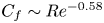
We present an experimental study on the drag reduction by polymers in Taylor–Couette turbulence at Reynolds numbers ($Re$) ranging from $4\times 10^3$ to $2.5\times 10^4$. In this $Re$ regime, the Taylor vortex is present and accounts for more than 50 % of the total angular velocity flux. Polyacrylamide polymers with two different average molecular weights are used. It is found that the drag reduction rate increases with polymer concentration and approaches the maximum drag reduction (MDR) limit. At MDR, the friction factor follows the $-0.58$ scaling, i.e. $C_f \sim Re^{-0.58}$, similar to channel/pipe flows. However, the drag reduction rate is about $20\,\%$ at MDR, which is much lower than that in channel/pipe flows at comparable $Re$. We also find that the Reynolds shear stress does not vanish and the slope of the mean azimuthal velocity profile in the logarithmic layer remains unchanged at MDR. These behaviours are reminiscent of the low drag reduction regime reported in channel flow (Warholic et al., Exp. Fluids, vol. 27, no. 5, 1999, pp. 461–472). We reveal that the lower drag reduction rate originates from the fact that polymers strongly suppress the turbulent flow while only slightly weaken the mean Taylor vortex. We further show that polymers steady the velocity boundary layer and suppress the small-scale Görtler vortices in the near-wall region. The former effect reduces the emission rate of both intense fast and slow plumes detached from the boundary layer, resulting in less flux transport from the inner cylinder to the outer one and reduces energy input into the bulk turbulent flow. Our results suggest that in turbulent flows, where secondary flow structures are statistically persistent and dominate the global transport properties of the system, the drag reduction efficiency of polymer additives is significantly diminished.
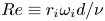
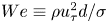
The presence of dispersed-phase droplets can result in a notable increase in a system's drag. However, our understanding of the mechanism underlying this phenomenon remains limited. In this study, we use three-dimensional direct numerical simulations with a modified multi-marker volume-of-fluid method to investigate liquid–liquid two-phase turbulence in a Taylor–Couette geometry. The dispersed phase has the same density and viscosity as the continuous phase. The Reynolds number $Re\equiv r_i\omega _i d/\nu$ is fixed at 5200, the volume fraction of the dispersed phase is up to $40\,\%$, and the Weber number $We\equiv \rho u^2_\tau d/\sigma$ is approximately 8. It is found that the increase in the system's drag originates from the contribution of interfacial tension. Specifically, droplets experience significant deformation and stretching in the streamwise direction due to shear near the inner cylinder. Consequently, the rear end of the droplets lags behind the fore head. This causes opposing interfacial tension effects on the fore head and rear end of the droplets. For the fore head of the droplets, the effect of interfacial tension appears to act against the flow direction. For the rear end, the effect appears to act in the flow direction. The increase in the system's drag is attributed primarily to the effect of interfacial tension on the fore head of the droplets which leads to the hindering effect of the droplets on the surrounding continuous phase. This hindering effect disrupts the formation of high-speed streaks, favouring the formation of low-speed ones, which are generally associated with higher viscous stress and drag of the system. This study provides new insights into the mechanism of drag enhancement reported in our previous experiments.
We investigate the coupling effects of the two-phase interface, viscosity ratio and density ratio of the dispersed phase to the continuous phase on the flow statistics in two-phase Taylor–Couette turbulence at a system Reynolds number of $6\times 10^3$ and a system Weber number of 10 using interface-resolved three-dimensional direct numerical simulations with the volume-of-fluid method. Our study focuses on four different scenarios: neutral droplets, low-viscosity droplets, light droplets and low-viscosity light droplets. We find that neutral droplets and low-viscosity droplets primarily contribute to drag enhancement through the two-phase interface, whereas light droplets reduce the system's drag by explicitly reducing Reynolds stress due to the density dependence of Reynolds stress. In addition, low-viscosity light droplets contribute to greater drag reduction by further reducing momentum transport near the inner cylinder and implicitly reducing Reynolds stress. While interfacial tension enhances turbulent kinetic energy (TKE) transport, drag enhancement is not strongly correlated with TKE transport for both neutral droplets and low-viscosity droplets. Light droplets primarily reduce the production term by diminishing Reynolds stress, whereas the density contrast between the phases boosts TKE transport near the inner wall. Therefore, the reduction in the dissipation rate is predominantly attributed to decreased turbulence production, causing drag reduction. For low-viscosity light droplets, the production term diminishes further, primarily due to their greater reduction in Reynolds stress, while reduced viscosity weakens the density difference's contribution to TKE transport near the inner cylinder, resulting in a more pronounced reduction in the dissipation rate and consequently stronger drag reduction. Our findings provide new insights into the physics of turbulence modulation by the dispersed phase in two-phase turbulence systems.
This study investigates neuropsychological and psychosocial outcomes in patients with traumatic brain injury (TBI) and post-traumatic epilepsy (PTE) compared to a healthy control group.
Method:
Utilizing a quasi-experimental cross-sectional design, the research involved patients with TBI and PTE referred from a Taiwanese medical center. An age- and education-matched control group of healthy adults without traumatic injuries was also recruited. The study involved analyzing retrospective medical records and applying a comprehensive suite of neuropsychological tests and psychosocial questionnaires.
Results:
Executive function measures revealed significantly reduced performance in both the TBI and PTE groups compared to controls. Specifically, the MoCA scores were lowest in the PTE group, followed by the TBI group, and highest in the controls. Measures of subjective symptomatology showed comparably elevated levels in both the TBI and PTE groups relative to controls.
Conclusion:
The research suggests that PTE may intensify the difficulties faced by individuals with TBI, but its impact on overall recovery might not be significant, considering the trajectory of the brain injury itself. Notably, the MoCA results indicate that cognitive deficits are more pronounced in PTE patients compared to those with TBI, underscoring the necessity for targeted neuropsychological assessments. Further investigation is essential to explore PTE’s broader neuropsychological and psychosocial impacts. These findings advocate for tailored care strategies that address both neuropsychological and psychosocial needs, ensuring comprehensive management of TBI and PTE.
Sleep disturbance and impulsivity are key components of mood vulnerability in bipolar disorder (BD), but few studies have assessed the association between these two symptoms among patients with BD.
Methods
Forty-seven euthymic patients with bipolar I disorder (BDI) or bipolar II disorder (BDII) and 58 age- and sex-matched healthy controls were enrolled in this cross-sectional study. Trait impulsivity was measured using the Barratt Impulsiveness Scale Version 11 (BIS-11), which yielded 3 second-order factors: attention, motor, and non-planning. Subjective sleep quality was assessed using the self-reported Pittsburgh Sleep Quality Index (PSQI). General linear models (GLMs) were used to assess the associations between subjective poor sleep and trait impulsivity with multiple testing corrections.
Results
Patients with BD scored higher in BIS-11 and PSQI than healthy controls. PSQI total scores positively correlated with BIS-11 total scores, while sleep disturbance and daytime dysfunction were associated with attentional impulsiveness after controlling for covariates. Participants with higher PSQI total scores (>10) had higher scores in BIS-11 total, attention, and non-planning than those with low PSQI scores (≤5).
Conclusion
These findings support the hypothesis that poor sleep quality might lead to impulsivity and add to the growing evidence that improving sleep quality may be a therapeutic target for patients with BD.
Divergent thinking is a critical creative cognitive process. Its neural mechanisms have been well-studied through structural and functional imaging in healthy individuals but are less explored in patients with bipolar disorder (BD). Because of the traditional link between creativity and BD, this study investigated the structural correlates of divergent thinking in patients with BD through surface-based morphometry.
Methods:
Fifty-nine patients diagnosed with BD I or BD II (35.3 ± 8.5 years) and 56 age- and sex-matched controls (33.9 ± 7.4 years) were recruited. The participants underwent structural magnetic resonance imaging and an evaluation of divergent thinking by using the Chinese version of the Abbreviated Torrance Test for Adults (ATTA). FreeSurfer 7.0 was used to generate thickness and surface area maps for each participant. Brainwise regression of the association between cortical thickness or surface area and ATTA performance was conducted using general linear models.
Results:
Divergent thinking performance did not differ significantly between the patients with BD and the healthy controls. In these patients, total ATTA score was negatively correlated with cortical thickness in the right middle frontal gyrus, right occipital, and left precuneus but positively correlated with the surface area of the right superior frontal gyrus. By contrast, total ATTA scores and cortical thickness or surface area were not significantly correlated among the controls.
Conclusion:
The findings indicate that divergent thinking involves cerebral structures for executive control, mental imagery, and visual processing in patients with BD, and the right prefrontal cortex might be the most crucial of these structures.
The presence of a dispersed phase can significantly modulate the drag in turbulent systems. We derived a conserved quantity that characterizes the radial transport of azimuthal momentum in the fluid–fluid two-phase Taylor–Couette turbulence. This quantity consists of contributions from advection, diffusion and two-phase interface, which are closely related to density, viscosity and interfacial tension, respectively. We found from interface-resolved direct numerical simulations that the presence of the two-phase interface consistently produces a positive contribution to the momentum transport and leads to drag enhancement, while decreasing the density and viscosity ratios of the dispersed phase to the continuous phase reduces the contribution of local advection and diffusion terms to the momentum transport, respectively, resulting in drag reduction. Therefore, we concluded that the decreased density ratio and the decreased viscosity ratio work together to compete with the presence of a two-phase interface for achieving drag modulation in fluid–fluid two-phase turbulence.
The traffic issues have been attracting global attention due to increased occurrence and higher mortality rate in the older population. Many countries have employed different kinds of regulations on the elder drivers depending either on their age or whether being demented. These policy differences left a research gap to identify the temporal relationship between serious traffic accidents (STA) and dementias, which can inform the most appropriate time for policymaking. In the present study, we linked two national databases and performed analyses to explore this problem.
Methods:
With the grant and supports from the government, the research team combined the databases of STA registries and the whole population dataset of National Health Insurance Research Database to form a 10-year retrospective cohort for analyses. We performed both retrospective and prospective directions to explore the time length between STAs and the diagnoses of dementia depending on the selection of the STA occurrences and dementia diagnoses as outcomes. In addition to descriptive statistical analyses, we also performed inferential statistics to analyse the variables between different types of STAs. A p-value less than 0.05 was set as statistically significant.
Results:
437516 persons involved in STAs were enrolled for analyses and the mean age was 61.47 years (SD=8.90) with sex ratio (F/M) of 0.62. We divided the samples into three groups: (1) STAs without dementias (95.17%) (2) dementias after STAs (3.40%), and (3) dementias before STAs (1.43%). The mean age of the 3rd group (73.80 years, SD=8.79) was significantly older than the rest two. When comparing these three groups, a preceded dementia diagnosis was a significant risk factor for repeated STAs. (OR: 1.205, 95% CI: 1.100-1.320, p<0.001) Finally, an average length of 2.35 years (SD: 1.60) was found for those who was diagnosed of dementias before the first STA while 2.57 years (SD: 1.69) was noted for the diagnosis of dementia after first STA.
Conclusion:
In our study, dementia was identified as a significant risk factor for STAs. We further asserted that 2.5 years would be an appropriate time length for the authorities to examine the traffic risks of those who were diagnosed of dementias.
