
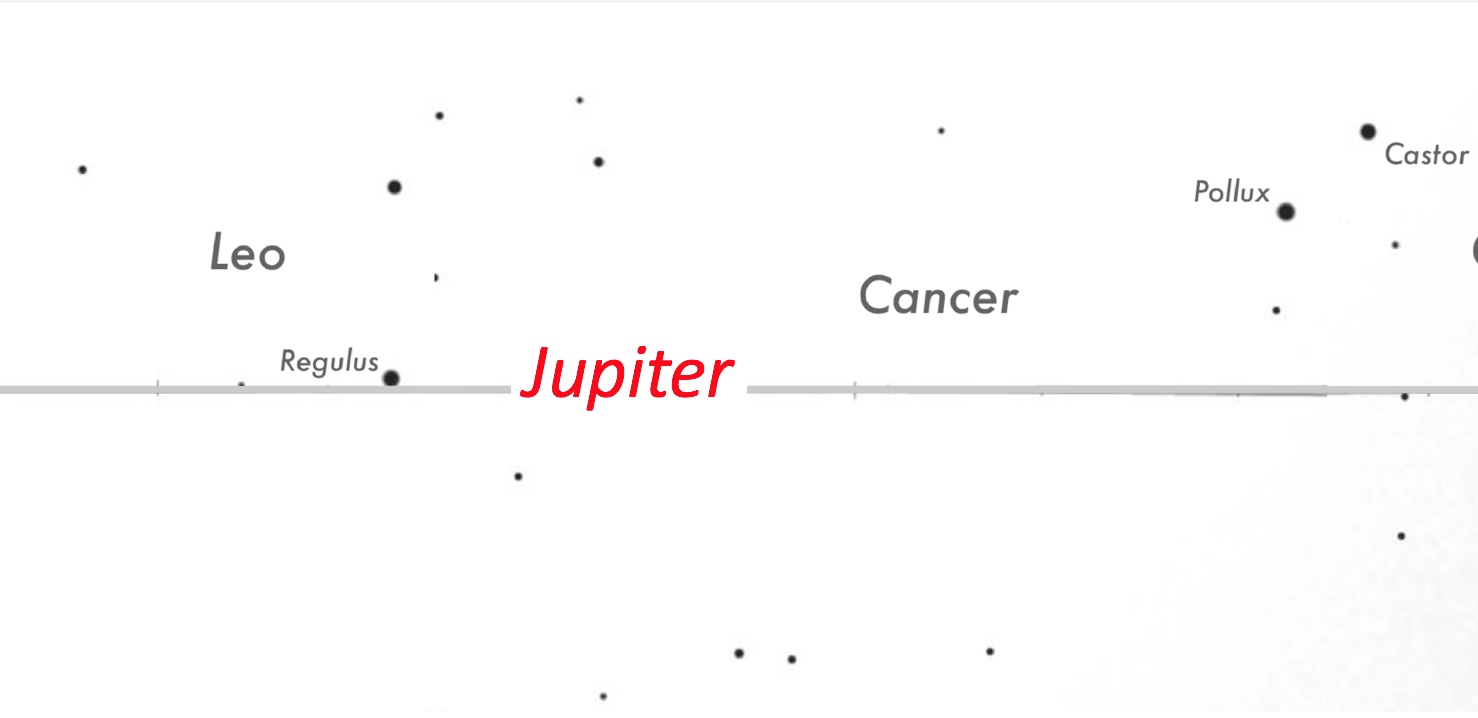
Jupiter: Jupiter is at opposition on February 10 and it’s very well placed for evening viewing from February through April. By June it sinks into the west at twilight and then disappears behind the Sun. It returns in the dawn sky in October and by December it’s up before midnight. Fortunately for northern hemisphere observers, Jupiter is well to the north, in Leo.
At the start of the year, we’re looking from a direction just a fraction of a degree south of the plane of Jupiter’s equator, so the Galilean moons appear to travel on nearly linear paths so they (and their shadows) all pass in front of Jupiter. They also get eclipsed by Jupiter’s shadow and occulted by (pass behind) the planet. This handy Jupiter's Moons link from Sky & Telescope Magazine will guide you to the moons and what they’re doing tonight. Because we start the year almost exactly in the plane of their orbits, you should check your favorite stargazing magazine for news of when there will be mutual events of the moons.
As always, look for the zones and belts. Even when its color is subdued, you should look for the Great Red Spot in the southern equatorial belt within an hour or so of when Jupiter’s rotation brings it towards us (this handy Red Spot transit times link, also from S&T Magazine will tell you when to look).
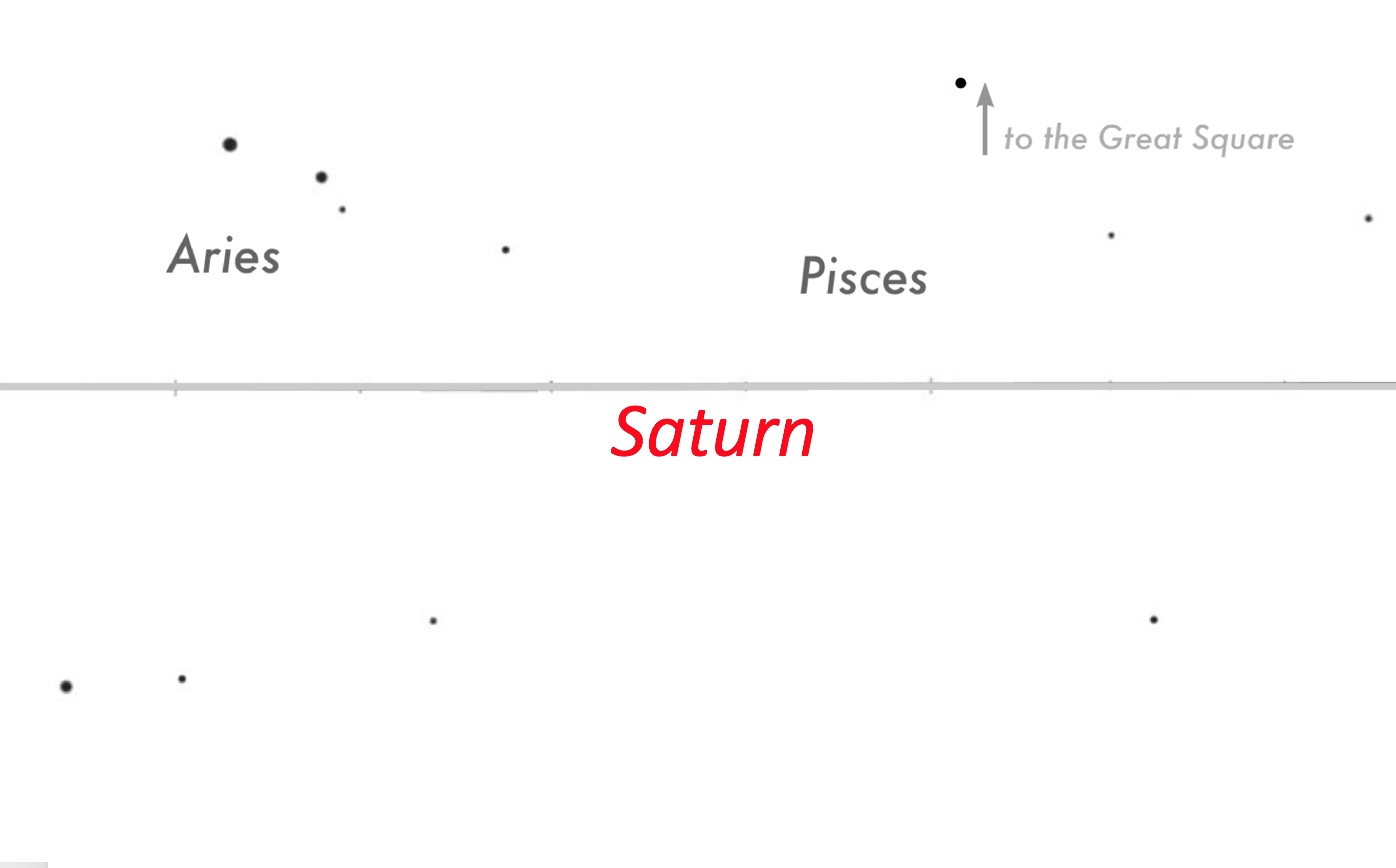
Saturn: At the start of 2027, Saturn is visible in the west right after sunset, before sinking towards conjunction with the Sun. It’s visible again before dawn by June, by August it rises before midnight, it reaches opposition on October 17, and in November and December it’s well placed at the end of twilight.
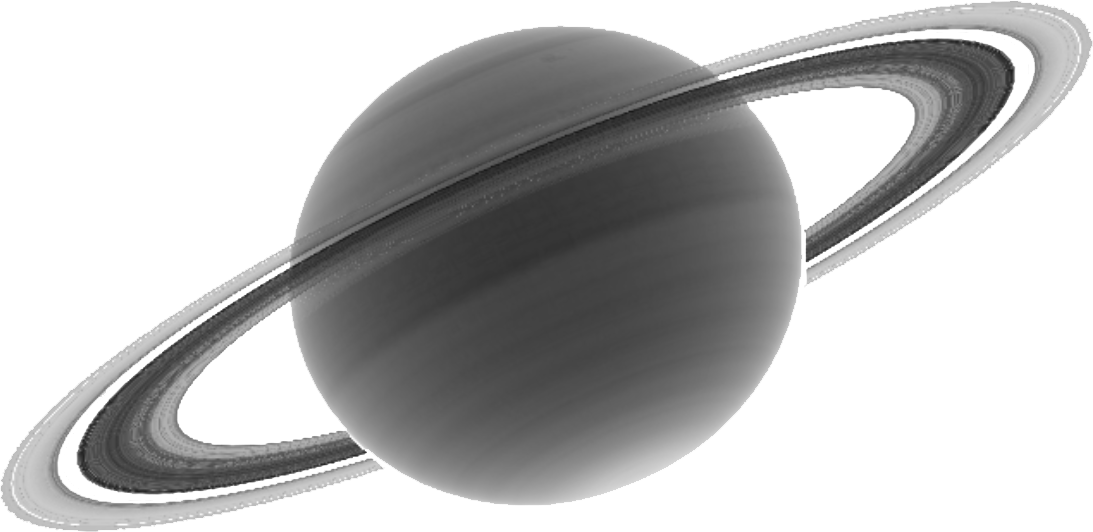
To know where they are on any night, consult this useful Saturn's Moons link to from Sky and Telescope to keep track of them (they also have a handy mobile app).