
Cambridge expands climate education expertise
News and Events
Cambridge expands climate education expertise
Cambridge University Press & Assessment has appointed Quinn Runkle as Director of Climate Education.

From embedding how climate and sustainability is reflected across Cambridge teaching and learning, assessments and qualifications, to helping shape education discourse around the world, Quinn will build on strong foundations. In 2022, Cambridge appointed Christine Özden as the organisation’s first Global Director of Climate Education and Quinn will work in tandem with Christine.
By positioning this role within the team under Jane Mann, Cambridge’s new Chief Education Officer, Cambridge signals its commitment to increasing the impact and capacity of this work and the ways in which it will influence the future of education.
Quinn has spent the past decade advancing climate education policy and practice nationally and internationally. Most recently she has been Director of Campaigns and Advocacy at SOS UK and Managing Director of SOS International where she has worked to advance climate education policy domestically and at COP26 to COP30.
Quinn Runkle said: "Good quality climate education can equip young people with systems thinking, understanding complexity, and problem-solving skills, enabling them to deconstruct misconceptions about the climate crisis, and contribute to real solutions in their own community. Cambridge has such an impressive reputation for its leadership on climate and sustainability, and I'm excited to contribute to the organisation's continued impact. This is a critical moment for climate education globally, and I am looking forward to working with colleagues across Cambridge to continue to advance this work."
Jane Mann said: “Climate and sustainability education is central to our vision and mission at Cambridge University Press & Assessment. If we are serious about shaping the future direction of education - which we are - we must consider all aspects of our work through a lens of sustainability. I’m excited to welcome Quinn who brings huge talents in turning advocacy into action.”
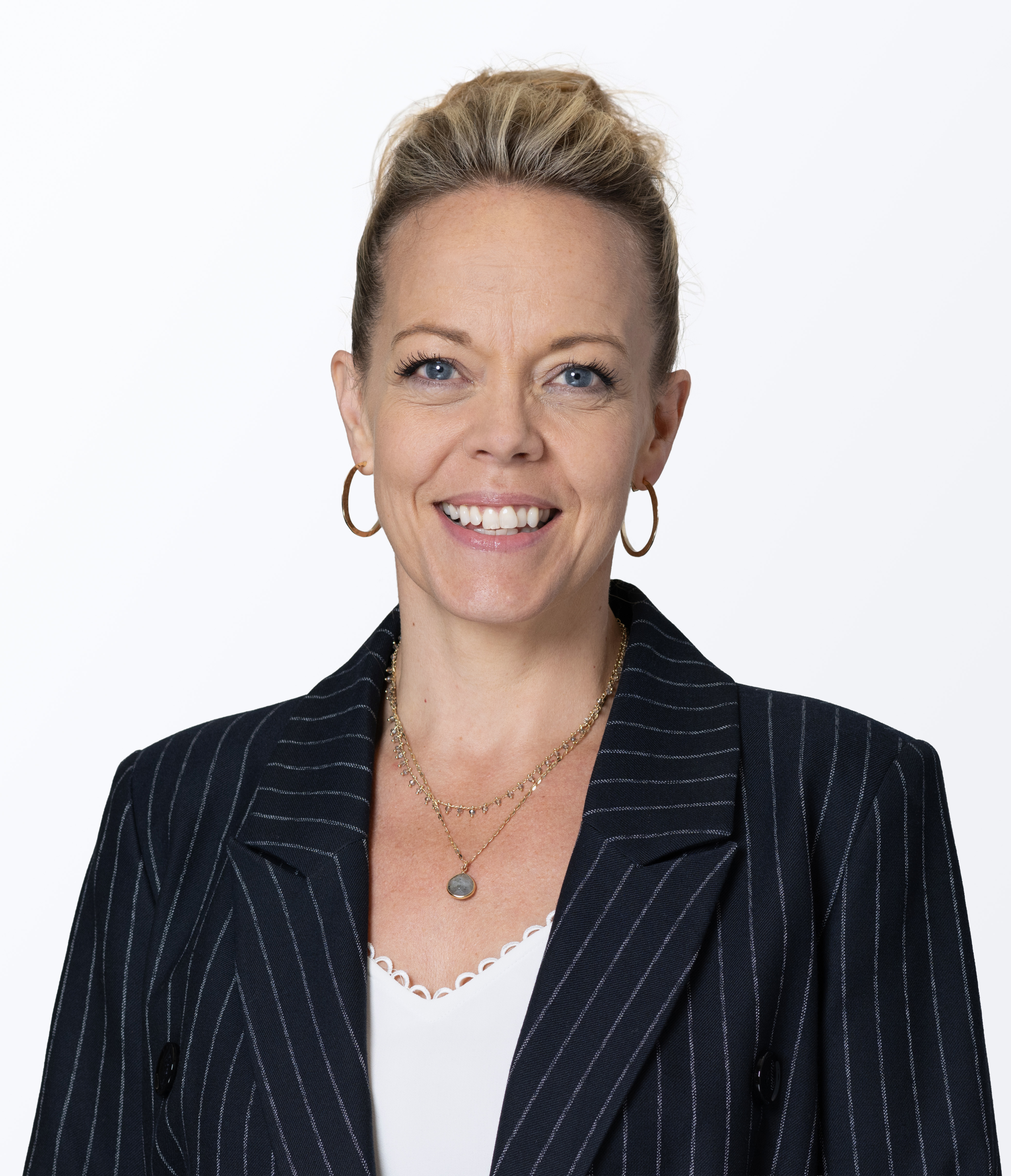
Quinn will be helping to drive the integration of climate into the education system across all parts of the organisation. She explained: “Whether it’s Academic, English, UK or International Education priorities, new qualifications like the Natural History GCSE, or innovation through our research and insights, I'll be working across Cambridge to support colleagues to integrate climate into what they do – and, importantly, in a way that's appropriate, impactful and meaningful for that part of the organisation. I’ll be working with educators, young people, and policy makers and am hugely excited by the opportunity to widen our reach and deepen our impact.”
“We're at a place in this sector where there's increasing acceptance of the importance and relevance of climate education, and an organisation like Cambridge has a responsibility to build legitimacy in that field and more importantly drive transformation – both within the organisation and also across the sector,” she added.
She said: “Christine Ozden has already done an incredible job driving the agenda for climate education and building Cambridge's reputation and impact globally. One of the things that attracted me to Cambridge is the opportunity to work more closely with her, having collaborated at recent COPs.”

Growing up in rural Canada, Quinn was inspired to pursue a career in climate advocacy after taking part in a programme at high school that allowed young people to visit Antarctica and work with a team of climate scientists. “It was a profound experience; coming back from that, I felt a really enormous responsibility to share what I'd learnt and witnessed,” she added.
Quinn holds a BA from the University of British Columbia in Geography and Politics, with a concentration in Sustainability, and a MEd from the UCL Institute of Education where her research focused on transformative sustainability learning experiences.
In recent years Cambridge University Press & Assessment has made a significant contribution to advancing climate education globally. The work has included policy recommendations, curriculum frameworks and learner engagement, as well as bringing an education lens to critical global events such as COP, often in close collaboration with University of Cambridge colleagues. This autumn, Cambridge will continue to build on this momentum in the run up to COP31, continuing its high-level engagement with the COP31 Presidency Office.



