Jupiter: This year, we’re just a bit over 2° above Jupiter’s equator and the planes in which it’s bright satellites orbit. Thus, these moons all appear to travel on almost (but not quite) straight lines. Except for Callisto, they and their shadows pass in front of Jupiter. Those moons (Io, Europa, and Callisto) also get blocked by Jupiter and its shadow. This handy Jupiter's Moons link from Sky & Telescope Magazine will guide you to the moons and what they’re doing tonight.
If you’re up until before dawn, you can observe Jupiter as early as April, but it’s not well clear of twilight and easily observable in the wee hours until June . It’s at opposition on September 26, when it rises at sunset and by midnight it’s near the meridian (due south, if you live in the northern hemisphere). After having spent six years moving the southern constellations, it’s now finally reaching the celestial equator so it’s becoming better placed for northern observers to see it in steady skies.
As always, look for the zones and belts. Even when its color is subdued, you should look for the Great Red Spot in the southern equatorial belt within an hour or so of when Jupiter’s rotation brings it towards us (this handy Red Spot transit times link, also from S&T Magazine will tell you when to look).

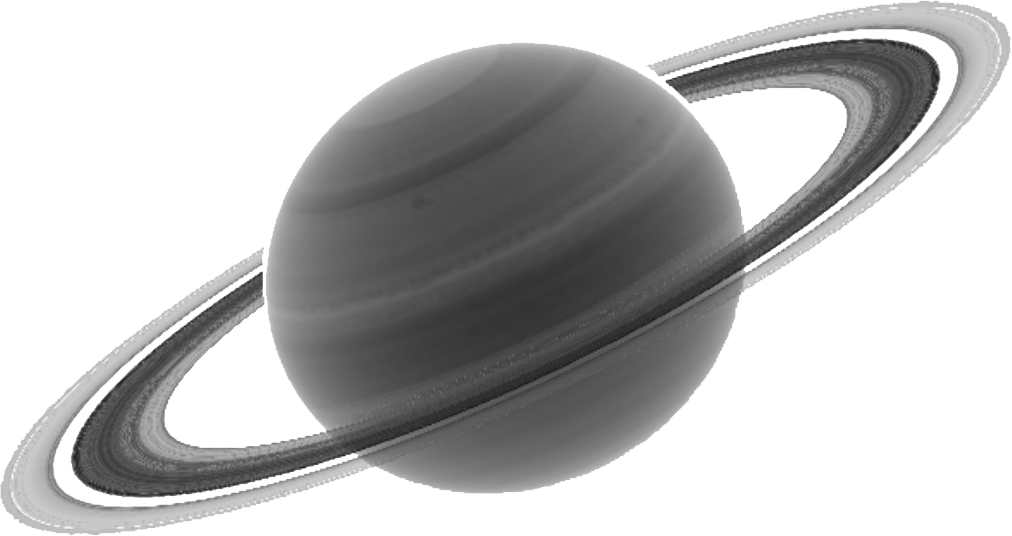
Saturn: In 2022 Saturn is at opposition on August 14. It’s visible before dawn by the April and is well placed in the pre-dawn skies by June. From September through the end of the year it’s well placed after twilight.