
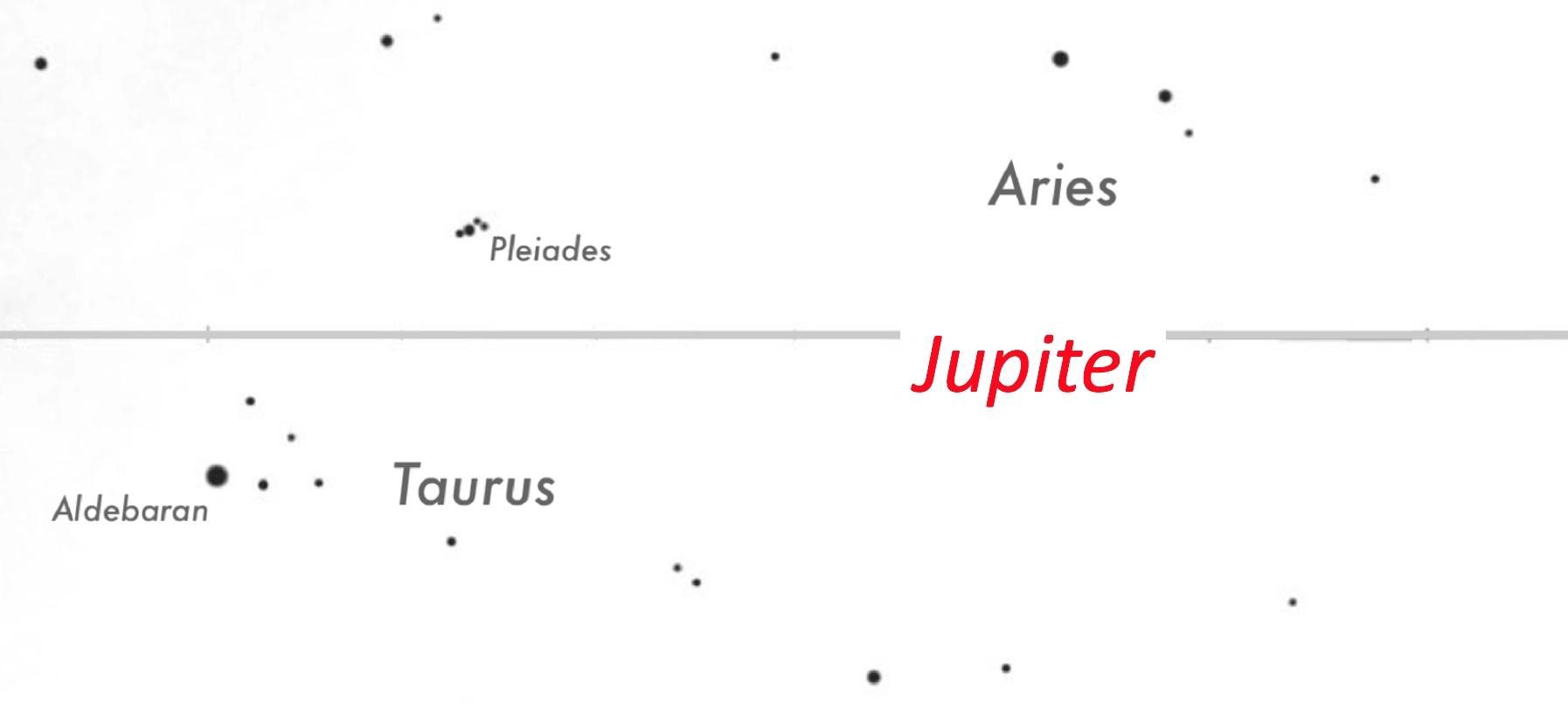
Jupiter: If you’re up in the wee hours, you can observe Jupiter well by June, but it’s best later in the year. It’s at opposition on November 3, when it rises at sunset and by midnight it’s near the meridian (due south, if you live in the northern hemisphere). In November and December it’s well placed at the end of twilight. Fortunately for northern hemisphere observers, Jupiter has moved northward, so it rides higher in the sky and is well placed for observing.
This year, we’re looking from a direction about 3° north of the plane of Jupiter’s equator, so the Galilean moons appear to travel on slightly oval (rather than straight) paths. Callisto passes above and below the disk of Jupiter, but the others moons (and their shadows) all pass in front of Jupiter. They also get eclipsed by Jupiter’s shadow and occulted by (pass behind) the planet. This handy Jupiter's Moons link from Sky & Telescope Magazine will guide you to the moons and what they’re doing tonight.
As always, look for the zones and belts. Even when its color is subdued, you should look for the Great Red Spot in the southern equatorial belt within an hour or so of when Jupiter’s rotation brings it towards us (this handy Red Spot transit times link, also from S&T Magazine will tell you when to look).
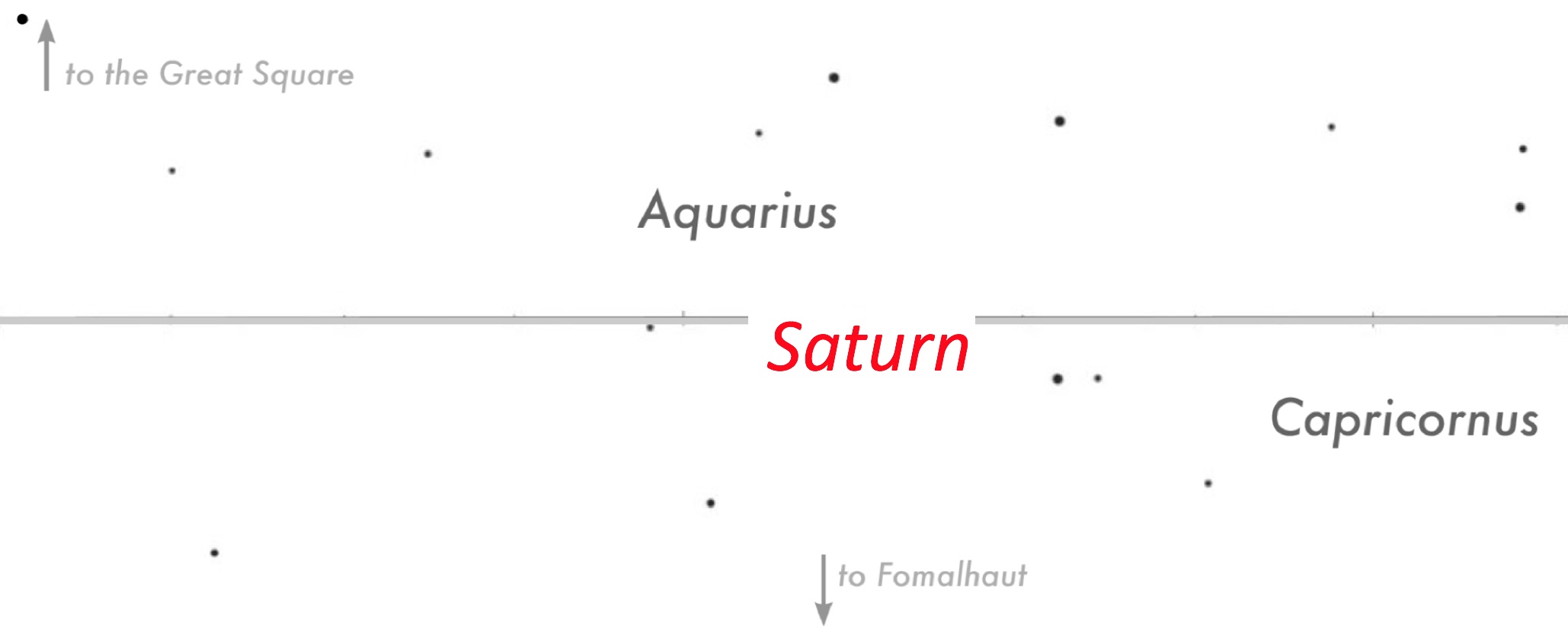
Saturn: In 2023 Saturn is at opposition on August 27. It’s visible before dawn by the middle of the northern spring, and between September and December it’s well placed at the end of twilight.
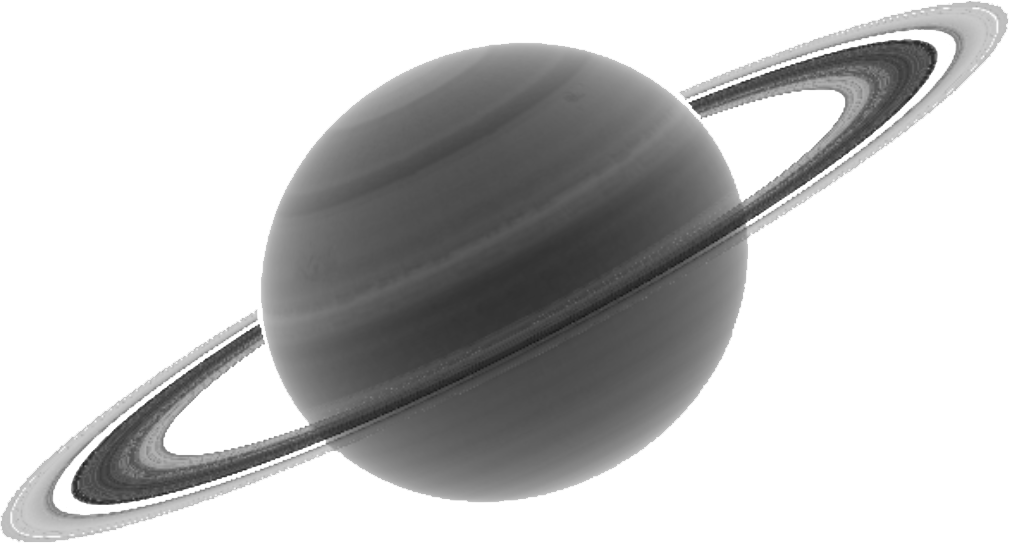
This year, we’re 9° out of the plane of Saturn’s equator: you can see its north pole, and the rings are starting to look relatively narrow (we’ll be in their plane in 2025). That means that this year is your last chance to get a decent look at the rings until 2027. Make sure to look for Cassini’s division and for Saturn’s moons To know where they are on any night, consult this useful Saturn's Moons link to from Sky and Telescope to keep track of them (they also have a handy mobile app).