

Cultures of Programming
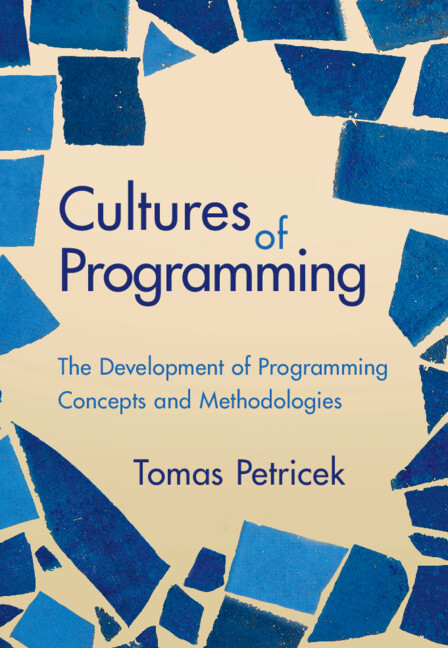
Cultures of Programming
Looking for an inspection copy?
This title is not currently available for inspection.
What defines a correct program? What education makes a good programmer? The answers to these questions depend on whether programs are seen as mathematical entities, engineered socio-technical systems or media for assisting human thought. Programmers have developed a wide range of concepts and methodologies to construct programs of increasing complexity. This book shows how those concepts and methodologies emerged and developed from the 1940s to the present. It follows several strands in the history of programming and interprets key historical moments as interactions between five different cultures of programming. Rooted in disciplines such as mathematics, electrical engineering, business management or psychology, the different cultures of programming have exchanged ideas and given rise to novel programming concepts and methodologies. They have also clashed about the nature of programming; those clashes remain at the core of many questions about programming today. This title is also available as Open Access on Cambridge Core.
- Relates the history of programming to contemporary issues and debates
- Provides a rigorous basis for folklore ideas such as the hacker culture
- This title is also available as Open Access on Cambridge Core
Product details
- Published: December 2025
- Format: Adobe eBook Reader
- ISBN: 9781009492362
- Length: 0 pages
- Availability: This ISBN is for an eBook version which is distributed on our behalf by a third party.

Table of Contents
- 1. Introduction
- 2. Mathematisation of programming
- 3. Interactive programming
- 4. Software engineering
- 5. Programming with types
- 6. Object-oriented programming
- 7. Conclusion: cultures of programming
- References
- Index.
- Show more



