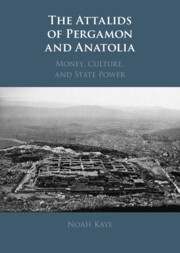
Historians have long wondered at the improbable rise of the Attalids of Pergamon after 188 BCE. The Roman-brokered Settlement of Apameia offered a new map – a brittle framework for sovereignty in Anatolia and the eastern Aegean. What allowed the Attalids to make this map a reality? This uniquely comprehensive study of the political economy of the kingdom rethinks the impact of Attalid imperialism on the Greek polis and the multicultural character of the dynasty's notorious propaganda. By synthesizing new findings in epigraphy, archaeology, and numismatics, it shows the kingdom for the first time from the inside. The Pergamene way of ruling was a distinctively non-coercive and efficient means of taxing and winning loyalty. Royal tax collectors collaborated with city and village officials on budgets and minting, while the kings utterly transformed the civic space of the gymnasium. This title is also available as Open Access on Cambridge Core.
‘… this book should be of interest for readers familiar with Hellenistic history, for it illuminates the political situation in both the Greek periphery and the non-Greek interior of Anatolia.’
Owain Williams Source: Ancient History
Loading metrics...
* Views captured on Cambridge Core between #date#. This data will be updated every 24 hours.
Usage data cannot currently be displayed.
This section outlines the accessibility features of this content - including support for screen readers, full keyboard navigation and high-contrast display options. This may not be relevant for you.
Accessibility compliance for the PDF of this book is currently unknown and may be updated in the future.
