

Samuel Beckett's Geological Imagination
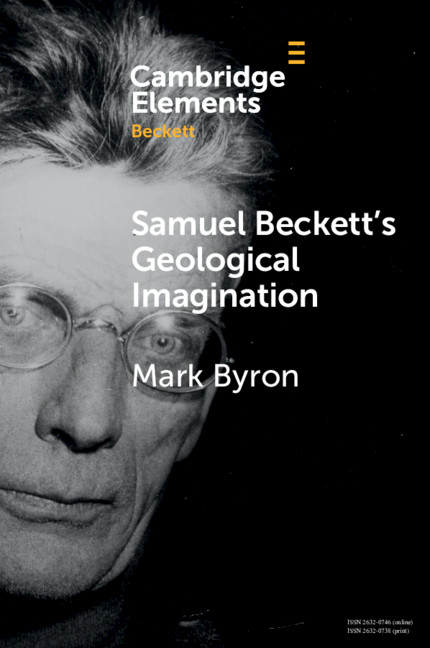
Samuel Beckett's Geological Imagination
Looking for an examination copy?
If you are interested in the title for your course we can consider offering an examination copy. To register your interest please contact collegesales@cambridge.org providing details of the course you are teaching.
Samuel Beckett's Geological Imagination addresses the ubiquity of earthy objects in Beckett's prose, drama and poetry, exploring how mineral and archaeological objects bear upon the themes, narrative locus, and sensibilities of Beckett's texts in surprisingly varied ways. By deploying figures of ruination and excavation with etymological self-awareness, Beckett's late prose narratives – Company, Ill Seen Ill Said, and Worstward Ho – comprise a late-career meditation on the stratigraphic layerings of language and memory over an extended writing career. These layers comprise an embodied record of writing in their allusions to literary history and to Beckett's own oeuvre.
Product details
- Published: September 2020
- Format: Adobe eBook Reader
- ISBN: 9781108804035
- Length: 0 pages
- Availability: This ISBN is for an eBook version which is distributed on our behalf by a third party.


Table of Contents
- 1. 'Saxa loquuntur!'
- 2. Company: Mining Beckett's Literary Memory
- 3. Ill Seen Ill Said: Turning Deasil Among the Cromlechs
- 4. Wordly Corrasion in Worstward Ho
- Conclusion: The Masonry of Representation.
- Show more



