To save content items to your account,
please confirm that you agree to abide by our usage policies.
If this is the first time you use this feature, you will be asked to authorise Cambridge Core to connect with your account.
Find out more about saving content to .
To save content items to your Kindle, first ensure no-reply@cambridge.org
is added to your Approved Personal Document E-mail List under your Personal Document Settings
on the Manage Your Content and Devices page of your Amazon account. Then enter the ‘name’ part
of your Kindle email address below.
Find out more about saving to your Kindle.
Note you can select to save to either the @free.kindle.com or @kindle.com variations.
‘@free.kindle.com’ emails are free but can only be saved to your device when it is connected to wi-fi.
‘@kindle.com’ emails can be delivered even when you are not connected to wi-fi, but note that service fees apply.
Background: A comprehensive understanding of antimicrobial prescribing practices, requires antimicrobial stewardship (AMS) clinicians to assess both the quantity and quality of antimicrobial prescribing. In Australia, two national programs collect and analyse such data in the hospital setting; the National Antimicrobial Utilisation Surveillance Program (NAUSP) a continuous, volume-based surveillance program that monitors antimicrobial usage trends; and the Hospital National Antimicrobial Prescribing Survey (Hospital NAPS) a standardised auditing program that assesses antimicrobial prescribing appropriateness. This study aims to analyse the 2023 NAUSP and Hospital NAPS data to compare the volume and appropriateness of inpatient antimicrobial use in Australian hospitals. Methods: Data were extracted from hospitals that participated in both programs in 2023, including systemically administered antimicrobials for adult patients. NAUSP data were aggregated and acute inpatient usage rates relative to patient activity were calculated as Defined Daily Doses (DDD) per 1,000 Occupied Bed Days (OBD) for individual antimicrobials.
Hospital NAPS data on appropriateness of prescribing, as assessed by local auditors as a point prevalence survey and using a standardised assessment matrix, were aggregated and calculated for each antimicrobial. Antimicrobials with high-volume use (NAUSP data), high rates of antimicrobial prescribing (NAPS data), or classified as medium to high risk for antimicrobial resistance potential according to the World Health Organization AWaRe classifications were further investigated. Results: There were 192 acute care hospitals that contributed in 2023 to both NAUSP (representing 12, 619, 253 OBDs) and Hospital NAPS (representing 21,017 antimicrobial prescriptions). Figure 1 summarizes the aggregate usage rates and appropriateness for antimicrobials of interest. Antimicrobials with the highest usage rates, including amoxicillin-clavulanic acid and cefazolin (92.2 and 78.8 DDD/1,000 OBD respectively), had moderate levels of appropriateness (67.8% and 69.9% respectively). Similar ‘Access‘ antimicrobials such as doxycycline, amoxicillin and metronidazole, which tend to be unrestricted in hospital formularies, had moderate levels of appropriateness. Cefalexin had the lowest rate of appropriateness (52.2%). In comparison, ‘Watch‘ antimicrobials, including meropenem and vancomycin, which tend to be restricted, had lower usage rates (14.3 and 19.8 DDDs/1,000 OBD respectively) but higher rates of appropriateness (83.5%, 82.8% respectively). Conclusion: This analysis highlights the importance of assessing and analyzing antimicrobial quantity and quality concurrently, providing a holistic view of prescribing practices. Furthermore, AMS efforts should include all antimicrobials, regardless of restriction category, as commonly used, unrestricted antimicrobials may have substantial rates of inappropriate prescribing.
Patients with posttraumatic stress disorder (PTSD) exhibit smaller regional brain volumes in commonly reported regions including the amygdala and hippocampus, regions associated with fear and memory processing. In the current study, we have conducted a voxel-based morphometry (VBM) meta-analysis using whole-brain statistical maps with neuroimaging data from the ENIGMA-PGC PTSD working group.
Methods
T1-weighted structural neuroimaging scans from 36 cohorts (PTSD n = 1309; controls n = 2198) were processed using a standardized VBM pipeline (ENIGMA-VBM tool). We meta-analyzed the resulting statistical maps for voxel-wise differences in gray matter (GM) and white matter (WM) volumes between PTSD patients and controls, performed subgroup analyses considering the trauma exposure of the controls, and examined associations between regional brain volumes and clinical variables including PTSD (CAPS-4/5, PCL-5) and depression severity (BDI-II, PHQ-9).
Results
PTSD patients exhibited smaller GM volumes across the frontal and temporal lobes, and cerebellum, with the most significant effect in the left cerebellum (Hedges’ g = 0.22, pcorrected = .001), and smaller cerebellar WM volume (peak Hedges’ g = 0.14, pcorrected = .008). We observed similar regional differences when comparing patients to trauma-exposed controls, suggesting these structural abnormalities may be specific to PTSD. Regression analyses revealed PTSD severity was negatively associated with GM volumes within the cerebellum (pcorrected = .003), while depression severity was negatively associated with GM volumes within the cerebellum and superior frontal gyrus in patients (pcorrected = .001).
Conclusions
PTSD patients exhibited widespread, regional differences in brain volumes where greater regional deficits appeared to reflect more severe symptoms. Our findings add to the growing literature implicating the cerebellum in PTSD psychopathology.
Ocean submesoscales, flows with characteristic size $10\,\text{m}{-}10\,\text{km}$, are transitional between the larger, rotationally constrained mesoscale and three-dimensional turbulence. In this paper, we present simulations of a submesoscale ocean filament. In our case, the filament is strongly sheared in both vertical and cross-filament directions, and is unstable. Instability indeed dominates the early behaviour with a fast extraction of kinetic energy from the vertically sheared thermal wind. However, the instability that emerges does not exhibit characteristics that match the perhaps expected symmetric or Kelvin–Helmholtz instabilities, and appears to be non-normal in nature. The prominence of the transient response depends on the initial noise, and for large initial noise amplitudes, saturates before symmetric instability normal modes are able to develop. The action of the instability is sufficiently rapid – with energy extraction from the mean flow emerging and peaking within the first inertial period ($\sim\! 18\ \text{h}$) – that the filament does not respond in a geostrophically balanced sense. Instead, at all initial noise levels, it later exhibits vertically sheared near-inertial oscillations with higher amplitude as the initial minimum Richardson number decreases. Horizontal gradients strengthen only briefly as the fronts restratify. These unstable filaments can be generated by strong mixing events at pre-existing stable structures; we also caution against inadvertently triggering this response in idealised studies that start in a very unstable state.
In this chapter, we consider the relationship between race, place, and whiteness. We define whiteness as the historical and political system of racial classification that confers advantages to people socially defined as white (Du Bois, 1999; Roediger, 2007; Lipsitz, 2018). We turn our attention to white people living in the American South. Drawing upon over 100 in-depth interviews, we analyze how the South shapes white Southerners’ sense-making of whiteness and what it means to be white today.
Decades of empirical research demonstrate that colorblindness is a dominant framework through which white Americans make sense of the nation's racial hierarchy (Bonilla-Silva, 2015; 2017; Manning et al, 2015; Mueller, 2017; Burke, 2018). Yet we find that if white Southerners are colorblind, they are not only colorblind. Instead, white Southerners demonstrate a profound awareness of how whiteness works to confer advantages to them simply by virtue of their white racial status. Our analysis reveals that how white people living in the South make sense of whiteness and being white is structured through the material, social, and symbolic significance of the region they call home. Put more simply, place matters for how race matters.
All identities, including racial identities, are situational and locally contingent phenomena (Burke and Stets, 2022). White people often make sense of themselves and their racial status by drawing upon the local contexts in which they live, work, and interact with others (McDermott and Samson, 2005; McDermott, 2011).
The attitudes toward genomics and precision medicine (AGPM) measure examines attitudes toward activities such as genetic testing, gene editing, and biobanking. This is a useful tool for research on the ethical, legal, and social implications of genomics, a major program within the National Institutes of Health. We updated the AGPM to explore controversies over mRNA vaccines. This brief report examines the factor structure of the updated AGPM using a sample of 4939 adults in the USA. The updated AGPM’s seven factors include health benefits, knowledge benefits, and concerns about the sacredness of life, privacy, gene editing, mRNA vaccines, and social justice.
This systematic review evaluates the use of Normothermic Machine Perfusion (NMP) as a testbed for developing peripheral nerve and muscle interfaces for bionic prostheses. Our findings suggest that NMP offers a viable alternative to traditional models, with significant implications for future research and clinical applications. A literature search was performed using Ovid MEDLINE (1946 to October 2023), revealing 559 abstracts.
No studies using nerve and/or muscle electrodes for the testing or development of bionic interface technologies were identified, except for one conference abstract. NMP could serve as a test bed for future development of interface biocompatibility, selectivity, stability and data transfer, whilst complying with ethical practices and potentially offering greater relevance for human translation. Implemention of machine perfusion requires experienced personnel. Encompassing artificial intelligence alongside machine learning will provide a significant contribution to advancing interface technologies for multiple neurological disorders.
In this retrospective cohort study of military trainees, symptomatic-only coronavirus disease 2019 (COVID-19) arrival antigen testing decreased isolation requirements without increasing secondary cases compared to universal antigen testing. Symptomatic-only arrival antigen testing is a feasible alternative for individuals entering a congregant setting with a high risk of COVID-19 transmission.
Understanding characteristics of healthcare personnel (HCP) with SARS-CoV-2 infection supports the development and prioritization of interventions to protect this important workforce. We report detailed characteristics of HCP who tested positive for SARS-CoV-2 from April 20, 2020 through December 31, 2021.
Methods:
CDC collaborated with Emerging Infections Program sites in 10 states to interview HCP with SARS-CoV-2 infection (case-HCP) about their demographics, underlying medical conditions, healthcare roles, exposures, personal protective equipment (PPE) use, and COVID-19 vaccination status. We grouped case-HCP by healthcare role. To describe residential social vulnerability, we merged geocoded HCP residential addresses with CDC/ATSDR Social Vulnerability Index (SVI) values at the census tract level. We defined highest and lowest SVI quartiles as high and low social vulnerability, respectively.
Results:
Our analysis included 7,531 case-HCP. Most case-HCP with roles as certified nursing assistant (CNA) (444, 61.3%), medical assistant (252, 65.3%), or home healthcare worker (HHW) (225, 59.5%) reported their race and ethnicity as either non-Hispanic Black or Hispanic. More than one third of HHWs (166, 45.2%), CNAs (283, 41.7%), and medical assistants (138, 37.9%) reported a residential address in the high social vulnerability category. The proportion of case-HCP who reported using recommended PPE at all times when caring for patients with COVID-19 was lowest among HHWs compared with other roles.
Conclusions:
To mitigate SARS-CoV-2 infection risk in healthcare settings, infection prevention, and control interventions should be specific to HCP roles and educational backgrounds. Additional interventions are needed to address high social vulnerability among HHWs, CNAs, and medical assistants.
The prioritization of English language in clinical research is a barrier to translational science. We explored promising practices to advance the inclusion of people who speak languages other than English in research conducted within and supported by NIH Clinical Translational Science Award (CTSA) hubs. Key informant interviews were conducted with representatives (n = 24) from CTSA hubs (n = 17). Purposive sampling was used to identify CTSA hubs focused on language inclusion. Hubs electing to participate were interviewed via Zoom. Thematic analysis was performed to analyze interview transcripts. We report on strategies employed by hubs to advance linguistic inclusion and influence institutional change that were identified. Strategies ranged from translations, development of culturally relevant materials and consultations to policies and procedural changes and workforce initiatives. An existing framework was adapted to conceptualize hub strategies. Language justice is paramount to bringing more effective treatments to all people more quickly. Inclusion will require institutional transformation and CTSA hubs are well positioned to catalyze change.
We conducted an online survey of weed scientists in the United States and Canada to (1) identify research topics perceived to be important for advancing weed science in the next 5 to 10 years and (2) gain insight into potential gaps in current expertise and funding sources needed to address those priorities. Respondents were asked to prioritize nine broad research areas, as well as 5 to 10 subcategories within each of the broad areas. We received 475 responses, with the majority affiliated with academic institutions (55%) and working in cash crop (agronomic or horticultural) study systems (69%). Results from this survey provide valuable discussion points for policy makers, funding agencies, and academic institutions when allocating resources for weed science research. Notably, our survey reveals a strong prioritization of Cultural and Preventative Weed Management (CPWM) as well as the emerging area of Precision Weed Management and Robotics (PWMR). Although Herbicides remain a high-priority research area, continuing challenges necessitating integrated, nonchemical tactics (e.g., herbicide resistance) and emerging opportunities (e.g., robotics) are reflected in our survey results. Despite previous calls for greater understanding and application of weed biology and ecology in weed research, as well as recent calls for greater integration of social science perspectives to address weed management challenges, these areas were ranked considerably lower than those focused more directly on weed management. Our survey also identified a potential mismatch between research priorities and expertise in several areas, including CPWM, PWMR, and Weed Genomics, suggesting that these topics should be prime targets for expanded training and collaboration. Finally, our survey suggests an increasing reliance on private sector funding for research, raising concerns about our discipline’s capacity to address important research priority areas that lack clear private sector incentives for investment.
Research on proactive and reactive aggression has identified covariates unique to each function of aggression, but hypothesized correlates have often not been tested with consideration of developmental changes in or the overlap between the types of aggression. The present study examines the unique developmental trajectories of proactive and reactive aggression over adolescence and young adulthood and tests these trajectories’ associations with key covariates: callous–unemotional (CU) traits, impulsivity, and internalizing emotions. In a sample of 1,211 justice-involved males (ages 15–22), quadratic growth models (i.e., intercepts, linear slopes, and quadratic slopes) of each type of aggression were regressed onto quadratic growth models of the covariates while controlling for the other type of aggression. After accounting for the level of reactive aggression, the level of proactive aggression was predicted by the level of CU traits. However, change in proactive aggression over time was not related to the change in any covariates. After accounting for proactive aggression, reactive aggression was predicted by impulsivity, both at the initial level and in change over time. Results support that proactive and reactive aggression are unique constructs with separate developmental trajectories and distinct covariates.
To understand which anthropometric diagnostic criteria best discriminate higher from lower risk of death in children and explore programme implications.
Design:
A multiple cohort individual data meta-analysis of mortality risk (within 6 months of measurement) by anthropometric case definitions. Sensitivity, specificity, informedness and inclusivity in predicting mortality, face validity and compatibility with current standards and practice were assessed and operational consequences were modelled.
Setting:
Community-based cohort studies in twelve low-income countries between 1977 and 2013 in settings where treatment of wasting was not widespread.
Participants:
Children aged 6 to 59 months.
Results:
Of the twelve anthropometric case definitions examined, four (weight-for-age Z-score (WAZ) <−2), (mid-upper arm circumference (MUAC) <125 mm), (MUAC < 115 mm or WAZ < −3) and (WAZ < −3) had the highest informedness in predicting mortality. A combined case definition (MUAC < 115 mm or WAZ < −3) was better at predicting deaths associated with weight-for-height Z-score <−3 and concurrent wasting and stunting (WaSt) than the single WAZ < −3 case definition. After the assessment of all criteria, the combined case definition performed best. The simulated workload for programmes admitting based on MUAC < 115 mm or WAZ < −3, when adjusted with a proxy for required intensity and/or duration of treatment, was 1·87 times larger than programmes admitting on MUAC < 115 mm alone.
Conclusions:
A combined case definition detects nearly all deaths associated with severe anthropometric deficits suggesting that therapeutic feeding programmes may achieve higher impact (prevent mortality and improve coverage) by using it. There remain operational questions to examine further before wide-scale adoption can be recommended.
To compare the prognostic value of mid-upper arm circumference (MUAC), weight-for-height Z-score (WHZ) and weight-for-age Z-score (WAZ) for predicting death over periods of 1, 3 and 6 months follow-up in children.
Design:
Pooled analysis of twelve prospective studies examining survival after anthropometric assessment. Sensitivity and false-positive ratios to predict death within 1, 3 and 6 months were compared for three individual anthropometric indices and their combinations.
Setting:
Community-based, prospective studies from twelve countries in Africa and Asia.
Participants:
Children aged 6–59 months living in the study areas.
Results:
For all anthropometric indices, the receiver operating characteristic curves were higher for shorter than for longer durations of follow-up. Sensitivity was higher for death with 1-month follow-up compared with 6 months by 49 % (95 % CI (30, 69)) for MUAC < 115 mm (P < 0·001), 48 % (95 % CI (9·4, 87)) for WHZ < -3 (P < 0·01) and 28 % (95 % CI (7·6, 42)) for WAZ < -3 (P < 0·005). This was accompanied by an increase in false positives of only 3 % or less. For all durations of follow-up, WAZ < -3 identified more children who died and were not identified by WHZ < -3 or by MUAC < 115 mm, 120 mm or 125 mm, but the use of WAZ < -3 led to an increased false-positive ratio up to 16·4 % (95 % CI (12·0, 20·9)) compared with 3·5 % (95 % CI (0·4, 6·5)) for MUAC < 115 mm alone.
Conclusions:
Frequent anthropometric measurements significantly improve the identification of malnourished children with a high risk of death without markedly increasing false positives. Combining two indices increases sensitivity but also increases false positives among children meeting case definitions.
Among nursing home outbreaks of coronavirus disease 2019 (COVID-19) with ≥3 breakthrough infections when the predominant severe acute respiratory coronavirus virus 2 (SARS-CoV-2) variant circulating was the SARS-CoV-2 δ (delta) variant, fully vaccinated residents were 28% less likely to be infected than were unvaccinated residents. Once infected, they had approximately half the risk for all-cause hospitalization and all-cause death compared with unvaccinated infected residents.
Several evidence-informed consent practices (ECPs) have been shown to improve informed consent in clinical trials but are not routinely used. These include optimizing consent formatting, using plain language, using validated instruments to assess understanding, and involving legally authorized representatives when appropriate. We hypothesized that participants receiving an implementation science toolkit and a social media push would have increased adoption of ECPs and other outcomes.
Methods:
We conducted a 1-year trial with clinical research professionals in the USA (n = 1284) who have trials open to older adults or focus on Alzheimer’s disease. We randomized participants to receive information on ECPs via receiving a toolkit with a social media push (intervention) or receiving an online learning module (active control). Participants completed a baseline survey and a follow-up survey after 1 year. A subset of participants was interviewed (n = 43).
Results:
Participants who engaged more with the toolkit were more likely to have tried to implement an ECP during the trial than participants less engaged with the toolkit or the active control group. However, there were no significant differences in the adoption of ECPs, intention to adopt, or positive attitudes. Participants reported the toolkit and social media push were satisfactory, and participating increased their awareness of ECPs. However, they reported lacking the time needed to engage with the toolkit more fully.
Conclusions:
Using an implementation science approach to increase the use of ECPs was only modestly successful. Data suggest that having institutional review boards recommend or require ECPs may be an effective way to increase their use.
Prior to the COVID-19 pandemic, our research group initiated a pediatric practice-based randomized trial for the treatment of childhood obesity in rural communities. Approximately 6 weeks into the originally planned 10-week enrollment period, the trial was forced to pause all study activity due to the COVID-19 pandemic. This pause necessitated a substantial revision in recruitment, enrollment, and other study methods in order to complete the trial using virtual procedures. This descriptive paper outlines methods used to recruit, enroll, and manage clinical trial participants with technology to obtain informed consent, obtain height and weight measurements by video, and maintain participant engagement throughout the duration of the trial.
Methods:
The study team reviewed the IRB records, protocol team meeting minutes and records, and surveyed the site teams to document the impact of the COVID-19 shift to virtual procedures on the study. The IRB approved study changes allowed for flexibility between clinical sites given variations in site resources, which was key to success of the implementation.
Results:
All study sites faced a variety of logistical challenges unique to their location yet successfully recruited the required number of patients for the trial. Ultimately, virtual procedures enhanced our ability to establish relationships with participants who were previously beyond our reach, but presented several challenges and required additional resources.
Conclusion:
Lessons learned from this study can assist other study groups in navigating challenges, especially when recruiting and implementing studies with rural and underserved populations or during challenging events like the pandemic.
In “Narrating Nature,” Erin James considers how modern literature and theory grapple with the broader timescales, planetary conceptions of space, and inhuman perspectives that representations of climate change demand. Focusing on the “unnatural nature” of climate change, James undertakes a narratological analysis two recent “cli-fi” novels, Kim Stanley Robinson’s New York 2140 and Cherie Dimaline’s The Marrow Thieves. Maintaining a pedagogical emphasis, the chapter foregrounds strategies teachers can use to help students understand and write about climate change. The chapter ultimately considers how narrative can both perpetuate and subvert dominant ideologies about nature and how changing nature is changing the texture of modern narratives.
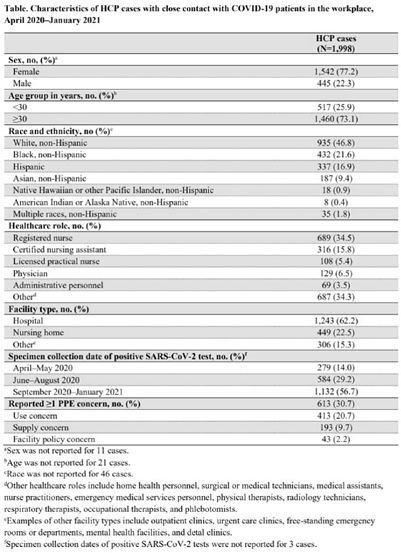
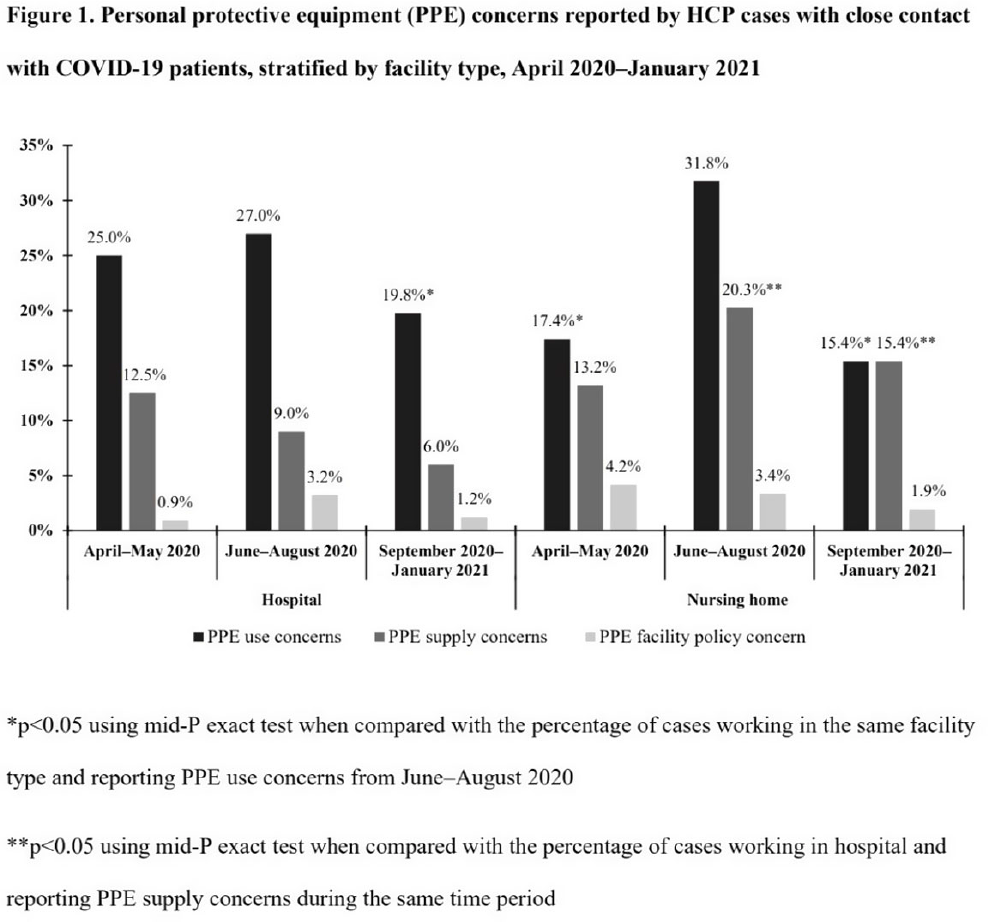
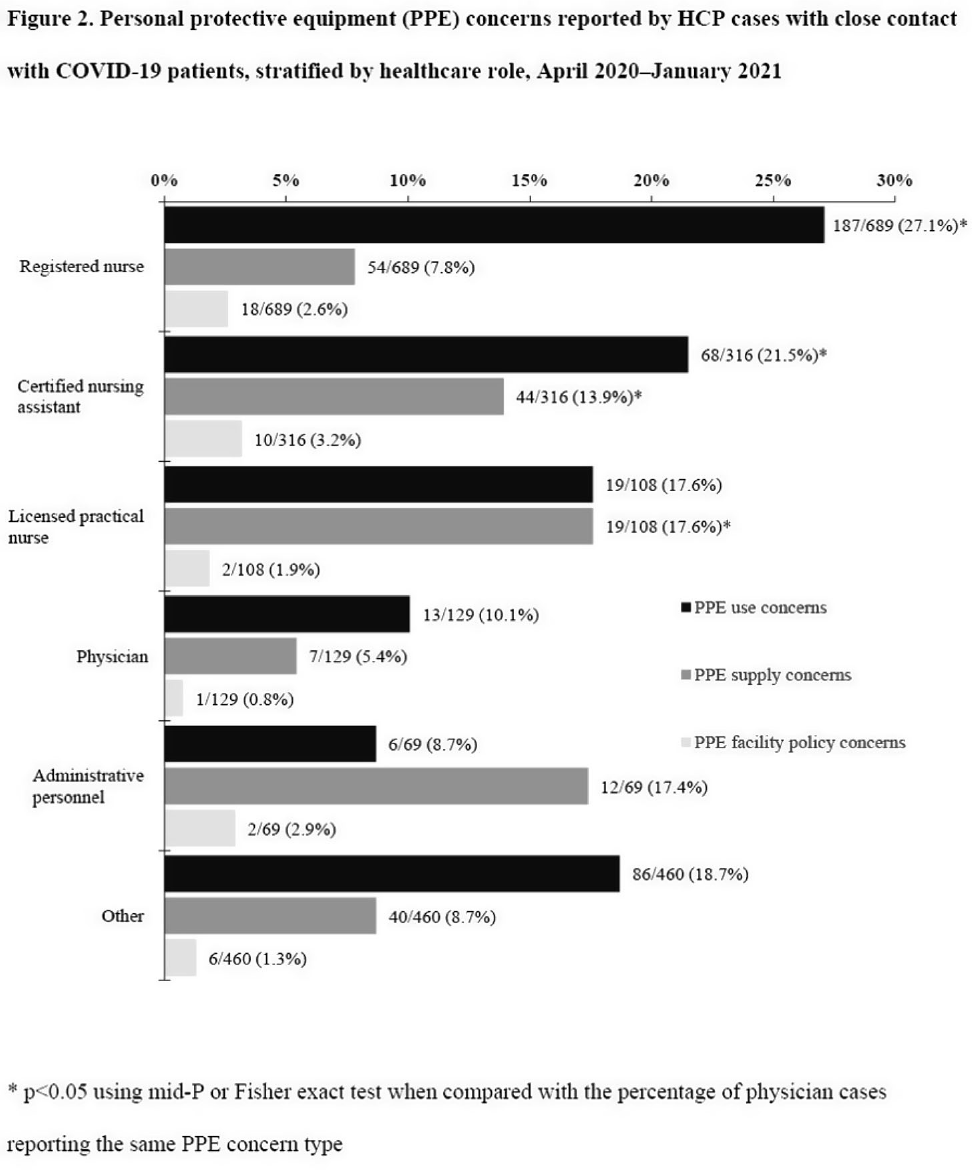
Background: Healthcare facilities have experienced many challenges during the COVID-19 pandemic, including limited personal protective equipment (PPE) supplies. Healthcare personnel (HCP) rely on PPE, vaccines, and other infection control measures to prevent SARS-CoV-2 infections. We describe PPE concerns reported by HCP who had close contact with COVID-19 patients in the workplace and tested positive for SARS-CoV-2. Method: The CDC collaborated with Emerging Infections Program (EIP) sites in 10 states to conduct surveillance for SARS-CoV-2 infections in HCP. EIP staff interviewed HCP with positive SARS-CoV-2 viral tests (ie, cases) to collect data on demographics, healthcare roles, exposures, PPE use, and concerns about their PPE use during COVID-19 patient care in the 14 days before the HCP’s SARS-CoV-2 positive test. PPE concerns were qualitatively coded as being related to supply (eg, low quality, shortages); use (eg, extended use, reuse, lack of fit test); or facility policy (eg, lack of guidance). We calculated and compared the percentages of cases reporting each concern type during the initial phase of the pandemic (April–May 2020), during the first US peak of daily COVID-19 cases (June–August 2020), and during the second US peak (September 2020–January 2021). We compared percentages using mid-P or Fisher exact tests (α = 0.05). Results: Among 1,998 HCP cases occurring during April 2020–January 2021 who had close contact with COVID-19 patients, 613 (30.7%) reported ≥1 PPE concern (Table 1). The percentage of cases reporting supply or use concerns was higher during the first peak period than the second peak period (supply concerns: 12.5% vs 7.5%; use concerns: 25.5% vs 18.2%; p Conclusions: Although lower percentages of HCP cases overall reported PPE concerns after the first US peak, our results highlight the importance of developing capacity to produce and distribute PPE during times of increased demand. The difference we observed among selected groups of cases may indicate that PPE access and use were more challenging for some, such as nonphysicians and nursing home HCP. These findings underscore the need to ensure that PPE is accessible and used correctly by HCP for whom use is recommended.
Electronic platforms provide an opportunity to improve the informed consent (IC) process by permitting elements shown to increase research participant understanding and satisfaction, such as graphics, self-pacing, meaningful engagement, and access to additional information on demand. However, including these elements can pose operational and regulatory challenges for study teams and institutional review boards (IRBs) responsible for the ethical conduct and oversight of research. We examined the experience of two study teams at Alzheimer’s Disease Research Centers who chose to move from a paper-based IC process to an electronic informed consent (eIC) process to highlight some of these complexities and explore how IRBs and study teams can navigate them. Here, we identify the key regulations that should be considered when developing and using an eIC process as well as some of the operational considerations eIC presents related to IRB review and how they can be addressed.