To save content items to your account,
please confirm that you agree to abide by our usage policies.
If this is the first time you use this feature, you will be asked to authorise Cambridge Core to connect with your account.
Find out more about saving content to .
To save content items to your Kindle, first ensure no-reply@cambridge.org
is added to your Approved Personal Document E-mail List under your Personal Document Settings
on the Manage Your Content and Devices page of your Amazon account. Then enter the ‘name’ part
of your Kindle email address below.
Find out more about saving to your Kindle.
Note you can select to save to either the @free.kindle.com or @kindle.com variations.
‘@free.kindle.com’ emails are free but can only be saved to your device when it is connected to wi-fi.
‘@kindle.com’ emails can be delivered even when you are not connected to wi-fi, but note that service fees apply.
The growing body of research on the effects of computerized dynamic assessment (C-DA) on second language (L2) learning underscores the need for a comprehensive research synthesis to identify future research directions and inform the application of C-DA in L2 educational contexts. This meta-analysis employed a three-level modeling approach to examine the effectiveness of C-DA in improving L2 learners’ performance. It synthesized 27 effect sizes from cake format designs, in which mediation is embedded within the test sequence, and 24 effect sizes from sandwich format designs, where mediation is delivered between a pretest and a posttest, across 35 studies published between 2000 and May 27, 2025. This study also investigated the key variables that moderate C-DA effectiveness. Findings reveal large, significant positive effects of both the cake and sandwich formats on L2 performance improvement (cake format: g = 2.120, p < .001; sandwich format: g = 1.676, p < .001), with the cake format tending to yield larger effect sizes. This may be because the cake format captures gains during mediation, whereas the sandwich format reflects post-mediation outcomes. Moderator analyses show that the number of items, test content, and learners’ first language affect C-DA effectiveness in promoting L2 performance. Drawing on the synthesized findings, this study contributes to theoretical, methodological, and technological understandings of C-DA and offers suggestions for future research in this domain.
Prior observational studies have reported conflicting results regarding whether antidepressant treatment reduces long-term dementia risk, likely due to confounding by indication and reverse causation. We aimed to investigate the association between baseline antidepressant use and incident dementia, incorporating cognitive and neuroimaging outcomes.
Methods
We conducted a prospective cohort study using UK Biobank participants free of dementia at baseline. Antidepressant use was self-reported at baseline (2006–2010). Incident dementia was identified through linked electronic health records until December 19, 2022. Cox proportional hazards models estimated hazard ratios (HRs) for all-cause dementia, Alzheimer’s disease (AD), and vascular dementia (VD), adjusting for sociodemographic, lifestyle, health-related, antidepressant indication factors, and co-medication of other anticholinergics. In subsamples, cognitive performance (n = 57,330) and structural brain imaging (n = 42,276) were examined as intermediate outcomes.
Results
Among 461,464 participants, 33,721 (7.3%) reported baseline antidepressant use. Over a mean follow-up of 13.4 years, 7,922 (1.7%) developed incident dementia. Baseline antidepressant use was associated with higher risks of all-cause dementia (adjusted HR: 1.47, 95% CI 1.36–1.60), AD (1.53, 1.36–1.73), and VD (1.44, 1.23–1.70). Users performed worse on fluid intelligence and prospective memory tasks and showed lower total and gray matter volume, regional reductions in the hippocampal gray matter and basal nucleus, and greater white matter hyperintensity volume.
Conclusions
Baseline antidepressant use was linked to a higher risk of dementia, poorer cognitive performance, and adverse brain structural changes. These findings underscore the importance of judicious prescribing, regular cognitive monitoring, and consideration of non-pharmacological approaches in clinical care.
To identify associations between Hb concentration in different trimesters, Hb changes and Hb trajectories during pregnancy with risk of preterm birth (PTB) and low birth weight (LBW). A retrospective cohort study included 18 980 participants from Haidian District Maternal and Child Health Care Hospital from 2018–2021. Hb concentrations were measured at first (0–12 weeks), second (13–27 weeks) and third trimesters (≥ 28 weeks). Hb was categorised into four groups (< 110, 110–119, 120–129, ≥ 130 g/l), and Hb changes between trimesters were calculated. The latent class growth mixed model was employed to estimate Hb trajectories. Association assessment and dose–response relationship used logistic regression and restricted cubic spline. Compared with Hb 110–119 g/l, women with Hb ≥ 130 g/l significantly increased odds of PTB (OR: 1·74, 95 % CI 1·29, 2·31) and LBW (OR: 2·31, 95 % CI 1·65, 3·20) during the second trimester. In the third trimester, women with Hb 120–129 g/l showed 26 % (OR: 1·26, 95 % CI 1·04, 1·51) increased odds of PTB and 72 % (OR: 1·72, 95 % CI 1·36, 2·17) increased odds of LBW, while the OR of Hb ≥ 130 g/l for PTB and LBW were 1·45 (95 % CI 1·12, 1·86) and 2·60 (95 % CI 1·96, 3·43). Hb changes exhibited a linear increase in odds of PTB and LBW. Women with a decline-sharp-rise trajectory had a 1·48-fold odds of PTB (OR: 1·48, 95 % CI 1·26, 1·75), compared with a decline-gradual-rise trajectory. These findings underscore the importance of monitoring Hb during pregnancy.
Increasing evidences show that inflammation might be involved in bipolar disorder (BD), but the association between abnormal brain function and inflammation in BD is still unclear. In this study, we tried to explore the disrupted brain functional network topology, peripheral inflammatory cytokine levels, and their correlations in unmedicated bipolar II depression (BDII-D).
Methods
In this study, 65 individuals with unmedicated BDII-D and 50 healthy controls (HCs) underwent resting-state magnetic resonance imaging scans. Graph theory analysis was performed to investigate the topological properties of the whole-brain functional connectome at both global and nodal levels. Besides, serum levels of 17 inflammatory cytokines were measured in both BDII-D and HCs. Correlations between topological properties, clinical variables, and peripheral inflammatory cytokine levels in BDII-D were calculated.
Results
Compared with HCs, at the global level, BDII-D showed significantly higher $ \lambda $, decreased $ \gamma $, $ \sigma $, Eglo, and Eloc; at the nodal level, BDII-D showed decreased Enodal in the right olfactory cortex, left pallidum, and vermis. Besides, BDII-D showed higher levels of interleukin-8 (IL-8), interleukin-10 (IL-10), and granulocyte colony-stimulating factor (G-CSF) compared with the HCs. In BDII-D, $ \gamma $ and $ \sigma $ were significantly negatively correlated with the Hamilton Depression Rating Scale (HDRS) scores and number of episodes. Also, IL-8 level showed significant negative correlation with $ \gamma $, $ \sigma $, and Enodal of the left pallidum in BDII-D.
Conclusions
Reduced information segregation and integration, and lower nodal efficiency in the left pallidum were associated with proinflammatory cytokine IL-8 level and might contribute to severe depressive symptoms in unmedicated BDII-D.
Depression as a mental illness is commonly observed to co-occur with various somatic diseases, such as gastrointestinal diseases. However, previous studies have primarily focused on the risk of mental disorders following physical illnesses. Our study took depression as a risk factor, attempting to explore its relationship with gastrointestinal diseases.
Methods
A total of 457,940 participants (aged 37–73 years) in the UK Biobank were included. The Cox proportional hazards model was used to assess the relationship between depression and gastrointestinal diseases. Mendelian randomization assessed the causal link between depression and gastrointestinal disorders, and seven machine learning algorithms (including LightGBM, XGBoost, and Random Forest) were trained in the total population to develop predictive models for incident gastrointestinal diseases, with model performance evaluated using the area under the receiver operating characteristic curve (AUC).
Results
During a median follow-up period of 13.7 years, 9563 esophagitis events, 36,420 gastroesophageal reflux disease events, 5469 gastric ulcer events, 3096 duodenal ulcer events, 37,225 gastritis and duodenitis events, and 9153 dyspepsia events were recorded. After adjusting for covariates, depression was associated with increased risk of all six diseases. Two-sample MR analysis supported a causal association. Machine learning models demonstrated good discrimination, with the highest predictive accuracy observed for duodenal ulcer (AUC = 0.76) and gastric ulcer (AUC = 0.75).
Conclusions
Addressing depression as a modifiable risk factor may reduce gastrointestinal disease risk, especially in disadvantaged populations, by integrating mental health care into primary care and using predictive models for early intervention.
Empathy involves communicating and understanding others’ emotion in multisensory contexts, including visual and auditory modalities. Schizophrenia (SCZ) patients have impaired empathy, but whether the impact of visual/auditory context would be altered in SCZ patients and people with high social anhedonia (HSoA) remained unclear.
Methods
We administered the modified Chinese version of the Empathic Accuracy Task (EAT) to clinical (50 SCZ patients and 50 healthy controls) and subclinical samples (59 HSoA and 60 low social anhedonia [LSoA] participants). The EAT employed audio-only, audiovisual, and audioavatar visual conditions to assess the impact of multimodal information on empathy during positive and negative emotional events.
Results
In positive-valenced context, SCZ patients performed worse than controls in cognitive and affective empathy. The Modality-by-Group interaction on empathic accuracy was significant, that is, SCZ patients performed worse than controls in both audiovisual and audioavatar visual conditions, but comparable to controls in audio-only condition. In negative-valenced context, SCZ patients performed worse than controls in cognitive empathy. The Modality-by-Group interaction on empathic accuracy was significant, that is, SCZ patients performed worse than controls in audio-only and audiovisual conditions. Moreover, HSoA participants exhibited lower cognitive empathy than controls in positive-valenced context; and lower cognitive empathy and empathic motivation in negative-valenced context. No significant Modality-by-Group interaction was found in the HSoA–LSoA sample.
Conclusions
SCZ patients have generalized impairments of cognitive and affective empathy across positive and negative contexts, particularly in multimodal conditions. HSoA individuals are primarily impaired in cognitive empathy and empathic motivation.
Micro- and nanoplastics (MNPs) pollution has become a global environmental concern due to its widespread presence and diverse sources. These tiny plastic particles, originating from industrial processes, plastic waste degradation, and consumer products, have infiltrated various ecosystems, food chains, and even human tissues. Recent studies indicate that MNPs are not only pervasive in air, water, and soil but also accumulate in the human body through ingestion, inhalation, and dermal exposure. However, the implications of MNPs exposure, particularly during pregnancy, remain poorly understood. Of critical concern is the potential transfer of MNPs and their associated chemical additives across the placental barrier, posing risks to fetal development. In this review, we comprehensively analyze mainstream technologies used for detecting and characterizing MNPs, including spectroscopy- and microscopy-based approaches, as well as emerging detection methods. We also examine recent findings on the toxicity of MNP-associated chemicals, such as endocrine-disrupting compounds and heavy metals, which may have long-term effects on human health. Particular emphasis is placed on how maternal exposure to MNPs could impact offspring development, potentially leading to neurodevelopmental disorders, metabolic disturbances, and immune system dysregulation. Despite growing concerns, research gaps persist regarding the precise mechanisms through which MNPs influence maternal and fetal health. The findings recommend for further multidisciplinary research to assess the long-term consequences of prenatal MNPs exposure. Addressing these uncertainties is crucial for informing public health policies, mitigating risks, and ensuring the well-being of pregnant women and future generations.
Recent research has demonstrated the importance of spatial diffusion and environmental heterogeneity in influencing the transmission dynamics of infectious diseases. At the same time, human mobility patterns have been shown to exhibit scale-free, nonlocal dynamics characterized by an anomalous Lévy process diffusion, which is mathematically represented by nonlocal equations involving fractional Laplacian operators. To investigate the effects of environmental heterogeneity and long-range geographical disease transmission, we propose a time-periodic susceptible-infectious-susceptible (SIS) epidemic model that incorporates anomalous diffusion and spatial heterogeneity. The key issues of this paper include the existence and stability of both disease-free and endemic periodic equilibria, as well as the impact of diffusion rates and fractional powers on the spatial distribution of these periodic states. Our analytical findings indicate that spatio-temporal heterogeneity promotes disease persistence and that the fractional power can modulate the transmission threshold.
Impaired autophagy has been implicated in the pathophysiology of neurodegenerative disorders, such as Alzheimer’s Disease (AD) and Parkinson’s Disease (PD). Consistent and replicated evidence indicate that Glucagon-like Peptide-1 Receptor Agonists (GLP-1RAs) exert treatment and preventative effects across disparate neurologic and mental disorders, potentially through mechanisms involving autophagy. This systematic review examined the effects of GLP-1RAs on autophagy in cell and animal models of AD and PD, as a proof of concept, to determine if these agents can be repurposed for the prevention and treatment of neurodegenerative and other mental disorders.
Methods:
A systematic search on PubMed, Web of Science, and OVID (Medline, Embase, and APA PsycInfo databases) was conducted from inception to June 17, 2025. Screening was performed independently by two reviewers (MCS and IH) using predefined inclusion and exclusion criteria. Subsequently, a quality assessment was conducted.
Results:
The search yielded 142 studies, of which 14 were included. Across studies, GLP-1RAs (e.g., liraglutide, semaglutide, and exendin-4) autophagy-specific markers, including beclin-1, LC3-II/LC3-I, ATG7, ATG3, and LAMP1, while normalising p62 levels.
Discussion:
In addition to promoting neurogenesis, neuroplasticity, and reducing inflammation, GLP-1RAs appear to modulate molecular and cellular systems contributing to autophagy, potentially mediating their broad therapeutic effects. Collectively, these studies present promising findings of GLP-1RAs for neurodegenerative and mental disorders; however, further studies are required to establish their translatability to human populations.
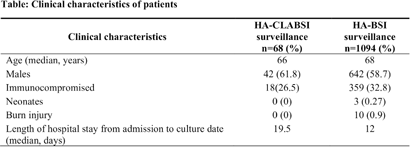
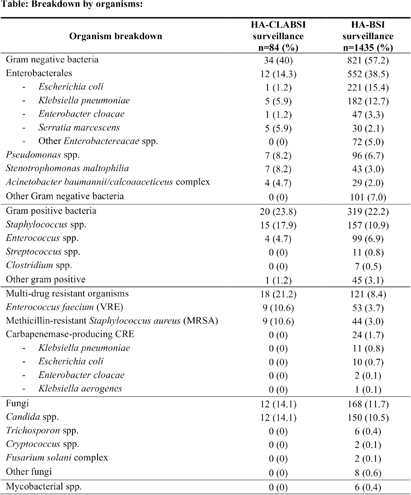
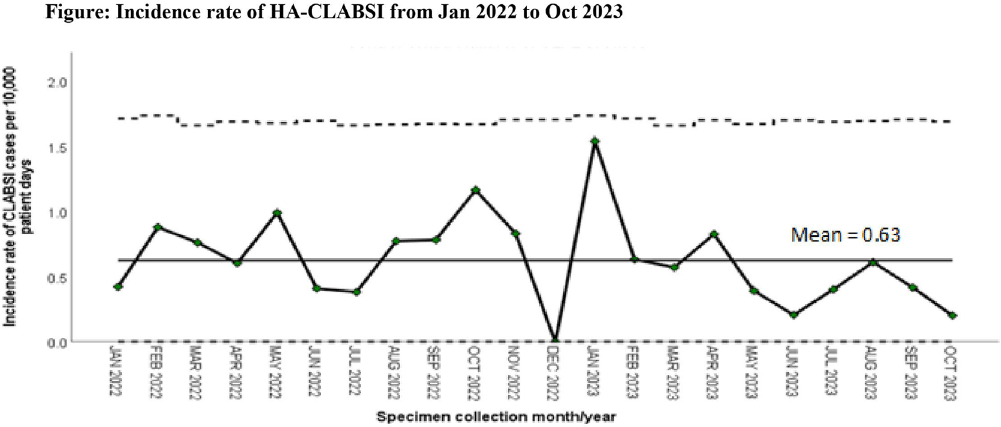
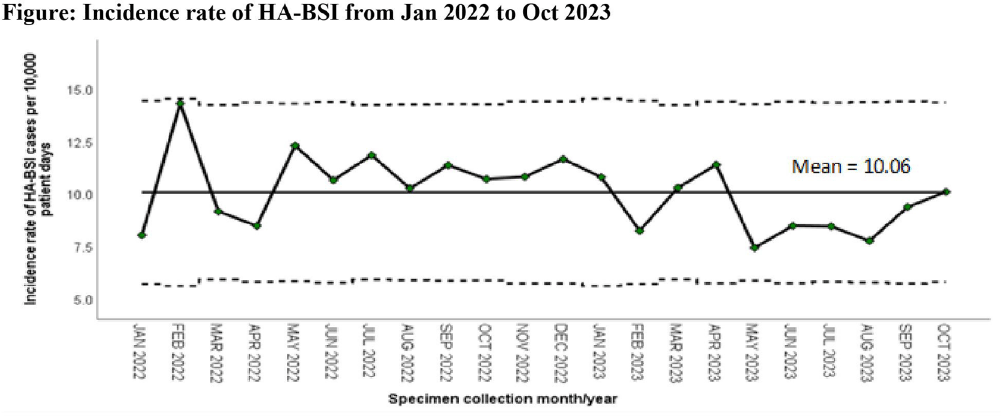
Hospital-attributable central line-associated bloodstream infections (HA-CLABSI) are associated with severe patient outcomes. Published data on HA-CLABSI epidemiology in hospitals locally remains limited. This study aimed to determine the HA-CLABSI incidence and risk factors to inform targeted infection prevention practices.
Methods:
Retrospective, nested case-control study was performed at Singapore General Hospital from January 2018 to December 2020, involving 127 cases and 252 controls. HA-CLABSI cases developed CLABSI ≥ 3 calendar days of hospitalization. Controls had central line inserted but did not develop CLABSI. Cases and controls were matched on 1:2 ratio for central line insertion date. Multivariable conditional logistic regression was performed to identify independent risk factors for HA-CLABSI, with adjusted odds ratio (aOR), 95% confidence intervals (CI) and p-values reported. Variables with p-value < 0.05 were statistically significant. HA-CLABSI incidence rate was calculated per 1,000 central line-days.
Results:
HA-CLABSI incidence rate during the study period was 8.4/1,000 central line-days. Independent risk factors for HA-CLABSI were transfer to high-risk areas (aOR: 2.03, 95% CI: 1.05–3.92), immunocompromised health status (aOR: 4.62, 95% CI: 2.20–9.69), antibiotic administration (aOR: 7.41, 95% CI: 3.24–16.92), and total parenteral nutrition (aOR: 3.61, 95% CI: 1.49–8.77) being included as indications for central line insertion, insertion of PICC (aOR: 13.61, 95% CI: 3.12–55.53), presence of non-tunneled central lines (aOR: 2.95, 95% CI: 1.48–5.87) and prior MRSA acquisition (aOR: 3.41, 95% CI: 1.83–6.35).
Conclusion:
HA-CLABSI remains a significant concern despite on-going infection prevention efforts. Risk factors identified facilitate development of targeted, evidence-based interventions.
Charitable assistance from nonprofits and charities plays an important role in helping vulnerable population relieve burdens, but current research provides limited evidence on the factors explaining the receipt of charitable assistance. This study constructs a conceptual framework and empirically tests three groups of factors—from the need, capital, and contextual perspectives—as the antecedents of charitable assistance using data from China. Multilevel logistic regression results show that having needs lays a foundation for charitable assistance, but capital and contextual factors are also important. Higher financial and social capital are associated with higher charitable assistance. Political and social capital strengthen the positive relationship between needs and charitable assistance. Economic development has a positive relationship with charitable assistance, while the relationship between government spending and charitable assistance is negative. This study suggests the inequality of receiving charitable assistance among the disadvantaged groups.
Antidepressants are the primary treatment for major depressive disorder (MDD), yet their precise neurobiological mechanisms remain incompletely understood. This study aimed to elucidate neural differences between medicated and unmedicated MDD patients by analyzing resting-state functional magnetic resonance imaging data.
Methods
We conducted a coordinate-based meta-analysis, complemented by behavioral, genetic, and neurotransmitter-level evaluations to identify potential therapeutic targets and diagnostic biomarkers. Using seed-based d-mapping with permutation of subject images (SDM-PSI), we assessed brain activation changes associated with antidepressant treatment. The identified regions were further characterized using large-scale molecular and functional brain databases.
Results
A total of 59 studies on unmedicated MDD (2,618 patients, 2,486 controls) and 15 studies on medicated MDD (541 patients, 483 controls) were included. The meta-analysis revealed significantly increased activation in the left striatum among medicated patients, a region linked to cognitive functions such as memory and perception. Gene expression analysis highlighted SLC5A7 and prolactin (PRL) as key genes in this region, while neurotransmitter mapping showed associations with serotonin (5-HT1a, 5-HT2a) and dopamine (D1, D2) receptors. Additionally, reduced activation in the left middle occipital gyrus (MOG) was observed across both medicated and unmedicated groups. This region, implicated in recognition and face processing, showed high expression of TFAP2B and PRL and was associated with serotonin and norepinephrine transporter distributions.
Conclusions
These findings suggest that the left striatum may represent a core neurofunctional target of antidepressant treatment, while the left MOG may serve as a stable neurobiological marker for MDD diagnosis, independent of pharmacological status.
Previous studies revealed structural differences in cerebellar regions between monolinguals and bilinguals. However, the effect of bilingual experiences on cerebellar functional neuroplasticity remains unclear. Using resting-state functional magnetic resonance imaging (fMRI) data, we compared cerebellar functional connectivity (FC) between monolinguals and bilinguals, and then examined how age of second language acquisition (AoA-L2), immersion of L2 (Immersion-L2), proficiency level of L2 (PL-L2) and usage of L2 (Usage-L2) influence cerebellar FC in bilinguals. We found monolinguals exhibited increased FC between lobules VI, VIIIa and superior temporal gyrus. Increased AoA-L2 was related to decreased cerebello-cortical FC involving lobules VI, CrusI and precentral gyrus. Increased Immersion-L2 was associated with decreased cerebello-orbitofrontal FC. Higher PL-L2 corresponded to stronger cerebellar FC with posterior cingulate gyrus. Bilinguals who used L2 more frequently at home exhibited decreased cerebellar FC, while increased social Usage-L2 was associated with increased FC. These findings highlight bilingualism’s impact on cerebellar functional neuroplasticity, shaped by different bilingual experiences.
Euthymic bipolar disorder (euBD) patients exhibit deficits in neurocognitive and social cognitive functioning compared to healthy controls (HCs). Our prior research has shown that the excitatory/inhibitory (E/I) imbalance in the default mode network (DMN) is linked to executive function in euBD. Neurocognitive impairments are associated with social cognition deficits in individuals with mental disorders. Given this connection, this study posits E/I imbalance within the DMN is associated with social cognition, with executive function as a mediator.
Methods
Seventy-five HCs and 49 euBD individuals were recruited. Using the emotion recognition task, Diagnostic Analysis of Nonverbal Accuracy 2-Taiwan version (DANVA-2-TW) and cognitive flexibility task, Wisconsin Card Sorting Test (WCST), we assessed emotion recognition and prefrontal function. Proton magnetic resonance spectroscopy (1H-MRS) measured metabolites in the posterior cingulate cortex (PCC) and medial prefrontal cortex/anterior cingulate cortex (mPFC/ACC), quantifying excitatory glutamate+glutamine (Glx) and inhibitory GABA to calculate the E/I ratio.
Results
euBD patients showed poorer emotion recognition (p = 0.020) and poorer cognitive flexibility (fewer WCST categories completed, p = 0.002). A negative association was found between emotion recognition and the E/I ratio in the mPFC/ACC of the BD patients (r = −0.30, p = 0.034), which was significantly mediated by cognitive flexibility (Z = −2.657, p = 0.007).
Conclusion
The BD patients demonstrate deficits in emotion recognition, linked to an altered E/I balance in the prefrontal cortex, and the cognitive flexibility, a key aspect of executive function, mediates the impact of the E/I ratio on emotion recognition accuracy in euBD patients.
Anthracological studies of preserved wooden building materials can help reveal ancient networks of resource mobilisation. Here, the authors report on the analysis of 657 charred timbers from four ancillary pits at the UNESCO World Heritage Site of the Mausoleum of the First Qin Emperor. The frequent use of dark coniferous wood (fir, spruce and hemlock) indicates sophisticated logistical planning and labour organisation—matching historic records of Qin administrative ascendency—because these species required sourcing from across many kilometres of rugged terrain. Identification of a temporal shift towards the use of higher-elevation species points to the ecological impact of large-scale timber harvesting.
Adolescence is a period marked by high vulnerability to onset of depression. Neuroimaging studies have revealed considerableatrophy of brain structure in patients with major depressive disorder (MDD). However, the causal structural networks underpinning gray matter atrophies in depressed adolescents remain unclear. This study aimed to examine the initial gray matter alterations in MDD adolescents and investigate their causal relationships of abnormalities within brain structural networks.
Methods
First-episode adolescent patients with MDD (n = 80, age = 15.57 ± 1.78) and age- and sex-matched healthy controls (n = 82, age = 16.11 ± 2.76) were included. We analyzed T1-weighted structural images using voxel-based morphometry to identify gray matter alterations in patients and the disease stage-specific abnormalities. Granger causality analysis was then conducted to construct causal structural covariance networks. We also identified potential pathways between the causal source and target.
Results
Compared to controls, MDD patients with shorter illness duration showed gray matter atrophy in localized brain regions such as ventral medial prefrontal cortex (vmPFC), anterior cingulate cortex, and insula. With a prolonged course of MDD, gray matter atrophy extended to widespread brain areas. Causal network results demonstrated that early abnormalities had positive effects on the default mode, frontoparietal networks, and reward circuits. Moreover, vmPFC demonstrated the highest out-degree value, possibly representing the initial source of brain abnormality in adolescent depression.
Conclusions
These findings revealed the progression of gray matter atrophy in adolescent depression and demonstrated the directional influences between initial localized alterations and subsequent deterioration in widespread brain networks.