2021

rss
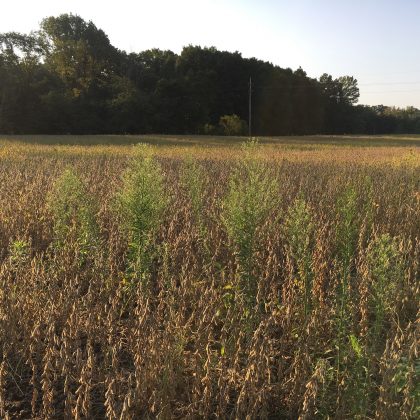
Invasions by parasites with complex life cycles

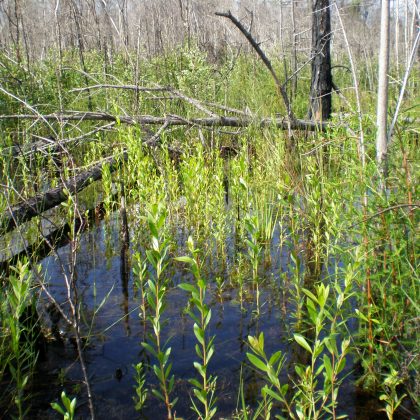
Biological invasions have significant impacts on biodiversity, community structure, and ecosystem processes, often leading to the emergence of diseases that could have significant economic, public health, and conservation implications. These invasions are usually driven by anthropogenic disturbances on ecosystems and the increased movement of goods and people on a global scale.

Read more

Lockdown effect on cryptosporidiosis in New Zealand

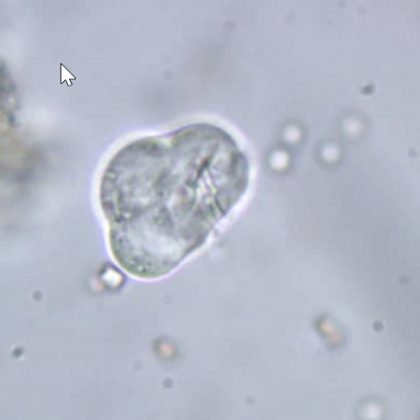
Cryptosporidium species are intestinal parasites that infect a wide range of vertebrate host species, causing a considerable burden of gastrointestinal disease. Cryptosporidium infections in humans are mostly caused by two species: C. hominis, which is primarily transmitted from human-to-human, and C. parvum, which is mainly derived from animals, particularly livestock.
Read more

Good news, everyone: Women feel more attractive before ovulation

Evolution has shaped women’s ovulatory cycles to be characterised by complex recurring physiological processes of changing hormones and organ tissue. However, these changes often bring about unwanted aspects – be it premenstrual symptoms such as mood swings, feeling bloated or anxious, menstrual pain, or – still way too often – menstrual shame.…

Read more

Kinetoplastid Cell Biology and Genetics

The British Society for Parasitology (BSP) is affiliated with the Cambridge University Press (CUP) journal Parasitology and BSP/CUP frequently collaborate to produce special issues dedicated to showcasing BSP meetings. The present issue is unusual for several reasons; it showcases a BSP meeting held outside of the UK (in Granada, Spain), it is devoted to the Trypanosomiasis and Leishmaniasis Symposium, a biannual gathering of folks with interests in these diseases and also represents the only BSP meeting of 2020 due to the COVID-19 pandemic.

Read more

World Ocean Day

We celebrate World Ocean Day to remind us of how important the marine habitat is today and its need for better environmental stewardship tomorrow.…

Read more

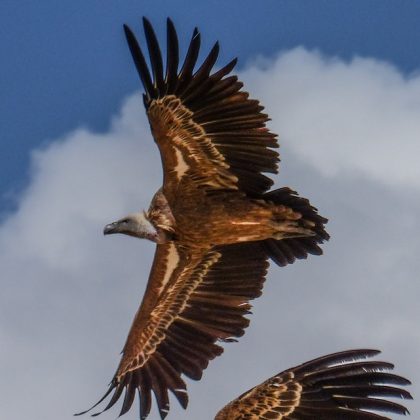
Parasitic fauna of African large mammals

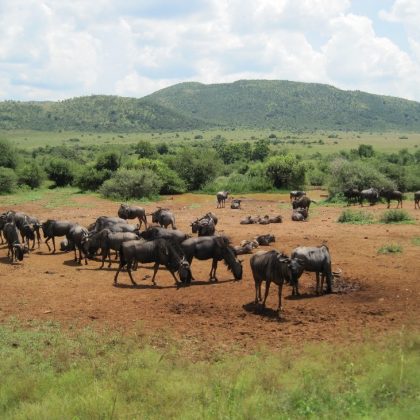
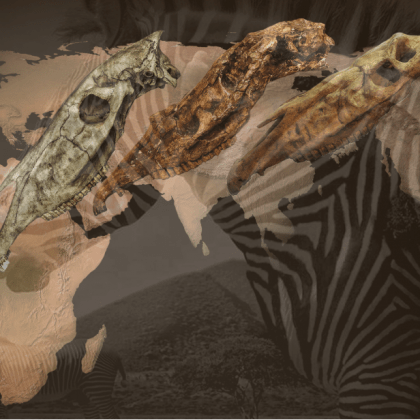
The latest Paper of the Month for Parasitology is “Some gastrointestinal nematodes and ixodid ticks shared by several wildlife species in the Kruger National Park, South Africa“ With conservation of African mammalian species in mind, wildlife reserves and managed game parks continue to offer some protection to many species and associated natural habitats.…

Read more

Toxoplasma gondii: one species with several genotypes; but do these induce differences in the host’s immune response?

The latest Paper of the Month for Parasitology is “Early immune responses and parasite tissue distribution in mice experimentally infected with oocysts of either archetypal or non-archetypal genotypes of Toxoplasma gondii“ Toxoplasmosis is a well-known disease caused by the single celled parasite called Toxoplasma gondii, which is found worldwide.…

Read more

Who says aging is always disappointing?

The latest Paper of the Month for Parasitology is “Eimeria bovis infections induce G1 cell cycle arrest and a senescence-like phenotype in endothelial host cells“ Eimeria bovis is a globally spread, host-specific parasite of cattle, causing severe bloody diarrhoea, especially in calves, and therefore high economic losses worldwide.…

Read more

Something to be crabby about?

Parasites can have serious impacts on their crustacean hosts and associated fisheries, from stunting growth to causing mass mortalities. When 56% of velvet crab from a bay in Ireland were found to be positive for the microparasite Paramarteilia sp.,…

Read more

Lichenology – Past, Present and Future

In this post we talk to Prof. Robert Lücking, an Editor for The Lichenologist, who reflects not only on his recent review of lichenology over the past two decades, celebrating the period over which Peter Crittenden was Senior Editor, but also describes his own introduction to lichens, and what the future holds.…

Read more

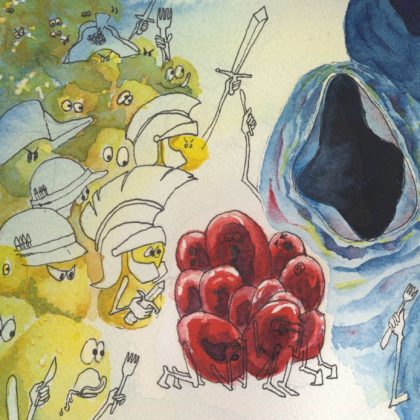
Granulocyte vs. oncosphere – who’s calling the shots?

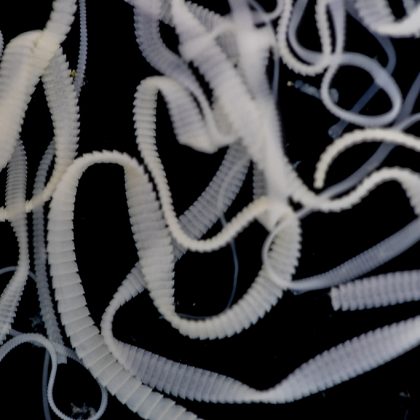
The latest Paper of the Month for Parasitology is Agranulocytosis leads to intestinal Echinococcus multilocularis oncosphere invasion and hepatic metacestode development in naturally resistant Wistar rats Let me introduce you to a tiny tapeworm that is widely distributed in the northern hemisphere: Echinococcus multilocularis.…

Read more