parasite

(62) rss icon
When parasites get personal: A tick in the nose & a larva in the armpit (but that’s OK!)

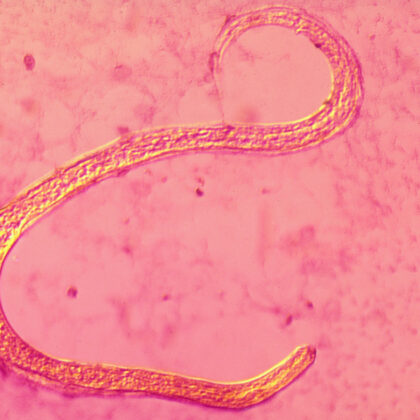
A few years ago, I found a parasite in my armpit.  It was the larva of a blowfly, and I knew pretty well what it was, based on where I’d gotten it – or at least I thought I did.  Kibale National Park, Uganda, is known internationally for its diversity of nonhuman primates and among smaller circles for its high frequency of furuncular myiasis, a condition caused by parasitic fly larvae burrowing into the skin of a host.

Read more

Moxidectin: A New alternative for Treating a Hidden Parasite: Strongyloides stercoralis

The microscopic parasite Strongyloides stercoralis infects millions of humans worldwide, often without symptoms. For years, the treatment of choice has been ivermectin, a drug that has been recognized for its use in combating diseases, such as river blindness. However, what is another option? Our recent study compared ivermectin to its lesser-known antiparasitic, moxidectin, and the results were promising.

Read more

World NTD Day – Progress, Challenges, and the Path to Elimination

On 30th January, we celebrate World Neglected Tropical Diseases Day. This annual celebration highlights the hard work and achievements of the many researchers, medical workers, NGOs and other committed individuals in this field, and acts as a convenient forum to demand and sustain the necessary concerted actions to #BeatNTDs.…

Read more

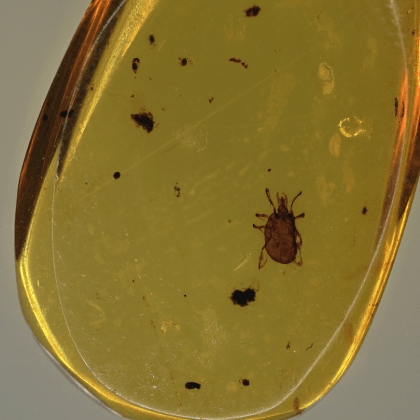
DEAD TICK CLADE WALKING

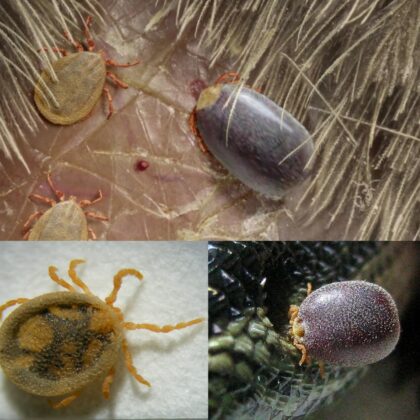
Before 1935, ticks were composed of the hard (Ixodidae) and soft (Argasidae) tick families. In 1931, Gerald Bedford described a peculiar tick species named Nuttalliella namaqua, which he considered a missing link between the two families, since it shared characteristics with both families.

Read more

Comparative transcriptomics from intestinal cells of permissive and non-permissive hosts during Ancylostoma ceylanicum infection reveals unique signatures of protection and host specificity

The latest Paper of the Month for Parasitology is Comparative transcriptomics from intestinal cells of permissive and non-permissive hosts during Ancylostoma ceylanicum infection reveals unique signatures of protection and host specificity and is freely available. …

Read more

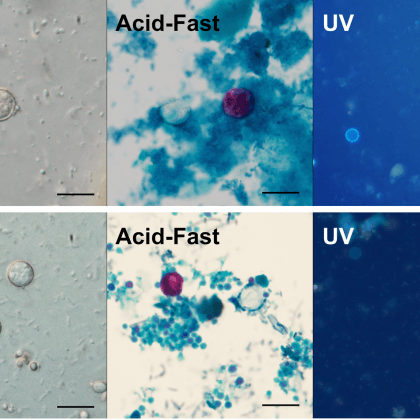
Cyclospora cayetanensis comprises at least 3 species that cause human cyclosporiasis

Despite its impact on United States (US) food safety since the 1990’s, efforts to understand Cyclospora cayetanensis genetics only really began within the last 7 years. However, we have learned a great deal over that time; genotyping technologies now exist for Cyclospora, and these are being used routinely to complement cyclosporiasis outbreak investigations performed by US public health agencies

Read more

Parasitology celebrates World Fisheries Day with Special Issue on fish parasites

Over the past 18 months, several authors and two Guest Editors have worked together on a Special Issue (SI) on Fish Parasites for the Cambridge University Press journal, Parasitology, the longest-running journal among periodicals in the field. Our SI contains 13 articles, including reviews and original research articles, co-authored by world-leading experts in individual research fields of fish parasitology.

Read more

The impact of parasite infection on mental illness

More and more research is finding inflammation as a potential contributing factor towards to the development of various mental illnesses. A systematic review was conducted to determine the association between parasitic infection and mental illnesses in various African populations.  Two parasite groups were evaluated; helminths and protozoans, and four mental illness classifications; depressive disorders, anxiety disorders, schizotypal disorders and unspecified mental illnesses.

Read more

Lost in Time

The latest Paper of the Month for Parasitology is “A remarkable assemblage of ticks from mid-Cretaceous Burmese amber” and is available open access.…

Read more

A novel culture model for Cystoisospora suis

Cystoisospora suis is an intestinal protozoan parasite of swine, especially of suckling piglets. It severely affects the host by causing diarrhoea and reduced weight gain. This considerably impairs animal health, welfare and productivity. The parasite has a worldwide distribution, and infections are very common. The parasite belongs to the phylum Apicomplexa, which also includes other species of great medical and veterinary relevance by causing malaria, toxoplasmosis or coccidiosis.

Read more

“A Tale of a Man, a Worm and a Snail” – A Book Review

This year a new 275-page book, with 21 chapters, entitled "The Tale of a Man, a Worm and a Snail: The Schistosomiasis Control Initiative" written by Professor Alan Fenwick OBE, with the help of Wendie Norris and Becky McCall, first appeared in January. It is part autobiography, part scientific narrative, with an impressive bibliography. Typical of CABI publishers, the book has a high printed production standard with several colour photographs and schematic graphics that embellish its narrative.

Read more

Invasions by parasites with complex life cycles

Biological invasions have significant impacts on biodiversity, community structure, and ecosystem processes, often leading to the emergence of diseases that could have significant economic, public health, and conservation implications. These invasions are usually driven by anthropogenic disturbances on ecosystems and the increased movement of goods and people on a global scale.

Read more

Lockdown effect on cryptosporidiosis in New Zealand

Cryptosporidium species are intestinal parasites that infect a wide range of vertebrate host species, causing a considerable burden of gastrointestinal disease. Cryptosporidium infections in humans are mostly caused by two species: C. hominis, which is primarily transmitted from human-to-human, and C. parvum, which is mainly derived from animals, particularly livestock.

Read more

Parasitic fauna of African large mammals

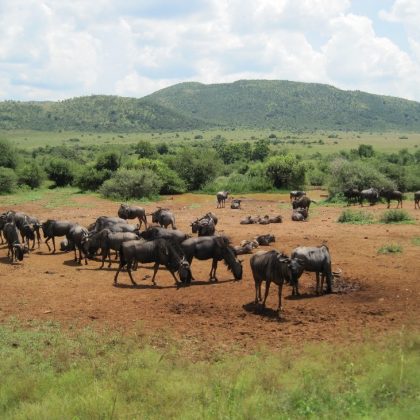
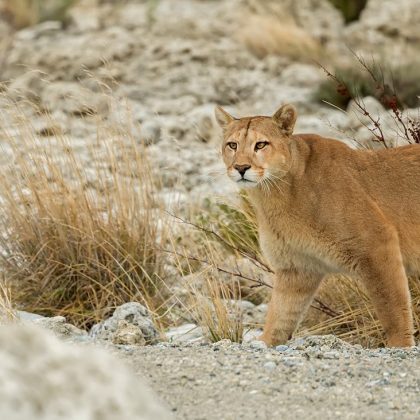
The latest Paper of the Month for Parasitology is “Some gastrointestinal nematodes and ixodid ticks shared by several wildlife species in the Kruger National Park, South Africa“ With conservation of African mammalian species in mind, wildlife reserves and managed game parks continue to offer some protection to many species and associated natural habitats.…

Read more

Toxoplasma gondii: one species with several genotypes; but do these induce differences in the host’s immune response?

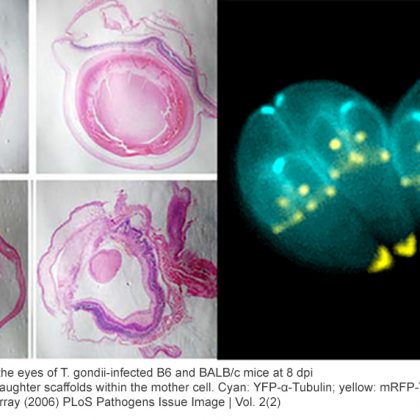
The latest Paper of the Month for Parasitology is “Early immune responses and parasite tissue distribution in mice experimentally infected with oocysts of either archetypal or non-archetypal genotypes of Toxoplasma gondii“ Toxoplasmosis is a well-known disease caused by the single celled parasite called Toxoplasma gondii, which is found worldwide.…

Read more

Who says aging is always disappointing?

The latest Paper of the Month for Parasitology is “Eimeria bovis infections induce G1 cell cycle arrest and a senescence-like phenotype in endothelial host cells“ Eimeria bovis is a globally spread, host-specific parasite of cattle, causing severe bloody diarrhoea, especially in calves, and therefore high economic losses worldwide.…

Read more

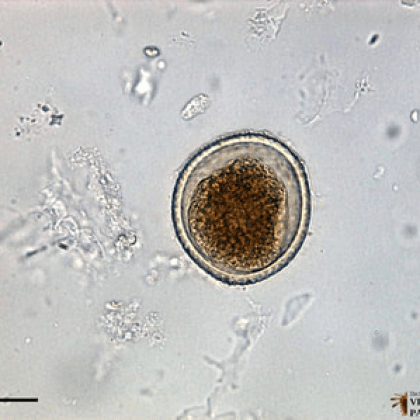
What Lurked in the Intestines of Our Renaissance Ancestors?

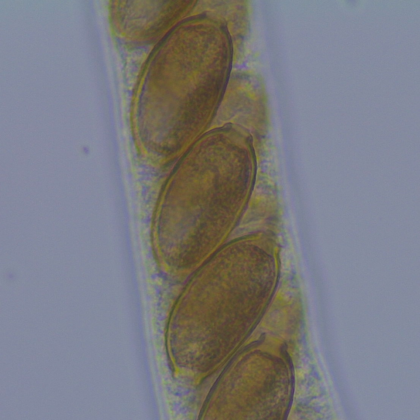
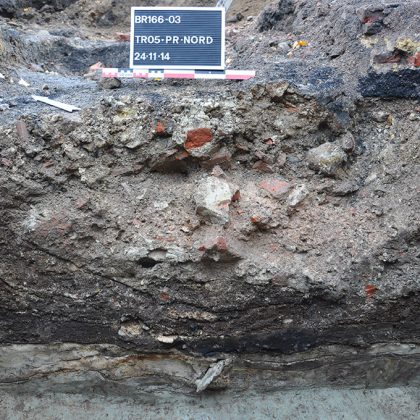
The latest Paper of the Month for Parasitology is A comparative study of parasites in three latrines from Medieval and Renaissance Brussels, Belgium (14th–17th centuries) In modern times intestinal parasites such as protozoa that cause dysentery and multicellular helminths (worms) are largely a problem for people in low-income countries in the tropics where sanitation and food safety are poor.…

Read more

Parasitic nematodes simultaneously suppress and benefit from coccidian coinfection in their natural mouse host

The latest Paper of the Month for Parasitology is ‘Parasitic nematodes simultaneously suppress and benefit from coccidian coinfection in their natural mouse host’ by Melanie Clerc, Andy Fenton, Simon A Babayan, Amy B Pedersen Infections with parasitic nematodes are a major threat to global health and affect millions of people across the globe.…

Read more