
Reducing stress of weaning can improve weight gain of beef calves
The animal article of the month for January is Comparison of effects of four weaning methods on health and performance of beef calves by, J.…


The animal article of the month for January is Comparison of effects of four weaning methods on health and performance of beef calves by, J.…
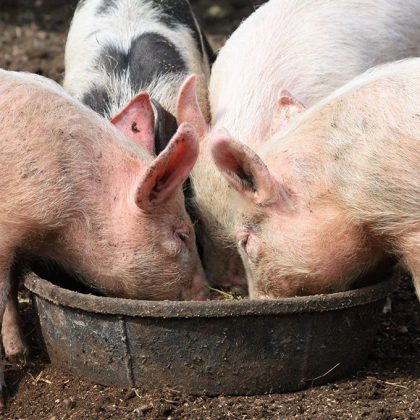
Protein from pigs remains the most consumed animal protein globally and with this comes the challenge to produce more with less resources.

On behalf of the scientific and organising commitees of the 14th International Symposium of the Digestive Physiology of Pigs, we are delighted to introduce this Special Topic: Digestive Physiology of Pigs 2018 in animal.…

The latest Paper of the Month for Parasitology is Heterogeneity in helminth infections: factors influencing aggregation in a simple host–parasite system Parasitic worms are rarely distributed randomly or uniformly in populations of their hosts. …

The latest Paper of the Month for Parasitology is Let’s go swimming: mermithid-infected earwigs exhibit positive hydrotaxis The term ‘back seat driver’ is used colloquially to describe a passenger in a car who is dissatisfied with the driver’s actions and therefore tries to control or influence them.…

The latest Paper of the Month for Parasitology is Rosetting revisited: a critical look at the evidence for host erythrocyte receptors in Plasmodium falciparum rosetting Malaria claims the lives of almost half a million people worldwide every year, and millions more suffer the consequences of severe disease, including coma and severe anaemia.…
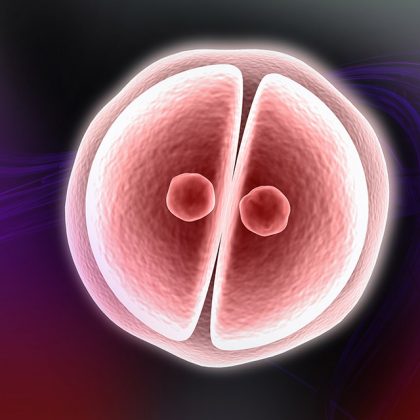
Brian Dale is a British reproductive scientist living in Sorrento, Italy. He is the owner and Director of the Centre for Assisted Fertilization with offices in both Naples and Rome as well as being Director of London Fertility Associates Ltd in London.…

The animal article of the month for December is “Evolution of pig intestinal stem cells from birth to weaning” by N.…
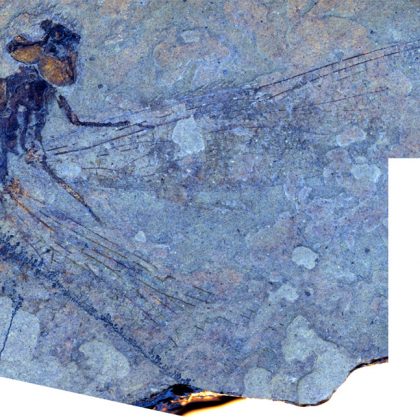
Paleontologists say these fossils can now help us understand the ancient history of these insects in our region. Six fossil dragonfly species, dating from about 50 million years ago, are the first from British Columbia and Washington to receive scientific names.…

When it comes to weed control, today’s growers face a double whammy. Weeds have developed resistance to many of our existing herbicide options at a time when new herbicide discoveries have plummeted.…
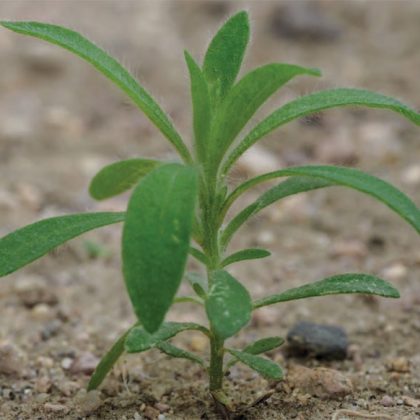
Kochia has become one of the most problematic weeds in the U.S. – now resistant to at least four herbicide sites of action.…

The population in Central America is rising rapidly, but staple crop production seems unable to keep up with increasing food demand.…

The animal article of the month for November is “Transfer of passive immunity in dairy calves: the effectiveness of providing a supplementary colostrum meal in addition to nursing from the dam” by Lora et al.…

Copyright © Nobel Media 2019. Illustration: Niklas Elmeh Congratulations to John B. Goodenough, The University of Texas at Austin, M.…

Welcome to our “Meet the Editors” series, where we interview the editorial team about their work and their relationship to the journal.…

Centennial Reflections – a distinguished parasitologist reflects on a paper published in their field in Parasitology 100 years ago A paper entitled “Bilharziasis in Natal”, published in Parasitology in 1918 by Dr F.…

The latest Paper of the Month for Parasitology is Helminths and microbes within the vertebrate gut – not all studies are created equal Gastrointestinal (GI) helminths, commonly known as parasitic worms, are a diverse group of organisms inhabiting the gut of vertebrates.…

It’s fair to say that beef is getting a bad press at the moment. Hundreds of column inches have been dedicated to the argument that – whichever way you slice it – beef is bad for the planet.…
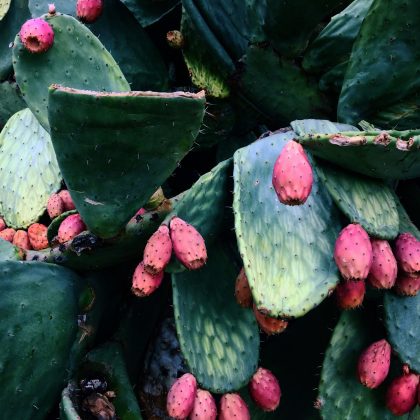
The latest Paper of the Month for Parasitology is Where mite flies lay eggs? Environment mediated parasite avoidance during Drosophila ovipositing.…

When it comes to controlling invasive weeds, it can pay to think before you act. Do you want a quick, short-term reduction in a weed population or longer-term control?…

The animal article of the month for October is “Genetic variation in milk urea nitrogen concentration of dairy cattle and its implications for reducing urinary nitrogen excretion” Agricultural industries are addressing the challenges of reducing their environmental footprint while maintaining economic viability for farming families and their communities.…

Corn and soybean growers in Nebraska are now facing their worst nightmare. A research study featured in the journal Weed Science shows a population of waterhemp has evolved resistance to four distinct herbicide sites of action – including PPO inhibitors, ALS inhibitors, EPSPS inhibitors and PS II inhibitors.…
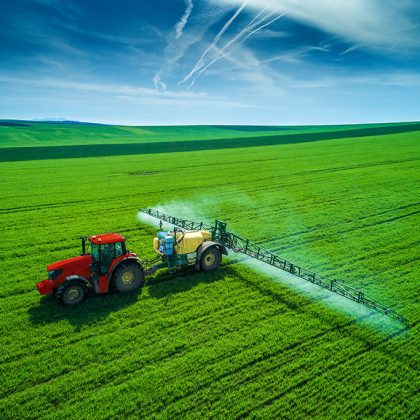
Studies show that pH is one of the many factors impacting dicamba volatility. In fact, the EPA now requires a pH of 5.0 or higher in its registration of new dicamba formulations for dicamba-resistant crops.…

The paper ‘Intestinal parasites at the Late Bronze Age settlement of Must Farm, in the Fens of East Anglia, UK (920-790 BC)‘ published in Parasitology this summer has garnered much attention by the media, so we have made it freely available to read and download.…

The impact of parasites can often reach beyond their individual hosts, shaping populations and communities in their ecosystems. Parasites often control the behaviour of their hosts, leading to their role as “ecosystem engineers,” changing the ways in which the hosts physically shape their environments.
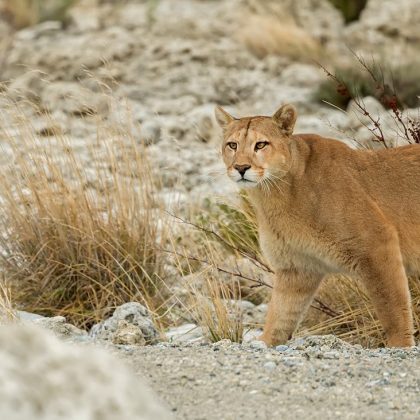
The paper: “Ancient parasitic DNA reveals Toxascaris leonina presence in Final Pleistocene of South America“ is freely available for a month.…

The latest Paper of the Month for Parasitology is ‘Parasitological research in the molecular age‘ by Christian Selbach, Fátima Jorge, Eddy Dowle & Robert Poulin Technological developments often provide new tools for scientific advances.…

The animal article of the month for September is 'Invited review: Application of meta-omics to understand the dynamic nature of the rumen microbiome and how it responds to diet in ruminants' Demand for meat and milk is predicted to double by 2050 and meeting this increased demand represents a “grand challenge for humanity”. Ruminants are among the most widely adapted livestock on earth, inhabiting outdoor environments from the arctic to the tropics.

The latest Paper of the Month for Parasitology is “Comparisons of N-glycans across invertebrate phyla” by Katharina Paschinger and Iain B.…

“Centennial Reflections – a distinguished parasitologist reflects on a paper published in their field in Parasitology 100 years ago” Coccidiosis in humans – the past 100 years: A Revision of the Coccidia Parasitic in Man BY: J.…
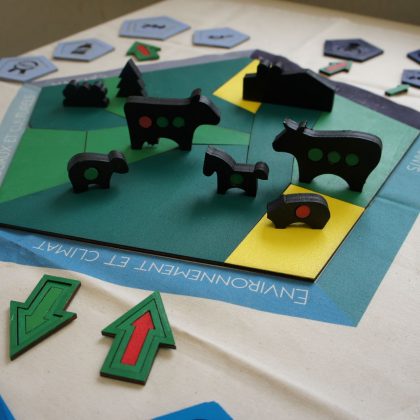
The special topic in August’s issue of animal is Multicriteria assessment of livestock systems using a graphical tool While the world has limits, the global population is growing, along with an increased demand for food.…
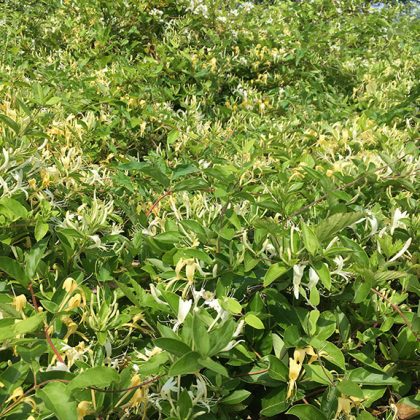
Sobering global survey data shows weeds have evolved resistance to 167 herbicides spanning 23 of 26 known sites of action. Now scientists writing in the journal Invasive Plant Science and Management say climate change and elevated levels of carbon dioxide (CO2) may be contributing to the development of herbicide resistance.…

The latest Paper of the Month for Parasitology is ‘The impact of botfly parasitism on the health of the gracile mouse opossum (Gracilinanus agilis) by Emerson Vieira Two of the researchers associated with my lab, Priscilla L. …

Palmer amaranth and waterhemp are two troublesome amaranthus species weeds that are resistant to multiple herbicides. They also have unique reproductive features.…

The animal article of the month for August is ‘The effect of different wavelengths of light during incubation on the development of rhythmic pineal melatonin biosynthesis in chick embryos’ Melatonin is a neurohormone, which is involved in the control of day/night rhythms in a number of biochemical, physiological and behavioural processes.…

The latest Paper of the Month for Parasitology is ‘Parasitic nematodes simultaneously suppress and benefit from coccidian coinfection in their natural mouse host’ by Melanie Clerc, Andy Fenton, Simon A Babayan, Amy B Pedersen Infections with parasitic nematodes are a major threat to global health and affect millions of people across the globe.…

The latest Paper of the Month for Parasitology is ‘Malacosporean myxozoans exploit a diversity of fish hosts’ by Juliana Naldoni, Edson A.…

The animal article of the month for July is ‘Use of Geographic Information System tools to Predict Animal Breed Suitability for Different Agro-Ecological Zones’ Predicting breed suitability is challenging in livestock production.…

With the nomination period for the 2020 Batchelor Prize coming to a close at the end of the month (31st May 2019), Dr Tom Crawford spoke to the previous winners to find out more about the legacy of the award.

The latest Paper of the Month for Parasitology is: ‘Giardia duodenalis in the UK: current knowledge of risk factors and public health implications‘ by B.…

Kochia is a highly invasive weed known to be resistant to multiple herbicides. In the Great Plains region, kochia populations have now evolved resistance to dicamba.…

Herbicide resistance is a costly and growing problem. In fact, many weed populations now exhibit resistance to multiple herbicide mechanisms of action.…

The animal article of the month for June is ‘Characteristics of boli formed by dairy cows upon ingestion of fresh ryegrass, lucerne or chicory’ Most measurements of feed in ruminant nutrition studies primarily concern the chemical composition.…

The duck-billed hadrosaurs walked the Earth over 90-million years ago and were one of the most successful groups of dinosaurs. But why were these 2-3 tonne giants so successful?…

Studying how biodiversity on our planet has developed through time and how it reacted to environmental changes would be relatively straight-forward if we could time-travel, as ecologists.…

As invasive shrubs become more prevalent in U.S. forests, they are creating dense understories that outcompete native plants. Land managers with limited resources find themselves facing a tough decision.…

A Qualitative Assessment to Inform Sustainable Supply Chains Fundamental changes are visible around the globe; part of Mozambique was recently flooded, large Californian forest areas have burned, and glaciers are shrinking.…
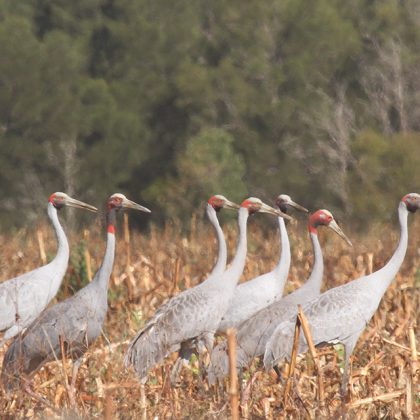
The Buralga legend tells of an Australian Aboriginal woman famed for her dancing, who was turned into a brolga by a jealous magician.…

Tenrecs are a diverse family of 31 small mammal species found on the tropical island of Madagascar. Whilst rampant deforestation means one in five tenrecs is threatened with extinction, most conservation attention in the country is focused on larger, more charismatic species, such as lemurs.…

The animal article of the month for May is ‘Tailception’: using neural networks for assessing tail lesions on pictures of pig carcasses’ Injuries caused by one pig biting the tail of another pig are a big welfare problem in pigs reared for slaughter.…
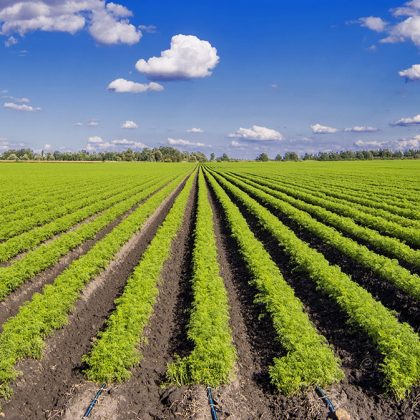
The latest Paper of the Month for Parasitology is ‘Prevalence of a nematode castrator of the carrot weevil and impact on fecundity and survival‘ by Annie-Ève Gagnon, Guy Boivin, Guy Bélair Not a day goes by without pesticides making news headlines.…

The article Diurnal patterns of urination and drinking by grazing ruminants: a development in a mechanistic model of a grazing ruminant, MINDY is available Open Access in the Journal of Agricultural Science Estimates of herbage and water intake with parallel measurements of ingestive, digestive and metabolic behaviours of grazing ruminants pose considerable experimental and technical difficulties.…
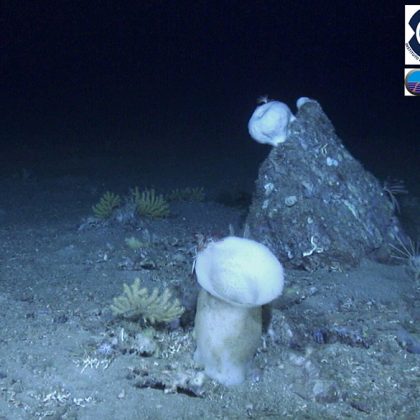
One of the most extensive seepage areas of the North-East Atlantic was discovered in the bathyal bottoms of the Gulf of Cadiz during the nineteen nineties.…

Crop wild relatives are wild plant species that are relatively closely related to cultivated crops and include the ancestors of cultivated crops. Crop wild relatives are a critical source of adaptive traits / genes, including resistance to diseases, pests and stresses such as drought and extreme temperatures that can be used in plant breeding, with the potential to enhance sustainable food security in the face of challenges such as climate change and population growth.
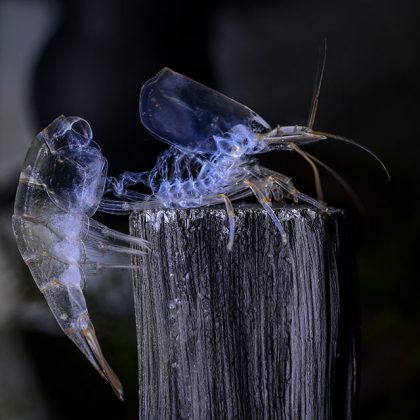
Crustaceans inhabit the earth from precambrian times with an explosion in abundance during the Cambrian period. They are mostly marine and freshwater animals but a small group of terrestrial isopod crustaceans lives permanently on land and help in soil production.…

While there is a growing interest in the use of pea seeds and their constituents as food ingredients, delivering both novelty and health benefits, challenges remain for breeders in stabilising crop yields and in selecting efficiently for those seed traits that are linked to premium farmgate prices.
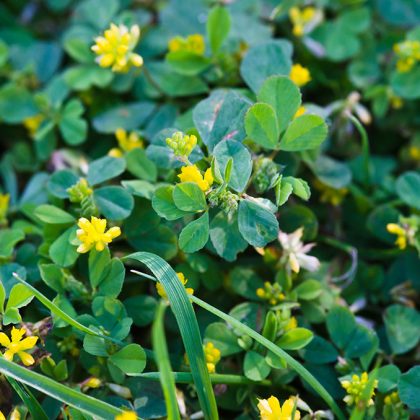
What if you had a simple, web-based app that could analyze weather data and issue an alert when pesky weeds are most likely to emerge and compete with your cash crop? …
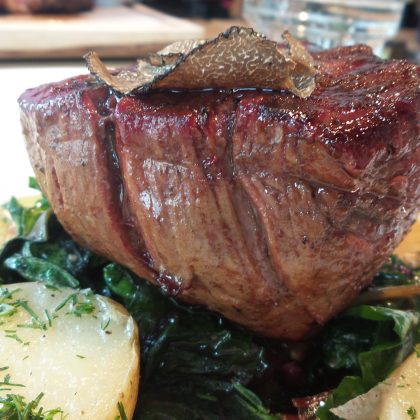
Consumers want beef that is safe, nutritious and of predictable eating quality. Beef traits should match these expectations. Two recently published papers reviewed research into predicting beef quality.…

The animal article of the month for April is ‘Salivary and urinary metabolome analysis for pre-puberty-related biomarkers identification in porcine’ In pig farms, creation of batches of sows has developed extensively due to advantages for the management of reproductive females and offspring.…
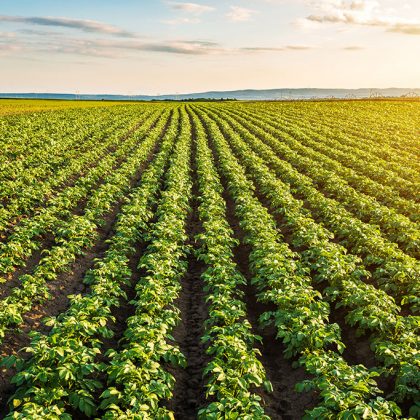
Cultivars of soybean and cotton that are tolerant of dicamba and glyphosate have been a big hit with growers, allowing them to treat broadleaf weeds throughout the growing season – without damaging their crops.…

Upper jaws of a new dinosaur from Victoria, Australia, give fresh insight into the diversity of small herbivorous dinosaurs that once inhabited the ancient Australian-Antarctic rift valley 125 million years ago A new, wallaby-sized herbivorous dinosaur has been identified from five fossilized upper jaws in 125 million year old rocks from the Cretaceous period of Victoria, southeastern Australia.…
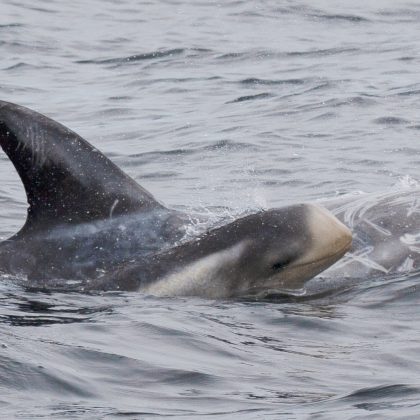
A new scientific paper calling for more protection for a population of Risso’s dolphins living in a ‘hotspot’ around Lewis in Scotland has been published ahead of the Scottish government public consultation on this and three other proposed protected sea area sites.…

The latest Paper of the Month from Parasitology is ‘The latest FAD – Faecal antibody detection in cattle. Protocol and results from three UK beef farms naturally infected with gastrointestinal nematodes‘ by Dr.…

When we think about food webs, it is rare that parasites are the first group of species that comes to mind; most likely because of their small size and their cryptic nature.…

The animal article of the month for March is ‘Correlated responses on litter size traits and survival traits after two-stage selection for ovulation rate and litter size in rabbits’ Litter size is the most important economic trait in prolific species and the only selection criteria for maternal rabbit commercial lines.…

What do you think is distinctive about Genetics Research? It is one of the oldest genetics journals, having been founded only a few years after the discovery of DNA and some very famous geneticists have published in it.…

Climate change is the greatest challenge facing humanity. It’s an almighty catastrophe that will only become worse with time. We’ll be seeing more powerful storms, increasingly devastating wildfires, longer droughts and recurring floods, to name but a few of the impacts of climate change that are quickly becoming commonplace globally.…
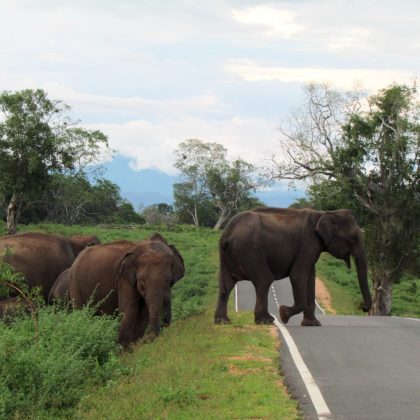
Asian elephants are a paradox in many ways. They are an Endangered species whose global population is less than one tenth of that of African elephants.…
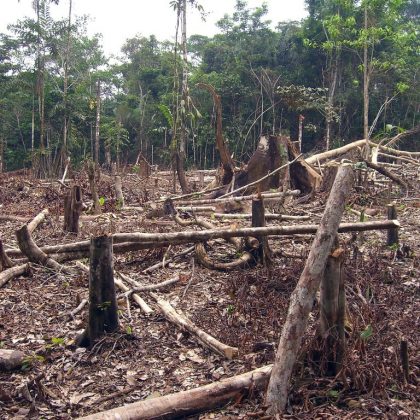
Brazil’s new president Bolsonaro and "ruralists" (large landholders and their representatives) have initiated a series of measures that we contend threaten Amazonia`s environment and traditional peoples, as well as global climate.
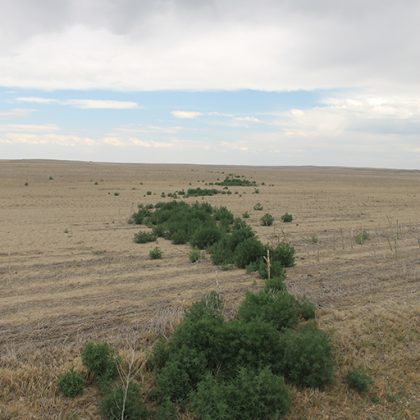
The broadleaf weed kochia is a real and growing threat to major cropping systems and soil conservation practices across the Great Plains.…
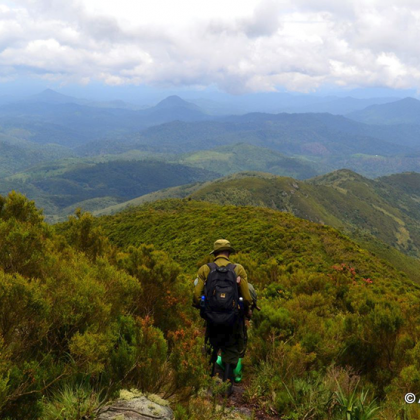
Working as a park ranger in the Democratic Republic of the Congo (DRC) is no easy task. The salary is low, the work is dangerous and physically demanding, and their efforts can sometimes see rangers being rejected by their own communities.…

Freshwater shark lived in South Dakota, had teeth shaped like “Galaga” spaceships SUE the T. rex is the most famous fossil from the Hell Creek Formation of South Dakota—the most complete skeleton ever discovered of the world’s most popular dinosaur.…

The animal article of the month for February is ‘Effects of a participatory approach, with systematic impact matrix analysis in herd health planning in organic dairy cattle herds‘ There is a strong focus on animal health and welfare in organic farming, and herd health and production management services are therefore important.…
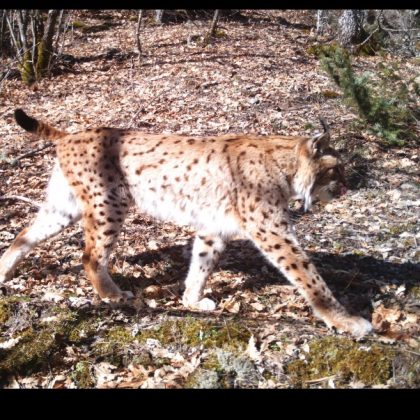
A detailed IUCN Red List assessment placed the Balkan lynx (Lynx lynx balcanicus) just one step away from extinction.…

Abandonment, neglect, sexual abuse, and even what triggers an individual’s death can be unwrapped by just studying the biology and reproductive behaviour of human lice.…

When battling invasive weeds, it’s easy to conclude that treating the largest masses first is the best strategy. But scientists writing in the journal Invasive Plant Science and Management say that isn’t always best.…

Spring-applied herbicides are no match for henbit, a winter annual weed found in more than 50 crops – including corn, cotton and soybean.…


Listen to @BBCRadio4's Start the Week, featuring @NineDotsPrize winner @jkkusiak, talking about her book, 'Radically Legal'. Learn how a group of ordinary people inspired the book when they reclaimed over 240,000 apartments back from corporate landlords 🔗

Start the Week - ‘Left behind’, but not forgotten - BBC Sounds
Tom Sutcliffe with Paul Collier, Joanna Kusiak and Matthew Xia.
cup.org
Sparking curiosity from geopolitics in Japan to the cultural implications of AI!
Explore the seven new titles we are welcoming to Cambridge and the seven #OpenAccess titles we are launching in 2025 🚀 🔗 https://cup.org/3yhAuAx
Our Flip it Open programme has published titles from authors @GibbsSpike, @liederfollower and Inés Valdez!
Discover how we are funding the publication of #OpenAccess books without changing purchasing habits 🔗 https://cup.org/4diDHii


 ;
;


