Refine search
Actions for selected content:
158 results in Anatomy
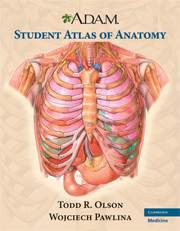
A.D.A.M. Student Atlas of Anatomy
-
- Published online:
- 05 February 2015
- Print publication:
- 07 April 2008
Applied Radiological Anatomy
-
- Published online:
- 05 February 2015
- Print publication:
- 14 October 1999
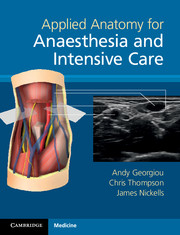
Applied Anatomy for Anaesthesia and Intensive Care
-
- Published online:
- 05 October 2014
- Print publication:
- 02 October 2014
Chapter 6 - The upper limb
-
- Book:
- Applied Anatomy for Anaesthesia and Intensive Care
- Published online:
- 05 October 2014
- Print publication:
- 02 October 2014, pp 128-146
-
- Chapter
- Export citation
Copyright page
-
- Book:
- Applied Anatomy for Anaesthesia and Intensive Care
- Published online:
- 05 October 2014
- Print publication:
- 02 October 2014, pp iv-iv
-
- Chapter
- Export citation
Chapter 7 - The abdomen
-
- Book:
- Applied Anatomy for Anaesthesia and Intensive Care
- Published online:
- 05 October 2014
- Print publication:
- 02 October 2014, pp 147-162
-
- Chapter
- Export citation
Chapter 1 - Organisation of the nervous system
-
- Book:
- Applied Anatomy for Anaesthesia and Intensive Care
- Published online:
- 05 October 2014
- Print publication:
- 02 October 2014, pp 1-11
-
- Chapter
- Export citation
Acknowledgements
-
- Book:
- Applied Anatomy for Anaesthesia and Intensive Care
- Published online:
- 05 October 2014
- Print publication:
- 02 October 2014, pp viii-viii
-
- Chapter
- Export citation
Chapter 8 - The lower limb
-
- Book:
- Applied Anatomy for Anaesthesia and Intensive Care
- Published online:
- 05 October 2014
- Print publication:
- 02 October 2014, pp 163-188
-
- Chapter
- Export citation
Chapter 5 - The thorax
-
- Book:
- Applied Anatomy for Anaesthesia and Intensive Care
- Published online:
- 05 October 2014
- Print publication:
- 02 October 2014, pp 95-127
-
- Chapter
- Export citation
Applied Anatomy for Anaesthesia and Intensive Care - Half title page
-
- Book:
- Applied Anatomy for Anaesthesia and Intensive Care
- Published online:
- 05 October 2014
- Print publication:
- 02 October 2014, pp i-ii
-
- Chapter
- Export citation
Preface
-
- Book:
- Applied Anatomy for Anaesthesia and Intensive Care
- Published online:
- 05 October 2014
- Print publication:
- 02 October 2014, pp vii-vii
-
- Chapter
- Export citation
Contents
-
- Book:
- Applied Anatomy for Anaesthesia and Intensive Care
- Published online:
- 05 October 2014
- Print publication:
- 02 October 2014, pp v-vi
-
- Chapter
- Export citation
Index
-
- Book:
- Applied Anatomy for Anaesthesia and Intensive Care
- Published online:
- 05 October 2014
- Print publication:
- 02 October 2014, pp 192-195
-
- Chapter
- Export citation
References
-
- Book:
- Applied Anatomy for Anaesthesia and Intensive Care
- Published online:
- 05 October 2014
- Print publication:
- 02 October 2014, pp 191-191
-
- Chapter
- Export citation
How to use this book
-
- Book:
- Applied Anatomy for Anaesthesia and Intensive Care
- Published online:
- 05 October 2014
- Print publication:
- 02 October 2014, pp x-xiv
-
- Chapter
- Export citation
Chapter 3 - The head
-
- Book:
- Applied Anatomy for Anaesthesia and Intensive Care
- Published online:
- 05 October 2014
- Print publication:
- 02 October 2014, pp 32-64
-
- Chapter
- Export citation
Chapter 2 - The spine
-
- Book:
- Applied Anatomy for Anaesthesia and Intensive Care
- Published online:
- 05 October 2014
- Print publication:
- 02 October 2014, pp 12-31
-
- Chapter
- Export citation
Chapter 4 - The neck
-
- Book:
- Applied Anatomy for Anaesthesia and Intensive Care
- Published online:
- 05 October 2014
- Print publication:
- 02 October 2014, pp 65-94
-
- Chapter
- Export citation
Applied Anatomy for Anaesthesia and Intensive Care - Title page
-
-
- Book:
- Applied Anatomy for Anaesthesia and Intensive Care
- Published online:
- 05 October 2014
- Print publication:
- 02 October 2014, pp iii-iii
-
- Chapter
- Export citation
