

1. Introduction
In 2013, China Launched the Belt and Road Initiative (hereinafter “BRI”)Footnote 1 with a broadly sketched vision of implementing network-based project design with the view to boost regional integration of development plans (Organization for Economic Cooperation and Development (OECD), 2018a, p. 68). The BRI has been largely associated with a very large programme of investments in infrastructure development for roads, railways, airports, ports, power plants and telecommunications networks, placing significant emphasis on “high quality investment” through greater use of project finance and green financing (OECD, 2018a, p. 78).
In parallel, this initiative seeks to foster the development of the system of international legal order by linking less developed regions with increased intercontinental trade flows. This goal can contribute to the further displacement of the gravity center of the world economy which was traditionally concentrated in North America states and Western Europe, with outposts in Japan and the Asian Tigers (South Korea, Taiwan, Hong Kong and Singapore) (The World Bank, 2019a).
Following this vein, China signed strategic cooperation framework agreement with fifteen states in the Middle East, including Saudi Arabia, Iran, Oman, Iraq, UAE, Bahrain, Egypt, Kuwait, Qatar, Tunisia, Libya, Palestine.Footnote 2 These frameworks are usually characterized as primary agreements which are signed in the form of a Memorandum of Understanding (MOU) or comprehensive partnership agreements which consist of general and broad provisions, designed to promote regional and global peace and safeguard common interests based on the ideals of justice, equity and genuine multilateralism (Dollar, Reference Dollar2015).
As often observed, these strategic agreements are designed to ensure cooperation of a system that promotes transparent, inclusive, and environmentally sustainable standards under the overarching paradigm of the Silk Road Economic Belt (Lons et al., Reference Lons, Fulton, Sun and AI-Tamimi2019; Global Capital, 2015, No. 30). With the chief objective of deepening economic ties with countries based in the region, these frameworks primarily outlined roadmaps to enhance cooperation in areas such as energy infrastructure, constructions, trade, and investment (Summers, Reference Summers2016; Ptak and Hommel, Reference Ptak and Hommel2021). Crucially, these areas cover key connectivity sectors which remain pivotal to the BRI agenda, which is premised on building connectivity and co-operation across six main economic corridors encompassing China, Mongolia, Russia, Eurasian countries, Central and West Asia, Pakistan, and other countries of the Indian sub-continent (OECD, 2018b, p. 47; Rahman, Reference Rahman2013). These strategic partnerships thus offer a new path of development and governance to the Middle Eastern countries which are predominately seeking to diversify their oil-dependent economics by removing barriers to cross-border investment (Malik, Reference Malik2019, p. 21).
Although these mega-partnerships sought to anchor development in infrastructure areas such as transportation, railway, port, commerce, service, and renewable energy, the focus on oil and gas projects remained the key pillar in many of these bilateral treaties (The World Bank, 2019b, p. 40). This is largely due to the predominant role of the Middle Eastern countries in the energy markets which has provided further incentives for China, as the biggest importer of crude oil, to incrementally increase its economic presence within the region (Qian, Reference Qian2010, p. 32; Sidaway and Woon, Reference Sidaway and Woon2017, p. 591). To date, China has forged trade and economic deals with Arab States with figures amounting to $330 billion (Eslami and Papageorgiou, Reference Eslami and Papageorgiou2023).And the region has remained the key supplier of oil imports and liquidated natural gas, accounting for nearly 40 percent of China’s global imports (Lons et al., Reference Lons, Fulton, Sun and AI-Tamimi2019). Therefore, by increasing its economic footprint within the region, China will most likely be able achieve a meteoric rise on the global stage, allowing it to have a key role to play in the region.
In a parallel vein, China’s BRI strategy was indeed viewed as a welcome opportunity for oil-dependent countries such as Iraq, Syria, Iran, Yemen, and Turkey whose economies were disintegrated by a decade long socio-geopolitical tension. Notably, BRI’s development-centered narratives (emphasizing conciliatory, inclusive, non-interference and neutral engagement undertones) (Jones and Zeng, Reference Jones and Zeng2019, pp. 1420–1433) found resonance with countries (i.e., Iraq, Yemen, Syria, Turkey) entangled in protracted conflicts and turmoil that were thus viewed as fragmented and insignificant for any investment destination (Special Rapporteur on Human Rights of Indigenous People’ (United Nations, 2004).
One must critically note that the neutral, non-geopolitical-focused strategy adopted by the overarching archetype of BRI appeal to the Middle Eastern countries and simultaneously signal a paradigm shift in the legal orders within the region, wherein economic cooperation takes the centre stage and non-commercial considerations including good governance, the rule of law, and respect for human rights have attained a corollary role. (Murphy, 2002, p. 112.)
Although there is a growing debate that the BRI bears significant implications in moulding and changing the economic world order, in the context of the Middle East region, BRI-led economic engagement are framed in a way that eases the perceived breadth and depth of potential interference within a region that has been susceptible to the quirks and flaws in the current global system that are causing economic inequalities, uneven development, moulding of cultures and power imbalance (Arab Center Washington DC, 2019; Summers, Reference Summers2016, pp. 6–7)
Nevertheless, as the following discussions will reveal, the focus on economic enhancement, in particular the radical emphasis on extractive projects under the newly formed partnership agreements may unleash palpable adverse effects on the lives of indigenous people of the Middle East s whose lands (which have traditional and historical significance for them) have often been the site of these infrastructures. In 2012, in light of the growing vulnerabilities of indigenous communities Dr Stavenhagen, former Special Rapporteur on the rights of indigenous peoples, reported that indigenous people have been ‘subjected to extreme poverty and persistent discrimination’,(Special Rapporteur on Human Rights of Indigenous People’ (United Nations, 2004). Most of these indigenous communities have no control over the use of their lands and continue to be on the receiving end of the aftershock of the oil and gas industry’s unrestrained growth in the region, which in some cases, has led to social unrest and deepened the tension between the local communities and the host states (The International Petroleum Industry Environmental Conservation Association (IPIECA), 2012).
A notable example is the Private Public Partnership regimes of Iran and Iraq domestic laws, both denoting that indigenous people in these areas enjoy no legal title to the lands they occupy, let alone the underlying mineral resources, which the national government retains the right to extract (Land Links, 2022; Azhdari et al., Reference Azhdari, Razmkhah, Goharrizi, Salimi, Beiranvand, Naghizadeh and Hosseinzadeh2022)
Such a gap in the accountability mechanism of safeguarding indigenous and community land rights in both domestic and international sphere may undermine the normative archetype of major international instruments that are designed to envision legal protection for indigenous and community land at the international level. Among many international instruments, International Labour Organization (ILO), Convention 169 (Indigenous and Tribal Peoples Convention, 1989) the United Nations Declaration on the Rights of Indigenous peoples (UNDRIP, 2007) are dedicated to encouraging states to recognize and protect of the land ownership rights of indigenous and tribal people. Notably, Article 16 of ILO Convention 169 crystalizes the principle of indigenous rights to Free Prior and Informed Consent (FPIC) which privileges indigenous community with a strong protection against any arbitrary entrenchments of indigenous lands.
Therefore, the need for critical assessment of the current regulatory landscape under the BRI and the human rights safeguards for indigenous people seems all the more pressing.
Against this backdrop, this article has three objectives to illustrate the hierarchal pitfalls exists in the archetype of indigenous rights from the domestic regulatory system to the inadequate attention attributed in BRI in contemplating robust mechanisms to safeguard human rights considerations. In addition, it explains the opacity surrounding the legal foundation and operation of the Fair, Prior, and Informed Consent (FPIC) as one of the major norms of international law. In view of that, first, this article illustrates the lack of accountability mechanism within the construct of domestic laws of the Middle Eastern country that have skewed accountability mechanism,which in turn, render the indigenous groups without adequate access to legal remedies. It then explores the (in)ability of BRI framework in promoting and fostering meaningful interactions between the indigenous people rights that are deeply embedded within the archetype of international norms and, the investment framework. In doing so, the article will underscore the ambiguity within the normative underpinning of the right to Fair, Prior, and Informed Consent (FPIC) which is widely recognized as a right designed to foster the meaningful participation of indigenous communities. By pointing out the normative insufficiency of FPIC, this article argues that the marginalized groups lack meaningful rights in participating in the decision-making processes that have significant impacts on their lives. Finally, this article will propose a more concrete, comprehensive articulation of the Right to Consultation capable of mitigating any adverse impacts, as well as conferring equitable benefits to the indigenous people in a more inclusive and conciliatory fashion.
The proposed scheme hopes to deliver the promised objective underpinning BRI framework, which is to harvest economic benefits while fostering a rules-based framework, resulting in China solidifying its vision to chart a pathway towards multi-dimensional engagements in the region that have yet to attain a robust and harmonious mechanism in fostering the right of indigenous peoples
2. The absence of accountability framework for indigenous people within the archetype of domestic regimes
The following map depicts the location of the oil and gas wells many of which also happen to be the historical land of notable indigenous communities (Fig. 1).
Illustrates the convergence between oil and gas wells and the residents of indigenous peoples Map of the giant oil and gas fields in the Middle East (Horn, Reference Horn2004)

The most well-known of these indigenous communities are the Ma’dan (otherwise known as Marsh Arabs); the Assyrians, an ethnic group indigenous to the Middle East who hail from Assyria, one of the oldest civilizations in the world;Footnote 3 and the Baluch tribes and Arabs who live mainly in the most-southeastern edge of the Iranian plateau.Footnote 4
In the oil and gas rich areas, the indigenous communities who reside there have been the victims of extractive projects wreaking havoc on the ecosystem of these communities (Coles, Reference Coles2013). For instance, the Hawaizah Marshes and Hammar Marshes, which are a wetland area located in Southern Iraq and in Southwestern Iran, have historically been inhabited by Marsh Arabs, whose livelihood consisted of fishing, rice cultivation, and breeding livestock;Footnote 5 all of which remained highly attuned to the flood environments of this wetland. However, since the early 1990s, the constant draining of the Marshes through the construction of dams for oil exploration radically altered the environment and the ecosystem of the Marsh Arabs, leading to their forced displacement within western borders of Iraq Such massive migration prompted United Nation High Commissioner for Refugees to label the case of displacement of the Marsh Arabs as “Environmental refugees.” Footnote 6 Similarly, the ongoing oil and gas operations in Ahwazi continue to diminish iconic wetlands such as Maku and Akes, which these communities largely depend on for farming and fishing (Tehran Bureau correspondent, 2015). The harmful operations caused by this unregulated proliferation of oil and gas operations continue to pose significant threats by causing air and water pollution. In fact, in recent years, the neighboring citities of areas hosting indigenous communities such as Baghdad and Ahwaz, Ahwaz have experienced significant increases in life-threatening diseases linked to air and water pollution; and they are now considered to be the most air-polluted cities in the region (Hamid, Reference Hamid2018).
Another cogent example in this regard is the oil operation of Kirkuk, a city located in the north of Baghdad and home to two distinct marginalized groups of Kurds and Turkmens in Iraq which led to the destruction of ecosystems and demolition of cultural sites and as a result stripped this marginalized groups of their autonomy and paralyzed their capacity for resource-dependent economic stability above examples clearly denote that the indigenous communities continue to bear the heavy environmental and social costs in the context of oil and gas exploration projects (Shafaq News, 2024; Petkova, Reference Petkova2018).
Therefore, these large-scales projects not only cause environmental harms that disproportionately affect the livelihood of these vulnerable communities, but these groups have never received the promised equitable benefits stemming from these projects either. The Iraq’s constitution explicitly recognizes the obligation of the government to distribute the revenue of oil and gas equitably all the people all over the country.Footnote 7 This unjustifiable result is largely attributable to the major shortcomings in the outdated and ineffective national regulatory regimes that have left indigenous communities without any effective recourse (Graben, Reference Graben2016, pp. 235–239).
More critically, no legal avenues have been constructed allowing for the meaningful participation of these vulnerable communities within the fabric of these regimes neither in the decision-making process nor allowing for any remedies to mitigate some of the potential harms of these large-scale projects (Sowers and Weinthal, Reference Sowers and Weinthal2010)
Numerous studies have examined the challenges faced by indigenous communities, including tribal groups, in engaging with state institutions. While this research does not delve into the underlying causes of these challenges, it remains crucial to address some of the fundamental issues hindering indigenous communities from effectively voicing their grievances. Several studies have identified four key issue.
First, many countries in the Middle East struggle with limited state capacities, characterized by weak governance structures, inefficient bureaucracies, and underdeveloped public services. However, it’s important to note that not all Middle Eastern countries suffer from these challenges equally; some benefit from sophisticated state institutions, albeit with less diversity in population compared to countries like Syria, Turkey, Egypt, or Iraq.
Another significant challenge is the presence of poor legal and institutional barriers. Many legal regimes in Middle Eastern countries have not traditionally recognized the rights of indigenous peoples, and even if they have, they often lack the necessary legal specifications for their protection. Furthermore, even when legal frameworks are coherent, the mechanisms for execution are often lacking (Castellino and Cavanaugh, Reference Castellino and Cavanaugh2013, pp. 23, 24, 45, 78).
Additionally, there is a longstanding resource conflict between indigenous communities in the Middle East, who rely heavily on national resources such as land for agriculture, and states that depend on these resources for capital development (International Work Group for Indigenous Affairs, 2023). This competition for resources makes it particularly challenging to establish effective mechanisms to safeguard the rights of indigenous peoples. Lastly, the socio-political dynamics of these countries pose exceptional challenges for establishing mechanisms to protect vulnerable populations. With diverse ethnic compositions and frequent disagreements, establishing centralized mechanisms becomes exceptionally difficult (Amnesty International, 2023).
Against this backdrop, the following section provides a brief analysis highlighting the failure of the regulatory schemes to provide a robust and effective safeguard for these groups, as well as some of the corresponding rationale for the failure to adopt a more coherent regulatory scheme. This section will be followed by a quick overview of the BRI framework and the recognition of the Right to Consultation and its effectiveness, as enshrined in the current archetype of BRI, which gave rise to a clear, concrete standard of obligation, capable of mitigating both social and economic harms that will be most likely inflicted upon these communities.
In this regard, the following section divides into two substantive sections. The first section illustrates the shortcomings of the current environmental regulations in these countries, arguing that they represent insufficient means by which to ensure protection for indigenous peoples. The second section scrutinizes the normative contour of the FPIC principle enshrined under the overarching paradigm of BRI. It will first underscore the inability of the FPIC principle to provide concrete and identifiable governance metrics that cut across the spheres of corporate and financial institutions. By showing the opaquely defined normative underpinning of the FPIC principle, this section will also explain that it is devoid of establishing an autonomous nature and has not yet attained an operationalized definition capable of imposing obligations on states and other stakeholders to effectively engage with local communities (Fig. 2).
Shows the locations of Dams in the Middle East region in areas near indigenous lands (Zentner, Reference Zentner2012, p. 144)

2.1. The deficiencies within the regulatory regimes
The following paragraphs illustrate that the domestic regulatory frameworks of those Middle Eastern countries with substantive oil production do not offer comprehensive and adequate protection to indigenous communities. Such caveats stem from an aggregate of factors. Firstly, the discretionary nature of these frameworks. Secondly, the narrow scope of assessments in relation to the Environmental Impact Assessment (EIA). Thirdly, the inability of EIA capture unforeseeable and shifting risks.
2.1.1. The Discretionary nature of these frameworks
Middle Eastern countries such as JordanFootnote 8 Saudi ArabiaFootnote 9 TurkeyFootnote 10 and Iran envision EIAs in their domestic regulatory regimes as a means to identify environmental risks that have particular significance in the context of their extractive projects. However, despite the ambitious and progressive nature of their EIAs, the failure of the frameworks is a lack of the necessary specificity to clearly identify who bears the responsibility for conducting the EIA. An argument can be made that this failure to identify the entity who would bear the responsibilities for conducting human rights impact assessment indicates the reluctance of these regimes to implement effectives measures to protect vulnerable communities despite having the necessary expertise and resources to conduct risk-based due diligence to mitigate potential risks to local communities (Kashfi, Reference Kashfi2017, pp. 136–138; Masumy, Reference Masumy2019, p. 28).
For instance, the provisions contained in the decree issued by Iran’s Ministry of Justice requires a thorough compliance with safety, health, environmental and social considerations in the process of implementation of a project without clearly defining what considerations means and what risks are being targeted.Footnote 11 In addition, a careful and detailed examination of Qatar’s EIA framework (established through a decree under the Global Sustainability Assessment System) denotes that its inclusion into the environmental management plan is not considered a mandatory step in obtaining a permit for exploration. Similarly, Pakistan’s 1997 Federal Environmental Protection Act, Federal Environmental Protection Act of 1997 (PEPA), provides a tool for assessing potential adverse effects on the environment of economic and development projects. However, its language is quite elective and optional (Nizami et al., Reference Nizami, Molander, Asam, Rafique, Korres, Kiely and Murphy2011). Thus, the nature of how these permits and EIA need to be applied to some extent showcase the discretionary nature of these regulations which means that these rules will only impose soft law obligations that are more analogous to employing best efforts and endeavors to strive, instead of legal obligations to strictly adhere to the main objectives of these rules (Sammy and Canter, Reference Sammy and Canter2012, pp. 30, 32, 40). For instance, the plain reading of these provisions implies that the degree of discretion exercised by administrative agencies that can approve or block the development activities is not entirely clear. A closer examination also confirms that the state-centric characteristics of these regulations, which only embody soft law characteristics, and thus are devoid of robust binding characteristics, undermine their full realization. Due to that, environmental obligations enshrined in EIAs in effect create loophole options that allow the enterprises to practically opt-out of these set requirements.
2.1.2. The Narrow Scope of EIA
The current format of EIA gives substantial considerations to the environmental aspect of risks assessment, and in turn, disregards other potential risks that most likely will be posed by such large-scale oil and gas explorations. A quick look at the construct of EIA shows that this regulatory framework does not adequately address potential socio-economic harms such as the unexpected consequence of poverty, the breakdown of cultural institutions and places, dislocations, and forced migration (Ortolano and Shepherd, Reference Ortolano and Shepherd1995, pp. 3–30). This is largely due to the financial and environmental regulations of these countries being economically incentivized, prioritizing diversification of oil and gas investment over environmental and social aspirations. Thereby, attracting foreign direct investment plays a rather crucial role in reviving their aging infrastructure. As a result, being amenable to gaining short-term economic benefits at the detrimental cost of disregarding the fundamental rights of indigenous communities have led to these provisions to be inoperative or rather ineffective. The current legal format only allows quantitative assessment of the risks which mostly pertains to its environmental aspects but it cannot capture the whole host of socio-economical risks facing affected communities (Tello, Reference Tello2017). The appropriate effective assessment must embody qualitative characteristics, wherein it recognizes the origin of the harm and its multi-faceted nature such as the damage to local communities and the detrimental effects on the individual livelihood; and loss of profit for local businesses, especially for those provinces and indigenous communities engaged in the fishing economy.
2.1.3. The inability of the risks assessment to account future and unforeseeable risks
Most of these EIAs are envisioned to identify the risks that might arise at the inception of the project or before the proposed project, in other words, these frameworks are designed to identify and account for the risks that might arise prior to the commencement of the extractive operations. The static format of EIAs prevents this risk management framework to account for future or unforeseeable ones that will potentially arise during the course of operations. New scientific evidence have emerged that indicate the risks associated with large-scale oil and gas activities are varied, unpredictable, and depending on the scope and the length of the operation could have exacerbating effects, such as waste disposal, loss of land resources, human rights violations, and discrimination and unemployment against indigenous communities. The degree by which the risks will be assessed requires a systematic and periodic monitoring of the new, emerging factors, including lack of access to health facilities, clean drinking water, consistent housing, and sanitary sewage, among other risk factors.Footnote 12 Therefore, the current format of EIA does not sufficiently address the risks that might arise after the commencement of projects, as well as falling short to confront potential risks that could negatively impact the livelihood of indigenous people. These are rapidly changeable based on the circumstances of each case and might have far-reaching damaging effects on the environment. Thus, the discretionary nature, the narrow scope and the static characteristics of these reports render them ineffective to address the potential socio-environmental harms (Lèbre et al., Reference Lèbre, Stinger, Svobodova, Owen, Kemp, Cote, Arratia-Solar and Valenta2020).Footnote 13 These broadly-worded regulations only pay lip service to norms and principles that are conceived to confer benefits to those who will continuously bear the negative ramifications of such projects.
3. The gaps within the BRI frameworks
This section explains that the primary agreements formed under the BRI paradigm presupposes soft law characteristics for project development, prioritizing economic development to rule-based development. Consequently, this paradigm is devoid of effective mechanism to lend legal standing to indigenous communities.
The BRI encourages and promotes two different kinds of agreements with its State parties. The first type of strategic cooperative agreementshich are widely referred to as “primary agreements” set the stage for forming new domestic or regional agreements that are essentially project-focused.
These primary agreements encompass several distinctive features that are structured to be project-incentive with limited legal and policy coordination characterizations.Footnote 14 Thus, while these soft law agreements do provide important parameters on the project-development aspect of these frameworks, they however fall short of promoting and adhering to rules-based standards.
As the following sections will illustrate, these agreements which have either been in the form of primary agreement which is largely expressed as Memorandum of Understanding (MOU) or Economic Partnership agreements, largely emphasize project developments rather than harmonizing rule development. Formulated to be project-oriented, these agreements seek to bolster the China-led mechanism of tailoring to project-based best practice standards. Thus, these agreements are predominately formulated to strengthen the synergy between other countries’ infrastructures and the underlying objectives pursued by BRI.Footnote 15 Thus, the objective of rule development takes an ancillary or secondary role. Although each of these economic frameworks set to pursue different projects, they all share the same core characteristics that are illustrative of BRI project-based agreements, as explained below.
3.1. Setting out a roadmap for a diverse range of projects
One of the main characteristics of these partnership agreements are their wide scope of coverage or broad and general provisions that are commonly regarded as laisser fair (Wang, Reference Wang2021a; The State Council Information Office of the People’s Republic of China, 2021)Footnote 16 Their high generality level serves two important functions. First, they provide a guideline to push project-specific mechanisms. One cogent example is the signing of Bahrain and China MOU organized by the Economic Development Board to strengthen information exchange and establish a channel for regular investment information exchange.Footnote 17 Similarly, another agreement was signed between China and Jordan’s EDB, to explore the possibility for the company to enlarge their BPO offering in the Kingdom of Jordan and ensure Jordan’s role as a hub for the Middle East. Thus, setting general standards to align development strategy with host-states without details concerning the length and scope of agreements will enable them to cover a diverse range of projects and ensure the smooth operation of project-specific agenda (Martinico, Reference Martinico2020, pp. 134, 137) Second, these broad and often abstract provisions allow the parties to envision long-term development plans involving important sectors such as infrastructure and railway connections; some of which are meant to be implemented faithfully. In this regard, these agreements serve as an economic corridor to expand the coverage to other areas such as finance. For instance, the MOU promote cooperation in financial sectors by proposing the establishments of Asian Infrastructure and Investment Bank, or Asian Investment Bank. The lack of specific parameters concerning the duration of these agreements reinforce its character as more of guidelines, which in turn affirms that these agreements have not attained a legally binding force (Zeng, Reference Zeng2019, p. 45).
3.2. Emphasis on policy coordination
A cursory look at a different number of MOUs reveals that the main focus of these agreements is to coordinate a policy, allowing parties involved to deepen their economic engagement that later on may attain the legal or legislative status, either in the form of public and private partnership agreements or private agreementsFootnote 18 Or, in other words, to serve as a stepping-stone for establishing more comprehensible agreements later on. The overarching paradigm of policy coordination of these strategic economic accords is reflected in the presumption of reciprocity and political medium that is expressed in many of them (Wang, Reference Wang2021b; Zeng, Reference Zeng2020, pp. 8, 22). Notably, Iran and China’s Comprehensive Strategic Partnership indicates that the parties have reached a mutual understanding concerning the needs to enhance cooperation in the areas of logistics, transportation, and financial services, which confirm the objective of these frameworks serving as a serious declaration that a binding contract is imminent. This is for example evident by Pakistan attempts in Gwader, a port town connecting south to west of Pakistan where China procured construction projects to build power plants and upgrades road and rail (Aamir, Reference Aamir2021). However, according to the reports, such a massive engagement has not brought any financial benefits for local parts vendors and other suppliers. Based on the account espoused by the local administration of Gwader, the China-Pakistan Economic Corridor, virtually everything was imported from China. This resulted in backlashes from locals who have not been the beneficiaries of the promised economic gains of this economic corridor (Hussain, Ke and Muhammadi, Reference Hussain, Ke and Muhammadi2021, pp. 221–222).
Thus, the policy coordination aspects can be understood as a mutual agreement that the parties are willing to take whatever action that is deemed necessary to move the project forward without actually attributing weight to important non-commercial considerations enshrined in the BRI overarching premise herefore, it can be argued that MOU document acts as the foundation for negotiations for more specific business opportunities and to promote important agreements such as build-own-operate to transfer concession. Critically, these agreements all discuss a mutually beneficial goal and a shared desire for the parties involved to complete these stated goals.
3.3. Quasi-legal nature:
The laisser fair characteristics of these agreements that consist of imprecise and abstract provisions render them as nonbinding instruments. In other words, the prescriptive and technocratic characteristics of these agreements call to promote subnational cooperation on trade and investment that may subsequently turn into legally binding cooperation framework (Brummer, Reference Brummer2010, pp. 623–632).
These agreements embody three discernable characteristics which reinforce their non-binding nature. Firstly, they do not stipulate any clear, concrete legal obligations on parties which explicitly negates their intent. Thus, in the absence of clear governing rules, these provisions should be understood and applied as not imposing any legal obligations or commitments on the parties. Secondly, the hazy and ill-defined transitional norms contained without a clear standard of review demonstrate the lack of intent of the parties to set out operative standards capable of being enforced across the board and in a stand-alone fashion (Umirdinov, Reference Umirdinov2022, pp. 471–496; Cai, Reference Cai2019, p. 56). Thirdly, these broad provisions do not envision independent authority to interpret and define some of these notions such as fairness and sustainable stability and economic and social development that are prone to divergent interpretation and usually operate with a degree of abstractions (Abbott et al., Reference Abbott, Keohane, Moravcsik, Slaughter and Snidal2000, pp. 409–410). Specifically, these agreements do not envision a dispute settlement process that would guide the application and the interpretation of the said rules. Henceforth, the imprecise nature of these norms suggest that these agreements are mostly designed to set bare minimum legal standards as it remains conjecture which party bears the responsibility to fulfil stipulated obligations. Further, many of these terms do not include important provisions that would place constraints on the termination of these agreements. Provisions such as “joint agreements” enshrined in some agreements suggests a level of commitment or attempt to introduce some constraints in terminating the commitments; however, these agreements do not impose restrictions on the ways in which the agreements ought to be terminated (Abbott et al., Reference Abbott, Keohane, Moravcsik, Slaughter and Snidal2000, pp. 401–419).Footnote 19
In light of the above arguments, these agreements cannot be effectively regarded as instruments for the harmonization and implementation of the rule of law as it was initially set out in its main objective. The vague scope of application of the transnational norms, promulgated to foster human rights, will render these nations incapable of constraining the host conduct, in turn, they take a rather corollary role, in that the passive language does not provide the necessary safeguard for the vulnerable communities. This, coupled with the flexible arrangements and the lack of clear mechanism to enforce these rights, render this mechanism to assume rather inspirational tones, which fails to clearly lay out the degree by which the parties ought to adhere to transnational standards such as right to Fair, Prior, and Informed Consent (Ward, Reference Ward2011, p. 58). The inclusion of this right within the archetype of the Asian Infrastructure Investment Bank in 2016, one of the geo-economics sub-pillars of BRI, has been considered a laudable effort (Aseeva and Lok, Reference Aseeva, Lok, Chaisse and Górski2018, pp. 523–556). Yet, the absence of clear specifications as to which entities bear the responsibility and how does this outcome can be achieved renders it rather legally futile. As explained in the following sections the inclusion of this notion does not necessarily compel the financial and economic enterprises to take part in the project, design, approval and pre-construction phases, or afford meaningful and effective protection to vulnerable communities, allowing them to take part in project design, approval and pre-construction phases.
Although the BRI paradigm makes a cursory reference to the notion of FIPC, encompassing environmental considerations, this piece argues that the notion of FIPC, in its current form, cannot impose positive obligations on enterprises to meaningfully engage with indigenous communities. The following section explores how the notion of right to consultation is integrated in a plethora of legal instruments, including UN Declarations, ILO Convention, and the World Bank mandates. While the widespread recognition of this concept can be considered a laudable effort to advance its underlying objectives, these efforts fail at defining a robust and coherent scope of it’s application. To this end, three substantive sections will address this issue. In the first section, the incoherency of the concept of right to consultation in terms of its normative underpinning is explored, demonstrating how it lacks a self-standing application. The second section sheds light upon some of the deficiencies within the normative underpinning of this concept. The final section proposes alternative schemes that facilitate smooth operations and full-scale implementation of the right to consultation.
Right to consultation is a unique concept initiated through the so-called ‘soft law’ and its first conceptualization can be traced back to 1957 in the International Labour Organization,Footnote 20 In the first iteration of this concept, the state parties were encouraged to collaborate with indigenous peoples and their representatives. Although this provision, that sought the inclusion of indigenous peoples in decision-making processes, was a highly contentious move at the time, it subsequently paved the way for its further integration in future international instruments. Thus, the conception, articulation and dissemination of right to consultation and its constituent components are the result of decades of dedicated UN-led activity (United Nations, 2007).
Although the concept subsequently finds expression in a plethora of international treaties and legal instruments, its founding texts are ILO Convention (No. 169) on indigenous and tribal peoples, (International Labour Organization Convention no 169 Concerning Indigenous, art 6(1) [ILO Convention no 169]) and Declaration on the Rights of Persons Belonging to National or Ethnic, Religious and Linguistic Minorities Adopted in New York 18 December 1992Footnote 21 respectively. These instruments drafted the core concepts underlying right to consultations. Consequently, the ILO Convention No. 169 consolidated and codified this right, making it a chief vehicle to express its legal requirements.Footnote 22 It has been argued that Right to Consultation draws its intellectual underpinning from the principle of public participation, as enshrined in the Rio Declaration on Environment and Development (Rio Declaration). The latter is widely regarded as one of the pillars of sustainable development agendas, (Hanna and Vanclay, Reference Hanna and Vanclay2013, pp. 146–157). The Rio Declaration noted that the “opportunities for people to influence their lives and future, participate in decision-making and voice their concerns are fundamental for sustainable development” (Engle, Reference Engle2011, pp. 141–157).
This concept was included in other legal instruments and international committees such as UN Declaration on the Rights of Indigenous Peoples in 2007, the Committee on the Elimination of Racial Discrimination (CERD)Footnote 23 and the Committee of Experts on the Application of Convention and Recommendations (CEACR), further clarifying its scope of application as well as its underlying meanings.Footnote 24
The UN declaration on the Rights of Persons is associated with Ethnic or National, Regional and Linguistic minorities and encourages states to consider appropriate measures to ensure that minorities’ members may fully participate in their country’s economic progress and development. This instrument crystalized the notion of “effective participation”, albeit without further elaboration as to what informs the contour of this concept.Footnote 25 Nevertheless, in line of this declaration, in 1997, CERD stated that “no decision directly relating to [indigenous peoples] rights and interest should be taken without their informed consent. With specific reference to land and resource rights, the Committee calls for restitution in situations where decisions have already been taken without the prior and informed consent of the affected indigenous peoples” This committee thus added an additional prong to the normative contour of this right where those decisions that are directly impacting the lives of indigenous peoples.Footnote 26
In 2007, UNDRIP adopted the most emphatic definition of the Right to Consultation by clearly laying out its three core components; Article 32 (2) defines three important prongs: 1) requiring states to consult and cooperate in good faith with indigenous peoples; 2) the consultation should go through their peoples representative and institutions in order to obtain their free and informed consent; and 3) it must occur prior to the approval of any projects affecting their lands or territories and the resources.Footnote 27 The unique feature of this instrument is the imposition of the negative obligations or prohibitive elements, wherein indigenous peoples should not be ousted from their lands unless it is considered necessary and only as an exception. Following this vein, the Committee on Economic, Social, and Cultural Rights also affirmed in 2009 the duty of States to uphold the principles of free, prior, and informed consent of indigenous peoples in all things that impact their lives. The Committee further elaborated on the notion of participation and explained that it should take place at all levels of decision-making in terms of policies and programs affecting them. To this end, Article 7 paragraph (1) introduced another prong, wherein the right to participation should be implemented in the formulation, implementation, and evaluation of the plans and programs for regional development, especially those plans that directly affect their rights and interests.Footnote 28
These pertinent components were also echoed by the Committee of Experts on the Application of Convention and Recommendations (CEARC), which undertook an expansive approach to the concept of right to consultation. The Committee also incorporated two other substantive prongs proposing that the consultation must extend beyond the inception stage to encompass the entire life of the project. It also advocates the partnering of the local tribes in large developmental projects and seeks the formal participation of decision-making bodies representing indigenous peoples (Tamang, Reference Tamang2005, pp. 111–116).
In addition, other financial institutions such as World Bank in (World Resources Institute, 2005, p. 20) in the report by the World Commission on Dams and extractive industry adopted the conventional terms underlying this concept to demonstrate their adherence to social standards and to exhibit that their funding activities are conducted in an environmentally sound manner. The Bank incorporated PFIC into its lending activities, which necessitates the bank to undertake a social and environmental assessment when considering proposed developmental projects. In addition, this mandate requires those entities forging financial bonds with bank to publicly disclose the assessment results and the potential risks (World Bank, 2019). In addition, it is expected to establish grievance mechanisms if risks or adverse effects to an affected community are anticipated (Santos, Reference Santos, Trubek and Santos2006, pp. 253–283).
The definition adopted by the World Bank represents a lower threshold of the operational policy formulated by UNDRIP and CEARC Committee. The definition put forth by mandate merely stipulates meaningful consultation and good faith negotiation without further guidance pertaining to the implementation. In other words, the World Bank has largely characterized this concept as a means to engage in a meaningful and good faith negotiation, without further elaboration about its main normative underpinnings (OECD, 2015).
This article thus argues that the current elucidations do not function as an operative principle and fail at imposing positive obligations on States and foreign enterprises. As the subsequent discussion reveals, the right to consultation, in its normative framework, will only emerge as another set of voluntary standards because of its elusive nature. Therefore, at best, the inherent limitations make the right to consultations capable of providing a blueprint guiding the stakeholders with the development and implementation of decisions in a transparent and accountable fashion, barring this concept from full-scale realization.
4. The Normative Limitations of the Right to Consultation concept
4.1. The Lack of Clear Consensus- Building and its Passive Role
As discussed, prior, free, and informed consent have been identified as core constructive elements of the right to consultation by all these internationally designated mandates and conventions that laid down the normative foundation of this concept. However, Such mandates and certain formulations of the right to consultation form merely the procedural step, imposing procedural obligations to inform the indigenous communities and their representatives about the project scope and its potential impacts. It is reductive to state that the right to consultation merely entails the duty to inform indigenous people and seek their opinions and undermines the spirit behind this concept, its normative underpinnings, and its objective to mitigate the negative impacts on indigenous peoples (Ward, Reference Ward2011, p. 56). This, in turn, suggests that the articulation in its current state does not embody substantive obligations of effective involvement of the indigenous communities. In other words, since it is characterized as a purely procedural norm, it only obligates states authorities to either refrain from certain actions, or undertake transparent measures (Graham and Wiessner, Reference Graham and Wiessner2011, pp. 403–427; Anaya and Puig, Reference Anaya and Puig2017, pp. 435–464). This can be critically analogized to notice-and-comment which formulated bare minimum standards, preventing indigenous peoples from accessing opportunities to influence their lives and engraining in the decision-making process in a meaningful way.
4.2. Abstract and ill-defined objectives
This concept’s current normative framework does not outline a clear and robust standard of conduct for the state to discharge responsibility. In its existing formulation, notice-and-comment does not impose positive obligations on States and foreign enterprises to engage with indigenous peoples throughout the life process of extractive projects, or from the inception to the finalization of the project (Anaya and Puig, Reference Anaya and Puig2017, pp. 435–464). Such omission explicitly disregards the monitoring aspect of right to consultation, which, in turn will mitigate effective compliance with this mechanism.Footnote 29 The lack of transparency and participation during the operation and maintenance of oil and gas projects, as explained in the following sections, would deprive members of the indigenous communities of their right to take necessary legal actions such as injunctive relief, if the ongoing operations cause any harm. Therefore, an argument can be made that an absence of clear identification of what constitutes informing suggests that the members of the indigenous communities will be deprived of crucial information that will impact their lives over the course of projects. For instance, In Kirkuk are of Iraq, which accounts for 34,000 active and developing oil and gas fields worldwide, the Kurdish residents were not informed of the potential, lucrative revenue stream from these sites along with their potential environmental hazards (Unicef.org, 2020). Further, the constituent elements of these norms do not specify who bears the responsibility to respect the rights enshrined in this concept, and whether the responsibility is borne by both developers and states remains pure conjecture. How the states or the main stakeholders, be it host states or the enterprises, disseminate information concerning the harmful impacts is not clearly defined. The following section will explain that the lack of clear delineation as to who bears the responsibility to conduct a thorough due diligence assessment is largely due to the ambiguity underpinning the normative contour of this concept which render its scope of application inoperative.
In a similar vein, the key goal of this right are not plainly defined; its ambiguous and hazy objectives render this concept legally futile. Thus, it’s key objective of empowering indigenous communities is not fully recognized based on the current conventional framework of this concept (Organization of American State, 2016). The lack of clear distinction of what this right seeks to promulgate has led to some diverging interpretations. Certain critics construe this principle as safeguarding the environment and public policy aspects of the nation as a whole, instead of mitigating the environmental and socio-economic harms that will be inflicted upon indigenous people due to the widespread risks of extractive projects. The careless misinterpretation of this concept suggests that its main objectives are to protect indigenous people and mitigate the potential harms that they might be exposed to. Therefore, it does not safeguard the valid purpose or private gains or revenues or advance the interest of the larger society, or short-term interests of economic benefits.
4.3 The ambiguity surrounding the notion of consent and the suggestive and aspirational tone
The current normative framework of the right to consultation does not clearly define actual implications regarding consent’s definition, and whether withholding consent could construe as vetoing the projects. Additionally, the threshold of consent is not clearly identified, as to whether it only amounts to consenting to alter or amend a fraction of a proposed project As it is pointed out by leading scholar, Sergio Puig, it remains conjecture whether the consent confers veto. In addition, specific reference to participation does not explicitly mean that the indigenous communities will be recipient of equitable benefits generated by the extractive projects as denoted by growing literature discussing the lack of equitable compensation in indigenous rights cases (Fasken.com, 2021). As a result, the concept of the right to consultation currently functions merely as an aspirational idea that is difficult to achieve comprehensively. As elucidated by many non-binding instruments, the right to consultation has been analogized as the right to comment-and-notice (Anaya and Puig, Reference Anaya and Puig2017, pp. 435–464). The latter does not necessarily entail what mechanism, processes or institutions theory of indigenous peoples ought to be taken. It rather connotes that this notion emphasizes informing about the scope of the projects, the timeframe of the project, and its potential negative impacts.
This voluntary nature has been questioned by commentators, especially the UN Human Rights Special Rapporteur, Ruggie, who has criticized the current adoption of the right to consultation as setting out minimum standards, thereby leaving a discernable gap between practical reality & full realization and implementation of this right. Ruggie attributed this problem to the absence of the accountability mechanism- a platform that allows for the aggrieved party to address some of the grievances arising from the ongoing activities concerning oil and gas projects (Ruggie, Reference Ruggie2011, p. 23); The self-regulating components of this right resembles an exercise of “Green washing” instead of a coherent attempt to establish a standard of conduct or an effective tool by which independent authorities can restrict the conducts of the third parties in the case of non-compliance. Usually, an effective, self-regulating system incorporates enforcement methods such as persuasive measures, warning, civil penalties, and sanctions licenses. This article opines that right to consultation, therefore, should not be construed as a notice-and-comment, but instead, as a self-regulating mechanism ensuring that the indigenous peoples are informed and heard concerning projects that may substantially impact their lives, rights, and interests. To this end, the existing formulation of this right will render its application futile unless an additional dimension be introduced to this mechanism envisioning punitive component when parties fail to fulfil their designated obligations.
-
1. The tension between the notion of consent and the right to consultations
Although obtaining consent from indigenous communities is regarded as one of the core components of this concept, the degree of discretion granted to them remains contested. The source of tension stems from the state-centric propensity of international law. Consent in the context of the right to consultations is still very much derivative from the State (geographical) sovereignty (Anaya, Reference Anaya2005, p. 247). The crux of this right challenges the State’s capacity for holding ultimate source of authority. It represents irreconcilable tension between state sovereignty, which is regarded as the most fundamental principles of international law, and states losing grip over its exclusive right to create and implement laws to structure and administer economy (Shrinkhal, Reference Shrinkhal2021, pp. 71–82). Thus, the right to consultation is interpreted based on the limitations imposed by the right to self-determination. This tension is also visible in the articulation of this right by the UN Declaration, which heralds the right of minorities to participate in decision-making on the national and, where appropriate, regional level concerning their rights in a manner not incompatible with national legislation, (Anaya and Puig, Reference Anaya and Puig2017, pp. 435–464). Therefore, analyzing the role of consent through the state-centric prism of international law suggests that withholding consent will not equate to unequivocal right to halt the project, as states retains the ultimate power to bar or enforce a project. Instead, this notion ought to be interpreted with a degree of delicacy, in which having such a right means that the indigenous communities can amend or alter certain aspects of an underlying project that can substantially affect the rights and interests of an indigenous peoples. In this regard, the threshold of what is considered necessary to alter or redefine the project remains ambiguous.
Nevertheless, this article proposes that despite the current formulation taking a step in the right direction, this concept’s interpretation still falls short of creating a robust accountability mechanism, capable of exerting proper influence on harmful activities that have a far-reaching impact on the livelihood & financial situations of others. The following section, therefore, offers a scheme comprising of a set of criteria that ensure the full realization of this concept.
5. Proposal
The section proposes a new regulatory scheme for indigenous communities within the region, recommending accountability mechanism that address the environmental, socio-economic concerns of indigenous communities that might be subject to the negative ramification of the BRI paradigm within the region. This framework is set to narrow the accountability gap that exists under the present EIA model, as well as the current formulation of FPIC, and is designed to hold both host states and international organizations operation within the framework of BRI accountable for harmful activities.
The envisioned model seeks to ensure that minimum procedural and substantive standards stipulated in this concept are enforced as they serve as a building block to safeguard the indigenous peoples against potential claims during the exploitation of natural resources.
To remedy the existing gap within the normative framework of this concept, the new scheme provides three notable features; firstly, it recognizes sharing information as imposing due diligence on state to share sensitive and commercial information with the indigenous population prior to the commencement of exploitation of natural resources and during the development process (Kennedy, Reference Kennedy1973, pp. 351–369; Huff, Reference Huff2005, pp. 295–300). The model envisions a pathway, where project developers (contractors, developers, or builders) bear the onus of releasing important reports concerning the potential environmental and socio-economic harm throughout the deliberation process, or otherwise know as the initiation phases. Enforcing this step allows indigenous communities to obtain information about potential damages by removing structural limitations underlying the risks assessment protocols, which is widely utilized as a purely procedural models, failing to list socio-economic risks. Secondly, the scheme seeks to clearly define the stakeholders who are responsible to disseminate relevant information. It also addresses the concerns of affected communities by introducing a more rigorous EIA assessment which will circumvent the inefficiency of the previous model. By clearly defining risks that must be captured by these assessments and their threshold, the scheme circumvents the broad discretion that has been afforded to the foreign enterprises when conducting due diligence (Benson, Reference Benson2003, pp. 261–280). It also prevents the patchy application of the Economic, Social, and Governance (ESG)standards across the board. Further, this scheme seeks to envision various pathways that would recognize the equitable distribution of the benefits from extractive projects that are normatively sound and lead to a just outcome between the States and indigenous communities, (Krasner, Reference Krasner1983, p. 112) Finally, the proposed framework envisions mechanisms that provide legal recourse and adequate remedy in case of non-compliance All of these steps are illustrated in the following diagrams along with relevant processes (Macklem, Reference Macklem2006, pp. 448–516). The accountability scheme will seek to address the grievances arising from during the project’s operations through a legal standing to those whose rights might have been infringed upon due to the harmful activities, adjudicated by an independent authority which will address these claims in principled and pragmatic ways.
As demonstrated below, the proposed model extends the right to participation to decisions made before executive action is undertaken. It recognizes that the obligation of informing is linked to a thorough and extensive due diligence, which provides comprehensive information on wide-ranging issues spanning from labour standards, and environmental and gender impact assessments as a process of predicting the potential consequences of the proposed policy and program (Johansson, Lindahl and Zachrisson, Reference Johansson, Lindahl and Zachrisson2022, p. 12). As the following diagram illustrates, the proposed model also recognizes that an effective participation is only possible if indigenous people and communities are provided with a reasonable amount of time to comment on the proposed projects, after processing and gathering information (Johansson, Lindahl and Zachrisson Reference Johansson, Lindahl and Zachrisson2022, pp. 14–20) In this regard, effective participation requires an independent institution with broad capacity to be established that can conduct periodic sessions to inform the local communities about potential risks, spanning from financial harms to any risk that might arise during the stages of planning and execution (Baker and Chapin, Reference Baker and Chapin2018, p. 20).
Further, the proposed model suggests that this independent institution must be complemented with a competent and independent committee with a clear mandate to give opportunities to local communicates and their respective representatives to communicate their grievances.
The creation of an independent committee will address the financial imbalance amongst various stakeholders It is designed to provide financial assistance or incentives to these communities, which are often the poorest members of the society and to communicate any risks associated with different stages of each project (Braun, Hill and Pandya-Lorch, Reference Braun, Hill and Pandya-Lorch2009, p. 23). However, the risks associated with oil and gas projects, as well as extractive projects in general entail technical and complex matters, which require the compilation of copious amounts of data that can overwhelm administrative resources. Thus, these committees are tasked with deciphering and translating these complex data into comprehensible, concrete information that can be easily understood by laypersons. For instance, the data must address issues concerning employment and financial resources for indigenous people and help with formulating preventative measures in an intelligible manner (Brown, Reference Brown1997, pp. 314, 316).
In addition to the preventative measures discussed above, the proposed scheme would incorporate a grievance mechanism that would ensure indigenous communities have an effective way to access to justice. For the grievance mechanism to be effective, the marginalized members must have a broad standing to seek adequate legal remedy, while being transparent and credible. The proposed model also suggests that the grievance mechanism should ensure that foreign entities receive, evaluate and address project-related grievances, from objections over revenue models to whether the adopted measures are necessary and publicly proportional (Hunter, Reference Hunter2008, pp. 437–439). Although further examinations are required to guarantee the foreign entities neutrality or competence in conducting thorough and detailed due diligence. A project-level grievance mechanism would also be conducive in taking into account specific cultural issues, as well as incorporating traditional mechanisms for raising and revolving issues such as mediation, negotiation, and quasi-religious conciliations.
For instance, a grievance mechanism can be formulated to develop informal procedures for monitoring and overseeing the implementation of valid concerns raised by the indigenous communities. This procedure can embody a review process, wherein experts assess whether a project processes adhere to the pre-determined conditions, by taking into account labour standards, distribution of project equity or benefits, and the progress of the projects (Anaya and Puig, Reference Anaya and Puig2017, pp. 435–464). This enables aggrieved parties to leverage informal appeal procedures, providing foreign companies and local communities with an alternative avenue to resolve dispute as opposed to costly litigations. This mechanism is particularly advantageous since it is an information mechanism that is locally-based, simplified and mutually beneficial when settling disputes (Anaya and Puig, Reference Anaya and Puig2017, pp. 435–464). This scheme would aid in strengthening company-community relationships, while safeguarding the right to raise objections via dispute mechanisms. The grievance mechanism also places onus onto the companies to tailor procedures that are accessible to local communities for raising concerns and resolving grievances in accordance with social and historical contemporary circumstances.Footnote 30 One plausible method to accomplish a tailored mechanism is to appoint an expert with the discretion to review any non-compliance based on cultural attributes, customs and traditions of that specific region, and the ways in which theses local communities have traditionally expressed and dealt with grievances would also be taken into account. The following diagrams illustrate the pathways to an effective, cohesive, and robust mechanism that leads to the full realization of the concept of right to consolation. The diagrams demonstrate three important steps that will provide an all-encompassing right to consultation.
6. The Feasibility of the Proposed Framework
The proposed framework aims to enhance the accessibility of justice for indigenous communities and operates in a manner similar to indigenous juridical systems.Footnote 31 These juridical systems are essential in the broader context of public international and domestic law, as highlighted by the Special Rapporteur on the rights of indigenous people in his report. During his visit to the Republic of the Congo, the Special Rapporteur advocated for the recognition of “traditional dispute resolution as a legitimate form of justice (Grote and Röder, Reference Grote and Röder2012, p. 89). The report recognizes that indigenous juridical systems can play a vital role in facilitating access to justice for indigenous peoples, particularly in situations where accessing the state’s justice system is challenging due to factors such as distance, language barriers, and systematic discrimination. This is particularly true in areas where the state’s justice system is primarily located in cities or large regions and is hampered by inefficiency.
Regarding the potential approaches to making this system feasible, this proposal envisions a dynamic and adaptable mechanism, allowing indigenous community members to exercise their legal autonomy. The norms, practices, and authorities of this mechanism reflect the evolving relationships between indigenous peoples and dominant authority, as well as their changing interaction with international norms and principles themselves. A notable example of how some indigenous juridical systems are incorporating human rights norms and discourse can be observed in the alcaldía indígena in Santa Cruz del Quiché, Guatemala (Inksater, Reference Inksater2010, p. 105). The alcaldía, which serves as a coordination of indigenous communal authorities, works towards mediating disputes and reducing lynching incidents involving suspected criminals. It draws on discourses about Mayan identity as well as paradigms of universal human rights and the collective rights of indigenous peoples. The alcaldía also addresses gender discrimination, with an increasing number of women being selected as alcaldes. This is a result of the growing participation of indigenous women in Mayan social movements and the demand within indigenous communities for the respect of women’s dignity and physical integrity.
However, the proposed mechanism faces challenges. Indigenous peoples encounter various and complex obstacles when exercising their legal rights. One notable challenge is legal duality or legal pluralism (Gover, Reference Gover and Berman2022, pp. 856, 860). In situations where there is an interaction between state and indigenous institutions, even to the extent of legal pluralism, the jurisdiction of indigenous courts may not hold the same status as the state system. In most cases, there is a gap between what international and national frameworks declare and the actual situation on the ground. Indigenous legal systems continue to be subordinated despite legal recognition. This means that the indigenous legal system remains subordinate, undermining the enforcement process and jurisdiction. For example, the State of Bolivia grants equal status to ordinary jurisdiction and indigenous native campesino jurisdiction (jurisdicción indígena originaria campesina) in its Constitution. However, a law for interlegal coordination (ley de deslinde jurisdiccional) (Asia Indigenous Peoples Pact, 2013). adopted in December 2010, has been criticized by indigenous organizations for subordinating indigenous jurisdiction to the ordinary jurisdiction of the state in terms of where indigenous law can be applied and in what domains. The main hurdle is that in situations of conflict of law, indigenous laws must be fully recognized, especially at the local community level and in constitutional law.Footnote 32
Another challenge is the codification of customary laws and practices within the indigenous judicial system. These systems are aligned with the traditions and beliefs of indigenous peoples and aim to implement their customs. However, in doing so, these norms and practices need to be clearly outlined and codified to ensure clarity, consistency, and transparency. Importantly, the codification of customary laws can limit the judicial freedom to interpret these laws and understand indigenous legal concepts. For instance, the Sabah Native Court Rules of 1995 were identified by native chiefs as a hindrance to administering justice, as they were overly prescriptive in terms of penalties for various offenses.Footnote 33 Another significant challenge that can impede the smooth operation of these systems is the financing of indigenous judicial systems. Without sufficient resources, these systems are not sustainable, and their ability to contribute to ensuring access to justice is compromised.
It illustrates what steps could give rise to an effective informing

This diagram presents a detailed framework for gathering stakeholder input and fostering consensus through a structured process of eliciting comment and consent. It divides the approach into two main pathways, each addressing distinct aspects of stakeholder engagement: establishing an independent committee with a clear mandate and discussing equitable distribution and monetary benefits.
The first pathway emphasizes the formation of an independent committee that functions as a neutral, well-defined body dedicated to overseeing project discussions and decision-making. This committee is designed to bring together individuals with diverse and independent expertise, ensuring that a broad range of perspectives is considered. Members are selected based on their backgrounds and skills, enhancing the committee’s capacity to address various project complexities. Additionally, this pathway stresses the importance of including local business enterprises as well as foreign companies involved in the projects, thereby promoting transparency, accountability, and inclusivity. The committee operates through a continuous, thorough, and interactive process, engaging stakeholders at every stage. By soliciting and exchanging comments openly, it fosters an environment where diverse voices can be heard, concerns can be addressed, and collective insight can be generated, building trust in the committee’s neutrality and commitment to fairness.
The second pathway focuses on establishing equitable economic partnerships and ensuring a fair distribution of monetary benefits. This involves exploring contractual mechanisms that can solidify economic relationships between stakeholders, allowing for shared benefits and mutual growth. By devising avenues for increased economic partnership, stakeholders can build lasting, mutually beneficial relationships that support project sustainability. Additionally, the pathway emphasizes the need to conduct rigorous impact studies that assess the potential for equitable remedies in cases of environmental harm. Such studies aim to identify and mitigate negative environmental impacts, creating a balanced approach to development that considers long-term ecological sustainability. This pathway also highlights the value of maintaining direct dialogue with stakeholders, fostering transparency at every stage of the process. By promoting open communication, it encourages stakeholders to build trust, actively participate, and engage with the project’s implementation.
Overall, the diagram provides a roadmap for a comprehensive approach to dissecting information and eliciting consent. By setting up an independent committee, diverse expertise is gathered, allowing for informed decisions. Meanwhile, the focus on equitable economic partnerships ensures that monetary benefits are fairly distributed, with an emphasis on environmental sustainability. This dual approach allows for a holistic assessment of both procedural and substantive issues. Stakeholders gain access to the process at each stage, fostering transparency and inclusivity. This structured approach not only enhances the legitimacy of the decision-making process but also promotes long-term trust, encouraging a collaborative environment where all parties feel valued and engaged.
This diagram provides a detailed account of what eliciting comments should entail

Eliciting comments is a process designed to actively involve stakeholders in decision-making, fostering transparency and collaboration. It typically begins with the establishment of an independent committee that serves as an impartial body dedicated to gathering, reviewing, and synthesizing feedback. This committee is often composed of individuals with diverse expertise, ensuring a balanced and comprehensive perspective on the issues at hand.
To effectively elicit comments, the committee operates with a well-defined mandate, outlining its purpose, goals, and scope of authority. This clarity helps build trust and ensures stakeholders understand the framework within which they are providing input. The committee’s composition reflects diversity not only in expertise but also in backgrounds, allowing for a variety of viewpoints, which is crucial for comprehensive discussions and decision-making.
The committee’s interaction with stakeholders involves a continuous, transparent, and interactive process. Meetings, workshops, and forums are commonly used to facilitate these exchanges, allowing participants to voice their opinions, concerns, and suggestions. This structured yet open approach ensures that feedback is collected systematically and that stakeholders feel heard and valued.
Additionally, transparency is maintained by including business enterprises and foreign companies involved in the projects. This ensures that all parties directly or indirectly affected by the project have a say, further legitimizing the decision-making process. An emphasis is placed on clear communication, with the committee providing regular updates and reports on how feedback is being incorporated. Finally, eliciting comments through this structured approach builds a foundation of trust and inclusivity, encouraging stakeholders to actively engage and contribute meaningfully to the project’s progress. This approach not only helps identify potential issues early but also fosters a collaborative environment that enhances the project’s credibility and sustainability.
It showcases steps that need to be taken for providing efficient dispute resolution mechanism

Effective dispute resolution mechanisms are structured approaches designed to manage and resolve conflicts, particularly in contexts where multiple parties, such as private entities and indigenous communities, may have competing interests. The primary aim of these mechanisms is to ensure fair, transparent, and equitable outcomes that foster cooperation and minimize prolonged disputes.
The framework for effective dispute resolution often begins with the establishment of mediation pathways. Mediation is a non-adversarial approach that encourages dialogue and mutual understanding. In this context, it is particularly relevant for resolving issues between private parties and indigenous communities, where cultural sensitivities and historical grievances may play a role. Mediation can address specific disputes related to the distribution of equitable remedies and oversee project equity, ensuring fair sharing of benefits among stakeholders.
Beyond mediation, effective dispute resolution mechanisms also involve envisioning avenues to gain compensation and equitable distribution of project benefits. This includes sharing profits equitably, going beyond incidental benefits like job creation or corporate charity. It entails establishing compensation frameworks for any harms to the livelihoods of affected communities, recognizing the direct impact of projects on their economic and social well-being (United Nations Human Rights Council, 2011).
Joint management arrangements are another essential component, enabling affected parties to have a say in the implementation and oversight of project measures. This joint approach promotes transparency, giving indigenous communities and other stakeholders a direct role in decision-making and monitoring processes.
Finally, a robust dispute resolution mechanism includes a legal framework that supports enforcement. By setting a clear cause of action, stakeholders have the means to seek enforcement of the agreed-upon measures, ensuring that commitments are upheld and grievances are addressed. In essence, effective dispute resolution mechanisms emphasize inclusivity, fairness, and accountability, helping to build trust and maintain sustainable, cooperative relationships among all parties involved.
7. Conclusion
The article has attempted to illustrate the BRI lack of effective measures for human rights protection, using indigenous rights as a focal point, against the backdrop of its proposed ambitious and project-incentive agenda. The arguments demonstrate how it poses a threat to the rights of the indigenous communities within the MENA region. The current PFIC mechanism does not grant robust protection to the effected communities. Further, it fails to establish a coherent and well-defined accountability mechanism, where foreign enterprises can be held liable for activities that cause environmental damage and social disruption. By properly enshrining the right to consultation in the BRI framework and establishing a streamlined scheme to disseminate information and monitor any discrepancies within the process, a balance can be achieved between developing oil and gas projects and protecting the rights of indigenous communities.
Ultimately, a new comprehensive and coherent model must be devised to allow vulnerable communities to effectively engage with the set consultation process. This paper has accordingly proposed a framework that could anticipate, address, and prevent the potential challenges and threats that could be inflicted on these communities. The proposed model of right to consultation could empower the affected communities by granting them recourse to legal actions. Simultaneously, this new model enhances access to information by providing periodic deliberation sessions that facilitate information exchange. It would also accelerate the communication process, enabling communities to participate in decision-making processes before the commencement of the project and, more importantly, it could provide indigenous communities with a platform to voice their grievances, by taking into account their cultural, traditional and customs-related features.
The proposed model introduces preventative measures and recommends the adoption of broader and more comprehensive rights for effective anticipation and prevention of environmental damages. This can be accomplished by providing leverage to indigenous communities to ensure that commitments to environmental and socio-economic standards will be met by the government and organizations involved in the projects. In addition, these measures will work to impose obligations to inform about the potential socio-environmental risks prior to the commencement of the projects. Finally, enhancing the right to public participation would lead to greater accountability and effectiveness in governmental decision-making.
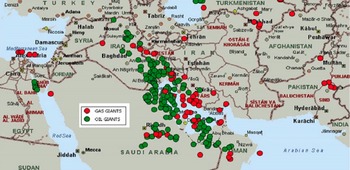
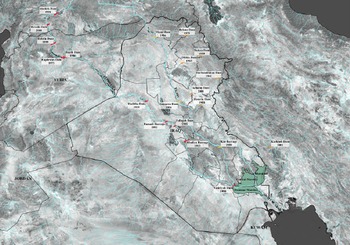


 Open access

