





1. Introduction
The primary grades represent a crucial phase for young learners’ language development, during which cognitive development may significantly influence vocabulary knowledge. Understanding how children’s cognitive development – encompassing metacognitive knowledge, working memory [WM], and non-verbal intelligence – relates to the progression of their vocabulary knowledge can enable educators to better tailor teaching strategies to meet young learners’ needs. Therefore, it is both theoretically and practically essential to elucidate the cognitive development of these students and the trajectory of their L2 vocabulary growth.
Early childhood is a period of rapid development in both language and cognitive abilities. Previous research has concentrated on how language development is intertwined with executive functioning – fundamental cognitive skills that underpin the broader construct of language, including vocabulary, syntax, and language acquisition (White et al., Reference White, Alexander and Greenfield2017). In the present study, cognitive development mainly involves metacognitive knowledge, WM, and non-verbal intelligence. These three factors were chosen because they offer specific insights into young learners’ metacognitive awareness of their executive functions within their own learning processes, holding and manipulating information, and processing information for abstract concepts (Ohtani & Hisasaka, Reference Ohtani and Hisasaka2018). These aspects are essential for the learning and retention of new L2 vocabulary in a bilingual setting. The three factors allow for stable development and influence individuals’ academic work (Sutherland, Reference Sutherland1992). First, metacognition refers to the knowledge and cognitive processes that accompany thinking about one’s own thinking (Teng, Reference Teng2025). It includes the ability to reflect on one’s learning, monitor one’s progress, and regulate one’s cognitive processes (Flavell et al., Reference Flavell, Miller and Miller1993) or the three basic phases of cognitive processing (initiation, planning and execution, and output) (Efklides, Reference Efklides2006). Metacognitive knowledge is a significant predictor of learners’ vocabulary knowledge development; students with a firm understanding of their own cognitive processes are more likely to gain new vocabulary (Teng, Reference Teng2022). In particular, knowledge about a person, task, and strategy is particularly important for young students’ longitudinal vocabulary development when learning English as a foreign language (EFL) (Teng & Mizumoto, Reference Teng and Mizumoto2024). Second, WM is a cognitive system responsible for temporarily holding and manipulating information related to a cognitive task (Baddeley & Hitch, Reference Baddeley, Hitch and Bower1974). It enables people to process information in real time. WM is notably important for vocabulary learning because learners can hold new words in memory while incorporating these terms into their existing knowledge. Learners with stronger WM abilities may be better prepared to process and retain new vocabulary, as they can hold more information in their mental workspace. They may then be able to make more connections between new words and their existing knowledge, leading to more efficient vocabulary learning (Gathercole et al., Reference Gathercole, Willis, Emslie and Baddeley1992). WM capacity significantly predicts EFL learners’ vocabulary knowledge development (Teng, Reference Teng2024; Teng & Zhang, Reference Teng and Zhang2023). Third, non-verbal intelligence refers to one’s analytical reasoning ability, namely the capacity to solve problems and think logically without relying on language (Paradis, Reference Paradis2011). Non-verbal intelligence is a core factor in young learners’ vocabulary development. For example, Sun et al. (Reference Sun, Yin, Amsah and O’brien2018) identified non-verbal intelligence as a significant predictor of bilingual young learners’ vocabulary knowledge, even when controlling for cognitive factors such as WM and metacognitive knowledge. It is thus essential to examine cognitive development, as it is thought to be tied to the skills to learn and apply new information in various contexts, including the growth of vocabulary knowledge.
Vocabulary knowledge extends beyond merely recognizing words; it encompasses a thorough understanding of their form, meaning, use in context, and depth of knowledge (Nation, Reference Nation2022). This type of knowledge also indicates a learner’s degree of language development. Studies have shown that individuals’ vocabulary knowledge between ages 5 and 6 can partially predict future reading achievement among monolingual English-speaking children (Scarborough, Reference Scarborough, Neuman and Dickinson2001). Additionally, an extensive vocabulary facilitates the acquisition of words and concepts (Biemiller, Reference Biemiller, Hiebert and Kamil2005). By building a robust vocabulary repertoire that covers these dimensions, learners can enhance their language proficiency and effectively engage in various aspects of communication, comprehension, and expression.
Although scholars have explored the roles of these cognitive factors (i.e. metacognitive knowledge, WM, and non-verbal intelligence) in acquiring vocabulary knowledge, longitudinal studies have rarely examined the developmental trajectories of these variables in young learners enrolled in bilingual programmes. Longitudinal research can track changes over time to provide a comprehensive sense of the dynamic relationships between cognitive factors and vocabulary knowledge. This depth of understanding is vital because these aspects are interconnected and guide language learning. The selection of the three cognitive aspects embodies the information-processing approach (Huitt, Reference Huitt2003). This framework posits that environmental information undergoes processing through various systems, such as attention, perception, and short-term memory. Key factors like metacognition, working memory, and intelligence play a crucial role in systematically transforming or modifying this information, thereby shaping the processes and structures fundamental to cognitive performance. In addition, the relationship between metacognitive knowledge, working memory, and non-verbal intelligence can be conceptualized within a hierarchical framework. Within this expanded framework, non-verbal intelligence remains a broad, encompassing a broad construct of various processes and abilities related to understanding and dealing with non-linguistic and spatial information, problem-solving, and reasoning, with working memory serving as a specific, integral component crucial for temporary storage and manipulation of information for complex cognitive tasks. Metacognitive knowledge introduces an additional layer, acting as a critical mediator that influences both the efficiency of working memory and the broader application of non-verbal intelligence. By discerning these relationships, we can recognize how cognitive processes support or hinder vocabulary learning and then apply vocabulary learning strategies accordingly.
2. Vocabulary learning
Acquiring vocabulary in a second language (L2) is crucial for attaining L2 proficiency, which is instrumental in enhancing communication and literacy skills. Therefore, enriching vocabulary is a paramount and continuous challenge in both first language (L1) and L2 education. Vocabulary acquisition is also significant in the context of language immersion programmes, where students typically commence their educational journey with minimal knowledge of the target language. These students are expected to utilize a substantial vocabulary, often acquiring a more extensive vocabulary in the target language than their counterparts in traditional L2 learning environments. However, the absence of systematic vocabulary instruction in many immersion and bilingual programmes results in students’ vocabulary knowledge being inadequate for expressing themselves appropriately for their age and academic level, thereby impeding their literacy development.
Understanding a word and its application in various contexts is central to vocabulary learning (Nation, Reference Nation2022). This entails not only memorizing words but also being capable of utilizing them across diverse language scenarios (Gu, Reference Gu2003). The acquisition process encompasses two primary dimensions: the knowledge dimension, involves the breadth and depth of vocabulary knowledge, requiring deliberate and explicit learning strategies (Schmitt, Reference Schmitt2008). The skill dimension, on the other hand, is largely dependent on implicit learning and memory processes (Ellis, Reference Ellis1994). Thus, vocabulary learning should cater to both the “knowing” and “using” aspects of language mastery.
Learners approach vocabulary acquisition with a variety of individual differences that significantly affect their learning pace and eventual outcomes. Factors such as age (Miralpeix, Reference Miralpeix and Muñoz2006), language aptitude (Dahlen & Caldwell–Harris, Reference Dahlen and Caldwell–Harris2013), intelligence (Ongun, Reference Ongun2018), metacognitive knowledge (Teng & Mizumoto, Reference Teng and Mizumoto2024), awareness of self-regulation abilities (Alamer et al., Reference Alamer, Teng and Mizumoto2024), and working memory capacity (Martin & Ellis, Reference Martin and Ellis2012) have been identified as crucial determinants. These stable, person-specific factors largely dictate a learner’s approach to vocabulary learning and the success thereof.
3. Metacognition in vocabulary learning
The role of metacognition in language learning, including bilingual learning, stems from Flavell’s (Reference Flavell1979) groundbreaking work. He introduced the concept of metacognition, referring to one’s awareness and understanding of their own cognitive processes, strategies, and knowledge. This notion entails the ability to monitor and regulate one’s learning, set goals, plan, and evaluate progress. In the field of applied linguistics, Teng (Reference Teng2025) acknowledged the power of metacognition in language teaching, particularly in early foreign language and bilingual learning settings. This focus is attributable to metacognition’s potential to improve language learning outcomes and inform instructional practices. Students who capitalize on metacognitive processes can become more effective and autonomous language learners. Different from learning a first language, learning a second (L2) or a foreign language involves deliberate actions that require self-invoked plans and cognitive skills. In an attempt to accomplish one’s goals in L2 learning, a person must coordinate various types of information and task-based strategies to solve the problems at hand (Wenden, Reference Wenden1998). Metacognitive knowledge reflects one’s understanding of their enduring characteristics and transient conditions for learning (person); the nature, purpose, and demands of the tasks (task); and methods for coping with tasks (strategies) (Flavell & Wellman, Reference Flavell, Wellman, Kail and Hagen1977). Metacognitive knowledge is also transsituational; that is, it can be applied in diverse learning settings. It further serves an executive function of directing one’s thinking and behaviour.
Learners possessing metacognitive knowledge tend to be aware of their own thinking processes and able to effectively control their learning.
Research in educational psychology has delved into the longitudinal growth of metacognitive knowledge, offering insights into how children’s understanding of their own cognitive processes evolves over time. Annevirta and Vauras (Reference Annevirta and Vauras2001) conducted a study tracking the development of metacognitive knowledge among primary school children, from preschool age up to the third grade, from ages of 6–7 to ages of 9–10. Their findings highlighted a significant enhancement in metacognitive awareness beginning around the ages of 6–7, with first graders starting to develop a more consistent understanding of cognitive processes and their roles in cognitive activities. However, they noted variability in the children’s grasp of specific cognitive processes, such as memory, comprehension, and learning. Furthering this line of inquiry, Roebers and Spiess (Reference Roebers and Spiess2017) focused on second graders (ages of 7–8), examining their abilities in metacognitive monitoring and control. Their research revealed a notable advancement in these areas among second graders, indicating a significant developmental stride in metacognitive capabilities. Building on this, Nicolay et al. (Reference Nicolay, Krieger, Stadler, Vainikainen, Lindner, Hansen and Greiff2022) embarked on a longitudinal study to examine the evolution of metastrategic knowledge – the application of strategies in learning – among students transitioning from grade 6 (ages of 12–13) to grade 9 (ages of 15–16). While initial findings showed statistically significant enhancements in metastrategic knowledge, indicating growth, their findings showed that students still showed considerable room for improvement in mastering these strategies across the two measurement points. These studies collectively underscore that the trajectory of metacognitive knowledge development is not only significant but also varies according to different educational stages and contexts. The collective findings reveal a complex picture of how children progressively refine their understanding and control over their cognitive processes, highlighting the nuanced nature of metacognitive development across different ages and learning environments.
There have also been other longitudinal studies on metacognition in the EFL context. Teng (Reference Teng2022) suggested that metacognitive knowledge and vocabulary knowledge were dynamically correlated among a total of 425 1st- to 4th-grade students learning EFL in primary school; participants’ metacognitive knowledge was strongly associated with their vocabulary knowledge throughout the selected school years. Teng and Zhang (Reference Teng and Zhang2021) investigated how children’s metacognitive knowledge, along with their reading and writing skills, evolves from Grade 1 to Grade 6. Their findings highlighted the predictive influence of students’ metacognitive knowledge on their reading and writing performance. Teng and Zhang (Reference Teng and Zhang2022) had previously described the covarying development of metacognitive knowledge and morphological awareness in groups of ethnic minority Yao and Han majority students, who were young learners and bilingual or multilingual speakers. The authors observed a cumulative trend from the third to the sixth grade: Yao minority students generally lagged behind Han non-minority students in morphology learning due to metacognitive knowledge. However, morphological awareness is strongly influenced by prior language experience. Early learners of alphabetic languages usually rely more on phonological information than morphological cues. Notably, Teng and Zhang (Reference Teng and Zhang2022) did not explore how Yao and Han students’ distinct language learning experiences may influence this process. Likewise, Teng and Zhang (Reference Teng and Zhang2024a) explored the longitudinal development of metacognitive knowledge and breadth of English vocabulary knowledge with a sample of 115 ethnolinguistic Yao minority and 108 ethnolinguistic majority Han students. The results indicated that both groups of Han and Yao students showed a cumulative improvement in their metacognitive knowledge and breadth of English vocabulary from third to sixth grade. Furthermore, metacognitive knowledge was identified as a predictor of the breadth of English vocabulary knowledge across the studied school years.
Metacognitive knowledge is thus a key component of the vocabulary learning process. Metacognition in vocabulary learning concerns reflecting on one’s learning processes and the techniques used to gain vocabulary. Young EFL learners with strong metacognitive knowledge can better regulate their own learning, monitor their progress, and adjust their strategies as needed (Teng, Reference Teng2022). For instance, a learner who knows their weaknesses in vocabulary acquisition may use specific tactics, such as repetition or association, to compensate for these limitations (Teng & Mizumoto, Reference Teng and Mizumoto2024). A plethora of studies have shown that learners’ metacognitive knowledge is positively related to their vocabulary learning (e.g. Teng, Reference Teng2022; Teng & Zhang, Reference Teng and Zhang2023, Reference Teng and Zhang2024). Yamada (Reference Yamada2018) explored a taxonomy of metacognitive vocabulary learning strategies and their relationship with vocabulary knowledge, based on a sample of 132 middle-school EFL learners. Participants completed a vocabulary size test and a questionnaire on vocabulary learning strategies. The 20 metacognitive vocabulary learning strategies were grouped into six factors. A regression analysis highlighted input seeking as a positive predictor of vocabulary test scores from the 1,000- to 4,000-word levels. Spaced learning positively predicted test scores for the 2,000- and 3,000-word levels. Guessing with confidence positively predicted test scores for the 2,000- and 5,000-word levels. Note-making was a significant predictor at the 5,000-word level. Planning was not a positive predictor of test scores from the 1,000- to 5,000-word level; in other words, planning appeared less important in vocabulary knowledge scores. However, one critical issue is that the six factors, including input seeking, planning, selective attention, spaced learning, guessing with confidence, and note taking, were considered vocabulary learning strategies that partially reflect metacognition. Teng and Zhang (Reference Teng and Zhang2023) subsequently discovered that metacognitive knowledge (i.e. in relation to the person, task, and strategies) was integral to multilingual young learners’ vocabulary acquisition.
Overall, metacognitive knowledge relates to the parameters of learning and performance. It represents an executive function that coordinates one’s thinking and behaviour in vocabulary learning. Young students must become aware of their own cognitive processes when acquiring vocabulary. Developing metacognitive knowledge of persons, tasks, and strategies can help individuals control their learning and improve their vocabulary knowledge. They can then develop new vocabulary more efficiently. Understanding their own cognitive processes and using strategies to plan and monitor their learning should lead to more successful outcomes. Developing metacognitive knowledge is especially important for young learners. By doing so, learners can become more conscious of their cognitive processes and more confident in their ability to gain vocabulary.
4. Working memory in vocabulary learning
WM involves learners’ basic cognitive abilities to maintain and process a certain amount of information for a brief period while completing other tasks (Baddeley, Reference Baddeley1992). Scholars have continually studied how WM intertwines with vocabulary learning. This concept is believed to catalyze the formulation and refinement of the cognitive model in vocabulary learning (Ellis & Sinclair, Reference Ellis and Sinclair1996). Baddeley’s multicomponent model of WM is widely regarded as the most influential framework for studying WM. Researchers have lately begun to recognize the unique roles of phonological and executive WM in terms of learning subskills in L2 acquisition (Wen & Skehan, Reference Wen and Skehan2021). It is therefore essential to examine individual differences in executive functions such as updating, task switching, and inhibitory control (Miyake, Reference Miyake2001).
In the realm of educational psychology, the study of the longitudinal growth of WM has garnered attention. A notable study by Reynolds et al. (Reference Reynolds, Niileksela, Gignac and Sevillano2022) delved into the development of WM in childhood, specifically from ages five to 11½ years. Their findings revealed a curvilinear trajectory of WM growth, characterized by an initial rapid increase that gradually slows over time. This pattern of decelerating growth marks a departure from earlier research (Gathercole et al., Reference Gathercole, Pickering, Ambridge and Wearing2004), which posited a linear increase in WM throughout childhood. Further complicating the picture, research by Stipek and Valentino (Reference Stipek and Valentino2015) suggests that the rate of WM growth may vary significantly across different stages of childhood. Their findings indicate a sharper increase in WM during the early years of elementary school, followed by a more gradual growth in later years, supporting the notion of a curvilinear growth pattern. These studies collectively highlight the variability in WM development among children, suggesting that individual trajectories of WM growth are influenced by a variety of factors. Moreover, the observed differences in growth trajectories can partly be attributed to the diverse methodologies employed in assessing working memory. The association between WM growth and other developmental changes further underscores the complexity of WM development.
WM plays a part in vocabulary learning; students must access recently presented information while processing and integrating new details or prior knowledge in a developing mental model. Martin and Ellis (Reference Martin and Ellis2012) analyzed how phonological short-term memory and executive WM affect vocabulary and grammar learning in a foreign language context. The participants were 40 monolingual native-speaker university students. Results demonstrated significant independent effects of phonological short-term memory and executive WM on L2 vocabulary and grammar learning. Later, in a multimedia learning context for university EFL students (Teng & Zhang, Reference Teng and Zhang2023), findings again showed the benefits of phonological short-term memory and executive WM on vocabulary learning. Simply put, students with a lower WM capacity may struggle to achieve adequate vocabulary learning outcomes. Vocabulary learning often requires people to process and remember multiple pieces of information simultaneously, which can be challenging for those with a limited WM capacity (Teng, Reference Teng2024). Furthermore, when the WM demands of a vocabulary learning activity exceed one’s WM capacity, they might have trouble preserving necessary information. Less satisfactory vocabulary learning outcomes might follow, such as difficulty recalling new words or using them correctly.
Other studies have addressed bilingual young learners. Morra and Camba (Reference Morra and Camba2009) explored WM and vocabulary learning in 161 primary school bilingual students in Italy. Vocabulary knowledge was assessed with the Primary Mental Abilities battery; WM was measured through forward digit span, backward digit span, non-word repetition, and counting span. Linear structural relation models underlined WM capacity as a main predictor of learning short non-words but not long non-words. In another case (Stokes & Klee, Reference Stokes and Klee2009), 232 bilingual children (aged 24–30 months) were tested on expressive and receptive vocabulary, cognitive development, word learning, and WM skills. The authors focused on the relative effects of demographic, cognitive, behavioural, and psycholinguistic factors on these students’ vocabulary development. Non-word repetition was the only significant unique predictor of vocabulary learning scores, indicating the importance of WM for young students’ vocabulary. Teng (Reference Teng2023) proposed that phonological short-term memory and complex working memory exert distinct predictive influences on vocabulary learning outcomes, particularly regarding incidental learning and retention. Notably, phonological working memory demonstrated a stronger predictive effect on both incidental vocabulary acquisition and retention compared to complex working memory. Seigneuric and Ehrlich (Reference Seigneuric and Ehrlich2005) examined how WM capacity and vocabulary knowledge contribute to bilingual young learners’ reading comprehension. Data were collected from 74 students in Grades 1–3. The authors concentrated on developmental trends in WM and reading along with the relative impacts of WM and vocabulary on reading-related success. Multiple regression analysis indicated that WM capacity directly predicted reading comprehension in Grade 3. Vocabulary learning success in Grade 1 and WM in Grade 2 additionally contributed to reading comprehension in Grade 3. WM and vocabulary knowledge were thus deemed important for reading.
In summary, WM is a key component of cognition. WM development throughout childhood is a major predictor of cognitive development and vocabulary learning. To date, the literature has reflected limited attention to bilingual young students’ longitudinal development of WM and its relationship with vocabulary learning. Gathercole and Pickering (Reference Gathercole and Pickering2000) argued that this oversight may be due to difficulties in assessing WM for young learners. Although we agree that vocabulary learning is closely associated with WM, it seems important to contemplate how WM supports young students’ vocabulary learning over time. Longitudinal studies call for substantial time, resources, and effort. Following young students over an extended period to monitor their WM development and vocabulary learning can be logistically complicated. Bilingualism is complex and influenced by multiple factors, such as language proficiency, language use patterns, and language dominance. These aspects can interact with WM development and vocabulary learning in nuanced ways.
5. Nonverbal intelligence in vocabulary learning
The understanding of non-verbal intelligence can be traced back to Cattell’s (Reference Cattell1963) theory on fluid intelligence. Non-verbal intelligence captures one’s ability to solve problems through extensive reasoning (e.g. memory, imagination, thinking, recognition, meaning understanding, concept formation, classification, and reasoning). This type of intelligence embodies young learners’ skills related to memory, imagination, thinking, classification, and deduction. Children are sensitive to time and location, and vocabulary knowledge partly corresponds to non-verbal intelligence (Anderson & Freebody, Reference Anderson, Freebody and Guthrie1981). Sunde et al. (Reference Sunde, De Smedt, Verschaffel and Sunde2024) discovered that non-verbal reasoning abilities in first-grade students were predictive of their mathematics achievement by the fourth grade. This study highlighted the possibility of developing the ability to solve single-digit arithmetic problems in the first grade, while also noting the presence of individual differences in this process. Several empirical studies have addressed the issue of non-verbal intelligence in bilingual young learners. Ongun (Reference Ongun2018) focused on 100 Turkish bilingual children in the United Kingdom and documented a significant relationship between non-verbal intelligence scores (measured via Raven’s coloured progressive matrices) and productive vocabulary size. Song et al. (Reference Song, Su, Kang, Liu, Zhang, McBride-Chang, Tardif, Li, Liang, Zhang and Shu2015) explored vocabulary learning, reading, and non-verbal intelligence among learners of speaking Chinese and learning English in China. Cognitive skills, including non-verbal intelligence, varied among groups with different developmental vocabulary trajectories. The initial size and growth rate of vocabulary may predict later reading development. Other research has compared monolingual and bilingual young learners. In an early study (Beech & Keys, Reference Beech and Keys1997), a group of 40 bilingual Asian children and a monolingual group of 24 children completed a series of standardized tests: non-verbal intelligence, vocabulary, basic reading, reading comprehension, and language preference questionnaires. A marked difference emerged in the two groups’ receptive oral vocabulary and reading abilities. Their development of vocabulary and reading was related to non-verbal intelligence.
Cognition, including non-verbal intelligence, may be pertinent when bilingual young learners acquire vocabulary knowledge. De Wilde et al. (Reference De Wilde, Brysbaert and Eyckmans2021) recruited 107 bilingual young students and discovered that external factors (e.g. out-of-school exposure and length of instruction) affected vocabulary learning more than internal attributes such as first-language vocabulary size and cognition. Conversely, Sun et al. (Reference Sun, Yin, Amsah and O’brien2018) explored WM and analytic reasoning ability in a sample of 805 multilingual Singaporean bilingual young students. Cognition accounted for a higher degree of variance in vocabulary learning. Non-verbal intelligence was not specifically assessed in either of these studies. Cognitive factors, such as analytic reasoning ability, can be generalized to provide insight into non-verbal intelligence. These findings emphasize the need to consider cognitive factors when pondering the intricacies of young learners’ vocabulary acquisition.
6. Current study
Research has described the relative impact of cognition on vocabulary knowledge development. Far less is known about young learners’ longitudinal development in a bilingual programme. By tracking their cognitive abilities and receptive vocabulary knowledge over an extended period, the present study paints a more vivid picture of how these factors, i.e. metacognitive knowledge, WM, and non-verbal intelligence, are developed in young learners. The hypothesis is that young learners might have the capability to enhance their metacognitive knowledge, WM, non-verbal intelligence, and understanding of receptive vocabulary during their elementary school years. There could be a relationship between cognitive factors and vocabulary understanding, with various cognitive factors potentially affecting the growth of vocabulary knowledge. Findings thus unveil potential areas for intervention or support for these students’ vocabulary knowledge development. The present study addresses the following three questions:
-
1. To what extent do learners develop in terms of cognitive factors (i.e. metacognitive knowledge, WM, and non-verbal intelligence) and receptive vocabulary knowledge during primary grades?
-
2. What are the covarying relations between learners’ cognitive factors (i.e. metacognitive knowledge, WM, and non-verbal intelligence) and receptive vocabulary knowledge during primary grades?
-
3. What is the relative significance of these three cognitive factors on receptive vocabulary knowledge during primary grades?
7. Methods
7.1. Research design
This study examined the longitudinal development of young learners’ vocabulary knowledge during primary school. We focused on the covarying development of vocabulary knowledge with metacognitive knowledge, WM, and non-verbal intelligence. Tests were repeated annually from Grade 1 (from ages 6 to 7) to Grade 6 (from ages 12 to 13). Although test–retest designs might enable participants to deliberately memorize target items, no ceiling or floor effects were apparent in this research.
7.2. Participants
A total of 210 children from ages 6 to 7 (104 boys, 106 girls; M age = 78.1 months, SD = 3.42 months) who were enrolled in a bilingual learning programme participated in this study. The programme aims to develop students’ proficiency in Mandarin Chinese and English. It employs a content-based approach, where academics are taught in both languages so students can cultivate subject knowledge while enhancing their language skills. Participants were followed throughout primary school. Testing was administered at the end of each grade to ensure participants had received a certain extent of English instruction. Many participants reportedly began learning English in Grade 1, but some said their lessons started earlier through a private English learning centre. Our initial sample consisted of all Grade 1 students (n = 230) from a prestigious primary private school in a developed city in southern China. A total of 210 students completed the test materials required at all measurement points. Attrition was due to parents’ relocation (n = 15) or missing data (n = 5). All parents permitted us to gather data from their children for the purposes of this research. The sample was culturally and racially homogenous. Most participants hailed from a socioeconomic background with substantial income. Their parents worked in the developed city and supported the students’ education there. All participants spoke Chinese as their first language. None attended special education classes.
7.3. Measures
This study focused on the cognitive antecedents of vocabulary knowledge acquisition, namely metacognitive knowledge, WM, and non-verbal intelligence. Variables were measured through individual testing administered via an iPad. All tests were conducted by 16 investigators with extensive teaching experience and training in psychological assessment. The testing procedure, which involved approximately 30 students per day, took place over one week. The measures are described in the ensuing subsections.
7.3.1. Vocabulary knowledge (VK)
We referred to Anthony and Nation’s (Reference Anthony and Nation2017) Picture Vocabulary Size Test (PVST) to evaluate participants’ vocabulary knowledge. The PVST is a standardized test that estimates young learners’ receptive vocabulary knowledge. It pertains to vocabulary size, specifically the number of words a person may know. The PVST was primarily developed for either young preliterate native speakers up to age 8 or young non-native speakers of English. It is a recognition test that assesses whether the test taker can find a suitable meaning (i.e. a picture) for a given word. Two 96-item test sets are included. We only used the first set, as no ceiling effects were observed among participants. A ceiling rule is that if all students respond to 96 items correctly, we need to include more test items. Each image plate in the set contains four pictures. Participants were required to choose one picture they believed represented the meaning of the stimulus word they had heard (or an “I don’t know” option). As vocabulary knowledge tends to develop gradually and incrementally, it can be reliably tracked across age groups. Vocabulary knowledge acquisition and development can therefore be analyzed longitudinally.
For the purposes of this study, “vocabulary knowledge” refers to an assessment that measures the receptive vocabulary size of young Chinese learners. The original test required learners to choose a correct picture after listening to a target word. We modified this test format after consulting with teachers in the chosen school. The revised version included printed text for the target words, enabling learners to listen while reading the words and then select the correct picture. This change was made because comprehending new words solely through listening was considered too challenging for young Chinese learners, who have limited exposure to the target language. Although the test format used here differs from the one proposed by Nation and Anthony (Reference Nation, Anthony and Hinkel2016) to evaluate vocabulary size, was intentionally less difficult. This test targeted learners’ receptive vocabulary knowledge by assessing their capacity to associate words with visual representations; it focused on comprehension and recognition rather than productive vocabulary use.
In order to make this test appropriate for young learners, who may be vulnerable in their cognitive, social, emotional, and physical growth (McKay, Reference McKay2006), we administered this test in a one-on-one manner to support each participant individually. The teacher sought to keep every student on task by providing encouraging feedback such as “You are doing well” and “Good job.” The PVST yields raw scores indicating the number of items correct out of 96. Participants received five training words and image plates prior to the formal assessment to familiarize themselves with the test requirements. The test stopped once a participant made errors on six consecutive items. Cronbach’s alpha values by grade ranged from .85 to .91, indicating sound test reliability. Two raters scored the assessment. The interrater reliability equalled 98.5%, and disagreements were resolved through discussion.
7.3.2. Metacognitive knowledge (MCK)
MCK was measured using a personal interview-based test adapted from earlier studies (Annevirta & Vauras, Reference Annevirta and Vauras2001; Teng, Reference Teng2022; Teng & Zhang, Reference Teng and Zhang2024b). The teacher presented a series of verbal and visual tasks as prompts for participants to express metacognitive knowledge. This test was used to measure young students’ cognitive processes, including their abilities to remember, understand, and learn. This test totally included 24 tasks (e.g. recalling a story, focusing on a task, using WM, recalling previously encountered items, and examining objects). Each picture depicted a young boy or girl attempting to remember, understand, or learn something. Figure 1 shows a sample picture task in which a young boy is trying to understand a storybook.
An example task in the MCK test.

The teacher verbally explained every situation in the test. Following each explanation, participants independently looked at the drawings. They then chose the picture that best reflected their idea of remembering, understanding, or learning. For example, when answering the question, “What was the best way for the boy to remember the details of a story?”, the learners selected one picture. In the original MCK test, scores were assigned based on participants’ decisions. We did not rate young learners’ selections in this way because some participants randomly guessed without fully understanding the task directions. Scores were therefore mostly based on learners’ verbal justification (e.g. “Why can the boy you chose remember the details of a story?”) (Figure 1).
Participants’ level of English language proficiency could affect these test results. The assessment was thus completed in Chinese, their first language, to mitigate associated limitations. However, some participants still found certain questions challenging. The teacher guided these learners by telling them to imagine themselves as the child in the given situation. The teacher also gave prompts to help participants reflect on how to remember, understand, or learn something: “How would you try to remember as much information as possible from a storybook?” (memory); “How would you try to understand a storybook?” (comprehension); and “How would you learn from a storybook?” (learning). These prompts helped learners consider factors that might influence their cognitive activities and provided explanations that accorded with their thoughts and experiences.
Participants’ explanations were scored on a 4-point scale. Zero points were given for no answers or irrelevant justifications (e.g. “I just think it’s good” or “I just like it”). One point was awarded for implicit, indirect references to the participant’s cognitive processing (e.g. “I can know more through books,” “I try to find something new in the book,” or “I like reading books”). Two points were awarded for adequate cognitive mental processing (e.g. “I can find something new when I focus a lot on reading” or “I know more when I take notes while reading”). More explicit explanations related to cognitive processing earned three points (e.g. “Playing with toys while reading can make me distracted” or “Taking notes from reading can better help me memorize some details”).
Scores for the explanations were summed for a possible maximum of 72 points. Participants’ scores reflected the quality of their oral explanations about metacognitive knowledge. Young learners’ descriptions of their academic routines and cognitive mental processing reflected such knowledge. This MCK test aligned with Flavell’s (1976) theoretical conceptualization that metacognitive knowledge conveys learners’ ability to understand their own cognitive processes.
Cronbach’s alpha values by grade ranged from .79 to .85, indicating sound reliability for this test. Participants’ verbal explanations were recorded and transcribed. Three independent judges, who had no involvement in the instruction process, were paid to evaluate the answers. All had more than five years of experience teaching English in primary school. They rated participants’ verbal explanations twice. Interrater reliability reached 86–95% in the second round of scoring. Disagreements were resolved through discussion and majority opinion.
7.3.3. Test of non-verbal intelligence
The Test of Non-verbal Intelligence (Third Edition, TONI-3) assesses young learners’ abstract/figural problem-solving (Brown, Sherbenou, & Johnsen, Reference Brown, Sherbenou and Johnsen1997). Measurement topics include shape, position, direction, rotation, contiguity, shading, size, and movement. The TONI-3 is a single-scale test that evaluates performance on a standalone factor associated with non-verbal problem-solving. The assessment includes two forms (“A” and “B”) to establish multiple measures of a test taker’s ability. Each form contains one 45-item test with six response options. Each item is scored as 1 if answered correctly or 0 if answered incorrectly for a maximum possible score of 90 points. Regarding content validity, the TONI-3 is culture-free and language-independent: it concerns figural problem-solving skills that do not rely on specific cultural or linguistic knowledge (Brown et al., Reference Brown, Sherbenou and Johnsen1997). The alpha coefficients by grade ranged from .81 to .87, indicating sound reliability.
7.3.4. Working memory
The Working Memory Power Test (WMPT) was used to assess learners’ WM capacity (Freeman et al., Reference Freeman, Karayanidis and Chalmers2017). This test taps into one’s confidence and accuracy in memory performance. The emphasis of this test was on evaluating the memory-updating capabilities of young learners, as opposed to assessing their phonological WM. This approach was chosen to better understand how these learners process and refresh information in their working memory, a critical aspect of cognitive development that differs significantly from the mere storage capabilities associated with phonological WM. The test has five levels of increasing difficulty: Memorize, 1-Swap, 2-Swap, 3-Swap, and 4-Swap. At the Memorize level, the participant is presented with drawings of three animals (e.g. bird, rat, and dog) on the screen, which function as non-verbal stimuli. The test taker must remember these items in order. They then use a mouse to click a button to proceed through the test. The participant chooses one out of six options for each question. Every option is a triplet of three presented animals in various orders. The person should choose the triplet that reflects the order of animals they have seen; this level is the easiest. The 1-Swap condition is more difficult, wherein the participant views a new triplet of three animals and must mentally swap the position of two of the three (e.g. “Swap 2 and 3”). The original triplet remains on the screen but disappears when the test taker clicks a button to proceed to the next item. Six options then appear again. The person should pick the option corresponding to the swapped sequence. The 4-Swap is the most challenging level. It involves four position swaps (e.g. “Swap 3 with 1, then 2 with 3, then 1 with 2, and then 3 with 2”). Instructions for this test were provided in Chinese. After each level, learners were required to rate their confidence in their performance on a 4-point scale. We could not obtain the data from first graders because many participants were unable to indicate their level of confidence. Scores only reflected accuracy in these instances. Each level consisted of five trials for a total of 125. One point was awarded per trial. The test had good reliability as evidenced by a Cronbach’s alpha value of .83.
7.4. Procedure
All tests were performed individually. The MCK and VK took approximately 90 minutes to finish; while the TONI-3 and WM tests each took approximately 15–20 minutes to complete. All tests were conducted on the same day, but each was administered at different time intervals to reduce the cognitive load on participants. Data collection began in the second semester of first grade and was repeated annually from the second semester until sixth grade. Each test ceased once participants answered six consecutive items incorrectly. No ceiling effects were detected for any test. The school, and its teaching department, demonstrated considerable support for this longitudinal study, recognizing its potential to yield insightful information for teaching and policy making. This facilitated the study’s smooth execution. In support of this endeavour, a total of 30 English teachers from the institution actively engaged in the data collection process.
7.5. Data analysis
Latent growth curve analysis was conducted using structural equation modelling in Mplus to explore dynamic relationships between cognitive factors and vocabulary knowledge development. Using longitudinal data with identical multiple indicators at each point enabled a thorough understanding of participants’ cognitive factors and vocabulary knowledge over time (Geiser, Reference Geiser2013). The measurement of each variable was divided into several latent components to understand linear or quadratic trends. This approach yielded rich information on how these variables evolved. Multilevel modelling was adopted to explore the relative significance of the three cognitive factors on vocabulary knowledge. This technique accounted for the nested structure of the data, where repeated measures of vocabulary knowledge were nested within participants. Variance in the data could thus be estimated with greater accuracy. We could also identify which cognitive factors significantly influenced young learners’ development of vocabulary knowledge and language skills over time. Data and coding were shared through an open science framework (https://osf.io/w7nt6/) to promote open science practices.
8. Results
Table 1 lists descriptive statistics for each test across time.
Descriptive statistics of cognitive factors and vocabulary knowledge

Note. MCK, metacognitive knowledge; WM, working memory; NVI, non-verbal intelligence; and VK, vocabulary knowledge.
Participants demonstrated steadily increasing growth in their vocabulary knowledge, MCK, WM, and non-verbal intelligence (NVI). Standard deviations showed large individual differences in each test at each time point. Skewness and kurtosis values indicated that the data were normally distributed. A Pearson correlation analysis revealed significant positive correlations between MCK, WM, NVI, and VK (Table 2)
RQ 1. Cognitive development and receptive vocabulary knowledge during primary grades
Correlations between variables at different time points

A linear latent variable growth model and a quadratic non-linear growth model were constructed to answer the first research question (i.e. on developmental trends in young learners’ cognitive factors and vocabulary knowledge). The intercept (α) and slope (β) need to be estimated in a linear latent variable growth model. The intercept represents the initial level of learners’ developmental trajectories, and the slope indicates the development speed. Factor loadings were limited to one (set to 0, 1, 2, 3, 4, and 5) in our model, and the interval between each test point was equal. Table 3 displays the intercept and slope values.
Intercept and slope values of each factor

We computed each variable’s developmental pattern. We first calculated the formula for MCK: MCK = 18.965 + 4.662*time + .451*time2 (time: starting from 0; 0, 1, 2, 3, 4, and 5 represent the first, second, third, fourth, fifth, and sixth measurement scores, respectively). The other formulas were as follows: WM = 13.350 + 5.631*time + .434*time2; NVI = 14.460 + 7.024*time + .130*time2; VK = 13.846 + 11.797*time.
We further attempted to determine the linear or quadratic model for each variable based on our formulas. Linear and quadratic growth models were used to compare development trends across the six measurements of the variables. The optimal growth model was determined based on model fit. According to the indicators in Table 4, MCK, WM, and NVI were the best examples of quadratic growth, while VK was the preferred linear growth model.
Comparison of linear and quadratic models for each variable

The model intercept (i.e. initial vocabulary knowledge level) was 18.95 (p < .001) and increased significantly during the subsequent 5-test period (p < .001). The factor loadings indicated linear growth that accelerated significantly during primary grades (p < .001). The variance of the intercept (σ2 = 2.98, p < .001) and the variance of the slope (σ2 = .76, p < .001) were also significantly greater than 0; that is, the initial level and growth rate of learners’ vocabulary knowledge showed clear individual differences. The correlation between the intercept and the slope was significant as well (p < .001), demonstrating that growth in learners’ vocabulary knowledge was significantly associated with their starting level. All three types of cognitive development trends were quadratic and did not convey linear growth. The slopes of the quadratic functions changed at each time point. Individual differences were evident in both the initial levels and growth rates of learners’ cognitive factors. Growth was not significantly associated with starting level in these respects.
RQ 2. The covarying relations between cognitive development and receptive vocabulary knowledge during primary grades
To answer the second research question on the covarying relations between cognitive factors (i.e. metacognitive knowledge, WM, and non-verbal intelligence) and vocabulary knowledge, we tried to determine each factor’s impact on vocabulary development. Predictors such as MCK, WM, and NVI were incorporated into three growth models to examine whether each factor influenced differences in learners’ initial levels and growth rates of vocabulary knowledge. We used fit indices (i.e. chi-square test, comparative fit index [CFI], root mean square error of approximation [RMSEA], and standardized root mean square residual [SRMR]) to ensure that the statistical model fit the data well. Hu and Bentler (Reference Hu and Bentler1999) reported that a cutoff value close to .95 is ideal for TLI and CFI, a value close to .08 is desirable for SRMR, and a value close to .06 is preferable for RMSEA. An overall model fit is not necessarily compromised if a few indices do not meet these specifications (Hu & Bentler, Reference Hu and Bentler1999). Our model showed an acceptable model fit (Table 5).
Model fit indexes

Next, we determined the intercept and slope between each cognitive factor and vocabulary knowledge. Figure 2 and Table 6 show the covarying relationship between MCK and VK.
The intercept and slope correlation between MCK and VK.

The intercept and slope correlation coefficient between MCK and VK

The intercept for MCK was significantly positively correlated with the intercept for VK (r = .877, p < .001) and the slope (r = .238, p < .05). A higher initial MCK level therefore correlated with a higher initial VK level and a faster VK growth rate. The slope of MCK significantly correlated with the VK intercept (r = .718, p < .001) and slope (r = .343, p < .001): the faster MCK grew, the faster VK grew, and the two displayed a similar growth trend. The quadratic slope of MCK was significantly correlated with the VK intercept (r = -.437, p < .001). In other words, the higher the starting point of VK, the larger the quadratic slope of MCK growth.
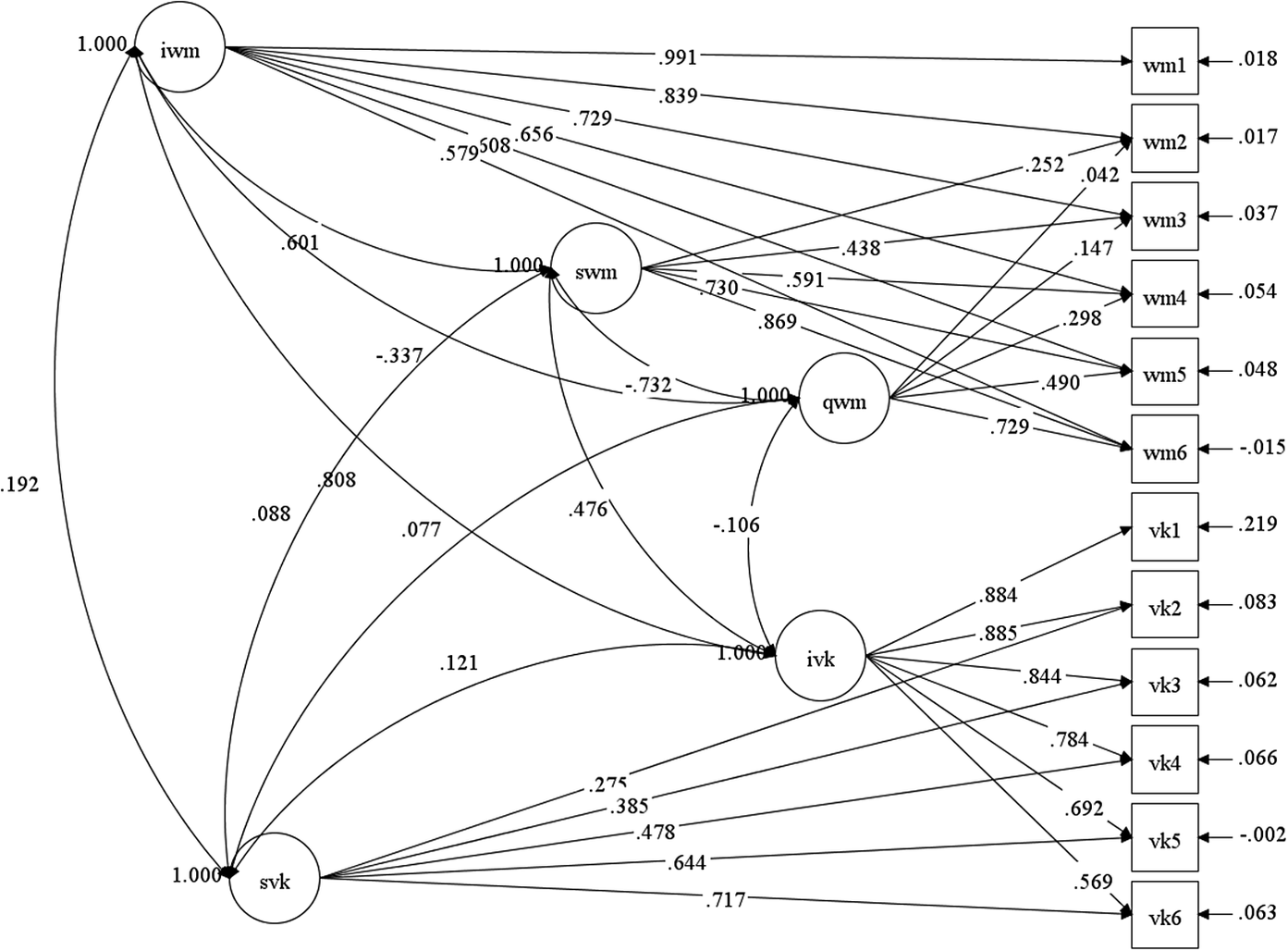
Figure 3 and Table 7 show the covarying relationship between WM and VK.
The intercept and slope correlation between WM and VK.

The intercept and slope correlation coefficient between WM and VK

The intercept of WM was significantly positively correlated with the intercept and slope of VK: the higher the WM starting point, the higher the VK starting point. A higher starting point for WM also corresponded to faster growth in VK. The linear slope of WM was significantly correlated with the VK intercept, indicating that the higher the VK starting point, the greater the linear slope of WM growth.
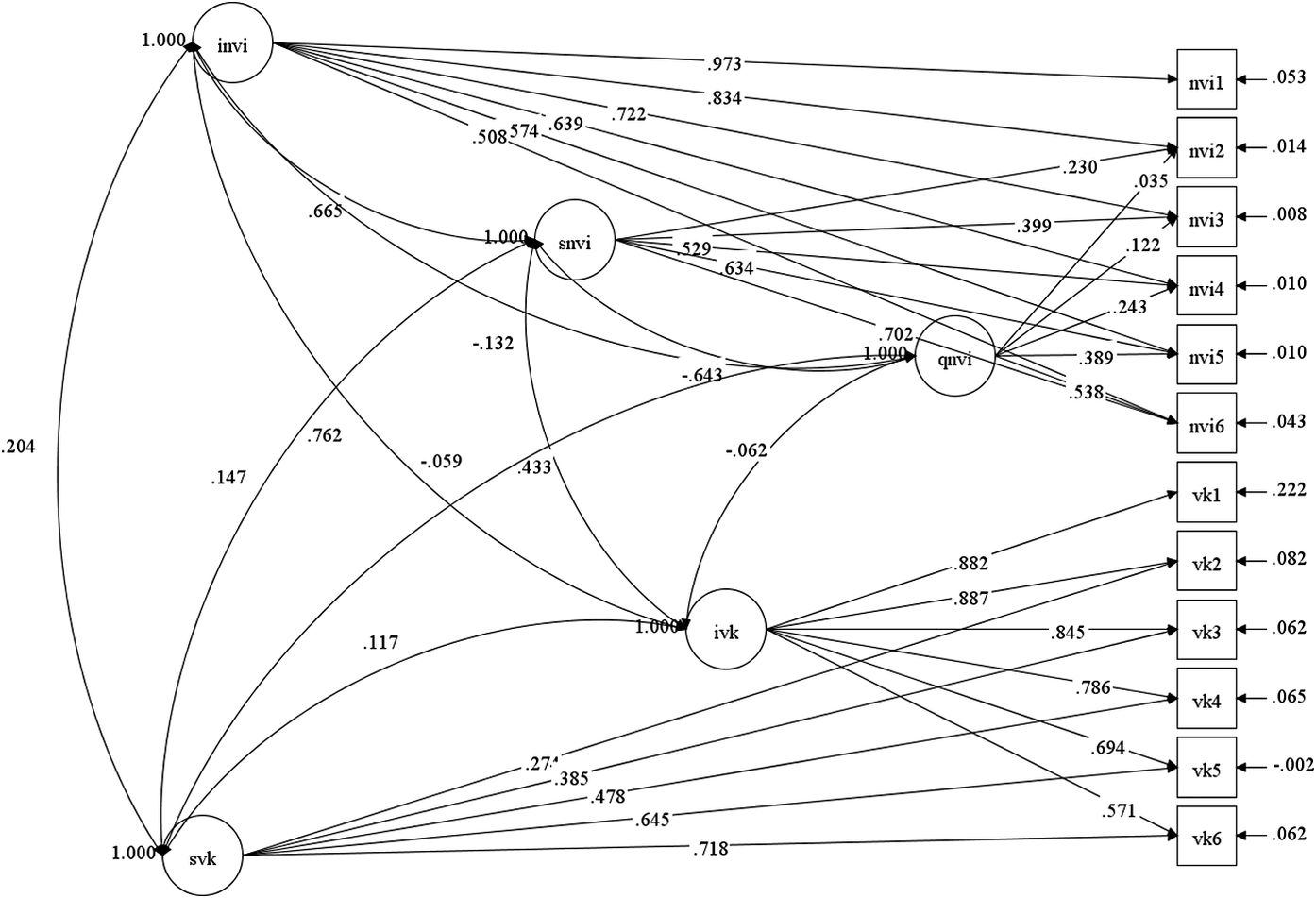
Figure 4 and Table 8 show the covarying relationship between NVI and VK.
The intercept and slope correlation between NVI and VK.

The intercept and slope correlation coefficient between NVI and VK

The intercept of NVI was significantly positively correlated with the intercept and slope of VK: the higher the NVI starting point, the higher the VK starting point. Also, a higher NVI starting point was tied to faster VK growth. The linear slope of NVI was significantly correlated with the VK intercept, such that a higher VK starting point led to a greater linear slope of NVI growth.
RQ 3. The relative significance of cognitive factors on receptive vocabulary knowledge during primary grades
We adopted multilevel modelling to answer the third research question (i.e. concerning the relative significance of learners’ three cognitive factors for vocabulary knowledge). Prior to carrying out this analysis, we calculated the intercorrelation coefficient (ICC) for VK (ICC = .102): in brief, the between-subject variable explained 1.2% of the variance in the dependent variable, VK, while the within-subject variable explained 89.8%. A multilevel model was hence suitable for exploring the roles of cognitive factors on VK. We built the following multilevel model accordingly:
Level 1:
VK = β0i + β1i(time) + β2i(MCK) + β3i(WM) + β4i(NVI) + rit
Level 2:
β0 = γ00 + u0i
β1 = γ10 + u1i
β2 = γ20 + u2i
β3 = γ30 + u3i
β4 = γ40 + u4i
First-level independent variable
Time = 0, 1, 2, 3, 4, 5
MCK, WM, and NVI are respective time variables.
The second-level independent variable, and no time variables.
As shown in Table 9, MCK, WM, and NVI all significantly and positively contribute to the development of VK, with standardized regression coefficients of .441, .166, and .186, respectively. This indicates that MCK has the strongest influence on VK development, suggesting that an individual’s awareness and understanding of their own cognitive processes play a pivotal role in acquiring new vocabulary. Following MCK, NVI, which encompasses reasoning and problem-solving abilities, also shows a notable impact on VK, albeit to a lesser extent. WM, while still positively affecting VK development, has the least influence among the three predictors. This hierarchy of effects underscores the complex interplay between cognitive processes in aquiring vocabulary knowledge.
The influence of cognitive factors on VK

9. Discussion
Overall, the study’s findings reveal a consistent pattern of growth in vocabulary knowledge (VK), alongside increases in metacognitive knowledge (MCK), working memory (WM), and non-verbal intelligence (NVI). These three cognitive factors, which are indicative of broader cognitive development, exhibited a quadratic growth pattern, suggesting a complex, non-linear progression over time. In contrast, the expansion of VK followed a linear growth model, indicating a steady, direct increase. The research highlighted a significant correlation between the initial levels of MCK, WM, and NVI, and both the starting level and the acceleration of VK development. This suggests that higher foundational levels of these cognitive abilities not only contribute to a superior initial capacity for vocabulary but also facilitate a quicker pace of vocabulary acquisition. MCK, WM, and NVI were found to be significant, positive predictors of VK development, underscoring their integral role in enhancing vocabulary knowledge.
This selection of cognitive aspects aligns with the information-processing approach as outlined by Huitt (Reference Huitt2003), which posits that environmental information is processed through various cognitive systems including attention, perception, and short-term memory. Within this framework, metacognition, working memory, and intelligence are key in systematically transforming and organizing information. This process is vital for the development of VK, as it influences the cognitive structures and processes at the heart of vocabulary learning. By understanding and leveraging these cognitive factors, educators and learners can more effectively enhance vocabulary acquisition, reflecting the intricate interplay between cognitive development and vocabulary learning.
9.1. Development of cognitive factors and vocabulary knowledge
Our findings uncovered individual differences in the initial levels and growth rates of the young learners’ development of cognition and vocabulary knowledge. In addition, the growth rate of vocabulary knowledge was significantly associated with the starting level. The growth of cognitive development was less straightforward: no significant correlation emerged between its initial level and growth rate. The metacognitive knowledge growth model has provided compelling evidence that young learners experience a steady increase in their metacognitive knowledge from first through sixth grade. This pattern of growth aligns with findings from previous research (Annevirta et al., Reference Annevirta, Laakkonen, Kinnunen and Vauras2007), which documented a significant enhancement in metacognitive knowledge accompanying age progression among young learners. Building upon the foundational work of Annevirta and Vauras (Reference Annevirta and Vauras2001), as well as more recent studies (Teng, Reference Teng2022; Teng & Zhang, Reference Teng and Zhang2021, Reference Teng and Zhang2022, Reference Teng and Zhang2024a), the present study reveals that the initial levels of metacognitive knowledge in bilingual young learners play a critical role in their future development in this area. This is particularly noteworthy as Roeschl-Heils et al. (Reference Roeschl-Heils, Schneider and van Kraayenood2003) highlighted a significant challenge: young learners, for example, those acquiring English in a predominantly German-speaking environment, who start with lower levels of metacognitive knowledge, may find it difficult to achieve the same rate of progress as their peers with initially higher metacognitive knowledge. Further extending the discourse, Roebers and Spiess (Reference Roebers and Spiess2017) conducted a study over a year, contributing to the body of longitudinal evidence on this subject. The current research complements these findings by providing longitudinal data that underscores the significance of metacognitive skills development over a considerable period. Specifically, in the context of tasks involving learning, memory, and comprehension, the findings suggested a notable developmental trajectory in the learners’ ability to monitor and control their cognitive processes. The results of the present study suggested that children become increasingly adept at fine-tuning their metacognitive skills throughout their primary school years. This fine-tuning involves a more sophisticated ability to monitor and regulate their cognitive activities, thereby enhancing their learning efficiency and comprehension capabilities.
Similar trends manifested for learners’ development of non-verbal intelligence and WM. The observation of quadratic growth in WM is consistent with Stipek and Valentino (Reference Stipek and Valentino2015), who proposed that the rate of WM development can exhibit significant variability across the various stages of childhood. This notion suggests that WM growth does not occur at a constant rate but rather accelerates and decelerates at different times during a child’s development, reflecting a more complex trajectory than previously understood. Similarly, the findings supported quadratic growth patterns in non-verbal intelligence (measured through raw scores), echoing prior research that has documented the evolution of age-related differences in intelligence (Sunde et al., Reference Sunde, De Smedt, Verschaffel and Sunde2024). Such findings underscore the nuanced nature of cognitive development, indicating that like WM, the advancement of non-verbal intelligence does not follow a simple linear path but varies in rate and intensity over time. The present study contributed to this body of knowledge by providing empirical evidence that supports these complex growth patterns in both working memory and non-verbal intelligence. The findings align with the broader consensus in the field that cognitive development, including the acquisition and refinement of various types of WM and intelligence, is influenced by a myriad of factors and manifests in multifaceted ways across the childhood. This expanded understanding highlights the importance of considering the dynamic and variable nature of cognitive growth when studying developmental trajectories in childhood. In longitudinal research involving monolingual English learners in England (Gathercole et al., Reference Gathercole, Willis, Emslie and Baddeley1992), the development of phonological memory skills and vocabulary knowledge did not display a direct causal relationship. Instead, it was related to the longitudinal development of WM and non-verbal intelligence. Although young learners demonstrated increasing development of cognition (as assessed through metacognitive knowledge, WM, non-verbal intelligence, and vocabulary knowledge), such development may remain stable. The participants demonstrated individual differences in mastering basic skills associated with cognitive processes. However, they were able to reflect on their cognition, learning, and memory as their age and experience increased.
9.2. Covarying relations between learners’ cognitive factors and vocabulary knowledge
Overall, the findings suggested a positive correlation between initially higher cognitive development, higher vocabulary knowledge, and faster vocabulary knowledge growth. Significant positive correlations existed between metacognitive knowledge and vocabulary knowledge, between WM and vocabulary knowledge, and between non-verbal intelligence and vocabulary knowledge. Initially, higher metacognitive knowledge, non-verbal intelligence, and WM each correlated with higher vocabulary knowledge and faster growth in it. These findings underline the predictive roles of metacognitive knowledge, WM, and non-verbal intelligence on vocabulary knowledge. In line with prior studies in EFL contexts (Teng, Reference Teng2022; Teng & Mizumoto, Reference Teng and Mizumoto2024), metacognitive knowledge significantly predicted vocabulary knowledge development in the examined sample of young learners. This outcome also echoed Morra and Camba’s (Reference Morra and Camba2009) findings on bilingual students in that WM plays a significant role in vocabulary learning. Martin and Ellis (Reference Martin and Ellis2012) similarly showed that WM influences lexical learning and is important for lexical processing.
The present study substantiates the association between non-verbal intelligence and vocabulary knowledge as well. The results corroborate Ongun’s (Reference Ongun2018) conclusions that, for bilingual learners, the underlying mechanism of intelligence explains the relationship between vocabulary knowledge and intelligence. The psychological trait of intelligence encompasses verbal and non-verbal cognitive abilities. It may directly influence general vocabulary knowledge development (Sun et al., Reference Sun, Yin, Amsah and O’brien2018). The present study provided a novel longitudinal perspective through which the covariance in learners’ cognitive factors and vocabulary knowledge can be understood. The observed relationship between cognitive factors (e.g. non-verbal intelligence) and vocabulary knowledge appears not static. By addressing these relationships’ trajectories, researchers can gain valuable insights into the dynamic nature of cognitive development and vocabulary knowledge acquisition.
9.3. Relative significance of three cognitive factors on vocabulary knowledge
Our findings highlight the relative significance of three cognitive factors in vocabulary knowledge development. MCK was the most prominent predictor of vocabulary acquisition, exceeding non-verbal intelligence and WM. This revelation implies that learners’ awareness of their cognitive processes, strategies, and monitoring abilities are determinants of vocabulary development. These outcomes defy the typical emphasis on general intelligence or WM capacity as the main predictors of vocabulary knowledge. By recognizing the pivotal effect of MCK, educators can design targeted interventions that foster students’ self-regulation, metacognitive awareness, and strategic vocabulary learning. These instructional approaches can promote more effective vocabulary acquisition. The observation that MCK plays a pivotal role in VK might stem from its unique nature as not solely a cognitive factor but a metacognitive one. This distinction is crucial as metacognitive knowledge, defined by Flavell (Reference Flavell1979) as “the cognition of cognition,” operates on a level independent from traditional cognitive factors. It encompasses an individual’s awareness and understanding of their own thought processes (Teng, Reference Teng2025), which is a step removed from the direct cognitive abilities such as intelligence and WM. Another possible explanation for the stronger relationship between MCK and VK is that MCK was the only cognitive variable assessed using a verbal test, albeit in the L1 rather than the L2. This suggests that the development of MCK and VK may be intertwined through a shared trajectory of becoming “verbally stronger” across both languages. As learners enhance their verbal abilities in L1, these skills likely transfer and support similar growth in L2, leading to parallel developmental pathways. This shared verbal strengthening could account for the observed correlation between MCK and VK.
The relationship between intelligence, WM, and MCK may suggest a hierarchical model of influence on VK. Intelligence and WM are foundational to the development of metacognitive knowledge. This may be because both intelligence and WM facilitate the processing and manipulation of information, which are essential skills for reflecting on one’s own cognitive processes. For instance, a higher level of intelligence might enable a learner to more effectively analyze and evaluate their learning strategies, while a robust WM capacity allows for the temporary storage and management of information necessary for such reflective activities. In turn, MCK, with its capacity to oversee and regulate cognitive processes, directly impacts vocabulary acquisition (Teng, Reference Teng2022). It enables learners to be more strategic in their approach to learning new words, applying effective memory strategies, recognizing their learning preferences, and adjusting their learning tactics based on their self-assessment of what works best for them (Teng & Mizumoto, Reference Teng and Mizumoto2024). This strategic approach to learning, guided by MCK, is what primarily contributes to VK, rather than the raw cognitive abilities themselves. Therefore, while intelligence and WM are critical components in the cognitive framework of an individual, they serve as the underpinnings for developing MCK, which then has a more direct and significant impact on VK. This nuanced understanding highlights the importance of fostering metacognitive skills alongside cognitive abilities to enhance vocabulary learning and acquisition. It underscores the complex interplay between different types of cognitive and metacognitive factors in the process of language learning, offering insights into more effective educational strategies for vocabulary development.
Echoing the insights from early research (Schraw, Reference Schraw1994), it is evident that the deeper learners delve into understanding their own mental and cognitive processes, the more proficient they become in acquiring receptive vocabulary knowledge. Specifically, the ability of learners to articulate their strategy use, drawing from their learning experiences, has been shown to be a predictive factor for vocabulary acquisition. Nonetheless, the significance of WM and NVI in the assimilation of vocabulary knowledge cannot be overlooked. Working memory capacity, which serves as a versatile attentional resource for activating a finite number of cognitive units or “schemes,” plays a pivotal role in the development of vocabulary knowledge (Teng, Reference Teng2023). The findings from this study underline its importance, demonstrating that WM capacity is a critical predictor for learning receptive vocabulary. At this developmental stage, children are particularly adept at co-activating relevant schemes when faced with the task of learning new words, suggesting that an increase in vocabulary knowledge may necessitate the support of WM capacity. This aligns with Morra and Camba’s (Reference Morra and Camba2009) argument that effective vocabulary learning requires not only a foundational knowledge of vocabulary and the ability to retrieve words but also sufficient WM capacity. Furthermore, the present study sheds light on the distinctive contributions of non-verbal intelligence to the process of learning vocabulary knowledge. Daller and Ongun (Reference Daller and Ongun2018) found a positive correlation between vocabulary sizes and non-verbal IQ scores among bilingual individuals, suggesting that larger vocabulary sizes are associated with cognitive benefits. This observation is consistent with Cummins’ Threshold Hypothesis, which posits that cognitive advantages emerge beyond a certain level of proficiency.
The results regarding the effects of non-verbal intelligence and WM on vocabulary knowledge development harken back to a longitudinal study based on 3 years of data (Gathercole et al., Reference Gathercole, Willis, Emslie and Baddeley1992). Those findings described the predictive effects of phonological memory on vocabulary tests after controlling for differences due to age and non-verbal intelligence. The authors also argued that the relative importance of phonological memory declines in later years of vocabulary development given individual differences in semantic and conceptual skills (i.e. a form of non-verbal intelligence). Non-verbal intelligence may be fairly more important than WM because vocabulary knowledge development is linked to WM, and WM is a subcomponent of intelligence. Murphy et al. (Reference Murphy, Agadzhanyan, Whatley and Castel2021) also alluded to the relative importance of metacognitive knowledge compared with WM and non-verbal intelligence: fluid intelligence moderated the value of to-be-learned words and the accuracy of participants’ judgments. Increased intelligence was related to more strategic and selective betting behaviour, leading to better memory outcomes. These results further demonstrated learners’ awareness of their metacognitive monitoring. We assert that young learners’ metacognitive knowledge helps to maximize recall and strategic control of valuable information when learning English vocabulary. Meanwhile, non-verbal intelligence is useful for optimizing WM resources to acquire vocabulary.
10. Limitations and implications
Several limitations of this study can be addressed in future work. First, our vocabulary knowledge test focused on receptive vocabulary. This measure should be cautiously applied to evaluate the multifaceted nature of vocabulary knowledge. A more explicit test is needed to understand the depth of such knowledge (i.e. the complexity of one’s understanding of individual words). Second, monolingual and bilingual students’ vocabulary learning may differ from their cultural backgrounds (Bialystok et al., Reference Bialystok, Luk, Peets and Yang2010). Subsequent research can compare both groups of learners. We also did not measure parental education, proficiency in English, learners’ use, or exposure to English outside of school, which is a limitation. Third, our sample consisted of young students, largely because their cognitive development level could yield intriguing findings. Follow-up studies should assess the cognitive development of older and younger bilingual students to determine their degree of cognitive sophistication. In addition, one limitation is the selective nature of the sample, consisting of children from high-income, SES families likely residing in high-class neighbourhoods. The applicability of these findings to children from less advantaged backgrounds remains an open question. Finally, L2 vocabulary knowledge growth may serve as a predictor for various cognitive parameters. It is possible that as VK growth – and consequently bilingualism – increases, it results in greater cognitive demands, which in turn fosters more advantageous cognitive development in young learners. Considering the reverse relationship could be a valuable avenue for future research.
Despite these limitations, our findings lay the groundwork for a comprehensive exploration of the cognitive development and vocabulary knowledge of bilingual individuals. The study indicates that young learners develop metacognitive knowledge, WM, and non-verbal intelligence – three cognitive factors that significantly predict their English vocabulary knowledge. These insights can be instrumental in shaping vocabulary pedagogy, particularly in primary school settings. To enhance vocabulary instruction, primary school teachers can incorporate these cognitive factors into their teaching strategies. For instance, teachers can encourage metacognitive awareness by prompting students to engage in self-reflection, goal setting, and self-assessment through activities like vocabulary journals, where students track their learning progress and reflect on effective strategies for remembering new words. To strengthen working memory, educators might design activities that require students to hold and manipulate information, such as memory games that involve matching words with definitions or using flashcards in timed sessions to improve retention and recall. Additionally, incorporating visual aids and non-verbal cues can enhance vocabulary learning by using images, gestures, and physical objects to represent words, thereby helping students make connections between new vocabulary and their meanings. This approach is especially beneficial for visual learners and aids in the retention of abstract concepts. Future research can delve deeper into the dynamic relationships between these cognitive factors and vocabulary knowledge development in bilingual learners. Understanding how these elements interact can inform the creation of targeted instructional strategies that cater to the diverse cognitive profiles of young learners. By integrating these cognitive factors into lexical instruction, primary school teachers can inspire more effective vocabulary acquisition and lay a foundation for lifelong language learning. Any errors that remain in the paper are mine.
Acknowledgements
I would like to extend my heartfelt thanks to all the children who dedicated their time to participate in this study. I am also grateful to the teachers for their assistance in data collection. Finally, I would like to express my appreciation for the support from the National Social Science Fund of China (cross-sectional effects and longitudinal development of working memory and vocabulary acquisition, grant number: 22BYY182).
Funding statement
This study was supported by the National Social Science Fund of China, entitled cross-sectional effects and longitudinal development of working memory and vocabulary acquisition (grant number: 22BYY182)
Ethical approval statement
The research conducted in this study has received ethical approval from the Institutional Review Board (IRB). The approval was granted after a thorough evaluation of the research protocol, ensuring that it adheres to the highest ethical standards and protects the rights, welfare, and privacy of the participants involved. The ethical approval process involved a comprehensive review of the study’s objectives, methodology, data collection procedures, potential risks and benefits, participant recruitment and consent procedures, and data handling and storage protocols.
Informed consent was obtained from all participants and their parents involved in the study, ensuring that they were fully informed about the nature of the research, their rights as participants, and any potential risks or discomforts associated with their involvement. Participants were given the opportunity to ask questions and were assured of their voluntary participation and the confidentiality of their personal information.









 Open access

