




Context
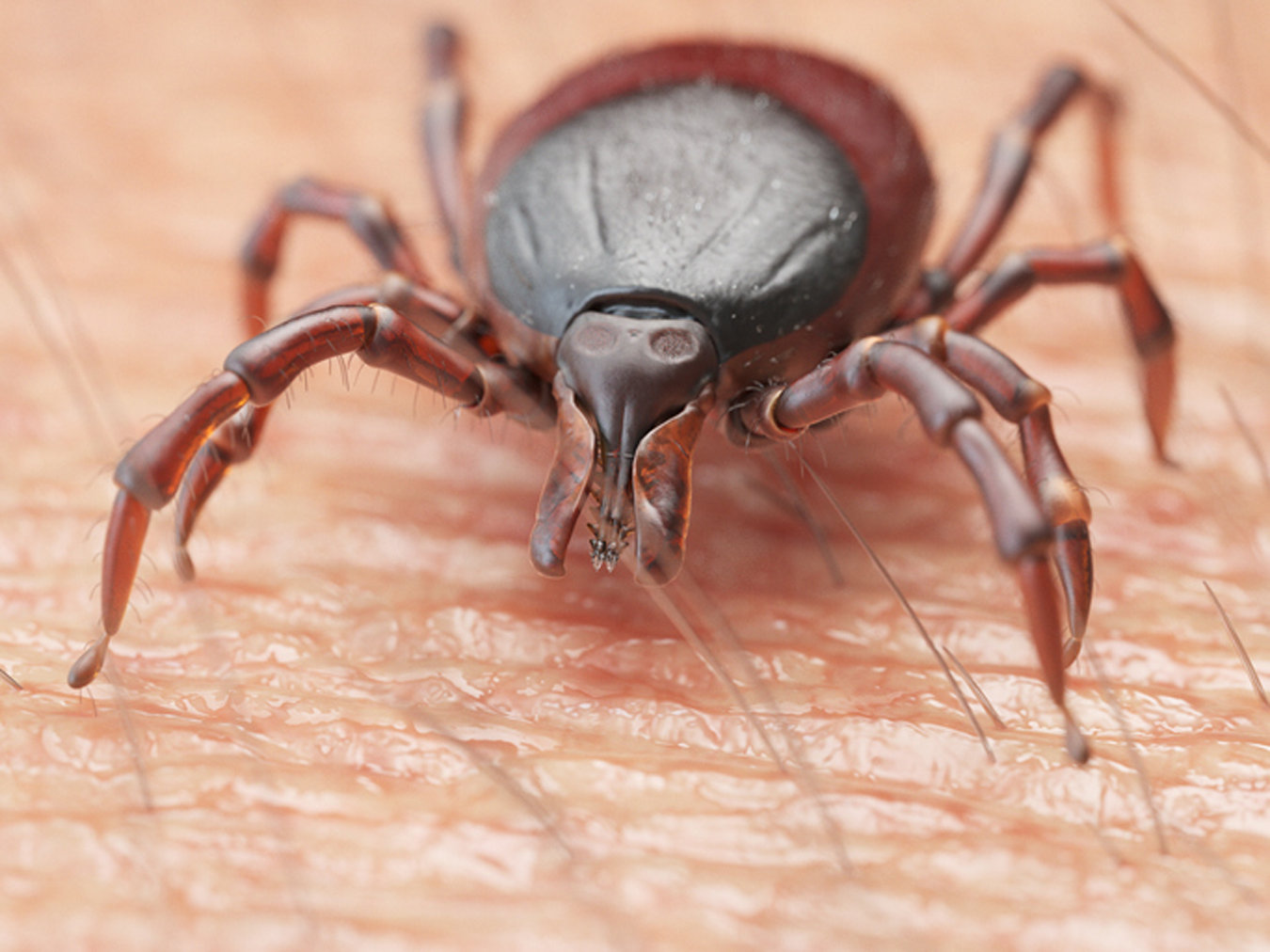
Tick-borne pathogens are a growing threat with increasing negative impact on species diversity, food security and human health. Ticks, as a group, are second only to mosquitoes as vectors of pathogens to humans and are the primary vector for pathogens of livestock, companion animals, and wildlife (Mansfield et al., Reference Mansfield, Jizhou, Phipps and Johnson2017). There are many tick species in Europe that carry human pathogens, and there are many more in North and South America and Asia. Changes in climate and land usage are leading to changes in the tick populations and therefore pathogen spread (Gandy et al., Reference Gandy, Hansford and Medlock2023).Footnote 1 To mitigate the impact of these tick-borne pathogens, we need to better understand the complex relationships between vector, pathogen and host. Disease management approaches (including preventative measures and treatment protocols) vary significantly from country to country, partly due to resource challenges, but also due to knowledge siloes. Testing and treatment protocols for many tick-borne diseases are an acknowledged area of research need, and there is a growing patient, political and clinical voice calling for improvement. Effective multidisciplinary and international collaboration has the potential to yield significant improvements in scientific understanding, disease management and treatment strategies.
Strategies to reduce the impact of tick-borne pathogens on both human and wild/domestic animal health will include predictive surveillance, improved pathways to diagnosis and new treatment/vaccination protocols.
We invite submissions related to the following challenges in the management of tick-borne diseases:
Establishing the Scope of the Issues
-
Trends in geographical distribution of ticks and tick-borne pathogen populations, including different strains and variants; risk modelling based on factors including changes in climate, land use and local ecology and the interrelationship between host animals (both wild and domesticated populations), ticks and pathogens.
-
Analysis of current tick-borne disease (TBD) case figures and reporting methods – for both humans and animals. Comparison of figures and measurement methods between different countries. Analysis of current test challenges due to lack of accredited tests. Data concerning the existence of chronic and treatment-resistant forms of TBDs.
-
Impact of TBDs on society – including economic (costs to health services, lost income, occupational health outcomes), ecological (biodiversity and food security) and human and animal suffering (death, chronic illness, invisibility).
-
Impact on individuals – the effects of different TBD variants, genetic predispositions and late diagnosis on TBD patient prognosis.
We also draw particular attention to the James Lind Alliance top 10 priorities list for Lyme disease published in December 2012.Footnote 2
Potential Solutions to the Issues
-
Discussion of all preventative measures including awareness amongst clinicians and the public and how to encourage changes in behaviour relating to ways of reducing exposure to pathogens such as staying safe in outdoor spaces, animal husbandry, land management, education, training, vaccination, etc.
-
Latest developments and best practice in diagnosis, testing and monitoring including methods to disambiguate symptoms from other diseases.
-
Basic research and understanding of pathogen biology and interaction with the immune system leading to development of new treatments via the identification of novel drug targets.
-
Clinical trials and longitudinal studies to track long-term illness.
Gaps in disease surveillance, inadequate and unreliable testing, a lack of vaccines and a lack of public awareness all need to be addressed in order to manage the growing threat of tick-borne disease.
How to contribute to this question
If you believe you can contribute to answering this question with your research outputs, find out how to submit in the instructions for authors. This journal publishes results, analyses, impact papers and additional content such as preprints and “grey literature.” Questions will be closed when the editors agree that enough has been published to answer the question so before submitting, check if this is still an active question. If it is closed, another relevant question may be currently open, so do review all the open questions in your field. For any further queries, check the information pages or contact this email onehealth@cambridge.org.
Competing interests
The author(s) declare none.

 Open access