

Stroke is the leading cause of death and disability in the world and a major health-related economic burden (Di Carlo, Reference Di Carlo2009; Feigin, et al., Reference Feigin, Krishnamurthi, Parmar, Norrving, Mensah, Bennett and Roth2015a; Krishnamurthi et al., Reference Krishnamurthi, Feigin, Forouzanfar, Mensah, Connor, Bennett and Murray2013). The stroke burden is continuously increasing due to the changes in demographics and modifiable risk factors (Feigin et al., Reference Feigin, Roth, Naghavi, Parmar, Krishnamurthi, Chugh and Forouzanfar2016). In the last two decades, although the overall burden of stroke has declined in high-income countries, it has increased in low- and middle-income countries, including Thailand (Feigin, Mensah, Norrving, Murray, & Roth, Reference Feigin, Mensah, Norrving, Murray and Roth2015b).
To mitigate the severity of strokes, advanced medical technologies and intervention for stroke treatment have been developed. It was reported that advanced management for strokes can reduce the death rate after stroke by about 20% (Davis, Lees, & Donnan, Reference Davis, Lees and Donnan2006; Jauch et al., Reference Jauch, Saver, Adams, Bruno, Connors, Demaerschalk and Yonas2013); however, despite this development, several forms of neurological impairment remain present in stroke survivors (Chou, Reference Chou2015). These impairments cause physical disabilities and dysfunction in performing both basic daily activities as well as community-based activities. This impacts the quality of life (QoL) of both patients and their family members (Chou, Reference Chou2015; Kwok et al., Reference Kwok, Lo, Wong, Wai-Kwong, Mok and Kai-Sing2006; Rachpukdee, Howteerakul, Suwannapong, & Tang-aroonsin, Reference Rachpukdee, Howteerakul, Suwannapong and Tang-aroonsin2013). Some affected individuals have even stated that their QoL after a stroke was worse than death (Sturm et al., Reference Sturm, Donnan, Dewey, Macdonell, Gilligan, Srikanth and Thrift2004). However the sequelae of stroke vary greatly depending upon the type of stroke, its size and the location of the brain affected, as well as the amount of collateral blood flow (Caplan, Reference Caplan2009).
A psychometric assessment of QoL after stroke can provide a holistic picture of stroke burden. Recently, assessment of QoL among patients with stroke has received increased global attention (Chou, Reference Chou2015; Rachpukdee et al., Reference Rachpukdee, Howteerakul, Suwannapong and Tang-aroonsin2013). It is widely recognized that the level of functional outcomes among stroke survivors, such as movement dysfunction or disability, can cause stress and dissatisfaction in life (Chou, Reference Chou2015; Rachpukdee et al., Reference Rachpukdee, Howteerakul, Suwannapong and Tang-aroonsin2013), but that social support may mitigate the effect of these functional outcomes (Kim, Warren, Madill, & Hadley, Reference Kim, Warren, Madill and Hadley1999; Mayo et al., Reference Mayo, Scott, Bayley, Cheung, Garland, Jutai and Wood-Dauphinee2015). Social support provided by people within an individual’s social network is a crucial factor in helping individuals adapt to life after a chronic illness such as stroke (Helgeson, Reference Helgeson2003; Kruithof, van Mierlo, Visser-Meily, van Heugten, & Post, Reference Kruithof, van Mierlo, Visser-Meily, van Heugten and Post2013).
Although the relationships between the QoL, functional outcome and social support of stroke survivors have been previously studied in Thailand (Rachpukdee et al., Reference Rachpukdee, Howteerakul, Suwannapong and Tang-aroonsin2013; Singhpoo et al., Reference Singhpoo, Charerntanyarak, Ngamroop, Hadee, Chantachume, Lekbunyasin and Tiamkao2012), the specific effects of functional outcome and the social support dimension on each domain of QoL among stroke survivors remain unclear. Moreover, advanced medical management for stroke seems to give a better treatment outcome, but not a better QoL. Stroke patients have a higher chance of surviving, but most of them live with neurological deficits (Davis et al., Reference Davis, Lees and Donnan2006; Jauch et al., Reference Jauch, Saver, Adams, Bruno, Connors, Demaerschalk and Yonas2013). In large cities, although people can more conveniently access advanced tertiary hospitals, the social and family functions may be poorer. Therefore, it is necessary to quantify the QoL of stroke survivors living in a large city in Thailand and accessing an advanced tertiary hospital. Bangkok is the capital city of Thailand. Gaining an understanding of the effect of social support on QoL may provide crucial information for designing specific interventions to improve the well-being of stroke patients. Therefore, this study aimed to assess QoL and its specific domains, and identify the effects of functional outcome and social support on overall QoL and its domains.
The Short-Form WHO Quality of Life Instrument (WHOQOL-BREF) is a generic measurement tool covering physical, psychological, social and environmental domains, and has good psychometric properties (World Health Organization, 1996). Using the WHOQOL-BREF to measure QoL among stroke patients allows the results to be compared with results from studies of the general population and studies of other diseases. This is unlike the stroke-specific, health-related QoL questionnaire that can provide insight into QoL in stroke patients only.
Methods
This cross-sectional study included consecutive patients hospitalized in the stroke unit an advanced tertiary hospital in Bangkok and those who visited the outpatient neurological clinics at the same hospital between July and December 2016. The inclusion criteria were: (1) aged 18 years old and above; (2) having a diagnosis of first-ever ischemic stroke or intracerebral hemorrhage, confirmed by brain imaging consistent with the clinical presentation of stroke; (3) capable of cognitive communication; and (4) a willingness to participate in the study. During the enrollment period, 434 first-ever stroke cases visited the study setting, and 76 were excluded due to: (1) suffering from comorbidities related to QoL such as cancers, heart failure, lung diseases and renal failure (18 cases); (2) not coming to the clinic during the data collection period (25 cases); and (3) patients discontinuing the interview (33 cases).
A total of 358 stroke patients agreed to participate in the study and signed informed consent forms (82.5% response rate). Data were collected by personal interviewing using a structured questionnaire. The interviews took place in a private room to maintain confidentiality. The data collection was done by the researcher and research assistants who are health professionals. The research assistants participated in a one-day training session on data-collection procedures and using the questionnaire. Clinical data were retrieved from the patients’ medical records. All participants acknowledged that their responses would be kept confidential.
This study was approved by the Committee on Human Rights Related to Research Involving Human Subjects Faculty of Medicine Ramathibodi Hospital, Mahidol University (No. MURA2015/759/S2).
Measures
Quality of life (QoL). We used the validated Thai-language version of the WHOQOL-BREF to assess the QoL of stroke patients. The WHOQOL-BREF is the 26-item shortened version of the WHOQOL instrument. Of these 26 items, the first 2 are generic and do not get included in any analysis. A five-scale response covers four domains: physical health (seven items), psychological health (six items), social relations (three items), and environment (eight items). The total score of the items in each domain is transformed to a 0–100 score (World Health Organization, 1996). The total scores reflect the level of QoL; lower scores indicate a lower QoL while higher scores indicate a higher QoL. The reliability of the structured questionnaires was satisfactory (r α > .70). Cronbach’s alpha was .930 for the overall WHOQOL-BREF, while for the physical domain it was .835; psychological domain, .825; social relations, .711; and environment, .702.
Individual factors. Data were provided for sex, age (years), marital status (married and living with their spouse, married but living apart, single, divorced, widowed) and working status at assessment date (currently working, not working). The highest formal education attainment of each participant was classified into five scores: no education (0), primary school (1), secondary school/vocational certificate (2), bachelor’s degree/high vocational certificate (3) and higher than bachelor’s degree (4). Family income was classified as insufficient (0), sufficient (1) and sufficient with savings (2).
The duration of stroke was measured from the time of the first stroke diagnosis until the survey date and then categorized into five categories: <1 month (1), 1–3 months (2), 4–6 months (3), 7–12 months (4), and >12 months (5). The severity of stroke for each patient was assessed by neurologists at the first admission using the National Institute Health Stroke Scale (NIHSS; (Josephson, Hills, & Johnston, Reference Josephson, Hills and Johnston2006). The Charlson Comorbidity Index (CCI) was used to classify comorbidities of the stroke survivors into two categories: low comorbidity 0 or 1, and high ≥2 (Goldstein, Samsa, Matchar, & Horner, Reference Goldstein, Samsa, Matchar and Horner2004).
Functional outcome
Functional outcome refers to functional ability in activities of daily living (ADL) of post-stroke patients, measured using the Barthel Index (BI; Mahoney & Barthel, Reference Mahoney and Barthel1965). BI scores range from zero (a dependent state) to 100 (a fully independent state), so higher scores indicate a better performance in ADL. BI was classified into five groups, 0–20 as totally dependent, 21–45 as severely dependent, 46–70 as moderately dependent, 71–90 as slightly dependent, and 91–100 scores as independent (Balu, Reference Balu2009). Cronbach’s alpha for BI was .896.
Social support
Social support in this study refers to the emotional, informational, functional, and financial support that stroke patients received from family members, friends or health personnel (Gurcay, Bal, & Cakci, Reference Gurcay, Bal and Cakci2009; Helgeson, Reference Helgeson2003; Jaracz & Kozubski, Reference Jaracz and Kozubski2003; Rachpukdee et al., Reference Rachpukdee, Howteerakul, Suwannapong and Tang-aroonsin2013). The 16-item social support questionnaire was developed in accordance with House’s concept to assess the help that stroke patients receive from family members, friends, and other related individuals (House, Reference House1981). It is a 5-point Likert-type scale questionnaire including four dimensions of emotional support (five items), informational support (four items), functional support (four items) and financial support (three items). Scores 1 to 5 were assigned to responses none of the time, a little of the time, some of the time, most of the time and all of the time. Subscale scores summed the responses checked for the relevant items, with higher scores indicating higher support. The total social support scores ranged from 16 to 80. The final version of the social support questionnaire was piloted for the reliability analysis among 30 stroke patients at the inpatient and outpatient clinics of the study site, but who were not included in this study. The coefficient of Cronbach’s alpha for the overall social support was .933; emotional support, .913; informational support, .778;. functional support, .792; and financial support, .805. Each domain of social support was classified into three levels using percentiles: below the 25th percentile is low, between the 25th and 75th percentiles is moderate, and above the 75th percentile is high.
Statistical analysis
Descriptive statistics, including means, standard deviation (SD), frequency, percentage, and range were used to describe all study variables. Mean ± SD was reported for normally distributed continuous variables. Median with interquartile range (IQR) was used to describe other forms of distribution. An analysis of variance was used to compare QoL scores by categorical variables. QoL scores, age, education level, income, duration of stroke, functional outcome, and social support were treated as continuous variables and the others as dichotomous.
Five separate hierarchical multiple regression models were performed to identify the effect of independent factors on QoL. The total QoL scores of stroke patients were used in the first analysis, and each of its domain scores includes physical, psychological, social relations, and environment as dependent variables in the second to the fifth models. The following independent variables were sequentially entered in the analysis: Block I. Individual factors – sex, age, education level, marital status, working status, sufficient income level, duration of stroke and comorbidity; Block II. Functional outcomes – Barthel Index; and Block III. Social support – emotional support, informational support, functional support, and financial support. The level of statistical significance was set at <.05 for all analyses. Standardised regression coefficients (β) were computed. The coefficient of determinant (R 2) was calculated to determine the amount of variability explained by the model. The assumptions of multiple regression, including linearity, normality and equality of variance, were assessed through the residual scatterplots. All statistical assumptions are assumed. The normal plot of regression standardized residuals for the dependent variable indicated a relatively normal distribution. The scatterplot of residuals against predicted values showed no clear relationship between the residuals and the predicted values, consistent with the assumption of linearity, and that the variance of the residuals is the same for all predicted scores. The variation inflation factor (VIF) values of predictors of QoL domains below 10 indicated that no predictors had multicollinearity (Hair, Anderson, Tatham, & Black, Reference Hair, Anderson, Tatham and Black1995).
Results
A total of 358 stroke survivors completed the WHOQOL-BREF questionnaire. The mean age of the study population was 66.0 ± 13.5 years (range 22–93 years). The proportion of male and female participants was equal. Almost one half (47.5%) had only completed primary school level education. Most respondents (63.4%) were married and still living with their spouse (Table 1). At the time of the survey, 31.6% of post-stroke respondents were not able to return to work. Twenty-four percent of post-stroke respondents reported that their current family income was insufficient for their day-to-day lives. About four-fifths of respondents had suffered an ischemic stroke (81.3%), and one-half of respondents (51.7%) had experienced their stroke more than 12 months previously. About half had presented with a minor stroke at their first stroke admission, followed by moderate stroke (37.2%). Most respondents were slightly dependent (57.5%) and 5.3% were at a severely and totally dependent level. The common comorbidities among stroke survivor were hypertension (73.5%) followed by dyslipidemia (53.9%).
Individual characteristics of stroke survivors (n = 358)
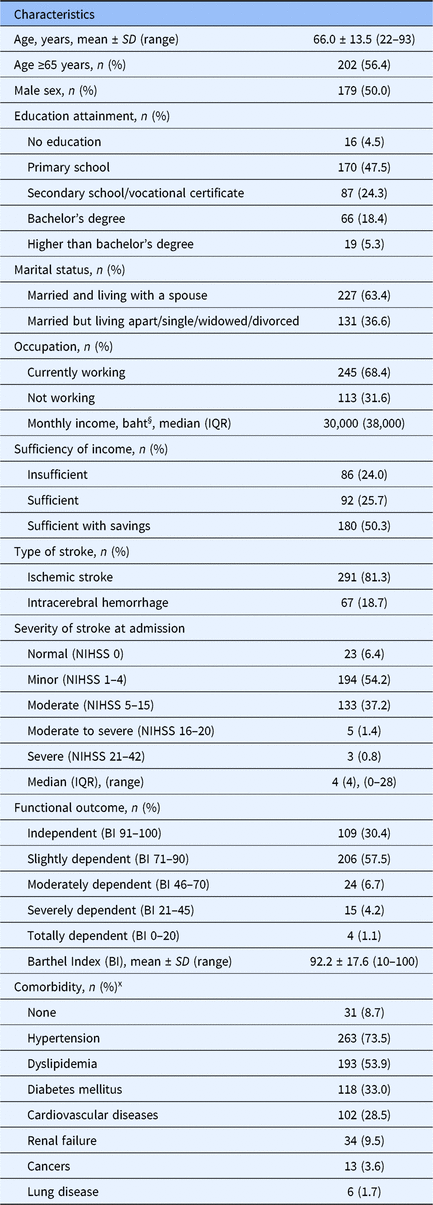
Note: § 1 USD = 32.96 THB, xmultiple responses.
The mean scores for all QoL domains and individual factors are shown in Table 2. The lowest mean scores of QoL were revealed for the physical and psychological domains. Male respondents had significantly better physical and psychological health than females. The means of responses indicating QoL were higher in all domains among married individuals and those living with their spouse than those who were married but living apart, single, divorced or widowed. Respondents who still worked reported significantly higher scores in all QoL domains. Mean QoL scores for all domains increased with increasing levels of income sufficiency (p < .001). Only physical and psychological QoL domains were significantly influenced by duration of stroke.
Comparison of the QoL mean scores in four domains according to individual factors
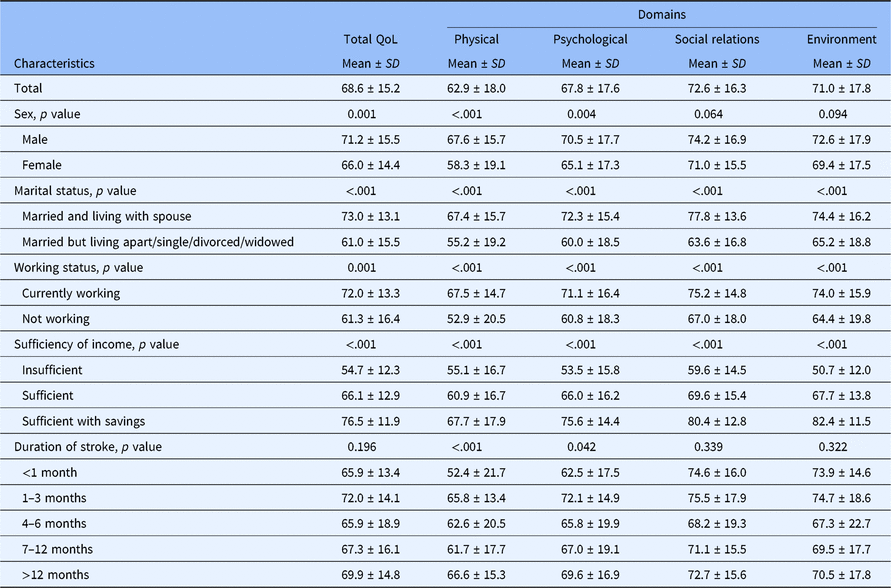
Note: p-value of analysis of variance test.
Mean scores of total QoL by level of functional outcome were significantly different (ps < .05). Higher BI scores revealed high QoL in all domains. Mean QoL varied across functional outcome levels; for example, the severely dependent and totally dependent had the lowest QoL-physical scores (18.7 and 9.5, respectively; Table 3). A higher level of social support showed higher mean scores for all domains of QoL (Table 3). Higher scores of emotional support showed higher mean scores in all domains of QoL. Similarly, the higher the level of financial support patients received, the higher the mean scores of total QoL they had (ps < .05). Informational and functional support indicated significantly positive effects on almost every domain of QoL except physical health (Table 3).
Comparison of the QoL mean scores in four domains according to functional outcome and social support level
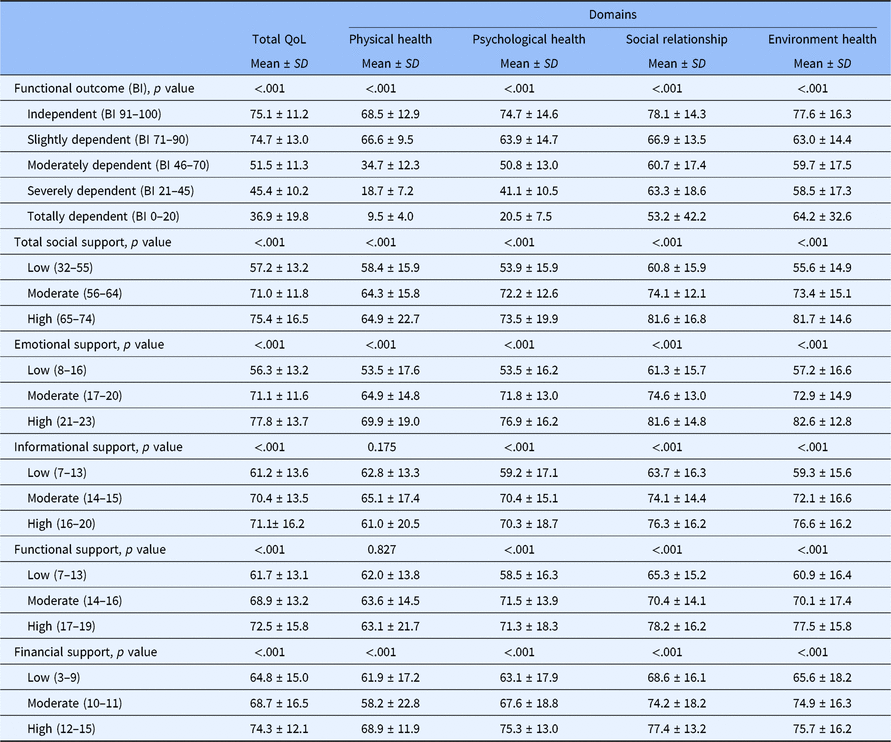
Note: p-value of analysis of variance test.
Table 4 shows the results of the hierarchical multiple regression analyses. The analyses indicated that being currently married and living with their spouse, currently working, and having a higher level of income sufficiency were related to higher total QoL scores. After controlling for individual factors, functional outcomes and emotional support were significantly related to higher total QoL scores. The individual factors (Block I) explained 49.13% of the variance in the total QoL, functional outcomes (Block II) significantly explained 15.05% of the variance, and social support (Block III) explained another 9.51%, resulting in the whole model explaining 73.69% of the variance. Standardized regression coefficients (β) indicated that functional outcome had the highest effect on total QoL scores, followed by sufficiency of income and emotional support.
Hierarchical multiple regression analysis of factors associated with total quality of life (n = 358)
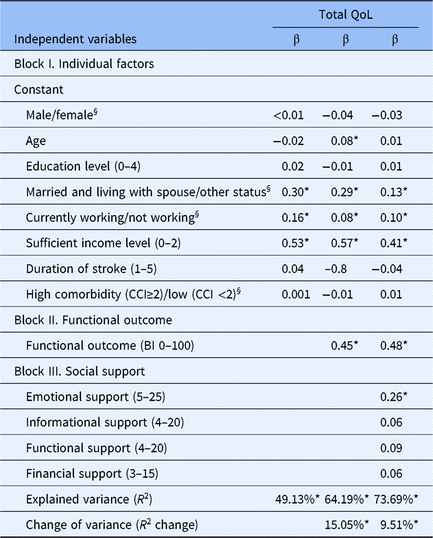
Note: β = standardized regression coefficients; BI = Barthel Index; CCI = Charlson Comorbidity Index; §References; *p value < .05.
In the second hierarchical multiple regression model, male, married and living with a spouse, currently working, a higher level of income sufficiency, higher scores of functional outcome and higher emotional support showed significant relationships with higher QoL-physical scores. Functional outcome (Block II) explained 38.49% and social support (Block III) explained 2.89% of the variance in QoL-physical (p < .05), while the whole model explained 73.59% of the variance in QoL-physical (Table 5).
Hierarchical multiple regression analysis of factors associated with quality of life domains (n = 358)
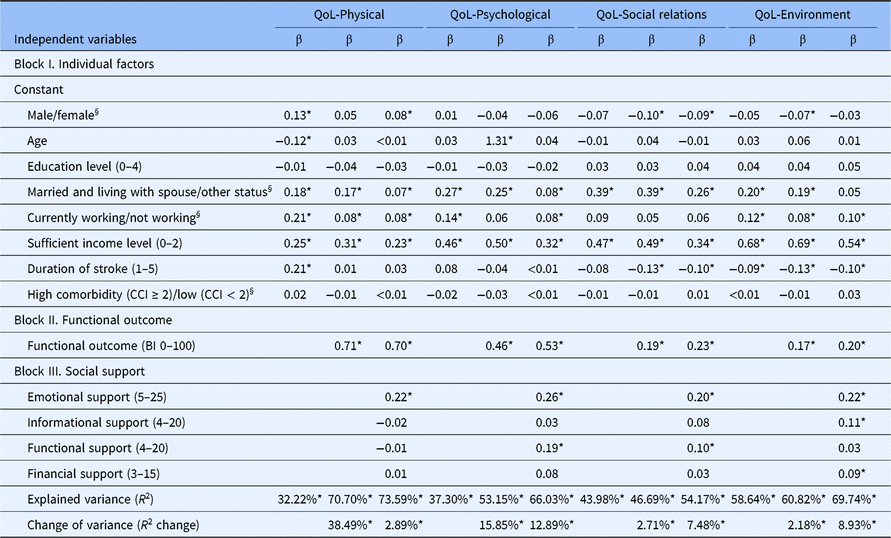
Note: β = standardized regression coefficients; BI = Barthel Index; CCI = Charlson Comorbidity Index; §References; *p value < .05.
The whole model explained 66.03% of the variance in the QoL-psychological domain, 54.17% in the domain of the QoL-social relations, and 69.74% in the QoL-environment domain (Table 5). Functional outcome (Block II) significantly explained the variances in those three models. Social support (Block III) significantly explained 12.89% of the variance in the QoL-psychological domain, 7.48% in QoL-social relations domain, and 8.93% in QoL-environment domain (ps <.05).
Among the five hierarchical multiple regression analysis models, functional outcome provided the significant change in R 2, especially in the physical and psychological domains (38.49% and 15.85%). However, R 2 change of social support in the psychological domain provided the greatest contribution to patient’s QoL variance (12.89%).
In the overall results of hierarchical multiple regression analyses (Table 5), functional outcome had the highest effect on the physical domain of QoL (β = .70, p < .05), followed by sufficient income level (β = .23, p < .05) and emotional support (β = .22, p < .05). The psychosocial domain of QoL was most influenced by functional outcome (β = .53, p < .05), followed by sufficient income level, emotional support and functional support (β = 0.32, 0.26 and 0.19 respectively with ps < .05). For the social relations domain, sufficient income level was the strongest predictor, followed by being married and living with their spouse, functional outcome and emotional support. Similarly, income level had the highest effect on patients’ QoL in the environment domain. Moreover, emotional support, informational support and financial support significantly impacted the environmental domain of the patient’s QoL (ps < .05). Duration of stroke showed a negative effect on the social relations and environment QoL domains. In conclusion, functional outcome and social support clearly affect a patient’s QoL in all domains when all included factors are controlled (Table 5).
Discussion
QoL is a complex concept of physical, mental and social well-being, embedded in the context of culture, environment, and value systems (World Health Organization, 1996). Stroke can result in neurological impairments affecting QoL at some levels; for example, basic performance of daily or community activities (Chou, Reference Chou2015; Kwok et al., Reference Kwok, Lo, Wong, Wai-Kwong, Mok and Kai-Sing2006; Rachpukdee et al., Reference Rachpukdee, Howteerakul, Suwannapong and Tang-aroonsin2013). This study revealed a good internal consistency for the overall WHOQOL-BREF (Cronbach’s alpha at .930) so it can be concluded that this instrument was a suitable tool to provide reliable QoL data in this specific stroke population. This study revealed how the presence of stroke suppressed the QoL of patients as well as factors affecting QoL domains. Having a stroke lowered QoL of affected individuals in all domains, especially physical and psychological health; this matches previous findings in Thailand and other countries (Chou, Reference Chou2015; Kwok et al., Reference Kwok, Lo, Wong, Wai-Kwong, Mok and Kai-Sing2006; Lima, Santos, Sawada, & de Lima, Reference Lima, Santos, Sawada and de Lima2014; Pan, Song, Lee, & Kwok, Reference Pan, Song, Lee and Kwok2008; Rachpukdee et al., Reference Rachpukdee, Howteerakul, Suwannapong and Tang-aroonsin2013; Singhpoo et al., Reference Singhpoo, Charerntanyarak, Ngamroop, Hadee, Chantachume, Lekbunyasin and Tiamkao2012). The physical effects of stroke are obvious, but the psychological effects are not always viable. A previous cohort study indicated that prestroke hospitalization was significantly related to severe mental illness (Lilly, Culpepper, Stuart, & Steinwachs, Reference Lilly, Culpepper, Stuart and Steinwachs2017). The current study clearly demonstrated low psychological scores among patients with stroke.
The advanced tertiary hospital chosen in this study is a government hospital that takes care of patients from every health coverage level, including patients under the free universal healthcare scheme or Social Security Scheme, state enterprise employees, and those with private insurance or who were self-paying. This range meant we could describe the economic status of respondents and control its effect using hierarchical multiple regression analysis.
An understanding of the factors associated with QoL of patients after stroke is beneficial when preparing a targeted plan to improve the QoL of stroke survivors and reduce the negative consequences of stroke. In this study, the mean scores for total and specific QoL domains were increased for individuals who were married and living with their spouse; implying that stroke individuals in this study who received support from their spouse had better QoL. Moreover, married patients showed the greatest number of social relations. This study is consistent with the findings of another study among stroke survivors in Thailand that found that single or widowed stroke survivors had a 4.14 higher risk of unsatisfactory QoL compared with those who were in a couple (Rachpukdee et al., Reference Rachpukdee, Howteerakul, Suwannapong and Tang-aroonsin2013). Working status was found to be a significant predictor of total QoL. This could be explained by the fact that individuals who were still able to work after stroke usually had good functioning outcome and experienced less stress. This finding confirmed the findings of a related study that found that patients who were unemployed after stroke were 10 times more likely to have an unsatisfactory QoL in every domain compared to those who were still working (Rachpukdee et al., Reference Rachpukdee, Howteerakul, Suwannapong and Tang-aroonsin2013). Sufficiency of family income was a significant predictor on QoL, especially regarding the environmental domain. The higher the income patients had, the better the QoL they reported. This finding was consistent with a hospital-based study in Thailand where household incomes were significantly associated with every domain of QoL using the SF-36 measure (Singhpoo et al., Reference Singhpoo, Charerntanyarak, Ngamroop, Hadee, Chantachume, Lekbunyasin and Tiamkao2012).
The QoL scores among stroke respondents were lower when patients had a poorer functional outcome, which is consistent with the findings from previous studies (Chou, Reference Chou2015; Haacke et al., Reference Haacke, Althaus, Spottke, Siebert, Back and Dodel2006; Khalid et al., Reference Khalid, Rozi, Ali, Azam, Mullen, Illyas and Kamal2016; Rachpukdee et al., Reference Rachpukdee, Howteerakul, Suwannapong and Tang-aroonsin2013), and present functional outcome in terms of basic daily activities was found to be a predictor of QoL as a whole. This information can be used to support rehabilitation programs after stroke and to spur patients and families’ efforts towards following the rehabilitation plan. With greater efforts put towards rehabilitation, individuals with stroke would have a greater opportunity to gain more fully functional abilities and this can result in a better QoL.
After controlling for individual factors and functional outcomes, the effect of social support, covering the four dimensions – emotional, information, functional, and financial support – was identified. Emotional support was found to be a significant predictor of higher total QoL scores and all its domains. This result is corroborated by a previous study that reported that emotional support influenced QoL among patients with stroke (Jaracz & Kozubski, Reference Jaracz and Kozubski2003). These results show that it is particularly important that stroke victims feel supported as this appears to increase QoL. Strengthening emotional support is suggested to be one of the decisive factors in improving quality of life of stroke patients, along with an effective rehabilitation program. To be more specific, with the stressful situation due to disability, a rehabilitation program or intervention for stroke survivors, including appropriate emotional support from the patient’s network, is recommended. This result confirmed the finding of a previous study (Helgeson, Reference Helgeson2003).
Moreover, the present study revealed that functional support was significantly associated with psychological and social relations QoL domains. A previous study assessing the QoL of stroke patients using the WHOQOL-BREF questionnaire also reported that patients who had caregivers had higher scores of psychological and social relations than those without caregivers (Lima et al., Reference Lima, Santos, Sawada and de Lima2014). Emotional and functional support were found to be the strongest predictors of psychological health in this study and should be used in promoting the recovery process and preventing stroke patients from avoidable complications. The traditional concept of social support (House, Reference House1981) states that informational support and instrumental support (including money) are important for individuals to handle problems. However, only the environment domain was found to be significantly affected by the informational and financial support in this study. The results of this study showed the QoL of patients with stroke in the city who received advanced medical care for stroke might have better health outcomes than those who received less comprehensive health care, especially in rural communities. The socioeconomic status of this study population was moderately good; respondents in this study had a higher level of education and income compared to patients in other Thai studies (Rachpukdee et al., Reference Rachpukdee, Howteerakul, Suwannapong and Tang-aroonsin2013; Singhpoo et al., Reference Singhpoo, Charerntanyarak, Ngamroop, Hadee, Chantachume, Lekbunyasin and Tiamkao2012; Wannasiri, Pharm, & Kapol, Reference Wannasiri, Pharm and Kapol2010). After controlling such a good socioeconomic background, the effects of functional status and social support on QoL were obvious. Therefore, we can be certain that promoting functional outcome and social support were important factors to increase QoL of stroke-affected individuals. More short-term rehabilitation programs should be provided in hospitals. Apart from improving patients’ functional ability, it prepares the patients and their family members for taking care of themselves and their loved ones when they get discharged from the hospital. Policy makers should provide rehabilitation programs, equipment, and places in the community where patients can promote their health for the long term, especially for those who are not married or living with a spouse or not currently working. Moreover, social support should be promoted along with these recovering programs since both functional outcome and social support had a positive effect on QoL.
Strengths and limitations
This study recruited consecutive patients who attended both inpatient and outpatient neurological clinics over a six-month period; this means the collected data covered various types of patients with stroke. This variety meant we were able to demonstrate the effect of each variable on the outcome more accurately. Another strength of the study was that we used standardized and validated tools already found to be acceptably reliable for this specific population (Lima et al., Reference Lima, Santos, Sawada and de Lima2014; Pan et al., Reference Pan, Song, Lee and Kwok2008). This study confirmed that the WHOQOL-BREF questionnaire is a psychometric instrument suitable for measuring QoL among stroke patients. Moreover, collecting data by interview gave us the opportunity to clarify questions or answers with respondents, so we could be assured that all responses correctly represented patients’ perceptions. Further study should compare the results of WHOQOL-BREF with a stroke-specific, health-related QoL questionnaire to provide insight into the design of rehabilitation intervention.
Some limitations were noted in this study. Because this study employed a cross-sectional design, we were unable to assess changes in QoL relative to stroke occurrence; however, we did collect data at the time respondents reported suffering from stroke and controlled for its effect in the multivariate level of analysis. Data on QoL was lacking from patients with stroke who could not cognitively communicate. This study did not assess depression, which might affect stroke survivors’ QoL (as seen in Wan-Fei et al., Reference Wan-Fei, Hassan, Sann, Ismail, Raman and Ibrahim2017). This study was conducted in a single advanced tertiary hospital in Bangkok, which emphasized QoL of stroke patients in an urban community. Future research is needed to explore factors in different healthcare settings that provide different stroke management or resources, to gain more knowledge on QoL of stroke patients in urban area.
In conclusion, this study showed that patients with stroke had a moderate QoL. The study revealed the significant effects of functional outcome and social support on QoL. We found that functional outcome and social support significantly influenced all QoL domains of patients after stroke. Moreover, functional outcome positively affected the psychological domain of QoL similarly to the social relations domain of QoL. QoL-environment predictors included functional outcome, emotional support, informational support, and financial support when controlled for individual factors. We believe that the findings from this study would be beneficial when planning appropriate care or rehabilitation programs to improve the QoL of patients with stroke.
Acknowledgments
The authors gratefully acknowledge the patients with stroke who willingly provided information. We are grateful to all staff of the Faculty of Medicine Ramathibodi Hospital, Mahidol University who contributed in every way, to complete this study.
Conflicts of interest
No potential conflicts of interest were reported by the authors.
Financial support
None.


 Open access

