


Impact statement
Canada is often perceived as a country with abundant freshwater sources. Yet, many small, rural and remote (SRR) communities continue to experience water insecurity, especially Indigenous communities, which make up approximately 80% of SRR communities. These communities are disproportionately affected by long-term drinking water advisories (DWAs) and limited access to clean, safe drinking water. This review shows that water quality problems can arise at several points along the drinking water pathway, starting with contamination of source water (rivers, lakes and groundwater), and continuing through recontamination in distribution systems to household taps. Common risks include microbiological contamination, heavy metals (HMs) released from natural geological origins or human activities and, increasingly, contaminants of emerging concern (CEC) that are difficult to monitor and remove. Decentralized small water systems (SWSs) play an important role in providing drinking water in SRR communities. When properly designed and operated, many SWS technologies are effective at reducing the most immediate and widespread risks, such as microbial contamination, which remains the leading cause of boil water advisories. However, this review highlights that SWS performance is not consistent across communities and contaminants. Some systems struggle to remove chemical or emerging contaminants, especially when treatment technology is not matched to local water quality conditions. The review also emphasizes that technical solutions alone are not enough. SWSs often face challenges related to cold climates, limited access to trained operators, high maintenance demands and difficulties obtaining replacement parts in remote areas. Moving forward, improving water security in SRR communities will require better support for system operation and maintenance, stronger monitoring programs and treatment approaches that reflect local environmental and community needs. Addressing these gaps can help build safer, more reliable drinking water systems and strengthen long-term trust in tap water.
Introduction
The WHO/UNICEF joint monitoring program for water supply, sanitation and hygiene indicated that one in four individuals worldwide does not have access to safely managed drinking water in their households (UNICEF, 2021; WHO, 2021). As a developed country, Canada has one of the most abundant freshwater resources worldwide (McKitrick et al., Reference McKitrick, Elmira and Ashley2018). However, several challenges are responsible for the worrisome water crisis in small, rural and remote (SRR) communities, such as uneven water distribution, rapid climate change, drought, deterioration of source water quality, insufficient household sanitation facilities, aging water infrastructure, limited financial support and lack of trained water operators (Patrick et al., Reference Patrick, Grant and Bharadwaj2019).
Consisting of Indigenous and non-Indigenous communities, SRR communities experience poor water quality at the household level with raised infectious and waterborne diseases among the population compared to the national average (Hynds et al., Reference Hynds, Thomas and Pintar2014; Bradford et al., Reference Bradford, Okpalauwaekwe, Waldner and Bharadwaj2016). While 80% of the First Nations reserves are located in SRR areas, a lack of access to clean and safe drinking water has brought drinking water advisory (DWA) crises to many SRR communities, especially in Indigenous communities (IAC, 2016). In some First Nations communities, boil water advisories (BWAs) have been in place for more than two decades, indicating that water insecurity is a growing concern with serious public health implications (Government of Canada, 2022; Water Canada, 2022).
Despite urban areas with centralized water treatment plants, SRR communities mostly rely on decentralized water systems called SWSs (Arora et al., Reference Arora, Malano, Davidson, Nelson and George2015). SWSs are off-grid treatment systems serving less than 500 people (NCCEH, 2021). Selection and configuration of SWSs can be based on their capability to remove a specific spectrum of contaminants in source water. Moreover, economic viability, population, geographic isolation and a lack of technical expertise are some of the key factors in selecting decentralized water systems over centralized systems in SRR communities (Risch et al., Reference Risch, Boutin and Roux2021). According to a recent report from Environment and Climate Change Canada, 82% of BWAs in Canada occurred within SRR communities with populations of 500 or fewer. According to the Council of Canadians and Environment and Climate Change Canada, these communities primarily rely on SWSs, while more than 70% of SWSs in SRR communities are at medium to high risk of water system failure (ECCC, 2022).
This review addresses water security in SRR communities by focusing on source water contamination, either caused by anthropogenic activities or occurring naturally, and contaminant pathways within the system to the tap journey. Different publications that studied contaminants such as microbiological contaminants, heavy metals (HMs) and trace minerals, pharmaceuticals and personal care products (PPCPs), microplastics (MPs) and per- and polyfluoroalkyl substances (PFAS) in the source water of SRR communities were investigated. The most common water contaminants were categorized based on location, number of dedicated studies, frequency, health hazards and concentration level. A comprehensive investigation was conducted on treatment practices, the integration of conventional and advanced technologies in SWSs employed in Canadian SRR communities, and the efficiency of SWSs in terms of risk mitigation and performance. Eventually, a narrative meta-synthesis aggregating evidence from existing literature was conducted to evaluate SWS challenges and to classify them into three overarching categories of governance, technical performance and social acceptance, providing a structured framework to inform future research and policy development.
Evaluation of review methodology
This article presents an in-depth analysis of scholarly literature published in English via searching keywords including small rural and remote communities, First Nations, Indigenous communities, water advisories, source water, water contamination, microbiological contamination, HMs, contaminants of emerging concern (CEC), SWSs and drinking water targeting Canadian SRR and Indigenous communities. Currently, there are over 630 First Nations, Métis and Inuit communities in Canada, collectively categorized as Indigenous communities for the purposes of this research.
Figure 1 presents the PRISMA flow diagram summarizing the literature search and study selection process. Records were identified through the most frequent online databases: Google Scholar, Web of Science, ScienceDirect and PubMed. Additionally, fact sheets, policy briefs, Health Canada and Indigenous Service Canada (ISC) reports and federal and provincial guidelines were explored. After removing duplicates, non-English publications and records excluded for predefined reasons, 915 records were screened based on titles and abstracts. A total of 589 full-text articles and 46 reports were accessed for eligibility. Exclusions were primarily due to studies conducted outside the targeted geographic region or community scale, a lack of community-level resolution, environmental compartments not relevant to water or insufficient quantitative water quality data. The final synthesis included 161 studies reported across peer-reviewed articles, theses and guideline documents.
PRISMA flow diagram of the literature search, screening, eligibility assessment and study inclusion process used in this review.

Figure 2(a) illustrates a meaningful cluster of keyword co-occurrences generated via VOSviewer. This network map visualizes the binary count of the presence of keywords in the literature used in this review, with a minimum of six term occurrences. For each term, a relevance score between 0 and 1 was calculated. Of 5,640 terms, 204 were visualized with scores ranging from 0.39 to 0.99. Nodes of varying sizes define the scope of the studies, with larger nodes indicating higher score weights. Each node is connected by lines indicating the co-occurrence and correlation of research studies. Different colors represent different research themes, with possible overlaps: blue focusing on SRR and Indigenous communities in Canada; red on SWSs and treatment technologies; yellow on water advisories and microbiological contamination; purple on HMs and toxicity; and green on ecosystems and source water. The clustered bar in Figure 2(b) demonstrates the annual distribution of literature on water security in SRR communities, focusing on prevalent contaminants in source water and SWSs. Among 161 referenced publications and cited documented reports and guidelines, 53% were published after 2020, 30% were published between 2015 and 2019 and 17% were published between 2001 and 2014. This distribution highlights a growing research interest in this field and underscores the need for more up-to-date resources.
(a) keyword co-occurrence visualization network via VOSViewer, where node size represents the score weight of each keyword, and connecting lines indicate the co-occurrence and correlation of research studies, and (b) classification of the number of references in accordance with publication year.

Prevalent contaminants in SRR communities
The occurrence of contaminants and system outbreaks in developed countries is significantly lower than in developing and underdeveloped countries (Shayo et al., Reference Shayo, Elimbinzi, Shao and Fabian2023). Correspondingly, the number of publications designated to water contamination in developed countries is limited (Lee et al., Reference Lee, Gibson, Brown, Habtewold and Murphy2023). Robust monitoring and remediation initiatives in developed countries are effectively in place to mitigate the environmental hazards and associated risks arising from industrial activities. However, in SRR communities, source water remains vulnerable to contamination from both point and non-point sources. Point source pollution, including mining spills, underground fuel or septic tank leakage, landfills and pipeline spills and non-point source pollution, such as agricultural and municipal runoff, introduce HMs, petroleum hydrocarbons, nutrients and industrial chemicals into water sources, posing significant threats to water quality and public health (Rudra et al., Reference Rudra, Mekonnen, Shukla, Shrestha, Goel, Daggupati and Biswas2020; Mukhopadhyay et al., Reference Mukhopadhyay, Duttagupta and Mukherjee2022). Health Canada regulates guidelines for Canadian drinking water quality (GCDWQ). The guidelines are established based on current knowledge of the effects of water pollutants on human health, physical characteristics (e.g., taste, odor, color) referred to as aesthetic objectives and operational considerations.
A summary of updated GCDWQ regulations for the maximum acceptable concentration (MAC) of contaminants in drinking water and associated health risks is shown in Table 1. GCDWQ was revised in June 2019 for lead (Pb), copper (Cu), manganese (Mn) and aluminum (Al) (Health Canada, 2022). In most revisions, MACs for these metals were reduced based on technical investigations and public consultations. For instance, the Pb MAC level decreased from 0.01 mg/L to 0.005 mg/L. Moreover, the new guidelines updated MACs for Al (operational guideline), Cu and Mn (health-based guideline) to 2.9, 2 and 0.12 mg/L, respectively. Certain parameters, including arsenic (As), iron (Fe), PFAS and turbidity, are currently under development or revision in the guideline (GCDWQ, 2025). Many compounds in this list (e.g., As, Fe, Mn, U, Cd) naturally exist in groundwater (GW) sources and have high background concentrations due to geological weathering, rock composition and GW interaction with minerals (Jomova et al., Reference Jomova, Alomar, Nepovimova, Kuca and Valko2025). According to different studies in Canada, it is estimated that approximately 40% of GW samples in SRR communities exceeded one or more MAC parameters established in GCDWQ, such as total coliform, nitrate, selenium, As, total hardness, Mn, Fe and aesthetic objectives caused by sediment (Corkal et al., Reference Corkal, Schutzman and Hilliard2004; Gao et al., Reference Gao, Liu, Song and Shi2019).
GCDWQ for microbial, chemical, physical and radioactive parameters detected in SRR communities

a Aesthetic objective, NTU: nephelometric turbidity units, CFU: Colony-forming units.
Microbiological contamination
Approximately 43% of drinking water advisories (DWAs) in Indigenous communities are attributed to high levels of bacteria (e.g., E. coli and total coliforms) (Health Canada, 2010; Lane et al., Reference Lane, Trueman, Locsin and Gagnon2020). Although chlorine is added to water during disinfection processes to eliminate pathogens, the treated water can still be susceptible to contamination (e.g., autochthonous bacteria, protozoa and suspended solids) within the distribution system or transportation trucks. Adding 0.2 mg/L residual chlorine prevents the regrowth of harmful microorganisms and bacteria in the distribution system (EPA, 2021). The most frequent pathways of microbiological contamination in drinking water are polluted seepage through cracks in the broken pipes and cisterns, and biofilm formation on the inner walls of distribution systems (Bashar, Reference Bashar2021; Stefan et al., Reference Stefan, Bosomoiu and Teodorescu2023).
A study by Farenhorst quantified bacteria in drinking water sources of a fly-in First Nations community in Manitoba. No coliforms or E. coli were detected in the water treatment plant (WTP) tap, indicating that the treatment process was efficient at removing bacteria. However, total coliform levels increased significantly along the distribution and storage pathway, following the trend: buckets/drums in homes without running water > piped homes = water truck > source water = cistern > community pipe = water truck. The cistern and source water (lake) had similar E. coli levels (65–97 CFU/100 mL). In communities without running water, levels of E. coli in standpipes (1,260 CFU/100 mL) and buckets/drums in homes (7,780 CFU/100 mL) were dramatically higher than in lake water, indicating massive bacterial growth after treatment. E. coli concentration in the tap water of piped homes (1 CFU/100 mL) and water truck (6 CFU/100 mL) was considerably lower compared to homes without distribution systems (Farenhorst et al., Reference Farenhorst, Li, Jahan, Tun, Mi, Amarakoon, Kumar and Khafipour2017).
Water supply arrangements involving the transport of drinking water from WTPs and storage tanks are common in Manitoba SRR communities. It is reported that 50% of Indigenous communities on reserves in Manitoba receive piped water from WTPs. Approximately 31% are on cisterns, and their water quality is relatively affected by bacteria, depending on the type of cistern and the material (below-ground concrete and fiberglass and above-ground polyethylene insulated shelters) (Amarawansha et al., Reference Amarawansha, Zvomuya and Farenhorst2021). This study on three communities from the Tribal Councils of Swampy Cree, West Region and Island Lake showed that the tap water in households relying on cisterns exhibited a comparatively higher level of contamination with coliform bacteria and E. coli compared to tap water in households connected to piped water systems, especially in the late spring. Furthermore, it is recommended that below-ground concrete or fiberglass cisterns be replaced with above-ground cisterns or piped water to reduce the risk of waterborne illnesses associated with elevated bacterial levels.
Depending on the materials used in manufacturing, different bacterial colonies can grow in water storage tanks and cisterns. Corrosive materials in metal storage tanks facilitate the growth of bacteria such as Gallionella spp. and Desulfovibrio spp., leading to microbial-induced corrosion and biofilm development, which may introduce pathogens into the water supply (Rilstone et al., Reference Rilstone, Vignale, Craddock, Cushing, Filion and Champagne2021). While plastic cisterns are commonly used, they can release carcinogenic compounds due to polymer degradation, especially under high temperatures and chemical exposure. Additionally, poor maintenance, open storage and leaks allow contamination by Salmonella spp. and Campylobacter spp. from the surroundings (Zambrano-Alvarado and Uyaguari-Diaz, Reference Zambrano-Alvarado and Uyaguari-Diaz2024). Studies in fly-in First Nations communities located in Manitoba demonstrated E. coli levels as high as 60,000 CFU/100 mL, total coliform counts >1,000 CFU/100 mL and heterotrophic counts >1,000 CFU/100 mL in distribution systems (pipelines and fiberglass tanks) (Farenhorst et al., Reference Farenhorst, Li, Jahan, Tun, Mi, Amarakoon, Kumar and Khafipour2017; Zambrano-Alvarado and Uyaguari-Diaz, Reference Zambrano-Alvarado and Uyaguari-Diaz2024).
Two other studies conducted in 2016 and 2019 examined antibiotic resistance genes, free residual chlorine and fecal bacteria (E. coli and coliforms) in three Indigenous communities in the Island Lake Region of Manitoba. A total of 122 samples were taken from three main points of the drinking water distribution network: GW-to-well-to-house, GW/lake water-to WTP-to-pipeline-to house and GW/lake water-to WTP-to truck-to plastic/concrete cisterns-to house. Samples collected from tap and cisterns had lower total coliform and E. coli counts than lake water, but higher than those in WTP samples. Despite no detectable bacterial contamination in WTP output samples, high levels of E. coli, total coliforms and antibiotic resistance genes were found once water entered the distribution systems, indicating infrastructural failure. Consistent with previous findings, samples collected from plastic cisterns exhibited the highest contaminant levels and the lowest free chlorine residual (Fernando et al., Reference Fernando, Tun, Poole, Patidar, Li, Mi, Amarawansha, Dilantha Fernando, Khafipour, Farenhorst and Kumara2016; Mi et al., Reference Mi, Patidar, Farenhorst, Cai, Sepehri, Khafipour and Kumar2019).
In Alberta, 56 SWSs on First Nation reserves were evaluated from a public health risk standpoint. Fifty systems were reported as high risk, five as medium and one as low risk. A numerical ranking was conducted in accordance with the GCDWQ guidelines. The major challenge, in addition to cultural, social, political and economic circumstances, was the lack of source water characterization, especially on pathogenic microorganisms, such as protozoan parasites, cysts, fecal bacteria and Cryptosporidium (Smith et al., Reference Smith, Guest, Svrcek and Farahbakhsh2006).
Microbiological contamination, often by E. coli and total coliform bacteria, remains the main cause of BWAs in Indigenous communities. Surface water sources generally pose a higher risk of microbiological contamination compared to GW, due to direct exposure to runoff, wildlife, wastewater inputs, seasonal events and algal blooms. However, studies across Manitoba and Alberta show that microbiological risks originate along the treatment-to-tap pathway, rather than in treated water quality. Detected levels of E. coli and total coliforms in many posttreatment samples from distribution infrastructure, cisterns and transportation trucks exceeded GCDWQ as high as 60,000 CFU/100 mL regardless of source water type. Microbiological contamination of drinking water in small communities is linked to elevated prevalence of waterborne diseases, bacterial gastroenteritis and skin infections such as impetigo, emphasizing the public health importance of controlling posttreatment contamination in decentralized systems. (Bradford et al., Reference Bradford, Okpalauwaekwe, Waldner and Bharadwaj2016).
Heavy metals and trace minerals
HMs and trace minerals represent a critical category of contaminants in SRR communities’ source waters, given their persistence, widespread occurrence and potential health risks. Elements such as Fe, Zn, Cu and Mn are essential to the human body at very low levels, but become toxic at higher concentrations (Mehri, Reference Mehri2020). Radioactive metals such as Uranium (U) naturally occur and may be released through erosion and weathering of rocks and soils. Additionally, aesthetic features and physical parameters are affected by metal and mineral impurities, including Fe, Mn, Zn, sodium (Na), Pb, Cu, Sb and Al. Prolonged exposure to HMs is linked to a range of detrimental health issues and cancer development (Rehman et al., Reference Rehman, Fatima, Waheed and Akash2018).
Arsenic is one of the most dangerous contaminants in source water, particularly GW, causing at least 5% of long-term water advisories in First Nations communities (Rehman et al., Reference Rehman, Fatima, Waheed and Akash2018). As shown in Table 1, the MAC for As was recommended at 0.01 mg/L by GCDWQ. Private well owners are recommended to test their water every 2–5 years for As, which is a very long monitoring period (Chappells et al., Reference Chappells, Parker, Fernandez, Conrad, Drage, O’Toole, Campbell and Dummer2014).
Natural forms of As, arsenopyrite (FeAsS), loellingite (FeAs2), orpiment (As2S3) and realgar (AsS) are formed because of volcanoes and eroded arsenic-bearing rocks. It is also widely used in human activities such as agriculture, industrial chemical manufacturers, mining, iron ore smelting, pulp and paper (Lum et al., Reference Lum, Schoepfer, Jamieson, McBeth, Radková, Walls and Lindsay2023). For instance, Rabbit Lake Uranium mine mill tailings in Saskatchewan, Canada, caused As distribution in the adjacent aquifers. Five monitored wells had high As concentrations ranging from 9.6 to 71 mg/L (Berthiaume, Reference Berthiaume2023; Donahue and Hendry, Reference Donahue and Hendry2003). High concentrations of As (26.8 mg/L) and Sb (0.92 mg/L) in surface water originated from Giant gold-mine residues found in Yellowknife, Northwest Territories, which impacted ponds, sediments, vegetation downstream and the source water of local Indigenous communities (Fawcett et al., Reference Fawcett, Jamieson, Nordstrom and McCleskey2015).
In Alberta, among 2,817 private domestic well samples, 62.2% were high in As (50% > 10 μg/L, 12.2% > 50 μg/L) (Moncur et al., Reference Moncur, Paktunc, Jean Birks, Ptacek, Welsh and Thibault2015). In rural areas, 48% of 42 GW samples exceeded 25 μg/L, with a maximum concentration of 5.34 mg/L (Government of Alberta, 2011). According to a report by the British Columbia Ministry of Environment, elevated As concentrations impacted the water quality of 14 aquifers across the province. Ninety-eight private wells were tested, where 43% > 10 μg/L (Wilson et al., Reference Wilson, Schreier, Brown, Abbotsford and Region2008). However, the report did not specify which aquifers were affected (BC Government, 2007).
In Manitoba, the concentration of As in 10,563 GW samples was investigated. Several similar studies were carried out in other regions. The results are as follows: Manitoba: 5.9% >10 μg/L, 25 μg/L < 2% < 62 μg/L (McGuigan et al., Reference McGuigan, Hamula, Huang, Gabos and Le2010), Newfoundland and Labrador: sample number N/A, from 70 wells, one well at 48–55 μg/L and another at 335–368 μg/L (NL Environment, 2009), Nova Scotia: sample number N/A, from 31 wells, 4 of them at 10-15 μg/L, one well at 58 μg/L (NS Environment, 2009), Québec: 10 wells >101 μg/L and Saskatchewan: 48 wells >10 μg/L were the highest recorded concentrations of As (McGuigan et al., Reference McGuigan, Hamula, Huang, Gabos and Le2010).
Cobalt and Crosswise lakes, located in Timiskaming First Nations lands, Ontario, were affected by As and other trace metals (silver, cobalt and nickel arsenides, sulfide-arsenides, sulpho-arsenites, antimonides and sulpho-antimonites and sulpho-bismuthites) as a result of abandoned silver mine sites and unregulated disposal of tailings and ore with high As content (Chen et al., Reference Chen, Yu and Belzile2019).
When aggregated across provinces, As is the most frequently investigated HM in SRR and Indigenous drinking water studies. Alberta and British Columbia report some of the highest As exceedances in private and community wells, whereas Manitoba and Atlantic Canada show lower exceedance frequencies but widespread detection. Ontario and British Columbia account for the largest share of samples in multi-province studies, indicating uneven geographic research coverage, with fewer systematic assessments in northern and remote regions.
Health Canada’s 2019 GCDWQ specified Mn as a neurotoxic trace mineral with a MAC of 0.120 mg/L. Previously, Mn was considered only as an aesthetic issue in water. However, it has been proven that childhood exposure to high levels of Mn can cause cognitive and attention deficits. Mn in water is occasionally associated with Pb, and co-exposure to Pb and Mn is harmful to human health (Singh et al., Reference Singh, Bist and Choudhary2024).
A comprehensive 2020 study in partnership with the Atlantic Policy Congress of First Nation Chiefs analyzed samples from 47 First Nations with small systems for Pb, As and Mn. The sampling process complied with annual frequency and regulatory guides (concentration of trace metal) over 12 years. Overall, 32 SWSs supplying 3,440 residents relied on GW, and 50 small systems supplying 660 residents relied on surface water. The communities were not under a municipal transfer agreement and had their water and wastewater services owned by First Nations. Otherwise, the municipality was responsible for providing those services. Of the 16,920 samples examined, 22, 18 and 11 systems exceeded Mn, Pb and As MAC, respectively. In other words, 96% of Pb, 93% of As and 84% of Mn in the analyzed samples had concentrations below the guideline. The maximum concentrations were reported at 47,000 μg/L for Mn, 3,000 μg/L for Pb and 250 μg/L for As. Although most samples did not exhibit high levels of contaminants, increasing the sampling frequency to determine contaminant patterns was recommended (Lane et al., Reference Lane, Trueman, Locsin and Gagnon2020).
A critical distinction emerging from the literature is that detection of metals does not necessarily imply regulatory non-compliance or health risk. While As, Mn and Pb are frequently detected across supply wells, most concentrations reported in large monitoring programs fall below GCDWQ guideline values. These results suggest that high HMs concentrations tend to be localized and system-specific rather than widespread, underscoring the importance of monitoring frequency and spatial distribution in risk assessment.
In a broader 2021 study, water samples were collected from households in 91 randomly selected First Nations south of the 60th parallel, including British Columbia, Alberta, Saskatchewan, Manitoba, Ontario and Quebec-Labrador over 10 years. All adult household members identified as First Nations agreed to participate in the sampling process, surveys and interviews. Depending on the source water used in a community, samples were taken from taps, pipeline ends, miscellaneous points within the system, wells, lakes, springs, trucked water and bottled water (in case of DWA). The results are summarized in Table 2. According to the findings, As levels exceeded the GCDWQ in some regions due to background concentrations and natural activities. However, it was not reported along with the HMs results. In total, 2,933 samples were collected. Ontario, with 22% of all samples and British Columbia, with 20%, were the most tested provinces (Schwartz et al., Reference Schwartz, Marushka, Chan, Batal, Sadik, Ing, Fediuk and Tikhonov2021).
Metals concentration in drinking water in participant First Nations by region (Schwartz et al., Reference Schwartz, Marushka, Chan, Batal, Sadik, Ing, Fediuk and Tikhonov2021)

Comparison of Table 2 with the GCDWQ thresholds in Table 1 indicates that Pb concentrations exceeded their respective MACs (0.005 mg/L) in several regions, most notably Ontario and Atlantic, reaching levels of potential health concern. In contrast, Fe, Mn, Al, Cu and Zn frequently exceeded aesthetic objectives or operational guidelines rather than health-based MACs, suggesting that their primary impacts relate to infrastructure fouling and system performance rather than direct toxicity. In some regions (e.g., Saskatchewan, Quebec and Atlantic), Mn concentrations exceeded the health-based guideline value (0.12 mg/L), raising concerns about neurological effects from prolonged exposure, especially among sensitive populations such as children. U concentrations approach or exceed the MAC (0.02 mg/L) in select regions of Saskatchewan and Ontario, reflecting geogenic impact and reinforcing the importance of GW-specific risk assessment.
A case study of two small fly-in communities, Garden Hill and Wasagamack First Nation, in northeast Manitoba detected exceedances of contaminants, including toxic metals (As, Pb, Cr, Zn and Cu), in community soil and surface water samples, where solid waste was inappropriately dumped and incinerated. Burning domestic waste and hazardous waste (e.g., e-waste, plastic materials) near homes in the absence of waste collection or recycling services, sanitary landfills and recycling programs was the major cause of soil and surface water contamination in communities. Governmental negligence and regulatory limitations have led to improper solid waste management and water quality aggravation in Indigenous communities (Zagozewski et al., Reference Zagozewski, Judd-Henrey, Nilson and Bharadwaj2011; Oyegunle and Riddell, Reference Oyegunle and Riddell2016). Lack of funding and constant road blockages have also led to the failure of community initiatives to collect, store, ship or recycle waste (Oyegunle and Thompson, Reference Oyegunle and Thompson2018).
Across the reviewed studies, GW emerges as the primary source of water associated with elevated concentrations of As and Mn, reflecting natural background conditions rather than point-source contamination. In contrast, surface water contamination is more commonly associated with localized anthropogenic inputs, including mine tailings, industrial residues and improper solid waste management, as reported in studies from northern Saskatchewan, the Northwest Territories and Ontario. From a public health perspective, As and Pb represent the most critical HMs, due to their toxicity at low concentrations and well-established links to chronic health outcomes. In contrast, Fe and Mn are detected at higher frequencies and concentrations but primarily affect aesthetic quality, infrastructure performance and user acceptance, rather than posing immediate health risks at typical levels. The recent reclassification of Mn as a neurotoxicant in the GCDWQ demonstrates growing recognition of its potential health relevance, particularly for children, although most reported concentrations remain below this threshold.
Contaminants of emerging concern
Microplastics
The origins of MPs and other human-made particles in freshwater ecosystems in SRR communities in Canada have not yet been comprehensively identified. MP particles are smaller than 5 mm and may be found globally in freshwater bodies and sediments (Hale et al., Reference Hale, Seeley, La Guardia, Mai and Zeng2020). The health impacts of MPs on humans have not been properly identified. Reports show a range from 0.00017 to 100 MP/L in Canada. Wastewater treatment plant effluent, urban runoff and litter, agricultural and stormwater effluent, sludge and biosolids and atmospheric desorption are the main MP pathways into freshwater sources (Napper et al., Reference Napper, Bakir, Rowland and Thompson2015; Anderson et al., Reference Anderson, Warrack, Langen, Challis, Hanson and Rennie2017).
A 2020 case study showed that urban wastewater effluent, agricultural and urban stormwater runoff and tire and asphalt wear are the key pathways of MPs and anthropogenic particles found nearshore in Lake Ontario and that have impacted adjacent communities. Particles varied from fibers with high surface area-to-volume ratios to polymers with densities just above 1 g/cm3 (polyamide, polyester). The average concentration of MPs was 15.4 particles/L in stormwater, 13.3 particles/L in urban wastewater and 0.9 in agricultural runoff (Grbić et al., Reference Grbić, Helm, Athey and Rochman2020).
MPs were studied and detected in vast water bodies and marine life in Lake Winnipeg (Anderson et al., Reference Anderson, Warrack, Langen, Challis, Hanson and Rennie2017), Lake Ontario and Grand River Watershed in Ontario (Ballent et al., Reference Ballent, Corcoran, Madden, Helm and Longstaffe2016; Wardlaw and Prosser, Reference Wardlaw and Prosser2020), surface waters of the North Saskatchewan River (Bujaczek et al., Reference Bujaczek, Kolter, Locky and Ross2021) and Ottawa River (Vermaire et al., Reference Vermaire, Pomeroy, Herczegh, Haggart and Murphy2017). Few studies are available on the MPs in the source water of SRR communities. Those studies mostly focus on MP pathways through food webs to the human body in Arctic coastal communities reliant on seafood. MP concentrations vary in different global zones. Findings showed that Indigenous coastal communities face the highest exposure risk to MPs, where plastic accumulation accounts for 29.73% in the North Atlantic and 18.57% in the North Pacific (Moreno-Baez et al., Reference Moreno-Baez, José Alava, Bergmann, Barrows, Parra-Salazar, McMullen, Cisneros-Montemayor, Ota and Vandenberg2023; Saeed et al., Reference Saeed, Fahd, Khan, Chen and Sadiq2023).
In many SRR communities lacking SWSs or facing water advisories, bottled water serves as a primary alternative for drinking water (Ratelle et al., Reference Ratelle, Spring, Laird, Andrew, Simmons, Scully and Skinner2022). Studies have reported that commercial bottled water contains higher levels of MPs than tap water, likely due to the degradation of plastic packaging materials or contamination during manufacturing (Heyi et al., Reference Heyi, Patrissi and Khan2023; Muhib et al., Reference Muhib, Uddin, Rahman and Malafaia2023). A total of 259 mineral water bottle brands worldwide were tested for polymeric compositions such as polycarbonate, polypropylene, polyethylene and polystyrene. Results showed an average of 350 particles/L and a maximum of 10,000 particles/L in the water, while particles ranged from 6.5 to 100 μm (Mason et al., Reference Mason, Welch and Neratko2018).
Pharmaceuticals and personal care products (PPCPs)
PPCPs are synthetic or natural emerging contaminants that are increasingly detected in water bodies worldwide (Ebele et al., Reference Ebele, Abou-Elwafa Abdallah and Harrad2017). PPCPs can be found in a wide range of organic compounds from daily hygiene and beauty products (soaps, lotions, creams, toothpaste, etc.) to medicinal drugs (antibiotics, antidepressants, stimulants, analgesics, steroids, hormone drugs, etc.) (Silori et al., Reference Silori, Shrivastava, Singh, Sharma, Aouad, Mahlknecht and Kumar2022). Municipal wastewater treatment plants, hospital and healthcare discharges, biosolids applications in land and agriculture and medication disposal are the main pathways for PPCPs into the aquatic and terrestrial environment. PPCPs present in animal waste fertilizers are applied to agricultural fields and may be carried away by agricultural runoffs. These runoffs can contaminate both surface water and GW (Khan et al., Reference Khan, Rehman, Junaid, Lv, Yue, Haq, Xu and Malik2022).
In SRR and Indigenous community contexts, PPCP occurrence is closely linked to downstream exposure from wastewater-impacted surface waters. In 2019, a coordination team led by the Tsleil-Waututh First Nation, in collaboration with the BC Ministry of Environment and Climate Change Strategy, was formed to investigate PPCPs in water, sediment and biota in Burrard Inlet, Vancouver and to review the toxicity studies (BC EN and Tsleil-Waututh Nation, 2019). Sewage and illegally released effluents from boats and anchors are the main sources of PPCPs in Burrard Inlet. Accordingly, the elimination rates of analgesics, antimicrobials, antihypertensives and estrogens are relatively low and are not completely broken down in wastewater treatment plants. Additional monitoring, improved detection methods and greater understanding of PPCP toxicity were identified as key research gaps.
Pharmaceuticals in source waters of SRR communities were evaluated in another study by Schwartz in 2021 (Schwartz et al., Reference Schwartz, Marushka, Chan, Batal, Sadik, Ing, Fediuk and Tikhonov2021). Forty-three pharmaceuticals were investigated in 95 First Nations across 11 ecozones in seven provinces. In addition to surface water and GW sampling, wastewater samples were collected to assess potential exposure of birds near wastewater lagoons. Sampling took place from 2009 to 2016 in collaboration with First Nations and Inuit Health Branch, Environmental Public Health Officers and local First Nation representatives. Findings showed that levels of PPCPs such as acetaminophen (14,600 ng/L) and ibuprofen (15,000 ng/L) in wastewater are 40 times higher than in surface water. However, in surface and GW samples, the reported PPCP concentrations were below ambient guidelines, except for caffeine, cotinine, metformin and 17α-ethinylestradiol. In general, the source water of First Nations communities covered by this study exhibited low levels of pharmaceuticals and was not expected to pose a risk to human health. However, in certain locations, surface water contained various pharmaceuticals posing potential health concerns.
Furthermore, 34 PPCP compounds were analyzed, and treatment effectiveness was evaluated in four small Nunavut communities: Iqaluit, Baker Lake, Cambridge Bay and Kugluktuk. Atenolol, carbamazepine, metoprolol, naproxen, sulfapyridine, sulfamethoxazole and trimethoprim were seven pharmaceuticals found at least once. However, the results did not indicate a notable immediate risk to receiving waters, based on established toxicological thresholds (Stroski et al., Reference Stroski, Luong, Challis, Chaves-Barquero, Hanson and Wong2020).
A study examined emerging organic contaminants, including pharmaceuticals, hormones and bisphenol A, based on 258 samples collected over 16 months from selected source waters (eight rivers, seven lakes and two GW sources) and 17 drinking water systems in Ontario. However, the number and size of communities relying on the sources were not investigated. Out of 48 target PPCPs, lake samples accounted for more than 90% of detections. Carbamazepine, gemfibrozil, naproxen, ibuprofen and bisphenol were the most frequently detected compounds in source water. Carbamazepine in drinking water also had the highest concentration of 601 ng/L (Kleywegt et al., Reference Kleywegt, Pileggi, Yang, Hao, Zhao, Rocks, Thach, Cheung and Whitehead2011). Overall, limited research exists on detecting PPCPs in SRR communities and the capacity of SWSs to remove them.
Across the reviewed studies, surface water exhibits higher detection frequencies and concentrations of PPCPs than GW, largely driven by wastewater discharges and diffuse runoff inputs. While certain compounds, such as caffeine, cotinine, metformin and 17α-ethinylestradiol, are detected more frequently, most detected PPCP concentrations in source and treated waters fall below water quality guidelines or toxicological reference values. Current evidence suggests that PPCPs detected in SRR drinking water sources pose limited immediate risk, given low concentrations and infrequent exceedances of health-relevant thresholds. However, the presence of PPCPs in untreated surface waters highlights potential exposure risks if such sources are used directly with only one disinfection treatment step. In this context, PPCP occurrence is more relevant as an indicator of wastewater influence and source-water vulnerability than as a direct driver of drinking water health outcomes.
Pre- and polyfluoroalkyl substances (PFAS)
PFAS are a group of human-made chemicals known for their heat, water and oil resistance, making them a substance in the manufacturing of a variety of products, including textiles, paper, packaging materials, non-stick cookware, firefighting foam and electronic products (Sima and Jaffé, Reference Sima and Jaffé2021). Disposal of products containing PFAS can lead to their release into the environment. Studies have shown PFAS exposure causes various health issues, including reduced fertility, low birth weight, a weak immune system, developmental effects on children, cancer and increased cholesterol levels (Xiang et al., Reference Xiang, Li, Yu, Feng, Zhao, Li, Cai, Mo and Li2020; Teymourian et al., Reference Teymourian, Teymoorian, Kowsari and Ramakrishna2021).
As part of a cross-sectional study in Quebec in collaboration with two Innu and Anishinaabe First Nations, the link between PFAS concentration in food and water and thyroid disorders in children aged 3–19 was evaluated. Findings from the Food, Nutrition and Environment Study (FNFNES) indicated that PFAS concentrations in traditional food samples, such as fish species, terrestrial mammals and wild birds, were very low. No PFAS were detected in tap water samples collected from communities over 1 year (Caron-Beaudoin et al., Reference Caron-Beaudoin, Ayotte, Anassour, Sidi, Shipu, Mchugh and Lemire2019).
In 2008, the Government of Canada implemented risk management measures (RMMs). RMMs refer to national regulations that manage, ban or restrict the manufacture and use of Perfluorooctane sulfonate (PFOS), a subgroup of PFAS. Up to 14 PFAS (e.g., PFOS, PFOA, PFHxS) were measured in 105 and 326 samples collected pre- and post-RMMs, respectively, from lakes, rivers and GW in Ontario, which serve many SRR communities. The maximum concentrations of ∑PFAS were 42.1 ng/L and 15.5 ng/L pre- and post-RMMs, respectively, indicating regulatory standards for PFAS in drinking water were reduced to levels below the GCDWQ proposed level (Kleywegt et al., Reference Kleywegt, Payne, Ng and Fletcher2018; Kleywegt et al., Reference Kleywegt, Raby, McGill and Helm2020).
In a global study, 29 target PFAS were quantitatively analyzed in tap water and bottled water samples from Canada and other countries (USA, Chile, Mexico, Japan, France, etc.). Although PFAS concentrations varied by source water type, all samples remained below guideline values. The levels of PFAS in the drinking water samples collected and monitored in Canada did not present a health risk to consumers (Kaboré et al., Reference Kaboré, Vo Duy, Munoz, Méité, Desrosiers, Liu, Sory and Sauvé2018).
Other prevalent contaminants in SRR communities
Water quality in SRR communities is often compromised by the co-occurrence of multiple contaminant classes rather than isolated exceedances of individual parameters, complicating monitoring and treatment. Microbial indicators, metals, nutrients and select organic contaminants often co-occur, reflecting common vulnerabilities in source waters. A study on fuzzy synthetic evaluation of drinking water quality investigated contaminants that caused 126 water advisories in British Columbia in SRR communities and found that in many cases, advisories could not be attributed to a single contaminant. In 61% of cases, the cause of the water advisory was not determined. In 49% of cases, coliforms, Mn, As and Fe led to water quality issues and advisories. Health effects were categorized from undesirable aesthetic effects, including high turbidity and unpleasant taste and odor, to serious carcinogenic risk (Hu et al., Reference Hu, Mian, Abedin, Li, Hewage and Sadiq2022).
While microbial contamination is a well-documented concern, similar co-occurrence patterns are reported in GW-dependent First Nations communities in Ontario. Marshall et al. investigated rapid transport of high levels of nitrate, E. coli, total coliforms, PPCPs and artificial sweeteners in GW of First Nations reserves in Ontario. Using septic systems and lagoons for wastewater collection near-surface and fractured-rock aquifers posed a critical threat to communities, as well as to GW wells at various aquifer depths (Marshall et al., Reference Marshall, Levison, McBean and Parker2019). These findings demonstrate that contaminants traditionally considered separately can share common transport pathways, particularly in hydrogeologically vulnerable settings. GW in SRR contexts appears vulnerable to multi-contaminant intrusion, especially where aquifers are shallow, fractured or hydraulically connected to surface activities. Septic systems, wastewater lagoons, agricultural practices and improper waste disposal facilitate the downward migration of nitrates, fecal bacteria and mobile organic compounds, leading to the co-occurrence of chemical and microbial contaminants in source water.
Another research in 2014 reviewed works done between 1990 and 2013 on GW contamination in North America (USA and Canada). Over 102 private domestic wells were examined in 55 studies. Forty-one samples were collected from 15 locations across 5 provinces in Canada (Goss et al., Reference Goss, Barry and Rudolph1998; Fitzgerald et al., Reference Fitzgerald, Neilson and Kiely2001; Budu-Amoako et al., Reference Budu-Amoako, Greenwood, Dixon, Barkema and McClure2012a; Budu-Amoako et al., Reference Budu-Amoako, Greenwood, Dixon, Barkema and McClure2012b). Total coliforms were detected in seven locations, E. coli in 10 locations, intestinal enterococci in five locations and coliphage in two locations (Hynds et al., Reference Hynds, Thomas and Pintar2014). Few studies have been published on GW contamination by pathogens. Therefore, it is important to investigate present data gaps.
Source water contamination and traditional food chain interactions
Traditional food sources offer cultural and nutritional benefits to Indigenous communities compared to market-based and processed food. However, evidence from several studies showed that traditional foods consumed by First Nations living on reserves, including plant and animal species, may contain elevated levels of HMs, persistent organic pollutants and bioaccumulative chemicals (Savard et al., Reference Savard, Bégin, Parent, Marion and Smirnoff2006). Traditional food sources and drinking water sources are often exposed to shared contamination pathways, resulting in concurrent risks to both food and water security.
Many traditional foods, including freshwater fish, waterfowl and semi-aquatic mammals, are harvested from lakes, rivers and wetlands that also serve as drinking water sources or recharge zones for community water supplies. Consequently, metals and persistent organic pollutants detected in traditional foods, such as Hg, Pb and polychlorinated biphenyls (PCBs), frequently originate from the same upstream drivers affecting drinking water quality, including mining residues, agricultural runoff and wastewater discharges (Sweta and Singh, Reference Sweta and Singh2024). Long-range transported contaminants enter aquatic systems and subsequently bioaccumulate through food webs, impacting both harvested foods and/or inadequately treated drinking water.
Shared exposure pathways have direct implications for social acceptance and risk perception around drinking water and traditional food insecurity. Communities experiencing recurrent water quality deterioration and advisories, or persistent aesthetic concerns, may develop distrust in tap water that extends to traditional foods harvested from local ecosystems (Dewailly, Reference Dewailly2006). The gradual shift from traditional foods to processed and Western foods over the last three decades has been associated with deteriorating health and increasing prevalence of obesity and diabetes among Indigenous populations in the Arctic (Bordeleau et al., Reference Bordeleau, Asselin, Mazerolle and Imbeau2016).
As demonstrated in Table 3, previously conducted works have examined the levels of prevalent contaminants, such as Hg, Cd, Pb, methylmercury, persistent bioaccumulative toxic substances, PCBs and Se in traditional food (fish species, wild food, plants, etc.) of First Nations communities from 10 Canadian provinces and eight Assembly of First Nations (Chan et al., Reference Chan, Singh, Batal, Maruska, Tikhonov, Sadik, Schwartz, Ing and Fediuk2021), Anishinaabe tribal fisheries in Lake Huron, Lake Superior and Lake Michigan (Dellinger et al., Reference Dellinger, Olson, Holub and Ripley2018), the Great Lakes region for the Ojibwa Native Americans (Chiu et al., Reference Chiu, Beaubier, Chiu, Chan and Gerstenberger2004) and Wapekeka and Kasabonika Lake in Northern Ontario (Seabert et al., Reference Seabert, Pal, Pinet, Haman and Robidoux2014). Studies suggest that, in most cases, contaminant concentrations in animal tissue samples collected from nature (e.g., lakes and rivers) were likely higher than those in commercial brands in grocery stores (Dellinger et al., Reference Dellinger, Olson, Holub and Ripley2018).
Studies on traditional food source contamination in indigenous communities in Canada

Moreover, CECs add another layer of concern in the Arctic. MPs, biota (including Arctic char) and PPCPs are being detected in Arctic waters and bioaccumulate in Arctic food webs. Food sources in the Arctic reportedly contained higher levels of PCBs and other tested contaminants. The majority of Arctic contamination results from long-range transport of pollutants from lower latitudes, along with ecological interactions and biochemical processes (Basu et al., Reference Basu, Abass, Dietz, Krümmel, Rautio and Weihe2022).
FNFNES is a nationwide research initiative in Canada responsible for collecting traditional food samples (e.g., wild freshwater and marine fish, land mammals and wild birds) for various contaminant analyses. In November 2019, FNFNES published a comprehensive report on key findings from primary traditional food sources in eight Assembly of First Nations regions comprising 583 First Nations communities and levels of exposure to HMs, PPCPs and PCBs in food and tap water. This decade-long study on traditional foods in different regions of Canada served as a guideline for the aforementioned studies, which compared contaminant concentrations and intake among First Nations (FNFNES, 2019). According to this document, although traditional food sources are generally safe to consume and nutritionally valuable, specific long-lived predatory fish and bird species samples contain high levels of Hg and Pb. FNFNES also demonstrated regional co-occurrence of contaminants in both food and tap water, reinforcing the role of interconnected source water pathways and land-use pressures in shaping cumulative exposure risks.
Analysis of contaminants studied in SRR communities
A comprehensive analysis of the studies and reports investigating different contaminants in SRR communities is shown in Figure 3(a). All publications referenced in this paper on contaminant analysis are listed in Supplementary Table S1, in the supplementary data. Among 36 publications (2001–2025) categorized into three groups, 61% were on HMs and trace minerals, 26% on emerging contaminants and 13% on microbiological contaminants. As (22.6%), Pb (6.5%) and Mn (4.8%) accounted for 33.9% of the publications, reflecting their frequent detection in SRR water supplies. In the CECs category, MPs were tested more than PPCPs and PFAS. Fecal bacteria, including E. coli and total coliforms, were also the most commonly reported pathogenic microorganisms in the literature.
(a) The most frequently tested contaminants in SRR communities in Canada by a dedicated percentage of studies, and (b) Distribution of studies on three contaminant categories among different provinces.

Protozoa and cysts in the microbial category, along with U, Al, Cd, Hg, Na, Cr, Ag, Co and Ni in the HMs category, accounted for only 1.6% of the documented research, signifying limited attention in the academic literature.
Figure 3(b) demonstrates the distribution of studies among different provinces in three categories: microbial (E coli, total coliform, pathogenic microorganisms, protozoan parasites, cysts and Cryptosporidium), HMs and trace minerals (As, Pb, U, Al, Cu, Cd, Hg, Fe, Mn, Na, Zn, Ag, Co, Ni, Sb and Cr) and CECs (PPCPs, PFAS, MPs). According to several research studies in Ontario and Manitoba, all three categories were examined in SRR communities in both provinces. Ontario, with 143 tested frequent emerging contaminants, had the highest rate of dedicated studies among provinces. The map illustrates that scholars have paid substantial attention to CECs in the source water of SRR communities, as they have been tested and detected across most provinces. Although many BWAs are caused by E. coli and total coliform, the number of publications on microbiological parameters remains limited.
Adaptation of small water systems in SRR communities
Small or decentralized water systems are often recommended for SRR communities due to their scalability, adaptability and potentially lower infrastructural and maintenance costs (Lourenço and Nunes, Reference Lourenço and Nunes2020). A decentralized approach refers to water treatment systems implemented at or near the point of demand (Wutich et al., Reference Wutich, Thomson, Jepson, Stoler, Cooperman, Doss-Gollin, Jantrania, Mayer, Nelson-Nuñez, Walker and Westerhoff2023). These systems can be tailored to the specific needs and constraints of small populations while ensuring access to safe and reliable water (Alnajdi et al., Reference Alnajdi, Wu and Calautit2020).
SWSs are categorized into two types based on installation location and treatment approach. Point-of-use (POU) or household water treatment systems treat water at the point where it is consumed (Wu et al., Reference Wu, Cao, Tong, Finkelstein and Hoek2021). Point of entry (POE) systems treat water at the point where it enters a building or property, ensuring all water used within the property is treated before reaching any tap or fixture (Patterson et al., Reference Patterson, Burkhardt, Schupp, Krishnan, Dyment, Merritt, Zintek and Kleinmaier2019). POE systems often use technologies that can handle larger volumes of water and address a broader range of contaminants in household water (Nalbandian et al., Reference Nalbandian, Kim, Gonzalez-Ribot, Myung and Cwiertny2022).
Implementing novel small-scale water treatment technologies in real-world settings presents challenges related to scale, climate, infrastructure, cultural preferences and financial circumstances. Technologies that demonstrate efficient applicability within a specific geographic area may not be suitable for Canada’s SRR communities (Mac Mahon and Gill, Reference Mac Mahon and Gill2018). As such, it is important to examine how SWSs are adapted to SRR contexts through multiple complementary perspectives. This section evaluated the adaptation of SWSs in SRR communities through multiple dimensions, including system performance under operational conditions, capacity to address priority CECs and performance under extreme cold climates relevant to northern and remote regions. Finally, aligning prevalent contaminants identified in SRR communities with SWS removal performance provides an integrated assessment of SWS technical performance under SRR-specific constraints.
Multi-barrier SWSs and real-world scenarios
Multi-barrier water systems are widely implemented in SWS applications to manage complex and variable water quality risks. By integrating multiple treatment and protection steps, these systems aim to provide redundancy and resilience against both microbial and chemical contaminants. They involve multiple primary and secondary treatment stages, disinfection stages and protective measures to address a wide range of potential contaminants (Reid et al., Reference Reid, Igou, Zhao, Crittenden, Huang, Westerhoff, Rittmann, Drewes and Chen2023).
Filtration followed by disinfection is the most common technology used in multi-barrier systems. In primary treatment, activated carbon or slow sand filtration is used to remove finer particles, microbes, dissolved substances and chemicals. This stage improves the taste and odor of water (Karim et al., Reference Karim, Guha and Beni2020; Zamyadi et al., Reference Zamyadi, Glover, Yasir, Stuetz, Newcombe, Crosbie, Lin and Henderson2021). Although membrane technologies offer advantages, such as removing a wide range of contaminants, they often require significant energy inputs and higher initial costs. Filter clogging, slow treated water flow rate, periodic maintenance (e.g., cleaning, backwashing and media replacement) and limited removal efficiency for certain contaminants are some of the filtration drawbacks (De Souza et al., Reference De Souza, Pizzolatti and Sens2021). Proper pretreatment is essential to prevent membrane fouling and clogging (Rezakazemi et al., Reference Rezakazemi, Khajeh and Mesbah2017; Cevallos-Mendoza et al., Reference Cevallos-Mendoza, Amorim, Rodríguez-Díaz and Montenegro2022).
Common disinfectants in secondary stages, such as chlorine, ultraviolet (UV) irradiation or ozonation, are employed to kill or inactivate harmful microorganisms (Costa Terin et al., Reference Costa Terin, Luíza Souza Freitas, de Melo Nasser Fava and Patricia Sabogal-Paz2021). Disinfection technologies must be accompanied by pretreatment processes to prevent fouling and remove particulates that can shield microorganisms (Brooks et al., Reference Brooks, Tenorio-Moncada, Gohil, Yu, Estrada-Mendez, Bardales and Richardson2018). Chlorination is the most widely used disinfection method. Although chlorination is a reliable and simple method, it can form disinfection by-products (DBPs) when residual chlorine reacts with organic matter in water. Some DBPs are potentially harmful to the human body and are regulated (Mian et al., Reference Mian, Chhipi-Shrestha, Hewage, Rodriguez and Sadiq2020).
In contrast, UV disinfection is a physical treatment that uses UV light to inactivate or destroy harmful microorganisms; however, it is less likely to provide residual protection (Van Nevel et al., Reference Van Nevel, Koetzsch, Proctor, Besmer, Prest, Vrouwenvelder, Knezev, Boon and Hammes2017). Ozonation is also a chemical-free process that breaks down into oxygen after treatment, leaving no residual chemicals in the water. Ozone must be generated on-site due to its short half-life, which requires energy, specialized equipment and proper maintenance. Other disinfection methods, such as boiling and solar disinfection, are common in developing countries. However, they demand additional physical effort, and their effectiveness depends on multiple external factors (e.g., turbidity, heating time, degree and intensity of sun exposure) (McGuigan et al., Reference McGuigan, Conroy, Mosler, du Preez, Ubomba-Jaswa and Fernandez-Ibañez2012).
In practice, multi-barrier SWSs have been employed in SRR and Indigenous communities to improve drinking water quality under diverse and often challenging conditions. Some case studies illustrate how these systems are adapted, modified and operated to address site-specific water quality issues. The modification and optimization of SSFs in two SRR communities in Saskatchewan were comprehensively studied. Table 4 demonstrates the results before and after adjustments to SFFs. Despite some limitations of SSFs, the design of the polyethylene tank-based SSF system encompassing pre- and posttreatment processes such as ozone oxidation, roughing and biological activated carbon filters improved operation, maintenance and efficiency in turbidity, HMs (Fe and Mn), microorganisms and color removal (Gottinger et al., Reference Gottinger, McMartin, Price and Hanson2011).
Reported removal percentage achieved by conventional and modified SFF technology

Note: BAC: biological activated carbon; GAC: granular activated carbon; NTU: Nephelometric Turbidity Units; TCU: true color units; DOC: dissolved organic carbon.
In particular, turbidity removal increased to up to 99.7% with ozone pretreatment and biological activated carbon (BAC), compared to the operational limit of <1 NTU in conventional systems. Similarly, color removal improved from 25–40% to 81–91% with biological roughing filtration. Enhanced removal efficiencies were also observed for Fe and As, reaching up to 95% and 92%, respectively, under modified configurations. Microbial removal was consistently high, with E. coli and total coliform reductions approaching 98–99% when horizontal flow roughing filters were incorporated. However, conventional and modified SSF are not able to reduce hardness and alkalinity. The study also elaborated on details of the designs and modifications to conventional SSFs, such as adding nonwoven synthetic fabrics to the sand bed surface and pebble matrix filter.
In response to growing water insecurity concerns, such as deteriorating source water quality in Newfoundland and Labrador, Water Canada has adopted and installed small-scale potable water dispensing units (PWDUs) known as water kiosks in 32 SRR and Indigenous communities since 2000 (Water Canada, 2022). This work was carried out in collaboration with Memorial University, the University of Guelph, Municipalities of NL, NunatuKavut Community Council and Nunatsiavut Government, with the support of Qalipu First Nation (NL Government, 2014). Such water systems are customized to suit the specific characteristics of source water and the prevailing conditions within communities. They are designed to be centrally located in the community and give residents access to clean drinking water, often from a central facility. Water kiosks incorporate multiple treatment processes, including ozonation, multimedia anthracite and sand filtration, activated carbon filtration, reverse osmosis (RO) and UV disinfection. Water may be collected directly from these units or delivered to residents.
Furthermore, these kiosks can be designed to operate off-grid by incorporating solar panels (Eger et al., Reference Eger, Minnes, Hudson, Vodden, Parewick and Walsh2021). Despite the benefits of PWDUs, some drawbacks are associated with these technologies. Limited supply chains and service interruptions linked to transportation delays were among the logistical issues faced by PWDUs. They can be subject to increasing running costs, such as piping or delivering PWDU water and the need for backup supplies. PWDU water lacks free chlorine residuals, increasing the risk of recontamination upon exposure to pathogens (Wright et al., Reference Wright, Sargeant, Edge, Ford, Farahbakhsh, Shiwak, Flowers and Harper2018).
In addition to conventional systems, several advanced cost-effective technologies have been developed and tested at the pilot scale in SRR communities. One of the initiatives launched in 2009, the RES′EAU WaterNet program, aimed to address existing drinking water challenges and lift water advisories in First Nations communities with populations of up to 500 residents (Cook et al., Reference Cook, Brown, Higashitani and Mohseni2017).
A POE low-pressure UV disinfection system employing three multimedia cartridge filtration units was implemented and tested by the RES′EAU WaterNet program over 1 year in Lytton First Nation in Fraser Canyon, British Columbia. The system served five households (56 residents) with a capacity of 38 LPM. The community was under long-term BWA due to high turbidity in its primary surface water source. The system reduced DOC, turbidity, total coliforms and E. coli to levels compliant with GCDWQ guidelines. The POE project prioritized early community engagement and on-site visits to understand site-specific attributes, present the project to residents and assess homeowner interest. The pilot POE project was managed by the participating First Nation community to support the effective preparation phase. Despite successful public engagement efforts, seasonal isolation compromised system reliability, particularly the long-term feasibility of timely lamp replacement and maintaining a consistent fuel supply for electricity generators (Moore et al., Reference Moore, Pousty, Pras, Gehr, Wong, Ma, Linden, Hofmann, Mamane and Beck2023).
In response to high concentrations of Mn and Fe in GW in Oneida First Nation of the Thames, a three-step treatment system including pre-chlorination, two units of Mn greensand filtration coated with potassium permanganate for Mn and Fe ionization and removal, followed by sodium hypochlorite disinfection was effectively employed (Plummer et al., Reference Plummer, de Grosbois, Armitage and de Loë2013). In the Mississaugas of the Credit First Nation, with surface water (Lake Erie) as the main source, treatment systems include pre-chlorination, clarifying process by coagulation, filtration, flocculation and sedimentation and taste and odor control. High turbidity, pathogens and invasive zebra mussels were the main concerns in the community’s source. If necessary, a bleach or UV system may be added for disinfection, along with a softener to reduce total hardness (Goretsky, Reference Goretsky2021).
Beyond technical design, broader management and operational measures play a critical role in system efficiency. To safeguard the implementation of multi-barrier systems, source water protection, regular monitoring and contingency plans to respond to unexpected events must be accompanied by technology (Mohr et al., Reference Mohr, Dockhorn, Drewes, Karwat, Lackner, Lotz, Nahrstedt, Nocker, Schramm and Zimmermann2020). Multi-barrier systems provide comprehensive protection against a wide range of contaminants, resulting in high-quality drinking water with improved taste and odor. Having multiple treatment stages, if one stage fails in the system, additional barriers in place provide redundancy (Sudhakaran et al., Reference Sudhakaran, Maeng and Amy2013). However, multi-barrier systems can be complex and costly to implement and maintain. Treatment stages require energy and chemical use. They can be resource-intensive because proper operation and continuous monitoring require skilled personnel and resources (Freitas et al., Reference Freitas, Terin and Sabogal-Paz2023).
SWSs’ capacity in priority CECs removal
While multi-barrier SWSs are effective in managing conventional water quality parameters, their capacity to address CECs remains less well characterized in SRR contexts. Given limited data on CEC occurrence and SWS performance, evidence from established prioritization and monitoring programs can be transferred to support CEC removal in SRR-specific constraints. Scholars employ CEC screening tools, including structured chemical prioritization frameworks (e.g., exposure–hazard–risk indicators), multi-criteria ranking methods and network-based approaches such as the NORMAN prioritization scheme (Dulio et al., Reference Dulio, Alygizakis, Ng, Schymanski, Andres, Vorkamp, Hollender, Finckh, Aalizadeh, Ahrens, Bouhoulle, Čirka, Derksen, Deviller, Duffek, Esperanza, Fischer, Fu, Gago-Ferrero and der Ohe2024; Zhao et al., Reference Zhao, Guo, Yang, Liu, Zhang, Luo, Zhang, Wang, Chen and Xu2024). CECs are prioritized based on occurrence, persistence, mobility, ecological and human health risk, exposure and bioaccumulation metrics.
Across international networks and drinking-water risk-ranking studies, several CEC groups consistently emerge as a high priority for targeted monitoring in communities. PFAS, in particular, is persistent and difficult to degrade and is widely recognized as requiring adsorption (e.g., GAC, RO), ion exchange or nanofiltration (NF) and ultrafiltration (UF) for effective removal (Patterson et al., Reference Patterson, Burkhardt, Schupp, Krishnan, Dyment, Merritt, Zintek and Kleinmaier2019). For trace organic contaminants, including PPCPs and certain pesticides, standardized third-party certification (e.g., NSF/ANSI 401 for emerging contaminants) provides a practical evidence pathway for selecting POU/POE systems with verified reduction claims, where communities rely on decentralized treatment. For MPs, the literature indicates that removal is generally size-dependent. Particle-focused technologies (e.g., GAC filtration and membrane filtration) can substantially reduce MPs, supporting their inclusion as a priority for monitoring and barrier evaluation (Na et al., Reference Na, Kim, Kim, Jeong, Lee, Chung and Kim2021).
Priority CECs are not limited to PFAS/PPCPs. Beyond the headline CECs, multiple studies and agency reports highlight additional priority classes relevant to drinking water that are often missed in SRR monitoring programs. The top risk-ranked chemicals include multiple unregulated and under-monitored contaminants across classes in many SWSs, including N-nitrosodimethylamine (NDMA), 1,4-dioxane, chlorate and PFAS compounds (PFOS, PFOA, PFHxS), DBPs and industrial solvents (Rosenblum et al., Reference Rosenblum, Liethen and Miller-Robbie2024). EPA Contaminant Candidate List 5 includes dozens of chemicals and explicitly flags PFAS, cyanotoxins, organophosphate flame retardants (OPFRs) (e.g., TCEP, TCPP/TCIPP) and DBPs as candidate groups for future regulatory determination (EPA, 2022). In the European Commission, the Drinking Water Directive watch list requires monitoring of endocrine disruptors 17-β-estradiol and nonylphenol in drinking water across the supply chain, providing a policy-relevant signal that endocrine-active compounds remain priority targets (EC, 2022).
Table 5 illustrates the capability of POU and POE technologies in SRR communities to remove priority classes of CECs. Findings from drinking water risk-ranking and treatment evaluation studies consistently reported that conventional SWSs, such as basic filtration, chlorination and/or UV disinfection, are not designed to remove most dissolved CECs, including PFAS, nitrosamines, mobile industrial organics (e.g., 1,4-dioxane) and endocrine-disrupting compounds (Rosenblum et al., Reference Rosenblum, Liethen and Miller-Robbie2024). Adsorption-based processes and ion exchange provide broader but capacity-limited removal for selected organic CECs and PFAS, while membrane processes (RO/NF) offer the most robust multi-contaminant barrier at a small scale (PHO, 2025). Some multi-barrier systems and PWDUs incorporate GAC, ozonation or RO, but these technologies are rarely deployed with explicit CEC mitigation objectives or accompanied by monitoring frameworks capable of verifying CEC reduction under field conditions.
SWSs’ capacity in priority CECs removal

Note: ✓✓ = strong evidence/generally effective ✓ = effective but context-dependent Δ = variable/limited/compound-specific ✗ = generally ineffective or not designed for this purpose.
In contrast, oxidation-based processes, including UV-based advanced oxidation process (AOP) and electrochemical oxidation (EO), are effective for highly mobile and poorly adsorbing contaminants such as NDMA and 1,4-dioxane, but remain limited by energy demand, by-product formation and feasibility for decentralized deployment (Harish and Jegatheesan, Reference Harish and Jegatheesan2025). Particle-associated CECs, including cyanobacterial cells and MPs, are best addressed with physical separation processes such as coagulation and filtration, underscoring the importance of distinguishing dissolved versus particulate CECs in prioritization criteria.
CECs’ prioritization should integrate decision-oriented approaches focused on SWS treatment capabilities. In terms of prioritization, multi-criteria frameworks should be extended by weighting POU/POE feasibility and effectiveness for these priority groups with regard to SWS constraints. Priority metrics should also account for mixture effects, particularly for PFAS co-occurring with other organic micropollutants, by using mixture indicators (e.g., ΣPFAS, bioassay-based endocrine activity proxies) and evaluating them against the strengths and limitations of available POU/POE technologies. On the treatment side, SWS metrics can be studied through comparative evaluations of field-relevant performance data (e.g., media life, breakthrough behavior, high natural organic matter (NOM), varied turbidity, intermittent use). For oxidation-based small-scale systems (e.g., UV/ozonation), future studies should emphasize transformation products, by-product formation and operational feasibility. Finally, while third-party certification frameworks (e.g., NSF/ANSI 401, 53 and 58) provide a practical starting point for device selection, their claims should be validated under SRR-specific conditions, including extreme cold climate, operation and maintenance constraints, variable water chemistry and realistic usage patterns.
SWS performance in extreme cold climates
Beyond system configuration and removal capabilities, SWSs must function reliably under harsh environmental conditions, particularly in cold climates. The evaluation of SWSs under extreme cold conditions is important in Canada, where many SRR and Indigenous regions experience prolonged sub-zero temperatures. Extreme cold can alter source-water quality, slow treatment kinetics and challenge operation and maintenance, potentially reducing treatment reliability. Cold climate affects SWSs through two coupled pathways: temperature-dependent process constraints (e.g., slower reaction kinetics, higher viscosity and altered contaminant speciation/particle dynamics) and technical constraints (distribution, storage, intermittent use, limited operator access, etc.).
Arctic Canadian field studies of surface water sources in small fly-in communities supplied by SSF and UV disinfection, in addition to chlorination, show that even when source water quality is acceptable, water quality can deteriorate between treatment and tap because of challenges in maintaining disinfectant residuals during treatment and distribution. More studies on decentralized drinking water systems in Arctic regions indicate lower microbial activity, turbidity and NOM levels in both source and stored water, but higher chlorine residual non-compliance (Gora et al., Reference Gora, Soucie, McCormick, Ontiveros, L’Hérault, Gavin, Trueman, Campbell, Stoddart and Gagnon2020; Duncan et al., Reference Duncan, Ibraheem, Tam, Egotak, Maniyogina, Klengenberg and Gora2025). In several Nunavut communities, plumbing and storage conditions contributed to Fe, Mn and occasional Pb exceedances, while increased corrosion in distribution pipes during colder periods led to aesthetic water quality deterioration (Daley et al., Reference Daley, Castleden, Jamieson, Furgal and Ell2015).
Many researchers explored the efficiency of SSF in SRR communities in Canada. As part of the Ontario Safe Drinking Water Act, multistage sand filtration followed by pre-ozonation and post-GAC technology was implemented in a small northern community. In cold temperatures as low as 2°C, microorganisms’ activities and the need for biological treatment decrease (Shi et al., Reference Shi, Ma and Zhang2022). Cold water temperature within the microfiltration range can impact filtration performance. In cold temperatures, water velocity and hydraulic flow rate decline, resulting in a more resistant, less flexible and less permeable environment (Partinoudi et al., Reference Partinoudi, Collins, Dwyer and Martin-Doole2007; France et al., Reference France, Bot, Kelly, Crowley and O’Mahony2021). This leads to filtration clogging and fouling. Therefore, frequent filter cleaning and maintenance are required. To address this issue, the filtration system was adjusted by adding two different depths of roughing sand filters. The roughing filter played an important role in preventing solid loading and particle accumulation on the slow sand filter. It also significantly enhanced the removal of turbidity, total coliform and cryptosporidium parvum oocysts when the system had not yet attained biological maturity (Cleary, Reference Cleary2005).
For membrane-based SWSs (UF/NF/RO), cold water increases viscosity and can intensify fouling and cleaning challenges. Reviews and experimental studies report flux/permeability losses and increased resistance under cold temperatures, implying higher energy demand or reduced production capacity during winter conditions unless systems are re-optimized (flux reduction, cleaning adjustments, etc.) (Xu et al., Reference Xu, Gao, Liao, Bai, Qiao and Turek2023).
Extreme cold conditions increase the vulnerability of treatment processes and overall system performance, highlighting a critical evidence gap in supporting climate-resilient SWS design and management. In cold-region and Arctic communities, prolonged sub-zero temperatures pose operational and maintenance challenges, including maintaining adequate disinfectant residuals, preventing freezing and equipment damage, accessing treatment units for routine servicing and ensuring timely cartridge or media replacement, often under limited technical capacity and supply chain disruption.
SWS removal performance for prevalent contaminants in SRR communities
Analysis of contaminant occurrence patterns in SRR and Indigenous communities provides a foundation for evaluating whether SWSs are appropriately aligned with dominant water quality risks in practice. Real-world SWS implementation in SRR communities indicates that most systems are designed primarily to address microbial risks and water quality parameters, rather than dissolved inorganics or priority CECs. Multi-barrier configurations commonly rely on combinations of filtration (e.g., SSF, multimedia, cartridge filtration) followed by chlorination and/or UV disinfection. These systems have demonstrated strong effectiveness in achieving microbial compliance at the point of treatment, particularly for E. coli and total coliforms, and in reducing turbidity to levels that support effective disinfection. However, multiple field studies summarized in this review demonstrate that water quality can deteriorate between treatment and the point of consumption due to recontamination during storage, transport and distribution, compounded by inconsistent disinfectant residuals. Technologies such as UV disinfection, which do not provide residual disinfection, make the treatment-to-tap journey vulnerable to recontamination. This limitation is particularly relevant in SRR contexts, where decentralized storage and transportation are common.
Across the reviewed studies, Fe and Mn repeatedly occurred at elevated concentrations in GW, largely due to natural background conditions. While historically treated as aesthetic concerns, elevated Fe and Mn levels impose significant operational burdens on SWSs through filter clogging, membrane fouling, staining and taste and odor complaints. The formation of Fe and Mn oxide deposits also leads to fouling in pipes, storage tanks and treatment infrastructure. Consequently, several employed SWSs prioritize Fe/Mn oxidation and removal using processes such as pre-chlorination or permanganate oxidation followed by greensand or media filtration. These systems demonstrate effective performance in reducing prevalent water quality issues identified in Section 3. In practice, the inclusion of additional treatment barriers in these systems primarily serves to stabilize operation and maintain consumer acceptability, rather than explicitly targeting a broader range of chemical hazards.
In contrast, As, despite being one of the most frequently reported contaminants in SRR GW supplies, appears less consistently addressed in the real-world SWS case studies highlighted in this review. While As mitigation typically requires adsorption-based media, ion exchange or membrane processes such as RO or NF, fewer implemented systems are framed or evaluated around As removal objectives. This suggests a potential misalignment between contaminant prevalence and treatment focus, which may reflect feasibility constraints, cost considerations and monitoring limitations. The gap is notable given that conventional filtration and disinfection processes are not designed to address dissolved As species. As in the community, GW is commonly of natural origin and associated with local geology and aquifer geochemical conditions. When elevated As concentrations are identified, public health guidance emphasizes the use of an alternate source water as a primary mitigation strategy, particularly where treatment options are limited or operationally challenging (FH, 2013). In communities with decentralized systems, a management response is source water substitution, such as switching to an alternative or deeper aquifer with lower As levels by installing a new well (George et al., Reference George, Inauen, Perin, Tighe, Hasan and Zheng2017).
Compared with decentralized, small-scale water treatment approaches used in other SRR and rural contexts globally, Canadian SRR deployments demonstrate a strong emphasis on multi-barrier microbial protection. International frameworks for household and decentralized water treatment similarly prioritize filtration and disinfection as the foundation of safe water provision. Overall, the synthesis of contaminant occurrence and real-world SWS implementation indicates that current systems are generally well aligned with the most immediate and operationally visible water quality challenges in SRR communities, particularly microbial contamination, turbidity and Fe/Mn-related issues. However, alignment weakens for contaminants that are chronic, less perceptible or analytically complex, including As and priority CECs. Addressing this gap will require closer integration of contaminant prioritization with technology selection, expanded monitoring beyond conventional compliance parameters and evaluation of SWS performance under the realistic operational, climatic and infrastructural constraints.
Small water systems, major risks
SWSs may be an appropriate solution to combat drinking water insecurity in SRR communities. However, they are accompanied by unique technical, social and economic challenges. Limited financial resources, geographic isolation, aging infrastructure and lack of technical expertise often impede SWSs’ maintenance and upgrading (Thomson, Reference Thomson2021; Kalbar and Lokhande, Reference Kalbar and Lokhande2023).
A 2018 article reviewed 117 academic studies on the performance of SWSs in SRR and Indigenous communities in industrialized countries. 41% of SWSs faced financial and funding issues, 38% regulatory issues, 33% operational and managerial difficulties, 22% governance problems and 18% had issues related to social preferences (McFarlane and Harris, Reference McFarlane and Harris2018). Another study conducted in British Columbia, Canada, worked with local governments and regional districts to conduct a qualitative questionnaire targeting 66 SWSs. Apart from regulatory, managerial and social barriers, more than 67% of systems frequently encountered problems caused by source water deterioration, aged distribution networks and ineffective residual chlorine management (Pokhrel et al., Reference Pokhrel, Chhipi-Shrestha, Rodriguez, Hewage and Sadiq2020).
Challenges associated with SWSs in Indigenous communities may be unique to each community. Remote or rural Indigenous communities often have limited access to transportation, making it logistically challenging to deliver essential equipment and materials for maintenance or repair and sustain the supply chain (Black and McBean, Reference Black and McBean2017). Another issue is the limited educational opportunities to develop technical expertise and capacity needed to operate and maintain water systems, alongside notable hourly wage disparities between Indigenous water operators and their municipal counterparts (Lukawiecki, Reference Lukawiecki2018). Limited involvement of Indigenous communities in meaningful decision-making may yield solutions that do not align with their specific needs and cultural practices (Coste et al., Reference Coste, Saleem, Mian, Chhipi-Shrestha, Hewage, Mohseni and Sadiq2024).
Figure 4 illustrates common SWS challenges in SRR communities across three categories: governance, performance and social acceptance. These three categories were identified through a narrative meta-synthesis of published empirical studies and review articles examining SWSs in Canadian SRR and Indigenous communities, supplemented by selected international studies. In this section, reported evidence was aggregated across 25 peer-reviewed publications and findings were synthesized from multiple case studies and system evaluations, resulting in cumulative counts of SWSs (approximately 72 systems and 50 communities) reported in the literature. A summary of the meta-synthesized studies, including SWS type, geographic focus and community considerations, is provided in Supplementary Table S2.
SWSs frequent challenges in SRR and Indigenous communities in Canada.

From a governance perspective, regulatory challenges, including compliance with increasingly stringent drinking water standards, compliance costs and inconsistent regulations across jurisdictions, lead to barriers in meeting requirements, infrastructure upgrades and obtaining required certifications in operation (Kot et al., Reference Kot, Gagnon and Castleden2015). Additionally, limited managerial capacity and high operator turnover prevent SWSs from planning and implementing improvements or adopting new treatment technologies (Bereskiea et al., Reference Bereskiea, Delpla, Rodriguez and Sadiq2018).
The performance of SWSs depends significantly on the type and quality of source water. Turbidity is a common concern affecting quality, especially when surface water is the main community source. GW is assumed to be less turbid. However, non-confined aquifers adjacent to turbid sources can exhibit elevated turbidity due to surface water–GW interactions. This poses a major concern, as more than 58% of SWSs reported in the studies lack treatment stages prior to disinfection (Pokhrel et al., Reference Pokhrel, Chhipi-Shrestha, Rodriguez, Hewage and Sadiq2020). Sediment erosion, heavy rainfall and algal blooms are among the primary drivers of turbidity in freshwater bodies such as lakes and rivers (Coffey et al., Reference Coffey, Paul, Stamp, Hamilton and Johnson2019). Even when SWSs perform effectively, challenges associated with aging infrastructure, distribution networks and pumping systems may persist. Technical issues such as inadequate flow rates can result from pump malfunctions. Pipe corrosion within the distribution system may lead to recontamination with metals such as Pb and Fe, posing potential health risks. Creation of biofilm in pipes also increases the microbial population in treated water (Duignan et al., Reference Duignan, Moffat and Martin-Hill2022).
Distribution networks remain an under-studied but critical pathway of risk with respect to HMs mobilization from aging or corroded pipes and fittings. Future research should extend beyond source water and treatment processes to systematically quantify posttreatment deterioration, metal release mechanisms and cumulative exposure risks within distribution systems. Similarly, microbiological regrowth and biofilm formation within distribution networks can be investigated under low-flow conditions, residual disinfectant decay and prolonged stagnation periods in tanks.
Further investigation is needed to evaluate the operational reliability of SWSs under community-specific conditions, such as remoteness, limited maintenance capacity, extreme cold and freeze–thaw cycles, energy demand, sensor reliability and access for routine monitoring and emergency repairs. Future work should address supply-chain vulnerability, including delays in chemical delivery and transportation disruptions. Moreover, evaluations of locally sourced materials, decentralized maintenance strategies and renewable or hybrid energy systems (e.g., solar–battery–diesel) could reduce reliance on external supply chains and enhance operational and energy security.
Finally, user perceptions of SWSs are often influenced by system performance and drinking water quality. For instance, community perceptions of SWSs rely on aesthetic factors such as color, taste and odor rather than on health risks posed by microbial or HMs concentrations, which are only detectable via chemical testing (Yang et al., Reference Yang, Butcher, Edwards and Faust2022). Trust in SWSs is built on past experiences and relationships among community members, decision-makers, managers and operator teams. Negative perceptions undermine trust in SWSs and water quality, leading households to disconnect from SWSs, rely on alternative or unregulated water sources and reduce financial and social support (Perrier et al., Reference Perrier, Kot, Castleden and Gagnon2014; Grupper et al., Reference Grupper, Schreiber and Sorice2021).
Users may avoid adopting POU household systems if they realize the source water is not potable. A study in North America identified insufficient knowledge of installation and maintenance, high costs, lack of trust and social perceptions of insecurity and vulnerability as barriers to POU systems, leading users to assume under-sink treatment systems are ineffective in eliminating contaminants (Mulhern et al., Reference Mulhern, Grubbs, Gray and MacDonald Gibson2022). Thus, they prefer to switch to clean source water (e.g., installing a new well if using GW), connect to a centralized system or use bottled water and other packaged beverages (Graydon et al., Reference Graydon, Gonzalez, Laureano-Rosario and Pradieu2019; Wu et al., Reference Wu, Cao, Tong, Finkelstein and Hoek2021).
A qualitative study in Saskatchewan, based on 2,065 responses, found that 30.8% of SRR community residents prefer bottled water. Concerns related to water quality, taste and perceived health risks were the primary drivers of this preference. The perception of land use, contaminated source water and unsafe tap water were other variables considered in the questionnaire. The rest of the respondents reported regular use of tap water, with approximately half indicating that they tend to treat tap water using a purifier, softener, filter or boiling prior to consumption, suggesting a reliance on household treatment systems (Mcleod et al., Reference Mcleod, Bharadwaj and Waldner2014).
In addition, perceptions of water quality are place-specific and influenced by local traditions, perceived threats and community history. Indigenous communities often prefer traditional water sources, including rivers and springs, rather than GW, valuing cultural and historical connections to water (Daley et al., Reference Daley, Castleden, Jamieson, Furgal and Ell2015; Bradford et al., Reference Bradford, Okpalauwaekwe, Waldner and Bharadwaj2016). Environmental justice emphasizes equitable access to safe and reliable water and the right of communities, particularly Indigenous populations, to self-determined water governance and culturally appropriate services. For many Indigenous communities, poor performance of SWSs is seen not only as a technical failure but as neglect and inequitable infrastructure investment (Hanrahan and Dosu, Reference Hanrahan and Dosu2017).
The literature indicates that improvements in SWS sustainability in SRR and Indigenous communities are most successful when technical solutions are combined with culturally appropriate governance, long-term capacity building and trust-building engagement strategies, rather than relying solely on infrastructure upgrades (McFarlane and Harris, Reference McFarlane and Harris2018). Case studies from Indigenous communities demonstrate that when Indigenous epistemologies and water values are incorporated into governance (e.g., through community research partnerships and reciprocal knowledge systems), water initiatives are more likely to be perceived as legitimate and sustained over time.
Community-led research labs, which simultaneously draw on Indigenous and Western scientific paradigms, have been shown to enhance respectful collaboration, foster co-creation and promote mutual accountability in water governance processes. These models have been piloted in Saskatchewan, Ontario and British Columbia, with outcomes emphasizing local priorities, intergenerational knowledge transfer and culturally appropriate monitoring frameworks (Arsenault et al., Reference Arsenault, Diver, McGregor, Witham and Bourassa2018).
Trust in decentralized systems is not only a function of water quality data, but of how information is communicated and acted upon. Studies of SWSs have found that transparent, accessible monitoring and reporting, particularly when results are shared in non-technical formats and discussed in community forums, strengthen confidence and reduce reliance on alternative water sources. Moreover, water quality monitoring programs that involve community members in sampling, interpretation and corrective action planning, along with community volunteers or local technicians’ collaboration in monitoring roles, have been linked with system ownership and behavioral support for maintenance activities (Datta et al., Reference Datta, Chapola and Lewis2025).
Conclusion
Although Canada has abundant freshwater resources, water security remains a persistent challenge in many SRR and Indigenous communities. Synthesized evidence of source water contamination indicated that microbiological contamination, primarily E. coli and total coliforms, accounts for approximately 43% of DWAs. While surface water samples are more likely to contain microbiological contaminants than GW, the literature consistently shows that contamination is often driven less by source water quality and more by posttreatment recontamination.
HMs are the most extensively studied contaminants in SRR communities, with As, Pb and Mn accounting for approximately 61% of HM-focused studies. Although most detected concentrations fall within health-based guideline values, Mn and Fe frequently exceed aesthetic objectives, contributing to infrastructure fouling and reduced treatment performance. Corrosion and leaching within aging distribution systems also play a critical role in localized metal exceedances.
Studies on CECs remain limited and unevenly distributed. Available studies indicate that coastal SRR and Indigenous communities may face greater exposure to PPCPs and MPs through both drinking water and traditional food sources. With 145 different types of CECs being monitored across studies, Ontario has the highest rate of focused CECs research. Yet, the efficiency of SWSs in removing CECs in SRR communities has not been comprehensively explored.
SRR communities heavily rely on decentralized SWSs. Combinations of pre- and postdisinfection integrated with multistage filtration, roughing filters, GAC and modified SSF are the most common technologies employed in SRR communities. However, SWSs are largely designed to address microbial indicators and aesthetic objectives, and a comprehensive evaluation of their adaptation under community-specific constraints and the co-occurrence of multiple contaminant classes remains limited.
Beyond technical limitations, literature identifies governance, performance and social acceptance as the dominant categories of SWS challenges. Future research should move beyond source water characterization and treatment efficiency to quantify posttreatment deterioration, HM release mechanisms and cumulative exposure risks. Priority areas include microbiological regrowth and biofilm formation, the impacts of extreme cold and freeze–thaw cycles, supply-chain vulnerability, decentralized maintenance strategies and the integration of renewable or hybrid energy systems. Evidence further indicates that sustainable improvements in water security are most likely when technical solutions are implemented alongside culturally appropriate governance, long-term capacity building and trust-building engagement strategies led by communities.
Open peer review
To view the open peer review materials for this article, please visit http://doi.org/10.1017/wat.2026.10021.
Supplementary material
The supplementary material for this article can be found at http://doi.org/10.1017/wat.2026.10021.
Data availability statement
The data that support the findings of this study are available from the corresponding author upon reasonable request.
Acknowledgements
The authors thank the Natural Sciences and Engineering Research Council of Canada (NSERC) for providing the financial support to mobilize this research. The authors are very grateful to the anonymous reviewers for their comments and suggestions that helped improve the manuscript.
Author contribution
Sorour Nasimi: Conceptualization, data curation, formal analysis, investigation, methodology, software, visualization, validation, writing – original draft, writing – review and editing. Mostafa Dorosti: Conceptualization, formal analysis, investigation, software, visualization, validation, writing – original draft, writing – review and editing. Jianbing Li: Conceptualization, funding acquisition, resources, project administration, supervision, writing – review and editing.
Financial support
This work was supported by the Natural Sciences and Engineering Research Council of Canada (NSERC).
Competing interests
The authors report no conflicts of interest in this work.
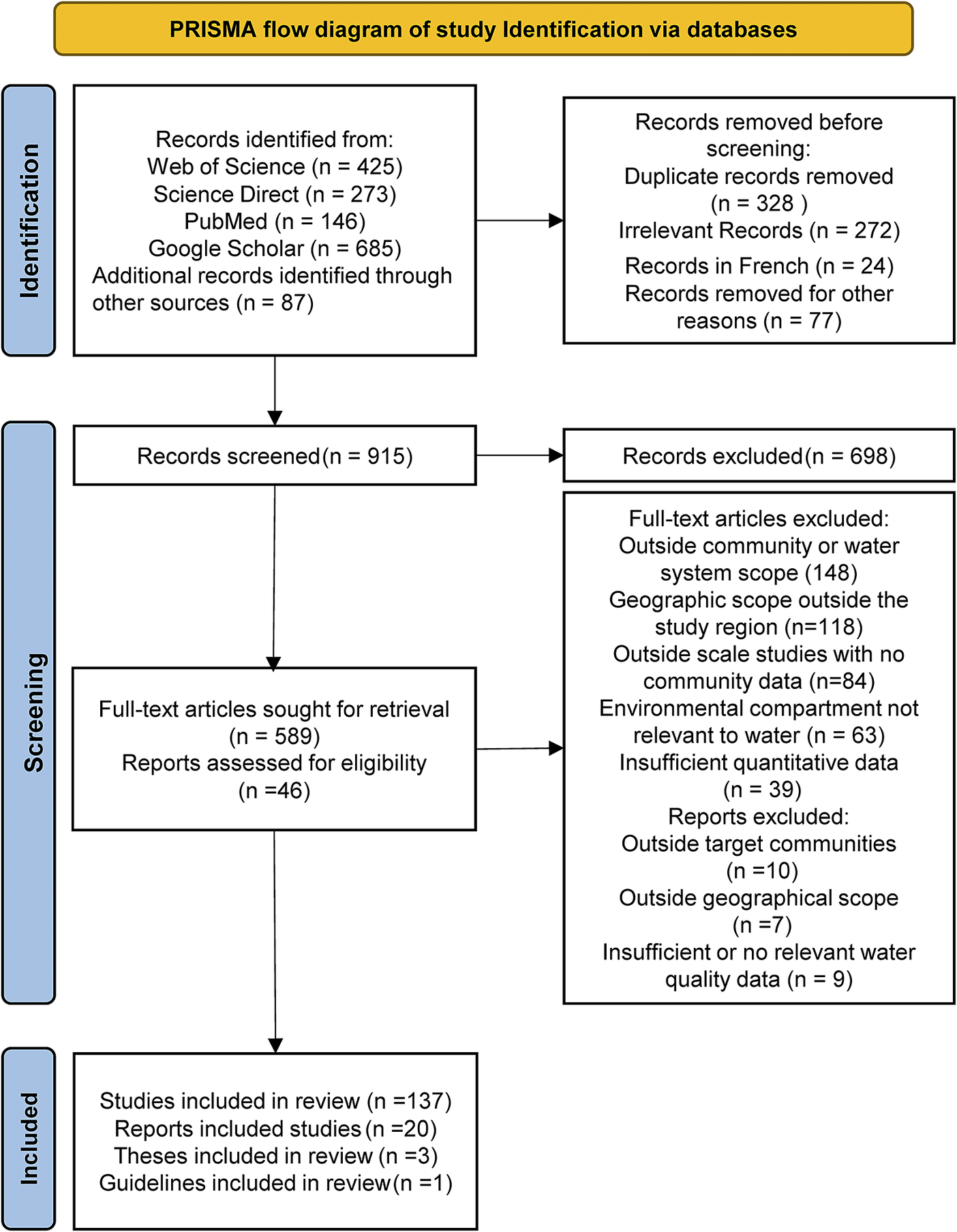
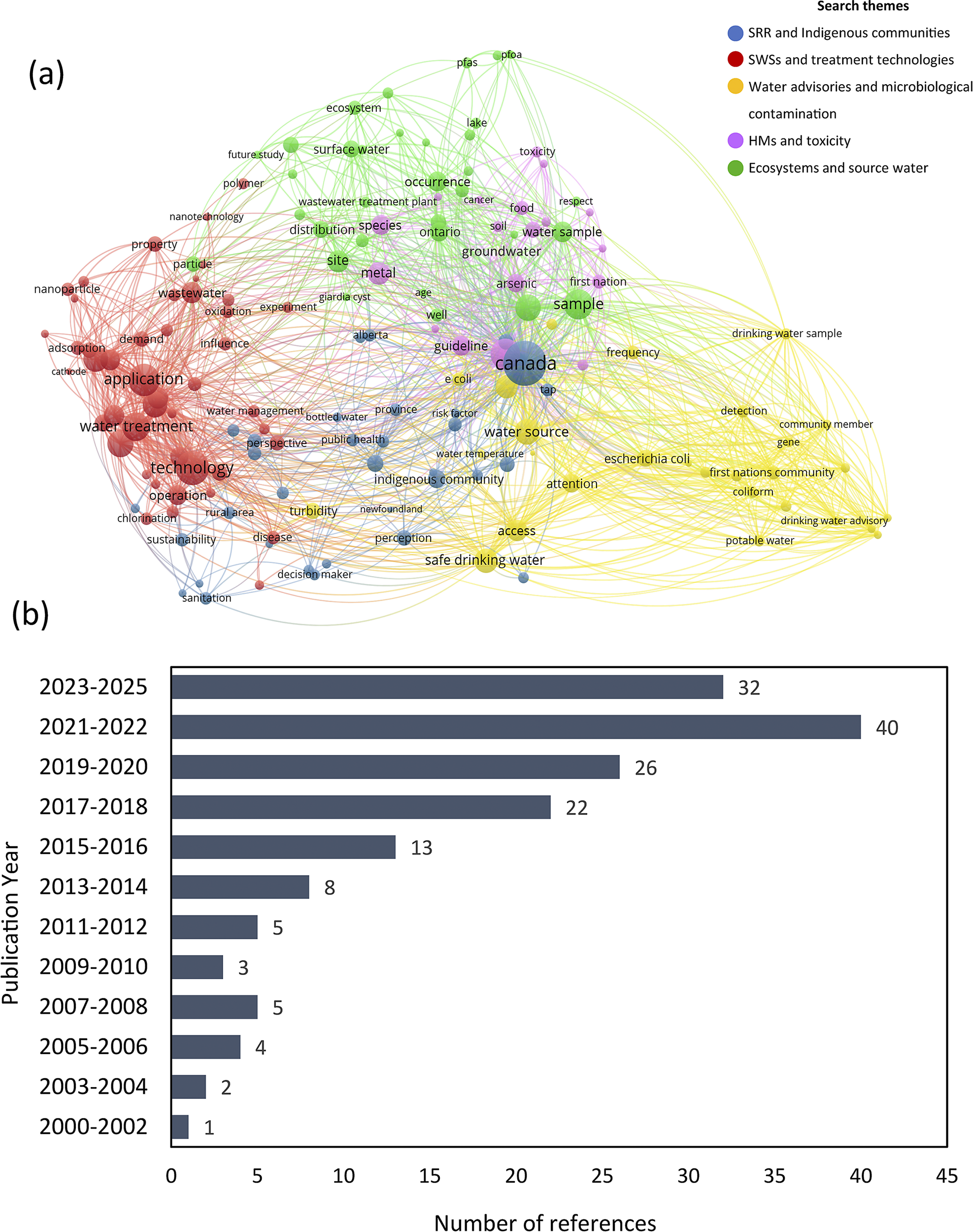
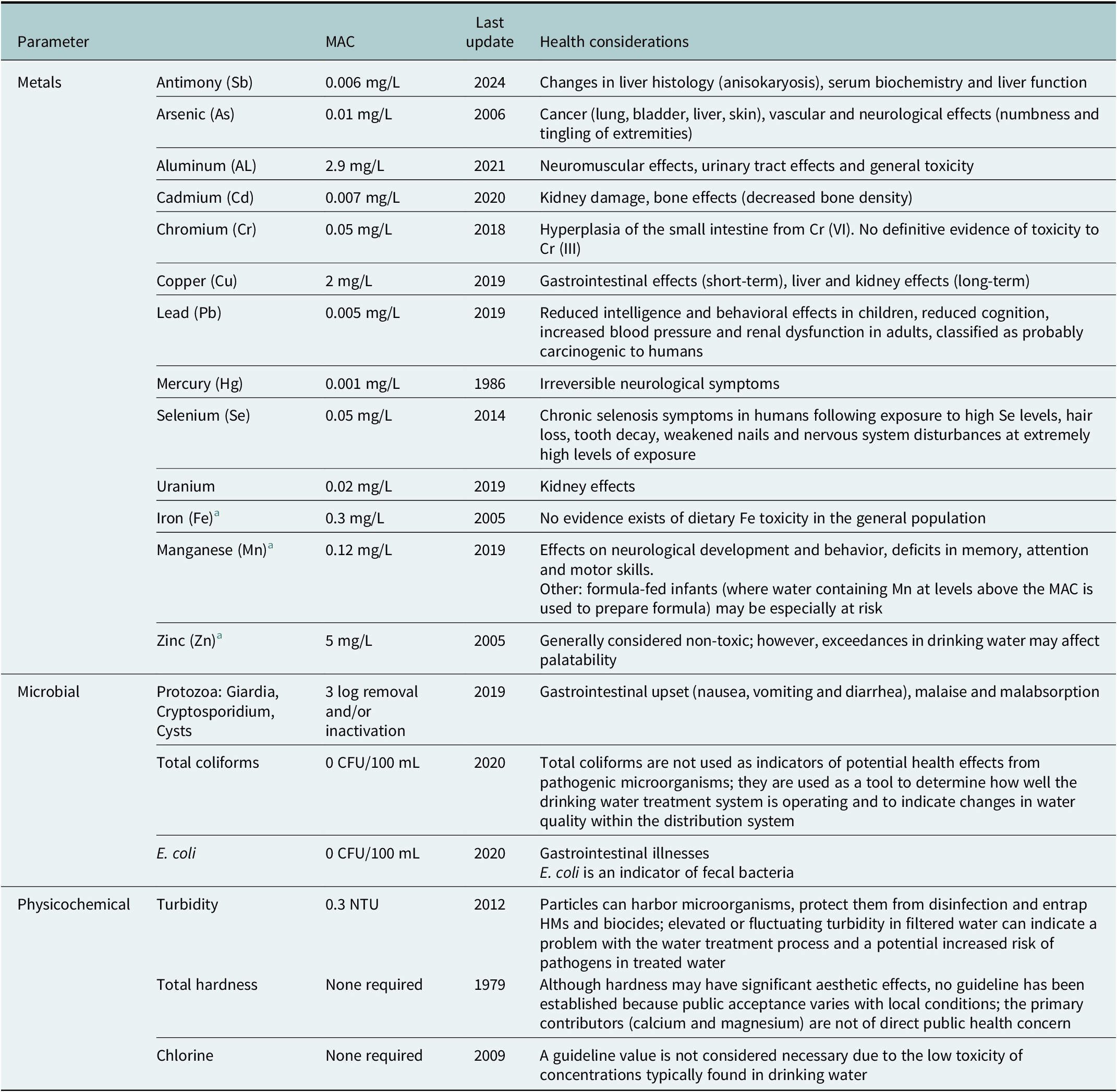
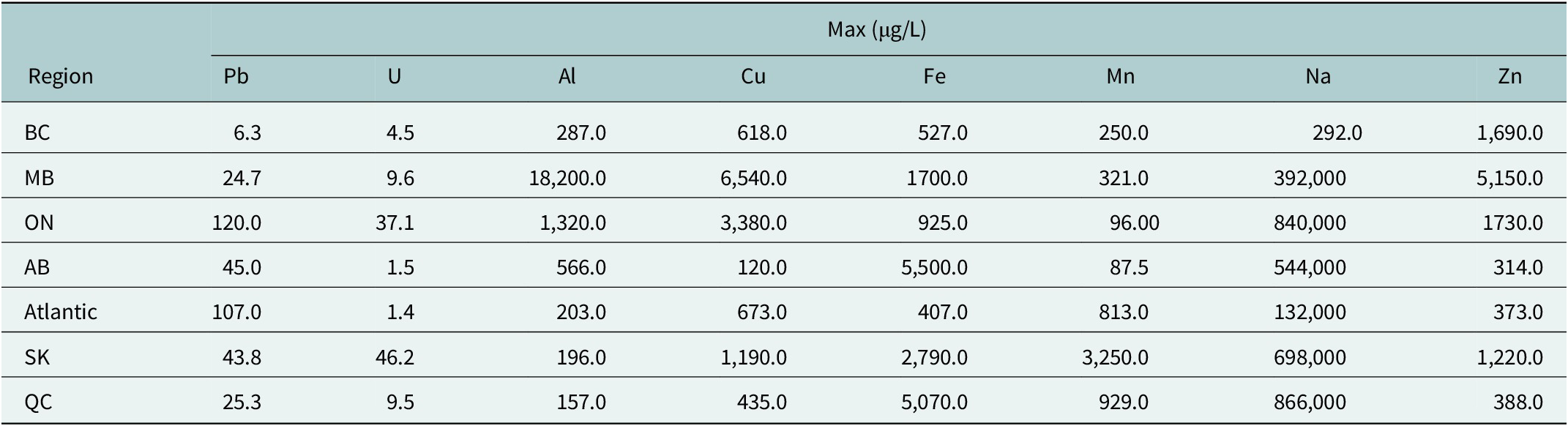
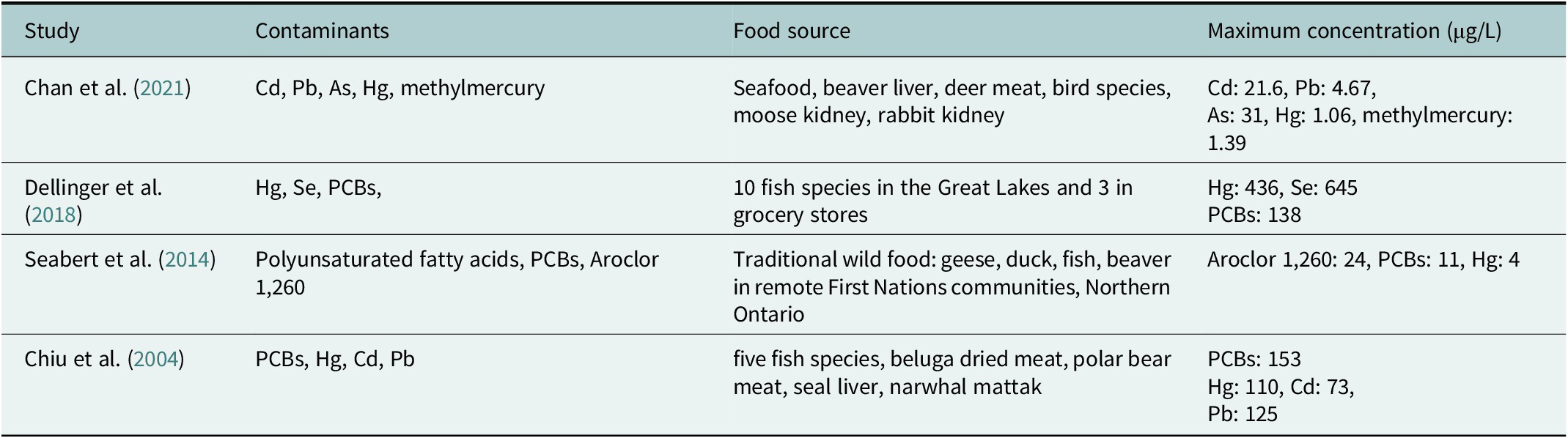
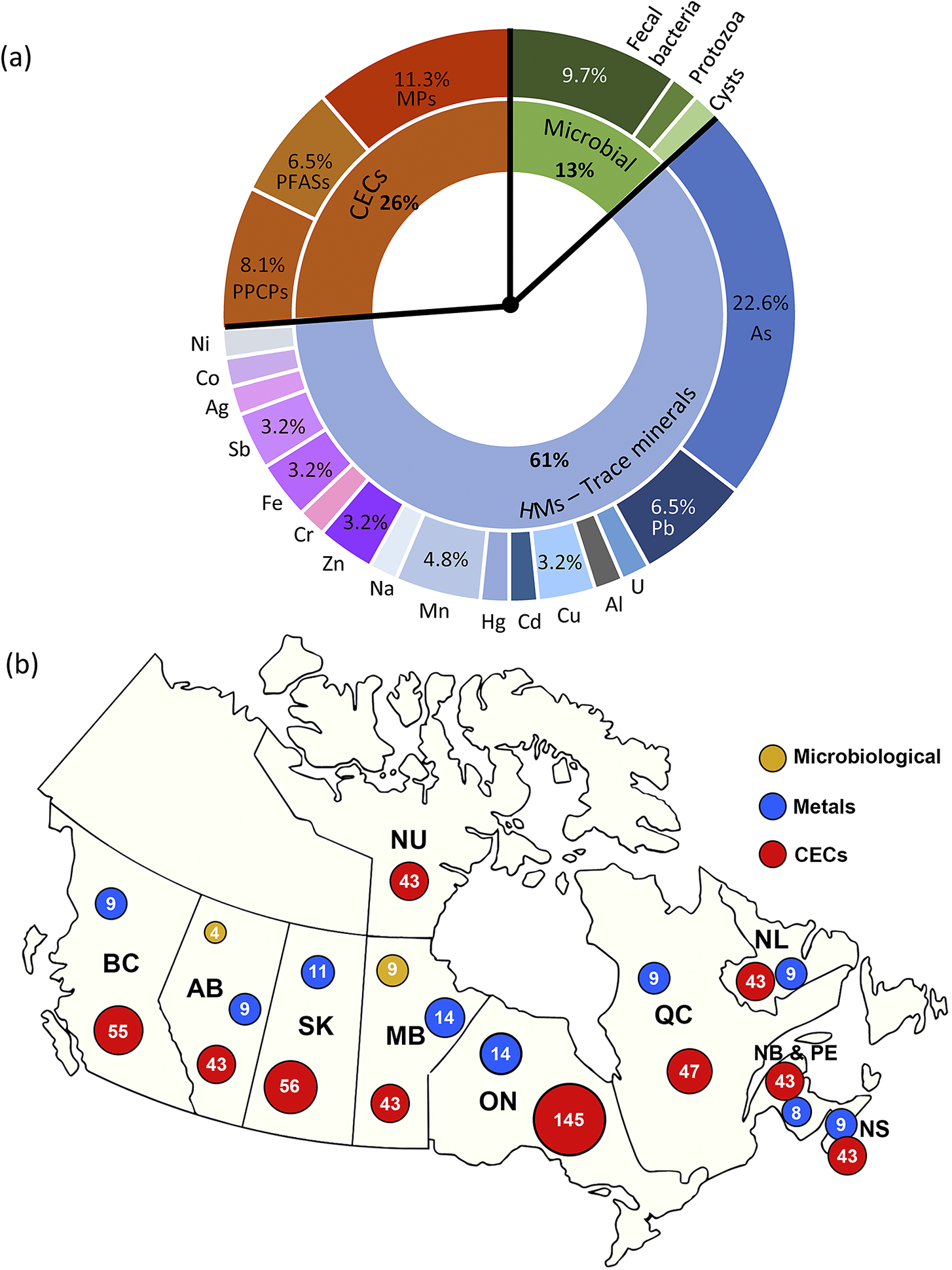
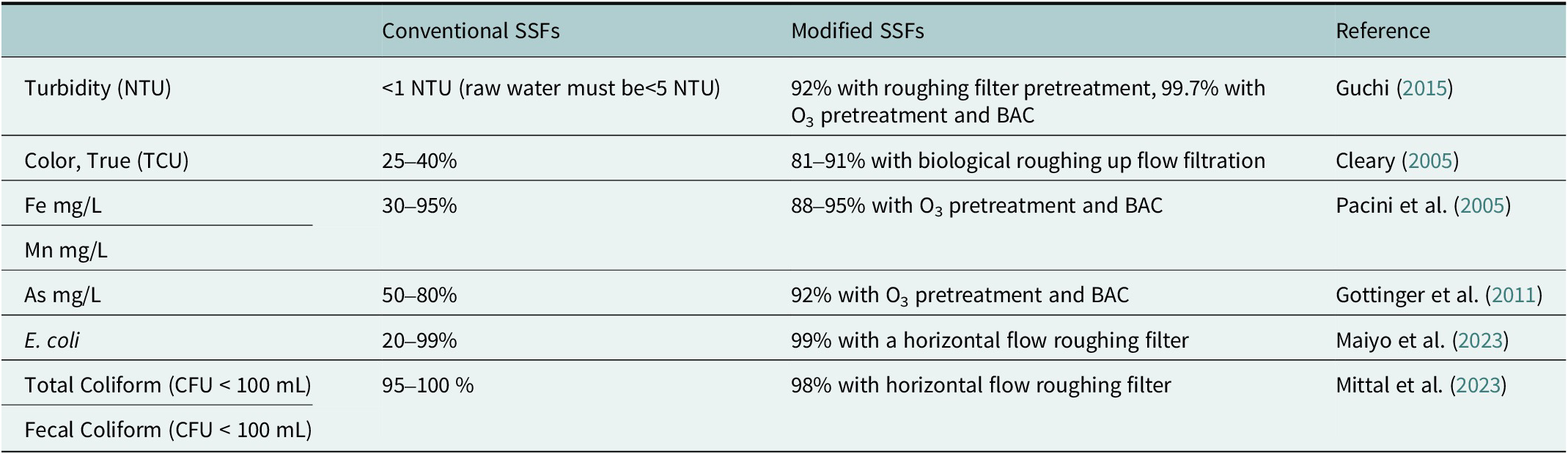
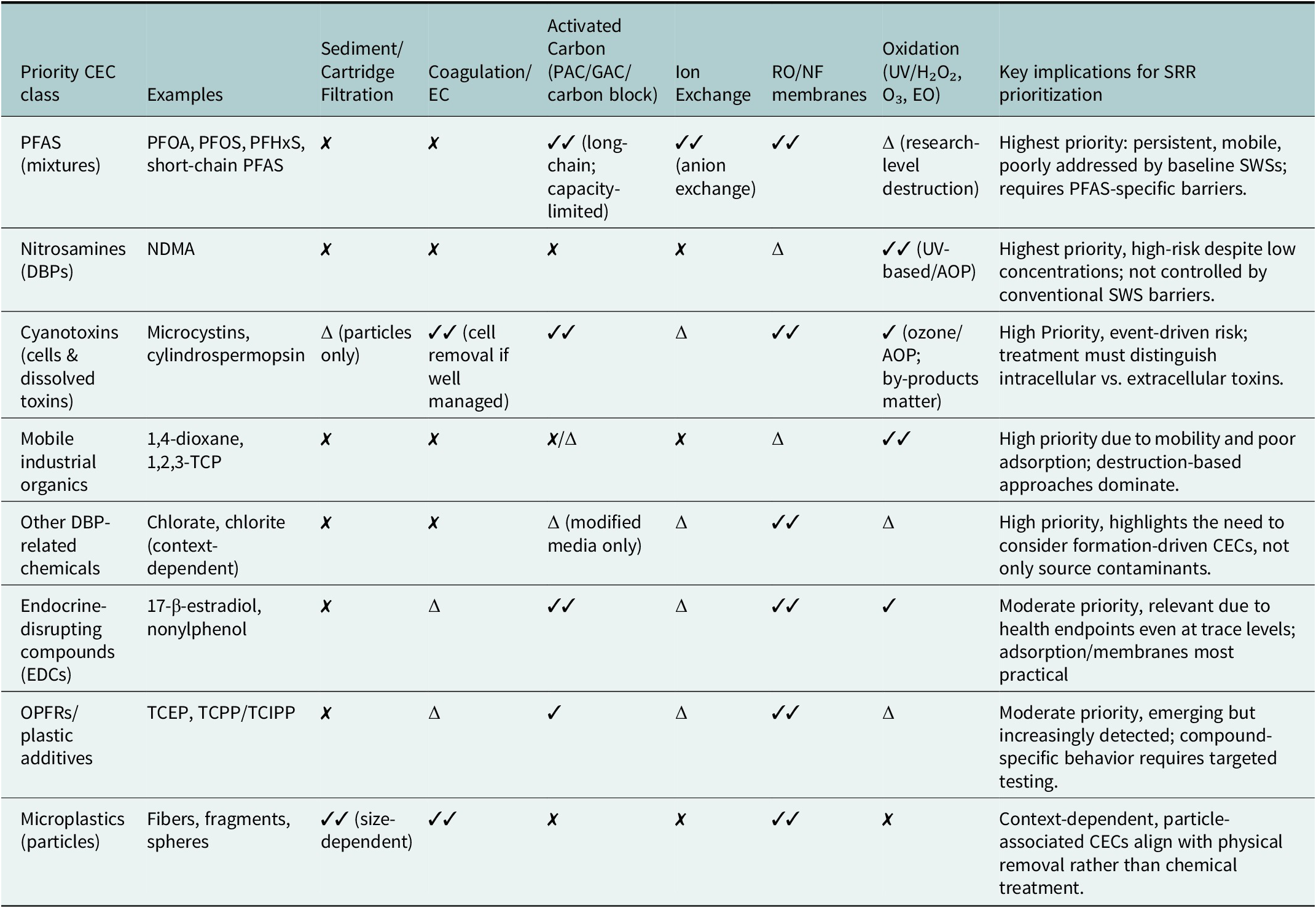
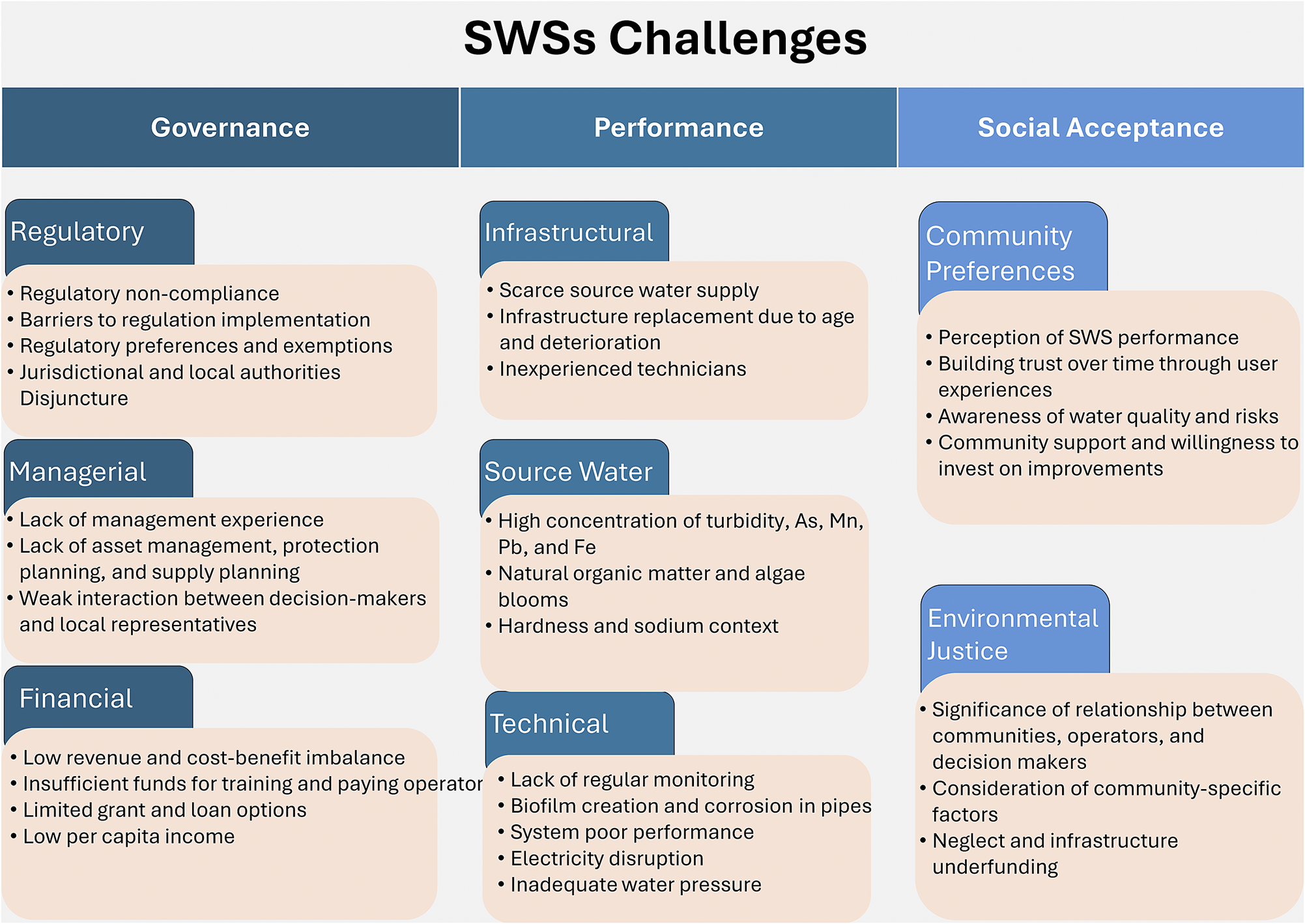


 Open access


Comments
September 29, 2025The Editorial OfficeCambridge Prisms: WaterRE: Submission of ManuscriptDear Editor,We are pleased to submit our review article entitled “The status of water security in small, rural, and remote communities in Canada: a review on water contamination and small water systems” for consideration in Cambridge Prisms: Water.This review addresses water insecurity in small, rural, remote (SRR), and Indigenous communities in Canada as a critical challenge, particularly due to frequent small water system (SWS) failures and limited water quality data. We examine key factors contributing to water insecurity, including source water contamination, the most prevalent contaminants reported in SRR communities, challenges in implementing and sustaining SWSs, and opportunities for adaptation. While water security has been examined in the global literature as a multifaceted issue, few reviews have focused on advanced economies. This paper provides a critical synthesis of technical, governance, and social factors shaping water security in SRR communities within a high-income country context.We believe Cambridge Prisms: Water is an ideal venue for our work, given the journal’s emphasis on interdisciplinary perspectives on water resources, water quality, and environmental sustainability. Our manuscript contributes both a comprehensive evidence base and a roadmap for future research directions relevant to practitioners, policymakers, and academics.Thank you for considering our submission. We look forward to your response and would be happy to provide any additional information you may require.Sincerely,Sorour NasimiphD Candidate - Environmental ScientistNatural Resources and Environmental StudiesUniversity of Northern British Columbia3333 University Way, Prince GeorgeBritish Columbia, Canada V2N 4Z9Tel: +1 (250) 552-4899 | E-mail: nasimi@unbc.ca