


Impact statements
Land degradation (The term ‘degradation’ is defined in the Appendix) in China’s dryland regions represents a critical legal and environmental challenge, with profound implications for both ecological sustainability and socio-economic development. Despite the establishment of legal frameworks such as the Land Administration Law and the Regulation on Land Reclamation, there remain significant issues, including insufficient systematization of the legal framework, poor implementation of laws, weak integration of corporate land reclamation (The term ‘reclamation’ is defined in the Appendix.) obligations and responsibilities, and a lack of effective public participation. These challenges undermine the effectiveness of land reclamation efforts in China’s dryland regions. This paper identifies these critical gaps and advocates for comprehensive legal reforms, including the introduction of criminal liability for non-compliance, enhanced inter-agency coordination and greater involvement from both the public and private sectors. Strengthening the legal framework in these areas will not only improve enforcement but also ensure the long-term success of reclamation projects, promote sustainable land-use practices and contribute to ecological restoration (The term ‘restoration’ is defined in the Appendix.).
Introduction
Land degradation in China’s drylands (The term ‘drylands’ is defined in the Appendix) presents a critical environmental challenge, threatening ecological sustainability, socio-economic development and public health (de Bremond, Reference de Bremond2021). The drylands in China span approximately 3.45 million square kilometers, or over one-third of the country’s total land area (Ministry of Ecological Environment of the People’s Republic of China, 2024). These regions, predominantly located in the northwest and northern parts of China, face persistent challenges such as soil salinization, heavy metal contamination and limited water resources, compounded by fragile ecosystems (Zhang et al., Reference Zhang, Liao, Duan, Song, Huang and Wang2016). Effective land reclamation is essential to mitigate these impacts, yet existing legal frameworks remain poorly adapted to the unique bioclimatic and socio-economic conditions of arid zones.
Severity of land degradation in drylands
In 2014, the Report on the National General Survey of Soil Contamination (The term ‘soil contamination’ is defined in the Appendix.) published by the Ministry of Environmental Protection (since 2018 referred to as the Ministry of Ecology and Environment) and the Ministry of Land and Resources (now referred to as the Ministry of Natural Resources) showed that 16.1% of soil within the survey points exceeded Class 2 standards of the Soil Environmental Quality Standard (GB 15618–1995) (Ministry of Environmental Protection Ministry of Land and Resources, 2014). In this Soil Environmental Quality Standard System, Class 2 standards serve as a safety valve to ensure agricultural production and protect human health and are applicable to the soil of targeted lands such as general farmland, vegetable fields, tea yards, orchards, pastures and others. That 16.1% of soil did not meet Class 2 standards means the quite severe urgency to prevent it from degradation and harms, including pollution harm to plants and the environment (Soil Environmental Quality Standard (GB 15618–1995), 2025). Degradation is usually concentrated in ecologically fragile and economically vital regions, particularly arid areas, where risks such as mining, water scarcity and desertification amplify environmental challenges (Guan and Hao, Reference Guan and Hao2013). However, 84% of soil that was deemed within standards should not be considered healthy. Although most of the soil is considered within standards, it is in chronic decline due to unsustainable practices. The implementation of the current standards (GB 15618–1995) is criticized as ineffective in addressing emerging pollutants and the cumulative effects of multiple environmental stressors (Li et al., Reference Li, Jiang, Wang, Chen, Long and Lin2022). Dryland areas are marked by fragile ecosystems with limited water resources, which makes the soil highly susceptible to degradation processes, such as erosion and salinization; furthermore, the same water scarcity severely constrains the ecosystem’s capacity to dilute and recover from contamination when it occurs (Stringer et al., Reference Stringer, Mirzabaev, Benjaminsen, Harris, Jafari, Lissner, Stevens and Der Pahlen2021). According to the Ministry of Ecology and Environment, nearly 20% of arid and semi-arid lands in China suffer from varying degrees of soil salinization (Wang and Jia, Reference Wang and Jia2012), while heavy metal contamination affects over 15% of soil in industrial and mining zones within these regions (Yang et al., Reference Yang, Wang and Chen2019; Asaiduli et al., Reference Asaiduli, Abliz, Abulizi, Sun and Ye2023). Natural factors worsen soil salinization, while human activities, such as poor irrigation, exacerbate the problem (Stavi et al., Reference Stavi, Thevs and Priori2021). Overuse of fertilizers and low organic matter further intensify salinization. As a result, nearly 20% of China’s arid and semi-arid lands are detrimentally affected, primarily due to human actions (Wang and Jia, Reference Wang and Jia2012). The cumulative impact of soil pollution (The term ‘soil pollution’ is defined in the Appendix.) in drylands is severe. For instance, soil salinization affects around 10% of the world’s arable land, with around 30% of irrigated land being impacted, resulting in direct agricultural economic losses exceeding $27 billion annually (Zaman et al., Reference Zaman, Shahid, Heng, Shahid, Zaman and Heng2018). Contaminated soil in these regions contributes to groundwater pollution, endangering the safety of drinking water for millions of rural residents (Rotaru and Răileanu, Reference Rotaru and Răileanu2008). Land degradation causes reduced productivity, increased rural poverty and higher reclamation costs.
In China’s drylands, soil degradation has been exacerbated by both human activities and climate change (Huang and Zhai, Reference Huang and Zhai2023). Restoration success depends on ecological fit, socio-economic integration and financial sustainability. Community-involved projects with alternative incomes proved more sustainable (Cao et al., Reference Cao, Chen, Shankman, Wang, Wang and Zhang2011). The Loess Plateau Rehabilitation Project (The term ‘rehabilitation’ is defined in the Appendix.) reduced soil erosion and improved livelihoods, highlighting the need for more effective dryland restoration to prevent further economic strain (Han et al., Reference Han, Zhao, Zhou and Pereira2023).
The importance of land reclamation governance and core issues in legal approach
Land reclamation has emerged as a vital policy response to degradation, yet research has predominantly focused on technical remediation, economic incentives or generalized policy design (Nayak et al., Reference Nayak, Bhushan and Wilson2022; Liu et al., Reference Liu, Qi, Cui, Lv, Jiang, Jiang and Zhu2023). Some studies have examined the development of economic incentives and policy instruments to promote reclamation, along with efforts to integrate reclamation into broader ecological and sustainable development frameworks (Kessler and Laban, Reference Kessler and Laban1994; Shiferaw and Holden, Reference Shiferaw and Holden2000; Campbell et al., Reference Campbell, Alexandra and Curtis2017). Few studies have examined legal frameworks addressing dryland challenges like saline soil and water scarcity. While reclamation requires integrating technical, economic and ecological aspects, a gap remains in analyzing legal and institutional frameworks. While best practices for environmental risk management (The term ‘risk management’ is defined in the Appendix.), such as the ISO 31000:2018 framework, and cumulative risk assessments (The term ‘cumulative risk’ is defined in the Appendix) are established internationally (Comino et al., Reference Comino, Tan and George2014; Tan et al., Reference Tan, George and Comino2015), they have not yet been integrated into China’s land reclamation legal system. Additionally, there is limited insight into practical safeguards and benchmark indicators for evaluating reclamation success in dryland agro-ecosystems (George and Brouwer, Reference George and Brouwer1996; George, Reference George2024). In the Chinese context, much of the research has been focusing on the evolution and effectiveness of legal structures governing reclamation (Jin and Bian, Reference Jin and Bian2009). Some studies reviewed the legal framework and management practices on coastal land reclamation (Wang et al., Reference Wang, Liu, Li and Su2014; Miao and Xue, Reference Miao and Xue2021), while others analyzed the challenges in mine land reclamation over soil pollution (Cao, Reference Cao2007; Hu et al., Reference Hu, Wang and Li2012). China’s policies on soil pollution and site remediation have faced criticism for outdated soil quality standards, unclear remediation targets, ineffective enforcement mechanisms and limited funding (Li et al., Reference Li, Jiao, Xiao, Chen and Chang2015). Despite a multilevel framework for legal support in land reclamation (Wang et al., Reference Wang, Bai, Luo, Jiang and Wang2010), a significant gap exists in creating an integrated framework that aligns China’s legal system with corporate accountability and enforcement. Previous research highlights regulatory fragmentation and enforcement issues but lacks an integrated governance framework. China’s land reclamation law offers a valuable case study for developing sustainable, enforceable governance models.
China’s land reclamation legal framework is hierarchical. The Land Administration Law of People’s Republic of China (2019) serves the basic law, providing legal responsibility (The term ‘legal responsibility’ is defined in Appendix.) for land degradation to restore affected areas or pay a reclamation fee. The other national law that is relevant and influential to drylands is the Law for Prevention and Control of Desertification of the People’s Republic of China (2018), addressing the overall planning of desertified land and application of afforestation and plantation techniques to combat land degradation in general. Under national laws, the Regulation on Land Reclamation of State Council (2011) serves as the specific and principal implementing regulation in this field, outlining the roles of enterprises and governments, specifying procedures for reclamation planning and monitoring. The Implementation Measures of Natural Resources Ministry for the Regulation on Land Reclamation of State Council (2019) provides further details on reclamation plan preparation, review and compliance. Technical standards, such as the Design Standards for Land Reclamation Engineering in Metal Mines (GB 51411–2020), set criteria for restoration. Provincial jurisdictions in drylands like Inner Mongolia Autonomous Region and Shanxi Province have their own regulations addressing region-specific challenges, complementing national laws (see Table 1).
Legal framework for land reclamation in China

Although China has legal frameworks for land reclamation, the regulatory system remains fragmented, particularly in arid regions with water scarcity and fragile ecosystems. Key laws like the Land Administration Law and the Regulation on Land Reclamation provide basic principles but lack specificity for dryland conditions. Reclamation technologies are costly and ineffective due to harsh climates and soil conditions, creating compliance challenges. Consequently, many enterprises opt to pay reclamation fees instead of undertaking substantive works, undermining legal objectives and exacerbating land degradation. Policy design should specify practicable, locally adapted restoration pathways to guide implementation and verification. In parallel, specific land reclamation directions need detailing, along with revision and regular updating of reclamation fees to more accurately reflect present-day costs.
A central issue is the widespread non-enforcement of legal liability for land degradation. Despite clear evidence of ecological damage, legal accountability remains weak, especially in arid zones with limited enforcement capacity. This ineffectiveness to uphold legal responsibilities is the focus of this research, which examines the structural, institutional and normative dimensions of China’s land reclamation governance system, particularly in arid regions. As land degradation intensifies, reforming China’s fragmented governance approach becomes critical. The research question of this study is: How can China improve its legal framework to enhance enforcement, corporate accountability and multi-stakeholder coordination? Key questions include: (i) Who are the obligated entities, and what are their responsibilities? (ii) How effective is the current legal regime, and what are the barriers to enforcement? (iii) What can be learned from international experiences in arid land reclamation? This study analyzes China’s reclamation laws and identifies barriers to enforcement in drylands.
Study methods
This article uses three methods of analysis: normative, empirical and comparative. Normative analysis reviews legal provisions and evaluates their effectiveness in addressing land degradation. Empirical analysis examines the application and outcomes of these laws through case studies and data from arid regions. Comparative analysis contrasts China’s legal framework with those of other countries, offering insights for potential reforms (see methodological flowchart).

Analysis on core issues of legal and regulatory approach
This section mainly analyzes legislative, enforcement and regulatory challenges in China’s land reclamation system, focusing on gaps and obstacles in arid, ecologically vulnerable regions.
The legal framework and stakeholder responsibilities in land reclamation
Using normative legal analysis, this subsection examines the rights, obligations and accountability mechanisms assigned to key stakeholders (The term ‘rights’ is defined in the Appendix.), including government entities, enterprises and societal actors, within China’s land reclamation regulatory system. The framework is structured hierarchically, encompassing national laws, administrative regulations and technical standards that collectively define these roles and duties.
Current statutory provisions and institutional roles
The responsibilities of the government in land reclamation can be categorized into the following four primary perspectives: (i) Planning and institutional implementation: The government plays a key role in the planning, organization and implementation of land reclamation for degraded or disaster-affected lands. According to Articles 3 and 23 of the Regulation, the government oversees the entire reclamation process, including investigation, planning and implementation. Local natural resources departments are responsible for preparing reclamation plans and identifying priority areas (Articles 4 and 24), ensuring effective coordination and resource allocation. (ii) Supervision and management: The government also supervises reclamation obligations. As per Article 76 of the Land Administration Law (2019), local authorities can mandate corrective actions when obligations are unmet. The Regulation strengthens this role by requiring ongoing monitoring at all stages of reclamation, including plan review and project verification (Articles 5, 17–19). The Implementation Measures (Article 5) mandates a dynamic monitoring system for continuous oversight. Additionally, it mandates the establishment of a dynamic monitoring system to ensure continuous oversight. (iii) Funding and incentives: The government assumes responsibility for funding guarantees and incentives. It is obligated to allocate funds for the reclamation of degraded lands and encourage private investment through financial incentives, such as tax refunds, subsidies and additional farmland quotas (Articles 23, 32–34). (iv) Legal accountability: As for legal accountability, the government is held to high standards of responsibility. Article 36 of the Regulation stipulates that government officials who neglect their supervisory duties, such as approving projects unlawfully, misappropriating funds or falsifying reclamation inspections, will face disciplinary actions. In cases where criminal offenses are involved, the individuals in question will be subject to criminal prosecution. This provision ensures that government officials are held accountable for their actions and that the integrity of the land reclamation process is maintained.
As for the responsibilities of land reclamation obligors, the legal framework establishes a comprehensive system grounded in the principle of “whoever damages must reclaim,” ensuring that enterprises and individuals involved in land development are held accountable for the reclamation of lands they have degraded. Under Article 43 of the Land Administration Law (2019) and Article 3 of the Regulation on Land Reclamation, land reclamation obligors are required to restore lands affected by their activities. To this end, they must prepare a reclamation plan and submit it for approval by the relevant natural resources authority. Importantly, permits for construction or mining are granted only after plan approval, as stipulated in Article 13 of the Regulation and Articles 6–7 of the Implementation Measures, which effectively link reclamation to the permitting process. Additionally, financial obligations ensure sufficient resources for reclamation. This includes incorporating reclamation costs into production or construction budgets and pre-depositing fees into designated accounts, as outlined in Article 15 of the Regulation and Articles 16–17 of the Implementation Measures. These provisions secure funds and guarantee timely project completion. During the development process, reclamation must follow the approved plans. For long-term projects, reclamation is carried out in stages, with progress reports submitted to local authorities, as stated in Articles 16 and 22 of the Regulation and Article 15 of the Implementation Measures. Upon completion, obligors must apply for an official inspection. If reclamation does not meet required standards, they must rectify deficiencies or face fees and government takeover of reclamation, according to Articles 28–30 of the Regulation. Furthermore, obligors are required to maintain detailed records of reclamation activities, ensuring transparency and effective monitoring (Article 22 of the Regulation; Article 15 of the Implementation Measures). Failure to comply may result in corrective orders, fines and permit revocation, reinforcing accountability and promoting land restoration.
In contrast to the compulsory obligations of the government and the legally mandated responsibilities of land reclamation obligors, social responsibility within China’s land reclamation legal framework is fundamentally characterized by its guiding, participatory and supplementary nature. The framework encourages societal involvement through incentive mechanisms to mobilize various social forces and foster collaborative governance. A key component is the promotion of social investment. Articles 23 and 33 of the Regulation outline the principle of “whoever invests, benefits,” ensuring that private investors in government-organized reclamation projects are entitled to long-term use rights or operational benefits. This attracts private capital and offers financial incentives for involvement. Landowners, including collective organizations and individual farmers, who reclaim lands affected by natural disasters, are eligible for government subsidies, as outlined in Article 33 of the Regulation. This dual role of the government as both a regulator and facilitator encourages public and private participation through financial incentives. Additionally, the Regulation promotes active participation by allowing land rights holders and the public to provide feedback on reclamation efforts. Article 28 grants them the right to express opinions on the initial acceptance of reclamation, ensuring transparency and accountability in the process. The involvement of technical experts and industry associations is also crucial. Article 8 emphasizes the role of experts and associations in providing guidance and technical support to ensure reclamation projects meet ecological and environmental standards. This comprehensive, multidisciplinary approach, involving government bodies, private stakeholders and professional organizations, strengthens the reclamation process (Wang et al., Reference Wang, Liu, Li and Su2014).
Identified institutional and operational deficiencies
The current institutional and operational framework for land reclamation in China presents several systemic deficiencies that hinder the effectiveness of reclamation efforts. These deficiencies not only reflect structural weaknesses in legislative design but also expose practical barriers in enforcement, particularly in ecologically fragile regions such as drylands. The analysis below identifies three core problem areas: legislative fragmentation, hierarchical enforcement gaps and misaligned policy incentives.
Firstly, China’s land reclamation legal framework remains fragmented and lacks enforceability. Currently, legal provisions related to land reclamation are dispersed across various legislative texts. In addition to the primary laws, such as the Land Administration Law (2019) and the Regulation on Land Reclamation, other significant laws, including the Environmental Protection Law (2014), Soil and Water Conservation Law (2010), Coal Law (2016) and Water Law (2016), also address different aspects of land reclamation. However, these provisions often lack cohesiveness and comprehensiveness, leading to a disjointed legal system that makes it difficult to establish a unified and coherent land reclamation policy. From a national legislative perspective, these scattered legal provisions suffer from a lack of clarity regarding their scope of application, further weakening the overall legal framework. The absence of clear and consistent legal guidance often leads to confusion about the specific obligations of different stakeholders, particularly enterprises, which may only meet the minimum legal requirements without addressing the actual environmental damage.
Secondly, the implementation of these laws often depends on administrative regulations and local regulations, which carry less legal authority compared to national laws. This issue is especially pronounced in dryland areas, where land degradation is most severe. Local governments frequently issue land reclamation regulations that have lower legal standing. This results in a legal framework that lacks both authority and operational clarity, making it difficult to enforce land reclamation obligations effectively. In practice, insufficient national supervision means that local authorities often lack the resources or political will to enforce land reclamation laws consistently, leading to discrepancies in implementation across regions (Li et al., Reference Li, Fang, Guo, Zheng, Wang, Zhang and Zhao2017). This problem is further exacerbated by regional enforcement disparities. While the central government has established a uniform legal framework, local authorities in resource-dependent or fiscally constrained dryland areas often weaken enforcement to attract investment and preserve local revenues. This protectionist orientation manifests in selective monitoring, relaxation of reclamation obligations and inconsistent fee standards, creating a patchwork of regulations that fragments the national system. Enterprises exploit these differences through regulatory arbitrage and forum shopping, concentrating operations in jurisdictions with weaker oversight and thereby accelerating land degradation in precisely those regions most in need of ecological protection (Cao, Reference Cao2007).
Thirdly, the fragmentation of legal norms in China’s land reclamation framework has hindered effective policy interaction between central and local governments. A critical evaluation of the Land Administration Law (2019) and the Regulation reveals several provisions particularly problematic in arid regions. For example, the reclamation fee mechanism, intended to provide financial support, perversely incentivizes non-compliance in drylands. The fee is often calculated based on a standard rate that does not reflect the true cost of rehabilitating arid ecosystems, making it more economically favorable for companies, such as those in Inner Mongolia, to pay the fee rather than undertake costly reclamation projects (Liu, Reference Liu2016). This transforms the law from a restorative tool into a licensing mechanism for environmental damage. The Regulation and national technical standards prescribe reclamation methods suited to normal regions, making vegetation restoration especially challenging in arid areas. The law lacks a dryland-specific compliance pathway, undermining its legitimacy and enforceability. Local regulations often prioritize enforcement in ecologically less sensitive areas, leaving severely degraded regions neglected. This creates a patchwork enforcement system, where national laws are inconsistently applied, influenced by local political and economic priorities rather than ecological needs.
Legal supervision and implementation effects
This section employs an empirical analytical approach to evaluate the implementation of China’s land reclamation laws, with particular attention to dryland regions challenged by soil salinization and desertification. It investigates local practices to determine the extent to which statutory obligations imposed on government authorities, enterprises and other relevant actors are effectively enforced. In doing so, it identifies both successful enforcement practices and barriers that hinder full compliance with the legal framework.
Inadequate enforcement and compliance in practice
On the one hand, the government’s regulatory responsibilities face significant challenges in several regions, where the enforcement of land reclamation laws remains weak. In Weining County, Guizhou Province, a “quasi-arid” region at risk of rocky desertification, lack of supervision has led to severe ecological damage. Villagers have constructed permanent buildings on grasslands and enclosed pastureland for grazing, harming the ecosystem. Despite pre-litigation recommendations from the Weining County Procuratorate in 2021 urging improved environmental oversight, follow-up inspections in 2022 revealed minimal progress. This ineffectiveness exposes weaknesses in local governance, including inadequate resources, lack of political will and poor enforcement mechanisms (Supreme People’s Procuratorate, 2023). Similar challenges have been observed in Ulan County, Qinghai Province, where government supervision has been insufficient, delaying the reclamation process (Supreme People’s Procuratorate, 2023). The absence of proactive oversight has allowed land degradation to continue unchecked, hindering reclamation. These cases demonstrate systemic issues in local governance, including limited resources, poor inter-agency coordination and ineffective enforcement. These challenges undermine the implementation of land reclamation laws, highlighting the urgent need for stronger enforcement mechanisms and greater local accountability to achieve successful reclamation outcomes.
On the other hand, enterprises, as land reclamation obligors, have consistently not fulfilled their reclamation obligations, despite the clear legal requirements set forth in the Land Administration Law (2019) and the Regulation. This issue is widespread across China. For example, a typical case published by the Procuratorate in 2022 involved a coal company in Ordos City, Inner Mongolia, which illegally constructed coal yards, occupying land and causing significant environmental damage. This violated the procedural requirements for land use and constituted a criminal offense. However, following the Procuratorate’s intervention, the company was compelled to initiate reclamation efforts, which initially showed positive results (Supreme People’s Procuratorate, 2022). Even in non-arid regions, enterprises often neglect their responsibilities under land reclamation laws. In 2024, the Supreme People’s Procuratorate and the Ministry of Ecology and Environment disclosed a case in which a company obtained a mining permit without securing the legally required approvals for its mining geological environmental protection plan and land reclamation plan and without paying the mandated reclamation fees. The issuance of the permit in the absence of these prerequisites reflects a breakdown in the statutory sequence of controls, since such approvals and payments are intended to operate as conditions precedent to licensing. Allowing extraction to proceed without these measures removed essential ex ante safeguards, shifted regulatory burdens to ex post enforcement and exposed structural weaknesses in inter-agency review and fee verification. After the mining permit expired, the company neglected to complete the necessary geological restoration and did not follow proper mine closure procedures, leaving the mining area in an environmentally hazardous state, thus creating substantial safety risks (Ministry of Ecology and Environment, 2025). This case underscores the failure of the enterprise to fulfill its land reclamation legal obligations, leaving the land in a degraded condition and exacerbating environmental risks. Similarly, in Fujian Province in 2024, a company continued its mining activities without meeting the restoration standards outlined in its mining geological environmental protection and land reclamation plans, in direct violation of Article 15 of the Regulation on Mining Geological Environmental Protection. The company faced administrative penalties, including fines and the suspension of its mining license (Fujian Department of Natural Resources, 2024). This example highlights a recurring issue: enterprises neglect reclamation responsibilities, driven by economic interests prioritizing immediate gains. Despite clear statutory mandates, many operators still neglect to restore degraded land or pay reclamation fees, which undermines policy goals and accelerates land degradation. This inaction heightens environmental risk at the mine site through dust emissions and slope instability, and it propagates harm across the wider catchment as soil erosion and runoff convey pollutants into rivers and lakes, while leachate from waste materials contaminates underlying groundwater aquifers. Similar cases have occurred in arid regions of China, such as the exploration and mining activities in the Qilian Mountain National Nature Reserve in Gansu, which have led to vegetation damage, soil erosion, surface subsidence and severe harm to the water ecosystem (Ministry of Ecology and Environment of the People’s Republic of China, 2019). On October 10, 2025, the Supreme People’s Court issued a ruling on typical cases of crimes related to the destruction of arable land. In one such case, an individual illegally mined peat soil for sale and profit without obtaining a mining license and used other sand soil for backfilling, resulting in severe damage to arable land and significantly affecting ecological safety and agricultural sustainability. This case also occurred in the Inner Mongolia Autonomous Region, which is a semi-arid area. The case was ultimately adjudicated under the charge of illegal mining (Supreme People’s Court 2025). From an ecosystemic integrity perspective, illegal mining activities inevitably affect the surrounding groundwater system. The mining process and improper backfilling with external sand soil not only damage the arable land at the mining site but also pose significant environmental risks to a wider area. The destruction of the native peat layer, which serves as a natural filter and water storage, along with the introduction of permeable sand, can alter local hydrological conditions, increasing the risk of surface pollutants contaminating the groundwater and accelerating the depletion of shallow aquifers in the water-scarce region.
Systemic regulatory and accountability shortcomings
China’s land reclamation regulatory framework exhibits three interconnected systemic deficiencies that collectively undermine its implementation effectiveness. These structural flaws manifest as institutional fragmentation in regulatory oversight, a critical disconnect between statutory obligations and enforcement mechanisms, and inadequate channels for multi-stakeholder participation. These shortcomings have formed significant gaps in accountability and compliance.
Firstly, uncoordinated multi-agency governance. Legal implementation issues resulted from the lack of synergy in China’s land reclamation regulatory mechanism. Operating under a “unified and compound” model led by natural resources authorities, the system suffers from ambiguous inter-agency coordination mechanisms. Although Articles 7 and 8 of the Regulation and the Implementation Measures require collaborative supervision across departments, no concrete procedures or evaluation criteria have been established for joint inspections and approval processes (Fu and Yang, Reference Fu and Yang2020). This results in unclear division of roles and inconsistent enforcement across regions (Zhao, Reference Zhao2018). The ambiguity is compounded by functional fragmentation among regulatory bodies. Responsibilities for land reclamation intersect with geological environmental protection, pollution control, water and soil management and work safety – each overseen by different departments with divergent priorities. The resulting administrative barriers lead to overlapping mandates, mutual deflection of responsibility and regulatory vacuums (Jiang, Reference Jiang2015). For instance, mining projects require integrated oversight yet are subject to disjointed approvals and inspections, hindering effective reclamation planning and implementation. Moreover, regulatory responsibilities are often defined in broad, generalized terms, further limiting inter-departmental interaction and coordinated action. A critical manifestation of these governance shortcomings is the conflict of interest inherent in local regulatory structures. While separate agencies are formally designated for land reclamation and mine ecological restoration, local governments often assume both regulatory and implementation roles, effectively acting as both “player and referee” (Huang and Li, Reference Huang and Li2024). This undermines the principle of impartial oversight and compromises the integrity of acceptance procedures. The absence of independent verification mechanisms allows projects that do not meet ecological standards to receive approval, eroding accountability and public trust. Furthermore, insufficient supervision throughout the reclamation process exacerbates these systemic issues. Article 13 of the Regulation requires reclamation plans as a precondition for mining or construction permits, yet inadequate oversight during implementation often renders these plans ineffective. Problems such as unclear project locations at the application stage hinder accurate cost estimation and scientific planning, while the lack of continuous monitoring allows enterprises to deviate from approved plans without consequence. The current system also operates without a unified framework for information sharing, fund management or progress evaluation, resulting in inefficient and uncoordinated governance outcomes.
Secondly, the lack of connection between enterprises’ land reclamation obligations and their legal responsibilities. Obligations require active restoration or financial compensation (Zhao and Zhang, Reference Zhao and Zhang2015). However, the current system does not effectively translate these obligations into enforceable legal liabilities, such as meaningful administrative penalties or criminal sanctions. A key weakness lies in the absence of scientifically informed and legally precise standards for determining what constitutes successful reclamation – particularly region-specific ecological viability in diverse contexts such as arid grasslands or mining sites. Without clear, quantifiable benchmarks pertaining to soil, hydrology and ecosystem health (George and Brouwer, Reference George and Brouwer1996), the line between compliance and violation remains blurred, undermining enforcement. Enterprises frequently evade their responsibilities, especially in high-cost contexts like mining, by abandoning reclamation deposits and neglecting restoration (Silaban, Reference Silaban2024). This leads to ongoing land degradation, undermining the effectiveness of reclamation efforts. The passive fulfillment of obligations by enterprises stems from an inadequate legal responsibility mechanism. While the current system establishes administrative legal responsibilities, it lacks enforcement measures for serious violations, some of which may constitute criminal offenses. In cases of non-compliance, criminal penalties should be activated to prevent evasion and establish a deterrent effect. The existing legislation omits provisions on criminal responsibility for land reclamation violations, which weakens the overall accountability framework. Criminal sanctions should be limited to the most severe cases, including deliberate non-compliance with reclamation orders despite clear evidence, situations where administrative measures have failed and actions causing or threatening irreversible harm to land or water resources. For minor violations that are unintended or quickly corrected, administrative penalties should be the primary response. The concept of “irreversible harm” should be tailored to arid regions, where ecosystem degradation, such as desert wetlands or dust storms, may meet this threshold. The Regulations specify criminal responsibility for “directly responsible supervisors” and “relevant personnel” involved in activities disrupting reclamation. However, this provision is limited, and administrative penalties alone do not align with the principles of strict ecological environmental protection. For example, Article 13 of the Regulation states that obligated parties must prepare a reclamation plan within one year if land damage occurs, which contradicts the prevention principle in the Environmental Protection Law (2014). The one-year grace period overlooks early-stage degradation, especially in arid regions where subsurface damage often precedes visible harm, thereby making the precautionary principle redundant. The core requirement of the principle, which calls for preventive action in response to potential environmental harm, is undermined when the law mandates a waiting period that allows proven damage to accumulate, thereby contradicting the principle’s intent and diminishing the law’s effectiveness in preventing environmental degradation (Singh, Reference Singh2010). This reactive approach creates perverse incentives by treating initial damage as an acceptable economic cost, shifting the focus from prevention to mere compliance with deadline requirements. Moreover, the separation of reclamation from initial project planning results in the underestimation of restoration costs, leading to insufficient financial guarantees. This leaves the state to shoulder the ecological and financial burdens, fundamentally conflicting with proactive environmental protection. The Regulations also lack clarity on whether obligations to supplement reclamation plans are exempt after fines are imposed, leading to inconsistent enforcement. Furthermore, Article 40 of the Regulations mandates cessation of illegal activities involving toxic substances, but such violations meet the criteria for environmental pollution crimes under Article 388 of the Criminal Law (2020). This highlights the need to extend accountability beyond administrative penalties and connect them to criminal responsibility. Cases of serious pollution should be transferred to public security authorities for investigation. Based on the points, the lack of coordination between enterprises’ land reclamation obligations and legal responsibilities undermines reclamation governance. Relying solely on administrative penalties fails to incentivize compliance, leading to high compliance costs and low violation costs, fostering a “one-off settlement” mentality. This also creates opportunities for rent-seeking behavior and causes severe ecological damage. Non-compliance with reclamation obligations should be elevated from an administrative issue to a criminal one. However, criminal liability should apply selectively, based on the damage caused by enterprises’ activities. The current system lacks deterrents, allowing fines to be treated as a business cost. Thus, how to effectively leverage criminal law’s deterrent function requires further discussion. Ultimately, in such cases, the only avenue remaining after all others are exhausted is the pursuit of legal action, recovering costs of reparation and imposing necessary penalties to uphold the law and ensure ecological accountability and sustainability. This requires establishing a legal precedent that not only holds parties accountable for actively restoring ecosystem functions and services, rather than merely providing financial compensation, but also creates enduring incentives for sustainable land management practices that effectively prevent future degradation.
Lastly, the involvement of non-governmental organizations (NGOs) and social capital in China’s land reclamation efforts are limited. While the Regulation encourages public involvement, the absence of structured mechanisms to engage non-governmental organizations (NGOs), local communities and private investors has hindered the development of community-based reclamation projects. On the international stage, the United Nations Convention to Combat Desertification (UNCCD) advocates for shared responsibility among governments, private enterprises and local communities. It emphasizes national action programs (NAPs) to encourage multi-stakeholder involvement, making land reclamation a collective effort rather than the responsibility of a single entity. Countries such as Australia, Israel and Chile have successfully implemented public–private partnerships (PPPs) and community-driven initiatives, aligning with the UNCCD’s principles (Eremin, Reference Eremin2023). China’s land reclamation framework places primary responsibility on enterprises, with limited opportunities for social capital involvement. While the Regulation encourages public participation, it lacks structured provisions to engage NGOs, local communities and private investors. As a result, reclamation efforts in China are largely driven by enterprises, without adequate collaborative input from communities or other stakeholders, limiting the effectiveness and sustainability of reclamation projects.
Global perspectives on land reclamation legislation and supervision and their implications for China
This section employs a comparative legal methodology to analyze international frameworks and governance practices pertaining to land reclamation, with particular focus on dryland ecosystems. The examination of representative jurisdictions is motivated by the growing interplay between domestic legal systems and international environmental norms. As China continues to engage with global environmental governance, its domestic land reclamation regime is increasingly shaped by – and itself contributes to – evolving international standards and global practices. By systematically evaluating the legal and policy approaches adopted in diverse socio-ecological contexts, this study seeks to identify transferable models and normative insights that can constructively inform the ongoing reform of China’s land reclamation legal framework.
Global perspectives on land reclamation legal frameworks
At the global level, land reclamation efforts are guided by international conventions and treaties that assist countries in addressing environmental challenges such as desertification, soil salinization and land degradation. One of the most influential frameworks in this regard is the UNCCD, adopted in 1994. The convention emphasizes an integrated approach to land management, encouraging countries to develop NAPs to promote sustainable land management and restoration in dryland regions. Central to the UNCCD is the principle of a participatory approach for combating land degradation, which involves a collaborative effort between governments, private enterprises and local communities. This collaborative governance model is reflected in the legal frameworks of countries that are signatories to the UNCCD, highlighting the importance of multi-stakeholder participation in addressing environmental degradation (Byron-Cox, Reference Byron-Cox, Yahyah, Ginzky, Kasimbazi, Kibugi and Ruppel2020).
Australia has developed a legal framework that aligns with the principles of the UNCCD, tailoring its approach to its unique environmental and social contexts. Key legislation includes the Water Act 2007, which provides a national framework for managing water resources in the Murray–Darling Basin, and the National Landcare Program, which supports community-driven natural resource management. These initiatives emphasize collaborative governance, involving governments, private enterprises and local communities in land reclamation efforts. Through financial incentives, such as subsidies and technical assistance, Australia fosters a cooperative approach to land management, ensuring that land reclamation is a shared responsibility among all stakeholders (Orlovsky, Reference Orlovsky2008; Tal, Reference Tal2020). Similarly, Israel has developed a range of environmental policies to address desertification and land degradation. Specific measures to combat desertification, such as financial incentives for land reclamation, are found in other regulations and programs, like the Green Tax Law and national environmental initiatives. These policies include tax breaks, subsidies and support for private companies involved in reclamation efforts. Furthermore, the involvement of local communities is encouraged through various programs that actively engage those most affected by land degradation in reclamation activities. This participatory approach not only empowers communities but also ensures that reclamation efforts are contextually relevant and address the needs of those who live on the land. Chile has developed a legal and policy framework to combat desertification, guided by the NAP under the UNCCD. Key institutions like the National Forest Corporation (CONAF) and the National Irrigation Commission (CNR) play vital roles in land restoration and sustainable management. The framework encourages collaboration between the government, private enterprises and local communities to address land degradation effectively. Additionally, the country promotes community-based restoration programs, empowering local communities to take an active role in land reclamation and ecosystem restoration. This collaborative approach integrates various stakeholders, ensuring a more inclusive and effective strategy for addressing land degradation.
This multi-stakeholder approach is further reinforced in ISO 31000:2018, which outlines risk management principles that are useful in underpinning and guiding land reclamation efforts (International Organization for Standardization, 2023). The standard emphasizes a structured, iterative process for risk identification, assessment and treatment, which is especially crucial for addressing the complex and cumulative environmental risks prevalent in arid regions – risks often neglected by traditional project-by-project approval mechanisms. Although ISO 31000 has not been formally integrated into China’s domestic legal system, its principles can provide a reliable benchmark for assessing and enhancing the country’s existing supervisory frameworks.
International models of land reclamation demonstrate a shift toward shared responsibility, where governance is distributed among various stakeholders rather than concentrated in a single entity. Countries like Australia, Israel and Chile integrate financial incentives, community engagement and voluntary participation to foster cooperation and ensure the long-term success of reclamation efforts. In contrast, China’s legal framework, particularly in dryland regions, places a heavier burden on enterprises and focuses more on regulatory compliance through top-down mandates. Unlike Australia, Israel and Chile, China’s system relies heavily on penalties and reclamation fees as enforcement mechanisms, with less emphasis on voluntary participation or collaborative governance. These international practices highlight the effectiveness of incentive-driven, participatory approaches, underscoring the need for collaborative governance in land reclamation. They offer valuable insights for China to refine its legal framework by incorporating more inclusive and incentive-based elements, ensuring that land reclamation becomes a shared responsibility involving governments, enterprises and local communities in the restoration of degraded lands.
Implications for china’s land reclamation framework
China’s current land reclamation system, grounded in the “whoever damages must reclaim” principle under the Land Administration Law (2019) and the Regulation on Land Reclamation, relies predominantly on top-down, penalty-driven enforcement. While this approach clarifies obligor responsibilities, it lacks sufficient incentives for voluntary compliance or community engagement. Unlike Australia, Israel and Chile, China’s framework offers limited scope for market mechanisms, fiscal incentives or multi-stakeholder cooperation, resulting in low motivation for enterprises to exceed minimal legal requirements (Zhang and Liu, Reference Zhang and Liu2023).
Several lessons emerge from international best practices. Firstly, integrating incentive programs, such as subsidies, tax benefits and technical support, could enhance voluntary participation and improve reclamation outcomes. Secondly, clarifying ecological thresholds for reclamation obligations using scientific benchmarks, such as soil health, biodiversity loss or hydrological impacts, would strengthen enforcement and align with the precautionary principle (Bodansky, Reference Bodansky1991). A more robust legal framework is needed to define these triggers based on scientifically established ecological benchmarks (The term ‘ecological benchmarks’ is defined in the Appendix.), such as topsoil loss, biodiversity decline or hydrological impairment, rather than relying on post-damage assessments (Foster and Bell-James, Reference Foster and Bell-James2024). Moreover, the current legal framework focuses on the responsibilities of enterprises while neglecting the stewardship rights of local land users and communities. Stewardship rights should empower local actors such as farmers and indigenous groups to participate in decision-making, access information and seek redress for environmental harm. Incorporating both rights and responsibilities into the legal system would align China’s approach with international norms, increase accountability and promote collaborative governance, recognizing local communities as essential partners in sustainable land management in dryland ecosystems. While countries like Australia, Israel and Chile have designed more balanced legal systems, distributing responsibility among the government, private sector and local communities, China’s approach places a heavier burden on businesses without sufficiently integrating community participation or providing incentives for voluntary action. These countries incorporate incentives for voluntary participation, actively engage communities in decision-making and promote PPPs. For instance, in Australia, the National Landcare Program rewards landowners for participating in reclamation efforts, with communities playing a central role in land management decisions. In Israel, the government and private companies share responsibility for reclamation, offering incentives for businesses to restore land through subsidies and tax breaks, while local communities are engaged in the process. Similarly, Chile promotes a collaborative model where both the government and enterprises work together, with the government offering financial support and enterprises benefiting from incentives like tax exemptions. Beyond incentive-based models, the selective use of criminal sanctions provides valuable lessons for designing a balanced liability regime. In Australia, sensitive areas such as the Simpson Desert are protected under the EPBC Act, which allows for criminal prosecution in cases where activities cause significant environmental harm to protected ecosystems and species (Styles, Reference Styles2025). Similarly, in Chile’s Atacama Desert, criminal liability is used to prevent harm from mining activities (Romero et al., Reference Romero, Méndez and Smith2012). These cases show that criminal sanctions are essential in holding violators accountable, especially when damage to fragile ecosystems is irreversible.
These international models demonstrate a shared responsibility framework that extends beyond mere penalty enforcement. They focus on creating incentive-driven environments, encouraging proactive steps toward land reclamation by both government and private sector actors. In contrast, China’s more enterprise-centered approach places a burden on businesses without sufficiently integrating community participation or incentivizing voluntary actions.
Discussion on future reform
This section synthesizes the findings of the study, places them in the context of the broader scholarly discourse and outlines how they collectively address the research questions to inform actionable legal and policy solutions for land reclamation in arid regions (see Table 2). The analysis reveals that China’s land reclamation legal framework is impeded by structural fragmentation, weak enforcement, a misalignment between corporate obligations and accountability, and insufficient integration of social capital and public participation. Grounded in the national strategy of ecological civilization, which prioritizes institutional innovation for harmonious human–nature relations and sustainable resource use, China’s reclamation governance has evolved through several driving forces: a normative shift toward ecological restoration, the formal codification of corporate reclamation duties, alignment with international rehabilitation norms and the emergence of science-based ecological benchmarks (Pan, Reference Pan2016). Together, these factors underscore the urgency of developing a more systematic, enforceable and ecologically attuned legal system, particularly in arid zones where institutional and environmental challenges are most acute.
Obstacles and overcoming factors in China’s land reclamation legal framework

Systemic legislative improvement
The systematic improvement of China’s land reclamation legal framework requires integrated legislative actions across multiple levels to enhance coherence, accountability and ecological effectiveness.
Firstly, the ongoing codification of the Ecological Environment Code presents a critical opportunity to strengthen land reclamation within China’s environmental legal system. While the Land Administration Law provides a foundational regulatory framework, its provisions are largely principle-based and fragmented. The Ecological Environment Code draft addresses some aspects of land reclamation under the Soil Pollution Prevention chapter (Articles 424 and 442), covering issues like soil storage and prohibitions on hazardous materials, but these provisions remain ancillary and lack integration. To enhance coherence and specificity, land reclamation provisions should be incorporated into two dedicated sections of the Code: the Ecological Restoration chapter and the Natural Resource Protection chapter. This dual approach would regulate reclamation both as a form of ecological restoration and within sustainable resource governance. It acknowledges that land reclamation serves dual objectives: the functional recovery of degraded land and its reintegration into productive use. Including reclamation in the Ecological Restoration chapter aligns it with broader ecological goals, facilitating synergies with biodiversity conservation, water management and climate adaptation. Its placement under Natural Resource Protection strengthens connections to land-use planning, resource efficiency and long-term environmental stewardship. Cross-compliance mechanisms should ensure reclamation activities meet both ecological and resource management standards, improving regulatory consistency and enforcement effectiveness.
Secondly, the current Regulations on Land Reclamation and their Implementation Measures should be substantially revised to correct fragmentation and improve operational applicability. To establish a robust and practical legal framework, it is essential to address the existing shortcomings of fragmented and incomplete regulations, ensuring their relevance, applicability and effectiveness in meeting contemporary challenges. The 20th National Congress of the Communist Party of China emphasizes the importance of integrated protection and systematic governance across various natural elements, including mountains, rivers, forests, farmlands, lakes, grasslands and deserts. In this regard, the Regulation on Land Reclamation should separately stipulate reclamation for mining production and construction projects while introducing additional management provisions for land reclamation of other construction lands (Si et al., Reference Si, Zhang, Liu, Xu and Luo2020).
Thirdly, the institutional and normative relationship between mine geological environmental governance and land reclamation must be systematically harmonized to bridge current disconnects between regulatory policies and on-the-ground management. This integration should span institutional design, technical coordination and fund management mechanisms. Within the broader national strategy of ecological civilization, which promotes a shift from traditional industrial models to sustainable development, green mining practices must place ecological restoration at their core to ensure the sustainable exploitation of mineral resources (Xue et al., Reference Xue, Han, Li, Gou, Yang, Thomas and Stückrad2023). A critical weakness in the current system is the limited applicability of the “whoever damages must reclaim” principle in cases of climate-driven land degradation, such as droughts. The conventional fault-based liability model becomes inequitable and unenforceable in these contexts. Legal reforms should introduce a dual governance approach: strict liability for human-induced degradation and a state-led mechanism for climate-induced damage, supported by a strengthened land reclamation fund. This approach requires scientifically robust ecological benchmarks to differentiate between human and climate-driven degradation, ensuring fairness and ecological soundness.
Concurrently, reforms are urgently required to address non-compliance by mining companies with reclamation plans. This necessitates optimizing the preparation, review and implementation processes of such plans under strengthened oversight from natural resources authorities. Punitive measures must be robustly enforced to deter ecological damage, and corporate accountability should be enhanced through mechanisms such as a “blacklist and whitelist” system for reclamation performance, coupled with credit-based incentives. For legacy mining sites, a tiered normative framework should be established – tailored to mine types – to clarify restoration scope and responsibility (Bai, Reference Bai2022). Further, the construction of the land reclamation standard system should be enhanced. This involves refining mid-production mine supervision and back-end evaluation standards and promoting the development of a full-chain standard system for construction projects, which encompasses design, funding, quality control, acceptance, monitoring, maintenance and evaluation. Existing research highlights that mine reclamation serves as a necessary precursor for ecological restoration in mining areas, with overlapping content in both areas (Hu et al., Reference Hu, Li, Li, Han and Liu2023). However, it is crucial to recognize that ecological restoration represents a higher form of land reclamation with distinct objectives. Therefore, matters related to mine ecological restoration should be specifically addressed within the Mineral Resources Law. Including mine ecological restoration in the Regulation on Land Reclamation may result in legal overlaps and redundancy, undermining the efficiency of legal implementation.
Clarification of legal responsibilities
A robust legal responsibility framework should be established to ensure corporate accountability and effective ecological outcomes in land reclamation, moving beyond vague obligations toward science-based and enforceable standards (George and Brouwer, Reference George and Brouwer1996). To achieve this, a comprehensive approach is needed that aligns legal obligations with specific, measurable ecological targets, ensuring that reclamation efforts are both effective and sustainable.
Firstly, legal liability should be explicitly tied to the failure to meet scientifically established ecological benchmarks, including specific indicators of soil health, biodiversity and hydrological function, rather than generalized reclamation requirements. This benchmark-based approach provides objective criteria for enforcement and adjudication, enhancing fairness and consistency (Lv and Zhang, Reference Lv and Zhang2020). To operationalize this approach, a graded liability mechanism should reserve criminal sanctions for cases of significant ecological harm or deliberate non-compliance, while minor or unintended violations are addressed through administrative measures. The threshold of significant harm must be calibrated to arid regions, where localized damage such as desert-wetland degradation or dust-storm induction can have wide and lasting effects, justifying stringent penalties. Criminal liability applies when reclamation duties are knowingly evaded through intentional non-submission of required plans or falsified reports, when violations persist despite the full use of administrative orders or monetary penalties and when activities cause irreversible land or water degradation, including permanent loss of arable land, groundwater contamination or destruction of desert wetlands. This design aligns proportionality with the heightened vulnerability of arid ecosystems and avoids over-criminalization.
Secondly, financial mechanisms must be designed to support and complement legal penalties, ensuring that reclamation obligations are fulfilled rather than merely monetized. Land reclamation fees should be calculated based on region-specific restoration costs, incorporating factors such as water access, specialized species and long-term maintenance, rather than applying a uniform national rate (Ning, Reference Ning2019). This fee structure should reflect the full cost of ecological recovery, including construction, equipment, supervision and monitoring, thereby making active reclamation more economically rational than passive payment. Critically, fee payment must not exempt enterprises from their obligation to reclaim; instead, financial penalties should serve as a remedial measure when violations occur. Judicial practices should further integrate reclamation effectiveness into liability assessments, strengthening the link between administrative and criminal enforcement to ensure comprehensive compliance.
Thirdly, the legal framework should prioritize preventive measures and adaptive governance to reduce the need for post-damage reclamation (UNCCD 2018–2030 Strategic Framework., 2017). Incentives for sustainable land management practices, such as economic rewards and streamlined approvals, should be incorporated to promote upfront ecological protection. In cases where land degradation results from climate-induced events such as prolonged drought, rather than direct human action, a collective response mechanism led by the state and supported by a strengthened land reclamation fund should be activated. This fund, financed through fiscal allocations, natural resource revenues or climate levies, would enable large-scale rehabilitation without unfairly burdening individual enterprises. Intervention decisions must be guided by clear ecological benchmarks that categorize land conditions as satisfactory, borderline or poor, using indicators including soil organic matter, water infiltration rates, biodiversity and carbon sequestration potential. These benchmarks will facilitate targeted and effective multi-stakeholder efforts in line with ecological civilization goals.
Top-down administrative supervision
Effective implementation of land reclamation laws requires a robust and scientifically informed supervisory system capable of ensuring compliance and addressing cumulative environmental risks across all project phases. To bridge existing enforcement gaps and overcome institutional fragmentation, a comprehensive supervisory framework is proposed to build upon three foundational pillars: inter-agency coordination, risk-based standardization and technology-enhanced compliance verification.
Firstly, a multi-departmental coordinated supervision mechanism should be established to strengthen regulatory enforcement and oversight. Such a system is essential to overcome fragmented governance and effectively manage cumulative risks, particularly in regions with concentrated industrial activities. As evidenced by Australia’s experience with coal seam gas extraction (Comino et al., Reference Comino, Tan and George2014; Tan et al., Reference Tan, George and Comino2015), a project-by-project approval approach overlooks the synergistic pressures on water and soil resources. The legal framework should mandate cumulative impact assessments for reclamation planning to ensure development remains within arid regions’ ecological capacity. Policy regulations and comprehensive guidelines for planning, reporting, implementation and financial management will reinforce accountability throughout the reclamation process.
Secondly, China’s land reclamation standards system should integrate international risk management standards to improve regulatory predictability and scientific rigor. The adoption of the ISO 31000:2018 framework offers a structured methodology for identifying, assessing and managing reclamation risks, especially under dryland conditions. Complementing this, a risk treatment plan aligned with ISO/IEC 27001 principles should specify how identified risks – such as water contamination or reclamation failure – must be managed, moving beyond vague procedural requirements. Furthermore, responsibilities and review standards must be clarified for each stage of reclamation, including project application, evaluation, construction supervision and acceptance review. A robust monitoring and evaluation system should be established to track project progress and outcomes, employing scientifically grounded ecological benchmarks. Beyond basic vegetation cover, evaluation criteria should incorporate functional indicators such as soil health, water infiltration rates and habitat suitability to ensure long-term ecosystem sustainability (George and Brouwer, Reference George and Brouwer1996). Regular evaluations of reclamation plans, impact assessments and conservation plans enable scientific performance assessment and early identification of issues.
Finally, technology should be deployed to strengthen land reclamation governance by assuring the authenticity and traceability of reclamation data through information disclosure and shared databases. A unified platform linking enterprises, regulators and stakeholders would enable continuous progress monitoring, enhance transparency and support timely corrective action. Within this system, supervisory authorities should be empowered to refer cases for criminal prosecution when deliberate non-compliance is substantiated, when reclamation directives are repeatedly ignored or when scientific assessment confirms irreversible ecological damage. Integrating technological oversight with an escalation pathway closes the accountability gap and aligns administrative supervision with effective criminal enforcement.
Bottom-up public participation and supervision
Effective dryland reclamation requires robust mechanisms for public participation and social capital engagement to ensure legitimacy, inclusivity and sustainability in land reclamation efforts. Broader public participation in the supervision process and engaging social capital in dryland reclamation activities can be achieved by involving end users and key stakeholders in authentic consultation. Therefore, a more inclusive, participatory approach is needed, one that actively involves communities and stakeholders in decision-making processes, strengthens local accountability and leverages social resources to enhance the effectiveness of reclamation efforts.
Firstly, authentic and structured community involvement should be systematically integrated into environmental governance processes to overcome current limitations such as information asymmetry, geographic isolation and superficial consultations. Public participation is a legal obligation that fosters two-way communication between land reclamation responsibility units and the public. It ensures that local standards are collaboratively defined and monitored, aligning land reclamation decisions and outcomes with the public interest, while empowering local residents to independently collect and regularly report data and document impacts and violations (Land Consolidation Center of the Ministry of Land and Resources, 2011). In other words, public participation should be institutionalized through both substantive and procedural legal safeguards. Substantively, the law should explicitly define and protect the fundamental rights of communities, including the right to meaningful consultation and the right to engage in environmental public interest litigation (EPIL), particularly when initiated by qualified NGOs. Procedurally, the law should establish well-defined frameworks to ensure the effective realization of these rights. This entails, among other measures, integrating clear public participation procedures into the environmental impact assessment (EIA) process for land reclamation projects, thereby making community input an integral part of project planning and approval. Additionally, the law should provide a precise definition of the scope of stakeholders eligible to participate, particularly in contentious cases such as mining development, to prevent arbitrary exclusion. However, consultation processes in arid regions often face challenges due to information asymmetry and geographic remoteness. To address this, public participation should be integrated into the EIA process, ensuring structured community involvement in evaluations and approvals. Additionally, a community-based environmental monitoring mechanism should empower local residents to report impacts and violations. These community submissions should carry evidentiary weight in administrative and judicial reviews, enhancing oversight and accountability. As argued in the context of climate adaptation (George, Reference George2024), safeguards such as independent auditing, community-led monitoring and transparent grievance redress mechanisms are essential to maintaining the legitimacy and rigor of enforcement, ensuring that the pursuit of ecological goals does not inadvertently harm vulnerable communities.
Secondly, social capital should be actively mobilized through diversified financing mechanisms and market-based incentives to support reclamation initiatives. The 2021 “Opinions on Encouraging and Supporting Social Capital to Participate in Ecological Protection and Restoration,” issued by the General Office of the State Council, specifically advocates for social capital’s role in mine ecological restoration. This can be achieved through independent investment, government cooperation and public participation, fostering a win-win model that aligns social and economic benefits (General Office of the State Council, 2021). Therefore, it is recommended that the social, economic and ecological benefits of land reclamation be leveraged to attract social capital investment in reclamation and ecological restoration projects, particularly in mining areas. Following the principle of “government leadership, corporate responsibility, farmer cooperation, and technological support,” a diversified financing mechanism should be established to promote land reclamation.
Thirdly, to support dryland reclamation, legal and financial instruments should enhance investment security and returns. This includes land-use rights incentives, such as long-term usufruct rights, ecological asset trading like carbon credits, and tax relief under the Enterprise Income Tax Law to improve project viability and attract investment. Public financial tools, like preferential green loans from policy banks, can reduce investment risks, providing a feasible pathway to mobilize social capital for sustainable reclamation projects (Niyazbekova et al., Reference Niyazbekova, Semenov, Syzdykova, Irisheva, Bikashev and Varzin2024). Mechanisms for the transfer and utilization of natural resource assets after reclamation should be developed. Government-led coordination can foster cooperation, raise awareness and ensure the fulfillment of reclamation obligations. Establishing tradeable ecological performance units is conceptually and legally distinct from the transaction of singular resource rights. Unlike traditional water rights or carbon credits, the tradeable ecological performance units are of an innovative approach based on China’s ongoing natural resource asset reform. They package comprehensive ecological improvements within specific geographic areas into transferable assets (General Office of the Communist Party of China and General Office of the State Council, 2019). These units represent capital values of ecosystem services or restored natural resource assets and therefore are no longer single-resource rights but composite and multifaceted spatial units. Pilot initiatives of such ecological assets reform in certain provinces in southwest China, such as Yunnan Province (People’s Daily Online, 2025) and Guangxi Province (China National Radio Guangxi, 2025), have successfully packaged soil and water conservation zones into transferable ecological assets, demonstrating the feasibility of the approach. This practice is also being implemented in China’s northwest (Bayannur Desert Science and Technology Demonstration and Service Centre, 2025) and holds potential for application in the arid regions of the west, such as for desert landscape reclamation. Extending this model could unlock the economic potential of reclaimed desert ecosystems, creating a self-reinforcing cycle of investment and restoration. To further mitigate investment risk, particularly in degraded or arid regions, a dedicated dryland reclamation fund should be created (Zandi, Reference Zandi2018). Long-term benefit-sharing agreements between investors, local communities and land users should also be promoted (Durbin et al., Reference Durbin, King, Calderwood, Wells and Godoy2019). For example, investors in reclamation projects could receive a share of future agricultural profits or water rights over a fixed period.
Conclusions
Land reclamation in arid and semi-arid regions represents a critical frontier in global sustainable land governance. China’s ongoing efforts in this domain reflect a dynamic interplay between domestic practices and evolving global environmental norms, simultaneously contributing to and drawing from international experiences in ecological restoration and sustainable land management.
This article presents a comprehensive reform framework structured around four pillars: (i) leveraging the ongoing reform and ratification of China’s Ecological Environment Code to achieve systematic and coherent legislative progress in land reclamation law; (ii) clarifying and strengthening corporate reclamation obligations and legal accountability mechanisms; (iii) enhancing enforcement and regulatory supervision systems; and (iv) promoting active public participation and the engagement of social capital. While China’s integrative approach, embedding reclamation within broader ecological restoration strategies offers valuable insights, full alignment with international best practices remains incomplete. Examples such as graded liability mechanisms under Australia’s EPBC Act and participatory governance models from Chile’s desert management regimes provide instructive parallels.
The diagnostic framework developed here is designed for global relevance, offering a transferable model for the governance of arid lands. Nevertheless, this study relies primarily on documentary analysis; future empirical research is essential to validate and refine these proposals. Further comparative studies are also needed to examine the legal frameworks and implementation outcomes across different arid regions, distilling lessons from diverse international contexts. Moreover, as reclamation technologies continue to advance, interdisciplinary research should explore how legal frameworks can evolve in tandem with technological innovations to foster a mutually reinforcing governance model.
Open peer review
For open peer review materials, please visit https://doi.org/10.1017/dry.2025.10014.
Data availability statement
The data that support the findings of this study are available upon reasonable request from the corresponding author.
Acknowledgements
We greatly thank anonymous reviewers and editors for their precious constructive criticisms and specific revision comments and recommendations. With their inputs and support, the quality of our manuscript has improved significantly.
Author contribution statement
Zhongqiu Du and Qun Du co-conceived the main ideas and collaboratively outlined the framework and core arguments of the key concepts of the manuscript. The first manuscript was drafted by Zhongqiu Du and revised by Qun Du. Both authors contributed to the final editing and revising of the manuscript. Zhongqiu Du conducted the final proofreading.
Financial support
We acknowledge the funding from the National Social Science Fund of China, Major Project “Research on the Basic Path and Legal Forms of Integrating Socialist Core Values into Ecological Civilization and Rule of Law Construction” (no. 19VHJ016), and the 2023 National Scholarship Program for Study Abroad (no. 202306020174).
Competing interests
The authors declare no conflict of interest.
Ethics statements
This study does not involve any human or animal subjects and therefore does not require ethical approval.
Appendix: Glossary of Key Terms


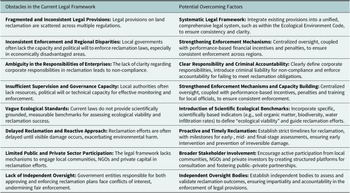

 Open access

