


Suicidal thoughts are a key stage in the pathway leading to suicide. A greater understanding of the social, psychological and treatment-related factors influencing their development and amelioration could inform suicide prevention strategies (Department of Health, 2002). Several cross-sectional studies have documented the prevalence of and risk factors for suicidal thoughts (Reference Paykel, Myers and LindenthalPaykel et al, 1974; Reference Hintikka, Viinamaki and TanskanenHintikka et al, 1998; Reference Weissman, Bland and CaninoWeissman et al, 1999; Reference Goldney, Wilson and Dal GrandeGoldney et al, 2000; Reference Kjoller and Helweg-LarsenKjoller & Helweg-Larsen, 2000; Reference Thomas, Crawford and MeltzerThomas et al, 2002). As these studies measure risk factors and disease status contemporaneously, it is possible that concurrent psychiatric disorder might distort an individual's reporting of factors such as social support and life events, leading to biased estimates of their association. Likewise, possible risk factors such as unemployment, reduction in income and relationship breakdown might result from, rather than cause, psychiatric disorder leading to suicidal thoughts (reverse causation). Only one small questionnaire-based study in Finland (Reference Hintikka, Pesonen and SaarinenHintikka et al, 2001) and a study of American female twins (Reference Fanous, Prescott and KendlerFanous et al, 2004) have prospectively investigated the incidence of suicidal thoughts and factors associated with recovery from such thoughts. Here we report the findings from an 18-month follow-up of a sample of men and women who took part in the second National Survey of Psychiatric Morbidity of adults living in private households in Great Britain (Reference Meltzer, Lader and CorbinMeltzer et al, 2002; Reference Singleton and LewisSingleton & Lewis, 2003). Our aim was to investigate factors associated with the new occurrence of, and recovery from, suicidal thoughts.
METHOD
Between March and September 2000, a sample of 8580 adults aged 16–74 years (66% of the sample) were interviewed in the second National Survey of Psychiatric Morbidity of adults living in private households in Great Britain (Reference Singleton, Bumpstead and O'BrienSingleton et al, 2001). All participants had levels of psychiatric disorder assessed using the Clinical Interview Schedule–Revised (CIS–R; Reference Lewis and PelosiLewis & Pelosi, 1990; Reference Lewis, Pelosi and ArayaLewis et al, 1992); scores of 12 or more on this scale indicate the presence of mental illness. The study sample was randomly drawn from all people living in private households in Great Britain, stratified by Britain's ten National Health Service regions and socio-economic conditions in each area; the primary sampling units were postcode sectors. Eighteen months later 3561 of the original respondents (all of those with CIS–R scores greater than 5 and a 20% random sample of those with scores of 5 or less) were approached for repeat interviews: 2413 (67.8%) were interviewed, 624 (17.5%) could not be traced or contacted and 508 (14.3%) refused to be interviewed. ‘Non-responders’ were more likely to be young, single and of lower socio-economic position and had slightly higher rates of disorder. Full data on suicidal thoughts were available for 2404 respondents and these people form the basis of this analysis.
Definitions
Suicidal thoughts were defined as a positive response to the question, ‘Have you thought of taking your life, even if you would not really do it?’ This question was drawn from one used in a study of suicidal thoughts in the USA (Reference Paykel, Myers and LindenthalPaykel et al, 1974). Two other suicide-related questions about ‘life-weariness’ were asked in the National Survey of Psychiatric Morbidity (‘Have you felt that life was not worth living?’ and ‘Have you wished that you were dead?’), and other researchers (Reference Goldney, Wilson and Dal GrandeGoldney et al, 2000; Reference Watson, Goldney and FisherWatson et al, 2001) and a previous analysis of this data-set (Reference Gunnell, Harbord, Singleton and LewisGunnell & Harboard, 2003) have used positive responses to such questions in broader definitions of suicidal thoughts (Reference Goldney, Wilson and Dal GrandeGoldney et al, 2000; Reference Watson, Goldney and FisherWatson et al, 2001; Reference Meltzer, Lader and CorbinMeltzer et al, 2002). This analysis, however, is based on the more restricted definition.
In the baseline survey people were asked whether they had experienced suicidal thoughts in the past week, the past year or at some other point in their lives. At the 18-month follow-up they were also asked if they had experienced suicidal thoughts in the past week, the past year or since the last interview.
We undertook two separate analyses, first to assess factors associated with the new occurrence of suicidal thoughts in people without suicidal thoughts in the year before the baseline interview; and second, to assess factors associated with recovery in people with suicidal thoughts in the year before the baseline survey. We defined recovery as the absence of suicidal thoughts since the baseline interview, as reported at follow-up. We assessed the effect of the following factors on incidence and recovery:
-
(a) age;
-
(b) gender;
-
(c) baseline CIS–R score (categorised as 0–5, 6–11, 12–17 and 18+, with scores above 11 indicating the presence of psychiatric morbidity);
-
(d) marital status;
-
(e) size of primary support group (the number of people respondents reported feeling close to or described as good friends, including relatives and others they lived with);
-
(f) life events (the total number of positive responses to a list of 18 major life events, including sexual abuse, serious relationship problems, job loss, serious illness or death of a friend or relative);
-
(g) the individual's occupational social class;
-
(h) weekly income;
-
(i) housing tenure;
-
(j) unemployment (at the time of the interview);
-
(k) substance misuse (in the year before the interview).
We assessed the effects on recovery of the following additional factors: counselling, antidepressant therapy and contact with health care professionals; these variables were self-reported by the survey members. The mean interval between the two interviews was 535 days (interquartile range 519–555).
Statistical methods
Analyses were carried out in Stata version 7.0 (Reference StataStata, 2001) using the svy family of commands designed specifically for data from sample surveys to take account of the complex sample design. The sample weighting adjusted the age, gender and geographic distribution of the sample to that of the national population, and also accounted for selection probability for the follow-up survey (all those with CIS–R scores above 5 at the initial survey, but only 1 in 5 of those with CIS–R scores of 0–5) and a correction for differential non-response. Percentage rates were obtained using svytab. To calculate the annual incidence of suicidal thoughts we assumed constant incidence over the 18-month follow-up; as such an assumption is improbable for recovery, we present 18-month recovery rates. Odds ratios and confidence intervals were calculated using svylogit. Tests for interaction were performed using svytest to calculate adjusted Wald tests.
Our initial models examined associations with each of the explanatory variables in men and women separately controlling for age (in 10-year age bands) and baseline CIS–R score (in four bands). To investigate gender differences in the patterns of association we fitted interaction terms between gender and the following variables:
-
(a) baseline CIS–R score;
-
(b) change in CIS–R score;
-
(c) age;
-
(d) marital status;
-
(e) size of the primary support group;
-
(f) life events;
-
(g) social class;
-
(h) unemployment;
-
(i) income.
We fitted a final multivariable model using data from men and women combined and including all the factors shown in the initial models to be associated (P<0.20) with the incidence of suicidal thoughts after controlling for age and CIS–R score.
We examined the influence of change in CIS–R score, newly occurring life events, change in income and employment status over the follow-up period on the incidence of suicidal thoughts. For all other variables too few people experienced a change in status over the follow-up period to enable investigation of these changes. As only around half of the respondents reported precise house-hold income at baseline and follow-up, but 96% reported individual income at both time points, our analysis of change in income is based on change in the individual's income.
RESULTS
Factors associated with the development of suicidal thoughts
Of the 2404 study members, 2240 had not experienced suicidal thoughts in the year before the baseline interview; 129 of them reported experiencing suicidal thoughts subsequently. The age-adjusted overall annual incidence of suicidal thoughts was 2.3% (95% CI 1.8–2.9); in men this was 2.0% (95% CI 1.3–3.1) and 2.6% (95% CI 2.0–3.4%) in women. With a broader definition of suicidal thoughts including the two additional questions (‘Have you felt that life was not worth living?’ and ‘Have you wished that you were dead?’), the corresponding incidences are 3.8% (95% CI 3.1–4.7) overall; men 2.8% (95% CI 2.0–4.0), women 4.8% (95% CI 3.8–6.0).
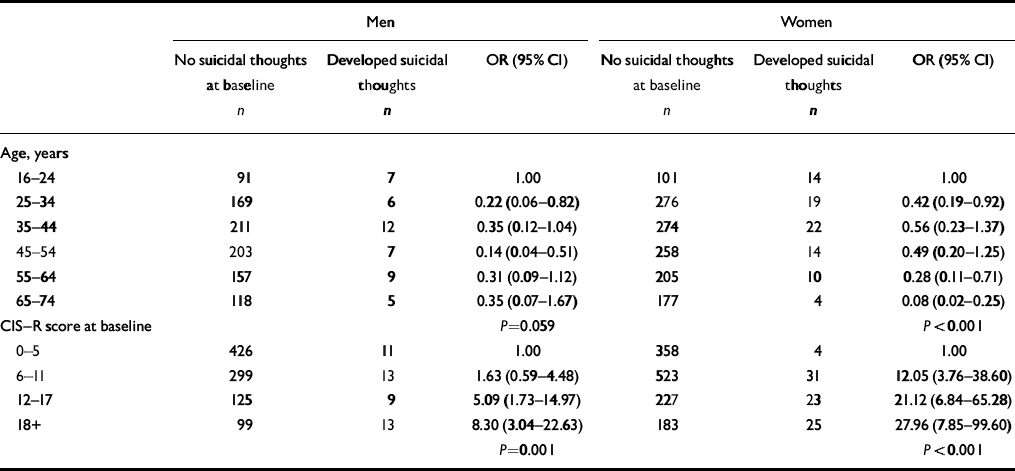
Table 1 presents the association of age and CIS–R with the development of suicidal thoughts. With the exception of those aged 16–24 years, who had a risk 2–3 times greater than most other age groups, the incidence of suicidal thoughts varied little with age but was strongly associated with CIS–R score at baseline: compared with those scoring 0–5, those with scores of 18 and over had a risk that was 8 times greater in men and 28 times greater in women. There was weak evidence that the effect of age on risk differed in men and women (P interaction=0.063). The effect of CIS–R on risk also showed an apparent difference between the genders (P interaction=0.072), with a higher risk in women with CIS–R scores above 5 than in men.
Unadjusted associations of age and baseline CIS–R score with the development of suicidal thoughts
| Men | Women | |||||
|---|---|---|---|---|---|---|
| No suicidal thoughts at baseline n | Developed suicidal thoughts n | OR (95% CI) | No suicidal thoughts at baseline n | Developed suicidal thoughts n | OR (95% CI) | |
| Age, years | ||||||
| 16–24 | 91 | 7 | 1.00 | 101 | 14 | 1.00 |
| 25–34 | 169 | 6 | 0.22 (0.06–0.82) | 276 | 19 | 0.42 (0.19–0.92) |
| 35–44 | 211 | 12 | 0.35 (0.12–1.04) | 274 | 22 | 0.56 (0.23–1.37) |
| 45–54 | 203 | 7 | 0.14 (0.04–0.51) | 258 | 14 | 0.49 (0.20–1.25) |
| 55–64 | 157 | 9 | 0.31 (0.09–1.12) | 205 | 10 | 0.28 (0.11–0.71) |
| 65–74 | 118 | 5 | 0.35 (0.07–1.67) | 177 | 4 | 0.08 (0.02–0.25) |
| CIS–R score at baseline | P=0.059 | P<0.001 | ||||
| 0–5 | 426 | 11 | 1.00 | 358 | 4 | 1.00 |
| 6–11 | 299 | 13 | 1.63 (0.59–4.48) | 523 | 31 | 12.05 (3.76–38.60) |
| 12–17 | 125 | 9 | 5.09 (1.73–14.97) | 227 | 23 | 21.12 (6.84–65.28) |
| 18+ | 99 | 13 | 8.30 (3.04–22.63) | 183 | 25 | 27.96 (7.85–99.60) |
| P=0.001 | P<0.001 | |||||
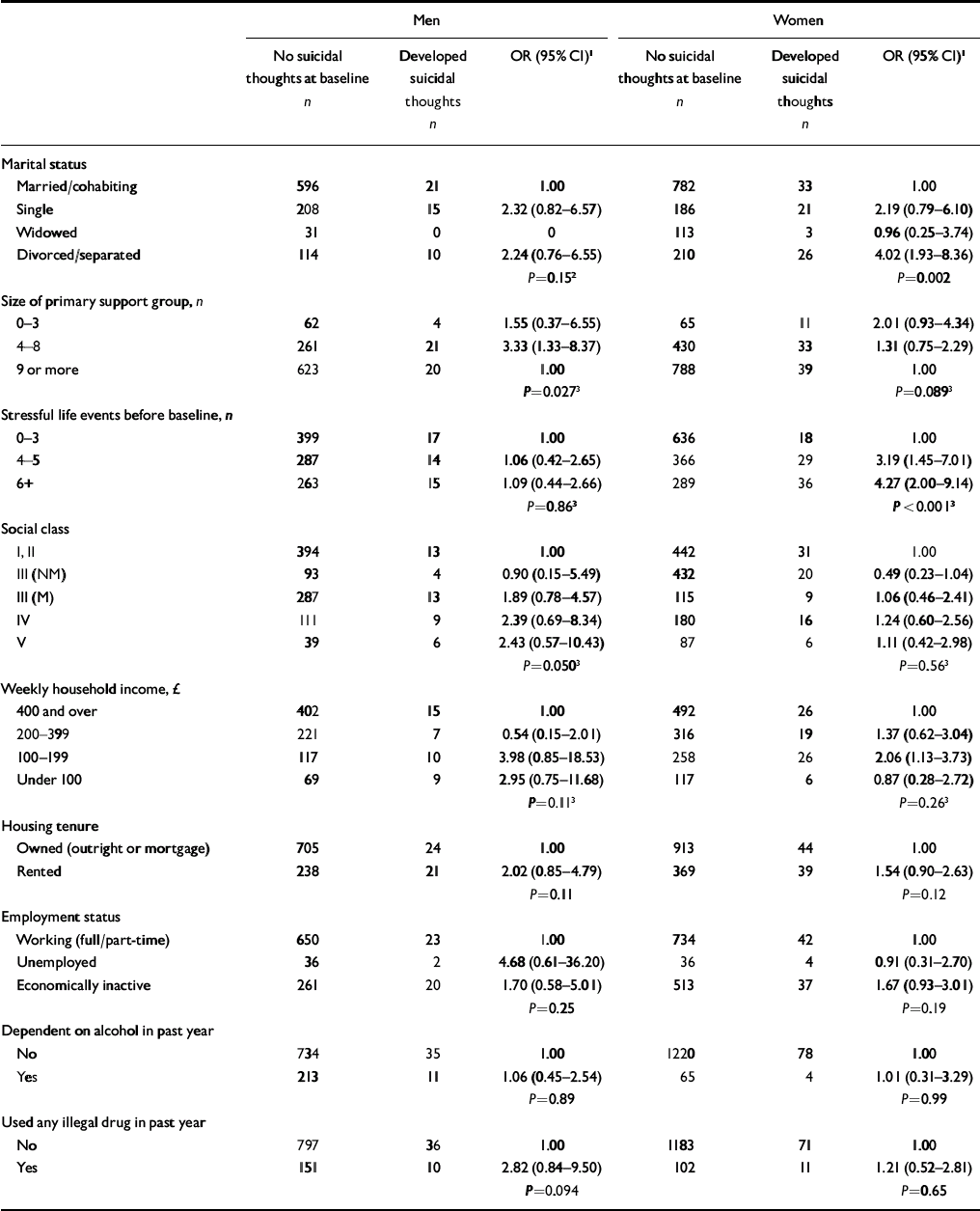
Associations adjusted for age and CIS–R of social and economic variables with the occurrence of suicidal thoughts are shown in Table 2. Married, cohabiting and widowed individuals were the least likely to develop suicidal thoughts. Divorced, separated and single individuals were approximately twice as likely as married individuals to develop suicidal thoughts, after adjusting for age and CIS–R score at the first interview. The development of suicidal thoughts was associated with having a small support group and experiencing more life events prior to the baseline interview. There was statistical evidence that the associations with life events were stronger in women than in men (P interaction=0.028), but this was not the case for the size of the primary support group (P interaction=0.16). Measures of low socio-economic position – low income, low occupational social class, living in rented accommodation and unemployment – were associated with increased risk. Although associations of some of the measures of socio-economic position were stronger in men than in women, there was no strong statistical evidence of effect modification. Values of P for interaction between gender and social class and between gender and unemployment were 0.36 and 0.18 respectively.
Associations of social and economic factors with the development of suicidal thoughts, adjusted for age and baseline CIS–R score
| Men | Women | |||||
|---|---|---|---|---|---|---|
| No suicidal thoughts at baseline n | Developed suicidal thoughts n | OR (95% CI)1 | No suicidal thoughts at baseline n | Developed suicidal thoughts n | OR (95% CI)1 | |
| Marital status | ||||||
| Married/cohabiting | 596 | 21 | 1.00 | 782 | 33 | 1.00 |
| Single | 208 | 15 | 2.32 (0.82–6.57) | 186 | 21 | 2.19 (0.79–6.10) |
| Widowed | 31 | 0 | 0 | 113 | 3 | 0.96 (0.25–3.74) |
| Divorced/separated | 114 | 10 | 2.24 (0.76–6.55) | 210 | 26 | 4.02 (1.93–8.36) |
| P=0.152 | P=0.002 | |||||
| Size of primary support group, n | ||||||
| 0–3 | 62 | 4 | 1.55 (0.37–6.55) | 65 | 11 | 2.01 (0.93–4.34) |
| 4–8 | 261 | 21 | 3.33 (1.33–8.37) | 430 | 33 | 1.31 (0.75–2.29) |
| 9 or more | 623 | 20 | 1.00 | 788 | 39 | 1.00 |
| P=0.0273 | P=0.0893 | |||||
| Stressful life events before baseline, n | ||||||
| 0–3 | 399 | 17 | 1.00 | 636 | 18 | 1.00 |
| 4–5 | 287 | 14 | 1.06 (0.42–2.65) | 366 | 29 | 3.19 (1.45–7.01) |
| 6+ | 263 | 15 | 1.09 (0.44–2.66) | 289 | 36 | 4.27 (2.00–9.14) |
| P=0.863 | P<0.0013 | |||||
| Social class | ||||||
| I, II | 394 | 13 | 1.00 | 442 | 31 | 1.00 |
| III (NM) | 93 | 4 | 0.90 (0.15–5.49) | 432 | 20 | 0.49 (0.23–1.04) |
| III (M) | 287 | 13 | 1.89 (0.78–4.57) | 115 | 9 | 1.06 (0.46–2.41) |
| IV | 111 | 9 | 2.39 (0.69–8.34) | 180 | 16 | 1.24 (0.60–2.56) |
| V | 39 | 6 | 2.43 (0.57–10.43) | 87 | 6 | 1.11 (0.42–2.98) |
| P=0.0503 | P=0.563 | |||||
| Weekly household income, £ | ||||||
| 400 and over | 402 | 15 | 1.00 | 492 | 26 | 1.00 |
| 200–399 | 221 | 7 | 0.54 (0.15–2.01) | 316 | 19 | 1.37 (0.62–3.04) |
| 100–199 | 117 | 10 | 3.98 (0.85–18.53) | 258 | 26 | 2.06 (1.13–3.73) |
| Under 100 | 69 | 9 | 2.95 (0.75–11.68) | 117 | 6 | 0.87 (0.28–2.72) |
| P=0.113 | P=0.263 | |||||
| Housing tenure | ||||||
| Owned (outright or mortgage) | 705 | 24 | 1.00 | 913 | 44 | 1.00 |
| Rented | 238 | 21 | 2.02 (0.85–4.79) | 369 | 39 | 1.54 (0.90–2.63) |
| P=0.11 | P=0.12 | |||||
| Employment status | ||||||
| Working (full/part-time) | 650 | 23 | 1.00 | 734 | 42 | 1.00 |
| Unemployed | 36 | 2 | 4.68 (0.61–36.20) | 36 | 4 | 0.91 (0.31–2.70) |
| Economically inactive | 261 | 20 | 1.70 (0.58–5.01) | 513 | 37 | 1.67 (0.93–3.01) |
| P=0.25 | P=0.19 | |||||
| Dependent on alcohol in past year | ||||||
| No | 734 | 35 | 1.00 | 1220 | 78 | 1.00 |
| Yes | 213 | 11 | 1.06 (0.45–2.54) | 65 | 4 | 1.01 (0.31–3.29) |
| P=0.89 | P=0.99 | |||||
| Used any illegal drug in past year | ||||||
| No | 797 | 36 | 1.00 | 1183 | 71 | 1.00 |
| Yes | 151 | 10 | 2.82 (0.84–9.50) | 102 | 11 | 1.21 (0.52–2.81) |
| P=0.094 | P=0.65 | |||||
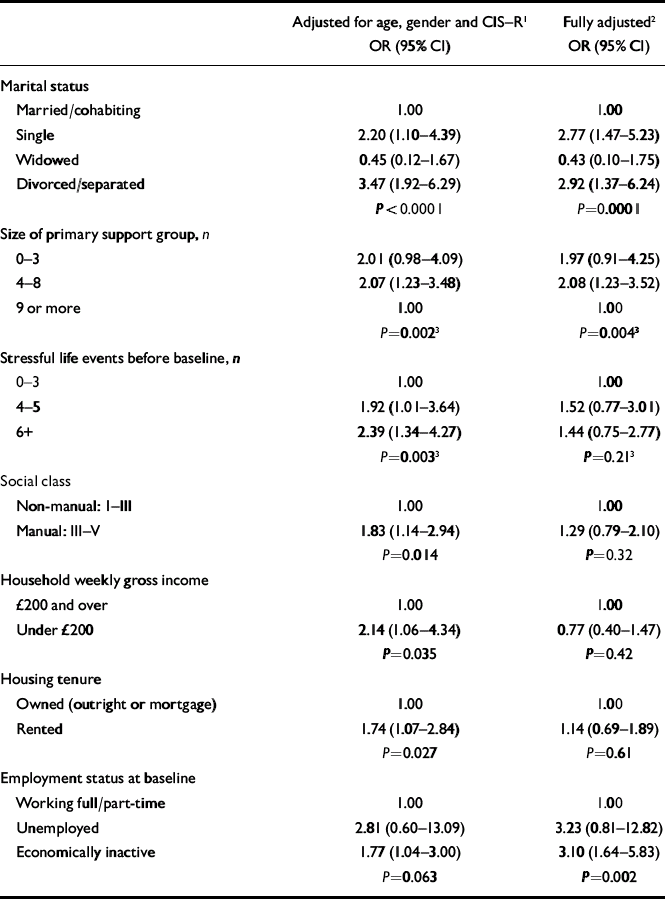
In the multivariable model (Table 3), based on combined data from both genders, associations with marital status and size of the primary support group were little changed, and the association with life events was somewhat attenuated. In contrast, associations with the economic variables – social class, income and housing tenure – were greatly attenuated, although the association with unemployment was little changed. This attenuation was largely due to the fact that all four measures of economic position were correlated with one another, and was not due to controlling for the other social and life event measures.
Multivariate model of associations of social and economic factors with development of suicidal thoughts
| Adjusted for age, gender and CIS–R1 OR (95% CI) | Fully adjusted2 OR (95% CI) | |
|---|---|---|
| Marital status | ||
| Married/cohabiting | 1.00 | 1.00 |
| Single | 2.20 (1.10–4.39) | 2.77 (1.47–5.23) |
| Widowed | 0.45 (0.12–1.67) | 0.43 (0.10–1.75) |
| Divorced/separated | 3.47 (1.92–6.29) | 2.92 (1.37–6.24) |
| P<0.0001 | P=0.0001 | |
| Size of primary support group, n | ||
| 0–3 | 2.01 (0.98–4.09) | 1.97 (0.91–4.25) |
| 4–8 | 2.07 (1.23–3.48) | 2.08 (1.23–3.52) |
| 9 or more | 1.00 | 1.00 |
| P=0.0023 | P=0.0043 | |
| Stressful life events before baseline, n | ||
| 0–3 | 1.00 | 1.00 |
| 4–5 | 1.92 (1.01–3.64) | 1.52 (0.77–3.01) |
| 6+ | 2.39 (1.34–4.27) | 1.44 (0.75–2.77) |
| P=0.0033 | P=0.213 | |
| Social class | ||
| Non-manual: I–III | 1.00 | 1.00 |
| Manual: III–V | 1.83 (1.14–2.94) | 1.29 (0.79–2.10) |
| P=0.014 | P=0.32 | |
| Household weekly gross income | ||
| £ 200 and over | 1.00 | 1.00 |
| Under £200 | 2.14 (1.06–4.34) | 0.77 (0.40–1.47) |
| P=0.035 | P=0.42 | |
| Housing tenure | ||
| Owned (outright or mortgage) | 1.00 | 1.00 |
| Rented | 1.74 (1.07–2.84) | 1.14 (0.69–1.89) |
| P=0.027 | P=0.61 | |
| Employment status at baseline | ||
| Working full/part-time | 1.00 | 1.00 |
| Unemployed | 2.81 (0.60–13.09) | 3.23 (0.81–12.82) |
| Economically inactive | 1.77 (1.04–3.00) | 3.10 (1.64–5.83) |
| P=0.063 | P=0.002 |
Incidence of suicidal thoughts in relation to change in risk factors
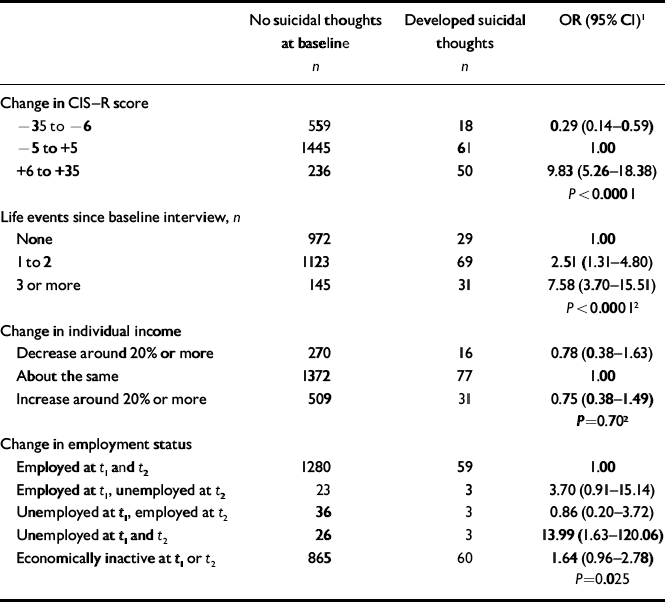
Compared with those whose CIS–R score changed by less than 6 points over the 12-month follow-up, people whose score increased by 6 points or more were at greatly increased risk of developing suicidal thoughts (OR=9.9, 95% CI 5.3–18.4) (Table 4). Likewise, reduction in CIS–R score by 6 points or more was associated with a reduced risk of developing suicidal thoughts (OR=0.3, 95% CI 0.1 to 0.6). Twenty-six people lost their job between the baseline and follow-up interview – compared with those who remained employed, these individuals had an almost fourfold greater risk of developing suicidal thoughts. The 29 people who were unemployed at both assessments had a fourfold increased risk of developing suicidal thoughts. Changes in the individual's income were not associated with risk of developing suicidal thoughts.
Associations of change in circumstances with the development of suicidal thoughts, adjusted for age and baseline CIS–R score
| No suicidal thoughts at baseline n | Developed suicidal thoughts n | OR (95% CI)1 | |
|---|---|---|---|
| Change in CIS–R score | |||
| – 35 to –6 | 559 | 18 | 0.29 (0.14–0.59) |
| – 5 to +5 | 1445 | 61 | 1.00 |
| +6 to +35 | 236 | 50 | 9.83 (5.26–18.38) |
| P<0.0001 | |||
| Life events since baseline interview, n | |||
| None | 972 | 29 | 1.00 |
| 1 to 2 | 1123 | 69 | 2.51 (1.31–4.80) |
| 3 or more | 145 | 31 | 7.58 (3.70–15.51) |
| P<0.00012 | |||
| Change in individual income | |||
| Decrease around 20% or more | 270 | 16 | 0.78 (0.38–1.63) |
| About the same | 1372 | 77 | 1.00 |
| Increase around 20% or more | 509 | 31 | 0.75 (0.38–1.49) |
| P=0.702 | |||
| Change in employment status | |||
| Employed at t 1 and t 2 | 1280 | 59 | 1.00 |
| Employed at t 1, unemployed at t 2 | 23 | 3 | 3.70 (0.91–15.14) |
| Unemployed at t 1, employed at t 2 | 36 | 3 | 0.86 (0.20–3.72) |
| Unemployed at t 1 and t 2 | 26 | 3 | 13.99 (1.63–120.06) |
| Economically inactive at t 1 or t 2 | 865 | 60 | 1.64 (0.96–2.78) |
| P=0.025 |
Factors associated with recovery from suicidal thoughts
A total of 164 participants reported having experienced suicidal thoughts in the 12 months before the initial interview, of whom 84 reported no longer experiencing them at the follow-up interview. After adjustments for the sampling fraction, the age- and gender-standardised recovery rate at 18 months was 56.8% (95% CI 46.5–66.5); men 53.3% (95% CI 38.1–67.9) and women 59.9% (95% CI 46.9–71.7).
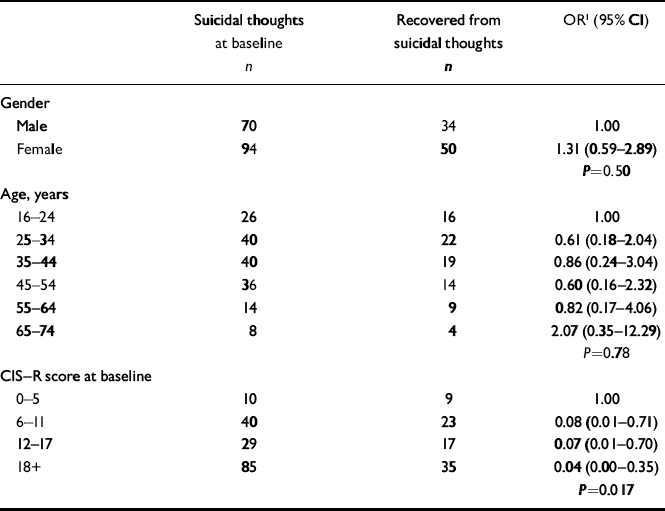
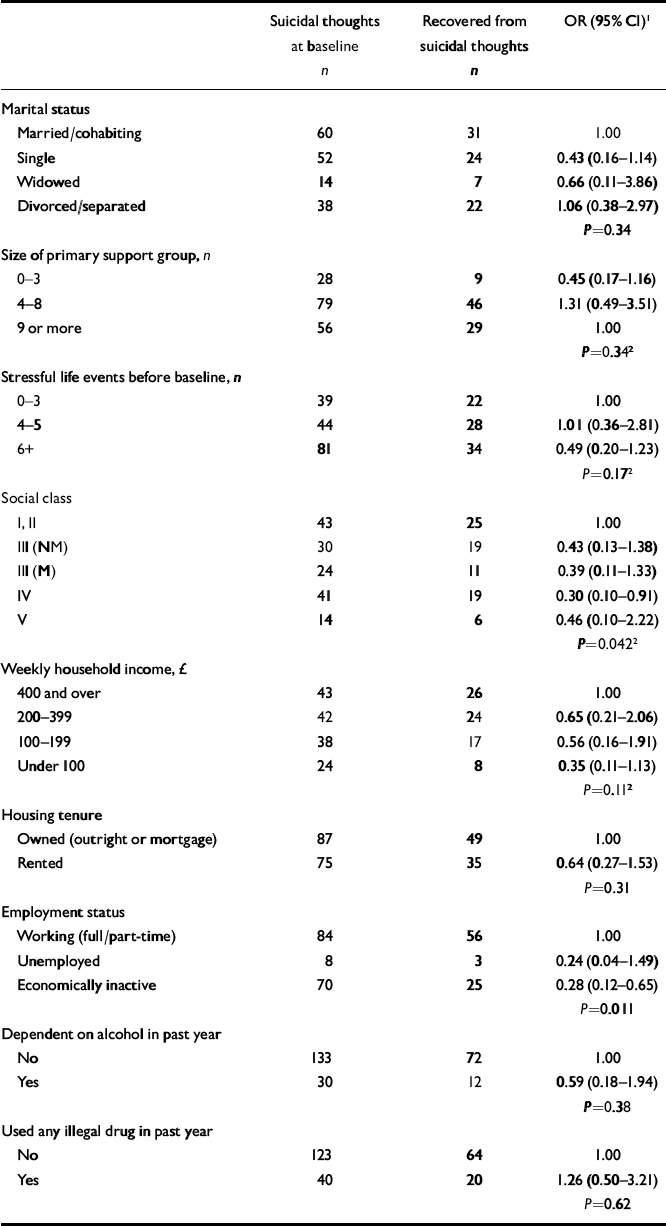
Patterns of recovery in relation to age, gender and baseline CIS–R score are shown in Table 5. Odds ratios greater than 1 indicate factors associated with recovery. Recovery was somewhat more likely in women and in those aged <25 and 65–74 years, and was strongly associated with having a low CIS–R score at baseline. Social and economic factors associated with a lower likelihood of recovery were similar to those associated with the risk of occurrence although, because of the small sample size, the effect estimates have wide confidence intervals including 1.00 (Table 6). Those who were unemployed at the time of the initial interview had a markedly reduced likelihood of recovery (adjusted OR=0.24, 95% CI 0.04–1.49). The economically inactive (homemakers, retired people and students) also had less likelihood of recovery (adjusted OR=0.28, 95% CI 0.12–0.65). The power for detecting differences between the genders in relation to recovery was low, but an apparent difference was found between men and women in regard to employment status (P interaction=0.016): the likelihood of recovery for unemployed or economically inactive men (adjusted OR=0.08, 95% CI 0.02–0.29) relative to employed men was worse than for the same comparison in women (adjusted OR=0.40, 95% CI 0.12–1.31). Similarly, a gender difference was found in the effects of income on recovery (P interaction=0.003): low-income men were less likely to recover than low-income women.
Unadjusted associations of gender, age and baseline CIS–R score with recovery from suicidal thoughts
| Suicidal thoughts at baseline n | Recovered from suicidal thoughts n | OR1 (95% CI) | |
|---|---|---|---|
| Gender | |||
| Male | 70 | 34 | 1.00 |
| Female | 94 | 50 | 1.31 (0.59–2.89) |
| P=0.50 | |||
| Age, years | |||
| 16–24 | 26 | 16 | 1.00 |
| 25–34 | 40 | 22 | 0.61 (0.18–2.04) |
| 35–44 | 40 | 19 | 0.86 (0.24–3.04) |
| 45–54 | 36 | 14 | 0.60 (0.16–2.32) |
| 55–64 | 14 | 9 | 0.82 (0.17–4.06) |
| 65–74 | 8 | 4 | 2.07 (0.35–12.29) |
| P=0.78 | |||
| CIS–R score at baseline | |||
| 0–5 | 10 | 9 | 1.00 |
| 6–11 | 40 | 23 | 0.08 (0.01–0.71) |
| 12–17 | 29 | 17 | 0.07 (0.01–0.70) |
| 18+ | 85 | 35 | 0.04 (0.00–0.35) |
| P=0.017 |
Associations of social and economic factors with recovery from suicidal thoughts, adjusted for age, gender and baseline CIS–R score
| Suicidal thoughts at baseline n | Recovered from suicidal thoughts n | OR (95% CI)1 | |
|---|---|---|---|
| Marital status | |||
| Married/cohabiting | 60 | 31 | 1.00 |
| Single | 52 | 24 | 0.43 (0.16–1.14) |
| Widowed | 14 | 7 | 0.66 (0.11–3.86) |
| Divorced/separated | 38 | 22 | 1.06 (0.38–2.97) |
| P=0.34 | |||
| Size of primary support group, n | |||
| 0–3 | 28 | 9 | 0.45 (0.17–1.16) |
| 4–8 | 79 | 46 | 1.31 (0.49–3.51) |
| 9 or more | 56 | 29 | 1.00 |
| P=0.342 | |||
| Stressful life events before baseline, n | |||
| 0–3 | 39 | 22 | 1.00 |
| 4–5 | 44 | 28 | 1.01 (0.36–2.81) |
| 6+ | 81 | 34 | 0.49 (0.20–1.23) |
| P=0.172 | |||
| Social class | |||
| I, II | 43 | 25 | 1.00 |
| III (NM) | 30 | 19 | 0.43 (0.13–1.38) |
| III (M) | 24 | 11 | 0.39 (0.11–1.33) |
| IV | 41 | 19 | 0.30 (0.10–0.91) |
| V | 14 | 6 | 0.46 (0.10–2.22) |
| P=0.0422 | |||
| Weekly household income, £ | |||
| 400 and over | 43 | 26 | 1.00 |
| 200–399 | 42 | 24 | 0.65 (0.21–2.06) |
| 100–199 | 38 | 17 | 0.56 (0.16–1.91) |
| Under 100 | 24 | 8 | 0.35 (0.11–1.13) |
| P=0.112 | |||
| Housing tenure | |||
| Owned (outright or mortgage) | 87 | 49 | 1.00 |
| Rented | 75 | 35 | 0.64 (0.27–1.53) |
| P=0.31 | |||
| Employment status | |||
| Working (full/part-time) | 84 | 56 | 1.00 |
| Unemployed | 8 | 3 | 0.24 (0.04–1.49) |
| Economically inactive | 70 | 25 | 0.28 (0.12–0.65) |
| P=0.011 | |||
| Dependent on alcohol in past year | |||
| No | 133 | 72 | 1.00 |
| Yes | 30 | 12 | 0.59 (0.18–1.94) |
| P=0.38 | |||
| Used any illegal drug in past year | |||
| No | 123 | 64 | 1.00 |
| Yes | 40 | 20 | 1.26 (0.50–3.21) |
| P=0.62 |
Recovery in relation to change in risk factor status
Improvements in CIS–R score were the strongest predictor of recovery from suicidal thoughts. Compared with those whose CIS–R score changed by only 5 units, those with an increase in CIS–R score of 6 or more had a markedly reduced likelihood of recovery (OR=0.13, 95% CI 0.03–0.54). In contrast, those whose score decreased by 6 or more points had a greater likelihood of recovery (OR=2.86, 95% CI 1.17–7.00). Individuals who were in employment at both interview points were most likely to recover, but few suicidal individuals changed their employment status between the two interviews. There was no evidence that change in an individual's income was associated with recovery (P trend=0.66). There was weak evidence that life events occurring since the baseline interview prevented recovery (P trend=0.13).
Influence of health care on recovery
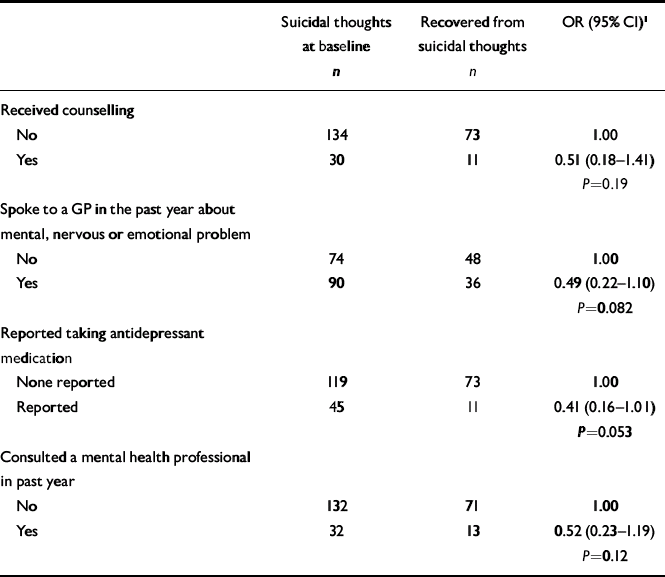
We examined whether people who reported taking antidepressant medication or being under the care of their general practitioner, a counsellor or other mental health professional were more likely to have recovered by the 18-month follow-up interview than those not receiving such care at baseline (Table 7). We found that those in receipt of such treatment were less likely to recover, even after controlling for disease severity at baseline as indexed by CIS–R score. This finding of a lack of benefit from health care intervention was unaltered when we restricted our analysis to those reporting suicidal thoughts in the week before the baseline interview and used as a measure of recovery suicidal thoughts in the week before the follow-up interview.
Associations of receipt of treatment with recovery from suicidal thoughts, adjusted for age, gender and baseline CIS–R score
| Suicidal thoughts at baseline n | Recovered from suicidal thoughts n | OR (95% CI)1 | |
|---|---|---|---|
| Received counselling | |||
| No | 134 | 73 | 1.00 |
| Yes | 30 | 11 | 0.51 (0.18–1.41) |
| P=0.19 | |||
| Spoke to a GP in the past year about mental, nervous or emotional problem | |||
| No | 74 | 48 | 1.00 |
| Yes | 90 | 36 | 0.49 (0.22–1.10) |
| P=0.082 | |||
| Reported taking antidepressant medication | |||
| None reported | 119 | 73 | 1.00 |
| Reported | 45 | 11 | 0.41 (0.16–1.01) |
| P=0.053 | |||
| Consulted a mental health professional in past year | |||
| No | 132 | 71 | 1.00 |
| Yes | 32 | 13 | 0.52 (0.23–1.19) |
| P=0.12 |
DISCUSSION
Approximately 1 in 38 adult women and 1 in 50 adult men in Britain develop suicidal thoughts every year. Around half of adults with suicidal thoughts no longer experience them 18 months later. Onset is more frequent in women; those aged 16–24 years; people who are not married, cohabiting or widowed; people with low levels of social support or who have experienced several life events; those from poor socio-economic backgrounds; and the unemployed. Similar factors are associated with the persistence of suicidal thoughts, although in contrast to patterns of incidence, those aged 16–24 years were more likely than older people to recover. The strongest predictor of incidence and recovery is the level of psychiatric morbidity, as indexed by the CIS–R score.
The evidence that those receiving antidepressants, counselling or in contact with health care professionals were less likely to recover contrasts with the well-documented beneficial effects of some therapies (Reference Freemantle, Long and MasonFreemantle et al, 1993). It is likely that the observed patterns reflect biases due to differences in disease severity in those receiving and not receiving treatment which were inadequately controlled for in models adjusting for CIS–R scores.
Strengths and limitations of the study
To the best of our knowledge, this is the largest prospective investigation of the incidence of suicidal thoughts worldwide. The large study and sampling procedure meant we had sufficient power to investigate factors associated both with incidence and recovery. The detailed measures of psychiatric morbidity meant we could investigate the effect of risk factors independent of the degree of psychopathology. There are two main limitations. First, only two-thirds of those sampled in the baseline and follow-up surveys were interviewed. Such levels of non-response are typical of those found in studies of this sort. Our weighting procedures took account of differential non-response with respect to the measured characteristics of survey members; however, our estimates of risk factor associations might be biased if their relationship with the occurrence of suicidal thoughts differed in those who were and were not interviewed. We anticipate that these effects would lead to underestimation of incidence and overestimation of recovery, as those with psychiatric disorder are less likely to respond to surveys of this sort. We have no reason to believe that risk factor associations would differ between those interviewed and the non-responders. The second main limitation is that the measurement of suicidal thoughts depends upon self-report and recall over an 18-month period. It is possible that there are gender and social class biases in the reporting of psychological symptoms in interviews of this sort, with men and people from lower social class backgrounds under-reporting symptoms, thereby distorting patterns of association (Reference Stansfeld and MarmotStansfeld & Marmot, 1992; Reference Piccinelli and WilkinsonPiccinelli & Wilkinson, 2000).
Our definition for suicidal thoughts (a positive response to the question ‘Have you thought of taking your life, even if you would not really do it?’) is somewhat weaker than that used in some analyses (Reference Kessler, Borges and WaltersKessler et al, 1999; Reference Hintikka, Pesonen and SaarinenHintikka et al, 2001). For example, Hintikka et al (Reference Hintikka, Pesonen and Saarinen2001) defined suicidal thoughts as positive responses to the questions ‘I have definite plans to commit suicide’ and ‘I would kill myself if I had the chance’. Some people who responded ‘yes’ to our question might have been at lower suicide risk than those responding positively to Hintikka's. Suicide risk is likely to be higher among some sub-groups of patients, for example those whose thoughts include the formulation of specific plans for suicide. We investigated the effects of using a wider definition of suicidal thoughts, including notions of life-weariness as used in other studies (Reference Goldney, Wilson and Dal GrandeGoldney et al, 2000; Reference Watson, Goldney and FisherWatson et al, 2001). This resulted in an approximately 50% higher estimate of incidence. However, multivariable analysis of the data-set using this wider definition did not alter our main findings (results not shown).
Comparison with other studies
The only other prospective investigation of suicidal thoughts in a general population sample of men and women that we are aware of is a questionnaire follow-up of 1600 people in Finland (Reference Hintikka, Pesonen and SaarinenHintikka et al, 2001). The Finnish study reported risks of similar magnitude to those seen in our study for levels of mental illness, unemployment and alcohol misuse. In keeping with our finding, associations with unemployment were strongest in men (Reference Hintikka, Pesonen and SaarinenHintikka et al, 2001). In contrast to our finding, the Finnish study reported a higher incidence of suicidal thoughts in men than in women; this is at odds with most other studies of this issue (Reference Weissman, Bland and CaninoWeissman et al, 1999). It is note-worthy that Helsinki was the only centre in the World Health Organization multicentre study of self-harm where there were more episodes in men than in women (Reference Michel, Ballinari and Bille-BraheMichel et al, 2000). Our finding of a high incidence of suicidal thoughts in those aged 16–24 years supports those of previous UK studies (Reference Paykel, Myers and LindenthalPaykel et al, 1974; Reference Thomas, Crawford and MeltzerThomas et al, 2002) as well as other national cross-sectional research (Reference Kessler, Borges and WaltersKessler et al, 1999; Reference Kuo, Gallo and TienKuo et al, 2001; Reference RenbergRenberg, 2001), although age associations differ in Iceland (Reference Vilhjalmsson, Kristjansdottir and SveinbjarnardottirVilhjalmsson et al, 1998).
How closely do the risk factors for suicidal thoughts follow those for suicide?
Few prospective studies have investigated social and economic risk factors for suicide. The magnitude of the increased risk of suicidal thoughts in relation to marital status, low income, unemployment and substance misuse are broadly similar to risks associated with these factors and suicide (Reference Andreasson, Allebeck and RomelsjoAndreasson et al, 1988; Reference KreitmanKreitman, 1988; Reference Lewis and SloggettLewis & Sloggett, 1998; Reference KposowaKposowa, 2000; Reference Qin, Mortensen and AgerboQin et al, 2000). We found that associations with measures of poverty – occupational social class, income and housing – were greatly attenuated in models controlling for unemployment (see Table 4). A similar effect has been shown in relation to the association of occupational social class with suicide in a UK-based cohort study (Reference Lewis and SloggettLewis & Sloggett, 1998). These findings indicate that the adverse effects of poverty on suicide risk might be mediated by unemployment and greater job insecurity among those from poorer backgrounds.
Gender patterns of suicide and suicidal thoughts differ markedly. Although male rates of suicide exceed female rates by approximately 3:1 (Reference Kelly and BuntingKelly & Bunting, 1998), the incidence of suicidal thoughts is around 30% higher in women than in men. There are a number of possible explanations for the gender differences in suicide and suicidal thoughts. First, they may reflect contrasting prevalences of protective factors, such as social support and help-seeking, in men and women. Several studies indicate that men are less likely than women to seek medical help for psychological problems and prior to suicide (Reference Olfson and KlermanOlfson & Klerman, 1992; Reference Foster, Gillespie and McClellandFoster et al, 1997; Reference Biddle, Gunnell and SharpBiddle et al, 2004). Second, risk factors or protective factors may have different effects in men and women (Reference Qin, Mortensen and AgerboQin et al, 2000). Finally, as men tend to use more lethal methods of suicide (firearms, hanging) than women (overdose), gender differences in fatality rates following suicide attempts may contribute to the gender differences in suicide (Reference ApplebyAppleby, 2000).
The different age patterns of suicide and suicidal thoughts are similarly striking. Rates of suicide are lowest among those aged 16–24 years (Reference Kelly and BuntingKelly & Bunting, 1998), the incidence of suicidal thoughts is highest in men and women in this age group. Not only is the incidence of suicidal thoughts highest in the youngest age group, but so too are rates of recovery (although this latter effect was weak). This difference in the age patterning between suicidal thoughts and suicide is similar to the discordance in the age patterning between deliberate self-harm and suicide (Reference Hawton, Fagg and SimkinHawton et al, 1997). Perhaps suicidal thoughts, and consequent impulsive actions, are an indicator of the rapid mood swings and changes in life circumstances that surround the move from childhood to young adult-hood. Their transience means not only that they may be less likely to result in carefully planned (and therefore successful) suicide but also that detection of suicide risk and suicide prevention in this age group is particularly challenging.
Suicidal thoughts and suicide prevention
The annual incidence of suicidal thoughts in this survey (approximately 2%) is around 200 times higher than the annual incidence of suicide (1 per 10 000: Department of Health, 2002). This indicates that high-risk approaches to prevention based simply on the detection and management of all those experiencing suicidal thoughts as defined in this study would be extremely inefficient unless accompanied by sophisticated understanding of the factors that exacerbate risk. It is therefore important to understand the pathways (protective and precipitating) linking suicidal thoughts to completed suicide. Factors important in such pathways are likely to be those associated with recovery from suicidal thoughts (see above), help-seeking behaviours and the recognition and treatment of those at risk of suicide by health care professionals.
Clinical Implications and Limitations
CLINICAL IMPLICATIONS
-
▪ In Britain,1 in 38 adult women and 1 in 50 men develop suicidal thoughts in a year but less than 1 in 200 of these people kill themselves. In contrast to suicide, suicidal thoughts are reported more commonly by women.
-
▪ Over half of people experiencing suicidal thoughts recover from these over an 18-month period.
-
▪ With the exception of gender and young age, the social and economic risk factors for suicidal thoughts are similar to those for suicide. An understanding of the factors preventing suicide in women and young people who experience suicidal thoughts will inform suicide prevention strategies.
LIMITATIONS
-
▪ Only two-thirds of those sampled in the baseline and follow-up surveys were interviewed.
-
▪ The measurement of suicidal thoughts depends upon self-report. It is possible that men and those from more affluent backgrounds are reluctant to report psychological symptoms in interviews of this sort, distor distorting ting patterns of association.
-
▪ Our estimates of incidence and recovery from suicidal thoughts were based on recall of the occurrence of suicidal thoughts in the18 months since the baseline interview; poor recall may influence the accuracy of these estimates.
Acknowledgements
We thank Howard Meltzer for initial design work on the survey and other Office for National Statistics staff who were involved in the fieldwork and data preparation. The data collection was funded by the Department of Health and the Scottish Executive Health Department.




eLetters
No eLetters have been published for this article.