


Introduction
Awareness of antimicrobial resistance (AMR) remains notably low among the general population in Nigeria, including among health professionals. This lack of awareness contributes significantly to the misuse of antimicrobials, as many farmers demand these drugs for both actual and presumed infections, often procuring them from unregulated sources without prescriptions (Musoke et al., Reference Musoke, Namata, Lubega, Kitutu, Mugisha, Amir, Brandish, Gonza, Ikhile, Niyongabo, Ng, O’Driscoll, Russell-Hobbs, Winter and Gibson2021). The inappropriate use of antimicrobials, driven by such demand, exerts selection pressure that accelerates the development of resistance. Moreover, the spread of resistant organisms is further facilitated by inadequate infection prevention and control measures (Pieri et al., Reference Pieri, Aschbacher, Fasani, Mariella, Brusetti, Pagani, Sartelli and Pagani2020).
Globally, the average annual consumption of antimicrobials in livestock is estimated to exceed 100 mg per kilogram of animal produced (Tiseo et al., Reference Tiseo, Huber, Gilbert, Robinson and Boeckel2020). Alarmingly, approximately 80% of all antibiotics used in veterinary medicine are administered as growth promoters, often surpassing the total antibiotic usage in human healthcare (Tiseo et al., Reference Tiseo, Huber, Gilbert, Robinson and Boeckel2020). Studies have shown that the global consumption of antibiotics in animals is significantly higher than in humans, highlighting a disparity in usage patterns (Bhandari and Suresh, Reference Bhandari and Suresh2022). In developed countries such as the United States, the Food and Drug Administration (FDA) reported that around 80% of total antimicrobial consumption is attributed to food animals (Xu et al., Reference Xu, Biswas, Gu, Elbediwi, Li and Yue2020). Projections suggest that global antimicrobial consumption in livestock will increase by 67%, rising from 63,151 tons in 2010 to an anticipated 105,596 tons by 2030 (Banda et al., Reference Banda, Neene and Mudenda2020).
The implications of these trends are profound, as the overuse of antimicrobials in animal production not only drives the rise of AMR but also poses significant risks to public health. The interconnectedness of human and animal health underscores the necessity for a One Health approach in addressing AMR effectively. This approach includes promoting the responsible use of antimicrobials across both veterinary and human medicine, enhancing education and awareness about AMR and implementing robust surveillance systems to monitor antimicrobial usage and resistance patterns (Magnusson et al., Reference Magnusson, Moodley and Osbjer2021; Khan et al., Reference Khan, Lim, Rymer and Ray2022).
Addressing the challenges posed by low awareness of AMR and the misuse of antimicrobials in Nigeria requires a multifaceted strategy. This strategy should focus on improving education among health professionals and farmers, regulating the sale of antimicrobials and fostering collaboration between the human and veterinary health sectors to mitigate the risks associated with AMR.
Projections indicate that deaths from drug-resistant infections could rise dramatically, from the current estimate of 700,000 to 10 million annually by 2050, with associated costs potentially reaching as high as US$100 trillion globally. A major concern is the rapid global spread of multi-drug-resistant bacteria, some of which currently have no effective treatment options. The increasing demand for meat and other animal products, particularly poultry, is driven by rapid population growth and rising incomes in many developing countries (“Antibiotic Resistance Among Poultry Farms in South Asia: A Scoping Review,” 2023).
Modern animal production practices, especially in intensive poultry systems, are closely linked to the frequent use of antimicrobials aimed at maintaining animal health and productivity. This practice exerts selection pressure on pathogenic microbes, leading to increased resistance and subsequent dissemination to humans, posing a substantial public health threat (Sunder et al., Reference Sunder, Sujatha, Bhowmick, Mayuri, De, Bhattacharya, Perumal and Kundu2021; Majalija et al., Reference Majalija, Wabwire and Waiswa2023). Antimicrobial-resistant pathogens resulting from antimicrobial use (AMU) in animals can spread to humans through direct contact, the consumption of contaminated meat and eggs, or indirectly via environmental pathways (Mendybayeva et al., Reference Mendybayeva, Abilova, Bulashev and Rychshanova2023). The prevalence of antimicrobial-resistant pathogens is rising globally, with studies reporting significant levels of resistance among poultry-associated bacteria (Mudenda, Reference Mudenda2023).
Experts suggest that global consumption of antimicrobial agents in animals may be double that of humans, although data supporting this assertion from the veterinary sector is often neither robust nor standardized (Parvin et al., Reference Parvin, Talukder, Ali, Chowdhury, Rahman and Islam2020). The selection pressure resulting from excessive and inappropriate antimicrobial use significantly contributes to the development of AMR (Díaz et al., Reference Díaz, Hernandez-Carreño, Velazquez, Chaidez-Ibarra, Montero-Pardo, Martinez-Villa and Jiménez-Trejo2021). Alarmingly, a substantial amount of antimicrobials is used globally, much of which is unjustified (Abunna et al., 2021).
The escalating issue of antimicrobial resistance, driven by both human and veterinary practices, underscores the urgent need for comprehensive strategies to mitigate its impact. These strategies include improving regulations governing antimicrobial use in agriculture, enhancing surveillance systems and fostering greater awareness among consumers and health professionals regarding the implications of AMR (Paintsil et al., Reference Paintsil, Ofori, Akenten, Fosu, Ofori, Lamshöft, May, Danso, Krumkamp and Dekker2021).
Global AMU in food animals was estimated at 63,000 tons per year in 2015, with projections indicating a significant increase by 2030, particularly in the livestock sector (Cương et al., Reference Cương, Kiet, Hien, Truong, Phu, Thwaites, Choisy, Carrique-Mas and Karunasagar2021). While the largest consumers of antimicrobials include countries such as China, the United States and Brazil, developing nations like Myanmar, Indonesia and Nigeria are expected to experience substantial increases in AMU (Harant, Reference Harant2022). Although trends in antimicrobial consumption are being monitored in many high-income and some middle-income countries through sales databases, there is a notable lack of attention to AMU in low-income countries (Tornimbene et al., Reference Tornimbene, Eremin, Abednego, Abualas, Boutiba, Egwuenu, Fuller, Gahimbare, Githii, Kasambara, Lukwesa-Musyani, Miamina, Mtapuri-Zinyowera, Najjuka, Perovic, Zayed, Ahmed, Ismail and Pessoa da Silva2022; Brunetti, Reference Brunetti2023).
Recent studies from Nigeria have highlighted the common uses of antimicrobials in intensive poultry management systems, primarily for therapeutic, prophylactic and growth promotion purposes (Cương et al., Reference Cương, Kiet, Hien, Truong, Phu, Thwaites, Choisy, Carrique-Mas and Karunasagar2021). The World Health Organization’s Global Action Plan on AMR emphasizes the critical need to monitor antimicrobial use through enhanced surveillance and research in order to mitigate the emergence and spread of AMR pathogens in both animals and humans (Loftus et al., Reference Loftus, Curtis, Naidu, Cheng, Jenney, Mitchell, Russo, Rafai, Peleg and Stewardson2020).
Globally, AMR is an escalating concern, currently estimated to cause over 700,000 deaths annually. If left unaddressed, AMR could result in approximately 10 million deaths per year and incur costs of up to US$100 trillion by 2050, according to World Health Organization (WHO) projections (Handley et al., Reference Handley, Wu, Sherry, Cornell and Pocock2022). Therefore, it is imperative to raise awareness about AMR and promote best practices among the general public, healthcare workers and policymakers to slow the development and spread of drug-resistant infections (Masich et al., Reference Masich, Vega, Callahan, Herbert, Fwoloshi, Zulu, Chanda, Chola, Mulenga, Hachaambwa, Pandit, Heil, Claassen and Quinn2020; Matoga et al., Reference Matoga, Chen, Krysiak, Ndalama, Massa, Bonongwe, Mathiya, Kamtambe, Jere, Chikaonda, Golparian, Unemo, Cohen, Hobbs and Hoffman2021).
The increasing use of antimicrobials in food animals, particularly in developing countries, poses significant public health risks due to the potential for the emergence and spread of antimicrobial resistance. Addressing this issue requires a coordinated effort to enhance surveillance, educate stakeholders and implement effective antimicrobial stewardship practices (Fall et al., Reference Fall, Kenmoe, Ebogo-Belobo, Mbaga, Bowo-Ngandji, Foe-Essomba, Tchatchouang, Amougou Atsama, Yéngué, Kenfack-Momo, Feudjio, Nka, Mbongue Mikangue, Taya-Fokou, Magoudjou-Pekam, Noura, Zemnou-Tepap, Meta-Djomsi, Maïdadi-Foudi, Kame-Ngasse, Nyebe, Djukouo, Kengne Gounmadje, Tchami Ngongang, Oyono, Demeni Emoh, Tazokong, Mahamat, Kengne-Ndé, Sadeuh-Mba, Dia, La Rosa, Ndip, Njouom and Rimoin2022; Pallett, Reference Pallett2023).
The aim of this study is to assess the knowledge, awareness and practices of animal health practitioners regarding antimicrobial use and antimicrobial resistance, as well as to evaluate the frequency of antimicrobial usage in animals in Niger State, Nigeria. We hypothesized that the socio-demographic characteristics of animal health practitioners are not significantly associated with their knowledge and awareness of antimicrobial use in animals, and that socio-economic activities do not influence the misuse of antimicrobials in animals or the emergence of antimicrobial-resistant pathogens.
Materials and methods
Study area
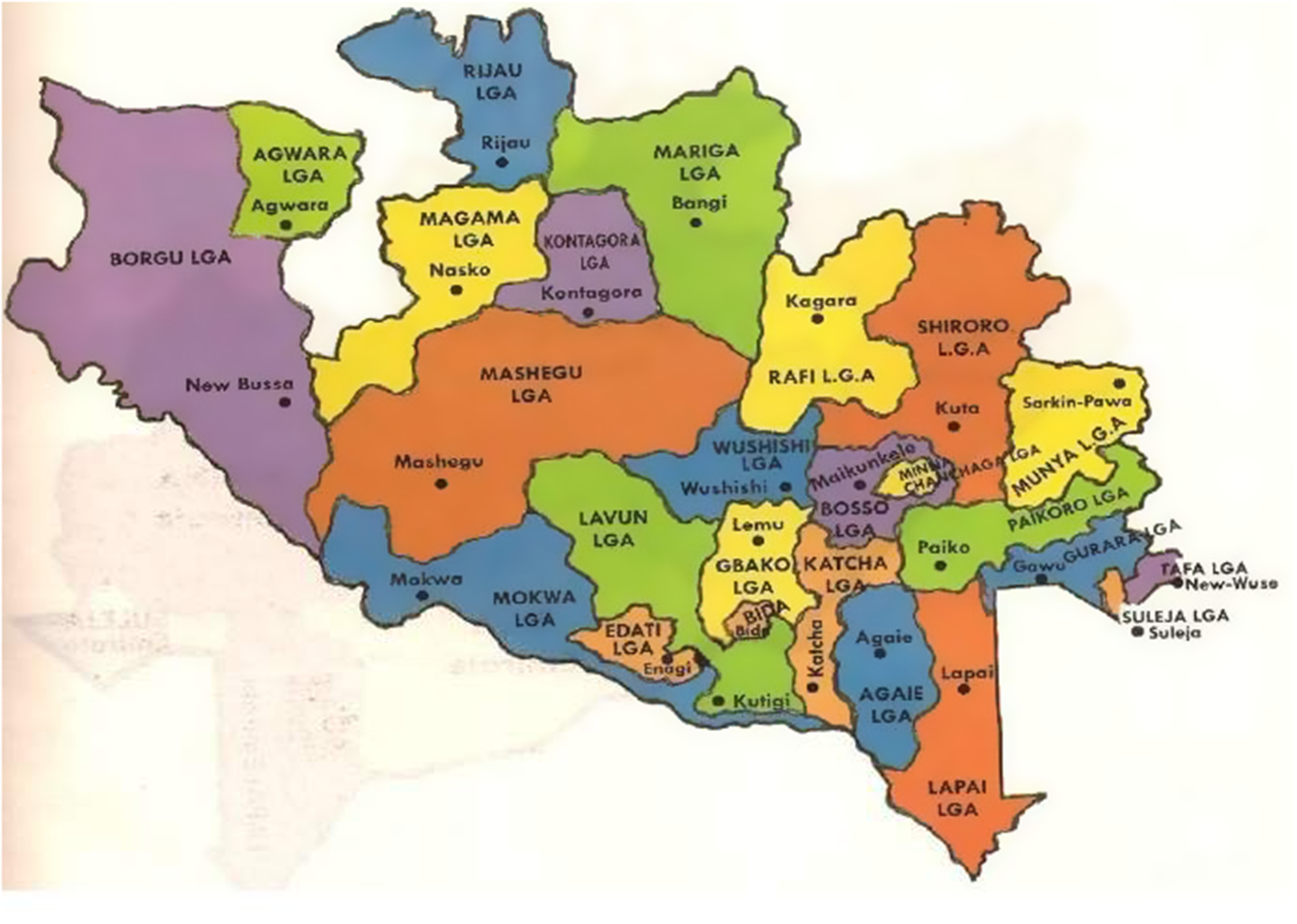
The study was carried out in Niger State, located at the Southern Guinea Savannah ecological zone of Nigeria, between latitude 8° 20′ N and 11° 30′ N and longitude 3° 30′ E and 7° 20′ E. The state has three agro-geographical zones (Northern, Eastern and Southern agro-geographical zones), with variable climatic conditions that are favorable for livestock development ( As show in Figure 1). It experiences two seasons: rainy season (April – October) and dry season (November – March) with average relative humidity of 56.8% and mean lowest and highest temperatures of about 22 – 39°C, respectively.
Map of Niger State showing the location of LGAs (Source: Google maps).

Structure of target population and livelihood
Target populations were animal health practitioners which include both veterinarian and para-veterinarian, majority of the animal health worker are civil servant while a handful of them are into private practices.
Study design, sample size and sampling procedure
A questionnaire-based cross-sectional survey was conducted between January and June 2019. A purposive sampling method was used to selected animal health practitioners across the state. Descriptive and analytical statistical analyses were performed at 95% confidence level. The sample size was calculated using the Open Source Epidemiologic Statistics for Public Health (OpenEpi) version 2.3.1 software (Dean et al., Reference Dean, Arner, Sunki, Friedman, Lantinga, Sangam, Zubieta, Sullivan, Brendel, Gao, Fontaine, Shu, Fuller, Smith, Nitschke and Fagan2009), with power set at 50% and 5% margin of error at 95% confidence level. A sample size of 196 participants was obtained and enrolled into the study across the State.
Questionnaire design, pretesting and data collection
A structured questionnaire was designed based on literature and experts’ opinions and pretested. It contained mostly close-ended questions, to ease data processing, minimize variation and improve precision of responses (Thrusfield, Reference Thrusfield2009). The questionnaire consisted of four sections that included: (i) Socio-demographic characteristics of animal health practitioners in Niger State, North-central Nigeria; (ii) Animal health practitioners’ knowledge and awareness about antimicrobial usage on animals in Niger State; (iii) Practices of antimicrobial usage on animals by animal health practitioners in Niger State;(iv) Antimicrobials frequently used by animal health practitioners on animals in Niger State. The questionnaire was designed in English and administered. We supervised administration of the questionnaires daily and checked the filled forms for the purpose of quality control. The questionnaire was subjected to a pre-test before they were administered on the respondents in its final form. The pre-test was aimed to identify problems and eliminate them for adequate delivery of the required data. Respondents were provided with verbal information on the objectives of the survey. Their informed consent was obtained verbally before commencement of each section of questionnaire administration and none declined to participate in the study. They were assured of voluntary participation, confidentiality of responses and the opportunity to withdraw at any time without prejudice in line with the Helsinki Declaration (World Medical Association Declaration of Helsinki (WMADH) 2001). The study protocols were approved by the Niger State Ministry of Livestock and Fisheries Development Internal Research Ethics Committee (Reference Number MLFD/NGS/752).
Data management and analysis
Participants’ responses were first summarized into Microsoft Excel 7 (Microsoft Corporation, Redmond, WA, USA) spreadsheets. Data were analyzed using the OpenEpi version 2.3.1 (Dean et al., 2009).
Frequencies and proportions were used for descriptive analysis. Response variables from the animal health workers on knowledge, practices and identified pathways for antimicrobial resistant pathogens transmission from animals to humans were presented as proportions and their relationships determined by Chi-square test or Fischer’s exact test where necessary at 95% confidence level.
Results
Socio-demographic characteristics of participants
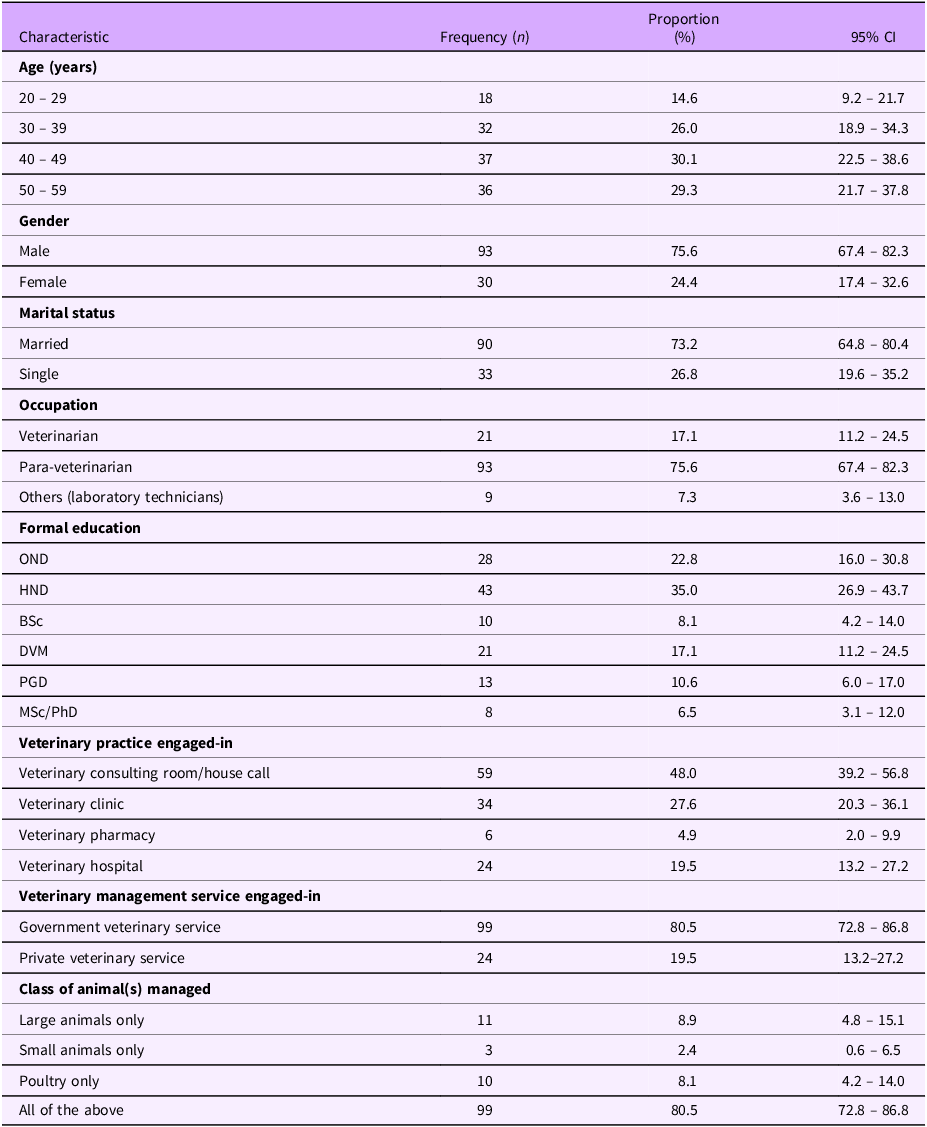
All 196 recruited animal health practitioners participated in the study. Of these, 30.1% (n = 37) were within the 40 – 49-year age group, while 14.6% (n = 18) were in the 20 – 29-year age group. Male respondents constituted the majority at 75.6% (n = 82). Regarding marital status, 73.2% of the respondents were married, while 26.8% were single.
In terms of occupation, the majority of the respondents were para-veterinarians 75.6% (n = 81), while a smaller proportion 7.3% (n = 11) were laboratory technicians. Regarding educational qualifications, 35.0% (n = 43) of the respondents held Higher National Diplomas (HND), while only 6.5% (n = 8) had postgraduate qualifications.
Concerning veterinary practices, approximately 48.0% (n = 59) were engaged in veterinary consulting room/house call services, while 27.6% (n = 31) operated veterinary clinics, and a few 4.9% (n = 6) were involved in veterinary pharmacy services.
Regarding the type of veterinary management services provided, the majority 80.5% (n = 99) worked within government-owned veterinary services, whereas 19.5% (n = 24) were engaged in private practice.
In terms of the classes of animals managed, the majority of respondents 80.5% (n = 99) were involved in treating multiple animal species. A smaller proportion 8.1% (n = 11) specialized in poultry practice, while only 2.4% (n = 3) focused exclusively on small animal practice (Table 1).
Socio-demographic characteristics of animal health practitioners in Niger State, North-central Nigeria

CI - Confidence interval.
Knowledge and awareness about antimicrobial Usage
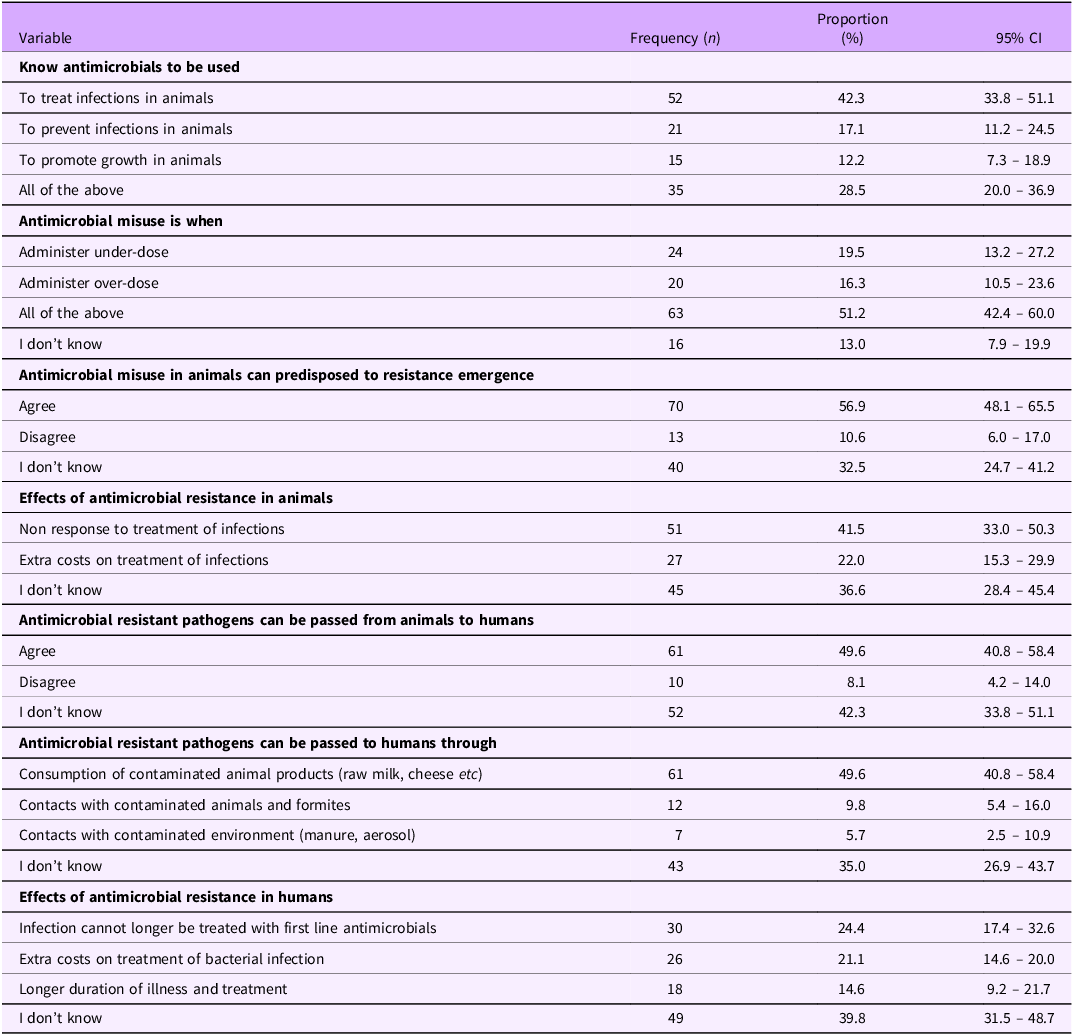
Among the respondents, 42.3% (n = 52) knew that antimicrobials are used to treat infections in animals, while a smaller proportion, 12.2% (n = 15), believed that antimicrobials are primarily used to promote growth in animals. Additionally, 28.5% (n = 35) recognized that antimicrobials serve multiple purposes, including infection prevention, among other uses.
Regarding knowledge and awareness of when antimicrobial misuse occurs, the majority of participants (51.3%, n = 63) believed that misuse happens when antimicrobials are administered either at an under-dose or over-dose. However, 13.0% (n = 16) reported having no knowledge of when antimicrobial misuse might occur.
On factors predisposing to the emergence of antimicrobial resistance, 56.9% (n = 61) of respondents agreed that antimicrobial misuse can lead to the development of resistance, while 32.5% (n = 40) were unaware of this association.
When asked about the effects of antimicrobial resistance in animals, 41.5% (n = 51) of respondents recognized that AMR can result in a lack of response to treatment, while 22.0% (n = 31) noted that it could lead to increased costs of treating infections. However, 36.6% (n = 28) indicated they were unaware of the effects of AMR in animals.
Regarding the zoonotic transmission of antimicrobial-resistant pathogens, 49.6% (n = 61) agreed that resistant pathogens can be transmitted from animals to humans, whereas 8.1% (n = 71) disagreed. Additionally, 42.3% (n = 52) of respondents were unsure whether such transmission could occur.
Concerning the routes through which AMR pathogens can be transmitted to humans, the majority 49.6% (n = 61) identified the consumption of contaminated animal products, such as raw milk and cheese, as a significant pathway. In contrast, only a small proportion recognized contact with contaminated environments, such as exposure to manure or aerosols, as a potential transmission route. Notably, 35.0% (n = 43) reported being unaware of how AMR pathogens could be transmitted to humans.
In terms of the perceived effects of antimicrobial resistance on human health, approximately 39.8% (n = 49) of respondents demonstrated limited knowledge of the subject. However, 24.4% (n = 30) correctly acknowledged that AMR can render first-line antimicrobial drugs ineffective for treating bacterial infections. Furthermore, 21.1% (n = 16) believed that AMR leads to increased treatment costs, while 14.6% (n = 18) noted that it can result in prolonged illness and extended treatment durations (Table 2).
Animal health practitioners’ knowledge and awareness about antimicrobial usage on animals in Niger State, North-central Nigeria

CI - Confidence interval.
Practices on antimicrobial usage
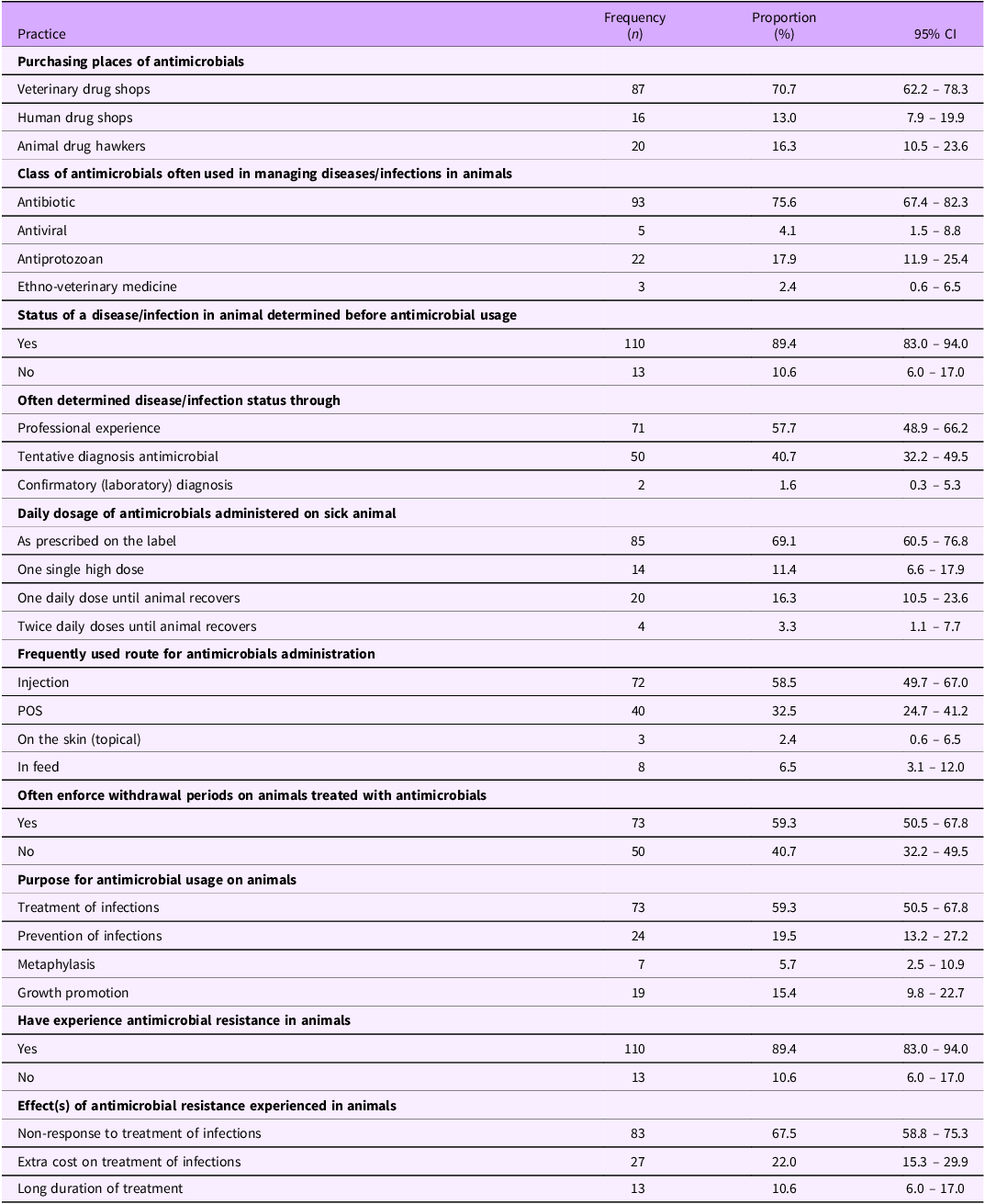
Regarding the practices of antimicrobial usage among animal health practitioners in Niger State, a large proportion (70.7%, n = 87) reported purchasing their antimicrobial drugs from veterinary shops. Some (16.3%, n = 20) obtained their drugs from animal drug hawkers, while 13.0% (n = 14) sourced antimicrobials from human drug shops.
In terms of the classes of antimicrobials commonly used to manage diseases or infections in animals, a high proportion (75.6%, n = 93) of respondents reported using antibiotics, while a small proportion (2.4%, n = 3) used ethno-veterinary medicine. Additionally, 17.9% (n = 22) of respondents reported using antiprotozoals for treating infections.
Concerning the determination of disease status before administering antimicrobials, the majority (89.4%, n = 110) indicated that they usually assess the disease status before treatment, while 10.6% (n = 13) did not determine the infection status prior to drug administration. Among those who assessed disease status, 57.7% (n = 71) relied on professional experience, 40.7% (n = 50) performed tentative diagnoses and only 1.6% (n = 2) confirmed infection status through laboratory diagnosis.
Regarding the administration of daily doses of antimicrobials, the majority (69.1%, n = 85) reported following the manufacturer’s prescribed label instructions. Meanwhile, 16.3% (n = 21) administered a single daily dose until the animal recovered, 11.4% (n = 14) gave a single high dose and a few (3.3%, n = 4) administered two doses daily until recovery.
On the frequently used routes for antimicrobial administration, 58.5% (n = 72) reported using injections, 32.5% (n = 40) used oral administration, 6.5% (n = 8) administered antimicrobials through feed and a very small proportion (2.4%, n = 4) frequently used the topical route.
Regarding the enforcement of withdrawal periods for animals treated with antimicrobials, 59.3% (n = 61) reported observing the recommended withdrawal periods, while 40.7% (n = 50) did not adhere to them.
As for the purpose of antimicrobial use in animals, the majority (59.3%, n = 73) cited treatment of infections, 19.5% (n = 24) mentioned infection prevention, 15.4% (n = 19) indicated growth promotion and a few respondents (5.7%, n = 7) mentioned metaphylaxis.
When asked whether they had experienced AMR in animals, the majority (89.4%, n = 110) responded affirmatively, while 10.6% (n = 12) reported no prior experience with AMR in animals.
Regarding the effects of antimicrobial resistance observed in animals, the majority of participants (67.5%, n = 72) reported a lack of response to treatment. Additionally, 22.0% (n = 27) noted that AMR led to increased treatment costs, while 10.6% (n = 13) observed that treatment duration was prolonged due to resistance (Table 3).
Practices of antimicrobial usage on animals by animal health practitioners in Niger State, North-central Nigeria

CI - Confidence interval.
Frequently used antimicrobial by animal health practitioners
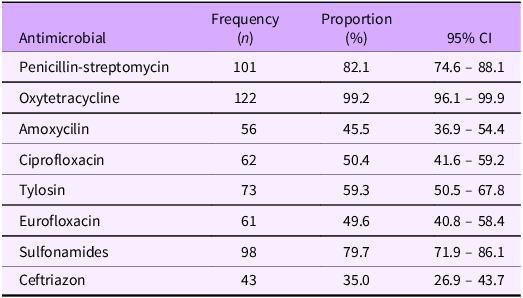
The frequently used antimicrobials by animal health practitioners in Niger State, as presented in Table 4, show that the majority of participants (99.2%, n = 122) frequently use oxytetracycline for treatment. Additionally, 82.1% (n = 101) reported using penicillin–streptomycin, while a smaller proportion (35.0%, n = 43) indicated using ceftriaxone.
Antimicrobials frequently used by animal health practitioners on animals in Niger State, North-central Nigeria

CI - Confidence interval.
Animal health practitioners’ socio-demographic characteristics associated with knowledge/awareness about antimicrobial usage on animals
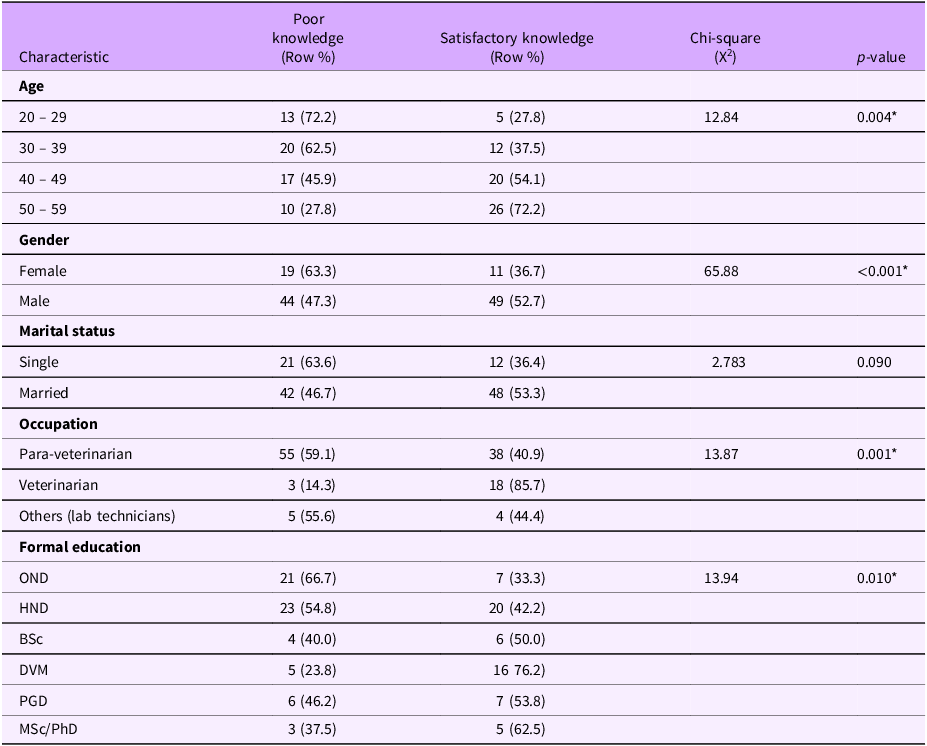
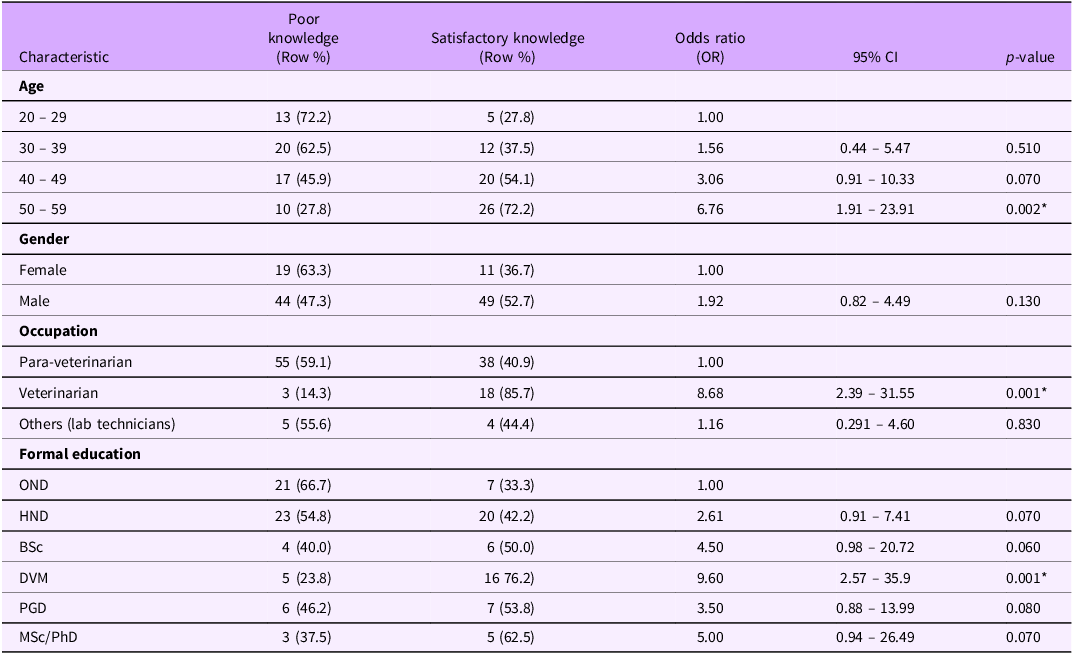
In the univariate analysis, all socio-demographic characteristics of the practitioners, except marital status, were significantly associated with knowledge and awareness regarding antimicrobial usage in animals (p < 0.05) (Table 5). However, in the multivariate logistic regression model, only practitioners within the 50 – 59 years age group were significantly more likely to possess satisfactory knowledge (OR = 6.76; 95% CI: 1.91 – 23.91; p = 0.002). Additionally, veterinarians were significantly more likely (OR = 8.68; 95% CI: 2.39 – 31.55; p = 0.001) to have satisfactory knowledge about antimicrobial usage in animals. Furthermore, practitioners holding a Doctor of Veterinary Medicine (DVM) degree were nearly ten times more likely (OR = 9.60; 95% CI: 2.57 – 35.90; p = 0.001) to have satisfactory knowledge of antimicrobial use in animals (Table 6).
Univariable analysis of animal health practitioners’ socio-demographic characteristics associated with knowledge/awareness about antimicrobial usage on animals in Niger State, North-central Nigeria

*Statistically significant at p < 0.05
Multivariable logistic regressions analysis of animal health practitioners’ socio-demographic characteristics associated with knowledge/awareness about antimicrobial usage on animals in Niger State, North-central Nigeria

*Statistically significant at p < 0.05
Discussion
The epidemiological study of antimicrobial use among veterinarians in the north-central region of Nigeria highlights a critical public health concern, particularly regarding the misuse of antimicrobials in veterinary practices. It has been established that animal health workers are significant users of antimicrobials, utilizing quantities that are often higher than those used in human medicine (Pilau, Reference Pilau2022). This excessive use is alarming as it contributes to the selection of antimicrobial-resistant bacteria, which can subsequently spread to humans through various pathways, including the food chain and direct contact (Agbaje et al., Reference Agbaje, Awosile, Kehinde, Omoshaba, Dipeolu and Bankole2021). The WHO emphasizes that while AMR is a natural evolutionary process, the misuse of these drugs accelerates the emergence of resistant strains (Mainardi et al., Reference Mainardi, Costa, Chideroli, Favero, Alfieri and Pereira2021).
In these study, a majority of participants identified antimicrobial misuse as occurring when drugs are administered in either under-doses or over-doses. This misuse is likely exacerbated by the educational background of many animal health workers, who often possess only basic tertiary education in animal health and production (Jibril et al., Reference Jibril, Okeke, Dalsgaard and Olsen2021). Research indicates that insufficient knowledge regarding proper antimicrobial use is a significant factor contributing to widespread misuse and the subsequent rise in resistance (Anyanwu et al., Reference Anyanwu, Ugwu, Okorie-Kanu, Ngwu, Kwabugge, Aneke and Chah2022). The findings of this study align with previous reports that link antimicrobial misuse in both veterinary and human medicine to the lack of antimicrobial sensitivity testing prior to prescriptions (Gaddafi et al., Reference Gaddafi, Yakubu, Junaidu, Bello, Bitrus, Musawa, Garba and Lawal2023). Such practices not only promote resistance but also undermine the effectiveness of existing antimicrobial agents. Moreover, the consensus among respondents that antimicrobial misuse leads to the emergence of resistance underscores the urgent need for improved education and training in antimicrobial stewardship within veterinary practices (Redding, Reference Redding2023). The WHO has called for global action to enhance monitoring of antimicrobial use, reduce infection incidence and rationalize drug usage, which is particularly pertinent in the context of veterinary medicine where the risk of AMR is compounded by the frequent use of antibiotics without prior sensitivity testing (Vidhamaly et al., Reference Vidhamaly, Bellingham, Newton and Caillet2022). The situation is further complicated by the fact that many antimicrobials commonly used in veterinary settings, such as enrofloxacin, are also critical for treating human infections, necessitating a careful approach to their use in animals (Aboyadak, Reference Aboyadak2024).
This study serves as a pivotal contribution to understanding the patterns of antimicrobial use among veterinarians in Nigeria, highlighting the need for improved educational initiatives and stricter regulations to mitigate the risks associated with antimicrobial misuse. Addressing these issues is essential to curtail the rise of antimicrobial resistance, which poses a significant threat to both animal and human health.
The consumption of raw food products, which often bypass necessary processing or preservation, poses a significant risk for the transmission of AMR to humans. This concern is particularly relevant in agricultural ecosystems, where conditions facilitate the development and spread of AMR pathogens Praja et al. (Reference Praja, Yudhana, Saputro and Hamonangan2023). Despite the potential risks associated with raw food like diary product consumption, many individuals remain unaware that contact with contaminated environments, such as manure or aerosols, can transmit antimicrobial-resistant pathogens to humans. This aligns with findings by (Kanaan, Reference Kanaan2023), which underscore the agricultural ecosystem’s role in fostering AMR dissemination (Kanaan, Reference Kanaan2023). The presence of antibiotic resistance genes in bacteria has rendered many antibiotics ineffective for treating infections caused by both animal and human pathogens, highlighting the urgent need for awareness and preventive measures (Tanaka et al., Reference Tanaka, Lira, Abreu, Carrilho, Rios, Tamanini, Dorneles, Gonzaga, Fagnani and Pereira2022; Abate, Reference Abate2023).
The evolution of antibiotic resistance is closely linked to the selective pressures exerted by indiscriminate antibiotic use, as noted by (Subramaniam, Reference Subramaniam2023). This indiscriminate use is often perpetuated by the practices of animal health practitioners, who frequently source their antimicrobial drugs from various outlets. In Niger State, a significant proportion of these practitioners purchase antimicrobials from veterinary shops, while others acquire them from animal drug hawkers or even human pharmacies (Endres, Reference Endres2023). Such purchasing behaviors may stem from systemic issues within healthcare practices and the behaviors of patients regarding antimicrobial use, as well as the complexities of antimicrobial supply chains within the population (Parker et al., Reference Parker, Valcanis, Edwards, Andersson, Mollenkopf and Wittum2022). The implications of these practices are profound, as they contribute to the ongoing challenge of AMR in both veterinary and human medicine. The potential for food products of animal origin to act as vectors for antimicrobial-resistant microorganisms is well-documented. For instance, raw milk and dairy products have been identified as significant sources of Staphylococcus aureus, a pathogen associated with zoonotic diseases and antimicrobial resistance (Cole et al., Reference Cole, Healy, Dietrich and Redding2022). Similarly, raw chicken meat has been linked to the prevalence of Salmonella enterica, which exhibits increasing rates of antimicrobial resistance (Rahman et al., Reference Rahman, Alam, Luies, Kamal, Ferdous, Lin, Sharior, Khan, Rahman, Parvez, Amin, Hasan, Tadesse, Taneja, Islam and Ercumen2021). These findings underscore the necessity for stringent monitoring and control measures to mitigate the risks associated with the consumption of raw animal products (Bataller et al., Reference Bataller, García-Romero, Llobat, Lizana and Jiménez-Trigos2020; Furlaneto-Maia et al., Reference Furlaneto-Maia, Giraldi, Terra and Furlaneto2020).
The intersection of raw food consumption, antimicrobial use in veterinary practices and the agricultural ecosystem creates a complex landscape for the emergence and spread of antimicrobial resistance. Addressing these challenges requires a multifaceted approach that includes improving education among animal health practitioners, enhancing surveillance of antimicrobial use and implementing effective public health strategies to safeguard both animal and human health.
In the management of diseases and infections in animals, a significant proportion of respondents reported using antibiotics, while only a minority utilized ethno-veterinary medicine. The reliance on medicinal plants for the prevention and control of livestock diseases has been a longstanding practice in local communities, as inhabitants have traditionally learned the medicinal properties of plants available in their vicinity (Ankomah et al., Reference Ankomah, Boakye, Agana, Adu and Agyare2021). This highlights the potential for integrating traditional knowledge with modern veterinary practices to enhance disease management strategies. Observations from the study indicated that many practitioners administer only a single dose of antimicrobial drugs to sick animals. The importance of administering the appropriate dosage of antimicrobial agents cannot be overstated, as it is crucial for the efficacy of treatment. Incomplete courses of antibiotics can expose pathogens to sub-inhibitory concentrations of these agents, which may not effectively eliminate the infection (Giovagnoni et al., Reference Giovagnoni, Tugnoli, Piva and Grilli2022). This inappropriate use of antimicrobials can lead to the development of AMR, as pathogens are left with sufficient exposure to adapt and survive (Glavind et al., Reference Glavind, Kruse, Nielsen and Stege2022).
The administration of a single dose of antimicrobials has been shown to contribute to the emergence of antimicrobial resistance within bacterial populations residing in treated animals. Repeated and continued use of such drugs can further exacerbate this risk (Rodríguez-Rojas et al., Reference Rodríguez-Rojas, Nath, El Shazely, Santi, Kim, Weise, Kuropka and Rolff2020). Research indicates that sub-inhibitory concentrations of antibiotics can induce stress responses in bacteria, promoting tolerance and persistence, which are precursors to the development of resistance (Yan et al., Reference Yan, Yang, Li, Mao, Wang, Zhang, Liu and Huang2022). This phenomenon underscores the critical need for veterinary practitioners to adhere to established guidelines regarding antimicrobial dosing and treatment duration to mitigate the risk of AMR (Benkwitz-Bedford et al., Reference Benkwitz-Bedford, Palm, Demirtas, Mustonen, Farewell, Warringer, Moradigaravand and Parts2021).
Moreover, the inappropriate practices surrounding antimicrobial usage in veterinary medicine are compounded by the complexities of supply chains and the behavior of healthcare professionals and patients regarding antimicrobial use. The reliance on various sources for obtaining antimicrobials, including veterinary shops and human pharmacies, may contribute to inconsistent practices and the potential for misuse (Sanchez-Cid et al., Reference Sanchez-Cid, Ghaly, Gillings and Vogel2023). Addressing these issues requires a concerted effort to improve education and awareness among animal health practitioners regarding the implications of antimicrobial misuse and the importance of completing prescribed treatment courses (Ankomah et al., Reference Ankomah, Boakye, Agana, Adu and Agyare2021).
The findings of this study highlight the urgent need for improved practices in the administration of antimicrobials in veterinary medicine. By integrating traditional ethno-veterinary practices with modern approaches and emphasizing the importance of appropriate dosing and treatment completion, it is possible to enhance the effectiveness of disease management in livestock while reducing the risk of antimicrobial resistance.
The enforcement of withdrawal periods for antimicrobials administered to animals is a critical aspect of veterinary practice, yet compliance varies significantly among practitioners. While some respondents adhere to these withdrawal periods, a notable number do not, which can lead to low therapeutic dosages and elevated concentrations of antimicrobial residues in animal tissues. Such non-compliance can facilitate the emergence of new infections with antimicrobial-resistant genes Lambrou et al. (Reference Lambrou, Innes, O’Sullivan, Luitel, Bhattarai, Basnet and Heaney2021) Ragassa, Reference Ragassa2023). Financial considerations often drive this non-compliance, as farmers may face economic losses from discarding animal products during the mandated withdrawal periods (Azabo et al., Reference Azabo, George, Mshana, Matee and Kimera2022). The implications of losing effective antimicrobial agents as tools for managing bacterial diseases are severe, potentially compromising animal health and public safety. In Niger State, the most frequently used antimicrobials among animal health practitioners include oxytetracycline, with a smaller proportion utilizing ceftriaxone. Given the serious risks associated with the overuse of oxytetracycline and penicillin-streptomycin, it is essential to recognize the selective pressures these drugs impose on bacterial populations (Munengwa et al., Reference Munengwa, Nation and Alban2020). It is prudent to minimize the use of other critical antimicrobials, such as ceftriaxone, particularly in cases where pathogens exhibit resistance to first-line treatments. Efforts to reduce reliance on these last-resort drugs should be prioritized, especially considering their importance in treating infections that do not respond to other antimicrobials (Titouche et al., Reference TITOUCHE, Akkou and Houali2022; Geta and Kibret, Reference Geta and Kibret2021).
The lack of awareness regarding withdrawal periods among some farmers further complicates the situation. Many practitioners may not fully understand the implications of antimicrobial residues in food products, leading to practices that could jeopardize consumer safety (Kemp et al., Reference Kemp, Pinchbeck, Fèvre and Williams2021; Sha’arani, Reference Sha’arani2024). Studies indicate that a significant proportion of farmers are unaware that withdrawal periods apply not only to milk and eggs but also to meat, which can result in unintended health risks for consumers (Kemp et al., Reference Kemp, Pinchbeck, Fèvre and Williams2021). Therefore, enhancing education and awareness regarding the importance of adhering to withdrawal periods is crucial for mitigating the risks associated with antimicrobial residues in animal products (Loayza et al., Reference Loayza, Torres, Zhang and Trueba2021; Quinn et al., Reference Quinn, Hosier, Adderley and Marshall2022).
The enforcement of withdrawal periods for antimicrobials in veterinary practice is essential for safeguarding public health and ensuring the efficacy of these critical drugs. Addressing the challenges of non-compliance, financial pressures and lack of awareness among practitioners will require a multifaceted approach, including improved education, regulatory oversight and support for farmers to minimize economic losses during withdrawal periods.
Conclusions
This study identified poor levels of knowledge and suboptimal practices regarding antimicrobial usage on animals by animal health practitioners in Niger State, Nigeria. Enhancing awareness and improving knowledge on the prudent use of antimicrobials through targeted education and capacity-building initiatives will be critical in mitigating the threat of antimicrobial resistance in both animals and humans. A gradual reform of antimicrobial use practices driven by multisectoral collaborations and aligned with the “One Health” approach – will contribute significantly to ensuring food safety, food security and the overall health of animals, the public and the environment.
Recommendations
-
1. Capacity Building and TrainingRegular and targeted training programs should be organized for animal health practitioners in Niger State on the prudent use of antimicrobials, proper dosage and withdrawal periods. These programs should emphasize the consequences of antimicrobial misuse and the principles of antimicrobial stewardship.
-
2. Strengthening Regulatory EnforcementThe relevant regulatory authorities should enforce existing laws on veterinary drug distribution and usage. Unauthorized access to antimicrobials, especially by unqualified personnel, should be curtailed through stricter monitoring and penalties.
-
3. Public Awareness CampaignsAwareness campaigns should be extended to livestock owners and the general public to promote understanding of AMR risks and encourage compliance with veterinary advice and prescriptions.
-
4. Inclusion of AMR in Veterinary CurriculumEducational institutions should integrate more comprehensive content on AMR and antimicrobial stewardship into veterinary and animal health training curricula to prepare future practitioners for responsible antimicrobial usage.
-
5. One Health Approach ImplementationA collaborative, multisectoral approach involving animal health, human health and environmental sectors (One Health) should be adopted in policy and practice to holistically address AMR threats.
-
6. Surveillance and Reporting SystemsA robust AMR surveillance system should be established to monitor antimicrobial usage patterns, detect resistance trends and guide intervention strategies within the veterinary sector.
-
7. Promotion of Alternatives to AntibioticsThe use of vaccines, probiotics and improved biosecurity measures should be promoted as preventive strategies to reduce reliance on antimicrobials in animal health management.
-
8. Further ResearchMore extensive and longitudinal studies are recommended to understand the long-term trends and impacts of antimicrobial use and resistance across different regions in Nigeria.
Data availability statement
The raw data that support the findings of this study are not publicly available due to institutional and ethical restrictions. However, they can be made available upon reasonable request from the corresponding author.
Acknowledgements
The authors would like to appreciate the Niger State Government for providing enabling working environment and the staff of the Ministry of livestock and fisheries for their support and cooperation during the conduct of this research.
Author contributions
Nma Bida Alhaji, Hussain Anthony Makun, Hadiza Lami Muhammed and Monday Micheal Onokpa made substantial contributions to conception and design. Haruna Evuti Aliyu was the principal investigator, designed data collections tools, collected data, analyzed and interpreted the data. MB Aliyu, Nma Sani Bello, Fatima Sanusi, Hajara Usman Sadiq, Fatima Sonfoda and Katun Yakubu supervised the Administration aspect of the research questionnaire. Haruna Aliyu and Nma Bida wrote the first draft of the manuscript and revised the article critically for important intellectual content. All authors read and approved the final manuscript.
Financial support
This work was funded by the Africa Centre of Excellence for Mycotoxins and Food Safety, the Niger State Government, the Company of Biologists and the TETFund institution-based research fund at the Federal University of Technology, Minna.
Competing interests
The authors have declared that there are no competing interests.
Limitation of the work
This study relied on self-reported data from animal health practitioners, which may be subject to recall bias or social desirability bias, potentially affecting the accuracy of responses. Additionally, the survey was conducted only in Niger State, Nigeria, and may not fully represent practices or perceptions in other regions of the country. The cross-sectional design of the study also limits the ability to establish causal relationships between knowledge, practices and antimicrobial resistance outcomes. Despite these limitations, the findings provide valuable insights into current antimicrobial usage practices and highlight areas requiring targeted intervention and policy attention.
Consent to publish
We, the authors of the manuscript titled ‘Epidemiological Survey of Antimicrobial Usage by Animal Health Practitioners in Niger State, Nigeria,” hereby give our full and unequivocal consent to publish this work in the Research Direction:One Health
This manuscript represents our original research work, and we confirm that it has not been submitted or published elsewhere, in whole or in part. We believe that this research contributes significantly to the field of environmental science, particularly in the context of understanding the biodegradation of pesticides in agro-pastoral environments.
We affirm that all necessary ethical approvals have been obtained for this study, and we have adhered to the highest standards of research integrity throughout the process. Furthermore, all authors have reviewed and approved the manuscript’s content and agree with the decision to submit it for publication.
By consenting to the publication of this manuscript, we acknowledge that the Journal of Research Direction:One Health. holds the right to distribute and reproduce the work, in accordance with the journal’s policies. We also understand that the journal may edit the manuscript for clarity and consistency with its publication standards, provided that the content and meaning of the research are not altered.
We appreciate the consideration of our work for publication in your esteemed journal and look forward to contributing to the advancement of knowledge in environmental science and pollution research.
Declaration of ethical compliance
All authors of this manuscript have thoroughly read, understood and fully complied with the ethical guidelines outlined in the “Ethical Responsibilities of Authors” as presented in the Instructions for Authors. We affirm that the research and content of this paper adhere to the highest standards of integrity, ensuring that all applicable ethical principles are observed and upheld
Ethics approval and consent to participate
The study received ethics approval (approval number MLF/2024/023) from the Committee on Animal Use and Care of the Ministry of Livestock and Fisheries in Niger State, Nigeria. Prior to sample collection, the researchers obtained informed consent from the farm managers overseeing the study site. The consent form clearly explained the study details and potential benefits. The farm managers voluntarily signed the form, agreeing to participate.
Not applicable

 Open access




Comments
No accompanying comment.