

INTRODUCTION
Dramatic increases in food prices and their effects on food insecurity amidst problems of soil degradation, rainfall variability, intensive labour requirements and limited land-holding sizes are some of the key challenges affecting agricultural development for smallholder farmers in sub-Saharan Africa (SSA) (Godfray et al., Reference Godfray, Beddington, Crute, Haddad, Lawrence, Muir, Pretty, Robinson, Thomas and Toulmin2010; Lobell et al., Reference Lobell, Burke, Tebaldi, Mastrandrea, Falcon and Naylor2008; Sanginga and Woomer, Reference Sanginga and Woomer2009).
The Malawian Government focuses on sustainable land and water management as a key area of achieving agricultural development. One of the activities focusing on sustainable land and water management is conservation agriculture (CA), which has been reported to show potential in reversing soil degradation and mitigating against the effects of drought (Dendooven et al., Reference Dendooven, Patiño-Zúñiga, Verhulst, Luna-Guido, Marsch and Govaerts2012; Hobbs et al., Reference Hobbs, Sayre and Gupta2008).
CA is a crop production system that may sustain the environment, preserve natural resources and support the livelihoods of farmers and rural populations (Hobbs et al., Reference Hobbs, Sayre and Gupta2008; Kassam et al., Reference Kassam, Friedrich, Shaxson and Pretty2009). The following are the three principles of CA: (a) minimum soil disturbance (i.e. direct sowing of seeds into untilled fields), (b) permanent soil cover with living or dead plant material and (c) crop rotations or associations with leguminous or cash crops for family use or sale (FAO, 2012). In SSA, CA is widely promoted by national and international organizations, e.g. the Food and Agriculture Organisation (FAO), international research institutes (CIMMYT, ICRISAT, ICRAF), faith-based organizations, non-governmental organizations (NGOs); and CA is supported by the international donor community (Thierfelder and Wall, Reference Thierfelder and Wall2012). The governments of Malawi, Mozambique, Zambia and Zimbabwe in southern Africa have endorsed CA as a pathway to food security through the New Partnership for Africa's Development (NEPAD, 2012).
Promotion of CA in smallholder farming systems of SSA is a contentious issue, with proponents highlighting its advantages (Kassam et al., Reference Kassam, Friedrich, Shaxson and Pretty2009), while others focus more on the challenges to its adoption on the field and farm scales (Andersson and Giller, Reference Andersson, Giller, Sumberg and Thompson2012; Bolliger, Reference Bolliger2007; Giller et al., Reference Giller, Witter, Corbeels and Tittonell2009). However, generalized statements about CA are often inappropriate because contextual issues such as climate, soil type, farming system, farmer knowledge and availability of resources have a major impact on yield and CA adoption (Boomsma et al., Reference Boomsma, Santini, West, Brewer, McIntyre and Vyn2010; Lahmar et al., Reference Lahmar, Bationo, Lamso, Guero and Tittonell2012). Nonetheless, its adoption by small-scale farmers remains challenging, especially as CA systems are believed to be more complex than simple component technologies like seed or fertilizer. The implement of CA requires different extension approaches, including the establishment of innovation networks (Erenstein, Reference Erenstein2002; Tittonell et al., Reference Tittonell, Scopel, Andrieu, Posthumus, Mapfumo, Corbeels, van Halsema, Lahmar, Lugandu, Rakotoarisoa, Mtambanengwe, Pound, Chikowo, Naudin, Triomphe and Mkomwa2012; Wall, Reference Wall2007).
Farmers often adopt complex technologies in a step-wise fashion (Aune and Bationo, Reference Aune and Bationo2008; Rogers, Reference Rogers1983). Instead of adopting all three principles of CA at once, farmers may test, experiment with, and select the most preferred principles of CA. Farmers in Malawi commonly adopt the minimum soil disturbance and crop residues retention principles of CA, but only rarely adopt the principle of crop rotation and/or associations with legumes (Thierfelder et al., Reference Thierfelder, Cheesman and Rusinamhodzi2013a). In order to make CA more suitable and adoptable by smallholder farmers, organizations promoting CA have widened its technological components. For example, World Agro-forestry Centre advocates agro-forestry components to integrate trees into CA systems (Garrity et al., Reference Garrity, Akinnifesi, Ajayi, Weldesemayat, Mowo, Kalinganire, Larwanou and Bayala2010) and ICRISAT strongly promotes micro-dosing in CA systems (Twomlow et al., Reference Twomlow, Urolov, Jenrich and Oldrieve2008). However, the combined effects of minimal soil movement, retention of crop residues and crop rotations, supported by a set of sound management practices, such as applying sufficient nutrients and managing weeds, are often more important than the effect of any single intervention (Kassam et al., Reference Kassam, Friedrich, Shaxson and Pretty2009).
The successful introduction of CA into smallholder farming systems requires discontinuing unsustainable aspects of the current agricultural system, i.e. replacing extensive soil movement with no-tillage, retaining crop residues as surface mulch instead of burning and practising diversified crop rotations instead of monocropping (Wall, Reference Wall2007). Although the principles of CA appear to have wide application (Kassam et al., Reference Kassam, Friedrich, Shaxson and Pretty2009), some practices actually have negative influences under particular environmental circumstances (Rusinamhodzi et al., Reference Rusinamhodzi, Corbeels, Wijk, Rufino, Nyamangara and Giller2011), particularly if site-specific adaptations are ignored (Wall, Reference Wall2007). While local adaptation of the principles of CA is the key to successful CA systems, some components of the system may have large and overlapping recommendation domains and very wide adaptability. Weed control and fertilization strategies are likely the most important technical components to be added to the CA systems in adapting CA principles to local conditions.
However, the effect of different combinations of CA principles and technical components on maize yield and weed biomass on smallholder farms in SSA is poorly understood (Giller et al., Reference Giller, Witter, Corbeels and Tittonell2009) and requires better documentation of existing knowledge (Giller et al., Reference Giller, Corbeels, Nyamangara, Triomphe, Affholder, Scopel and Tittonell2011). This study aims to address the relative importance of major biophysical factors that limit crop productivity, and to show what can be achieved by the combined application of CA principles and components. The current study had the following objectives: (i) to evaluate the effects of the principles and components of CA on maize yield and weeds, (ii) to identify the most important interactions between principles of CA and components and (iii) to highlight the implications of these interactions on strategies to promote farmer experimentation with CA systems. While we recognize that CA is based on three principles, this study tested only two principles of CA, namely minimum soil disturbance and residue retention as surface mulch. CA components included weed control strategies and fertilization. Crop rotations were not included in this study due to the time requirements and financial resources required to test rotational effects.
METHODOLOGY
Study areas
Trials were conducted in the Manjawira, Mpingu and Zidyana Extension Planning Areas (EPAs) in central Malawi. Manjawira is located in the Ntcheu district in the Lilongwe Agricultural Development Division (14°34′S, 34°32′E, and 744 m above sea level). Mpingu is located in the Lilongwe district in the Lilongwe Agricultural Development Division (13°58′S, 33°39′E, and 1142 m above sea level). Zidyana is located in the Nkhotakota district in the Salima Agricultural Development Division (13°23′S, 34°24′E, and 532 m above sea level). All the study areas are characterized by unimodal rainfall patterns with most of the year's rain falling from November to April. The average temperatures during the growing season are 27, 20 and 28 °C for Manjawira, Mpingu and Zidyana, respectively. The average farm sizes in Malawi range between 0.5 and 3 hectares per household (World Bank, 2007). Land tenure is communal, with maize (Zea mays L.) being the dominant crop in all three study areas.
Smallholders cultivate their fields manually by hand hoeing, using the ridge-and-furrow system, a farming method based on annually created raised seedbeds (Materechera and Mloza-Banda, Reference Materechera and Mloza-Banda1997). They manage crop residues by burning or grazing in situ (Kumwenda et al., Reference Kumwenda, Waddington, Snapp, Jones, Blackie, Byerlee and Eicher1997). The dominant soil types found in the communities are Chromic Luvisols in Manjawira and Mpingu and Haplic Luvisol in Zidyana, with sandy clay loam and sandy loam soil texture in the top 30 cm layer, respectively (WRB, 1998).
Rainfall
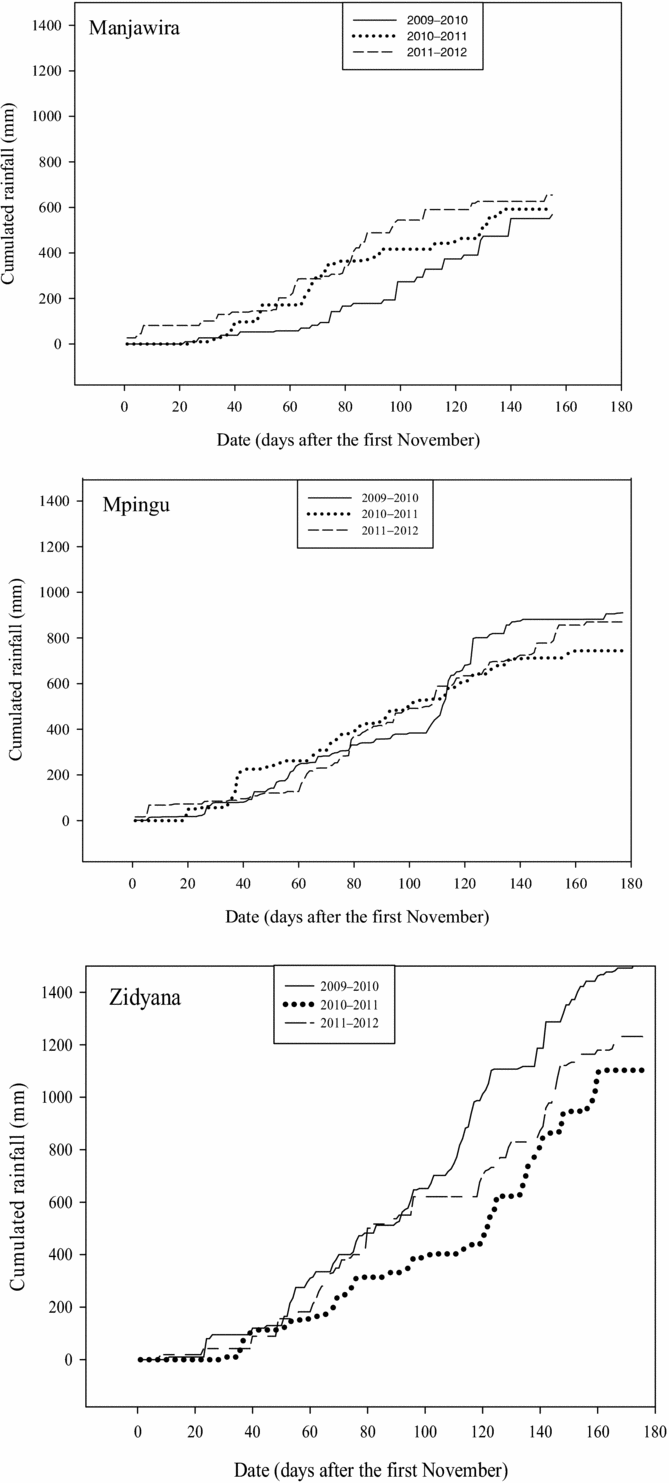
Daily rainfall was recorded in each site using a rain gauge. During the 3-year experimental period (2009/2010, 2010/2011, 2011/2012), the highest average annual rainfall was recorded at Zidyana (1315 mm), followed by Mpingu (843 mm) with the lowest being at Manjawira (605 mm) (Figure 1). Rainfall was well distributed, fairly distributed, and poorly distributed at Zidyana, Mpingu and Manjawira, respectively (Figure 1). The poor distribution of rainfall at Manjawira was confirmed by marked dry spells (both early and late season dry spells) observed during all three seasons of the study. Manjawira received 131, 108 and 46 mm less rainfall in the 2009/2010, 2010/2011 and 2011/2012 seasons, respectively, compared to the long-term average (700 mm). Mpingu received 114 mm less rainfall in the 2010/2011 season compared to the long-term average (860 mm). Zidyana received approximately 272 and 79 mm less rainfall during the second and third seasons, respectively, compared to the long-term average (1375 mm).
Rainfall distribution (mm) during three seasons, measured at trial locations at Manjawira, Mpingu and Zidyana in the Ntcheu, Lilongwe and Nkhotakota districts, central Malawi.

Experimental design and management
The study was designed in form of an on-farm trial. Although the trials were researcher designed, they were managed by farmers as part of the whole farm management with support from extension officers, and overseen by researchers in the communities. Field staff and technicians provided plot management recommendations and collected all the data. One farmer per community hosted all the treatments of the trial and maintained these treatments on the same plots for the entire duration of the study. The treatments were laid out in a completely randomized block design with four replications. The study was conducted for three consecutive cropping seasons (2009/2010–2011/2012). The treatments included the following:
(1) Conventional tillage with residues removed and no fertilizer (CP);
(2) Conventional tillage with residues removed, plus fertilizer (CP+F);
(3) No-tillage without either fertilizer or residues (NT);
(4) No-tillage without fertilizer, but with residues (NT+R);
(5) No-tillage with fertilizer, but without residues (NT+F);
(6) No-tillage with both fertilizer and residues (NT+F+R);
(7) No-tillage with residues, fertilizer and herbicides (NT+F+R+H).
The plot size was 8 m long and 6 m wide, consisting of eight rows. Ridge or inter-row spacing was kept constant in both CP and CA treatments: 75 cm between maize rows, with 25 cm between planting stations, and one living plant per station, aiming at the recommended plant population of 53 333 plants ha−1 (Ito et al., Reference Ito, Matsumoto and Quinones2007; Ngwira et al., Reference Ngwira, Thierfelder and Lambert2012b).
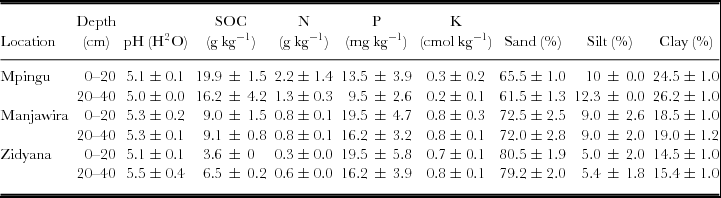
In the first season, crop residues at a rate of 2.5–3 mg ha−1 were applied as surface mulch in treatments NT+R, NT+F+R and NT+F+R+H. In the subsequent seasons, crop residues produced in these treatments were retained in situ, while crop residues were removed from all the remaining plots. In the second season, about 1.9–3.3, 5.3–6.4 and 5.1–6.6 mg ha−1 crop residues were applied as surface mulch in treatments NT+R, NT+F+R and NT+F+R+H, respectively. In the third season, the three residue treatments received, respectively, 1.2–3.3, 6.2–7.8 and 7.2–9.5 mg ha−1 crop residues as surface mulch. The fertilizer treatments received 69 kg N ha−1:100 kg of NPK from 23:21:0+4 S corresponding to 23 kg N ha−1:9 kg P ha−1:4 kg S ha−1 applied as a basal dressing at seeding and top dressing, with 46 kg N ha−1 as urea 3 weeks after crop emergence. Before the establishment of this study, 10 sub-samples of soil were taken from 0–20 to 20–40 cm depth in each replication and mixed thoroughly in each depth and replication to constitute one composite sample in all study locations, for purposes of soil characterization. The soil analytical results are tabulated as average values of the different replications (Table 1).
Soil physical and chemical properties for the 0–20 and 20–40 cm layers in farmers’ fields in Mpingu, Manjawira and Zidyana EPAs, central Malawi.
P and K values refer to available P and exchangeable K, respectively.
Standard deviations are indicated by ‘±’.
EPAs = Extension Planning Areas.
Mpingu n = 1; Manjawira n = 1 and Zidyana n = 1.
The Monsanto hybrid maize variety DKC8053 was used for the duration of the trials. Planting was done in November in Manjawira and in December in both Mpingu and Zidyana, during all the 3 years. Maize was planted on ridges in the conventional tillage practice (CP), using hand hoes. In the CA plots, seed was planted on old ridges under conventional agriculture with the dibble stick – a pointed wooden stick – which aims to disturb the soil as little as possible by creating planting holes only where seed and fertilizer are placed, according to the treatments.
All plots were manually weeded, although NT+R+F+H was supplemented by an initial herbicide spraying. In NT+R+F+H, annual and perennial weeds were controlled by 2.5 L ha−1 glyphosate (N-(phosphono-methyl)glycine), after the first rains, applied 7 to 10 days before planting, using a knapsack sprayer under the guidance of the field officer. Then, 3 days after planting, 6 L ha−1 of Bullet® [Monsanto (which contains 25.4% Alachlor (2-chloro-N-(2,6-diethylphenyl)-N-(methoxymethyl)acetamide) and 14.5% atrazine (2-chloro-4-ethylamino-6-isopropylamino-1,3,5-triazine)] was applied as pre-emergence residual herbicide, followed by manual weeding when weeds were 10 cm tall or 10 cm in circumference. This combination ensured that both grasses and broadleaf weeds were controlled.
Weeds estimates
Weed biomass measurements were taken each year before first (approximately 4 weeks after seeding) and second (approximately 7 weeks after seeding) weeding. Five 0.5 m × 0.5 m quadrants chosen at random were used as sub-plots in each treatment. Weed dry matter was assessed by cutting the weeds at ground level, drying them in an oven at 60 °C, and recording the final dry weight. The average weed dry matter per treatment was calculated and extrapolated to a hectare basis. A boundary line was fitted to establish the relationship between amount of weeds (mg ha−1) recorded and the rate of mulch applied (mg ha−1) for the last two seasons, for the treatments with variable applications of mulch. Despite confounding factors, e.g. soil and site characteristics and different treatments, it was assumed that the amount of weeds decreased exponentially with increases in the amount of mulch. A boundary line was fitted through boundary points that corresponded to the largest quantity of weeds (y) at each rate of mulch (x) using the model: W m = W 0e −rm, where W 0 is weed density at 0 mulch rate, W m is weed density at any given mulch rate (m), r is a constant (controls the shape of the curve). The model was selected to fit a boundary line after visual inspection of the data spread and knowledge of the relationship between weed density and mulch cover assuming uniform management. In the analysis, weed density data below the boundary line were considered to be influenced primarily by factors other than mulch cover. The boundary line model was obtained by minimizing the root-mean-squared error (RMSE) between the fitted boundary line and the boundary points using the Solver function in MS Excel.
Yield measurement
Maize grain was harvested from a sub-plot of four rows by 6.5 m long, weighed, shelled and corrected for moisture content at 12.5% by a multi-grain moisture metre (Dickey John multi-grain moisture tester, Dickey John Corp., Auburn, IL). Yield was then reported on a hectare basis. Maize stover from each harvested plot was weighed and sub-samples of approximately 500 g were air-dried for at least 4 weeks before final dry weight determination on a hectare basis. The rest of the maize stover was returned to the respective CA plots, if residue retention was part of the treatment (i.e. NT+R, NT+F+R and NT+F+R+H).
Statistical data analysis
A linear mixed effects model (REML procedure) (Coe, Reference Coe2007) in GenStat 14th edition (VSN, 2011) was used to analyse the effects of treatment, location and season, and their interaction, on maize grain yield and on weed biomass. In the analysis, treatment and location were considered as fixed factors, while season was considered as a random factor. Treatments were considered as fixed factors because they were specifically determined. Locations were specifically chosen for investigation and may not be representative of all possible sites in the study areas. Both treatment and location effects were of major interest. The fixed effects were tested by sequentially adding terms to the fixed model. Season was considered as a random factor due to the fact that its effect under rain-fed conditions is nested in the interaction of amount of rainfall and distribution, and cannot be determined experimentally. It is also unlikely that the duration of the experiment (3 years) covered all the possible combinations of amount and distribution of rainfall. However, the major interest in the seasonal effect was on the variation among the seasons, rather than the specific effects of each on maize grain yield and weed biomass in each treatment.
Maize grain yields were tested for normality and homogeneity and showed a normal distribution and homogeneity of the variances. Weed biomass data were transformed (log10) to meet normality assumptions. Mean separation of the data was done using least significant difference (LSD) at p < 0.05. Simple linear regression was also performed to assess the relationship between maize yields and weed biomass. Furthermore, since the three sites received different amounts of rainfall, which is possibly one of the factors that explain variability in weed biomass and maize yields, rainfall was quantitatively used as a covariate in the analysis of variance (ANOVA) while removing its effects on the treatment separation.
RESULTS
Effects of tillage, fertilizer, crop residue management and herbicides on weed dry matter
There was on average more weed dry matter at Zidyana (1230 kg ha−1), followed by Manjawira (932 kg ha−1), with the lowest being at Mpingu (348 kg ha−1) (Table 2). Weed dry matter was highest (2047 kg ha−1) in the NT+F treatment in the humid environment of Zidyana. Overall, there was no influence of tillage or residue retention on weed biomass for treatments without fertilizer (Table 2). However, for fertilizer treatments, tillage, mulching, and mulching in combination with herbicides, had a significant effect on weed biomass. The application of chemical fertilizer significantly increased weed dry matter in no-tillage systems where weed dry matter obtained under NT+F was 557 kg ha−1 more than under NT (Table 2). Tillage significantly suppressed weed biomass, where weed dry matter obtained under CP+F was 491 kg ha−1 less than under NT+F. Similarly, residues suppressed weeds, as NT+F+R had 693 kg ha−1 less weed dry matter than NT+F. Furthermore, mulching was equally effective as tillage in controlling weeds, as weed dry matter obtained under NT+F+R was similar to CP+F. Herbicides suppressed weeds where weed dry matter measured under NT+F+R+H was 286 kg ha−1 less than under NT+F+R.
Weed biomass (kg ha−1) averaged across locations and seasons, 2009–2012, at Manjawira, Mpingu and Zidyana, central Malawi.
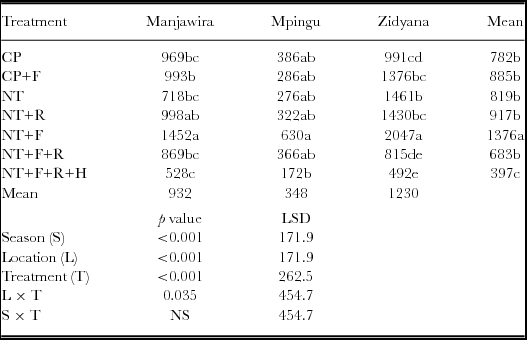
LSD is the least significance difference as estimated under analysis of variance in GenStat.
Values followed by the same letter within each column at the same site are not significantly different from each other.
CP = conventional tillage without fertilizer; CP+F = conventional tillage with fertilizer; NT = no-tillage without fertilizer, residues and herbicides; NT+R = no-tillage with residues but without fertilizer and herbicides; NT+F = no-tillage with fertilizer but without residues and herbicides; NT+F+R = no-tillage with fertilizer and residues but without herbicides; NT+F+R+H = no-tillage with fertilizer, residues and herbicides.
ANOVA showed significant (p < 0.05) site × treatment interaction, suggesting that the effects of the various treatments on weed biomass depended on the environment of the study location (Table 2). While fertilizer, tillage and mulching had significant effects on weed biomass at Manjawira and Zidyana, no significant effects were obtained at Mpingu. Weed biomass obtained under NT was 734 and 586 kg ha−1 less than NT+F at Manjawira and Zidyana, respectively. Tillage was able to suppress weed biomass where weed biomass obtained under CP+F was 459 and 671 kg ha−1 less than NT+F at Manjawira and Zidyana, respectively. Weed dry matter obtained under NT+F+R was 583 and 1232 kg ha−1 less than under NT+F at Manjawira and Zidyana, respectively. Furthermore, while residues had similar effects as tillage on weed biomass at Manjawira and Mpingu, weed biomass obtained under NT+F+R was 561 kg ha−1 less than under CP+F at Zidyana.
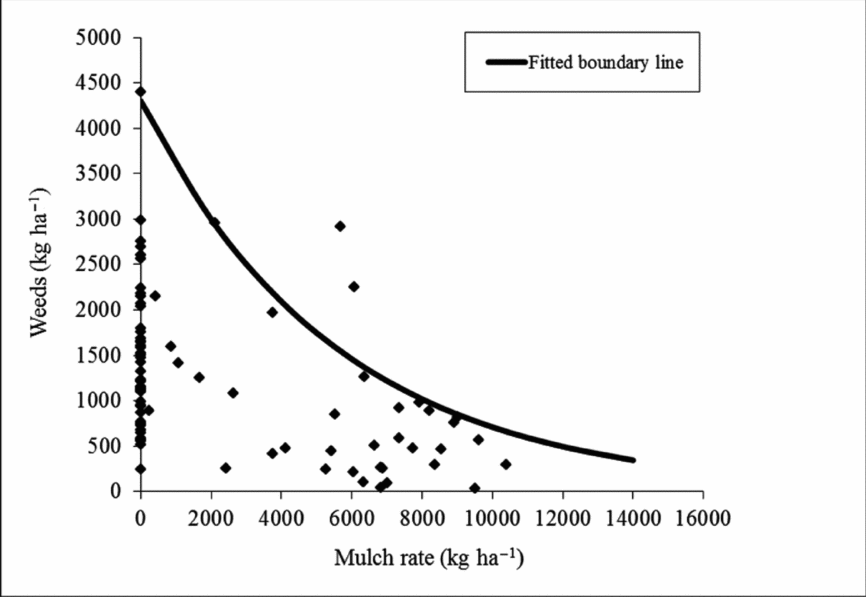
Mulch density was probably one of the important factors explaining the effectiveness of suppressing weeds. The boundary line of the relationship between weed biomass and mulch density was exponential: Weed biomass (mg ha−1) = 4300 × (EXP (−0.00018) × mulch density). Results suggest that at least 6000 kg ha−1 of mulch was required to achieve the average amount of weed biomass recorded under conventional tillage with fertilizer (Figure 2). However, at least 14 000 kg ha−1 of mulch was required to have a similar effect on weeds to a combination of mulching and herbicides. Rainfall as a covariate, as well as the interaction between covariate and treatment, was largely significant (p < 0.001) (data not shown). This confirms that climate variability between sites influenced treatments.
The relation between weed biomass (kg ha−1) and mulch rate (kg ha−1) in Manjawira, Mpingu and Zidyana Extension Planning Areas, central Malawi.
Tillage, fertilizer, residue and herbicide effect on maize grain yields
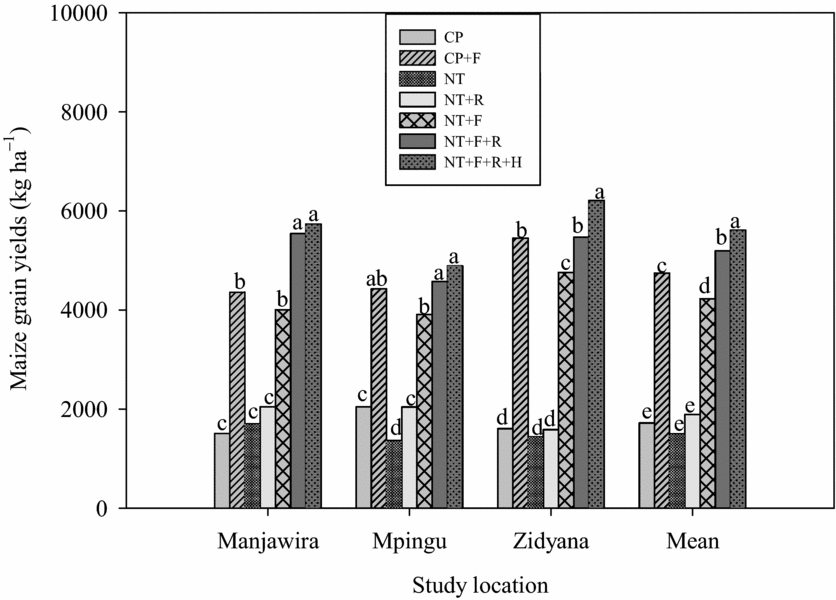
The highest yields at all sites were achieved where NT was combined with fertilizer, residues retention and herbicide application (NT+F+R+H) (Figure 3). Tillage increased yield, which was 519 kg ha−1 greater under CP+F than under NT+F. However, yield under NT+F+R was 450 kg ha−1 more than under CP+F. Fertilizer application had significant effects on yield in all comparable treatments. Maize grain yield obtained under CP+F was 3025 kg ha−1 greater than under CP; NT+F had 2723 kg ha−1 greater yield than under NT, and NT+F+R produced 3303 kg ha−1 greater yield than under NT+R. There was also a significant effect of mulching on yield under no-tillage: maize yield obtained under NT+F+R was 969 kg ha−1 greater compared with NT+F. Herbicides in addition to mulching under no-tillage gave an additional yield benefit, as yield under NT+F+R+H was 415 kg ha−1 greater than under NT+F+R.
Effects of fertilizer application, tillage, crop residues and herbicides on maize yield in Manjawira, Mpingu and Ziydana Extension Planning Areas, central Malawi. Values designated by the same letter at each study location are not significantly different from each other. Maize yield is an average over three seasons.
ANOVA showed significant (p < 0.001) location × treatment interaction, suggesting that the performance of the various treatments depended on location (Table 3). Mean separation on the data showed that fertilizer increased yield in all locations and years. While tillage and herbicides increased yield at Zidyana, no significant effects of tillage and herbicides were observed at Manjawira and Mpingu. Maize yield obtained under CP+F and NT+F+R+H was 691 and 741 kg ha−1 greater than NT+F and NT+F+R, respectively, at Zidyana (Figure 3). Similarly, while mulching gave greater maize yield than tillage at Manjawira, no positive yield benefits of mulching were obtained at Mpingu and Zidyana. Maize yield obtained under NT+F+R was 1187 kg ha−1 greater than under CP+F at Manjawira. At all study locations, mulching gave significantly greater yield than no-till without crop residues.
Output of analysis of generalized linear mixed model combining the effects of treatment, cropping season and location on maize grain yield and weed dry matter at Manjawira, Mpingu and Zidyana, central Malawi, 2009–2012.
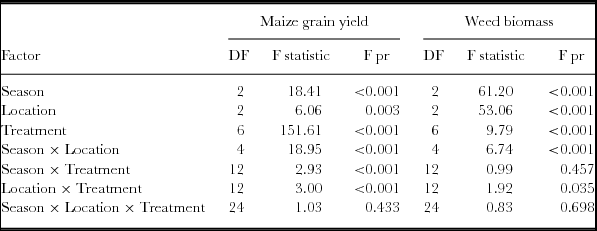
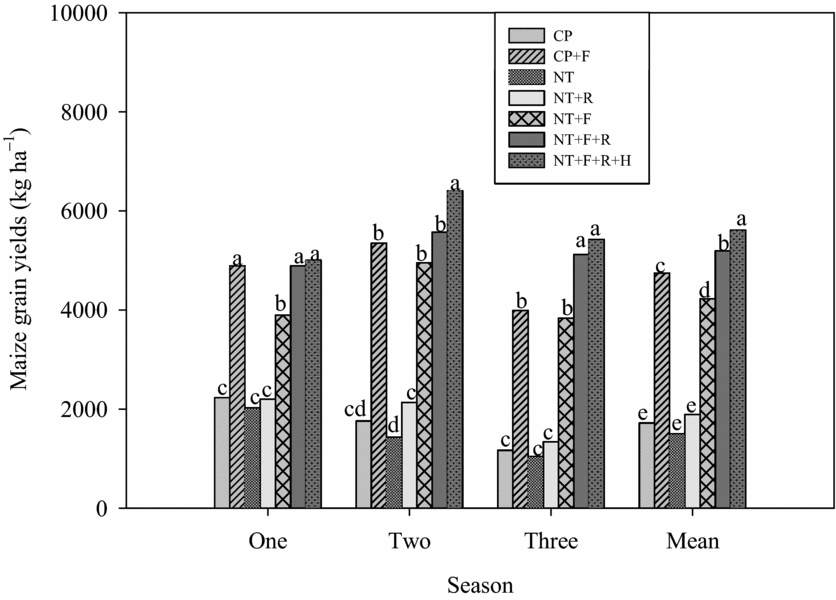
There was also significant (p < 0.001) season × treatment interaction, suggesting that the performance of the various treatments was influenced by season (Table 3). While CP+F gave 999 kg ha−1 greater yields than NT+F in the first season, there were no significant effects of tillage on maize yield in the second or third seasons (Figure 4). Retention of crop residues as surface mulch had significant effect on yields in the first and third seasons. Maize yield obtained under NT+F+R gave 1002 and 1287 kg ha−1 more than NT+F in the first and third seasons, respectively. Furthermore, it was only in the third season that NT+F+R gave 1129 kg ha−1 greater yield than CP+F. In the second season, herbicides had a significant effect on maize yield, as NT+F+R+H gave 835 kg ha−1 greater yield than NT+F+R.
Seasonal effects of fertilizer application, tillage, crop residues and herbicides on maize yield, central Malawi. Values designated by the same letter during the same season are not significantly different from each other.
Linear regression did not show any significant correlations between weed biomass and crop yield, suggesting that there were other factors more important in accounting for variability in maize yield than weed biomass, although there was a negative trend. However, rainfall as a covariate, as well as the interaction between rainfall and treatment, was largely significant (p < 0.001). This confirms that climate variability between sites influenced treatments in terms of maize yield.
DISCUSSION
Weeds and weed management
When farmers change from conventional tillage to no tillage, weed control becomes a key to the success of CA (Wall, Reference Wall2007). In this study, the weed dry matter under NT+F was higher than under CP+F because without soil inversion, weed seeds and rhizomes remain in or close to the soil surface where the environmental conditions are suitable for stimulating weed germination. In contrast, under CP+F, tillage buries most weed seeds at deeper soil layers where conditions induce seed dormancy leading to low weed emergence, hence low weed dry matter (Chauhan et al., Reference Chauhan, Gill and Preston2006). Likewise, weed dry matter under NT+F systems was higher than under NT because application of chemical fertilizer provided nutrients also essential for the growth of weeds. The heavier and early weeding burden under NT+F may necessitate earlier weeding than would be the case in CP+F, at a time when labour demand is generally high (late December, beginning of January). During this period farmers are occupied with other farming activities, such as planting more maize and other cash crops (Kabambe et al., Reference Kabambe, Kumwenda, Sakala, Ngwira, Munthali, Kumwenda and Kisyombe1993). Poor households hire their labour out to work on other farmers’ fields in exchange for cash to buy food to meet the needs of their families, at the expense of paying attention to their own farms (Kabambe et al., Reference Kabambe, Kumwenda, Sakala, Ngwira, Munthali, Kumwenda and Kisyombe1993; Mwale et al., Reference Mwale, Wezel and Kabambe2011).
While tillage was advantageous over no-tillage in controlling weeds, no significant effects were observed between tillage and a combination of no-tillage and mulch, suggesting that the addition of sufficient mulch in fertilized no-tillage plots can replace the need for land preparation in controlling weeds. However, the interactive effects between location and treatment on weed biomass showed that mulching was more important in environments with well distributed, high seasonal rainfall. For example, the greater amount of mulch added to NT+F+R at Zidyana than at the other two sites was probably one of the factors explaining lower weed biomass under this treatment compared with CP+F.
Retention of maize residues can be assumed to provide shading effects that prevent weed development, since seed dormancy and germination of most annual weeds depend on soil temperature and light. On-farm researcher-designed and farmer-managed trials across multiple sites in Malawi have reported average maize stover yield of 4.1 mg ha−1 from CA treatments (Thierfelder et al., Reference Thierfelder, Chisui, Gama, Cheesman, Jere, Trent Bunderson, Eash and Rusinamhodzi2013b). In the current study, our estimates of the amount of mulch required to have a significant suppressive effect on weeds were higher than reports from other countries in southern Africa. For example, Mashingaidze et al. (Reference Mashingaidze, Madakadze, Twomlow, Nyamangara and Hove2012) reported 60% weed reduction when 4 mg ha−1 of maize mulch was used with sorghum in a semi-arid environment in Zimbabwe compared with conventional tillage. In Zambia, significant suppressive effects on weed biomass under minimum tillage system were achieved by an application of 5 mg ha−1 of grass (Cynodon species) (Gill et al., Reference Gill, Arshad, Chivunda, Phiri and Gumbo1992). Contrasting results have been reported in the United States, where the retention of 5 mg ha−1 of maize residues resulted in increased weed density of annual weed species, compared to conventional tillage in a below-average rainfall season (Buhler et al., Reference Buhler, Mester and Kohler1996). Those authors attributed the increase in weed density under minimum tillage to improved soil moisture conditions for residues that favour weed growth. The amount of biomass produced (4.1 mg ha−1) under on-farm conditions in Malawi suggests that the weed suppression effect from mulch cover is possible under farmers’ conditions.
While it is theoretically feasible to retain crop residues as surface mulch due to low livestock densities in the study areas, there are competing uses and demand for crop residues, such as fencing, tobacco nurseries, fuel wood etc. (Ngwira et al., Reference Ngwira, Aune and Mkwinda2012a; Valbuena et al., Reference Valbuena, Erenstein, Homann-Kee Tui, Abdoulaye, Claessens, Duncan, Gérard, Rufino, Teufel, van Rooyen and van Wijk2012). These other needs constrain farmers’ ability to retain adequate levels of mulch in order to reduce weed pressure.
Although NT+F+R was as effective as tillage in controlling weeds, NT+F+R+H produced about 50% less weed dry matter than NT+F+R, illustrating that herbicides had an additional effect on weed control. However, the decrease in weed biomass could also have been due to the higher amount of mulch density applied in NT+F+R+H than NT+F+R, especially in the third season – the design of this study did not allow us to distinguish the effects of higher density of mulch applied in NT+F+R+H compared with NT+F+R. Glyphosate, due to its non-selective nature, was able to kill most growing weeds, while Bullet® which contains atrazine, provided residual control of broadleaf weeds due to its persistence in the soil. Herbicides reduce the amount of manual weeding required in no-tillage systems, in which dormant seeds in the soil are not shifted towards the soil surface (Cardina et al., Reference Cardina, Regnier and Harrison1991). Herbicides seem to be particularly important in the more humid environment of Zidyana. At this site, without the use of herbicides and mulching, weed biomass was very high. Such high weed dry matter increases labour requirements for weeding in no-tillage systems compared with conventional tillage. An analysis from Zimbabwe reported more labour days to produce maize under CA compared with conventional tillage practices, largely due to hand weeding in the absence of herbicides (Mazvimavi and Twomlow, Reference Mazvimavi and Twomlow2009). However, on-farm researcher-managed trials in Malawi confirm that the use of herbicides can significantly reduce labour time under CA systems, particularly for weeding (Ngwira et al., Reference Ngwira, Thierfelder and Lambert2012b). The reduction in drudgery in weeding operations due to correct herbicide use could benefit women in particular, since they perform most of the weeding operations (Nyanga et al., Reference Nyanga, Johnsen and Kalinda2012).
While an increase in weed dry matter at the end of the cropping season may not be important in terms of maize productivity, if allowed to set seed, these late weeds add to the weed seed bank and become a source of future weed infestations. A common saying amongst farmers is: ‘one year seeding equals seven years of weeding’, which explains this phenomenon very clearly. In this study, farmers were encouraged to control weeds late in the season as one way of preventing replenishment of the weed seed bank in the soil. Although late weeding was not the norm in the local farming calendar (Umar et al., Reference Umar, Aune, Johnsen and Lungu2011), the practice resulted in a decrease in the extent of weeding in the following season. More reduction in weeding can be expected in consecutive seasons, especially where herbicides have been used over several years. An experiment in the Nkhotakota district, Malawi, demonstrated a decrease in the weed seed bank, especially for annual weeds under CA using herbicides (Mwale et al., Reference Mwale, Wezel and Kabambe2011).
It is therefore recommended that farmers should control weeds as effectively as possible during the initial years of CA, in order to drastically decrease the weed seed bank in the soil. While the observed weed suppression may be useful in reducing labour demands early in the cropping season, farmers may lack initial capital to invest in herbicides and knapsack sprayers due to their low purchasing power (Chilowa, Reference Chilowa1998). This implies a need to increase farmers’ access to herbicides and equipment through the formation of groups and linking them to input suppliers. Once, the weed infestations have been drastically reduced, the use of herbicides may be reduced.
Some weeds are used by farmers as dietary supplements or for other domestic purposes. Species like Amaranthus hybridus, Corchorus olitorius, Gynandropsis gynandra and Bidens pilosa are used as vegetable relish by farmers, thus contributing to their diet. Species such as Eragrostis ciliaris and Ocimum canum have medicinal value and are used in treating human ailments (Chamango, Reference Chamango2000; Mwale et al., Reference Mwale, Wezel and Kabambe2011). Thus in some cases, the complete elimination of weeds may not be in the interests of farmers.
Maize grain yield
The application of fertilizer increased yield compared with non-fertilized plots, regardless of tillage and residues management, at all locations and across all seasons. Our study has shown that without fertilizer, there is no significant difference between conventional tillage and no-tillage regardless of crop residue management, suggesting that without access to fertilizer, CA will not provide any positive benefits. To increase the productivity and sustainability of their farms, small-scale farmers in SSA need greater access to fertilizers, in addition to well-adapted seeds and new methods for integrated soil fertility management (Toenniessen et al., Reference Toenniessen, Adesina and DeVries2008). While combined analysis showed that tillage, mulching and herbicides had positive effects on maize yields, location by treatment interaction showed that the performance of the various treatments depended on the environment where studied. For example, at Zidyana there were lower yields under NT+F compared to CP+F, and also under NT+F+R compared to NT+F+R+H. The higher weed infestation in NT+F plots might have reduced the yield effect of NT, especially as weed biomass was particularly high at this site compared with the other two. Zidyana received well-distributed rainfall that interfered with timely weedingFootnote 1, thus allowing weeds to grow taller and exploit more nutrients that could otherwise been taken up by the crop. Weeds and weed competition with maize reduce fertilizer efficiency, leading to associated yield decline (Gilbert et al., Reference Gilbert, Sakala and Benson1998; Kabambe et al., Reference Kabambe, Kumwenda, Sakala, Ngwira, Munthali, Kumwenda and Kisyombe1993). This suggests that in adapting CA to more humid areas, more attention should be paid to providing sufficient mulch to suppress weed growth and also to increasing farmers’ access to herbicides.
Although not quantified in this short-term study, no-tillage without mulch cover often leads to soil crusting, reduced infiltration, increased evaporation, reduced soil erosion and reduced soil moisture available to crops, thus resulting in reduced yields (Baudron et al., Reference Baudron, Tittonell, Corbeels, Letourmy and Giller2012; Govaerts et al., Reference Govaerts, Sayre, Goudeseune, Corte, Lichter, Dendooven and Deckers2009; Thierfelder et al., Reference Thierfelder, Amezquita and Stahr2005; Verhulst et al., Reference Verhulst, Nelissen, Jespers, Haven, Sayre, Raes, Deckers and Govaerts2011), in addition to increased weeds. In instances of inadequate mulch cover, tilling the soil has been proposed as being useful in overcoming problems of soil surface crusts and poor emergence of crops (Baudron et al., Reference Baudron, Tittonell, Corbeels, Letourmy and Giller2012). However, no-tillage in combination with mulch cover has been reported to control soil erosion, increase water infiltration and suppress weeds, leading to better crop water capture and use efficiency (Govaerts et al., Reference Govaerts, Sayre, Goudeseune, Corte, Lichter, Dendooven and Deckers2009; Mupangwa et al., Reference Mupangwa, Twomlow and Walker2012; Rockstrom et al., Reference Rockstrom, Kaurnbutho, Mwalley, Nzabi, Temesgen, Mawenya, Barron, Mutua and Damgaard-Larsen2009; Scopel et al., Reference Scopel, Findeling, Guerra and Corbeels2005; Thierfelder and Wall, Reference Thierfelder and Wall2009).
Similarly, while tillage and herbicides were more important at Zidyana, the retention of crop residues as surface mulch provided more positive effects of NT on maize yields in Manjawira, which was the site with the least rainfall. In this low rainfall environment, it is likely that mulching decreased evaporation, and increased infiltration, leading to improved soil water availability compared with no-tillage without residues, and conventional tillage (Govaerts et al., Reference Govaerts, Sayre, Goudeseune, Corte, Lichter, Dendooven and Deckers2009; Mupangwa et al., Reference Mupangwa, Twomlow and Walker2012; Thierfelder and Wall, Reference Thierfelder and Wall2009). Furthermore, higher rainfall use efficiency has been reported under CA compared with conventional tillage (Rockström et al., Reference Rockstrom, Kaurnbutho, Mwalley, Nzabi, Temesgen, Mawenya, Barron, Mutua and Damgaard-Larsen2009; Thierfelder and Wall, Reference Thierfelder and Wall2012). While retention of crop residues resulted in significant weed suppression at Zidyana, there was no positive correlation between weed biomass and maize grain yield, suggesting that other factors were more important than weeds in explaining variability in maize yield.
The significant interactive effects between season and treatment on maize grain yields suggest that the treatment effects depended on the season. For example, during the third season, a combination of no-tillage and mulching gave significantly higher yields than tillage, probably due to the large amount of crop residues used as surface mulch in the third season compared with the other two seasons, which could have suppressed relatively more weeds. However, our study has shown that the greatest yield benefits were obtained from a combination of no-tillage and mulching supplemented by the application of fertilizer and herbicides.
Introduction of CA to farmers
Our results show that there is no benefit in introducing no tillage, unless it is accompanied by fertilizer application, retention of crop residues as surface mulch, and improved weed control. This is in line with Gowing and Palmer (Reference Gowing and Palmer2008) who argue that CA can be expected to deliver productivity gains required to achieve food security, only if farmers in SSA have access to fertilizers and herbicides. It is therefore a challenging task to suggest a partial introduction of CA components in the form of fertilizer, residue management and herbicides. While Gowing and Palmer (Reference Gowing and Palmer2008) argue that the partial adoption of CA would clearly not deliver productivity gains and soil health benefits, other studies have indicated that the partial uptake of CA can result in yield benefits. Such benefits arise largely from more timely planting, higher precision in the application of fertilizers, and moisture conservation (Twomlow et al., Reference Twomlow, Urolov, Jenrich and Oldrieve2008; Umar et al., Reference Umar, Aune, Johnsen and Lungu2012).
The efficient use of agricultural inputs is a key constraint for smallholder farmers and has been identified as a fundamental factor explaining why they do not invest in the purchase of fertilizer (Rockström et al., Reference Rockström, Barron and Fox2002). If no tillage is introduced, improved efficiency of chemical fertilizer can be achieved by the use of crop residues that play an important role in soil water conservation and suppressing weeds, resulting in subsequently higher yields. However, no tillage without residues leads to increased weed pressure and potential labour bottlenecks in terms of weeding. Therefore, maintaining crop residues is a crucial part of CA. In other countries in southern Africa with more livestock herds, such as Zambia and Zimbabwe (Valbuena et al., Reference Valbuena, Erenstein, Homann-Kee Tui, Abdoulaye, Claessens, Duncan, Gérard, Rufino, Teufel, van Rooyen and van Wijk2012), crop residues are grazed in-situ and are therefore not available for CA (Mtambanengwe and Mapfumo, Reference Mtambanengwe and Mapfumo2005; Umar et al., Reference Umar, Aune, Johnsen and Lungu2012). In Malawi, residue retention seems to be less of a problem because of lower competition from livestock. However, the social issue of managing crop residues needs to be overcome – for example, in most of central Malawi, after harvesting the crops, mouse hunting becomes popular, which includes burning crop residues in an effort to destroy mouse nests. Overcoming this problem involves community participation: it is important for the whole community, including local leaders, to realize the benefits of CA and the long-term deleterious effects of tillage such as soil degradation. International Maize and Wheat Improvement Centre (CIMMYT) on-going work in the Nkhotakota and Salima districts in Malawi illustrates that it is possible to overcome such issues. Community leaders have put bye-laws in place at the local levels that deny access to CA fields by mouse hunters.
A lack of immediate benefits of CA illustrates the challenge of making CA more attractive to smallholder farmers who often depend on short-term benefits to meet their basic needs. Possible pathways on how to get fertilizers and herbicides to farmers during the initial years of CA practice therefore become important. One option is investment and/or revitalizing government-run smallholder credit schemes and providing credit and soft loans to farmers to facilitate access to farm inputs. This could be through engagement of more players in the value chain such as farmers, researchers, local NGOs, agro dealers, credit providers and micro-finance institutions among others. This stakeholder collaboration and partnership would enhance exchange of ideas, experiences, and information, and encourage and facilitate technology development that is attractive from both private and social perspectives. Not only would farmers be linked to input suppliers and output markets, but more importantly, this could lead to knowledge sharing and enhanced collective action. Farmer groups would also encourage social learning that influences adoption of CA (Nyanga et al., Reference Nyanga, Johnsen and Kalinda2012). Another option is to address market constraints by linking farmers to existing commodity chains such as the Department for International Development (DFID) Research into use (RIU) legume (beans, soybeans, pigeonpea, etc) platforms, as well as to farmers’ organizations such as the National Smallholder Farmers Association of Malawi (NASFAM). The commodity chains and farmer organizations increase farmers’ bargaining power against private traders who offer lower prices for the farm produce.
CONCLUSION
In this on-farm research, carried out from 2009 to 2012 in central Malawi, the effects of different components of CA systems were tested. Our study has demonstrated that CA without fertilizer provides few benefits to farmers, because fertilizer is needed to increase yield and to produce sufficient mulch, which is important in altering agro-ecological functions of the soil. Mulch is particularly important for weed control in humid environments, and also contributes to increased maize grain yields under dry conditions due to improved water infiltration and crop water uptake. For farmers with access to fertilizer, no-till without sufficient mulch cover leads to more weed pressure, thus necessitating increased weeding activity. Therefore, for farmers with access to fertilizer, a combination of fertilizer, no-till and sufficient mulch application has been identified as the minimum combination of CA principles that would lead to the desired effects without having an adverse effect on productivity. However, for farmers with access to herbicides, supplementing mulching with herbicides not only assists in reducing weeding labour requirements but also minimizes soil movement, which is key to the success of CA. The use of chemical fertilizer and herbicides had the greatest impact on the performance of CA, just like any other form of agricultural system; these critical inputs are of much importance. In conclusion, the use of chemical fertilizer and mulch cover appears key to success of CA among smallholder farmers.
Acknowledgements
We thank the farmers involved in the study, the technicians at Chitedze Research Station, and Agricultural Extension Development Officers (AEDO) in the Manjawira, Mpingu and Zidyana sections for their enthusiasm, collaboration and support during the project implementation phase. We also acknowledge the Royal Norwegian Embassy, through the Agricultural Research and Development Program (ARDEP) and the International Fund for Agriculture Development (IFAD) for funding project activities. The International Maize and Wheat Improvement Center (CIMMYT) is thanked for technical and logistical support.