


1. Introduction
User-centered design has become increasingly important in Industry 5.0 and general product development, with rising expectations for usability, accessibility, and personalization (Reference Saniuk, Grabowska, Fahlevi, Machado and DavimSaniuk et al., 2023). Ergonomic evaluation in technical interaction has traditionally focused on objective parameters such as joint angles, muscle effort, and performance. However, these metrics do not fully explain how users experience interactions. Perceived ease, controllability, and efficiency are equally critical for usability, acceptance, and safety, and often diverge from biomechanical indicators.
Digital human models (DHMs) and musculoskeletal human models (MHMs) enable detailed analyses of posture, loads, and motion in early design phases (Reference ChaffinChaffin, 2005; Reference van der Have, Wang, van Rossom and Jonkersvan der Have et al., 2023) and support proactive ergonomics. Yet, they remain largely limited to physical measures, while the subjective dimension of comfort, control, and demand is scarcely represented in simulation (Reference Wolf, Fackler, Reulbach, Wartzack and MiehlingWolf et al., 2022). This paper addresses this gap by examining user perception as a complementary dimension in manual machine operation. Two case studies with a pillar drilling machine (PDM) and a minting machine (MM) were used to derive perception clusters and assess their consistency across tasks, positions, and operator characteristics.
2. Background and related work
User-centered design is a central paradigm in modern product development, driven by individualization and demographic change, requiring products that are usable, safe, and pleasant (Reference Dulloo, Kurian, Bolesnikov, Struweg and MathiyazhaganDulloo et al., 2025; Reference GenovGenov, 2014). In this context, digital user tests and computer-aided ergonomic evaluations gain importance by enabling cost- and time-efficient product adjustments already in early design phases (Reference ChaffinChaffin, 2005; Reference Wolf, Fackler, Reulbach, Wartzack and MiehlingWolf et al., 2022). DHMs allow designers to simulate user-product interactions and to investigate aspects such as visibility, accessibility, or fatigue. However, these approaches have traditionally focused on biomechanical and anthropometric parameters, whereas subjective perception has received far less attention (Reference Trstenjak, Benešova, Opetuk and CajnerTrstenjak et al., 2025). MHMs extend DHMs by providing biomechanical insights into muscles and joints, offering measures such as joint loads and muscle activations (Reference Seth, Hicks, Uchida, Habib, Dembia, Dunne, Ong, DeMers, Rajagopal, Millard, Hamner, Arnold, Yong, Lakshmikanth, Sherman, Ku and DelpSeth et al., 2018; Reference van der Have, Wang, van Rossom and Jonkersvan der Have et al., 2023). They thus support detailed ergonomic evaluations beyond pure posture prediction. Yet, the integration of MHMs into product development faces practical challenges: their high dimensionality results in high computational cost and limited real-time applicability (Reference Zhang, Nieuwenhuys and ZhangZhang et al., 2025). To overcome this, the concept of behaviour cards has been introduced, summarizing typical posture strategies derived from empirical motion capture data as sets of joint angles and weighting factors to predict user-product interactions (Reference Spelly, Scherb, van Remmen, Wartzack, Miehling and DuffySpelly et al., 2025; Reference Wolf, Fackler, Reulbach, Wartzack and MiehlingWolf et al., 2022). Behaviour cards allow movement strategies to be represented in a standardised and reusable way, facilitating proactive ergonomic simulation. However, they describe only what the body does, not how the user feels while doing it.
The neglect of perception is critical, as evidence suggests that objective ergonomic parameters do not necessarily align with subjective user experience. Reference Kuijt-Evers, Bosch, Huysmans, Looze and VinkKuijt-Evers et al. (2007) demonstrated weak correlations between objectively measured physical effort and perceived comfort or fatigue. Similarly, Reference Califano, Auricchio, Carbone, Dessì, Frasci, Landi and NaddeoCalifano et al. (2024) reported that working on a ladder versus on the ground led to comparable biomechanical assessments (e.g., RULA scores), but participants rated ladder tasks as substantially less comfortable. Ergonomic interventions such as arm supports can likewise improve subjective comfort disproportionately compared to reductions in muscle load (Reference Freund, Takala and ToivonenFreund et al., 2000). Furthermore, subjective workload is closely linked to usability and performance outcomes. Reference LongoLongo (2018) and Reference Fogelberg, Cao and ThorvaldFogelberg et al. (2025) showed that perceived workload correlates strongly with error rates, task duration, and self-reported usability, indicating that subjective assessments capture dimensions of user experience not solely explained by biomechanics.
Recent reviews highlight that such perceptual factors remain underrepresented in ergonomics. Reference Antonaci, Olivetti, Marcolin, Castiblanco Jimenez, Eynard, Vezzetti and MoosAntonaci et al. (2024) stress the need to integrate cognitive and affective dimensions into ergonomic methods, while Reference Trstenjak, Benešova, Opetuk and CajnerTrstenjak et al. (2025) identify subjective well-being and mental workload as neglected aspects in Industry 5.0. This gap is mirrored in DHM and MHM research, which rarely include perception-based metrics (Reference BubbBubb, 2002; Reference Wolf, Fackler, Reulbach, Wartzack and MiehlingWolf et al., 2022). In design science, e.g., Reference Hassenzahl, Blythe and MonkHassenzahl (2018) and Reference Kurosu and KurosuKurosu (2015) have long argued that usability and emotional quality jointly shape user experience, but ergonomic models still emphasise measurable strain over perceived ease, control, or efficiency. The influence of operator characteristics further complicates this picture. Reference Spelly, Scherb, van Remmen, Wartzack, Miehling and DuffySpelly et al. (2025) showed that body height, BMI, and prior experience affect joint angles, moments, and loads during the use of a PDM. While such biomechanical findings underline the relevance of individual variability, they leave open how these factors translate into subjective perception. Empirical studies suggest that sex, age, or anthropometry may shape perceived usability, yet robust evidence is scarce due to small and heterogeneous samples (Reference Buker, Schmitt, Miehling and WartzackBuker et al., 2022; Reference Landa Ávila, Prado León, Hutchison, Kanade, Kittler, Kleinberg, Kobsa, Mattern, Mitchell, Naor, Nierstrasz, Pandu Rangan, Steffen, Terzopoulos, Tygar, Weikum and MarcusLanda Ávila & Prado León, 2014). At the same time, usability research consistently stresses that subjective experience emerges from the interplay of user-, product-, and environment-related factors (Reference van Remmen, Wartzack and Miehlingvan Remmen et al., 2025).
Taken together, the state of research indicates two gaps. First, while DHMs and MHMs provide detailed biomechanical insights, they insufficiently capture subjective perception. Second, operator characteristics and spatial task configurations (e.g., distance, height) are known to affect biomechanics, but their impact on perceived experience remains underexplored. At the same time, product development is increasingly shaped by the “experience economy” (Reference Dulloo, Kurian, Bolesnikov, Struweg and MathiyazhaganDulloo et al., 2025) where acceptance and success depend not only on technical performance but also on how interaction feels to users. Against this background, it is an open question whether concepts like behaviour cards, which currently capture biomechanical strategies, could be meaningfully extended by perceptual dimensions. Before such an integration can be developed, however, it is necessary to identify whether stable and recurring perception profiles exist at all. Establishing such profiles would provide the empirical basis for expanding existing ergonomic modelling approaches toward a more comprehensive representation of user experience.
3. Research objective and questions
To summarise, ergonomic research increasingly shows that physical load and subjective experience can diverge. However, it is still unclear whether user perceptions follow recurring patterns, e.g., whether certain posture/position combinations consistently feel easy and controlled, or straining and inefficient. This study therefore aims to identify user experience profiles during manual machine operation and examine how these profiles vary according to task, position, and operator characteristics. The results aim to inform existing biomechanical ‘behaviour cards’ with perception-based categories, helping designers anticipate user experience. Two machines with similar leverage-based operations (pillar drilling and minting) are investigated to determine whether experience profiles generalise across contexts. Participants evaluated perceived ease, comfort, control, efficiency, force and demand after each trial. K-means clustering was used to identify recurring perception patterns based on multidimensional similarity, without relying on predefined groups. The number of clusters (k = 3) was determined based on interpretability, explained variance, and silhouette coefficients. Cluster stability and separation were assessed using within-cluster sum of squares and average silhouette values. This approach aligns with the study’s exploratory aim to uncover latent user experience profiles. Accordingly, the research addresses the following questions:
RQ1: What distinct user experience profiles emerge from clustering subjective ratings of manual machine operation?
RQ2: How do these profiles vary with task positions and operator characteristics (e.g., biological sex)?
4. Methods
Previous work has analysed user-machine interaction with a PDM primarily from a biomechanical perspective, focusing on motion capture and musculoskeletal simulation (Reference Spelly, Scherb, van Remmen, Wartzack, Miehling and DuffySpelly et al., 2025). Building on this protocol, the present study shifts the emphasis toward subjective perception of interaction quality and extends the investigation to a second machine, a minting machine. Both experiments followed a similar experimental design with controlled variations of user-machine distance and height, combining subjective ratings and body map annotations with motion recordings.
4.1. Subjects
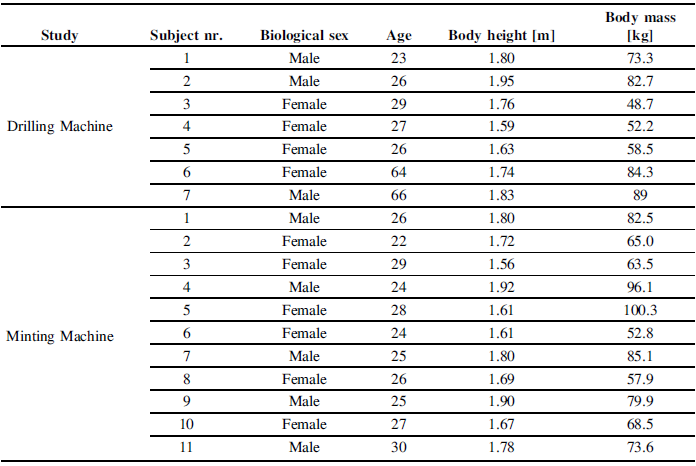
Two independent samples of healthy, right-handed adults participated in the experiments. One group performed the tasks with a PDM, the other with a MM. Different individuals were recruited for each study. In both cases, a balanced distribution in biological sex and variation in age, anthropometric characteristics, and prior experience were sought to capture heterogeneous interaction strategies. All participants provided written informed consent in accordance with the institutional ethics approval. Anthropometric and demographic details of the two groups are provided in Table 1.
Anthropometric and demographic information about participants

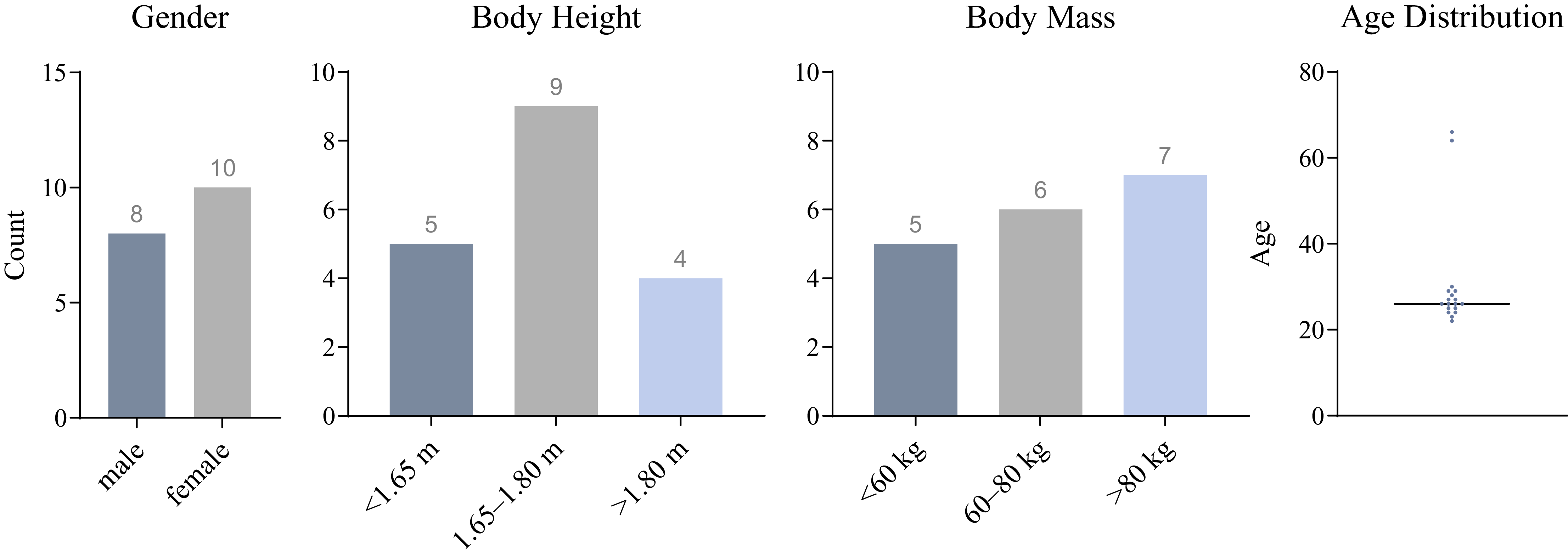
Figure 1 illustrates the overall sample characteristics across both studies.
Overall distribution of participant characteristics across both studies (n = 18)

4.2. Measures
Perceived user experience was assessed using an adapted NASA-TLX questionnaire. The instrument is widely used in ergonomics research and has been shown to be both sensitive and practical for evaluating subjective workload and interaction demands (Reference Mokhtarinia, Rafat, Taheriazam and GabelMokhtarinia et al., 2024). Six dimensions were rated on seven-point semantic differential scales: ease (easy–difficult), comfort (comfortable–uncomfortable), control (uncontrolled–controlled), efficiency (inefficient–efficient), force (easy–heavy), demand (low–high).
To ensure interpretability and comparability across dimensions, all rating scales were transformed prior to analysis so that higher values consistently reflected more favourable user experiences (e.g. higher ease, comfort, control, and efficiency; lower perceived effort and physical demand). To capture localised physical strain, participants additionally marked affected body regions on standardised body maps after each trial. The emphasis of these measures was on emotional and perceptual outcomes, enabling the evaluation of both cognitive impressions and localised physical stress during interaction. These subjective data formed the basis for the cluster analyses.
In addition, in both studies the participants’ movements were recorded with inertial measurement units (IMUs), sampled at 96 Hz (Perception Neuron Axis Studio, Noitom Ltd., Beijing, China). The IMUs were attached to the body segments according to the placement guidelines of the system. However, perception-biomechanics associations (e.g. correlations between loads and ratings) were deliberately out of scope for this pilot study to maintain focus on identifying stable perception profiles.
4.3. Experimental setup
Both studies followed an identical protocol in terms of procedure: participants performed standardised interaction tasks from systematically varied standing positions. After each trial, subjective ratings and body map annotations were collected. The sequence of position conditions was randomised for each participant to minimise order effects. The experimental setup for the PDM included systematic variations of the participant’s standing location, combining three heights (ground, +7 cm, +20 cm) with three distances from the machine (5 cm, 20 cm, 35 cm). In addition, trials with self-chosen distances were included. The dataset comprised 22 measurements per participant, covering two drilling speeds, four self-chosen distances, and nine predefined position variations. Prior experience with the PDM was not considered as a grouping parameter in this study but in a previous analysis (Reference Spelly, Scherb, van Remmen, Wartzack, Miehling and DuffySpelly et al., 2025). The standardised task consisted of grasping the lever, drilling into a workpiece, and returning to neutral stance. For the minting machine (MM), the operator’s position was systematically varied with respect to distance, height, and operating hand. Two distances (35 cm, 50 cm) were combined with two standing heights (ground, +20 cm) and both hands (right, left). This resulted in a total of eight predefined position conditions: (1) 35 cm, ground, right hand; (2) 35 cm, ground, left hand; (3) 50 cm, ground, right hand; (4) 50 cm, ground, left hand; (5) 35 cm, +20 cm, right hand; (6) 35 cm, +20 cm, left hand; (7) 50 cm, +20 cm, right hand; and (8) 50 cm, +20 cm, left hand. Each condition involved a single pressing cycle of the minting lever performed from a neutral standing posture.
5. Results and discussion
In the following, results are presented together with immediate interpretation, reflecting the exploratory aim to derive perception profiles; Section 5.3 provides the integrated cross-machine discussion and Section 5.4 the limitations. The discussion integrates descriptive statistics, cluster profiles, and position- and sex-related effects.
5.1. Drilling machine
This section reports the findings from the drilling machine study. Identified clusters are described in terms of their user experience profiles, followed by analyses of position- and operator-related variations.
5.1.1. RQ1 – user experience profiles
The k-means analysis of the z-standardised Drilling Machine data resulted in a three-cluster solution, which provided a reasonable trade-off between explanatory power and interpretability (average silhouette coefficient = 0.42). The cluster solution explained 61% of the total variance (between-cluster sum of squares = 558.9 of 918.0). Internal homogeneity differed across clusters, with Cluster 1 showing the lowest within-cluster sum of squares (115.7) and Cluster 3 the highest (177.0).
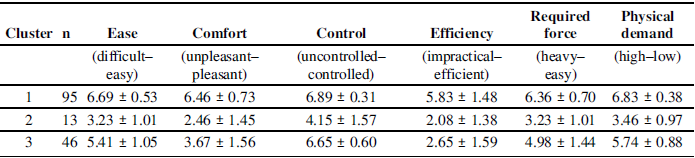
Cluster sizes were unevenly distributed, with Cluster 1 representing the majority of participants (n = 95; 62%), followed by Cluster 3 (n = 46; 30%) and a much smaller Cluster 2 (n = 13; 8%). The descriptive statistics (cf. Table 2) and centroids revealed distinct profiles. Values are reported as mean ± SD.
Descriptive statistics of cluster solutions for the Drilling Machine

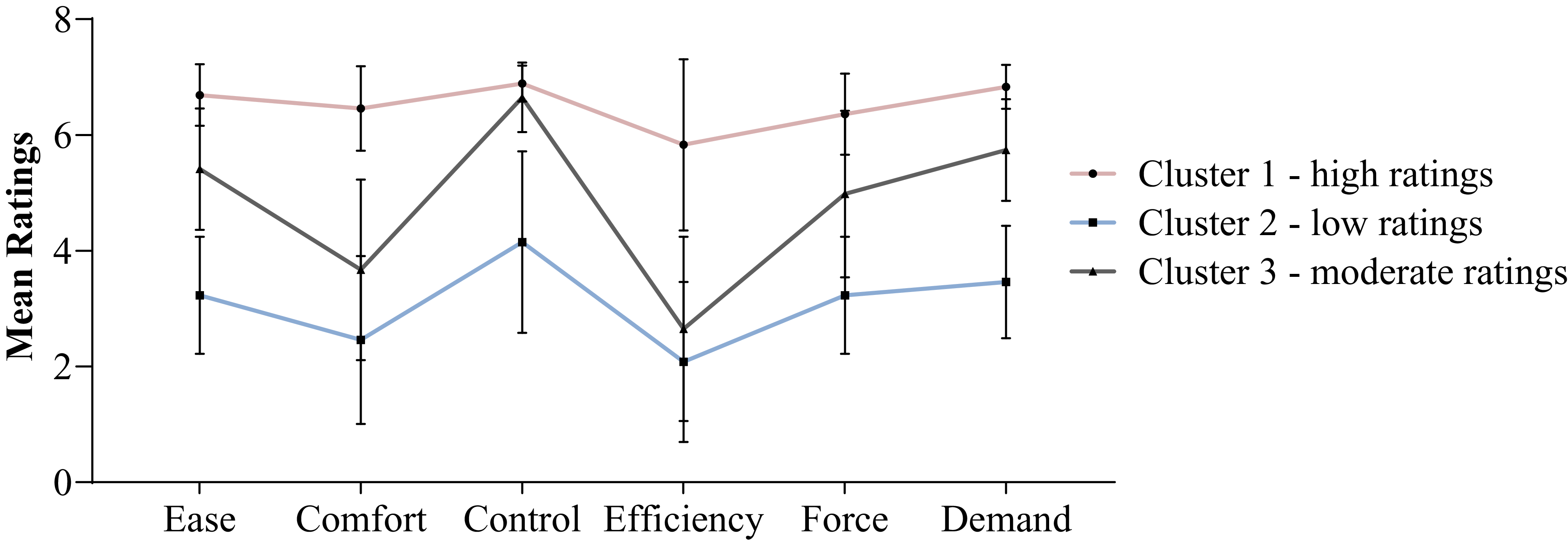
The rating patterns of the three profiles are illustrated in Figure 2.
Cluster profiles for the drilling machine study

Cluster 1 was characterised by consistently high ratings across all NASA-TLX-based dimensions, with mean values between 6.3 and 6.9, indicating that the task was perceived as easy, pleasant, efficient, and only minimally demanding. Cluster 2 represented the least favourable experience, with mean values ranging from 2.1 to 4.1, and centroid values particularly low for control (2.54) and physical demand (2.39). Participants in this cluster thus perceived the interaction as difficult, unpleasant, inefficient, and physically taxing. Cluster 3 showed an ambivalent profile, with ratings for control comparable to Cluster 1 (mean 6.7) but lower scores for pleasantness (mean 3.7) and efficiency (mean 2.7). In this group, the task was experienced as controllable but less enjoyable and more physically straining.
5.1.2. RQ2 – variation with position and operator characteristics
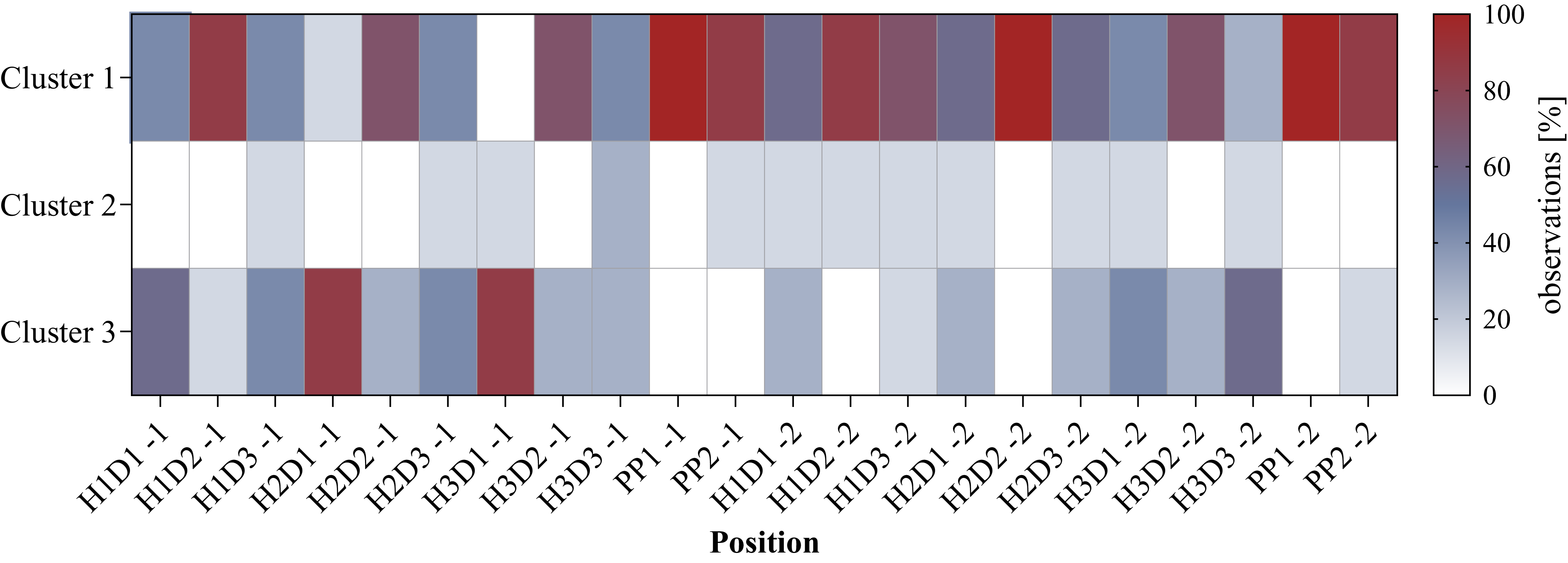
The distribution of cluster memberships across operator-machine positions demonstrated that positional factors had a substantial impact on perceived user experience. In the Drilling Machine protocol, standing height was manipulated at three levels: H1: ground, H2: +7 cm, H3: +20 cm and distance to the machine at three levels: D1: 5 cm, D2: 20 cm, D3: 35 cm. In addition, two trials with self-selected distance at ground level were included at the beginning and end of each session (PP1/PP2). Participants operated the machine with the right hand in all conditions due to the setup. As shown in Figure 3, positive profiles (Cluster 1) dominated in frontal, medium-distance configurations, in particular H1D2 and H2D2, as well as in the self-selected ground-level trials (PP1/PP2), where up to 85–100% of observations fell into Cluster 1. By contrast, negative profiles (Cluster 2) occurred primarily in rear/low-access configurations with either very short or very long reach at the highest platform, notably H3D1 and H3D3, where Cluster 2 reached 14–29% of cases. Moderate profiles (Cluster 3) were most prevalent in intermediate or less favourable reach-height combinations, including H2D1, H3D1, and H3D3, with proportions of 43–57%. Taken together, these patterns indicate that distance (short: 5 cm; medium: 20 cm; long: 35 cm) and height (ground, +7 cm, +20 cm) shaped user experience in systematic and additive ways: medium distance at ground or +7 cm consistently promoted favourable ratings, whereas +20 cm combined with extreme reaches (5 cm or 35 cm) increased the likelihood of ambivalent or negative experiences.
Cluster distribution across operator-machine positions in the drilling machine study

Operator characteristics contributed less strongly than positional factors (see the large position-wise shifts in Figure 3), but revealed consistent trends. Male participants tended to evaluate the tasks as easier, less forceful, and less physically demanding (average deviations of approximately −0.3 to −0.6 points from the overall means for required force and physical demand), whereas female participants reported higher effort and demand, particularly in H3 configurations, but also higher pleasantness and efficiency when height adjustments (H2/H3) were present. Overall, position effects clearly outweighed effects of biological sex, with front/medium-distance setups strongly promoting Cluster 1 and high-platform/extreme-reach setups increasing Cluster 2/3 prevalence.
5.2. Minting machine
The results of the minting machine study are presented next. Again, the cluster profiles are described first, before turning to the role of position and operator characteristics in shaping user experience.
5.2.1. RQ1 – user experience profiles
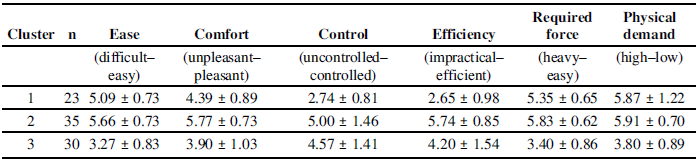
The k-means analysis of the z-standardised minting machine data also resulted in a three-cluster solution, although the average silhouette coefficient was lower (0.31), indicating weaker separation compared to the Drilling Machine. The three-cluster solution accounted for 55% of total variance, which is considered adequate for exploratory clustering of subjective, multidimensional ratings. Given the large number of position-based observations but the limited number of underlying participants, this value indicates a clearly discernible pattern structure rather than noise. Higher cluster numbers only marginally increased explained variance (<5%) while reducing interpretability. Internal cluster variability differed, with within-cluster sums of squares ranging from 55.4 (Cluster 1) to 104.7 (Cluster 3). Cluster sizes were moderately balanced, with Cluster 2 comprising the largest group (n = 35.38%), followed by Cluster 3 (n = 30.33%) and Cluster 1 (n = 23.25%). The centroid structure and descriptive statistics (cf. Table 3) revealed three distinct user experience profiles. Values are reported as mean ± SD. As each participant contributed multiple position-specific observations, the number of male and female data points per cluster does not directly reflect participant counts and was therefore not reported to avoid misinterpretation.
Descriptive statistics of cluster solutions for the minting machine

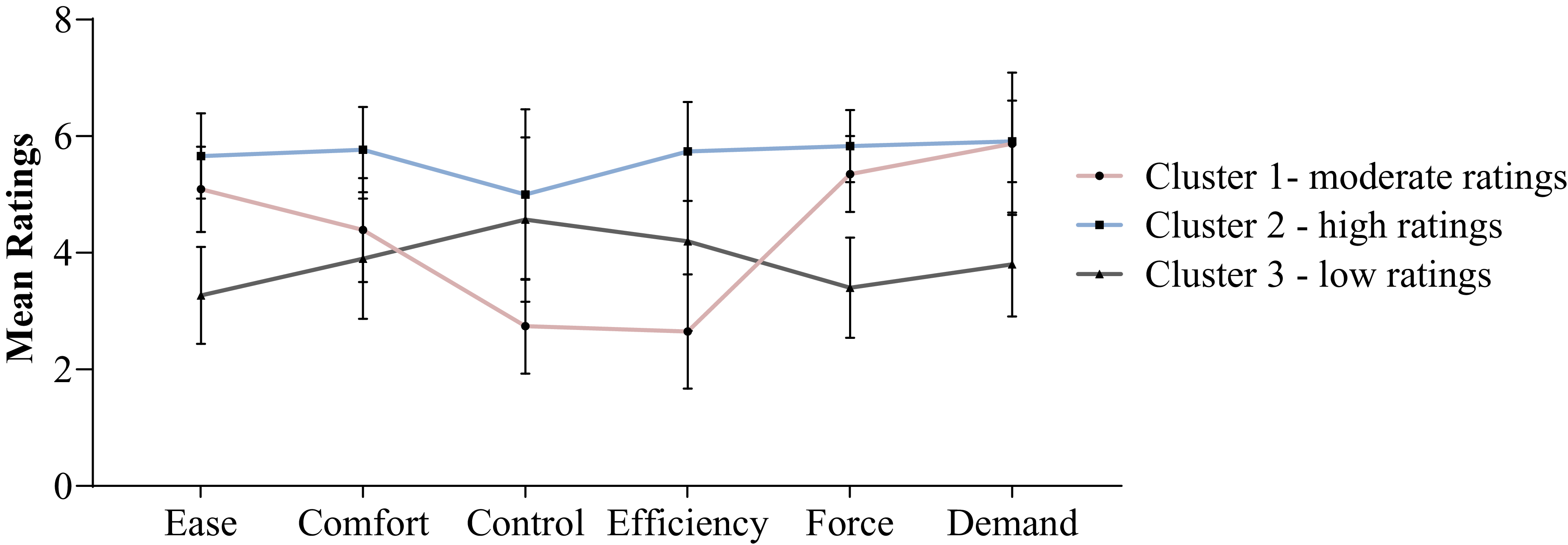
Cluster 2 was characterised by uniformly high ratings across all NASA-TLX-based dimensions, with mean values around 5.7–5.9, suggesting that the task was experienced as easy, pleasant, controllable, efficient, and minimally demanding. Cluster 3 represented the least favourable profile, with means ranging between 3.3 and 4.6. Here, participants perceived the task as more difficult and physically demanding, while control and efficiency ratings remained moderate (≈ 4.0–4.6). Cluster 1 showed a more ambivalent pattern: although the task was rated as physically easy (≈ 5.3–5.9), ratings for control and efficiency were low (≈ 2.7–3.0). This indicates that participants in Cluster 1 did not struggle physically but felt that the interaction was inefficient and insufficiently controlled. The three profiles are visualised in Figure 4.
Cluster profiles for the minting machine study

5.2.2. RQ2 – variation with position and operator characteristics
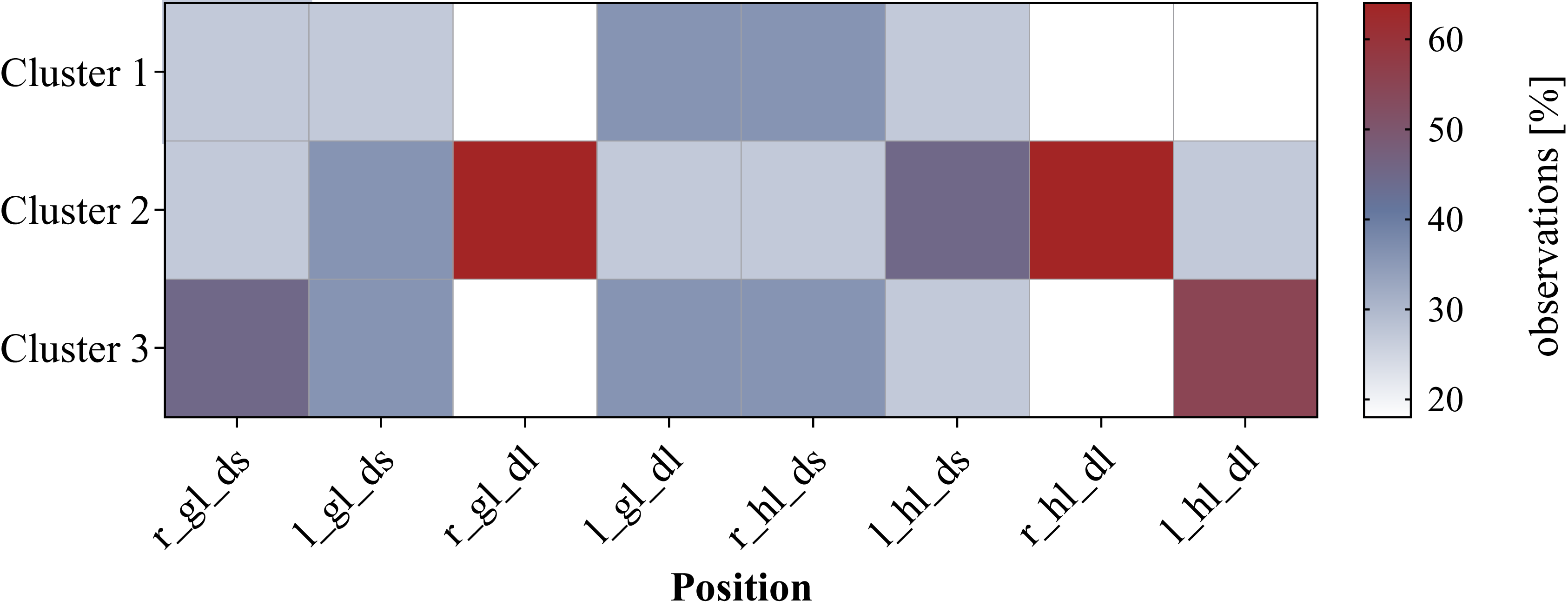
Cluster distribution varied substantially across the eight tested positions, as illustrated in Figure 5. Codes indicate hand (r/l), height (gl = ground level/hl = high level), and distance (ds = short/dl = long). These positions were defined by combinations of hand (right or left), operating height (low, high), and distance to the lever (short, long). For example, Position 3 corresponded to the right hand at ground level and long distance, while Position 7 represented the right hand at high height and long distance. Positive experiences (Cluster 2) were most frequent at Positions 3 and 7, where ratings were consistently high across all dimensions (e.g., ≈ 5.9 for difficulty, ≈ 6.0 for comfort, ≈ 5.3 for control, ≈ 5.7 for efficiency). Positions 1 and 8, which combined more extreme configurations such as low height and short distance with the right hand (r_gl_ds) or left hand at high height and long distance (l_hl_dl), were more often associated with negative profiles (Cluster 3). Here, participants described the tasks as less pleasant and more demanding (e.g., mean comfort ≈ 2.0, mean ease ≈ 2.3 in l_hl_dl). Intermediate positions such as 4 and 5, which typically involved either high distances at ground level or short distances at high height, tended to elicit the ambivalent Cluster 1, where the task was rated as physically light but poorly controllable and inefficient.
Cluster distribution across operator-machine positions in the minting machine study

Sex-related differences were more pronounced than in the drilling study. Women tended to rate tasks as heavier and more demanding (–0.3 to –0.7 points for difficulty, required force, and physical demand) but reported higher control and efficiency, particularly in unfavourable postures (e.g., Cluster 3: control = 5.14 vs. 3.00; efficiency = 4.77 vs. 2.63 for men). Men rated tasks as physically lighter (+0.3 to +0.7) but consistently indicated lower controllability.
Overall, right-hand operation and long-reach configurations (e.g., P3, P7) produced more positive experiences, whereas short–ground-level or high–extended-reach positions (e.g., P1, P8) led to less favourable ratings. These patterns suggest ergonomic priorities: reducing physical load may benefit female users, while enhancing control feedback may support male operators.
5.3. Cross-machine comparison
Cross-machine comparison revealed a common three-cluster structure (positive, negative, mixed). Despite small absolute differences, the relative pattern held, indicating transferable perceptual profiles across similar affordances. The effects of position outweighed those of biological sex: extended reach or elevated stance were linked to less favourable experiences, while ground-level, closer positions were linked to positive ones. In the drilling study, perception diverged from upper-limb biomechanics: far-and-high (H3D3) felt most demanding, consistent with higher shoulder elevation/load, whereas very near (D1) also scored poorly despite moderate upper-limb loads–body-map markings instead indicated trunk/neck strain (Reference Spelly, Scherb, van Remmen, Wartzack, Miehling and DuffySpelly et al., 2025). Operator characteristics were examined mainly in terms of sex, as other factors (e.g., age) could not be meaningfully differentiated in the small sample. Prior experience has been examined in more detail in Reference Spelly, Scherb, van Remmen, Wartzack, Miehling and DuffySpelly et al. (2025). Building on this, a perception layer is added to existing behaviour cards; Figure 6 illustrates an exemplar behaviour-experience card for a favourable mid-reach configuration combining joint-angle strategy with clustered perceived experience.
Example of a behaviour-experience card linking posture and interaction quality

Overall, these convergences suggest potentially transferable experience categories that may guide ergonomic design, pending validation. In this way, the identified profiles provide an empirical basis for extending DHM/MHM simulations to integrate a perception layer that anticipates subjective experience of comfort, control and demand in relation to specific posture–reach configurations.
5.4. Limitations
The present work is subject to several limitations that need to be considered when interpreting the findings. First, the sample size was small, reflecting the pilot nature of the study. This limits the generalizability of the results and precludes statistical inference or the application of robust significance testing. The analyses should therefore be regarded as exploratory. Second, several uncontrolled factors may have influenced the results, including prior experience with the machines, anthropometric variability, and age distribution, which may also have affected cluster formation and stability. Although these aspects were considered descriptively, they could not be systematically controlled due to the limited participant pool. Furthermore, the reliance on self-reported measures introduces subjectivity and potential response biases. Finally, the experimental designs of the two studies were necessarily similar but not identical. Variations in machine setup required different height, distance and hand configurations, which may limit the direct comparability of perception clusters across machines and their transferability to other operational contexts.
6. Conclusion and outlook
This study identified three recurring user perception profiles across two types of manually operated machine: predominantly positive, demanding/negative and mixed. The emergence of these patterns in both the drilling and minting tasks suggests that subjective experience in manual machine operation follows transferable structures rather than being based on individual variation alone.
The operator’s position was the strongest determinant: ground-level and medium-distance setups were consistently associated with positive experiences, whereas elevated and extended-reach postures often resulted in discomfort and a reduced sense of control or efficiency. Sex differences were evident but less systematic, indicating that spatial configuration has a greater impact than individual factors on shaping user perception in this pilot sample.
These findings provide the first empirical basis for supplementing existing biomechanical behaviour cards with a perceptual layer (Reference Wolf, Fackler, Reulbach, Wartzack and MiehlingWolf et al., 2022). We propose the use of ‘behaviour-experience cards’ as concise descriptions of recurring experience profiles, incorporating typical rating patterns, common triggering postures and practical design cues (e.g. ‘avoid high × far’, ‘prefer mid-reach’). Such cards would help designers to anticipate not only mechanical feasibility, but also how interactions are likely to feel, particularly in the early stages of digital human modelling workflows.
Future work will need to validate these perception profiles in larger and more diverse samples, test them across further machine types with different affordances and link them with biomechanical indicators. Ultimately, this line of research aims to establish practical heuristics that systematically integrate subjective experience into the development of ergonomic products.
Acknowledgement
The authors would like to thank all the study participants for their valuable contributions and time. Additionally, the authors would like to thank the German Research Foundation (DFG) for the financial support and funding of the project 398054801 (WA 2913/32-3).


 Open access

