

Imagining what the earth might look like in the year 802701 seems absurd. The date is unfathomably distant: some 160 times longer than the roughly 5,000 years that comprise all of recorded human history. What could we hope to know about such a remote moment in time? What methods could we use to speculate so far into the future? How could any knowledge we generated in the process be made relevant or meaningful to our daily lives in the present? The sheer size of what this number signifies – the astonishing magnitudes of time it invokes – makes the task of narrating it seem inherently unrealistic.
But from another point of view, such a date seems not just realistic, but essential. H. G. Wells considered the year 802701 necessary for his purpose of providing readers “a glimpse of the future that ran counter to the placid assumption of that time that Evolution was a pro-human force making things better and better for mankind.”1 To that end The Time Machine (1895) envisions a world in which Homo sapiens has diverged into two subspecies – Eloi and Morlocks – a process that would, by Wells’s reckoning, realistically take thousands of generations to unfold;2 yet the protracted temporality of species change dwarfs the lifespan of an individual human being to such an extent that for Wells’s protagonist to experience it firsthand as an event, or a “glimpse,” the novel’s durée must stretch and contract in ways that destabilize its status as a believable account. The scale required to support the story’s scientific credibility, in other words, undermines that which sustains its narrative plausibility.
This antimony is exacerbated in the surprising detours that occur toward the end of the story, when the Time Traveller is propelled many millions of years forward into post- and nonhuman time: to an age of weird amphibious blobs, to black seas under a cold sun, to a moment when the earth stops turning. These latter scenes push far beyond the scope of evolutionary pessimism, opening onto a vastly larger horizon of cosmic indifference. Jumping over thousand- and then million-year gaps, the story maroons its own narrative devices in environments that are increasingly hostile to human experience, and to the aesthetic forms that mediate it. The protagonist himself seems aware of this: standing on the distant shores of this alien planet, no longer recognizable as Earth, he relates:
From the edge of the sea came a ripple and whisper. Beyond these lifeless sounds the world was silent. Silent? It would be hard to convey the stillness of it. All the sounds of man, the bleating of sheep, the cries of birds, the hum of insects, the stir that makes the background of our lives – all that was over. … In another moment the pale stars alone were visible. All else was rayless obscurity. The sky was absolutely black. A horror of this great darkness came on me.3
This scene becomes “hard to convey” as description breaks down, as the fabric of the everyday – the “stir that makes the background of our lives” – transforms into its negative. Here, a conspicuous absence stands in for the mass extinction not just of living forms but also of the vibrant frequencies that make up life’s sensorium. Faced with the solipsistic loneliness of the cosmic abyss, the Time Traveller experiences, as one might expect, horror.
We might read the incursion of horror at this moment, eons into the future, as a symptom of scalar derangement – a crisis of scale which, in this case, takes on both psychological and formal dimensions. By voyaging to such a distant time, the Time Traveller becomes the last surviving representative of his species: an “endling.” In the process, he unwittingly touches the edge of a vast frame of narrative possibility, one large enough to encompass all potential plots whose futurity depends, ultimately, on the existence of other human beings. On this strange planet, the protagonist’s only remaining companions are a monstrous, tentacular creature and the tumultuous elements; the only available actions for him are escape and survival, or death. The barrenness of this uninhabitable earth winnows the novel’s “character-space” to one; its environment obviates typical strategies – whether comic or tragic – of novelistic closure.4
Horror takes on a dual function in this situation: it serves as a description of the protagonist’s subjective feeling but also as a signal that alerts us to a shift of genre, to a change of readerly expectations. What started off as an adventure has morphed into a testimony of existential dread, the darkest night of the soul. We might regard this shift as the novel’s last resort: a seemingly autonomous attempt to survive the annihilation of its plot through a textually reflexive transformation – a sudden reconfiguration of its narrative devices into a new pattern of signification. And if we conceptualize this shift as one that occurs along a continuum of scalar complexity, it becomes clear that the novel’s efforts to represent the demise of the planet, up to and including its consumption in the eventual heat death of the universe, end up recapitulating entropic decay in miniature. It is as though, having dissipated the complexities of plot, character, and eventually language itself, the novel reverts to a more archaic, “primitive” mode.
–
On its imagined journey through the eons, The Time Machine brings us into contact not only with new and unfamiliar forms of life but also with a set of scalar paradoxes that have become all too familiar to us today. Narrating on scales that vastly exceed the individual subject involves taking serious formal and aesthetic risks. Yet, despite these risks, we now find ourselves resorting to increasingly extreme perspectives to make sense of a crisis in which planetary systems that once seemed impossibly remote have shifted to the foreground of lived experience, confronting us with daily reminders that our most mundane, everyday practices are entangled with – and to varying degrees directly responsible for – the ongoing catastrophes of climate change, ecological collapse, and mass extinction. As our search for narrative forms capable of navigating the bewildering conditions of the present becomes increasingly urgent, problems of scale pose pressing concerns not just for ecocritical approaches to literary studies but also, this book argues, for all fields – political, cultural, sociological, and scientific – that utilize narrative tropes, devices, and procedures to organize knowledge and communicate its significance.
The Time Machine provides both a starting point and a limit case for thinking about the questions that motivate this book: How far can novels stretch across space and time? Are they restricted in the extent and number of scales they can represent? If so, how might we ascertain those limits, and what might it mean to exceed them? To address these questions, I set out to investigate the scalability of the modern novel by examining how relationships of size and proportion organize stories into certain shapes, and showing what happens when they are stretched to breaking point. Conceptualizing the processes, devices, and dynamics of narrative systems in terms of scale allows us to reconsider how shifts of magnitude can impact the perceived integrity, unity, and totality of novelistic worlds, as well as our own. This study draws on new and emerging understandings of scale, but it also attends to how novelists writing at the turn of the twentieth century understood its meanings and implications; how their work engaged with historically specific epistemologies of scale and responded from a differently situated perspective to the accelerating pace of modernity. It will consider how their strategies for mediating problems of scale shaped artistic practices and cultural expectations in profound and ongoing ways, and how the representational challenges and imaginative dilemmas that motivated aesthetic innovations more than a century ago speak to our contemporary situation.
In the chapters that follow, I set out to show how an interconnected group of authors writing in Britain around the turn of the twentieth century – H. G. Wells, Thomas Hardy, Joseph Conrad, and Virginia Woolf – developed a related set of techniques for rescaling novelistic form, for dramatically expanding the scope of fiction during a period when changing ideas of scale were upending the domain of everyday life and causing profound cultural anxieties about deep time, evolution, globalization, and extinction. For these authors, incorporating such vast scales in novels directly (that is, not just obliquely or symbolically) meant abandoning the limited perspectives of individual experience and entering the often inhospitable worlds being revealed by increasingly powerful methods of scientific observation: worlds that existed above and below the threshold of human perception, protracted in space between the subatomic and the interstellar; in time, between the microsecond and the geological epoch. I show that while these increasingly extreme perspectives were, by the turn of the twentieth century, considered necessary for sustaining empirically accurate accounts of reality, they were also at odds with the novel’s prior commitments to the scale of daily life: the scale on which it cultivated a convincing richness of detail that lent plausibility and verisimilitude to fictional events; the scale on which it produced reality effects. To exceed that scale was, in other words, to push the limits of realism itself. Those limits can be detected, I argue, by the way that authors writing at the turn of the century returned to generic styles that had been ostensibly outmoded or superseded by the realist tradition – including melodrama, romance, horror, and epic – as a means of narrating empirically observable realities that nevertheless seemed to lie beyond the reach of the realist conventions.
This book regards what I unify under the term “the modern novel” as a media technology for thinking scale at a moment of planetary crisis, one preceding but indelibly linked to our own. It situates its analysis at a time of severe change in the history of earth systems, a time when a growing awareness of the global impacts of industrialization, imperialism, and a slow-gathering ecological disaster made the position of individual experience within such vast systems seem newly palpable – and problematic. While a text like The Time Machine makes the notion of “media technology” explicit in its title, in what follows I discuss how the style of long-form prose narration that typifies novels in general was adapted for imagining multi- or trans-scalar access5 – for generating scenarios that enabled characters (along with readers) to negotiate between domains and to slip, whether seamlessly or painfully, across different orders of magnitude. We are used to thinking of novels in terms of their capacity to nest the intimacies of human experience within concentrically larger circles of consequence – to frame the habitus of daily life within communal, national, and international spheres, but we are much less accustomed to describing their strategies for handling content that threatens to obliterate the significance of their most integral, fundamental unit of meaning: the individual subject. In what follows, I examine the ruptures that occur at moments when the everyday lives of individuals are juxtaposed with events and phenomena of such radically dissimilar sizes, speeds, and durations that the scale of the latter seems incommensurable – that is, lacking a common basis of comparison, or shared standard of measurement – with the former. When these scales cannot be fully reconciled or integrated within a single, linear narrative, their collision produces dramatic shifts of style and tone as they compete for the time of description and the space of plot. In such cases a particular tension arises between content and form, a kind of instability that occurs when a sudden and severe change of degree causes a novel’s organizing procedures to be distended or disrupted by its own outsized features. Studying these moments, I argue, helps us understand the scalar derangements that beset our contemporary situation, to comprehend why our experience of crisis is so consistently characterized as a loss of self-proportion, and why we continue to imagine the everyday as the ultimate horizon of the real, despite the risks of doing so.
–
Problems of scale inform the representational capacities of fiction, not just at geological or cosmic magnitudes, but across the horizons of social life as well. George Eliot famously wrote that the most powerful effect a work of art can achieve is the “extension of our sympathies.”6 But how far can our sympathies realistically extend? When she made this influential claim in her 1856 essay “The Natural History of German Life,” Eliot was advocating realism as an aesthetic strategy for communicating the lived experiences of the working classes to a reading public whose daily reality seemed distantly removed from the immiserations of the urban slum and the factory floor. She reasoned that since each of us encounters the world from within a self-contained, individual perspective, we experience it via our own highly subjective moments of being, rather than through “generalizations and statistics.” In making this point, Eliot was by no means promoting a crude phenomenological assertion that personal knowledge is the only reality we can ever know, nor that it is the most inherently authentic mode of knowledge; instead, she was arguing that, given the severe limitations of an individual’s experience, art should seek to extend its range by resembling the closest thing to it.
To cultivate what Eliot called “the raw material of moral sentiment,” novels should therefore provide readers with the most credible and persuasive alternative to interpersonal contact. To do so they needed to pierce impersonal categories like “‘the people,’ ‘the masses,’ ‘the proletariat,’ ‘the peasantry,’” which might be useful as sociological abstractions but could never be experienced directly. At the same time, they needed to repudiate the kinds of artistic generalizations and misrepresentations that impeded genuine sympathy. Stock characters, she argued, bore little resemblance to real people, but timeworn tropes that either idealized laborers as honest, merry yokels, or else caricatured them as boorish louts proved “difficult to dislodge from the artistic mind, which looks for its subjects into literature instead of life.” Art needed to surmount the generic to become “the nearest thing to life”; only then could it truly become “a mode of amplifying experience and extending our contact with our fellow-men beyond the bounds of our personal lot.”
It is one thing to extend our contact with people whose lives are much different than our own, but what happens when novels undertake to “amplify experience,” as Eliot puts it, to scales that exceed not just the “bounds of our personal lot” but also the bounds of life as we know it? How far can novels extend our contact across time and space – into the deep past or the far future – to generations of people who do not yet, and may never, exist? How broadly can they extend our contact beyond the human – to other forms of life, or to nonliving objects, or to planetary forces? Under such protracted conditions, how can narrative forms like the novel satisfy the aesthetic burdens of realistic representation? How can they achieve and maintain the level of detail that confers a mimetic aura? While these are clearly salient questions for contemporary literature, they cannot be confined to critical studies of the present. At the same time, contemporary understandings cannot be applied retroactively through a simple process of substitution, as though new vocabularies and methods could be overlaid neatly onto the epistemological terrain of the past. It is increasingly clear that there is a transhistorical connection between what some contemporary scholars are calling our “crisis of scale” and what authors writing almost a century earlier recognized as a complete “change of scale in human affairs.”7 This correspondence, I argue, is more than semantic: its resonance suggests that these are in fact observations of the same ongoing phenomenon – an echo returning from two locations separated in time.
Form, Development, and the Accelerating Pace of Change
This book investigates how the novel, a form adapted to depicting life at a certain pace, reacted to sudden and radical changes of scale. Its argument supposes that certain scales that functioned as the predominant horizons for novelistic representation were and are still being strained by an ongoing process of exponential acceleration, and it is therefore important first to specify the dimensions of human experience upon which novelistic form was modeled. Mark McGurl proposes that we might regard the “rise and subsequent history of the novel” in terms of a gradual “compression” of narrative form, whereby the novel resolves the “problem of scale” by tightening its focus on the human, and excluding what lies beyond it: “Whether pitched at the level of small-scale intimacies or straining toward a grasp of the entire social system, the limits of the novel are defined by the limits of the human – which, to be sure, leaves space enough for a discourse of majestic complexity.”8 Canonical accounts of the novel’s historical development emphasize that it was the first form to take seriously the rhythms and structures of everyday life.9 Its commitment to representing the secular world of individual subjects, as Michael McKeon argues, marked a significant departure from the mythical, romantic ambits of its predecessors.10 This shift of priority involved not only a change of subject matter but also major adjustments to the pace of storytelling, since, as Ian Watt explains in The Rise of the Novel, the “novel’s closeness to the texture of daily experience directly depends upon its employment of a much more minutely discriminated time-scale than had previously been employed in narrative.”11 One might add that alongside new techniques for scaling down to the mundane textures of the everyday, the novel’s ability to generate narrative significance likewise depended on new techniques for scaling up, for extrapolating larger meanings from within the much more tightly compressed space and time of daily experience.
Modern theories of the novel tend to regard these limitations as productive constraints, an idea perhaps best exemplified in György Lukács’s discussion of biographical form. What makes the novel distinctive as a modern narrative system, Lukács contends, is its “refusal of the immanence of meaning to enter into empirical life.” This, however, “produces a problem of form,” since liberating the novel from immanent meanings also means shedding prescribed narrative telos, exposing it to what Lukács calls “a ‘bad’ infinity.”12 The novel therefore “needs certain imposed limits in order to become form,” limits it borrows from the pattern of an individual’s life story, whereby a “heterogeneous mass of isolated persons, non-sensuous structures and meaningless events receives a unified articulation by the relating of each separate element to the central character and the problem symbolized by the story of his life.”13 Biographical form thus supplies narrative closure while nevertheless (as Lukács clearly understands) shifting a tremendous amount of symbolic significance onto individuals, and staking the meaning of external events to the temporalities of character development.
This book attends to situations in which the novel’s two central commitments, “closeness to the texture of daily experience” and fidelity to empirically observable reality, become contradictory. If, as critics like George Levine have convincingly argued, the rise and popular success of the realist novel was strongly linked to the rise of empiricism, and its signature innovations – accurate observational distance, precisely detailed description, impartial authorial tone – were closely related to the procedures of the scientific experiment, what happened when these mimetic techniques were made to contend with the unimaginable vastness that was the actual object of scientific inquiry?14 How, for example, could a novel reconcile the temporality of daily life with the timescale of the geological epoch, or with theories of entropy that anticipated the extinction of the sun, followed eventually by the “heat death” of the universe – “the end of all physical phenomena”?15 At the other end of the spectrum, how could a novel reconcile the daily lives of human characters with the granular detail of microscopic worlds? As the narrator of Middlemarch famously warns us, looking too closely at the surface of the everyday threatens to reveal layers of complexity so overwhelming that, “our frames could hardly bear much of it.”16 We do not need to journey to the edge of the cosmic abyss, as Wells’s Time Traveller does, to experience the terror of the infinite; Eliot’s narrator reminds us that it can be found much closer to home: “If we had a keen vision and feeling of all ordinary human life, it would be like hearing the grass grow and the squirrel’s heart beat, and we should die of that roar which lies on the other side of silence. As it is, the quickest of us walk about well wadded with stupidity.”17 It is precisely these insulating, limiting qualities that help us manage problems of scale. They are useful adaptations that allow us to navigate and survive in the world by narrowing our sensory perceptions to a range of volumes and frequencies that our bodies and brains can process. Just beyond our embodied perceptions lies a much vaster reality, and while Middlemarch speculates about how we might experience life from alien perspectives and at much faster speeds, its action sticks to its titular middle ground, progressing at a pace that the “frames” of its human characters can handle.
Ironically, just at the moment when mechanisms of biological adaptation were becoming widely understood, the accelerating pace of technological change seemed to be outstripping the generational pace of human evolution. This is the crisis at the heart of Wells’s 1908 novel The War in the Air. Set in the near future, Wells’s narrator longs nostalgically for a recent past that already seems irrecoverably distant, a time when “gentle and noble emotions had been a fine factor in the equipment of every human being,” a time before the emotional “equipment” of the species had been mutated by a “wild rush of change in the pace, scope, materials, scale, and possibilities of human life.”18 The novel depicts a runaway arms race that culminates in worldwide conflict, and within a decade its proleptic vision of mechanized aerial warfare would shift from fictional speculation to an uncannily accurate description of daily reality across Europe:
All the old settled mental habits and traditions of men found themselves not simply confronted by new conditions, but by constantly renewed and changing conditions. They had no chance of adapting themselves. They were annihilated or perverted or inflamed beyond recognition.19
For Wells, this fundamental transition in human perception was the logical, predictable consequence of current social, scientific, and technological trends – of an unrelenting “escalation” that was distorting cognitive and emotional mechanisms that had no time to adjust. Human beings were altering the environment at a global scale, but “had no chance of adapting themselves” to it. These sentiments seem far bleaker than Virginia Woolf’s famous remark, “On or about December 1910, human character changed,” delivered in an essay that also famously rebuked Wells’s characteristically oversized point of view. Woolf nevertheless shared with Wells a sense that the “settled mental habits” of everyday life had been fundamentally altered in less than a generation.20 “A shift in the scale – the war, the sudden slip of masses held in position for ages,” she wrote – “has shaken the fabric from top to bottom, alienated us from the past and made us perhaps too vividly conscious of the present.”21 Whereas Wells might have anticipated that total war would rupture the fabric of reality, Woolf held that his writing could no longer adequately describe the subjective experience of living in the future he had predicted.
The scalar changes both writers observed tend to be associated with the “shock of the new,” a moment of impact whose affective tremors produced aesthetic and formal corollaries distinctive to literary modernism.22 This book argues that the shock can be traced further back to a series of seismic shifts during the late-Victorian period that inaugurated profound changes in “the scale of human affairs.” While for Britain this time can be described in terms of “industrial modernity” or as the “age of imperialism,” its literature bears witness to a fragmented and uneven pace of development. At its peak, the British Empire was aspiring to manage a global political network even as it was still internally adjusting to the social upheavals of the industrial revolution. Scale became an essential concept for surveying space and surveilling populations, for exerting managerial control both inside and outside of national borders. Urbanized spaces bordered on undeveloped countryside, and a process of “endocolonization” was running concurrently with imperialist expansions.23 Thus Joseph Conrad could accurately describe his historical present in terms of the disappearing possibilities for growth overseas, as a time in which all “the blank spaces of the earth” were being filled in, while Thomas Hardy could just as accurately describe it as an age of extinction for “country customs and vocations,” which were becoming “obsolete and obsolescent” so quickly and completely that if his novels mischaracterized them, “nobody would have discovered such errors to the end of Time.”24
During this period, the accelerating pace of change could be experienced directly, as a physical sensation of speed. Between 1860 and 1920, the distances covered by railway lines grew by an order of magnitude, from 100,000 to 1,000,000 kilometers.25 This produced an exponential increase in the speed and length of travel, but it also, as Enda Duffy writes, “was offered to masses of people as a simulacrum of force and a source of imaginary personal empowerment.”26 The new availability of “speed experience,” Duffy observes, reshaped the late-Victorians’ understanding of “scale, perception, distance, and space. It also altered the spatial metaphors and tropes they introduced into their thinking and dreaming on all aspects of their existence.”27 The railway is of course more than figuratively significant in literature of the period; the plots of novels by, for example, Dickens, Eliot, Tolstoy, and Hardy, depend on it directly. But train travel also changed the production of fiction in material ways: reading habits were shaped by the distance and duration of daily commutes, publishers printed specific editions for this emerging market, and booksellers sold their products directly in the stations. It seems plausible to speculate that the forms of fiction that emerged, thrived, and proliferated during the late-Victorian period were those best adapted to the speed of railway travel.28 Yet for all of its revolutionary impacts on the pace of life, the railway also provides an object lesson on the limits of scalability. This iconic modern technology was (and still is – in ways that are important to the argument of this book) constrained by the path of its development, and by the anterior forms from which it evolved. As Wells explains in his much-fêted work of futurology, Anticipations: An Experiment in Prophecy (1901):
People of to-day take the railways for granted as they take sea and sky; they were born in a railway world, and they expect to die in one. But if only they will strip from their eyes the most blinding of all influences, acquiescence in the familiar, they will see clearly enough that this vast and elaborate railway system of ours, by which the whole world is linked together, is really only a vast system of trains of horse-waggons and coaches drawn along rails by pumping-engines upon wheels.29
Wells notes that while it may seem new and efficient, “Railway travelling is at best a compromise … indeed it is the result of accidental impediments, of avoidable difficulties that we travel to-day on rails.”30 He notes that the railway originally provided a solution for transporting heavy loads of coal, a fuel that had been in use in England since Roman times, to increasingly populous cities. The railway’s potential as a mode of public transportation was only an afterthought, and Wells argues that a lack of foresight meant that it followed an “obvious path of development and one immediately cheaper, and along that path went short-sighted Nineteenth Century Progress, quite heedless of the possibility of ending in a cul-de-sac.”31 He points out that as a cost-saving measure, the first railways followed existing tramlines.
These tram-lines very naturally had exactly the width of an ordinary cart, a width prescribed by the strength of one horse. Few people saw in the locomotive anything but a cheap substitute for horseflesh, or found anything incongruous in letting the dimensions of a horse determine the dimensions of an engine. … By mere inertia the horse-cart gauge, the 4 ft. 8½ in. gauge, nemine contradicente, established itself in the world, and now everywhere the train is dwarfed to a scale that limits alike its comfort, power, and speed. Before every engine, as it were, trots the ghost of a superseded horse, refuses most resolutely to trot faster than fifty miles an hour, and shies and threatens catastrophe at every point and curve.32
Wells would not have been surprised that “horsepower” remains a standard unit of measurement to this day. His analogy (an example of what economists and social scientists call “path dependence”) is intended to remind the reader that technological developments also run deep into the past, and that formal limitations are often inscribed in historically obscure or occluded origins. For Wells, “the ghost of a superseded horse” was detectable in all sorts of modern forms, including the novel.
In a similar vein, this book is about the path-dependency of the modern novel, and the polyvalent forms and genres that inhabit it. I am concerned with how the novel adapted and repurposed the shapes, figures, tropes, and devices of older forms to meet its evolving representational needs, but also how these forms could inhibit its expressions, or create vestiges that survived, sometimes unintentionally, far into the future. In this respect, my approach draws on a growing body of theoretical work that calls for renewed attention to questions form and genre, particularly Caroline Levine’s notion of “affordances,” by which she names “the potential uses or actions latent in materials and designs.”33 Affordances, Levine explains, need not always be the intended purposes of an original design; instead, they can arise from different and sometimes accidental applications, which can yield unsuspected properties and further uses, new capacities. This generative insight has broad applications beyond the literary, but its aesthetic implications are most salient to my argument here. In “The Enormity Effect,” Levine shows how affordances shape the scale of novels as well as the scale of our critical reading methods. She argues that the sheer magnitude of a novel like Bleak House embodies the “methodological problem” of dealing with big numbers in literary studies, because its gigantic mass of words forces us to confront the “challenge of valuing the massive reality of ordinary experience when we have the time and space, the formal resources, to pay close and respectful attention to just a few special cases.”34 Yet both of these issues – the huge length of Dickens’s novel and the gigantic extra-canonical archive of the great unread – are issues of extrinsic scale. The intrinsic scales in question for Bleak House relate to aspects of narrative design, and have to do with representations of size, duration, and distance. Levine suggests that here realist novels encounter limits. They can only gesture toward unrepresentable magnitudes by means of their narrators, whose voices state (in asides) that the “enormous scale of the real is explicitly too much for us and the novel.”35 Anna Kohnbluh concurs that “it is this formal writing of limits – the formalization of limits – and not the exceeding of them – that comprises Bleak House’s realism and indeed its political formalism.”36 These arguments resonate with Julie Orlemanski’s observation, that scale “remains a literary event, taking place in acts of reading, both distant and close”; and that “extrinsic and intrinsic determinants of literary scale cannot be reduced to one another, and neither can they be completely distinguished.”37 While this book is primarily concerned with intrinsic determinants – the strategies novels use to get to far-flung times and places, to narrate across the extreme magnitudes Levine calls “the enormous scale of the real” – it will also consider how those strategies are engaged with the extrinsic force of genre, which shapes our reading habits in advance and prepares us to encounter texts at certain scales.
We Latest Victorians
Which is not to say these are solely literary concerns. As is increasingly apparent, ours is a time marked by global crises whose precedents can be found only within the long, deep histories of the planet itself. Yet the bewilderment that ensues when we attempt to reconcile the severity of this situation with our own subjective points of view dramatizes the limits of our ability, as individuals, to rationalize the familiar worlds we inhabit alongside a strange one that is changing at an ever-accelerating pace before our eyes. A growing number of names have been ascribed to this phenomenon in recent years. Most familiar is the Anthropocene, the provisional term for the geologic epoch marked stratigraphically by the impact of human activity. As the International Commission on Stratigraphy moves closer to ratifying the Anthropocene as an official geologic present, its potential starting point or “golden spike” remains uncertain: it might begin with the earth’s irradiation by nuclear weapons, or the widespread consumption of fossil fuels involved in mass industrialization, or it might be extended to circumscribe everything from the first appearance of the human species. In 2016, The Guardian reported that “the best candidate for such a golden spike are radioactive elements from nuclear bomb tests, which were blown into the stratosphere before settling down to Earth”; yet radioactive fallout is by no means the only signal, and when it comes to finding evidence of our presence in deep time, “we are spoiled for choice.”38 This sense of being bombarded and overwhelmed by a relentless layering of signals – by patterns of data whose significance fluctuates widely over different scales of time and space – is not limited to scientific study. This is because, as Dipesh Chakrabarty has observed, the Anthropocene requires us to “think of human agency over multiple and incommensurable scales at once,” to collapse the long-standing distinction between “human” and “natural” history.39 This collapse reverberates across the university as well: under the name of the Anthropocene, the humanities, the social sciences, and the natural sciences are thrown together (once again) by phenomena whose immensities produce an atmosphere of methodological and theoretical uncertainty, but which fall back inescapably to the present in the form of urgent political realities.
While scale is a necessary concept for understanding the magnitude of our ecological emergency, it is also one that threatens to disrupt the systems of measurement that we use to frame events and communicate their importance. “One symptom of a now widespread crisis of scale,” explains Timothy Clark, “is a derangement of linguistic and intellectual proportion in the way people often talk about the environment, a breakdown of ‘decorum’ in the strict sense.”40 Conflating the personal and the planetary can yield nonsensical imperatives, such that “a sentence about the possible collapse of civilization can end, no less solemnly, with the injunction never to fill the kettle more than necessary when making tea.”41 Bruno Latour makes a similar point: recalling a newspaper article in Le Monde, he asks, “[h]ow can we absorb the odd novelty of the headline,” which informs us that, “‘[t]he amount of CO2 in the air is the highest it has been for more than 2.5 million years – the threshold of 400 ppm of CO2, the main agent of global warming, is going to be crossed this year’?”42 The urgency of such a warning – the suspense it generates about an irreversible boundary about to be transgressed – is undercut by the dizzying combination of figures it invokes (2,500,000 years ago, a date perhaps ten times more distant than the first appearance of modern humans; 400 parts per million, of an invisible molecule accumulating at dangerous levels in the atmosphere). Nor can the entangled loops of such an event be neatly unwound in the linear thread of a newspaper story. Since so many factors contribute to it, and since so many people in so many places and times are potentially affected by it, the crisis seems to lack coherent structure. Its plot proliferates, jumping from the individual to the local to the national; its themes spread in all directions, from the scientific to the political to the ethical. “I think that it is easy for us to agree,” concludes Latour, that “people are not equipped with the mental and emotional repertoire to deal with such a vast scale of events; that they have difficulty submitting to such a rapid acceleration” and responding to a “call for action” that “has none of the traits of their older revolutionary dreams.”43
It is not just people who struggle. As these examples illustrate, problems of scale also have profound effects on the narrative systems we use to report, describe, and mediate reality – on the forms we use to frame the world by configuring events into meaningful patterns. We are torn between multiple, often contradictory realisms occurring on multiple scales: there is the kind of analytic realism that inheres in acknowledging that our collective behaviors as a species are ruining life on the planet at increasing speeds; and then there is more familiar realism of our own lived experience – the horizon on which we encounter, dispute, revise, or recapitulate this fact as individuals. Our contemporary crisis of scale is therefore also a crisis of representation – a problem of discovering how to feel and think and write over immensely distributed spans of space and time, and to do all of this from within the limitations of linguistic description and narrative sequence.
By studying textual representations of deep time, as well as the formal and aesthetic effects associated with extreme narrative durées, this book attempts to think through and with the Anthropocene as a site of experience whose origins superannuate our contemporary terminologies. However, its efforts to establish connections between novels written around the turn of the twentieth century and our contemporary crisis of scale are less concerned with using new terms and concepts to illuminate older texts than in showing how those texts were already being shaped, formally and aesthetically, by their engagements with prior manifestations of the same, ongoing processes. These texts both anticipate and inform the ways in which we imagine our contemporary situation. “Since we are both inside industrial society and inside the Anthropocene,” as Tim Morton has recently argued, “we are still inside the Victorian period, in psychic, philosophical, and social space. … And this is not just a fanciful notion on my part. It means that we confront gigantic entities that the Victorians also confronted – geological time, vast networks of industry. And we have the same feelings about them.”44 Our received understanding of these “emerging” concepts, in other words, is already conditioned by an earlier set of facts as well as fictions. It is not only the changing climate we have inherited but also the forms we use to narrate it. Accordingly, it behooves us to study the works of writers who shaped the way we imagine our historical present.
Rather than attempting to justify the relevance of an earlier period to our contemporary moment, this book seeks to chart transhistorical correspondences that frame a larger, longer field of shared experience that extends across conventional critical and disciplinary boundaries. I am interested in a set of conceptual and material conditions whose aftermath gives shape to our contemporary moment, in a prehistory of the present. Here I borrow from the ideas of scholars including Sukanya Banerjee, Nathan Hensley, Allen MacDuffie, Elizabeth Miller, Benjamin Morgan and Jesse Oak Taylor, and many others, and join with them in the project of reassessing late-Victorian literature from the vantage point of the long now. To a certain extent my approach aligns with recent calls in Victorian studies for “strategic presentism,” a mode of analysis that seeks to “understand and address the ways the past is at work in the exigencies of the present, from the recursive afterlives of British imperialism … to the Anthropocene as an epoch whose hallmark, paradoxically, is the radical compression of the longue durée of geological change.”45 Critics have pointed out that this is by no means a “neutral methodology” that can avoid making value judgments about which kinds of texts, themes, information, and ideas should count as “relevant” or significant to us.46 But it is unclear how any alternative methodology could do otherwise, since each depends, whether explicitly or implicitly, on making these kinds of determinations. Indeed, one justification for expanding our field of inquiry is that it makes us more cognizant of how such biases are active in and reinforced through heuristics of periodization, allowing us to recognize how certain scales of analysis are codified in dominant reading practices. In any case, for my purposes here it will be necessary to move beyond a cloistered historicist perspective that, while perhaps more acute in certain respects, would nevertheless inhibit our capacity to contemplate, let alone to analyze, the subjects this book sets out to discuss.
While the forces and trajectories covered here can (and will) be extended much further in both historical directions, my focus on the turn of the twentieth century is not chosen arbitrarily. Within Western and especially British literary and cultural studies, it has long been regarded as a moment of inflection – a choke point accelerating the flux between old and new, early and late, Victorian and modernist. As such it tends to be characterized in terms of transition: less as a stand-alone period and more as an interstitial gap positioned between historical stages. This is not, of course, a merely retrospective notion, but one that was prevalent at the time, recorded in terms like fin de siècle, whose valences of decline and termination were captured in the looming atmospheres and cataclysmic plots of decadent literature. By focusing on this fecund, interstitial period I want in part to reconfigure the transition from realism to modernism as a more continuous, fluid, and inventive restaging of the conventions of literary production.
To do so we must return to material conditions of that historical moment. By 1890 the population of greater London had risen to over 5.5 million, making it by far the largest city to have ever existed. The nation was overstretched. Feeding this unprecedentedly large and growing population required ever-larger crop yields, and huge amounts of guano were imported from South America to boost the soil fertility of rapidly depleting farmlands – 340,000 tons of it was mined in 1900 alone.47 However, Britain was still required to import “more than 60 per cent of its foodstuffs in 1900, as against 15 per cent in 1850,” effectively expanding its global footprint to a point at which the “ghost hectares that fed the British population were as large as the country’s agricultural surface.”48 Although Britain was self-sufficient in certain key resources like coal and iron, its industrial economy relied entirely on vast quantities of products to be shipped continuously from across the globe: cotton from India for the textile industry; sugar from the Caribbean; “ores such as tin from Malaysia for the processed-food industry, as well as mineral oil; copper from the Andes and the Congo for electrification; gutta-percha for the telegraph network; rubber for mechanical industries.”49 As Bonnuel and Fressoz point out, “[n]o other industrial country has had a development model so dependent on biomass from the rest of the world.”50 The more it grew, the more its daily survival was predicated on metabolizing the energy of life elsewhere.
Ironically, however, material abundance was itself the essential but impossible condition that underwrote the freedoms and dignities entailed in the Enlightenment conception of the human. This is a persistent philosophical contradiction that is exacerbated, as Clark observes, by a belated confrontation with problems of scale. “The liberal political tradition looking back to Thomas Hobbes and John Locke sees politics as essentially a matter of compacts between individuals for the unmolested use of individual property and exploitation of natural resources.”51 But whereas these ideas “seem at first merely neutral,” insofar as they presume that “rights that apply to a hundred people, or to a hundred million, could surely also apply to billions,” material realities remind us of the uncomfortable truth that “all traditional ethics … reckoned only with noncumulative behaviour.” Indeed, it has recently been suggested that to extend the current habits of consumption enjoyed in Western nations to everyone now living on the planet would require the resources equivalent to four or more Earths.52 The prospect of deliberately restricting or diminishing this standard of living for the sake of global humanity, or for nonhuman beings, runs contrary to more than the capitalist mythos of expanding individual freedoms: it contradicts the logic of all models of national and economic development that appeal to the extension of natural or human rights predicated on a scalable supply of resources. From this wider context, we might view late-nineteenth-century Europe’s confrontation with the planet’s material finitude as a challenge not just to its economic prosperity, nor to its geopolitical hegemony, but to its notions of the rights-bearing individual subject and its sustainability on a global scale.
Problems of Scale
Scale is, of course, a problem for this book. It is a concept that connotes order and proportion but often ends up undermining the apparent stability of forms by exposing the futility of containment and the artifice of closure. This is as true for monographs as it is for novels (possibly more so). In her introduction to Partial Connections, Marilyn Strathern elucidates this point with an extended rumination on the challenges of scale and method in cultural anthropology. Strathern explains how we use framing operations to bring an object into focus – be it a text, a cultural practice, or a geographical area – in response to “problems that are produced by scale, and which scale adjustment should, therefore, resolve.”53 However, rather than resolving an object into a fixed state of knowability, scalar shifting opens it to further levels of complexity.
The more closely you look, the more detailed things are bound to become. Increase in one dimension (focus) increases the other (detail of data). For example, comparative questions that appear interesting at a distance, on closer inspection may well fragment into a host of subsidiary (and probably more interesting) questions. Complexity thus also comes to be perceived as an artefact of questions asked, and by the same token boundaries drawn: more complex questions produce more complex answers.54
The counterintuitive principle at stake here is that “an increase in the complexity of phenomena is produced by changing the scale of observation,” meaning that the analytic potential of an object only ramifies as we investigate it from different perspectives.55 Thus, Strathern observes, “the interesting feature about switching scale is not that one can forever classify into greater or lesser groupings but that at every level complexity replicates itself in scale of detail,” and that even as “ideas and concepts grow from one another, each idea can also seem a complete universe with its own dimensions, as corrugated and involute as the last.”56 The fractal irreducibility of our objects of study, in other words, grows in response to our efforts to exhaust them. This of course has dizzying and deranging consequences for the methodologies we use to produce knowledge claims. Rethinking the irreducible relationship between frame and object in this way forces us to ask, as Nick Salvato puts it, “what should a scholar do methodologically with her materials” once she has accepted the premise “that staggering complexity, asymptotically approaching infinity, may be recognized at each and every scale – that is, through each and every lens – with which the materials are apprehended?”57 The partial answer, for Strathern, involves accepting the limitations of analytic inquiry by acknowledging that the scales we deploy shape its results, and that, rather than hoping to reduce an object to a definitive understanding, we should accept the unavoidable multiplication of partial connections as an incitement to ongoing intellectual endeavor.
But there are other, less theoretical problems to consider. Scale has implications for all physical forms because it is highly determinative of the shapes and sizes that forms can achieve. Galileo identified this fact in The Discourses and Mathematical Demonstrations Relating to Two New Sciences (1638), which demonstrated the “impossibility of increasing the size of structures to vast dimensions either in art or in nature.”58 This is because an object’s area and volume scale at different rates, such that doubling its surface area increases its internal volume not twice but three times. “Nature” therefore cannot “produce trees of extraordinary size because the branches would break down under their own weight,” nor can it “build up the bony structures of men, horses, or other animals so as to hold together and perform their normal functions if these animals were to be increased enormously in height.” Only by “changing their shape until the form and appearance suggest a monstrosity” could their overall structures be significantly enlarged.59
One might speculate that this fact remains counterintuitive at least in part because we are accustomed to seeing artistic representations of impossible forms that appear immune to scale effects. Popularizers of science have often turned to literary examples to illustrate commonly held misconceptions about scale, drawing on narratives like Gulliver’s Travels and Alice’s Adventures in Wonderland, in which characters transform to both enormous and miniature sizes but are still able (albeit with difficulty) to move around in their imagined worlds and to ignore certain physical laws. If these laws were obeyed, as J. B. S. Haldane notes in his essay “On Being the Right Size” (1928), the sixty-foot giants in John Bunyan’s Pilgrim’s Progress would stand ten times taller than Christian but would also weigh a thousand times more. And because “the human thigh-bone breaks under about ten times the human weight, Pope and Pagan would have broken their thighs every time they took a step.”60 For similar reasons, the miniature Alice would have likely drowned after falling into the “pool of tears which she had wept when she was nine feet high.”61 The surface tension of the pool itself would pose a considerable danger to Alice when she was about same the size of a mouse: once completely wet she would be pulled down by a weight of water about equal to her own. As D’Arcy Wentworth Thompson points out in On Growth and Form (1917), even though Gulliver’s Travels spends a great deal of time calculating the precise of amount of food that its protagonist requires at twelve times his former size, it fails to account for the more obvious constraints of gravity. When “Gulliver himself declared, in Brobdingnag, that ‘undoubtedly philosophers are in the right when they tell us that nothing is great and little otherwise than by comparison,’” he was inadvertently recapitulating this fundamental oversight, confirming that “Swift paid close attention to the arithmetic of magnitude, but none to its physical aspect.”62 The misconception that Gulliver promotes, and fails to experience firsthand, anticipates the free-scaling philosophical speculations of Immanuel Kant, who influentially claimed that
[N]othing can be given in nature, however great it may be judged to be by us, which could not, considered in another relation, be diminished down to the infinitely small; and conversely, there is nothing so small which could not, in comparison with even smaller standards, be amplified for our imagination up to the magnitude of a world.63
Literary fictions regularly provide spaces for engaging in these speculative exercises, but they tend to disregard the scalar problems they generate. And while it would be absurd to expect novels and the imaginary beings that populate them to conform to the laws that govern physical reality, this does not mean that we should exempt them from all considerations of scale. Instead, it means that we must look for the impact of scale at the level of narrative structure, where representations of degree, distance, and durée coalesce into a unified shape and form.
Shifts of scale can produce “scale effects.” The term “scale effect,” as Clark explains, is commonly used in the fields of architecture and engineering to denote the often-unintended consequences that can result from radical changes of magnitude.64 For example, a wooden scale model of a building might be structurally sound in miniature, but wood would be an unsafe material for use in a much larger version of the same design. This is because a logarithmic increase in the total weight of a full-scale building would place the load-bearing capacities of its materials under much greater strain and could cause the structure to collapse.65 Problems of scale arise when internal and external pressures change at different rates, a disparity that increases proportionally as forms become larger or smaller, shorter or longer. This disparity becomes most obvious to us when the stress of these contending pressures builds to a point of structural breakdown or failure.
But scale effects are also plausible in relation to the objects of literary study. If we perceive a text’s “materials” – characters, events, settings, and so on – as networked in space and time of narrative, then stretching a novel across vast temporal or spatial distances can attenuate a device such as character to a point at which it loses structural coherence. Alternatively, condensing a novel to a single day can magnify character while diminishing other features, such as plot. These observations suggest a broader hypothesis: that we might consider the seemingly immaterial, imaginary objects of fiction as exhibiting quasi-physical properties that respond to similar scalar pressures, and that these pressures can be discerned through the relative proportions and mutual coherence of devices and structures that sustain narrative progress, continuity, and closure.
Such a proposal hazards what might seem a too literal understanding of fictional form, one that treats terms like “shape,” “pattern,” and “design” as though they referred to material objects rather than to the ordering procedures of storytelling. I want to suggest, however, that a formalist approach to the question of scale is important not only for tracing the correspondences and connections between actual and imagined worlds but also for locating the boundaries between them and discovering the limits of both. On the one hand, this seems like a straightforward distinction to make. “Literature is not” as Levine reminds us, “made of the material world that it describes or invokes but of language, which lays claims to its own forms – syntactical, narrative, rhythmic, rhetorical.”66 “One cannot make a poem out of soup” (except, perhaps, out of alphabet soup), and there are many cases in which “form and materiality are inextricable, and materiality is determinant.”67 But fictions are also, to varying degrees, grounded in the material things to which they refer, and while they are not entirely proscribed by the material limitations of their referents, their aesthetic effects depend on borrowing, tacitly or explicitly, from perceptions of scale generated beyond the text.
As a consequence, in narratives where characters grow and shrink relative to their environments, we see a clear departure from the representational strategies of realism. It is not just that these giant or miniature characters are capable of doing things that could never happen in the actual world, but that this change in size facilitates a shift of perspective, a reframing that estranges the solid, familiar objects we interact with and challenges the truth of our subjective daily experience as a meaningful measure for reality. While Gulliver’s Travels and Alice’s Adventures in Wonderland tend now to be marketed as children’s literature, this classification emphasizes their fanciful qualities over their satirical charge. Satirical features are often abridged in children’s adaptations because they can only be experienced by adult readers, whose settled mental expectations of the world are indeed the target. Regardless of whether they are described as extraordinary or matter-of-fact, shifts of scale create breaks in flow, cordoning off one section of narrative from another.
Just as scale impacts the representational capacities of individual narratives, it also shifts their position relative to other texts. The notion that scale and genre are linked at the level of form is hardly new; it extends back at least as far as Aristotle’s Poetics, which influentially categorizes genres in terms of differing “magnitudes.” Aristotle believed that literary forms, like life forms, could be organized systematically, ascending from developmentally lowest to highest in order of complexity in a similar fashion to the scala naturae, as I will discuss later.68 We are told that artworks, just like plants, animals, and objects of all kinds, achieve “beauty” through a sense of decorum – by being the correct size and keeping all parts in proportion to the whole. Aristotle claimed that a “very small animal organism cannot be beautiful” to us because it is too minute to be fully observed in the “almost imperceptible moment of time” in which it darts before our eyes. “Nor, again, can one of vast size be beautiful; for as the eye cannot take it in all at once, the unity and sense of the whole is lost for the spectator; as for instance if there were one a thousand miles long.”69 Extending this analogy, the Poetics argues that just as “in the case of animate bodies and organisms a certain magnitude is necessary, and a magnitude which may be easily embraced in one view; so in the plot, a certain length is necessary, and a length that can be easily embraced by the memory.”70 The temporal limits of human memory, for Aristotle, become the event horizon beyond which plot cannot extend. But within those limits, different forms shape time in varying ways. Epic and tragedy differ “in their length: for tragedy endeavors, as far as possible, to confine itself to a single revolution of the sun; whereas the epic action has no limits of time.”71 The expandable, episodic structure of an epic could thus conceivably stretch to a point at which we forget the motivating incidents of the plot (as Odysseus, lingering in Circe’s cave and among the lotus-eaters, is so often in danger of doing). Of course, this does not mean that a work can be definitively identified as tragic or epic simply by virtue of its narrative durée, but rather that its intensity depends on how its materials are distributed within that temporal space.
We encounter an updated version of this idea in Mikhail Bakhtin’s formulation of the chronotope, which names the “intrinsic connectedness of temporal and spatial relationships that are artistically represented in literature.”72 For Bahktin, “it is precisely the chronotope that defines genre and generic distinctions,” because it “provides the ground essential for the showing-forth, the representability of events. And this is so thanks precisely to the special increase in density and concreteness of time markers – the time of human life, of historical time – that occurs within well-delineated spatial areas.”73 If we regard the intensity, or what Eric Hayot calls the “amplitude,” of a given text’s affective force in terms of how its materials are arranged in time and space – how it maintains “the balance between foreground and background as articulated by the distribution of aesthetic attention and information” – we can use this information to discern how larger distributions of texts might align with, or diverge from, one another. “Variations in amplitude,” Hayot observes, “occur between genres – the novel does not have the same balance as the romance, the sitcom as the procedural drama – as well as inside them.”74 Scale thus has a profound impact on a text’s discursive priorities, delimiting the range of dramatic possibilities it can express effectively; moreover, it can indicate to us as readers where we might locate a text on the expansive continuum that Hans Jauss influentially calls our “horizon of expectations.”75 This horizon extends between texts through the accumulation and repetition of generic conventions, which, writes Jonathan Culler, “may be thought of as expectations about levels and their integration; the process of reading is that of implicitly recognizing elements as of a particular level and interpreting them accordingly.”76 In making this point Culler develops upon Roland Barthes’s argument that one does not simply “follow the unwinding of the story” as a single linear thread, but continually rearranges and reorganizes temporally and spatially distributed information; that “to read a narrative is not only to pass from one word to another, it is also to pass from one level to another.”77 Approaching genres as variable modes, levels, or discourses gives us a better sense of their hybrid function. And it is the novel’s capacity to accommodate and internalize tensions between multiple genres – to shift between them as a means of negotiating multiple, often contradictory scalar domains – that distinguishes it as what Bakhtin calls a polyvocal form. Novels, of course, contain multitudes. They do not have what Jameson calls “the purity of the older genres,” but instead require us “to imagine a pile of separate and uneven strata, geological layers, irregular laminates, each one like an encyclopedic relief map, tactile as braille.”78 In the chapters that follow, I show how the distribution of generic conventions (and attendant expectations) can be mobilized deliberately for narrating across spatial or temporal scales or “levels,” for moving plots and back and forth between distant times and places, or for exceeding human perspectives.
Narrative designs are not isolated to single texts; they extend outward, influencing writing practices and shaping reading habits to create recurring patterns that allow us to group heterogeneous texts into different genres. Sorting texts into genres facilitates comparative modes of formal evaluation, but it also produces additional structures and meta-textual forms, opening further layers that are themselves subject to scale effects. Accordingly, one of the aims of this book will be to investigate how genres help us negotiate problems of scale within and beyond literary studies, and to ask what they might reveal about broader epistemological and ontological distinctions between the one and the many, the individual and the collective, the specimen and the genus. As amalgams of discrete iterations, genres are always more and less than the sum of their parts. What is true about one member of a set may not be true for all, and generalizations that are valid across a large number of examples may fail to coalesce in any specific case. Bearing these caveats in mind, this book aims to utilize genre as a mode for describing literary and historical trends at larger scales, while also recognizing the ways in which genres obscure a degree of analytic specificity that we gain when looking at texts individually.
Because genre theory supplies compelling models for understanding relational distributions within and among texts, its renewed analytic purchase – particularly with respect to the scalar limitations of form – has been emphasized in recent scholarship by Wai Chee Dimock, Mark McGurl, Graham Harman, and Eugene Thacker, among others. One also suspects that the current resurgence of genre criticism in literary studies is somehow related to our increasing awareness of, and exposure to, the overwhelming phenomena that Tim Morton calls “hyperobjects,” which are “massively distributed in space and time.”79 In his recent book, The Great Derangement, Amitav Ghosh provides what is perhaps the clearest articulation of this connection, arguing that “[w]ithin the mansion of serious fiction, no one will speak of how the continents were created; nor will they refer to the passage of thousands and thousands of years: events on this scale appear not just unlikely but also absurd within the delimited horizon of a novel.”80 To include events of this magnitude is “to risk banishment from the mansion of serious fiction to … those generic outhouses that were once known by names such as ‘the Gothic,’ ‘the romance,’ or ‘the melodrama,’ and have now come to be called ‘fantasy,’ ‘horror,’ and science fiction.”81 If Ghosh’s notion is correct, then the longevity of such forms indicates that they are more than inferior, popular alternatives to a more robust, accurate, or accomplished style; it suggests that they are, against appearances, becoming increasingly necessary for representing reality itself. Rather than isolating one genre in particular as a solution to the problem of representing scales beyond realism, my goal here will be to address how the concept of scale circumscribes the representational capacities, or “affordances,” of the genre system.82
Technology, Form, Measurement
How did we gain, and come to rely on, a “sense of scale”? A possible answer points back to an inscrutable moment in deep time – to the biological genesis of the senses themselves. But a more proximate starting point for our purposes lies in the Western philosophical tradition, with Protagoras’s famous statement “man is the measure of all things.” This seemingly straightforward pronouncement of epistemological relativism precipitated complex and long-running debates among his successors, including Plato, Aristotle, and Sextus Empiricus, who struggled over its meanings, interpretations, and implications. Was Protagoras referring to “mankind” in general, or did he mean instead that each individual human being measured the world through their own personal experiences and sensory perceptions? Did the phrase “all things” refer to physical things only, or did it extend to intangible things like ideas and opinions? Rather than settling these questions, we should regard their proliferation as the most potent demonstration of Protagoras’s thesis, which might be rephrased to read, “man is the measurer of all things” – an adjustment that would account for our compulsion to constantly scale reality to sizes we can apprehend. Using the wrong scale can produce feelings of bewilderment, frustration, exhaustion, and blockage, especially when doing so causes us to lose confidence in our finely trained perceptions of proportion and perspective.
“Scale” originates from the Latin scala, which translates literally to “ladder” or “flight of stairs.” The term is more commonly understood to mean a graduated series, or an arrangement of categorical intervals.83 Scale, in this sense, signifies the ordering principle that makes it possible to arrange discrete units into comparative systems. For things to be comparable in the first place they must share a common feature or property that can be measured, such as size, length, speed, weight, density, duration, heat, brightness, hardness, or porosity. However, the straightforward-seeming language we use to name such qualities can lose its significance when it is forced to contend with the demands of accurate measurement. J. B. S. Haldane addresses this problem in his popular-science essays “What ‘Hot’ Means” and “What ‘Hard’ Means.” He shows that while ordinary words like “long” and “short,” “hot” and “cold,” “hard” and “soft” make perfect sense as everyday descriptions of human sensations, they remain “entirely relative” to subjective experience and are inadequate for the purposes of scientific experiments. At the same time, scientific study perpetuates confusion by utilizing nonspecialist language: “we use the same word ‘heat’ for a sensation, and for a form of energy which causes it. We also use the word ‘hot’ to mean either a body which gives us the sensation, or a body with an unusually large amount of this form of energy.”84 These perplexing linguistic slippages, Haldane argues, are attributable not so much to a paucity of descriptive vocabulary but rather to ways in which the meaning of common words shift in response to observational precision. “All adjectives,” Haldane postulates, “start as descriptions of qualities. They end up as descriptions of quantities, if they are taken over by science.”85
To avoid the subjective ambiguities of vernacular language, scientific measurements are instead more accurately expressed as standardized “values”: units that provide stable frames of reference for making comparisons of more than one thing – waves, plants, populations, atoms, quarks, earthquakes, planets, and so on – at appropriate levels of proximity and precision. Nevertheless, these standardized units or values (such as grams, miles, seconds, years, lumens, parsecs, watts, and degrees) are themselves arbitrary markers that cannot convey any intrinsic significance. Their significance can only be determined in context, by the judgment of an observer. Using standardized units to gauge the noisy and unruly phenomena that populate the observable universe can, moreover, produce strange and unexpected effects. When units are radically condensed or expanded, they can lose their familiar sense of value and become ineffective for grasping the relations of distance or degree upon which they are supposed to operate. It would be feasible, but impractical for us, to measure geological epochs in milliseconds or galaxies in millimeters – these units would be too precise for the purpose. And because we must ultimately make determinations of practicality, the scales we use also function as a means of orienting ourselves in relation to our objects of analysis; they are epistemological tools for rationalizing the world and for making interventions in it.
Scales produce what Zachary Horton calls “resolving cuts” in space and time by demarcating the boundaries of an area of resolution within which we can bring objects into focus.86 But the instruments required for making these “cuts” need not be imagined as metaphysical abstractions for slicing reality into manageable sections. A map, for example, is a common technology that facilitates our ability “to scale.” It might give a topographical view of an area at a scale of something like 1:100, wherein every inch of map space represents a hundred miles of a much larger physical referent. One of the effects of making a map at a diminished scale is that it compresses the surface features of the territory it represents, thereby reducing its resolution. Indeed, this is its critical function. A map without reduced resolution might resemble the farcical device imagined in Lewis Carroll’s Sylvie and Bruno Concluded (1893), in which a character relates the story of how the art of mapmaking in his nation reached the apex of representational sophistication. Starting with maps scaled at “six inches to the mile,” skilled cartographers swiftly progressed to maps “six yards to the mile,” then to “a hundred yards to the mile,” before arriving at “the grandest idea of all … a map of the country, on the scale of a mile to a mile!”87 Once completed, this most faithfully rendered of all possible maps, he explains, could never be unrolled, since the farmers of his nation rightly objected that it would “cover the whole country, and shut out the sunlight!”88 When a similar map, scaled exactly to the size of an empire, is stretched out in Jorge Luis Borges’s paragraph-long story “On Exactitude in Science” (1946), the empire’s subjects either destroy it or, in remote places like the desert, ignore it. In retrospect, we might interpret these as Anthropocene fables – stories that touch on the apocalyptic endgame of attempts to scale the world to human designs. But they can also be read as allegories that dramatize a conflict between scalar accuracy and realistic representation. Both conjure scenarios in which a cartographic mania to achieve verisimilar exactness arrives at the same conclusion: that total mimesis, the ultimate dream of realism, becomes preposterous and self-defeating in practice. Moreover, both narratives illustrate, importantly for our purposes here, that scale is a prerequisite for representation – an essential medium for brokering between objects and artifacts. In this sense, scale is always transformative; it enables manipulations of size and space whose effects seem at first to be antithetical to mimetic styles, but which in fact are necessary to representation itself.
Whereas the resolving cuts of cartographic scaling tend to involve a reduction in detail, a scaling down of the object, a microscope, by contrast, magnifies an observer’s view by enhancing access to an object’s surface-level complexity. Viewed through a standard compound light microscope at 100× magnification, an insect’s wing would resemble a crenelated ridge of neatly interlocking plates; at 400× magnification, the irregular bumps and pits that marked the surface of an individual plate would become visible. But there are limits to the practicality of this technology, limits that lie not so much in the magnifying power of a microscope’s lenses but rather in the physical capacities of the human observer that focuses them. As Lab Essentials, an online purveyor of scholastic and general-purpose laboratory equipment, explains on its website:
The question is often asked, why can you not have, say, a 100× eyepiece, and a 1000× objective. Would that not produce a 100,000 magnification? It would, but the problem is resolution, the way your eyes see the image. A compound light microscope is limited to about 2000× magnification. Beyond that limit you could indeed magnify it, but neither your eyes nor your brain would be able to recognize the image.89
Here again, while the resolving cuts of the microscope may bring us ever nearer to an object, providing us access to otherwise invisible patterns and structures, the images we gather in the process remain representations – images scaled to the visual range of human perception and/or cognition – and do not bring us closer to grasping the object’s true “reality.” If anything, the scaling power of the microscope tends to produce the opposite effect: its capacity to reveal miniature yet infinitely expansive worlds, teeming with billions of cellular and microbial forms just below the threshold of human sight, reveals the arbitrariness of human vision, and the visions of reality it frames. Ironically, expanding the power of human vision threatens to upset settled habits of thought, predominated by ocularcentrism, with which we regulate and maintain our everyday sense of the real. Or, what amounts to the same thing, our settled sense of scale.
Because we use our senses to navigate the world and orient ourselves within it, our sense of scale can also, as Susan Stewart shows in her influential study On Longing, be figured affectively. “The body,” Stewart argues, acts as “our mode of perceiving scale and, as the body of the other, becomes our antithetical mode of stating conventions of symmetry and balance on the one hand, and the grotesque and disproportionate on the other.”90 Our embodied sense of scale is reflected in the language we use to describe it, in the aesthetic tropes we use to compare other bodies and charge them with feelings of dimensionality. This perspective recasts Protagoras’s claim, not as triumphant cry of universal anthropocentrism but as a muted admission that we are, both as species and individually, trapped by sensory and perceptual limitations that shape our knowledge and inform our aesthetic judgments; and that we cannot, therefore, help but cast ourselves as the ordinal unit for detecting and evaluating our surroundings. It is we, after all, who mediate all acts of comparison, setting them in motion and interpreting their outcomes.
For Aristotle, the proposition that all things were relative to man was not a hindrance to empirical observation, but an insight that aided him in taxonomizing the natural world and ordering it hierarchically. His scala naturae provided a model for arranging all natural forms from developmentally lowest to highest, rising from a base of inanimate matter, up to plants and structurally simple animals such as sponges, up to land vertebrates, and so on up to man, installed at the summit (Figure I.1).

The scala naturae provided an influential early conceptualization of how all organisms were interconnected, and how they might be differentiated by means of a single standard of comparison. For Aristotle, this standard was “vitality,” a measure of formal complexity. According to his view, all forms were relative to and continuous with one another, and each was an expression of a developmental stage in a single, networked system.
[A]fter lifeless things in the upward scale comes the plant, and … the whole genus of plants, whilst it is devoid of life as compared with an animal, is endowed with life as compared with other corporeal entities. Indeed … there is observed in plants a continuous scale of ascent towards the animal.91
While the observable resemblance of living forms suggested that they shared a common origin, the processes by which they had emerged and diverged remained elusive. Nor, Aristotle admitted, did the rigid boundaries of his model reflect the liminal indeterminacy he perceived between forms. “Nature proceeds,” he maintained, “little by little from things lifeless to animal life,” by degrees so gradual “that it is impossible to determine the exact line of demarcation, nor on which side thereof an intermediate form should lie.”92 It was unclear to him where the thresholds might be – how and when exactly a change of degree might produce a change in kind.
Like maps and microscopes, we can regard Aristotle’s scala as a media technology that facilitates a series of resolving cuts. At the broadest resolution, it draws the whole of “nature” into its purview, pulling life and nonliving matter into its focus. Within these horizons it demarcates narrower bands belonging to what would later come to be called the kingdoms of plants and animals, and within these it demarcates orders and families. But it is important to recognize that the scala naturae is more than a metaphor for describing what Aristotle took to be the “natural order” of forms. It, too, is a form that granted certain affordances: it afforded ranked positional arrangement to seemingly disordered and chaotic phenomena; moreover, it was both comparative and expandable, allowing for future discoveries to be accommodated without disturbing its organizing logic. The scala was also adaptable to purposes beyond the sciences, and it would shape the development of natural philosophy for more than a millennium. Medieval Christian theologians converted it into the “Great Chain of Being,” a ladder that linked all forms of creation by units of distance to God. Whereas the variable in Aristotle’s model was formal complexity, the links of Great Chain of Being were often represented as degrees of heavenly “grace.” The ordering affordances of the scala naturae persisted through the Enlightenment, influencing Carl Linnaeus’s designs for a taxonomy of binomial nomenclature in Systema Naturae (1735), and inspiring the work of naturalists like Charles Bonnet, whose preface to his multi-volume Treatise on Insects (1745) characterizes philosophical efforts to synthesize the empirical and the metaphysical:
Let us look at the innumerable multitude of organized and unorganized bodies; to place one above the other, depending on the degree of perfection or excellence that is in each. If the sequence does not appear to us everywhere equally continuous; it is because our knowledge is still very confined: the more it increases, the more steps or degrees we will discover. … And if, as I think, all these scales, whose number is almost infinite, not only in form that combines all the possible orders of perfection, it must be admitted that one cannot conceive of anything greater or more exalted. There is thus a connection between all parts of this universe.93
In spite of these rapturous visions of a perfect universe, nested flawlessly within an ascending hierarchy of scales, scientists of the Victorian period would soon expose the formal limits of Aristotle’s scala. The flaw in the design, they discovered, lay in its rigidity. It presumed that each natural form represented a link in a single chain that progressed teleologically, reaching upward toward the human form as its highest end. It presumed that nature, if it changed over time, moved in one direction only.
This static narrative contradicted observational evidence of the fossil record that was accumulating at an accelerating pace by the end of the eighteenth century. In his presentation to the Royal Society of Edinburgh in 1785, James Hutton used geological findings to argue that the planet must be orders of magnitude older than contemporary theological estimates that dated the age of the earth at about 6,000 years old. Though his theory was initially received with skepticism, the shift Hutton initiated would soon be expanded and popularized by Charles Lyell.94 In Principles of Geology (1830), Lyell demonstrated that the earth was at least 300 million years old, and he proceeded to break this colossal durée into some of the smaller, but still immense chunks of geologic time (including the Paleozoic, Mesozoic, and Cenozoic) in use today. And while Lyell’s estimate turns out to have been quite conservative (geologists now date the age of the earth at over four and a half billion years), it nevertheless introduced his scientific contemporaries and the educated Victorian public at large to a planet that was at least 50,000 times older than the relatively young one that was presumed to exist less than a century before.
Representing deep time required making alterations to existing forms and devising new metaphors. While it did not obviate all of the affordances of the scala naturae, the discovery of deep time challenged the ladder’s vertical model of relational organization by introducing a horizontal dimension. We find Charles Darwin making adjustments to the scala naturae in On the Origin of the Species (1859), in passages that acknowledge a debt to Aristotle while taking pains to show that all organisms are interconnected, not just hierarchically, but in lateral directions as well. “Plants and animals, most remote in the scale of nature,” he observes, “are bound together by a web of complex relations.”95 Another key passage in Origin updates Aristotle’s model by showing how scalar complexity is reflected in the geographic distribution of species: “plants low in the scale of organization,” he notes, “are generally much more widely diffused than plants higher in the scale.”96 Darwin proceeds to use this spatial observation to draw a temporal insight, speculating that “there is some reason to believe that organisms, considered high in the scale of nature, change more quickly than those that are low.”97 Darwin recognized that at the smallest scale, species change was the product of infinitesimal variations among individuals, passed down successfully to their offspring through natural selection. But for this mechanism to be considered a plausible explanation for the overwhelming complexity and diversity of living forms, these small changes had to occur over thousands of generations – over an enormous and ongoing timescale. The theory of evolution ultimately depends on two variables – change over time – that together entailed a complete shift of scalar values from the scala naturae. Natural forms that had been presumed to be fixed and stable across time could suddenly emerge through speciation or disappear forever into extinction. Darwin famously visualized this epistemological shift in visual form, first by sketching the “tree of life” in his notebook while aboard the Beagle in 1837 (Figure I.2) and then refining it in the only diagram that appears in Origin.98
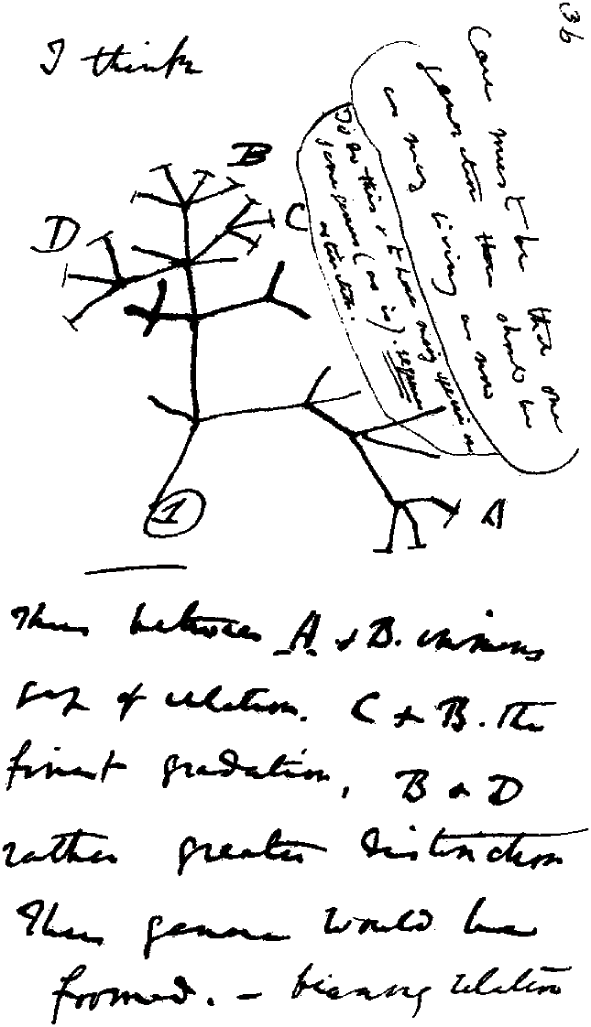
This story is by now so familiar to us that it has become difficult to feel afresh the sudden force with which these radical shifts of scale shocked the Victorian psyche. So pervasive was the exhilarating and traumatic experience of encountering these ideas and their implications for the very first time that by 1916 Sigmund Freud had diagnosed it as species-wide psychological event: “In the course of the centuries,” he explained, “the naïve self-love of men has had to submit to two major blows at the hands of science. The first was when they learnt that our earth was not the center of the universe but only a tiny fragment of a cosmic system of scarcely imaginable vastness.”99 Yet the second, more recent blow to “human megalomania” was, he insisted, even more “wounding”: it “fell when biological research destroyed man’s supposedly privileged place in creation and proved his descent from the animal kingdom and his ineradicable animal nature” (and the third blow Freud claimed for himself, with the discovery of the unconscious).100 What had been most profoundly displaced by these shifts of scale, of course, was the primacy of the human – the measure of all things – whose position at the apex of all creation had shrunken to that of a newcomer living among the survivors of an unknowable number of planetary accidents and catastrophes, a beneficiary adapted to an unstable, transitory environment whose fluctuations ruled the fates of every other contingent species.
Narrating Scalar Crisis
If these displacements were sufficient to puncture the inflated value of the human within the grandest of grand narratives, what could be the narrative significance of the individual subject, whose lifespan and range of experience were infinitesimally smaller than that of the species? In her landmark study Darwin’s Plots, Gillian Beer comes perhaps the closest to reestablishing the urgency of this particular representational crisis, which she influentially articulates as “the problem of finding a scale for the human.” Beer shows us how, for authors writing in the wake of evolutionary theory, the renegotiation of scalar values became both the dilemma and the impetus for the novel, a form charged with the uncomfortable task of establishing connections between individuals, social groups, and species, and arbitrating their meanings. This, Beer argues, initiated an ongoing search for “a scale that will be neither unrealistically grandiose, nor debilitatingly reductive, which will accept evanescence and the autonomy of systems not serving the human, but which will still call upon Darwin’s often-repeated assertion: ‘the relation of organism to organism is the most important of all relations.’”101
Each of the chapters of this book concentrates on how a particular author responded to that challenge. Chapter 1 focuses on H. G. Wells’s development of “scientific romance.” Although Wells now tends to be regarded as a progenitor of science fiction, I argue that this understanding overlooks the centrality of romance, an established genre whose conventions underpin and sustain the conceits of his early novels. I focus attention on the formal affordances of romance to show how the genre provided means of scaling out from what Wells considered to be the individualist constraints of realist novels to narrative representations of the human species as a whole. By substituting the scientific discovery for the “magic or fantastical element” of romance, Wells designed a vehicle for navigating human evolution, interspecies encounters, and interplanetary conflicts. Wells’s experiments in genre have long been heralded for their prophetic qualities; I argue that they can be read not just as anticipations but as reflections of the ongoing scalar crises of the Anthropocene.
Chapter 2 shifts from a writer whose work has long been a touchstone of genre criticism to one whose novels linger on the borderlands of the realist tradition. I consider Thomas Hardy’s long-standing investments in the formal and aesthetic possibilities of scale, focusing on his increasing commitment to cartographical space. This commitment begins with his frontispiece maps, which invite readers to follow characters’ journeys from the vantage of aerial or global observers. For Hardy, maps become an important paratext to the worldbuilding project of Wessex. Writing at this scale encourages a method of distant reading by generating perspectives from which plots emerge as areas of space reticulated by the temporal sequence of narrative events. Since these events hinge on characters being in the right place at the right time for something to happen (or to be prevented from happening), Hardy’s novels rely on scalar consistency for calculating speed and distance. But whereas this commitment to locational accuracy might seem to suggest a dedication to realism, I argue that Hardy uses cartographic scaling to heighten the stakes of his plots, to shift narrative action into the melodramatic mode of excess. I show how prominent locations on Hardy’s maps exert a gravitational force that pulls characters toward melodramatic settings for climactic tableaux, and I examine how A Pair of Blue Eyes (1873) and Two on a Tower (1882), mobilize the conventions of melodrama and romance to narrate the immensities of geologic time and cosmic space.
Chapter 3 relates Hardy and Wells’s experiments in melodrama and romance to Joseph Conrad’s repurposing of the Gothic tradition. It concentrates on Conrad’s use of horror as a mode of colonial critique in novels that pit imperial expansion against the unsustainable human and material resources it requires. Focusing this global conflict through the prism of individual characters, I argue, produces scalar derangements in which an ethics of personal responsibility cannot be reconciled with the historically unprecedented scope of humanitarian and ecological disasters. These derangements are repeated within late-Victorian novels that depict empire, not as a distant backdrop of daily life in Europe, but as an intensely present condition in the colonies. I assess how the principles of scalable design that shaped late-Victorian models of colonial administration ultimately exposed the planetary limits of empire at the turn of the twentieth century.
Chapter 4 situates Virginia Woolf alongside the book’s fin de siècle, or “protomodernist” authors. While Woolf tends to be characterized as an antagonist of writers like H. G. Wells – favoring the precise interiority of the “small scale” over grandiose conceits – I revise this account by focusing on her less acclaimed genre fictions, which pursue distant forms of connection. I consider how Orlando: A Biography (1928) and Between the Acts (1941) depart from the stylistic intensity of closely considered form to stretch across broad swathes of historical time. I show how Woolf’s style of historical pastiche establishes “climate” as a form of encompassing, collective experience, inclusive of both weather and social temperament, and how her novels navigate “climate change” in this doubled sense over a range of scales: local, national, and global. I conclude by suggesting that although Woolf did not perceive the dangers of anthropogenic global warming in contemporary terms, her strategies for reimagining history provide ways of rethinking current climatological risks. By promoting alternative levels of reading – from the intensely close to the extremely distant – Woolf’s writing develops modes of attention that are especially pertinent to the scalar crises we face today. The magnitude of these crises, I argue, sutures seemingly distinct periods in time, collapsing conventional boundaries of literary history. And as we begin to recognize these continuities we may even come to regard authors at the turn of the twentieth century as our contemporaries, as writers whose novels were both shaping and responding to the changing realities that we, and future generations, will face.
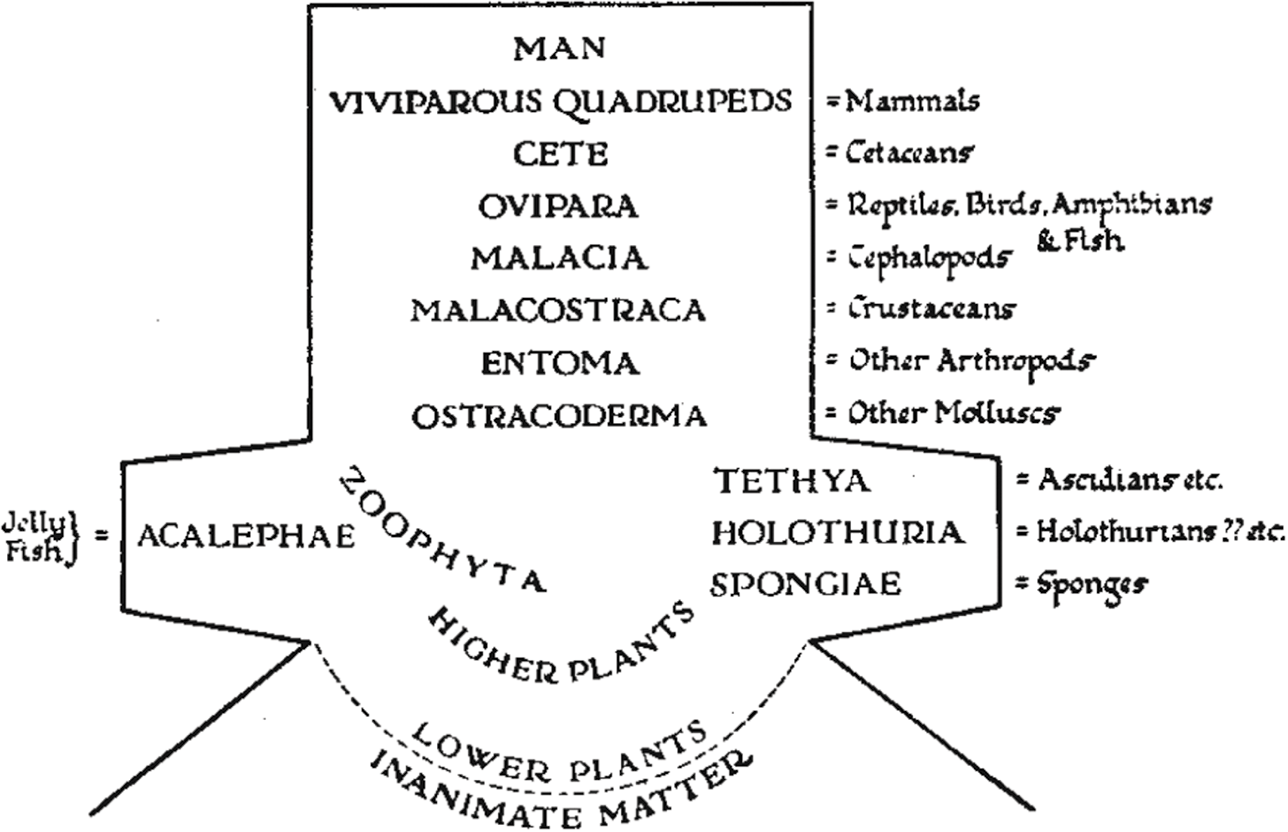
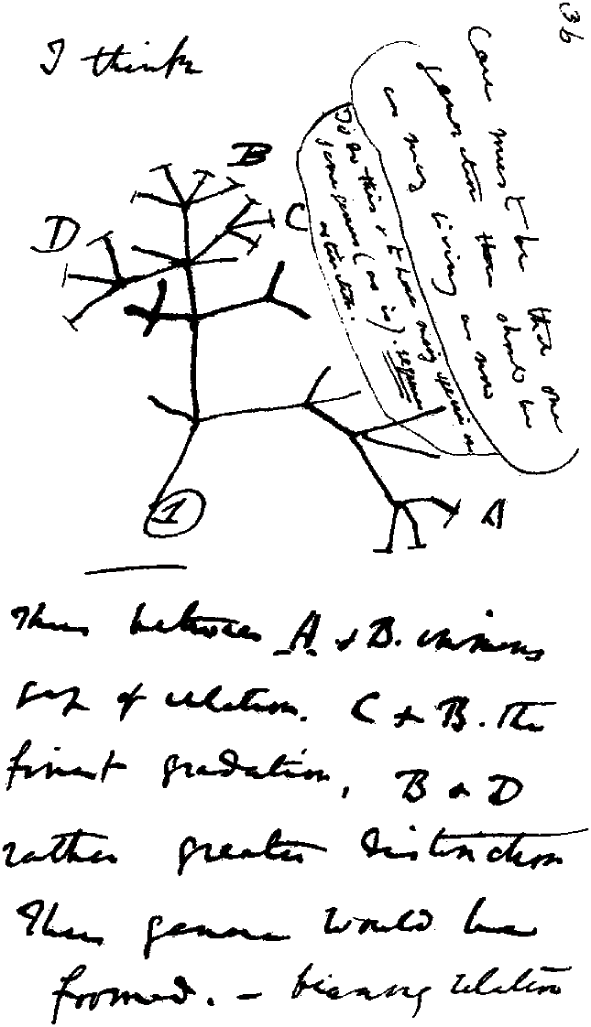

 Open access