

1. Introduction
In January 2024, Elon Musk—tech billionaire, owner of social media platform X, and Trump administration advisor—published a series of posts about sexual abuse cases in the UK, exclusively highlighting crimes committed by Muslim men against women (Pearson, Reference Pearson2025). Musk’s sudden concern for women’s rights stands in stark contrast to his prior record: Musk had previously shown no interest in women’s rights issues, accepted a position in the administration of Donald Trump (a man found liable for sexual abuse) and donated $20 million to groups defending restrictive abortion policies (Thadani et al., Reference Thadani, Morse, Verma, Silverman, Pietsch, De Vynck, Tiku and Nix2024). His social media posts, which amplified anti-Islam activists and demanded remedial political action, focused solely on cases with Muslim perpetrators while remaining silent about similar offences by other groups, including cases where Muslim women were victims.
This instrumental use of liberal values such as women’s rights to target specific ethnic groups reflects a broader pattern in contemporary Western politics (Farris, Reference Farris2017). Nativist politicians frequently claim that immigrants, often assumed to be Muslim, carry regressive and inimical cultures that threaten western values, suggesting that these immigrants aim to replace and impose what nativists describe as “their way of life” (Rahman, Reference Rahman2014; Berntzen, Reference Berntzen2019; Turnbull-Dugarte and López Ortega, Reference Turnbull-Dugarte and López Ortega2024). While cultural superiority claims have long been used to justify exclusion, they now manifest through claims of civic nationalism (Halikiopoulou et al., Reference Halikiopoulou, Mock and Vasilopoulou2013) and the national appropriation of liberal values by Western countries (Lægaard, Reference Laegaard2007; Halikiopoulou et al., Reference Halikiopoulou, Mock and Vasilopoulou2013; Berntzen, Reference Berntzen2019; Lajeverdi, Reference Lajeverdi2020). To justify opposition to immigration, far-right actors frame liberal principles like women’s rights, LGBTQ+ freedoms, and environmental concerns as inherently Western and incompatible with migrant populations (Farris, Reference Farris2017; Spierings, Reference Spierings2021; Backlund and Jungar, Reference Backlund and Jungar2024; Camargo-Fernández and Polo-Artal, Reference Camargo-Fernández and Polo-Artal2024; Turnbull-Dugarte et al., Reference Turnbull-Dugarte, López Ortega and Hunklinger2025; Mainz, Reference Mainz2025). This strategy enables them to cloak exclusionary policies in a superficial commitment to inclusion (Hunklinger and Ajanović, Reference Hunklinger and Ajanović2022).
A critical aspect of this strategy is its selective nature. Over the past two decades, the far-right has employed the defence of liberal principles as a rhetorical tool to oppose immigration, while simultaneously undermining those same values within their own societies (Möser, Ramme and Takács). Evidence of this can be seen in the policies far-right parties have pursued that undermine gender equality, environmental protections, and the rights of gender and sexual minorities across several countries. This erosion is evident in the revoking of reproductive rights and women’s bodily autonomy (Möser, Ramme and Takács; Deckman et al., Reference Deckman, Elder, Greene and Lizotte2023), the increasing efforts to roll back provisions for same-sex parents and transgender rights (Cornejo-Valle and Ramme, Reference Cornejo-Valle, Ramme, Möser, Ramme and Takács2022; Velasco, Reference Velasco2023), as well as via the promotion of hate speech (Muniesa-Tomás et al., Reference Muniesa-Tomás, Fernández-Villazala, Máñez-Cortinas, Herrera-Sánchez, Martínez-Moreno, San-Abelardo-Anta, Rubio-García, Gil-Pérez, Santiago-Orozco and Gómez-Martín2022; Stonewall, 2023).
While this elite strategy is well-documented, our understanding of whether citizens’ liberal attitudes are also selective on nativism is limited. The political tolerance literature has long established that citizens’ support for democratic principles is conditional—people endorse civil liberties in the abstract but often withdraw support when these rights are extended to disliked groups (Stouffer, Reference Stouffer1955; Sullivan et al., Reference Sullivan, Piereson and Marcus1982; Gibson, Reference Gibson1992). This foundational insight about the contingent nature of tolerance provides a crucial framework for understanding contemporary patterns of selective liberalism. As Gibson (Reference Gibson1992) demonstrates, tolerance is not simply about supporting one’s least-liked group, but rather reflects a complex interplay between abstract democratic commitments and group-specific applications. Peffley and Rohrschneider (Reference Peffley and Rohrschneider2003) further show that this conditionality is shaped by broader societal contexts and democratic learning processes, with citizens in more established democracies sometimes exhibiting greater—though still selective—tolerance. We know that socioculturally liberal attitudes have gained traction across time and generations (Caughey et al., Reference Caughey, O’grady and Warshaw2019; O’grady, Reference O’grady2023) and citizens’ expressed tolerance toward sexual minorities and their rights has improved as a result of increasingly progressive social norms regarding sexuality (Oyamot et al., Reference Oyamot, Jackson, Fisher, Deason and Borgida2017), while attitudes toward immigration have stagnated if not become more negative (Dancygier, Reference Dancygier2017; Lancaster, Reference Lancaster2022), resulting in a growing constituency of so-called sexually modern nativists (Spierings et al., Reference Spierings, Lubbers and Zaslove2017; Lancaster, Reference Lancaster2019; Turnbull-Dugarte et al., Reference Turnbull-Dugarte, López Ortega and Hunklinger2025). This divergent pattern echoes Duch and Gibson (Reference Duch and Gibson1992)’s finding that tolerance levels vary dramatically across different target groups and contexts, with ethnic and religious minorities often facing the greatest intolerance. Building on their insight that perceived threat moderates tolerance judgments, there is also some evidence that citizens’ liberal attitudes are susceptible to identity cues. For example, nativist proposals tend to become more socially palatable when they are presented by women leaders (Ben-Shitrit et al., Reference Ben-Shitrit, Elad-Strenger and Hirsch-Hoefler2022; Elad-Strenger et al., Reference Elad-Strenger, Ben-Shitrit and Hirsch-Hoefler2024). Similarly, when illiberal views are associated with an ethnic out-group norm, individuals often react by strategically expressing more liberal stances on these same issues (Turnbull-Dugarte and López Ortega, Reference Turnbull-Dugarte and López Ortega2024). This instrumental updating in expressed support for liberal values extends what Sullivan et al. (Reference Sullivan, Piereson and Marcus1982) identified as “content-controlled” tolerance—where support for rights depends on who exercises them—to encompass not just procedural rights but substantive policy positions. We argue this occurs because of a desire among nativists to disidentify from ethnic out-groups, representing a novel mechanism through which the conditional nature of democratic support manifests. Should disidentification indeed explain selective endorsement of liberal values, we would anticipate similar shifts in preferences to be observed regardless of the (il)liberal direction of the policy. Is that indeed the case?
In this paper, we first analyze the themes often weaponized by—although not exclusively (Duyvendak et al., Reference Duyvendak, Kesic, Stacey, Duyvendak, Kesic and Stacey2023)—far-right entrepreneurs, to contrast the idea of Western progress with stereotyped migrant populations and justify exclusionary positions. Second, considering the distinct evolution of sociocultural attitudes and drawing from social identity theory (Tajfel, Reference Tajfel, Hogg and Abram1979), we theorize that group membership—specifically signals of out-group membership with Islam—affects the selective endorsement of both liberal and illiberal preferences. Finally, we categorize and examine the effects of different ethnic identity-based strategies, emphasizing the role of individual identity cues, social norms, and identity-based narratives in shaping these attitudes.
Empirically, we test these expectations through an original pre-registered visual conjoint experiment conducted in the Netherlands and Germany, two contrasting cases regarding the nationalization of liberal norms, with the Netherlands being an early adopter (de Lange and Mügge, Reference de Lange, Sarah and Mügge2015) and Germany a more recent one (Ahrens and Lang, Reference Petra, Ayoub and Lang2022). In these experiments, we asked respondents to select between fictional educational reform proposals presented by civic actors during a hypothetical public consultation. Our cross-national experimental design simultaneously manipulated multiple features of the proposed reform as well as the policy entrepreneurs associated with these proposals, allowing us to disentangle the persuasiveness of a diverse array of identity cues on respondents’ support for (il)liberal education reforms. Our results indicate that citizens, on average, are selectively (il)liberal. Support for (opposition to) distinct and diverse educational reform proposals is significantly lower (higher) when reforms are associated with Muslims or rejected (endorsed) by majority Muslim countries. We also note that the selective rejection of policies associated with Muslims is observed among both those with high and low-levels of pre-treatment nativism, although the effects are significantly larger for the former.
Our study makes several key contributions. First, it advances the literature on conditionality of attitudes by demonstrating how multidimensional group identity cues play a pivotal role in shaping policy preferences on sociocultural issues, particularly in states where nativism is widespread. While our previous work has demonstrated selective liberalism using a uni-dimensional policy area and single form of manipulation (Turnbull-Dugarte and López Ortega, Reference Turnbull-Dugarte and López Ortega2024), in this paper, we identify the presence of selective liberalism in a multidimensional set-up with diverse and simultaneous manipulations of identity markers. Empirically, we unpack ethnic identity cues, not only across the themes used to legitimize nativism but also in terms of the specific schemes that signal diverse group-based information. Our results demonstrate that selective liberalism is not limited to areas related only to superficial support for LGBTQ+ rights, as anticipated by the political psychology of homonationalism, but is observed when manipulating both the direction of preferences (pro- vs. anti-) as well as across distinct issue bundles including those related to gender equality and the environment. Second, it highlights the vulnerability of citizens’ liberal values to illiberal strategies, showing that citizens are highly susceptible to group dynamics. This susceptibility underscores the fragility of public commitment to liberal values such as gender equality, LGBTQ+ rights, and environmentalism. Third, in times when the politicization of classroom content has seen a resurgence in several democracies (Kuhar and Paternotte, Reference Kuhar and Paternotte2017; Ayoub & Stoeckl, Reference Ayoub and Stoeckl2024), our findings contribute to ongoing debates about progressive and conservative proposals concerning educational content in schools.
Overall, our study provides novel demand-side evidence of an instrumental adherence to ideas of progress that echoes past elite strategies. Just as in the eighteenth century, when the rhetoric of progress was selectively invoked to justify colonial practices (Said, Reference Said1977; Go, Reference Julian2017), our findings suggest that the rise in anti-immigration rhetoric, attitudes, and voting behavior today rests on a fragile commitment to values such as gender equality, LGBTQ+ rights, and environmentalism.
2. Liberal values as strategic tool for exclusion
To understand the main themes exploited to perpetuate the artificial dichotomy that portrays the West as inherently liberal and democratic, while positioning out-groups as threats to these values (Griffin, Reference Griffin2000; Moffitt, Reference Moffitt2017; Lajeverdi, Reference Lajeverdi2020), women’s rights and LGBTQ+ inclusion have emerged as key areas.
The weaponization of women’s rights and gender equality more broadly, often penned femonationalism, involves co-opting feminism to oppose Islam and other non-Western cultures. Far-right groups present themselves as defenders of women’s rights, or speaking in the name of women, arguing that ethnic out-groups, with their stereotyped inherent misogyny, are in need of intervention by Western forces (Farris, Reference Farris2017). While Farris developed the concept in the context of the Netherlands, France, and Italy, it has been used to characterize the behavior of far-right parties in other politically diverse Western contexts broadly (Meguid et al., Reference Meguid, Coffé, Weeks and Kittilson2025 such as Switzerland (Bader and Mottier, Reference Bader and Mottier2020), Britain (Calderaro, Reference Calderaro2023), France (Calderaro, Reference Calderaro2025), Spain (Camargo-Fernández and Polo-Artal, Reference Camargo-Fernández and Polo-Artal2024) and the US (Bader, Reference Bader2023) specifically. While the essence of racial stereotyping remains in place, femonationalist strategies adapt to the context. In the US and Switzerland, otherwise anti-feminist politicians used debates around female circumcision to present themselves as defenders of women’s rights while building a narrative of threat to the Swiss and American nation (Bader and Mottier, Reference Bader and Mottier2020; Bader, Reference Bader2023). Similarly, the strategic use of women as leaders has been found to be used to make nativist arguments more palatable and convincing, often using “feminist” identity as a legitimizing credential (Blee, Reference Blee2021; Oost et al., Reference Oost, Leveaux, Klein and Yzerbyt2023). In Figure 1 (panel a), we illustrate an example of femonationalism in Spain through a social media post by Rocío de Meer, a senior parliamentarian from the far-right party VOX. Her X post features a VOX campaign poster stating “You’re in Spain. Here, men and women have the same rights.” Not by chance, the poster is written in both Spanish and Arabic. This messaging exemplifies a femonationalist strategy that portrays Western (Spanish) gender equality as incompatible with non-Western, particularly Muslim, culture. The narrative is amplified by the descriptive identity of the sender: a woman politician sharing the social media post and featuring another woman putting up the poster. This frames ethnic out-groups as a threat to women’s rights, using feminism selectively to justify exclusionary, anti-immigration policies. The strategic utility of gender equality is blatantly instrumental in this case given that VOX’s own policy positions are often detrimental to the advancement of gender equality and the ambitions of the feminist movement (Rama et al., Reference Rama, Zanotti, Turnbull-Dugarte and Santana2021; Álvaro Calvo and Ferrín, Reference Calvo and Ferrín2023; Anduiza and Rico, Reference Anduiza and Rico2024).
Instances of selectively liberal rhetoric from far-right politicians.

Similarly to femonationalism, homonationalism involves rhetorically leveraging the protection of LGBTQ+ rightsFootnote 1 to normalize nativist attitudes and justify exclusionary policies. Actors argue that protecting LGBTQ+ rights necessitates stringent immigration controls to prevent the influx of individuals from cultures perceived as homophobic (Puar, Reference Puar2018). While originally identified in the context of Israel (Puar, Reference Puar2013; Reference Puar2018; Gross, Reference Gross2014), homonationalist rhetoric has extended throughout radical right forces in Europe (Akkerman, Reference Akkerman2005; Hunklinger and Ajanović, Reference Hunklinger and Ajanović2022), the UK (Foster and Kirke, Reference Foster and Kirke2022) and US (Murib, Reference Murib2018), who present immigrant populations as violent threats to the security of non-heterosexual populations (Turnbull-Dugarte and López Ortega, Reference Turnbull-Dugarte and López Ortega2024). Consider the social media post from Julien Odoul, an openly gay MP for France’s far-right party, Rassemblement National (RN), in Figure 1 (panel b) as another illustrative example. Odoul suggests in his post that the solution to combating homophobia is to “avoid importing homophobes and cultures that consider homosexuality an illness or a crime.” By juxtaposing LGBTQ+ rights with immigration, Odoul frames ethnic out-groups as inherently homophobic, suggesting that immigration can only exist in contradiction to protection of in-group liberal (in this case LGBTQ-tolerant) norms. He concludes his tweet by linking immigration to recent homophobic attacks in France, reinforcing the stigmatization of ethnic out-groups as threats to national security and LGBTQ+ populations. This narrative exemplifies the way far-right politicians weaponize LGBTQ+ rights as a means to criminalize immigrants and justify restrictive immigration policies under the guise of protecting vulnerable groups. Odoul’s identity as an openly gay politician reinforces this strategy, providing legitimacy and enabling him to embody the narrative he promotes. This embodiment serves to make the rhetoric more palatable to far-right audiences by presenting it as a defence of LGBTQ+ communities rather than outright bigotry. As in the case of VOX’ faux defence of gender equality, this rallying call to protect French LGBTQ+ citizens is not without hypocrisy given RN’s explicit opposition to established LGBTQ+ rights in France (Geva, Reference Geva2024).
While femonationalism and homonationalism are the most well-documented examples of selective liberalism, they are, however, just two concrete examples of how illiberal actors can co-opt liberal norms for their strategic utility. Indeed, a key element of selectively liberal strategies is their adaptability, allowing new issues to be instrumentalized in order to maintain and reinforce this division between the West and its perceived “others.” For instance, environmental nationalism merges ecological and animal welfare concerns with nationalist rhetoric to argue against immigration. Politicians who follow this strategy frame animal rights and environmentalism within a nationalist context, suggesting that immigrants’ behavior and traditions undermine the nation’s environment and animal welfare standards (Lubarda and Forchtner, Reference Lubarda and Forchtner2023; Backlund and Jungar, Reference Backlund and Jungar2024).Footnote 2 Other recent examples include Judeonationalism (Van Oosten, Reference Van Oosten2024), which uses anti-Semitic rhetoric to promote anti-Islam or anti-immigration policies, and housing nationalism, which co-opts the fight for locals’ housing rights to create resentment against foreigners (Lauster and von Bergmann, Reference Lauster and von Bergmann2024).
While, as described above, this evolving rhetoric is most prominent on the far-right, centrist and progressive politicians have also adopted a lighter version of this narrative (Hurenkamp et al., Reference Hurenkamp, Tonkens and Duyvendak2012; Tinsley, Reference Tinsley2022; Duyvendak et al., Reference Duyvendak, Kesic, Stacey, Duyvendak, Kesic and Stacey2023). Even when framed within pro-immigration platforms or with the intent of countering far-right nativism, they have reproduced narratives suggesting that “open” national values are under threat of “Arabization,” arguing that immigrants—often perceived as inherently conservative—should or can adapt to these values (Duyvendak et al., Reference Duyvendak, Kesic, Stacey, Duyvendak, Kesic and Stacey2023, 201). These various manifestations of selective liberalism—whether focused on gender equality, LGBTQ+ rights, environmental protection, or anti-Semitism—share a common instrumental logic: they appropriate progressive values to draw boundaries between a purportedly enlightened in-group and a supposedly backward out-group. While the specific content of the progressive value being weaponized may vary, the underlying strategy remains consistent: position the in-group as the guardian of modern, liberal ideals while casting the out-group as an inherent threat to these values.
However, the evidence presented thus far focuses largely on elite-level discourse and party strategies. While this supply-side analysis illuminates how political actors deploy selective liberalism, it leaves open the crucial question of whether these strategies actually influence citizen attitudes and policy preferences. Do identity-based appeals succeed in shaping how citizens evaluate liberal policies when applied to different social groups? To address this question, we move beyond analyzing elite rhetoric to examine whether and how selective thinking manifests in mass opinion. Specifically, we investigate whether citizens’ support for liberal policies varies systematically based on the target group, and explore how various cues of ethnic identity, beyond pure rhetorical appeals, condition these attitudes. The following section develops our theoretical framework for understanding why citizens might engage in selective liberal thinking and identifies the broader set of identity-based tools that shape these dynamics.
3. Ethnic identity cues of value differentiation
Our study proposes an integrative model that categorizes four types of group identity markers that influence citizens’ preferences and can sway them into selectively supporting liberal causes: individual descriptive characteristics, group associations, group-based reasonings, and group-based norm perceptions. In the following, we provide theoretical grounding on why each of these identity markers can impact citizens’ preferences.
This integrative approach builds directly on tolerance research’s core insight that group membership fundamentally shapes political attitudes. As Gibson and Duch (Reference Gibson and Duch1991) argue, tolerance judgments involve a two-step process: first categorizing groups, then applying different standards based on that categorization. We extend this framework beyond civil liberties to examine how ethnic categorization affects support for diverse policy domains. While Sullivan et al. (Reference Sullivan, Piereson and Marcus1982) focused on how citizens deny rights to disliked political groups (communists, fascists), we examine how ethnic identity markers trigger similar selective application of liberal principles across education, gender, and environmental policies.
Building on theories of political representation and motivated reasoning, we argue that both descriptive and substantive ethnic markers serve as powerful cues that shape how citizens evaluate policies—even those not explicitly related to ethnicity (Pitkin, Reference Pitkin1967; Mansbridge, Reference Mansbridge1999). Just as political actors strategically deploy liberal values to construct boundaries between in-groups and out-groups, citizens rely on identity signals to determine their support for various policies.
Descriptive representation—visible characteristics that signal group membership—operates through automatic categorization processes that trigger immediate in-group/out-group distinctions (McDermott, Reference McDermott1997). These visible markers activate what social identity theorists term “social categorization,” where individuals rapidly sort others into in-group or out-group categories (Tajfel, Reference Tajfel, Hogg and Abram1979). This categorization process mirrors the powerful tribal thinking documented in studies of partisan identity (Achen and Bartels, Reference Achen and Bartels2016), where group attachments can shape information processing and even lead to tolerance of democratic norm violations (Graham and Svolik, Reference Graham and Svolik2020). When policy entrepreneurs share visible ethnic characteristics with citizens, their proposals are likely to be viewed more favorably due to assumed value alignment and increased trust (Theiss-Morse, Reference Theiss-Morse2009). A wide body of literature presents evidence that descriptive similarity maximizes persuasion effects whereas descriptive distinctiveness can limit persuasion or even reverse it.Footnote 3
However, descriptive characteristics alone may provide incomplete or even misleading information about a policy entrepreneur’s substantive positions (Harrison and Michelson, Reference Harrison and Michelson2017). Recent research on far-right movements demonstrates that descriptive representatives (e.g., women or immigrant-origin leaders) can effectively legitimize illiberal platforms without explicitly advocating for traditionally associated in-group interests (Ben-Shitrit et al., Reference Ben-Shitrit, Elad-Strenger and Hirsch-Hoefler2022; van Wardt et al., Reference van de Wardt, Sobolewska and English2024; Porzycki et al., Reference Vered, Oshri and Shenhav2025). Similarly, LGBTQ+ candidates in nationalist movements illustrate how identities can be strategically deployed to validate positions that may not align with typical in-group expectations.
Substantive representation—signaled through cultural, religious, or organizational affiliations—provides additional identity cues that can either reinforce or complicate these initial categorizations (Dovi, Reference Dovi2002). Individuals often make inferences about the substantive political positions of others based on distinct socio-demographic characteristics (Sen, Reference Sen2017; Jones and Brewer, Reference Jones and Brewer2019). The presence of information related to one’s substantive political preferences may be at odds with these assumptions. As such, these affiliations serve as additional information proxies for broader value systems and trigger what psychologists call “categorical thinking”, where individuals make sweeping inferences about an actor’s positions across multiple policy domains (Brewer, Reference Brewer, Leary and Tangney2003). The potential misalignment between descriptive and substantive representation creates interesting dynamics: while Muslims might be stereotyped as holding certain positions (Van Oosten, Reference Van Oosten2022; Turnbull-Dugarte et al., Reference Turnbull-Dugarte, López Ortega and Hunklinger2025), individual Muslim advocates may explicitly support contrasting policies, creating tension between different identity signals.
The interaction between descriptive and substantive ethnic markers thus creates a complex framework for understanding how citizens evaluate policies. While descriptive representation operates through immediate visual recognition triggering group-based motivated reasoning (Huber et al., Reference Huber, Meyer and Wagner2024), substantive markers can either reinforce, challenge or add one more layer to these initial categorizations. This becomes especially relevant in contexts where liberal values are selectively wielded as markers of group distinction—as seen in cases of femonationalism and homonationalism. The framework suggests that citizens, like political elites, may engage in selective evaluation of policies based on the ethnic identity of their promoters, both through descriptive and substantive lenses.
This leads us to hypothesize that (H1) citizens will be more (less) favorable towards policies promoted by the ethnic (out-) in-group, both when ethnic identity is signaled descriptively (H1.a) and substantively (H1.b).
3.1. Group reasoning
Our second dimension focuses on how group-based reasoning—the explicit framing of policies through ethnic group narratives and interests—shapes policy preferences. While descriptive and substantive representation operate through identity cues, group reasoning works through more explicit cognitive pathways, where policy entrepreneurs actively frame issues using nativist narratives that position certain values and norms as inherent to national or ethnic identity (McClain et al., Reference McClain, Carew, Walton and Watts2009).
Group reasoning influences policy preferences through three key psychological mechanisms that explain why nativist frames increase policy support. First, it activates what social psychologists term “group consciousness”—awareness of shared group interests and experiences that shapes how individuals process policy-relevant information (Miller et al., Reference Miller, Gurin, Gurin and Malanchuk1981). When policy entrepreneurs frame issues through nativist narratives (e.g., “this policy reflects our community’s values” or “this protects our way of life”), they trigger collective identity considerations that can override policy-specific evaluations (Simon et al., Reference Simon, Trötschel and Dcamargo-fernhne2008). This effect is particularly potent when group boundaries are perceived as clearly defined and politically salient (Huddy, Reference Huddy2001), transforming abstract policy issues into immediate matters of group identity and value preservation.
Second, group reasoning engages identity-protective cognition (Kahan, Reference Kahan2017). This psychological mechanism leads individuals to process information in ways that defend their group’s status, values, and worldview. When policies are presented through nativist frames that position them as either advancing or protecting group interests, individuals evaluate them not on their specific merits but on their perceived implications for group status and identity maintenance (Kahan et al., Reference Kahan, Braman, Gastil, Slovic and Mertz2007). This protective cognition explains why citizens might selectively support liberal policies when they are framed as expressions of national values while opposing similar policies when perceived as advancing out-group interests (Schneider and Ingram, Reference Schneider and Ingram1993).
Third, group reasoning leverages collective memory and shared historical narratives. Policy entrepreneurs can frame current policy debates within broader narratives of national experience and value systems, making seemingly neutral policies resonate with deeper identity-based concerns. For instance, educational policies may be evaluated through the lens of protecting “our values” or “our way of life” rather than their immediate practical implications (Liu and Hilton, Reference Liu and Hilton2005). This framing activates what social identity theorists identify as individuals’ fundamental need for positive group distinctiveness (Tajfel, Reference Tajfel, Hogg and Abram1979; Huddy et al., Reference Leonie, Sears and Levy2001).
Crucially, these reasoning mechanisms can operate independently of policy content. Just as political actors strategically deploy liberal values to draw boundaries between groups—as seen in phenomena like homo-, femo-, and environmental nationalism—citizens may evaluate policies based on how they are framed in relation to group interests and national values. When policies are presented through nativist frames, they trigger identity-protective cognition, activate group consciousness, and transform policy preferences into expressions of group identity and value preservation (Duyvendak et al., Reference Duyvendak, Kesic, Stacey, Duyvendak, Kesic and Stacey2023).
This theoretical framework explains why citizens engage in selective liberalism at the mass level. When policy entrepreneurs frame liberal policies through nativist narratives that position them as expressions or protections of national values, citizens evaluate them through group-based psychological mechanisms rather than their liberal content alone. This creates a cognitive foundation for increased policy support when nativist reasonings are employed, mirroring the selective application of liberal values observed in elite discourse around femonationalism and homonationalism.
Building on this, we hypothesize that (H2) citizens will be more favorable towards policies when they are associated with nativist reasonings.
3.2. Group norm perceptions
Group norm perceptions—beliefs about what behaviors and attitudes are typical or acceptable within one’s group versus others—fundamentally shape how individuals evaluate and support policies (Cialdini and Goldstein, Reference Cialdini and Goldstein2004; Bicchieri, Reference Bicchieri2017). These perceptions operate through powerful social influence mechanisms that can either facilitate or inhibit policy support based on perceived group consensus patterns (Deutsch and Gerard, Reference Deutsch and Gerard1955). The influence of these perceptions is particularly relevant in contemporary political contexts where liberal values are often positioned as markers of group distinction and cultural identity.
The psychological impact of group norms on policy preferences operates through multiple interconnected pathways. When individuals perceive a policy position as normative within their group, they face both cognitive and social pressure to align with this consensus (Spears, Reference Spears2021). This alignment stems from basic psychological needs for group belonging and positive distinctiveness—needs that shape not just explicit attitudes but also unconscious information processing and decision-making. Conversely, when policies are associated with out-group norms, individuals often distance themselves from these positions to maintain clear group boundaries (Terry et al., Reference Terry, Hogg and McKimmie2000; Brewer, Reference Brewer2001; Turnbull-Dugarte and López Ortega, Reference Turnbull-Dugarte and López Ortega2024; Turnbull-Dugarte and Wagner, Reference Turnbull-Dugarte and Wagner2025). This distancing effect can occur even when the policies might otherwise align with individual preferences, highlighting the powerful role of group norm perceptions in shaping policy support.
Research in political behavior demonstrates that norm perceptions shape policy preferences through robust social proof mechanisms (Schultz et al., Reference Schultz, Nolan, Cialdini, Goldstein and Griskevicius2007). These mechanisms help individuals navigate complex policy choices by referring to apparent group consensus, particularly in situations of uncertainty or when issues are multifaceted. Political actors can strategically deploy information about group support or opposition to make certain positions appear more or less normative (Prentice, Reference Prentice2018). For instance, studies show that presenting environmental behaviors as common within one’s national group significantly increases support for environmental policies (Vlasceanu et al., Reference Vlasceanu, Doell, Bak-Coleman, Todorova, Berkebile-Weinberg, Grayson, Patel, Goldwert, Pei, Chakroff, Pronizius, van den Broek, Vlasceanu, Constantino, Morais, Schumann, Rathje, Fang, Aglioti, Alfano, Alvarado-Yepez, Andersen, Anseel, Apps, Asadli, Awuor, Azevedo, Basaglia, Bélanger, Berger, Bertin, Bialek, Bialobrzeska, Blaya-Burgo, Bleize, Bo, Boecker, Boggio, Borau, Bos, Bouguettaya, Brauer, Brick, Brik, Briker, Brosch, Buchel, Buonauro, Butalia, Carvacho, Chamberlain, Chan, Chow, Chung, Cian, Cohen-Eick, Contreras-Huerta, Contu, Cristea, Cutler, D’Ottone, De-Keersmaecker, Delcourt, Delouvée, Diel, Douglas, Drupp, Dubey, Ekmanis, Elbaek, Elsherif, Engelhard, Escher, Etienne, Farage, Farias, Feuerriegel, Findor, Freira, Friese, Gains, Gallyamova, Geiger, Genschow, Gjoneska, Gkinopoulos, Goldberg, Goldenberg, Gradidge, Grassini, Gray, Grelle, Griffin, Grigoryan, Grigoryan, Grigoryev, Gruber, Guilaran, Hadar, Hahnel, Halperin, Harvey, Haugestad, Herman, Hershfield, Himichi, Hine, Hofmann, Howe, Huaman-Chulluncuy, Huang, Ishii, Ito, Jia, Jost, Jovanović, Jurgiel, Kácha, Kankaanpää, Kantorowicz, Kantorowicz-Reznichenko, Mintz, Kaya, Kaya, Khachatryan, Klas, Klein, Klöckner, Koppel, Kosachenko, Kothe, Krebs, Krosch, Krouwel, Kyrychenko, Lagomarsino, Lamm, Lange, Cunningham, Lees, Leung, Levy, Lockwood, Longoni, López Ortega, Loschelder, Jackson, Luo, Luomba, Lutz, Majer, Markowitz, Marsh, Mascarenhas, Mbilingi, Mbungu, McHugh, Meijers, Mercier, Mhagama, Michalakis, Mikus, Milliron, Mitkidis, Monge-Rodríguez, Mora, Moreau, Motoki, Moyano, Mus, Navajas, Nguyen, Nguyen, Nguyen, Niemi, Nijssen, Nilsonne, Nitschke, Nockur, Okura, Öner, Özdoğru, Palumbo, Panagopoulos, Panasiti, Pärnamets, Paruzel-Czachura, Pavlov, Payán-Gómez, Pearson, da Costa, Petrowsky, Pfattheicher, Pham, Ponizovskiy, Pretus, Rego, Reimann, Rhoads, Riano-Moreno, Richter, Röer, Rosa-Sullivan, Ross, Sabherwal, Saito, Sarrasin, Say, Schmid, Schmitt, Schoenegger, Scholz, Schug, Schulreich, Shreedhar, Shuman, Sivan, Sjåstad, Soliman, Soud, Spampatti, Sparkman, Spasovski, Stanley, Stern, Strahm, Suko, Sul, Syropoulos, Taylor, Tedaldi, Tinghög, Huynh, Travaglino, Tsakiris, Tüter, Tyrala, Uluğ, Urbanek, Valko, van der Linden, van Schie, van Stekelenburg, Vanags, Västfjäll, Vesely, Vintr, Vranka, Wanguche, Willer, Wojcik, Xu, Yadav, Zawisza, Zhao, Zhao, Zuk and Van Bavel2024), while framing them as characteristic of out-groups can trigger resistance.
The influence of group norms becomes especially pronounced in contexts of perceived intergroup competition or cultural distinctiveness (Brewer, Reference Brewer2001). When policy positions are presented as markers of group differentiation—whether through explicit comparative information or implicit contrasts—their impact on individual preferences intensifies. This dynamic has been documented across various policy domains, from environmental behaviors to expressions of tolerance (Oyamot et al., Reference Oyamot, Jackson, Fisher, Deason and Borgida2017) and prejudice (Álvarez-Benjumea, Reference Álvarez-Benjumea2023). The effect is particularly strong when policies touch on values or practices that are seen as culturally distinctive or identity-defining.
Moreover, norm perceptions interact dynamically with broader societal contexts and political discourse. When political actors frame certain positions as reflecting broader societal consensus or dissensus, they activate both identity-protective motivations and desires for social approval. These motivations can lead individuals to support policies they perceive as normative within their group while rejecting similar policies when they are associated with out-group standards (Newth and Scopelliti, Reference Newth and Scopelliti2025). This pattern helps explain why public opinion on various issues—from gender equality to environmental protection—often shows marked differences between groups, even when controlling for individual-level factors.
The power of norm perceptions extends beyond simple conformity effects. Research shows that individuals actively use information about group norms to construct and maintain social identities (Heider, Reference Heider1958; Tankard and Paluck, Reference Tankard and Paluck2016; Turnbull-Dugarte and López Ortega, Reference Turnbull-Dugarte and López Ortega2024). When policies are framed in terms of group norm adherence or deviation, they become tools for identity expression and maintenance. This process can lead to what appears as inconsistent policy preferences—supporting liberal policies when they are perceived as in-group norms while opposing similar policies when they are associated with out-group standards.
Political entrepreneurs often leverage these dynamics by strategically presenting information about group consensus and disagreement. By highlighting patterns of support or opposition among different groups, they can effectively shape policy preferences through norm-based influence. This influence is particularly effective when it emphasizes clear contrasts between in-group and out-group positions, as such contrasts activate both identity-protective motivations and desires for positive group distinction.
This theoretical framework suggests that the relationship between norm perceptions and policy preferences is inherently comparative and context-dependent. Individuals evaluate policies not just based on absolute levels of group support, but through an understanding of how these positions differentiate their group from others. This comparative dimension helps explain why citizens might selectively support or oppose policies based on their perceived association with in-group versus out-group norms, even when the policies themselves remain constant. The framework also highlights how norm perceptions can serve as powerful tools for political mobilization, particularly when deployed in ways that emphasize group distinctiveness and identity maintenance.
This leads us to hypothesize that (H3) citizens will be more (less) favorable towards policies when the support for that policy is the in-group (out-group) norm.
Of course, there are reasons to assume that the efficacy of in-group and out-group norms should be asymmetric among citizens. The theoretical propositions of femonationalism, homonationalism, and environmental nationalism rely on a similar assumption: that the strategic support for liberal policies benefiting women, LGBTQ+ individuals, and the environment is driven by nativists complying with a nationalized in-group norm while disidentifying from ethnic out-groups. Consequently, one would expect the preferences of non-nativists—those not negatively predisposed to immigration and ethnic out-groups—to be more stable and resilient against the selective updating anticipated among nativists. This assumption aligns with the expectations of balance theory (Heider, Reference Heider1958): if individuals are expected to update their preferences for certain policies selectively to enhance their social distinctiveness from an undesirable out-group, a precondition for this behavior is the existence of that undesirability. Essentially, the rejection of out-group identity markers is likely to be greater among those who are already negatively predisposed to the out-group. It is important to note, however, that this hypothesized asymmetry applies only to out-group markers; selective preferences signalling compliance with in-group norms should not be conditioned by respondents’ nativism.
(H4) Nativists will be less favorable toward policies associated with out-group cues.
4. Empirical strategy
To test our theoretical expectations, we utilize an original visual conjoint experiment embedded in a survey conducted in the Netherlands and Germany administered by Kieskompas. Quota-based recruitment rendered a sample that reflects the gender, age, and educational distribution of the Dutch and German electorate.Footnote 4 The original data collection took place over two rounds. We fielded our survey in the Netherlands in August 2022 ( $N=1169$) and subsequently fielded in Germany in April 2023 ( $N=1358$). Our visual conjoint design (detailed below) produced a resulting sample of 25,270 observations based on an individual comparing two randomly assigned proposal profiles via five different tasks ( $2527 \times 2 \times 5$). The experiment was pre-registered, and any deviations from the original plan are explained in Supplementary material, Appendix 4.
4.1. Case selection
Our empirical test relies on original data sourced from the Netherlands and Germany. The utility of these cases for our empirical assessment is based on several factors. First, the countries are, on several institutional variables, comparable. They are two neighboring Western European countries with a similar religious heritage and both have multiparty systems. Importantly, both countries currently host electorally successful and influential radical right-wing parties: Germany’s Alternative für Deutschland (AfD) and the Netherlands’ multiple radical right-wing parties, namely Partij voor de Vrijheid (PVV), Forum voor Democratie (FVD), and Juiste Antwoord 2021 (JA21). Secondly, the politics of immigration and ethnocultural diversity is salient in both cases. As both a cause (Arzheimer, Reference Arzheimer and Rydgren2018) and consequence of radical right-wing party success (Abou-Chadi and Krause, Reference Abou-Chadi and Krause2020; Krause et al., Reference Krause, Cohen and Abou-Chadi2023), political debate around immigration has become a staple in mainstream political discourse. Thirdly, and of core interest for our assessment of selective (il)liberalism, both the Netherlands and Germany have long played host to femonationalist and homonationalist political rhetoric. An illustrative example of this is how the Netherlands pioneered political homonationalism with the first-ever openly gay far-right politician, Pim Fortuyn, who used his identity to draw a line with Muslim immigrants in the early 2000s (Boehmer and Mul, Reference Boehmer and Mul2012). Nativist identity instrumentalizations took some time to reach Germany, but have been widespread since 2017 when the AfD focused their campaign both on femonationalism and homonationalism (Doerr, Reference Doerr2021), the same year in which they selected an openly lesbian politician as leader of the party in the Bundestag. As such, selecting these cases allows us to analyze the expectations of selective liberalism in two political contexts where respondents are likely to encounter the femonationalist, homonationalist and environmental nationalist trade-off. Given each country’s context and the prevalence of selectively liberal rhetoric in Germany and the Netherlands, we view these countries as most-likely cases for observing the theoretical dynamics we propose. According to George and Bennett (Reference George and Bennett2005), selecting most-likely cases is particularly appropriate when testing new hypotheses under favorable conditions, as the presence of the theorized empirical relationship in such cases lends initial support to the validity of the theory.
4.2. Conjoint design: dependent variable
The conjoint scenario we presented to respondents was political but one strategically devoid of partisanship. Respondents were told that policy-makers in their respective countries were considering reforms to the national curriculum in schools and that, in preparation of any formal proposals, they had opened a public consultation in which different civic actors were invited to advocate for alternative additions related to the potential reform. These public responses from civic actors could propose specific additions to the curriculum or indeed lobby against the addition of certain components. Our outcome of interest is expressed support for individual proposals that randomize different features of the proposal’s substantive focus as well as additional information around the proponents themselves and other signals of in-group and out-group support.
Our targeted focus on education policy reforms is based on both its external validity as a relevant area to test our thesis as well as its methodological advantages. First, education in schools is a policy domain where “identity politics” debates frequently take place, as demonstrated across several countries including Hungary (Rankin, Reference Rankin2021), the Netherlands (Middleton, Reference Middleton2023), Spain (Payo, Reference Payo2023), or the US (Goldstein, Reference Goldstein2022; Phillips, Reference Phillips2022), and indeed wider transnational efforts (Ayoub, Reference Ayoub and Stoeckl2024). As Kuhar and Paternotte (Reference Kuhar and Paternotte2017) explain, anti-gender entrepreneurs view liberal sexual education policies as a threat towards conservative values such as “traditional family” and “natural masculinity and femininity.” This has converted school education into a political battlefield where liberal policy proposals that promote diversity and equality coexist with backlash proposals that promote reinstating traditional values (Ayoub, Reference Ayoub and Stoeckl2024). Second, and from a methodological standpoint, relying on curriculum-based educational reforms is strategic and provides us with an empty vessel within which we can manipulate substance while keeping the policy setting constant. Comparing policy proposals in distinct policy arenas altogether would reduce comparability given the multidimensional nature of determinants of support for diverging policies like, for example, pro-environmental reforms (Devine et al., Reference Devine, Stoker and Jennings2024; Kollberg et al., Reference Kollberg, Jansen, Abou-Chadi and Redeker2025), welfare policies (Rincon, Reference Rincon2023), or economic protectionism (Grahn et al., Reference Michal, Lawall, Mainz, Bergström and Turnbull-Dugarte2025).
Empirically, we adopt a conjoint design that allows us to demonstrate that selective identity-based support for policies can result in both selective liberalism and illiberalism. As such, our conjoint tasks include proposals that are in favor and against a diverse catalogue of substantive issues for consideration in educational proposals. We summarize these diverse issues in Table 1. For our purposes, we categorize proposals parsimoniously as progressive or conservative; note, however, that the civic actors’ position could be favorable (e.g., advancing education on toxic masculinity) or unfavorable (e.g., opposing education on toxic masculinity) within each of these areas.
Education policy reforms

4.3. Conjoint design: independent variables
First, to test H1 on individuals’ descriptive characteristics, we rely on AI-generated faces that signaled information concerning the ethnicity (descriptive identity marker), age, and gender of the policy proponent. The two latter, as well as LGBTQ+ status which is also conveyed visually (flag emoji), are used as simultaneously randomized controls in the experiment.
We included visual cues within our set of simultaneously manipulated conjoint attributes in an effort to maximize external validity in step with recent developments in conjoint applications. While political scientists have used pictures to convey one experimental attribute visually (Abrajano, Reference Abrajano2005), it is only recently that multidimensional visual conjoint experiments have started to be implemented (López Ortega and Radojevic, Reference Ortega, Alberto and Radojevic2024; Vecchiato and Munger, Reference Vecchiato and Munger2025; Turnbull-Dugarte and López Ortega, Reference Turnbull-Dugarte and López Ortega2025). Importantly, and beyond issues of external validity, leveraging visual manipulations has the added benefit of reducing the potential for social desirability bias.Footnote 5
However, we do not restrict our test to descriptive identities, but also look at the effect of a more substantive version of individual identity. More concretely, we differentiate associations that cue ethnic in- or out-group membership. Substantive identity markers were signaled through fictitious names of associations that clearly cue whether these organizations are Muslim or not.
Second, and to test H2 on group reasonings, we rely on distinct framings of the policy being proposed. These reasonings vary in the extent to which they are nativist or not, but also the type of nativism. Following previous research differentiating between hostile and benevolent forms of nativism (Greenfeld, Reference Greenfeld1992; Brubaker et al., Reference Brubaker, Loveman and Stamatov2004), we distinguish reasonings that essentialize in-group identity and liberalism—alluding to the need for a certain policy to “protect domestic freedoms and Western lifestyles”—from policies that target the out-group (e.g., alluding to the need to “counter backward Islamic intolerance”) (Duyvendak et al., Reference Duyvendak, Kesic, Stacey, Duyvendak, Kesic and Stacey2023).
Lastly, to test H3, on in- and out-group norms, we manipulate national and international public endorsements or rejections for the proposal. For in-group norms, we follow previous research on threshold models (Andreoni et al., Reference Andreoni, Nikiforakis and Siegenthaler2021). These models suggest that the likelihood of an individual diverging from a social norm increases as more people in society have already done so. When the number of individuals who deviate reaches a critical ‘tipping point,’ it creates a situation where even those who are typically risk-averse, conformist, or hold pessimistic views about change are encouraged to join in the deviation (Granovetter, Reference Granovetter1978; Efferson et al., Reference Efferson, Vogt and Fehr2020). In line with research on norm manipulation (Masser and Phillips, Reference Masser and Phillips2003; Bicchieri, Reference Bicchieri2017), we manipulate ethnic in- and out-group norms by revealing the extent to which each group is in favor or against a given policy, thus ruling out incorrect beliefs about others’ preferences as a reason for detrimental norm persistence (Smerdon et al., Reference Smerdon, Offerman and Gneezy2020).
To test our H4 on the moderating effect of nativism, we utilize an index of anti-immigration attitudes derived from the three questions related to immigration attitudes in the European Social Survey (ESS).Footnote 6 Theoretically, nativists are those who prioritize the interests of native-born or established inhabitants over those of immigrants or perceived outsiders, often framing national belonging in exclusionary terms (based on ascriptive characteristics) irrespective of whether that exclusion is justified through ethnic, cultural, or civic criteria (Halikiopoulou et al., Reference Halikiopoulou, Mock and Vasilopoulou2013; Vasilopoulou and Halikiopoulou, Reference Vasilopoulou and Halikiopoulou2024). The index we rely combines responses to questions assessing perceptions of immigration in terms of its cultural, economic, and social implications, including aspects such as preferences for living in a diverse society and attitudes toward the integration of immigrants (see Supplementary material, Appendix 2 for more details). As pre-registered, our moderating variable reflects pre-treatment attitudes toward immigration and is categorized based on respondent scores relative to the mean. Specifically, individuals will be classified into dichotomous groups: those with below-mean attitudes will be considered less favorable toward immigration (nativists), while those above the mean will be viewed as more supportive (non-nativists). Analyses relying on an alternative operationalization based on terciles of the nativism score and a distinct (affect-based) measure of nativism are applied in robustness tests reported in the Supplementary material, Appendix 2.
To make the experiment as realistic as possible, we programmed the conjoint so that no individual profile pictures, group name, country, reasonings, nor proposals could appear more than once across the five rounds. For example, were a reform proposed by the “German Muslim Association” in the first forced comparison, the respondent would not be exposed to another proposal from the same organization, though they may be exposed to a proposal from another equivalent Muslim-based organization. In real terms, this means that presented profile attributes were randomly sampled from a much larger universe of attribute values that could be harvested to generate the randomly compiled proposals. The rest of the information is manipulated via text. Table 2 displays the attributes included in the conjoint tasks, and Figure 2 shows an example of a conjoint task with two random proposals that respondents had to choose from (the Supplementary material, Appendix contains a more detailed explanation of each attribute).
Visual conjoint example in the German survey.

Conjoint attributes, values and manipulation

5. Results
Figure 3 presents the experimental results via two standard estimands in conjoint experiments: the marginal mean (MM) and average marginal component effect (AMCE). The MM captures the overall likelihood that respondents view a policy proposal positively when it possesses a particular attribute value, averaging over all other randomized features of the profile.Footnote 7 In the MM plots, the vertical reference line at 0.5 reflects the midpoint of the forced-choice outcome. Values statistically indistinguishable from this benchmark indicate that the attribute level does not meaningfully shift respondents’ choices relative to random selection. The AMCE summarizes how the probability of a positive evaluation changes when moving from the baseline category to a given attribute value. In our design, the baseline profile is one in which the proposal is: (i) advanced by a white individual, (ii) endorsed by a non-Muslim civic organization, (iii) supported by 20 percent of the population, (iv) opposed by a non-Arab country, and (v) not justified with nativist rhetoric.Footnote 8 We begin by exploring our results among the full sample. While a core component of our expectations around selective (il)liberalism assumes that the strategic out-group-oriented nature of selective support for policies is conditioned by nativist predispositions, we also wish to assess the extent to which citizens as a whole engage in this behavior.
The first two rows of Figure 3 explore the effect of ethnic out-group cues on policy favorability. The findings are mixed depending on whether the cue is descriptive or substantive. Considering all the simultaneously randomized attributes, respondents are more inclined, on average, to support proposals advocated for by non-white individuals. The difference, four percentage-points, is significant. The reverse pattern is observed when out-group status is manipulated via substantive association with different identity groups. Proposals advocated for by bodies associated with Muslims are supported only 46% of the time. This support is five percentage-points lower than the median preferability enjoyed by all other proposing bodies. These effects are striking. In both the Netherlands and Germany, respondents’ policy preferences, across a vast array of substantive policy objectives, discriminate significantly and substantively based on associations with Islam.
Identity markers and policy support.

On first reading, the results of the descriptive ethnicity outcome might be perceived as counter-intuitive, given it is contrary to expectations and to evidence from previous conjoint experiments that show no conclusive effect of ethnicity on people’s preferences—at least in candidate choice scenarios (Van Oosten et al., Reference Van Oosten, Mügge and van der Pas2024). Our interpretation of this result is that, in the presence of information related to the substantive representation of ethnically coded groups (Muslims), the potential bias against non-white individuals cancels out. In essence, while respondents might infer a religious affiliation with Islam in the absence of specific interest-group information, these inferences are depressed in the presence of these multidimensional features. This interpretation is congruent with the effect of substantive cues on candidate preferences (Sen, Reference Sen2017).
What the third row shows, however, is that the identity marker that clearly exerts the greatest influence in choosing a given policy is national support for that policy, which we take to be an instrument for the nationalization of in-group norms (Schultz et al., Reference Schultz, Nolan, Cialdini, Goldstein and Griskevicius2007; Bicchieri, Reference Bicchieri2017; Prentice, Reference Prentice2018). Despite some variations between the two countries—with the effect being stronger for respondents in the Netherlands—it is evident that the higher the perceived support of the national in-group for the policy, the higher the level of individual support. On average, policies that boast the strongest national-level support (80%) are thirteen percentage-points more likely to be backed by individuals vis-à-vis those which enjoy support from only 20% of the population.
Our interpretation of the amenability of support for policies to signals of in-group support is one of tension. A positive interpretation of this finding is that it signals good news regarding tolerance for the democratic majority: “if the majority support it, I do too.” A negative interpretation, however, is that strong signals of national in-group preferences may lead to endorsements of illiberal turns. “If the majority support it, I do too” can fast become problematic when the majority’s view is one that is detrimental to the welfare of the minority. Indeed, it is for this reason that many liberal activists and civil rights campaigns have been uncomfortable resolving salient issues around minority rights via plebiscites (Lewis, Reference Lewis2011). Such scenarios illustrate the inherent tension between majoritarianism and the potential threat of illiberal turns in democracies.
Among our randomized attributes, we also manipulated which out-country opposed the policy. As mentioned in the description of our design, no country was presented more than once to an individual respondent. We categorized countries into two types, depending on whether Islam is the predominant religion.Footnote 9 Perhaps unsurprisingly, policies that are opposed by Muslim-majority countries are, on average, more likely to be supported, consistent with the theoretical expectation of disidentification and previous evidence showing that individuals often react asymmetrically to the actions of the out-group (Turnbull-Dugarte and López Ortega, Reference Turnbull-Dugarte and López Ortega2024). These effects, while positive, are not, however, statistically distinguishable from zero and are, comparatively, small when considered alongside the in-group norm attribute.
The efficacy of nativist reasoning exhibits mixed evidence regarding policy support among the full sample of respondents. In the Netherlands, preferences appear to be as-good-as-random regardless of the reasoning applied. In Germany, there is a clear preference for non-nativist reasoning, with proposals framed in strong nativist terms being four percentage-points less likely to receive support than those employing a non-nativist approach. The negative effects of explicit nativist reasoning in Germany may be a reflection of the heightened level of social stigma against the endorsement of such preferences, given the stigmatized nature of explicit nativism in the country.
Two notable findings emerge when examining citizens as a whole. First, a clear anti-Muslim prejudice shapes support for policy preferences. This effect is evident when substantive associations with Islam are manipulated through civic actor associations, though it is not observed when ethnicity is manipulated via visual stimuli. Across a range of policies addressing various issues—such as gender, LGBTQ+ rights, and environmental concerns—citizens tend to update their preferences in a manner that contradicts positions advocated by Muslims. Second, consistent with existing literature on the influence of majority opinions (Schultz et al., Reference Schultz, Nolan, Cialdini, Goldstein and Griskevicius2007; Prentice, Reference Prentice2018), signals of nationalized in-group support condition policy support in substantive ways.
5.1. Does underlying nativism matter?
A core expectation of our theory is that the effects of out-group signals will be significantly greater among nativists than non-nativists. We turn to test this now. In Figure 4, we report the marginal means (left-hand panel) for our core attribute values of interest conditioned by whether respondents express pro- or anti-immigration attitudes. The pairwise difference in the marginal mean is also reported (right-hand panel). This estimand represents the appropriate statistical test of subgroup heterogeneity (Leeper et al., Reference Leeper, Hobolt and Tilley2020). This subgroup variation demonstrates some significant differences in the effect of different features. While nativists’ and non-nativists’ preferences are equally influenced by the (non)-white descriptive identity of the policy proponent, the level of national in-group support, and signals of international endorsement, they react to a different degree when it comes to Muslim-based organizations and asymmetrically to reasoning.
Consistent with the overall rejection of proposals advocated by Muslims among respondents as a whole demonstrated in Figure 3, the results of Figure 4 clearly show that both nativists and non-nativists reject proposals advocated by organizations associated with Muslims. There is, however, variation in the magnitude of this prejudice. The penalty on such proposals among nativists is equal to eight percentage-points, which is double that exhibited by non-nativists (four percentage-points). The difference is significant (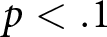 $p \lt .1$).
Identity markers and policy support conditional on respondent nativism.

When it comes to assessing whether the efficacy of nativist-based reasoning is likely to move citizens, the results from voters on average showed that manipulating reasoning had little effect. This, on average, null effect is a product of asymmetric responses to these signals between the nativist and non-nativist respondents in the sample. Perhaps unsurprisingly, nativists are five percentage-points more inclined to support policies that are accompanied by strong nativist reasoning like “To counter backward Islamic intolerance” compared to non-nativist frames. Similar rhetorical devices, however, move non-nativists in the opposite direction, with strong nativist reasoning reducing policy support by seven percentage-points.
Finally, in Figure 5, we consider whether the effects of substantive group markers and in-group national support are conditioned by the type of reform being proposed by the policy entrepreneur. Doing so allows us to assess whether the influence of the core attributes we identify on average is also conditioned by whether the proposal advances a liberal or illiberal position. These policies, as summarized in Table 1, are categorized based on their ideological roots as progressive or conservative, and whether the proposal is positive or negative. As in the case of Figure 4, the results are further stratified according to respondents’ pre-treatment immigration attitudes.
The effect of identity markers on policy support across liberal & illiberal proposals.

The findings highlight several key observations regarding the impact of ethnic identity cues on policy preferences. Notably, there is a significant distinction between the effects of substantive group markers and national support. National support appears to draw both anti- and pro-immigration respondents toward endorsing various policies, while the influence of substantive Muslim cues is primarily observed among anti-immigration respondents. Consider the anti- and pro-progressive policies and the difference between those advocated by Muslims and non-Muslims. Among both nativists and non-nativists support for the policies, regardless of their (il)liberal direction, is lower for those proposed by Muslims. Among nativists the effect of disidentification on driving support is larger. Nativists are twelve percentage-points less inclined to favor an anti-progressive policy (e.g., opposition to lessons on gender equality) when opposition is advocated by an organization associated with Islam. The same nativists are also six percentage-points less inclined to favor a pro-progressive policy (e.g., support for lessons on gender equality) when support is advocated by an organization associated with Islam. Support for (il)liberal policies is selective and driven by out-group disidentification.
These results are noteworthy. They demonstrate that while some identity markers only depress support among nativist respondents, especially for progressive policies, others can make practically any policy—be that progressive or conservative—more attractive to respondents across the board. This is the case, for example, of in-group ethnic endorsements. When respondents are informed that a majority of the population is in favor of any type of policy, a majority of both nativists and non-nativists adopt a more favorable view of that policy. The exception remains those policies that are pro-conservative in which case those with more liberal views on migration (the non-nativists) are still more inclined to oppose than endorse the policy.
6. Discussion
Identities and tribal thinking play a central role in shaping political attitudes, especially amid the rise of illiberal movements. Historically, Western powers framed cultural and racial hierarchies to justify exclusion, portraying themselves as modern and superior (Said, Reference Said1977; Go, Reference Julian2017; Seamster and Ray, Reference Seamster and Ray2018). Today, these narratives have evolved to target immigration and marginalize ethnic minorities within Western societies (Akkerman, Reference Akkerman2005; Reference Akkerman2015; Meret and Siim, Reference Meret, Siim, Siim and Mokre2013; de Lange and Mügge, Reference de Lange, Sarah and Mügge2015). Nativist actors have weaponized liberal values—such as women’s rights, LGBTQ+ freedoms, and environmental concerns—framing them as inherently Western and incompatible with immigrant cultures (Lægaard, Reference Laegaard2007; Farris, Reference Farris2012; Spierings, Reference Spierings2021; Camargo-Fernández and Polo-Artal, Reference Camargo-Fernández and Polo-Artal2024; Turnbull-Dugarte et al., Reference Turnbull-Dugarte, López Ortega and Hunklinger2025; Mainz Reference Mainz2025). This allows exclusionary policies to be cloaked in a superficial commitment to liberalism, raising concerns about the fragility of democratic norms (Cornejo-Valle and Ramme, Reference Cornejo-Valle, Ramme, Möser, Ramme and Takács2022; Deckman et al., Reference Deckman, Elder, Greene and Lizotte2023; Velasco, Reference Velasco2023). In our paper, we aim to expand our understanding of how citizens respond to these shifting identity-based cues.
We demonstrate that while descriptive identity markers, group reasonings, and out-group norms exert influence on respondents’ policy positions, it is substantive identities and in-group norms that primarily determine the stances on both progressive and conservative proposals. Furthermore, we observe that although more nativist respondents are not any more influenced by in-group norms than their less nativist counterparts, they exhibit a pronounced sensitivity to nativist frames and associations with ethnic out-groups. Delving deeper into various policy proposals, we find that nativist respondents are, on average, the most susceptible to transitioning from opposing to supporting a policy based on multidimensional identity markers. Empirically, we demonstrate that—as theorized—disidentification of ethnic out-groups results in selectively (il)liberal shifts in expressed preferences. While our experimental evidence is observed in Germany and the Netherlands, two countries that we categorize as most-likely cases of selectively (il)liberalism, our expectation is that these results would be replicated in other Western democracies (in Europe or elsewhere) where the strategic issue-bundling of exclusionary nativism and liberal value frames are present. As highlighted in the review of the existing literature, these practices are not unique to Germany and the Netherlands and have been observed in diverse contexts including, among others, France (Calderaro, Reference Calderaro2025), Spain (Turnbull-Dugarte and López Ortega, Reference Turnbull-Dugarte and López Ortega2024) and the USA (Murib, Reference Murib2018). Whether our results are observed in contexts where liberal values are not yet part of the national identity (Lægaard, Reference Laegaard2007) is, of course, an empirical question and we encourage future research to engage in replications and advancements that expand on the geographical scope of this and other work on the selective liberalism.
Our findings provide strong empirical support for extending the political tolerance framework to contemporary forms of selective liberalism. Just as Stouffer (Reference Stouffer1955) found that Americans supported free speech in principle but not for communists, and Sullivan et al. (Reference Sullivan, Piereson and Marcus1982) demonstrated this pattern persisted across different target groups, we show that citizens support progressive educational policies in principle but withdraw support when these are associated with Muslims. The magnitude of our effects—with proposals from Muslim organizations facing a 5.4 percentage-point penalty—parallels the substantial gaps in tolerance documented in the classic literature. Moreover, our finding that this penalty is nearly doubled among nativists (8 percentage points) aligns with Duch and Gibson (Reference Duch and Gibson1992)’s argument that authoritarian predispositions and perceived threat amplify intolerance.
The implications of these heterogeneous effects, or lack thereof, are twofold. First, and consistent with evidence presented elsewhere (Turnbull-Dugarte and López Ortega, Reference Turnbull-Dugarte and López Ortega2024), the anti-Muslim rejection of proposals among citizens is not limited to the usual (nativist) suspects, even if it is greater for this group. The implications for policy proponents are somewhat discouraging: regardless of the issue, campaigns that are explicitly identified with groups associated with Islam are likely to suffer a sizeable penalty in public support, even among those predisposed toward culturally liberal values. Secondly, and somewhat more positively, the heterogeneous responsiveness to nativist reasoning signals that the reach of far-right actors who leverage this rhetoric may well be constrained. While this rhetoric works for those positively predisposed to nativism, it is likely to repel others.
Our findings contribute new evidence to the discourse on the fragility of liberal democratic attitudes, suggesting that not only do strong substantive identities—such as partisanship—influence citizens’ liberal democratic attitudes, but that descriptive markers, perceptions of group norms, and group reasoning can also sway citizens toward more (il)liberal opinions (Graham and Svolik, Reference Graham and Svolik2020; Simonovits et al., Reference Simonovits, McCoy and Littvay2022; Dyck and Pearson-Merkowitz, Reference Dyck and Pearson-Merkowitz2023).
This is particularly alarming in an era of issue entrepreneurship and political diversification. Homonationalists (Akkerman, Reference Akkerman2005; Dudink, Reference Dudink2017; Siegel, Reference Siegel2017; Hunklinger and Ajanović, Reference Hunklinger and Ajanović2022), femonationalists (Farris, Reference Farris2012; Camargo-Fernández and Polo-Artal, Reference Camargo-Fernández and Polo-Artal2024; Calderaro, Reference Calderaro2025), and environmental nationalists (Conversi and Friis Hau, Reference Conversi and Hau2021; Backlund and Jungar, Reference Backlund and Jungar2024) incorporate progressive elements to position them as incompatible with immigrants. However, nativist leaders are not the only ones utilizing minority group rights reasoning to legitimize their agendas. Besides traditional anti-LGBTQ+ groups, which campaign on morality and religious justifications, the last decade has seen a proliferation of anti-transgender discourses. These discourses often frame transgender rights as conflicting with women’s rights and the rights of LGB individuals, gaining traction in the discourse of both radical and mainstream parties in the UK and Spain (Turnbull-Dugarte and McMillan, Reference Turnbull-Dugarte and McMillan2023). This dynamic not only has the potential to deepen the fragmentation and decoupling of sociocultural attitudes from attitudes toward immigration, creating a growing group of “sexually modern nativists” (Spierings et al., Reference Spierings, Lubbers and Zaslove2017; Lancaster, Reference Lancaster2019; Reference Lancaster2022), but it could also presage new dynamics of issue rebundling and a trend toward creating new attitudinal identity subgroups. Such shifts have the potential to erode solidarity among minority groups and to degrade the well-established GAL–TAN opinion structure (Hooghe et al., Reference Liesbet, Marks and Wilson2002; De Vries, Reference Vries and Catherine2018).
Our results provide confirmatory evidence that illiberal entrepreneurs and parties exploiting group identity markers to legitimize and broaden the appeal of their agenda may be successful in their objectives. Previous research has indicated that gender attributes can render illiberal policies more palatable (Ben-Shitrit et al., Reference Ben-Shitrit, Elad-Strenger and Hirsch-Hoefler2022; Weeks et al., Reference Weeks, Meguid, Kittilson and Coffé2023; Elad-Strenger et al., Reference Elad-Strenger, Ben-Shitrit and Hirsch-Hoefler2024; Mainz Reference Mainz2025). We extend these findings to include other descriptive traits, such as ethnicity and LGBTQ+ status, as well as substantive identities like being feminist, ecologist, or a member of a religious organization. While liberal actors could also strategically leverage group identities to enhance their messaging, evidence suggests this approach can backfire. For instance, highlighting conservative group identities—like being a veteran—reduced homophobic bias against openly gay 2020 Democratic primary candidate Pete Buttigieg (Magni and Reynolds, Reference Magni and Reynolds2024). However, this strategic employment of group identities could also lead to strategic discrimination—namely, the avoidance of selecting minority candidates due to the perception that white male candidates might have broader appeal (Bateson, Reference Bateson2020).
Our study advances political tolerance research in three key ways. First, while traditional tolerance studies focus on support for procedural rights (Sullivan et al., Reference Sullivan, Piereson and Marcus1982; Gibson, Reference Gibson1992), we demonstrate that conditional support extends to substantive policy positions across multiple issue domains. Second, we identify disidentification (Turnbull-Dugarte and McMillan, Reference Turnbull-Dugarte and McMillan2023; Turnbull-Dugarte and Wagner, Reference Turnbull-Dugarte and Wagner2025) as a novel mechanism driving selective support, complementing the threat-based explanations emphasized by Duch and Gibson (Reference Duch and Gibson1992). Third, our experimental approach allows us to isolate the causal effect of ethnic identity cues, addressing the measurement challenges that have long plagued tolerance research (Gibson, Reference Gibson1992). These contributions suggest that the “paradox of tolerance” identified by early scholars—whereby democratic citizens hold undemocratic attitudes toward certain groups—may be even more pervasive than previously recognized, extending beyond civil liberties to encompass the full spectrum of policies that embody liberal democratic values.
Our study also furthers the understanding of the role of group norms and reasoning in shaping policy preferences. First, we demonstrate that simple manipulations of in-group norms can significantly sway citizens’ support toward both liberal and illiberal policies. This aligns with previous social psychological research, which has shown that communications emphasizing widespread engagement in a behavior can promote strong conformity in attitudes and behaviors (Levitan and Verhulst, Reference Levitan and Verhulst2016; Stollberg et al., Reference Stollberg, Fritsche and Jonas2017). This helps explain why illiberal entrepreneurs focus on redefining the meanings and norms of social and political in-groups. Second, we introduce and operationalize the concept of group reasoning, arguing that policy proposals are often framed not in terms of the direct beneficiaries, but with reasoning that significantly affects how respondents perceive these policies as (il)liberal.
Supplementary material
The supplementary material for this article can be found at https://doi.org/10.1017/psrm.2025.10066. To obtain replication material for this article, https://doi.org/10.7910/DVN/GJWWEE.
Acknowledgement
This paper benefitted from the feedback of participants at the 2023 European Political Science Association (EPSA) conference in Glasgow, the New Research on Europe Seminar at Center for European Studies (Harvard University), as well as the 2023 Consequences of Identity Politics workshop at the University of Southampton. We thank Elizabeth Simon, Gabriele Magni, Joe Philips, Katharina Lawall, Markus Kollberg, Markus Wagner, Michal Grahn, Peter Dinesen and Ronja Sczepanski for their helpful and critical comments on an earlier iteration of the manuscript. Finally, we are indebted to the recommendations provided by the anonymous reviewers during the peer-review process at PSRM.
Funding statement
This research was funded by the British Academy/Leverhulme Trust (Grant No. SRG22/220985).
Data availability statement
Replication data and code can be found in Harvard Dataverse at https://doi.org/10.7910/DVN/GJWWEE


 Open access

