Introduction
Vulture populations have declined severely in many parts of the world. In Asia, > 95 % declines have been reported while an average decline of 62% during the last 30 years is reported for continental Africa (Prakash et al. Reference Prakash, Pain, Cunningham, Donald, Prakash, Verma, Gargi, Sivakumar and Rahmani2003, Ogada et al. Reference Ogada, Keesing and Virani2012, Buechley and Şekercioğlu Reference Buechley and Şekercioğlu2016, Ogada et al. Reference Ogada, Shaw, Beyers, Buij, Murn, Thiollay, Beale, Holdo, Pomeroy and Baker2016). Many vulture populations face a variety of threats, notably from unintentional poisoning particularly with the veterinary drug diclofenac (Green et al. Reference Green, Newton, Shultz, Cunningham, Gilbert, Pain and Prakash2004, Oaks et al. Reference Oaks, Gilbert, Virani, Watson, Meteyer, Rideout, Shivaprasad, Ahmed, Chaudhry and Arshad2004, Swan et al. Reference Swan, Naidoo, Cuthbert, Green, Pain, Swarup, Prakash, Taggart, Bekker and Das2006) and from negative effects of other numerous human activities in their environment including use of their body parts in traditional medicine, loss of breeding sites and direct persecution (Kuvlesky et al. Reference Kuvlesky, Brennan, Morrison, Boydston, Ballard and Bryant2007). Vulture population declines are exacerbated by their life history – low reproductive potential, slow growth and late maturity relative to most other terrestrial taxa (Madeddu et al. Reference Madeddu, Berlinguer, Ledda, Leoni, Satta, Succu, Rotta, Pasciu, Zinellu and Muzzeddu2009, Sanz-Aguilar et al. Reference Sanz-Aguilar, De Pablo and Donázar2015). As a result, most vulture populations have a reduced potential to sustain themselves (Phipps et al. Reference Phipps, Willis, Wolter and Naidoo2013). Although no species of vultures are known to have become extinct in the wild in Ghana, several species have been extirpated from large parts of their range (Pain et al. Reference Pain, Cunningham, Donald, Duckworth, Houston, Katzner, Parry-Jones, Poole, Prakash and Round2003), and 12 species are currently listed as ‘Critically Endangered’, ‘Endangered’ or ‘Vulnerable’ on the IUCN Red List of Threatened Species (BirdLife International 2015).
Despite the well-documented serious declines in some species in many parts of the world, especially in Asia, vultures still face similar threats in other places, particularly in Africa (Thiollay Reference Thiollay2006, Angelov et al. Reference Angelov, Hashim and Oppel2013, Buechley and Şekercioğlu Reference Buechley and Şekercioğlu2016). For instance, in attempts to get rid of carnivorous scavengers such as hyenas and jackals by poisoning, vultures become unintended victims when they feed on such carcasses (Anderson Reference Anderson2000). In Kenya, it was reported that 187 vultures were found dead after feeding on a poisoned cow carcass (Virani et al. Reference Virani, Kendall, Njoroge and Thomsett2011) and similar fatalities have been reported elsewhere, including over 50 vultures outside the Mkuze Game Reserve in South Africa (Mander et al. Reference Mander, Ntuli, Diedericks and Mavundla2007).
Vultures are vital for ecosystem functioning and human well-being. Their role in decomposing dead and decaying matter is vital for the sustenance of the ecosystem (Buechley and Şekercioğlu Reference Buechley and Şekercioğlu2016). Studies have shown that up to about 70% of carcasses left after the migration of wildebeest from the Mara to the Serengeti are removed by vultures (Houston Reference Houston1972). This key ecosystem service prevents rotten carcass from littering the environment thus reducing the potential for disease transmission to human and livestock (Moleón et al. Reference Moleón, Sánchez-Zapata, Margalida, Carrete, Owen-Smith and Donázar2014).
In parts of Africa, vulture body parts are highly valued in traditional medicine. Perhaps more so than on other continents, in many African communities, disease, misfortune and success are not regarded as chance events but occur as a result of the actions of an individual or ancestral spirits (Stein and Stein Reference Stein and Stein2015). As such, traditional healing practices that command the presence of ancestral spirits are held in high reverence and are frequently used by the majority of local people (Elujoba et al. Reference Elujoba, Odeleye and Ogunyemi2005). In many such practices, vultures or their parts constitute the main component with no other comparable alternative animal group (Beilis and Esterhuizen Reference Beilis and Esterhuizen2006). Many traditional healers, who prescribe vultures or vulture parts as key components to be used in healing, have fueled unsustainable harvesting of many species of vultures (Buij et al. Reference Buij, Nikolaus, Whytock, Ingram and Ogada2016).
Eight of the world’s 23 species of vultures occur in Ghana and seven of them are of conservation concern. The species of vultures in Ghana include: Hooded Vulture Necrosyrtes monachus, Egyptian Vulture Neophron percnopterus, African White-backed Vulture Gyps africanus, Palm-nut Vulture Gypohierax angolensis, White-headed Vulture Trigonoceps occipitalis, Lappet-faced Vulture Torgos tracheliotus, Rüppell’s Vulture Gyps rueppellii and Eurasian Griffon Vulture Gyps fulvus. Vultures are of varying significance to Ghanaians with some people rating them as evil and a bad omen to others considering them as totems and cultural symbols. They are tagged as filthy and bearers of bad luck and so have been heavily persecuted (Clements et al. Reference Clements, Gilbert, Rainey, Cuthbert, Eames, Bunnat, Teak, Chansocheat and Setha2013, Morelli et al. Reference Morelli, Kubicka, Tryjanowski and Nelson2015). Vultures are misunderstood and people’s attitudes towards them can decide their fate of survival or extinction. Therefore, effective conservation management of these species will be achieved only when clearer priorities for research are set and results clearly communicated to stakeholders (Conde et al. Reference Conde, Lonsdale, Nyong and Aguilar2005), particularly community involvement (Andrade and Rhodes Reference Andrade and Rhodes2012, Brooks et al. Reference Brooks, Waylen and Mulder2012, Karanth and Nepal Reference Karanth and Nepal2012, Fabricius et al. Reference Fabricius, Koch, Turner and Magome2013, Dyer et al. Reference Dyer, Stringer, Dougill, Leventon, Nshimbi, Chama, Kafwifwi, Muledi, Kaumbu and Falcao2014).
Research on vulture population trends and threats is ongoing in many parts of the world (Green et al. Reference Green, Newton, Shultz, Cunningham, Gilbert, Pain and Prakash2004, Baral et al. Reference Baral, Gautam and Tamang2005, Beilis and Esterhuizen Reference Beilis and Esterhuizen2006, Hernández and Margalida Reference Hernández and Margalida2008) but a few of studies in America (Arnulphi et al. Reference Arnulphi, Lambertucci and Borghi2017) and Africa (Reson Reference Reson2012, Pfeiffer et al. Reference Pfeiffer, Venter and Downs2015) have focused on the attitudes of local people towards vultures. More data are needed to understand and document people’s attitudes towards vultures that pose further risks to their survival while seeking to fully understand their plight. This paper aimed at understanding the perception and attitude of Ghanaians towards vultures regarding their views about threats, the importance of vulture conservation as well as identify factors that will support or oppose vulture conservation in Ghana. The following key objectives were formulated to guide the study. The indigenous people were assessed on (i) general knowledge on vultures, (ii) cultural and spiritual importance of vultures, (iii) agriculture and animal husbandry practices, (iv) evidence of threats and (v) attitude towards vulture conservation. As first of its kind in Ghana, results from this study are of management importance as they provide insights into socio-cultural values associated with bird conservation, a key ingredient that is often left out of management policies.
Materials and methods
Study area
The study was conducted in Ghana which lies within 7.9465° N, and 1.0232° W. Three main ecological zones span the country: forest, forest/savanna transition zone, and northern Guinea savanna (Figure 1). The country covers an area of 238,500 km2 with an estimated human population of 25 million according to the 2010 population census. There are over 100 ethnic groups with each having its own unique language and way of life although British English is the official language in Ghana. Vegetation is characterised by dense tropical rainforest in the south of the country, extending into savanna and grasslands towards the north.
Map of Ghana showing study communities. Insert is map of Africa showing the location of Ghana.
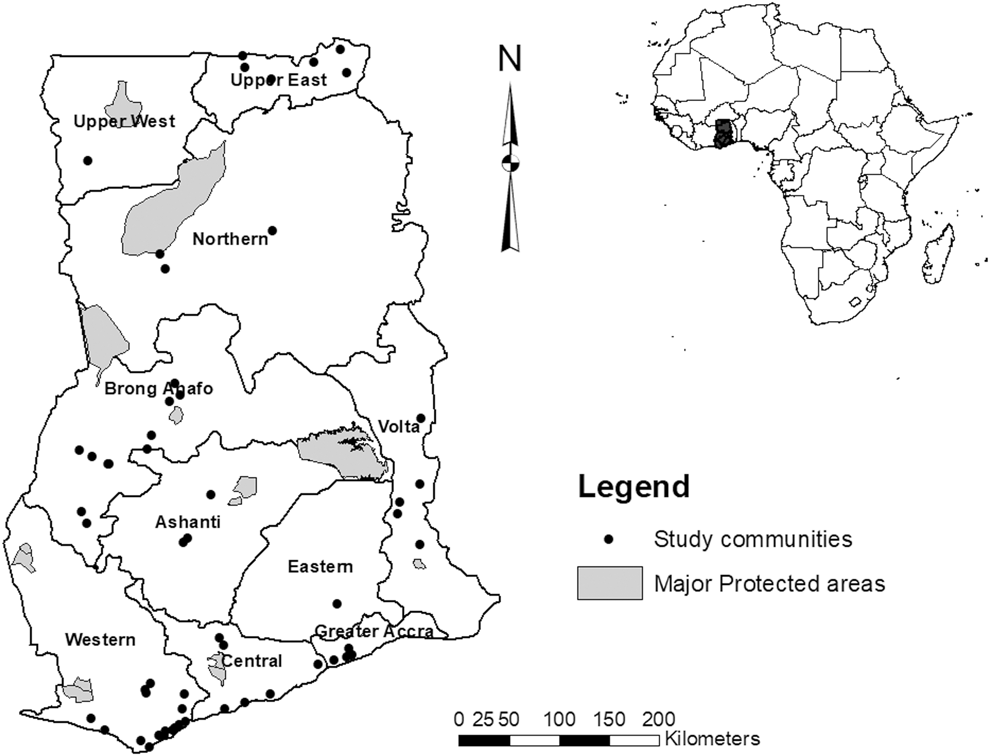
In Ghana, vultures vary in their range. The Hooded Vulture’s range spans most of the country, but it is predominantly found in the southernmost part, due to the occurrence of nesting and feeding opportunities. Palm-nut Vultures occur in the middle and transition zones and in forested areas in the country. African White-backed, White-headed, Rüppell’s and Egyptian Vultures are distributed in the open grassland and savannas that characterise the northern parts of the country (Borrow and Demey Reference Borrow and Demey2010). There have been isolated sightings of the Lappet-faced Vulture and Eurasian Griffon in the Northern region and some parts of Upper East region.
Major traditional economic activities in Ghana include subsistence and commercial agriculture, fishing and small-scale mining. Ghana is a significant exporter of timber and this industry makes an important contribution to socio-economic development (Aryee Reference Aryee2001). Owing to this, large areas of virgin forests are being converted daily for the purpose of agriculture, mining and timber extraction, all of which have negative consequences for biodiversity.
Sampling
Ten respondents each were selected randomly from 46 communities (also selected randomly) in eight regions in Ghana with a total sample size of 460 from an estimated population of ≥ 1,500 people. The 46 communities were distributed over the three major ecological zones (forest, forest-savanna transition and Guinea savanna) to reflect the distribution vultures in Ghana. This allowed participants in the study to better respond to questions relating to species that occur in their local area and also to solicit opinions and perceptions across different regions and ethnic groups.
In each selected community, structured questionnaires were administered to respondents and in some cases were translated into the local languages based on the literacy level of respondents. Key informants from the respondents were identified (with focus on key stakeholders including butchers, farmers, veterinary officers and traditional medicine practitioners) and surveyed to enrich information on the subject matter. Respondents were shown pictures of the different species of vultures to confirm identifications. All surveys were conducted from January to March 2016. Their participation in the surveys was purely voluntary. Prior informed consent was sought and all personal information provided was kept confidential.
Data analysis
Information derived from the surveys was coded and entered into SPSS version 22 (Statistical Package for the Social Sciences). Before analysis began, data were screened for entry errors and outliers. Variables used in this study were categorised as 1. Compositional factors: (i) Biosocial (age, gender); (ii) Sociocultural: (income, education, occupation, religion) and 2. Contextual factors: (region, rural/urban effects). For a detailed description see Appendix S1 in the online supplementary material. The level of education of respondents was classified into five groups; illiterates (those who can neither read nor write), primary (1-6 years of formal education), middle school (6–9 years of formal education), secondary (9-11 years of formal education) and tertiary (those with undergraduate or associate degree or higher). Education levels were later regrouped into ‘no formal’, ‘basic’ and ‘high’ levels for further analyses. Variations in the proportion of respondents’ attitude statements and the strength of associations were tested using Pearson’s chi-square test to evaluate how likely it is that any observed difference between the variable sets arose by chance (Greenwood and Nikulin Reference Greenwood and Nikulin1996) and a Cramer’s V test (Darling Reference Darling1957) respectively. Attitudes of respondents towards vulture conservation were assessed by using the following trichotomous statement: agree, neutral, disagree.
Results
A total of 460 respondents were surveyed through structured questionnaires. Of these, 67% were males and 33% were females and their ages ranged from 20 to 80 years. The majority of respondents were self-employed or owned small businesses (47%) followed by those that were unemployed (23%), civil and public servants (24%), and students (6%). Respondents belonged to three religious groups; Christian (60%), Muslim (37%) and West African Traditional Religion (3%).
Respondents’ knowledge of vultures
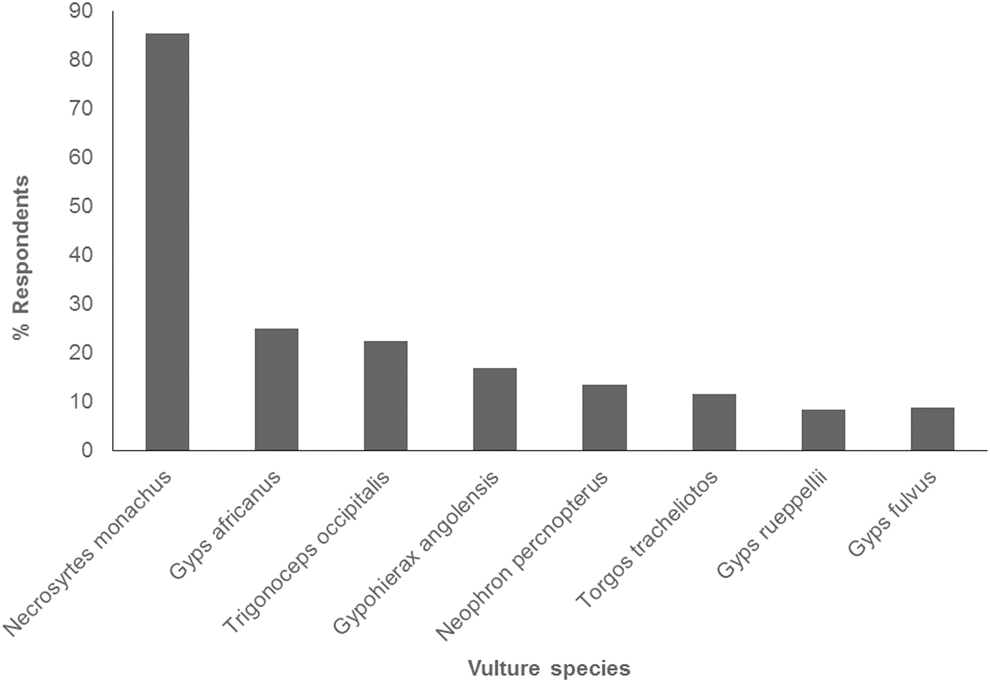
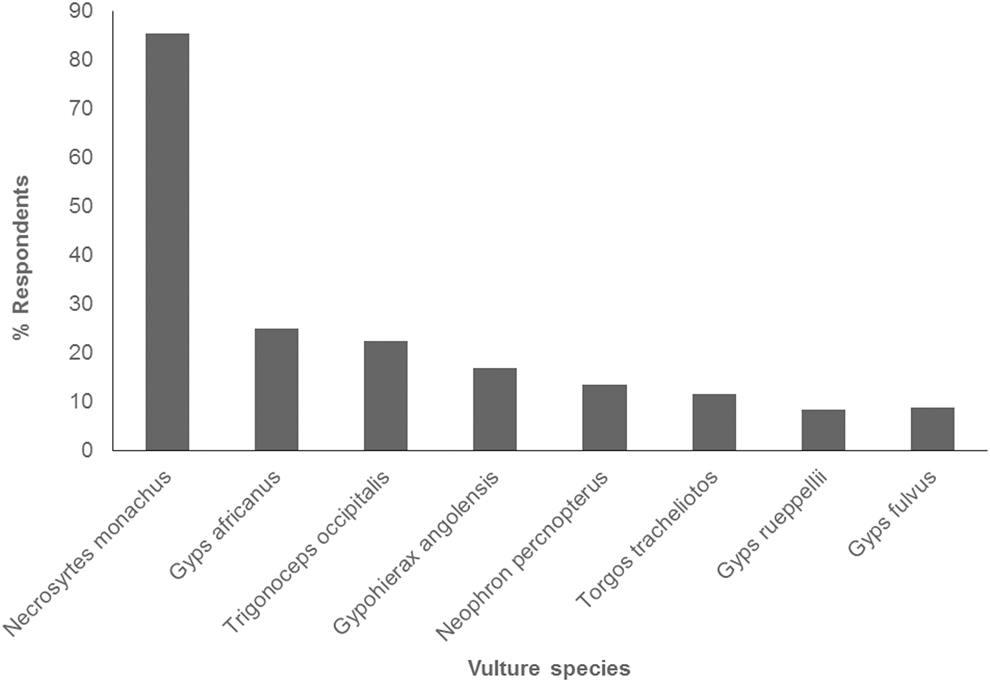
Overall, a majority of respondents (98%) indicated that they were most familiar with only two species of vultures and could tell the difference between vultures and other birds of prey. However, respondents had varying degrees of knowledge of vulture identification. Whilst over 85% of all respondents across the study area were familiar with only the Hooded Vulture, only 25% and 23% of them were familiar with the African White-backed and White-headed Vultures respectively. Respondents from coastal and high forest areas were only familiar with the Hooded Vulture, whilst those who claimed to have seen the other two species lived in the transition and Guinea savanna ecological zones. Few respondents (5–10%) were able to identify the remaining five species of vultures from photographs whilst those unfamiliar with the species were surprised that these species occurred in Ghana (Figure 2). According to 56% of respondents, vultures were used as cultural emblems (totems) and represented a sign of strength and peace. About 88% of respondents still linked vultures to witchcraft, bad omen and as creatures with mystical powers (full details of questionnaire used in Appendix S2).
Correct identification of different species of vultures in Ghana as indicated by respondents.
Evidence of vulture population declines in Ghana according to respondents
Overall, 89% of respondents indicated that the number of vultures had declined and confirmed that vultures were not as common as they used to be. Most respondents (77%), however, affirmed that 10 years ago it was possible to see on average over 50 individual vultures at a single location and at times over 200 at carcasses but recently such sightings were rare. About 41% of them reported seeing them recently (≤ 4 weeks) and the numbers of vultures sighted were low (≤ 5 individuals). About 31% of the respondents indicated that about 10 years ago they saw larger numbers of up to ≥ 20 individuals.
Evidence for possible indirect vulture poisoning
Over 67% of respondents kept livestock (goats, sheep and cattle) and poultry at home. Coccidiosis, foot and mouth diseases, foot rot, ringworm infection, anthrax and pneumonia were reported by the majority of respondents (85%) to be the commonest diseases that affected their livestock. About 54% of respondents sought veterinary attention for their sick animals of which 24% claim that their livestock are treated with diclofenac. At least one person said that he dissolved diclofenac to treat his sick animals. However, that sample size is small. Over 53% of respondents revealed that when livestock succumbed to such diseases they preferred to bury the carcasses, 35% left carcasses out in the open and 13% of the respondents burnt the carcasses.
About 78% of all respondents reported that Carbofuran (Furadan 4F) was used to poison rodents, a new technique that is linked to bushmeat hunting. The same proportion of respondents also confirmed that the offal removed from poisoned animals especially grass-cutter Thryonomys swinderianus or rats Rattus spp.) were not normally buried but thrown into the bush (Opare-Ankrah Reference Opare-Ankrah2007).
Habitat loss
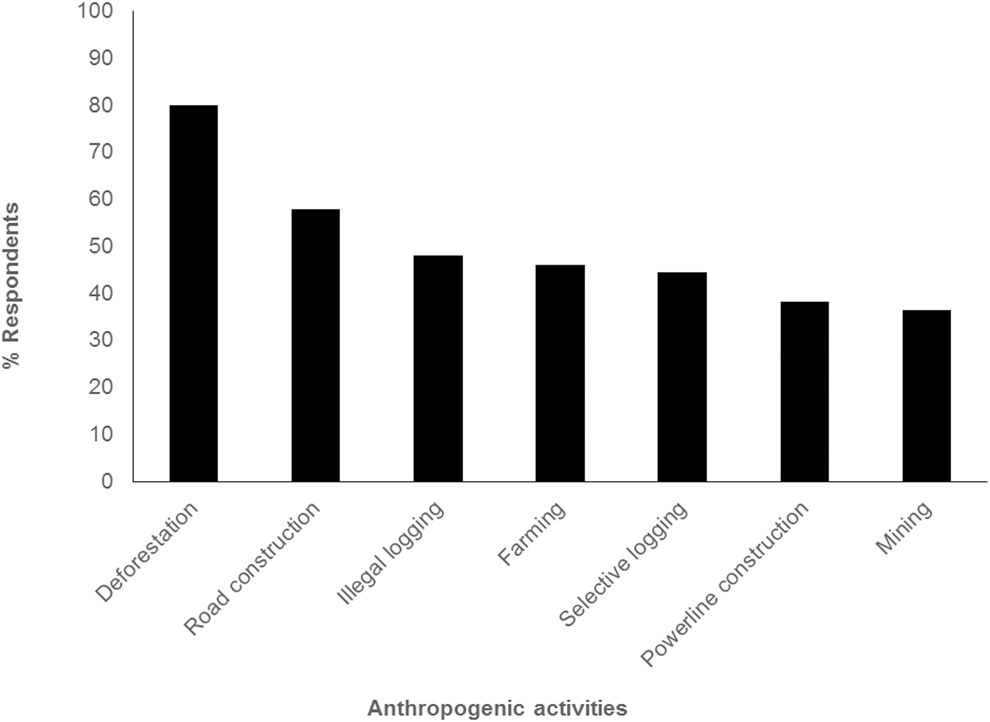
An overwhelming proportion (> 78%) of respondents indicated that tree loss might be the major cause of vulture population decline in Ghana. When probed further to indicate which species of plants they think vultures are associated with, over 45% reported the silk cotton tree Ceiba pentandra as the preferred tree resource for roosting and where they most often sighted their nests. They also implicated the severe decline in key tree species in recent times with vulture declines. The decline in silk cotton tree was linked to various anthropogenic activities including general deforestation (80%) and selective logging for plywood in the last 10 years (45%) (Figure 3).
Anthropogenic activities influencing habitat/tree loss as indicated by respondents.
Trade and trafficking of vulture parts in Ghana
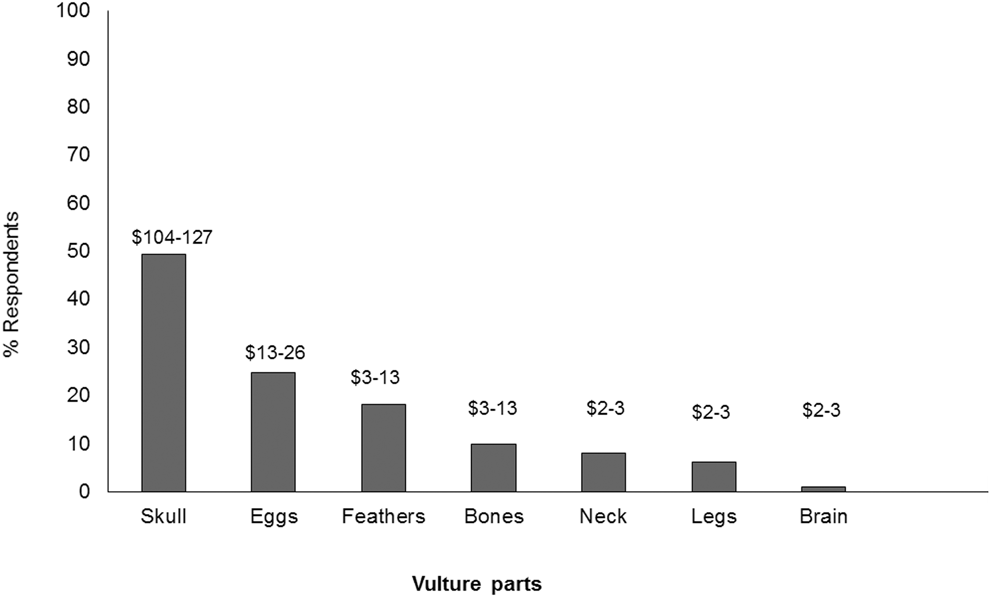
Trade in vulture parts often occurred on traditional and black markets and in some cases, parts were delivered on demand by traders. Overall, respondents reported that all eight species of vultures were traded, with Hooded Vultures as a special preference among them. Sixty-six percent of respondents indicated that the Hooded Vulture was the main species that they mostly saw being sold in traditional markets. Estimated prices of vulture parts in Ghana ranged from 2 to 127 USD (Figure 4). Each respondent answered all the questions posed on the pricing of vultures. The range of economic values was determined from the responses given the questions asked. The eggs of vultures were reported to be the most expensive and could cost up to an estimated 104–127 USD according to respondents (Figure 4). Other important parts included feathers (35%), bones (38%), and the skull (56%). Trade in vulture parts was reported (60%) as very profitable and lucrative.
Vulture parts and their average prices according to respondents (percentages were computed as the proportion of all 460 respondents who reported the cost of each of the vulture parts as they knew it).
Traditional medicine
Sixty-three percent of respondent reported that vultures were used in traditional medicine and at least 20 individuals (5% of the total sample size) confirmed having used it for this purpose. Surveys with traditional healers revealed that vultures or their parts formed key components in traditional healing for diseases such as strokes, epilepsy, madness and cancers. Other medicinal uses include curing barrenness, for protection and strength, gambling and lottery, intelligence for school children and for success in businesses. All respondents who claimed to have used vultures for traditional medicine indicated that traditional healing processes that involved vultures were very successful and presented positive results with no side effects.
Supporting vulture conservation in Ghana
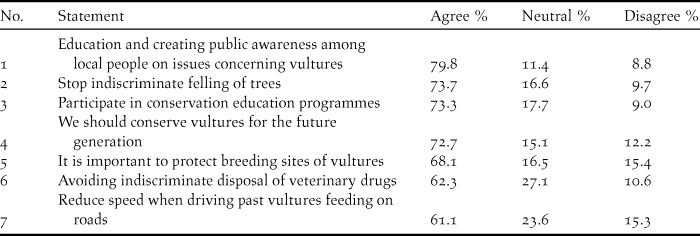
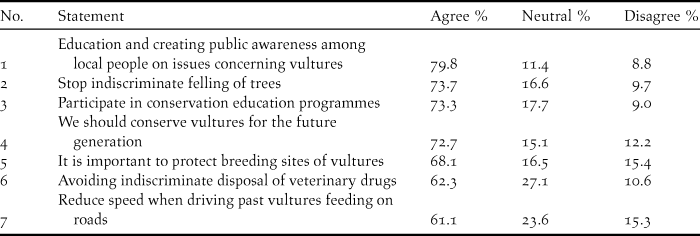
The majority of respondents demonstrated favourable attitudes towards the conservation of vultures. Seventy-five percent of respondents indicated that vultures were important and needed to be protected. About 73% of respondents were willing to participate in vulture conservation programmes while raising concerns about the consequences of losing the species. Over 65% of the respondents were in favour of public education and awareness creation programmes, protection of nest sites and reduction in indiscriminate felling of trees as avenues for effective vulture conservation in Ghana (Table 1). More male (75%) respondents were in support of protecting breeding sites (X 2 = 9.13, df = 2, P < 0.05, n = 460) and reduction in the indiscriminate felling of tress (X 2 = 5.79, df = 2, P < 0.05, n = 460) compared with females (25%). Religion was however an important factor in influencing respondents’ willingness to participate in education and public awareness creation programmes, with people who practice West African Traditional Religion more interested in supporting vulture conservation education programmes followed by Moslems, and Christians the least.
Attitude statements towards vulture conservation
Discussion
This study explored the perception and attitudes of local people towards vultures, particularly behaviours that will either support or oppose vulture conservation strategies in Ghana. Vultures are unique birds and have often featured in Ghanaian traditions and folklore as representing strength and patience and they are a species of great importance for some clans, especially the Asakyire clan (Awuah-Nyamekye Reference Awuah-Nyamekye2009).
Our findings suggest that most respondents were only able to correctly identify three out of the eight species of vultures that occur in Ghana. Although findings from earlier studies from Europe for instance suggests a high level of shepherds’ knowledge on scavengers (Cortés-Avizanda et al. Reference Cortés-Avizanda, Martín-López, Ceballos and Pereira2018, Morales-Reyes et al. Reference Morales-Reyes, Martín-López, Moleón, Mateo-Tomás, Olea, Arrondo, Donázar and Sánchez-Zapata2018a, 2918b). These well-known species are the Hooded, African White-backed and White-headed Vultures. These species may have been identified correctly because they are (or were) very common, particularly the Hooded Vulture that is distributed geographically across the entire country (Borrow and Demey Reference Borrow and Demey2010). Hooded Vultures are most familiar to many Ghanaians because they are more often found in or around human dwellings compared to other species of vultures. This species is generally referred to as “pete” and is widely known. The lesser known species (see Figure 2), however, shy away from human habitation (Mundy Reference Mundy1992).
Perception of vulture population declines
The perception of vulture populations as indicated by the majority of respondents seems to suggest a mirror image of the declining global trends in vulture populations. Many reported that vultures are not as common as they used to be. At this stage information on vulture population trends in the country is lacking. To understand declines and possible causes it is important that a nationwide census of vultures is carried out of to ascertain the population status of vultures in Ghana. Such information is necessary and can direct policy and intervention measures if there is clear scientific evidence of vulture declines.
Possible veterinary poisoning from diclofenac
In many households, free-ranging animal husbandry system is employed. This comes with a reduced labour cost and animals are easier to maintain. Diseases that affected livestock are however common due to this preferred husbandry practice (Bengis et al. Reference Bengis, Kock and Fischer2002). In some cases, diseases that presented pain and inflammation were reported to be treated with diclofenac. Generally, when livestock succumbed to diseases or died due to other factors, people preferred to bury dead animals, rather than leave them out in the open. This is usually done to prevent the spread of disease to other livestock and to reduce the stench that would be produced by rotten animals. This practice may be beneficial, as it reduces the number of contaminated carcasses that may have been available to vultures. However, the proportion of respondents who indicated that they dump carcasses rather than burying them raises concerns about indirect poisoning of vultures if the livestock were treated with diclofenac prior to death. Possible use of diclofenac in veterinary medicine is poorly documented. In Ghana, it appears the laws regulating the use of toxic chemicals and veterinary drugs such as diclofenac are inactive and the environmental consequences cannot be overemphasised (Margalida et al. Reference Margalida, Bogliani, Bowden, Donázar, Genero, Gilbert, Karesh, Kock, Lubroth and Manteca2014). This certainly requires further investigation in a Ghanaian context.
Possible poisoning from furadan4F (carbofuran)
A poisoning pathway not extensively documented in Ghana, but prevalent in other African countries, for example Kenya (St John et al. Reference St John, Keane, Edwards-Jones, Jones, Yarnell and Jones2011), Cameroon and Senegal (Croes et al. Reference Croes, Buij, van Dalen, de Iongh, Croes, Buij, Bauer and de Iongh2008) and South Africa (Basson Reference Basson1987, Pfeiffer et al. Reference Pfeiffer, Venter and Downs2015), has been confirmed by this study. This study complements (Opare-Ankrah Reference Opare-Ankrah2007, Owusu-Ansah Reference Owusu-Ansah2010) as the only available sources showing the use of furadan 4F insecticide as part of bushmeat harvesting in Ghana. Furadan is reportedly very cheap and readily available at agrochemical shops in Ghana. The use of this chemical for hunting may be due to its efficiency at ensuring harvesting of bushmeat compared to the conventional use of mechanical traps and locally manufactured guns. Respondents indicated that a mixture of furadan and fermented human urine poured on dried coconut Cocos nucifera fronds will attract any rodent, especially grass-cutters, which are a preferred animal. This method is widely used in most rural communities all over the country. Offal (entrails and internal organs) removed from poisoned animals may later be consumed by vultures if the offal is not buried. Hunters who use the method are fully aware of the potential danger to humans but not to other wildlife. This is why they have to get rid of the offal within the shortest possible time to avoid the spread of the poison across the entire carcass. This hunting method may be potent for hunting bushmeat but detrimental to vultures and to humans, possibly silently accounting for huge loses of vultures in Ghana, particularly in areas where bushmeat hunting is predominant. At present, furadan is widely available and there are no laws or policies in place to ban its use or regulate sales of similar chemicals in Ghana. This study indicates that the potential harm to vultures posed by this chemical is present, as evidenced by other studies where furadan was responsible for deaths of large numbers of vultures (Odino and Ogada Reference Odino and Ogada2008, Otieno et al. Reference Otieno, Lalah, Virani, Jondiko and Schramm2010, Santangeli et al. Reference Santangeli, Arkumarev, Komen, Bridgeford and Kolberg2017).
Habitat loss and destruction
The loss of trees and nest sites of vultures was indicated by respondents as being a common phenomenon in most communities where surveys took place. Silk cotton tree is observed to be the preferred tree species by vultures, heavily utilised as roosting, perching and nesting sites. The decline in this softwood species may be the result of it being preferred by the construction and furniture industries owing to the decline of other hardwood species like Milicia regea and Triplochiton scleroxylon which have been heavily overexploited. Under such intense loss of silk cotton trees, vultures may be losing very important nesting sites and this could adversely affect the species.
Trade and trafficking
Many traditional markets offer different species of vultures and their parts for sale. Vulture parts on average are more expensive compared to other wildlife products on the traditional and black markets. For instance, the eggs of a vulture can cost as much as USD 127. Many believe this business to be very profitable and they may be unwilling to try other sources of livelihood. This study is consistent with McKean et al. (Reference McKean, Mander, Diederichs, Ntuli, Mavundla, Williams and Wakelin2013) where it is estimated that about 160 vultures are sold annually in eastern South Africa involving > 59,000 people feeding on vulture parts. They also estimated total annual sales of ZAR 1.2 million (USD 120,000) to consumers in eastern South Africa. Similarly, in April 2016, one dealer was found with several heads and feet of Hooded Vultures. He was selling the heads at USD 13 each (JPD pers. obs.). Current economic crises, poverty and youth unemployment may result in an unsustainable harvest of vultures for sale that may have negative consequences on the already dwindling population of vultures in Ghana.
Traditional medicine
About 70% of the population live in rural areas and a large proportion of these depend primarily on traditional medicine in battling diseases. Many people are inclined to visit shrines for consultation as the desired choice over orthodox health care, mostly because they are the most affordable and readily accessible. Many fetish priests and individuals who frequent traditional healers advocate potency to healing substances that have vulture parts incorporated in them, although such practices cannot be justified from the health and ecological points of view. The traditional healing process involves a mix of practices, beliefs and approaches that incorporate animal and plant medicines and spiritually based therapies to singly or in combination predict or treat diseases and ensure well-being (Tabi et al. Reference Tabi, Powell and Hodnicki2006). This study shows that vulture parts form key components in traditional medicine. Demand for vulture parts, despite their lack of beneficial effects on health, is driven by traditional healers prescribing vultures and their parts as the most suitable for healing purposes, gambling or making predictions on lotteries. Many traditional healers believe that there are no comparable alternatives to vultures and such perceptions may lead to an unending demand for vulture parts. This study is consistent with earlier studies that have documented the wide use of vultures in traditional medicine and witchcraft across many African regions (Pfeiffer et al. Reference Pfeiffer, Venter and Downs2015) and see also Buij et al. (Reference Buij, Nikolaus, Whytock, Ingram and Ogada2016). Unsustainable hunting for this purpose in these regions have had drastic consequence and many populations are likely to be exhausted if measures are not taken to remove such negative pressures (McKean et al. Reference McKean, Mander, Diederichs, Ntuli, Mavundla, Williams and Wakelin2013).
Conservation implications
The perceived decline in the population of vultures in Ghana can be attributed to the following factors:
1. Overexploitation of silk cotton tree has resulted in drastic reduction of this key nesting and roosting habitat resource for vultures.
2. Indiscriminate use of furadan and other locally concocted poisons as a means for obtaining rodents and ungulates (bushmeat hunting) has resulted into the indirect poisoning of vultures, most of which go unnoticed and undocumented.
3. Trafficking and sale of vulture body parts and eggs to meet the unsustainable demand at local and black markets for spiritual and folk medicinal purposes.
Promoting positive attitudes of the local Ghanaian towards vultures has the potential to fuel and successful conservation efforts for the species. Educational campaigns on streets and at public events such as festivals would be one avenue to highlight the threats to vultures and suitable conservation approaches. This would increase public awareness of the value of vultures. Local farmers should be educated on the risk to human health and biodiversity associated with the use of concocted poisons in hunting. Veterinary officers should be educated on the risks to vultures posed by the use of diclofenac and furadan. Proper carcass disposal methods should be encouraged to reduce the number of contaminated carcasses available to vultures. Religious leaders should incorporate stewardship of the environment and use their platforms to educate the public on the immense contributions vultures make in ensuring human well-being. Vultures stand a greater chance of being protected when they are appreciated and their importance in providing key ecosystem function is understood.
Supplementary Material
To view supplementary material for this article, please visit https://doi.org/10.1017/S0959270919000261
Acknowledgements
This study was supported by Rufford Small Grant Foundation (UK), grant number 18929-1 and Mohammed Bin Zayed Species Conservation Fund (UAE), project number 152511851 for the Indigenous Vulture Monitoring Project (IVMP), Department of Conservation Biology and Entomology, University of Cape Coast in Ghana. I thank all our IVMP representatives in Ghana and the entire Team for their unflinching support and also for providing information that improved this manuscript. I also thank Dr Phil Atkinson, Head of International Research at the British Trust for Ornithology, for help with an earlier draft of the manuscript. I thank Mrs Mary Adjei-Ayiah, the project secretary of University of Cape Coast and Mr Richard Kwafo for helping with data collection, secretarial and editorial support that made this project possible.