

Introduction
The beginning of the 20th century saw the emergence of many specialist journals devoted to the subjects of parasitology and tropical medicine. Although parasitology was the older discipline, journals focusing on tropical medicine were dominant (Chernin, Reference Chernin1992). Many of these medical journals accepted papers on parasitological subjects, yet morphological and taxonomic contributions were a poor fit in publications where clinical aspects were the norm (Nuttall & Shipley, Reference Nuttall and Shipley1908). Thus, journals such as Archives de Parasitologie, Parasitology and Journal of Parasitology were created and flourished as a medium for the promotion of parasitology as an independent discipline and over time were joined by others.
Perhaps the most unusual of these early parasitology publications was the Journal of Helminthology (JHL), created in 1923 by the distinguished helminthologist Robert Leiper (fig. 1). The creation of the JHL was not primarily to promote helminthology as a distinct sub-discipline of parasitology but rather initially as a house journal of the London School of Tropical Medicine, later to become the London School of Hygiene and Tropical Medicine (LSHTM), in order to showcase the activities of Leiper's Department of Helminthology and its offshoot the Institute of Agricultural Parasitology. Thus, the journal not only reflected Leiper's personal vision of helminthology, particularly his strong conviction about the benefits of comparative approaches to parasitological problems (Leiper, Reference Leiper1933a), but also the research focus, collaborations and on-going developments of his department. The growth of the JHL over the last century from this early narrow focus to become the leading journal devoted to parasitic worms is a story that is more atypical than is usually found for scientific journals of this period and one that deserves to be more widely known.
Robert T. Leiper (Editor of the Journal of Helminthology (JHL), 1923–1946) studied medicine at the University of Glasgow, Scotland, but under the influence of John Gemmell, his cousin and Lecturer at the University, he developed a strong interest in zoology. Appointed by Patrick Manson to the newly created position of helminthologist at the London School of Tropical Medicine, Leiper would undertake ground-breaking research on helminths of medical importance as well as making important contributions to the development of helminthological bibliographies. Leiper had a strong belief in the benefits of comparative research on veterinary and wildlife helminths for medical advancement which culminated in his creation of the Institute of Agricultural Parasitology at the LSHTM. He was credited with rejuvenating the field of helminthology in the United Kingdom during the early 20th century and is regarded as one of the most influential parasitologists of his generation (Garnham, Reference Garnham1970) (photograph originally published as a frontispiece to the JHL 23, issue 1–2, 1949, reproduced with the permission of Cambridge University Press).

Prehistory
The creation of the JHL was the result of a long, convoluted history associated with the on-going development of the LSHTM. The LSHTM had been founded in 1899 almost simultaneously with that of the Liverpool School of Tropical Medicine and a rivalry, sometimes intense, rapidly developed between the two. Both Schools were committed to undertaking and publishing research on tropical diseases although few specialized journals were available at the dawn of the 20th century. The Liverpool School of Tropical Medicine from the outset had published results of its medical expeditions in a series of scientific memoirs but in 1907 it launched its own house journal, Annals of Tropical Medicine and Parasitology, intended to be a cheaper and more widely circulated medium for the publication of its reports and other original papers (Stephens, Reference Stephens1908; Chernin, Reference Chernin1992).
In contrast, the LSHTM published its findings more widely, although favouring the Journal of Tropical Medicine, founded by James Cantlie who was closely associated with that institution. However, as the LSHTM grew in magnitude and reputation, calls from staff and alumni to create a house journal, similar to that of the Liverpool School of Tropical Medicine, became louder and more urgent. Nevertheless, financial considerations alongside a reluctance to add to an already abundant medical literature restrained the School's Committee. However, it was eventually accepted that a journal devoted to the research in tropical medicine undertaken by the staff and students, both past and present, was a natural step in the LSHTM's development (Manson, Reference Manson1911). The Journal of the London School of Tropical Medicine was edited by the staff of the School with Patrick Manson as Editor-in-Chief and C.W. Daniels as the General Editor. Sectional editors, represented by the heads of each department were responsible for their own specialist fields with Leiper editing the helminthology section (Anonymous, 1912). The journal also included specially written summaries of important published papers found in other periodicals with the aim that it would become an important disseminator of information on tropical medicine (Anonymous, 1912). Although the British Medical Journal considered that “an immediate success may confidently be predicted” (Anonymous, 1912) the journal ceased publication after only two years on account of ‘increased competition’ (Manson-Bahr, Reference Manson-Bahr1956). The outbreak of the First World War shortly after meant that any thoughts of continuing a School house journal fell by the wayside.
However, the idea of a journal to promote the work of the LSHTM did not completely die and was eventually revived in a modified form after the First World War by Leiper who proposed a more modest annual series to publish the collected papers of the Department of Helminthology, comprising previously published reprints from a range of scientific journals. This idea was agreed upon and the first Collected Papers of the Department of Helminthology (CP) was published in 1922, presenting each reprint unchanged with the sole addition of a sequential numbering system for each paper printed on its first page. Balfour (Reference Balfour1924) explained the rationale for such collections as two-fold, not only making the collective work of the LSHTM known but also meeting the requests for exchanges of literature from other institutions.
The idea of collecting the Department's output in this manner highlighted both the quantity and range of publications being produced each year. In 1922 the Department published 31 papers in journals specializing in medicine, parasitology, natural history, agriculture and zoology. The CP were considered so successful that they eventually expanded to encompass the output of the entire LSHTM and in this format were published on an annual basis into the 1930s. Nevertheless, the benefits of presenting all research activities within the Department of Helminthology in a single publishable outlet may have prompted Leiper to go one step further and create a new house journal as a medium for original research that promoted the work of his research group.
Early years
By 1923 the Department of Helminthology comprised seven staff divided into medical, agricultural and biochemical sections. These personnel were highly productive and the creation of a house journal supported solely by the Department's output must have become a feasible objective to Leiper. Such a journal would contain original research and consequently would be a more widely distributed and effective medium for promoting the LSHTM, its Department of Helminthology, and Leiper himself, than the CP. This would also enable rapid publication, by-passing potential lengthy periods prior to the appearance of articles that occurred in some journals (Leiper, Reference Leiper1923a). Leiper successfully convinced the LSHTM Board to support a journal of the Department's output and with the publication costs subsidized with a grant from the Ministry of Agriculture and Fisheries (Leiper, Reference Leiper1923b) the first issue of the JHL edited by Leiper appeared in March 1923. Financial support from the Ministry of Agriculture and Fisheries was likely associated with the decision of the Development Commission, a government funding body for agricultural research that distributed grants through the Ministry, to transfer its designated research institution for parasitic worms from the University of Birmingham to the LSHTM (Development Commission, 1923), with subsidized journal costs being part of the large grant which came with this nomination. Right from the journal's beginning Leiper was supported by Mrs L.M. Russell, an uncredited Assistant Editor, who undertook this role for over 40 years, providing continuous support for both Leiper and his successor, John Buckley, before she retired at the end of 1966 (Buckley, Reference Buckley1967). Initially both the CP and the JHL were published concurrently with articles from the JHL re-republished in the CP alongside Departmental papers reprinted from other sources. However, as the vast majority of the Department's research appeared in the JHL, the CP became largely redundant and it was soon discontinued, being replaced by a larger and School-wide annual collection within the LSHTM.
In the first issue of the JHL, Leiper chose not to provide any kind of introduction to this new publishing venture with the exception of a single statement on the contents page indicating that this was “primarily intended as a medium for the prompt appearance of original communications by the staff and associated workers of the various sections of the DOH of the London School of Tropical Medicine”. ‘Associated workers’ appears to have been a broad definition used to encompass former staff, visitors and those that may have requested guidance or collaboration from Leiper for their own research projects. It is not possible to precisely determine when the JHL began to publish unsolicited contributions from researchers with little or no connection to either the LSHTM or its Department of Helminthology, but based on the gradual decline in the number of papers affiliated with the LSHTM (fig. 2), such publications became more frequent during the early 1930s. Nevertheless, even during the 1920s the JHL occasionally published articles by some of the leading and promising international helminthologists of the period (Kobayashi, Reference Kobayashi1923; Baer, Reference Baer1924; Witenberg, Reference Witenberg1925; Stefanski, Reference Stefanski1928; Fulleborn, Reference Fulleborn1929).
Proportion of papers published in the Journal of Helminthology by researchers affiliated with the London School of Hygiene and Tropical Medicine up to 1993, after which publication was transferred to the Commonwealth Agricultural Bureau International.

The departmental staff during the early years of the JHL, with the exception of Leiper and Tom Goodey, was mainly young, most undertaking or having just completed doctorates in parasitology (fig. 3). Some of these, such as Thomas Cameron, Daniel Morgan and Bernard Peters, who were frequent contributors to these initial volumes of the journal, would go on to have long and distinguished careers in helminthology (Peters, Reference Peters1960; Franklin, Reference Franklin1967; Choquette, Reference Choquette1969). The youthful enthusiasm which these individuals brought to the JHL was balanced by the more steady and dependable influence of Tom Goodey, who was a near-contemporary of Leiper. Goodey was well known for his high technical skills, keen intelligence and shrewd judgement. He had joined the Department of Helminthology in 1921 before becoming the senior member of staff in the Institute of Agricultural Parasitology (Leiper, Reference Leiper1953; Bawden, Reference Bawden1954). He was the most frequent contributor to these early volumes, typically providing three or four articles per year culminating in a 100-page monograph reviewing many species of plant-parasitic and free-living nematodes within the genus Anguillulina (Goodey, Reference Goodey1932).
The staff of the Department of Helminthology at the London School of Hygiene and Tropical Medicine during the 1920s who were the principal authors for most articles appearing in the Journal of Helminthology (JHL) before the Second World War (photograph originally published as a frontispiece to the JHL 5, issue 1, 1927, reproduced with the permission of Cambridge University Press).

The first volume of the JHL demonstrates the diversity and importance of comparative parasitology to Leiper's Department with papers describing parasites of medical, veterinary, economic and wildlife interest from vertebrate, invertebrate and plant hosts. Morphology, taxonomy, faunal surveys and life cycle studies dominated the JHL's output. Leiper's only written contribution to this first volume was a brief obituary of Arthur Looss (Leiper, Reference Leiper1923c) whom he had worked under in Cairo during 1906 as part of his initial training following his appointment to the LSHTM. Nevertheless, Leiper's devotion to bibliographical details is evident by the end of volume 2 where he provides a list of new species, genera and subfamilies proposed in papers from the first two volumes alongside actual dates when each individual issue was published. Such a list of new species would become an annual end of year feature appearing in almost every volume up to the early 1980s, thus highlighting the JHL's commitment to taxonomic issues during this period (fig. 4).
The number of new species described in the Journal of Helminthology for each decade.

Publication of the new journal was noted by Nature, the British Medical Journal and the Journal of Parasitology which praised the high quality of the illustrations and considered the JHL to be “destined to occupy an important place in helminthological literatures” (Anonymous, 1923a, b, c). Many morphological illustrations were undertaken by Leiper's long-term technician, William McDonald (Manson-Bahr, Reference Manson-Bahr1956), who provided a stylistic uniformity to the journal during this period. Although the JHL predominantly focused on publishing original research, other items such as photographic portraits of leading parasitologists and critical analyses of publications in other journals did occasionally appear (Cameron & Clunies Ross, Reference Cameron and Clunies Ross1924; Goodey, Reference Goodey1924; Leiper, Reference Leiper1926). A considerable number of annual subscribers, many from abroad, were registered within the first few months of the journal's appearance, validating Leiper's confidence in this publishing venture (Leiper, Reference Leiper1923b, Reference Leiper1924).
Institute of Agricultural Parasitology
By the time volume 3 was published in 1925, Leiper had modified the scope of the JHL, narrowing its remit to just publications of staff and associated workers within the “Institute of Agricultural Parasitology, London School of Hygiene and Tropical Medicine”. This change in emphasis was the result of a large on-going grant from the Development Commission which had recently financed the establishment of a field station for research in agricultural parasitology at Winches farm, near St Albans in Hertfordshire. The JHL would now predominantly focus on the zoology of helminth parasites of economic and wildlife interest.
Another feature of this development was the creation of a new post of Field Officer, based in and with the cooperation of the Department of Zoology, University College of Wales, Aberystwyth. Mid Wales had recently been identified as an area with a rich helminth fauna (Walton, Reference Walton1918) and the Field Officer was tasked with establishing a more intensive and detailed survey in this part of Wales. The post was originally held by Daniel Morgan before he was succeeded by Aneurin Lewis and throughout the 1920s Aberystwyth consequently became an important site for the Institute of Agricultural Parasitology, particularly facilitating the study of important veterinary helminths. This research became a significant aspect of the journal's output during this period (e.g. Morgan, Reference Morgan1924, Reference Morgan1925; Lewis, Reference Lewis1926a, Reference Lewis1927, Reference Lewis1930) until this Field Officer post was discontinued in the early 1930s.
The creation of the Institute of Agricultural Parasitology may also have been a factor in Leiper devising a short-lived supplement to the JHL. Protozoology had been a major research interest of the LSHTM since its inception and although the Institute would focus on helminthology in view of Leiper's main interests, regular encounters with parasitic protozoa would inevitably occur. Consequently, as a means of publishing the Institute's results in this field Leiper devised Protozoology as a supplement to the JHL to be issued as required. The publication of the first issue, in May 1925, was noted by both the British Medical Journal and The Lancet (Anonymous, 1925a, b). Indeed, the former considered this to be a valuable addition as no English-language journal had been exclusively devoted to protozoology and hoped the occasions for its appearance would increase in frequency (Anonymous, 1925a). Curiously, the three articles which made up the first issue all originated from the Department of Protozoology at the LSHTM rather than the Institute, one by its Director, John Gordon Thomson, and two by a visiting researcher, Marjorie Triffitt, a Biology Lecturer from King's College for Women. Leiper must have been impressed by Triffitt as the following year he employed her as a Field Officer within the Institute (Peters, Reference Peters1957). Remarkably, Leiper appears to have devised further issues of Protozoology almost exclusively around Triffitt's research output with the supplement appearing in January 1926, April 1927 and September 1928 before publication was suspended. Twelve of the 13 research papers published within the four issues of Protozoology involved Triffitt with 11 as a single author and one as a co-author (Peters, Reference Peters1957). It is unsurprising that a publication so dependent on one author was unsustainable in the long-term, particularly after Triffitt had moved onto research involving plant-parasitic nematodes (Peters, Reference Peters1957). Nevertheless, a small number of protozoological papers by Triffitt would subsequently appear within the JHL itself during the early 1930s, mainly on hyperparasites of helminths, but further work in this field at the Institute appears to have been discontinued after this.
Research articles in these early volumes continued to attract the attention of the British Medical Journal (Anonymous, 1925c, 1927a, b), which, although noting that the publications were of a very specialized nature, considered that they may have a certain interest and significance for medical readers. Relevant papers were highlighted, such as Morgan (Reference Morgan1925) who reported how the susceptibility of lambs to parasites changed with age, becoming immune as they grow older and losing the greater part of their worm burden during the first summer (Anonymous, 1925c). The JHL also attracted the notice of the national press during this period. In April 1925 the scientific correspondent of the London newspaper, The Times, wrote an article on the prevention and cure of gapeworm (Syngamus trachealis), a common problem of farmed domestic fowl in the United Kingdom (Anonymous, 1925d). The article highlighted the work of Ortlepp (Reference Ortlepp1923) on the life cycle of gapeworm, which prompted the retired parasitologist Sir Arthur Shipley to write to the newspaper querying why the work of American researchers on gapeworm had not been acknowledged in Ortlepp's original paper (Shipley, Reference Shipley1925a). Leiper's reply on behalf of Ortlepp was dismissive, considering the American work irrelevant, having been briefly reported and mainly focused on gapeworm epidemiology rather than its life cycle (Leiper, Reference Leiper1925). Shipley responded with a selective interpretation of Leiper's defence and while regarding his criticism as valid, he did express a note of praise for Leiper and the work of his Institute (Shipley, Reference Shipley1925b). No further correspondence on this issue was published in The Times although during the following year the paper's scientific correspondent returned to the subject of gapeworm (Anonymous, 1926), highlighting the more recent work of Lewis (Reference Lewis1926a, Reference Lewisb) in the JHL on the role of wild birds, particularly starlings, in transmitting the disease to domestic fowl. Although this interest in the journal's output in both general and specialized scientific literature was remarkable considering its subject matter it was not sustained and had ceased by the early 1930s.
Research articles in the JHL from this period covered a wide range of studies on helminths from different host groups. In particular, contributions on plant-parasitic and free-living nematodes make regular appearances, many written by Tom Goodey. These articles may appear unusual for a journal published by a School devoted to tropical medicine, but Leiper considered these nematodes to be of immense economic importance, displaying a unique and highly efficient organization with a remarkable physiological capacity for adaptation to new environments. He regarded knowledge about the morphology and development of free-living species as a desirable pre-requisite for understanding parasitic forms (Leiper, Reference Leiper and Goodey1933b) and consequently would have considered their inclusion in the JHL to be of unquestionable value to animal helminthologists.
Much research on plant nematology undertaken by the Institute focused on the potato root eelworm Globodera rostochiensis, which was first identified as causing damage to plants in 1913. The effects of this nematode species resulted in a serious economic problem throughout Europe and by the 1950s potato root eelworms were causing an estimated annual loss of £2 million to the United Kingdom industry (Peters, Reference Peters1951). The Institute had instigated its long-term studies in 1924 following a devastating outbreak in Lincolnshire, with the JHL providing a key outlet for studies on morphology, life-history, biology, pathogenicity and control. Perhaps the most influential of these articles was that of Fenwick (Reference Fenwick1940) for his technical method in isolating nematode cysts from soil, which proved to be the most highly cited paper during Leiper's tenure as Editor (a complete list of the most highly cited papers can be found on the journal's website: www.cambridge.org/core/journals/journal-of-helminthology/most-cited). Peters (Reference Peters1951), when reviewing the first 25 years’ work on G. rostochiensis, was able to demonstrate that 45 of 50 papers produced in the United Kingdom had appeared in the JHL.
New opportunities
In 1927 the United Kingdom government-sponsored Imperial Agricultural Research Conference decided to create an ‘Imperial Agricultural Bureaux’ in order to enable greater co-operation in agricultural research between the different countries that comprised the British Empire (Black, Reference Black1928). As a part of this new organization it was decided to establish a number of United Kingdom-based satellite bureaus in order to collect, collate and disseminate information of a scientific and technical nature throughout the Empire (Black, Reference Black1928). The Institute of Agricultural Parasitology at LSHTM was chosen as the location for what was originally described as a ‘Correspondence centre in agricultural parasitology’ (Black, Reference Black1928), although its remit was actually narrower, focusing solely on helminthological data of importance to agriculture (Peters, Reference Peters1932). The distribution of information in this manner was an obvious appeal to Leiper's bibliographical interests and he readily agreed to the creation in 1929 of what became the ‘Imperial Bureau of Agricultural Parasitology’, based at Winches Farm. Over the years this organization would undergo a number of name changes becoming the ‘Commonwealth Bureau of Agricultural Parasitology’, ‘Commonwealth Bureau of Helminthology’, ‘Commonwealth Institute of Parasitology’ and finally the ‘International Institute of Parasitology’ before its closure in 1998.
Leiper immediately saw that the JHL could act as an efficient medium for promoting and displaying the information that the Bureau collected, as its distribution went beyond the confines of interested researchers and organizations restricted to the colonial empire. Consequently, in 1931 he changed the described scope of the JHL, printed in the ‘front matter’ for each issue, to now comprise both publications of staff of the Institute of Agricultural Parasitology as well as ‘ … Notes and Memoranda compiled by the Imperial Bureau of Agricultural Parasitology’. The first of these notes, labelled ‘No. 1’, appeared that year, written by Triffitt under her married name of MacMillan, on the dangers of the plant-parasitic nematode Heterodera schachtii which was also issued as a separate pamphlet, with further ‘Notes’ appearing intermittently over the next two years. Ten of these ‘Notes and Memoranda’, each individually numbered, were issued by the Bureau but, for unknown reasons, only numbers 1–5 and 10 were also published in the JHL. After 1933 the production of the ‘Notes and Memoranda’ series was suspended by the Bureau in favour of larger and more detailed pamphlets and no further publications were reprinted in the JHL. As a consequence, Leiper removed any reference to the Bureau's output from the described scope of the journal from that year onwards.
Nevertheless, Leiper's association with the Bureau allowed him to consider other avenues of exploiting the JHL to further his bibliographical interests. For more than 20 years Leiper had edited the ‘Helminthiasis’ section of the Tropical Diseases Bulletin, an abstracting journal containing critical summaries of the latest published research. However, the scope of this journal, alongside the related Tropical Veterinary Bulletin, was limited to coverage of selected papers only of medical and veterinary interest, chosen due to their perceived importance. Leiper considered such a narrow focus and selectivity to be a major weakness that ignored the wider fields of economic and wildlife helminthology. He considered that the fundamental similarities of helminths across host groups made a comparative approach to abstracting the literature a more attractive and appropriate prospect (Leiper, Reference Leiper1932), a viewpoint that was in keeping with the ethos of the JHL.
Consequently, Leiper devised Helminthological Abstracts in order to more comprehensively summarize the current literature. Edited by Leiper and Peters it first appeared in April 1932 and was issued five times a year as a supplement to the JHL and ‘by arrangement with the Imperial Bureau of Agricultural Parasitology’ (Anonymous, 1932; Leiper, Reference Leiper1932). However, although Helminthological Abstracts was considered a success it was issued as a supplement to the JHL for only its first three years before being passed over to the Bureau which continued to publish Helminthological Abstracts as a stand-alone title.
By the 1930s the British Medical Journal considered that the JHL had developed a growing reputation as a key element of the parasitological literature and was one of the most important factors in the on-going development of all the various branches of helminthology (Anonymous, 1932). This decade saw the JHL continuing to showcase the research of the Institute of Agricultural Parasitology with important contributions on the effects of rotational grazing to sheep worm burden, the geographical distribution of molluscan hosts of Fasciola hepatica, wild birds as disseminators of gapeworm in poultry and the role of anthelmintics (e.g. Morgan, Reference Morgan1933, Peters, Reference Peters1938a, Clapham, Reference Clapham1940; Peters & Leiper, Reference Peters and Leiper1941).
In particular, as the decade progressed there was an increasing number of papers focusing on the physiology of helminths (Lapage, Reference Lapage1935; Van Someren, Reference van Someren1937; Fenwick, Reference Fenwick1939; Rogers, Reference Rogers1939), mainly with the hope that knowledge of physiological processes might indicate approaches which would make the parasites more susceptible to anthelmintics (Fenwick, Reference Fenwick1939). This line of research culminated in the doctoral work of William Rogers on the physiology of digestion in helminths (Rogers, Reference Rogers1940a, Reference Rogersb, Reference Rogersc, Reference Rogers1941a, Reference Rogersb) which was considered among the first and the most comprehensive study undertaken in the field (Von Brand, Reference Von Brand1952; Sommerville & Bryant, Reference Sommerville and Bryant1986).
Another notable contributor to the JHL during this period was Bernard Peters, one of Leiper's postgraduate researchers who was appointed the first Deputy Director of the Imperial Bureau of Agricultural Parasitology in 1929, before subsequently returning to the Institute in 1936 (Franklin, Reference Franklin1967). Peters was an early convert to the usefulness of statistical analysis when few in the field of helminthology appreciated the value of such tools (Franklin, Reference Franklin1967) and his contributions consequently provide some of the earliest examples of biometric and statistical analysis applied to helminthological problems (Peters, Reference Peters1938b, Reference Peters1941; Clapham & Peters, Reference Clapham and Peters1941; Peters et al., Reference Peters, Leiper and Clapham1941).
The outbreak of the Second World War in 1939 had a major impact on the LSHTM and Leiper's Institute of Agricultural Parasitology with many of the facilities at Winches Farm being requisitioned by the government and the experimental paddocks ploughed up for the production of food crops. By 1943 difficulties in maintaining large numbers of experimental animals under such conditions, together with the absence of scientific staff on war service, resulted in an almost complete suspension of animal helminthology (Leiper, Reference Leiper1947a). Research activity was now mainly restricted to plant nematology, particularly applied aspects, which might have some practical bearing on wartime needs (Leiper, Reference Leiper1947a). These changes were in turn reflected in the number of issues per year of the JHL, being reduced from four to three in 1940, then two in 1941 and 1942, before publication became very intermittent with single issues in 1943, 1945 and 1946 that represented a protracted volume 21. The content was dominated by plant nematology, reflecting the restricted and reduced output of the Institute with Tom Goodey being the author of many publications.
However, in 1946 the fourth part of volume 21 witnessed a change in Editorship, now being credited to ‘R.T. Leiper and J.J.C. Buckley’, which was in response to Leiper's imminent retirement from the LSHTM. Buckley (fig. 5) had been a member of the Department of Helminthology since the early 1930s and had spent most of the war undertaking research in Africa. He returned to the LSHTM in early 1945, where he had been earmarked to replace Leiper as Professor of Helminthology (Garnham, Reference Garnham1972). As part of this role, he would also be responsible for editing the JHL, taking over sole Editorship from volume 22. Leiper's departure was uncommented with the exception of a commemorative photographic portrait being belatedly published as a frontispiece to volume 24 in 1949 and a final bibliographical flourish when he collated the actual dates of publication for all issues that constituted his tenure as Editor (Leiper, Reference Leiper1947b).
John J.C. Buckley (Editor of the Journal of Helminthology (JHL), 1946–1972), known as Jack, was born in Ireland in 1904. After attending the National University of Ireland, he was awarded a travelling scholarship in zoology at the London School of Hygiene and Tropical Medicine (LSHTM) where his flair for research was recognized by Leiper who facilitated his permanent appointment. Buckley travelled extensively in the tropics studying helminths of medical, veterinary and wildlife interest. In view of his many discoveries in helminthology and his easy-going personality he was well-respected and admired both within the LSHTM and wider parasitology community. In order to facilitate his experimental work, Buckley was a dedicated ‘self-infector’ and it is thought that complications from one experiment provoked his ill health for over a decade until his untimely death at the age of 67 in 1972 (Garnham, Reference Garnham1972) (photograph reprinted from Garnham (Reference Garnham1972), JHL 46, issue 2, reproduced with the permission of Cambridge University Press).

Post-war development
Buckley assumed responsibility as Editor at a critical time. Publication of the JHL had barely survived the Second World War and following Leiper's retirement the Institute of Agricultural Parasitology was dismantled, with the exception of the Plant Nematology unit which was transferred to the British government's Rothamsted Experimental Agricultural Station during the summer of 1948. A major source of publishable material for the JHL was consequently removed and although the LSHTM's Department of Helminthology still dominated the journal's output (fig. 2) this was insufficient to maintain the annual series of volumes published during the pre-war period with volume 22 appearing over a two-year interval in 1947 to 1948. At the same time the Editorial Office was moved to the LSHTM's main site in London with Winches Farm being converted into a general field station. Fortunately, despite a temporary reduction in publication frequency, the reputation of the JHL was good enough to ensure that the number of international subscribers was now beginning to exceed pre-war levels (Shortt, Reference Shortt1949). The number of overseas contributions also substantially increased globally to the extent that by 1954 a rise in subscription costs was necessary to cover the expense of the much-expanded journal (Garnham, Reference Garnham1955). This period witnessed a number of important papers on veterinary helminthology including a series of papers from the University of Edinburgh on seasonal variation in the occurrence and egg production of helminths in Scottish hill sheep (Morgan et al., Reference Morgan, Parnell and Rayski1950, Reference Morgan, Parnell and Rayski1951; Parnell et al., Reference Parnell, Rayski, Dunn and Mackintosh1954a, Reference Parnell, Rayski, Dunn and Mackintoshb) and the development of Fasciola hepatica in the molluscan host by Brian Kendall based at the government's Central Veterinary Laboratory at Weybridge, Surrey (Kendall, Reference Kendall1949a, Reference Kendallb; Kendall & McCullough, Reference Kendall and McCullough1951). Nevertheless, manuscripts on helminth taxonomy continued to dominate, with an increasing number of new species being described during the 1950s and 1960s (fig. 4).
Despite the Plant Nematology Unit having relocated to the Rothamsted Experimental Station its staff still retained a great loyalty to the JHL, continuing to use it as the main outlet for their research, probably due to the influence of both Tom Goodey and Bernard Peters as successive heads of the Plant Nematology Unit. However, from the mid-1950s onwards little plant nematology research from Rothamsted was published in the JHL, coinciding with Peters’ appointment to the newly instituted Chair of Parasitology of Imperial College, London, in 1955 (Franklin, Reference Franklin1967). Indeed, publication on plant nematodes in the JHL generally declined throughout the 1950s and 1960s, although it is unknown if this was the result of an editorial decision by Buckley or because of increased competition from other journals offering a greater level of compatibility in this research field.
The occurrence of Leiper's 80th birthday in 1961 allowed Buckley the opportunity to revive the idea of supplementary issues for the JHL which had been so prevalent during Leiper's tenure as Editor. The first supplement devised as a festschrift to Leiper was a lavish publication which included original contributions on helminthological topics of particular interest to Leiper, in addition to biographical sketches, details of his many awards and achievements, together with pages of signed congratulations from many of the leading parasitologists of the day. Leiper was presented with the festschrift at a special LSHTM ceremony, an event considered notable enough to receive coverage in both scientific and national periodicals (Anonymous, 1961a, b) and prompting a rare interview with Leiper which was published in the New Scientist (Anonymous, 1961c).
In 1966 a second supplement was published as a bibliography on lung nematodes of vertebrates, although the circumstances prompting its publication are not known. It was written by United States veterinary parasitologists as part of a project on the lung nematodes of bighorn sheep in Montana and the costs of publication were covered by financial support from the United States National Science foundation and Public Health Service (Forrester et al., Reference Forrester, Forrester and Senger1966). This substantial bibliography was the first time a survey associated with a specific field of helminthology had been published by the JHL since Leiper's tenure. However, no further bibliographies of this kind followed, suggesting its publication by the journal was due to unique circumstances.
Buckley's production of supplements during the 1960s concluded with a return to one of Leiper's more ambitious concepts. Colonel Henry Shortt, a Fellow of the Royal Society, was a long-standing member of staff at the LSHTM who had undertaken ground-breaking research on leishmaniasis and malaria. To celebrate his 80th birthday, the LSHTM decided they would issue a festschrift in his honour and Buckley suggested the revival of the JHL's long-dormant supplement Protozoology would be appropriate for the purpose (Garnham, Reference Garnham1967). The strength of this idea was immediately recognized and articles of interest primarily to protozoologists were commissioned and issued in December 1967 as a JHL supplement designated as ‘Protozoology (volume 2)’ with the original four parts issued between 1925 and 1928 reprinted and assumed to constitute ‘volume 1’ (Garnham, Reference Garnham1967). It was hoped that further volumes of Protozoology would appear from time to time for ad hoc purposes (Garnham, Reference Garnham1967) but in fact only one belated additional volume was issued in 1977 as a festschrift in honour of Cecil Hoare. Designated volume 3, this appears to have been issued as a stand-alone title rather than a supplement to the JHL.
Evolution of the JHL during the late 20th century
From the early 1960s Buckley's health had begun to decline, but he continued to edit the journal, working nearly full time on it even after his retirement in 1966. Nevertheless, although increasing ill-health took its toll, his death in early 1972 at the age of 67 was unexpected (Garnham, Reference Garnham1972). The appointment of a replacement Editor was needed without delay to ensure uninterrupted production of new issues. Fortunately, Ralph Muller (fig. 6), a Senior Lecturer in the Department of Medical Helminthology, was available to take on the task and for the remainder of 1972 the JHL was described as being ‘edited by the late J.J.C. Buckley, DSc and R.L. Muller, PhD’. The Editorship was credited solely to Muller from the beginning of 1973 but no changes were made until the end of the year when an announcement indicated that the JHL would appear in a new format (Muller, Reference Muller1973). From 1974, for the first time in its 50-year history, the layout of the journal was changed to a more modern design and an ‘instructions to contributors’ included in each issue. The JHL was now described as publishing ‘papers on all aspects of animal parasitic helminths, particularly those of medical or veterinary importance’. The front cover was also modernized, incorporating a larger version of the LSHTM logo and a journal secretary, Mrs L.E. Dixon, was now credited alongside the Editor, although this addition was removed the following year for unknown reasons.
Ralph Muller (Editor of the Journal of Helminthology (JHL), 1972–1980 and 1986–1995) graduated in zoology from Queen Mary College, University of London, and began his long association with helminthology in 1955 by studying the frog trematode Haplometra cylindracea at King's College, University of London. He developed a life-long interest in the guinea worm Dracunculus medinensis after encountering this nematode while based in Nigeria during the 1960s. He worked at both the London School of Hygiene and Tropical Medicine and the Commonwealth Institute of Parasitology at St Albans and his calmness and good humour together with a broad and in-depth knowledge of helminthology were highly valued by colleagues (Baker, Reference Baker2008) (photograph reprinted from Advances in Parasitology, 66, Baker, xi–xv, 2008, with permission of Elsevier).

Perhaps the most notable contributor to the JHL during this period was John Sprent, a distinguished Australian parasitologist who was internationally recognized for his work on ascaridoid nematodes (Bryant et al., Reference Bryant, Beveridge, Jones and Jones2013). In a series of 14 ‘invited reviews’ between 1977 and 1983 Sprent described the systematics, life history and evolution of ascaridoid nematodes in amphibians and reptiles, with his work on this group of parasites being considered the most significant in recent times (Bryant et al., Reference Bryant, Beveridge, Jones and Jones2013). However, although Sprent continued to work on this group, his output after 1983 no longer appeared in the JHL, moving to the Annales de Parasitologie Humaine et Comparée and Systematic Parasitology, which might be associated with a shift in emphasis away from helminth morphology and systematics under the new Editorship of Shelia Willmott.
Muller had stood down as Editor at the end of 1980 probably due to his move from the LSHTM to the post of Director of the Commonwealth Institute of Parasitology (CIP) at Winches Farm (Baker, Reference Baker2008), a descendent organization of Leiper's Imperial Bureau of Agricultural Parasitology. He was replaced by Willmott (fig. 7) who co-incidentally had just retired from this Director's post (Beverley-Burton, Reference Beverley-Burton1992) and her appointment would be the first time that the JHL would not be edited by a staff member of the LSHTM. However, the Editorial office remained part of the LSHTM, but was transferred back to Winches Farm field station.
Sheila Willmott (Editor of the Journal of Helminthology (JHL), 1980–1986) was born in London and graduated from University College London before completing a PhD at the London School of Hygiene and Tropical Medicine where she studied amphistome trematodes supervised by Jack Buckley. She was recruited by Robert Leiper to join the then Commonwealth Bureau of Agricultural Parasitology (CBAP) as a Scientific Information Officer in 1951 followed by her appointment as Assistant Director in 1954 and Director in 1960 before retiring in 1980. During her time at the CBAP, Willmott initiated taxonomic identification services and set up an impressive helminth reference collection which developed into a recognized centre for the deposition of type specimens. Noted for her kindness, she was regarded as a strong and inspirational leader of the CBAP (Beverley-Burton, Reference Beverley-Burton1992; Lewis & Khalil, Reference Lewis and Khalil1998) (photograph reprinted by permission from Springer Nature, Systematic Parasitology, Beverley-Burton, Reference Beverley-Burton1992).

Willmott was a strong believer in the value of taxonomy in parasitology (Willmott, Reference Willmott1979) and the JHL's long-standing tradition of publishing systematic or taxonomic studies should have been a perfect match. However, Willmott decided that these disciplines would no longer be considered for publication and in 1982 the ‘instructions to authors’ were revised to indicate that ‘only in exceptional circumstances will systematic or taxonomic studies be acceptable’. Consequently, descriptions of new helminth species effectively declined to zero during the 1980s (fig. 4). No reasons for this change were given, however Willmott had established the journal Systematic Parasitology in 1979 to specifically publish articles on systematics and taxonomy and edited both journals during this period (Beverley-Burton, Reference Beverley-Burton1992). It is conceivable that she removed these disciplines from the remit of the JHL in order to reduce competition with her fledgling Systematic Parasitology. This change effectively ended almost 60 years of publications on helminth taxonomic studies and a principal aspect of the output of the JHL since its inception. However, Willmott's tenure as Editor would be relatively short-lived, relinquishing her post in 1986.
From August 1986 Ralph Muller resumed as Editor of the JHL with the Editorial office transferred to the CIP building at Winches Farm (Anonymous, 1986), further weakening the links with the LSHTM. Muller decided to appoint a Co-Editor, Lotfi Kahlil (fig. 8), who was also Deputy Director of CIP, and Hilary White as Editorial Assistant. Although Khalil was an internationally recognized helminth taxonomist, the changes instigated by Willmott regarding the effective exclusion of taxonomic studies were not reversed. Nevertheless, the JHL did commence publishing semi-regular notices relating to the work of the International Commission on Zoological nomenclature, for example, Anonymous (1987, 1989, 1992).
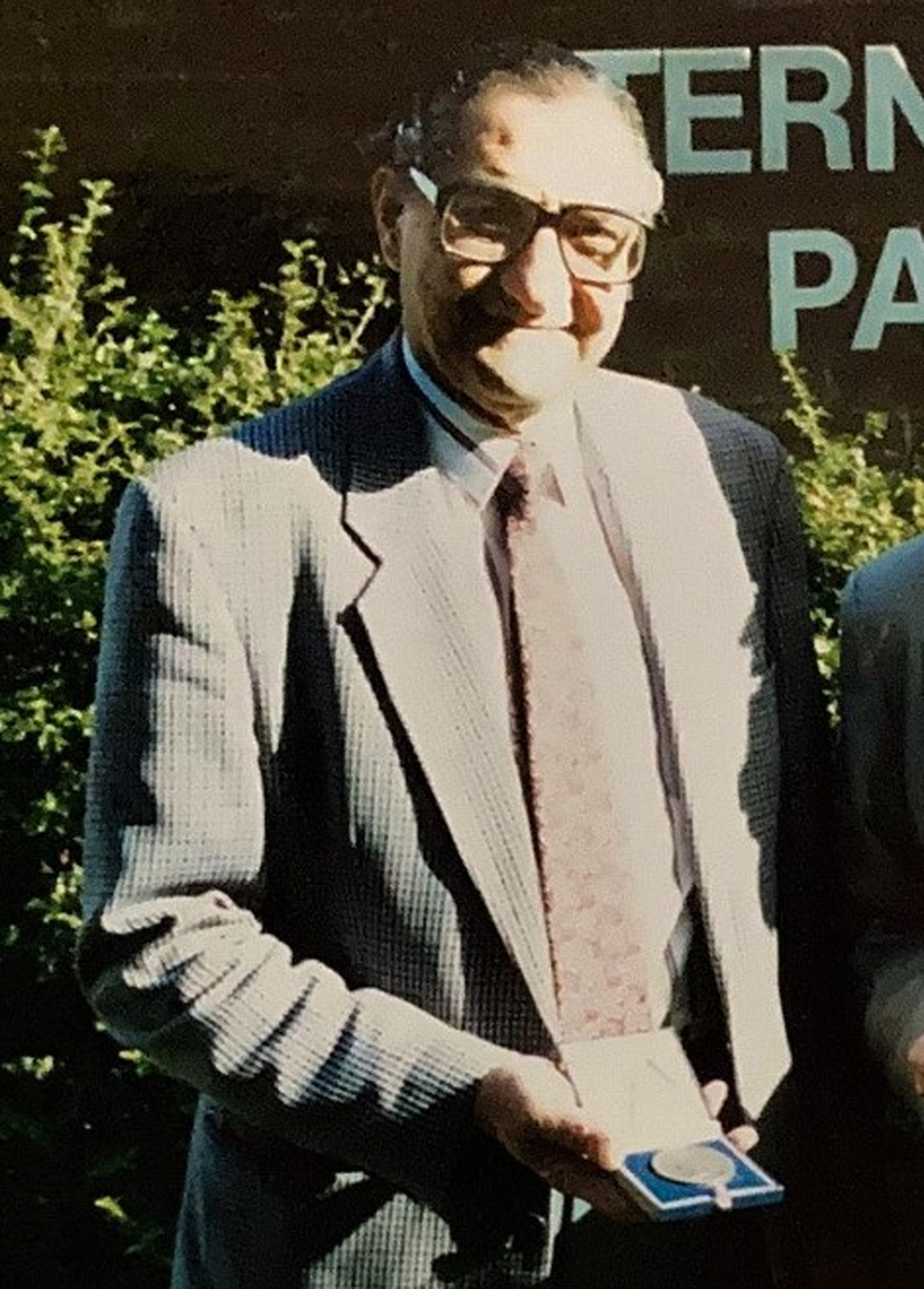
Lotfi Khalil (Co-Editor of the Journal of Helminthology, 1987–1993) graduated with a degree in zoology and chemistry from Cairo University, Egypt, and was appointed to a Lectureship at the University of Khartoum, Sudan. With financial assistance from the University of Khartoum he completed a PhD in fish parasite taxonomy at the London School of Hygiene and Tropical Medicine in 1962 under the supervision of Jack Buckley. In 1966 he joined the Natural Environment Research Council Fisheries Helminthology Unit based in the Commonwealth Institute of Parasitology (CIP), Winches Farm, where he continued his interest in helminth taxonomy. He remained at the CIP, eventually becoming Deputy Director in 1987, until his retirement in 1992 (Khalil, Reference Khalil1962; Anonymous, 1995; van As, Reference van As2015) (photograph courtesy of Bill Hominick).
During the early 1990s a major re-organization of the LSHTM was instigated with Winches Farm field station, which had been the main home of the medical helminthology department since the late 1960s, closing in 1992 and the majority of helminthological activities absorbed into the Immunology and Vaccine Design Unit (Wilkinson & Hardy, Reference Wilkinson and Hardy2001). With helminthology no longer existing as a separate entity within the LSHTM and little of its associated research having appeared in the JHL for some time (fig. 2) the reasons for maintaining such a specialist publication were no longer valid. Ownership was consequently transferred to the Commonwealth Agricultural Bureau International (CABI) in 1993, a natural transition as this was the parent organization of the CIP where the JHL had been edited since 1986. CABI was the descendent establishment of the Imperial Agricultural Bureau and acted as an intergovernmental organization providing services worldwide to agriculture, forestry, human health and the conservation of natural resources. It had a diverse portfolio of publishing activities comprising primary and abstract journals as well as books, all of which provided some of the financial support for its research centres (Blight, Reference Blight2011). Taxonomic and identification services were a key remit of many CABI's research centres, including CIP, and it is therefore not surprising that the JHL's stance on taxonomic publications would be softened.
In an editorial advising on the change of ownership Muller, prior to his intention of retiring as Editor later in 1994, described a number of alterations that had been introduced to the JHL. Taxonomic papers would now be accepted “if related to species belonging to economically important groups, particularly if based on biochemical or molecular biological techniques”. An advisory Editorial Board made up of international experts was established and the layout of the journal revised to include a new cover, larger page size and the introduction of a new column format (Muller, Reference Muller1994).
However, in view of Muller's imminent departure CABI was keen to appoint a new Editor and on the recommendation of Bill Hominick, who had recently been appointed Director of CIP, John Lewis (fig. 9) became the fifth Editor in January 1995. Lewis was Professor of Zoology and Head of the Centre for Evolutionary and Environmental Sciences within the School of Biological Sciences at Royal Holloway, University of London. During the 1990s he served as a member of the Council of the British Society for Parasitology (BSP) and Chairman of its Publication Committee specifically dealing with publishing proceedings of the BSP's autumn symposia. He had been a long-standing contributor to the JHL with his first publications appearing in the early 1960s. Ironically during this period he had the unexpected pleasure of meeting Leiper while on a visit to the Commonwealth Bureau of Helminthology, St Albans, and also Buckley, who had been his PhD External Examiner. This meant that within a relatively short time during the 1960s Lewis had not only met the two pioneering Editors of the JHL but also Sheila Willmott and Ralph Muller later in the decade.
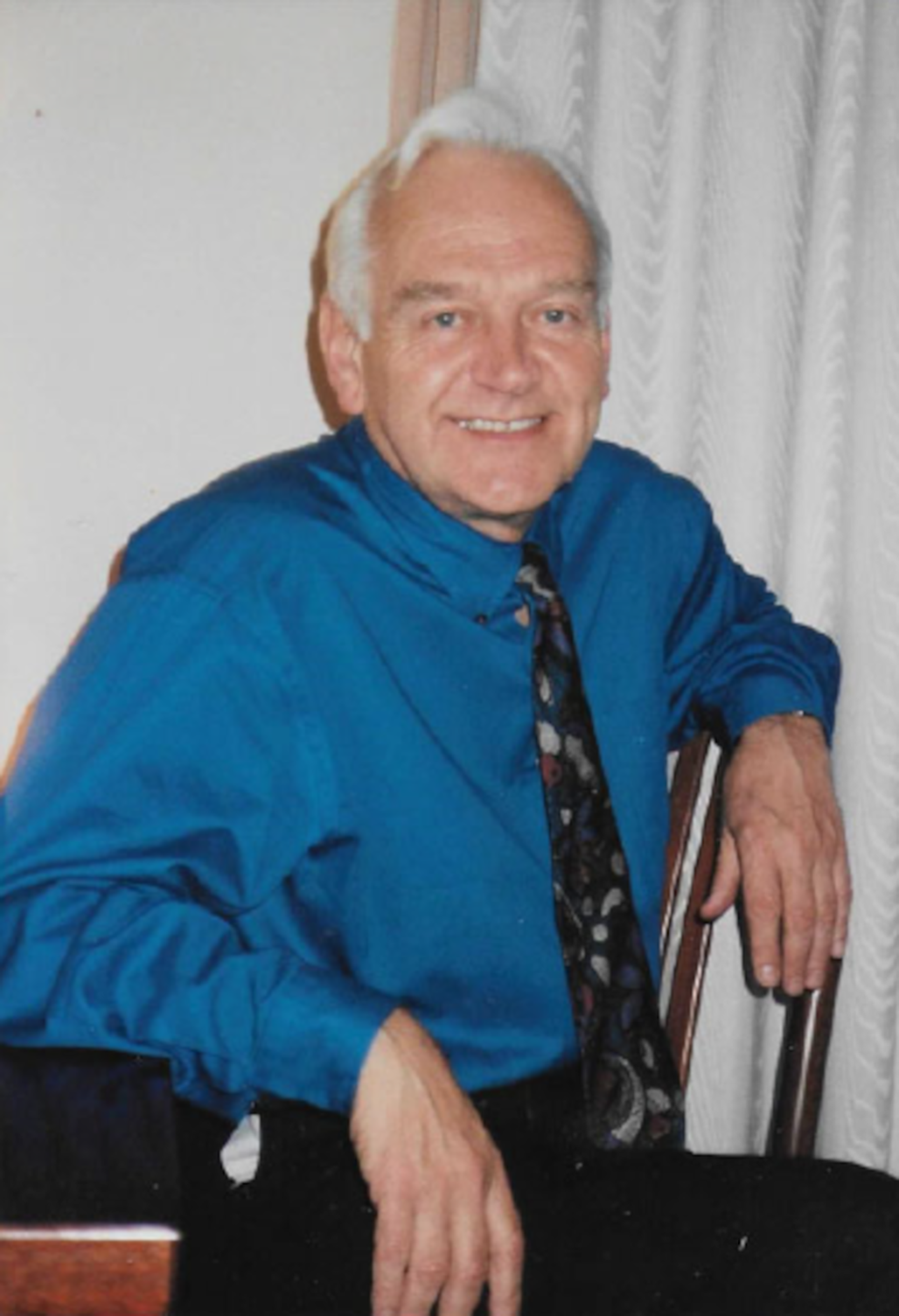
John Lewis (Editor of the Journal of Helminthology (JHL), 1995–2016) was born in Wales and graduated in zoology from the University College of Wales, Aberystwyth, and continued his studies there undertaking a PhD on the ecology and epidemiology of small mammal parasites, under the supervision of Professor Gwendoline Rees, a Fellow of the Royal Society. Apart from his appointment to an Assistant Professorship in the Department of Biological Sciences at the University of British Columbia, Vancouver, Canada, in 1971/72, Lewis spent his entire academic career at Royal Holloway, University of London, where he held a University of London Chair in Zoology and also served as Dean of Science. He maintained his research interests not only in parasite ecology and epidemiology but also in aquatic ecotoxicology and travelled widely, establishing and promoting much international collaboration in research and teaching (Rollinson, Reference Rollinson2018) (photograph reprinted from Rollinson (Reference Rollinson2018), JHL, 92, issue 1, reproduced with the permission of Cambridge University Press).
Building on changes instigated by Muller in 1994, Lewis now extended the scope of the JHL to include all aspects of pure and applied helminthology, particularly helminths of environmental health, medical and veterinary importance, as well as parasites of wildlife including plant and insect hosts (Lewis, Reference Lewis1996). In a similar manner to Leiper's innovations in the journal's early development, changes introduced by Lewis soon attracted more high-profile research and elevated its impact factor three-fold during the 1990s and early 2000s.
This period witnessed the publication of important contributions on faunal surveys in wildlife hosts (Willingham et al., Reference Willingham, Ockens, Kapel and Monrad1996; Segovia et al., Reference Segovia, Torres, Miquel, Llaneza and Feliu2001), innovative control and treatment methodologies (Grønvold et al., Reference Grønvold, Nansen, Henriksen, Larsen, Wolstrup, Bresciani, Rawat and Fribert1996; Dyer et al., Reference Dyer, Morgan, Wells and Williams2000; Sanderson et al., Reference Sanderson, Bartlett and Whitfield2002), in addition to the successful application of molecular methods for parasite detection (Mathis et al., Reference Mathis, Deplazes and Eckert1996; Ito et al., Reference Ito, Putra and Subahar2002). Lewis also instigated ‘themed’ issues, often incorporating review articles on selected topics from special meetings or proceedings of conferences on specialist aspects of helminthology, all of which produced highly-cited publications (Rollinson, Reference Rollinson2018). Some topics included:- ‘Problems and prospects of Toxocara and Toxocariasis’ arranged by Z. Pawlowki, Poznan University of Medical Sciences at the European Multicolloqium of Parasitology EMOP VIII, Poland, September, 2000; ‘Aspects of the epidemiology and control of schistosomiasis’ arranged by S. Mas-Coma, University of Valencia, Spain, and D. Rollinson, Natural History Museum, London at EMOP IX, Valencia, Spain, July 2004; ‘Environmental and ecological parasitology: the impact of global change’ arranged by H. Taraschewski and B. Sures, University of Karlsruhe in the Black Forest, Freudenstadt, Germany, April 2005; and ‘Parasites as biological tags and responses of their aquatic hosts to environmental change’ by Ken MacKenzie, University of Aberdeen at ICOPA XI, Glasgow, Scotland, August 2006. At the end of 2004 Hilary White, the Assistant Editor, decided to retire, having provided such excellent service in this capacity for 18 years, and was replaced as Editorial Assistant in 2005 by Kathrine Cameron, a plant scientist at CABI.
Changing times
The 1990s and early 2000s were a period of great change in academic publishing with a decline in printed journal subscriptions and the emergence of electronic-based publishing models. All of CABI's primary research journals, including the JHL, became, in addition to their printed issues, available on the Ingenta journals online system. However, for CABI the income from its journals was falling by 12% per year and in 2006 it re-focused its strategic direction, concentrating on its core assets of abstract databases and books (Blight, Reference Blight2011). Consequently, it's suite of 15 primary journals was transferred to Cambridge University Press (CUP). In a July 2006 joint press release it was announced that CUP was chosen because it shared CABI's not-for-profit status and scholarship-friendly principles. For CUP the acquisition represented an on-going commitment to science journal publishing and a significant expansion of its life science titles, although this change of ownership had no immediate effect on the publishing of the JHL.
This period saw an increasing number of publications from the Middle East appearing in the JHL, particularly a long sequence of papers on the occurrence of Echinococcus granulosus in Iran, for example, Daryani et al. (Reference Daryani, Alaei, Arab, Sharif, Dehghan and Ziaei2007); Khademvatan et al. (Reference Khademvatan, Yousefi, Rafiei, Rahdar and Saki2013); and Khalkhali et al. (Reference Khalkhali, Foroutan, Khademvatan, Majidiani, Aryamand, Khezri and Aminpour2018). Lewis, who was a frequent visitor to the Middle East and also Central America encouraged researchers from these regions to view the JHL as a desirable and suitable international platform for their work, for example, Abu-Madi et al. (Reference Abu-Madi, Al-Ahbabi, Al-Mashhadani, Al-Ibrahim, Pal and Lewis2007); Pal et al. (Reference Pal, Abu-Madi and Lewis2008); and Vidal-Martinez et al. (Reference Vidal-Martinez, Pal, Aguirre-Macedo, Lewis and May-Tec2014). Taxonomy papers also increased in frequency now that these were once again being welcomed and consequently the number of new species descriptions began to rise (fig. 4) with molecular studies especially beginning to dominate this field.
In 2009, CUP digitized the entire archive of the JHL back to the first volume in 1923 allowing many modern-day researchers their first views of the diversity of work presented in these early issues. However, with the dominance of online academic publishing there was a gradual decline in demand for printed journals and consequently the last printed issue appeared in December 2014. The removal of associated printing costs now meant that more issues could be produced each year and this increased from four to six in 2015.
The increased specialization of various branches of helminthology and associated difficulties of one Editor keeping abreast of new developments prompted the need for the appointment of a Deputy Editor, which had the full support of CUP. Professor Mark Viney, based at the University of Bristol, was appointed to this post from January 2014 to December 2016, following the appointment of Editorial Assistant Sharon Ryan in place of Katherine Cameron, who retired in 2013. Viney's duties primarily involved the running of the JHL in the absence of the Editor and also to continue planning and organizing publications of special symposia previously initiated by Lewis. Two symposia of particular interest which appeared in 2017 included one on ‘Parasitic helminths in Latin America and the Caribbean’ and a second on ‘Arctic Parasitology’ presented at ICOPA XII.
At the end of 2016 Lewis decided to step down as Editor after 22 years, but retained close links with the JHL as its first Editor Emeritus. He was replaced by Robert Poulin (fig. 10), Professor of Zoology at the University of Otago, New Zealand, who had served on the Editorial Board from 2000 and was also a long-standing contributor from the early 1990s. He oversaw changes to a new page design, intended to make the text and tables easier to read online (Poulin, Reference Poulin2018). With online publishing the norm, traditions associated with printed journals were slowly abandoned, and in 2019 publication of six individual issues with continuous page numbering ceased. Instead from 2020 the annual volume was presented as one continuously updated entity with each article published soon after acceptance and having its own individual e-number.
Robert Poulin (Editor of the Journal of Helminthology, 2017–present day). Born in Canada, Robert Poulin graduated from McGill University, Montréal, Canada, and took his PhD at Université Laval, Québec, Canada. He joined the University of Otago, New Zealand, as a Lecturer in 1992. Promoted to full Professor in 2004, he is still at the University of Otago where his research focuses on the evolutionary ecology, ecosystem impacts, biodiversity and global distribution of parasites, across all phyla and biomes (Photograph courtesy of Robert Poulin).

Following in the pioneering traditions of Leiper, Poulin has used his position as Editor to institute changes in journal policy and content that better reflected the current state of helminthology. These include amending the ‘instructions to contributors’ to require molecular characterization in addition to morphological information for all descriptions of new species, in line with the principles of integrative taxonomy, and raising the standards for the acceptance of articles reporting on plant extracts as potential new anthelmintics, a type of study that has proliferated in recent years. In addition, Poulin has used the JHL as a platform to promote greater quantitative rigour in studies of ecological helminthology (Poulin, Reference Poulin2019), as well as a renewed interest in the elucidation of full parasite life cycles as opposed to a focus on single life stages (Blasco-Costa & Poulin, Reference Blasco-Costa and Poulin2017). With excellent continuing support from Editorial Assistant Sharon Ryan, Deputy Editors Rachel Lawrence (2017–2019) of the Royal Veterinary College, University of London, and then Stephen Davies (2019–present) of the Uniformed Services University's School of Medicine, in Maryland, USA, the JHL under Poulin's editorship has recently reached its highest ever impact factor (>2.1), and continues to attract many submissions worldwide.
Another development of recent years has been the increased presence of the JHL on social media, with the appointment of Tommy Leung, of the University of New England, NSW, Australia, as the JHL's first Social Media Editor. Recently published articles get extra exposure through the journal's Twitter account (@JHelminthology) via quirky and attention-grabbing tweets. This is one example of current initiatives to take the JHL forward in the constantly evolving landscape of scientific publication.
Concluding remarks
Innovative editorial decisions ensured that the initial impact and on-going status of the JHL was maintained over its first 100 years. The journal created by Leiper in 1923 as a house journal of the LSHTM was, nevertheless, the first to promote helminthology as a distinct sub-discipline of parasitology with a particular emphasis on the importance of comparative research. However, the developing nature of scientific publishing in more recent years has driven rapid changes. The growing importance of a journal's impact factor as a measure of its status in the scientific literature, the move to online publishing, and the rise of social media has necessitated a continuous process of adjustment in order to maintain relevance. Over the last century the JHL has successfully reflected the growth of helminthology and will hopefully continue to be its champion well into the future.
Acknowledgements
The authors thank Professor Robert Poulin for his enthusiastic agreement to undertake this review on the occasion of the centenary of the Journal of Helminthology.
Financial support
This research received no specific grant from any funding agency, commercial or not-for-profit sectors.
Conflict of interest
None.


 Open access

