

Introduction
Disasters result in serious and severe disruption in the functioning of a community. Natural hazards like floods, cyclones, tsunamis, earthquakes, landslides, and hurricanes kill thousands of people and destroy properties worth billions every year. The rapid growth of the world’s population, coupled with deforestation, has increased the frequency and severity of natural disasters. Human-made disasters like airplane crashes, industrial accidents, and nuclear explosions are the consequences of technological hazards. Disasters due to terrorism have become common world-wide. War on terrorism also has its own humanitarian consequences, with events occurring frequently in the conflict-prone areas and the exodus of people to safer countries. Available research has shown that more than two-thirds of people in the US may have been exposed to a traumatic event at some point in their life.Reference Norris1–Reference Kessler, Sonnega and Bromet3 A survey done on US residents showed that 13% of the sample population had been exposed to a disaster in their lifetime.Reference Burkle4 The national co-morbidity survey, a national epidemiological survey of psychiatric disorders conducted by Kessler, et al, found the lifetime prevalence rate of posttraumatic stress disorder (PTSD) in Americans to be approximately seven percent.Reference Kessler, Berglund and Delmer5
Disasters are often associated with horrific scenes, active life threat, loss of life, injury and illness, long-term disability, property loss, disruptions in social support, and a host of secondary adversities. Following revisions in the Diagnostic and Statistical Manual (DSM) PTSD criteria, potential victims are not only those who are direct witnesses or directly affected by the disasters, but also now include the family members and co-workers of the deceased or injured, as it affects them as well. The degree of exposure to a disaster varies depending on the type of disaster and relation of the victim with the disaster. For example, a direct witness to a disaster event will have a higher degree of exposure than a person who merely heard about it.
Disasters have a significant effect on the physical and mental well-being of people exposed to them.Reference Norris, Friedman and Watson6 The most common psychological disease found after a disaster is PTSD,Reference North, Nixon and Shariat7 but more frequently, disasters are associated with the complex co-morbidity of co-occurring disasters, such as PTSD with depression, substance abuse, and other anxiety disorders. Children are among the most at-risk, and they also pose a significant risk for responders when the children they have responded to are severely injured, mutilated, or do not survive.
Previously, post-disaster psychological conditions were described as nervous shock, shell shock, and traumatic neurosis.Reference Erichsen8–Reference Kilpatrick, Veronen and Resick12 Consequently, PTSD was first recognized and codified as a disorder in 1980 and was included in the DSM-III.13 Furthermore, its diagnostic criteria were introduced and revised in the DSM-III R. The latest edition of DSM, the DSM-V, broadened the diagnostic criteria.14
First Responders and Psychological Health
Disasters not only affect victims’ physical and mental health, but they also can have a significant effect on the mental health of responders and rescuers, including Emergency Medical Service (EMS) providers in the prehospital and hospital environment. These include police personnel, firefighters, military personnel, emergency medical personnel, and mortuary staff.
A study carried out by North, et al on the firefighters involved in the rescue and recovery in the Oklahoma City bombing incident (Oklahoma USA; 1995) found the prevalence of PTSD to be significantly lower in the firefighters (13%) than the primary victims (23%). The PTSD in firefighters was associated with low job satisfaction.Reference North, Tivis and McMillen15,Reference North, Tivis and McMillen16 However, another study done on firefighters exposed to an Australian bushfire found that the prevalence of PTSD in firefighters highly exposed to an enduring bushfire was 32%, 27%, and 30% at four, 11, and 29 months, respectively. In the community sample of firefighters, the prevalence of acute PTSD was found to be over nine percent, and that of chronic PTSD was 21%. The main correlates of PTSD at four and 11 months were property loss, neuroticism, history of psychological disorder, and panic during fire.Reference McFarlane17–Reference Spurrell and McFarlane20 Similarly, studies done on police personnel involved in the Hillsborough, England football stadium disaster (1989) using DSM–III-R PTSD criteria found over 44% of police having severe symptoms of PTSD, as well as over 44% having moderate symptoms of PTSD. Depressive symptoms and depersonalization were the main symptoms seen in this study.Reference Sims and Sims21 Whereas another study conducted on police personnel using the Impact of Event Scale (IES) found that the total PTSD symptoms reduced significantly between three months to three years.Reference Hull, Alexander and Klein22 A study done with IES on navy divers who responded to a flight crash found that there was no significant difference in PTSD prevalence among the exposed and unexposed groups.Reference North, Smith and Spitznagel23 Similar studies were also carried out on other responders like decontamination workers, mortuary workers, and professional rescuers with varying results.Reference Tarabrina, Lazebnaia and Zelenova24–Reference Stewart, Mitchell and Wright29
Health Care Professionals and Psychological Health
Disasters also have a significant impact on the physical and mental well-being of health care professionals. Health care professionals, particularly the emergency prehospital responders and emergency department (ED) personnel, are continuously faced with highly demanding and critical situations. In high-surge demand contexts, providing high-quality care in these situations is a daunting task, which has been shown to take a toll on the health, especially the psychological health, of these caregivers. Health professionals are particularly vulnerable to psychological stress due to their nature of work, where there is a repetitive exposure to traumatic events. Early recognition of these negative health impacts and addressing their needs will have significant implications for the management of stress. Additionally, verbal and physical aggression at the workplace has shown to affect the mental health of ED staff. Employing occupational health nurses can establish a conducive and protective environment for discussing the personal thoughts, feelings, and behaviors of ED staff related to workplace aggression.Reference Gillespie, Bresler and Gates30 Studies have shown that identifying emotions may be important in managing occupational stress in paramedics.Reference Halpern, Maunder and Schwartz31
Medical responders in disasters include prehospital and hospital responders. Prehospital responders include ambulance personnel, paramedics, nurses, and doctors working in ambulances that depend on the region’s health care system. In hospitals, the doctors and nurses working in the ED are the ones who are frequently encountered with critically ill and polytrauma patients.
Emergency Nurses and Mental Health
A study on emergency room nurses found that traumatic events presenting a grief component, like intentional injury to a child or suicide, are positively associated with peritraumatic distress in the days after the event. Peritraumatic distress is positively associated with PTSD symptoms. They also found that personality traits such as neuroticism are positively associated with peritraumatic distress, whereas extraversion is negatively associated with peritraumatic distress and PTSD symptoms.Reference Lavoie, Talbot and Mathieu32 Another study conducted in the Netherlands found that one out of three emergency room nurses had sub-clinical levels of anxiety, depression, and somatic symptoms and over eight percent had clinical levels of PTSD. Additionally, they found that the death or serious injury of a child/adolescent was perceived as the most traumatizing event.Reference Adriaenssens, de Gucht and Maes33 Elvira found a high prevalence of secondary traumatic stress in the emergency room nurses with 60% of their sample subjects reported to have experienced at least one intrusion symptom and 56% reported at least two arousal symptoms.Reference Elvira and Dana34 Another study showed moderate to high levels of burnout and compassion fatigue in the emergency nurses.Reference Hooper, Craig and David35 Multiple studies have shown that social support from colleagues and peers had a protective effect on the occurrence of PTSD.Reference Adriaenssens, de Gucht and Maes33,Reference Jonsson and Halabi36,Reference Lavoie, Talbot and Mathieu37
Prehospital Responders (Paramedics and Ambulance Personnel) and Mental Health
Gallagher studied the impact of critical incidents on ambulance personnel and reported that they experienced sleep disturbances, angry outbursts, irrationality, and feeling of alienation. They found that incidents involving children, suicides, and grotesque mutilation were the most distressing for these personnel.Reference Gallagher and McGilloway38 A study on emergency medical responders (EMRs) found that serious operational and physical demands were the most common severe stressors. Dealing with traumatic events, serious accidents, and young victims were found to be the common acute stressors. Additionally, they had higher levels of emotional exhaustion and depersonalization. Over 13% of the EMRs in this study had PTSD. Emotional levels among EMRs with PTSD were significantly higher (42%) than those without PTSD (17%).Reference Khashaba, El-Sherif, Ibrahim and Neatmatallah39
Physicians and Mental Health
Five physicians’ groups have been found to be particularly prone to developing PTSD: (1) emergency physicians; (2) physicians practicing in under-served and remote areas; (3) physicians in training; (4) physicians involved in malpractice litigation; and (5) physicians who are “second victims” in the sense that they are indirectly exposed to trauma.Reference Lazarus40 A survey on emergency medicine residents showed PTSD symptoms in 30% of the residents, with increasing number of symptoms as the resident level of training is increased. Exposure to dying patients had a persistent negative impact on the residents.Reference Mills and Mills41 A study on German emergency physicians reported almost 17% having probable PTSD, just over four percent burnout, almost eight percent moderate depressive symptoms, and just over three percent showing signs of relevant clinical depression. When they analyzed the PTSD prevalence according to personality type, it showed a higher rate of PTSD (31%) in anxious type personality, 15% in unconventional type, over three percent in crisis manager type, and just over seven percent in cool-type personality.Reference Pajonk, Cransac and Muller42 Another study done on Belgian emergency physicians had clinical levels of PTSD in almost 15%, clinical levels of anxiety in almost 11%, and depression in almost eight percent. Just over 17% of the subjects had scores above the cut-off point for somatic complaints. Social support from colleagues was found to have a beneficial effect on the above complaints, and job satisfaction was a protective factor.Reference Somville, De Gucht and Maes43 A survey on ED staff in an Italian hospital, including doctors, nurses, and health assistants, reported a PTSD prevalence of almost 16%, with nurses showing higher prevalence than doctors.Reference Carmassi, Gesi and Simoncini44 Bellal Joseph studied PTSD in trauma surgeons in the US. He found that 40% of trauma surgeons had PTSD symptoms and 155 met the diagnostic criteria for PTSD. He found that in male surgeons, operating more than 15 cases per month, having more than seven call duties per month, managing more than five critical cases per call duty, and having less than four hours of relaxation per day were the risk factors for developing PTSD.Reference Joseph, Pandit and Hadeed45 Others studied the mental impact of work place violence and PTSD, depression, burnout, and anxiety among physicians and found that one in six physicians reported a physical attack and three in five reported verbal abuse in the last one year. One out of six physicians were positive for PTSD and two out of five were positive for anxiety and depression. Those who reported experiencing physical attack were almost seven percent times more likely to report PTSD symptoms. Additionally, they found high-rates of burnout among physicians. Pathologists were less likely to report any work place violence compared to other specialities.Reference Zafar, Khan and Siddiqui46
Medical Responders and Mental Health
A study done on medical rescuers eight months after the 2010 Yushu earthquake (China) found that the prevalence of PTSD was high in nurses and responders between 40-50 years of age, and they had been in serious danger.Reference Kang, Yipeng and Hao47 Erik, et al compared the disaster-related experiences in firefighters and emergency medical personnel involved in the Ghiscenghien gas explosion (Belgium, 2004). They found that in firefighters, death of colleagues, involvement of family and friends, massive impact, and exposure to burn victims were most shocking, whereas in EMS personnel and in-hospital staff, the impact, confrontation with death, involvement of friends and family, the pain, and the screaming of burned victims were the most shocking aspects of disasters.Reference De Soir, Knarren and Zech48
Turner, et al studied the emergency medical personnel involved in Kings Cross underground railway fire in London (England, 1987) and found that the severity of PTSD symptoms correlated to the degree of exposure to the disaster. Another study conducted on medical workers, mental health emergency workers, and public safety workers who responded to a school shooting incident found that the correlates of current intrusion and avoidance symptoms decreased significantly on follow-up in all the groups. Both the above studies used IES for evaluation.Reference Turner, Thompson and Rosser49,Reference Sloan, Rozensky and Kaplan50
Epstein, et al, in a study of the US military health care workers involved in an air disaster, followed up 355 military health care workers over a period of 18 months. They found that those who had not completed college, worked with burn victims, had experienced emotional numbness immediately after the disaster, or those who had experienced more stressful life events in the period of six months post-disaster were more likely to develop PTSD.Reference Epstein, Fullerton and Ursano51 Other studies on medical responders of disaster showed that those with less experience, lower social support, greater intensity of exposure, lower levels of pre-event psychological adjustment, past experience of trauma, financial loss, death in the family, and past emotional difficulties had a higher chance of having PTSD symptoms.Reference Weiss, Marmar and Metzler52–Reference Armenian, Morikawa and Melkonian54
A study done on dentists who performed post-mortem identification of human remains of a fire incident using IES found that the PTSD symptoms correlated with the duration of exposure to human remains, younger age, prior experience in handling remains, and in support received from co-workers and spouse. They found that PTSD prevalence was more in the exposed group than the unexposed group.Reference McCarroll, Fullerton and Ursano55 A study done on the counseling therapists of the 1994 USAir flight crash also found higher levels of PTSD symptoms among the exposed group than the controls.Reference Lesaca56
Aim of the Selected Review
The aim of the selected review is to highlight the current knowledge:
1. To determine the psychological impact of disasters on medical responders; and
2. To identify the possible risk factors associated with psychological impacts on medical responders.
Material and Methods
Search Strategy
A computerized literature search was conducted of the PubMed (National Center for Biotechnology Information, National Institutes of Health; Bethesda, Maryland USA), Discovery Service (EBSCO Information Services; Ipswich, Massachusetts USA), Science Direct (Elsevier; Amsterdam, Netherlands), Google Scholar (Google Inc.; Mountain View, California USA), and Cochrane (The Cochrane Collaboration; London, United Kingdom) databases for studies on the prevalence/risk factors of PTSD and other mental disorders in medical responders of disasters that were published from January 1, 2000 through July 2018. The search was conducted by using pre-determined keywords (Appendix 1 and Appendix 2; available online only).
Selection of Keywords
The synonyms of the following keywords were searched:
1. Responders: medical responders, emergency medical responders (EMRs), professional medical responders, professional first responders, first responders, hospital responders, emergency doctors, emergency nurses, ambulance personnel, paramedics, prehospital responders;
2. Mental health disorders: PTSD, posttraumatic stress disorder, grief, adjustment disorders, mental health disorders, psychological disorders, psychological impact, psychological distress, mental outcome, neuroses, anxiety, posttraumatic neuroses, depression, alcohol abuse, drug abuse, substance abuse, suicide; and
3. Disaster: disaster, natural disaster, man-made disaster, flood, tsunami, earthquake, landslides, calamity, cyclone, hurricane, tornado, severe acute respiratory syndrome (SARS), SARS epidemic, swine flu outbreak, H1N1 outbreak, H1N1 influenza, Middle East respiratory syndrome (MERS), MERS outbreak, Middle East respiratory syndrome outbreak, corona virus infection, Ebola outbreak, terror attack, bombing, suicide bombing, hostage crisis, kidnapping, air crash, mass shooting, bus bombing, train bombing, World Trade Center (WTC) attack, war, Gulf war, Arab war, Syrian war, Middle East war, Lebanon war, Israel war, Arab spring.
This was followed by: finding the MeSH term of the keywords; searching the web using the individual keywords; searching the web using a combination of keywords; and removing the duplicate results.
Selection Criteria
Inclusion Criteria—In order to be eligible for inclusion, the studies had to fulfill the following criteria:
1. Published in English since 2000;
2. Investigated the prevalence/risk factors for PTSD, depression, posttraumatic distress, anxiety, somatic complaints, sleep disturbance, substance or alcohol abuse, and burnout (defined according to the DSM-III, DSM-III-R, DSM-IV, or DSM-V criteria) in medical responders exposed to disasters; and
3. Included all studies: descriptive, surveys, observational, cross-sectional studies, and controlled trials.
Exclusion Criteria—The studies were excluded if:
1. The study population consisted entirely of individuals already suffering from a psychiatric disorder;
2. The study did not specifically assess the DSM-defined symptoms;
3. Not published in English; or
4. Grey literature and unpublished studies.
Screening of Articles
The initial search yielded 3,545 abstracts. The abstracts generated from the initial search were screened by two reviewers who had previous experience in the screening process. After the removal of duplicates and screening, 467 full articles were assessed for eligibility, out of which 439 were excluded for various reasons, and 28 full articlesReference Chong, Wang and Hsieh57–Reference Yip, Zeig-Owens and Webber84 were included for the final review and analysis (Figure 1).
Flow Chart Showing Results of Screening.

Study Subjects
Majority of studies included physicians and nurses as subjects (21/28), and seven studies were done on prehospital EMS providers including paramedics and emergency medical technician ambulance personnel. The studies on epidemic diseases (SARS/MERS) included hospital care workers involving physicians or nurses and other allied staffs.Reference Chong, Wang and Hsieh57–Reference Mohammaed, Turki and Abdulla71 A small number of the studies involved other rescue personnel, like police/firefighters, in addition to medical personnel.Reference Sakuma, Takahashi and Ueda72,Reference Skogstad, Fjetland and Ekeberg78,Reference Perrin, DiGrande and Wheeler82,Reference Webber, Glaser and Weakley83 The baseline features of the studies are shown in Table 1.
Showing the Baseline Characteristic of the Studies

Abbreviation: EMS, Emergency Medical Services.
Study Settings
Approximately 19 out of 28 studies were done on natural disasters, and the remaining (9/28) were done on man-made disasters (WTC disaster, terrorist attacks in London and Norway, and Israel-Gaza war). Among the studies on natural disaster, the vast majority (68%) were done on the SARS outbreaks in Canada and Hong Kong. Additionally, 16 studies were done in Asian countries and the rest in United States, Canada, and Europe.
Measurement Strategies
Various tools were used for measuring the various outcomes by individual studies. However, the majority of them were according to the DSM-IV criteria. For assessing PTSD, the PTSD Check List (PCL)-Civilian version scale was used in most of the studies (7/28), which was followed by the IES-Revised scale. The Clinician Administered PTSD Scale (CAPS), Trauma Screening Questionnaire (TSQ-1), and Davidsons Trauma Scale (DTS-1) scales were also used in other studies for assessing PTSD.
The TSQ is a 10-item symptom screen that was designed for use with survivors of all types of traumatic stress. The TSQ has five re-experiencing items and five arousal items.Reference Brewin, Rose and Andrews85
The PCL is a 20-item, self-report measure that assesses the 20 DSM-V symptoms of PTSD. The PCL-5 has a variety of purposes, including: monitoring symptom change during and after treatment; screening individuals for PTSD; and making a provisional PTSD diagnosis.Reference Blevins, Weathers and Davis86
The CAPS is the gold standard in PTSD assessment. The CAPS-5 is a 30-item structured interview that can be used to: make current (past month) diagnosis of PTSD; make lifetime diagnosis of PTSD; and assess PTSD symptoms over the past week. In addition to assessing the 20 DSM-V PTSD symptoms, questions target the onset and duration of symptoms, subjective distress, impact of symptoms on social and occupational functioning, improvement in symptoms since a previous CAPS administration, overall response validity, overall PTSD severity, and specifications for the dissociative sub-type (depersonalization and derealization). The CAPS was designed to be administered by clinicians and clinical researchers who have a working knowledge of PTSD, but can also be administered by appropriately trained paraprofessionals.Reference Blake, Weathers and Nagy87
For measuring the other outcomes, the following tools were used:
1. Depression Anxiety Stress Scale (DASS), a set of three self-report scales that is used for measuring depression (DASS-D), anxiety (DASS-A), and stress (DASS-S). The original DASS has 42 items. Later, a shorter version of DASS, the DASS-21, was developed by Lovibond and Lovibond, which has been used widely in clinical practice to screen for symptoms of depression, anxiety, and stress. Each of the DASS-21 scales contains seven items divided into sub-scales with similar content.Reference Lovibond and Lovibond88
2. General Health Care Questionnaire (GHQ-28), a self-administered, 28-item screening tool used for detecting psychiatric cases in the community.Reference Goldberg89
3. Center for Epidemiological Studies-D-10 (CES-D-10), a 10-item measure used for screening depression in primary care settings.
4. Chinese Health Questionnaire (CHQ), a self-administered screening tool used for assessing psychiatric morbidity in the Chinese community. It was derived from the GHQ and has been validated and applied in the survey of psychiatric morbidity in the community. It includes four factors: somatic symptoms, anxiety and worrying, sleep problems and depression, and poor family relations.Reference Cheng and Williams90 And
5. Patient Health Questionnaire-9 (PHQ-9), a self-report tool used for screening, diagnosing, and assessing the severity of depression. It incorporates the DSM-IV depression diagnostic criteria with other major depressive symptoms into a brief measuring tool. Question nine on the tool measures the presence and duration of suicidal ideation.Reference Kroenke and Spitzer91
Outcomes Studied
The most commonly studied outcome was clinical PTSD (15/28), followed by posttraumatic distress symptoms (9/28), anxiety and depression (8/28), and posttraumatic stress symptoms (PTSS; 6/28). Somatic complaints, (4/28), sleep disturbance (3/28), alcohol abuse (3/28), and burnout (1/28) were studied in a few of the studies (Table 1).
Findings
For analytical purposes, the studies were grouped into three types of disasters: (1) public health disaster, (2) natural disaster, and (3) man-made disasters.
Public Health Disasters
Prevalence and Incidence—All the studies had focused on hospital staff exposed to patients confirmed or suspected to have SARS virus infection, including physicians, nurses, and allied health care personnel working in EDs, intensive care units (ICUs), respiratory medicine units, medical wards, and SARS isolation wards. This included hospital care workers exposed to patients of the 2003 SARS outbreak in Taiwan, which resulted in more than 600 probable cases of SARS with 184 fatalities, of which 19 were health care workers;Reference Chong, Wang and Hsieh57,Reference YaMei, Chao-Cheng and Chih-Yuan62,Reference Lin, Peng and Wu68,Reference Cheng-Sheng, Hslu-Yueh and Yang69 physicians, nurses, and allied health care professionals exposed to patients of 2003 SARS outbreak in Canada, which resulted in around 400 people becoming ill with the death of 44 persons and 25,000 residents of Toronto placed in quarantine;Reference Maunder, Lancee and Balderson58,Reference Nickell, Crighton and Tracy59,Reference Lancee, Maunder and Goldbloom66 physicians, nurses, and allied health care professionals exposed to patients of 2003 SARS outbreak in Hong Kong, which had 253 deaths;Reference Chua, Cheung and Cheung60,Reference McAlonan, Lee and Cheung61,Reference Poon, Liu and Cheong64,Reference Wong, Yau and Chan65 physicians, nurses, and allied health care professionals exposed to patients of the 2003 SARS outbreak in Singapore, which had 238 cases of SARS (which included 85 health care workers [HCWs] with probable SARS) resulting in 33 deaths;Reference YaMei, Chao-Cheng and Chih-Yuan62,Reference Chan and Huak63 physicians, nurses, and allied health care professionals exposed to patients of 2009 H1N1 influenza outbreak in Greece, which resulted in more than 13,000 confirmed cases and 59 deaths;Reference Pnagiota, Christos and Danai70 and physicians exposed to patients with the MERS outbreak in Saudi Arabia, which had more than 1,600 confirmed cases and 584 deaths.Reference Mohammaed, Turki and Abdulla71
The prevalence of presumptive clinical PTSD ranged from just under three percent to 20% (mean 14%). For example, the prevalence of PTSD was almost three percent among Toronto HCWs, one to two years after the 2003 SARS outbreak in Canada.Reference Lancee, Maunder and Goldbloom66 The prevalence of PTSS ranged from 11% to almost 19% (mean 15%; Table 2).
Showing Disease Prevalence
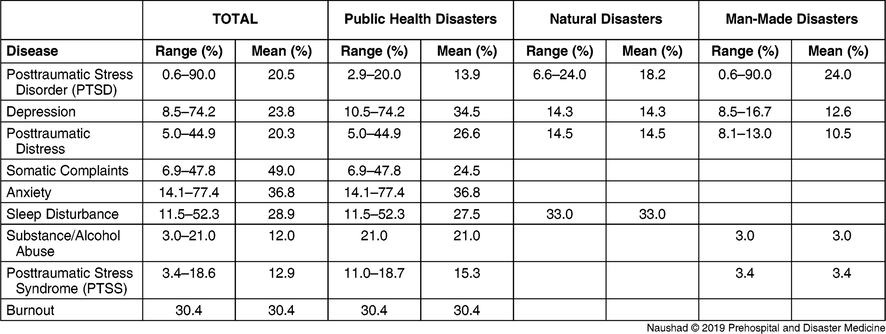
The prevalence of depression approximately ranged between 10% and 74% (mean 35%). For example, the prevalence of depression was over 10% among HCWs of Toronto exposed to the patients of 2003 SARS outbreak in Canada.Reference Lancee, Maunder and Goldbloom66 At the other extreme, the prevalence of depression was 74% among HCWs exposed to the patients of 2003 SARS outbreak in Taiwan.Reference Chong, Wang and Hsieh57 The former assessment was carried out 13 to 22 months after the outbreak, while the latter study was done during the outbreak. Timing of the assessment might have played a role in the difference of prevalence between the two studies. Only one study reported incidence of new onset major depression among HCWs exposed to the SARS outbreak in Canada, which was found to be four percent.Reference Lancee, Maunder and Goldbloom66
Even though many studies had assessed the occurrence of anxiety symptoms after the public health disasters, only three had reported the prevalence.Reference Chong, Wang and Hsieh57,Reference YaMei, Chao-Cheng and Chih-Yuan62,Reference Lin, Peng and Wu68 The prevalence of anxiety ranged between approximately 14% to 77% (mean 37%). Two studies conducted on the 2003 SARS outbreak in Taiwan reported two varying rates of prevalence of anxiety. For example, the prevalence of anxiety was 14% among physicians and nurses within one month of the SARS outbreak,Reference YaMei, Chao-Cheng and Chih-Yuan62 while another study carried out on physicians and nurses during the outbreak reported a prevalence of over 77%.Reference Chong, Wang and Hsieh57
The prevalence of somatic complaints ranged between approximately seven percent to 48% (mean 25%). Two studies done on the same public health disaster at two different time periods reported different rates of prevalence of somatic complaints. A study carried out on physicians and nurses during the outbreak of 2003 SARS in Taiwan reported a prevalence of almost seven percent,Reference Chong, Wang and Hsieh57 while another one carried out one to three months after the outbreak reported prevalence of 43% somatic complaints.Reference Lin, Peng and Wu68 The prevalence of posttraumatic distress among HCWs ranged approximately between five percent to 45% (mean 27%).
Fewer number of studies had evaluated the prevalence of sleep disorders,Reference Chong, Wang and Hsieh57,Reference YaMei, Chao-Cheng and Chih-Yuan62,Reference Tham, Tan and Loh67 burnout,Reference Maunder, Lancee and Balderson58 and alcohol abuseReference Maunder, Lancee and Balderson58 in medical responders of public health disasters. Prevalence of sleep disturbance ranged between 11% to 52% (mean 28%). Two studies on prevalence of sleep disturbance after the 2003 SARS outbreak in Taiwan reported varying rates of prevalence of sleep disorders, one reporting a prevalence of 52%Reference Chong, Wang and Hsieh57 while the other reporting 12% prevalence.Reference YaMei, Chao-Cheng and Chih-Yuan62 The prevalence of burnout among HCWs 13-26 months after the 2003 SARS outbreak was 30%.Reference Maunder, Lancee and Balderson58 A study carried out on physicians and nurses exposed to the 2003 SARS outbreak in Canada showed 21% of the study population reporting smoking and alcohol use in comparison to eight percent in control groups, which was significant.Reference Maunder, Lancee and Balderson58
Correlates of Adverse Psychological Outcomes—A wide range of correlates of psychiatric morbidity after public health disasters had been studied. This included demographic features and psychological characteristics. With the possible exception of one study which was carried out in Hong Kong,Reference McAlonan, Lee and Cheung61 age did not show any correlation with the adverse psychiatric outcomes after the SARS outbreakReference Chong, Wang and Hsieh57,Reference Wong, Yau and Chan65,Reference Tham, Tan and Loh67,Reference Lin, Peng and Wu68,Reference Pnagiota, Christos and Danai70 (Table 3).
Showing Risk Factors for the Adverse Outcome

Male gender was found to be at higher risk of developing posttraumatic stress in HCWs exposed to the SARS patients.Reference Chong, Wang and Hsieh57,Reference McAlonan, Lee and Cheung61 On analyzing sub-groups of HCWs, with the exception of one study,Reference Chan and Huak63 it had been found that nurses consistently had higher predilection for adverse psychiatric outcomes when compared to physicians.Reference Nickell, Crighton and Tracy59,Reference Poon, Liu and Cheong64,Reference Tham, Tan and Loh67,Reference Cheng-Sheng, Hslu-Yueh and Yang69,Reference Pnagiota, Christos and Danai70 For example, nurses reported higher levels of PTSS and depression than physicians after the SARS outbreak.Reference Tham, Tan and Loh67,Reference Cheng-Sheng, Hslu-Yueh and Yang69 Similarly, nurses reported higher post-event emotional distress and anxiety levels than physicians after the SARS outbreaks in Canada and Hong Kong, respectively.Reference Nickell, Crighton and Tracy59,Reference Poon, Liu and Cheong64 Similar results were found after the H1N1 outbreak.Reference Pnagiota, Christos and Danai70
Lack of adequate training, lack of support from peers, and lack of social support were consistently shown to be risk factors for all the adverse outcomes after the public health disasters,Reference Chong, Wang and Hsieh57,Reference Maunder, Lancee and Balderson58,Reference Chan and Huak63,Reference Wong, Yau and Chan65,Reference Lancee, Maunder and Goldbloom66 while years of professional experience reported to be inversely associated with adverse outcomes.Reference Chong, Wang and Hsieh57,Reference Maunder, Lancee and Balderson58,Reference Lancee, Maunder and Goldbloom66 In addition, working in high-risk units like EDs, ICUs, and isolation wards had been found to have a higher predilection for developing adverse psychological outcomes after public health outbreaks.Reference Nickell, Crighton and Tracy59,Reference McAlonan, Lee and Cheung61,Reference Lin, Peng and Wu68,Reference Cheng-Sheng, Hslu-Yueh and Yang69 For example, after the SARS outbreak in Taiwan, PTSD was higher in HCWs of EDs and ICUs than staffs of other departments.Reference Lin, Peng and Wu68,Reference Cheng-Sheng, Hslu-Yueh and Yang69
Maladaptive coping through avoidance, hostile confrontation, and self-blaming contributed to PTSD, burnout, anxiety, and posttraumatic distress in HCWs who cared for the SARS patients.Reference Maunder, Lancee and Balderson58,Reference Wong, Yau and Chan65 Psychiatric distress and anxiety levels were higher in the initial phase than recovery phase of the SARS outbreak.Reference Chong, Wang and Hsieh57,Reference Nickell, Crighton and Tracy59,Reference Poon, Liu and Cheong64,Reference Tham, Tan and Loh67
Frontline workers experienced more prejudice from others, had higher perceived risk of them or their family members contracting or dying from infection,Reference Poon, Liu and Cheong64,Reference Mohammaed, Turki and Abdulla71 and feelings of being stigmatized and rejected in their neighborhood.Reference YaMei, Chao-Cheng and Chih-Yuan62 The HCWs felt helplessness, extreme vulnerability, uncertainty, threat to life, and greater stress at work during initial phase of the disease outbreaks.Reference Chong, Wang and Hsieh57 For example, 91% of emergency room doctors after the MERS outbreak in Saudi Arabia felt that their work put them at-risk of contracting infection and four percent were willing to change their current job.Reference Mohammaed, Turki and Abdulla71
Others factors such as lack of communication,Reference Chan and Huak63 educational qualification,Reference McAlonan, Lee and Cheung61,Reference Pnagiota, Christos and Danai70 marital status,Reference Chong, Wang and Hsieh57,Reference Chan and Huak63 and quarantine had been reported to be correlates of adverse psychiatric outcomes after public health outbreaks. Also, it was reported that there was an increase in smoking, alcohol use, and substance abuse among HCWs after the SARS outbreak.Reference Maunder, Lancee and Balderson58 However, there was no sufficient evidence from the published data to draw conclusions about their reproducibility as risk factor for adverse psychiatric outcomes after public health disasters.
Perceived stress immediately after the disease outbreak as a risk factor for psychiatric morbidity later on had been reported. A study on the 2003 SARS outbreak in Hong Kong reported that perceived stress levels immediately after the outbreak among high-risk HCWs who were exposed to the SARS patients were significantly correlated with depression and anxiety one year later in comparison to low-risk HCWs.Reference McAlonan, Lee and Cheung61 This factor had not been studied sufficiently to draw conclusion about their correlation with adverse psychiatric outcomes after the public health outbreaks.
Nevertheless, the HCWs also had positive psychological effect after the SARS outbreak. A total of 94% of HCWs reported positive responses, including awareness of hygiene (85%), focus on current affairs (77%), and awareness of danger (41%).
Age, education, marital status, work load, number of children or family members, health and relationship with family, support from family, spiritual beliefs, and religious convictions had no correlation.Reference Lin, Peng and Wu68
Natural DisastersReference Sakuma, Takahashi and Ueda72–Reference Battles75
Prevalence and Incidence—Similar to public health disorders, the prevalence of PTSD reported in studies after natural disasters were also low. Prevalence of PTSD ranged from almost seven percent to 24% (mean 18%). Studies on natural disasters were mainly conducted on physicians and nurses. These included physicians and nurses of the Turkish Red Crescent (Ankara, Turkey) deployed in 2004 Asian Tsunami,Reference Erol, Zulfi and Ali73 and physicians and nurses deployed in the 2010 Yushu earthquake, which killed more than 2,500 people.Reference Kang, Lv and Hao74 One of the studies, which reported 20% PTSD in nurses who responded to Hurricane Katrina (Gulf Coast USA; 2005), was a pilot study.Reference Battles75
Only one study on the 2011 Japan earthquake studied prevalence of outcomes other than PTSD (ie, depression and posttraumatic distress).Reference Sakuma, Takahashi and Ueda72 The prevalence of depression documented in this study was lower than that documented in studies after public health disasters. They found the prevalence of depression to be 14% and psychological distress as 15%. They also compared the prevalence of adverse psychiatric outcomes among different professional groups and reported that the prevalence of PTSD, depression, and posttraumatic distress was higher among municipality (seven percent, 16%, and 15%, respectively) and medical workers (seven percent, 14%, and 15%, respectively) than among fire fighters (two percent, four percent, and three percent, respectively). This low prevalence among firefighters could be attributed to their training and stringent admission rules.
Studies on sleep disturbance after the natural disasters were very minimal. Only one study on Asian tsunami evaluated sleep disturbance in addition to PTSD and found that 33% of their sample population reported sleep disturbance.Reference Kang, Lv and Hao74
Correlates of Adverse Psychological Outcomes—A wide range of risk factors for PTSD after a natural disaster has been studied, including demographic features and work-related, personal, and disaster-related factors. Female gender had consistently been shown to be a risk factor for developing PTSD after natural disasters,Reference Erol, Zulfi and Ali73,Reference Kang, Lv and Hao74 but not for depression.Reference Sakuma, Takahashi and Ueda72 Age had been inconsistently associated with PTSD after natural disasters.Reference Sakuma, Takahashi and Ueda72–Reference Kang, Lv and Hao74 For example, a study done on medical rescuers of 2010 Yushu earthquake reported that PTSD symptoms were higher in persons 40-50 years of age,Reference Kang, Lv and Hao74 whereas age was not a risk factor in two other studies done on the 2011 Japan earthquake and Asian tsunami.Reference Sakuma, Takahashi and Ueda72,Reference Erol, Zulfi and Ali73 Similar to public health disorders, nurses were reported to have higher likelihood of developing psychiatric morbidity than physicians after natural disasters.Reference Erol, Zulfi and Ali73,Reference Kang, Lv and Hao74 For example, nurses of Turkish Red Crescent who responded to 2004 Asian tsunami and nurses of medical rescue teams of 2011 Yushu earthquake had a higher risk of developing PTSD than physicians.Reference Erol, Zulfi and Ali73,Reference Kang, Lv and Hao74
Work-related factors such as lack of rest and communication, lack of training, and mainly disaster-related work all had been shown to be correlates of PTSD, depression, and posttraumatic distress after natural disasters.Reference Sakuma, Takahashi and Ueda72,Reference Kang, Lv and Hao74
Disaster-related factors such as dead or missing relativesReference Sakuma, Takahashi and Ueda72 and near-death experiencesReference Sakuma, Takahashi and Ueda72,Reference Kang, Lv and Hao74 had been associated with higher psychiatric morbidity. For example, in HCWs of 2011 Great East Japan earthquake, lack of rest and communication, missing or death of a family member, and near-death experiences were important correlates of PTSD and depression, whereas dead or missing colleague and supervisory status were not.Reference Sakuma, Takahashi and Ueda72
Other factors that had been shown to be correlates of psychiatric morbidity after natural disaster included ethnicity, years of professional experience,Reference Erol, Zulfi and Ali73 displacement from home,Reference Sakuma, Takahashi and Ueda72 witnessing seriously damaged houses or seriously injured colleagues,Reference Kang, Lv and Hao74 severity of casualties,Reference Kang, Lv and Hao74 guilt of someone’s death,Reference Kang, Lv and Hao74 and contact with corpse.Reference Kang, Lv and Hao74 However, there was no concrete evidence to suggest that these factors can be reproduced as risk factors for adverse psychiatric outcomes after the natural disasters.
Man-Made DisastersReference Velden, Kleber and Koenen76–Reference Yip, Zeig-Owens and Webber84
Prevalence and Incidence—Most studies had focused on prehospital responders—EMS and ambulance personnel. This included ambulance personnel who responded to the 2000 fireworks disaster in Enschede, the Netherlands, which resulted in 23 fatalities, injured 1,000 people, and destroyed 500 homes;Reference Velden, Kleber and Koenen76 ambulance personnel who responded to the 2005 London bombing, which killed 52 people and injured 700;Reference Misra, Greenberg and Hutchinson77 first responders, which included ambulance personnel, police officers, and firefighters, who responded to the 2011 Norway terror attack, which killed eight people;Reference Skogstad, Fjetland and Ekeberg78 EMS personnel, who responded to the 9/11 WTC attack;Reference Perrin, DiGrande and Wheeler82–Reference Yip, Zeig-Owens and Webber84 and military medics and medical doctors who treated the victims of Judea and Samaria violent incidents.Reference Lubin, Sids and Vishne81 Few studies had been done on HCWs. This included physicians and nurses who responded to the victims of Israel-Gaza war.Reference Bashir79,Reference Abu-El-Noor, Aljeesh and Radwan80
Unlike public health disorders and natural health disorders, the studies on the prevalence of PTSD after man-made disorders showed a wide range varying between not even one percent to 90% (mean 24%). For example, the prevalence of PTSD was very low (almost one percent) in military medics who responded to violent incidents of Judea and Samaria,Reference Lubin, Sids and Vishne81 whereas two other studies among the nurses and physicians who treated the victims of 2012 and 2014 Israel-Gaza war reported higher prevalence (approximately 70% and 90%, respectively).Reference Bashir79,Reference Abu-El-Noor, Aljeesh and Radwan80 The low-level of prevalence among military medics might be related to the following reasons. Firstly, they are chosen from a group of soldiers; secondly, they work like combat soldiers during the initial stages of training; thirdly, these medics have relatively longer training course; fourth, they undergo a course in mental health facility; and lastly, stricter process of selection might have played a role in the low-level of PTSD prevalence. The higher level of prevalence of PTSD in the other two studies could be due to the fact that the psychological trauma in these two wars were continued for longer duration with probably repeated daily traumatic incidents. With an exception of the above three studies, generally, the prevalence of PTSD after man-made disasters was reported to be lower than the other two types of disasters (one percent to 14%, mean seven percent).
Two studies on WTC responders assessed the prevalence of depression.Reference Webber, Glaser and Weakley83,Reference Yip, Zeig-Owens and Webber84 Similar to the natural disasters, the prevalence of depression after man-made disasters was low when compared to public health disasters. The prevalence was approximately 17%. For example, the prevalence of depression among EMS workers, seven to nine years after the WTC disaster, was documented to be 19%,Reference Webber, Glaser and Weakley83 while another study carried out 12 years after the WTC disaster reported the prevalence of depression among EMS workers to be 17%.Reference Yip, Zeig-Owens and Webber84
Only one study evaluated the prevalence of harmful alcohol use in EMS workers 12 years after WTC disaster and reported a prevalence of three percent.Reference Yip, Zeig-Owens and Webber84
Some studies, which assessed multiple professional groups after the same disaster, allowed for direct comparison of adverse outcomes among various groups.Reference Perrin, DiGrande and Wheeler82–Reference Yip, Zeig-Owens and Webber84 For example, a study carried two to three years after WTC disaster reported lower prevalence of PTSD among police (seven percent) when compared to firefighters (14%), EMS, and medical disaster personnel (14%),Reference Perrin, DiGrande and Wheeler82 while another study conducted seven to nine years after WTC disaster did not find any significant difference among EMS and firefighters in the prevalence of probable PTSD or probable depression. They found the prevalence of PTSD and depression among EMS personnel was seven percent and 19%, respectively, and among firefighters was seven percent and 20%, respectively.Reference Webber, Glaser and Weakley83
Correlates of Adverse Psychological Outcomes—Similar to correlates of natural disasters, the studies on man-made disasters also assessed the correlation between demographic characteristics, disaster site factors, and adverse psychiatric outcomes.
Female gender had been consistently associated with higher risk of developing PTSD and depression after man-made disasters.Reference Skogstad, Fjetland and Ekeberg78,Reference Abu-El-Noor, Aljeesh and Radwan80,Reference Yip, Zeig-Owens and Webber84 Female gender had been found to be a risk factor for PTSD in ambulance personnel of the 2011 Norway shooting incident.Reference Skogstad, Fjetland and Ekeberg78 Similarly, a study on EMS workers of New York Fire Department (New York USA) of WTC incident showed higher prevalence of PTSD in females when compared to males.Reference Yip, Zeig-Owens and Webber84 Nurses were also consistently shown to have higher risk of developing PTSD than physicians.Reference Bashir79,Reference Abu-El-Noor, Aljeesh and Radwan80
Smoking was found to be an independent predictable factor for PTSS in ambulance personnel exposed to the fireworks disaster in the Netherlands. Cigarette smoking two to three weeks after disaster independently predicted PTSS (intrusion, avoidance, and hostility symptoms) and depression 18 months later.Reference Velden, Kleber and Koenen76
Other factors that had been shown to be risk factors for developing adverse psychiatric outcome include age,Reference Skogstad, Fjetland and Ekeberg78,Reference Abu-El-Noor, Aljeesh and Radwan80 level of education,Reference Abu-El-Noor, Aljeesh and Radwan80 alcohol use,Reference Velden, Kleber and Koenen76 and years of professional experienceReference Bashir79–Reference Lubin, Sids and Vishne81 and training.Reference Lubin, Sids and Vishne81,Reference Perrin, DiGrande and Wheeler82 However, the included studies did not show sufficient evidence on these factors to draw conclusions about their reproducibility as risk factors in man-made disasters.
Different studies have examined associations between various disaster-related factors and adverse psychiatric outcomes. In the London bombing incident, PTSD was positively correlated with working at the scene, particularly one site,Reference Misra, Greenberg and Hutchinson77 whereas dissociation and witnessing the injured victims were independent predictors of PTSS in ambulance personnel of the 2011 Norway shooting incident.Reference Skogstad, Fjetland and Ekeberg78 Three studies on WTC incident also showed disaster-related factors as predictors for PTSD.Reference Perrin, DiGrande and Wheeler82–Reference Yip, Zeig-Owens and Webber84 Sustaining an injury and evacuating from one of the WTC towers were associated with increased risks of PTSD. In addition, the risk of developing psychiatric morbidity was greater when tasks performed were atypical of reported occupation.Reference Perrin, DiGrande and Wheeler82 For example, firefighting was associated with two-fold increased risk of developing PTSD among EMS and police personnel who responded to the WTC disaster.
Increased intensity of exposure to the disaster had been found to be associated with increased risk of developing probable PTSD, probable depression, and harmful alcohol use in medical responders of man-made disasters.Reference Perrin, DiGrande and Wheeler82–Reference Yip, Zeig-Owens and Webber84 For example, being reached early and having stayed longer at the site were important correlates of PTSD, depression, and alcohol use among EMS staffs who responded to WTC disaster.Reference Perrin, DiGrande and Wheeler82–Reference Yip, Zeig-Owens and Webber84 The probability of PTSD increased for those who started work on September 11 compared to those who started work on September 18.Reference Perrin, DiGrande and Wheeler82
Marital status, place of living,Reference Bashir79,Reference Abu-El-Noor, Aljeesh and Radwan80 role of work, awareness about available support measures, working under fire, exposure to previous events, missing or dead relative or colleague, and personal acquaintance with the injured did not show any association with adverse psychiatric outcomes after man-made disasters.Reference Misra, Greenberg and Hutchinson77,Reference Bashir79,Reference Lubin, Sids and Vishne81–Reference Yip, Zeig-Owens and Webber84
Details and salient features of the studies included in the review have been provided in Table 4 (available online only) and Table 5 (available online only).
Summary and Future Research
There is ample evidence by the studies carried out in the past 17 years to show that disasters have significant adverse effects on the psychiatric well-being of medical responders. The prevalence rates and presumptive risk factors varied among three different types of disasters. Researchers here tried to fill the gap in the scientific research about psychiatric morbidity in medical responders after disaster. The published literature has shown that prevalence of PTSD among medical personnel after disaster is noticeable. However, the researchers found that there is a scarcity of scientific research on psychiatric illnesses other than PTSD (like depression, anxiety, and burnout) among medical responders of disasters. Moreover, research on suicide, alcohol use, and substance abuse was minimal or negligible. This reflects the fact that majority of the researches were focused on PTSD, ignoring other conditions. Researchers here felt that there was a need for more focus on research of psychiatric illnesses other than PTSD in medical responders of disasters.
It was also found that the research on reporting on incidence of psychiatric morbidity is inadequate. This may be due to unpredictable nature of disasters, as well as compiling a registry of large cohorts, which may not be attainable. However, the researchers here believe that maintaining a population registry will be helpful for further research on incidence of psychiatric morbidity after a disaster.
This review also showed that association between some correlates and adverse outcomes were well-established, whereas some showed little evidence regarding the association.
The published literature showed nurses were more likely to develop adverse psychiatric outcomes following a disaster than physicians. This trend is seen across all types of disasters. This could be due to the difference in professional training between the two groups, and the fact that nurses may develop more emotional bonding with the victims than the physicians. Further research is needed to establish the reason for the difference in prevalence between nurses and physicians. Moreover, it is suggested that researches that focus on comparing the various sub-groups of medical responders (prehospital/hospital) need to be conducted. As far as gender is concerned as a correlating factor, the available literature suggests a conflicting result. Female gender has been consistently shown to be a risk factor for developing adverse psychiatric outcome in natural disastersReference Erol, Zulfi and Ali73,Reference Kang, Lv and Hao74,Reference Skogstad, Fjetland and Ekeberg78,Reference Abu-El-Noor, Aljeesh and Radwan80,Reference Yip, Zeig-Owens and Webber84 and man-made disasters, while male gender was shown to be a risk factor in public health disasters.Reference Chong, Wang and Hsieh57,Reference McAlonan, Lee and Cheung61
Due to the heterogeneity in nature of disasters, factors which correlate with adverse psychiatric outcomes also varied. With the exception of few, the risk factors varied across the three types of disasters.
There were many papers suggesting that lack of social support and communication were found to be vital for the adverse outcomes across all types of disasters. The superiors and the leaders should establish and ensure a cohesive working environment for all the employees. Workshops and training in Trauma Risk Management (TRiM) may help in enabling the peers to monitor and support colleagues. The use of TRiM has shown to benefit in increasing psychological resilience.Reference Greenberg, Cawkill and March92 Encouraging team work, two-way communication, and easy approachability of superiors will help to build greater confidence among employees. Workshops on communication skills will be of great benefit for the employees in confidence building as well as sharing their concerns with superiors and peers.
The published literature on public health disasters showed that HCWs who work in EDs, ICUs, and isolation wards have a greater likelihood of developing adverse psychiatric outcomes when compared to HCWs of other departments. This could be due to the fact that HCWs in these areas are directly exposed to the victims of infective diseases and also due to the high demanding nature of work in these departments. Even though this evidence is seen in studies of SARS, the results can be extrapolated to other disasters as well. It is suggested that remedial and preventive measures should focus on HCWs who are working in these high-risk areas with shorter working hours, regular breaks, and rotating shifts.
The literature on man-made disasters showed association between degree of exposure and adverse outcomes. Longer exposure was associated with poor outcomes. For example, those who arrived early and stayed longer at the site of disaster have a greater likelihood of developing adverse psychiatric outcomes than others.Reference Perrin, DiGrande and Wheeler82–Reference Yip, Zeig-Owens and Webber84 These results can be extrapolated to natural disasters, as well due to the similarity in number and nature of causalities.
There is ample evidence to show that adequate training is a protective factor against developing adverse psychiatric outcomes in medical responders across all types of disasters.Reference Maunder, Lancee and Balderson58,Reference Sakuma, Takahashi and Ueda72,Reference Lubin, Sids and Vishne81,Reference Perrin, DiGrande and Wheeler82 In addition to above factors, the published literature identified a number of correlates for adverse psychiatric outcomes.
A number of incident-related risk factors have been identified across multiple studies. Dead or missing relative,Reference Sakuma, Takahashi and Ueda72 dead or missing colleague,Reference Sakuma, Takahashi and Ueda72 near-death experience,Reference Sakuma, Takahashi and Ueda72,Reference Kang, Lv and Hao74 severity of casualties,Reference Kang, Lv and Hao74,Reference Yip, Zeig-Owens and Webber84 and contact with corpseReference Kang, Lv and Hao74 all have shown to be risk factors for developing adverse psychological outcomes.
Among personal psychological characteristics, poor coping has been found to be an important factor for post-disaster psychiatric morbidity.Reference Maunder, Lancee and Balderson58,Reference Wong, Yau and Chan65 The research on coping strategy suggests that maladaptive coping through avoidance, hostile confrontation, and self-blame were associated with worse outcomes. Courses on stress management and relaxation techniques might benefit in improving coping ability and resilience.
Smoking was found to be an independent predictable factor for PTSS in only one study. Hence, extensive research should be done on the matter.
Current evidence lacks details about the course and progression of adverse outcomes. The future research should focus on identifying the risk factors and high-risk groups prone to long-term adverse psychological effects of the disasters. This will help in better understanding of the course of the disease and thereby aid in therapeutic intervention.
It is also suggested that future researches should focus on association between pre-, peri-, and post-disaster factors and various outcomes among medical personnel. Studies involving training and supportive needs, Psychological First Aid, and factors which increase resilience among medical responders would be of great help.
Limitations
These findings should be interpreted with an element of some limitations. Firstly, the search was limited to studies published since 2000, which might have precluded from identifying all relevant studies on the topic. Secondly, this study did not include unpublished studies. Nevertheless, a cut-off date of December 31, 2017 was chosen to include most recent studies. Thirdly, due to heterogeneity of measuring tools used to assess outcomes by different authors, there can be an element of reporting bias. Fourth, the main limitation was lack of pre-inclusion mental status of responders. Most of the studies were cross-sectional and so can only suggest association of risk factors rather than causality. Lastly, limiting the search to articles published in English language may mean missing some important information.
Strengths of the Review
To the best of the authors’ knowledge, this is the first systematic review conducted on medical personnel responding to epidemic events, especially SARS. Also, unlike other reviews mostly focused on PTSD and depression, the authors tried to include all adverse psychological impacts in this review that might benefit future researchers.
Conclusion
Medical responders, whether hospital or prehospital personnel, are prone to all types of psychological adverse outcomes, not only PTSD, as commonly perceived. Epidemic infections like SARS have shown to have a significant toll on HCWs’ mental health, similar to the ones caused by other disasters.
There are certain high-risk vulnerable groups among medical responders, as well as certain risk factors for adverse psychological outcomes identified. The health organizations and managers should be aware of these and have the moral responsibility to taking preventive measures. Adapting risk mitigation strategies and improving surveillance methods would benefit in reducing negative psychological outcomes after disaster in medical personnel.
There is ample evidence indicating that adequate training, social support from superiors and colleagues, and adequate communication could have a positive effect on mental health.
Conflicts of interest
The authors have no conflict of interest to declare. This systematic review has been submitted to Vrije University, Brussel, Belgium in partial fulfillment of the requirements for the Master of Science in Disaster Medicine (European Masters in Disaster Medicine).
Supplementary Material
To view supplementary material for this article, please visit https://doi.org/10.1017/S1049023X19004874



