

Introduction
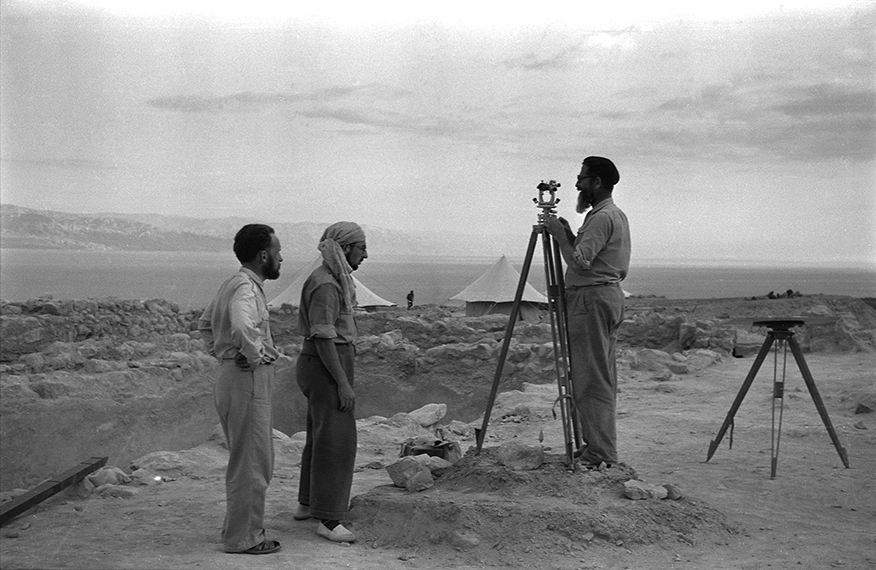
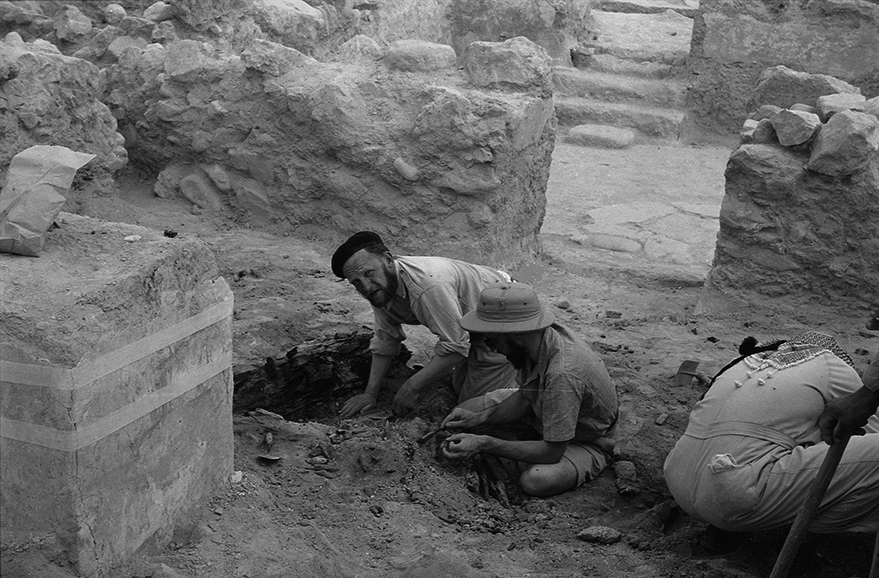
Leader of the archaeological team, Roland de Vaux, accompanied by two students of the École Biblique et Archéologique Française de Jérusalem, surveying at Khirbet Qumran in March 1954 (courtesy of the Leo Boer Archives).

This article reports on the recently initiated Non-Professional Archaeological Photographs Project (NPAPH). The project aims to trace non-professionals who joined or visited archaeological campaigns prior to 1980, in order that we can collect and digitise their photographic documentation and make it accessible to the public via an online archive. The term 'non-professional' refers to participants of excavations who were not part of the trained staff, but who assisted as part of their continuing education or out of interest; for instance students, volunteers, reporters and sponsors.
Archaeological photography and non-professionals
The general techniques of excavation recording prior to the 1980s were not as developed as they are today and thorough documentation took a significant amount of time. This is also true of archaeological photography. The decisions surrounding the collection of data during an excavation, and subsequent publication, are usually taken by professional staff (Figure 1), including archaeological photographers. Harold C. Simmons, who in 1969 wrote a handbook on archaeological photography, illustrates this perfectly by asserting that "not everything found need be put on film, as many objects fail to contribute something distinctly significant towards the record. Therefore much of the photographer's efforts and skills, to say nothing of time, will be directed to differentiating the more from the less important" (Reference SimmonsSimmons 1969: 1). The irreversible disturbance caused by excavation means that such decisions are of great consequence for site records.
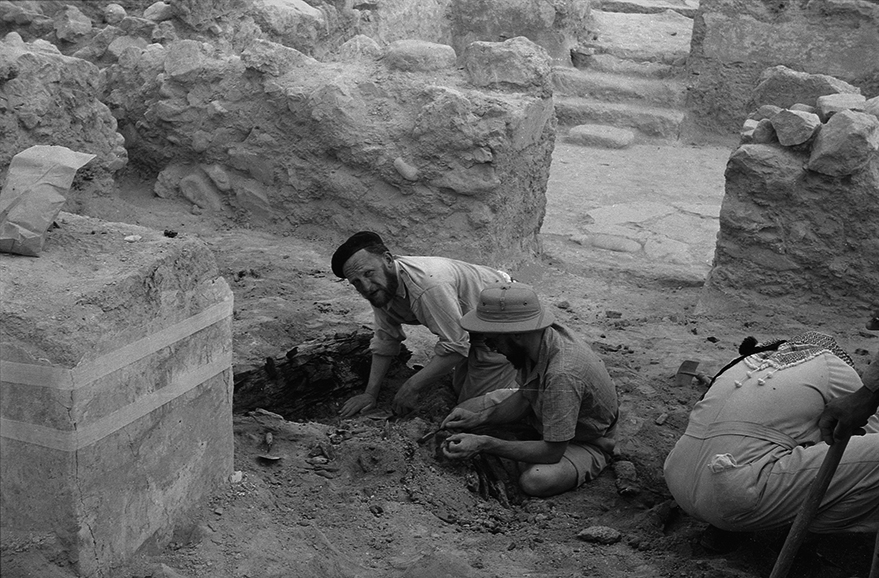
While excavating at Khirbet Qumran, student Leo Boer of the École Biblique et Archéologique Française de Jérusalem took the only known close-up photograph of the top of the central block in L.86-87 before its restoration and the exposure of carbonised pieces of wood and pottery in front of the block. Thanks to the visibility of the original shape, a new premise about the function of the block has been put forward (Wagemakers & Taylor 2011).
As the discipline of archaeology has evolved, it is inevitable that views on the recording of excavations and finds should have changed as well. The development of better excavation techniques has been matched by better photographic technology and, consequently, improved photographic records. All of these developments suggest that there may be differences between what archaeologists recorded in the past and what we nowadays might like them to have documented at the time. How can we address this problem?
It has recently been demonstrated that photographs taken by non-professionals may fill gaps found in official documentation (Figure 2; Wagemakers & Taylor 2011; Wagemakers & Ameling 2012; Wagemakers forthcoming). Non-professionals tend to show interest in all the divergent aspects of excavation. Often they record anything by which they are intrigued—even if professional staff decide particular features do not warrant official documentation. This means that, besides the official photographs taken by professional staff of an excavation, there may also be 'unofficial' documentation. Unlike official photographs, which can be consulted in published reports or archives, those captured by non-professionals are generally not accessible to the public. For this reason NPAPH was instigated.
The NPAPH principles
NPAPH is based on the following principles:
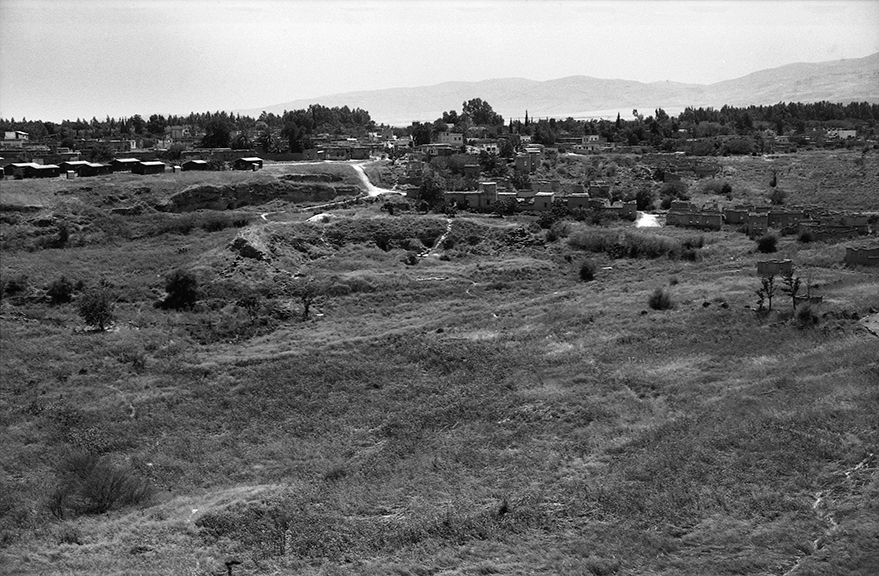
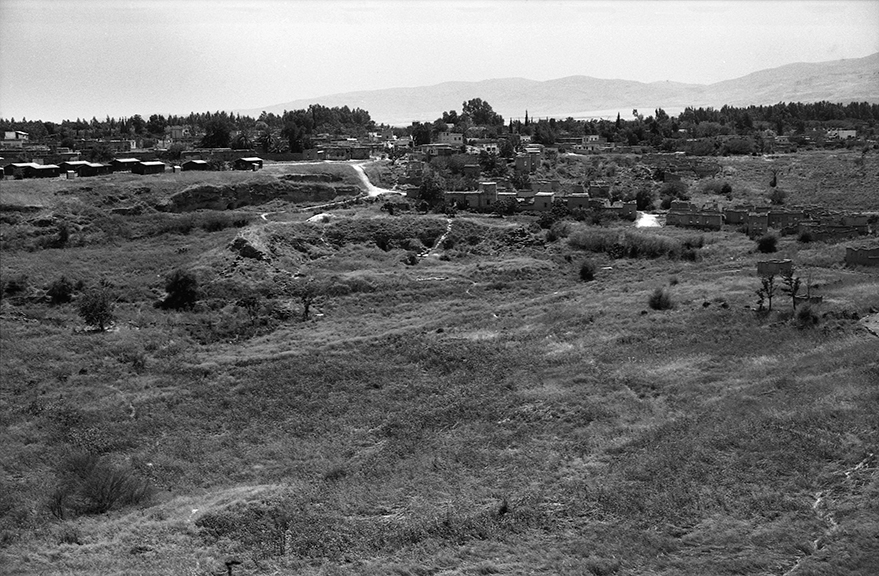
The overgrown area of Bet She'an in the mid 1950s. An incidental note from February 1954 reports that Nehemia Tzori conducted a trial trench along the theatre cavea but left no details, plan or photographs of his work. This photograph taken by Leo Boer several months later, on 5 May 1954, captured the trial trench in the western side of the cavea; note the white stripe along the auditorium, which exposes the white limestone seats (courtesy of the Leo Boer Archives).
-
1. Archaeological institutions have an interest in finding non-professional photographs of their excavations. By finding 'new' photographic material, the existing documentation of an excavation can be enhanced with different images and aspects which are not included in the official record (Figure 3). In addition, this genre of photography may provide additional scientific data, which may be useful for archaeological research. By comparing the non-professional photographs with the official documentation, it may be possible to elucidate the documentation policy in operation at that site; pictures of particular features taken by non-professionals may help to reveal decisions taken by professional staff about what to record and what to omit. In this way, comparing the two archives may offer insight into developments within the archaeological discipline.
-
2. Archaeological institutions have an interest in digitising newly-discovered non-professional photographs and making them accessible to both scholars and the public. Many archaeological sites have been excavated by more than one institution; by sharing newly discovered photographic material via digital archives, all parties concerned can access new material. Furthermore, the release of new digital documentation can provide publicity for excavations and the institution(s) involved.
-
3. Archaeological institutions have an interest in joining NPAPH. Although many institutions already manage their own digital archives, participation in NPAPH is valuable because it facilitates a single web interface (http://www.npaph.com) for all digital non-professional photographic archives. The involvement of multiple institutions in many excavations may make it confusing for non-professionals to know where to direct their photographs. Thanks to NPAPH's central interface, this problem is removed: the visitor will be redirected seamlessly from the central portal to the appropriate photographic archive by means of a direct link. Another advantage of managing all non-professional photograph archives via a single project is that NPAPH will draw attention to and endorse all its participating archives, as well as the relevant excavations and institutions.
The current situation
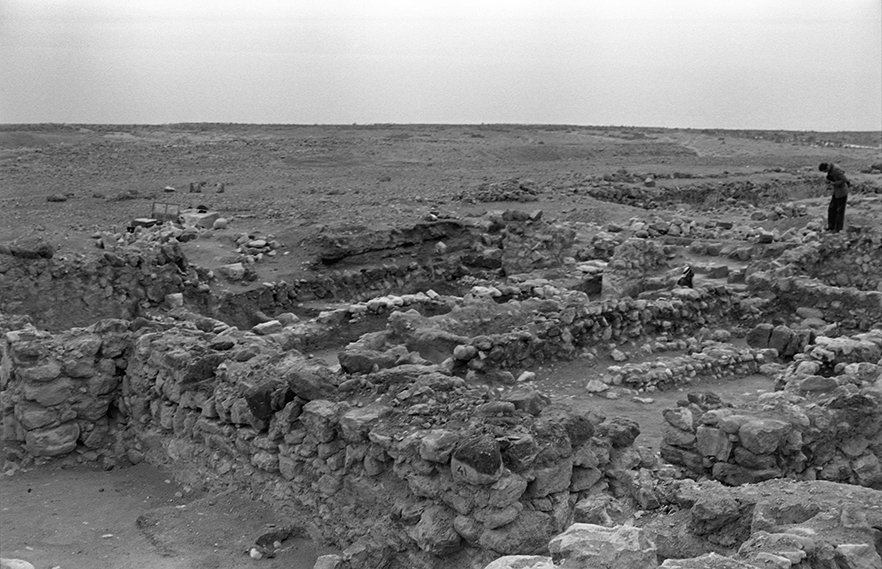
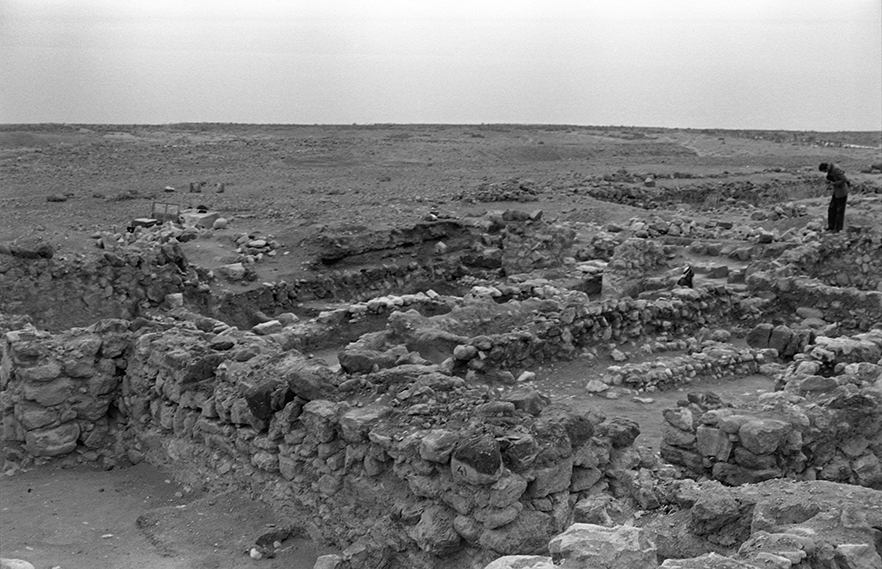
Several archaeological institutions and departments have already shown their support for this new initiative and are collaborating with our team in order to find non-professional documentation of their excavations. Our team is also involved in tracing non-professionals directly. Not every visitor to, or participant in, archaeological excavations becomes an archaeologist. Apart from emeritus professors in the humanities, we are also in contact with journalists, priests or even photographers (Figure 4). Despite their different backgrounds, their reaction to our request remains the same: they are all eager to 'dig' into their own past to look for the slides or photographs they took in the old days. The search so far has resulted in fascinating material (Figure 5).
Photograph of Khirbet Qumran taken by Leo Boer. On the right, travel photographer Peter Pennarts is photographing a Bedouin man who has descended a few steps into the pool of L.48/49 (courtesy of the Leo Boer Archives).
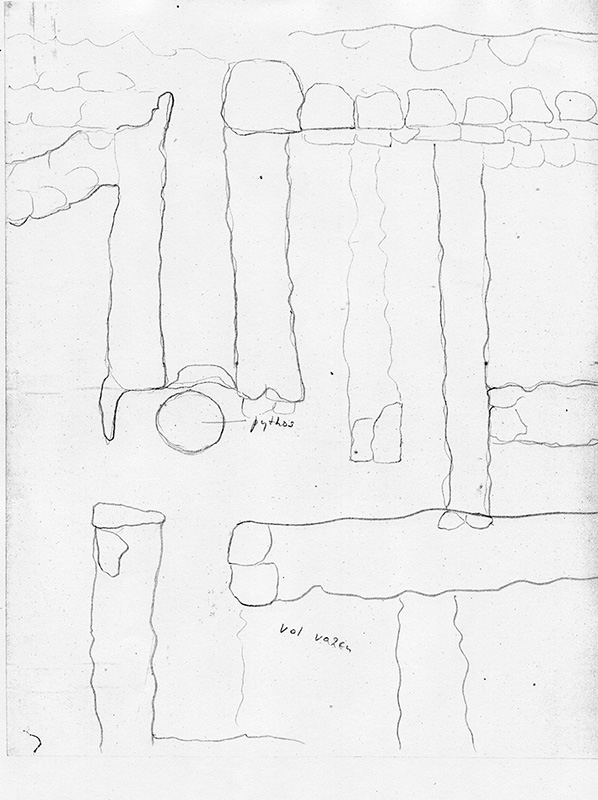
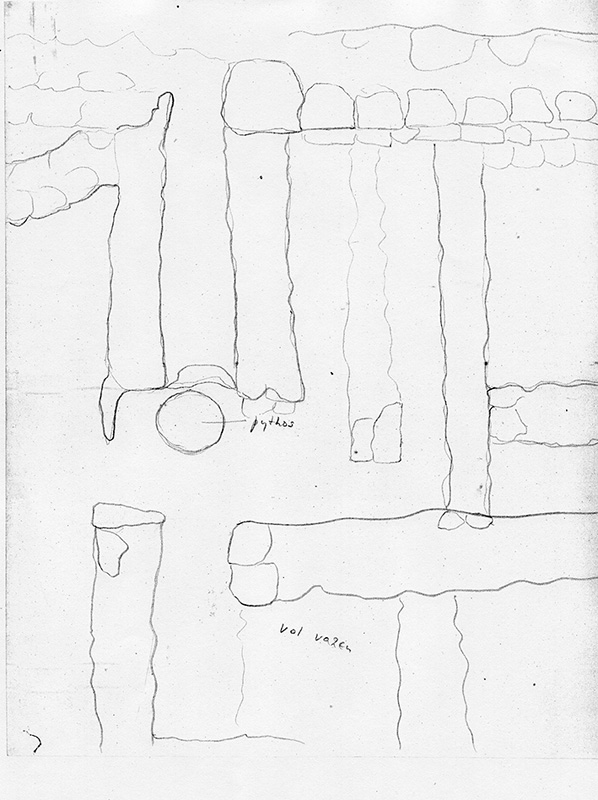
We have found photographic documentation of the largely unpublished—but fascinating—Minoan excavation at Archanes (near Knossos on Crete) of 1956. One of the participants, Coen Stibbe, drew a rough sketch of the excavation plan for his diary—including the location of the finds—which is not represented in the official documentation (courtesy of C.M. Stibbe).
We argue that it is useful and important for archaeologists to trace non-professional photographs of past excavations, to digitise them and to make them available via online archives for both scholars and the public. This can only be achieved, however, with support from the archaeological community. So please follow us on our website (http://www.npaph.com), on Facebook (http://www.facebook.com/npaph) or via Twitter (@npaph). It will be worth the effort!