


The prevalence of mental disorders varies widely as a function of race/ethnicity in the US. Numerous population-based studies have found lower lifetime prevalence of depression, anxiety, and substance disorders among Black, Latino, and Asian people than Whites (Breslau et al., Reference Breslau, Kendler, Su, Gaxiola-Aguilar and Kessler2005, Reference Breslau, Aguilar-Gaxiola, Kendler, Su, Williams and Kessler2006; Gilman et al., Reference Gilman, Breslau, Conron, Koenen, Subramanian and Zaslavsky2008). The factors that explain these racial/ethnic differences are largely unknown.
One possibility is that racial/ethnic minorities are less likely than Whites to develop psychopathology following experiences of adversity, such as traumatic events (TEs). Over two-thirds of US adults have experienced a TE (Kessler et al., Reference Kessler, Sonnega, Bromet, Hughes and Nelson1995; Roberts et al., Reference Roberts, Gilman, Breslau, Breslau and Koenen2011). TE exposure is strongly associated with virtually all commonly occurring forms of psychopathology (Kessler et al., Reference Kessler, Sonnega, Bromet, Hughes and Nelson1995; Roberts et al., Reference Roberts, Gilman, Breslau, Breslau and Koenen2011; Walsh et al., Reference Walsh, McLaughlin, Hamilton and Keyes2017). Racial/ethnic differences in trauma-related psychopathology could arise due to variation in either exposure to TEs or vulnerability to developing psychopathology after a TE. With regard to the first possibility, trauma-related psychopathology is more common following certain TE types (e.g. interpersonal violence) than others as well as following exposure to multiple TEs (Kessler et al., Reference Kessler, Sonnega, Bromet, Hughes and Nelson1995; Breslau et al., Reference Breslau, Kessler, Chilcoat, Schultz, Davis and Andreski1998; Brewin et al., Reference Brewin, Andrews and Valentine2000). Differences in the prevalence of exposure to different types of TEs or in cumulative TE exposure could contribute to variation in rates of psychopathology across racial/ethnic groups. Prior studies examining such variability have produced inconsistent findings (Kilpatrick and Acierno, Reference Kilpatrick and Acierno2003; Hatch and Dohrenwend, Reference Hatch and Dohrenwend2008). For example, some studies report higher rates of violence exposure among Whites than other groups, whereas others report higher rates of violence exposure and cumulative TE exposure among Blacks as compared with Whites; such discrepancies have been found even in studies conducted in the same city (Breslau et al., Reference Breslau, Davis, Andreski and Peterson1991, Reference Breslau, Kessler, Chilcoat, Schultz, Davis and Andreski1998; Norris, Reference Norris1992; Turner and Lloyd, Reference Turner and Lloyd2004). In a national sample, Whites were more likely than racial/ethnic minorities to experience any TE and TEs within their social networks. In contrast, Blacks and Hispanics had higher rates of exposure to violence, particularly child maltreatment and witnessing domestic violence; Blacks, Hispanics, and Asians had higher exposure to war-related TEs than Whites (Roberts et al., Reference Roberts, Gilman, Breslau, Breslau and Koenen2011). Although existing evidence consistently finds racial/ethnic differences in exposure to specific TE types, the pattern varies considerably across studies and few population-based studies assessing a wide range of TEs have been conducted.
Alternatively, racial/ethnic minorities might exhibit lower disorder prevalence rates because they are less vulnerable to developing psychopathology following TEs than Whites. Resilience to trauma may arise due to greater psychological preparedness to experience TEs among minority groups who routinely encounter discrimination, stigma, and structural oppression in the US. (Kessler et al., Reference Kessler, Mickelson and Williams1999; Williams et al., Reference Williams, Neighbors and Jackson2003; Hatzenbuehler et al., Reference Hatzenbuehler, Phelan and Link2013; Lewis et al., Reference Lewis, Cogburn and Wlliams2015). Greater psychological preparedness has been shown to protect against psychopathology following TE exposure (Basoglu et al., Reference Basoglu, Mineka, Paker, Aker, Livanou and Gok1997). Reduced vulnerability to TEs might explain the lower rates of psychopathology among Black and Latino adults, despite greater exposure to TEs most strongly associated with mental disorders (i.e. interpersonal violence) (Roberts et al., Reference Roberts, Gilman, Breslau, Breslau and Koenen2011) and higher levels of cumulative TE exposure (Turner and Lloyd, Reference Turner and Lloyd2004). Racial/ethnic differences in psychopathology following TEs have been studied primarily with regard to post-traumatic stress disorder (PTSD) and findings are mixed. Some studies report no racial/ethnic differences in conditional risk of PTSD (i.e. risk of developing PTSD following exposure to a TE) among Blacks and Whites (Breslau et al., Reference Breslau, Davis, Andreski and Peterson1991; Norris, Reference Norris1992), and others observe higher conditional risk of PTSD among Blacks relative to Whites (Breslau et al., Reference Breslau, Kessler, Chilcoat, Schultz, Davis and Andreski1998; Roberts et al., Reference Roberts, Gilman, Breslau, Breslau and Koenen2011; Alegría et al., Reference Alegría, Fortuna, Lin, Norris, Gao, Takeuchi, Jackson, Shrout and Valentine2013). Multiple studies document lower conditional risk of PTSD among Asians than Whites after accounting for variability in exposure to different types of TEs across groups (Roberts et al., Reference Roberts, Gilman, Breslau, Breslau and Koenen2011; Alegría et al., Reference Alegría, Fortuna, Lin, Norris, Gao, Takeuchi, Jackson, Shrout and Valentine2013). Few studies have examined racial/ethnic differences in trauma-related psychopathology other than PTSD.
Here, we examine racial/ethnic differences in exposure to a wide range of TEs, associations of TEs with the subsequent onset of depression, anxiety, and substance disorders, and conditional risk of PTSD following TE exposure. We expected that Black and Latino respondents would experience the highest exposure to TEs involving interpersonal violence, and that Asians would have the lowest overall levels of TE exposure. We hypothesized that lower TE exposure among Asians and lower vulnerability to TEs among Blacks and Latinos would explain, in part, their lower odds of psychopathology relative to Whites. We examine these associations using pooled data from three nationally representative samples of psychiatric disorders in the US that include substantial proportions of Black, Latino, and Asian Americans. We predicted that Black, Latino, and Asians would be less likely than Whites to develop mental disorders, including PTSD, following exposure to TEs.
Methods
Sample
Participants were drawn from the Collaborative Psychiatric Epidemiology Studies (CPES) Dataset (N = 13 775) (Heeringa et al., Reference Heeringa, Wagner, Torres, Duan, Adams and Berglund2004). The CPES includes pooled data from three population-based surveys of mental disorders among US-household residents ages 18 and older: the National Comorbidity Survey-Replication (NCS-R) (Kessler and Merikangas, Reference Kessler and Merikangas2004), the National Latino and Asian American Study (NLAAS) (Alegría et al., Reference Alegría, Takeuchi, Canino, Duan, Shrout, Meng, Vega, Zane, Vila and Woo2004), and the National Survey of American Life (NSAL) (Jackson et al., Reference Jackson, Torres, Caldwell, Neighbors, Nesse, Taylor, Trierweiler and Williams2004). We used a pooled CPES dataset that has been used in prior research (Molina et al., Reference Molina, Alegría and Chih-Nan2012).
The NCS-R, NLAAS, and NSAL surveys were conducted in coordination between 2001 and 2003 to assess mental health among US-household residents from varying racial/ethnic groups. The NCS-R was based on a probability sample of English-speaking household residents without regard to race/ethnicity, and the NSAAL and NSAL were based on probability samples of households that over-sampled areas known to have high concentrations of African Americans, Caribbean Blacks, Asian Americans, and Latinos. All surveys were based on multi-stage clustered area probability household samples that represent the household population of the contiguous US. These samples were merged to create a single, nationally representative study using design-based analysis weights. The final merged sample was further adjusted for the residual differences between the sample and the US-household population on a range of socio-demographic and geographic characteristics. Details about the design of each survey and procedures for merging the samples can be found in the online Supplementary Materials and has been published elsewhere (Alegría et al., Reference Alegría, Takeuchi, Canino, Duan, Shrout, Meng, Vega, Zane, Vila and Woo2004; Heeringa et al., Reference Heeringa, Wagner, Torres, Duan, Adams and Berglund2004; Jackson et al., Reference Jackson, Torres, Caldwell, Neighbors, Nesse, Taylor, Trierweiler and Williams2004; Kessler and Merikangas, Reference Kessler and Merikangas2004; Pennell et al., Reference Pennell, Bowers, Carr, Chardoul, Cheung, Dinkelmann, Gebler, Hansen, Pennell and Torres2004).
This final sample included 13 775 respondents, consistent with prior work that pooled these three surveys (Molina et al., Reference Molina, Alegría and Chih-Nan2012). Recruitment, consent and field procedures were approved by the Human Subjects Committees of the University of Michigan, Harvard Medical School, Cambridge Health Alliance, and the University of Washington. Informed consent was obtained before conducting surveys for all participants.
Race/ethnicity
Race/ethnicity was coded as Asian, Latino, Black, and White using a hierarchical system (see online Supplementary Materials for details). Respondents who reported being Asian were coded Asian regardless of any additional response provided. The same approach was used for remaining respondents who reported being Latino, then those who reported being Black. Remaining respondents were coded as White if they reported no other race or ethnicity.
Exposure to traumatic experiences
Respondents were asked about lifetime exposure to 27 different types of TEs and two open-ended questions about exposure to ‘any other’ TE and to any ‘private’ TE the respondent did not want to discuss. Positive responses were followed by probes to assess number of lifetime exposures and age at first exposure to each TE type. Exploratory factor analysis of these TEs in a large, cross-national sample (Liu et al., Reference Liu, Petukhova, Sampson, Aguilar-Gaxiola, Alonso, Andrade, Bromet, de Girolamo, Haro, Hinkov, Kawakami, Koenen, Kovess-Masfety, Lee, Medina-Mora, Navarro-Mateu, O'Neill, Piazza, Posada-Villa, Scott, Shahly, Stein, ten Have, Torres, Gureje, Zaslavsky and Kessler2017) found six TE groups: five reflecting exposure to organized violence (e.g. civilian in a war zone, relief worker in a war zone, refugee); five related to participation in organized violence (e.g. combat experience, witnessed atrocities); three reflecting physical violence victimization (witnessed violence at home as a child; beaten by a caregiver as a child; victim of assault); seven related to sexual violence (e.g. raped, sexually assaulted, beaten by a romantic partner); six involving accidents/injuries (e.g. natural disaster, toxic chemical exposure, motor vehicle accident); and three that were not strongly correlated with any other TEs (mugged or threatened with a weapon, manmade disaster other than chemical exposure, unexpected death of a loved one). TEs were classified into these six groups for all analyses. To examine cumulative TE exposure, we created a count variable reflecting the total number of TEs experienced by each respondent.
Diagnostic assessment
Diagnostic and Statistical Manual of Mental Disorders-IV mental disorders were assessed with the Composite International Diagnostic Interview (CIDI) (Kessler and Üstun, Reference Kessler and Üstun2004), a fully structured interview administered by trained lay interviewers. We focus on disorders assessed in all CPES samples, including major depression, generalized anxiety disorder (GAD), social phobia, agoraphobia with or without panic disorder (hereafter referred to as agoraphobia), PTSD, and both alcohol and substance abuse with/without dependence. PTSD was assessed in relation to the lifetime TE the respondent identified as ‘worst’ (i.e. as causing the most severe and persistent PTSD symptoms). As described elsewhere (Kessler et al., Reference Kessler, Berglund, Demler, Jin, Merikangas and Walters2005), generally good concordance was found between diagnoses based on the CIDI and those based on blinded clinical reappraisal interviews with the Structured Clinical Interview for DSM-IV (SCID) (First et al., Reference First, Spitzer, Gibbon and Williams2002).
Analysis methods
We first examined racial/ethnic differences in TE exposure using cross-tabulations. Second, we evaluated whether racial/ethnic differences in disorder onset were explained by differences in TE exposure or variation in TE associations with disorder onset. Associations of race/ethnicity and TEs with disorder onset were estimated using discrete-time survival analysis with person-year as the unit of analysis (Singer and Willett, Reference Singer and Willett1993) for all outcomes except PTSD. Data were censored at the year of first onset of the disorder or age-of-interview for those with no history of the focal disorder. TEs were examined as time-varying predictors (using the six TE categories described above) coded 0 until the age of first exposure to a TE within the category and 1 for each year after that exposure. We estimated five survival models for each disorder. The first model estimated associations of race/ethnicity with disorder onset controlling for age, sex, and person-year to examine racial/ethnic differences in disorder onset before considering the role of TEs. Model 2 added controls for TE types associated with the focal disorder to determine whether racial/ethnic variation in disorder onset was the result of differences in TE exposure. To select TE covariates, we examined associations of the six TE categories with each disorder. TE categories unrelated to that disorder were not included in the final models. For TE categories associated with a particular disorder, we examined whether the associations varied across TE types in that category. If the association with disorder onset varied across TE types, only those TEs associated with the focal disorder were retained to avoid over-fitting the model. If all TEs in a category were associated with the disorder homogeneously, a count of TEs in that category was used (see online Supplementary Table S1 for details on TE covariates for each disorder). We estimated interactions between race/ethnicity and TE variables that were retained in the model. If these interactions were significant as a set, we identified the specific interaction terms that were significant and ran stratified analyses examining TE-disorder onset associations separately within each racial/ethnic group. To determine whether cumulative exposure to TEs contributed to racial/ethnic differences in disorder onset, we added an additional covariate to model 3 denoting the total number of TEs a respondent experienced prior to onset of the focal disorder. To adjust for differences in prior psychopathology, model 4 additionally controlled for mental disorders that began prior to onset of the focal disorder. Finally, model 5 examined model 1 in the subset of respondents with no exposure to the TEs included in model 2, with the assumption that racial/ethnic differences would be reduced among those with no TE exposure if lower vulnerability to trauma-related psychopathology occurred among racial/ethnic minorities relative to Whites.
Because PTSD was assessed only in relation to the worst TE for the NSAL, associations of TEs with PTSD were examined using logistic regression rather than survival analysis. Model 1 examined race/ethnicity as a predictor adjusting for age and sex. Model 2 was estimated in the subset of participants who experienced a TE and controlled for age at first TE exposure. Model 3 additionally controlled for cumulative exposure to TEs prior to the respondent's worst TE. Model 4 included an additional covariate for mental disorders occurring prior to onset of the worst TE. Model 5 additionally controlled for each respondent's worst TE and examined racial/ethnic differences in the association of each TE type with PTSD.
Regression coefficients and standard errors were exponentiated and reported as ORs with 95% confidence intervals (CIs). Statistical significance was evaluated using 0.05-level two-sided tests based on the design-based Taylor series method (Wolter, Reference Wolter1985) implemented in the SAS software system (SAS Institute Inc., 2008) to adjust for the weighting and clustering of observations.
Results
Lifetime disorder prevalence by race/ethnicity
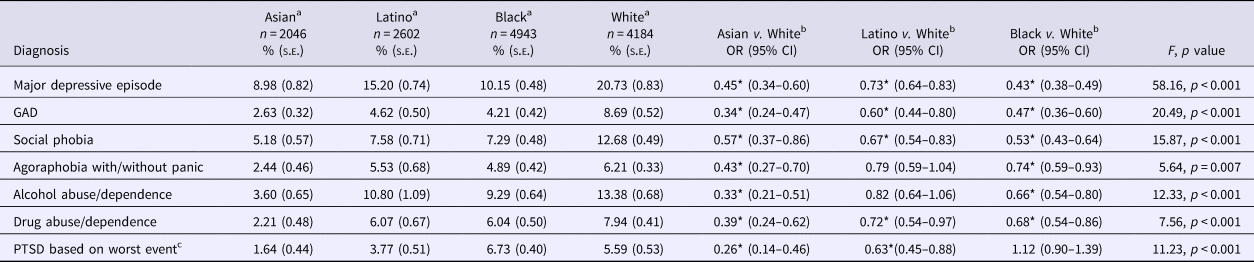
Lifetime prevalence of all DSM-IV/CIDI disorders varied significantly as a function of race/ethnicity (Table 1). Lifetime prevalence was lowest among Asian respondents and highest among Whites for all disorders except PTSD, where prevalence was highest among Black respondents. As compared with Whites, Asian respondents had lower odds of all lifetime disorders (ORs = 0.3–0.6), Latino respondents had lower ORs of depression, GAD, social phobia, drug abuse/dependence, and PTSD (ORs = 0.6–0.7), and Black respondents had lower ORs of all disorders except PTSD (ORs = 0.4–0.7).
Lifetime prevalence of DSM-IV/CIDI disorders by race/ethnicity (n = 13 775)
a Prevalence estimates are reported at the person-level.
b Models were estimated using discrete-time survival analysis (other than for PTSD) and controlled for person-year, age, and sex.
c The PTSD model was estimated using logistic regression and controlled for age and sex.
*p ⩽ 0.05.
Racial/ethnic differences in exposure to traumatic experiences
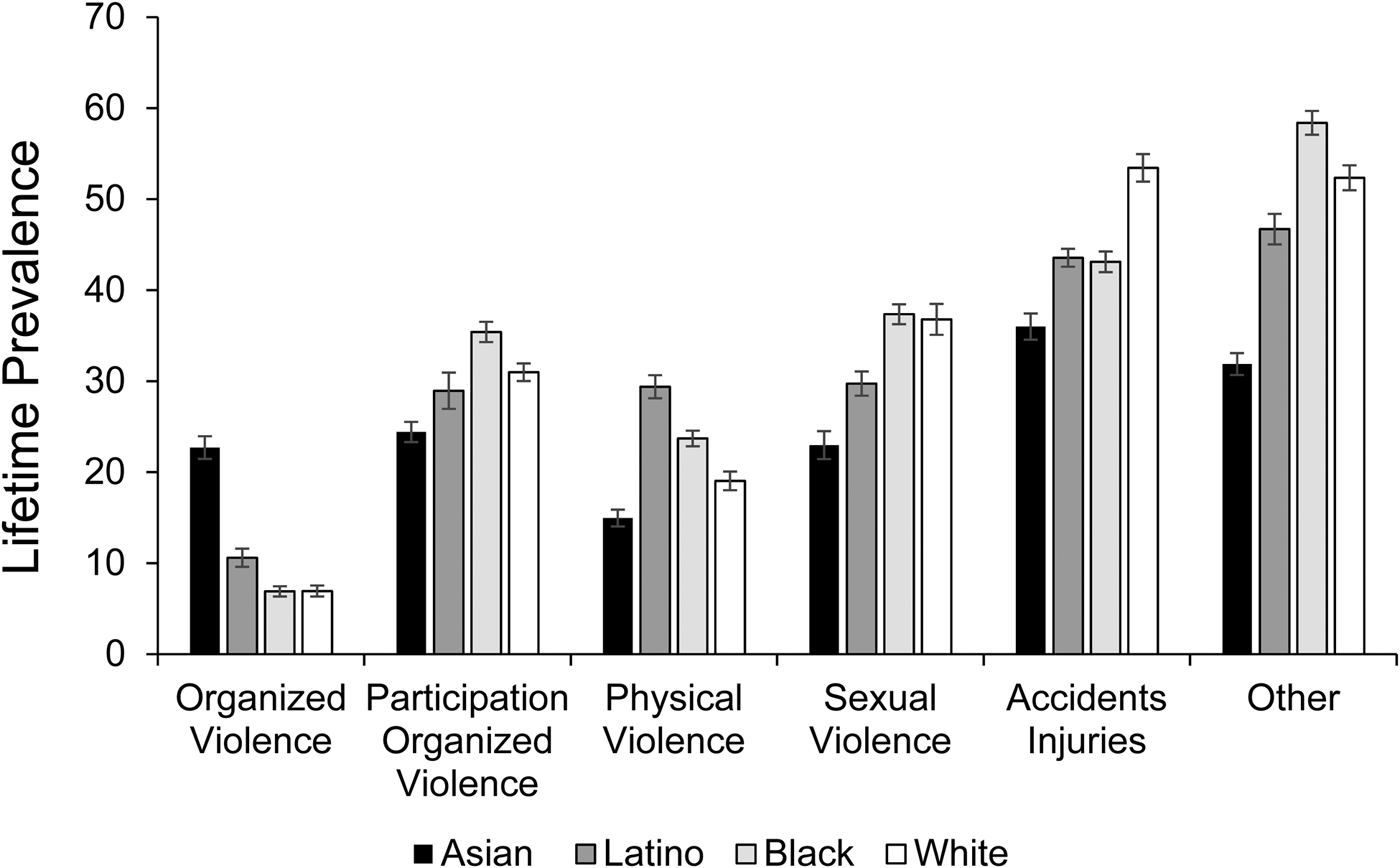
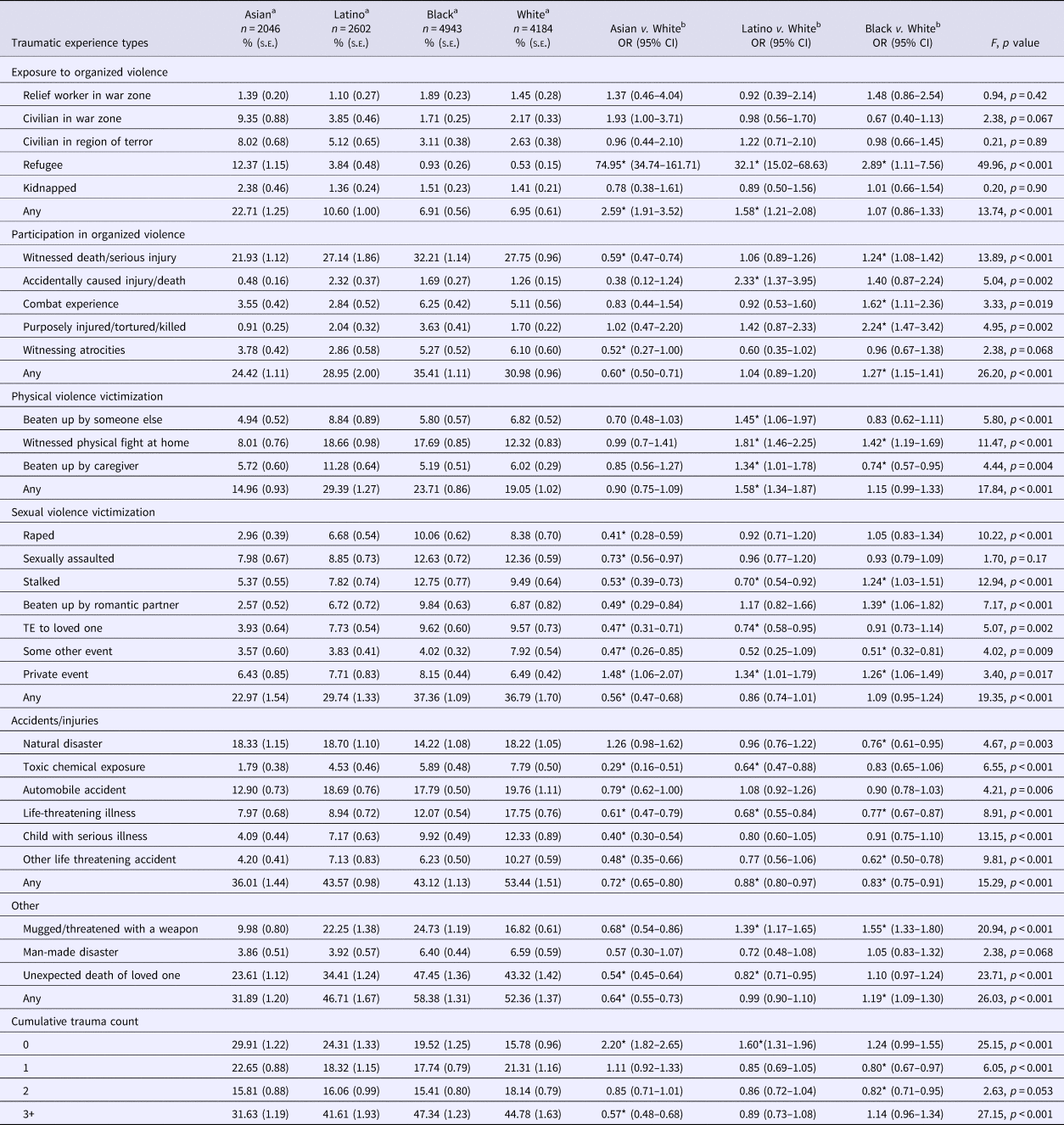
Lifetime prevalence of TE exposure varied by race/ethnicity for all six TE categories, although specific patterns varied across category (Fig. 1, Table 2). Asian respondents had the lowest rate of TE exposure for all categories except for exposure to organized violence where they had the highest lifetime prevalence (22.7%), followed by Latino (10.6%), White (7.0%), and Black (6.9%) respondents. Racial/ethnic variation in exposure to organized violence was driven largely by differences in the odds of being a refugee, which were higher for Asian, Latino, and Black respondents compared with Whites (ORs = 2.9–75.0). Black respondents had the highest exposure to participation in organized violence (35.4% relative to 24.4–31.0% for other groups), sexual violence (37.4% relative to 23.0–36.8% for other groups), and the other TE category (58.4% relative to 31.9–52.4% for other groups). Higher odds of exposure to four of 10 TE types involving organized violence (ORs = 1.2–2.9), three of seven TEs involving sexual violence (ORs = 1.2–1.4), and one of three other TEs were observed among Black relative to White respondents. In contrast, Latino respondents had the highest rates of physical violence victimization (29.4% relative to 15.0–23.7% for other groups), with higher exposure to all three physical violence TE types relative to Whites (ORs = 1.3–1.8). Whites were more likely to report accidents and injuries (53.4%) than other racial/ethnic groups (36.0–43.6%; ORs = 1.12–1.38).
Lifetime prevalence of traumatic experiences in the United States as a function of race/ethnicity (N = 13 775).
Lifetime prevalence of traumatic experiences (TEs) by race/ethnicity (n = 13 775)
a Prevalence estimates are reported at the person-level.
b Models were estimated using discrete-time survival analysis predicting first onset of each TE type as a function of race/ethnicity and controlled for person-year, age, and sex.
*p ⩽ 0.05.
Racial/ethnic differences in cumulative TE exposure were also observed. Asians were most likely to have an absence of any TE (29.9%; OR = 2.2 as compared with Whites) and least likely to have experienced three or more TEs (31.6%; OR = 0.57 as compared with Whites). In contrast, Blacks (47.3%), Whites (44.8%), and Latinos (41.6%), all had similar levels of exposure to three or more TEs.
Racial/ethnic differences in disorder onset
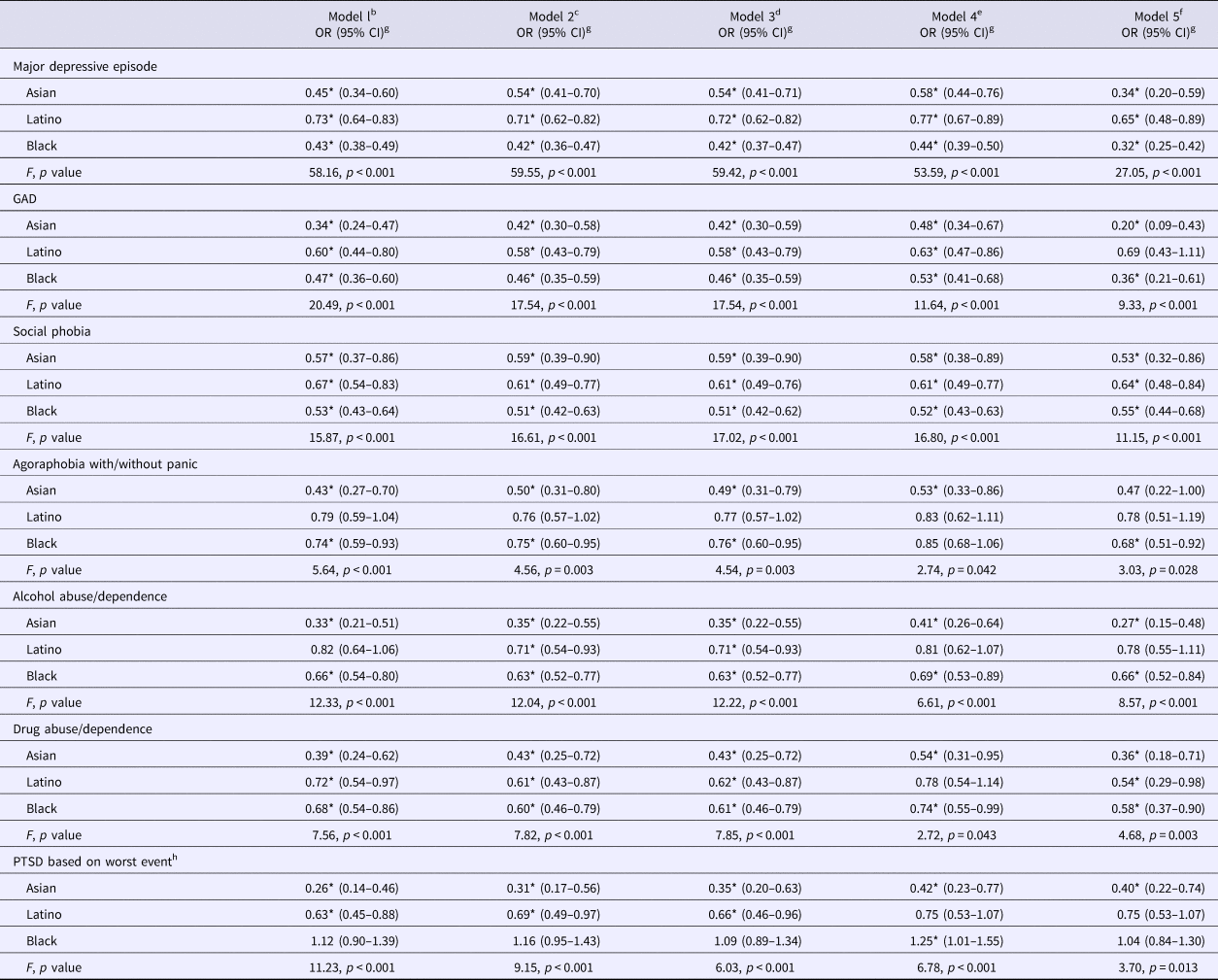
Lifetime disorder onset varied as a function of race/ethnicity for all disorders in models that did not adjust for TE exposure (Table 3). Asian and Black respondents had significantly lower odds of lifetime disorder onset as compared with Whites for all disorders examined (ORs = 0.33–0.57 for Asians relative to Whites; ORs = 0.43–0.74 for Blacks relative to Whites). Latino respondents had reduced odds of depression, GAD, and social phobia onset relative to Whites (ORs = 0.60–0.73). These patterns were largely unchanged in model 2, which included controls for exposure to TEs associated with onset of the focal disorder (see online Supplementary Table S1 for details on TE variables for each disorder). With the addition of TE exposure to the model, both Asian (ORs = 0.35–0.59) and Black (ORs = 0.42–0.75) respondents continued to have reduced odds of onset for every disorder as compared with Whites, and Latinos had reduced odds of onset of all disorders other than agoraphobia (ORs = 0.58–0.71). This pattern was unchanged after controlling for cumulative TE exposure in model 3. However, when controls for prior mental disorders were added in model 4, racial/ethnic differences were no longer significant for agoraphobia among Blacks (OR = 0.85) and for alcohol and drug abuse/dependence among Latinos (ORs = 0.78–0.81) relative to Whites. No interactions were observed between race/ethnicity and TEs in predicting disorder onset.
Racial/ethnic differences (ORs) in disorder onset and lifetime PTSD (n = 13 775)a
a Models for all disorders except PTSD were estimated in a discrete-time survival framework. Models for PTSD were estimated using logistic regression.
b Model 1 adjusted for person-year, age, and sex for all disorders except PTSD (see footnote h for details on PTSD model).
c Model 2 adjusted for person-year, age, sex, and TE variables that were significantly associated with the focal disorder (see Supplemental Table S1 for details on TE variables included for each disorder) for all disorders other than PTSD (see footnote h for details on PTSD model).
d Model 3 adjusted for person-year, age, sex, TE variables that were significantly associated with the focal disorder, and a count of the number of cumulative TEs experienced prior to first onset of the focal disorder for all disorders other than PTSD (see footnote h for details on PTSD model).
e Model 4 adjusted for person-year, age, sex, TE variables that were significantly associated with the focal disorder, a count of the number of cumulative TEs experienced prior to first onset of the focal disorder, and onset of other mental disorders prior to onset of the focal disorder for all disorders other than PTSD (see footnote h for details on PTSD model).
f Model 5 was estimated in the subset of respondents who did not experience the TE variables associated with the focal disorder, and adjusted for person-year, age, sex for all disorders other than PTSD (see footnote h for details on PTSD model).
g White respondents served as the reference group in all models.
h For PTSD, Model 1 adjusted for age and sex and included all respondents, regardless of TE exposure. Model 2 adjusted for age, sex, and age at exposure to worst TE and was estimated only among respondents with a lifetime TE. Model 3 adjusted for age, sex, age at exposure to worst TE, and a count of the number of cumulative TEs experienced prior to the worst TE, and was estimated only among respondents with a lifetime TE. Model 4 adjusted for age, sex, age at exposure to worst TE, a count of the number of cumulative TEs experienced prior to the worst TE, and onset of other mental disorders prior to the worst TE, and was estimated only among respondents with a lifetime TE. Model 5 adjusted for age, sex, age at exposure to worst TE, and type of worst TE and was estimated only among respondents with a lifetime TE.
*p ⩽ 0.05.
If racial/ethnic differences were reduced among those with no TE exposure, it would suggest lower vulnerability to trauma-related psychopathology among racial/ethnic minorities relative to Whites. We found little evidence for this in model 5, which examined associations of race/ethnicity with disorder onset among respondents without lifetime exposure to the TE types included in earlier models (Table 3). Asian respondents had significantly reduced odds of all disorders except for agoraphobia (ORs = 0.20–0.53), Black respondents had reduced odds of every disorder (ORs = 0.32–0.68), and Latino respondents had lower odds of all but GAD and alcohol abuse/dependence (ORs = 0.54–0.69) relative to Whites.
Racial/ethnic differences in lifetime PTSD
Both Asian (OR = 0.26) and Latino (OR = 0.63) respondents had lower odds of lifetime PTSD than Whites in a model that did not adjust for TEs (Table 3). These differences were similar in magnitude among those with a lifetime TE (ORs = 0.31–0.69), after adjusting for cumulative TE exposure (ORs = 0.35–0.66), and in a model adjusting for each respondent's worst lifetime TE and age of TE exposure (ORs = 0.40–0.75). After controlling for mental disorders occurring prior to the worst TE, Asians continued to exhibit lower odds of lifetime PTSD than Whites (OR = 0.42) but Latinos did not (OR = 0.75). Although Blacks and Whites had similar odds of PTSD in most models (ORs = 1.04–1.12), when prior-onset mental disorders were adjusted for in model 4, Blacks had higher odds of lifetime PTSD than Whites (OR = 1.25).
In the final model, race/ethnicity interacted with TE type in predicting PTSD (F 21,119 = 18.08, p < 0.001) driven by two TEs whose association with PTSD exhibited a different pattern of racial/ethnic variation than other TEs: rape/sexual assault and unidentified events (i.e. events the respondent did not want to discuss with the interviewer). The association of rape/sexual assault (F 3,137 = 0.59, p = 0.62) and unidentified events (F 3,137 = 0.99, p = 0.40) with PTSD did not differ across racial/ethnic groups. In contrast, the association of all other TE types with PTSD varied by race/ethnicity (F 3,137 = 3.80, p = 0.012), with Asians exhibiting lower risk of PTSD following TE exposure (OR = 0.42) and Blacks and Latinos exhibiting similar risk (OR = 0.80–1.17) as Whites (Table 4).
Interactions between race/ethnicity and TE types in predicting PTSD (n = 13 775)

a Models were estimated using logistic regression.
b The proportion of respondents exposed to at least one lifetime TE that endorsed the focal TE as their worst lifetime TE.
*p ⩽ 0.05.
Discussion
We investigated the possibility that racial/ethnic differences in exposure to TEs or in vulnerability to psychopathology following TE exposure might contribute, in part, to lower rates of psychopathology among racial/ethnic minorities than Whites. Although lifetime prevalence of TE exposure varied across racial/ethnic groups, no racial/ethnic group experienced consistently elevated or reduced rates of TE exposure across all TE types. In terms of vulnerability to trauma-related psychopathology, racial/ethnic differences in the onset of depression, anxiety, and substance disorders following TEs were minimal. In contrast, racial/ethnic variation in conditional risk of PTSD emerged for most TE types such that Asians had lower odds of developing PTSD and Blacks had higher odds of developing PTSD following a TE than Whites. These findings suggest that increased resilience following TEs is not a major factor explaining the lower prevalence of mental disorders among racial/ethnic minorities as compared with Whites, with the exception of PTSD among Asians.
Prior research examining racial/ethnic differences in exposure to TEs has largely relied on geographically limited community samples or studies of specific TE types (e.g. natural disaster, assaultive violence); these studies have produced inconsistent findings with regard to racial/ethnic variation in the prevalence of exposure to particular types of TEs (Kilpatrick and Acierno, Reference Kilpatrick and Acierno2003; Hatch and Dohrenwend, Reference Hatch and Dohrenwend2008). Here, racial/ethnic differences in TE exposure were observed across all TE types, and the patterns align closely with a prior US population-based study (Roberts et al., Reference Roberts, Gilman, Breslau, Breslau and Koenen2011). Asians were most likely to experience TEs involving exposure to organized violence, particularly being a refugee, but had the lowest rates of exposure to all other TE types and the lowest rates of cumulative TE exposure. Being displaced from one's native country often occurs in the context of political violence and involves cumulative experiences of stress and adversity following resettlement (Silove, Reference Silove1999; Fazel et al., Reference Fazel, Reed, Pnater-Brick and Stein2012). Refugees have consistently been found to have elevated rates of psychopathology as compared with non-displaced people (Porter and Haslam, Reference Porter and Haslam2005). Yet, Asian Americans had the lowest prevalence of psychopathology of any group; this could reflect that the likelihood of being a refugee was not high in an absolute sense among Asians (12.4%) despite being relatively more common than in other groups (0.5–3.8%) or could be related to the substantially lower rates of exposure to other TE types among Asians relative to other racial/ethnic groups. Black and Latino respondents had the highest prevalence of exposure to most forms of interpersonal violence, with the rates of participation in organized violence and sexual violence highest among Blacks and exposure to physical violence greatest among Latinos. Higher levels of exposure to violence among Black and Latino adults as compared with Whites have been reported in several prior studies, although physical and sexual violence were not differentiated (Breslau et al., Reference Breslau, Kessler, Chilcoat, Schultz, Davis and Andreski1998; Roberts et al., Reference Roberts, Gilman, Breslau, Breslau and Koenen2011). In contrast, Whites had the greatest exposure to accidents and injuries, also consistent with prior work (Roberts et al., Reference Roberts, Gilman, Breslau, Breslau and Koenen2011). Given that Black and Latino adults were most likely to experience the types of TEs that are most strongly associated with psychopathology (i.e. physical and sexual violence) (Kessler et al., Reference Kessler, Sonnega, Bromet, Hughes and Nelson1995; Breslau et al., Reference Breslau, Kessler, Chilcoat, Schultz, Davis and Andreski1998; Liu et al., Reference Liu, Petukhova, Sampson, Aguilar-Gaxiola, Alonso, Andrade, Bromet, de Girolamo, Haro, Hinkov, Kawakami, Koenen, Kovess-Masfety, Lee, Medina-Mora, Navarro-Mateu, O'Neill, Piazza, Posada-Villa, Scott, Shahly, Stein, ten Have, Torres, Gureje, Zaslavsky and Kessler2017), differences in TE exposure in these groups is unlikely to contribute to their lower rates of psychopathology relative to Whites.
We found little evidence for racial/ethnic variation in vulnerability to trauma-related psychopathology other than PTSD. Consistent with prior research, Black, Latino, and Asian adults were less likely to develop depression, anxiety, and substance disorders than Whites (Breslau et al., Reference Breslau, Kendler, Su, Gaxiola-Aguilar and Kessler2005, Reference Breslau, Aguilar-Gaxiola, Kendler, Su, Williams and Kessler2006; Gilman et al., Reference Gilman, Breslau, Conron, Koenen, Subramanian and Zaslavsky2008). Racial/ethnic variation in vulnerability to psychopathology following TEs did not explain these differences. First, the magnitude of racial/ethnic differences in disorder onset was virtually unchanged after accounting for TE exposure. Second, we found no interactions between race/ethnicity and TE exposure in predicting disorder onset, suggesting an absence of racial/ethnic variability in risk for psychopathology following TEs. The lack of racial/ethnic differences in vulnerability to trauma-related psychopathology is consistent with a prior study suggesting an absence of racial/ethnic differences in the association of stressful life events with anxiety and depression onset (Turner and Lloyd, Reference Turner and Lloyd2004). Finally, racial/ethnic differences remained unchanged in the sample who had never experienced lifetime TEs associated with the disorder outcome of interest, where group differences would have been smaller had variation in trauma-related vulnerability been a meaningful factor underlying racial/ethnic differences in disorder onset. Racial/ethnic differences in disorder onset were attenuated for some disorders after controlling for prior-onset mental disorders, suggesting that elevated comorbidity may play a role in the greater odds of adult-onset psychopathology among Whites relative to other racial/ethnic groups. Altogether, greater resilience to TEs does not appear to play a role in explaining the lower rates of depression, anxiety, and substance disorders among Black, Latino, and Asian Americans as compared with Whites.
The pattern of racial/ethnic differences in PTSD differed from other forms of psychopathology. The odds of lifetime PTSD were lower among Asians and Latinos but higher among Blacks than Whites. These findings are consistent with several prior studies reporting greater lifetime prevalence of PTSD among Blacks and lower prevalence among Asians relative to Whites (Norris, Reference Norris1992; Roberts et al., Reference Roberts, Gilman, Breslau, Breslau and Koenen2011; Alegría et al., Reference Alegría, Fortuna, Lin, Norris, Gao, Takeuchi, Jackson, Shrout and Valentine2013). Lower odds of PTSD for Asians and Latinos relative to Whites persisted when examined only among those with a lifetime TE and after controlling for cumulative TE exposure and remained significant only for Asians after adjusting for the type and age-of-onset of each respondent's worst TE. This pattern suggests that the lower odds of PTSD among Asians is not explained by differences in the types of TEs experienced or the number of lifetime TEs. In contrast, Black respondents had higher odds of lifetime PTSD than Whites. This difference was not significant in models that adjusted for the type, number, and age-of-onset of TEs but emerged after adjustment for the presence of psychopathology occurring prior to the worst TE. This pattern suggests that elevated lifetime odds of PTSD among Blacks relative to Whites is not explained by differences in TE exposure and is magnified after accounting for the fact that Whites are more likely to have co-occurring forms of psychopathology than Blacks, which is a known risk factor for PTSD (Koenen et al., Reference Koenen, Moffit, Caspi, Gregory, Harrington and Poulton2008). Mechanisms underlying this elevated risk of PTSD following TE exposure are unknown, although one possibility is that greater exposure to discrimination and other forms of adversity among Blacks relative to Whites magnifies vulnerability to developing PTSD following a TE (Brewin et al., Reference Brewin, Andrews and Valentine2000; Loo et al., Reference Loo, Fairbank and Chemtob2005; McLaughlin et al., Reference McLaughlin, Conron, Koenen and Gilman2010, Reference McLaughlin, Koenen, Bromet, Karam, Liu, Petukhova, Ruscio, Sampson, Stein, Aguilar-Gaxiola, Alonso, Borges, Demyttenaere, Dinolova, Ferry, Florescu, de Girolamo, Gureje, Kawakami, Lee, Navarro-Mateu, Piazza, Pennell, Posada-Villa, ten Have, Viana and Kessler2017). This possibility warrants exploration in future studies.
Several limitations are worth noting. First, exposure to TEs, disorder age-of-onset, and symptoms were assessed retrospectively. Recall bias produces lower disorder prevalence estimates in retrospective than prospective studies (Moffit et al., Reference Moffit, Caspi, Taylor, Kokaua, Milne, Polanczyk and Poulton2010; Takayanagi et al., Reference Takayanagi, Spira, Roth, Gallo, Eaton and Mojtabai2014). If recall biases varied by race/ethnicity, they could have contributed to group differences in psychopathology, although there is little evidence to suggest that such biases play a meaningful role in the lower rates of psychopathology among racial/ethnic minorities. Second, conditional risk of PTSD was examined only in relation to the TE endorsed as the worst. Assessing PTSD in relation to a worst event rather than a randomly selected event has been shown to inflate lifetime prevalence estimates in several studies (Kessler et al., Reference Kessler, Sonnega, Bromet, Hughes and Nelson1995; Breslau et al., Reference Breslau, Kessler, Chilcoat, Schultz, Davis and Andreski1998). Examining racial/ethnic differences in PTSD in relation to a randomly selected event is an important goal for future studies. Dropping the non-White respondents from the NCS-R sample in the pooled CPES dataset limited power to detect racial/ethnic differences. The consistent racial/ethnic differences observed, however, temper this concern. Finally, we did not have sufficient power to examine racial/ethnic differences in TE-disorder associations across subgroups of Blacks, Latinos, and Asians based on ethnicity and nativity, which have been associated with psychopathology in prior studies (Alegría et al., Reference Alegría, Mulvaney-Day, Torres, Polo, Cao and Canino2007; Williams et al., Reference Williams, Haile, Gonzalez, Neighbors, Baser and Jackson2007).
Lower prevalence of lifetime mental disorders among racial/ethnic minorities does not appear to reflect reduced vulnerability to TEs, with the exception of lower vulnerability to PTSD among Asians. A similar pattern of racial/ethnic differences was found for depression, anxiety, and substance disorders in those with and without a lifetime TE and after adjusting for group differences in TE exposure, and interactions between race/ethnicity and TEs in predicting disorder onset were largely absent. For PTSD, Blacks exhibited greater vulnerability to PTSD following TEs than Whites, further underscoring that greater resilience to TEs among racial/ethnic minorities is not a plausible explanation for the generally lower rates of psychopathology experienced among these groups relative to Whites. These results highlight the importance of investigating other potential mechanisms underlying racial/ethnic differences in psychopathology.
Supplementary material
The supplementary material for this article can be found at https://doi.org/10.1017/S0033291718003082.
Acknowledgements
Research reported in this publication was supported by the National Institute on Minority Health and Health Disparities (NIMHD) of the National Institutes of Health under Award Number R01MD009719. Dr Kiara Alvarez is supported by the National Institute of Mental Health (NIMH) under Award Number K23MH112841. Dr Jackson is supported by the NIMHD Center for Integrative Approaches to Health Disparities (P60-MD002249). The content is solely the responsibility of the authors and does not necessarily represent the official views of the National Institutes of Health.
Disclosure statement
In the past 3 years, Dr. Kessler received support for his epidemiological studies from Sanofi Aventis; was a consultant for Johnson & Johnson Wellness and Prevention, Sage Pharmaceuticals, Shire, Takeda; and served on an advisory board for the Johnson & Johnson Services Inc. Lake Nona Life Project. Kessler is a co-owner of DataStat, Inc., a market research firm that carries out healthcare research.



