Introduction
Efficient hot-water drilling has allowed widespread use of boreholes to access the glacier bed for studies of hydrology (Hooke and others, 1990), hydraulics (Engelhardt, 1978), ice deformation (Hooke and others, 1992) and sliding (Kamb and Engelhardt, 1987). More recently, in situ measurement of the electrical conductivity (Stone and Others, 1993) and discrete samples of borehole bottom water have been used to determine the origin of basal water (Tranter and others, in press) and to aid in the interpretation of borehole pressure signals (Hubbard and others, 1995). Surprisingly, there have been no studies on the pattern of movement of water through and storage within the borehole, which will largely control the provenance of borehole bottom water; i.e., little is known about the hydrology of glacier boreholes. The tacit assumption has been that bottomwater encountered in the borehole is representative of basalwater circulating in the drainage system at the glacier bed. This may not be true where there is a strong downward flux of surface/englacial water, or where there is a restricted connection between the borehole and the basal drainage system(Ketterling 1995).
One approach to defining borehole hydrology is to monitor the movement of chemically distinct bodies of water in the borehole, identified by contrasts in electrical conductivity (EC). Chemical differences may be natural (e.g. Fenn, 1987)or induced artificially, typically by the addition of common salt (e.g. Hooke and Pohjola. 1994). The EC of water is only approximately proportional to total dissolved solids, and hydrochemically ambiguous, so it is unsuitable for detailed hydrochemical diagnosis (Sharp, 1991). Nevertheless, EC provides a superlative field technique for simple water tracing because it can be readily measured on a continuous basis. This paper describes the construction and implementation of aninexpensive profiling electrical conductivity system for monitoring the hydrology of boreholes on Small River Glacier, Canada (Smart, 1994), and Haut Glacier d’Arolla, Switzerland (Sharp and others, 1993).
Design and Construction of the Electrical Conductivity Profiler
The probe
The vicissitudes of glaciers and their boreholes can lead to frequent loss of or damage to down-hole tools. Simple, lowcost sensors can be treated as essentially disposable compared to commercial conductivity packages (which may not plumb constricted glacier boreholes). Low cost and reliability were obtained by using standard stainless and galvanised pipefittings, and casting the sensor in epoxy resin, rather than adopting expensive seals and machining. The probe weighed ~1.6 kg, allowing easy handling, while maintaining a taut supporting cable. The system was designed to withstand abrasionby sharp supraglacial debris, jamming in boreholes and use as a reaming tool in blocked boreholes. It has also been usedunprotected as an in situ EC sensor in streams and boreholes.
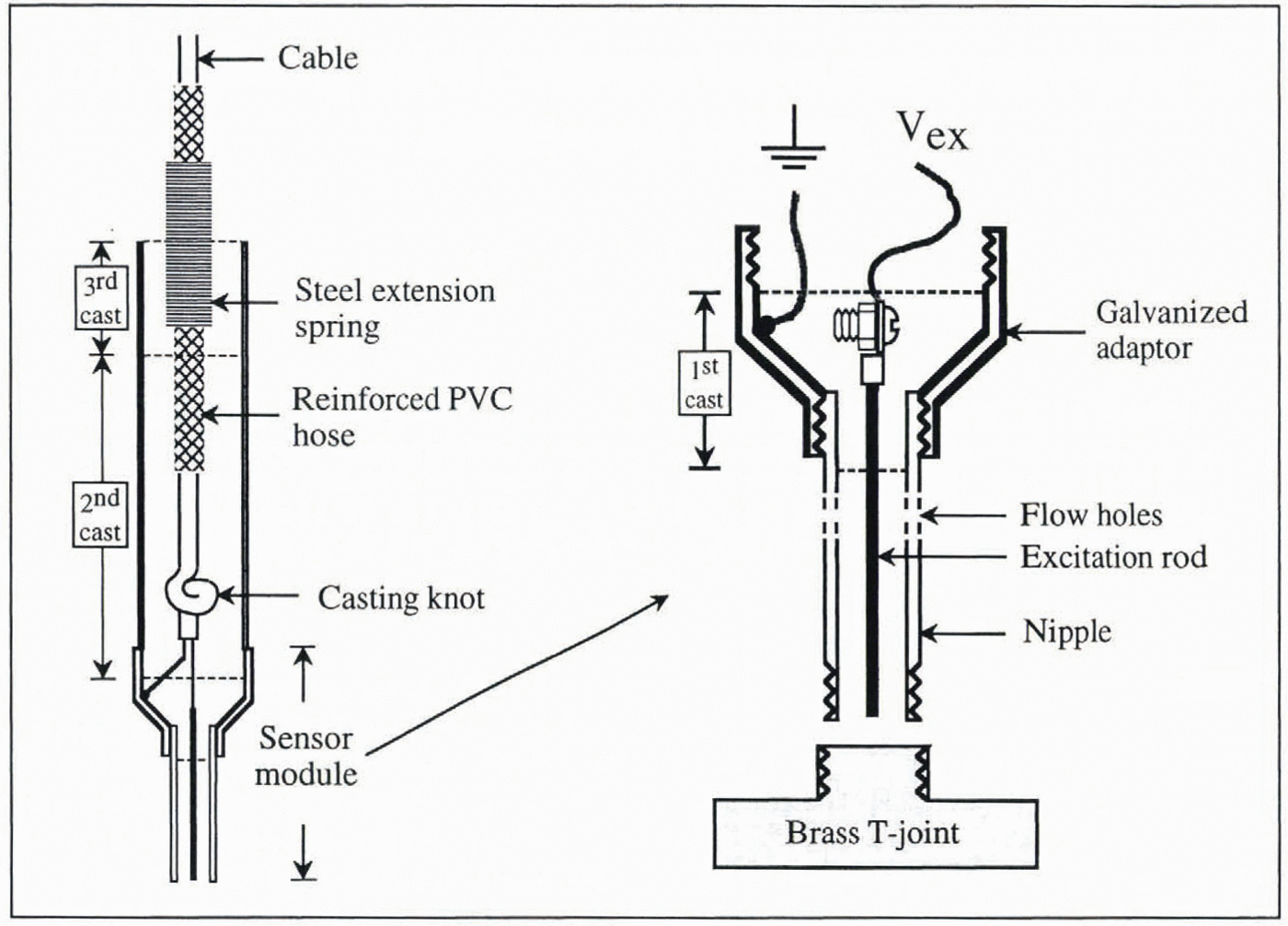
Fig 1shows a cross-section of the profiler and a list of component parts. The unit has a modular design. The galvanised adaptor (0.75–l.25 in (19–32 mm) npt), wiring and everything below constitute the sensor, constructed by sequentially casting the central excitation rod into the stain-less nipple (0.75 in × 4 in (19 mm × 102 mm) npt). The stainless nipple is maintained at ground, with AC excitation through theaxial siaiuless rod. Two holes are drilled in the nipple to allow the free flow of water through the sensor. This designminimises the pernicious influence of ground loops on readings (Campbell Scientific, 1989), and isolates the sensor fromextraneous potentials. In some boreholes a brass T-adaptor was attached in order to eliminate damage to the stainless nipple and prevent ice or debris clogging die probe. Slight corrosion resulting from saline solutions could be removed with a mild abrasive.
Annolated cross-section of the probe, including an inset of the sensor module and the casting sequence.
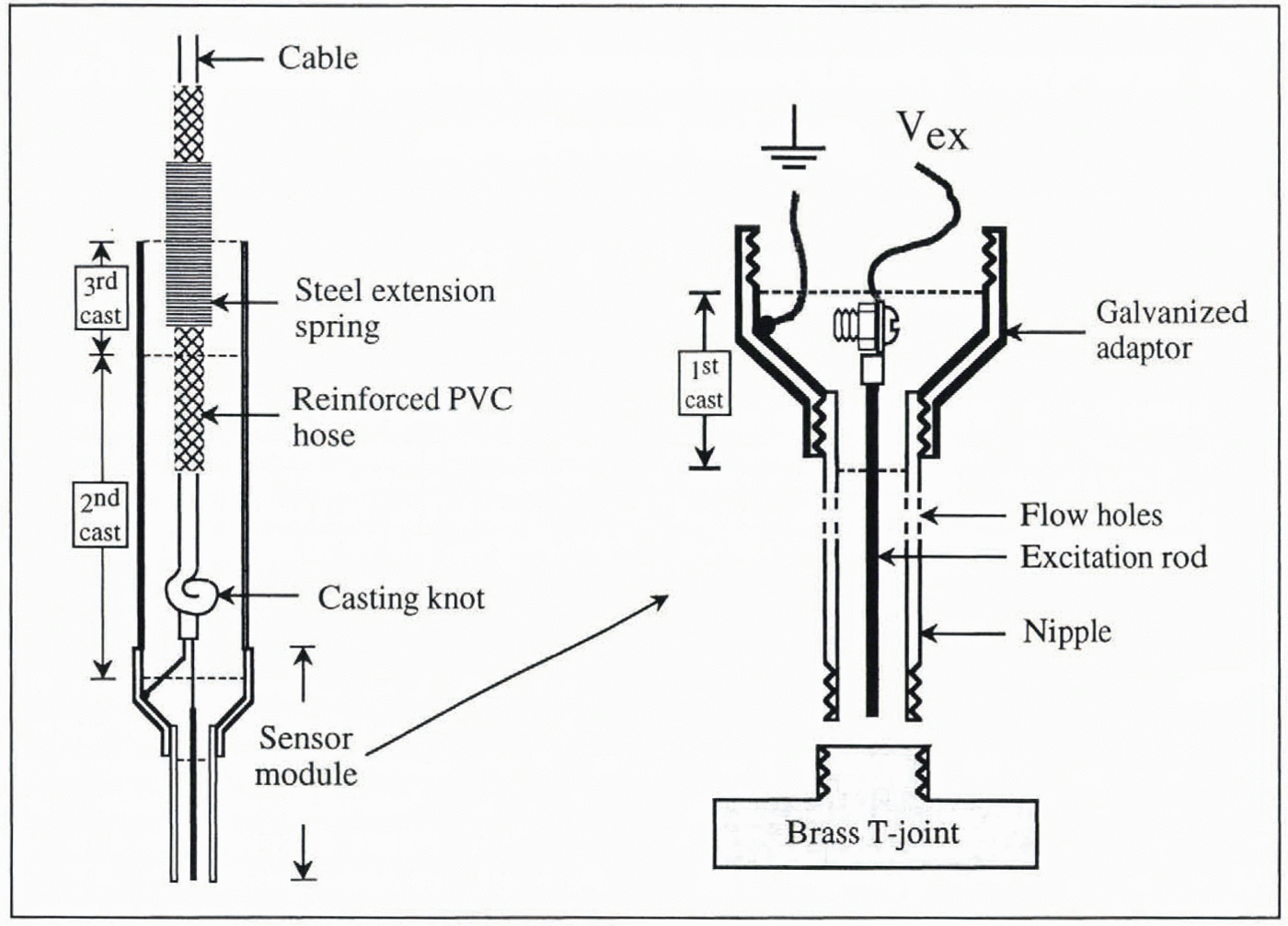
Prior to casting, the sensor unit is wired to the cable which is threaded through the long galvalnised stem pipe (1.25 in × ~14 in (32 mm × 360 mm) npt) and strain-relief system. The two units are cleaned with acetone and screwed together. Liquid epoxy resin is gently poured into the pipe, and mild heat applied to promote the release of bubbles from the resin. Various waterproof epoxy casting resins have been used. e.g. Hysol from Dexter Electronic Materials Division and Sun Cure (Stone and Others, 1993). Spare sensor, stem and strain-relief components can be taken into the field and fitted to the cable should replacement be necessary. (In two seasons of intensive use, this need has not arisen.)
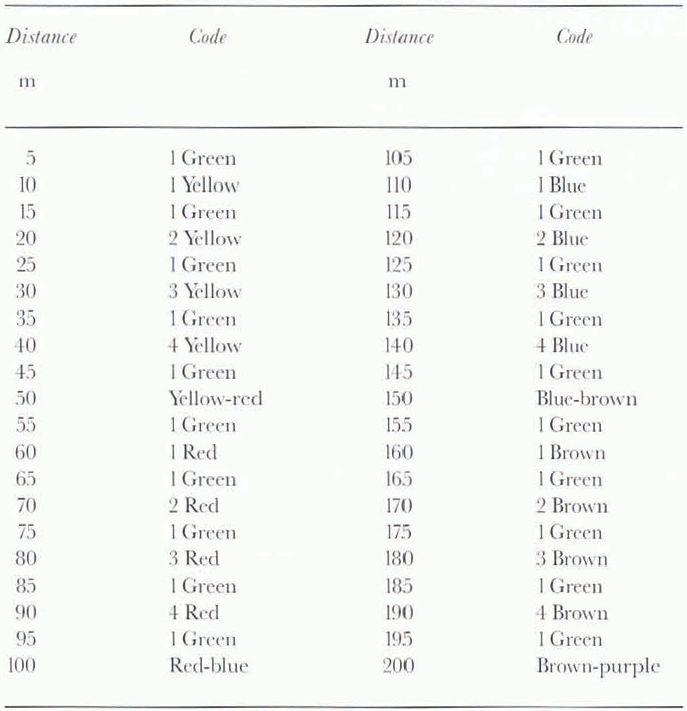
The cable used was two-conductor. 18 gauge wire with braided wire sheath and а 0.035 in (0.9 mm) thick, Carolprene®vinyl outer jacket. It proved exceptionally functional in terms of strength, abrasion and ultraviolet resistance and case of handling. The cable was tagged with colour tape every 5 m to mark distance from the sensor (see Appendix for an effective colour code).
Electronics
The sensor was attached to a Campbell Scientific CR10® data logger using a conventional half-bridge with a 1 kΩ reference resistor (Campbell Scientific Inc., 1989). EC is determined by reading AC resistance, inverting to conductance and multiplying by the sensor “cell constant”. A small empirical offset may be required in order to obtain a zero reading in air. The logger was powered by a bank of ten high-capacity 1.2 V recha rgeable NiCd batteries in series. The logger, bridge and power supply were mounted inside a standard 0.5 calibre surplus ammunition can (28 cm x 14 cm x 18.5 cm), modified to allow watertight cable access through standard packing glands, and fitted with a watertight RS232 nine-pin connector a llowing th e standard (CR10KD) keyboard and display to be mounted externally (usually in a scaled clear polyethylene bag). A 1 W solar panel was attached in order to recharge the batteries between uses. The resulting inexpensive package allows flexible use of the logger in many applications and has been successfully used in the most adverse conditions on the glacier surface. For unattended, passive monitoring of borehole EC during the ablation season, the sensor was positioned in the borehole and the logger mounted on an open steel pyramid which maintained poise throughout the ablation season.
Field Procedures and Example
Measurement
On site, functionally and crude precision were routinely assessed by ensuring air and supraglacial stream readings oF0.00 and ~1–2 μS cm−1, respectively. The probe was lowered into the borehole until it reached water level, when a reading and depth were recorded. The probe was then lowered to successive 5 mmarkers where a reading was usually taken at the bottom of the borehole, and readings were taken every metre across steep conductivity gradients. The sensor was removed from the hole by walking with the cable towards the next borehole, and popping the sensor out by rapid with-drawal of the last metre of cable (an efficient procedure requiring dexterity, and very strong cable and strain reliel).
Calibration
Determining the hydrostratigraphy of boreholes required good precision (reproducibility), rather than accuracy. Our field practices were oriented towards reliable performance, rather than absolute determinations of EC. Calibration using sodium chloride standards showed a slight non-linearity, significant above 100 μS cm−1. No correction for this was undertaken, but this must be incorporated in any absolute determination of EC, or where dissolved mass de-terminations are to be undertaken. It was assumed that the water temperature was always close to 0°C, so that no temperature compensation was used (Smart, 1992).
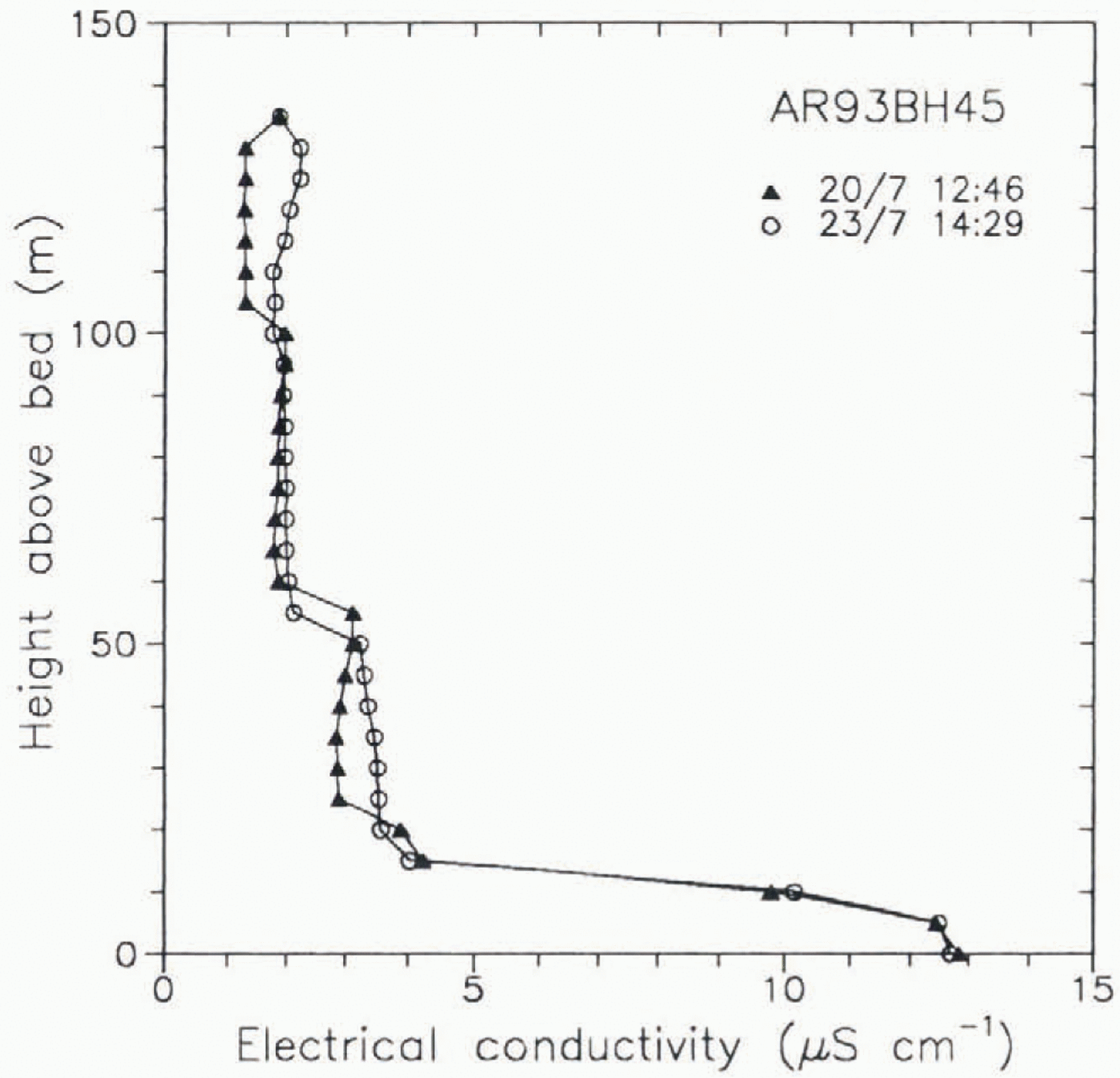
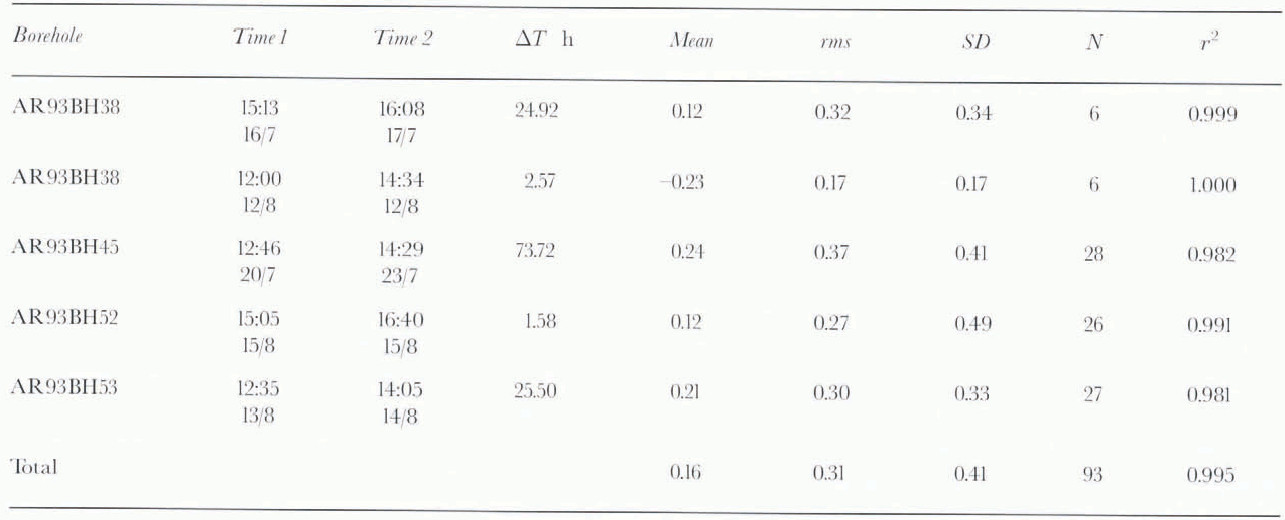
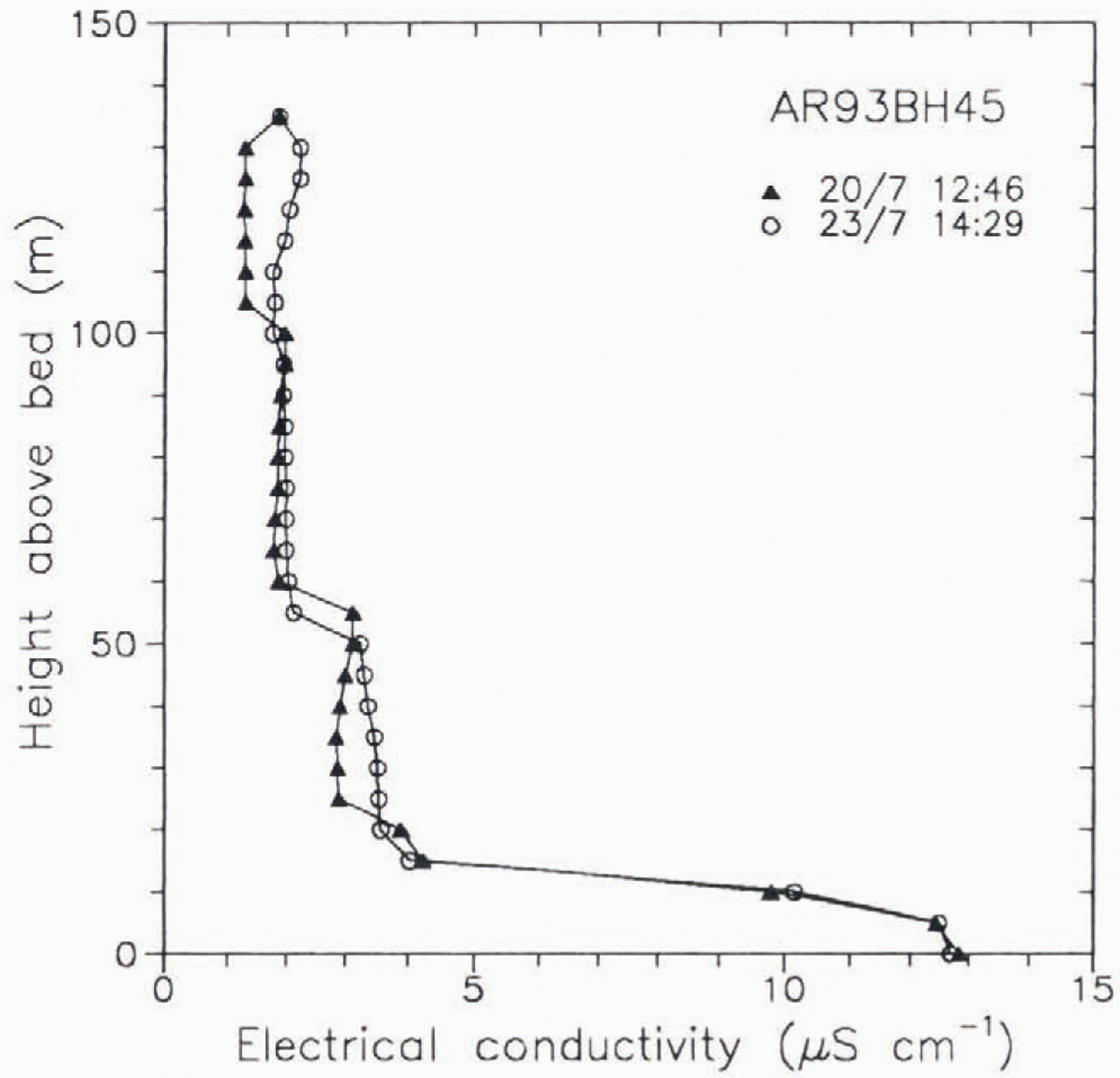
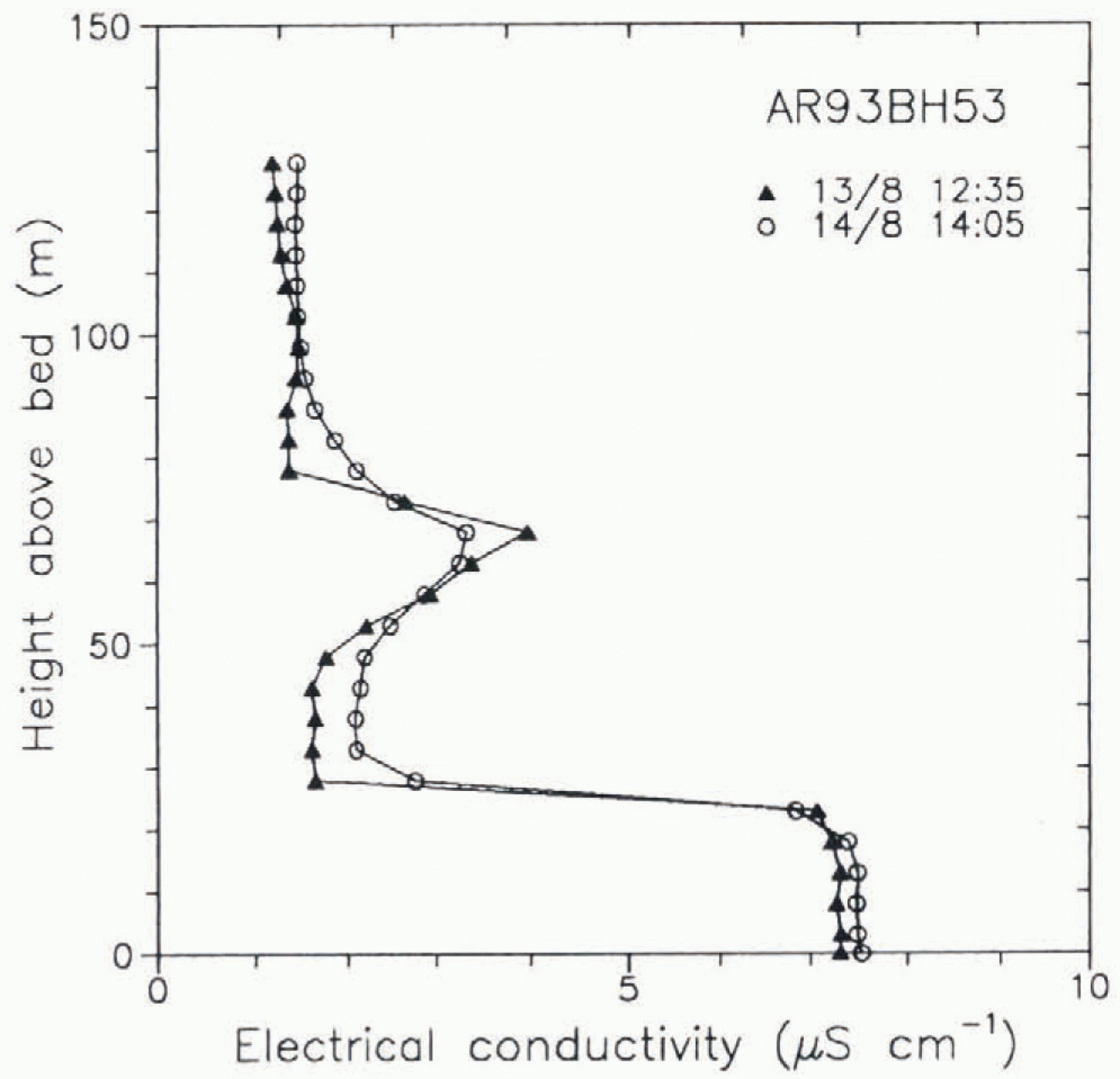
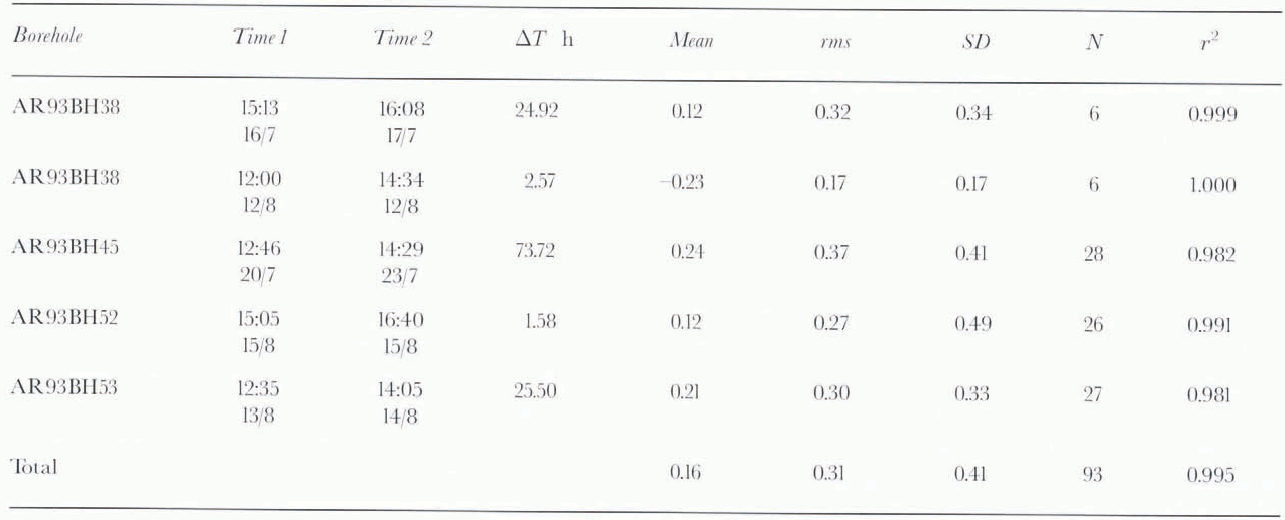
Repeatability of controlled readings is typically within instrument resolution of ±0.01 μS cm−1. Surprisingly, there was adequate flow through the cell, as readings were found to be very similar on a few sequential downward and upward profiles. Overall (field) precision can be determined by repeat profilingof an “unconnected” borehole which is water-filled and hydrologically inactive. Such boreholes characteristically exhibit a static “drill-fluid profile” in which the borehole is occupied by dilute drill fluid, except for a bottom zone enriched by basal pore water and dissolution. Fig 2shows a “worst case” example of repeat profiles taken 3d apart with resolution to 0.01 μS cm−1. Compilation of several such replications (Table 1) shows an overall corre-lation coefficient of 0.995 between two sets of readings, and a rms deviation of 0.31 ± 0.41 μS cm−1, considerably less than any interpretable feature in a conductivity profile.
Example sequential profiles from unconnected borehole AR93BH45. Borehole referencing indicates the site (Haut Glacier d’Arolle), the year of drilling (1993) and the borehole number (45).
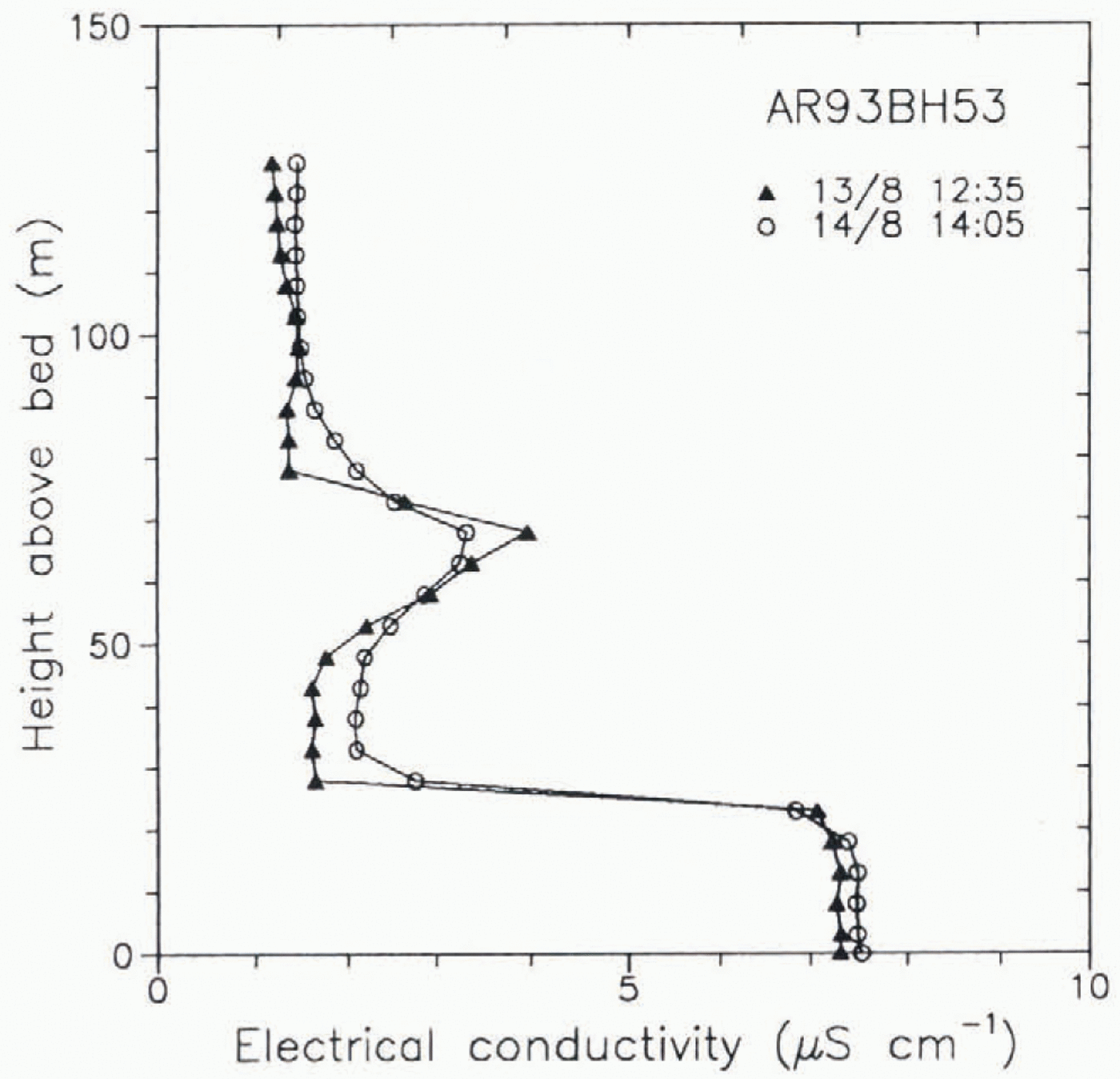
Some systematic error was noted, however. An early version of the sensor allowed high-pressure bottom water to penetrate the probe, increasing readings slightly (e.g. Fig. 3; Table 1). Attempts to use the offset reading to compensate forthis leakage were frustrated by further water exchange. In contrast, the model described here has shown no drift over several weeks of field usage.
Profiles from an unconnected borehole showing the dispersion of a mid-column peak in electrical conductivity over a 1 d period (AR93BH53).
Replicate electrical conductivity profiles made on unconnected boreholes. Times are given as hh:mm, day/month. The mean is the average difference in reading, indcating systematic offset rms indicates root mean square difference.The standard deviations are based on raw differences. N is the sample size and r2is the linear goodness of fit
The largest errors were associated with steep EC gradients. Hydroehemical transitions in boreholes are often very sharp, and small positional errors can lead to large EG differences. Gross depth-measurement errors resulting from kinking of the cable and jamming of the sensor have been minimised by use of supple cable and a heavy sensor unit. More subtle positional errors easily arise from the absence of any surface datum on a glacier. The problem has been tackled by obtaining a bottom depth and expressing all depths as height above the bed. This makes it explicit that there is a gradual shift in the measurement datum as the Surface ablates, but is only reliable in so far as bottom depth can be adequately defined. In general, apparent hydrostratigraphic positional changes of decimetres are considered reliable.
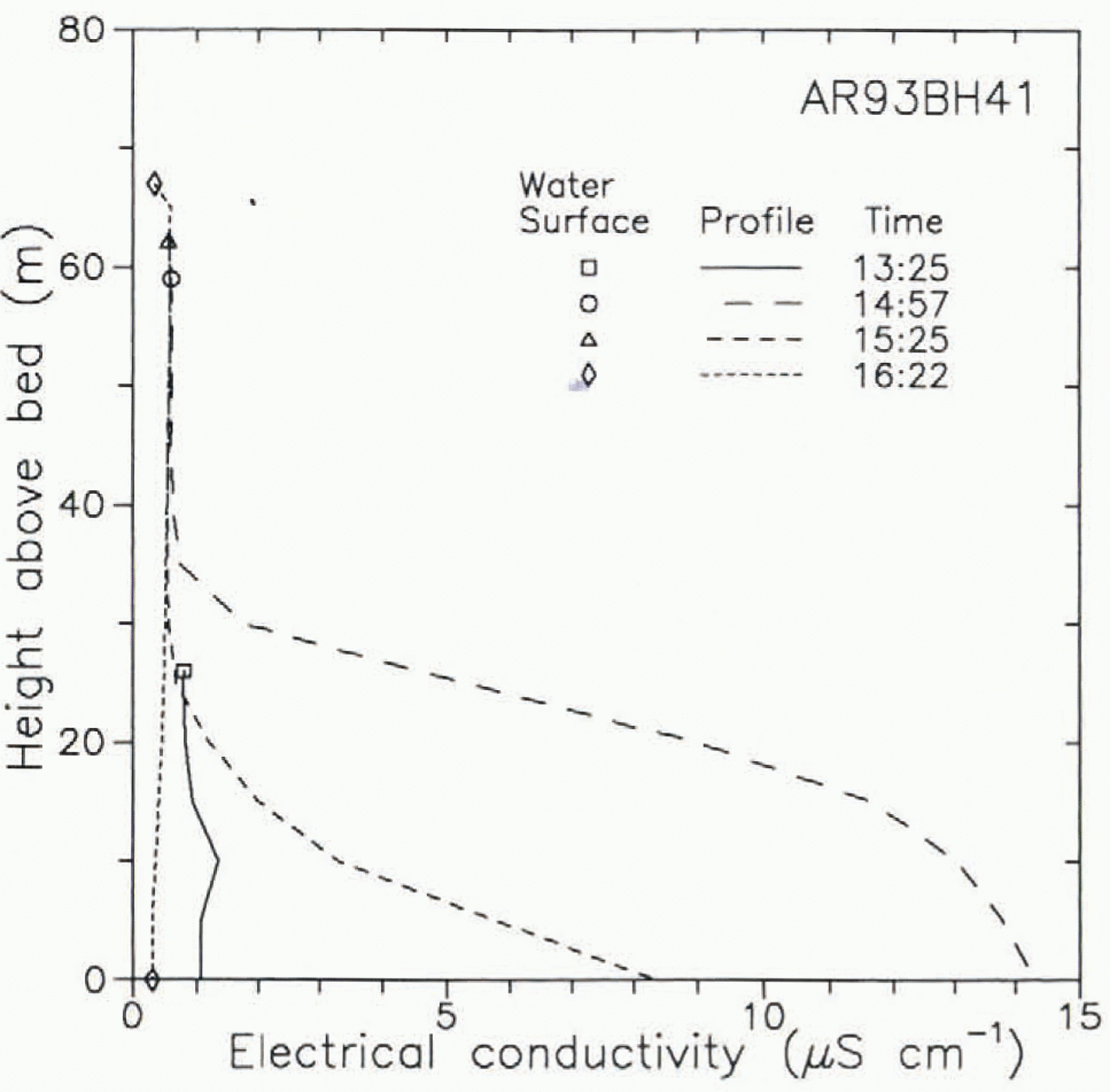
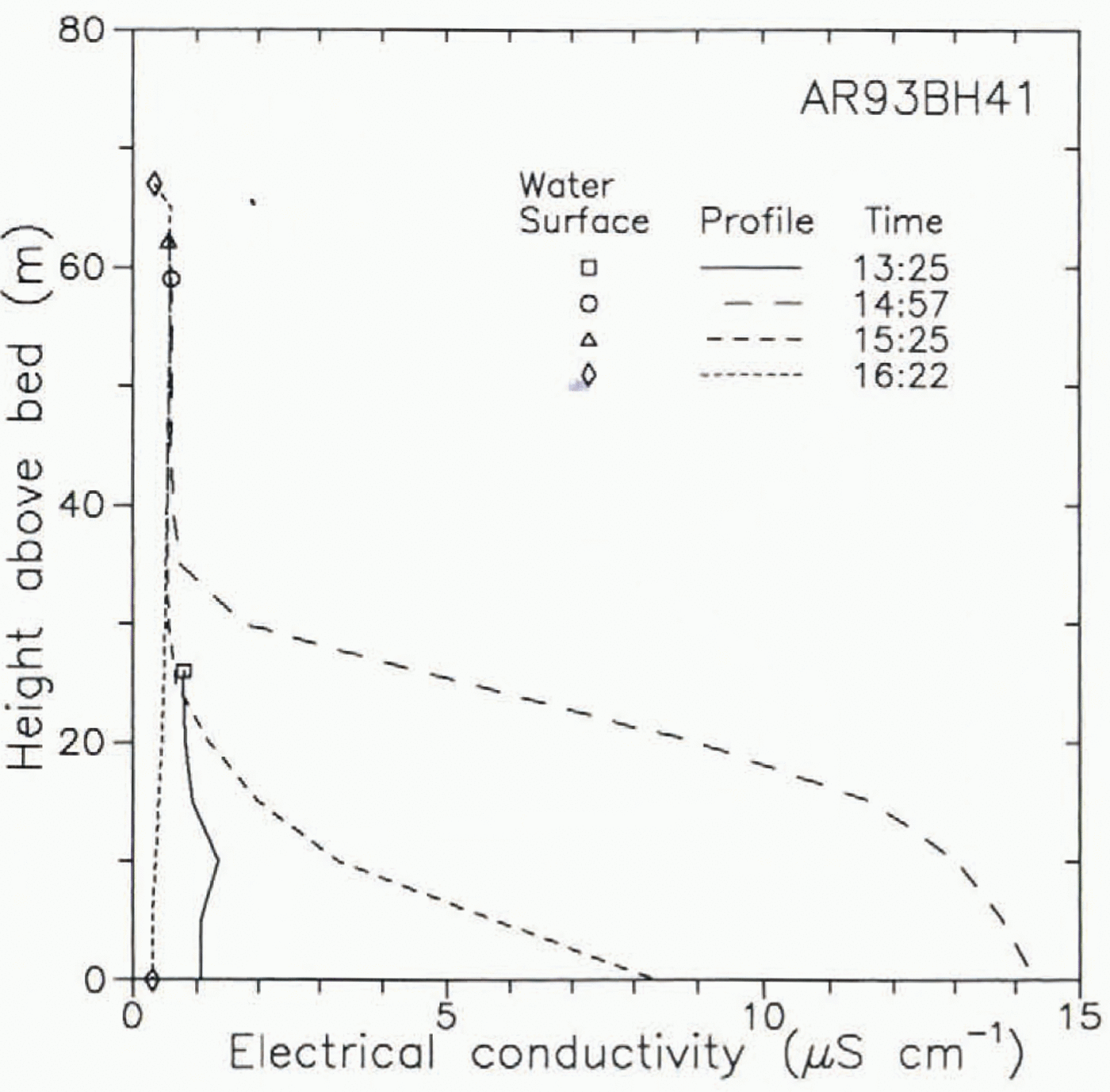
More serious errors arise from forced dispersion caused by rapid deployment and extraction. Dispersion is most evident around sleep EG gradients (Fig.3), and is considerably greater than might be expected with passive diffusion. Gradual movement of the probe minimises the problem, providing flow holes (Fig. 1) are sufficient to permit adequate flow through the sensor. Limiting the frequency of measurement will further ameliorate the problem. However, dynamic boreholes might require profiling at least every hour to obtain adequate definition of the hydrology (Fig. 4; Ketterling. 1995).
Profiles from a connected borehole (AR93BH41) showing a midday bottom influx of basal enriched water and subsequent downward displacement by dilute water.
Examples
Fig 2shows the typical “null” profile characteristic of an unconnected borehole. W hen drilling is sustained at the bed, a dilute bottom layer can develop, as the source of solute enrichment (presumably basal debris andpore water) is depleted and flushed up the column, typically al ~0.6m min−1(assuming a cylindrical borehole of radius 0.05 m and drill-flow rale of 0.005 m3min−1).
Four profiles taken over 3 h in a single borehole (Fig. 4) show an afternoon influx of chemically enriched water intothe bottom of the borehole, associated with rising borehole-water levels. Subsequently, the enriched water is driven down and out of the borehole, while high water levels are sustained by a complete column of dilute water (<1 μS cm–1. Inflowfrom the surface or an englacial orifice is apparently responsible for this evacuation. The implication is that boreholebottom water is characteristic of basal water only at the time of basal influx into the borehole. In this case, boreholebottom-water quality measurement or samples are only representative of basal water for a brief period of the day.
Conclusions
The conductivity profiler has proved to be an exceptionally functional and versatile glaciological tool, although forcing some dispersion of waters in boreholes. The preliminary results provided here indicate that borehole-water quality measurement and sampling require careful hydrological control to ensure that representative basal waters are present at the bottom of the borehole. Unfortunately, conductivity profiling is time-consuming: a single 120 m borehole might require 5 min to profile and about as long to set up on another borehole. Extremely dynamic boreholes might require profilingevery 30 min, making adequate monitoring of more than a few boreholes impossible Automation is not considered an appropriate option for this system, as glacier boreholes and cable are generally too idiosyncratic and intransigent to be left to their own devices.
Acknowledgements
This work was undertaken while D. B. K. was in receipt of a scholarship from Fonds pour la Formation de Chercheurs etl’Aide à la Recherche of Québec and was funded by the Natural Sciences and Engineering Research Council ofCanada, with field support in Switzerland from the U.K. Natural Environment Research Council. M.J. Sharp and I. Willis, of the University of Cambridge, participated in work in Canada, and permitted our involvement on Haul Glacier d’Arolla. S. Gordon and numerous additional field colleagues, assistants and students assisted in undertaking the field componentsof this project.
Appendix The Small River Cable Code
A practical system of labelling lengths on cables has been devised using multiple bands of coloured PVC electrical tape. In our experience, this seems to optimise readability, robustness and simplicity. The tape is attached in two or three turns onto alcohol-cleaned cable. Extra security can be obtained by sliding a sleeve of polyolefin heat-shrink tubingalong the cable, cutting off and shrinking a 5 cm piece over the tape. The distance is read at the midpoint of the tape cluster. Intermediate distances are measured with a 3 m pocket tape and marked (if necessary) with white or black tape.