


Introduction
Depression is a prevalent, chronic and recurrent disorder (Blazer et al. Reference Blazer, Kessler, McGonagle and Swartz1994; Judd, Reference Judd1997), with severe costs for the individual, including impaired social and occupational functioning, ill health, increased mortality and suicide (Wulsin et al. Reference Wulsin, Vaillant and Wells2004), and major economic costs for society (Layard, Reference Layard2005; Ustun et al. Reference Ustun, Ayuso-Mateos, Chatterji, Mathers and Murray2004). Although randomized controlled trials (RCTs) indicate that psychological treatments (e.g. cognitive behavioural therapy, CBT) are efficacious for depression, its high prevalence means that other approaches are required to supplement individual psychotherapy to reduce overall depression morbidity. The development of non-traditional delivery systems has been recommended to optimize the accessibility of evidence-based interventions for all patients (Hollon et al. Reference Hollon, Munoz, Barlow, Beardslee, Bell, Bernal, Clarke, Franciosi, Kazdin, Kohn, Linehan, Markowitz, Miklowitz, Persons, Niederehe and Sommers2002; Layard, Reference Layard2005).
Non-traditional delivery systems include online computerized CBT programmes (Christensen et al. Reference Christensen, Griffiths and Jorm2004), therapist-delivered internet CBT using instant messaging (Kessler et al. Reference Kessler, Lewis, Kaur, Wiles, King, Weich, Sharp, Araya, Hollinghurst and Peters2009) and guided self-help interventions (Gellatly et al. Reference Gellatly, Bower, Hennessy, Richards, Gilbody and Lovell2007), in which a trained worker supports the patient in implementing a self-help package, typically bibliotherapy. Such approaches are a key element within the low-intensity component of the Improving Access to Psychological Treatment (IAPT) initiative in the UK, and often involve variants of CBT that emphasize psycho-education, require reduced therapist contact and/or can be delivered without face-to-face meetings.
An alternative non-traditional treatment approach is to directly modify the psychological processes hypothesized to be involved in the maintenance of depression. This cognitive bias modification (CBM) training approach uses repeated practice on appropriate cognitive tasks to train participants to respond in a way that is either consistent or inconsistent with an identified bias (e.g. attentional bias towards negative information). This approach has demonstrated the modifiability of cognitive biases and their causal role in the maintenance of anxious (e.g. MacLeod et al. Reference MacLeod, Rutherford, Campbell, Ebsworthy and Holker2002; Mathews & MacLeod, Reference Mathews and MacLeod2002) and depressed mood (Watkins et al. Reference Watkins, Moberly and Moulds2008), with recent evidence that repeated CBM training to reduce negative attentional bias successfully reduces anxiety and depression (Hakamata et al. Reference Hakamata, Lissek, Bar-Haim, Britton, Fox, Leibenluft, Ernst and Pine2010; Wells & Beevers, Reference Wells and Beevers2010). The CBM approach is potentially a significant treatment innovation as it directly targets processes implicated in psychopathology through repeated training, whereas established psychotherapies only indirectly influence cognitive processes through talking and behavioural plans. Moreover, CBM interventions can be delivered with reduced therapist contact, reducing their cost, and increasing their accessibility.
This study reports the first exploratory RCT of an innovative guided self-help intervention using CBM training focused on reducing two important cognitive processes implicated in the maintenance of depression: rumination and overgeneralization. Rumination is repetitive thinking about the causes, meanings and implications of symptoms, problems and upsetting events (Nolen-Hoeksema, Reference Nolen-Hoeksema1991; Watkins, Reference Watkins2008). Overgeneralization occurs when a negative general rule or abstract conclusion is drawn on the basis of isolated incidents and applied across the board to related and unrelated situations, for example a single negative event is interpreted as indicating a global, characterological inadequacy (Beck, Reference Beck1976; Carver & Ganellen, Reference Carver and Ganellen1983). Both prospectively predict depressive symptoms (Carver, Reference Carver1998; Nolen-Hoeksema, Reference Nolen-Hoeksema2000). Rumination can be adaptive, when characterized by a concrete and specific thinking style, or maladaptive, when characterized by an abstract and evaluative thinking style, with this latter style contributing to overgeneralization and depression (Watkins, Reference Watkins2008). These different thinking styles can be experimentally trained and causally influence emotional reactivity to a subsequent negative experience, with concrete training resulting in less depressed mood than abstract training (Watkins et al. Reference Watkins, Moberly and Moulds2008).
As a first step in translating this theoretical and experimental work into a viable intervention, Watkins et al. (Reference Watkins, Baeyens and Read2009) found that repeated CBM training to adopt the concrete style to negative experiences daily for a week (concreteness training, CNT) significantly reduced depression and rumination in dysphoric individuals, relative to no-training and attention controls, providing proof of principle that the abstract style causally contributes to the maintenance of depression. However, Watkins et al. (Reference Watkins, Baeyens and Read2009) (a) only examined training over 1 week, leaving unresolved whether benefits are maintained longer term; (b) did not assess whether CNT changed diagnostic status for major depression; and (c) did not assess or account for current treatment as usual (TAU). Thus, the next step in developing and evaluating CNT as a viable intervention was to conduct a Phase II RCT (MRC, 2008).
Our primary objective was to assess the relative efficacy of CNT as a guided self-help intervention for patients with major depression in primary care within the National Health Service (NHS), relative to TAU. Our key hypothesis was that CNT adds benefit to TAU in reducing depression. To test this hypothesis, our study design and analysis plan stipulated a planned comparison between participants randomly allocated to TAU alone versus TAU plus CNT. This planned comparison minimizes potential threats to internal validity when examining the efficacy of CNT (e.g. maturation, spontaneous remission, repeated testing, regression to the mean).
A secondary objective was to explore the mechanism of CNT by examining the hypothesis that repeated practice at the concrete thinking exercises was a specific and active component of CNT that directly targeted rumination and overgeneralization. To explore whether CNT worked through specific processes over and above common therapy factors (e.g. rationale, therapist contact, amount and mode of practice) required a comparison with a complete treatment with common factor controls (Stevens et al. Reference Stevens, Hynan and Allen2000). Therefore, our design and analysis plan included a planned comparison between participants randomly allocated to TAU plus either CNT or a control treatment matched for common and structural factors, as recommended by Baskin et al. (Reference Baskin, Tierney, Minami and Wampold2003), but using an alternative non-cognitive form of training. We selected progressive relaxation because (a) it plausibly matches CNT for treatment rationale and affords plausible matched and repeated practice, unlike any inert attention control; (b) it is a non-cognitive treatment and there was no a priori theoretical reason to expect it to reduce rumination and overgeneralization. CNT significantly reducing depression relative to relaxation training (RT) would be one line of evidence supporting the hypothesis that the training exercises specific to CNT contribute to its treatment effects above and beyond common factors.
RT is not simply an attention control but rather an active evidence-based treatment demonstrated to reduce depression (Reynolds & Coats, Reference Reynolds and Coats1986; Murphy et al. Reference Murphy, Carney, Knesevich, Wetzel and Whitworth1995; Jorm et al. Reference Jorm, Morgan and Hetrick2008). Moreover, it is difficult to demonstrate differential outcomes between two structurally matched treatments (Baskin et al. Reference Baskin, Tierney, Minami and Wampold2003). Thus, given the potential for no significant difference in outcomes between RT and CNT, we also explored the hypothesis that CNT was acting through different specific mechanisms rather than only common factors by investigating whether the matched treatments had differential effects on process measures. We predicted that CNT would significantly reduce rumination and overgeneralization relative to RT.
Furthermore, we hypothesized that CNT works when concrete thinking becomes habitual from repeated practice, such that it replaces the pre-existing habit of abstract thinking about difficulties that underlies rumination and overgeneralization (Watkins, Reference Watkins2008). We therefore expected CNT to be more efficacious when concrete thinking became habitual. As we hypothesized that RT does not act through changing habitual thinking style, we predicted greater treatment benefit for CNT relative to RT when the self-help responses (relaxation versus concreteness) had become habitual through repeated practice.
Method
Design
Participants were randomly allocated 1:1:1 to TAU versus TAU+CNT versus TAU+RT. Block randomization was performed by an off-site, independent randomization service using computer-generated random codes stratified according to antidepressant use [the National Institute for Health and Clinical Excellence (NICE) recommended dose versus not receiving antidepressant/taking a subclinical dose] and severity of depression [mild to moderate depression, Hamilton Rating Scale for Depression (HAMD) score ⩽17, versus moderate to severe depression, HAMD score >17]. Patients were assessed by research staff blind to treatment allocation at intake baseline assessment and 8 weeks later (post-treatment) with face-to-face interviews, and at subsequent 3- and 6-month follow-ups (5 months, 8 months post-randomization) with telephone-based interviews. Fidelity of blinding was monitored: if a researcher was unblinded, an alternate researcher blind to allocation conducted subsequent assessments. The trial has been registered retrospectively (ISRCTN39455344).
Participants
Computerized databases in 15 primary care practices serving a population of around 300 000 people across Devon were searched to identify patients who had been prescribed antidepressant medication or recorded as depressed on Read codes for the previous 6 months. General practitioners (GPs) screened the list of eligible participants and wrote a letter to potential participants describing the study, enclosing the information sheet and inviting them to participate. Individuals who responded expressing interest in participating were contacted by the research team (principally by telephone) to discuss the study, screen for current depression using the Patient Health Questionnaire (PHQ-9), and if eligible, arrange a face-to-face baseline interview assessment. All participants gave signed written informed consent to participate.
Inclusion criteria were: age ⩾18 years, meeting DSM-IV criteria for a current episode of major depression (n=105) or subthreshold (n=16, meeting four symptom criteria for major depression, at least one prolonged sad mood or loss of interest/pleasure, reflecting evidence that patients typically alternate between major depression and subthreshold symptomsFootnote 1Footnote †, and that subthreshold symptoms predict a similar course to major depression; Judd et al. Reference Judd, Akiskal, Maser, Zeller, Endicott, Coryell, Paulus, Kunovac, Leon, Mueller, Rice and Keller1998; Fergusson et al. Reference Fergusson, Horwood, Ridder and Beautrais2005), on the Structured Clinical Interview for DSM-IV (SCID; Spitzer et al. Reference Spitzer, Williams, Gibbon and First1996) administered by a trained research worker (blind rating of randomly selected recorded interviews indicated excellent inter-rater reliability for major depression, κ=0.9). Participants prescribed antidepressant medication needed to be taking a consistent dose for ⩾4 weeks before study entry to reduce the likelihood that recent medication change could account for symptom improvement. Exclusion criteria were: a history of bipolar disorder, psychosis, current substance/alcohol dependence, learning disability, organic brain damage, and concurrent psychotherapy at study entry. There were no exclusion criteria with respect to other Axis I or II diagnoses.
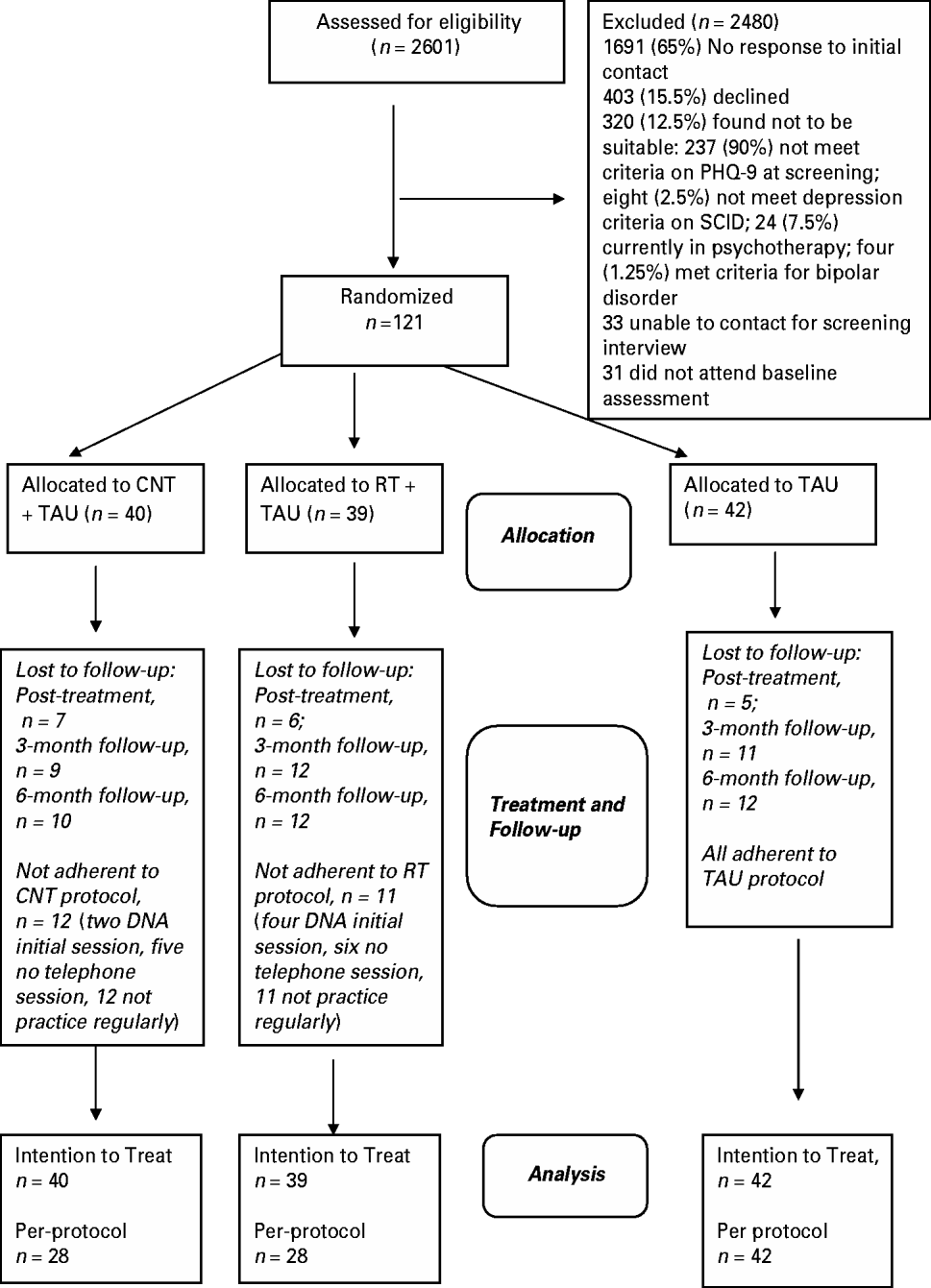
The trial CONSORT flowchart (Fig. 1) describes the flow of potential participants screened for eligibility through to randomization either to TAU+CNT (n=40), TAU+RT (n=39) or TAU (n=42). The study was approved by the UK NHS North and East Devon Research Ethics Committee.
CONSORT flow diagram. PHQ-9, Patient Health Questionnaire 9; CNT, concrete training guided self-help; RT, relaxation training guided self-help; TAU, treatment as usual.
Treatment conditions
Both CNT and RT consisted of: (a) an initial individual face-to-face session lasting approximately 1.5 h; (b) the patient practising the training exercises recorded on audiotape/compact disc (CD), supported by a detailed workbook, with a recommended frequency of 15–30 min daily for at least 6 weeks; (c) up to three 30-min telephone sessions, scheduled 1 week after the initial training and then at 2-week intervals. During the initial session, the trainer explained the treatment rationale, provided psycho-education about depression, rumination and overgeneralization, and practised training exercises with the patient. During the telephone sessions, the trainer provided feedback, guidance and encouragement to ensure accurate use of the exercises, monitored progress and scheduled regular practice. Training was provided by two graduate-level psychologists, two postdoctoral psychologists and one clinical psychologist, who used scripted manuals for each treatment. Trainers received weekly supervision to ensure therapy adherence.
In CNT, the training exercises involved patients’ identifying a recent mildly to moderately upsetting difficulty and working through standardized steps to facilitate concrete thinking: (i) using mental imagery to focus on sensory details during the difficult event, noticing what is specific about the event and the context in which it occurs; (ii) noticing the process and sequence by which the difficult event unfolds (‘How did it happen?’), including warning signs and actions that may have influenced its outcome; (iii) focusing on how to move forward by specifying the particular steps and behaviours to do next (Watkins, Reference Watkins2009; Watkins et al. Reference Watkins, Baeyens and Read2009). The practice CD included (a) 30 min repeating the original training exercise; (b) a 7-min First Aid exercise in which concrete thinking is applied to difficulties in real time as they occur (practised in the first telephone session); (c) a 7-min ‘absorption exercise’ in which concrete thinking is used to enhance positive experiences (practised in the second telephone session).
In RT, the training exercises involved progressive relaxation skills including tensing and relaxing muscle groups and slowing breathing. The practice CD included (a) a 30-min progressive relaxation exercise; (b) a 7-min First Aid exercise using relaxation; (c) a 7-min exercise in which patients practised letting go of tension without prior tensing of muscles.
For all participants, TAU was current treatment provided by their primary care GP, including watchful waiting, regular appointments (across all conditions, mean 0.20 visits, s.d.=0.40, during the 8-week treatment period), ongoing antidepressant medication and clinical management.
Measures
Our primary outcome was depressive symptoms assessed on the 17-item interviewer-rated HAMD (Hamilton, Reference Hamilton1960; Williams, Reference Williams1998), the most commonly used interview-based measure of depressive severity, with documented reliability and validity (range 0–52; cut-offs: minimal depression <8, high severity ⩾20). Secondary outcomes included two well-validated and standardized self-report depression measures, the Beck Depression Inventory-II (BDI-II; Beck et al. Reference Beck, Steer and Brown1996, range 0–63; cut-offs: 0–13 minimal, 14–19 mild, 20–28 moderate, 29–63 severe) and the PHQ-9 (Kroenke et al. Reference Kroenke, Spitzer and Williams2001, range 0–27; cut-offs: 0–4 minimal, 5–10 mild, 11–15 moderate, 16–20 moderately severe, 20–27 severe), and a well-validated anxiety measure, the Generalized Anxiety Disorder-7 (GAD-7; Spitzer et al. Reference Spitzer, Kroenke, Williams and Löwe2006). A clinical psychologist experienced in the HAMD trained all research staff. Blind rating of randomly selected recorded interviews indicated excellent inter-rater reliability, r=0.97.
At baseline and post-treatment, patients completed the 22-item Ruminative Response Scale of the Response Styles Questionnaire (RSQ; Nolen-Hoeksema & Morrow, Reference Nolen-Hoeksema and Morrow1991), the standard measure of depressive rumination, and a shortened version of the Attributional Style Questionnaire (ASQ; Peterson et al. Reference Peterson, Semmel, von Baeyer, Abramson, Metalsky and Seligman1982), which consisted of four hypothetical situations (two positive, two negative) to assess negative overgeneralization. Patients generated a description of the major cause for each event and rated the extent to which it was internal (due to self versus circumstances/others), stable (present in the future versus not) and global (influences many situations versus just this one). Negative overgeneralization was indexed by the composite score indicating the extent to which a negative event was rated as internal, stable and global. In addition, consistent with Watkins et al. (Reference Watkins, Baeyens and Read2009), an observer-rated measure of concreteness was obtained by a rater blind to condition scoring the patient-generated causal descriptions of negative events on a 1–5-point Likert scale (1=abstract to 5=concrete). There was good inter-rater reliability with a second blind rater (r=0.89).
Where appropriate, patients completed the Morisky Medication Adherence instrument, a structured four-item self-reported measure (scored 0–4, 0–1=good adherence; ⩾2 signals potential difficulties with adherence), with demonstrated reliability and validity (Morisky et al. Reference Morisky, Green and Levine1986), to assess adherence with antidepressant medication. Participants in CNT and RT completed the Credibility Expectancy Questionnaire (CEQ; Devilly & Borkovec, Reference Devilly and Borkovec2000) to compare these treatments on perceived treatment expectancy and rationale credibility (ratings from 1 to 9, higher score reflecting greater expectancy/credibility). During each telephone guided self-help session, patients reported the frequency and duration of their self-help practice, plus a single-item indexing whether the self-help response was becoming a habit (1=‘yes’, 0=‘no’ or ‘unsure’).
Analysis
The trial is reported in accord with the updated CONSORT guidelines for parallel group RCTs (Schulz et al. Reference Schulz, Altman and Moher2010). A direct estimate of the relative treatment effect of CNT versus TAU or RT was unavailable, so we used the effect size of CNT versus attention control for HAMD (Cohen's d=0.91) from Watkins et al. (Reference Watkins, Baeyens and Read2009) as a proxy. At an α of 5% and power of 90% it was estimated that 27 patients were required per treatment arm to demonstrate superiority of CNT over TAU. Assuming drop-out of 20–35%, this indicates a total number for randomization of 100–125. Treatments are individualized so there is no need to inflate the standard error of the treatment comparison for potential clustering (Baldwin et al. Reference Baldwin, Murray and Shadish2005). Distinct analyses were conducted according to a predefined analysis plan. First, to test our primary hypothesis with regard to the effectiveness of CNT, we compared CNT with TAU+CNT. Second, although not formally powered, we compared TAU+CNT with TAU+RT on both outcome and process measures to explore whether CNT worked through specific CBM elements relative to common factors shared with RT.
The primary analyses involved intention-to-treat (ITT) and per protocol (PP) comparison of conditions at 8 weeks post-randomization adjusting for baseline outcome values and the stratification variables. ITT incorporated all patients according to and included in random allocation. The PP data set was defined as patients who stayed within stipulated key treatment parameters: for guided self-help, completing the initial training session, at least one telephone session, and practising the CD exercises four times a week for at least 2 weeks; for TAU, all patients were included. Secondary (ITT, PP) analyses compared primary and secondary outcomes between all treatment conditions at all follow-up points using a repeated-measures approach. All analytic models used an analysis of covariance (ANCOVA) regression approach, adjusting for baseline outcome values and the stratification variables. The effect size between conditions for change in outcome values from baseline to 8 weeks post-randomization was calculated using Cohen's d, where d=(mean change for treatment condition1 − mean change for treatment condition2)/σpooled, where σpooled=√[(σ12+σ22)/2]. Large effect sizes are defined as ⩾0.80.
For cases with missing data on the primary outcome, we used (i) last observation carried forward (which assumes data are missing at random) and (ii) regression analyses assuming data missing not at random to impute missing data (Choi & Lu, Reference Choi and Lu1995). Sensitivity analyses were undertaken to explore the impact of imputation of data losses on primary outcome analyses, comparing the results of the two imputation methods with a complete case analysis (imputed analyses are available from the authors). Analyses were unaffected by data imputation, and therefore we report the findings from the complete case analysis. All analyses were undertaken using SPSS version 16 (SPSS Inc., USA) and Stata version 10 (Stata Corporation, USA).
Results
Patient flow and attrition
Fig. 1 shows the patient flow from screening to follow-up including treatment adherence. In total, 121 patients met the study's criteria and agreed to participate. The overall attrition rate was 14.9% at post-treatment, 26.4% at the 3-month follow-up and 28.1% at the 6-month follow-up. There were no differences in rates of attrition across treatment condition. No patients reported dropping out because of adverse effects or dissatisfaction with treatment. Before the 3-month follow-up, one patient in TAU committed suicide. No further adverse events were adjudicated by the Trial Steering Committee.
There was no difference between TAU+CNT and TAU+RT for percentage of participants defined to be PP [CNT 70%, RT 71.8%, χ2(1 df)=0, p=1.00]. In both conditions, patients within PP were comparable to patients outside PP on all characteristics at intake (all p>0.10). In TAU+CNT, patients within PP had significantly better outcomes than those outside PP for HAMD post-treatment [F(1, 30)=6.64, p=0.02, PP mean=7.40, s.d.=7.34; not PP mean=15.50, s.d.=8.93]. In TAU+RT, the within and outside protocol RT groups were comparable on outcomes for HAMD post-treatment (F<1.00).
Baseline patient characteristics
Table 1 shows patient characteristics of the ITT sample. There were no differences between treatment conditions on any of the patient characteristics, including antidepressant medication use and adherence. The principal antidepressants prescribed were selective serotonergic reuptake inhibitors (75%), serotonergic–noradrenergic reuptake inhibitors (11.7%) and tricyclic antidepressants (8.3%).
Demographic and psychiatric characteristics of TAU+CNT, TAU+RT and TAU intention-to-treat (ITT) sample at baseline
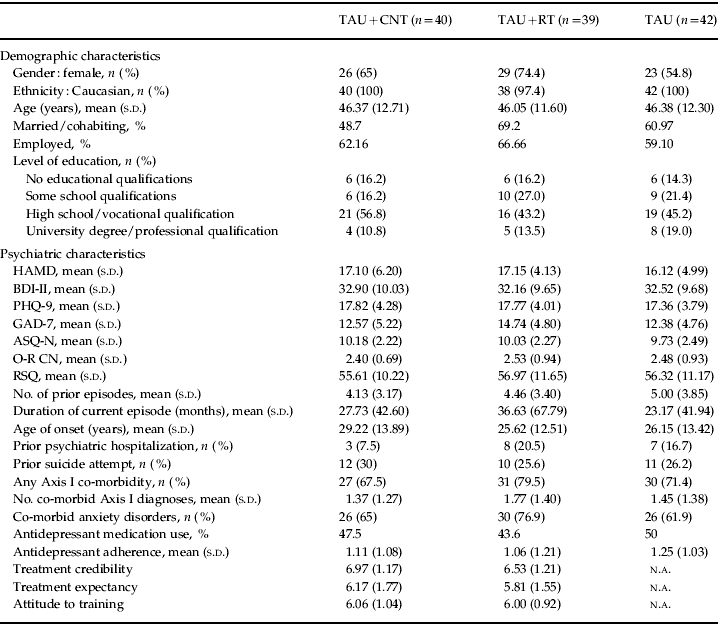
TAU, Treatment-as-usual; CNT, concrete training guided self-help; RT, relaxation training guided self-help; HAMD, Hamilton Rating Scale for Depression; BDI-II, Beck Depression Inventory-II; PHQ-9, Patient Health Questionnaire-9; ASQ-N, Attributional Style Questionnaire composite score for negative events; O-R CN, observer-rated score for concreteness of patient-generated description of causes for negative events on ASQ; RSQ, rumination scale of the Response Style Questionnaire; s.d., standard deviation; n.a., not applicable.
CNT and RT did not differ for treatment credibility [F(1, 69)=2.41, p=0.12], treatment expectancy (F<1) or attitude to the training following the initial session (1 not at all helpful; 7 extremely helpful) (F<1.00), with both receiving positive endorsements.
Primary analysis: clinical outcomes at 8 weeks
Table 2 reports means and confidence intervals (CIs) for the primary and secondary outcome measures at the post-treatment assessment 8 weeks after randomization. With respect to our primary question of treatment efficacy, for both ITT and PP analyses, relative to TAU, TAU+CNT resulted in significantly fewer depressive symptoms post-treatment on the primary outcome HAMD (ITT, p=0.006, effect size d for change in HAMD=0.76; PP, p<0.0001, d=1.06), BDI-II (ITT, p<0.0001, d=1.07; PP, p<0.0001, d=1.53) and PHQ-9 (ITT, p<0.0001, d=0.89; PP, p<0.0001, d=1.17) and significantly fewer anxious symptoms on the GAD-7 (ITT, p=0.0001, d=0.85; PP, p<0.0001, d=1.14). There was no difference in reduction of symptoms of depression or anxiety for TAU+CNT compared to TAU+RT across all outcome measures, for ITT and PP analyses (all p's >0.05, except for PP analysis of PHQ-9 post-treatment, p=0.04).
Primary analysis: comparison of outcomes at 8 weeks
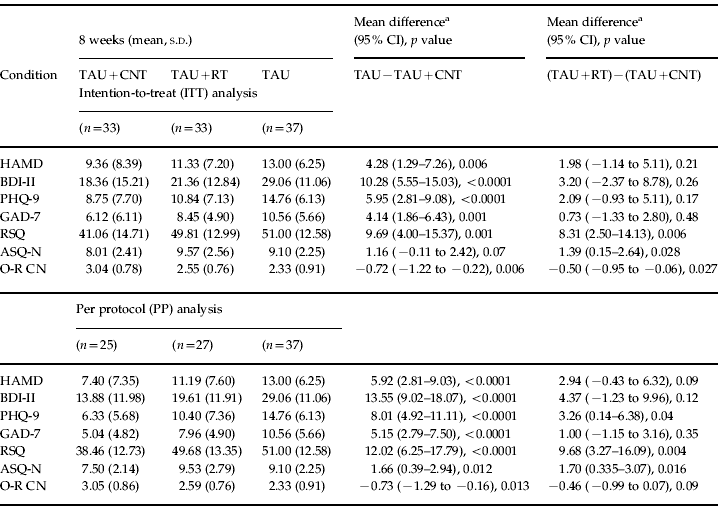
TAU, Treatment-as-usual; CNT, concrete training guided self-help; RT, relaxation training guided self-help; CI, confidence interval; HAMD, Hamilton Rating Scale for Depression; BDI-II, Beck Depression Inventory-II; PHQ-9, Patient Health Questionnaire-9; GAD-7, Generalized Anxiety Disorder-7; RSQ, ruminative scale of Response Styles Questionnaire; ASQ-N, Attributional Style Questionnaire composite score for negative events; O-R CN, observer-rated score for concreteness of patient-generated description of causes for negative events on the ASQ.
a Adjusted for baseline score and stratification variables for completers.
Two exploratory subgroup analyses were undertaken to examine whether there was any interaction effect of the stratification variables on the primary outcome at 8 weeks. There was no evidence of a differential response to treatments for those prescribed antidepressants versus those not prescribed antidepressants (TAU+CNT v. TAU: p=0.37; TAU+CNT v. TAU+RT: p=0.23). However, there was evidence of a significant interaction (p=0.02) between treatment condition (TAU+CNT, TAU) and stratification by baseline HAMD severity, reflecting a greater differential treatment effect between TAU+CNT and TAU at mild to moderate levels of depression. No significant interaction effect (p=0.23) for baseline HAMD was seen for TAU+CNT versus TAU+RT.
Primary analyses: processes of therapy
At post-treatment follow-up, TAU+CNT resulted in a significantly greater reduction in rumination (ITT, p<0.001; PP, p<0.0001) and negative overgeneralization (ITT, p=0.07; PP, p=0.012), and a significantly greater increase in observer-rated concreteness for patient-generated problem descriptions (ITT, p=0.006; PP, p=0.01) than TAU (see Table 2). As predicted by the hypothesis that CNT specifically targets these cognitive processes, TAU+CNT produced a greater reduction in rumination (ITT, p=0.006; PP, p=0.004) and negative overgeneralization (ITT, p=0.03; PP, p=0.02), and a significantly greater increase in observer-rated concreteness (ITT, p=0.03; PP, p=0.09) than TAU+RT.
To test the hypothesis that CNT is effective when the concrete thinking style becomes habitual, we examined whether the self-help response being habitual at the final telephone session interacted with treatment condition to influence primary outcome at 8 weeks. As hypothesized, there was evidence of a significant interaction (p=0.02) between treatment condition and report of habitual use of self-help, reflecting TAU+CNT having a greater treatment effect than TAU+RT when the self-help response became habitual (p=0.02, 95% CI for mean benefit of CNT 0.63–7.91), but the reverse pattern when it did not (p=0.06, 95% CI for mean benefit of CNT –10.54 to 0.33).
Secondary analyses
Figs 2 and 3 show the symptoms of depression for each treatment condition across the four assessment points for ITT and PP respectivelyFootnote 2. When comparing TAU+CNT versus TAU in the repeated-measures analysis, there was a trend towards a significant main effect of condition on the HAMD [ITT, F(1, 47)=2.61, p=0.11; PP, F(1, 43)=3.88, p=0.06], which was secondary to a significant interaction of condition by follow-up [ITT, F(2, 46)=5.11, p=0.01; PP, F(2, 42)=5.94, p=0.005]. Decomposing this interaction, the significantly greater reduction on the HAMD for TAU+CNT compared to TAU at post-treatment was no longer significant at the 3-month follow-up [ITT, F(4, 57)=0.25, p=0.62; PP, F(4, 49)=0.007, p=0.94], but was borderline significant at the 6-month follow-up for PP analysis [F(4, 48)=4.05, p=0.05] but not for ITT analysis [F(4, 55)=1.93, p=0.17]. On the BDI, there was a significant main effect of condition [ITT, F(1, 36)=8.65, p=0.006; PP, F(1, 34)=10.16, p=0.003], and no interaction of condition by follow-up (F's <1.00), reflecting lower depressive symptoms across all three follow-ups for TAU+CNT compared to TAU. Likewise on the PHQ-9, there was a significant main effect of condition [ITT, F(1, 37)=7.51, p=0.009; PP, F(1, 35)=9.51, p=0.004] and no interaction of condition by follow-up [ITT, F(2, 36)=2.33, p=0.11; PP, F(2, 34)=2.25, p=0.12]. On the GAD-7, there was a significant main effect of condition [ITT, F(1, 37)=7.30, p=0.01; PP, F(1, 35)=9.03, p=0.005] and no interaction of condition by follow-up [ITT, F(2, 36)=2.17, p=0.13; PP, F(2, 34)=2.82, p=0.07], reflecting lower anxiety for TAU+CNT compared to TAU across all three follow-ups.
Depressive symptoms at baseline and follow-up assessments by treatment condition [intention-to-treat (ITT) analysis on case completers]: CNT, concrete training guided self-help; RT, relaxation training guided self-help; TAU, treatment as usual; fu, follow-up.
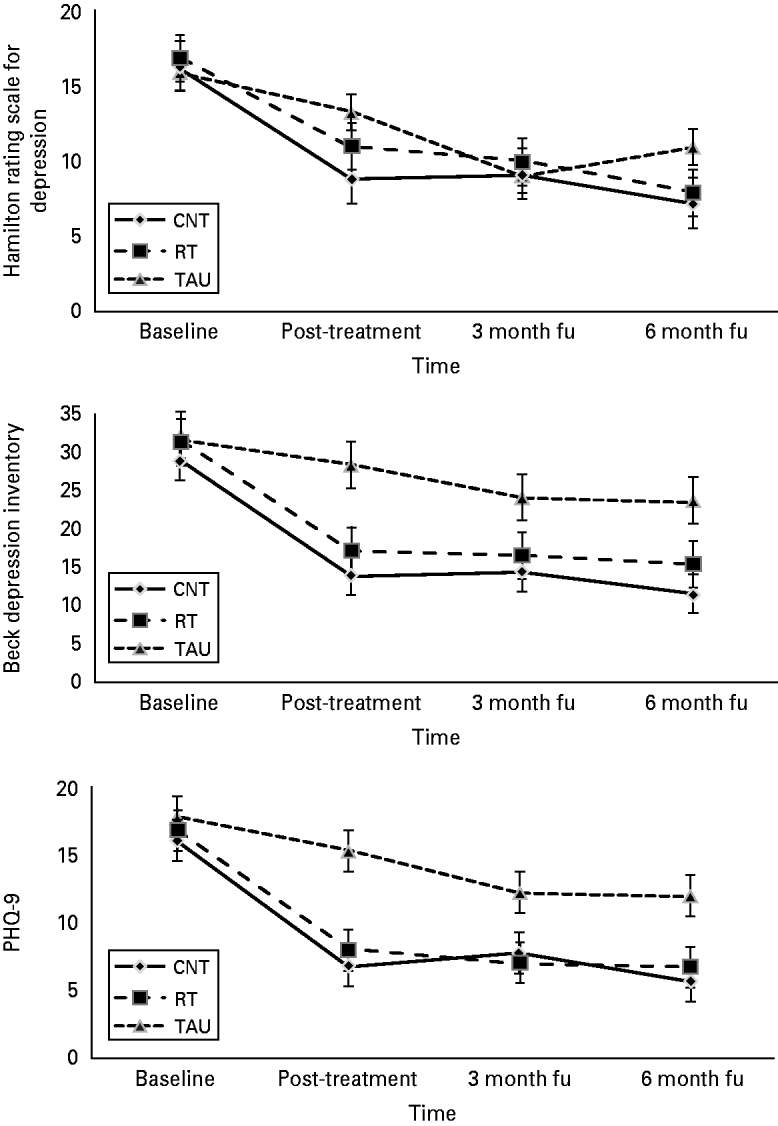
Depressive symptoms at baseline and follow-up assessments by treatment condition [per protocol (PP) analysis on case completers]: CNT, concrete training guided self-help; RT, relaxation training guided self-help; TAU, treatment as usual; fu, follow-up.

When comparing TAU+CNT versus TAU+RT, there was no significant main effect of condition (all F's <1.00) or interaction of condition by follow-up on all outcome measures (all F's <1.00) for both ITT and PP analyses.
Discussion
With respect to the primary objective, the analyses indicate that CNT has added benefit relative to TAU in reducing depressive symptoms in patients with major depression in primary care, suggesting that CNT may be an efficacious treatment. These results extend the proof-of-principle findings indicating a benefit of CNT in dysphoric individuals (Watkins et al. Reference Watkins, Baeyens and Read2009) to patients with major depression who are receiving treatment from their GP. Moreover, the benefits of CNT were stable and durable over time: the improvements in symptoms found post-intervention were maintained at the 3- and 6-month follow-ups. This differential treatment effect was only significant for mild to moderate levels of depression.
The secondary objective was to explore the mechanism of how CNT works by comparing processes for CNT with RT, which was matched for common and structural factors, and only differed in using a non-cognitive training exercise (relaxation). Perhaps unsurprisingly, as the Phase II trial was not formally powered for this comparison, there was no difference between CNT and RT on any symptom measure at any time point. Our results indicate that these treatments are likely to be of similar efficacy. The most parsimonious interpretation is that the whole treatment effect of both therapies was due to common treatment factors including contact with a supportive trainer, a plausible rationale, and the provision of an active coping response. However, the absence of treatment differences does not necessarily imply that common factors account for all effects: an alternative is that CNT and RT worked through different active mechanisms. RT could have worked through reducing general tension, thereby facilitating improvement in associated depression symptoms and/or by enhancing perceived self-efficacy. Consistent with the possibility of different mechanisms, CNT reduced rumination and overgeneralization significantly more than RT post-intervention. Although this could reflect demand effects on these self-report measures, this seems unlikely because both treatments emphasized how they reduce rumination and overgeneralization and did not differ on credibility or treatment expectancy. Moreover, CNT increased concreteness of problem descriptions significantly more than RT and TAU on a performance-based non-self-report measure, consistent with Watkins et al. (Reference Watkins, Baeyens and Read2009). Finally, consistent with the hypothesis that CNT works through repeated concrete thinking establishing an alternative habitual response to replace rumination and overgeneralization, CNT reduced depression significantly more than RT post-intervention in those patients who reported that the practised self-help response had become habitual. Given the relatively small sample size for this interaction (n=64), we need to be cautious about this provisional finding. Nonetheless, if replicated, it suggests the potential therapeutic importance of ensuring that adaptive cognitive responses (e.g. concreteness) become habitual so as to effectively reduce symptoms during CBM training. We tentatively suggest that these convergent findings provide preliminary evidence consistent with the hypothesis that CNT works through a specific effect of the concreteness exercises on shifting rumination and overgeneralization in a way distinct from RT. Nonetheless, the CNT paradigm would benefit from further development work to understand and enhance its active mechanism(s).
These findings also suggest that CNT is a feasible and acceptable treatment in primary care. Ratings of expectancy and credibility were high, and rates of drop-out were comparable with individual CBT (e.g. DeRubeis et al. Reference DeRubeis, Hollon, Amsterdam, Shelton, Young, Saloman, O'Reardon, Lovett, Gladis, Brown and Gallop2005, 15% at 8 weeks). The effect size of CNT relative to TAU post-treatment is large (d=0.76–1.07) and comparable to that reported for guided self-help relative to waiting list and usual care/attention controls combined (d=0.8, 95% CI 0.58–1.01; Gellatly et al. Reference Gellatly, Bower, Hennessy, Richards, Gilbody and Lovell2007). Moreover, the treatment benefits of CNT seemed to be maintained at the 3- and 6-month follow-ups. These findings indicate the potential of CNT as an intervention for depression in primary care, especially for mild to moderate levels of symptoms. As CNT only requires minimal therapist contact (approximately 3 h), it may provide a cost-effective way to make psychological treatments more widely available. Moreover, CBM training lends itself to automatization and delivery through information technology (computerized training, internet delivery, Smartphone apps), making it highly accessible. If these initial findings are confirmed, CNT has the potential to become a useful option within the expanding repertoire of treatments for common mental health problems.
This study has several strengths including (a) being powered for the primary comparison and an assumed level of attrition that was representative of actual patient flow; (b) a range of symptom measures; (c) well-operationalized and matched experimental and control treatments; (d) randomized allocation to treatment arms; and (d) 3- and 6-month follow-ups. Limitations include imperfect uptake of the interventions, less than optimal power for comparison of CNT versus RT, and the risk of attrition bias due to loss to follow-up/drop-out. However, as results on the primary outcome were not sensitive to multiple methods of imputation, attrition bias is likely to be small.
In conclusion, this exploratory Phase II RCT indicates that an innovative form of cognitive training that involves direct practice at concrete thinking in response to difficulties seems to be an efficacious treatment for mild to moderate depression in primary care, producing significantly better outcomes than TAU. There is preliminary evidence indicating that CNT may specifically influence depressogenic cognitive processes such as rumination and overgeneralization. Nonetheless, as the first exploratory trial, there is a need for further RCTs to replicate these findings in other settings based on the extant effect sizes observed in this study and to examine cost-effectiveness in a fully powered Phase III trial.
Acknowledgements
This trial was funded by a Medical Research Council Experimental Medicine Grant to E.R. Watkins (GO502003 ID 77156). We are grateful to the patients who participated in the trial and to the physicians and other health-care staff who enabled the trial. The authors are listed in the following order: principal investigator, co-investigators, and research staff.
Declaration of Interest
None.


 Open access

