

Founded in the middle of the colonial period, the International African Institute (IAI) has survived the decolonization of Africa and repeatedly adapted to new situations. Its history reflects some of the metamorphoses that African studies have undergone.Footnote 1
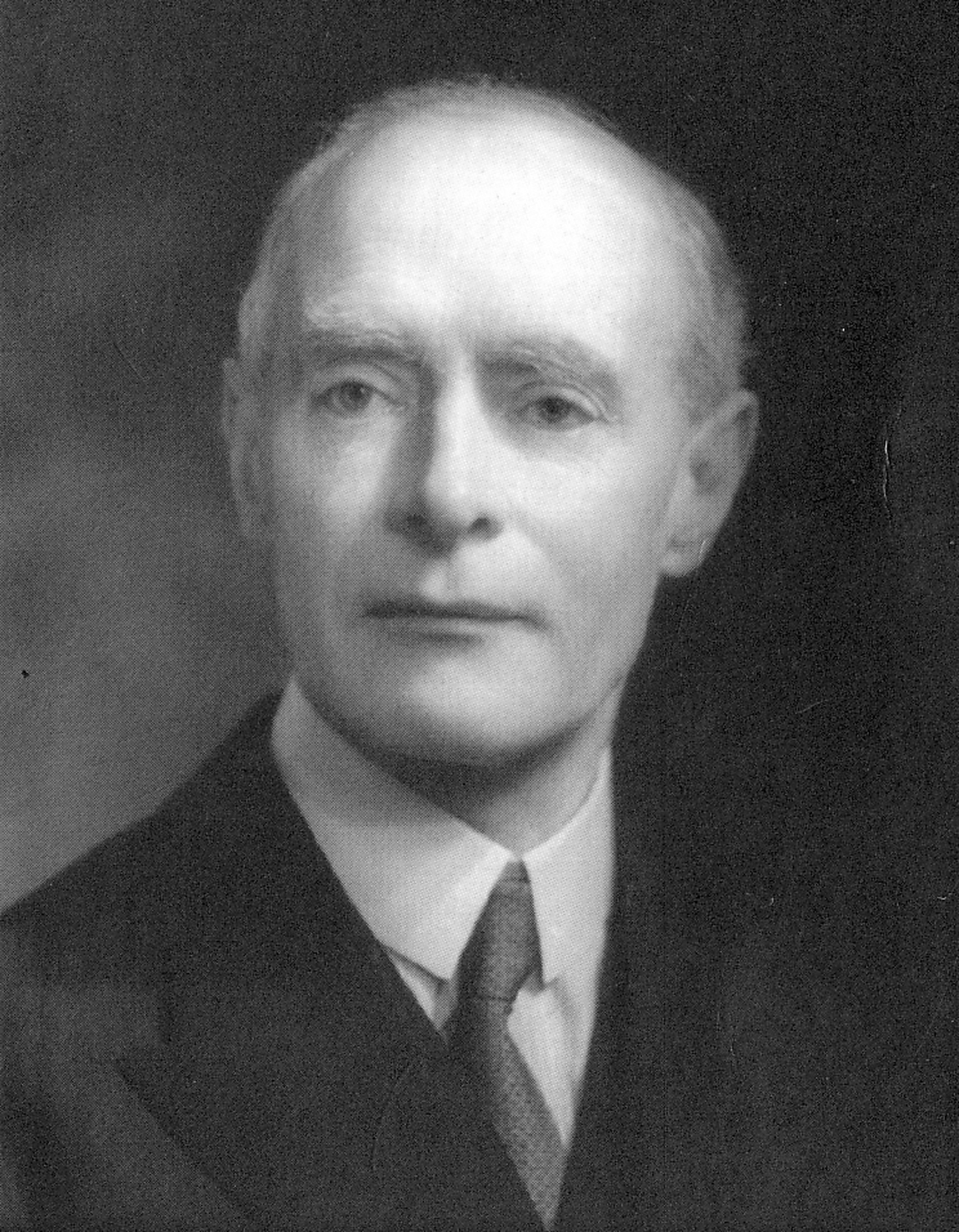
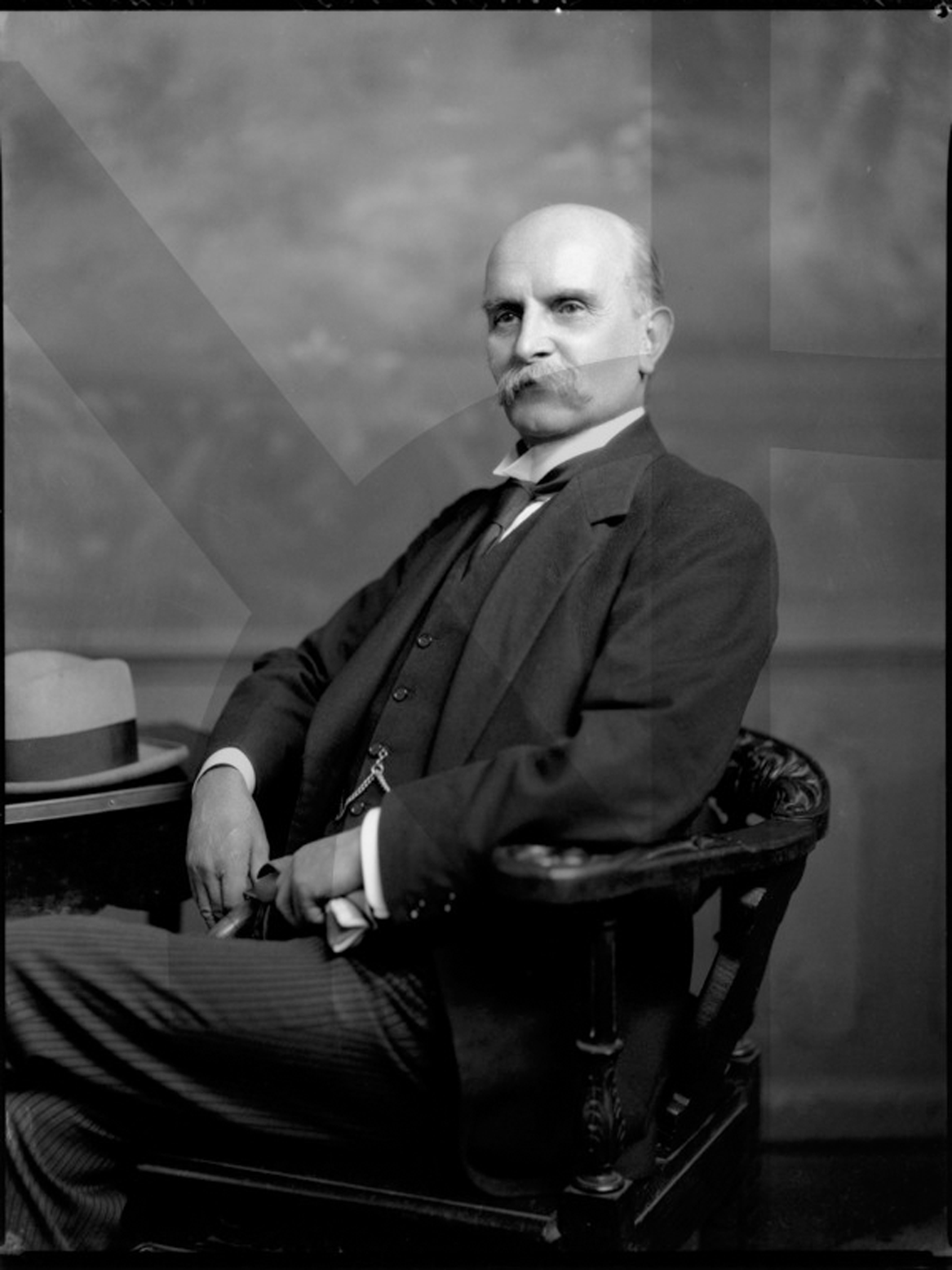
The academic study of African societies was still in its infancy when the IAI came into existence a century ago. The emergence of the IAI in the years 1924–26 resulted from the ‘spade work’ of three individuals with similar interests: Major (later Sir) Hanns Vischer (1876–1945), a Swiss-born man who had served as an Anglican missionary in Northern Nigeria (1900–02), taken British citizenship and entered the British colonial service as Director of Education in Northern Nigeria, then served in the British Army during the First World War (Figure 1); Professor Diedrich Westermann (1875–1956), likewise a former missionary (in Togo, 1900–03), who by this time was teaching African languages at the University of Berlin (now Humboldt University of Berlin) (Figure 2); and Dr J. H. Oldham (1874–1969), Secretary of the International Missionary Council and a keen educationist, who believed that, in order to ‘uplift’ Africa, knowledge about its inhabitants must first be acquired and communicated (Figure 3). Africa, it was assumed, had now become a ‘European task’, and it would be unethical to shirk this responsibility. Vischer had during his work in Northern Nigeria befriended the then Governor, Sir Frederick (later Baron) Lugard (1858–1945) (Figure 4), and he convinced Westermann and Oldham that by co-opting Lugard and winning the support of some influential Africanists they could create an institution which, if it gained sufficient financial sponsorship, might eventually become indispensable.
Hanns Vischer in 1909. https://vischer.org/sir-hanns-vischer/.

Diedrich Westermann in 1936 (Schöck-Quinteros and Lenz Reference Schöck-Quinteros and Lenz1986: 167).

J. H. Oldham in about 1933 (Clements Reference Clements1999: 268).

Lord Lugard on 7 May 1929. Lafayette whole-plated film negative. National Portrait Gallery, NPG x69501.

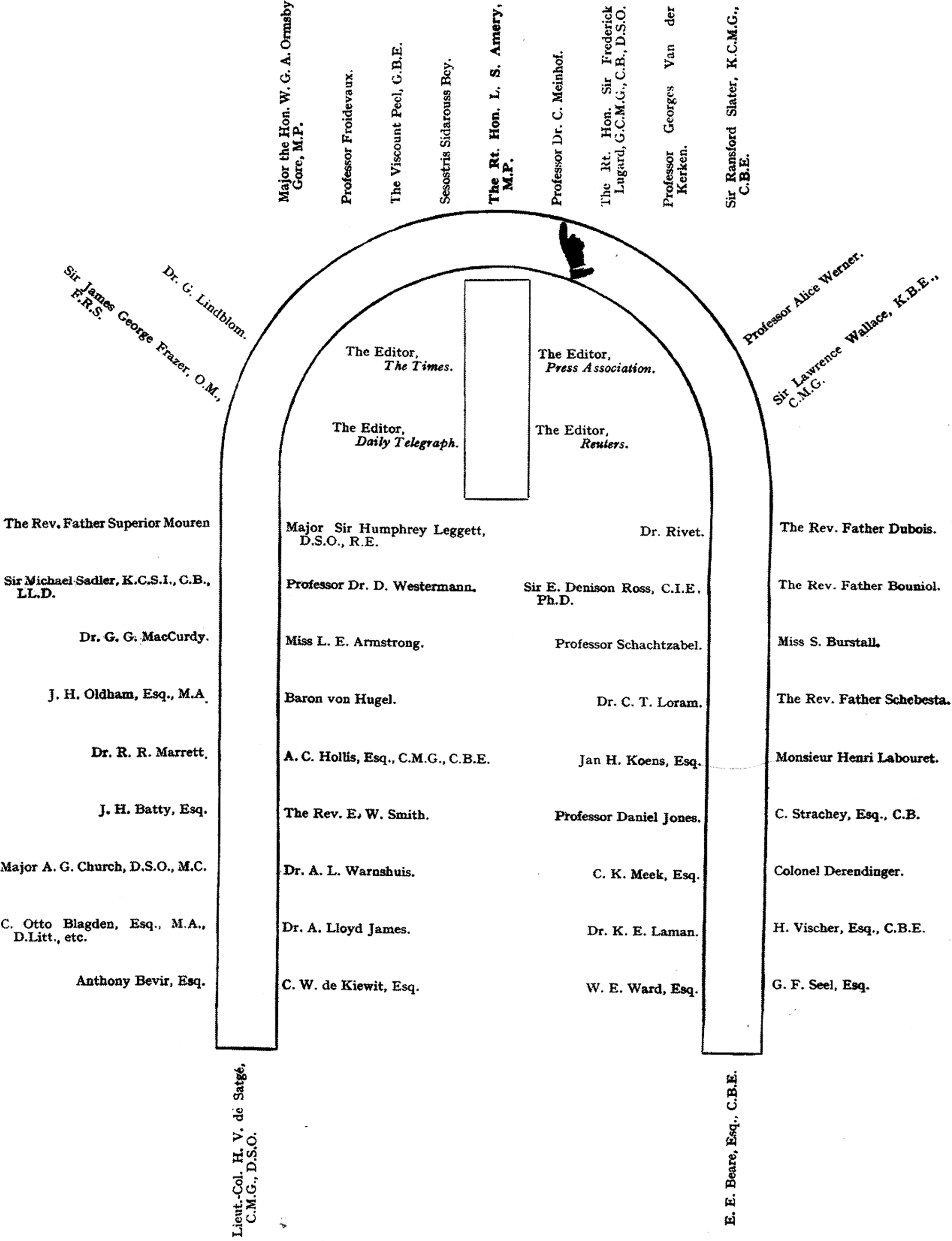
Eventually, following consultations within the colonial, missionary, educational and academic spheres in Belgium, Britain, France and Germany, an ‘International Institute of African Languages and Cultures’ was founded in London at a two-day meeting convened in June 1926 at the School of Oriental Studies (precursor of today’s SOAS – School of Oriental and African Studies) and a lunch hosted by the British Colonial Secretary. Those invited included four representatives of British institutions, four Frenchmen, four Germans, two Austrians, one Swede, one Belgian, one US American, one South African, three representatives of Catholic missionary orders and four representatives of Protestant missionary societies. In the photograph of the lunch we see about fifty white men, most of them aged over forty, but only three women (two linguists and one educationist) and three Africans – two South Africans and a Coptic politician from Egypt. Perhaps the most remarkable aspect of this meeting was the fact that, for the first time after the First World War, Frenchmen and Germans sat down together with a common purpose (Figure 5). The sub-text was one of reconciliation.
Seating order for the luncheon at the Savoy Hotel (London) on 30 June 1926, hosted for founding members of the International Institute of African Languages and Cultures by the British Colonial Secretary, Leo Amery (Stoecker Reference Stoecker2008: 190).

The principal impetus for this meeting had come from London, and Lugard became the first chairman; but the ‘international’ aspect was reflected in the choice of two co-directors: Westermann and the French anthropologist (a former colonial official), Maurice Delafosse (1870–1926). In other words, the figureheads came from two European colonial powers and one former colonial power. Delafosse died soon after his election and was succeeded by his compatriot and protégé, Henri Labouret (1878–1959), who likewise combined experience as a former colonial official with ethnographic writing and teaching. Westermann became the editor of the Institute’s journal Africa and – except in the war years – continued to play a role in the Institute till his death in 1956. The concept of international collaboration in research was gaining importance in this period, and despite considerable differences between, say, French and British methods of research, there was a strong emphasis on transnational work.
The Institute’s structure was determined by a combination of a written constitution with unwritten rules. A consensus soon emerged that three members of the Executive Council should be from Great Britain, two (later three) each from France and Germany, and one each from Belgium and Italy. It had been hoped that Portugal would also take part, but no one suitable could be found. The constitution stipulated that the Executive Council should meet at least once a year, and in practice it met more often than this. Of seventeen meetings held before the outbreak of the Second World War, seven took place in London, one in Oxford, four in Paris, three in Brussels and one each in Berlin, Rome and Basel. By 1929 the Institute had 746 members, and a few years later the number stabilized at between 900 and 1,000. Of these, a quarter resided in Great Britain and a further half in British colonies in Africa.
In its first five years the Institute set itself tasks mainly in the linguistic and educational fields: selecting the dialects in which African literature should appear, producing a bibliography of publications in African languages and a bibliography of works about African languages, as well as looking at schoolbooks produced in African languages. Starting from the assumption that in the modern world Africans would increasingly need to communicate in more than one African language (though not, it was thought, in European languages), the Institute accepted Westermann’s proposal to create a single orthography for African languages with an alphabet of thirty-seven letters, using additional letters not found in the Latin alphabet rather than diacritics (Figure 6). This standardization was in accordance with the universalist teachings of the British phoneticist, Daniel Jones (1881–1967), one of the guests at the founding meeting, although it was heavily opposed by Westermann’s compatriot, Carl Meinhof (1857–1944). It was this ‘practical orthography’ that first enabled the Institute to claim recognition as an expert body in the field of colonial policy. To a certain extent, it entailed a professionalization which in the long term awarded less recognition to the missionaries and African teachers who had hitherto taught African languages to colonial officials and others.
Alphabet of the ‘Practical Orthography’ (IIALC 1930: 18).

The Institute can also claim some credit for having sought to promote creative writing in African languages at an early stage by awarding annual prizes, albeit in a somewhat paternalistic manner and with a pedantic insistence upon orthographic correctness. Most of the applicants in the 1930s and 1940s had a Christian background. Many wrote in West African languages, notably Ewe, Ga and Igbo. The Institute published several literary texts, such as the first English translation of Chaka (1931) by Thomas Mofolo (1876–1948), a work of historical fiction that inspired other African writers.
The vision of the Institute’s founders in this period may be gleaned from a remark made by Westermann at a meeting held at Rhodes House (Oxford) in 1929:
[t]hey would always in Africa have to rely on the work of the African. They must aim, therefore, to study the African pure and simple – not merely his physical anthropology, but also his very inner life, that they might know how best he should be dealt with…. (National Library of Wales 1929)
Yet the study of ‘cultures’ or psychology seems in the first few years to have been of only secondary importance, despite Westermann’s advocacy of ‘practical ethnology’ and the decision to produce a bibliography of work on African cultures and explore the special features of African music.
In the long term, the most significant decision taken at this time was to publish a journal four times a year. Africa: journal of the International African Institute, as Jan Vansina (1929–2017) once observed, ‘soon became the focal point of what would later be called African studies’, mainly because the IAI was – in contrast to the Royal African Society or the Société des Africanistes – ‘the first institute that was more directly controlled by academics and supposedly embraced all of tropical Africa’ (Vansina Reference Vansina1994: 45). English-language articles made up about three-quarters of the journal, but there were also a significant number of articles in German and French. It may be assumed that the main reason for the Institute’s large membership was a widespread interest in its journal. In the first two decades the journal also contained reports on the IAI’s activities, making it possible for us to trace them.
A second phase in the Institute’s history began in the early 1930s. From the beginning, the Institute had secured a small amount of funding from the Laura Spelman Rockefeller Memorial, a somewhat unconventional philanthropic institution in the USA, which a few years later was integrated into the Rockefeller Foundation. Following the onset of the Great Depression in 1929, the Institute made efforts to obtain more funding from the Rockefeller Foundation. To do this, it needed to shift the emphasis of expenditure from administration to research. Largely through Oldham’s skilled diplomatic work and the intervention of Bronisław Malinowski (1884–1942), a leading anthropologist at the London School of Economics and a champion of stationary fieldwork who had hitherto had no first-hand experience of Africa, the Institute secured Rockefeller funding for a fellowship scheme.
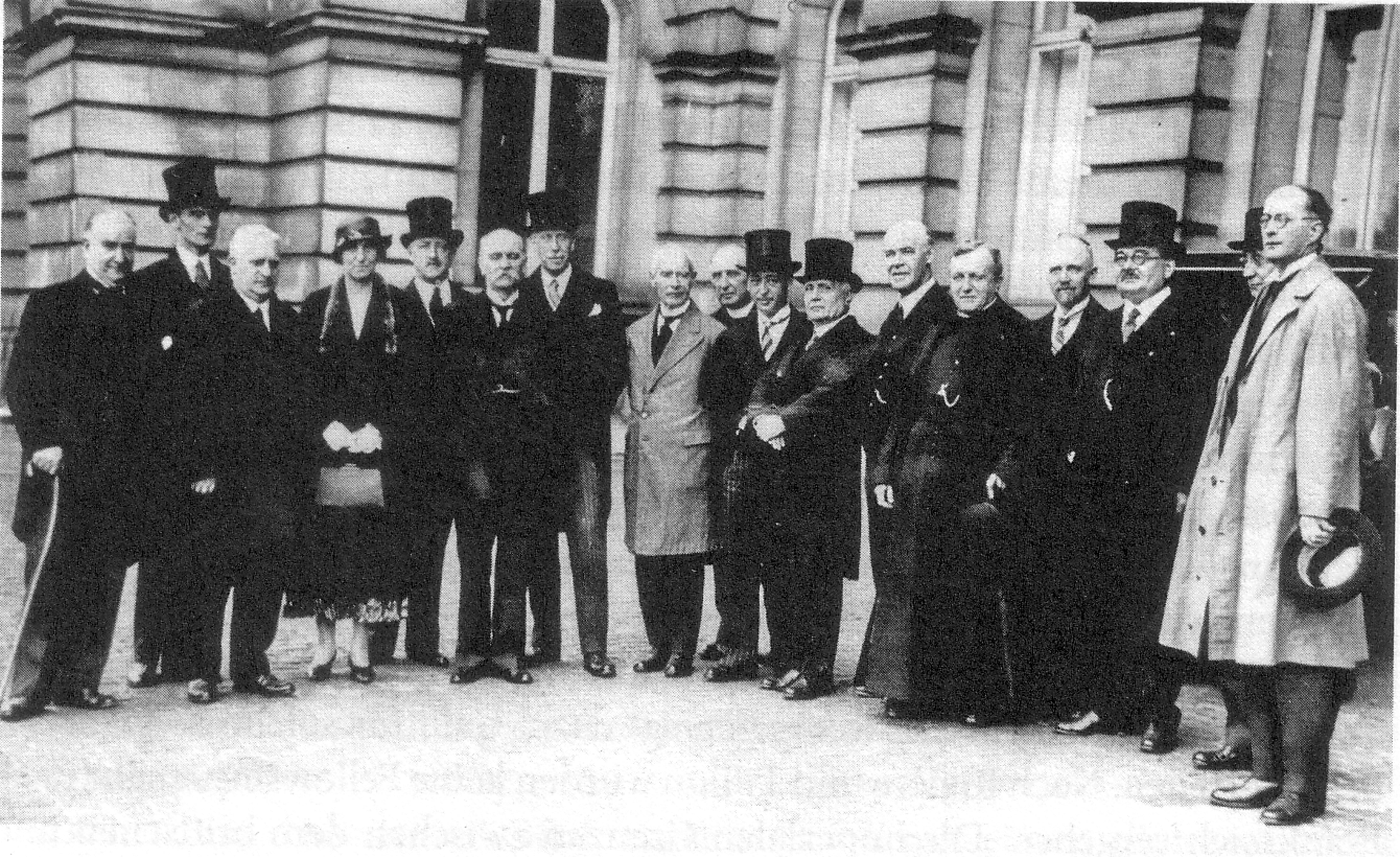
A ‘Five Year Plan’ was negotiated in 1931 between the various interested parties, mainly Oldham and Malinowski’s former student, Audrey Richards (1899–1984). It laid emphasis on Malinowski’s idea of ‘practical anthropology’ (introduced in an article published in 1929) but also forefronted two main areas of research: the ‘social cohesion’ of African societies and the influence of ‘western civilisation’ on economic change. In this sense the Five Year Plan has rightly been seen as having launched what became known as African Studies. Through its use of the Rockefeller funding the Institute made it possible between 1931 and 1939 for seventeen young anthropologists – including six from South Africa and five from Austria/Germany – to conduct long-term fieldwork in Africa, having previously been trained in London by Malinowski himself and received language training in London or Berlin. There were two researchers of African descent – Z. K. Matthews (1901–68) in South Africa and Jomo Kenyatta (c. 1897–1978) in Kenya; but, due mainly to reservations expressed by Westermann and Lugard, the financial support given to such researchers was very limited. Among the many classical ethnographic works produced by former fellows of the Institute, Audrey Richards’ Land, Labour and Diet in Southern Rhodesia (1939) was a landmark, preparing the way for other studies in the field of nutrition; yet, as she noted, colonial officials were still extremely reluctant to heed the findings of ‘practical anthropology’. Significantly, the Institute was not involved in the production of Lord Hailey’s (1872–1969) monumental African Survey (1938), which had some academic content and was read by many British colonial administrators. Although nearly half of the Institute’s fellows were women, the enterprise in this period remained male-dominated and non-African (Figure 7).
Brussels meeting of the Executive Council in 1933 (Esselborn: Reference Esselborn2018: 197, from London School of Economics, IAI 15/1).
Left to right: Edward Denison Ross, T. T. Barnard, Westermann, Dorothy Brackett, Vischer, Lugard, Paul Tshoffen (Belgian Colonial Minister), Oldham, Wilhelm Schmidt, Pierre Ryckmans, Carlo Conti Rossini, E. W. Smith, Gilbert Dubois, Fritz Krause, Edouard de Jonghe, Charles Seligman, Malinowski.

Indirectly, the work begun in the 1930s with Rockefeller funding led to the publication by the Institute of three highly important collections of articles on particular African societies which became standard reading for social anthropologists in the following decades (see Goody Reference Goody1995: 87–117): African Political Systems (1940), edited by Meyer Fortes (1906–83) and E. E. Evans-Pritchard (1902–73), African Systems of Kinship and Marriage (1950), edited by A. R. Radcliffe-Brown (1881–1955) and Daryll Forde (1902–73) and African Worlds: studies in the cosmological ideas and social values of African peoples (1954), edited by Daryll Forde. These three books marked a turning point in the academic study of how African societies ‘worked’, even if they were subsequently criticized for taking a somewhat static view.
The Rockefeller funding ended in 1939, but neither this nor the outbreak of the Second World War quite brought the Institute’s work to a halt. In the last resort, the Institute, renamed ‘International African Institute’ in 1942 (a designation used informally in the previous decade), had become dependent upon the British Colonial Office, which was anxious not to let the war interrupt ‘social progress’ in Africa. Publication of the journal Africa (hitherto edited by Westermann) and of monographs was suspended from 1940 until 1943 (Figure 8), but the presence in London of exiled French government officials and military officers and of several African scholars made it possible to maintain some semblance of an international Africanist agenda. Meanwhile in Germany the outbreak of war transformed Westermann, despite not being a party member, into a key figure in National Socialist colonial research.
Extract from a letter from Lugard to the missionary anthropologist, Edwin W. Smith (1876–1957) (in private possession). Smith edited Africa from 1945–46.

The end of the war constituted a milestone in several senses. Following the death of Malinowski in 1942, both Lugard and Vischer died in 1945. It was decided in 1948 to commemorate Lugard’s contribution by holding a ‘Lugard Lecture’, albeit at irregular intervals. In 1945–47 Westermann and several other leading German Africanists used their old links with the Institute to gain a position where they could put denazification behind them and resume work on Africa (Brahm Reference Brahm2010: 131–8). Although meetings of the Executive Council rotated around the capitals of West Europe, the Institute’s work was largely shaped in London by the British anthropologist, Daryll Forde (Figure 9), who served as director from 1944 to 1973. Starting from a somewhat paternalistic approach to decolonization (his article of 1945 on the IAI echoes Westermann in its generalizations about ‘the African’), in the ensuing decades Forde nevertheless managed to transform the Institute, in Michael Crowder’s words, ‘from an essentially colonial organ into one with which Africans could at least begin to identify’ (Crowder Reference Crowder1987: 117). Although the Institute was never a tool of colonialism, some of its works of reference were certainly read by members of the last generation of colonial officials, and three IAI fellows were occasionally consulted by colonial governments: Isaac Schapera (1905–2003) in Bechuanaland, Meyer Fortes on the Gold Coast and Margaret Read (1889–1991) in Nyasaland. However, the role of former colonial administrators in the public image of the Institute dwindled in the 1960s, and in the 1970s the British and French governments reduced their financial contributions, obliging Forde to seek other sources of revenue.
Daryll Forde during fieldwork in Nigeria, taken at some time between 1935 and 1939. UCL Ethnography Collection, MCR-LS-X.0189.

Following co-optation in 1952 to the Institute’s Executive Council of the anthropologist/sociologist, K. A. Busia (1913–78), later to become Ghana’s Prime Minister, the Nigerian historian, Kenneth Dike (1917–83) – generally regarded as the pioneer of academic history-writing in sub-Saharan Africa – was five years later elected to the Executive Council. In 1964 Dike became Vice-Chairman, and other African scholars joined the Council (Figure 10). Until the late 1960s two retired senior colonial officials, Alfred Moeller de Laddersous (1889–1971, from Belgium) and Sir George Beresford-Stooke (1897–1983, from Britain), continued to play a symbolic role, bestowing a certain legitimacy upon the IAI in the eyes of older contemporaries with experience of Africa. However, the colonial legacy was not reflected in the academic output of the Institute, which gradually distanced itself from earlier writings.
Council meeting in Ibadan, 1964 (Esselborn Reference Esselborn2018: 317, from London School of Economics, IAI 15/1). Front row, from left: NN, Martin-Léonard Bakole wa Ilunga, Nana Kobina Nketsia IV, Alfred Moeller de Laddersous, Kenneth Dike, Daryll Forde. Second row, fourth from left: Lucy Mair?

Forde also managed to reinvigorate the IAI’s links with the French Africanist world, which had been partially excluded from the anthropological programme of the 1930s, and hence to UNESCO in Paris. French scholars such as Marcel Griaule (1898–1956), Théodore Monod (1902–2000) and later Germaine Dieterlen (1903–99) and Claude Meillassoux (1925–2005) played a major part in the Institute’s activities.
One major product of the Forde era was the Ethnographic Survey of Africa, a set of soft-cover books summing up in a positivist manner in about a hundred pages the state of ethnographic research on particular ethnic groups or regions of Africa. Almost sixty volumes had appeared by the time Forde died in 1973. A few of these simply summarized the existing ethnographic literature, some of it dating back to before the First World War; but the great majority were based on fieldwork, financed by Britain’s Colonial Office. They were organized along standardized lines that would have seemed familiar to Malinowski, for instance: ‘Grouping and demography – Traditions of origin and history – Language – Physical environment – Social organization and political system – Cultural features and life cycle – Religious beliefs and cults’.
A similar project, for which the IAI likewise secured funding from the 1940s onwards, was the Handbook of African Languages, resulting in four handbooks for different regions and eight specialist studies, to be followed in 1976 by a provisional edition of the Language Map of Africa and the Adjacent Islands, edited by Forde’s successor, the linguist David Dalby (1933–2022). The Ethnographic Survey and the Handbook are testimony to Forde’s vision and energy, especially when viewed together with the high-quality journal, Africa; but since he combined his work as IAI director with heading the renowned Department of Anthropology at University College London, the impressive achievement would not have been possible without a significant input by the equally long-serving IAI secretary and co-editor of Africa, the novelist Barbara Pym (1913–80) (Richards Reference Richards2025).
Equally important were the International African Seminars, for which the IAI acquired funding from the Ford Foundation. They were held in the newly emerging universities of tropical Africa and were attended by scholars from around the world, albeit (in the first decade) very few from Africa itself. The first three took place in African states that were not yet independent: in Makerere (Uganda) in 1959 on ‘Social change in modern Africa’; in Léopoldville (today’s Kinshasa, in what is now the Democratic Republic of Congo) in 1960 on ‘African agrarian systems’; and in Salisbury (today’s Harare, in Zimbabwe) on ‘African systems of thought’. There followed seminars in newly independent nations: in Dakar (Senegal) in 1961 on ‘The historian in tropical Africa’ and in Zaria (Nigeria) in 1964 on ‘Islam in tropical Africa’. By 1979 fifteen such seminars had taken place, and the number of African participants was rising. However, due to the difficulties of organizing anything on an international level in the pre-internet era, by the late 1970s publication of the proceedings could easily take as long as five years.
By 1973 much of Africa had gained flag independence, the main exceptions being Angola, Mozambique, Southern Rhodesia, South Africa, South West Africa and Guinea Bissau. Departments of African Studies had been founded in many non-African universities, notably in North America but also in Europe and India. As honorary director, Dalby increased African participation on the Executive Council and endeavoured to overcome the Institute’s image as a left-over from colonial rule. By 1975 the Executive Council had an African chairman (Jacob Ade Ajayi, 1929–2014) (Figure 11) and vice-chairman (Tshibangu Tshishiku, 1933–2021, one of the pioneers of contemporary African theology), and two of the five consultative directors – Ali Mazrui (1933–2014) and Arthur Porter (1924–2019) – were Africans (Figure 12). For a few years the Institute embarked on some ambitious research projects and produced its own Bulletin to publicize its activities.
David Dalby and Jacob Ade Ajayi given an audience by Pope Paul VI in 1976. IAI Bulletin 46, 1976. Universitätsbibliothek Leipzig (Signatur: 80-7-578).

President William Tolbert (1913–1980), Chairman of the OAU, speaking in London with the linguist Djibril Diallo, consultative director of the IAI in 1980, shortly before Tolbert was assassinated in Liberia. IAI Bulletin 50, 1980. Universitätsbibliothek Leipzig (Signatur: 80-7-578).

Taking up a thread which had been largely neglected since the mid-1930s, Dalby paid particular attention to the Institute’s work in the language field, arranging for it to publish a new journal, African Languages/Langues Africaines, to replace the African Language Review and its rival Journal of African Languages. He also sought to give francophonie a more important role in the Institute’s activities.
When the Institute celebrated its fiftieth birthday in 1976, the longest-standing African member of the Executive Council, Kenneth Dike, tactfully described Lugard as ‘a controversial figure whom … few could afford to ignore’ and approvingly quoted a resolution of the Executive Council from 1930: ‘No education which leads to the alienation of the child from his ancestral environment can be right.’ (IAI Bulletin 1976: 4) Although few would have contradicted such a statement, it must have drawn attention to the gulf that separated the concerns of the 1920s from those of the 1970s, both in Africa itself and in the wider world. At the same meeting, the anthropologist Germaine Dieterlen delivered an address on behalf of the five francophone members of the Executive Council (Figure 13) – Dalby had made efforts to reduce the dominance of anglophone speakers in the Institute’s activities. Clearly the Institute was doing its best to adapt to a postcolonial world while not forsaking its historical roots.
Germaine Dieterlen addressing the IAI Council, with K. O. Dike and David Dalby seated. IAI Bulletin 46, 1976. Universitätsbibliothek Leipzig (Signatur: 80-7-578).

Under Dalby, the Institute managed to treble its income; but its annual expenditure rose far more rapidly, partly due to the Institute’s attempt to become its own publisher. At the beginning of 1980 it was saved from bankruptcy only through the intervention of its chairman, Jacob Ade Ajayi, who obtained emergency funds from the Nigerian government – a fitting gesture, given that Nigeria had played a key role in determining the IAI’s fortunes for more than half a century. Dalby resigned and was succeeded by the anthropologist Ioan Lewis (1930–2014).
By 1984 the IAI could no longer afford any full-time staff. It had to face a situation in which the priorities in Africanist research were often being determined either in North America or in Africa itself, rather than in London or Brussels. Indeed, Ajayi proposed shifting the ‘headquarters’ (now limited to one room in London) to Harare; but this idea was successfully resisted. In the late 1990s, the IAI Council, confronted with continuing financial challenges, under the directorship of the anthropologist Paul Spencer (1932–2015) and chaired by the philosopher and poet V. Y. Mudimbe (1941–), agreed upon a new constitution which officially ended the role of the few remaining ‘members’, reduced the ‘Executive Council’ to the status of an advisory ‘Council’ and transformed the IAI into a UK charity. Due to difficulties in securing funding, no more International African Seminars were held after those that took place in 1996 (in South Africa) and 2004 (in Kenya).
As Esselborn has argued, the IAI’s problems at the turn of the century were not unique to this institution but reflected what was happening in African Studies generally. On the one hand, there was growing disillusion regarding African ‘development’ and criticism of neo-colonialism; on the other, the newly independent African nations were unwilling to take on the financial burden of supporting an institution which had been born in the heyday of colonial rule. The preoccupation of the IAI’s founders with facing the dangers of modernization, westernization and alienation no longer seemed of urgent importance in the late twentieth century, and some outsiders found it hard to recognize the extent to which the IAI had changed.
With the end of the Cold War and the sweeping progress of digitization, the IAI was obliged to rethink the premises upon which its work had hitherto been based. The focus was laid increasingly upon scholarly publishing, be it in the IAI’s journals, Africa and the Journal of African Cultural Studies, together with its annual Africa Bibliography, or in one of a remarkable number of prestigious book series, including the series, International African Library (since 1991), Readings in… (since 1997) and African Arguments (since 2005). Other activities included efforts to provide services in the fields of African publishing and African repositories. Whereas linguistics has not been represented in the IAI’s activities since 2000, anthropology in its various guises continued to play a major role, and disciplines such as political studies and history gained greater recognition. The range of topics covered in IAI journals, book series and online activities has grown enormously, making it necessary to spread the organizational work over more shoulders. The heroic example set by Daryll Forde and Barbara Pym in the 1950s–1960s, followed in the 1970s to 1990s by individual scholars in London who edited Africa single-handed – notably Murray Last (1937–), who filled this role for fifteen years – has given way to an arrangement whereby several co-editors liaise via the internet. There is no longer a central figure with whom the Institute’s activities can be identified. Even London has lost something of its centrality.
Council meeting at the ECAS conference in Leipzig in 2009. Photograph: Kristin Baumert.
Philip Burnham, Stephanie Kitchen, Peter Geschiere, Fred Ahwireng-Obeng, Kelly Askew, Paul Zeleza, Isak Niehaus, VY Mudimbe, Richard Banégas, Adam Jones, Birgit Meyer, John Peel, Holger Hansen, Karin Barber, Murray Last.

In 2007 London hosted the first biennial European Conference on African Studies (ECAS), organized by the Africa-Europe Group for Interdisciplinary Studies (AEGIS), an institution which had in some respects taken over roles formerly played by the IAI, albeit on a smaller scale. For this occasion, the IAI decided to revive the Lugard Lecture, which had been held in memory of Lord Lugard at irregular intervals in the 1950s and 1960s, including one by Forde himself (Forde Reference Forde1967), and once again in 2003, when John Middleton (1921–2009) reflected upon the IAI’s history in a lecture addressed to Council Members and members of the SOAS staff. At subsequent ECAS conferences, including the one held in Leipzig in 2009 (Figure 14), the retention of the title ‘Lugard Lecture’ for one of the keynote lectures was considered embarrassing by some Council members – but the practice still enjoyed the support of the IAI chairman, V. Y. Mudimbe, who argued that ‘You cannot kill the dead’ (author’s personal recollection), and it continued at subsequent ECAS conferences until 2017. Although after 2017 it was decided to drop the title, it is worth reading the last Lugard Lecture, delivered by the Mozambican scholar, Elisio Macamo (1964–), whose defence of the use of the title courageously challenged the determination of some Africanists to jettison everything inherited from the past without further reflection. Not without irony Macamo called upon his listeners to remember ‘that most “African” of all virtues, namely acknowledging and showing respect to our ancestors’. He went on:
Yes, Lord Lugard is my ancestor, however pale he may have been. If I commit myself to knowledge production, I must have the courage and sense of responsibility to accept him, and his blunders and sins, as part of the legacy that enables me to see things the way I see them today, both critically and in a celebratory mood. There is no reason why a name that elicits shame should not be used as an occasion to think about what disturbs us, what we don’t want to be like, what we want to distance ourselves from. Lord Lugard should not fall because if he does, he may tear down most of what makes it possible for us to be critical of him. Or I might just as well silence myself, knowing full well that my silence is rendered intelligible by that which I reject.
Lord Lugard should stand so that pigeons can do all the things we would like to do to him, but most of all so that we can stand on him, because we do stand on him, and look even taller because great people are willing to shoulder responsibility, unlike some of the darker sides of the Enlightenment which are usually the target of our criticism. They often shunned responsibility, the most important of which continues to be this condescending view of Africa as a continent which is the victim of its own failures, this arrogance of severing the troubles of the continent from the history that created them. (Macamo Reference Macamo2018)
Acknowledgements
I am indebted to Andrew Bank, Richard Fardon, Odile Goerg, Murray Last, Delphine Mercier, Paul Richards, Holger Stoecker, Silke Strickrodt and participants in the twenty-fifth Polenz Workshop on African History and Culture (April 2024) for their comments and assistance.





 Open access

