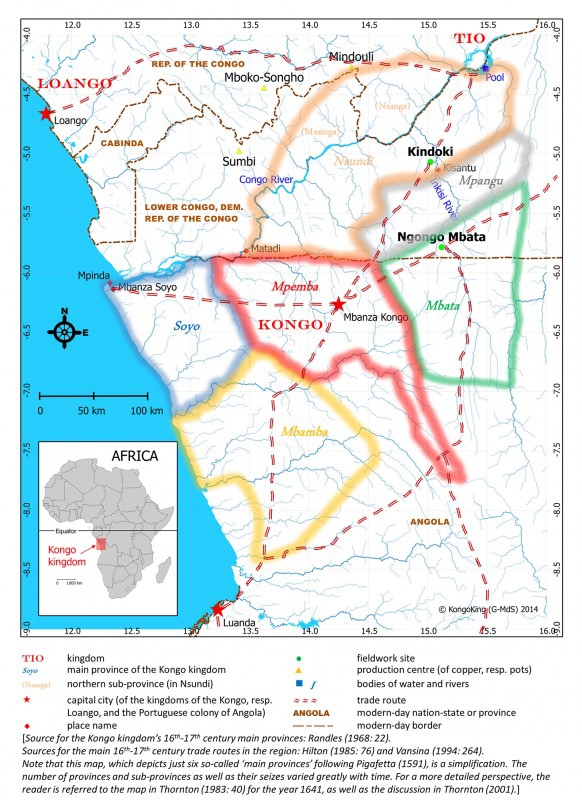


Location map situating the Kindoki and Ngongo Mbata sites inside the Kongo kingdom borders of the sixteenth–seventeenth centuries.

The Kongo kingdom, which arose in Central Africa’s Atlantic coast region, is an emblem of Africa’s past and an important cultural landmark for Africans and the African Diaspora (Figure 1). As a result of its early involvement in the trans-Atlantic trade and its early introduction to literacy, the history of this part of sub-Saharan Africa from AD 1500 onwards is better known than most other parts of the continent. Nonetheless, still very little is understood about the origins of the kingdom.
‘KongoKing’ is an interdisciplinary research project that aims to examine the origins and development of the Kongo kingdom, combining archaeology and historical linguistics—two key disciplines for the reconstruction of early history in Africa. Funded by a Starting Grant of the European Research Council (#284126, 2012–2016), and by the Special Research Fund of Ghent University, KongoKing unites researchers from Ghent University, Université libre de Bruxelles and the Royal Museum for Central Africa in Tervuren, as well as from several partner institutions in Africa, Europe and the USA.
The archaeology component of the project seeks to establish a sound chrono-stratigraphical sequence for the Lower Congo region, to map the spatial distribution of archaeological evidence across the landscape and to study the evolution of material culture and how it was affected by political centralisation and economic integration.
Thanks to new radiocarbon dating, we now have a more detailed chrono-stratigraphical framework for the Lower Congo region (30 dates fall between the thirteenth and twentieth centuries, and seven pre-date AD 600). As for the identification of structures and remains in the landscape, our research has so far concentrated on the Inkisi River basin in the eastern part of the Lower Congo Province of the Democratic Republic of the Congo (DRC), where the historical and new linguistic evidence situate the origins of the Kongo kingdom (Thornton 2001; Bostoen et al. 2013). This valley hosted several of the major centres of activity during the Kongo kingdom and the capitals of its three major northern and eastern provinces: Mbata, Mpangu and Nsundi. Between 2012 and 2014, extensive surveys and excavations were carried out at two sites—Kindoki and Ngongo Mbata—linked respectively with the former capitals of the Nsundi and Mbata provinces (Figure 1).
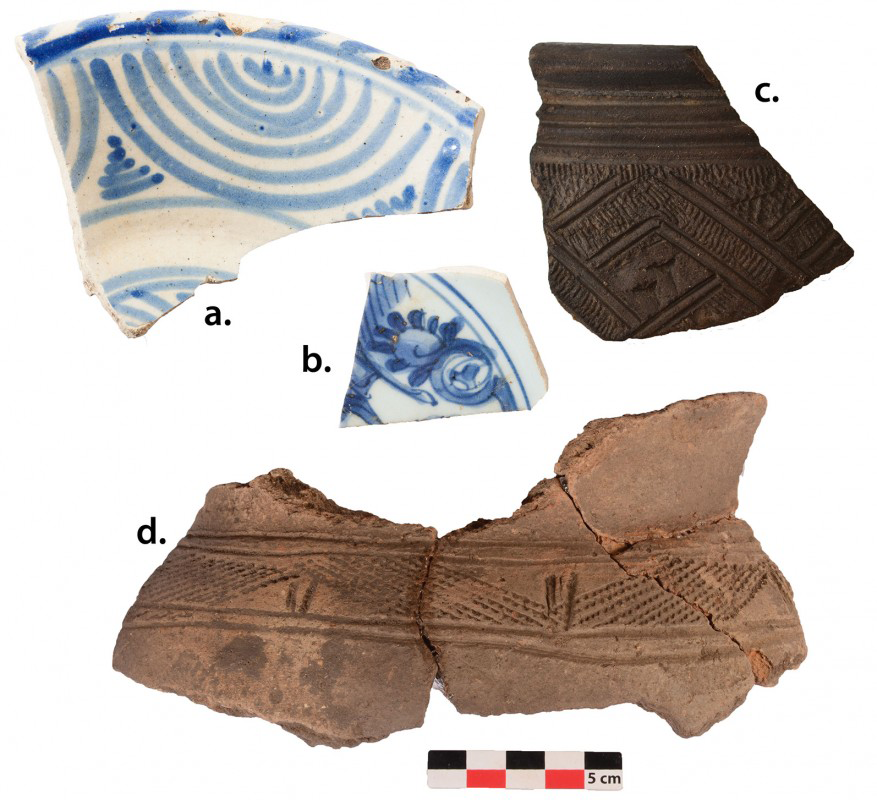
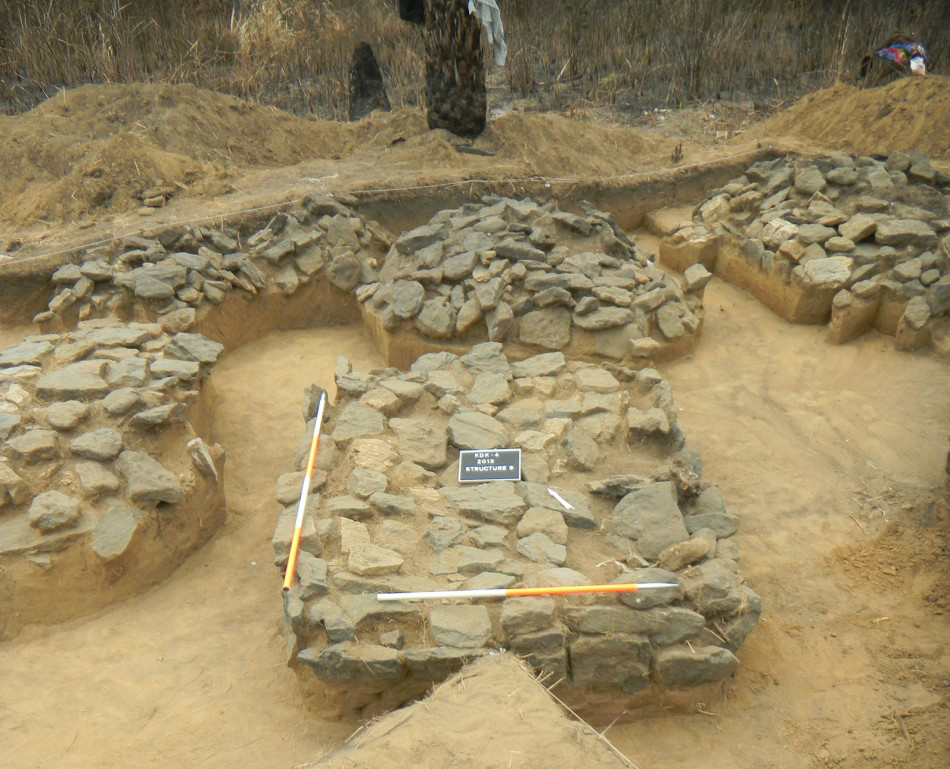
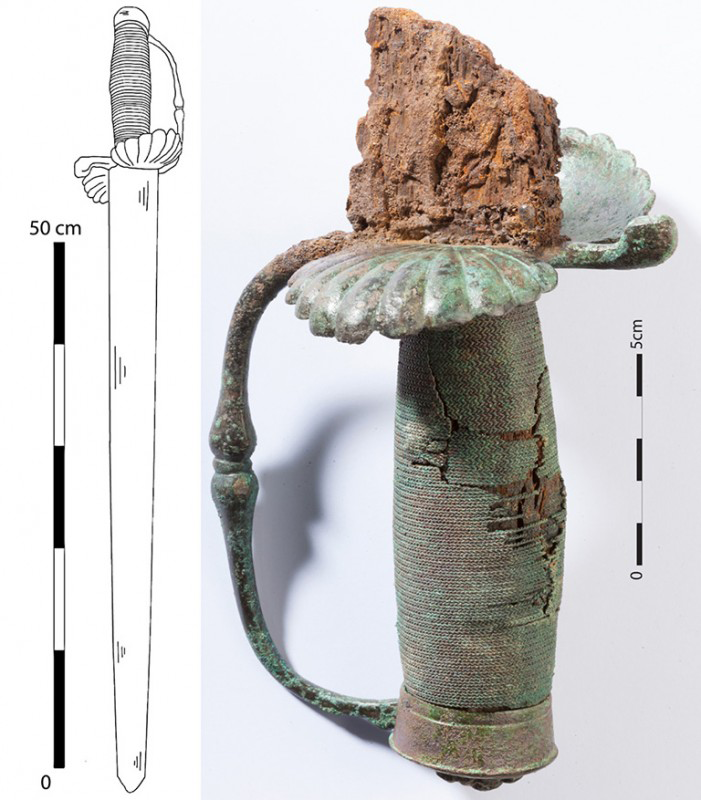
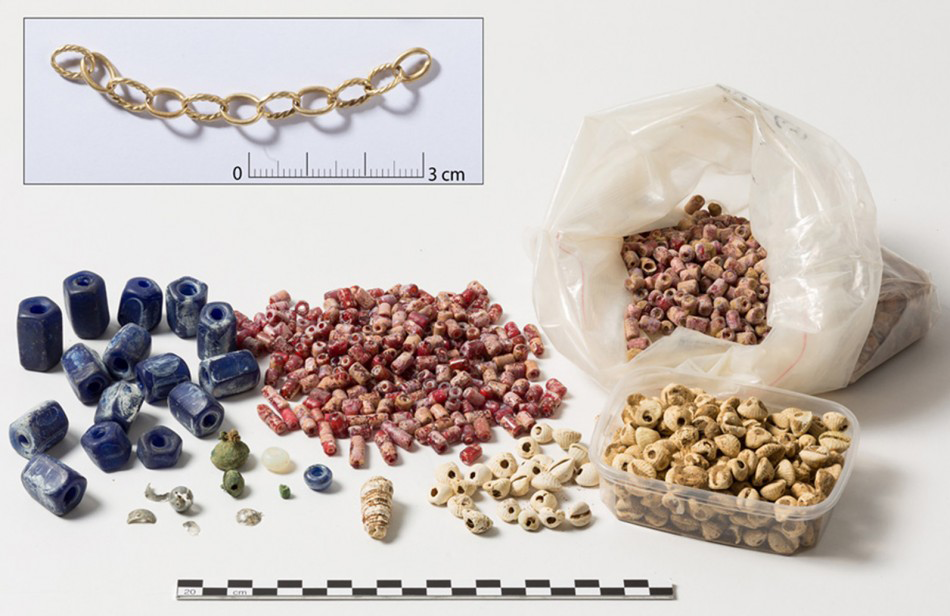
The Kindoki site, associated with the provincial capital of Mbanza Nsundi, remains archaeologically elusive. As with most Kongo mbanza or capital towns housing the seat of (provincial) government, Mbanza Nsundi was characterised by a low population density. Consequently, pinpointing its historical centre has proven challenging. The archaeological material discovered at the Kindoki site in 2012 and 2013 consists of Kongo material culture interspersed with objects of European origin, mainly pottery in both cases. The hilltop hosted an important and dispersed settlement during the sixteenth and seventeenth centuries, but a single radiocarbon date associated with a distinctive and previously unknown type of comb-impressed pottery suggests that the area may have been first inhabited during the fourteenth century (Figure 2). If this date is confirmed, it will push investigations back to the period prior to the arrival of Europeans. A cemetery with 11 elite graves was also discovered on the hilltop (Figure 3). Most male tombs contained swords and sabres of honour (Figure 4), while anklets and large quantities of glass, copper and shell beads were found in female burials (Figure 5). The graveyard dates to the period immediately after the collapse of the Kongo kingdom (eighteenth to early nineteenth century) when the former provinces were no longer part of a central administration, but remained landmarks of regional identity (Clist et al. 2015a).
A) Portuguese tin-glazed pottery (1640–1700) from Ngongo Mbata; B) Chinese (1662–1722) tin-glazed pottery from Ngongo Mbata; C) elite-related pottery (seventeenth century) from Ngongo Mbata; D) pottery from Kindoki, probably dated to the fourteenth century (pictures 2A & 2B were made at the Royal Institute for Cultural Heritage (IRPA/KIK)—Brussels).

The Kindoki cemetery: foreground, tomb 9 (male, 40–60 years old); left, tombs 4 (male, unknown age) and 6 (male, 7 years old); above, tomb 5 (male, 20–40 years old); right, tomb 8 (female, 40–60 years old).

Tomb 4 (male, unknown age), Kindoki, drawing of the reconstructed sword (Sengeløv 2014) and detail of its handle (picture made at the Royal Institute for Cultural Heritage (IRPA/KIK)—Brussels).

Glass and copper beads and seashells (Pusula depauperata), as well as a gold chain; tomb 8 (female, 40–60 years old), Kindoki (pictures made at the Royal Institute for Cultural Heritage (IRPA/KIK)—Brussels).

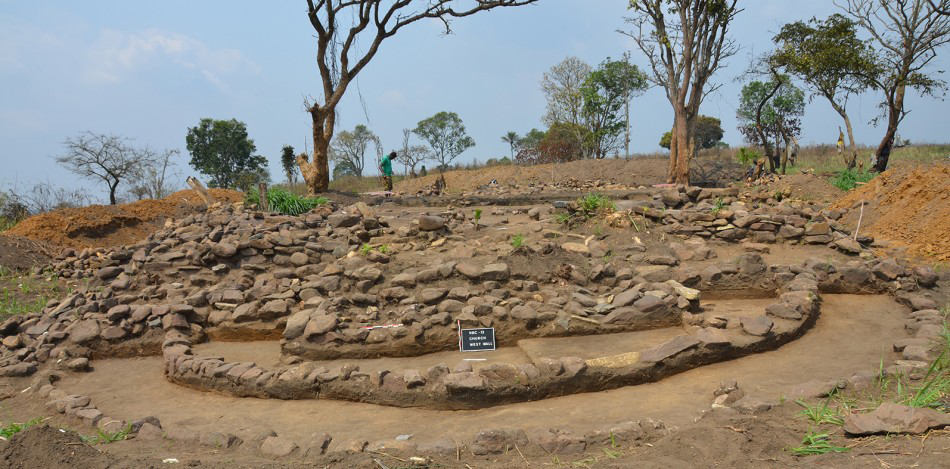
West view of Ngongo Mbata church—dated to the second quarter of the seventeenth century—during the 2013 excavations; in the foreground, one sees the wide staircase in front of the entrance and the simple nave, which served as a cemetery.

Between 2012 and 2014, excavation at Ngongo Mbata has yielded an interesting mixture of Kongo and European remains, dated by 13 radiocarbon samples and by association with Portuguese tin-glazed pottery (Figure 2; see also Clist et al. 2015b: 481, fig. 7). Ngongo Mbata was already occupied during the late sixteenth century; it underwent a major development in the following century, declining towards the end of the eighteenth century. The bulk of the archaeological evidence pertains to the seventeenth century, with only a few earlier artefacts. The eighteenth century is mainly represented by several refuse pits as well as tombs dug within the confines of a stone church that dates back to the second quarter of the seventeenth century (Figure 6), and also a cemetery 250m south-west of the church. Re-examination of the 1938 excavation at Ngongo Mbata church suggests that several of those buried within its walls belonged to Kongo’s upper class. They were buried with swords and sabres of honour, local emblems of power and high-prestige objects of European origin. A medallion from the Knights of the Order of Christ that was found in one of these burials suggests that Ngongo Mbata’s community included members of the highest ruling elite. Seventeenth-century historical sources indicate that Ngongo Mbata, or Congo de Batta, was in all probability the main and most affluent centre of the Mbata province and an important marketplace. It also hosted European merchants and priests. The archaeological data corroborate this important trade role, based on the site’s location between the Atlantic harbours and the eastern Kwango region.
The evolution of Kongo material culture between c. AD 1300 and 1900 bears witness to both continuities and discontinuities in social dynamics. Certain artefacts, such as stone smoking pipes made for the kingdom’s elite (after AD 1600) and specific pottery types with very elaborate decorative patterns maybe inspired by intricate woven motives found on Kongo elite textiles, were probably status symbols. Their geographical distributions illustrate communication networks within the kingdom’s northern provinces. Our artefact collection includes sherds of local and imported ceramics, swords of honour and smoking pipe fragments, as well as glass, copper and shell beads (Sengeløv 2014; Verhaeghe 2014; Verhaeghe et al. 2014).
Ongoing research in the Mindouli area of the neighbouring Republic of Congo confirms the importance of a copper-working industry; radiocarbon samples indicate a fourteenth-century date. Combined with evidence for iron smelting in the DRC, this forms the basis for a better understanding of local iron and copper productions, their associated commercial networks and their relationship with the origins of the Kongo and Teke kingdoms (Nikis et al. 2013; Nikis & Champion 2014). Finally, interviews on oral historical traditions and modern-day pottery-making have been undertaken in the DRC (Clist et al. 2013; Kaumba 2014).
During the project’s final two years (2015–2016), ethnographical and archaeological fieldwork will continue in the copper region of southern Congo as well as in the Lower Congo Province of the DRC. It aims to investigate major Kongo settlements in the wider Inkisi valley from the kingdom’s heyday, in addition to sites that bear witness to human activity and possible societal complexity predating AD 1482 when Kongo and Europe first entered into contact.
The archaeological data collected by the project will improve understanding of how local cultures evolved between c. AD 600 and the arrival of the first Europeans, especially in conjunction with new insights on language and population dynamics from historical linguistics (de Schryver et al. 2015; Dom & Reference Bostoen and de SchryverBostoen 2015). Another line of interdisciplinary research focuses on the spread of cultural practices—both material and immaterial—resulting from political centralisation and economic integration, as has been shown to occur with the contact-induced diffusion of a phonological innovation known as prefix reduction within the Kikongo language cluster (Bostoen & de Schryver 2015).