





Context
Biotechnology, with its vast potential, is poised to revolutionize fields ranging from medicine and healthcare to environmental sensing. Central to this revolution are bio-interfaces, which include both electrical and non-electrical interventions using wearables and implants. These interfaces offer new avenues for monitoring and interacting with biological systems, thereby enhancing the capabilities of modern healthcare solutions. The adoption of innovative design strategies is crucial for fully harnessing this potential and overcoming current limitations. In the realm of medicine and healthcare, biotechnology design strategies can bring about significant breakthroughs in disease diagnosis, treatment and prevention. For instance, targeted drug delivery systems can improve treatment efficacy while minimizing side effects. Personalized medicine, made possible through advancements in genomics and proteomics, can tailor treatments to individual patients, leading to better outcomes and reduced healthcare costs.
The role of bioelectronic interfaces
Advanced bioelectronic interfaces are at the heart of next-generation biotechnology applications. These interfaces must address biocompatibility to ensure long-term integration with biological tissues and optimize signal processing to accurately interpret and respond to biological signals. Innovations in material science, such as the use of conductive polymers and hydrogels, are pivotal in addressing these challenges. Additionally, advanced signal processing techniques, including machine learning and artificial intelligence, are essential to decode the complex patterns of biological activity and translate them into meaningful commands for various devices.
Few examples of these interfaces include;
-
Wearable health monitors: Devices such as smartwatches and fitness trackers use bioelectronic interfaces to monitor vital signs like heart rate, blood oxygen levels and even glucose levels in real time. These wearables provide continuous health monitoring and early detection of potential health issues.
-
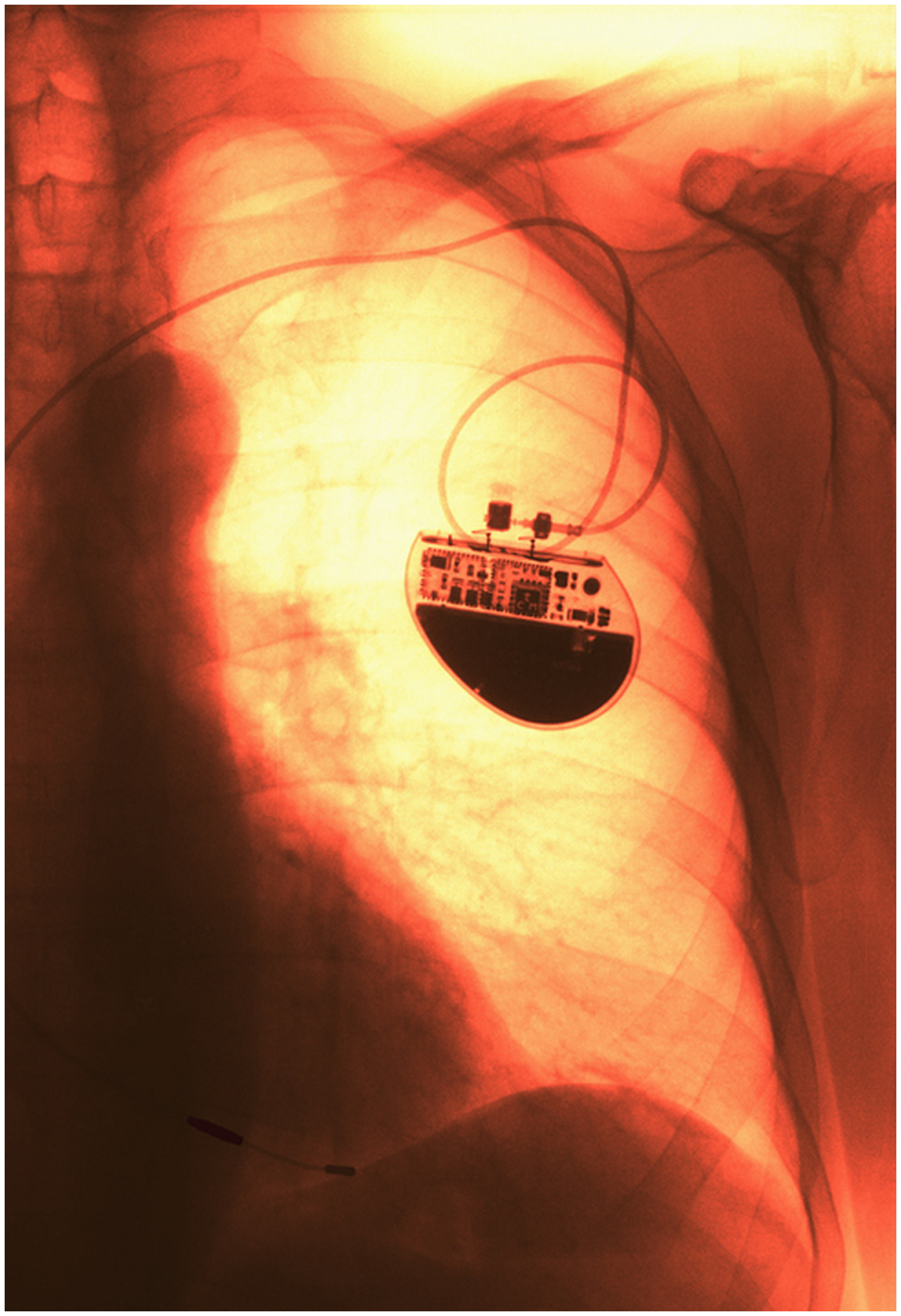
Implantable cardiac devices: Pacemakers and defibrillators rely on bioelectronic interfaces to monitor and regulate heart rhythms. These devices can detect irregular heartbeats and deliver electrical impulses to maintain a normal rhythm, significantly improving patient outcomes.
-
Neurostimulation devices: Used for treating conditions like chronic pain, epilepsy and Parkinson’s disease, these devices deliver electrical stimulation to specific areas of the nervous system. Bioelectronic interfaces ensure precise targeting and modulation of neural activity to alleviate symptoms.
-
Biosensors for environmental monitoring: Bioelectronic interfaces are also employed in biosensors that detect environmental pollutants, pathogens and toxins. These sensors can provide real-time data on environmental conditions, aiding in pollution control and public health protection.
-
Challenges and solutions: Implementing these design strategies comes with its own set of challenges. The complexity of biological systems and the need to navigate ethical and regulatory considerations pose significant hurdles. To tackle these challenges, collaboration and transparency among the biotechnology community are crucial. It is imperative to foster a culture of knowledge-sharing, resource pooling and adherence to ethical standards. Only by working together can we fully realize the potential of biotechnology design strategies and drive true scientific innovation in medicine, healthcare and environmental sensing.
-
Conclusion: The enhancement of next-generation prosthetics and other bioelectronic applications hinges on the successful integration of advanced bioelectronic interfaces. By addressing biocompatibility challenges and leveraging innovations in signal processing, researchers can pave the way for devices that offer unprecedented levels of functionality and user satisfaction. This holistic approach underscores the importance of interdisciplinary collaboration in advancing the frontiers of biotechnology.
How to contribute to this Question
If you believe you can contribute to answering this Question with your research outputs find out how to submit in the Instructions for authors (https://www.cambridge.org/core/journals/research-directions-biotechnology-design/information/author-instructions/preparing-your-materials). This journal publishes Results, Analyses, Impact papers and additional content such as preprints and “grey literature.” Questions will be closed when the editors agree that enough has been published to answer the Question so before submitting, check if this is still an active Question. If it is closed, another relevant Question may be currently open, so do review all the open Questions in your field. For any further queries check the information pages (https://www.cambridge.org/core/journals/research-directions-biotechnology-design/information/about-this-journal) or contact this email (biotechnologydesign@cambridge.org).
Competing interests
The authors have no conflict of interest.


 Open access




Comments
No accompanying comment.