


Introduction
Evidence indicates that in health regulatory T cells (Treg) play an important role in the maintenance of immunological tolerance and prevention of autoimmune diseases by the regulation of immune responses. Juvenile idiopathic arthritis (JIA), the most common inflammatory rheumatic disease in children, comprises of a group of childhood conditions characterised by the onset of arthritis before the age of 16. JIA has a predominance among girls for most forms of JIA. There are seven main subtypes of JIA according to the International League of Associations for Rheumatology (ILAR) classification (Ref. Reference Petty1). Each subtype is clinically distinct with respect to the presenting symptoms, complications and prognosis. Oligoarticular arthritis (O-JIA), defined as arthritis that affects four joints or fewer in the first 6 months, is the most common form of JIA, whereas polyarticular JIA (P-JIA), affecting five or more joints, is the second most common subtype. Conflicting reports regarding the frequency and functioning of Treg found in the blood of children with JIA have been published. However, a consistent finding by several studies is a clear enrichment of Treg within the synovial fluid (SF) infiltrate in the joints of children with JIA compared with the level observed in peripheral blood (PB) (Refs Reference de Kleer2, Reference Nistala3).
The presence of high numbers of Treg in the joint appears to present a paradox, since arthritis still persists despite the presence of this regulatory population. One theory to explain this paradox is that the proinflammatory milieu of the joint may inhibit the ability of regulatory T cells to abrogate inflammation efficiently. In addition, there are studies demonstrating that effector T cells in the joint are relatively resistant to suppression (Refs Reference Wehrens4, Reference Haufe5). In this review, we will discuss recent advances in the field of Treg and how this knowledge improves our understanding of JIA pathogenesis and ultimately may help to optimise clinical treatments for these diseases.
Emergence of regulatory T cells
A central function of the immune system is to maintain tolerance to self-tissues and molecules and thereby prevent autoimmune disease. It was over 40 years ago that the concept of suppression of immune responses and its contribution to the maintenance of tolerance was first proposed. However, with the identification of markers that are expressed on regulatory T cells, the investigation of these cells has gained huge pace. It was first discovered that inoculation of athymic (nude/nude) mice with CD4+ T cells, which were depleted of CD25+ cells, led to severe autoimmunity, which could be inhibited by the addition of CD4 + CD25+ cells (Ref. Reference Sakaguchi6). Similarly, in a diabetes rat model, disease was prevented by using CD4 + CD25+ cells and accelerated by CD4 + CD25− cells (Ref. Reference Stephens and Mason7). Furthermore, CD4 + CD25+ cells could also inhibit polyclonal CD4 + CD25− T cells in vitro (Ref. Reference Thornton and Shevach8). However, even early studies demonstrated that not all CD4 + CD25+ T cells have suppressive capacity (Ref. Reference Gavin9).
Later, several groups described CD4 + CD25+ regulatory cells in human blood, which were functional in vitro (Refs Reference Ng10, Reference Baecher-Allan, Viglietta and Hafler11, Reference Dieckmann12). It was also determined that the CD4 + CD25+ cells were anergic when stimulated alone in vitro, produced little inflammatory cytokines such as interleukin (IL)-2 and interferon gamma (IFN-γ), and in vitro suppression could be overcome by addition of exogenous IL-2 (Refs Reference Ng10, Reference Baecher-Allan, Viglietta and Hafler11, Reference Dieckmann12, Reference Stephens13). However, these observations indicated that human CD4 + CD25+ T cells are a heterogeneous population, which may include both suppressive and non-suppressive cells. This might, in part, be because of the upregulation of CD25 expression, the α-chain of the IL-2 receptor, upon division or activation of human T cells. The demonstration that very high expression levels of CD25 correlated with good suppression (Refs Reference Baecher-Allan, Viglietta and Hafler11, Reference Levings14) led to the proposal that the CD25high population contains the most suppressive cells.
Together with the identification of CD25high cells being suppressive, severe autoimmunity in the murine model scurfy was linked to mutations in the Foxp3 gene (Ref. Reference Brunkow15). In humans, the FOXP3 gene was shown to be affected in the severe autoimmune condition IPEX (immunodysregulation polyendocrinopathy enteropathy X-linked syndrome) (Ref. Reference Wildin, Smyk-Pearson and Filipovich16). Further research demonstrated that FoxP3 was crucial for the development of Treg and their function (Refs Reference Hori, Nomura and Sakaguchi17, Reference Fontenot, Gavin and Rudensky18, Reference Khattri19, Reference Yagi20). Together, these studies established FoxP3 as a master transcription factor for Treg. The development of specific monoclonal antibodies to identify FoxP3+ T cells by standard assays such as flow cytometry, combined with the definition of other typical phenotypic features for these cells (such as the low level of IL-7Rα (CD127)), has facilitated the growth of research in this area. Some controversies exist about the available reagents to detect FoxP3 protein, but with appropriate controls reliable detection of FoxP3 protein is now routine (Ref. Reference Law21). More recently, evidence that the stable expression of FoxP3 is dependent upon demethylation at specific 5′ regions of the FOXP3 locus, the Treg-specific demethylated region (TSDR), has led to a further method by which to identify bona fide regulatory T cells (Refs Reference Baron22, Reference Floess23, Reference Polansky24). These studies have also shown that cells that express FoxP3 transiently are not demethylated at this region.
Not all Treg are equal
Regulatory T cells can develop in the thymus (natural Treg) or be induced in the periphery (induced or adaptive Treg). The IKAROS family member Helios has been proposed as a possible marker to distinguish between natural and induced Treg, as some reports suggest that it is uniquely expressed by natural Treg (Ref. Reference Thornton25). However, upon further investigation, Helios expression could also be detected in induced Treg under certain conditions (Refs Reference Verhagen and Wraith26, Reference Gottschalk, Corse and Allison27). In mice non-coding DNA sequences (CNS) at the FOXP3 locus appear to control differentially thymic and peripheral FoxP3 expression, with CNS3 necessary for thymic, CNS1 for peripheral FoxP3 expression and CNS2 for FoxP3 expression stability (Ref. Reference Zheng28), it remains to be seen if these conserved CNS regions also control FoxP3 expression in human Treg. Therefore, to date there is no generally accepted way to distinguish between natural and induced Treg, and functionally, both natural and induced Treg can suppress aberrant responses as shown in different transgenic and adoptive transfer mouse models (Refs Reference Haribhai29, Reference Hippen30, Reference Beres31, Reference Kong32).
Nowadays, it is becoming clearer that the CD4+ FoxP3+ Treg population, typically 5–10% of human peripheral blood CD4 T cells, is in fact, a heterogeneous population, which differs in terms of phenotype and possibly function. Various strategies to divide Treg into different subsets have been used. One proposed subdivision was based on the expression of the major histocompatibility complex (MHC) class II molecule DR (HLA-DR), which is also expressed on activated T cells (Refs Reference Evans33, Reference Ko34). Typically, 20–30% of Treg express HLA-DR (Ref. Reference Baecher-Allan35) and functional studies revealed that HLA-DR+ Treg exert early contact-dependent suppression. HLA-DR− Treg, on the other hand, skew cytokine production to a Th2-like phenotype and may also suppress through contact-dependent mechanisms (Ref. Reference Baecher-Allan, Wolf and Hafler36).
Treg can also be subdivided by expression of markers typical of naïve or memory T cells. Memory Treg, with the phenotype CD45RA − CD45RO+ and expression of CCR6 (Refs Reference Kleinewietfeld37, Reference Miyara38, Reference Booth39), express high levels of the functional surface molecules CTLA4 and CD39, the effector memory marker CD44, but low levels of CD62L. In comparison with naïve Treg, it has been suggested that memory Treg have a higher turnover, suggesting that a greater proportion is in cell cycle, both in vitro (Ref. Reference Booth39) and in vivo (Refs Reference Kleinewietfeld37, Reference Vukmanovic-Stejic40). CTLA4 and CD39 are both important in Treg function (Refs Reference Takahashi41, Reference Deaglio42, Reference Borsellino43). The exact role of CTLA4 in Treg function is not yet fully understood, but theories include that CTLA4 competes with CD28 for co-stimulatory receptors which in turn provides a negative signal for T cell activation, or it may act in a T cell-extrinsic manner such as by stripping co-stimulatory molecules from antigen-presenting cells (Ref. Reference Walker and Sansom44).
CD39 is a potent cell-surface ATPase, which breaks down proinflammatory ATP to AMP. CD73 in turn breaks down AMP to adenosine. In mice, both these enzymes are expressed on Treg (Ref. Reference Dwyer45). In humans, however, there is conflicting evidence, whereas some researchers report CD73 and CD39 expression on Treg (Ref. Reference Mandapathil46), while we have observed that CD73 is not co-expressed with CD39 on Treg (Ref. Reference Moncrieffe47). Owing to the pro-inflammatory actions of ATP in the extracellular milieu, ATP breakdown is thought to contribute to Treg function.
CCR6 is an important chemokine receptor, and a characteristic hallmark of Th17 cells, but it might also be important in directing Treg to the site of inflammation (Refs Reference Yamazaki48, Reference Turner49). Treg can also express a variety of other chemokine receptors, associated with different Th lineages (Refs Reference Lim50, Reference Tosello51, Reference Koch52, Reference Zheng53, Reference Duhen54). Specific chemokine receptor expression may enable specific co-localisation of certain Treg with specific T helper lineages (Ref. Reference Koch52, Reference Duhen54).
Treg can express many activation markers, which are shared with conventional CD4+ T cells (Tconv), such as CD44, CD69 and GITR. Recently, a Treg-specific activation marker has been demonstrated, the glycoprotein A repetitions predominant (GARP) protein (Refs Reference Wang55, Reference Wang56). GARP is expressed on Treg recently activated through the TCR, but not on Tconv, or TGF-β induced Treg. Interestingly, GARP serves as a receptor for latent TGF-β, a cytokine known to promote Treg development and stability (Ref. Reference Stockis57). GARP overexpression in helper T cells induces an efficient reprogramming of effector T cells into Treg although these reprogrammed cells are not fully demethylated at the TSDR (Ref. Reference Kehrmann58).
Treg may display effector cell functions
Treg can express a variety of memory markers as well as chemokine receptors that are associated with a Tconv phenotype. It has been proposed that expression of a specific transcription factor commonly associated with Tconv may ‘assist’ specific Treg to target its suppressive capacity towards specific Tconv and may even be absolutely required for such suppression. For example, Treg suppression of Th1 cells is dependent on Tbet expression (Ref. Reference Koch52), IRF4 expression is crucial for Th2-targeting Treg (Ref. Reference Zheng59), whereas STAT3 is essential for Treg suppression of Th17 (Refs Reference Chaudhry60, Reference Chaudhry61). Furthermore, BCL6 positive Treg are important in controlling follicular helper T and B cells in the germinal centre (Refs Reference Chung62, Reference Linterman63).
Interestingly, there is now increasing evidence that some Treg also share some functional capabilities with Tconv, in particular the ability to produce proinflammatory cytokines. Treg- and Th17-like cells have been linked in an evolutionary sense, because of their emergence at the same phylogenic stage. These two cell populations share some induction requirements, such as the need for TGF-β, and their balance may play a role in promoting healthy and diverse commensal colonisation, for example, in the gut (Ref. Reference Weaver and Hatton64). Hence, several groups have tested whether Treg can be skewed towards IL-17 production upon stimulation in vitro. Koenen et al. reported that IL-1β, antigen-presenting cells and epigenetic modifications are necessary to induce IL-17 production by Treg (Ref. Reference Koenen65). Others showed that TLR2 stimulation may contribute to conversion of Treg to Th17-like cells with lower levels of FoxP3 expression and reduced suppressive capacity (Ref. Reference Nyirenda66). The authors suggested that this could represent an intermediate population, which is losing Treg function and become Th17-like Tconv.
In vitro expansion and induction of Treg has been shown to induce the development of IFN-γ-producing Treg (Ref. Reference McClymont67). In this study, the IFN-γ frequency within FoxP3+ cells was enhanced by addition of IL-12 to the culturing conditions. These cytokine-producing induced Treg showed lower levels of demethylation at the TSDR region, suggesting that they may represent an intermediate cell population. Furthermore, samples from patients with type 1 diabetes showed an increased frequency of IFN-γ+ Treg after expansion, implicating a connection between inflammation and cytokine-producing Treg. Similarly, in a mouse model of colitis, an IFN-γ-producing inducible Treg subset has been observed interestingly, these IFN-γ producing Treg were suppressive in vivo (Ref. Reference Feng68). Recently, it has been shown that Treg isolated during the early inflammatory response following surgery were less suppressive than Treg isolated presurgery or at a later time point postsurgery despite remaining anergic (Ref. Reference Schadenberg69). This suggests that Treg in an acute early inflammatory response, such as after surgery, did not convert to full effector phenotype. Together, these studies suggest that Treg can produce cytokines, perhaps under the influence of proinflammatory conditions, yet remain functionally suppressive. The precise expansion or induction system used to generate these cytokine producing Treg may be crucial to their functionality. For example, Zheng et al. showed that the ratio of B cells to T cells was critical in yielding either functional Treg that produced cytokine or highly activated effector Tconv (Ref. Reference Zheng53).
Treg isolated from several chronic inflammatory or autoimmune conditions have been demonstrated to be functional in vitro. Cytokine-producing Treg are increased in inflammatory environments (Refs Reference Feng68, Reference Kryczek70, Reference Dominguez-Villar, Baecher-Allan and Hafler71), but can also be found upon ex vivo stimulation of healthy peripheral blood mononuclear cells (PBMC) as a small proportion of total Treg (Refs Reference Duhen54, Reference Pesenacker72, Reference Beriou73, Reference Voo74, Reference Ayyoub75). The frequency of cytokine-producing Treg can be increased by cytokine treatments. IL-17 production by Treg was enhanced by IL-6, IL-1β, IL-21 alone or in various combinations. IL-23 alone had no effect, but could act synergistically in combination with the cytokines above (Refs Reference Kryczek70, Reference Beriou73, Reference Voo74). The frequency of IFN-γ+ Treg was increased by IL-12 treatment in several studies (Refs Reference Feng68, Reference Dominguez-Villar, Baecher-Allan and Hafler71, Reference Koenecke76). These data show that the polarisation ‘requirements’ for cytokine-producing Treg closely mirror those that drive polarisation of T effector cells.
The cytokine-producing Treg in these studies were anergic in vitro without the addition of IL-2, and were suppressive in Tconv co-cultures (Refs Reference Duhen54, Reference Feng68, Reference Kryczek70, Reference Dominguez-Villar, Baecher-Allan and Hafler71, Reference Pesenacker72). In addition, the TSDR region was predominantly demethylated (Refs Reference Dominguez-Villar, Baecher-Allan and Hafler71, Reference Pesenacker72, Reference Koenecke76), and demonstrated a stable phenotype in long-term cultures or cloning (Refs Reference Duhen54, Reference Dominguez-Villar, Baecher-Allan and Hafler71, Reference Pesenacker72, Reference Beriou73, Reference Voo74), thus suggesting a bona fide Treg phenotype. We have recently demonstrated that the cytokine-producing Treg are contained within the CD161+ Treg population (Ref. Reference Pesenacker72). Cytokine-producing Treg also share expression of the transcription factors and, where tested, chemokine receptors, that are associated with expression of the respective cytokine in Tconv. Thus, IFN-γ-producing Treg have been shown to express Tbet (and CXCR3) and IL-17+ Treg express RORCv2 (and CCR6). Furthermore, Treg from mice lacking BCL6 show a Th2-Treg hybrid phenotype (Ref. Reference Sawant77) with higher levels of IL-4, IL-5, IL-13 transcripts and increased levels of GATA3.
A beneficial role in the protection against infection has been proposed for cytokine-producing Treg (Refs Reference Duhen54, Reference Beriou73, Reference Koenecke76), with some evidence for specific expansion and cytokine production against certain pathogenic antigens (Refs Reference Duhen54, Reference Koenecke76). Moreover, there is evidence that such Treg may play a beneficial role during transplantation (Refs Reference Koenecke76, Reference Sawitzki78): if IFN-γ production is blocked or specifically knocked out in Treg in a transplant model, mice suffer from graft-versus-host disease. Consequently, cytokine-producing Treg may represent an important mechanism during immune challenge, and their further investigation is warranted (Fig. 1).
Regulatory T cell families. Schematic of four different Treg subfamilies (naïve, memory, activated memory and effector memory) with expression of CD4, CD25 and FoxP3 and suppressive function common to all, CD45RA expression defining naïve, and CD45RO memory Treg. Activated memory Treg also express activation markers such as GITR and CD62L, and potentially GARP and CD161. Effector memory Treg, in addition to being activated, also have the ability to produce pro-inflammatory cytokines like interleukin (IL)-17 or interferon gamma (IFN-γ), express specific cytokine and chemokine receptors (IL23R, IL1R, CCR6, CXCR3, etc) and additional transcription factors (Tbet, RORCv2, etc) to facilitate the partial Tconv-like phenotype.

Biology of Treg in juvenile arthritis
The paradox of increased Treg numbers in the inflammatory joint of JIA has been known for some years (Ref. Reference de Kleer2). Interestingly, Treg in the blood of children with O-JIA appear to be present at normal or even decreased frequency, compared with healthy children (Refs Reference Nistala3, Reference Wei79, Reference Olivito80). In an early study of the very severe form of JIA known as systemic JIA (sJIA; a form of disease where in addition to arthritis, patients display systemic symptoms such as fever, rash and major organ involvement), Treg were shown to be reduced in peripheral blood in severe active disease, just before autologous stem cell transplantation. The frequency of Treg increased up to normal levels upon successful treatment by autologous stem cell transplantation (Ref. Reference de Kleer81). However, a more recent study has suggested that while a difference in Treg frequency is observed between active and quiescent sJIA patients, Treg numbers in quiescent sJIA disease were raised compared with healthy controls as well as compared with active sJIA. In this study, the increase of total Treg, in the quiescent sJIA cases, appeared to be because of an increase in CD45RO+ memory Treg subpopulation, indicating that a rise in Treg occurs as disease resolution takes place (Ref. Reference Macaubas82). It has recently been shown that the high level of inflammation in these patients, readily measureable in peripheral blood by the levels of the protein serum amyloid A (SAA) may directly affect Treg function, via the SAA protein itself, which prevents and reverses anergy in Treg without affecting their suppressive function (Ref. Reference Nguyen83). Thus inflammatory proteins could drive an increase in Treg proliferation.
We, and others, have shown a relationship of Treg frequency and disease severity in O-JIA. In the mild limited form of JIA known as persistent O-JIA the SF exudate has a higher frequency and absolute number of Treg compared with SF from children with the more severe extended O-JIA (Refs Reference de Kleer2, Reference Nistala3). These data suggest that although immune tolerance has been impaired in JIA, Treg frequency does correlate with disease severity and thus Treg might actively restrain inflammation. When Treg in the joint were compared with other T cell types within the SF, it was demonstrated that Treg frequency negatively correlates with Th17 frequency (Ref. Reference Nistala3). The same correlation has been observed for their respective transcription factors FoxP3 and RORCv2 (Th17) at the mRNA level (Ref. Reference Olivito80). Since Treg and Th17 have been associated in an evolutionary sense (Ref. Reference Weaver and Hatton64), the balance between Treg and Th17 might play a crucial role in JIA, and local factors that affect this balance may correlate directly with the clinical course and outcome. In a study, which aimed to identify predictive biomarkers of extension to more severe disease early in O-JIA, we observed that this difference in Treg frequency was present very early, even before extension, with lower Treg frequency in children destined to go on to more severe arthritis (so-called extended-to-be O-JIA) (Ref. Reference Hunter84). Interestingly, RORC2 was one of the gene transcripts found to be significantly differentially expressed between patients with persistent O-JIA and extended-to-be O-JIA phenotype (Ref. Reference Hunter84).
Since Treg within the joint clearly do not resolve inflammation, many studies examining their phenotype and function have been performed to determine if there is an intrinsic defect in the Treg of JIA patients. Treg found in the inflamed joint all have a memory phenotype (CD45RO+) (Ref. Reference de Kleer2) and are activated, as demonstrated by high HLA-DR and GITR expression. Expression of CTLA4 and CD39 is also highly enriched on SF Treg (Refs Reference de Kleer2, Reference Moncrieffe47). Interestingly, in the SF of JIA, in addition to CD39 on Treg, a population of CD39 + FoxP3− cells has been demonstrated. Both Treg and non-Treg expressing CD39 are functional in breaking down ATP (Ref. Reference Moncrieffe47).
One hallmark of Treg function is the ability to suppress Tconv in vitro. Several reports have reported potent suppressive capacity of SF Treg (Refs Reference de Kleer2, Reference Moncrieffe47, Reference Ruprecht85, Reference Raghavan86, Reference Bendersky87). However, more recently, there have been studies demonstrating that SF Treg fail to suppress Tconv from the joint but can suppress blood Tconv (Refs Reference Wehrens4, Reference Haufe5). Together, these studies suggest that Treg from patients with JIA do not appear to have an intrinsic defect, as they function well when taken out of their natural environment. However, factors in the local microenvironment in the joint, or the effector T cells themselves, may affect the function of regulatory cells in a way that they cannot control inflammation within the joint.
Cytokines can abrogate suppression by Treg by either affecting Treg directly or effector T cells. IL-2, IL-6, IL-7, IL-15 and tumour necrosis factor alpha (TNF-α) have all been implicated in diminishing the suppressive capacity of Treg and these cytokines are present at high levels in the SF of JIA (Refs Reference Wehrens4, Reference Ruprecht85, Reference de Jager88). Both TNF-α and IL-6 are now successfully targeted by therapeutic approaches in some JIA patients. IL-6 and TNF-α have been shown to induce higher phosphorylation levels of protein kinase B, thus activating signaling in effector T cells. This, in turn, renders effector T cells unresponsive to both TGF-β and Treg mediated suppression (Ref. Reference Wehrens4). Synovial effector T cells have also been shown to be able to switch from IL-17 to IFN-γ-producing cells in the environment of the joint and in vitro (Refs Reference Nistala89, Reference Cosmi90). The major cytokine responsible for this plasticity is IL-12, which is also enriched within the joint. The addition of TGF-β could inhibit this conversion to some extent, but the measurements showed low levels of TGF-β in SF. Given that SF Tconv are strong producers of pro-inflammatory cytokines it is plausible that locally these effector T cells may contribute to the failure of regulation by Treg (Ref. Reference Haufe5).
The recent descriptions of pro-inflammatory cytokine-producing Treg in other autoimmune conditions led us to investigate whether JIA Treg also demonstrate this phenomenon. We found a clear enrichment of Treg with a pro-inflammatory potential (enrichment for pro-inflammatory cytokine production ex vivo and in vitro), defined by CD161 expression, a factor that may also contribute to the apparent ‘failure’ by Treg to suppress ongoing inflammation in JIA (Ref. Reference Pesenacker72).
In addition to these phenotypic and functional data, there is evidence that genetic factors influence Treg biology in JIA. Genetic associations with the IL2 and IL10 gene regions and the gene encoding CD25 (the IL-2R α-chain) have been demonstrated in JIA (Refs Reference Thompson91, Reference Hinks92, Reference Hinks93, Reference Omoyinmi94); these genes are important in Treg maintenance and function. Several of these associations have recently been confirmed at genome-wide association level of significance (Ref. Reference Hinks95). However, no genetic association with any FOXP3 SNP itself, or CTLA4, could be found (Refs Reference Eastell, Hinks and Thomson96, Reference Prahalad97).
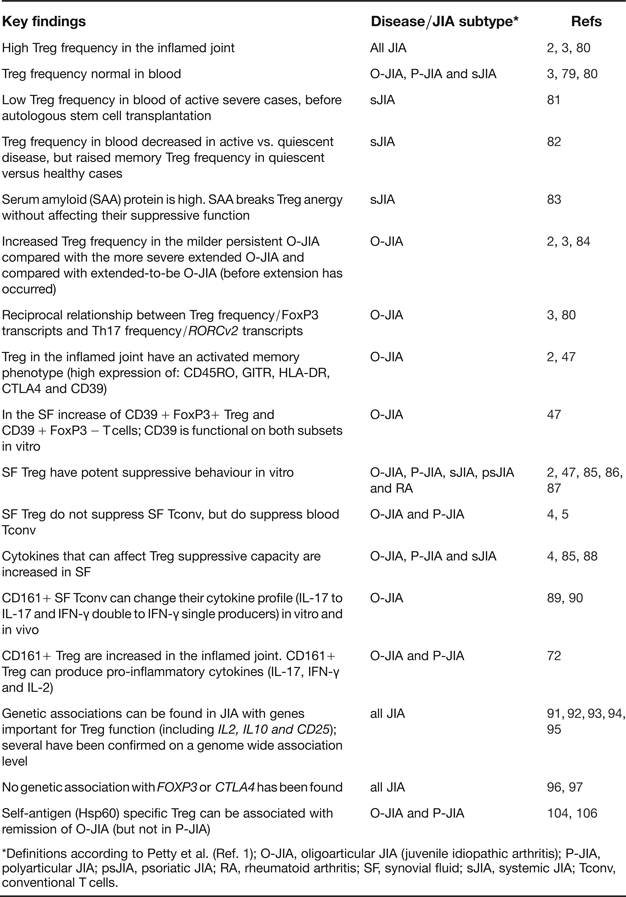
Collectively, these data suggest that the inflammatory environment plays an important role in determining the overall effectiveness of regulatory cells at the diseased site (Fig. 2). The main findings on Treg in JIA are summarised in Table 1. Thus, cytokines and other inflammatory mediators may render T effector cells unresponsive to suppression. However, Treg should not be disregarded since they clearly have an effect upon the clinical outcomes and their manipulation may be possible in the future, to restore full tolerance. With conflicting reports on Treg function, and the emerging knowledge of their capacity of making pro-inflammatory cytokines themselves, it is crucial to investigate how these different Treg populations act at the site of inflammation, how stable they are and what the effects of the local environment may be on Treg behaviour and phenotype.
Proposed Treg–Tconv balance in juvenile idiopathic arthritis (JIA).Schematic of milder resolving (left) and more severe and ongoing (right) inflammation of the joint, showing infiltration of cells. Treg are highlighted in green, Tconv in red, with CD161 expression in blue. Proinflammatory cytokines are depicted as small red and orange circles. In mild, resolving disease, more Treg are present in the joint than in severe ongoing disease. We hypothesise that in mild, resolving inflammation Tconv may be more susceptible to suppression (big block bar), and inflammatory effects of the micro-environment are smaller (thin arrows) than in more severe disease. In addition, a higher frequency of CD161+ Treg appears to associate with more severe disease.
Evidence for the role or dysfunction of Treg in JIA
*Definitions according to Petty et al. (Ref. Reference Petty1); O-JIA, oligoarticular JIA (juvenile idiopathic arthritis); P-JIA, polyarticular JIA; psJIA, psoriatic JIA; RA, rheumatoid arthritis; SF, synovial fluid; sJIA, systemic JIA; Tconv, conventional T cells.
Clinical implications
Regulatory T cells could potentially be used as cellular therapy themselves for autoimmune disease. In addition, many treatments will affect Treg balance and function. Animal models have been useful in assessing the role of Treg in treatment of arthritis.
Antigen specificity of Treg
One key issue is whether Treg influence disease in an antigen-specific or non-specific manner. Many arthritis models in rodents use antigen to induce arthritis. Antigen-specific induced Treg and natural Treg can prevent disease in these model systems, but natural Treg did not reverse established disease (Refs Reference Kong32, Reference Frey98), whereas the use of induced Treg reduced disease severity and incidence rate slightly in some cases (Ref. Reference Kong32). The depletion of Treg before disease initiation has been shown to worsen the disease in transgenic, known antigen-driven and spontaneous models (Refs Reference Frey98, Reference Killebrew99, Reference Frey100). In some models, the specific antigen recognised by Treg that can modulate disease is unknown or unclear; However, considerable evidence from several groups suggests that Treg do require a TCR/antigen signal for them to elicit effective suppression (Ref. Reference Ohkura and Sakaguchi101).
To address the importance of antigen specific Treg action, Oh et al. used a transgenic mouse model with Treg and effector T cells of mixed specificity and an auto-antigen linked to MHC class II (Ref. Reference Oh102). These mice develop spontaneous arthritis, which is driven by IL-17. Transfer of Treg that were enriched for auto-antigen specificity could not prevent disease or perform bystander suppression, even though they were functional towards the same antigen-specific effector cells in vitro, and in a separate in vivo model. Interestingly, polyclonal Treg did prevent disease, indicating that a mixed population of Treg, presumably with multiple antigen specificities, different to the disease driving effector cell specificity, may be effective in arthritis control.
By using a different transgenic model, CD4T cells expressing a TCR against a cutaneous self-antigen (SFZ70) resulted in severe lymphocytic infiltration of the skin and liver in Treg-deficient animals, whereas in non-deficient mice only a few developed caudal dermatitis (<2%) with a high frequency of FoxP3+ among CD4+ T cells. A comparison of the effector T cells between the two groups revealed that the antigen-specific Treg actively suppressed expression of skin homing receptors and cytokine production by effector T cells (Ref. Reference Killebrew99). Similarly, in a human graft-versus-host disease skin explant model early Treg treatment inhibited tissue infiltration of primed CD8T cell by downregulation of their homing receptors, such as CXCR3 and cutaneous leucocyte-associated antigen, and an overall decrease in chemokine production (Ref. Reference Mavin103). Therefore, Treg might prevent homing to the site of inflammation by inhibiting the expression of homing receptors on effector cells. In JIA inflammation is highly localised to the affected joints. Therefore, if Treg could inhibit homing of inflammatory cells to the joint, this might present an opportunity to stop disease progression.
In patients with JIA, stimulation of T cells with a human auto-antigen (Hsp60) results in different responses depending on disease severity (Refs Reference de Kleer104, Reference Sedlackova105). Surprisingly active O-JIA PBMC show high IL-10/IFN-γ ratios, whereas samples from patients in remission had high levels of IFN-γ, thus a low IL-10/IFN-γ ratio. Polyarticular JIA samples showed no difference between active disease and remission with overall low IL-10/IFN-γ ratios. These data suggest that responses to self-hsp60 antigen, and in particular an enrichment of Treg that are specific for hsp60 antigens, correlate with good outcomes in JIA (Refs Reference de Kleer104, Reference Kamphuis106).
Influencing Treg in vivo
Strategies aiming to influence Treg function in vivo by either increasing the number or efficiency of Treg could be a valuable treatment option. Small biologically active molecules have been used to expand mice, rat and human Treg with increased suppressive capacity in vitro and in vivo that have been used for the treatment of animal models of disease (Refs Reference Ojeda107, Reference Gonzalez-Rey108, Reference Pozo, Anderson and Gonzalez-Rey109, Reference Sun110, Reference Park111). We have studied vasoactive intestinal peptide (VIP), a small neuro-peptide with immunoregulatory properties. Effects of VIP and its receptors can induce tolerance or abrogate inflammation in autoimmune models (Refs Reference Gonzalez-Rey108, Reference Delgado112, Reference Chorny113, Reference Toscano114, Reference Fernandez-Martin115, Reference Wang116, Reference Hamidi117). Thus, for example, VIP prevents and treats collagen-induced arthritis in rodents directly, or by transfer of Treg that were VIP-treated in vitro or isolated from VIP-treated mice (Refs Reference Gonzalez-Rey108, Reference Chen118). Lentiviral delivery of the VIP gene into mice with collagen-induced arthritis resulted in complete regression of disease, which was associated with an increase in FoxP3+ CD25+ Treg (Ref. Reference Delgado119). Besides the direct effect of VIP on T cells (Refs Reference Gonzalez-Rey108, Reference Ganea and Sun120, Reference Anderson and Gonzalez-Rey121), VIP also induces tolerogenic dendritic cells (DC), which in turn induce Treg (Refs Reference Chorny113, Reference Toscano114, Reference Delgado122, Reference Gonzalez-Rey123). The anti-inflammatory actions of VIP require interaction with VIP receptor 1 (VIPR1) (Refs Reference Pozo, Anderson and Gonzalez-Rey109, Reference Delgado112, Reference Anderson and Gonzalez-Rey121). Beneficial effects of VIP and VIPR1 agonists have also been reported for human cells (Refs Reference Pozo, Anderson and Gonzalez-Rey109, Reference Anderson and Gonzalez-Rey121, Reference Gonzalez-Rey123). Furthermore, VIPR1 expression is decreased in some autoimmune diseases (Refs Reference Juarranz124, Reference Yukawa125, Reference Delgado126), including JIA (Ref. Reference Pesenacker127), suggesting that the lack of VIP–VIPR1 signaling might be involved in disease pathogenesis. Improved delivery methods and modifications of agents to increase half-life are showing promising results in in vitro and animal models (Refs Reference Toscano114, Reference Delgado119, Reference Onoue128, Reference Harmar129) and demonstrate the potential of small molecules as treatment strategies.
Monoclonal antibody therapy
In recent years, monoclonal antibody treatments that modulate the immune system have been very successful, both in animal models and in the clinic. These treatments may affect Treg directly or indirectly. As described above, Treg exhibit some of their regulatory capacity through CTLA4. CTLA4-deficient mice develop spontaneous and fatal systemic autoimmune disease and have less functional Treg (Ref. Reference Wing130). In patients with rheumatoid arthritis (RA), a defect in CTLA4 expression and recycling resulting in less functional Treg, because of decreased signaling through CTLA4, has been demonstrated; this could be reversed in vitro by chemically resurfacing CTLA4 (Ref. Reference Flores-Borja131). These results are intriguing given the availability of a therapeutic agent, which is recombinant CTLA4–antibody complex (CTLA4-Ig: including Abatacept and Belatacept), for the treatment of autoimmune disease. CTLA4 is a ligand for co-stimulatory molecules CD80 and CD86, expressed on professional antigen-presenting cells, including DC and B cells, and competes efficiently with CD28 for binding to these molecules. The CTLA4-Ig fusion drug is thought to exert its therapeutic effects through its high affinity binding to CD80/86, thus blocking T cell activation. However, evidence also exists to suggest that its effects may also alter Treg function. In mouse models of collagen-induced arthritis, CTLA4-Ig treatment decreases disease severity (Ref. Reference Ko132). Interestingly, the drug alters DC, which become tolerogenic DC, and induces highly suppressive Treg. CTLA4-Ig therapy is successfully used in RA (Refs Reference Ruderman and Pope133, Reference Schiff134) and JIA (Ref. Reference Ruperto135). It has been reported that in patients with RA, Abatacept led to a reduction in peripheral blood Treg numbers and a significant enhancement in Treg function on a per cell basis (Ref. Reference Alvarez-Quiroga136).
For some novel therapeutic agents, results in murine models and humans have been specifically different. For example, use of the second-generation co-stimulation-blocking molecule, Belatacept, in renal transplant patients, has been shown to lead to an increase in FoxP3+ Treg cells in the allograft (Ref. Reference Bluestone137). This was notably different to the results in mice, where CTLA4-Ig has been shown to compromise Treg function (Refs Reference Charbonnier138, Reference Riella139). These results, as well as the near disastrous results of blockade of CD28 in a phase I trial of a super agonist anti-CD28 antibody, TGN1412, emphasise that extrapolation from the rodent to the human immune system is not always wise (Ref. Reference St Clair140).
TNF-α has been implicated in the pathogenesis of many forms of human inflammatory arthritis, including JIA, where it has been shown to be highly enriched within the inflammatory joint (Ref. Reference de Jager88). There are several TNF-α blockade agents now being used to treat JIA. Infliximab and Adalimumab are both anti-TNF-α antibodies, whereas Etanercept is a soluble TNF-receptor fusion protein. A third concept is TNF-kinoids, which are hybrid molecules used to vaccinate the recipient, such as TNF conjugated to a carrier protein (e.g. keyhole limpet haemocyanin) that induces production of polyclonal self-antibodies against TNF by the host. Mice with knock-in of the TNF-α gene develop arthritis, and Treg at the peak of this disease model show only weak suppressive capacity (Ref. Reference Biton141). Treatment with anti-TNF-α (Infliximab) or a TNF-α-kinoid ameliorated disease and increased Treg frequency and function. In vitro treatment of healthy human Treg with TNF-α rendered them less functional and decreased their level of FoxP3, mimicking the phenotype of Treg from RA patients. Treg function and FoxP3 could be restored by culture with anti-TNF-α antibodies. Treatment with Infliximab in RA patients can restore Treg levels and function and the population of Treg that develop upon Infliximab treatment has been shown to be a novel, induced CD62L− Treg population (Refs Reference Ehrenstein142, Reference Valencia143). Others have suggested that Treg from RA patients actually have a high amount of TNF-α bound to their surface membrane, which affects their functionality (Ref. Reference Wang144).
TNF-blockade alone is not as efficient in treating arthritis compared with combinational therapy with methotrexate (MTX) (Ref. Reference Huang145). This synergy between MTX and anti-TNF-α treatment is also clear for both RA and JIA (Refs Reference Ruperto135, Reference van der Heijde146, Reference Antoni and Kalden147). A placebo-controlled study in RA showed a slightly higher increase in Treg with anti-TNF-α plus MTX, compared with the placebo plus MTX group (Ref. Reference Huang148). In a study showing significant improvement of RA patients on Etanercept plus MTX, where the MTX alone group showed only a trend towards improvement, the ratio between Treg to Th17 was seen to increase after treatment (Ref. Reference Lina149). Others, however, did not find any prominent difference in the Treg/Th17 ratio between MTX alone or in combination with either Etanercept or Adalimumab (Refs Reference Blache150, Reference Dige151). A recent study, exploring the mechanism of Treg in Adalimumab-responding RA patients compared with non-responders and active RA, found that Treg isolated from Adalimumab-responding patients were able to suppress IL-17 production in vitro, acting via the inhibition of monocyte-derived IL-6, whereas non-responders or active RA samples did not (Ref. Reference McGovern152). Interestingly, this study also compared Treg from Etanercept-treated patients, which did not suppress IL-17 in vitro independent of clinical response to the drug. Therefore, different TNF-α blockade approaches seem to have different effects on the Treg and Th17 balance.
Although biologics have drastically improved treatment for many RA and JIA patients, not all patients respond in a similar way; these drugs are relatively expensive and, to date, are not widely available in all countries. Further characterisation and definition of different subgroups of the disease will therefore be crucial to develop biomarkers that can be used to help predict which treatment will be best for each patient.
Cellular therapies
As mentioned previously, Treg cellular adoptive transfer has been used successfully to treat experimental arthritis. However, this approach poses a variety of problems. One concern is that some Treg could themselves add further to the inflammatory response by switching on the production of cytokines, as described above. It would therefore be useful to develop a strategy to ensure that Treg with pro-inflammatory properties are not transferred or at least could be monitored (Ref. Reference Pesenacker72). Others have used the approach to initiate activation-induced cell death during Treg expansion, which should eliminate proinflammatory cells close to the end of their lifespan (Ref. Reference Feng, Wood and Bushell153). However, it is still unclear as to what might happen to expanded or induced Treg transferred into an inflammatory environment. Several animal models showed positive outcomes when used in the prevention of disease, including antigen-induced arthritis (Ref. Reference Frey98), but most Treg adoptive-transfer models could not reverse established disease. It is also known that if Treg alone are transferred into an “empty mouse”, without other adaptive immune cells, a large proportion will lose their Treg status as a result of a lack of IL-2 which is needed for survival (Ref. Reference Duarte154). Therefore, maybe a transplant of stem cells, which can reestablish all the cells of the immune system, might be more favourable. To reset and reconstitute the immune system, autologous stem cell transplantation (ASCT) has successfully been used in the treatment of severe systemic and polyarticular cases of JIA (Refs Reference de Kleer81, Reference De Kleer155, Reference Wulffraat156, Reference Abinun157, Reference Wu158). After ASCT, Treg numbers increased relative to CD4+ T cells as a whole, suggesting a resetting of the immune system. However, it has been established that adequate ablation of the immune system before transplantation is essential to prevent early relapse of the disease in this approach.
In addition to Treg, human mesenchymal stem cells (MSC) offer a new treatment avenue (Ref. Reference Swart, Martens and Wulffraat159). MSC can actively suppress immune responses (Ref. Reference Calkoen160). In a model system, human MSC have successfully been used to treat experimental arthritis in mice (Ref. Reference Gonzalez161). In this study, the development of antigen-specific mouse Treg was induced by the human MSC and were essential for amelioration of disease.
Conclusions
Increasing our knowledge of the fundamental biology of Treg will be extremely important in helping to optimise the clinical use of adoptive Treg. Current approaches that use and monitor Treg are already being tested in clinical trials: Treg are being used to improve transplant survival and reduction of graft-versus-host disease, and initial trials for Treg as cellular therapy of type one diabetes are also underway. These trials are mainly at the safety and efficiency testing stage, using different dosing regimes and variable immunosuppression. It will be exciting to follow these and other ongoing trials; their outcomes might point us towards novel ways of treating autoimmunity and will allow us to monitor the safety and behaviour of human Treg that have been adoptively transferred into inflammatory environments.
Acknowledgements and funding
The authors thank the group members for their help and advice and C Duurland for careful reading of the manuscript. LRW is partly supported by funding from Great Ormond Street Children's Charity and the National Institute for Health research (NIHR), UK. AMP was supported by the Nuffield Oliver Bird Programme. The authors declare no competing financial interests.


 Open access

