


Introduction
‘[Covid] threw into question what aspects of preparedness are really important. What is effective preparedness? How should we measure it? And what should we work on more in future?’ These important questions were posed by a member of staff from a powerful global health institution while being interviewed about pandemic preparedness. They reveal the degree to which Covid-19 unsettled assumptions of what constituted effective preparedness. Countries such as the USA and UK that had scored highly on standard measures did not deliver the expected performance, while there were also surprising national successes as well as regional ‘paradoxes’, such as low mortality in Africa. The concept of pandemic preparedness had been increasingly prominent in global health discourse for several years before the pandemic and had concretised into a set of standardised mainstream approaches to the prediction of threats and to instantiate an ‘anticipatory imagination’ (Lakoff, Reference Lakoff2017). The deliberations for the pandemic prevention, preparedness, and response accord have opened an important moment of reflection on future approaches to pandemic preparedness.
In this paper, the authors analyse interview responses in relation to these questions, with additional attention to (dis)connections between the views of those occupying positions in regional and global institutions. A review of the trajectory of pandemic preparedness in recent years is presented, with a focus on mainstream architectures and initiatives and changes that came about after the West Africa Ebola epidemic. Methods and findings from interviews are then outlined to illustrate how understandings of preparedness are now highly varied and can be clustered into distinct but overlapping domains. The main points of difference are analysed, followed by a consideration of the question of power and politics. The analysis reveals three elements, cutting across the domains but particularly strong within the dominant framing of preparedness, that act to sideline direct engagement with power and politics in meanings and practices of preparedness. These are an emphasis on urgent action, a focus on universal or standardised approaches, and a resort to technical interventions as solutions. In conclusion, the extent to which new ways of working might emerge from current post-pandemic reforms is assessed, along with the potential for these reforms to fundamentally shift power in pandemics.
Background: the development of initiatives and institutions for preparedness
This section outlines the development of core governance arrangements and the introduction of ‘preparedness’ ideas, including reforms which followed the West African Ebola outbreak, as this was seen as a major failure of epidemic governance and a catalyst for change. Key reforms in the wake of the Covid-19 outbreak are outlined, as a backdrop to the analysis of interview findings.
The notion that infectious disease control was a matter requiring coordination beyond individual states dates back at least to the 1850s, with attempts to minimise trade-disrupting plague and cholera outbreaks. With the creation of the WHO in 1948, earlier rules could be consolidated under one governing body (Fidler, Reference Fidler2005). The International Sanitary Regulations (ISR), created by the WHO in 1951, became the International Health Regulations (IHR) in 1969, originally only focused on select diseases such as plague, cholera, yellow fever, and smallpox. Influenza was dealt with separately as, in 1952, the WHO had set up the Global Influenza Surveillance and Response System, illustrating a prevailing model of disease-specific instruments. Explicit in the design of these regulations was a desire to reduce disruption to travel and trade while only imposing limited state obligations on internal disease control, for example, screening at ports of entry.
The late 1900s and early 2000s saw major changes to international disease control with the advent of ‘preparedness’ and ‘security’ logics and accompanying revisions to regulatory and response architectures (Rushton, Reference Rushton2019). Globalisation created concerns about rapid disease spread (Garrett, Reference Garrett1994), while HIV/AIDS, SARS, and the anthrax attacks raised the prospects of new kinds of health challenges (e.g. Fauci, Reference Fauci2001; Heymann, Reference Heymann2003; Morens et al., Reference Morens, Folkers and Fauci2004; Rodier et al., Reference Rodier, Ryan and Heymann2000). Hopes that infectious disease would be consigned to history were replaced by new fears of ‘emerging’ and weaponised diseases. Preparedness approaches in health came from military and cold war planning and responses to 9/11, with health risks increasingly formulated as existential security problems. At their core was the rationale that potential future events needed to be anticipated and addressed in the present. A set of approaches for identifying vulnerabilities and maintaining readiness became commonplace and included scenarios and simulations, early warning systems, stockpiling of relief supplies, plans for coordinating response among diverse entities, crisis communications systems, and preparedness assessment metrics (Lakoff, Reference Lakoff2007). These approaches have remained core to the dominant understanding of preparedness. Linked to this was the creation of lists of ‘priority pathogens’ (e.g. Ebola, Lassa fever, Marburg), which were deemed to be security threats due to their deadly nature and the lack of drugs, diagnostics, and vaccines to treat them. These pathogens became the target of funding and innovation for new ‘medical countermeasures’, often through biodefense institutions, further establishing a securitised, disease-specific approach.
The rise of preparedness and security agendas coincided with reform at the WHO, notably including post-SARS revisions to the IHR in 2005 and the creation of the Global Outbreak and Response Network (GOARN) in 2000. Revisions to the IHRs represented a major break with previous iterations, with increased obligations on states to develop surveillance and response capacities, applied to an expanded set of health problems. Power was also granted to the WHO to declare Public Health Emergencies of International Concern (PHEICs) and to stipulate how states should respond.
However, while the IHR revisions appeared to extend the scope and reach of global disease governance, the reality was quite different. Compliance with the new IHRs was voluntary, and nation states reported on their capacities based on self-assessments. The WHO had no way to enforce them, and had itself suffered significant funding and staff cuts, weakened by the 2008 financial crisis and by perceptions of incompetence. The landscape of global health governance was also becoming increasingly complex, with governments and non-state actors like the Gates Foundation preferring to fund their own initiatives, and further institutions and networks established to attempt coordination, such as the Global Research Collaboration for Infectious Disease Preparedness (GLOPID-R), which was set up in 2013.
The 2013–2016 Ebola outbreak in West Africa was a catalyst for further change. Slow detection due to serious weaknesses in the region’s health and surveillance systems, a delayed international response – it was eight months into the outbreak before the WHO announced a roadmap for containment (Wilkinson and Leach, Reference Wilkinson and Leach2015) – and the backfiring of enforcement of inappropriate and inhumane control measures contributed to dramatic spread, leading in September 2014 to the UN Security Council convening an emergency meeting to discuss a public health crisis, passing a resolution declaring the spread of the Ebola virus a ‘threat to international peace and security’ (McKay and Parker, Reference McKay, Parker, Allen, MacDonald and Radice2018). It took nearly three years for the outbreak to be contained; a vaccine was developed and deployed, although cases were already reducing due to improvements in control methods and increased integration of adaptations based on local communities’ views (Richards, Reference Richards2016).
A series of ‘lessons learned’ reports and commissions were set up to identify problems and propose solutions (e.g. Dubois and Wake, 2015; National Academy of Medicine, 2016; World Health Organisation, 2015). Among their findings was inadequate compliance with WHO’s IHRs (Moon et al., Reference Moon, Leigh, Woskie, Checchi, Dzau, Fallah, Fitzgerald, Garrett, Gostin, Heymann, Katz, Kickbusch, Morrison, Piot, Sands, Sridhar and Jha2017). In response, the WHO issued the Joint External Evaluation (JEE) tool in February 2016, whereby IHR capacities would still be assessed on a voluntary basis but now with an external party to improve validity (WHO, 2018). Other reforms at the WHO included the creation of a consolidated Health Emergency Programme and ‘Contingency fund’ for rapid response (Moon et al., Reference Moon, Leigh, Woskie, Checchi, Dzau, Fallah, Fitzgerald, Garrett, Gostin, Heymann, Katz, Kickbusch, Morrison, Piot, Sands, Sridhar and Jha2017), although the WHO still had minimal committed funding and relied on underwhelming contributions, which influenced its independence. There was also a deeper merging of health and security concerns (Allen and Parker, Reference Allen and Parker2023); for instance, the USA led the development of the Global Health Security Agenda in 2016, with countries supported to develop National Action Plans for Health Security.
Other initiatives have attempted to address the delays and insufficient funds during Ebola, such as the WHO and World Bank’s Pandemic Emergency Financing Facility, set up to encourage early reporting and provide rapid financing for outbreak control through an insurance mechanism (Moon et al., Reference Moon, Leigh, Woskie, Checchi, Dzau, Fallah, Fitzgerald, Garrett, Gostin, Heymann, Katz, Kickbusch, Morrison, Piot, Sands, Sridhar and Jha2017). The Ebola outbreak also marked the advent of ‘emergency R&D’ (Kelly et al., Reference Kelly, Lezaun and Street2022), expediting the validation of novel diagnostics, therapeutics, and vaccines with associated ethical, funding, and regulatory innovations. The WHO created the R and D Blueprint focusing on 8 priority pathogens with epidemic potential. In March 2018, ‘Disease X’, a placeholder for a potential epidemic threat, was included (Sams et al., Reference Sams, Grant, Desclaux and Sow2022). Funding initiatives such as the Coalition for Epidemic Preparedness Innovations (CEPI) emerged.
Appearing in 2019, arguably as Disease X, Covid-19 has reinforced concerns that the world is entering an ‘age of pandemics’ (Roberts, Reference Roberts2021). It is predicted that the next large-scale outbreak of infectious disease will occur in the next decade. Along with climate change, it has been declared the ‘human security issue of our times’ (Financing the Global Commons for Pandemic Preparedness and Response, 2021). Governments around the world are increasingly using global health security as the framework for preventing, detecting, and responding to pandemic threats (Moodie et al., Reference Moodie, Gerami and D’Alessandra2021; The Lancet, 2023). There have also been growing arguments for ‘a whole-of-government and whole-of-society approach’ (G7, 2022; Lefrançois et al., Reference Lefrançois, Malvy, Atlani-Duault, Benamouzig, Druais, Yazdanpanah, Delfraissy and Lina2023).
Related to Covid-19, the WHO set up the Independent Panel for Pandemic Preparedness and Response in September 2020 to learn from past pandemics regarding an evidence-based interdisciplinary approach (Singh et al., Reference Singh, Bartos, Abdalla, Legido-Quigley, Nordström, Sirleaf and Clark2021). Several institutional recommendations were made including establishing a global threats council, a new financial facility, strengthening the WHO, a more equitable approach to global public goods, and improved strategic coordination (Singh et al., Reference Singh, Bartos, Abdalla, Legido-Quigley, Nordström, Sirleaf and Clark2021). The WHO Hub for Pandemic and Epidemic Intelligence was created in 2021 to strengthen data synthesis for detection and response to health emergencies (Sirleaf and Clark, Reference Sirleaf and Clark2021).
In late 2021, the WHO agreed to establish an intergovernmental negotiating body to develop a global accord on pandemic prevention, preparedness, and response (see https://www.who.int/news-room/questions-and-answers/item/pandemic-prevention-preparedness-and-response-accord). Discussions by Member States of the ‘zero draft’ were planned for 2023, with the aim to present an accord for implementation by the World Health Assembly, subsequently delayed beyond the original date of May 2024 (Hanbali et al., Reference Hanbali, Hannon, Lehtimaki, McNab and Schwalbe2023; WHO, 2021, 2022). Limitations have been recognised, including the extent of power for enforcement and accountability and insufficient resolution of issues related to intellectual property and benefit-sharing (Lancet, Reference Lancet2024). African scientists in a Pan-African Epidemic and Pandemic Working Group have expressed concern about ‘colonial’ echoes, with entrenched knowledge hierarchies between global institutions and regional expertise inadequately addressed. In their view, lessons from Covid-19 on different priorities and competing disease burdens remain unheeded (Adams, Reference Adams2024).
In 2021, the Health Emergency Preparedness and Response Authority (HERA) was launched as a new European Commission Directorate, and the G7 has made a pact for pandemic readiness (G7, 2022). There have also been community-led approaches, engaging many stakeholders (WHO, 2021), including the WHO Preparedness and Resilience for Emerging Threats Initiative, with a focus on technical measures to improve preparedness through an orientation towards modes of transmission (WHO, 2023).
Given the zoonotic origins of both Ebola and Covid-19, there has also been renewed attention to One Health approaches that consider human, animal, and ecosystem health together. The remarkable new wave of attention in the context of pandemic preparedness (see, e.g. The Lancet, 2023) appears to reflect dual experiences with Ebola and Covid, both of which are attributed zoonotic origins, as well as convergences between some of the wider emphases of One Health discourses and those of global health security, which both prioritise interdisciplinary, multi-scale approaches to research and policy collaboration. A One Health High-Level Expert Panel was launched in May 2020, and a new Quadripartite One Health Joint Plan of Action (2022–26) was established in March 2022 (FAO, UNEP WHO, and WOAH, 2022; WHO, 2022). This is now being extended into OH toolkits and training programmes to guide implementation in country contexts (Adisasmito et al., Reference Adisasmito, Almuhairi, Barton Behravesh, Bilivogui, Bukachi, Casas, Becerra, Charron, Chaudhary, Ciacci Zanella, Cunningham, Dar, Debnath, Dungu, Farag, Gao, Hayman, Khaitsa, Koopmans and Zhou2023).
There are also calls to go beyond health security concerns, to include commitments to equity and human rights through Universal Health Coverage, health and social protection system strengthening, and linking the SDGs to preparedness (Khor and Heymann, Reference Khor and Heymann2021).
The African continent has developed institutions and systems for regional cooperation based on learning from previous pandemics (Balde et al., Reference Balde, Oyugi, Karamagi, Okeibunor, Conteh, Ejiofor, Atuhebwe, Nanyunja, Diallo, Mihigo, Yoti, Braka and Gueye2022). These include new WHO Emergency Hubs in Dakar, Nairobi, and South Africa to coordinate regional efforts, to include a Centre of Excellence for the Health Emergency Workforce (WHO Africa, 2022). The COVID-19 Health Services Learning Hub was set up to share experiences from Ethiopia, Liberia, and South Sudan (https://hlh.who.int/), and the Africa Infodemic Response Alliance was set up as an independent platform to share science-based health facts and counter misinformation (Balde et al., Reference Balde, Oyugi, Karamagi, Okeibunor, Conteh, Ejiofor, Atuhebwe, Nanyunja, Diallo, Mihigo, Yoti, Braka and Gueye2022).
The African Centres for Disease Control and Prevention (Africa CDC) was established in 2016 by Heads of State and Government to improve coordination among health institutions from African Union member states in dealing with disease threats. Launched in 2017 with headquarters in Addis-Ababa (Ethiopia) and developed with support from American, Chinese, European, and Japanese CDCs, Africa CDC was thus able to step into its role in responding to Covid in 2019–2020. Its organisational structure was extended with five Regional Collaborating Centres to focus on surveillance, preparedness, and emergency response activities and coordinate regional public health initiatives with national institutes of public health. They have also developed new frameworks for supply chains with coordination through the African Union, and a Partnership for African Vaccine Manufacturing was launched in 2021, aiming to increase vaccine production in Africa.
Methods
This research formed part of a wider collaborative project (2019–2023) on ‘Pandemic Preparedness: Local and global concepts and practices in tackling disease threats in Africa’ which included national research in Senegal, Uganda, and Sierra Leone, and ethnographic fieldwork in village settings. This paper draws on the regional and global level research conducted by a sub-group of the wider project team, specifically, a series of interviews towards the close of the project to capture reflections of regional and global health actors on their ideas about preparedness and the extent to which these had been influenced by experiences of Covid-19. The use of the terms ‘global’ and ‘regional’ mirrors the language used by many of the informants in their institutional positions and mandates. ‘Region’ in this respect sometimes refers to formal groups of member states within the UN system, but in some cases, it is used more broadly to refer to parts of Africa or Africa as a whole in a global context. The research design sought a West African perspective, focusing on the regional actors based in Senegal. Labellings such as global, regional, and local can be problematic, implying discrete, bounded levels and hierarchy. Thus, the analysis seeks to acknowledge and explore the diversity, hybridity, and fluid movement within and between institutions and places and to question, not assume, the power dynamics among them.
The methods included participation in key meetings, documenting their focus; review of documents (reports, evaluations) and the websites of key initiatives; and the gathering of key themes from presentations by global and regional actors in a webinar ‘Shifting Power in Pandemics’ convened by the authors at the end of the project. Most importantly, 25 key informant interviews were carried out, online or in-person, during the June 2022–July 2023 period. Interviewees were selected to include senior positions in relevant major global and regional organisations, as summarised in Table 1. Each interview probed the following areas: (1) How has your understanding of what preparedness is – or should be – altered as a result of the Covid-19 pandemic – and if it has, why? (2) What in your view were the strong points and the weak points of the preparedness of the response to Covid? (3) How do you think that the pandemic will end in terms of epidemiology and response? (4) What do you think are the key priorities for future pandemic preparedness? Open-ended narrative responses were encouraged, with follow-up questions to probe emerging sub-themes.
Affiliations of interviewees

Table 1 Long description
The table presents affiliations of interviewees, categorized into positions in global institutions and outside Africa, and regional positions in Africa. It includes 12 global positions such as World Health Organization Geneva, UK Foreign, Commonwealth and Development Office, and US-based Global Health Foundation. The regional positions include 13 entries like West African Health Organization, World Health Organization Africa, and various research institutes and NGOs in Senegal and Guinea. Each entry is associated with specific interviewee codes.
Observation from a social science perspective suggested that the unfolding of Covid-19 was influenced dramatically by different biosocial conditions and vulnerabilities, as well as by political contexts and the power dynamics between institutions and regions. This catalysed interest in the extent to which aspects of politics and power, viewed as central to pandemic preparedness and response, would attract comment and whether the experience of Covid might have marked a shift in acknowledgement of factors beyond biomedical concerns. All interviews were recorded, transcribed, and subsequently analysed to draw out different conceptualisations of preparedness, emergent themes and sub-themes in relation to the interview questions, and gaps. In this paper, responses and quotes are anonymised but linked to the interviewee’s affiliation via the codes in Table 1.
Findings
Domains of preparedness
The interviews revealed that preparedness means different things to different people and institutions, and analysis revealed several domains of preparedness with distinct conceptualisations of what preparedness is, its purposes, and scope. These are not mutually exclusive, with overlaps between the concerns of each, but nevertheless indicate a way of delineating emerging views about preparedness. In this section, these views are considered with respect to each of six identified domains: preparedness to reduce transmission and provide care; preparedness to detect outbreaks; preparedness to prevent emergence; preparedness to mitigate non-health, socio-economic impacts; preparedness to protect populations through systems strengthening and addressing health inequalities; and preparedness through research and development (R and D) for future outbreaks.
For each domain, interview material is drawn upon to consider the main approaches proposed, and key lines of debate about these, especially in relation to reflection on what has been learned through Covid. The extent to which global and regional positionalities influence differing perspectives is also considered.
Preparedness to reduce transmission and provide care
Many of the interviewees considered preparedness mainly in terms of the ability to reduce disease transmission, illness, and death linked to an outbreak. Preparedness is thus conceptualised in terms of operational capacity to respond in a timely manner; an agenda that the WHO has called ‘readiness’ and which has come strongly to the fore in the Covid and post-Covid periods (see https://openwho.org/courses/operational-readiness-introduction).
Within this broad domain of readiness, several different dimensions were highlighted. The importance of institutional architectures and networks that could be rapidly mobilised was emphasised by both global and regional actors. For example:
‘Another strong point, I think, has been, in particular following the Ebola epidemic in West Africa, the setting up in many regions and countries of French-speaking Africa of these famous health emergency operation centres…These structures have been activated very quickly’. (R15)
Others reflected on the value of strengthening networks of experts:
‘The human resource capacity…, i.e. trained personnel, that is really important. There are initiatives at the level of WHO, at the level of Africa-CDC to have groups of experts, rapid response teams not only in the countries but which could come from outside too’. (R14)
A senior practitioner in an influential global health foundation also foregrounded the value of new initiatives post-Covid to build global networks of experts, in readiness to be mobilised for rapid scientific collaboration and deliberation and to act as advisors for the WHO.
Some interviewees focused particularly on the contribution of pharmaceutical measures, highlighting the importance of having diagnostic, therapeutic, and vaccine technologies ready so they can be rapidly mobilised if an outbreak occurs. Building on the positive experiences of Covid, where vaccines were developed quickly and therapeutics repurposed, such as in the UK-based Recovery trial (https://www.recoverytrial.net/), a dominant approach to preparedness now prioritises supporting platforms for rapid pharmaceutical research, development, and product adaptation.
Other interviewees focused on non-pharmaceutical approaches. Here, preparedness is conceptualised in terms of readiness to mobilise, rapidly, a whole set of public health and social measures (PHSM) to control disease transmission. The emphasis is on strengthening the various ‘pillars’ of emergency response and on speeding up their application, supported by tools and measures such as outbreak analytics and real-time data. The need for strengthened monitoring systems was seen as a strong complementary element.
Preparedness approaches in this domain also include being ready to provide appropriate care to those affected by the disease. The focus here is on building systems that can be available for rapid ‘surge’ response, as well as resources for clinical care. A WHO Africa official emphasised how pre-existing gaps and weaknesses in emergency clinical care were magnified by Covid:
‘The revelation that we really had problems in terms of medical care and in particular emergency care, intensive care, the question of oxygen, it really appeared very, very strongly’. (R14)
However, regional interviewees also reflected on how cash flows associated with the pandemic affected changes. A West African Health Organization (WAHO) scientist commented that weak emergency care suggested inadequate preparation but went on to note:
‘And there has been a strengthening of hospital structures and even hospital systems in all countries, with many countries in the region that did not have intensive care units now having them…at least it’s a problem that is considered now, whereas before it wasn’t even considered’. (R13)
An interviewee from GOARN mentioned that an important lesson from Covid was that care in pandemics also needs to extend to long-term sequelae.
A further dimension of ‘readiness to respond’ concerns risk communication and community engagement (RCCE). Previously, often treated as a separate operational response ‘pillar’, many of the interviewees stressed the importance of integrating community engagement throughout pandemic responses. For instance, an official in the WHO Geneva Health Emergencies programme stated:
‘We need a lot of global goods – vaccines, surveillance, etc…But we need to engage communities. At the end of the day it is countries who are accountable to their citizens’. (G1)
Thus:
‘… we cannot make the dangerous assumption that global preparedness is based on global preparedness. It is not. Global preparedness is based on local preparedness. You need to build it from the community up’. (G1)
Experiences with Ebola informed such views, with reflection on the dangers of authoritarian enforcement:
‘The moment there is any kind of coercion, the moment the gun comes out or the stick comes out or the shouting happens, particularly by people in uniform, you have lost…People are the partners in this not the enemy. That has stuck with me forever…. if one group feels alienated you have to make a double effort to reach out, put your arms round them and bring them in’. (G2)
The Covid period also saw a shift in WHO towards support for community-centred responses, as evidenced by a new unit within the Health Emergencies Programme in Geneva with a remit for ‘community readiness and resilience’. A practitioner involved in this initiative emphasised efforts to develop tools to identify and measure ‘community capacities’ in mobilising crisis responses, for determining those most vulnerable to outbreak impacts. The concept of ‘resilience’ has gained traction, for instance:
‘For Covid we prepared by counting things. We counted how many beds, how many staff. What we didn’t have was a measure of agility, a measure of adaptability, a measure of scaleability, a measure of resilience. No one was examining the dynamic quality of the system’. (G1)
A more general acknowledgement of the value of ‘community’ responses as a lesson from Covid was expressed by a significant number of interviewees. Yet, this openness is tempered by concerns about a new information context shaping health communication – including highly knowledgeable publics and what is now identified as an ‘infodemic’ of widespread, hard-to-verify information, misinformation, and disinformation especially through social media. With the ‘infodemic’ blamed for many challenges in the Covid response – from people’s unwillingness to follow public health measures to reticence about vaccines, attributed to the spread of anti-vax rumours – there is growing emphasis on ‘Infodemic management’ as a key tool in pandemic response, with new agencies and programmes set up to prepare for this, including WHO initiatives (EPI-WIN (who.int). A WHO Geneva epidemics expert called for a shift:
‘We are living in a new information ecosystem. The population is very aware; there is a lot of technical knowledge…. Risk communication and community engagement was done in the 90s but now the audiences and dynamics have changed and the approach needs to change’. (G3)
Preparedness to detect outbreaks
Other interviewees focused on preparedness to detect disease outbreaks at the earliest possible stage, so as to act before they become epidemics. A senior scientist in a global health foundation emphasised that Covid showed that the ability to detect and respond quickly was critical. Here, the key approaches centre on disease surveillance and monitoring, supported by capacity building focused on strengthening diagnostic laboratories and also the development of data science tools to scan and synthesise surveillance information.
Thus, the Covid and post-Covid period has seen an increased focus on pandemic ‘intelligence’, supported by smart systems, data sharing platforms, and initiatives to further stimulate inter-agency collaboration. Reference was made to the new WHO hub for Pandemic and Epidemic Intelligence in Berlin, with the vision of a collaborative model with ‘the hub of the world’ supporting centres in member states, at the forefront of enhanced forecasting and detection efforts, synthesising learning for future responses.
Regional actors, especially, emphasised the importance of integrating community and local-level surveillance systems, although resource provision for the latter remains a longstanding issue. This argument extended to diagnostic capacities. For example:
‘Surveillance is an important pillar, including community-based surveillance, event-based surveillance. How do you report a suspicious event, how do [you involve] laboratories, for example, which are also decentralizing…’. (R14)
Decentralisation of laboratory capacity to enable testing beyond elite national laboratories to speed up detection was also a recurring theme:
‘… this has been a moment of popularisation of diagnostic techniques that were considered until Covid, except in a few rare countries, as tools that are within the reach of the West or other developed countries. It’s molecular biology, today it’s disseminated and I think it can be decentralised in many countries…even in certain district laboratories, which is extremely important’. (R18)
Preparedness to prevent Emergence (One Health)
A third domain of preparedness evident from the interviews emphasises the prevention of disease emergence in the first place. Here, there is growing emphasis on the value of One Health approaches.
A veterinarian active in One Health research expressed the view that, given the unpredictability of outbreaks, the focus should thus be on prevention and on addressing the underlying causes of disease emergence:
‘It actually is all about ecosystem health in the end, because these diseases are a consequence of us basically screwing up the ecosystem. And that’s the much tougher challenge, you know, it’s actually tougher than coming up with vaccines…’. (G10)
In this context, new collaborative platforms for One Health are being created and extended post-Covid:
‘We need to learn how to work together on a one health platform. A good example is the HAIRS platform in the UK Human and Animal Risk Assessment – an inter-agency collaboration that looks at animal diseases nationally and globally and considers their risk to human populations. It is being adapted by other countries’. (G12)
Regional One Health collaborations were also mentioned:
‘The fact of having a structure that can be activated very quickly, that brings around the table not only health actors but also the Ministry of the Armed Forces or the health service of the Armed Forces, which can also involve veterinarians in the case of zoonoses. It can also, even if it’s still in its infancy, involve ecologists’. (R15)
Yet, the need to strengthen collaboration between various Africa-level bodies was emphasised:
‘I also noted that there was some communication but the level still needs to be improved between the African Union through Africa CDC, WAHO, WHO and also the other animal health organisations, notably the OIE. This collaboration between these agencies must be strengthened because sometimes we have the impression that they do not all speak the same language on certain issues, each one defends itself more or less’. (R18)
Preparedness to mitigate non-health impacts
An important lesson from Ebola and even more so from Covid is that the impacts of epidemics extend far beyond health, to encompass a wide range of social and economic effects – including on livelihoods, social cohesion, and poverty and inequality. The Covid experience highlighted strongly how such wider impacts come not just from disease but from public health measures such as lockdowns. In this light, a further domain of preparedness emphasises preparation to mitigate such wider social and economic impacts.
Preparedness approaches in this domain include putting in place financing, plans, and capacities for measures such as social protection and income support, along with capacities to implement these.
As one interviewee reflected on Covid:
‘What we weren’t prepared for is the cross-sectoral impact…what outbreaks do is they show up all the weaknesses in your systems. They will find your weaknesses in your economy, in your health system, in your society. It did all of that. And it makes you stare your vulnerable populations in the face’. (G8)
Some reflected that this requires a ‘whole of society approach’ involving inter-sectoral collaboration across agencies concerned with the economy and society as well as health:
‘In Covid, there was also underestimation that this is not just a health issue. Previously I have talked about the four circles of direct health; indirect health; economic, social educational; and geopolitical impacts. When you have something as disruptive as this, and climate change is another example, it is a whole of society issue. Yet most governments are structured into their sectoral siloes…. Many governments were far too slow to create that whole of society approach’. (G7)
These observations were echoed regionally:
‘People have been infected by covid but also [affected] by the consequences of public health measures which have been dramatic in terms of increasing extreme poverty, in terms of rising inequalities and so on. The pandemic has the effect of a magnifying glass…we were able to see all these shortcomings at the regional level’. (R15)
One interviewee reflected that the AIDS epidemic first showed the need for inter-sectoral approaches on the continent. Regional interviewees linked these impacts to the need for ‘recovery’ and investment in a wider ‘development’ agenda.
‘I think the priority for post-Covid recovery is to keep health at the centre of the development agenda. Well, I think that what was said by the UN sector, it may seem like the usual rhetoric of the UN system, but it’s an opportunity to really put health not just as an area where you run to when there are problems… in terms of prioritisation it’s to broaden health as a development priority but also humanitarian but also security priority’. (R14)
A regional WHO official with experience in community-level engagement elaborated that recovery plans faced neglect, partly due to narrow concepts of preparedness:
‘Very clearly, for me, recovery is a black hole in global health in general and in particular at the WHO. It only appears very rarely in the programmes, in fact there is no recovery programme as such…because if we think about it, isn’t this where we should invest the most? Wanting to replace it with preparation is a bad idea…I would say, to keep the boundaries between preparation, response and recovery porous’. (R15)
Preparedness to protect population health
For some, pandemic preparedness should focus on protecting the health of populations more generally and in the longer term. A key lesson drawn from Covid has been the uneven health impacts, reflecting long-term health and intersecting societal inequalities that shape differential biosocial vulnerabilities. For instance:
‘During Covid many systems even in the most sophisticated countries were deeply exposed. There are baked in inequities in long term health protection, baked in inequities in the management of long-term health conditions and baked in inequities in access to health care and put those inequities together, and you really are in trouble’. (G1)
In the immediate pandemic context, there is thus a need for preparedness to identify and protect most at-risk populations, both in terms of vulnerability to the disease and also because of secondary impacts on wider health services.
A particular emphasis was evident on building resilient health systems that maintained other services even while ‘surging’ to attend to outbreaks:
‘Health care systems are now run like low-cost airlines with just 110 percent capacity, and no surge capacity. They are run on the margins, purely on the goodwill of health care workers…. How to prepare? By having SOPs ready to go. By having everyone knowing their ‘second job’ in advance…Responding to a crisis event is not adding 20 percent, but it is changing the way the entire system operates’. (G1)
Some interviewees emphasised a longer-term temporality, whereby preparedness focuses on protecting the overall health of populations, through reducing health inequalities, as well as strengthening health systems and core public health capacities. For one, the importance of long-term health systems investments had emerged as a ‘crystal clear’ lesson from Covid:
‘From a simple, pragmatic delivery standpoint, the importance of looking at systems resilience and the broader systems issues. If you can’t deal with a poor woman having a baby safely, how can you deal with a potential outbreak of pandemic importance?’ (G9)
Another emphasised both temporalities, considering ‘strong public health, resilient health care, and healthy populations’ (G12) as three interacting aims of preparedness.
They added a reflection on the experience of Covid:
‘A key aspect of preparedness from a medical point of view is healthy populations that can resist infection and after-infection, because what we saw with Covid is that it was those with co-morbidities, or who were obese, or the elderly, were the ones at greatest risk’. (G12)
For some, this view of preparedness becomes an argument against separate, pandemic-focused institutions:
‘I am not in favour of setting up new entities for epidemics because looking forward, with economic challenges, increase in debt and distrust in society, interest in this space will wane unless it is built into existing structures and ways of providing utility to communities and populations every day and all of the time. Unless that is done, I do not believe these things will be sustained.… Build it into institutions that have trust from communities and do not try to build it in a crisis’. (G7)
This view was echoed by respondents who wished to stress that preparedness is about longer-term capacities rather than ‘short-term fixes’. It was notable that some regional interviewees reflected on the benefits of episodic, outbreak-related investments but also pointed out that these are not necessarily well maintained after an epidemic:
‘Well, there’s an African proverb that says “you hit the snake with the stick you have in your hand”, which means that you don’t necessarily leave that one, however big it is, and go and get another one, but anyway, if you already have something in your hand, it helps. I think some countries have benefited from the experience of having had large-scale, structured responses” … there are still mechanisms that remain after these epidemics, there are capacities that remain even if they are not completely financed, for example the epidemics treatment centres…’ (R14)
These challenges were also referred to by other regional interviewees. They commented on how one-off inputs into systems for a vertical disease response can strengthen particular parts of a system, but in an ad hoc way, that does not necessarily translate into wider strengthening that can stretch to time periods between crisis events. As one put it:
‘I have the impression that we are reproducing systems that are a little bit in silo, like the one we have seen before for other major epidemics’. (R15)
Regional actors emphasised strong needs in Africa for such long-term health systems strengthening, of which addressing infrastructural limitations is a key component:
‘African countries lack health infrastructure. So now we have prepared a historic African health infrastructure plan, with up to 3 billion dollars allocated to primary, secondary, tertiary, and digital health infrastructure’. (R20)
Another emphasised community-level strengthening in particular:
‘One of the important lessons learned is that primary health care is very important. But there are particular things to do to prepare the health system…bring the services to the community; reverse referral system; empower and train local doctors; give them the right protective equipment. Strengthening the health system in these ways is vital yet not yet fully embedded in the thinking and activities of NGOs and agencies’. (G3)
A WHO Africa official pointed to the need for fundamental reforms to health financing to ease access to healthcare at this level:
‘Health financing [is a priority], in particular universal health coverage, i.e. access at the peripheral level to primary health care’. (R14)
Preparedness through research and development for future outbreaks
A final domain of preparedness that can be distinguished focuses on scientific research and development geared to future outbreaks. There is an overlap here with the increasingly dominant readiness agenda, in that R and D are envisaged primarily as a way to generate the biomedical products, knowledge, and platforms that secure readiness, able to be mobilised if a pandemic hits. Yet, this domain could be clearly distinguished from the interviews, with an emphasis on what goes on in pre- and inter-epidemic periods, and over the longer term.
Post-Ebola, the WHO launched its R and D Blueprint as a global strategy and preparedness approach to activate research before and during epidemics. While core pillars focus on virology, microbiology, and pharmaceutical development targeted at a range of priority pathogens, the WHO also emphasises the importance of research from other disciplines and approaches. In meetings reflecting on Covid, there is some openness to triangulating across bio and social science research, such as for understanding diverse vulnerabilities to attune response strategies, or unpacking ‘hesitancy’ about adopting technologies.
However, the main emphasis is technological. The importance of innovative chemotherapies to ‘conclusively exterminate’ viruses causing pandemics was emphasised by virologists and pharmaceutical company leaders, for example, at a meeting on ‘controlling viral pandemics’ in 2022 at the Lincei Academy (https://www.lincei.it/en/node/9869). Similarly, for vaccines, the importance of the ‘100 days mission’ of CEPI was highlighted, involving platforms for rapid vaccine development as the most powerful tool to outsmart epidemics and to ‘respond to the next Disease X’ (https://100days.cepi.net/). The place of a longer-term perspective in R and D, beyond the timescale of readiness, was emphasised in relation to vaccine platforms, where learning in the immediacy of a pandemic can be intercoupled with longer-term development of theory and approaches:
‘So I see tremendous opportunity. For a number of reasons. I mean, both on the technical side, you know, we probably compressed at least a decade’s worth of scientific advance into a year or two, and we’re emerging from the pandemic with new technologies, new platforms that are well configured to provide rapid development of countermeasures’. (G11)
Some interviewees emphasised the importance of improving open data sharing and the need to build regional platforms for data in digitalised form in order to enable research and integrated analysis.
Many were optimistic about the possibilities of ‘health intelligence’, for pooling relevant health information on operational capacities, real-time epidemiological data across locations, and the status of emergency stocks for rapid decision-making:
‘[MSF] created a Transformation Department in WACA [West and Central Africa Operational Directorate] which aims to encourage, support and develop digitalisation on the one hand, but also…, to integrate the notion of health intelligence, mapping, data accumulation and triangulation of information…’. (R16)
A WHO Africa officer also saw Covid as providing opportunities for continental advances in digitalisation:
‘And then there are innovations that will be accelerators, or at least elements that will strengthen the system: everything that is digital, how to accommodate digital health strategies. We have put in place health passes and other platforms at national and even continental level, there has been an initiative to have a kind of continental pass between Africa CDC and WHO AFRO using the digital platforms that exist on the continent’. (R14)
However, drawing on the highly unequal distribution of pharmaceutical products experienced in Covid-19, some interviewees emphasised the importance of strengthening regional supply chains and R and D and production capacities. The theme of a need for greater self-reliance of African countries was detectable. An official at the African Development Bank argued that:
‘Africa must prepare massively, especially in terms of vaccines. Africa imports 70–90% of pharmaceuticals. Now it is necessary to encourage home production of vaccines and pharmaceuticals. There needs to be a pharmaceutical action plan to support local manufacturing’. (R20)
This was emphasised also by a scientist at CEPI, who also linked such efforts to improving equity:
‘But scarcity is the enemy of equity, …you can’t have equity, if you have scarcity, and you certainly can’t have equity if you have concentration of the productive elements in certain regions. And COVAX was an effort to offset that, which only very partially succeeded…And so the way I have framed this up is that, you know, the system that we had in 2020, was not configured to produce equity as an outcome…’. (G11)
(Dis)continuities across the domains
In the previous section, different approaches to preparedness were delineated, which clustered into distinct domains, based on interviews with a range of actors. Reflecting on the experience of Covid but also previous epidemics, views on the meanings and practices of preparedness and on which measures should receive more focus and funding are now highly varied.
While some actors focused on just one domain, several also indicated the importance of overlapping approaches, integrating measures from across these domains. One encapsulated this as ‘a series of layered defences’:
‘Preparedness means different things to different people in different places. The classic idea is to be prepared for something; to respond. Are you prepared to respond; are you ready to respond. Yet for others, preparedness is broader. It should integrate concepts like prevention and risk reduction, so that we are not just preparing for the inevitable, but preparing to avoid the inevitable… I see it as the whole spectrum, I really do’. (G1)
Cross-cutting the domains of preparedness, several further axes of difference can be discerned. In terms of scale, some focused on global-level initiatives, whereas others – especially regional actors – emphasised ‘local community’ experience and adaptation. Similarly, some emphasised centralised or national-level investments, while others prioritised resourcing community capacities and responses, with some recognising the need for better integration:
‘A prevailing narrative is that effective preparedness means finding the intervention that will help you get on top of it and taking that intervention to scale, yet this tends to get you into a big mess. What I have found working with local communities is that they understand that you need many interventions skilfully woven together, taking account of the local context’. (G2)
A further difference was between a focus on technologies and technical platforms, which have gained ground in the Covid and post-Covid period, and an emphasis on wider systems and societal approaches:
‘Success is integrated, contextualised local action. And yet the prevailing narrative is about the single magic bullet; develop and blast the vaccine’. (G2)
In terms of temporality, some approaches are oriented primarily to ‘readiness’ and an exceptional, ‘surge’ response, while others emphasise longer-term systems approaches. The Covid-19 pandemic has also prompted some to emphasise overlapping timescales, collapsing phases of preparedness and response in the light of ‘waves’ of disease, adapting conventional scenario planning:
‘It’s easy enough through these simulation exercises to think about the first week or so… but for the future when we are doing these simulation exercises we need to be looking at different time points. So yes, there’s the immediate response, but then what happens if we’re still there in a month, what happens if we’re still there in three months?’ (G8)
Others emphasised the need to anticipate the unexpected:
‘[we need to] introduce more foresight approaches, so we can imagine the future, think out of the box – not just past lessons learned’. (G3)
Differences also turned on how much should be learned from past experiences. Some global interviewees felt that Covid responses re-invented the wheel with insufficient recourse to past preparedness thinking, e.g.:
‘The world was pretty well prepared as there had been the work on influenza, to do assessments and follow up with investments etc. And yet it is as if when this one came along there was collective amnesia…but the reality was we had some good examples of what could work, if done quickly’. (G2)
Regionally, interviewees frequently read Covid responses through the prism of the Ebola experience. Yet, there were also cautionary notes about how this could take countries down the wrong track:
‘[The Guinean government] had to have their hands twisted because they thought they had everything they needed to deal with the management of the disease, which was wrongly confused with the Ebola epidemic. Because people had dealt with the Ebola epidemic and managed to overcome it, it was thought that the same measure that was used for Ebola could also be used for Covid’. (R17)
Overall, there appear to be some changes in thinking as a result of Covid, but also strong continuities, especially with respect to a technical focus and an underplaying of the inequities that became evident (in terms of biosocial vulnerabilities but also global-regional disparities) and, related to this, the importance of power and politics. The next section outlines these dynamics.
Shifting power in pandemics
Power and politics emerge as central across the interviews, albeit not often made explicit. This section unpacks this dimension, illustrating the different ways in which it became evident and pointing to a tendency to remove political realities, power dynamics, and contestation from the discussion of preparedness and the related activities. This is detailed in the final discussion, with analysis of the mechanisms through which occlusion of the political might happen, as a form of ‘anti-politics’ (after Ferguson, Reference Ferguson1990). Particular emphasis was given by interviewees to: political leadership, institutional power and agency in setting agendas and controlling resources, and views about the exceptionalism of epidemic contexts – the latter manifesting especially across the global-regional perspectives. The meaning of ‘politics’ in such interviews remained vaguely articulated. Contrasting party politics and ideological views, political will, and leadership are alluded to, but the term is typically used to evoke political complexity at all scales, albeit in a rather undefined way. Several respondents also criticised politicians and political leaders for their scientific illiteracy or self-interest. For instance, a WHO Africa official blamed vaccines being ‘politicised behind the scenes’ for a lack of acceptance by populations, while another regional interviewee noted wryly that politicians who would previously have decamped abroad for medical needs were prompted by Covid to invest more in strengthening in-country intensive care, as they witnessed prominent parliamentarians dying. Thus, while the significance of politics was acknowledged with reference to these specific areas and to a diffuse notion of contextual complexity, the issues were not unpacked in any detail. There was an absence of reflection on how to grapple with and navigate the political dynamics inherent to the work of making and implementing preparedness plans. To some extent, the views from actors in regional agencies in particular do indicate an appetite to address more directly the unequal regional-global power dynamics that were foregrounded by professional experiences during the Covid pandemic.
Political issues were explicitly emphasised by several participants, with Covid-19 having underscored, often surprisingly, their profound importance. The following quotes by global institutional actors are illustrative:
‘We must, must, must not underestimate, as the JEE did pre pandemic and I would have too, how far pandemics are political issues…If one looks at the responses in countries like the UK and US that came out of the JEE, well, it is clear that what is missed is that the overlayer of politics is just critically important, plus the trust, plus the communication’. (G6)
‘Pandemic Preparedness only works if there is really a strong political signal that this is a desirable thing to do. This can be in a town, region or globally. But without a political signal this work is really very hard to do…’. (G2)
‘… what did surprise me …was the extent to which one’s position with respect to the pandemic … became mixed up with identitarian politics. And that was never something that we had gamed out’. (G11)
While such political issues were thus sometimes explicitly mentioned, clear absences and a lack of detailed interrogation were also detected. What follows considers how power and politics emerged more implicitly and indirectly, around broader questions of the political economy of priorities and resource distribution, institutions and governance, and the associated politics of knowledge, voice, and agency. The power dynamics that emerge from this analysis cut across scales – global, regional, national, and local/community levels – yet, stigmatising imaginaries of Africa and calls for shifting power in the governance of pandemics are recurring themes, especially in the reflections of regional actors.
Concerning political economy, an emerging theme was how different contextual realities shape quite different priorities for pandemic interventions and resource allocation. As one interviewee with experience in a bilateral epidemic preparedness programme in West Africa commented:
‘The circumstances in sub-Saharan Africa … were very different from Northern and Western Europe, Latin America and other parts of the world … the disconnect between how people viewed priorities and what the global community viewed as a priority was even more wrenchingly apparent here’. (G9)
While some insisted that epidemic responses should be formulated first and foremost in global institutions, with countries then supported to implement these, others argued strongly for a move away from a top-down ‘one size fits all’ approach. For instance, there was sharp criticism of globally standardised approaches during Covid, particularly in settings where demographic realities resulted in lower risk and where socio-economic impacts of measures had serious implications:
‘Compliance with suggested measures which were not contextualised caused a huge amount of harm…what I am saying very politely is that WHO should have thought better about the nature of the advice that it gave… and how it might have set aside an approach for countries and populations where it [harm] was predictable’. (G5)
Regional participants especially made overtly critical comments about the need for a shift in power in priority-setting, pointing to tension between policies designed at a global level and regional priorities. Here, questions of institutional power, agency, and voice also emerge, with a critique of the imposition of directives without consultation with regional experts. An official involved in the Covid response in Senegal saw an urgent need for change:
‘At the global level, the structures are there but they have their vision, their policy, their flag and they go in one direction and we only consume and I think it is absolutely necessary that this changes … it is at the African level that we must define our objectives and our priorities’. (R21)
Similarly, a regional researcher argued that WHO has the responsibility to provide accurate information attuned to contextual epidemiological variations, but should leave space for further deliberation as ‘this information must not be, that we feel that it is dictated’ (R24). Stigmatising views of Africa were felt further to complicate an ability to ‘read’ the emerging Covid epidemiology, and to heed regional voices:
‘The WHO had predicted that Africa was going to suffer a hecatomb. The Africans did not suffer a hecatomb, so for me the WHO did not have a regional or African or even localized reading… we immediately saw that the WHO was reading the epidemic in Europe and predicting a catastrophe for Africa … in any case it didn’t help us in the communication with the populations because they were also following the information of the WHO and opposing us’. (R22)
Vaccines were discussed as a case in point for these tensions around whose priorities and voices count. WHO’s global vision of universal vaccination was questioned regionally, given, first, a lack of infrastructure for roll-out:
‘From my standpoint at the country level, there was a push-me-pull-you tension between getting stuff in to do things, but then the structure of the global architectural response was around simply vaccines and getting vaccines to ports. But that didn’t really deal with the issue of how do you get vaccines to people’. (G9)
Secondly, universal vaccination became a debatable priority in all countries, even as the Africa CDC also pushed for high vaccine coverage in accordance with a principle of global equity in access. Amidst lower mortality in West Africa, interviews with Senegalese experts indicated that debate about the value of prioritising Covid vaccination for all groups gained ground as local epidemiology was interrogated (Desclaux et al., Reference Desclaux, Sow and Sams2024).
Reflection on different priorities included an argument for integrating global R and D with national needs, agency, and self-reliance:
‘[what research] should you be ready to initiate the moment it hits and not wait for the outsiders [i.e. external funders] to come in. Countries can do lots of things using their systems, their networks and their expertise… to at least generate the questions that are coming from your context’. (G5)
Regional interviewees argued further for greater autonomy for African scientists, calling for attention to African questions, such as the ‘African paradox’ that was noted in the pandemic, and for research by Africans for Africa. One pointed, for instance, to a ‘non-existence [of Africa] in the environment of pharmaceutical research’ (R13), limiting power to develop strategies adapted to the region.
Reflections on resource prioritisation extended to points by regional interviewees about competing disease priorities in African contexts. As a Guinean researcher commented on a national meeting to plan for Covid moving to an endemic state:
‘While we were in Covid, there was measles, there was yellow fever, there was Ebola, there was Marburg. So this discussion has started, the terms of reference have already been drawn up…’. (R18)
Interviewees in regional positions were well aware that a particular crisis is not an equal priority in different places, and of the dilemma as to whether to prepare for a future global pandemic – of a Disease X, for instance – or to focus agendas and resources on longstanding locally prevalent outbreaks or endemic diseases. However, hierarchies of power and resources, evident especially in contexts heavily dependent on donor partner funding, make it nearly impossible to achieve contextually shaped responses if these diverge from global priorities and targets. This underscores how a discourse of prioritisation is also rooted in longstanding global structural inequities.
These issues aside, many respondents did recognise the need to adapt policies to context and to listen to, and learn from ‘local’ perspectives:
‘Voices of the local communities need to come in. We need the voices of mothers and others who struggled with two kids with malaria that they couldn’t treat because the clinics were occupied with covid, or because they had spent all their money treating the mild fever of covid, and then nothing left to treat the really life threatening fevers of malaria’. (G1)
Additionally, there was an emphasis on regional partner consultation:
‘I felt it was important that we revised our strategy so we’ve completed that process. It was a 9-month process and its strategy for 2022–2026… going forwards it’s going to be more about GOARN going local’. (G8)
Yet, comments tended to be less specific regarding how to achieve such closer integration with local knowledge, capacities, and needs, while complexities such as the heterogeneous composition of so-called communities, social and political cleavages, or informal forms of public authority received less explicit attention. Having said this, some acknowledged that change, and opening up to local voices, required moving from a narrow and medicalised view:
‘We can no longer go for an approach that is too medico-centric, it’s over, there are certain limits, the voice of the populations counts, the analysis and the perception of what should be done by the populations themselves is something that must be taken into account’. (R23)
‘What can I do as a public health person? One, change my language. We should not be talking about cases of disease, but people’. (G2)
With respect to strategies for achieving this, R16 elaborated the goal of a ‘contract of collaboration’ with populations involving ‘resource people’ that extended beyond community leaders to include patient groups and relevant associations. A WHO Geneva official underlined a responsibility to catalyse linkages:
‘You cannot build a suspension bridge from one side at a time. You have to build it from both sides together. Those of us who have been and worked at the village level and in the multilateral system have a special responsibility to connect them’. (G1)
A related argument was for greater openness to more diverse forms of knowledge and expertise:
‘Most of WHO is working with an outdated notion of expertise. Expertise held by experts. Now expertise is everywhere. We need to empower community expertise, but also do this in a way that builds trust and also mitigates infodemics’. (G3)
A WHO Africa project officer in Senegal had reservations though about this increased attention to community voice and resilience, cautioning that it could sanction reduced responsibility from formal actors to address structural inequities that inhibit preparedness:
‘The resilience that we are now trying to put before preparedness … bothers me because it takes away some of the responsibility of global health actors to rebalance the inequalities that may exist in the face of public health emergencies. Basically, a village where you have insane malnutrition rates, insane unemployment rates, droughts, migrants and so on, these people should basically, if you read it right … these villagers should manage. And that’s where it really bothers me, because resilience, like participation, cannot be decreed’. (R15)
Comments like this one point to the differences between globally articulated visions of preparedness and those at play in regional and national settings. This extended to views about the performance of key institutions during Covid.
Indeed, regarding a further dimension of power and politics – involving institutional power and governance – strikingly different views were evident. Some regional respondents praised the Covid institutional response in African settings, including the role played by African regional institutions:
‘We need to rethink the international coordinations in charge of health, I believe that we cannot, after a pandemic like this one, continue to maintain the WHO in its current mission …I think that what has been done by Africa or Africa CDC with an adaptation to African needs and let’s say an adaptation to the African reality and to have a certain capacity to act immediately, I think that this is a very good thing’. (R23)
‘So I think there was this proactivity perhaps at the level of African countries and I think it was at several levels, it was at the continental level, of the African Union, it was at the regional level, of the regional economic communities of Africa with organisations like WAHO for example for West Africa which also got involved quite quickly and then the national governments’. (R14)
‘The pandemic saw possibility for cooperation at a more regional scale, as opposed to a global scale. And so I am coming out of the pandemic, of this very heightened awareness that the future of pandemic preparedness must contain not just a national and not just to global, but must contain regional efforts’. (G11)
Others shared this positive assessment, contrasting the response of the African region to shortcomings elsewhere in the world:
‘Because nation states are still sovereign somewhere, fortunately, but there must be people who can say what to do at the regional level and coordinate the regional response. I think that in Africa, we are on the right track and that in Europe, in an empirical way, it was built in a rather shaky way, and that because of this, the coordination was absolutely catastrophic’. (R13)
Several interviewees called for reform of global epidemic governance to enable greater autonomy for such regional institutions. One argued further for devolution to sub-regions, to enable governance to reflect diverse priorities:
‘In my opinion, it is absolutely necessary that at the regional level, whether it is the West African regional level or the African regional level, that we have mechanisms, systems, I think that Africa CDC is a good thing, but that we have more regionalized, more localized systems’. (R23)
Others emphasised the importance of global coordination, reflecting that Covid-19 as a global event had reinforced ‘this idea of preparation, of the inter-relationship of all the countries, that we are all links in the same chain’ (R14). They expressed belief in existing WHO mechanisms but with an expanded aspiration towards more equal collaborations:
‘…perhaps a new instrument that would take up everything that is in the IHR but with an even stronger inclination towards the preparation of what we call counter measures, pre-positioning, aspects of equity, the empowerment of countries and regions, of continents, in order to avoid what we had during covid’. (R14)
Respondents in positions in global institutions also reflected on the need for reform to international institutional structures, reflecting particularly on the performance and role of the WHO. An expert who acted in WHO initiatives during Covid reflected that this was still the body that carried legitimacy but that new mechanisms, along the lines of the Act Accelerator (https://www.who.int/initiatives/act-accelerator) – a partnership led by the WHO to deploy ‘tools’ such as vaccines, tests, and treatments in the acute phase of an outbreak – are needed to cement greater harmonisation across different international institutions:
‘There is fragmentation at the global health architecture level. The last twenty years has seen global organisations doing their own thing, pushing forward on their own agendas, often in a vertical way such as GAVI, FIND, Global Fund, World Bank, IMF, you have the Unicefs, you have funding bodies like Gates and Wellcome, but there was no structure to bring them all together. Many are in competition – the World Bank and IMF for instance. You have the WHO which is everyone’s thing to kick but is the only one with legitimacy conferred by member states’. (G7)
These views from within existing institutional architectures, with an emphasis on better central coordination and technical mechanisms, were balanced by a reflection on the central importance of legitimacy and dialogue, requiring a relational approach to governance and implementation drawing on existing networks across scales and in inter-epidemic times:
‘There is often talk about a unified command and control system. Yet that is fantasy. In actual situations you have to negotiate the right to lead, whether in crisis or normal business. So in real practice you need to be good at leading amidst complexity. In all the work I have done you have to navigate and negotiate between 50 or 60 actors. You can’t do it through protocols…It is not about orders, it is about relationships. People will disobey orders but if relationships have been invested in peacetime, if there is a shared set of values, and if there is a tradition of sharing information, all developed in peacetime, then you have a chance’. (G2)
The need to underpin more networked, decentralised approaches with new institutional financial mechanisms was also mentioned:
‘What this pandemic has shown is that we need to stop building global and international mechanisms to deal with pandemics; we need to strengthen country capacity. That is already laid out in the International Health Regulations. But the global health security agenda which was set up as a partnership to help countries strengthen their core capacities in public health did not function very well. It did good work in setting up the Joint Evaluation Exercises but it did not do well in providing funding to support countries in setting up their national plans. Neither did governments step up in LMICs to demand that funding, or provide it themselves. So we see that the world was still not able to deal with these pandemics as they should’. (G12)
Finally, a few global actors commented on the Pandemic Accord process. Aspirational statements pointed to the importance of mobilising member states to work together, while recognising limitations:
‘The treaty will be a commitment from countries to behave in a certain way. Short and inspirational (like the climate treaty). A way to give hope; more a constitutional document than a long set of regulations … But we cannot leave it to international diplomats to negotiate … We want the highest levels of presidents and prime ministers’. (G1)
‘Even if not all countries sign (US, China, North Korea), there is value in having a high-level political statement. The countries that do not sign…can influence quietly. I think you do need political buy-in at a high level. Governments need to be held to account and a treaty is a marker in the sand of what we should be doing, to which citizens can hold them to account’. (G7)
Despite the disconnections revealed between global versus regional visions of preparedness, there was no explicit reflection on potential deliberative approaches to tackle these. Overall, the connections between the global and regional views were still strongly manifest in a privileging of the longstanding dominant view of technical solutions as key to preparedness. Regional respondents did allude to transformations required to address inequities and power imbalances, such as more research led by Africans; capacity in Africa for the development and production of vaccines, essential medicines and diagnostics; and decentralisation of institutional power and greater autonomy to design or adapt plans and implement preparedness according to their knowledge of local realities. While to some extent, these comments on future changes in ways of working indicated desires to present a unified African front, it was also evident that there are different perspectives between countries, reflecting diversity in experiences. Thus, while an orientation from regional interviewees that an alternative African vision of preparedness is necessary can be detected, a singular vision of African preparedness does not come through.
Discussion
These interviews have revealed a rich set of reflections on preparedness and detailed and thoughtful engagement with experiences of Covid. Some were optimistic about lessons learned and even about rapid technological advances for enhanced preparedness; others were more pessimistic, given also financial realities post-Covid, with systems eroded and resources depleted in turbulent global economic times and demands of new conflicts. Yet, despite the fact that such realities are likely to be the backdrop of future outbreaks in this ‘century of pandemics’, it is striking that the political factors significant for conceptualising and implementing effective preparedness were so readily set aside to hone in on the technical elements of preparedness. Politics also underpins several of the differences outlined between the participants on issues of temporal frames and priorities for action, as well as autonomy and resources to act, pointing to longstanding power differentials and inequities that were foregrounded during the pandemic. While some regional actors reflected on the difficulties of global-regional power dynamics underscored by their pandemic experiences, overall power and politics emerged as issues that global health actors found harder to confront and that were easily removed from discussions of preparedness.
Recognising the political challenges operating at all scales and finding ways to engage with them effectively appeared as two entirely different issues. The majority of interviewees recognised the political nature of their work wherever they were based, but few conveyed a sense of how best to engage directly with the political issues they encountered. Unsurprisingly, there was a tendency to set the issue aside and to focus on drilling down into the more neutral and technical dimensions of preparedness such as enhancing protocols, data synthesis, and tools for measuring preparedness. Insofar as political issues were engaged with, this was under the guise of discussing how to (re)build ‘trust’, counter ‘misinformation’, address ‘equity’, and engage with ‘communities’. In this regard, it is not too difficult a step to deflect responsibility for preparedness to the local or even individual levels, with an emphasis on ‘resilience’. Panning right out to wider layers of responsibility and power relations that are easily obscured, there was no discussion of a consideration of geopolitics as critical to planning future preparedness, such as examinations of the intersections of commercial, military, and political interests, or the tensions between public good versus commercial control in R and D, or how significant disjunctures across national public health plans might be dealt with in future. In this regard, there is still a tendency to view research in social and political science as either discredited by being ‘political’, or as merely adding ‘context’ for a better understanding of community beliefs or social media anxieties. The shortcomings of medico-centric approaches that obscure biosocial experiences and vulnerabilities are thus excluded, as are essential questions about preparedness as a social and political process and how best to navigate policy-making that is inevitably shot through with politics. Here, the Pandemic Accord is a case in point, with concerns expressed by scholars that the negotiations are not reaching a more radical reform of governance (Wenham and Eccleston-Turner, Reference Wenham and Eccleston-Turner2024).
What might be the mechanisms through which power and politics come to be dismissed from discussions and framings of preparedness? Analysis reveals that there are three linked elements of the dominant framing of preparedness that are being advanced across the domains of preparedness, namely, ‘urgentism’ (an emphasis on ‘readiness’ and a more immediate temporality), ‘universalism’ (an emphasis on standardised one-size-fits-all approaches), and ‘technical solutionism’ (an emphasis on technical platforms such as for vaccines). These three elements have been reinforced and amplified by the Covid pandemic, linked also to a politics of evidence that privileges biomedical data. This paper argues that these elements come to act in ways that resemble an anti-politics machine, as described by Ferguson (Reference Ferguson1990), operating to occlude power, politics, and contestation. The dominant framing of preparedness has been reinforced and amplified by the Covid pandemic, with connections here between the global and regional understandings particularly evident in the emphasis on the technical aspect of preparedness. However, the areas of disconnection in the views of preparedness between global and regional agencies do also indicate points of departure, particularly with respect to the discontent directed by regional actors at standardised approaches (that imply a ranking of solutions through a privileging of those from global institutions) and the power and funding hierarchies that can dictate priorities. It is notable that the positive views of Africa CDC and its performance during Covid suggest an appreciation of the possibility for more decentralised governance arrangements in the future to give a stronger voice to regional priorities and contexts, as a challenge to universalism and also to an exceptionalism that foregrounds diseases labelled as urgent. The Pandemic Accord process has been a catalyst for some of these disconnections to be delineated, although the final outcome remains to be seen. The Mpox outbreak extending from the Democratic Republic of Congo has illustrated yet again the global inequities at play in resource distribution and has also underscored the need to understand and navigate political realities that have huge significance in shaping what action is possible. However, in the dominant view of priority strategies for preparedness, there are strong continuities across the regional and global spaces, particularly in the technical solutionism and the anti-politics at play in this regard.
The vision presented for future preparedness comes across as constrained by existing institutional architectures. WHO is seen as mandated to lead, albeit with autonomy ceded regionally and nationally and better integration and coordination with institutions such as the Africa CDC in a ‘post-Covid’ era (Adepoju, Reference Adepoju2023). However, seeds are detectable of an alternative view of a more networked and relational model of governance, with more attention to linkages across scales and flexibility to adapt to different political-economic conditions. An element of network thinking is evident in the vision for the WHO Berlin Hub for ‘pandemic intelligence’. Such visions though still privilege biomedical and scientific data, even if there is attention to packaging it in ways more attentive to dialogue and fostering trust. An openness to incorporating more diverse forms of knowledge in future preparedness will require more fundamental shifts. It also remains to be seen what the longer-term effects will be of new political realities that are upending global health and humanitarian funding in 2025.
Conclusion
The paper has elaborated on different visions of pandemic preparedness that emerge from the interviews with a range of global and regional actors. Some views fit into defined domains, while others suggest a layering of approaches across domains and temporal scales. Some recognise the value of building capacities across scales and also the importance of acknowledging different perspectives at global, national, and local levels. A rethinking of pandemic preparedness will also need to enable better interconnections across scales and attention to financing that enables more equitable partnerships between states and regions. Such a transformation in established hierarchies will require more explicit attention to power dynamics and the political nature of pandemic preparedness.
Funding statement
This research was funded in whole, or in part, by the Wellcome Trust 212536/Z/18/Z. For the purpose of open access, the author has applied a CC BY public copyright licence to any Author Accepted Manuscript version arising from this submission.
Competing interests
The authors have no conflicts of interest to declare.
Ethical standard
The Research Ethics Committee of the Institute of Development Studies has given ethical approval for this research.
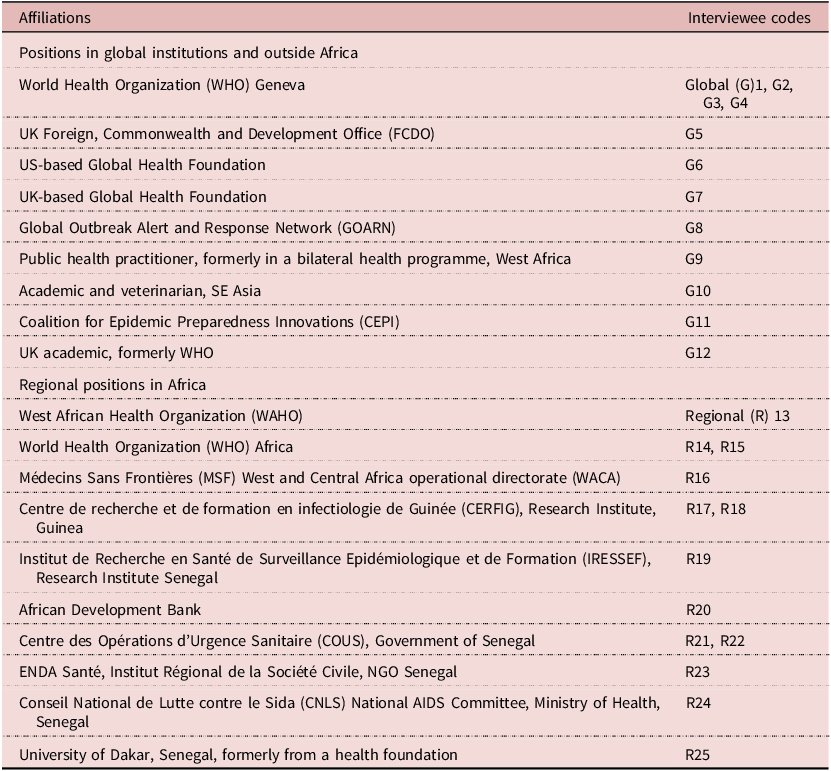

 Open access

