


Natural disasters, such as earthquakes, have profound and far-reaching impacts on individuals and communities, often resulting in significant physical, psychological, and social consequences. The Mediterranean-Alpine-Himalayan earthquake belt, encompassing regions like Türkiye, is particularly prone to seismic activity, with one fifth of the world’s earthquakes occurring there. 1 On February 6, 2023, 2 devastating earthquakes with magnitudes of Mw 7.7 and Mw 7.5 occurred in the southeastern region of Türkiye. These earthquakes, centered in Kahramanmaraş, affected 11 provinces in Türkiye, including Kahramanmaraş, Hatay, Gaziantep, Malatya, Diyarbakır, Kilis, Şanlıurfa, Adıyaman, Osmaniye, Adana, and Elazığ. 2 , 3 This disaster, considered the most devastating of the century, resulted in the loss of thousands of lives and left millions of people grappling with its aftermath.
Disasters of this magnitude have a profound impact on public health, with consequences that extend beyond immediate casualties, often reshaping health priorities in affected regions. In the aftermath of earthquakes, this shift in focus toward controlling contagious diseases may inadvertently sideline the substantial burden of NCDs. Non-communicable diseases (NCDs), including respiratory and cardiovascular diseases, cancer, and diabetes, pose a significant threat to individuals’ health globally. 4 , 5 Despite their significant impact on global mortality, public health priorities often overlook NCDs in the aftermath of disasters. Although infectious diseases have readily available guidelines and strategies, the management of NCDs often faces neglect, resulting in indirect mortality rates as high as 70-90%, primarily due to the exacerbation of life-threatening health issues.Reference Ryan, Green and Franklin 6 The Mediterranean region, located along the western border of Türkiye’s Southeastern region (including Kahramanmaraş, Hatay, and Osmaniye), exemplifies these challenges. This region has a cumulative incidence rate higher than the national average, ranking third in Türkiye for hypertension incidence and holding the highest incidence of diabetes nationwide. 7 Given the high prevalence of chronic diseases in these earthquake-prone regions, it becomes crucial to prioritize NCD management in disaster response planning. Vulnerable populations, such as those with pre-existing NCDs, face unique challenges in the wake of natural disasters. These challenges include disruptions in access to regular medical treatments, damaged health care infrastructure, and shortages of medications, all of which exacerbate the precarious situation for individuals requiring ongoing NCD management.Reference Mokdad, Mensah and Posner 8 –Reference Gorji, Jafari and Heidari 10
Preparedness and planning are paramount in addressing the immediate and medium-term needs of individuals with NCDs during the emergency phase of natural disasters. In developing countries like Türkiye, challenges such as limited awareness, financial constraints, and medication shortages further hinder the effective management of NCDs during disasters.Reference Chan and Kim 11 Disaster response planners and health care professionals must prioritize the specific needs of this vulnerable population to ensure effective and targeted interventions.Reference Ryan, Green and Franklin 6 While the clinical manifestations of NCDs may vary, individuals share common health needs, including maintaining a healthy lifestyle, managing stress, adhering to treatments, controlling weight, undergoing regular health check-ups, and accessing necessary medical devices. Identifying and meeting these needs improves NCD patients’ immediate well-being and reduces disaster, long-term health effects.Reference Erkoç and Yardım 12 –Reference Katzmarzyk, Friedenreich and Shiroma 14
Despite the undeniable importance of understanding the impact of natural disasters on NCDs, there is a dearth of research in this area. This study aims to address this gap by investigating the health needs of individuals with NCDs affected by the February 6, 2023 earthquake in Türkiye, highlighting a critical aspect of disaster preparedness and response. Türkiye lies in an earthquake-prone zone, and this research aims to contribute valuable insights for improving the resilience of individuals with NCDs during such emergencies.
The research questions were as follows:
-
1. What are the health needs of individuals with NCDs who are affected by earthquakes?
-
2. How do earthquakes impact access to treatment, hospital, NCD-specific nutrition, and social support for individuals with NCDs?
-
3. According to the decision tree analysis, what are the probabilities of access to treatment, hospitalization, and social support for individuals with NCDs following an earthquake, based on their specific disease diagnosis?
-
4. What are the average post-earthquake blood glucose levels of individuals with diabetes, and the average blood pressure levels of individuals with hypertension?
Methods
Study Design
The research was conducted with a descriptive and cross-sectional design.
Sample size calculation
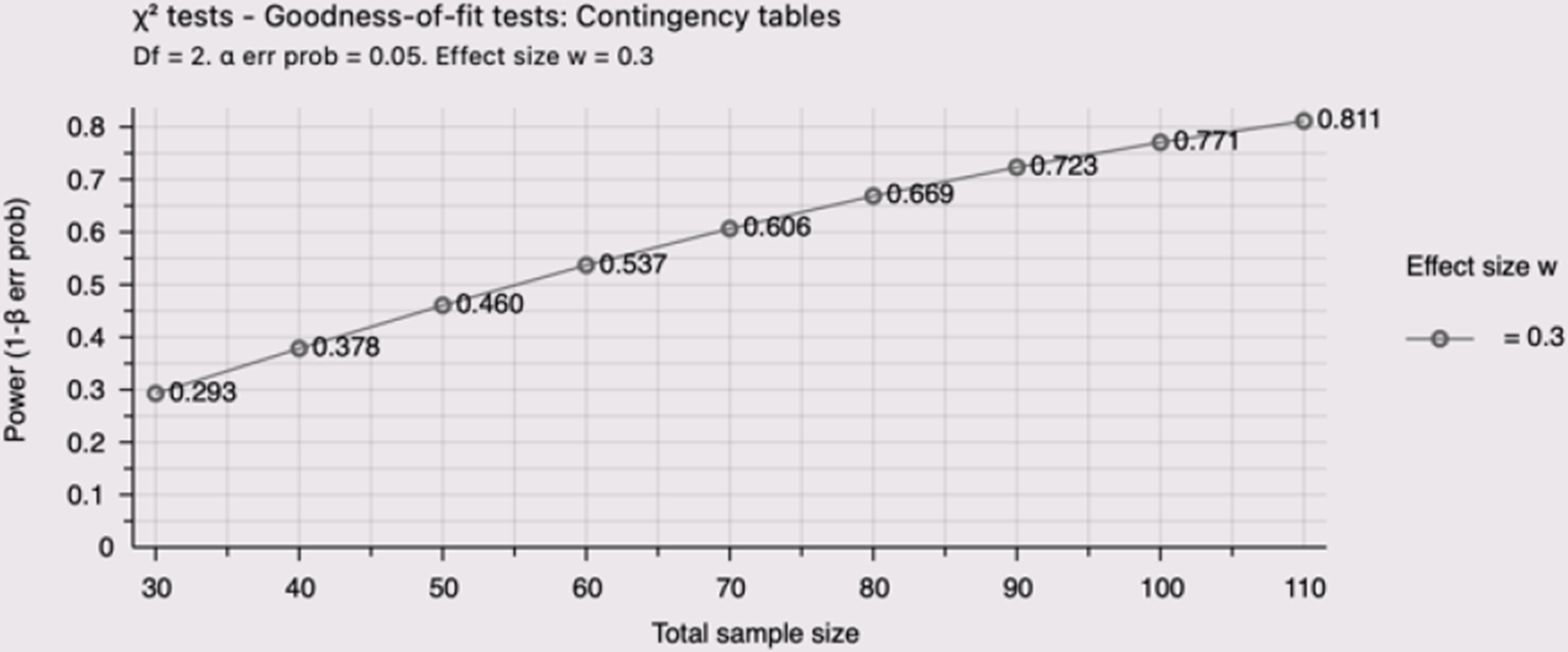
The research encompassed adult individuals affected by the earthquake residing in Kahramanmaras, Hatay, and Osmaniye provinces. Statistical power analysis was conducted to determine the required sample size for the study. G*Power software was employed to calculate power values for various sample sizes while maintaining 95% confidence level (P<0.05). Because the independence test will be applied between categorical data with a 2x3 table in the study, the Cohen-w medium effect size (w = 0.30) was taken as the basis for the chi-square independence test.
According to the power values calculated based on the effect size, if at least 110 observations are used in this study, a test power of approximately 81.1% is reached. Because the sample size used in the study was above 80%, it was found to be statistically sufficient. Figure 1 shows the graph of power values according to the number of samples. As an additional verification, a separate sample size calculation was performed using the formula n = z² * p(1 – p) / d² , where z = 1.96, p = 0.50, and d = 0.07.Reference Arya, Antonisamy and Kumar 15 This calculation indicated a required sample size of at least 196. The actual sample size exceeded this threshold as well, providing further confirmation that the chosen sample size was statistically sufficient.
Power values for different sample sizes.
Due to many roads being closed or unsafe following the earthquake, significant logistical challenges arose during the data collection process. Among the 11 affected provinces, the greatest destruction occurred in Kahramanmaraş and Hatay, which were therefore included in the study. Given the 10-day timeframe allocated for data collection and the focus on identifying needs in the early phase of the disaster, Osmaniye—a nearby city—was also included. As a result, the study was limited to 3 cities: Kahramanmaraş, Hatay, and Osmaniye.
The inclusion criteria were being 18 years of age or older, volunteering to participate in the study, Turkish as their mother tongue, and having an NCD. The exclusion criterion was not being in the region during the earthquakes, while the removal criterion was incomplete/incorrect responses to the data collection tools. All adults who agreed to participate in the study and met the inclusion criteria were included in the sample. A total of 246 individuals with NCDs living in tent cities and affected by the earthquakes were reached.
Measurements
The data were collected using a descriptive information form and a health needs information form developed by the researchers based on the literature. Additionally, field researchers measured participants’ blood pressure, pulse rate, and blood glucose levels.
Descriptive Information Form. This consists of questions about age, gender, body mass index, marital status, income status, smoking status, disease diagnosis, the status of their home and loss to determine the current situation regarding the disaster.Reference Karayurt, Dicle and Malak 16 –Reference Schnall, Roth and Ekpo 19
Health Needs Information Form. This consists of questions about the use of medication, access to treatment, access to hospital, NCD-specific nutrition, and meeting needs for social support before and after the earthquake. There is also an open-ended question where participants can identify more than 1 health need after the earthquake.Reference Ryan, Green and Franklin 6 , Reference Schnall, Roth and Ekpo 19 –Reference Ghazanchaei, Allahbakhshi and Khorasani-Zavareh 21
Characteristics and Functions of Tent Cities
The earthquakes that struck Kahramanmaraş on February 6, 2023, directly affected 11 provinces, comprising 16.4% of Türkiye’s population. These devastating events resulted in the loss of over 48 000 lives, the destruction or severe damage of more than half a million buildings, and significant material losses. 22 To accommodate survivors, authorities constructed a total of 345 tent cities and 305 container cities, providing shelter for approximately 3 million people. However, due to the limited availability of container cities in the disaster area during the research period, this study was conducted in tent cities. To meet basic hygiene needs in these shelter areas, mobile shower and toilet containers were provided. 23
The Disaster and Emergency Management Authority (AFAD) coordinated the disaster response process within the framework of the 2014-prepared Türkiye Disaster Response Plan. The Turkish Red Crescent, AFAD, the Ministry of National Defense, the General Command of Gendarmerie, and non-governmental organizations provided mobile kitchens in the earthquake region to address nutritional needs. Field hospitals, medical tents, pharmacies, and emergency response units established in tent cities provided health care services, replacing the damaged hospitals. 22
Implementation of the Study
The research data were collected face-to-face in the tent city by 3 field researchers between February 22, 2023 and March 4, 2023. Interviews were conducted with individuals between 8:00 and 22:00. In addition to being the first team to measure the vital signs of the participants, the researchers also offered emotional support, creating opportunities for participants to share their feelings and experiences. During the data collection process, additional explanations were provided in simplified terms to accommodate the low education levels of a significant portion of the earthquake survivors.
NCD-affected individuals who wanted to voluntarily participate in the study were informed about the purpose and scope of the study, and a voluntary consent form was obtained. Blood glucose and blood pressure were measured before administering the questionnaire to the participants. To ensure the reliability of blood pressure measurements, individuals were allowed to rest for about 10 minutes, and the measurements were taken while the participants were in a sitting position. An electronic device was used for blood pressure and pulse rate measurements from the upper arm.
Blood glucose measurements were performed using single-use lancets and strips, each assigned to an individual. Used strips were discarded in medical waste bins, and lancets were disposed of in sharps waste bins in health tents daily, following standard sharps waste procedures. To ensure the reliability of blood glucose measurement, the first drop of blood after finger pricking was wiped with cotton wool, and the measurement was made with the second drop of blood. Blood glucose levels were recorded as random blood glucose (RBG), as standardized fasting or postprandial conditions could not be ensured under field conditions. The application time for the data collection tools was approximately 20-25 minutes.
Statistical Analysis
Descriptive statistical techniques, categorical relationship tests, dependent ratio comparison tests, and decision tree algorithms were used in the analysis phase. McNemar’s test was applied for comparing 2 ratios within dependent groups. The classification and regression trees (CART) algorithm was employed for the decision tree analysis.Reference Timofeev 24 , Reference Song and Ying 25 A margin of error of 5% was used to interpret the research results. The analysis was performed using IBM SPSS Statistics 28 and the R-Project software. 26 , 27
Ethical Considerations
Ethics committee approval (2023-64) was obtained from the Ankara Yıldırım Beyazıt University Health Sciences Ethics Committee. Additionally, official authorization was granted by the relevant institution to conduct the study in the earthquake-affected region. Participation in the study was voluntary, and informed consent was obtained from all adult participants.
Results
Among the earthquake survivors included in the study, 49.19% were living in tent cities in Kahramanmaraş, 25.61% in Hatay, and 25.20% in Osmaniye. The average age of participants was 54.58±13.07 years. Of the participants, 71 individuals were smokers, and 87.32% of them reported an increase in cigarette consumption following the earthquake. Non-communicable diseases among survivors include hypertension (34.87%), diabetes (27.95%), asthma (14.12%), as indicated in Table 1.
Socio-demographic characteristics of individuals with participants (n = 246)

* NCDs such as chronic obstructive pulmonary disease, epilepsy, rheumatoid arthritis, cancer, multiple sclerosis
** There were participants with multiple NCDs.
Table 2 presents the comparative results about specific issues experienced by participants with NCDs before and after the earthquake in the study. Statistical analysis revealed a significant increase (P<0.05) in the proportion of participants unable to meet their medication needs, access hospitals, maintain NCD-specific nutrition, and receive adequate social support after the earthquake compared to the pre-earthquake period. The most substantial increase was observed in challenges related to NCD-specific nutrition.
Comparison of pre- and post-earthquake conditions for participants care needs (n = 246)
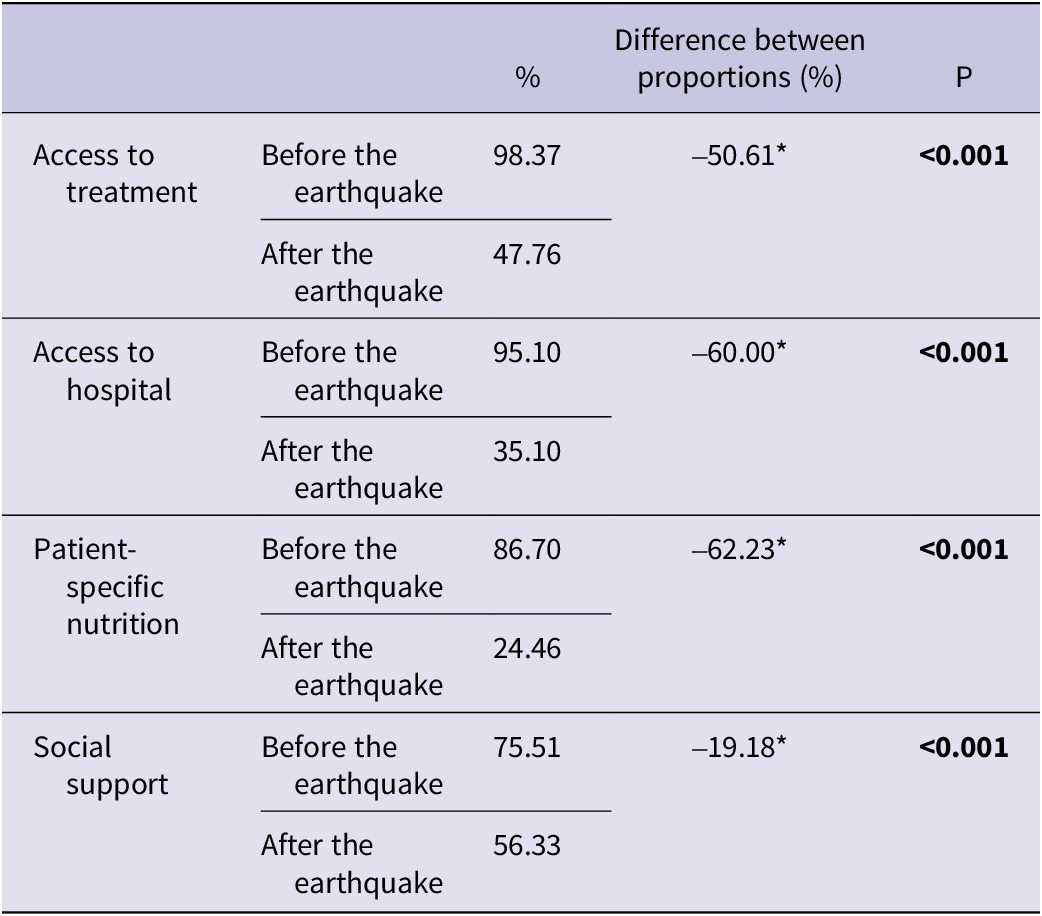
* McNemar test was applied for dependent proportion comparisons.
Table 3 shows the average blood pressure/RBG values of individuals affected by the earthquake with diabetes/hypertension diagnosis, based on their medication usage status. Among individuals with diabetes, those who did not take their medication after the earthquake exhibited higher average blood glucose levels compared to those who missed doses, while individuals who missed doses had higher levels compared to those who regularly adhered to their medication regimen. Similarly, among individuals with hypertension, those who did not take their medication after the earthquake had higher average systolic blood pressure values compared to those who missed doses, and those who missed doses had higher levels compared to those who consistently took their medication.
Blood pressure/RBG values of participants with diabetes/hypertension diagnosis, according to medication usage status

Descriptive statistics are provided as Mean ± Standard Deviation and Median (Minimum-Maximum).
Table 4 presents the percentage distribution of health needs among participants with NCDs. Participants with hypertension and diabetes demonstrated a greater need for healthy nutrition, while those with asthma exhibited a higher need for clean air.
Health needs of participants based on NCD diagnosis*
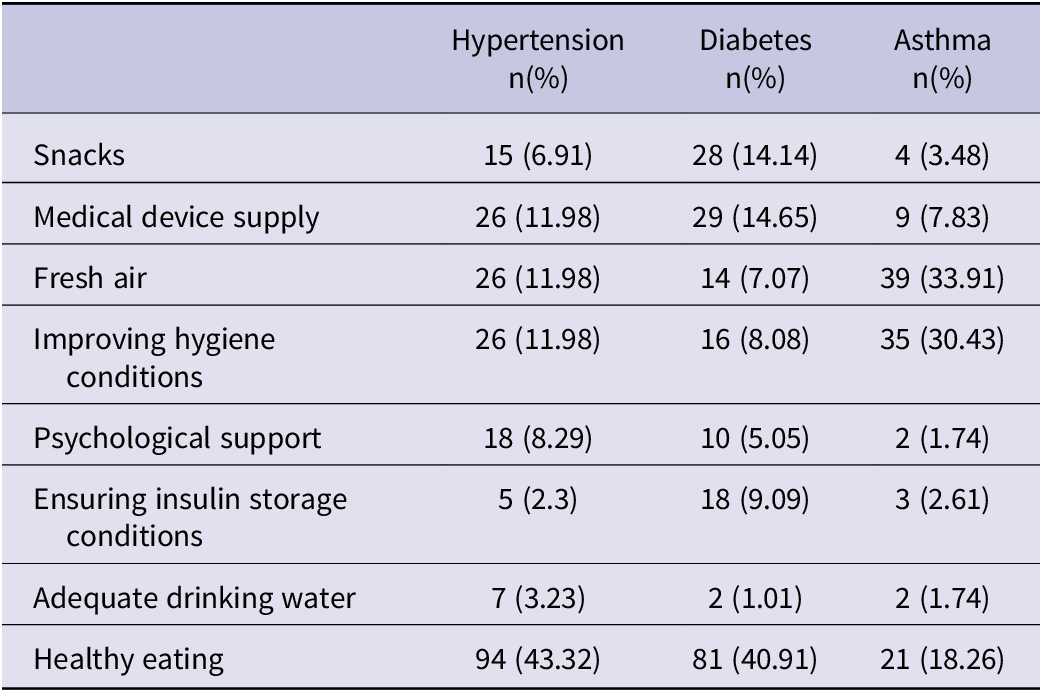
* Participants with NCDs reported multiple health needs
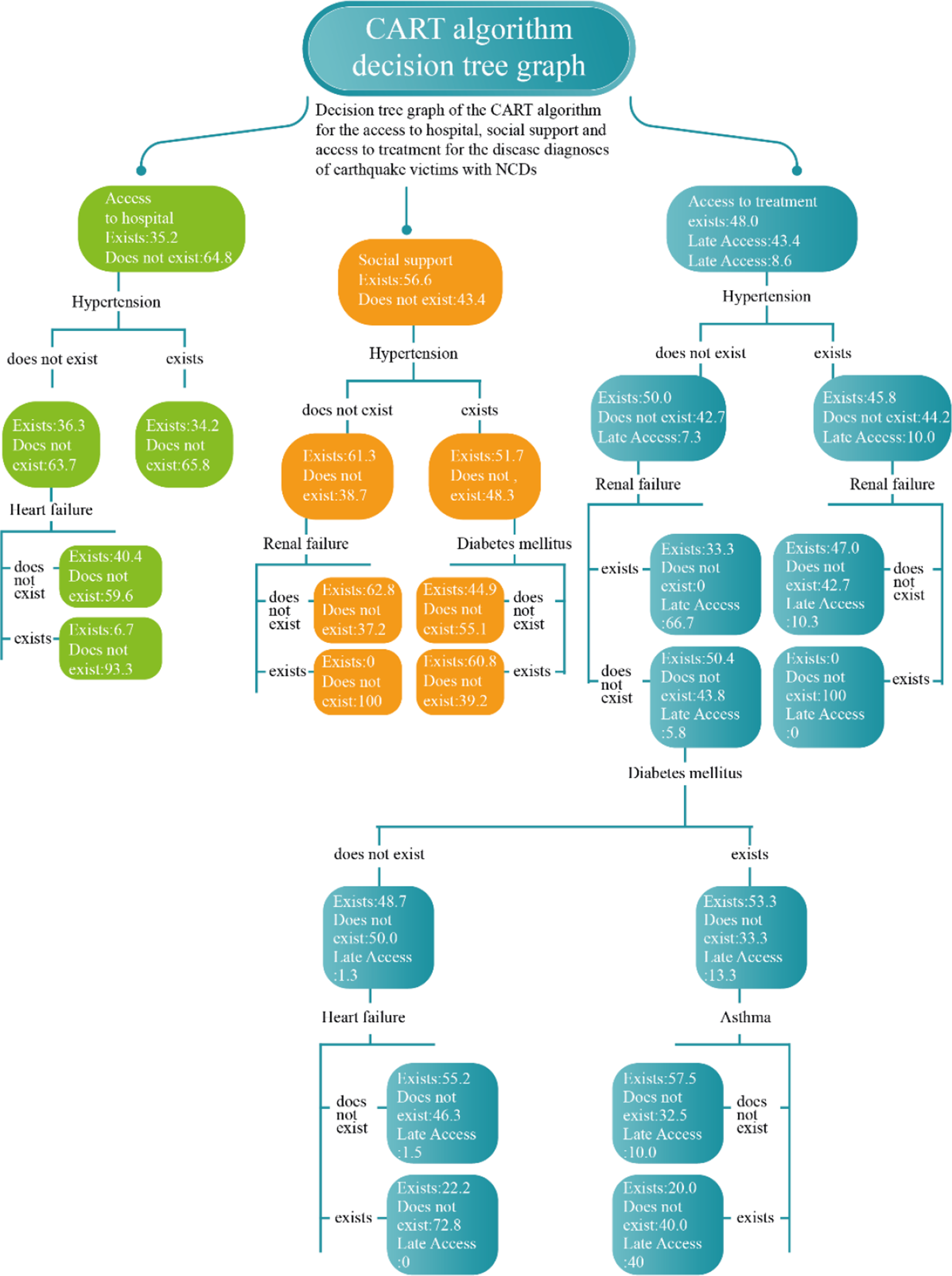
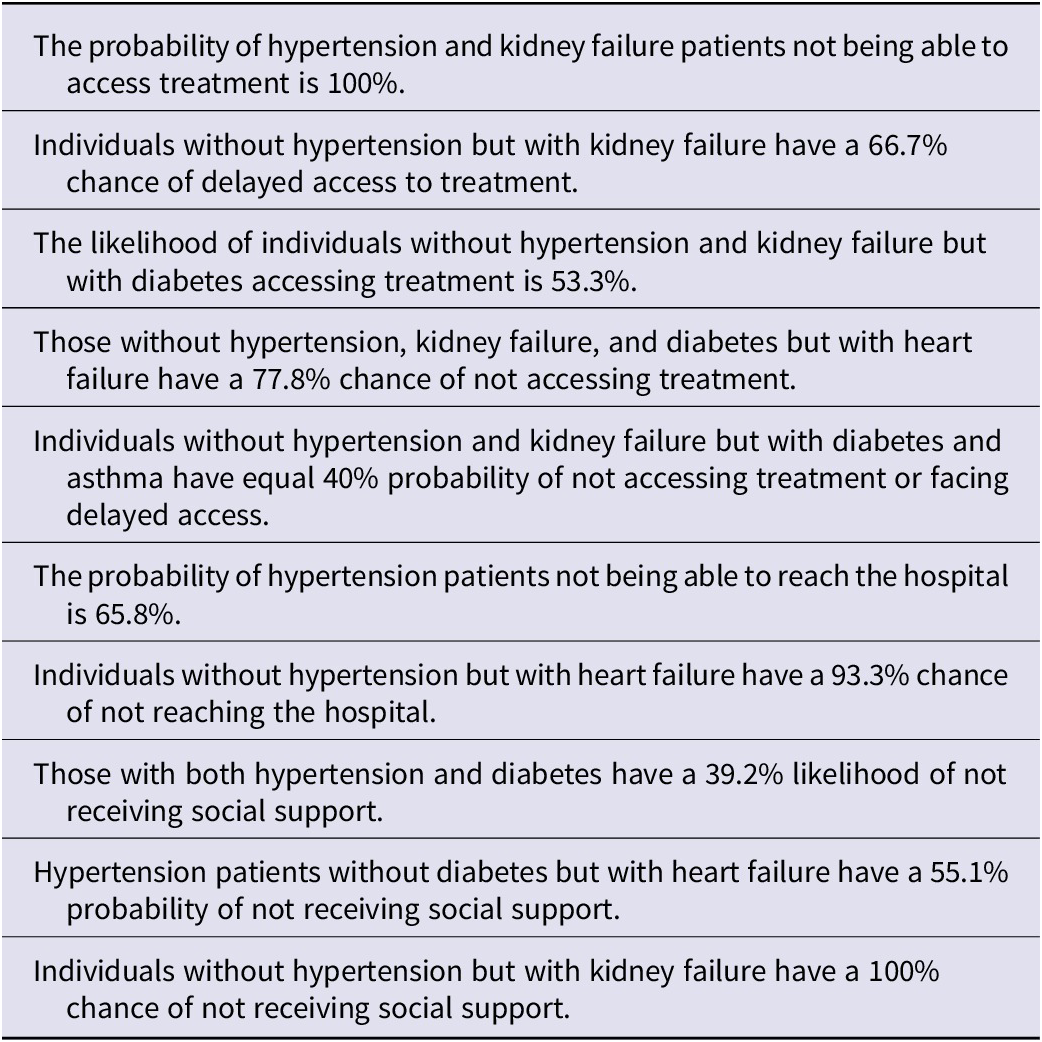
Figure 2 illustrates the decision tree graph developed to elucidate the factors influencing access to treatment, hospital care, and social support among individuals with NCDs in the aftermath of the earthquake. The decision tree achieved classification accuracies of 52% for access to treatment, 60.7% for social support, and 64.8% for access to hospital care. The following rules were derived from the decision tree graph (Table 5).
CART algorithm according to the needs of NCDs.
Rules obtained from the decision tree graph
Discussion
This study aimed to determine the health needs of earthquake-affected individuals with NCDs. More than 80% of premature deaths worldwide are caused by cardiovascular diseases, cancers, chronic respiratory diseases, and diabetes mellitus. 28 , 29 In this study findings, 34.87% of the participants had hypertension, 27.95% had diabetes mellitus, 14.12% had asthma, and 6.92% had heart failure. According to the results of a study conducted in a tent city after the 1999 Gölcük earthquake in Türkiye, hypertension, chronic obstructive pulmonary disease, heart disease, and diabetes mellitus were the most common non-communicable diseases among individuals.Reference Karayurt, Dicle and Malak 16 Establishing robust disease surveillance systems to monitor the type, burden, and distribution of diseases is crucial for effectively addressing the needs of individuals with NCDs.Reference Schnall, Roth and Ekpo 19
In stressful situations such as earthquakes, individuals’ health behaviors may change significantly. According to the findings of this study, the frequency of smoking increased substantially after the earthquake. Similarly, the results of a study conducted by Osaki et al. (2020) indicate that smoking behavior increased following a disaster and did not return to pre-disaster levels even 3 years later.Reference Osaki, Maesato and Minobe 18 Factors contributing to the rise in smoking post-disaster include the destruction or damage of homes, living in temporary shelters such as tent cities, being female, and experiencing job loss due to the disaster.Reference Koyama, Tabuchi and Aida 17 –Reference Osaki, Maesato and Minobe 18
In this study, unmet needs for medication, access to treatment, NCD-specific nutrition, and social support were found to have increased significantly after the earthquake compared to before the earthquake (P<0.05) (Table 2). Individuals with NCDs often require hospitalization for medical care, regular physician check-ups, drug prescriptions, and ongoing monitoring of their clinical condition.Reference Srivatsa, Ekambaram and Saint Phard 30 According to the findings of this study, 64.90% of earthquake victims could not reach the hospital after the earthquake. Similar results to these findings can be found in the literature.Reference Schnall, Roth and Ekpo 19 , Reference Alcorn 31 , Reference Woersching and Snyder 32 In Kahramanmaraş and Hatay, where most of the data were collected, it is believed that individuals with NCDs faced difficulties accessing hospitals due to widespread destruction, severe damage to infrastructure, limited access to health facilities, the lack of safe routes, and road closures caused by the earthquake.
Access to healthy food options and proper nutrition is critical for conservative management of common NCDs, such as diabetes and cardiovascular disease.Reference Ryan, Green and Franklin 6 , Reference Kishimoto and Noda 33 In this study, 40.91% of individuals with diabetes and 43.32% of people with hypertension indicated they needed a healthy diet (Table 4). Existing evidence suggests that the nutritional needs of individuals with NCDs often remain unmet after natural disasters.Reference Dunne-Sosa and Cotter 20 , Reference Ghazanchaei, Allahbakhshi and Khorasani-Zavareh 21 , Reference Colón-Ramos, Roess and Robien 34 Addressing NCD-specific nutrition should be regarded as a priority to support individuals in maintaining healthy lifestyle behaviors and effectively managing their diseases.
In this study, more than half of the participants were unable to access their medication or experienced delays in taking their medication after the earthquake (Table 2). Existing studies have shown that individuals with NCDs encounter difficulties in accessing medication after natural disasters.Reference Schnall, Roth and Ekpo 19 , Reference Ghazanchaei, Allahbakhshi and Khorasani-Zavareh 21 , Reference Allweiss 35 For instance, a study by Schnall et al. (2019), conducted in the US after a natural disaster, found that more than half of the individuals seeking medical assistance were diabetes patients who faced significant challenges in accessing insulin.Reference Schnall, Roth and Ekpo 19 According to the results of this study’s CART algorithm, individuals with hypertension, chronic kidney disease, diabetes, heart failure, and asthma are at risk of not accessing treatment promptly or experiencing delayed access. Access to medicines for individuals with NCDs during disasters is believed to be crucial for disease management. These challenges are believed to stem from reasons such as medications being trapped under rubble, difficulties in reaching hospitals to obtain prescriptions, limited access to pharmacies, damage to health care facilities, and the lack of safe transportation routes. This study also identified that one of the critical health needs of individuals with diabetes was ensuring appropriate insulin storage conditions (Table 4). Infrastructural damage and destruction in the aftermath of natural disasters complicate the supply and safe storage of essential medications, such as insulin.Reference Schnall, Roth and Ekpo 19
Individuals with cardiovascular disease need to have access to hospitals for disease control and treatment.Reference Ramani, Uber and Mehra 36 Studies have shown that hospital admissions for individuals with cardiovascular disease increased significantly following the Great East Japan Earthquake.Reference Aoki, Takahashi and Fukumoto 37 According to the CART algorithm results of this study, patients with hypertension and heart failure had high probability of not reaching the hospital. Patients with renal failure, diabetes, heart failure, and asthma are more likely to face difficulties in accessing treatment or experience delays (Figure 2; Table 5). These findings align with previous research examining the treatment management of individuals with NCDs in disasters. The findings indicate that such events can disrupt treatment management and general care, potentially leading to disease exacerbation and an increased risk of mortality.Reference Ryan, Green and Franklin 6 A study investigating the health needs of individuals with NCDs after the Hanshin earthquake reported that obtaining adequate supplies of medicines and ensuring proper medication intake were the primary health needs of patients.Reference Mori, Ugai and Nonami 38 Access to medication for individuals with NCDs during disasters is crucial for managing the clinical course of their diseases.
Individuals with conditions like diabetes and hypertension living in temporary shelters like tent cities after natural disasters may experience higher blood pressure and blood glucose levels compared to their normal ranges.Reference Kishimoto and Noda 33 , Reference Nishizawa, Hoshide and Shimpo 39 In this study, individuals with diabetes had average post-earthquake RGB levels of 232.47±114.87, while those with hypertension had average systolic and diastolic blood pressure of 148.84±28.76 and 84.96±17.06, respectively. After an earthquake in the USA, 21% of hospital visits were related to blood glucose and 18.5% to blood pressure control.Reference Schnall, Roth and Ekpo 19 Similarly, after an earthquake in China, 43.4% of individuals were found to have elevated blood pressure levels.Reference Hung, Lam and Chan 40 After the Nepal earthquake, 22% of individuals had high blood pressure measurements, and 5% had abnormal blood glucose levels.Reference Adrega, Ribeiro and Santos 41 The increased stress from aftershocks, emotional toll of losses, changes in dietary habits, sitting on the ground in tent cities, and a sedentary lifestyle could contribute to higher blood pressure and blood glucose levels among individuals with NCDs living in tent cities. Additionally, as shown in Table 3, blood glucose levels for diabetes patients and blood pressure levels for hypertension patients increased when medications were not taken. It is evident that medication accessibility and usage can influence blood pressure and glucose values (Table 3). Accessing essential medicines, hospitals, medical devices, and disease-specific foods for disease management proved difficult, with delays or inaccessibility affecting many.
According to this study findings, clean air and safe shelter are critical post-earthquake health needs for individuals with diabetes, hypertension, and especially asthma (Table 4). Following the 2015 Nepal earthquake, worsened air pollution was reported to have significant adverse health effects on individuals with NCDs and the general population.Reference Uprety, Ozaki and Higuchi 42 Providing clean living environments with minimal air pollution is an essential public health priority for individuals with NCDs, particularly those with asthma.
Another essential health care need highlighted by individuals with NCDs in this study is access to necessary medical devices (Table 4). Reported that individuals with NCDs required oxygen tanks for respiratory diseases and glucose meters for diabetes management.Reference Ghazanchaei, Allahbakhshi and Khorasani-Zavareh 21 Challenges such as medical devices being trapped under debris, inaccessible or damaged homes, and economic barriers to accessing pharmacies could hinder access to these critical medical devices.
Strengths and Limitations
This study is one of the first to address the critical health needs of individuals with NCDs in a post-earthquake setting, reminding many patients of their chronic conditions, with numerous participants having their blood pressure and blood glucose levels measured for the first time since the disaster. However, this study has several limitations. The lack of pre-earthquake measurements limits the ability to make comparisons to pre-disaster values. Conducted in only 3 provinces (Kahramanmaraş, Hatay, and Osmaniye), the study may not fully reflect the health needs across all affected regions. Additionally, the 10-day data collection period restricted the findings to short-term needs, excluding long-term impacts. Logistical challenges, such as road damage and unsafe conditions, further limited access to severely impacted areas, potentially excluding the most vulnerable populations.
Conclusion
In conclusion, hypertension, diabetes, and asthma were the most prevalent diseases among individuals with NCDs affected by the earthquake, who faced significant challenges in accessing medications, hospitals, medical devices, and disease-specific nutrition. Key health needs, including healthy nutrition, access to medical devices, clean air, and improved hygiene, were identified as critical concerns. Strategic planning is essential in the aftermath of natural disasters, with measures such as maintaining comprehensive health records and conducting health screenings in temporary shelters to address these needs effectively. While this study highlights immediate post-disaster health priorities, future research should explore the evolving long-term challenges faced by individuals with NCDs to guide sustainable health care interventions. Individuals with conditions like renal failure and diabetes mellitus, who are at greater risk of delayed or limited access to care, should be prioritized through proactive strategies. Governments and health organizations should implement systems to ensure early access to essential resources, such as medications, medical devices, and nutritional support, within temporary shelters to mitigate the health impacts of disasters on vulnerable populations.
Author contribution
Conception and Design: T.B., A.A., P.K., E.D., S.A.A; Data Collection T.B., A.A., P.K; Data Analysis: E.D; Drafting of the article: T.B., A.A., P.K., E.D; Critical revision of the article: T.B., P.K.; All authors have read and approved the manuscript.
Acknowledgements
The researchers thank the adults who participated in the study and the Scientific and Technical Research Council of Türkiye (TUBITAK) for providing financial support.
Funding statement
This research was financially supported by the Scientific and Technical Research Council of Türkiye (TUBITAK) under the 1002-C Natural Disasters Focused Field Study Emergency Support Programme (Project no: 123D089).
There is no conflict of interest between the authors in this article.


 Open access

