

Introduction
Globalization refers to a multidimensional set of social processes that create, multiply, stretch, and intensify worldwide social interdependencies and exchanges while at the same time fostering in people a growing awareness of deepening connections between the local and the global.
Although globalization emerged as a way of describing the conditions and processes shaping the world in the late twentieth century, over the last fifteen years there has been a marked increase in its application to the study of the premodern world. Though rarely operating at anything like a global scale, the concept of globalization is gaining currency in archaeological contexts, as a framework for exploring large-scale interactive processes attested in the archaeological record and a means of dissolving some of the boundaries between the ancient and modern worlds. Though it has been applied most successfully in the study of classical antiquity, its use has also been extended into earlier periods. However, with more limited material evidence and lower chronological resolution, it is important to consider what we mean by globalization in prehistory and at what stage it ceases to be a useful way to describe the patterns of the past.
This chapter examines some of these issues within a general discussion of early ceramic vessel technology in northern Eurasia. It considers how changing archaeological attitudes, absolute dating and the modern globalization of knowledge have enabled us to break away from conventional assumptions about technological development, allowing us to recognize a clear association between early ceramics and hunter-gatherers in many parts of the world. Various chronological patterns in the distribution of early ceramics will be presented alongside the alternative models of invention and dispersal that have been used to explain them. Drawing more explicitly on the archaeological evidence, some of these patterns will be examined in more detail. This discussion will allow us to question assumed relationships between ceramics and sedentarization, recognize variety in the modes of transmission and explore various lines of evidence which seem to indicate longue durée interconnectivity among Eurasian hunter-gatherer communities at various scales. Ultimately, this chapter sets out to ask whether it is meaningful to speak of globalization in this context; whether globalization presents a viable alternative to well-worn debates about migration, diffusion and independent development, or just a meretricious application of contemporary conditions onto the problems of prehistory.
Throughout this review, pottery is used to describe portable ceramic containers or vessels as distinct from ceramic figurines, hearth structures and other uses of fired or baked clay. All dates presented are given as calendar years bc, calibrated using OxCal 4.2 and the IntCal13 curve, rounded to the nearest 100 years (Bronk Ramsey Reference Bronk Ramsey2009; Reimer et al. Reference Reimer, Bard, Bayliss, Beck, Blackwell, Bronk Ramsey, Grootes, Guilderson, Haflidason, Hajdas, Hattž, Heaton, Hoffmann, Hogg, Hughen, Kaiser, Kromer, Manning, Niu, Reimer, Richards, Scott, Southon, Staff, Turney and Plicht2013).
Globalization and Great Divides
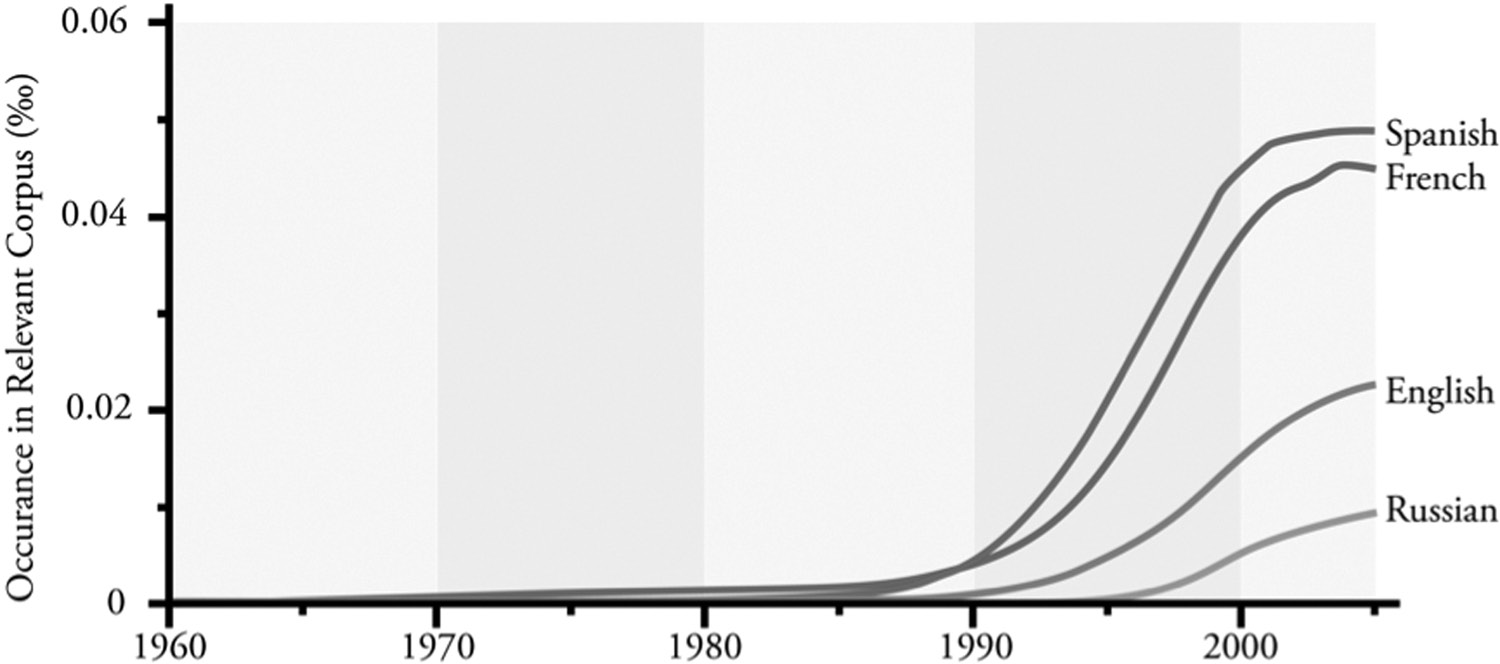
As a way of describing both the process and the results of increasing connective fluidity between different regions, the emergence of global economic structures, the simultaneous homogenization and hybridization of cultures worldwide, and a range of other phenomena, globalization has seen an exponential increase in usage since its first appearance in the literature (Gopinath Reference Gopinath2008) (Fig. 1.1). Emerging from business studies in the early 1970s, its value as framework for socio-historical research was quickly recognized and its use extended into the past. With typical Eurocentric self-interest, the main streams of discussion remained focused on the rise of Western political economies and ‘modernity’, from the sixteenth century onwards, and the socio-political transformations arising from global geopolitical upheavals, the rapid development of communication and new transport technologies, during the twentieth century (Mignolo Reference Mignolo, Jameson and Miyoshi1998; Pieterse Reference Pieterse2003). However, there has been a growing call to explore these transformations in a wider context, especially from the historical disciplines and social sciences (including archaeology), where many of the themes and characteristics of modern globalization have found resonance in the study of the past.
Ngram showing the usage of ‘globalization’, or equivalent terms, in the global literature (English, French, Spanish, Russian).
Combined with existing theoretical frameworks and approaches to the study of cross-cultural contact, connectivity and world-systems, the discussion of globalization in the pre-modern, proto- and pre-historic world has become an increasingly important theme over the last fifteen years (e.g. Geraghty Reference Geraghty2007; Hingley Reference Hingley2005; Jennings Reference Jennings2010; Jones et al. Reference Jones, Hunt, Lightfoot, Lister, Liu and Motuzaite-Matuzeviciute2011; Kohl Reference Kohl2008; Sherratt Reference Sherratt, Dever and Gitin2003). Researchers have drawn attention to an insidious separation of ancient and modern in traditional approaches to the past – so unobtrusive and entrenched in our minds that it is easily overlooked, even when we feel we hold it firmly in our gaze (Jennings Reference Jennings2010, 4–5). Advocates of the wider study of globalization or, more recently, globalizations, tend to agree that removing this divide has considerable advantages, but there is little consensus about how this should be achieved.
One approach highlights the fact that many of the institutions, ideas and behaviours traditionally associated with modernity, including globalization, are part of long-term processes stretching back into prehistory (Pieterse Reference Pieterse2012). It specifically emphasizes the importance of interaction as an almost universal condition in human society, explicitly undermining the idea of Europe as a ‘unique or privileged site of dynamism and progress’ (Bentley Reference Bentley, Gills and Thompson2006, 29). Yet, many studies undertaken within this rubric continue to use socio-evolutionary language to the opposite effect, maintaining the locus of ‘real’ globalization within modernity and reserving for earlier historical and prehistoric periods only the archaic, incipient or prototypical forms of ‘globalization-lite’ (Jennings Reference Jennings2010, 142, original emphasis).
Other approaches adopt more restricted definitions of globalization, based on widely accepted models from modernity, which are then considered against the evidence of the archaeological past. These have allowed the existence of a more narrowly defined globalization in antiquity to be recognized and have increasingly emphasized the plurality of this process and its variable character; similar conclusions have also been put forward by several proponents of the former approach (Hingley Reference Hingley2005; Jennings Reference Jennings2010). In both cases, perhaps because of the rich evidence of interaction and comparatively tight chronological resolution that they offer, the main focus has fixed upon the imperial powers of classical antiquity and the activities of early cities and states. The interest in extending the study of globalization further into prehistory, beyond the emergence of an agricultural way of life, seems to vanish, and where it is maintained, it generally ceases to be a way of refocusing current debate at anything other than a ‘planetary’ scale (e.g. Spier Reference Spier2010). As a result, globalization has shifted its point of origin, yet continues to mark one of the great divides in human prehistory, if not between modern and ancient, then between forager and farmer. In this respect, globalization and pottery appear to have something in common.
A Potted History: Ceramic Vessels, Hunter-gatherers and Archaeological Discourse
The almost universal presence of ceramic vessels in human societies worldwide has had a profound impact on expectations of their significance for our understanding of the past. Ceramic, the first truly artificial material, seems to create a direct material connection between past and present that has rarely been overlooked. Its origins were a focus of interest long before the emergence of archaeology as a discipline, though many early thinkers seemed incapable of imagining a meaningful world without it (Plato Reference Plato2008, 56). Out of this long history of conjectural inquiry, the relationship between technological development and socio-economic change was given an increasingly important place in the comparative ethnologies of the Enlightenment (Voget Reference Voget1968).
Towards the end of the nineteenth century, these general discussions crystallized into explicit, progressive schemes for prehistory in which pottery was used as marker of a change (Pluciennik Reference Pluciennik2005). For Lewis Henry Morgan (Reference Morgan1877), pottery defined a somewhat arbitrary boundary between Savagery and Barbarism, for Sir John Lubbock (Reference Lubbock and Lubbock1890) it marked the beginning of the Neolithic Age connected, from the outset, with domestication and the origin of an agricultural way of life. Influenced more strongly by the latter, European archaeology espoused this agricultural connection and began to weave a narrative around it, supported by evidence from an increasing number of excavations in Europe and the Near East.
That agriculture in the Near East was subsequently shown to be an earlier development only enhanced pottery’s prestige as ‘the first of the new domestic arts … of obvious convenience to the housewife, but equally obviously an encumbrance to the nomad’ (Kenyon Reference Kenyon1956, 185). Outside the areas where they were thought to be invented, ceramic vessels, cultivated crops and animal husbandry became inextricable, bound into a single package and discussed in terms of inevitable transmission and revolutionary change (Childe Reference Childe1936, 40). Emerging evidence of pottery in northwest Europe and Scandinavia, apparently among non-agricultural communities, was effectively dismissed by all but the most thoughtful archaeologists. Such examples were treated simply as representation of contact across an expanding agricultural frontier, the passive adoption of one part of a package, which would inevitably be followed by its other elements and the light of a new agricultural age (Pluciennik Reference Pluciennik2005). It is easy to see why many seeking globalization in the past have been tempted to identify this process of agricultural ‘Neolithization’ as its ‘first wave’ (Diamond Reference Diamond2003).
Archaeologists working within the Soviet Union and other communist states were theoretically more open to pre-agricultural pottery. Following L. H. Morgan’s earlier scheme, Engels’s (Reference Engels1884) vision of prehistoric development, enshrined as official doctrine by the state, saw pottery and agriculture as part of the same process, but predicted that the former would be the earlier development (Jordan and Zvelebil Reference Jordan, Zvelebil, Jordan and Zvelebil2009, 48). Consequently, pottery rather than agriculture became (and still remains) the defining feature of the Neolithic Age across northern and eastern Eurasia. Encounters with surviving ‘manifestations of … “full blown” Neolithic [societies]’ (Michael Reference Michael1958, 25) during the centuries of Imperial expansion, suggested to many that this Neolithic without farming was a relatively recent phenomenon. In deference to the powerful developmental narrative emerging from Europe and the Near East, it was seen as derivative and dated accordingly (Michael Reference Michael1958; Sulimirski Reference Sulimirski1970). The implication was clear: hunter-gatherers could make and use pottery, but only once it had been invented by more progressive agriculturalists.
Only with the emergence of absolute radiometric dating techniques in the mid-twentieth century did it become possible for archaeologists to break free of these established relative chronologies and recognize a variety of unacknowledged patterns in world prehistory. Initially, the separation between the onset of agriculture and the emergence of pottery was reinforced in Western Asia; the former was pushed back into the early Holocene, the latter fixed in the eighth and seventh millennia bc (Kenyon Reference Kenyon1956). However, early programmes of absolute dating at the other end of the continent, in the Japanese archipelago, revealed something far more surprising: the appearance of pottery in late Pleistocene layers associated the material culture of Upper Palaeolithic hunter-gatherers (Serizawa Reference Serizawa1979). Even today, with our increased awareness of low-level production strategies among hunter-gatherers, these dates are thousands of years earlier than the earliest evidence of plant or animal husbandry in Japan (Crawford Reference Crawford2011).
Although dates from sites like Fukui Cave (Serizawa Reference Serizawa1979) were initially contested, they were soon supported by radiocarbon measurements from sites across Japan and successfully reinforced by the application of a range of independent dating techniques (Habu Reference Habu2004). However, in the absence of comparable material from the Asian mainland, the relevance of these finds to the wider prehistory of Eurasia remained ‘very difficult to study’ (Chard Reference Chard1974: 111). With the opening of the Iron Curtain and the mounting pace of archaeological research over the last twenty years, this task has become easier, and it is increasingly clear that the situation in Japan is far from unique. Similar and even older dates have now been published from a variety of sites on the East Asian mainland. Even if we put the currently contested1 series of dates from the site of Xianrendong (cf. Kuzmin Reference Kuzmin2013 and Wu et al. Reference Wu, Zhang, Goldberg, Cohen, Pan, Arpin and Bar-Yosef2012), we can now push the beginning of our long relationship with pottery back to at least 14,600 bc, and probably very much earlier (Boaretto et al. Reference Boaretto, Wu, Yuan, Bar-Yosef, Chu, Pan and Gu2009).
Coarse Chronology for the Old World
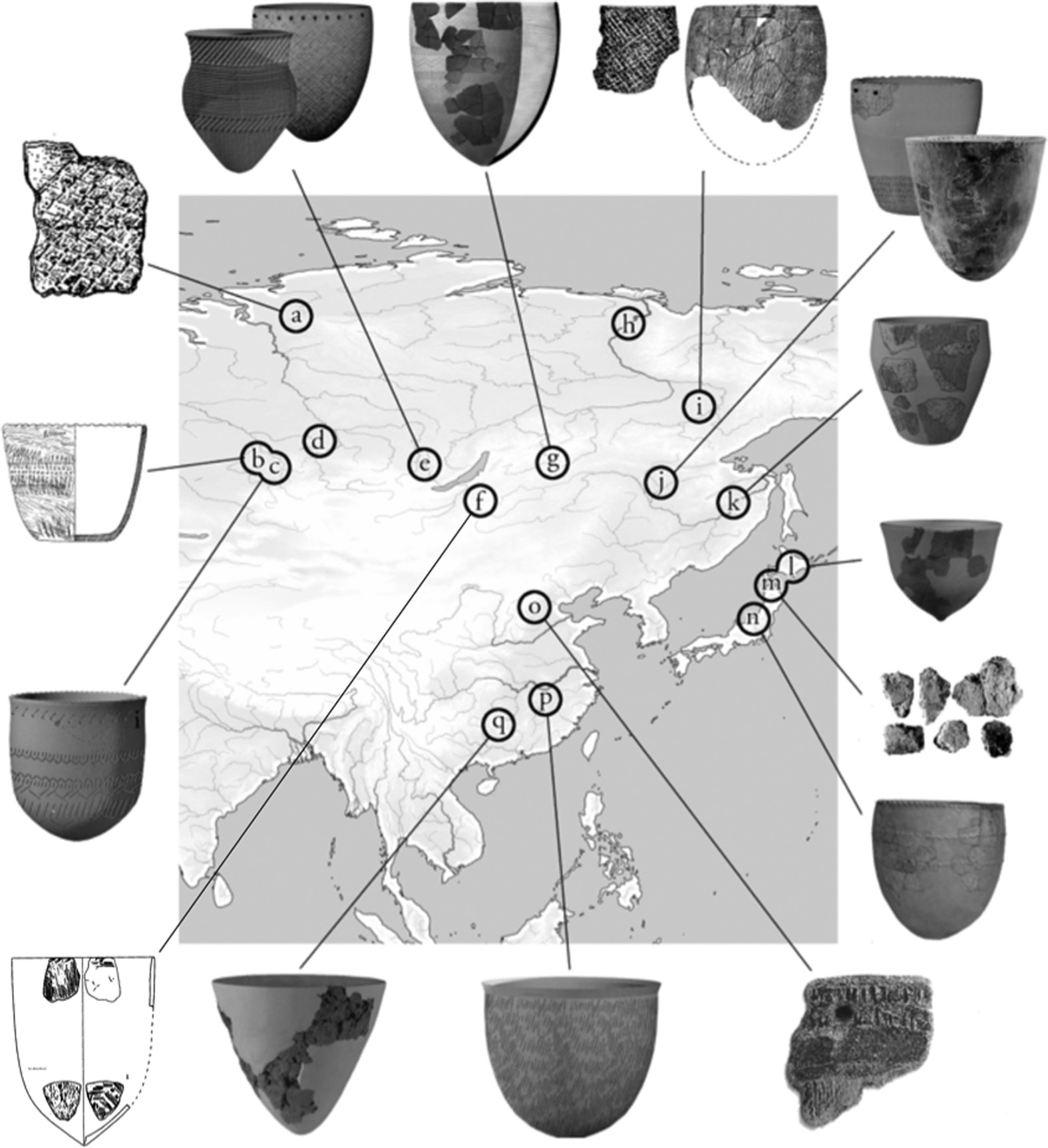
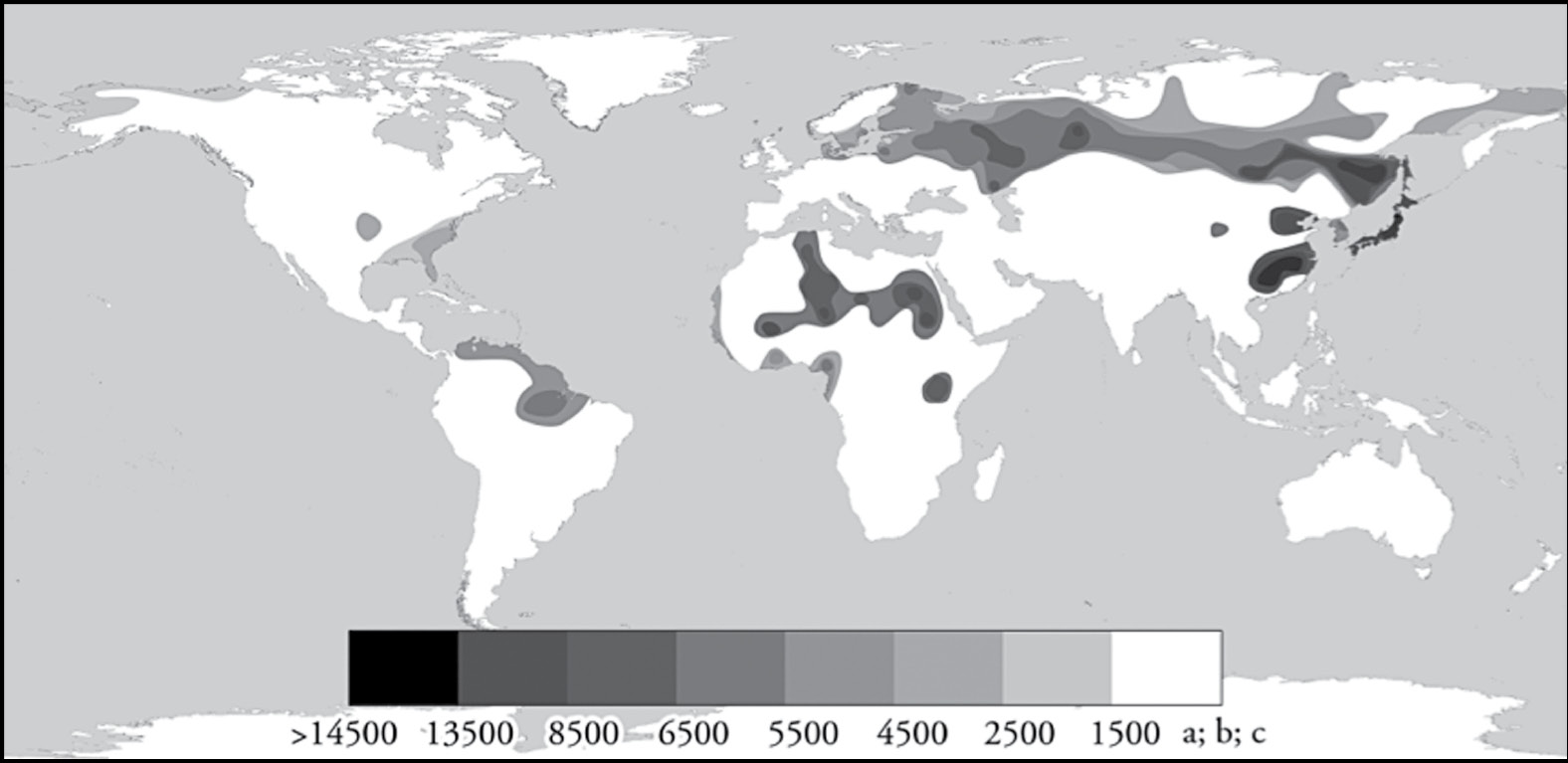
Late Pleistocene and Early Holocene pottery assemblages have now been reported in many parts of temperate and subtropical East Asia (Fig. 1.2). In southern China, at sites in the Yangtze basin, such as Xianrendong (19,300–17,100 bc) and Yuchanyan (16,300–14,600 bc); in northern China in Nanzhuangtou near Lake Baiyangdian (10,800–8,700 bc) and Donghulin near modern Beijing (10,800–8,700 bc); across Japan at Odai Yamamoto, Kubodera-Miniami, Taisho III and many other sites between 15,200 and 11,900 bc (Yamahara Reference Yamahara2006); in the Russian Far East, along the Amur River, at sites such as Khummi, Gasya and Gromatukha, between 14,900 and 10,200 bc; and in the Transbaikal, between 12,300 and 10,200 bc, at sites such as Ust’-Karenga and Studenoe (Boaretto et al. Reference Boaretto, Wu, Yuan, Bar-Yosef, Chu, Pan and Gu2009; Kuzmin and Vetrov Reference Kuzmin and Vetrov2007; McKenzie Reference McKenzie, Jordan and Zvelebil2009; Razgildeeva et al. Reference Razgildeeva, Kunikita, Yanshina and Medvedev2013; Zhao and Wu Reference Zhao and Wu2000; Yang et al. Reference Yang, Wan, Perry, Lu, Wang, Zhao, Li, Xie, Lu, Cui, Wang, Li and Ge2012). This phenomenon has sometimes been labelled the ‘East Asian model of Neolithization’ (Kuzmin Reference Kuzmin2003, 1; Reference Kuzmin2013), though it is increasingly clear that the distribution of pottery in the absence of agriculture was neither restricted to the Far East, nor to Asia, nor even to the Old World (Figs 1.3 and 1.4).
Hunter-gatherer pottery in eastern Eurasia: (a) Taimyr Net-Impressed Pottery (Pyasina), (b) Kornachakskaya Culture (Ust’-Vasikha II), (c) Rubtsovskoj Pottery Culture (Gusyatnik II), (d) Eleneva Cave, (e) Cisbaikal Early Neolithic (Ust’-Khaita and Net-Impressed I Pottery), (f) S. Transbaikal (Studenoye), (g) N. Transbaikal (Ust’-Karenga), (h) Yakutia Early Neolithic (Sityakh), (i) Bel’kachi I, (j) Upper Amur (Gromatukha), (k) Osipovskaya Culture (Gasya and Khummi), (l) Hokkaido Incipient Jomon (Taisho III), (m) Incipient Jomon (Odai Yamamoto) and (n) Incipient Jomon (Kubodera Miniami), (o) N. China (Nanzhuangtou), (p) S. China (Xianrendong), and (q) S. China (Yuchanyuan).
Distribution of pottery among hunter-gatherer communities around the world before 1,500 bc; a low resolution survey of the radiocarbon data (bc) – unshaded areas indicate either (a) earliest evidence of pottery after 1,500 bc, (b) earliest pottery associated with domesticates, or (c) no data currently available.
Hunter-gatherer pottery in western Eurasia: (a) Ertebølle Pottery, (b) Neman Pottery (Lysaya Gora), (c) Narva Culture, (d) Saraisniemi Pottery, (e) Sperrings Pottery, (f) Early Northern Comb Ware (Nerpich’ya Guba), (g) Early Bug-Dniester Culture (Sokol’tsy), (h) Early Dniepr-Donets Culture (Bondarikha II), (i) Sursk Culture (Stril’chya Skelya), (j) Middle Don Culture (Savintskoe), (k) Upper Volga Culture (Torgovishche), (l) Elshanka Pottery (Ivanovka), (m) Vis I, (n) Kama Neolithic (Khutorskaya), (o) Koshkinskaya Pottery, (p) Sumpanya Pottery (Sumpan’ya IV).
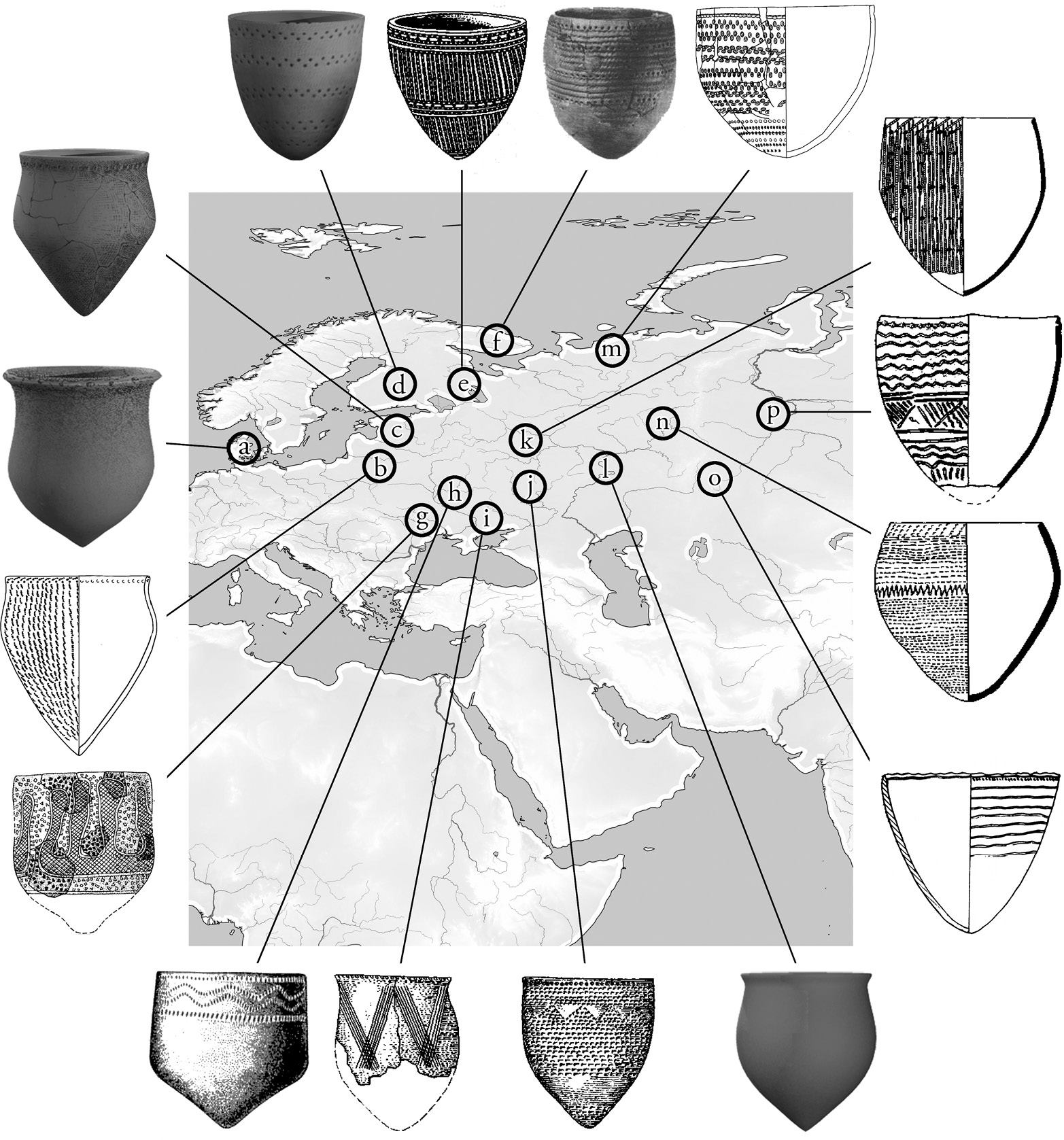
At the western edge of Siberia, early dates for pottery-bearing layers from several sites have now been published, such as Sumpan’ya IV (12,200–8,200 bc; Fig. 1.4(p)), Andreevskoe Ozero XVIII (8,500–8,300 bc) and Amnya I (8,600–7,200 bc) (Kuzmin and Vetrov Reference Kuzmin and Vetrov2007; Kosintsev et al. Reference Kosintsev, Bobkovskaya, Bespozvanniy and Yakolev2004). However, these dates are no longer cited by Kuzmin (Reference Kuzmin2014) and the majority of local scholars, including the original excavators, suggest that they should be discounted in favour of later dates from the same layers (6,000–5,400 bc), which are more consistent with the wider periodization of the region (Kovalëva et al. Reference Kovalëva, Ustinova, Khlobystin and Stoyanov1984; Usacheva Reference Usacheva, Tsibul’skij, Bagashev and Valeeva2001). West of the Urals, in the middle Volga region, this pattern is repeated at sites like Chekalino IV (8,400–4,800 bc; Fig. 1.4(l)) and Lebyazhinka (7,900–5,486 bc) where the earliest dates for pottery are also considered to be problematic (Budja Reference Budja and Dizdar2011). Generally accepted dates for these sites fall between 7,100 and 6,300 bc, though the issue is still a matter of some debate (cf. Budja Reference Budja and Dizdar2011; Gibbs and Jordan Reference Gibbs and Jordan2013; Zakh et al. Reference Zakh, Zimina and Ryabogina2011).
Elsewhere, in northern Africa, secure evidence for ceramics among hunter-gatherers before 9,400 bc cannot be so easily challenged, though there are many, individually problematic sites in this area as well (Close Reference Close, Barnett and Hoopes1995; Huysecom et al. Reference Huysecom, Rasse, Lespez, Neumann, Fahmy, Ballouche, Ozainne, Maggetti, Tribolo and Soriano2009; Sereno et al. Reference Sereno, Garcea, Jousse, Jousse, Saliège, Maga, Ide, Knudson, Mercuri, Stafford, Kaye, Giraudi, N’siala, Cocca, Moots, Moots and Stivers2008). Strangely, many researchers focused on Eurasia and the Near East continue to ignore this evidence (e.g. Dolukhanov et al. Reference Dolukhanov, Shukurov, Gronenborn, Sokoloff, Timofeev and Zaitseva2005; Kuzmin Reference Kuzmin2013).
Though finds of early pottery among hunter-gatherers of the Late Pleistocene and Early Holocene remain ‘few and far between’ (after Close Reference Close, Barnett and Hoopes1995) and are still widely contested, during the middle Holocene they become increasingly common. By the time pottery vessels began to appear widely among agriculturalists in the Near East, between 7,500 and 6,500 bc, their place was already firmly established in many hunter-gatherer communities. Over the subsequent millennium, ceramic vessels began to be produced at sites across northern Fennoscandia and along the Baltic coast, while in Africa they had begun to appear both in shell middens along the Atlantic coast and at Late Stone Age sites in central Africa (Dale and Ashley Reference Dale and Ashley2010; Yamasaki et al. Reference Yamasaki, Hamada and Hamada1972). By the time the first pottery-using agriculturalists appeared in northwest Europe, pottery was already in use in southern Scandinavia and along the western edge of the Baltic, while at the other end of Eurasia, the distribution of pottery had begun to extend northwards into the Arctic (Hallgren Reference Hallgren and Knutsson2002; Kriiska Reference Kriiska2001; Lübke and Terberger Reference Lübke and Terberger2002; Skandfer Reference Skandfer2005; Reference Skandfer, Jordan and Zvelebil2009). The first appearance of pottery-using communities in northeastern Asia, from around 4,400 bc appears to be directly connected to the first evidence of pottery in northwestern America (around 2,500–1,000 bc) (Hoffecker Reference Hoffecker2005; Stimmell and Stromberg Reference Stimmell, Stromberg and Kingery1986). The wider and later uses of pottery among the hunter-gatherer communities of the New World is a fascinating and increasingly well researched topic (e.g. Anderson et al. Reference Anderson, Boulanger and Glascock2011; Beck Reference Beck2009; Eerkens Reference Eerkens2004; Eerkens et al. Reference Eerkens, Neff and Glascock2002; Reid Reference Reid and Bronitsky1989; Sassaman Reference Sassaman1993; Thompson et al. Reference Thompson, Stoner and Rowe2008). Unfortunately, given the constraints of space, it lies beyond the scope of this article.
Although this overview is useful in defining the extent of the remarkable phenomenon of hunter-gatherer pottery highlighted in this chapter, it is not unproblematic. The density of archaeological research is highly variable between regions, early ceramic sites are comparatively rare, and few have been securely dated (Timofeev et al. Reference Timofeev, Zajtseva, Dolukhanov and Shurokov2004). Even where apparently reliable series of dates have been obtained, at sites like Ust’-Karenga (see Kuzmin and Vetrov Reference Kuzmin and Vetrov2007; Hommel et al. Reference Hommel, Schwenniger, Ineshin and Vetrov2017), they are often rejected by the local archaeological community, leading to seemingly inescapable chronological wrangling, which stifles wider debate (Konstantinov Reference Konstantinov2009; Medvedev, pers. comm.). Conversely, in other areas, dates which are clearly problematic (old measurements on problematic materials, potentially anomalous singletons and dates from ‘multi-component’ layers) are widely maintained, becoming part of the archaeological orthodoxy simply by virtue of repetition, or because they happen to fit with pre-existing ideas.
While, taken at face value, the distribution described (Fig. 1.3) seems to look both global and perhaps globalizing, the character of archaeological research is probably contributing to its structure. A sweeping review such as this cannot represent the complexity of the chronological patterns, or the competing theoretical models which have been applied to explain it. Clearly more detail is needed.
Detailing Distribution
Traditionally, as has already been mentioned, the emergence of early ceramic vessels was approached simultaneously as an adjunct to and marker of change, part of the inevitable transmission of an agricultural way of life. As a result, it has often been presented as diffusion, whether demic, cultural or a combination of the two (Budja Reference Budja2013; Cavalli-Sforza et al. Reference Cavalli-Sforza, Menozzi and Piazza1994). In many respects this approach, which emerged out of a focus on Europe and the Near East, is entirely understandable and remains a plausible explanation for the evidence in these areas (Fort Reference Fort2012). However, in spite of our growing awareness of innovation in hunter-gatherer societies, the legacy of these early interests remains clear in the literature.
The tendency to connect the early pottery among hunter-gatherers to the spread of agriculture or pastoralism remains strong in many areas, whether discussed explicitly as an outcome of long-distance communications or expanding agricultural frontiers, or described more vaguely as ‘Levantine influenced’ (Chairkina and Kosinskaya Reference Chairkina, Kosinskaya, Jordan and Zvelebil2009; Kuzmin Reference Kuzmin2013). In some cases, where there is direct evidence of association between early pottery and limited consumption of domesticated animals this may be justified, but the wider application of these ideas seems more difficult to justify. The heritage of wider, more explicitly diffusionist ‘explanations’ is also apparent in studies which use the data to discuss the idea of east–west dispersals at a grand scale, or employ mathematical models where cultural descent appears to be the baseline explanation for patterns in the chronological data (Dolukhanov et al. Reference Dolukhanov, Shukurov, Gronenborn, Sokoloff, Timofeev and Zaitseva2005; Gibbs and Jordan Reference Gibbs and Jordan2013; Silva et al. Reference Silva, Steele, Gibbs and Jordan2014).
Reacting against such perspectives as ‘fundamentally wrong’ some researchers have argued that these simple models misrepresent both the chronological data and the archaeological evidence, and must be abandoned in favour of multi-regional interpretations based on independent origins (Kuzmin Reference Kuzmin2014, 4). Though this firm position somewhat misrepresents the aims of many modelling programmes, which seek to use simple models to highlight precisely the same point (Silva et al. Reference Silva, Steele, Gibbs and Jordan2014; Jordan et al. Reference Jordan, Gibbs, Hommel, Silva and Steele2013), its criticisms are in many respects justified. Within the general east–west chronological trend, there are several major fault lines, boundaries, gaps and divisions in the distribution of ceramic vessels, which it is important to explore.
The first of these boundaries lies across central China, between the Yangtze and the Yellow River basins, corresponding with a well established division in Upper Palaeolithic stone technology: between microblade assemblages to the north, and cobble-tool or core and flake industries to the south (Qu et al. Reference Qu, Bar Yosef, Wang and Wu2013). Pottery dated from around 16,500 bc is found in association with the latter, both in the Yangtze basin and, somewhat later, in the Lingnan region further south (Boaretto et al. Reference Boaretto, Wu, Yuan, Bar-Yosef, Chu, Pan and Gu2009). The earliest securely dated finds of pottery to the north of the Yellow River, here associated with microblade industries, date several thousand years later, around 10,500–9,000 bc, and seem to be associated with the earliest evidence for the exploitation of millet, acorns and other seeds (Yang et al. Reference Yang, Wan, Perry, Lu, Wang, Zhao, Li, Xie, Lu, Cui, Wang, Li and Ge2012; Zhao and Wu Reference Zhao and Wu2000). The lack of early sites in northern China and Korea (where the earliest pottery is either contemporary with northern China or considerably later) creates an interesting conundrum for the diffusionist, since it effectively separates the major foci for early ceramic production in China from Japan, where pottery first appears after 15,200 bc in association with microblade industries (Kuzmin Reference Kuzmin2006).
A further cultural-technological boundary has been proposed between Japan and the Amur basin, where the emergence of pottery apparently appears almost simultaneously (Kuzmin Reference Kuzmin2006). However, new dates for the Incipient Jomon in Hokkaido between 13,100 and 11,900 bc and the existence of a land bridge between Hokkaido and the continental mainland (via Sakhalin) until around 8,000 bc seem to present a strong possibility of earlier contact, if not direct transmission (Kawamura Reference Kawamura1998, 255). In spite of their proximity, another boundary, between the Amur basin and the Transbaikal, has also been suggested on the basis of a lack of similarity in pottery style and vessel form (Kuzmin and Orlova Reference Kuzmin and Orlova2000; Kuzmin Reference Kuzmin2014, 3). However, these claims are not as well supported in the archaeological evidence as has previously been maintained (cf. Kajiwara and Kononenko Reference Kajiwara and Kononenko1999; Kuzmin and Orlova Reference Kuzmin and Orlova2000; Shevkomud and Yanshina Reference Shevkomud and Yanshina2012).
As a result, the second major boundary defined here falls a little further west, bisecting the Transbaikal region. This line separates a number of late Pleistocene sites with pottery in association with microblades to its east, identified in spite of a relatively low density of archaeological activity, from the well-studied Cisbaikal region and coastal Baikal where pottery dates fall well within the Holocene. The earliest, from Layer 7 at Gorelij Les (8,800–7,100 bc), provides a terminus ante quem for what is apparently a secure ceramic context (Layer 7a); however, these dates are considered problematic and rejected by many (McKenzie Reference McKenzie, Jordan and Zvelebil2009; Weber Reference Weber1995); more widely accepted dates for pottery in the region fall between 7,000 and 5,300 bc (McKenzie Reference McKenzie, Jordan and Zvelebil2009).
Depending on how conservatively we treat contested data, the earliest evidence from the Cisbaikal either post-dates or overlaps with early pottery dates from western Siberia and the middle Volga region and the Near East, several thousand kilometres to the west (Kuzmin and Vetrov Reference Kuzmin and Vetrov2007; Vybornov Reference Vybornov2011), creating a further division within the general east–west trend, which the lack of securely dated sites in the Siberian plain does not help us to resolve.
Predating these latter examples somewhat and creating a further boundary in the data are the early hunter-gatherer pottery traditions of northern and sub-Saharan Africa, whose relationship with traditions in Eurasia remains unclear (though see Winiger Reference Winiger1998 and Gronenborn Reference Gronenborn, Hartz, Lüth and Terberger2011). However, the database remains sparse and, given the current political situation in many key regions, it seems unlikely to be expanded in the near future.
Finally, though also beyond this discussion, is the new evidence suggesting pre-agricultural pottery in the middle Ganges at Lahuradewa (9,300–8,300 bc) and the long delay between the emergence of ceramic vessels in southern China and other parts of Southeast Asia, made particularly puzzling by the apparent lack of major geographic barriers between the two regions (Fuller Reference Fuller2006; Higham and Higham Reference Higham and Higham2009; Kuzmin Reference Kuzmin2010; Tewari et al. Reference Tewari, Srivastava, Saraswat, Singh and Singh2008).
Evaluating Alternatives
How do we interpret these patterns? Clearly the emerging chronological data present a complex picture, which many existing discussions of the problem do not adequately represent (Gibbs and Jordan Reference Gibbs and Jordan2013; Hommel Reference Hommel, Cummings, Jordan and Zvelebil2013; Jordan and Zvelebil Reference Jordan, Zvelebil, Jordan and Zvelebil2009). Yet, if simple models of dispersal appear unconvincing, does a multi-regional approach fare any better? As it is currently presented, I would argue that it does not.
Kuzmin (Reference Kuzmin2014, 1) notes that ceramic vessel technology ‘could have emerged in different … [regions] at various times’ because of the widespread availability of raw materials and necessary techniques. In support of this idea he reminds us that ‘people were familiar with firing clay since at least 26,000 yr ago’ (Kuzmin Reference Kuzmin2014, 4). These are certainly important points but overlook the fact that there is almost no evidence to connect such precocious examples of claycraft with the emergence of pottery and the patterns described above. The baked clay hearths at Klisoura Cave, the fired figurines and fragments at Dolni Vestonice, Tamar Hat, Vela Spila, Kostënki or Majna, the clay sculptures at La Tuc d’Audoubert and Montespan, and even an early clay or ceramic dish found at the Kapova Cave (Shulgan Tash) point to widespread and varied uses of clay in the Late Pleistocene (Hommel Reference Hommel, Cummings, Jordan and Zvelebil2013). Yet, almost without exception, these finds occur far outside those regions which can plausibly be defined as independent areas of pottery origins and are divided from the first ceramic vessels in their local regions by many aceramic millennia.
Equally, the apparent lack of ‘genetic relationship’ (sensu Kuzmin Reference Kuzmin2013, 1308) in pottery style between the traditions of adjacent areas seems to be a very unsatisfactory argument for independence, especially given the questionable value of decorative style in delimiting social network boundaries (e.g. Gosselain Reference Gosselain and Stark1998). Against a background of common experience, knowledge of pottery could have spread in a variety of ways, whether as objects, through transient encounters with pottery-using communities, or as an idea in stories told around the fire (Hommel Reference Hommel, Cummings, Jordan and Zvelebil2013). As such, pottery technology has the potential to move more rapidly along established pathways of communication into a wider range of contexts than would be likely to result from direct cultural transmission or demic diffusion alone. The results of this mosaic dispersal are likely to be reflected as significant local variations and regional variations and, although examples of direct transmission are important, we should expect that in other cases the precise network of communication would prove far more difficult to trace in the archaeological record (Clark and Gosser Reference Clark, Gosser, Barnett and Hoopes1995).
Certainly the attempt is worthwhile, but it requires us to look far more closely at the evidence for support of wider connections.
Detailed integrative studies connecting pottery and lithic traditions at various levels of analysis across this vast area are far beyond the scope of this chapter, but they must be undertaken. Here we must restrict ourselves to a series of brief sketches from the archaeological record, which allow us to highlight some important patterns at an ever-increasing scale, emphasizing the importance, scale and variety of connectivity attested in the early pottery traditions of northern Eurasia. Whether these examples amount to anything that we could reasonably call globalization remains to be seen.
Mobility and Continuity
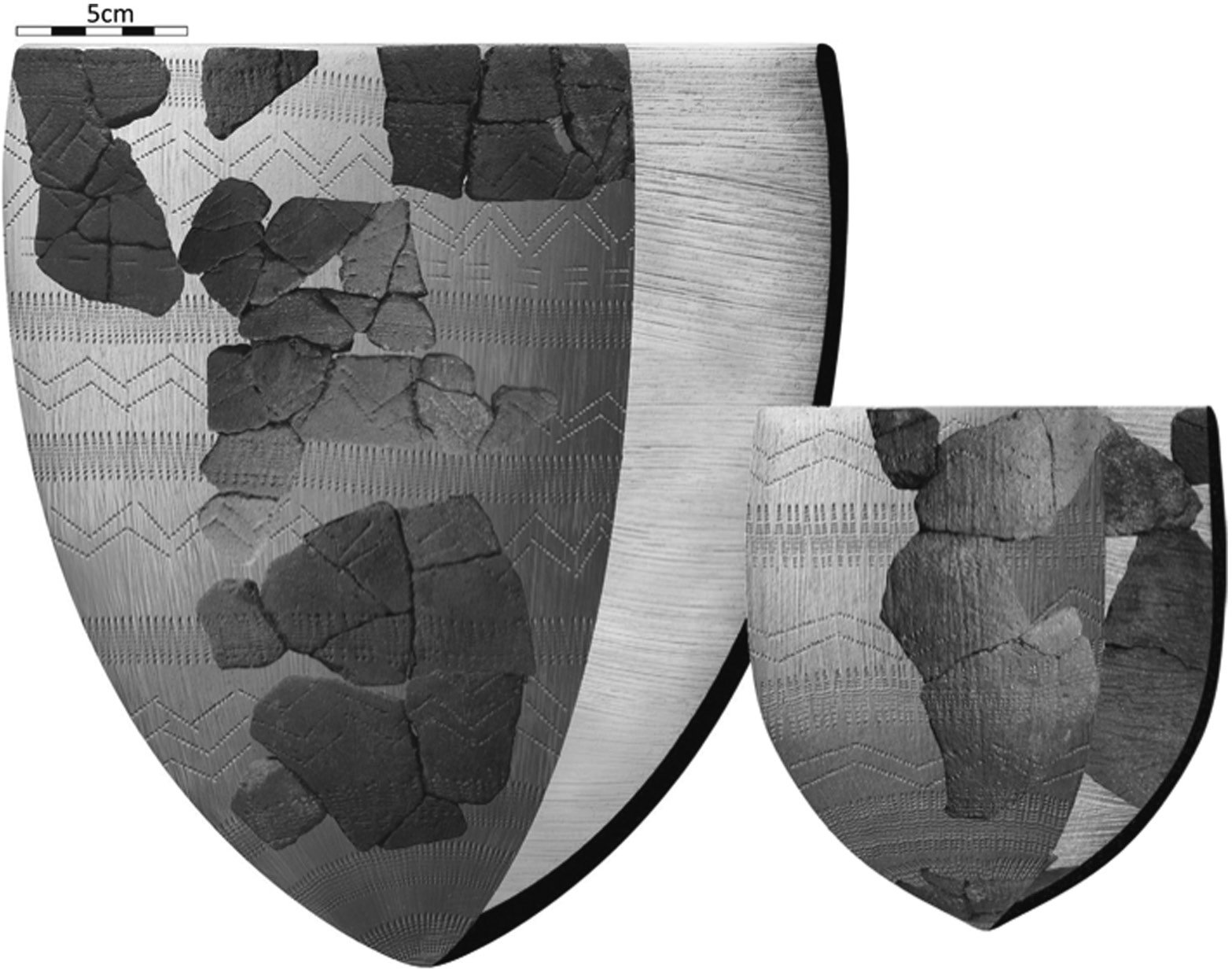
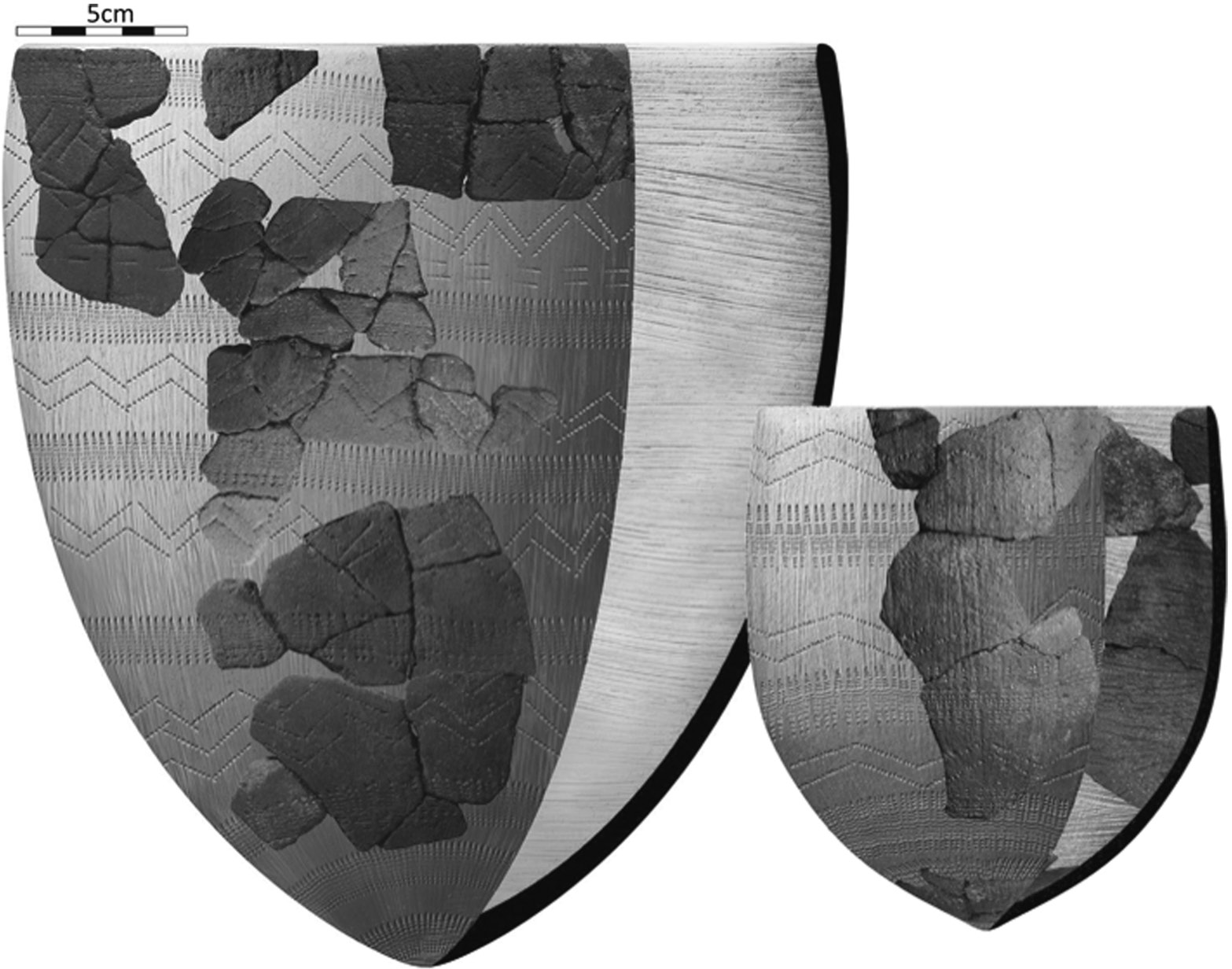
The first of these sketches illustrates the value of a detailed analysis of the archaeological record. It highlights two reasons why we should continue to look for evidence of interaction at a significant scale in the study of early pottery: (a) that the makers of early pottery were far more mobile than is usually recognized, and (b) that the spread of pottery likely occurred within existing networks established in the Upper Palaeolithic. The focus of this ‘sketch’ is the relationship between the early ceramics traditions of the Russian Far East and, specifically, the site of Ust’-Karenga, located in sandy terrace sediments at the confluence of the Karenga and Vitim Rivers in the northern Transbaikal. Around thirty open, parabolic vessels of various sizes have been recovered from the site in a well-sealed horizon dated to around 11,200 bc (Hommel et al. Reference Hommel, Schwenniger, Ineshin and Vetrov2017; Kuzmin and Vetrov Reference Kuzmin and Vetrov2007). Well made and comparatively well-fired, these vessels from this site were built using a combination of small coils and wider flattened bands and decorated with toothed-comb impressions to create a variety of geometric patterns (Fig. 1.5).
The possibility of independent development of pottery in the Vitim basin has been repeatedly suggested, on the basis of supposed stylistic differences from earlier traditions in the Russian Far East, where the pottery is predominantly flat-based and organic-tempered2 (Kuzmin and Orlova Reference Kuzmin and Orlova2000). Kuzmin (Reference Kuzmin2014) goes further to claim that there are no perceptible connections between the traditions. However, there are several reasons to question this conclusion and to follow Kajiwara and Kononenko (Reference Kajiwara and Kononenko1999, 69) in describing the Amur ‘as a major corridor of commerce in technologies and ideas during the Final Pleistocene’.
Although, superficially, the ceramic traditions of the Amur basin and Transbaikal are far from identical, on closer inspection, several assemblages share similar patterns of surface modification and even distinctive elements of decoration. The use of a variety of tools to consolidate and refine the shape of the vessel walls by scraping or rough wiping – leaving parallel striations across the vessel surfaces, often referred to as ‘technical décor’ – and the widespread use of comb-impressed decoration are particularly significant (Kajiwara and Kononenko Reference Kajiwara and Kononenko1999; Kuzmin and Vetrov Reference Kuzmin and Vetrov2007; Razgildeeva et al. Reference Razgildeeva, Kunikita, Yanshina and Medvedev2013; Shevkomud and Yanshina Reference Shevkomud and Yanshina2012).
The ‘technical’ striations were typically clearest on the interior walls, running horizontally around the vessel, although in some cases they were also apparent on the exterior, where they were often aligned vertically (Kuzmin and Vetrov Reference Kuzmin and Vetrov2007; Razgildeeva et al. Reference Razgildeeva, Kunikita, Yanshina and Medvedev2013; Shevkomud and Yanshina Reference Shevkomud and Yanshina2012). The marks were made using a variety of tools, perhaps in imitation of the visual texture of organic containers or earlier vessels made in basketry moulds. The use of comb stamps was also varied, but included a distinctive approach to the production of a tight zig-zag decoration referred to as a stepping-comb motif. Although the assemblage from the site of Gromatukha in the Upper Amur basin appears rather mixed, it seems significant that finds included a small number of parabolic vessels, with apparently similar decorative schemes to those at Ust’-Karenga (Shevkomud and Yanshina Reference Shevkomud and Yanshina2012).
Another reason for considering relationships between the Amur and Transbaikal to be likely is their shared lithic technology, based on the production of microblade tools. This technique is held in common with many Late Pleistocene sites across Japan, northern China and eastern Siberia, and outside southern China, there is a strong correlation between the earliest appearance of pottery and these kinds of lithic technologies (Goebel Reference Goebel, Elston and Kuhn2002). Microblade industries are generally considered to be an adaptation to high mobility, where resource-efficient, adaptable, maintainable and lethal hunting technologies would be particularly advantageous, an interpretation which seems at odds with the traditional association between ceramics and sedentism (Bleed Reference Bleed, Elston and Kuhn2002; Goebel Reference Goebel, Elston and Kuhn2002). While in the lower Amur, where early pottery appears in association with shifts towards a ‘more developed’ Neolithic industry, this seems less paradoxical, the adoption of pottery in the Upper Amur and Transbaikal occurs against a background of continuity in lithic traditions which remain essentially Upper Palaeolithic in character (Shevkomud and Yanshina Reference Shevkomud and Yanshina2012; Vetrov Reference Vetrov, Medvedev and Vinogradov1995). At Ust’-Karenga, the idea of mobility was recently supported by a detailed analysis of the pottery itself, which demonstrated the exploitation of a surprisingly wide range of residual or colluvial clay sources, representing ad hoc production in a much wider landscape. Clay resources around the site itself were apparently little exploited and the limited quantity of vessels, their distribution and variety could be most convincingly explained as a palimpsest of temporary occupations by a comparatively mobile community (Hommel et al. Reference Hommel, Schwenniger, Ineshin and Vetrov2017).
This lithic continuity and direct evidence for mobility, combined with both visual similarities and technical differences in ceramic tradition, suggest that the spread of pottery along the Amur and across the Pacific watershed probably occurred along diffuse networks of interaction and exchange, rather than through population dispersal or direct technological transmission. This idea has also been discussed in relation to the emergence of pottery in Europe and western Eurasia, which has been described as a pattern of dispersal reflecting ‘population movements and contact networks … [established] after the Glacial Maximum’ which served as ‘conveyor belts’ for a variety of cultural and technological developments (Gronenborn Reference Gronenborn, Hartz, Lüth and Terberger2011, 74).
Nets and Networks
Beyond the Vitim basin and the southern territories of the Transbaikal, the emergence of pottery in eastern Siberia is much later in date (McKenzie Reference McKenzie, Jordan and Zvelebil2009). It is also characterized by the appearance of a distinctive style of ceramic whose external surfaces are covered in impressions from fine (c. 5–10 mm mesh) nets of knotted cord. This approach to vessel production has no earlier heritage in adjacent regions and is seen by many as a local development (e.g. Berdnikov Reference Berdnikov2013, 218). The earliest net-impressed vessels are found in the southern parts of the Cisbaikal, in the Upper Angara basin and the southwestern shores of Lake Baikal in association with the Kitoi mortuary tradition and plausible material analogues on settlement sites (Weber Reference Weber1995). However, its early use in settlement contexts is very limited and correlation of these two types of archaeological evidence remains one of the principal challenges in the archaeology of this area (McKenzie Reference McKenzie, Jordan and Zvelebil2009).
Local researchers generally date the start of this Net-Impressed phase to around 6,000 bc, the beginning of the Atlantic Period, although the roots of the tradition could be substantially earlier (McKenzie Reference McKenzie, Jordan and Zvelebil2009). The vessels are primarily parabolic in form with a rounded or slightly pointed base, although some exhibit a weakly profiled upper body and a slightly outcurving rim. Additional decoration, in the form of pits or simple impressed designs, is generally focused in the upper body, just below the rim (Berdnikov Reference Berdnikov2013). At many settlement sites they are found in the same layers as other, cord-impressed wares referred to as the Ust’-Khatia type, though net-impressed wares are generally thought to be marginally earlier, and are the only kind directly associated with the burial traditions (Bazaliskii, pers. comm.). Over the next millennium, the distribution of variants of these distinctive net-impressed and cord-impressed wares becomes increasingly widespread, turning up at sites in Yakutia far to the north and northeast (5,000–3,700 bc), and the Yenisei Basin, more than 700 km to the west around 5,800 bc (Kuzmin Reference Kuzmin2014; McKenzie Reference McKenzie, Jordan and Zvelebil2009; Mochanov and Powers Reference Mochanov and Powers1969). Although zooarchaeological work in these regions is still underdeveloped, in most cases the emergence of pottery coincides with evidence of an increasing reliance on fishing (McKenzie Reference McKenzie, Jordan and Zvelebil2009, 198).
The exploitation of aquatic resources is widely viewed as a key stage in the development of many postglacial hunter-gatherer communities (Jordan and Zvelebil Reference Jordan, Zvelebil, Jordan and Zvelebil2009; Rice Reference Rice1999; Zhushchikhovskaya Reference Zhushchikhovskaya2001). Aquatic environments (coastal areas, rivers and lake shores) provided rich foraging environments where resources were comparatively concentrated, promoting both sedentarization and increasingly intensive exploitation of resources (Haaland Reference Haaland1992; Rice Reference Rice1999; Jordan and Zvelebil Reference Jordan, Zvelebil, Jordan and Zvelebil2009). These economic adaptations, most commonly associated with climatic amelioration during the Holocene, are seen by many as a conduit for the development and rapid dispersal of pottery, understood in these contexts as part of the process of intensification, facilitated by increasing sedentism and allowing communities to make use of a far wider range of the available resources (Jordan and Zvelebil Reference Jordan, Zvelebil, Jordan and Zvelebil2009).
In this context it is interesting that the emergence of net-impressed pottery in these areas, the further distribution into the Arctic (and ultimately into the New World) are the only patterns universally defined as ‘dispersal’ in the literature, that is, explicitly presented as the outcome of direct technological transmission, demic diffusion or migration (Kuzmin Reference Kuzmin2014; McKenzie Reference McKenzie, Jordan and Zvelebil2009). Though marked by regional differences, phases of abandonment, re-colonization and population replacement, contacts across this vast region appear to be maintained over the subsequent millennia. Dispersed communities followed similar trends of socio-economic and technological transformation, sharing ideas, styles and other cultural behaviours along networks of interaction, which followed natural corridors of communication between the large fluvial basins of the Lena, Angara and Yenisei (Berdnikov Reference Berdnikov2013).
At the same time, the intriguing cultural-geographical barriers to the east of Lake Baikal, which apparently halted the earlier spread of pottery, also seem to have been maintained for much of this period. The distribution of net-impressed vessels in the Transbaikal remains very limited and many communities appear to show stronger ties with the cultures of the Amur basin and northern Mongolia (McKenzie Reference McKenzie, Jordan and Zvelebil2009). However, in the late Neolithic, variants of Cisbaikal ceramic styles also begin to appear in the Upper Vitim basin associated, at Ust’-Karenga, with wholesale shifts in lithic technology, patterns of mobility and long-distance exchange (Hommel et al. Reference Hommel, Schwenniger, Ineshin and Vetrov2017). At the western edge of the network, these corridors opened into the Siberian plain, connecting the communities of the Yenisei basin with a wider hunter-gatherer world (Berdnikov Reference Berdnikov2013). These areas have been far less intensively investigated and connections between them are difficult to trace. While the dating of early ceramics in these areas remains unclear, it seems fruitless to speculate further.
However, there is one very general trait, which seems to link communities of pottery-using hunter-gatherers across much of Eurasia, which it is essential to consider before drawing the discussion to a close: the widespread preference for pointed-based, conical and parabolic forms.
What’s the Point? The Functions of Vessel Form
This correlation between Eurasian hunter-gatherers and pointed pots is certainly difficult to overlook (Figs 1.2 and 1.4), although it is not always the only form represented in every assemblage. Nevertheless, this broad formal category is extremely widespread and represents the dominant category in many areas until well into the Chalcolithic (Oshibkina Reference Oshibkina1996). This relationship between particular forms and forager societies has long been noted in northwestern Eurasia, particularly around the Baltic coast, where the identification and discussion of ceramic-using hunter-gatherers has the longest heritage (Hallgren Reference Hallgren and Knutsson2002). The same correlation is also clearly apparent in many other parts of the western Eurasian forest zone, where pointed vessels have been used as one of the indications of contact between communities from the Volga to the White Sea, within the ‘hyperborean stream’ of Neolithization (Gronenborn Reference Gronenborn, Hartz, Lüth and Terberger2011, 73). The adoption of pottery into many areas appears to have been rapid, developing into distinct regional styles, which, though they appear very similar, cannot be grouped into a single cultural unity, nor can the connections between them be clearly derived from one another (Nunez Reference Nunez1990, 32).
Further south, where the forest thins into grassland, similar vessel forms also appear widely across the Pontic steppe, in areas where the emergence of ceramics is more or less coincident with the first appearance of domesticated animal remains from between 6,500 and 5,500 bc (Oshibkina Reference Oshibkina1996; Telegin et al. Reference Telegin, Lillie, Potekhina and Kovaliukh2003). This association put them outside the distribution of hunter-gatherer pottery described earlier in the chapter, but these ‘Neolithic’ cultures are seen as the reflection of direct developments within local Mesolithic societies, and wild resources remain their dominant economic focus over many centuries (Telegin et al. Reference Telegin, Lillie, Potekhina and Kovaliukh2003). In these contexts, it seems significant that the earliest phases of ceramic production in many of these cultural communities are often most strongly associated with pointed-based vessels, while later phases see an increasing proliferation of forms and decorative styles, with stronger similarities to the pottery of neighbouring agro-pastoral communities (Oshibkina Reference Oshibkina1996). It would certainly seem plausible to discuss this too as a dispersal, although the rapid distribution and distinctive local character of many traditions again points to the spread of pottery as an idea or an object rather than as a complete technological tradition.
However, this association with the Neolithization of northwestern Eurasia does not explain why the same formal tendencies are seen far more widely in the ceramics of early Eurasian hunter-gatherers, unless we are willing to accept very early dates for the appearance of pottery in the western Urals and an argument of rapid leapfrog dispersals on a grand-scale, we must look for other factors than contact to explain this wider pattern.
To say that vessel forms are ‘behaviourally significant’ seems obvious, but it is nevertheless worth reiterating (Arnold Reference Arnold1988, 234). It seems possible that the wide distribution of these kinds of conical, or parabolic forms is a reflection of common concerns with vessel function or its place in a hunter-gatherer lifestyle. In general discussions of early pottery, the production and storage of surplus is often cited as a potentially important role for early pottery, facilitating a variety of social changes. This is particularly relevant to the kinds of rich aquatic environments discussed above. Yet while a role in processing or the preparation of food or drink generally seems fairly plausible, pointed-based vessels do not seem a particularly obvious shape for the purpose of long-term storage. Perhaps there are more likely functional contexts, which may help us to explain the ‘popularity’ of the form. It seems mobility may be one answer, and I have already mentioned an example from a pointed-based tradition in the Transbaikal, where a close analysis of the ceramics attested to mobility (Hommel et al. Reference Hommel, Schwenniger, Ineshin and Vetrov2017). Looking at the wider literature, it seems that this situation is not particularly unusual. In both the archaeological and ethnographic records, there is a repetitive association between mobile communities and pointed pots, not only in Eurasia, but also from southern Africa to North America.
Attempting to explain this pattern, Crombé (Reference Crombé, Jordan and Zvelebil2009, 485) suggests that pointed-based pottery in western Europe may have been a deliberate adaptation to a nomadic lifestyle, its form making it ‘easier to carry on the back, the hip or … in a canoe’. Stewart (Reference Stewart2005, 1), looking at pointed-based vessels among pre-colonial hunter-herders in southern Africa, also concluded that their form was ‘a technological adaptation well suited to the Khoekhoen lifeway, one characterised by a high degree of mobility’, following Schofield (Reference Schofield1948: 66) in suggesting that a ‘pot with a pointed base can be easily pressed into the hot ashes of a fire, where it will boil more readily than a pot with a round or a flat base’. The potential benefit in both time and fuel that this implies fits with other arguments which surround the emergence of pottery, where time gained for other activities is the principal and valuable benefit of the technology over other container technologies (Rice Reference Rice1999).
This leads us neatly to a final possibility, returning to a well-worn idea in the study of pottery origins, which has been given a new twist in recent years, namely that the first potters drew their inspiration from existing container technologies (e.g. Childe Reference Childe1936). As very few Upper Palaeolithic examples of inorganic containers are known (although Konstantinov Reference Konstantinov2009 and Shchelinsky Reference Shchelinsky1989 report examples from the southern Transbaikal and the southern Urals), the more likely models for early ceramic forms are basketry, bark or skin vessels and woven or netting bags. There is considerable evidence to support this suggestion.
Although these perishable artefacts almost never survive in the archaeological record, examples are known (e.g. Adovasio et al. Reference Adovasio, Soffer, Hyland, Hyland, Klíma and Svoboda2001), and there is good reason to assume that they were widespread if not ubiquitous elements in these societies. Early patterns of surface modification and decoration in pottery often explicitly reference these materials and occasionally preserve direct impressions upon their surfaces. The peculiar material characteristics of ceramic vessels has led some to argue that it marks the beginning of a new way of processing foods using wet or ‘moist’ cookery techniques, which are thought to bestow a number of adaptive and nutritional advantages (e.g. Garcea Reference Garcea2006, 214; Yasuda Reference Yasuda and Yasuda2002, 129). However, this significantly underestimates the potential of earlier organic containers, the functional significance of skeuomorphisim in pottery and, perhaps most importantly, the durability of social preferences surrounding the routine preparation and consumption of food or drink, manifest as ‘long-term [trends] in culinary practice’ at a millennial scale (Fuller and Rowlands Reference Fuller, Rowlands, Wilkinson, Sherratt and Bennet2011, 38). Although Fuller and Rowlands (Reference Fuller, Rowlands, Wilkinson, Sherratt and Bennet2011) seem to follow Yasuda (Reference Yasuda and Yasuda2002), and earlier traditions, in separating out pottery as the mark of something new, it seems possible that the ‘macrogeographies’ they describe had much deeper roots, perhaps established with the recolonization of northern Asia after the Last Glacial Maximum (Fuller and Rowlands Reference Fuller, Rowlands, Wilkinson, Sherratt and Bennet2011; Goebel Reference Goebel, Elston and Kuhn2002). We have already seen how this process left lasting trends in the lithic industries across vast areas. It seems possible that a similar homogeneity in perishable crafts may also have left its mark, which pottery, imitating earlier functional forms, proceeded to reproduce.
Obviously, there is no single answer to the question why did people make pointed vessels? But considering some possible alternatives raises several of the key points discussed in the previous sketches. The scale of interaction, the importance of pre-existing networks of communication and behaviour, the varied character of technological transmission and the underrepresentation of mobility in our discussions of this phenomenon. These are important arenas for future research, with considerable relevance for the questions posed in the introduction to this chapter, which still remain unanswered.
What’s the Point? Ceramic Globalization in Prehistory?
For understandable reasons, the discussion of northern Eurasia has been left out of many previous discussions of early ceramic technology (see McKenzie Reference McKenzie, Jordan and Zvelebil2009). Yet in considering evidence for the emergence and spread of pottery across this vast area we have been able to reiterate and reinforce a more general conclusion: that in many parts of the world, traditional perspectives on the development of society and technology have underestimated the active role of hunter-gatherers in this process (e.g. Rice Reference Rice1999). Along with plant and animal husbandry we can add high-temperature technology to the achievements of these small-scale societies, which have been so often overlooked, but should we also add globalization?
At first glance the scale of the phenomenon appears enticing, especially if we define globalization at a ‘planetary’ scale, as increasing connectivity over time. But it seems questionable whether the reified definition of globalization suggested so far is of any practical or theoretical utility in this context (see Kohl Reference Kohl2008). A closer investigation of the data makes it very clear that this is no single or simple pattern of inevitable transmission, whether driven by inherent material advantages, shared needs or wider trends of social transformation.
On the basis of the chronological evidence alone, we can see a number of areas where the emergence of pottery is not easily explained within models of cultural descent, a conclusion that is generally supported in studies of the ceramic material itself. However, the idea that independent inspiration or convergent evolution is the only alternative seems almost equally problematic. While the opportunity to make pottery was almost universal, earlier experiments with ceramic in various roles and regions did not lead directly to pottery and ultimately, its adoption occurs across a relatively short timescale.
Combined approaches tend to be relatively under-represented in the literature, although they are perhaps the best way of explaining the patterns seen in the prehistoric record and there is sufficient structure in the data to argue for significant patterns of dispersal, albeit discontinuous and probably beginning in a number of geographically distinct regions. Looking more closely at the archaeological record, it is clear that in some cases pottery was transmitted directly between neighbouring communities, retaining similar technological styles, while in others its spread was more rapid, perhaps as an object or idea, and its resulting regional character was more variable.
Traditional narratives of globalization have routinely underestimated the connectivity in pre-agricultural societies and their involvement in wider patterns of exchange and interaction. Large-scale processes, prior to the emergence of agriculture, have tended to be explained simply as patterns of migration, with little lasting impact on overall connectivity within human society. Yet many of the connective networks we described show considerable durability, marked by stylistic phases shared along lines many thousands of kilometres long. Several of the patterns sketched out in the latter half of this chapter appeared to follow much earlier patterns in material culture, Gronenborn’s ‘cultural conveyor belts’ (Reference Gronenborn, Hartz, Lüth and Terberger2011, 74). However, this may be a reflection of other factors, and the extent to which these longer-term connections were actively maintained often remains unclear.
Something which seems lacking from many archaeological discussions of globalization in prehistory is any sense of whether these patterns would have been appreciable at a human scale. The archaeological evidence is so sparse across these vast areas and the chronological evidence at such a low resolution that we have routinely resorted to millennium (often millennia)-wide time slices in our discussion. We are left wondering to what extent any of the longer-term processes of connectivity we have discussed would have been appreciable to the societies that apparently maintained them. For globalization to be more than a substitute in well-worn discussions of migration or diffusion, we have to be able to explore the impact of expanding networks within communities. For me it is the cultural evidence that people were aware of their involvement in a translocal, transcultural world that makes arguments for the application of globalization in antiquity so appealing. Although the fact of mobility in many early pottery-using communities and its impact on the scale and character of social networks appears to make ‘globalizing’ tendencies far more likely in these earlier, more mobile groups than in many later settled communities, somewhat paradoxically, in order to justify the name globalization, I would argue that we need to be able to demonstrate its impact, its effects at a very local scale. In the study of early pottery and early postglacial hunter-gatherer societies, this scale currently seems to be beyond our reach.
Does this make globalization an inappropriate or useless concept for researchers in these periods of prehistory? Probably not. It seems to have considerably more to offer than other, equally nebulous concepts that currently characterize the debate. It has more layers and provides more opportunities to think about connectivity in ways that do not automatically overwrite the complexity of human interactions. I would argue that, while it may not be entirely accurate, it has considerable potential as a heuristic and a way of re-focusing stagnant debates. It forces us to acknowledge both variety and scale of networks of interaction and reminds us of potential political, even ideological impacts of involvement within them. It recognizes, or even foregrounds the role of mobility and early mobile communities in the spread of ideas and innovations. It challenges us to look more closely at the adoption of technology as a social process, and to find ways to investigate large-scale persistent interactions in our research, without the usual emphasis on centrist concerns with origins and invention. Although it would probably be unhelpful to caricature the patterns seen in the emergence of ceramics as prehistoric globalization, we should certainly consider carefully whether any of the processes which underlie modern globalization might be relevant. In other words, we should continue to think about globalization, even if we decide not to talk about it just yet.