


1 Introduction
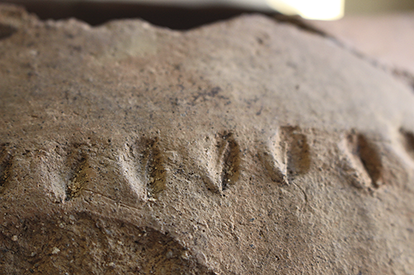
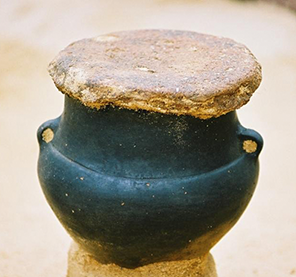
The artifacts excavated, analyzed, and documented by archaeologists often evoke a wide range of emotions related to both the objects themselves and the individuals who created and used them in the distant past. We take great pride in some discoveries, regarding them as essential and unique, and we enjoy sharing images of them at professional meetings and on social media. Their shapes, textures, and decorations captivate us, leading us to label some as masterpieces, while others might be critiqued as poorly crafted or clumsily repaired. Heavy keys and swords unearthed from medieval latrines often inspire a wealth of humor. We categorize items as decorative or utilitarian, distinguishing between “kitchen” and “table” ware, or “ceremonial” and “real” weaponry. In addition, we assess the skills of their makers, labeling them as amateurs or professionals, considering the timelines of their production, and recognizing the challenges posed by fluctuating resources. However, fingerprints or nail marks found on pottery serve as poignant reminders that we are studying actual individuals from the past rather than mere collections of objects (Figure 1; Neustupný, Reference Neustupný2013: 170).
C-shaped nail prints of the right hand’s thumb at a vase rim.
There has been considerable discussion surrounding the interconnections between objects, events, and individuals from the past, with craft studies playing a crucial role in this research. However, even a brief overview of the topic is beyond the scope of this Element and can be found elsewhere (e.g., Domańska, Reference Domańska2006; Knappett, Reference Knappett and Smith2020). Craft studies in archaeology concentrate on tangible, primarily portable objects that reflect human activities in the past, often analyzed from various and frequently distinct perspectives. They highlight selected properties of objects, such as their aesthetic values, functions, meanings, and technologies, along with the cognitive and physical engagement involved in their creation (Costin, Reference Costin, Whelehan and Bolin2015; Burke & Spencer-Wood, 2019: 1–9, with references). This area of research does not pertain to any specific historical period. However, the concept of craft is not chronologically neutral; it is seldom employed in discussions about forager societies, whose manufacturing practices are typically described using different terminology related to technology or art (e.g., Dobres, Reference Dobres2010; Jordan, Reference Jordan2015).
The concept of craft presents challenges in Central European archaeological and historical literature, where it is positioned between industrial mass production and the realm of art. In many Slavic languages, the term for craft is translated as rzemiosło (Polish), řemeslo (Czech), ремесло (Ukrainian), or remeslo (Slovakian). This term generally refers to small-scale manufacturing, which includes the creation and repair of utilitarian items using hand tools or simple equipment. However, such a definition permits the inclusion of most objects from archaeological contexts, regardless of their chronological placement. In practice, rzemiosło is predominantly employed to describe a well-structured mode of production rooted in specific economic and political frameworks documented in historical sources. Rzemiosło is identified in defined contexts, such as the central places of Central European early states noted from the late tenth century ad. Beginning in the eleventh century ad, crafts flourished in cloisters, which served as hubs of economic activity, followed in the thirteenth century ad by the rapid development of cities and towns (Mościcki, Reference Mościcki1939: 7–10).
In summary, the rzemiosło concept rarely appears in Central European archaeological literature until the early medieval period. Discussing prehistoric crafts in Slavic languages can also present challenges, even at the vocabulary level. To solve that, the practice of “making things” is referred to as “production” or “manufacturing,” carried out by “makers” or “producers” who are skilled in “working” specific raw materials. Despite the definitional complexities in Central European archaeology, studies of tangible items play a crucial role in Bronze Age research, which is generally characterized as object-oriented and descriptive. This approach is exemplified by the comprehensive catalogues published in the Prähistorische Bronzefunde series since 1969, as well as many regional studies that aim for a thorough description of artifacts. These studies primarily concentrate on typology, chronology, and provenance, supported by recent advancements in archaeometric analysis, especially regarding the composition of raw materials and isotopic composition.
This Element aims to go beyond mere descriptions of objects by exploring crafts in small-scale societies – an area of research that often receives less attention than more complex socio-political contexts. My primary focus will be on single settlements, which represent a community and can provide evidence of crafting activities. In this case, a small-scale community is defined as “a body of people sharing common activities and bound by multiple relationships in such a way that the aims of any individual can be achieved only through participation in actions with others” (Firth, Reference Firth1951: 41). This approach facilitates the integration of diverse perspectives and research scales, ranging from case studies to more expansive observations. Instead of merely cataloging different types of worked raw materials, typical in craft studies, each section delves into specific aspects of production with a distinct emphasis on selected crafts. While this methodological framework has been utilized in the past (e.g., Costin, Reference Costin1991), it is seldom applied in systematic data collection efforts.
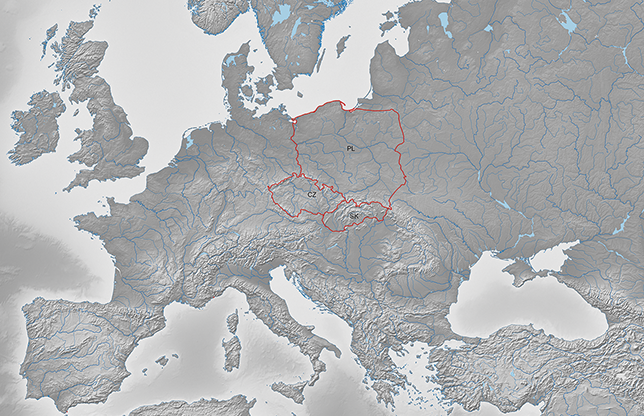
My primary focus is on evidence from Bronze Age Central Europe (2300–800 bce), with a particular emphasis on finds from Poland, where my expertise lies (Figure 2). The recent shift toward archaeological science in Central European archaeology has produced abundant data from numerous research projects and deserves a broader interpretation. In each section, I explore a distinct topic and draw on a range of evidence, including material from recent research projects. I have also utilized ethnographic data to examine the organization of production in premodern societies. It is important to note that, in response to criticism from ethnologists who have accused archaeologists of uncritically applying phenomena observed across different cultures and chronological contexts to their data, the use of ethnographic analogies in archaeological research has decreased since the 1970s (for a critical view in Polish ethnology, see Prinke, Reference Prinke1973; Posern-Zieliński & Ostoja-Zagórski, Reference Posern-Zieliński and Ostoja-Zagórski1977).
Map showing the studied area.
In further paragraphs, I will focus on the key issues regarding crafting practices, providing a limited overview of the chronological cultural transformations in Central Europe that are discussed in detail elsewhere (e.g., Bugaj, Reference Bugaj2017). I will concentrate primarily on the main chronological categories: the Early (2300–1600 bce), Middle (1600–1300 bce), and Late Bronze Age (1300–800 bce). Notably, in the Polish archaeological record, the transition from the Late Bronze Age to the Early Iron Age is gradual and is often viewed as a continuation. Therefore, some references to the early stages of the Iron Age evidence will also be included.
In the subsequent sections, I will explore several topics, including standardized versus custom-made objects, two-track production, seasonality, imitations, and cross-crafting, all of which are evidenced in contexts that primarily reflect the small-scale societies that dominated the Central European Bronze Age landscapes. These are universal phenomena that have rarely been addressed in Central European archaeology. This Element presents a systematic and comprehensive explanatory approach to these topics that can be applied to diverse communities across different geographical contexts.
2 Small-Scale Societies
The terms “small-scale” (as in small-scale societies) and “primary” (as in primary groups) are often used today to describe groups that primarily depend on hunting and foraging for their subsistence or have a small population size (Reyes-García et al., Reference Reyes-García, Zurro and Carro2017, with references). The earliest definition, however, encompasses instead the very essence of structure and types of social bonds. According to Firth, small-scale societies may include intimate family units, collaborative workgroups, or tightly knit neighborhood collectives, where members engage in regular, close personal interactions and foster a sense of community in their everyday lives (Reference Firth1951: 43–4). The same author not only defines them by scale but also emphasizes their abilities in cooperation by calling them the “smallest types of co-operative unit in society” (1951: 44). Recent studies support his observations and demonstrate that, instead of competition, small-scale societies often promote cooperation, which may be exercised on various levels (Carballo & Feinman, Reference Carballo and Feinman2024: 6). This is based on several social mechanisms, namely the development of social norms that encourage prosocial behavior, reciprocal exchange, the establishment of reputation that facilitates high-cost cooperation, relational wealth, and risk-buffering institutions (Glowacki & Lew-Levy, Reference Glowacki and Lew-Levy2022). Furthermore, the concepts of competitiveness and domination – often prevalent in narratives about Bronze Age societies – appear to hold less significance. Instead, in small-scale societies social relations seem to be regulated more by self-developed mechanisms, such as the use of punishment or the avoidance of individuals who seek to dominate other community members (Glowacki & Lew-Levy, Reference Glowacki and Lew-Levy2022: 45). Seeking for the complexity of rural institutions in the archeological evidence is often problematic and depends on the collective strategies employed by either centralized authorities or local populations, or both (Fargher & Blanton, Reference Fargher, Blanton, Thurston and Fernández-Götz2021). Although the relationship between population size and specific political organization forms is a widely recognized concept, Graeber and Wengrow have recently challenged this approach, arguing that “there is simply no reason to believe that small-scale groups are especially likely to be egalitarian – or, conversely, that large ones must necessarily have kings” (Reference Fargher, Blanton, Thurston and Fernández-Götz2021: 16).
In small-scale societies, political power is typically decentralized and tends to be subtle in its expression (Spielmann, Reference Spielmann2002: 195). Mechanisms that promote cooperation and status leveling often hinder the formation of formal leadership structures. Instead, informal leaders may arise to facilitate coordination, manage relationships with other groups, enhance social networking among both kin and nonkin, and resolve conflicts (Glowacki & von Rueden, Reference Glowacki and von Rueden2015; von Rueden & van Vugt, Reference Rueden and van Vugt2015).
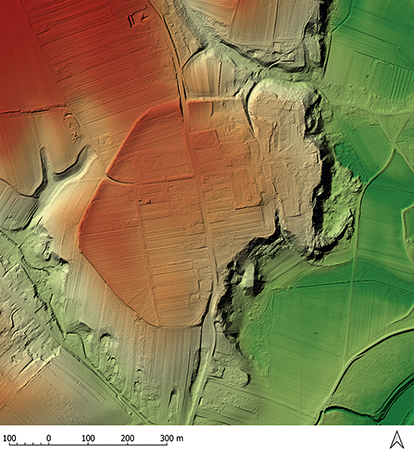
The Bronze Age societies in various regions of Central Europe serve as exemplary models of relatively small-scale societies characterized by their limited hierarchical structures and cooperative dynamics. These properties can often be attributed to the presence of effective leadership, which is not solely dependent on dominance, as mentioned earlier. However, the assertion that these societies possessed entirely horizontal social structures is unlikely unless one subscribes to an idyllic and potentially inaccurate portrayal of Bronze Age rural life. While the landscape of the Bronze Age was complex, a hierarchical social organization is generally not reflected in the archaeological evidence during most of this period, apart from a few large burial mounds and fortified sites that reached prominence around 1700 bce and are believed to be hubs of far-distance trade and a prestige-based economy (e.g., Jaeger, Reference Jaeger2016; Vladár & Bartonĕk, Reference Vladár and Bartonĕk1977). Some of these will be discussed in subsequent sections. Smaller burial mounds of various types are present throughout the Middle and Late Bronze Age, as are sites surrounded by ditches and ramparts. It is essential to recognize that monumental structures, which were recorded throughout the entire Bronze Age, are typically associated with political leaders who compel commoners to labor for their benefit. Such an assumption is derived from numerous historical examples where monumental architecture served as an emanation of political power and aspirations, which were indeed expressed through forced labor. However, these patterns cannot be uncritically transferred onto prehistoric societies, which would deny human abilities to perform any actions based on altruism and collective efforts (Carballo & Feinman, Reference Carballo and Feinman2024: 1). Archaeologists have long sought patterns that suggest that behind every rampart stood a chief, but this approach has often led to disappointment. Many large sites had ramparts and ditches, but the evidence of human habitation within these structures is scarce and highly dispersed (Figure 3). As a result, interpreting these sites as central places for political power, trade, and ceremonial activities is highly questionable. Instead, the archaeological evidence often suggests they served as carefully managed refuges for humans and their livestock (e.g., Chochorowski, Reference Chochorowski1977). Other fortified sites appear to result from carefully planned colonization efforts, with the ramparts constructed to safeguard settlers and their supplies from neighboring groups (Przybyła, Reference Przybyła and Urbańczyk2017). This perspective mirrors recent discussions regarding Central European tells, shifting from interpretations that view them as products of elite societies to more egalitarian viewpoints (Soafer et al., Reference Soafer, Stig Sørensen, Vicze, Blanco-González and Kienlin2020). It is plausible, therefore, to consider that such structures are the outcomes of collective efforts driven by grassroots processes and coordinated by individuals who adhered to local cultural norms, rather than being solely the initiatives of political leaders (Carballo & Feinman, Reference Carballo and Feinman2024: 8).
One of the largest prehistoric sites in Poland: a 250,000 sqm Late Bronze Age fortified site at Łubowice.
In the following paragraphs, I suggest that most Bronze Age societies in Central Europe align with the criteria set forth by anthropologists for small-scale societies, thereby creating distinct environments for craft production and the transmission of knowledge. Although these societies may differ regionally and temporally, they appear to have been communities united by cooperative practices rather than formal leadership structures.
3 Bronze Age
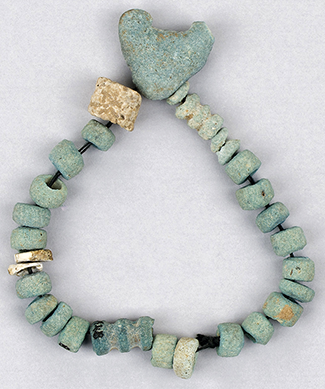
The European Bronze Age has been extensively studied, and most scholars agree that it was a period of significant political, social, and economic transformation beginning in the late Eneolithic, leading to the emergence of more complex and hierarchical societies, distinct from preceding Neolithic social configurations (e.g., Kadrow, Reference Kadrow2000). Although the dynamics and timeline of this process varied by region, it is believed to have been complete by around 2000 bce (e.g., Heyd, Reference Heyd, Fokkens and Harding2013: 65). However, the reasons behind the emergence, success, and maintenance of specific political organizations – often identified based on exceptional burials – across much of Europe for centuries remain insufficiently explained (Kienlin, Reference Kienlin, Kienlin and Zimmermann2012: 16). The prevailing assumption that the diverse and culturally varied European communities inevitably adopted a similar social model, which originated in the Aegean several centuries earlier and later gained broader acceptance, often reflects a simplistic, top-down viewpoint reminiscent of Morgan’s ladder of cultural progress. This perspective suggests that numerous communities in eastern and northeastern Europe, frequently portrayed as being on the fringes or outside the reach of Bronze Age civilization, maintained their indigenous lifestyles not by choice but because Bronze Age “missionaries” did not reach that far. This idea has been clearly articulated in discussions surrounding present-day southeastern Poland and eastern Slovakia. In these areas, copper and bronze artifacts are notably scarce and simple throughout the Bronze Age, while burials and settlements continued to reflect Eneolithic customs. In addition to advanced flint knapping of bifacial tools, these communities were skilled in high-temperature technologies and participated in long-distance exchange. That is evidenced by local production of beads made of glassy materials (Figure 4) (Purowski, Reference Purowski2020) and the presence of ornaments made of shells originating from the Black Sea and the Eastern Mediterranean (Kurzawska & Kowalewska-Marszałek, Reference Kurzawska, Kowalewska-Marszałek, Bakels, Fennema, Out and Vermeeren2010). Rather than being isolated from Bronze Age civilizations, they exhibited entirely different social institutions and value systems (Machnik, Reference Machnik1991, with references; Kadrow, Reference Kadrow and Urbańczyk2017: 13).
Necklace of faience and bone beads from the EBA cemetery in Stręgoborzyce, Poland.
Prestigious objects crafted from bronze, gold, or amber, as well as monumental burial architecture, appear in the archaeological evidence of Central Europe’s Early Bronze Age, though they are relatively rare and unevenly distributed. The same applies to Early Bronze Age fortified settlements in Poland, of which very few are known (Jaeger, Reference Jaeger2016: Figure 9). Metal halberds and daggers are found, but only a few originate from what could be characterized as “elite landscapes.” They consist of fortified settlements, richly furnished monumental burial mounds, and deposits, primarily located in certain regions, for instance, near the town of Kościan in western Poland (Jaeger & Czebreszuk, Reference Jaeger and Czebreszuk2010; Jaeger, Reference Jaeger2016: 43–67).
Data from various regions indicate that the cultural landscapes of the Early Bronze Age were diverse and cannot be simply labeled as such without further explanation. In southwestern Slovakia, fortified settlements are situated within the ore-rich Carpathian Mountains (Bátora et al., Reference Bátora, Behrens, Gresky, Kneisel, Kirleis, Dal Corso and Taylor2012). However, metallurgy was also practiced in open settlements, which tend not to be excavated entirely (Bátora, Reference Bátora2009: 209–10). The monumental hillfort at Maszkowice in southern Poland represents a unique settlement entirely distinct from the local cultural context, instead reflecting patterns that originated much further south (Przybyła & Skoneczna, Reference Przybyła, Skoneczna, Kienlin, Valde-Nowak, Korczyńska, Cappenberg and Ociepka2014). Notably, this exceptional site did not arise from a transformation of local structures, as it was established in a settlement void, prompting discussions about transferring settlement models across geographic barriers such as high mountain ranges (Przybyła, Reference Przybyła and Urbańczyk2017). Furthermore, even within Early Bronze Age Poland, several cultural traditions existed, with only western, Únětice, and Nordic traditions closely resembling the characteristics typical of the Bronze Age found in the more western and southwestern regions of continental Europe (Czebreszuk et al., Reference Czebreszuk, Müller and Szmyt2024). Many regions instead represent a conglomeration of local cultural patterns that are mostly a continuation of earlier traditions (e.g., Czebreszuk, Reference Czebreszuk, Fokkens and Harding2013: Figure 42.1; Marková & Ilon, Reference Marková, Ilon, Fokkens and Harding2013: 815; Włodarczak, Reference Włodarczak and Urbańczyk2017a: Figure 1). These observations illustrate the need for greater caution in viewing this region of Europe as part of a cultural koine that mirrors transformations observed in other areas.
The dating and cultural attribution of particular objects and sites is one of the most addressed topics in Central European archaeology and will not be discussed in detail here. In this Element, I will refer to the Early, Middle, and Late Bronze Age (the EBA, MBA, and LBA, respectively). The absolute Bronze Age chronology spans the period from approximately 2400/2200 to 800 bce, but varies significantly by region and research history. The following dates and cultural traditions are presented only to outline the scope of this study and are discussed in greater detail elsewhere (e.g., Czebreszuk, Reference Czebreszuk, Fokkens and Harding2013; Jiráň et al., Reference Jiráň, Salaš, Krenn-Leeb, Fokkens and Harding2013; Marková & Ilon, Reference Marková, Ilon, Fokkens and Harding2013). In this Element, the EBA (ca. 2400/2200–1600 bce) includes traditions such as Únětice, Mierzanowice, Mad’arovce, and Trzciniec, as well as several “archaeological cultures” originating from the Carpathian Basin situated further south. The MBA tumulus cultures can be roughly dated to 1600–1300 bce, while the emergence and peak period of the urnfield phenomenon in the LBA is dated to 1300–800 bce. In each period, influences from the Black Sea, Alps, Eastern Baltic, or Nordic regions were marked by imported and/or locally imitated objects. The contacts of various dynamics and range were likely possible along complex river systems and mountain passes, primarily oriented meridionally (O’Shea, Reference O’Shea2011; Jiráň et al., Reference Jiráň, Salaš, Krenn-Leeb, Fokkens and Harding2013: 788; Czebreszuk, Reference Czebreszuk, Fokkens and Harding2013: 767; Marková & Ilon, Reference Marková, Ilon, Fokkens and Harding2013: 813; Przybyła, Reference Przybyła and Urbańczyk2017).
3.1 Metals
The European Bronze Age is distinctive for several reasons, including advances in bronze metallurgy, which profoundly influenced various aspects of life (Kienlin, Reference Kienlin, Kienlin and Zimmermann2012: 15). This form of nonferrous metallurgy is often seen as a reflection of the newly emerging elite’s aspirations, as it allowed them to express their power through the creation of shiny, rare objects with unfamiliar shapes and functions, often crafted from nonlocal raw materials by trained craftsmen. The hoarding of metal objects stands out as one of the defining characteristics of the European Bronze Age, with evidence of this practice found throughout much of Central Europe from the beginning of the period (e.g., Moucha, Reference Moucha2007; Blajer, Reference Blajer, Maciejewski, Tarbay and Nowak2025). These deposits have been interpreted as linking metallurgy to social, economic, and political practices, contributing to the emergence of more complex societies (e.g., Oravkinová & Vladár, Reference Oravkinová, Vladár, Fischl and Kienlin2019, with references). It is important to note that these deposits are discovered within a wide range of archaeological contexts, and their distribution, in only rare cases, can be associated with settlement patterns reflecting complex societies, as suggested by Salaš (Reference Salaš2005).
Hoards are frequently viewed from a purely Western economic and early capitalist perspective that emphasizes the management of surpluses, trade, and wealth accumulation (e.g., Heyd, Reference Heyd, Fokkens and Harding2013; for more on the approach in Polish archaeology, see Blajer, Reference Blajer, Maciejewski, Tarbay and Nowak2025) or ritual ostentation performed in specially chosen landscapes (e.g., Levy, Reference Levy1981; Fontijn, Reference Fontijn2002). In Central Europe, primarily due to its turbulent history, hoards have tended to be interpreted as the result of political turmoil and conflicts at various scales. Recent studies, however, offer more diverse interpretations, including votive offerings or territorial demarcation (e.g., Salaš, Reference Salaš2005; Maciejewski, Reference Maciejewski2019; Blajer, Reference Blajer, Maciejewski, Tarbay and Nowak2025). Hoarding practices, irrespective of interpretation, are closely linked to significant advances in metallurgical skills. This includes the exploitation of ore-bearing outcrops, long-distance trade, and the rise of political elites who oversaw these processes and various stages of production. Consequently, all bronzes – regardless of quality, quantity, or context – serve as evidence of related processes and complex social structures. Connecting crafts and society is a common practice in archaeology, as such activity is always situated within specific social, cultural, and economic contexts that influence its scale, timing, and social connections (Costin, Reference Costin1991). In her study of small-scale societies, Spielmann (Reference Spielmann2002) suggests, however, that scholars often instinctively link evidence of craft – typically interpreted as “craft specialization,” as noted by Costin (Reference Costin, Whelehan and Bolin2015: 1035) – to the growing complexity of economic and political structures, as well as the emergence of elites and patronage systems. This perspective is evident in archaeological research globally (Costin, Reference Costin, Maschner and Chippindale2005: 1035, among others), and the European Bronze Age is no exception (critically examined by Kuijpers, Reference Kuijpers, Kienlin and Zimmermann2012). Various crafts, particularly copper-based metallurgy, are viewed as high-tech knowledge that is tightly controlled and limited in availability, primarily executed by and for elites to maintain their power (e.g., Kristiansen, Reference Kristiansen, Brumfiel and Earle1987; Winghart, Reference Winghart1998; Bartelheim, Reference Bartelheim, Kienlin and Roberts2009; Augustýnová, Reference Augustýnová2018). However, this view has recently been contested by Kuijpers (Reference Kuijpers2018), who highlighted the limitations of associating metallurgy with social stratification without a more nuanced discussion.
A tendency to focus on objects that scholars admire primarily for their aesthetic appeal and craftsmanship has been prevalent in archaeology. This approach has led to an overestimation of the significance of metals in everyday economies. At the same time, the importance of other raw materials has been largely overlooked (Kienlin, Reference Kienlin, Kienlin and Zimmermann2012: 16). By its very nature, the Three-Age System dismissed Bronze Age nonmetal tools as insignificant remnants of a nearly extinct craft. Consequently, they remained outside the research mainstream, particularly in regions with metal artifacts. Flint and lithic tools from contexts later than the Early Bronze Age – often considered a transitional period – were primarily neglected until recently (Lech & Piotrowska, Reference Lech and Piotrowska1997; Masojć, Reference Masojć, Werra and Woźny2018; Kufel-Diakowska et al., Reference Kufel-Diakowska, Baron and Buchner2020). Well-preserved evidence from Bronze Age sites presents a more diversified view of raw materials, indicating that while metals are significant, they may have been less important than previously believed by archaeologists. Evidence from the well-known battlefield site of Tollense in northeastern Germany, dating to the thirteenth century bce, illustrates the drawbacks of archaeologist’s fixation on metals. Although the region has produced rich evidence of metal tools and weapons, traumatic injuries due to combat at the site involved wooden clubs, mallets, and bows and arrows fitted with flint arrowheads with only some evidence for the use of metal weapons. Moreover, the skeletal evidence suggests a history of brutal face-to-face violence (Jantzen et al., Reference Jantzen, Brinker and Orschiedt2011), which contrasts with the depiction of elegant Bronze Age knights partaking in ceremonial duels with their ornate bronze swords and daggers. We may assume that Bronze Age societies participated in both types of violent interactions. However, much of the research emphasizes the link between warriors and metallurgy, ultimately rendering armed male figures as iconic of the European Bronze Age.
The evolutionary perspective is evident in Early Bronze Age metallurgy studies, particularly regarding the chemical composition and form of metal artifacts. It is generally believed that these items evolved from simple to complex designs and transitioned from copper to tin bronze. However, it is widely acknowledged that Early Bronze Age contexts produced both simple, undecorated rings and pins as well as more intricate, multipiece socketed items, such as halberds. Consequently, the compositional trend is often viewed as a linear transition from copper to tin bronze, reaching Central Europe around 1700 bce. Items dated to the Late Bronze Age are typically classified as bronze, even when archaeometric analyses reveal they are made of pure copper (Baron et al., Reference Baron, Maciejewski and Miazga2020a). Although there are more copper items at the beginning of the Bronze Age compared to its end, the overall narrative should avoid such oversimplifications. Chemical analyses employing various methods and tools have demonstrated that the intended purposes of artifacts, rather than their chronological context, played a crucial role in determining alloy composition (e.g., Rassman, Reference Rassmann, Czebreszuk and Müller2004; Kienlin, Reference Kienlin2010: 168, 171–2 with references; Puziewicz et al., Reference Puziewicz, Baron and Ntaflos2015; Nowak et al., Reference Nowak, Baron and Puziewicz2019).
The trajectory of Bronze Age metallurgy defies simple evolutionary schemes and was nuanced concerning the technical and social aspects of production, reaching beyond technological determinism, shifting toward human agency, and differentiating between technical requirements and choices (Hosler, Reference Hosler1994; Kuijpers, Reference Kuijpers, Kienlin and Zimmermann2012, Reference Kuijpers2018; Montes-Landa et al., Reference Montes-Landa, Timberlake and Martinón-Torres2024). However, in the literature, bronze working is represented as a prime example of a craft swiftly and unequivocally recognized as challenging to master. Kuijpers demonstrates how scholars have highlighted the importance of metallurgy in studies on Bronze Age societies while diminishing the importance of other crafts (Kuijpers Reference Kuijpers, Kienlin and Zimmermann2012: 2–4). Metallurgy – and, by extension, metallurgists – has been portrayed by Budd and Taylor (Reference Budd and Taylor1995: 136–8) in two distinct ways. One is termed “industrial orthodoxy” and derives from a contemporary Western understanding of science and its foundations, such as observation, hypothesis, experimentation, analysis, conclusion, and repeatability (Bandama & Babalola, Reference Bandama and Babalola2023: 532). The metallurgists were, in this case, proto-scientific experimenters. The other approach highlights the performative and ceremonial aspects of metalworking. Consequently, these perspectives are considered objective and rational as compared to magical and speculative explanations, although Budd and Taylor suggest that scholars should develop a less prejudiced vocabulary (Budd & Taylor, Reference Budd and Taylor1995: 139). Regardless of the concept of rationality in the past, which is likely to have been different from what we consider rational today (e.g., Brück, Reference Brück1999), in the second approach, magic and beliefs have been put forward in place of science as interpretive frameworks for understanding technologies in preindustrial societies (e.g., Bandama & Babalola, Reference Bandama and Babalola2023, with references). Although folk knowledge about metalworking as a successful combination of performative, practical, and magical aspects is well evidenced in Central European ethnographic data (Soukup, Reference Soukup1902; Moszyński, Reference Moszyński1934: 14), “the industrial orthodoxy” prevails in much of archeological research. It draws significantly from V.G. Childe’s fascination with Marxist theory and uses the idea of technical and economic progress to analyze cultural phenomena (Milisauskas, Reference Milisauskas and Milisauskas2011: 11–12).
The political landscape of Central European academia during much of the latter half of the twentieth century was characterized by a blend of Marxist theory and cultural-historical archaeology, primarily aimed at reinforcing national identity (Lech, Reference Lech1999; Neustupný, Reference Neustupný, Gediga and Piotrowski2004). This environment fostered a material-oriented paradigm that shaped archaeology into a highly descriptive discipline, concentrating on cataloging the material correlates of human activities. Such evidence has often been viewed as providing factual and objective insights into the past (critically: e.g., Tabaczyński, Reference Tabaczyński and Tabaczyński2000). Within this framework, the prevailing approach to metallurgy has been grounded in industrial orthodoxy, which limits interpretations to technology. Since the 1990s, there has been a notable shift toward archaeological science, fueled by increased research funding in this area of research. This shift aligns well with the existing paradigm, offering again a more descriptive framework now articulated with greater precision and enhanced by innovative analytical tools.
3.2 Dwellings
No craft can be studied without situating it in spatial and social contexts. In Central Europe, this context is primarily characterized by dwellings that reflect both long-term habitation of particular locations and more temporary, camp-like sites. To date, there is very little evidence of raw material processing occurring outside of settlement contexts, aside from ore mining sites in the southern Carpathians or flint mines (Lech & Lech, Reference Lech and Lech1984; Modarressi-Tehrani & Garner, Reference Modarressi-Tehrani, Garner and Labuda2014).
Bronze Age settlements in Central Europe exhibit a range of sizes, structures, and distributions, influenced by local traditions and landscape types. A detailed exploration of these characteristics exceeds, however, the scope of this Element. Needless to say, research on these settlements has been uneven, with particular emphasis often placed on well-studied fortified sites, which offer substantial evidence of long-distance trade, specialized production, and ritual practices (e.g., Bátora, Reference Bátora2009; Jaeger & Olexa, Reference Jaeger and Olexa2014; Przybyła & Skoneczna, Reference Przybyła, Skoneczna, Kienlin, Valde-Nowak, Korczyńska, Cappenberg and Ociepka2014; Petřik et al., Reference Petřík, Prokeš and Všianský2018). Their structures and material culture assemblages are also sometimes considered manifestations of nonlocal traditions (Vladár & Bartonĕk, Reference Vladár and Bartonĕk1977). These sites were often regarded as centers of political authority that addressed conflicts by constructing substantial fortifications. However, these perspectives have been debated and dismissed in recent discussions, which have shifted interpretations toward the role of such locations in exchange networks and control of mountain passes (e.g., Przybyła et al., Reference Przybyła, Skoneczna, Kienlin, Valde-Nowak, Korczyńska, Cappenberg and Ociepka2012).
The considerable increase in development-driven excavations since the 1990s and recent noninvasive archaeology have revealed hundreds of new Bronze Age sites in diverse settlement landscapes, including open villages, ditched structures, fortified hillforts, and lake dwellings (e.g., Czebreszuk, Reference Czebreszuk, Fokkens and Harding2013; Jiráň et al., Reference Jiráň, Salaš, Krenn-Leeb, Fokkens and Harding2013; Furmanek et al., Reference Furmanek, Mackiewicz and Myślecki2015; Włodarczak, Reference Włodarczak and Urbańczyk2017a; Bátora, Reference Bátora2018; Šabatová, Reference Šabatová, Šabatová, Dietrich, Dietrich, Harding and Kiss2020; Żurek et al., Reference Żurek, Wawrusiewicz and Kalicki2022). Interestingly, archaeological excavations have revealed that many sites exhibit sudden shifts in local settlement patterns. For instance, the Fidvár site in western Slovakia expanded from an area of 0.6 hectares around 2400/2100 bce to a substantial mega site of over 12 hectares from 1900 to 1700 bce, before declining back to just 1 hectare between 1700 and 1500 bce (Bátora et al., Reference Bátora, Behrens, Gresky, Kneisel, Kirleis, Dal Corso and Taylor2012: 125). Similarly, the rise and fall of Fidvár took place during the Early Bronze Age (EBA) and aligns closely with the decline of other elite landscapes around 1700 bce, such as the monumental cemeteries at Łęki Małe and Leubingen. This raises intriguing questions about the fluctuating nature of power and swift political collapses in this period (Bogucki, Reference Bogucki1999: 268; Kienlin, Reference Kienlin, Kienlin and Zimmermann2012: 16), possibly reinforced by ecological pressures (Kneisel, Reference Kneisel, Kneisel, Kirleis, Dal Corso, Taylor and Tiedtke2012). In some regions where ceremonial architecture, high-ranked settlements, and richly furnished graves are found, the transition between the Early and Middle Bronze Age is marked by the discontinuity of settlement networks (Makarowicz, Reference Makarowicz and Urbańczyk2017). Regardless of the settlement’s rank and structure and despite their small sizes, many sites provide significant evidence of processing various raw materials. This is particularly interesting because these settlements were inhabited by small communities, typically with populations ranging from 200 to 250 people, who very likely had daily face-to-face interactions. Although large settlements, such as Lovčičky (ca. 4 hectares; Říhovský, Reference Říhovský1982) or Wrocław Widawa (ca. 3 hectares; Masojć, Reference Masojć2014) existed, notable examples include the open dwellings in Domasław (1 hectare), the lake sites at Bruszczewo (1.5 hectares) and Grzybiany (1 hectare), as well as the hillforts at Spišský Štvrtok (0.6 hectare) and Maszkowice (0.5 hectare), to mention only some. Many sites of rather modest sizes have been estimated using Light Detection and Ranging (LIDAR) and other noninvasive methods. We must, therefore, conclude that an essential part of craft activities was located in small villages, and the area size shaped the dynamics of interaction, learning processes, and knowledge transfer.
In conclusion, like other regions, Central Europe had specific cultural characteristics and cannot simply be defined as a homogeneous political and social entity representative of “Bronze Age society.” While individual high-ranked sites, regions, and prestigious objects did exist, we must question how representative these are when discussing the broader concept of hierarchically structured societies that provided the context for crafting and craft specialization.
4 Specialized, Standardized or Customized?
In the following discussion, I will address standardization and customization as two different but not opposite aspects present both in everyday and more specialized production. Standardization is sometimes considered a feature of specialization, enabling the serial production of similar items and eventually leading to efficiency, cost savings, and exchange of surpluses (for a detailed critical view on such an approach, see Costin, Reference Costin1991: 35–9). Specialization, broadly defined as a production method with more users than producers, encompasses various levels of excellence and can refer to objects of different styles and qualities, not necessarily to serial production. Thus, standardization is relevant only to some categories of specialization. Kuijpers (Reference Kuijpers2018) argues that specialization levels can include (1) amateurs producing items of acceptable quality; (2) craftspeople who possess expert knowledge of their craft, produce high-quality items, and are not afraid to imitate, repeat, and modify; (3) master craftspeople who produce distinctive objects; and (4) virtuoso, skilled specialists creating unique, original works.
In this scenario, standardized objects – essentially similar items produced in a specified quantity – would be crafted by makers from categories 1 and 2. These artisans possessed the requisite knowledge, tools, and equipment to create such items. Furthermore, I postulate that in small-scale societies of Central Europe, these specialists often worked seasonally as part-time producers, a topic that will be explored further. Within this context, standardization enabled efficient and swift production to meet the local community’s regular, seasonal, and emergency needs.
Different specialization levels are evident, for example, in Slavic ethnography, where the ability to work with iron at various temperatures was the basis for the categorization. In addition to professional blacksmiths skilled in hot forging, the folk language also recognizes “cold blacksmiths,” referring to those who can create more straightforward items through cold forging. Both groups are defined by distinct verbs describing their work with iron, such as kuć, referring to hot, and pleskać, which means cold working in archaic Polish (Moszyński, Reference Moszyński1929: 361).
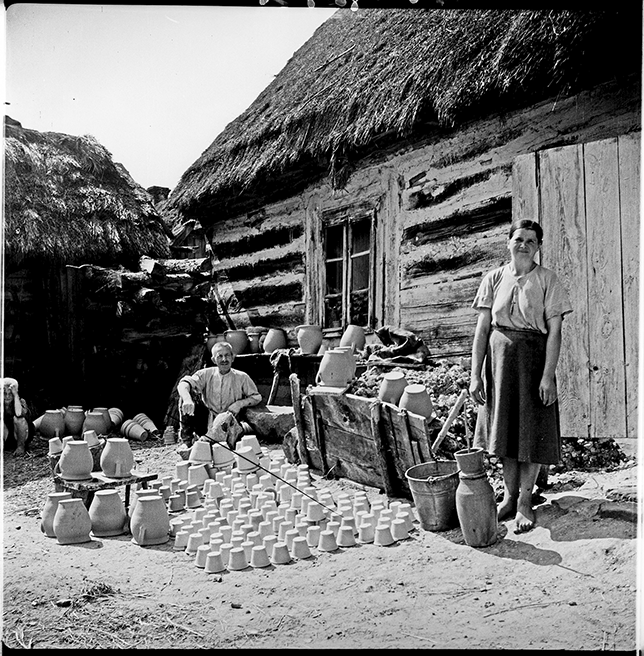
Regarding timing, standardized production can be organized as an occasional single event, producing many similar items, or it can consist of fewer objects made during multiple events. In traditional pottery making in Central Europe, an extensive series of wheel-thrown vessels was produced very quickly after the time-consuming processing of clay, which could take months or even years. Reinfuss reports that throwing a mid-sized vessel (approximately 60 cm tall) usually took a skilled maker 5–8 minutes (Figure 5). To improve efficiency by repetition, potters manufactured only single types during one event (Reinfuss, Reference Reinfuss1951: 23). That way, a series of vessels to fill a pottery kiln would be ready in a few days.
A village potter and an extensive series of standardized vessels wheel-thrown during a single event, Poland 1952.
On the other hand, a local blacksmith, an example of a highly respected “emergency specialist,” could produce a single or a few standardized horseshoes when necessary or customize already-made products instead of manufacturing an extensive series (Korybutiak, Reference Korybutiak1936).
The most prevalent examples of standardized objects in the European Bronze Age are metal items found in hoards. They often contain dozens or even hundreds of nearly identical items, prompting inquiries into the nature of serial production and efficiency in Bronze Age metallurgy starting from its earliest stages (Figure 6). As Bradley (Reference Bradley1990) noted, scholars’ educational backgrounds and research traditions significantly shape the frameworks they use when interpreting hoarding practices and when investigating why Bronze Age societies deposited specific types of artifacts in particular contexts. Maciejewski (Reference Maciejewski2019) and Blajer (Reference Blajer, Maciejewski, Tarbay and Nowak2025) highlight recent approaches in Central Europe. The phenomenon of hoarding has been a focal point of study since the inception of archaeology; however, a detailed exploration of this activity will not be addressed here. Regardless of the theoretical approach adopted, collections of tools, weapons, and ornaments are frequently interpreted as evidence of advanced metallurgy, suggesting a correlation between serial production and a high degree of specialization. Nonetheless, both ethnographic and archaeometric evidence suggest that this interpretation may not always hold. An extensive series of nearly identical axes within the same hoard can exhibit low technical quality, such as shifting bivalve molds or high porosity. This type of standardization often indicates rapid and routine production, concentrated on a single category of product (Machajewski & Maciejewski, Reference Machajewski, Maciejewski, Machajewski and Rola2006: 145).
Two deposits of similar items:
EBA Kukleny
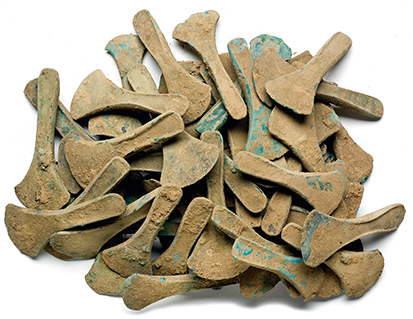
LBA Třebeš, Czechia.

Authors differ in their opinions on how collections may reflect a single metallurgical event, including a high degree of formal similarity, similar decoration patterns, or homogeneous chemical composition (Baron et al., Reference Baron, Maciejewski and Miazga2020a; Ondrkál, Reference Ondrkál2020: 501). Formal similarities but different elemental compositions and various patterns of use degree may indicate that the pre-depositional biographies of objects in an assemblage varied (Maciejewski, Reference Maciejewski2019: 243–4).
The serial production of metal items requires molds made of various materials to create objects of desired shapes and sizes. Depending on the technique, such molds are made for single or multiple uses from materials that can withstand the high temperatures of molten metals. Permanent stone molds were not always feasible or preferred due to factors such as the absence of necessary skills, the inaccessibility of quality raw materials, or time constraints. However, archeological experiments, usually by nonprofessionals, demonstrate that producing clay molds and casting simple objects does not require highly specialized skills (Nowak, Reference Nowak2018). Instead, the process demands basic raw materials and elementary knowledge about their properties. Semi-durable ceramic molds, for instance, could have been made by pressing already-cast metal objects or positive models into the clay; examples are rare but present in the archaeological record (Orlicka-Jasnoch, 2019: Figure 15).
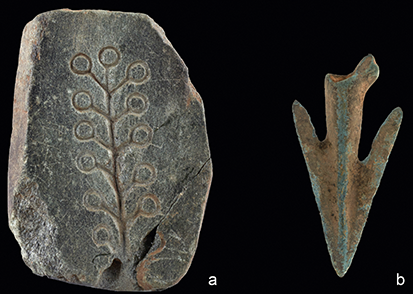
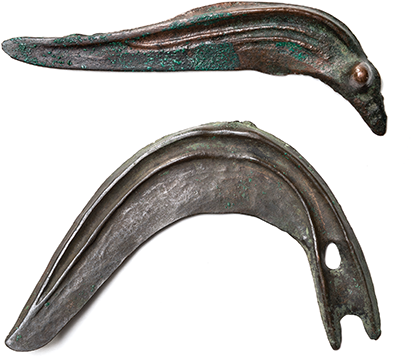
Multiple-cavity stone molds and the locations of remains of casting jets suggest the serial casting of small objects such as arrowheads, buttons, or rings (Figure 7) (Novotna, Reference Novotná1983; Blažek et al., Reference Blažek, Ernée and Smejtek1998: Taf. 35:139; Bartík, Reference Bartík, Bátora and Peška1999: Abb. 2). Although it may seem that producing hundreds of small items is highly time-consuming, considering the possibility of casting a dozen or more at a time, standardized and serial manufacturing could be relatively quick. Larger objects were not commonly cast this way; however, there are examples of molds designed for producing multiple, primarily simple tools such as sickles (e.g., Říhovský, Reference Říhovský1989: 40; Furmánek & Novotná, Reference Furmánek and Novotná2006: 47; Nowak, Reference Nowak, Nowak and Stolarczyk2016: 3). They were manufactured according to four essential formal types, varying in different parts of Europe (Arnoldussen & Steegstra, Reference Arnoldussen and Steegstra2016: Figure 5A). The socketless sickles that dominate in Continental Europe are relatively simple to cast because one side is flat and can be produced using a one-piece or bivalve mold with a flat lid (Figure 8). Bearing in mind that, along with flint sickles, bronze sickles were intensively used seasonally for harvesting cereals and all year long for other activities such as collecting animal feed, land clearing, providing raw material for basketry and textile production, straw for bedding, and so on (e.g., McClendon, Reference McClendon2015: Table 2.2), their production must have been relatively fast and straightforward. Sickles found in hoards are, however, usually not damaged according to patterns supported by experimental data but are either whole or were carefully fragmented into straight-edged pieces shaped by chopping, chiseling, and bending off previously heated items (e.g., Chvojka et al., Reference Chvojka, Jiráň and Metlička2017: Tables 115–116). The question of the role of sickles in late Bronze Age weight systems and ritual aspects of metalwork has been discussed for several decades. It relates primarily to the fact that many sickles in hoards are incomplete (Lago et al., Reference Lago, Cianfoni and Scacchetti2023, with references). The research highlighted that hoards frequently contain selected sickle fragments, which thus cannot be considered scrap deposited in so-called founder’s hoards (Rezi, Reference Rezi, Berecki, Németh and Rezi2011, with references). The pan-European tradition of fragmentation reaches beyond particular cultural and technological traditions and is one of the iconic features of Bronze Age metallurgy (Nebelsick, Reference Nebelsick and Pare2000), but is not discussed here in detail. On the other hand, use-wear analysis and experimental work show that the bronze sickles found in hoards, deliberately fragmented or not, were used (Sych, Reference Sych2015), while deposition of as-cast or only slightly worked specimens is far less frequent (e.g., Nowak et al., Reference Nowak, Tarbay and Stos-Gale2023a). Such a picture, however, might be the result of the current state of knowledge based on a few use-wear studies. Regardless of their functions, which likely extended beyond the purely utilitarian, sickles belong to the most numerous Bronze Age metal tools in Central Europe and are numbered in the thousands in museum collections. Their production must have included standardization practices that developed during generations of experimentation.
a and b. Slovakian evidence of multiple cast: (a) multiple cavity stone mold, (b) an arrowhead with oblique casting jet.
Knobbed and tanged flat sickles from Karmin, Poland.
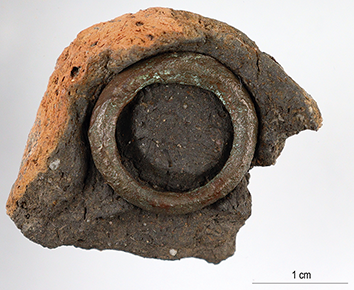
Often presented as the opposite of standardization, the lost-wax technique results in unique, highly individualized, and complex products (Hunt, Reference Hunt1980). This method is often used to create intricate castings, resulting in higher quality due to eliminating the casting seams that are common in multipiece molds. Yet, the Central European evidence shows that this application does not preclude its use in standardized casting (e.g., Szabó, Reference Szabó, Berecki, Németh and Rezi2013: 296). Even a single site can provide an extensive collection of disposable molds used to cast undecorated, simple ring ornaments of repeatable sizes and shapes (Figure 9). In many cases, they are the only evidence of metalworking activity (Garbacz-Klempka et al., Reference Garbacz-Klempka, Kowalski and Kozana2016; Bartz et al., Reference Bartz, Nowak and Stolarczyk2025). Moreover, the wax models did not necessarily have to be hand-carved but could have been cast themselves. Suggestions that wax models were shaped in metal molds have been present in the literature for a long time (Kostrzewski, Reference Kostrzewski1953; Machajewski & Maciejewski, Reference Machajewski, Maciejewski, Machajewski and Rola2006: 145; Baron et al., Reference Baron, Miazga and Nowak2014), while recent publications show that apart from wax, the models could have also been made of other high-plasticity raw materials such as tallow, resin and seal oil and their mixtures (Sperling & Trommer, Reference Sperling and Trommer2024).
Disposal clay mold used in the lost-wax casting with a fitting metal ring from Grzybiany, Poland.
The other aspect of production is customization, which can be defined as the action of making or modifying something according to the buyer’s or user’s needs. The modification range can be pervasive and cover countless properties of future users, from biological conditions to personal taste. Customers or their representatives must specify requirements before production starts or when modifications can still be made.
Archaeologists frequently draw intuitive connections between the sizes of Bronze Age ring ornaments and the body postures of their potential users, categorizing them as wrist and arm bracelets, necklaces, hair spirals, or ornaments for males, women, or children (Figure 10). This leads to the assumption of specific, individualized craft practices tailored to customs. However, this assumption may only be partially correct unless it can be meticulously documented in excavation and grave contexts. Many bronze rings were produced en masse using durable bivalve molds or the rapid shaping of disposable molds made from pressed clay models. Consequently, it is questionable to regard all these items as custom products designed for particular individuals.
Ring ornaments and how archaeologists attribute them to particular body parts.

How do we know whether a ring is a bracelet or an armring? Estimating various biological characteristics based on selected body parts is crucial in modern forensics, especially when examining dismembered bodies. Hand measurements, for instance, have been used to estimate sex, age, and stature in different age groups and populations (Kanchan & Krishan, Reference Kanchan and Krishan2011, with references). Such data are absent for prehistoric populations because most measurements require the presence of soft tissues (Kanchan & Krishan, Reference Kanchan and Krishan2011: Figure 1) or exact documentation of the position of hand bones in situ. Moreover, cremating human bodies has been a dominant burial practice in Central Europe for over five centuries (1300–800 bce), limiting the data significantly with only a few exceptions (e.g., Lehnert & Wahl, Reference Lehnert and Wahl2022).
Can we trace hand sizes and say they are reflected in customizing practices in archaeological evidence? Most metal tools and hand-held weapons from the Bronze Age were hafted with organic materials, so we usually find incomplete final products.
Metal elements, separate or modeled in an object to be hafted, such as rivets, knobs, tangs, hooks, and sockets, belong to the essential technical solutions of hafting hand tools (Bell, Reference Bell2016; Papadimitriou et al., Reference Papadimitriou, Konstantinidi-Syvridi and Goumas2024: Figure 3).
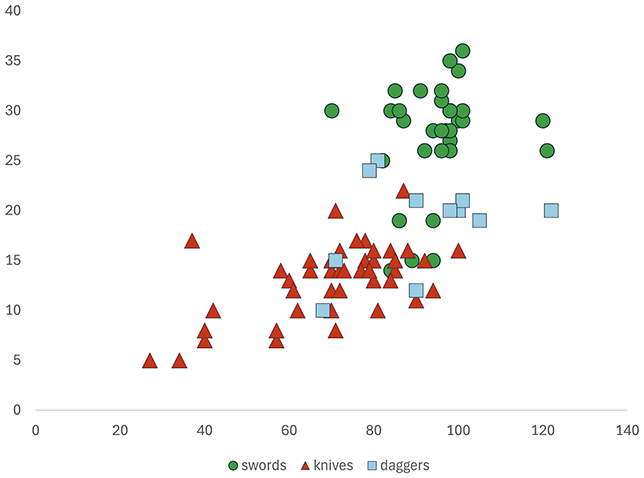
Yet, there are some groups of hand-held items whose handle size variability can be tested. In Bronze Age collections, this includes full-hilted and tanged swords, daggers, and knives whose hilts are terminated with guards, pommels, or curved blade bases. The analysis of handle measurements of bronze tools and weapons from Poland revealed variations among different types of objects (Figure 11). In the Bronze Age, the number of knives was relatively low compared to other tools. Still, it appears that they were designed to accommodate individuals with varying hand sizes, suggesting that users may have been of various ages and sexes. It is possible that these users had specific expectations about the tool, or, on the contrary, they may have been content with any available handle size. In either case, the production process was clearly less standardized. It could have included semi-permanent clay molds, supported by the limited number of permanent molds compared to finished knives (Gedl, Reference Gedl1984). On the other hand, the handle sizes of swords were more uniform. Still, the generally low number of bronze swords in Poland may indicate a relatively formalized, instead of standardized, serial production. This could have been geared toward a specific type of customer with a particular hand size, such as adult males, or to meet formal expectations about swords, regardless of the user’s actual hand size. However, it is essential to note that this doesn’t necessarily mean that sword casting was standardized or done in large quantities. While evidence suggests local production of full-hilted swords and daggers in Poland (Bugaj, Reference Bugaj2005), no casting molds for these items have been discovered in the region, indicating a highly personalized, possibly lost-wax production process. How was the hand-size-based customization scheduled? Discussing the qualities of final products could have been based on observation of molds, models, or other finished products. In the case of complex objects, when the blade and handle were cast separately, both parts could have been matched and fixed together after casting. The cast-on technique, consisting of casting an element – a tool handle or pin head – on an already-existing part, is evidenced in Bronze Age metallurgy and allowed modification of selected parts (e.g., Stasik et al., Reference Stasik, Baron and Nowak2024: Figure 7e).
Handles sizes of Polish BA knives, daggers and swords.
The dominant hand is another human biological characteristic that can be useful in identifying archaeological evidence for customization. Little information is available about human handedness before the early nineteenth century ad. Still, approximately 10 percent of the human population is left-handed today, although the precise estimations are primarily drawn from Western societies (Spennemann, Reference Spennemann1985). Left-handed individuals in the past can be identified through various types of tools, wall paintings, stature asymmetries, body orientation in rock art, or styles of processing other materials (Steele & Uomini, Reference Steele, Uomini, Roux and Bril2005; McManus, Reference McManus, Sommer and Kahn2009).
Are handedness-related, custom-made products evidenced in the Central European Bronze Age? Among the metal hand tools, sickles are the most prominent example and will be discussed in detail. Experiments with a Bronze Age replica knife used to process and repair bone and antler revealed that in specific types of work, such as scraping and whittling, the blade will wear asymmetrically depending on the experimenter’s dominant hand (Stasik et al., Reference Stasik, Baron and Nowak2024). Testing this type of wear on prehistoric tools requires detailed analysis, such as using 3D scanning to visualize the blade’s cross-cut and supposed asymmetry. Studies such as this have not been carried out to date. Asymmetry in blade wear is also observed in daggers, both microscopically and through X-ray imagery (Baron et al., Reference Baron, Maciejewski and Jarysz2019: Figure 30; Gan, Reference Gan, Michalak and Przechrzta2020: Papadimitriou et al., Reference Papadimitriou, Konstantinidi-Syvridi and Goumas2024: Figure 8). However, this does not necessarily indicate handedness, but could reflect a preference for working with certain tool positions; it could also be due to improper hafting.
Occurring in Central Europe in their most common variants, namely knobbed and tanged, sickles vary in their top and bottom surfaces, which are profiled and flat, respectively. The asymmetrical shape makes them easy to identify as tools for a right or left-handed person. While Bronze Age sickles for left-handers are scarce, they have been found in Central European archaeological contexts (Pavlin, Reference Pavlin2006; Jahn, Reference Jahn2013: 138–9, 167–9). In hoards, sickles for left-handers were deposited together with those cast for right-handers (Figure 12). They are similar in size and style and were likely crafted by the same producers. They also bear regular traces of hammering and intense use (Baron et al., Reference Baron, Maciejewski and Jarysz2019: 64). Thus, the makers must have been adaptable enough to handle the objects at the post-casting stage, as a likely right-handed maker would have used different hand positions during hammering, cutting off casting jets, sharpening, and so on.
Knobbed sickles from Karmin, Poland: one of them was made for a left-hander.
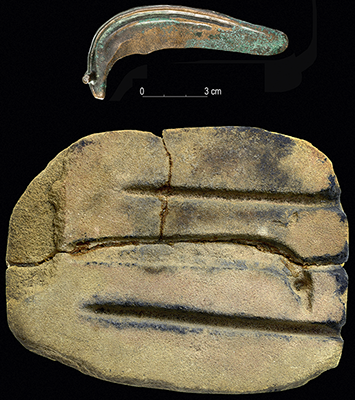
Sickles for left-handers were cast in durable bivalve molds, as shown by casting seams on finished products, and very rare molds (Pavlin, Reference Pavlin2006: Figures 3.6 and 12). That means the customization process covered not only the act of producing a tool modified to suit particular needs but also making a durable mold, allowing repeatable production. Interestingly, the existence of full-size sickles for left-handers also proves that left-handed people were not forced to change their dominant hand, as has been widely practiced in the Western world.
Standardized and custom-made objects should not necessarily be considered opposites but instead two sides of the same coin. Clay bracelet models could easily be tailored to specific sizes, tastes, and other preferences, making them customized products. However, these designs were also intended to produce identical ornaments in semi-permanent clay molds efficiently. Similarly, a stone casting mold for left-handed sickle users represents a tool for repeatable casting (standardized) of rare (custom-made) objects. These technological traits are deeply connected and demonstrate the technological adaptability of prehistoric craftspeople. Regardless of the casting technology or customer’s demands, metallurgy in the Bronze Age required extensive knowledge of raw materials such as clay, temper, wax, and crystalline rocks, applied in cross-crafting and communication patterns, which will be discussed in more detail in later sections.
5 Two-Track Crafting
Archaeological collections from a single spot or a group of sites often show products crafted from similar raw materials yet differently approached by scholars. They are described and valued by referring to various, subjectively distinguished, and frequently opposite categories such as skill level (workshop vs. domestic ware; simple vs. complicated; easy vs. difficult to make), purpose (everyday vs. ceremonial), raw materials (locally accessible or not), and so on. Moreover, studies of worked osseous collections showed that certain types of raw material have been assigned an exceptional value beyond our estimation of their practical/aesthetic characteristics (e.g., Choyke, Reference Choyke, Choyke and O’Connor2013; Luik, Reference Luik2011, with references). Red deer antlers and domestic animal bones are a good example of valued and processed raw material. Antlers would have been a desirable but hardly readily available raw material, in particular compared to the bones of domestic animals, due to seasonal access to sheds and increasing deforestation of the landscape surrounding Bronze Age villages. The physical characteristics of antler, such as hardness and elasticity, along with its texture, color, and culturally specific meaning, made it highly valued, not only by the Bronze Age communities. At the settlements, this material was carefully processed, often with a high number of applied tools and techniques compared to bones (Baron & Diakowski, Reference Baron and Diakowski2018). Antler debris is rarely recorded, an indication of its highly efficient use. In later historical sources, the efficiency of antler use can also be explained by its utility for the production of glue made of pieces of leather and antlers (Samsonowicz, Reference Samsonowicz1982: 64). Meticulous management of production debris may explain the very low quantities of antler material recovered on prehistoric and historic sites.
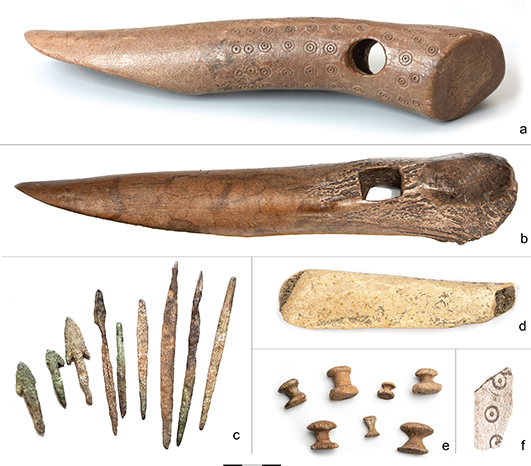
On the other hand, tools crafted primarily of the easily accessible bones of domestic animals, that is, food refuse, were made with a few basic implements such as knives or flint flakes and stone abraders and sharpeners. Awls, perforators, or skates display a minimal modification of bone’s natural shapes and could be produced quickly, very likely by anyone who could work with a knife, while others required the use of a set of tools, including metal chisels and compasses (Figure 13). Interestingly, the same sites have yielded examples of both types of tools (e.g., Baron & Diakowski, Reference Baron and Diakowski2018).
a–f. Bone and antler objects from the LBA Urnfield tradition illustrate various techniques and tools used in their production. (a–b), Antler axes, (c) – arrowheads, (d) – smoother, (e) – buttons, (f) – handle decorated with a compass.
A similar dichotomy is also evident in Central European metalworking, although, as mentioned before, metallurgy has always been assumed to have had particular importance in Bronze Age societies. But was all metallurgy always a highly demanding craft performed exclusively by specialists, or were metals one of many raw materials present in the everyday economy? Was it more demanding than other high-temperature technologies, such as pottery firing and working glassy materials, which are never presented in the literature as evidence of social stratification and political tensions? Was it practiced exclusively by specialists, makers who intended to exchange some of their products? Could a nonspecialist cast a bronze pin? Can we speak about metallurgy as a household-based craft practiced daily, along with pottery, weaving, and food production, and what would this look like archaeologically? Jaeger and Olexa (Reference Jaeger and Olexa2014) have observed significant differences in both the quantity and quality of grave goods found in the burials of metallurgists during the Early Bronze Age in Slovakia. They suggest that these disparities reflect varying competencies and the differing levels of esteem held by the deceased who were metallurgists. Similar diversity can be identified in numerous other contexts using various methods, including archaeometry and use-wear analysis. Observations of the microstructure and casting quality of metal using different analytical tools and scales can reflect the maker’s competencies in controlling the metallurgical process (e.g., Puziewicz et al., Reference Puziewicz, Baron and Ntaflos2015; Tarbay et al., Reference Tarbay, Kis and Maróti2024). Apart from the use-wear studies, even general macroscopic observations indicate that craftspeople within the same cultural environment and sometimes within the same site produced both simple pins and intricate, multipart, lavishly decorated objects. Thus, the noticeable formal differences in their work can be seen as indicative of various skill levels, which, as Kuijpers (Reference Kuijpers2018) posits, is a multipartite concept encompassing both technological and social dimensions.
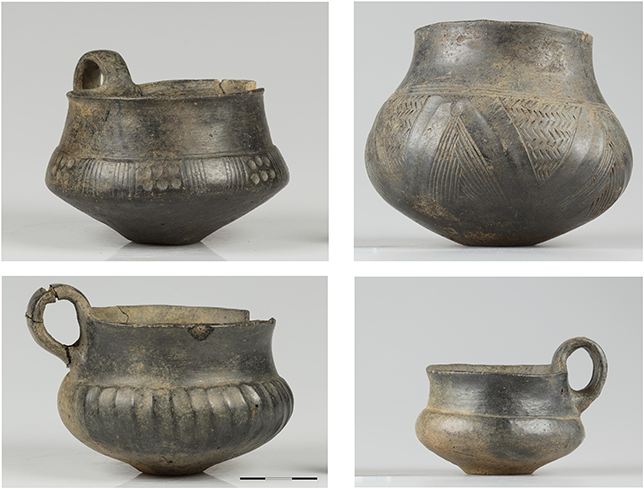
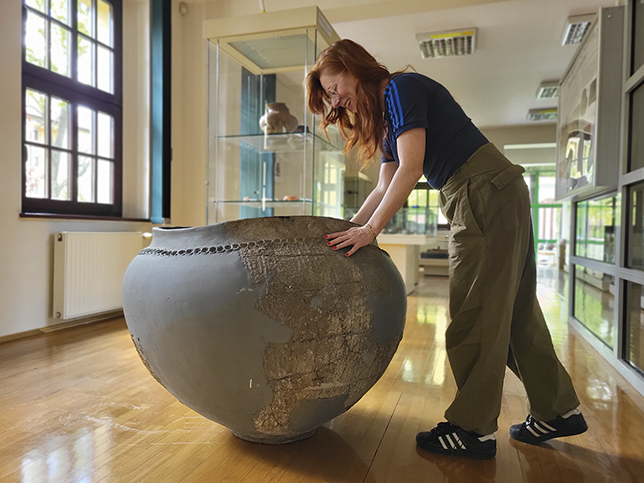
Pottery production can be a time-consuming process involving well-controlled firing conditions and the application of surface treatments such as burnishing, polishing, and decorating with many tools; however, simple, undecorated vessels were manufactured at the very same settlements in Bronze Age Central Europe. Moreover, these different vessel types could be deposited in the same contexts (Figure 14). Such differences can reflect demand on the one hand and different producers’ skills and ambitions, taste, and access to certain raw materials on the other. In Central European prehistoric assemblages, vessels are sometimes labeled “kitchen” or “table” ware. Large, thick-walled, brick-red, and modestly decorated vessels are considered easy to make compared to small, decorated wares with smoothed surfaces, which are assumed to require more time and manual skills. Additionally, the latter are thought to have been produced by specialists for public purposes, such as serving food and beverages, conducting ceremonial feasts, drinking rituals, and facilitating burials (Figure 15) (Mierzwiński, Reference Mierzwiński2012a). In contrast, kitchen vessels are viewed as primarily created for storing and cooking food within domestic contexts. That may indeed be true, but from a technological perspective, producing both types of pottery presented significant challenges. Storage jars from Central European settlements can reach a height of one meter and may hold over 1,000 liters (Figure 16). Therefore, the proper timing of wall coiling with heavy, wet clay was critical; otherwise, the vessel’s weight could cause it to collapse. This problem is commonly noticed in experimental archaeology and the reconstruction of vessels for exhibition purposes. Consequently, in pottery, the distinction between everyday and decorative wares, as identified by specialists, does not necessarily align with “kitchen” and “table” categories.
A LBA burnished amphora-shaped urn covered initially with a brick-red bowl. Cemetery at Miłosławice, western Poland.
Tableware from the LBA cemetery at Miłosławice, western Poland.
An example of kitchenware: large, reconstructed storage jar from a LBA settlement at Wrocław, Niemczańska str.
The diverse crafts identified in archaeological contexts clearly demonstrate varying levels of skill and specialization, which archaeologists have observed and categorized (e.g., Kuijpers, Reference Kuijpers, Kienlin and Zimmermann2012). It is important, however, to note that the division between these levels is not associated with a specific type of raw material; instead, it encompasses a broad spectrum of experience levels, techniques, and practices.
6 Seasonality
Scheduling, together with efficiency and risk, is one of the factors affecting the time organization of any production pursuit (Costin, Reference Costin1991: 17). The most common model in small-scale societies assumes that part-time crafting was entirely dependent on the subsistence strategy. In this case, that was an agricultural model with its schedule shaped by the type of climate. Temperature, precipitation values, humidity, and the rhythm of seasonal changes mean that dynamic environments shape every aspect of preindustrial human life, including the economy, migration routes, cultural networking, and so on. According to the quantitative climate classification, Central Europe’s climate is transitional, resulting from the interaction of maritime and continental air masses. It oscillates between warm temperate and snow climates with dry or humid winters (Kottek et al., Reference Kottek, Grieser and Beck2006).
Based on the Slavic ethnographic record, we know that seasons, due to their cyclical nature observed over generations, were recognized and ordered according to natural phenomena and were associated with patron saints from the Christian tradition. In folklore, winter, spring, the ripening time of critical plant species, the mass appearance of fish or game animals, or animal shedding, were indicators of changing seasons and periodicity long before the concept of a calendar year was shaped (Moszyński, Reference Moszyński1934: 138). Relics of such observations and measuring time according to natural phenomena instead of a solar year are still common in Slavic languages as metaphors and proverbs. Expressions like counting years by winters (“two winters ago” or “many winters ago”), springs – referring to babies born at that time (“to be fifteen springs old”) are still present and understood in contemporary Slavic languages (Moszyński, Reference Moszyński1934; Kupiszewski, Reference Kupiszewski1974). Even today, a farming year used in official statistics covers the period from July to June of the following year instead of a regular calendar year (Statistics Poland, 2025).
Moreover, seasons are ushered in based on natural phenomena (first ground frost, first snow, first green grass, first warm shower, etc.) instead of the official or/and Christian calendar, and Moszyński mentions tensions between these two systems (Moszyński, Reference Moszyński1934: 139). In addition to the main seasons, ethnographic data speak about shorter time spans referring to particular activities: “at the time of sowing” (Moszyński, Reference Moszyński1934: 141). Also, the etymology of some Slavic months is derived from local agriculture. Sickle (sierp in Polish) as a harvesting tool is reflected in the name of August: sierpień (Polish), srpen (Czech), Се́рпень (Ukrainian) or July srpanj (Croatian). Flax and hemp processing can be traced in Belarusian and Polish names for October (kастрычнік and październik, respectively), which refer to кастра́ and paździerz – a byproduct of hemp processing.
The climate of the countries settled by the Slavs resulted in seasonal patterns in the care and feeding of domestic animals, specifically summer and winter models, which vary depending on the area’s physiography. In the lowlands, shepherds and their teams managed whole village herds and could work far from the village by establishing temporary making camps along transhumance routes. Many were hired seasonally and received help from local children and youth. The only exceptions were cows brought back to the settlements for milking every evening. In the highlands, in some regions, shepherds were absent for months and were entirely excluded from other types of activities. During the winter, feed management also depended on area and physiography; in the lowlands, the animals grazed in forests supplemented by collected hay and straw (Moszyński, Reference Moszyński1929: 101–3). With regional differences, sheep herding was also highly scheduled seasonally.
What was the impact of seasonality on the agricultural year during the Bronze Age, and how did it affect the scheduling of craft production? The arrival of the first farmers in present-day Poland during the mid-sixth millennium bce was a result of the colonization of temperate Europe by peoples from Anatolia. This conclusion is supported by both archaeological and biological evidence demonstrating their non-native origins (Bogucki, Reference Bogucki1996; Kapcia et al., Reference Kapcia, Korczyńska-Cappenberg and Lityńska-Zając2024). The main phase of the earliest migration moved toward fertile loess basins and occurred during the warm third Atlantic period, when the climate conditions were much more favorable than they are at present (Czekaj-Zastawny, Reference Czekaj-Zastawny and Urbańczyk2017). The conditions the first farmers faced were different from those in southeastern Europe, and in some parts of Central Europe, the adoption of agriculture was slow. However, over the next thousand years, despite climate changes, the early Neolithic agricultural model, which relied on certain non-native plants and animals, remained firmly established with only minor adjustments made to the types of crops grown and livestock raised (Bogucki, Reference Bogucki1996; Kapcia et al., Reference Kapcia, Korczyńska-Cappenberg and Lityńska-Zając2024). The presence of wheat, barley, and millet at Bronze Age sites in Poland indicates that the Neolithic model continued into this period (Badura et al., Reference Badura, Lityńska-Zając and Makohonienko2022, with references). This suggests that Bronze Age farmers organized their lives around crop calendars, with planting and harvesting being the busiest times. It is also likely that, at least initially, most of the wheat and barley types were spring species that did not require vernalization to grow, although the evidence suggests the presence of winter types in the late Bronze Age (e.g., Kohler-Schneider, Reference Kohler-Schneider2001). The farming season involved more than just sowing and crop harvesting. It also included harvesting fruit plants, gathering fodder for winter, grazing in the forest and on fallow lands, and collecting wild fruits and mushrooms, just to mention a few. These time-consuming activities would have involved all community members (Lityńska-Zając & Wasylikowa, Reference Lityńska-Zając and Wasylikowa2005: 508).
Given the importance of the seasonal round, it is surprising that the seasonality of crafts is one of the most overlooked aspects of production in the archaeological literature, with a few recent exceptions (Cveček & Horejs, Reference Cveček and Horejs2024). Based on what we know about the climate, type of economy, and social organization, we must assume that Central European Bronze Age communities practiced part-time crafting with farming as their primary occupation. A tight farming timetable would have influenced the crafting schedule, and the snowy continental climate would have impacted activity significantly. Many raw materials, both mineral and organic, were accessible only on a seasonal basis. Harsh winters, low temperatures, and snow cover made getting to outcrops of clay and rocks difficult or impossible during much of the year. Little is known about the storage of raw materials, half- or finished products. Storage practices, suggesting intense production during more convenient periods, are recorded in archaeological evidence but refer primarily to food remains or containers. Extensive collections of similar metal products have been viewed occasionally not as “merchant hoards” subject to exchange but as evidence of intense seasonal production (Rowlands, Reference Rowlands1971: 213).
One of the best examples illustrating overlapping craft and farming schedules is pottery production. Objects made of tempered and fired clay were used in many areas of life, both for mundane and ceremonial purposes. Archaeological excavations have yielded a variety of ceramic items, from cooking pots to ornaments and from sickles to urns. Pottery production in Central Europe appears in the mid-sixth millennium BCE. It is considered an element of the early Neolithic cultural package, while technology and the style of ceramic vessels are some of the essential tools applied in archaeology in tracing provenance and building chronological periodizations.
The successful manufacture of ceramic objects depends on knowledge about clay and temper properties, and their processing results from controlling three variables, namely time, humidity, and temperature. However, the process starts with extracting clay from well-recognized outcrops around settlements. The biological, chemical, and mechanical purification of potting clay was a long process that, according to ethnographic data, could have taken months or even years. Depending on the clay’s original quality and the purpose of the finished product, the clay was tempered with a certain amount, type, and size of organic and/or mineral material. For instance, technical ceramics used in metallurgy were made differently with technological choices about clay and temper made at the beginning of the process (e.g., Bartz et al., Reference Bartz, Nowak and Stolarczyk2025). Ethnographic data from southern Poland show a connection between technology and desired function, based on decisions made at the beginning of the technological process. For instance, in the southern highlands of Poland, the most desirable roughly made vessels for storing milk were exclusively of clay tempered with sieved, clean river sand. In a commonly shared local opinion, such a recipe made the stored milk thicker “because the sand drew water out of the milk” (Wójtowicz-Wierzbicka, Reference Wójtowicz-Wierzbicka2014: 142).
The character of the Central European climate raises a question about scheduling pottery production. When were the raw materials obtained, and when were the vessels built, dried, and fired? How did the climate, including snow cover, temperatures, short daylight, and farming schedule, impact the organization of pottery production?
Seasonality of pottery production in the ethnographic record may shed some light on this issue. Central European ethnographic data has focused chiefly on economic production organization and differences between progressive – town and conservative – rural models (Reinfuss, Reference Reinfuss1951). Interviews with active rural potters show several interesting aspects of accessing clay during cold seasons (Morysiński, Reference Morysiński2000). Clay was dug from early spring to fall, kept outdoors in heaps, with frozen portions chopped off if necessary. At the end of autumn, when work in the fields had ended, Clay was dug and transported in horse-drawn carts from a nearby location to ensure a winter supply before the snow began (Cieśla-Reinfussowa, Reference Cieśla-Reinfussowa1977: 169; Wójtowicz-Wierzbicka, Reference Wójtowicz-Wierzbicka2014: 141). These examples show that the raw material procurement schedule depended on completing farming tasks. In his account, potter Henryk Rokita reports that he does not bury extracted clay for at least one year but stores it on the ground to allow access during cold weather. Others store clay in the basements of their houses to keep it moist or in large, open or covered pits in the backyards. Rokita also says that he was able to make pots all year round, but during winter and early spring, firing was hard to initiate and required much more time and fuel, increasing production costs. In the southern Polish Carpathian Mountains, with their long, heavy winters, pottery making was always a part-time occupation that had to fit the farming schedule. Wójtowicz-Wierzbicka reports that vessels were produced from February to March, then in May and July, and resumed early in September to provide material for the last firing in a given year (Figure 17). The first firing started in spring (March/April), while vessels made earlier the same year were dried in workshops (Wójtowicz-Wierzbicka, Reference Wójtowicz-Wierzbicka2014: 143). The less busy farming schedule in March, May, and July is reflected in folk proverbs that refer to weather and the expected quality of future hay and crop harvests (Adalberg, Reference Adalberg1894).
Farming year activities and seasonal slots when pottery was produced.
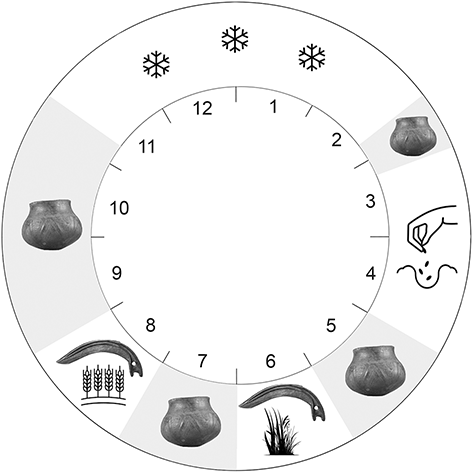
When it comes to the household economy, it is commonly reported that making pottery was practiced to provide extra income for extremely poor farmsteads (Wójtowicz-Wierzbicka, Reference Wójtowicz-Wierzbicka2014: 142). In such cases, potting was a relatively low-risk craft supporting a farming-based economy. In addition to ceramic production, even specialists like Rokita owned a small field and a cow to cover their basic needs (Morysiński, Reference Morysiński2000: 162).
To sum up, the subsistence model practiced since the early Neolithic and the strongly marked four-season climate shaped farming schedules in Central Europe. Depending on the landscape relief and altitude, regional differences existed, but the basic framework would have been similar. Ethnographic data show that pottery making was less frequent during winter due to low temperatures, high humidity, and shorter daylight hours. On the other hand, from spring to fall, collecting raw materials, clay processing, and making vessels could be done during the less busy mid-seasons, separated by sowing, hay, and crop harvesting (Figure 18). Even if skilled potters were able to manufacture dozens of vessels per day, the production was not continuous. How, therefore, can we relate these data to the archaeological evidence? First, we must consider the demand for pottery in the Bronze Age. As already mentioned, clay objects are found in most archaeological contexts, representing the most numerous artifact group. They are mostly fragments of containers used for storing, processing, and serving food. Ceramic vessels, however, were widely used for funerary purposes as well. That tradition included the re-use of kitchenware as well as the production of items specifically for the funerary context (Korczyńska et al., Reference Korczyńska-Cappenberg, Borowski and Cappenberg2018). The beginning of the so-called Urnfield period in Central Europe (ca. 1300 bce) witnessed a significant increase in the demand for funerary ceramics, which played an essential role in burial traditions. Not only were cremated bones deposited in ceramic urns, some of which appear to have been conceived as the dead’s new bodies, but the number of vessels per grave significantly increased compared to earlier periods (Figure 19). To date, in Poland, the number of cemeteries dated to the Urnfield period exceeds 3,000, with hundreds and thousands of graves containing twenty ceramic vessels or more per grave (Kaczmarek, Reference Kaczmarek and Urbańczyk2017). Their style and technology reflect dynamics and routes of interregional contacts of various kinds (Przybyła, Reference Przybyła and Urbańczyk2017: 227). The question of whether the vessels were grave goods or food containers remains open; however, it is clear that the demand for ceramics increased rapidly along with the introduction of the new burial customs. That contrasts with the EBA cemeteries, which are referred to as large in the literature but were much smaller and contained far fewer ceramic vessels per grave (e.g., Primas, Reference Primas1977; Włodarczak, Reference Włodarczak and Urbańczyk2017b).
A village potter at work with spring-blooming trees in the background. Poland 1960s.
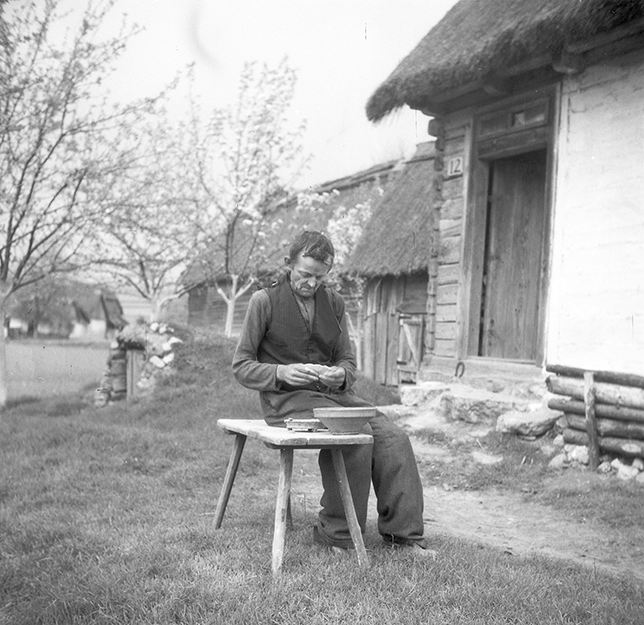
Comparison of the number of vessels in Early and Late BA graves.
– Únětice tradition (2300–1600 bce), Gostkowice,
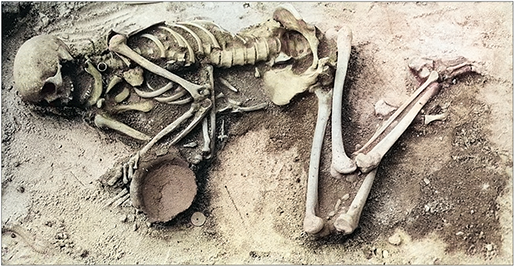
– Urnfield tradition (1300–800 bce), Miłosławice, both in south-western Poland.
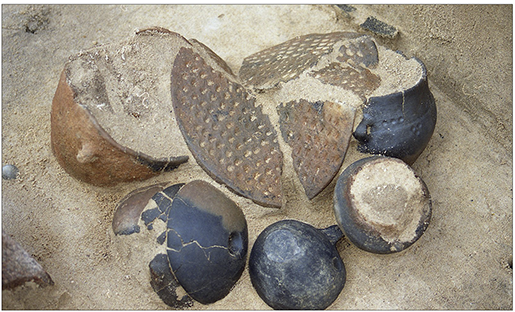
How was the increasing year-round demand for seasonally produced goods managed? How are ritual demands related to production reflected in the economy and crafts? In her paper on ritual obligation and economic production in small-scale societies, Spielmann argues that people intensified economic activities in response to the sustained demand engendered by communal and individual ceremonial commitments. She also points out that, in some cases, intensified production tended to occur in the context of communal ritual spaces, especially in populations residing in small hamlets (2002: 195–202). Production areas in ritual contexts have been recorded in the European Bronze Age, but mostly in southern Scandinavia, with little evidence in Central Europe (Masojć, Reference Masojć2016). In the context of LBA ceramics, the archaeological evidence does not provide information regarding the storage of finished vessels at the settlements where they were produced. The clay utilized for pottery was sourced from nearby locations, typically from several outcrops around each site, and instances of these supplies stored in archaeological contexts are rare (Mogielnicka-Urban, Reference Mogielnicka-Urban1984: 45). No structures interpreted as workshops have been identified; therefore, we can assume production was practiced inside houses or, more likely, having in mind their usually small sizes, outdoors making a household a typical “production unit.” If ceramic vessels were only manufactured seasonally but were needed constantly (how), did the pottery-making schedule impact funerals? Both in prehistory and today, people die all year long, so how were the funeral ceremonies and pottery production cycles coordinated? Were the ceremonies postponed until the products required were seasonally available? The urnfield graves do not contain random vessel types but carefully selected sets composed usually of a large vase accompanied by small cups. Such selection patterns were consistent in entire cemeteries and regions for centuries (Figure 20).
Urnfield graves in various parts of Central Europe.
– Znojmo, south-western Czech Republic,
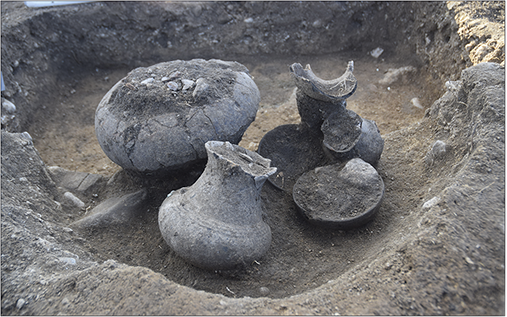
– Wrocław Żerniki, south-western Poland.
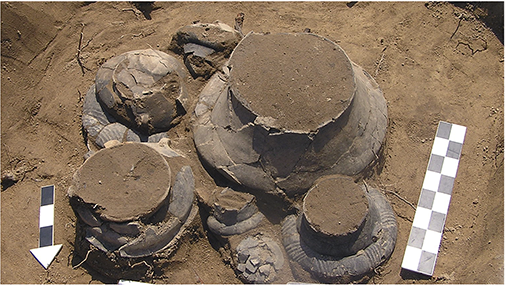
Funeral schedules tend to be highly diversified depending on the time and region, and are part of deeply rooted cultural traditions. They are also sensitive to natural and human-derived factors and can be modified. Today, funerals are cancelled, postponed, or reorganized due to reasons of various scales and intensities extending far beyond the availability of the necessary grave goods. Wars, plagues, and missing bodies are just a few of the impacts on burial scheduling. Some regional modifications may be due to weather conditions. Intense snowstorms and frozen ground commonly affect the digging of grave pits in Central Europe during wintertime. The preparation of grave pits was not the only funeral element impacted by seasonality, however. Ethnographic studies on Slavic funerary traditions highlight the significance of funeral feasts, which typically involve the sharing of food and alcoholic beverages with those in need. Feasting can present challenges based on an individual’s wealth, particularly during periods of food scarcity in early spring, commonly referred to as hunger gaps (Fischer, Reference Fischer1921: 375–93). These factors influenced historically documented funeral practices and likely had a similar impact in the past. However, identifying postponed or temporary deposition of bodies in the archaeological record remains a complex task. At the Eneolithic site of Vučedol in Croatia, several graves were excavated in 1984–1990 (Milićević-Bradač, Reference Milićević-Bradač, Biehl, Berthemes and Meller2001), one of which was in a 4.3 m deep pit and was noted as unusual. It contained not only seven bodies but also a layer of ashes and fire burned directly on the corpses. The selection of wood included tannin-rich species, and the amount of ash indicates that not only the wood but also the leaves were burnt, resulting in a bacteriostatic effect on the corpses. One of the interpretations, apart from the possible ritual purpose of setting a fire on top of the bodies, suggests that the high-ranking community members involved were part of an extensive network. In this case, spreading the news and organizing a funeral, including visitors from other villages, would take longer, and bodies must have been kept in an open pit for a while. The smoke and ashes of the burned wood would, therefore, have kept the bodies in better condition and would have neutralized the odor (Milićević-Bradač, Reference Milićević-Bradač, Biehl, Berthemes and Meller2001: 215–6).
Although burial traditions do not need to be considered “practical” from our modern Western perspective, it is true that some types of postmortem body treatment, like cremation as it is widely practiced today, enable storing, transporting, or sharing the remains. The phenomenon of the social and political power of cremated and then shared human bodies has been noted in the Bronze Age data (e.g., Brück, Reference Brück1995, Reference Brück2009) and is common in Central European urnfields as well (e.g., Mierzwiński, Reference Mierzwiński2012b). Placing bones in ceramic containers makes managing the remains more easily shareable and transportable. Cremated human bodies are sometimes unearthed at the Urnfield settlements, not only in Central Europe (e.g., Harvig et al., Reference Harvig, Runge and Lundø2014). They are deposited in single graves that differ from those located at regular cemeteries, contain fewer vessels, and generally few bones (Jiráň, Reference Jiráň2013: 240–1; Baron, Reference Baron and Masojć2014: 255). Not only may they represent a shared portion of the remains of an individual, but some cremains may also have been deposited in temporary graves waiting to be re-buried when the proper grave goods are ready. Scheduling the funerals according to seasonal production cycles of basic grave goods in large parts of Europe over several centuries seems possible. Other factors may have played a role as well, but to date, seasonality has not been taken into consideration.
A plethora of ethnographic evidence shows that most crafts were practiced seasonally. For instance, in many premodern societies, metallurgy was a part-time occupation even for highly specialized craftworkers who also maintained the land and animals as a primary source of farming products (Rowlands, Reference Rowlands1971, with references). Farm-based subsistence strategies, accompanied by part-time, seasonal, or emergency metallurgical activity, allowed the craftsperson the freedom to abandon the crafting and retire after giving up the metallurgy, and so on. Metallurgy would have intensified before and during the harvest, as many cutting tools were heavily exploited, but there would have been no full-time year-round demand. According to Rowlands, employment of a metallurgist varied depending on the demand, skills, and availability of alternative sources of livelihood (1971: 213).
Gathering lithic and flint raw materials for making tools was challenging, especially in winter due to snow cover and rugged terrain. Access to nonlocal raw materials and goods like metal ores, salt, or amber was limited to certain times of the year, not only in regions far from large rivers or coasts. The success of both land and water transportation during winter was often hampered by the weather, as noted in later historical accounts.
On the other hand, during the off-peak agricultural season, the exchange of products made by part-time specialists could have been more efficiently organized to generate extra income. While there is no specific data for Central Europe, estimates for obsidian in pre-Columbian Mesoamerica suggest that the exchange of cores and blades during gaps in the farming season could have doubled household one-year income in just two months (Carballo & Feinman, Reference Carballo and Feinman2016: 293).
Processing some organic raw materials, even the easily accessible ones, can also be demanding in terms of timing. Ethnographic data show that wickerwork was a well-known, easy-to-learn craft practiced in most Central European farming households during fall and winter (Adamska-Malesza, Reference Adamska-Malesza2009; Kontriková Šusteková, Reference Kontriková Šusteková and Priečko2010). Depending on the vegetation type used, this craft relied on good-quality thin twigs in wetlands or pine roots in dry areas. Straw or, accessible in early spring only, bast were also used, but were considered less durable. They were, however, more suitable for making soft objects like shoes, light baskets, and so on (Figure 21). Wickerwork was not only used for making light containers, mats, or toys but also for building walls, fences for pastures, fishing traps, and so on. Manufacturing a mat, basket, or building wall requires elastic and durable materials such as willow, elm, hazel, or birch, which are only accessible seasonally. If not used immediately after harvesting, these materials must be stored in good condition, which can extend the operational chains by weeks or months. In traditional wickerwork in Central Europe, the use of willow dominates. Thin twigs were harvested right after the leaves fell. The preprocessing stage included soaking in clear water for weeks to improve flexibility, but required constant monitoring to prevent rotting. To maintain plasticity, twigs had to be removed from the water before leaves sprouted in spring and directly before the manufacturing stage. If left to dry for too long, they would become stiff again. The seasonal access to wood processed this way, together with clay extraction pits for making wattle-and-daub walls and fences, both common in archaeological data, can be a challenge to repair during specific times of the year.
Women with baskets made of bast, Poland 1935.
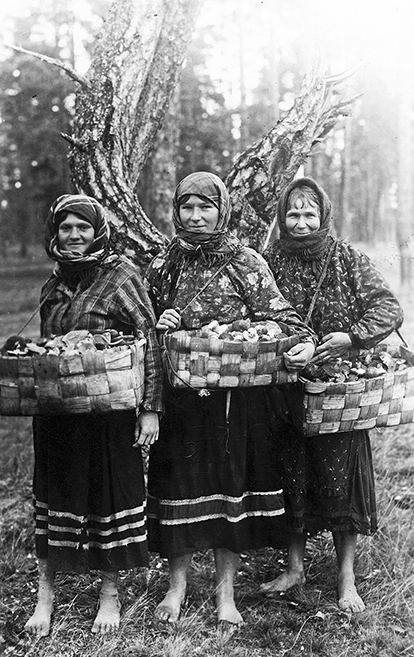
Wickerwork relies on inexpensive raw materials and is relatively easy to master. Consequently, ethnographic evidence indicates that some specialists transitioned between crafts seasonally. For example, in some regions of Slovakia, masons would turn to basket weaving to supplement their income during the winter months (Koma, Reference 77Koma1954). Although it occurs elsewhere in Europe (e.g., Mineo et al., Reference Mineo, Mazzucco and Rottoli2023, with references), actual wickerwork objects are rare in the Central European Bronze Age. One of the few examples is the wattle fencing made of oak posts and elastic twigs of alder and hornbeam, documented surrounding a wetland settlement at Bruszczewo in Western Poland, dated to the nineteenth to eighteenth centuries bce (Kneisel et al., Reference Kneisel, Czebreszuk and Dörfler2006). However, the everyday use of wickerwork is well evidenced indirectly. The imprints are primarily in the form of mats on the bases of vessels and the remains of wattle-and-daub walls made of flexible twigs covered with straw-tempered clay.
In summary, the climate of Central Europe had a significant impact on farming cycles and production schedules, which had to align with an agricultural calendar specifically adapted to snowy winters and busy summers. Specialists who traded a portion of their products, as well as nonspecialists, faced weather-related limitations in accessing desired mineral and organic raw materials. Additionally, temporal limitations in crafting also stemmed from the farming schedule. Costin argues that potential conflicts of an economic, political, and social nature could force craftspeople to be active even during times of high agricultural demand (Costin,Reference Costin1991: 17). Ethnographic data from Central Europe indicate that this was rarely the case, however. The example of funerary pottery has demonstrated that seasonal aspects, even of basic crafts, clearly influenced the social and cultural practices of the small-scale Urnfield societies.
7 Imitations and Shifting Technologies
Studies of human imitative behavior encompass how individuals mimic or replicate the actions and behaviors of others, which is fundamental to social interaction and learning (Farmer et al., Reference Farmer, Ciaunica and Hamilton2018). In archaeology, copies and imitations provide essential insights into learning processes not only of what we call technological knowledge but also skills and beliefs or values (Jordan, Reference Jordan2015: 93). Copying refers to reproducing something exactly or very closely, usually without significant alteration or interpretation. It often involves replicating a model or object directly, sometimes down to every detail. In contrast, imitation consists of replicating the essence, style, or behavior, but with some level of adaptation or modification. While the result may resemble the original, imitation allows for more creativity and personal input. In archaeological data, these definitions overlap because traditional societies did not produce identical objects, even if they appear similar. In traditional continental archaeology, which primarily follows a cultural-historical approach, it is believed that the past can be reconstructed by creating sequences of archaeological cultures organized within time-space frameworks. Many of these so-called cultures have been defined based on extensive collections of similar objects, houses, graves, or other material correlates in given areas. These patterns are the material results of copying and imitation, realized both in diachronic and synchronic perspectives. In the most radical approach, archaeological cultures have sometimes been considered a source of actual knowledge about the past. They are thought to be representative of particular social or even ethnic groups. Moreover, such assemblages have often been viewed as direct and objective representations of past reality existing beyond scholars’ interpretative frameworks who aim, by placing given evidence in the correct spot in the time/space grid, to reconstruct various types of events and order them chronologically (critically: e.g., Maetzke, Reference Maetzke, Hensel, Donato and Tabaczyński1986; Tabaczyński, Reference Tabaczyński and Tabaczyński2000). On the other hand, exceptions to expected patterns have been considered evidence of external contacts of various natures, influences, or even different ethnicities or belief systems. Despite the archaic and naïve nature of this paradigm, the identification of archeological cultures based on analysis of object morphology and similarity and the distribution of artifacts in space and time continues to prevail in much of Central European archaeology. From this perspective, tracing various formal groups based on similar items created by copying and imitation allows us to study the range and intensity of social bonds represented by cultural, stylistic, and technological choices. Imitation and copying practiced within the same “culture,” therefore, are the basis of the existing typologies and classifications. Moreover, local imitations of imported goods are assumed to reflect routes of exchange and the dynamics of long-distance contacts and fascinations with different stylistic approaches.
Another assumption is that every archaeological culture has a characteristic set of material correlates. From this perspective, each culture in a particular area will have specific types of ceramics, metals, houses, and so on. However, a closer look at the data reveals the many shortcomings of such an approach. One of the most common problems is spatial and chronological discrepancies between objects that are expected to represent the same archaeological culture and which, therefore, should occur in the same area. For instance, the periodization and regional variations of the EBA Únětice culture (approximately 2300–1700 bce) across much of Central Europe are informed by analyses of ceramics and weaponry. The characteristic sharp-profiled vessels typical of the later stages of the EBA are expected to be found alongside metal objects such as halberds and full-hilted daggers. However, while these ceramics and weapons are emblematic of the Únětice culture, their distribution is notably disparate, with co-occurrence occurring only in certain regions (Kadrow, Reference Kadrow2000: 39). Furthermore, despite the availability of detailed distribution maps illustrating artifacts from various archaeological cultures, there has been limited investigation into the mechanics of imitation, learning, and knowledge transfer associated with these objects.
Today, a popular understanding of imitation has a generally pejorative meaning, referring to things that pretend to be of better quality than they are. However, Choyke (Reference Choyke, Biehl, Ya and Rassamakin2008) has provided examples of several types of imitations that involve multidirectional transmission of shapes and meanings between differently valued and accessible raw materials that do not necessarily move from high to low-valued materials. Sets of grave goods yielded by burials dated to various stages of the Bronze Age may include metal and bone objects deposited together. Wherever osseous materials survive, they make up a substantial part of the grave goods and were not simply deposited in place of metals (e.g., Lasak, Reference Lasak1988: 141; Baron et al., Reference Baron, Diakowski and Badura2023).
Imitation as a process extends beyond simply learning from parents, peers, teachers, or masters. It encompasses the ability to directly observe completed products even without explanations for how and why these were made in a particular manner. This type of self-learning allows individuals to examine the design, shape, function, and cultural meaning of various items, enabling them to recreate these characteristics using chosen or available proper raw materials. These materials can either share similar properties with the original products or differ significantly, allowing for creativity and innovation in the reproduction process (Choyke, Reference Choyke, Choyke and O’Connor2013).
Imitations are frequently found in archaeological contexts, particularly where perishable and nonperishable materials coexist, and illustrate how various shapes shift between raw materials. However, such contexts in the Bronze Age chronology are exceedingly rare in Central Europe. Most sites in Poland with rich collections of organic raw materials are dated to the early Iron Age, starting around 800/750 bce, because of the specific landscape preferences and locations of dwellings on lake promontories or exposed bogs during that period. On the other hand, artifacts composed of perishable raw materials can also be indirectly identified through the presence of inorganic materials (e.g., Hurcombe, Reference Hurcombe2008; Lebegyev, Reference Lebegyev, Lohmann and Mattern2010; Przymorska-Sztuczka, Reference Przymorska-Sztuczka2022; Kaczmarek, Reference Kaczmarek, Lipkin, Ruhl and Wright2023). Clay vessels with grooved ornaments often resemble basketry (Figure 22). At the same time, metal rivets in the hilts of swords and daggers suggest the original thickness of the organic handles that have not been preserved (Figure 23).
A LBA ceramic imitation of a woven basket.
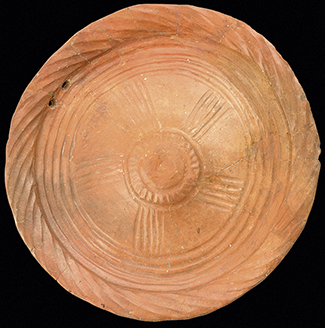
Indirect indicator of an organic handle thickness on an EBA metal dagger from Widniówka, eastern Poland.
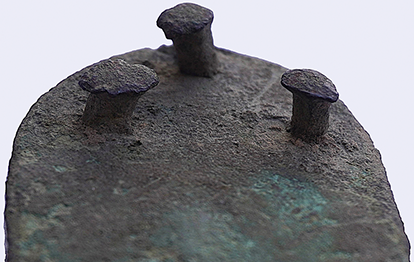
Bifacial flint daggers are often considered imitations in regions where only some raw materials survive in archaeological contexts. The daggers are usually stray finds, and their dating is sometimes problematic unless found with other artifacts. Following the introduction of metal-tanged daggers featuring pommels and casting seams, modifications in flint dagger shapes became evident across different regions in Europe, West Asia, and North Africa (Frieman & Eriksen, Reference Frieman and Eriksen2015). Most scholars agree that from this point on, the highly sought-after metal daggers were imitated in more readily available flint (Vandkilde, Reference Vandkilde1996: 265). In much of north-western Europe, high-quality flint from surface outcrops was likely extracted without oversight of its distribution. In contrast, every piece of metal would have had to be imported from other regions where its acquisition was likely tightly controlled. Therefore, bifacial flint daggers, swords, and sickles closely mimic well-known yet difficult-to-obtain metal examples. The stone imitations of metal daggers did not have to be made of flint only, because examples made of other types of lithic materials are also known. For instance, a flat dagger with rivet holes from a Bell Beaker context in north-eastern Poland was made of green slate (Manasterski et al., Reference Manasterski, Januszek and Cetwińska2020, Figure 5: 19). In this case, not only the shape but also the intensively polished surface and the way of hafting were surely inspired by metal specimens.
Late Neolithic and Early Bronze Age flint daggers have been identified in Central Europe, displaying regional preferences for raw materials. Most daggers found in the lowland areas of northern and western Poland, as well as in the Czech Republic, exhibit characteristics similar to the Scandinavian types (Czebreszuk & Kozłowska-Skoczka, Reference Czebreszuk and Kozłowska-Skoczka2008; Přichystal & Šebela, Reference Přichystal, Šebela, Frieman and Eriksen2015; Zápotocký, Reference Zápotocký2013). To the south of the Sudeten and the Carpathian Mountains, which separate present-day Czechia and Slovakia from Poland, these daggers are primarily regarded as nonlocal products imported from the north (Přichystal & Šebela, Reference Přichystal, Šebela, Frieman and Eriksen2015: Table 11.1). Bifacial daggers found in western and northwestern Poland were typically made from erratic flint, an abundant material in Central Europe but of relatively low quality. This quality resulted from the distance the continental ice sheet transported the material and the intensity of the weathering processes to which the material was subjected. Moreover, the average lengths of the daggers exhibit regional differences that can be derived both from stylistic traditions and the raw material quality. The longest specimens come from the Baltic and North Sea areas, where erratic but still good-quality flint was accessible. At the same time, the so-called northern daggers in southern regions, such as Moravia in today’s Czechia, are much shorter (Czebreszuk & Kozłowska-Skoczka, Reference Czebreszuk and Kozłowska-Skoczka2008: 28–29), with some exceptions (Figure 24). The heavily weathered small nodules occur primarily in southwestern Poland, limiting the ability to knap large specimens.
a–e. EBA bifacial flint daggers and a sickle made of erratic (a–c) or mined flint (d–e). (a) – Unknown location in south-western Poland, (b) – Souš, western Czechia, (c) – Bendlova Chata in the Ore Mountains, 830 m a.s.l. Western Czechia, (d) – Pleszów, southern Poland, (e) – eastern Poland. Photographs: (a) – Tomasz Gąsior, courtesy of Muzeum Archeologiczne in Wrocław, (b–c) – Pavel Krásenský, courtesy of Most Museum and Gallery, (d) – https://muzea.malopolska.pl/.
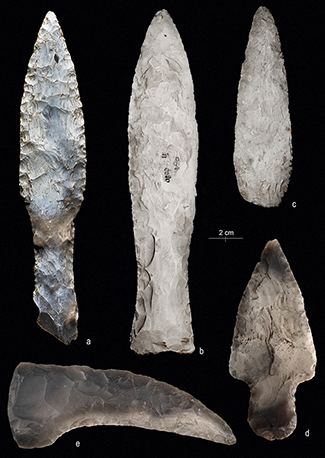
Skilled knappers meticulously fashioned details typical of metal daggers, such as pommels on full-hilted specimens and casting seams. That also indirectly reflects their observations of the manufacturing techniques of metal daggers. This way, we can learn that the daggers they saw were not flat, thin specimens, cold-worked from sheets of native copper, but cast in bivalve molds. Imitating metal daggers could have been completed successfully without guidance from craftspeople dealing with metallurgy, whose expertise would have been of little help in this context. Instead, the knapper’s approach involved imitating the finished metal daggers by observation. Such a strategy sought to introduce new shapes to familiar raw materials and replace inaccessible metals sourced entirely from ores likely obtained from distantly controlled areas.
Recent isotopic studies of Bronze Age metal artifacts prove that, despite the presence of rich copper ore deposits in southwestern Poland, prehistoric metallurgy depended entirely on nonlocal ores. They were transported not only from the relatively nearby Carpathian Basin, encompassing present-day Slovakia, Hungary, Romania, or the Ore Mountains along the contemporary Czech–German border, but also from much more distant locations such as the Alps, Iberian Peninsula, Sardinia, or Cornwall (Stos-Gale, Reference Stos-Gale and Sobieraj2019; Nowak et al., Reference Nowak, Tarbay and Stos-Gale2023a, Reference Nowak, Stolarczyk and Stos-Gale2023b; Szczurek et al., Reference Szczurek, Kowalski and Stos-Gale2025). Evidence of nonlocal sources for copper ores has been identified in Bronze Age metal artifacts from Czechia and Moravia as well (Kmosek et al., Reference Kmosek, Erban Kochergina and Chvojka2020; Zachar & Salaš, Reference Zachar and Salaš2018).
Consequently, in the context of western Poland or Czechia, it is plausible that some of the flint daggers were crafted to mimic metal objects. However, this explanation appears inadequate when considering the extensive data from other regions. The mode of producing flint daggers was different in eastern and south-eastern Poland and Slovakia, which are mostly loess highlands and mountains. The evidence of advanced flint technology based on good-quality raw materials is well attested in Bronze Age contexts. The flint was not only collected from surface outcrops (Kadrow, Reference Kadrow1995) but also mined from several locations (Lech & Lech, Reference Lech and Lech1984), providing raw material of excellent quality for bifacial tools of various sizes and functions (Budziszewski, Reference Budziszewski1991; Libera, Reference Libera2001; Grużdź et al., Reference Grużdź, Migal, Pyżewicz, Frieman and Eriksen2015). Moreover, metal objects from EBA contexts in eastern Poland, represented primarily by simple, cold-worked copper spirals or discs found in graves rather than hoards, indicate that this part of Europe exhibited distinct cultural models with significantly different dynamics regarding the inclusion of metals in their value systems, while relying on advanced flint knapping traditions (Kadrow, Reference Kadrow and Urbańczyk2017: 21–2). As previously mentioned, the rarity of metal daggers in this region also challenges the interpretation that flint daggers should be considered a local response to newly introduced copper and copper-based alloys.
The prevailing interpretation that the flint dagger’s original design reflects nothing more than a fascination with metal items has been recently challenged primarily for its simplified perspective on the origin of such elaborate objects. Even though some Central European copper daggers can be dated as early as the beginning of the fourth millennium bce (e.g., Wilk et al., Reference Wilk, Stos-Gale and Schwab2025), they are rare compared to the number of flint daggers (e.g., Libera, Reference Libera2001; Czebreszuk & Kozłowska-Skoczka, Reference Czebreszuk and Kozłowska-Skoczka2008). The possibility cannot be excluded that, in some cases, the imitation trajectory was the other way around and metal daggers were modeled after these early flint designs beginning in the late Neolithic period (Vandkilde, Reference Vandkilde1996: 13–4; Libera, Reference Libera2001: 77–89; Czebreszuk & Kozłowska-Skoczka, Reference Czebreszuk and Kozłowska-Skoczka2008: 36–9). In this case, the first imitations would have involved crafting familiar flint items in copper and subsequently in copper-based alloys. Additionally, in regions where flint daggers are found, the imitation patterns were likely influenced by local factors, including the availability of raw materials and the presence of metal objects to be imitated, which were often distributed unevenly. This disparity reflects various local responses, already existing technological traits, and interest in integrating new raw materials into existing technological practices. The creation of extensive assemblages of imitations relies heavily on consistent access to the original objects or their representations. Therefore, it is difficult to posit that substantial collections of flint imitations would have been produced in areas devoid of metal daggers, as was the case in EBA eastern Poland.
Consequently, when discussing flint daggers that mimic metal ones, it is crucial to recognize that this trend is relevant only in specific areas. The bifacial flint daggers indeed imitated the metal ones, but only in some parts of Central Europe. In western regions, they were knapped of locally accessible small nodules of erratic flint and followed most of the Scandinavian technological and stylistic trends. In the east, however, rich collections of flint daggers were made of good-quality raw materials by communities that had long traditions of advanced knapping, with no evidence for local metallurgy and very few imported metal daggers (Figure 24). This tradition of advanced knapping was therefore entirely independent of metallurgy and, combined with expertise in regional geology, is evidenced in the Urnfield sites up to the LBA (ca. 1300–800/700 bce). Flint exploitation areas consisting of extensive mining fields surrounded by workshops where the raw material was selected and preprocessed were exploited with the same or even higher intensity as in the Early Bronze Age (Lech & Lech, Reference Lech and Lech1984; Libera, Reference Libera, Wiśniewski, Płonka and Burdukiewicz2006; Włodarczak, Reference Włodarczak and Urbańczyk2017a: 73–5). For years, Central Europe’s LBA communities have been considered nothing more than epigones of flint knapping. They were thought to have reused curated Stone Age tools or, at best, to have manufactured poor-quality, ad hoc tools. However, recent studies on flint mines, workshops, and objects from cemeteries and settlements, combined with geological analysis and use-wear, show that flint knapping traditions, particularly in areas where good-quality raw materials were accessible, played an essential role in the local economy at least until the beginning of the Early Iron Age ca. 800/700 bce.
In her study on shifting shapes and the value of prestige objects, Choyke argues that imitation is more than merely replicating familiar or desirable forms originally made of rare raw material (Choyke, Reference Choyke, Biehl, Ya and Rassamakin2008). It can also cover the process of copying well-known objects made of traditional raw materials into new and rare ones. The oldest copper flat axes are evident imitations of stone products known since the beginning of the Neolithic (e.g., Mozgała-Swacha, Reference Mozgała-Swacha and Furmanek2019: Figures 6–7; Dobeš et al., Reference Dobeš, Fikrle and Drechsler2019; Novotná et al., Reference Novotná, Zachar and Dzúriket2021). The earliest copper daggers in Poland of lanceolate shapes are also imitations of flint specimens (Gedl, Reference Gedl1980: 38). A recently found metal battle-axe from an EBA deposit at Muszkowo (Baron et al., Reference Baron, Nowak and Grześkowiak2025) has no counterparts in metal inventories but rather in boat-shaped lithic axes of the Corded Ware Culture (e.g., Włodarczak, Reference Włodarczak and Urbańczyk2017b: 313–4). Their characteristic shapes were often modified regionally, as demonstrated in evidence from various parts of Europe (e.g., Nordqvist & Häkälä, Reference Nordqvist and Häkälä2014: Figures 10–11), and could have been imitated by metal products.
On the other hand, similar morphology and function of certain artifact groups can represent various technological traits and are not necessarily imitations. High-quality bifacial flint sickles are common in Central and Eastern Europe throughout the Bronze Age (Figure 24: e). Findings of the earliest bronze sickles around 1300 bce (Gedl, Reference Gedl1995: 13) in other parts of Central Europe, which soon became the main component of hoards, seem to have had little impact on this local, well-established flint-based production system. In eastern Poland, for instance, metal sickles were never used in the Bronze Age, but there are dozens of examples from western Poland (Gedl, Reference Gedl1995: Taffeln 40–50). That also proves that in the Bronze Age, western and eastern Poland represented entirely different network models related to the distribution of knowledge about metallurgy. The east region seems to have had much less interest in introducing metals and metal tools in particular into their local economy. The earliest bronze objects dated after 1600 bce are primarily ornaments found in graves with no direct evidence of local production, which is later and sparse (Blajer, Reference Blajer, Kośko and Czebreszuk1998; Makarowicz, Reference Makarowicz2010, 169–70), although there is rich evidence of local metallurgy to the west and east of this region (Klochko, Reference Klochko1998). The relatively late and reluctant introduction of metal and the generally low number of metal items in this area in the Early Bronze Age have been used to question whether this period should be called the Bronze Age at all (Kadrow, Reference Kadrow and Urbańczyk2017: 13–4).
As demonstrated earlier, not all the flint daggers and sickles copied metal items. Yet, this type of imitation is relatively common in the archaeological record, even in regions where objects made of perishable materials are few. Bone pins, bead spacers, and socketed and barbed arrowheads illustrate an interest in metal or at least metal-derived inspiration. Moreover, they occur not only in contexts dated to the beginning of the Bronze Age but also in later stages when archeological evidence indicates that knowledge of metallurgy was common, evidenced by metal objects designed according to local styles found in graves and hoards and rich metallurgy-derived data from settlements (e.g., Blajer, Reference Blajer2001; Salaš, Reference Salaš2005; Stolarczyk, Reference Stolarczyk, Stolarczyk and Baron2014; Ondrkál, Reference Ondrkál2023). Therefore, the production of imitations continued to be practiced independently of the dynamic development of local metallurgy.
Another intensively exploited field in studies of imitations is the connection between pottery and basketry. This is primarily due to the clay’s high plasticity and susceptibility to shaping according to observed models or pressed in woven basket-like molds (e.g., Hurcombe, Reference Hurcombe2008: 153–5; Hass-Lebegyev, Reference Hass-Lebegyev, Rebay-Salisbury, Foxhall and Brysbaert2014). Applying plant-derived objects to the clay surface during pottery manufacturing was quite common in Central Europe and dates back to the Eneolithic, when various combinations of cord imprints emerged on vessel surfaces (e.g., Szmyt, Reference Szmyt and Urbańczyk2017: Figure 8; Kaczmarek, Reference Kaczmarek, Lipkin, Ruhl and Wright2023). In the Early Bronze Age, particularly in the eastern and southeastern part of Central Europe, decorating pottery with cord imprints was still widely practiced, while in other parts, imprints of mats or textiles are seen until the Late Bronze Age (e.g., Skrzyniecka et al., Reference Skrzyniecka, Makarowicz and Silska2022, with references). Vessels imitating basketry in their shapes and decoration are present throughout the whole Bronze Age in various parts of Central Europe and come from funeral contexts and settlements (e.g., Kaczmarek, Reference Kaczmarek2002: 59–60; Wanzek, Reference Wanzek2004: 41, Abb. 18, 19; Jiráň, Reference Jiráň2013: Figure 65). Decoration patterns inside shallow bowls are sometimes considered solar motifs; however, concentric circles and modeled rims seem instead to be imitations of basket work (Figure 22). This decorating style continues at least into the Early Iron Age in the form of painted decorations on funeral pottery (Felcan & Felcanová, Reference Felcan and Felcanová2018: 62–3).
Imitations do not necessarily aim to produce complete objects but can focus only on some selected properties, such as color, surface finishing, or decoration patterns. Such selective imitations are widespread in archaeological evidence and archaeological literature, starting with a common idea that in most parts of Europe, copper, followed by various types of bronze, was initially appreciated due to its resemblance to gold. In Bronze Age ceramic vessels, particularly in the Urnfield contexts, lustrous metal-like surfaces are widespread (Figure 15). They were produced by controlling the oxygen inflow during the firing process, intense burnishing, or the application of graphite coating, powdered charcoals or soot (e.g., Łaciak et al., Reference Łaciak, Borowski and Łydżba-Kopczyńska2019). Interestingly, they also occur on objects that usually do not have counterparts in metal object inventories. Therefore, one can conclude that the purpose of imitation was to obtain only the desired quality of the finished surface, which is sometimes an indicator of socially valued objects when used for ceremonial purposes (Spielmann, Reference Spielmann2002: 200–1).
Apart from morphology and selected properties of finished objects, imitation can also be observed in technical solutions. These can be formal imitations of elements that no longer play their original functions or shifting techniques between different raw materials. For instance, metal weapons and tools with decorative but nonfunctional rivets between the haft and the working edge are often encountered in Central European archaeological contexts. Conical protrusions on the EBA halberds are large and decorated and contrast with actual rivets used for hafting, which are sometimes difficult to spot (e.g., Furmanek et al., Reference Furmanek, Lasak and Miazga2020: 43, Figure 7). Some assemblages also contain conical-headed rivets, confirming that protrusions on the halberd’s sockets imitate actual, fully functional rivets (e.g., Baron et al., Reference Baron, Nowak and Grześkowiak2025). Moreover, nonfunctional rivets became an integral part of the design of full-hilted objects such as late Bronze Age knives. They were often cast in bivalve molds that had to be modeled that way (Figure 25).
Fake rivets on a knife handle cast in a bivalve mold.
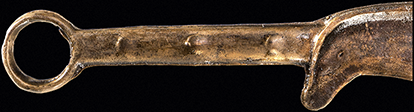
In a recent paper, shifting techniques for manufacturing two types of raw materials were studied (Baron & Nowak, Reference Baron and Nowak2024). On the one hand, the study focused on objects made of copper-based alloys that were processed in the Early Bronze Age only by a few craftspersons. On the other hand, readily available and commonly processed animal osseous tissues, in this case animal teeth, were analyzed. The perforations in animal teeth used for suspension and those in bronze daggers for riveting were compared. Analysis of microtraces revealed that both the animal teeth and the metal daggers were worked similarly by being thinned before drilling to obtain a flat, thin surface. Perforating thin and flat surfaces provided more control over the drilling tool and decreased the risk of breaking the whole object if the pressure was too great. This mixed technique of scraping and drilling is considered typical for the Stone Age (e.g., Wilczyński et al., Reference Wilczyński, Szczepanek and Wojtal2014: Figure 4; Osipowicz et al., Reference Osipowicz, Piličiauskienė and Orlicka2020: Figure 3) and was noticed for the first time on metal objects. We argued that these two types of raw materials were processed by a maker or makers familiar with working various kinds of hard materials. Existing techniques that were simple and applicable to both types of raw materials, such as scraping, were applied where needed.
In conclusion, imitation was a pivotal element in the daily crafting activities of Bronze Age communities, influencing both individual skills, experience, and cultural practices. The examples provided demonstrate that imitation extends well beyond its conventional meaning of merely replicating desirable objects made from readily available raw materials. Extent series of similar objects were made by imitating and learning from parents, peers, or independent observation. Some of them were copied in more or less valued raw materials in a multidirectional process that required adaptable knowledge of their properties. Considering the small populations of Bronze Age settlements, imitation and shifting shapes and techniques between various raw materials were very likely practiced by single makers. The process of selective imitation noticed in archaeological evidence indicates that objects were observed and analyzed from a multifaceted perspective, and their properties were “translated” to other materials.
8 Cross-Crafting
The primary source of archaeological information about past societies is their material remains. In the common opinion, what is material and physical is real and exists objectively, independently of potential observers. This empiricism leads to the belief that archaeology – unlike other disciplines that study the past, for example, history – reveals the past as it was (Mamzer & Ostoja-Zagórski, Reference Mamzer and Ostoja-Zagórski2007). Due to ongoing interactions with the material remains of past societies, the objects themselves eventually became the primary focus of archaeological research, overshadowing the societies that created or carried them. Such an attitude effectively marginalizes the primary focus of archaeological research, which is humans in the past. The object-oriented cultural-historical perspective in archaeology is typical not only of Central but also of most of Continental Europe (Mamzer & Ostoja-Zagórski, Reference Mamzer and Ostoja-Zagórski2007: 141). Archaeological objects are described and grouped according to their morphological and stylistic categories in multivolume series such as Prähistorische Bronzefunde and ordered to create general or local periodization systems. The enthusiastic reception of archaeometry and its methods aligns well with long-practiced object-oriented studies, including typologies and classifications based on provenance and chronology, which have more recently been supplemented by elemental, isotopic, or use-wear data. Facing increasing numbers of analytical techniques, available funding, international cooperation, and so on, scholars have expanded the descriptive methods available to study crafts in the past. However, that has also resulted in increased specialization in academia and building teams and projects around selected, often narrow topics or methods. Staying within the classic Three-Age System, specialists of the Bronze Age became specialists of the Bronze Age metallurgy, who then became specialists in use-wear or provenance studies of metal tools characteristic of specific areas. As a result, the research has become divided into silos with very little communication between them, which is a common problem today (Rebay-Salisbury et al., Reference Rebay-Salisbury, Brysbaert and Foxhall2014: 1). When looking at a single object, it is easy to conclude that it can be studied by many teams using several methods. In the case of a simple pendant made of a bronze ring and a perforated tooth, different types of data will be provided: archaeozoologists would study the animal species, sex, age, and isotope-based provenance (Figure 26), while the metal ring could be analyzed by earth scientists focusing on the elemental composition, metal structure, and ore provenance. Specialists of the use-wear on metals would look for manufacturing, use, and repair traces. In contrast, other use-wear specialists would study how the tooth was worked, used, or what type of taphonomic processes took place after the deposition. Moreover, this ornament could be dated by the C14 or artefactual method, studied in archaeological and anthropological contexts, and so on. However, despite the abundant data, the results of such studies are rarely synthesized. Archaeologists, who outsource or perform many analyses, receive complex data that they often fail to process to build coherent explanatory models. As a result, research styles divide scholars into very narrow specialist fields. Moreover, by applying this approach not only to data but also to research projects and career trajectories, we can refine how we study past communities and discuss areas such as pottery production, metallurgy, and textiles. This methodology treats such activities as distinct areas of human behavior, which is seldom the case even in contemporary times.
Research areas of a single find.
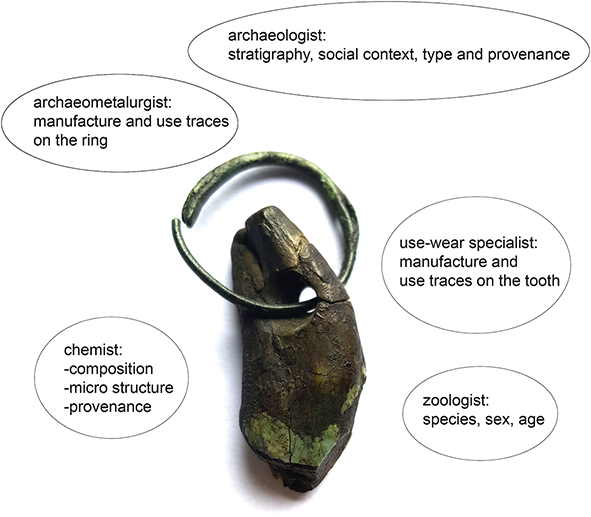
Cross-crafting is often one of the most overlooked yet fascinating areas of research in the study of past production models. It raises important questions about communication among craftspeople at various levels, starting in individual households where knowledge was transmitted vertically between generations and horizontally among family members. Additionally, it highlights the technological strategies employed by craftspeople skilled in working with diverse raw materials. In metallurgy, for example, a profound understanding of the properties of fuel, wax, clay, and temper was essential for successful production at each stage of the process.
In Continental European archaeology, craft studies, from traditional typological studies to detailed archaeometric analyses, are nearly always divided according to particular raw materials, with very few studies exploring cross-craft interactions. This issue has been covered to some extent by studies of imitations (Biehl & Rassamakin, 2008), processing animal bones (e.g., Baron & Diakowski, Reference Baron and Diakowski2018; Osipowicz et al., Reference Osipowicz, Kuriga and Makowiecki2018; Winnicka et al., Reference Winnicka, Garbacz-Klempka and Gaweł2020), and refractory ceramics (Bartz et al., Reference Bartz, Nowak and Stolarczyk2025). As with imitations, cross-crafting can be directly studied in assemblages made of various raw materials, which are extremely rare in Central European Bronze Age contexts. What archeologists usually work on is made of ceramics, copper-based alloys, various types of rocks, and, sometimes, animal bone tissues. Textiles, woodworking, and basketry are practically absent, and apart from abundant ethnographic data showing that in premodern societies, regardless of environmental types and cultural traditions, they were made of perishable materials, their presence can be deduced from spindle-whorls, use wear on metal axes, and imitations. Despite the limitations posed by the generally poor preservation of perishable materials, cross-crafting holds significant potential for studying the organization of production, knowledge transfer, and networking at various levels, ranging from single objects to regions. Archaeometric and ethnographic data are instrumental in such research and allow multiple aspects of the production and cross-craft interactions to be identified.
Cross-crafting can be studied in various ways to answer questions about whether and to what degree expertise in processing a certain type of raw material impacted other raw material(s), as shown among the three types of crafts that are the most common in Central European Bronze Age contexts (Figure 27). Technological entanglement between crafts in small communities should not be a surprise, but it has never been studied despite its obvious potential. For instance, in the Late Bronze Age, nonferrous metallurgy was widely practiced for nearly a millennium. The distribution of metalworking tools and locally developed styles shows that metallurgy was one of the many crafts practiced at various levels of specialization – from simple pins to complicated, multipieced and decorated ceremonial objects. The widespread practice of metallurgy raises questions about the nature of communication among producers working in other high-temperature crafts, such as ceramics (Sperling, Reference Sperling, Neumann, Woltermann and Gleser2019; Hendrickson et al., Reference Hendrickson, Darith, Rachna, Hendrickson, Stark and Evans2023). Both pyrotechnologies are based on the same natural phenomenon, which is thermal alteration. Did metallurgy, a high-temperature technology, impact the processing of other materials, such as clay? Specifically, how did the techniques and knowledge gained from metallurgy influence the methods used to fire clay in various applications, such as pottery and ceramics? As has been noted, archaeological ceramics in Central Europe during the Bronze Age were usually fired at temperatures below 1000 °C (e.g., Hanykýř et al., Reference Hanykýř, Kloužková and Bouška2009). Moreover, thermal analyses of pottery from Central European sites display lower values, suggesting temperatures no greater than 600–700 °C (Kreiter et al., Reference Kreiter, Bajnóczi and Sipos2007: 44; Łaciak & Stoksik, Reference Łaciak and Stoksik2010: Table 8 and 9; Kloužková et al., Reference Kloužková, Zemenová and Kohoutková2016; Drob et al., Reference Drob, Vasilache and Bolohan2021), which suggests a limited impact from metallurgy. Given that the quality of ceramics is significantly influenced by the firing temperature, the unexpected results observed in these studies raise questions about the technical “isolation” of metallurgy and pottery. They challenge our preconceived notions about how technological achievements are or should be “inevitably and naturally” transferred across different crafts.
Examples of cross-craft connections.
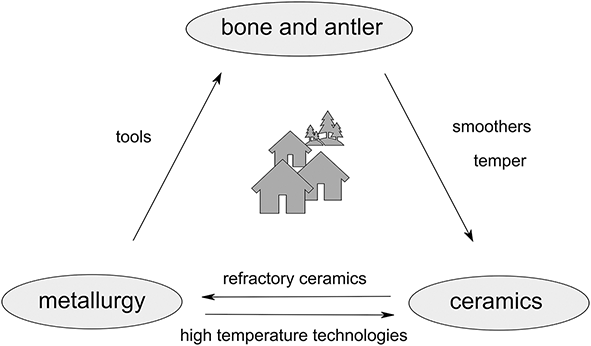
The advanced and widespread practices of Bronze Age metallurgy could not have developed without a profound understanding of clay materials, regardless of the casting techniques employed, as new technologies usually emerge from the combination of existing ones (Arthur, Reference Arthur2009). This interplay exemplifies how the advancement of metallurgy was feasible only in societies that had already mastered the art of firing clay into ceramics.
Ceramic production is based on pyrotechnology and irreversible transformations of clay, and the manufacturing process represents different technological traits depending on the purpose and desired properties of finished objects. Ceramics used in nonferrous metallurgy are a wide group of objects of various shapes, sizes, and purposes, including objects designed for direct contact with liquid metal, called “refractory materials” or “pyrotechnical ceramics,” and other objects, termed technical ceramics. Manufacturing refractory ceramics, that is, objects designed to survive direct contact with liquid or semiliquid metals of temperatures far higher than regular clay firing, must have involved knowledge of clay plasticity and particular types of temper resulting in the desired internal structure and durability. The paste used in pyrotechnical ceramics was therefore formed in various ways, from small molds and mold cores for socketed items, crucibles or runners to the lining of furnace walls or tuyeres through which the hot air was blown.
The archaeometric data for the composition and techniques used in manufacturing refractory ceramics are sparse. Yet even very general observations suggest that this production process differed from the production of other kinds of clay objects. The differences in technical traits have been confirmed by recent archaeometric studies (Hein et al., Reference Hein, Karatasios and Müller2013; Gunia, Reference Gunia, Nowak and Stolarczyk2016a, Reference Gunia, Nowak and Stolarczyk2016b; Bartz et al., Reference Bartz, Nowak and Stolarczyk2025). For instance, clay molds, rare compared to those made of stone, were applicable in nearly all known casting techniques, including open casting, lost-wax, and multiple casting in bivalve molds (Kuijpers, Reference Kuijpers2008: Table 7.1; Sperling, Reference Sperling, Neumann, Woltermann and Gleser2019: Table 2). They are also usually reported as technologically different from other ceramics in terms of temper, porosity, surface finishing, and so on. They are tempered by fine-grained sand, powdered quartzite, or organic materials and have smooth surfaces to avoid temper imprints on cast metal products (Kővári & Patay, Reference Kővári and Patay2005: 92; Gunia, Reference Gunia, Nowak and Stolarczyk2016b: 143–5). Moreover, the inner porosity was achieved by tempering clay with organic material to provide efficient heat circulation (Bartz et al., Reference Bartz, Nowak and Stolarczyk2025). Other varieties of technical ceramics, including crucibles and nozzles, are characterized by their tempering with coarse mineral grains and subpar surface finishes. These technical ceramics were engineered to fulfill specific technological requirements, such as maximum size, texture, or internal structure. Crucibles were not made small and shallow due to stylistic considerations; larger versions would not have been able to withstand the thermal demands of the casting process (e.g., Găvan, Reference Găvan2015: 63). These very brief characteristics of technical ceramics show that it was a highly diversified group, and many of the technological choices had to be made at the very beginning of the operational chains involved. As discussed elsewhere in this Element, creating clay objects is time-consuming, especially at the raw material processing stage, which can take months. We can, therefore, assume that at least some technical ceramics were produced by makers skilled in working clay, perhaps specialists. Most of the refractory ceramics are not complicated in terms of their forms, which are mainly simple, small, and undecorated, while molds can be effectively manufactured by impressing models into the clay, and so on. The crucial stage, however, is the paste preparation, including knowledge and exploitation of specific clay sources and selection of temper, apparently based on quality and quantities different from regular vessel production. Did metallurgists produce complete toolkits, including clay items? If not, what kind of communication between groups of makers was required to produce technical ceramics, and who was involved? How were the expected shape, size, and technical properties of clay molds, models, nozzles, or crucibles determined, communicated, and/or negotiated? The different approaches to thermal issues in ceramics and metallurgy, and therefore the lack of technical interactions, contrast therefore with the inevitability of close cooperation or cross-crafting knowledge in this particular area of material culture. Moreover, both metallurgy and pottery making are often discussed in sex-based labor division perspectives (e.g., Costin, Reference Costin, Whelehan and Bolin2015, with references). Ethnographic data, including a milestone paper by Murdock and Provost (Reference Murdock and Provost1973), suggest metallurgy was a predominantly male occupation, whereas pottery making was primarily dominated by women in preindustrial societies. This picture has been imposed on most of the prehistoric metallurgy and pottery-making evidence in Europe. Figures of Bronze Age male, muscular, mustached metallurgists busily forging swords and axes usually contrast with indoor women hunched with children over half-made pots. Both are typical clichés in museum spaces and archaeological handbooks. This picture implies that these two groups had nothing in common and represent isolated social and technical environments. The uncritical acceptance of this image is even more surprising in Central Europe, where ethnographic data indicate that not only metallurgists but all potters were males. In Poland, male potters, even in the 1960s, were 100 percent responsible for providing and processing raw material, that is, digging clay from their preferred deposits, selecting the temper, and modifying the paste recipes (Cieśla-Reinfussowa, Reference Cieśla-Reinfussowa1977). If needed, women helped distribute ready products and made the vessels only in rare cases. Whereas in Central Europe traditional pottery production and metallurgy were professions dominated by men, recent papers on sex-based labor division based on ethnographic data show more critique, mostly toward women’s work, which was often overlooked due to long-standing stereotypes and biases in ethnographic methodologies (Costin, Reference Costin, Whelehan and Bolin2015: 2; Mtetwa et al., Reference Mtetwa, Maposa, Manyanga, Manyanga and Chirikure2017: 307). Female metallurgists have recently been “discovered” in various premodern contexts, while technological similarity in domestic and refractory ceramics suggests that women’s input in metallurgy was more common than previously thought (e.g., Chirikure et al., Reference Chirikure, Hall and Rehren2015; Mtetwa et al., Reference Mtetwa, Maposa, Manyanga, Manyanga and Chirikure2017). In summary, the production of Bronze Age refractory ceramics in Central Europe demonstrates effective communication across different crafts, involving various groups of makers, who were not necessarily of different genders.
Another intriguing field of cross-crafting involves the interaction between metallurgy and bone processing. While copper-based metallurgy was widely established among Early Bronze Age communities in many regions of Central Europe by the early second millennium bce, bone objects were primarily shaped using flint tools until the advent of the Iron Age (ca. 800 bce), which occurred at least a millennium after local metallurgical practices had been documented (Jaeger et al., Reference Jaeger, Czebreszuk, Müller, Czebreszuk, Müller, Jaeger and Kneisel2015). Although use-wear analyses on Bronze Age bone objects are limited, they suggest that metal tools were occasionally used starting in the Eneolithic. However, such instances are rare (e.g., Osipowicz et al., Reference Osipowicz, Kuriga and Makowiecki2018). Extensive collections of bone artifacts, even from sites that yielded evidence of local metallurgy, were mainly processed with flint tools utilized for scraping, whittling, drilling, and cutting at various stages of the operational chain (Baron & Diakowski, Reference Baron and Diakowski2018; Baron et al., Reference Baron, Diakowski, Kufel-Diakowska, Padilla and Provenzano2024). As discussed earlier, use-wear studies and experiments have shown that most bone tools were created using simple techniques and with essential tools, with the primary requirement of having a sharp edge and tip. This could have been achieved with ad hoc flint tools made from raw materials of various sizes and qualities found throughout most parts of lowland Central Europe. We know very little about this flint industry, except for regions where advanced flint-knapping based on a good-quality material mined from local outcrops continued to be an essential part of the local economy through the Bronze Age, as discussed here in the section on imitations (Libera, Reference Libera2001; Lech & Lech, Reference Lech and Lech1984). Some Early Bronze Age specimens have also been subject to use-wear analysis, including tools for scraping bone and antler (Wolski, Reference Wolski2020: Figure 15A). Moreover, Bronze Age communities often collected and used Neolithic flint tools (e.g., Kufel-Diakowska, Reference Kufel-Diakowska, Stolarczyk and Baron2014).
Regardless of the sparse evidence for the use of metals in bone and antler processing, many metal tools, such as axes and knives in Central European metal deposits, were employed before deposition for tasks like chopping, sawing, or scraping (Sych, Reference Sych2015; Stasik et al., Reference Stasik, Baron and Nowak2024). The disparity is notable and prompts an important question: What were the metal tools employed for? While woodworking would be the most obvious answer, it also implies that the processing of wood and bone necessitated careful consideration regarding the toolkit, even if the raw materials shared similar levels of hardness. This may also indicate that metal tools were primarily used in the initial stages of bone processing, specifically for chopping. Some sites yielded evidence of only the initial processing, that is, soaking and chopping using metal and stone axes (Lasak, Reference Lasak1995). Portions of antler were then transported to settlements where tasks such as scraping might have been performed using small, simple flint flakes. In such cases, the traces of the initial segmentation of the raw material would be untraceable on finished products.
As it is today, the ability to craft certain materials or even to perform a specific type of work can involve more than knowledge, techniques, and tools. It is also linked to biological properties such as body posture, handedness, or the strength required in certain types of work or in preparing tools. In the Roman ochre mines, for instance, the crucial feature was the miner’s handedness. They worked in pairs, one right-handed and one left-handed, to dig out perfectly symmetrical arches that prevented the mine walls from collapsing (Monthel & Lambert, Reference Monthel and Lambert2002). According to historical data, at the beginning of the twentieth century ad, left-handed miners in Provence were sought for and paid more than right-handed miners (Steele & Uomini, Reference Steele, Uomini, Roux and Bril2005, with references).
Weaving, particularly at the household level, has been mainly viewed as a woman’s occupation, according to ethnographic and historical data. Yet who made at least some of the weaving tools? Archaeological experiments show that perforating a slate or sandstone spindle whorl, although not complicated, requires a lot of strength, and that aspect may have excluded some community members from preparing weaving tools themselves. What about massive and heavy wooden looms? The same questions about cooperation underlie many prehistoric crafts regardless of their degree of specialization. Deposits of metal objects, counted in thousands, contain mostly items used before deposition. Among them, hand-held tools and weapons such as swords, axes, knives, and sickles are most common. Who hafted them? Ethnographic data and historical sources suggest several models. One assumes that metallurgists did not haft the items they made but passed them – or a customer did – to other craftspeople (Rowlands, Reference Rowlands1971). This is particularly interesting because, in the case of riveted items, the handle makers were obliged to fit the handles to predetermined cast rivet sizes, based on archaeometric data that show a similar chemical composition for blades and rivets. A different model is known from medieval Europe; bladesmiths, apart from making, sharpening, and repairing weapons, were also skilled in woodworking and produced knife and sword handles as well as leather sheaths. Part of their profession, however, was entirely based on cooperation with other craftsmen, such as goldsmiths, in manufacturing ceremonial weapons.
Studying crafts in premodern societies, particularly from the archaeometric perspective, always requires stepping out from a single type of raw material that may challenge our contemporary research specialization fields. Considering the case studies presented in this section, collaboration among various craftspersons is essential, as working with a specific raw material often requires understanding other materials or partnering with those skilled in their processing.
9 Conclusions
Craft and craft specialization were present in all types of societies, ranging from small-scale communities to more complex civilizations. Specialization should not be interpreted as a sign of a particular stage of a narrowly defined, technology-driven notion of “cultural progress.” Scholarly attention has often favored studies that assume a connection between crafts and the emergence of elites, along with various forms of social inequality, often neglecting research on less complex societies, which challenge these assumptions.
9.1 Small-Scale Societies: Isolated or Connected?
In Central European archaeology, detailed studies focusing on the chronology and distribution of selected types of artifacts, alongside the cataloguing of burial traditions and settlement types, represent a typical research protocol that produces what are known as archaeological cultures and groups. Despite the contentious definitions surrounding such concepts of culture, these studies indicate that Central European communities were seldom isolated; instead, they often reflect similar regional dynamics of transformation over the centuries, even in areas characterized by complex topography. We can observe exchanges of ideas, goods, and technologies reflected in settlement patterns, burial customs, and the objects these communities produced. This indicates a continuous sharing of technological innovations and stylistic elements, demonstrating an effective transfer of knowledge, along with the mutual exchange of social and economic practices (Przybyła, Reference Przybyła and Urbańczyk2017: 190). Conversely, as highlighted in the introduction, certain boundaries between cultural zones – described by Górski as “the Old World of different speeds” – were already apparent during the Early Bronze Age and remained prominent throughout much of this period (Górski, Reference Górski and Urbańczyk2017: 91). The simple, cold-worked copper artifacts from the Mierzanowice and subsequent Trzciniec traditions in southeastern Poland contrast sharply with the more sophisticated metalwork of the Únětice tradition in the west and the Carpathian bronzes to the south. This contrast does not imply isolation or a lack of exchange; instead, it suggests that certain types of information and technology were not integrated by these communities, despite their neighbors having practiced them for several centuries (Górski, Reference Górski and Urbańczyk2017: 106).
To explain why particular objects exhibit similarities despite originating at distant locations, researchers have explored the connections between humans, migration patterns, and the exchange of goods since the early days of archaeology. This investigation has evolved from basic cartographic methods of connecting various points to advanced isotopic analysis and sophisticated GIS-based modeling, which tracks the movement of humans, animals, and artifacts. Network analyses reveal the dynamics and directions of exchange routes, as well as the distribution of specific natural or anthropogenic elements within landscapes. They illustrate how mobile populations have shaped their environments and created pathways that reflect their mental maps, maintaining ongoing contact with both nearby and distant neighbors and relatives. Ideas and items travel alongside those who journeyed within those landscapes, fostering interactions, knowledge exchanges, and shared experiences.
Such encounters fulfilled a variety of functions and included regularly scheduled fairs, exchanges of goods, and voyages centered around marriage arrangements, as previously mentioned. Recent research conducted in three small regions of northern Italy, which combined archaeological, anthropological, and biological data, demonstrated the variations in mobility patterns throughout different phases of the Bronze Age (Cavazzutti et al., Reference Cavazzuti, Skeates and Millard2019). Analyses of strontium isotopes, coupled with evolving burial traditions, suggest that since the Middle Bronze Age, the stabilization of settlements facilitated increased local and mid-range mobility, with a notable emphasis on the movement of women within a clearly patrilocal framework. Additionally, significant distinctions emerged between relatively small settlements, which were more engaged in local interactions, and larger centers such as the terramare sites. While these centers operated on a broader scale, they still appear to reflect a relatively heterarchical society, particularly in their early stages (Cardarelli, Reference Cardarelli2009).
Abundant evidence from southern Poland indicates that communities with diverse cultural backgrounds were drawn to salt-rich regions, settling there and bringing their technological traditions, particularly evident in styles of pottery production (Kadrow & Nowak-Włodarczak, Reference Kadrow, Nowak-Włodarczak and Gancarski2003; Harding, Reference Harding2013). This suggests that access to certain goods was more open than has often been told and that some regions acted as meeting points, bringing together individuals from various cultural backgrounds.
How was information disseminated in small-scale societies? Interactions between diverse communities often occur through individuals who may be only distantly related, frequently affinal kin, or trade partners. Through these exchanges, fictive kin relationships are commonly established, creating bonds that extend beyond biological or legal connections. This dynamic highlights the complexities of social relationships and illustrates how cultural practices can foster connections across diverse social groups (Allison, Reference Allison2000: 15).
When examining the spatial distribution of crafting through debris, supplies of raw materials, semi-finished goods, and tools, small-scale societies reveal three fundamental models of craft allocation within their settlement structures: household, intra-site, and inter-site (Tosi, Reference Tosi and Spriggs1984: Figure 1; Sharp, Reference Sharp2017). Among these, the focus has mainly been on households, the basic unit of social life and the arena of various kinds of activities, which may include serving as loci of developing particular styles of craft specialization from one generation to another. This model is well evidenced in archaeological and ethnographic data (Figure 28) (Cveček, Reference Cveček2022; Sørensen & Vicze, 2024) and explains why in some small communities, even basic products such as plain, undecorated pottery could have been the focus of specialized production and traded over distances of 75–100 kilometers (Allison, Reference Allison2000: 216). This finding is surprising given the prevailing assumption that pottery making is one of the most fundamental crafts practiced within individual households and was an integral part of deeply rooted, domestic cultural practice. While similar studies are few in Central European archaeological contexts, they raise intriguing questions regarding the self-sufficiency of such small units.
Manufacturing woven bast shoes. Poland 1936.
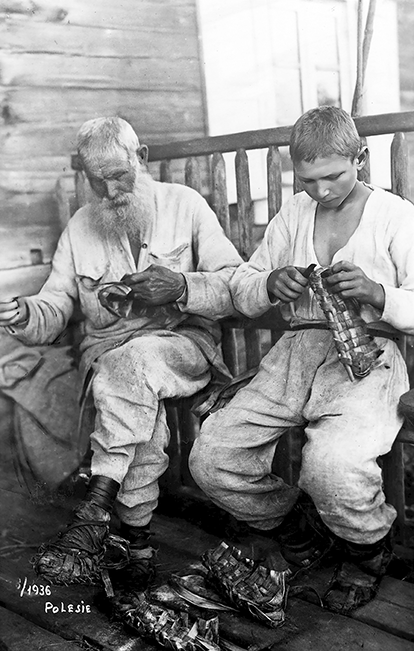
Although the social and spatial concept of a household as a basic unit of crafting is well-known, their durability and the range of activities associated with them remain underexamined for several reasons, including the scale of excavation and neglect of structure biographies, as pointed out recently for tell sites by Sørensen and Vicze (2024). Moreover, both ethnographic and archaeological data show that households were dynamic and highly diverse social structures reaching beyond blood relations (Sørensen & Vicze, Reference Soafer, Stig Sørensen, Vicze, Blanco-González and Kienlin2024: 194).
9.2 Crafts in the Small-Scale Societies
Archaeological data reflecting the daily lives of ordinary people are often overlooked, leading to an imbalanced focus on high-status sites or monumental burials that feature significant metal artifacts or other goods deemed prestigious. These artifacts have predominantly been viewed as indicators of a social and political organization led by male chiefs, metallurgists, and warriors. As a result, only a portion of Bronze Age societies has been deemed worthy of scholarly attention – a perspective that has only recently begun to change (e.g., Rebay-Salisbury, Reference Rebay-Salisbury, Cooper and Phelan2017, with references). In this Element, I have sought to include data from small-scale societies and their unique and diverse cultural landscapes in a broader, multifaceted discussion about crafting during the Bronze Age. This period is notably marked by the introduction of new technologies, materials, and the values attributed to those materials and technologies, which extend beyond the metallurgical technology that has captured the majority of scholarly interest. However, it apparently was only one of many crafts practiced at the sites, and many communities were not interested in its introduction or adopted it very slowly.
Rather than categorizing various crafts by raw materials, as is commonly done, I have concentrated on several key aspects embedded in a community-driven and cooperative approach to crafting. This focus encompassed standardization, two-track crafting, seasonality, imitation, and cross-crafting. Many of these topics have not been systematically explored within Central European archaeology. When analyzing Bronze Age crafts through the four parameters of craft specialization identified by Costin (Reference Costin1991: Figure 1.4) – political context, concentration, scale, and intensity – it becomes evident that most crafting activities in Central Europe during the Bronze Age can be characterized as independent, dispersed, small-scale, and part-time efforts.
While it is essential to recognize that variations may exist across different regions and periods, the overall perspective aligns more closely with the characteristics of small-scale societies rather than those of chiefdoms or kingdoms, this bottom-up approach raises entirely different research questions compared to those found in proto-state societies or other more complex social structures, where craft production and crafted goods acted as vehicles for maintaining political power and pursuing imperial ambitions (e.g., Shimada, Reference Shimada2007; Feinman & Moreno García, Reference Feinman and Moreno García2022; Hendrickson et al., Reference Hendrickson, Darith, Rachna, Hendrickson, Stark and Evans2023). Furthermore, in such societies, political authorities significantly influenced and controlled various types of crafts, as evidenced by historical texts. Top-down decisions regarding the introduction of new architectural styles not only impacted the economy by creating demand for specific raw materials and skilled specialists but also facilitated political expansion and the development of new networks (e.g., Hendrickson & Leroy, Reference Hendrickson and Leroy2020).
The two opposite contexts of craft specialization can be viewed as a spectrum, encompassing a variety of nuanced models in addition to assuming that specialized craft production was exercised in societies of various types of complexity (e.g., Parkinson et al., Reference Parkinson, Nakassis and Galaty2013). For example, Allison contends that even in small-scale societies, the production of surplus goods for exchange may stem from the desire of certain individuals within surplus-producing communities to obtain relatively valuable items that could enhance their prestige and influence (Allison, Reference Allison2000: 15).
Evidence from Central Europe, primarily derived from relatively small dwellings, reveals significant potential for investigating various aspects of craft production, regardless of the level of social complexity. These small settlements were home to communities of up to 300 individuals, “a body of people sharing common activities and bound by multiple relationships in such a way that the aims of any individual can be achieved only by participation in action with others” (Firth, Reference Firth1951: 41). These communities were also deeply embedded within intricate social, economic, and political networks, challenging the Western notion of the “primitive isolate” (Terrell et al., Reference Terrell, Hunt and Gosden1997).
Ethnographic research suggests that in groups of this size, all types of crafting are at least partially communal, promoting the exchange of experiences, skills, and knowledge both within and across various production areas. Additionally, social learning through observation and imitation is prevalent. The public nature of crafting practices also stimulates discussions and constant feedback regarding the tools, methods, skills, and quality of the final products. The crafting practices of small-scale societies during the Bronze Age are fascinating for numerous reasons and reflect the interconnectedness of people and the technological choices made within specific cultural contexts. Examining these past crafting practices challenges our contemporary views on efficiency and technological advancement. For example, the adoption of metallurgy varied across different cultures, revealing that a simple diffusion model did not drive the interest in new technologies. Instead, it emerged from well-considered strategies that needed to align with the community’s core values; otherwise, such technologies were not embraced. The intentional selection of traditional tools and techniques in specific crafts underscores that innovations in one area of production do not necessarily impact others as one might expect. This is illustrated by communities that, despite creating various metal implements, continued to use flint tools for processing bone material.
The impact of innovations in high-temperature techniques within metallurgy on pottery production has been surprisingly minimal. It is noteworthy that all these items were crafted by a small group of artisans who interacted daily and honed their skills through practice and observation.
Ethnographic evidence indicates that traditional, premodern societies primarily utilized locally available materials, such as clay, wood, animal hides, plant fibers, and wool, employing techniques passed down through generations. Although perishable materials often do not survive in the archaeological record, they can be indirectly identified through the tools used in their processing, as well as through imprints or imitations. Many were available only seasonally, necessitating a strong understanding of storage practices until they could be processed, a task that was often time-consuming and typically occurred after the farming season had concluded. This is also true for pottery production, which itself was a time-intensive practice, particularly during the initial paste processing phase. Specific conditions were required for this stage, which were difficult to maintain during the winter months, significantly affecting production schedules. The seasonality of raw material access, combined with crafting schedules influenced by the farming calendar, impacted many social practices associated with objects such as ceramic vessels, which were heavily utilized in funerals.
Some communities adopted and quickly mastered nonferrous metallurgy, relying on nonlocal and often hard-to-access raw materials. They became part of the trade network established primarily among early copper mining centers in the Carpathians and eastern Alps. The adoption of new technologies in these small-scale societies was likely a collective decision, driven by respected individuals whose authority stemmed from reciprocal relationships, sharing supplies, or other prosocial behaviors (Glowacki & Lew-Levy, Reference Glowacki and Lew-Levy2022). Rogers characterizes this stage as a process involving “a series of actions and choices over time through which an individual or an organization evaluates a new idea and decides whether or not to incorporate it into ongoing practice” (Rogers, Reference Rogers1983: 163). The relatively swift implementation and establishment of local production centers indicate that the inherent uncertainties surrounding innovation were effectively managed. Copper, tin, gold, lead, and silver were distributed unevenly, necessitating trade at well-known locations and on a scheduled basis to ensure regular supply. Although these networks were not flawless – evidenced by the occurrence of copper socketed axes at the very end of the Bronze Age – the ability to cast copper similarly to bronze demonstrates the maker’s adaptability in processing materials with different properties, as well as their knowledge of how to adjust techniques to address temporary supply shortages.
The differences in skill levels across various crafts are quite evident and reveal a bias in our studies that suggests some crafts were simpler than others. These discrepancies did not stem from the raw materials, which could be processed in multiple ways, but rather from the diversity of tools and techniques employed. As previously noted, not every metal object was a work of art, nor were all bone tools or kitchenware easy to produce. Extensive practice allowed for the efficient production of similar items, often tailored to seasonal demands. While some objects may not have been of exceptional quality, they fulfilled the essential needs of local communities. Others were specifically customized to meet individual preferences, including taste, size, or ergonomic considerations. Many items were also traded with neighboring communities linked by established trade routes and regular gatherings. The presence of similar ceramics, metal tools, and simple ornaments in certain regions, often referred to as “groups” or “cultures,” indicates enduring and robust networks through which people, ideas, and goods circulated within and beyond their local environments.
Studying crafts within small-scale societies presents numerous challenges, revealing that people in the past approached innovations and knowledge transfer in ways that differ significantly from our current perspectives. The “conservative” tendency to preserve certain crafts, even when more efficient and effective solutions are available, highlights a contrast with our understanding of technological adoption and innovation. Thus, examining small-scale societies from the Bronze Age encourages self-reflection on what we perceive as inevitable, obvious, or rational in the realm of crafting. The rich evidence of how these societies managed the processing of various raw materials within their unique cultural, social, and technological contexts demonstrates that many significant achievements can emerge from cooperation and the promotion of diverse forms of prosocial behavior, rather than relying solely on formal centralized institutions.
Acknowledgments
The concept for this manuscript originated from the project “Cross-Craft Interactions in the Central European Bronze Age,” which was undertaken in 2023/2024 at the Field Museum of Natural History in Chicago as part of the Fulbright Senior Award. I am deeply grateful for the support of Bill Parkinson, who kindly hosted me during my stay. Throughout my visit, I had the opportunity to engage in enlightening discussions about my research with several colleagues, including Gary Feinman, John Terrell, Cathy Costin, Foreman Bandama, Ezekiel Mtetwa, Mitch Hendrickson, Izumi Shimada, and Kayeleigh Sharp. I found considerable inspiration in our lunch conversations with remarkable women in science: Kendall Hill, Sabina Cveček, Amanda Dick, Christina Freiberg, and Sara Watson. Thank you!
I thank colleagues and friends who supported my research in many ways. They are in alphabetical order: Bettina Arnold, Peter Bogucki, Wojtek Bronowicki, Marcin Chłoń, Alice Choyke, Marcin Diakowski, Przemek Dulęba, Mirek Furmanek, Anthony Harding, Sławek Kadrow, Radosław Kuźbik, Dagmara Łaciak, Marcin Maciejewski, Arek Marciniak, Lech Marek, Asia Markiewicz, Karolina Markiewicz, Beata Miazga, Kamil Nowak, Agnieszka Przybył, Marek Ranis, and Dawid Sych. I want to thank Marta Piekarska, Jon Geater, and Fyodor for their hospitality, which enabled me to complete the manuscript. I am also grateful to the heads of my Institute, Jerzy Piekalski, followed by Mirek Masojć, for their support.
Many illustrations in this Element were generously provided by Eva Schimerová, Marek Grześkowiak, Luboš Jiráň, Radek and Krystyna Jaryszowie, Petr Vágner, Tomek Stolarczyk, Konrad Grochecki, and David Parma, to whom I extend my heartfelt thanks.
I want to thank Bernadeta Kufel-Diakowska for being a critical colleague and a wonderful friend.
Lastly, nothing works without my family’s support. I love you all.
Manuel Fernández-Götz
University of Oxford
Manuel Fernández-Götz is Professor of Later European Prehistory at the University of Oxford. His research focuses on Iron Age and Roman societies in Europe, with a particular interest in questions of social identities, early urbanisation, and conflict archaeology. He has directed fieldwork projects in Spain, Germany, the United Kingdom, and Croatia.
Bettina Arnold
University of Wisconsin–Milwaukee
Bettina Arnold is a Full Professor of Anthropology at the University of Wisconsin–Milwaukee and Adjunct Curator of European Archaeology at the Milwaukee Public Museum. Her research interests include the archaeology of alcohol, the archaeology of gender, mortuary archaeology, Iron Age Europe, and the history of archaeology.
About the Series
Elements in the Archaeology of Europe is a collaborative publishing venture between Cambridge University Press and the European Association of Archaeologists. Composed of concise, authoritative, and peer-reviewed studies by leading scholars, each volume in this series will provide timely, accurate, and accessible information about the latest research into the archaeology of Europe from the Paleolithic era onwards, as well as on heritage preservation.

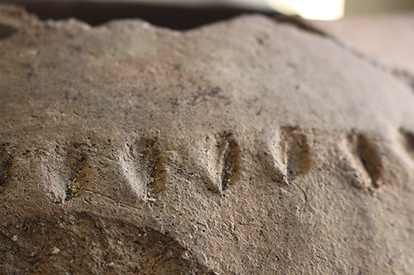
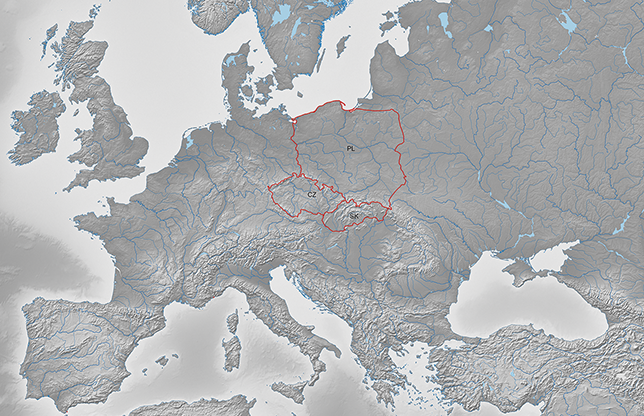
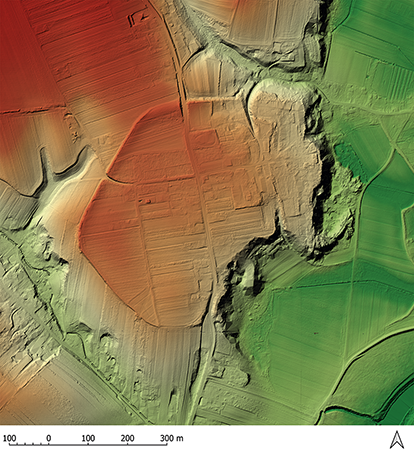
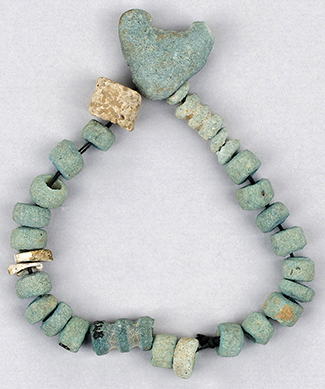
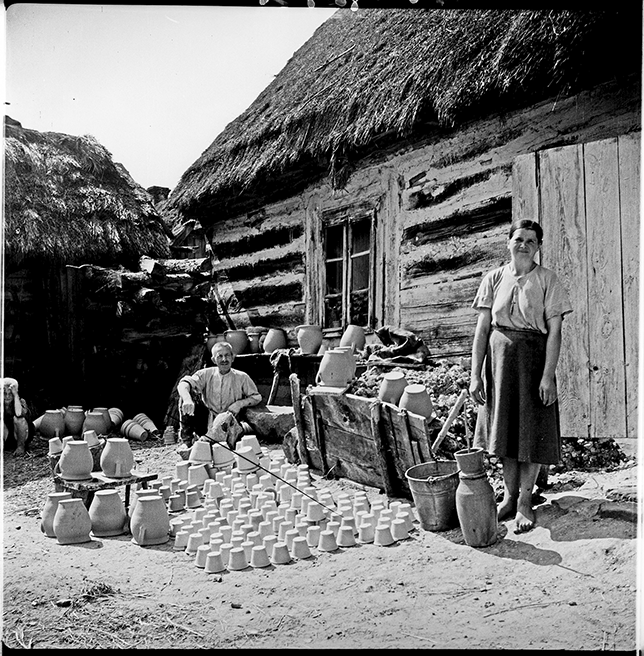
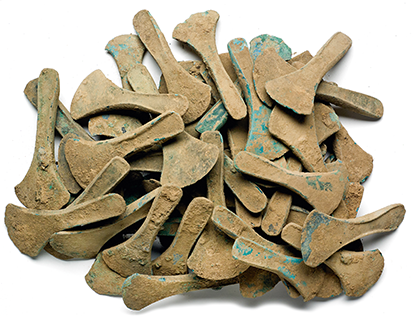

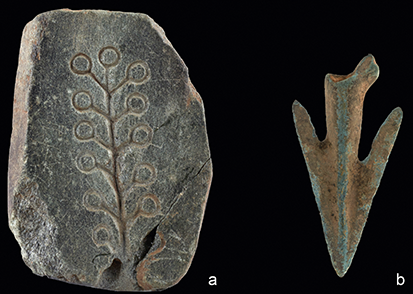
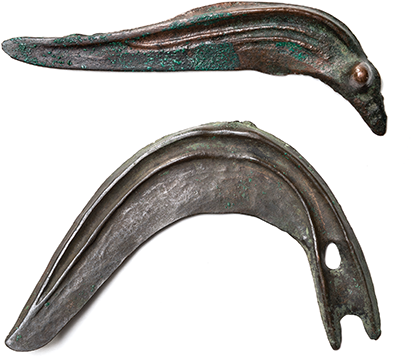
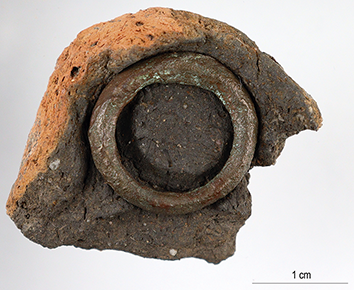

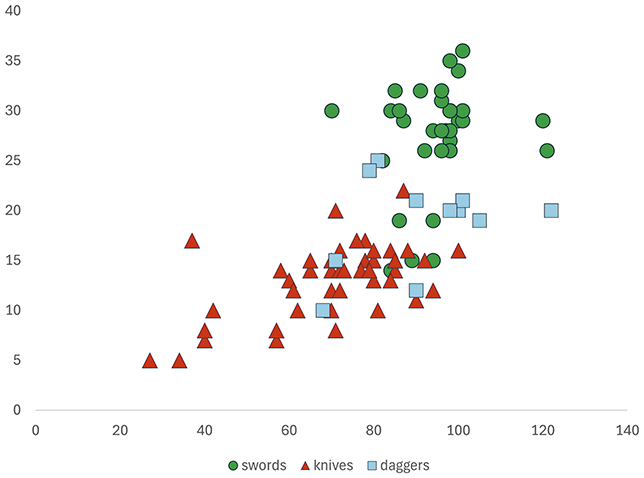
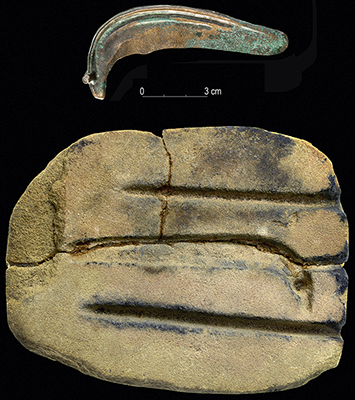
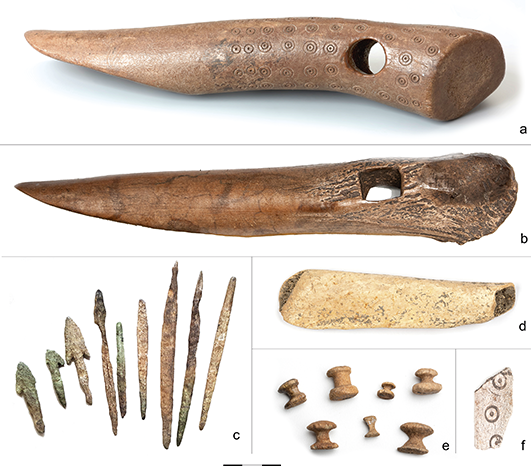
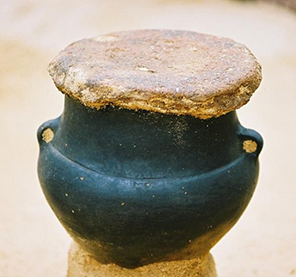
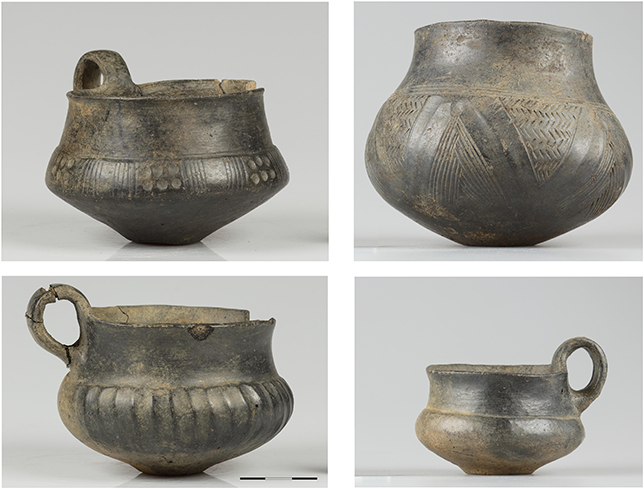
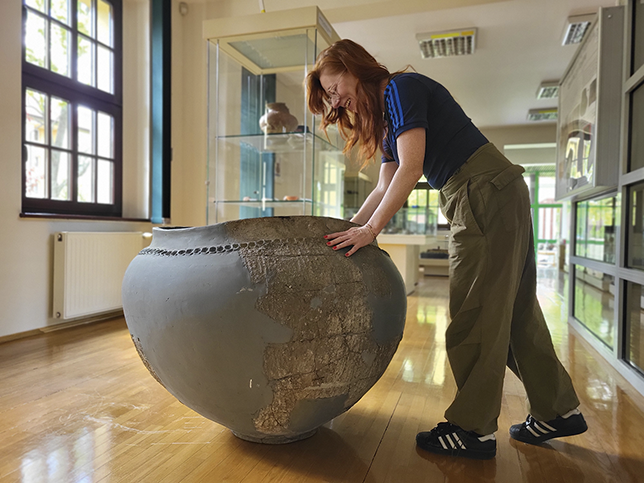
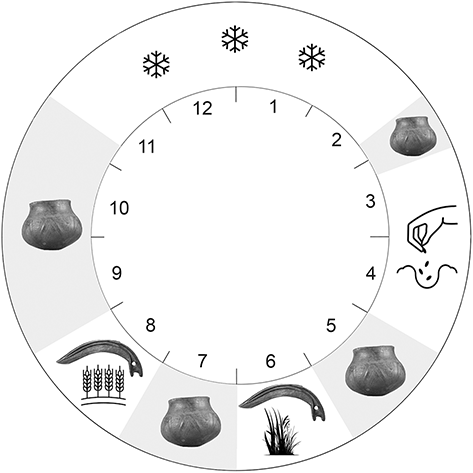
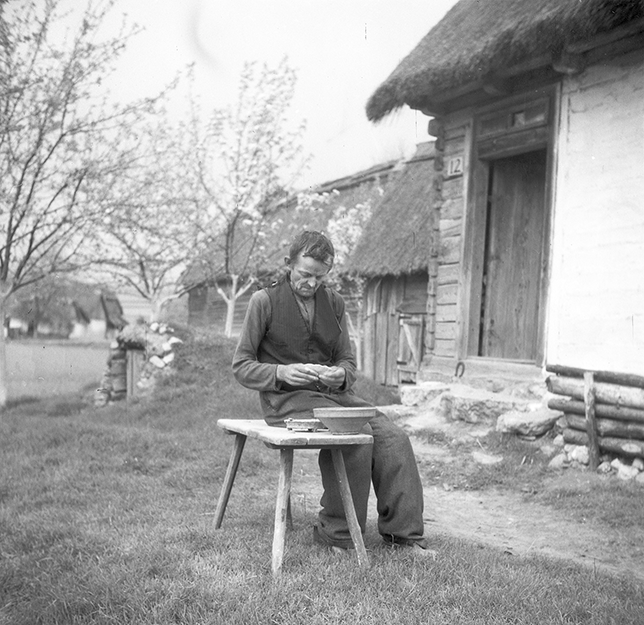
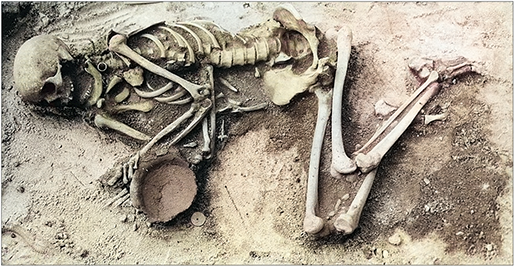
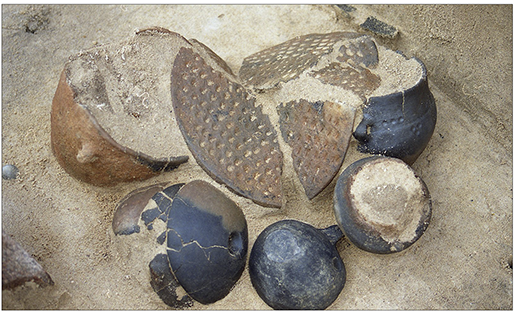
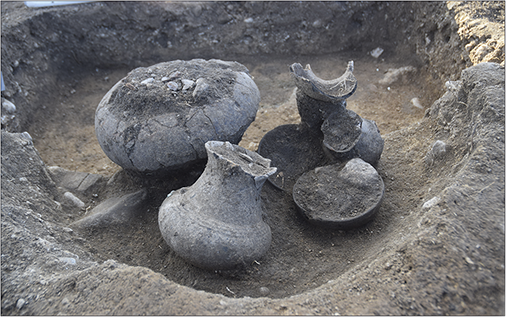
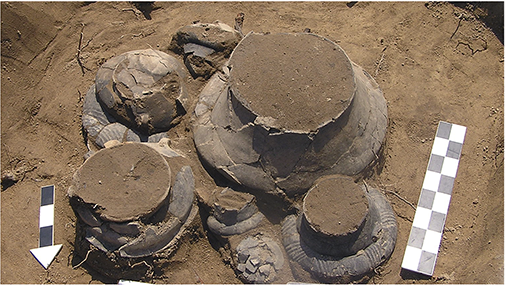
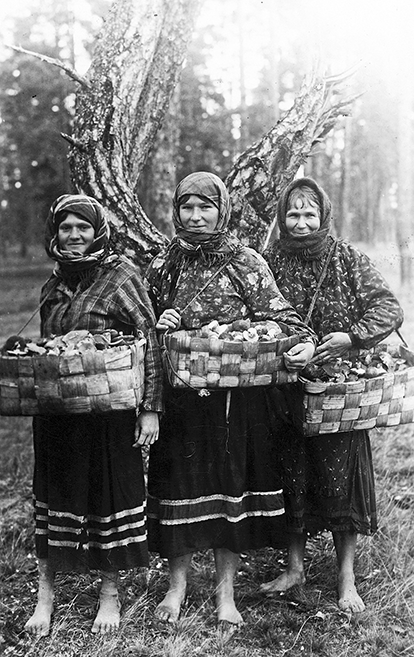
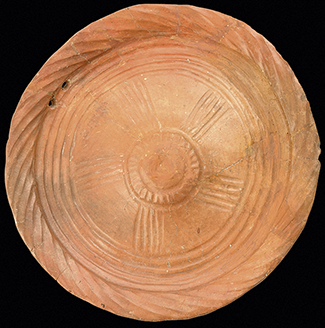
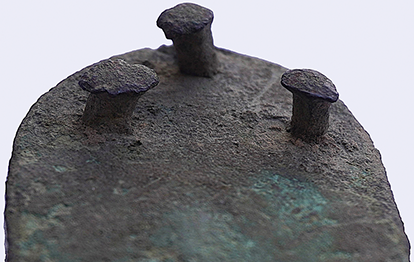
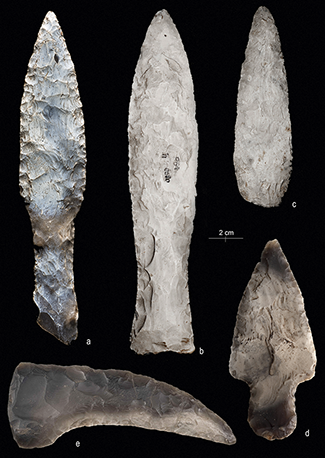
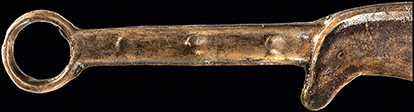
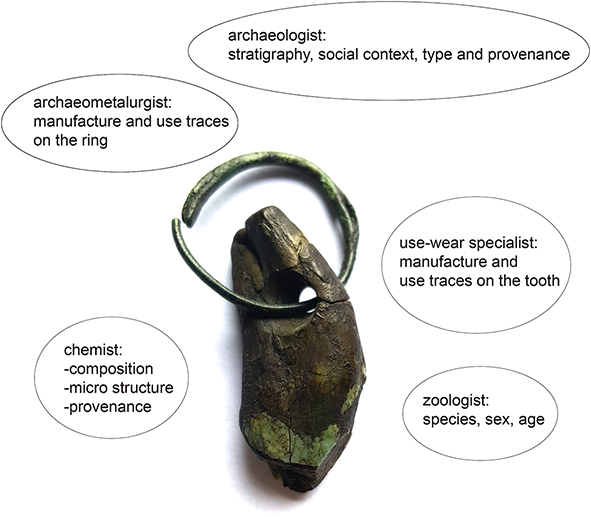
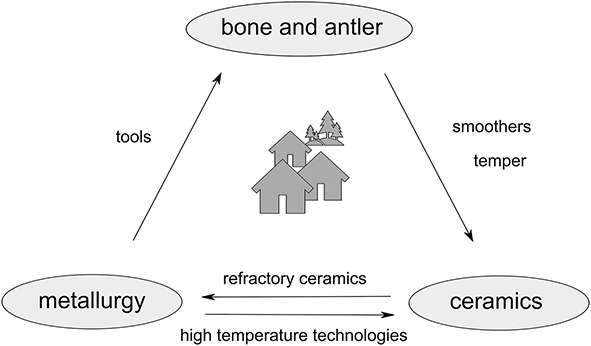
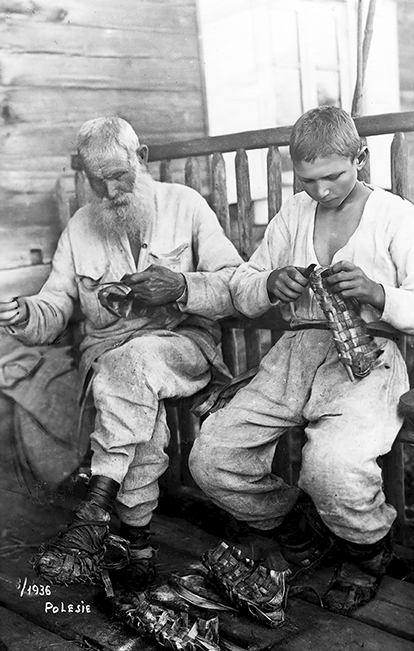

 Open access