


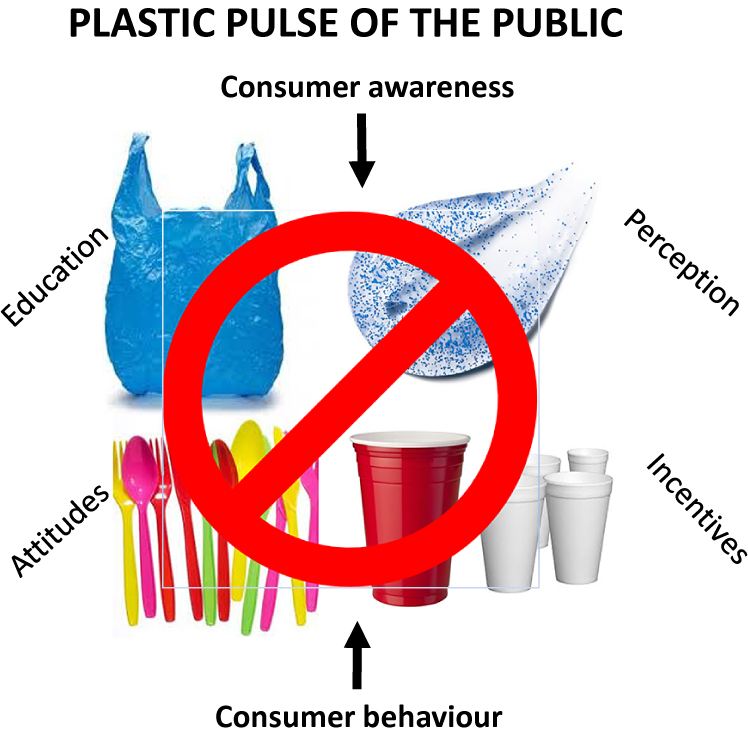


Impact statement
Upstream plastic production and subsequent plastic pollution are predicted to increase. Current attempts to address plastic pollution include a plethora of top-down government policies combined with bottom-up strategies by individual consumers, yet today the understanding of downstream consumer use and consumption of plastics is limited. This review of survey-based research examined how consumers use and dispose of plastics and offers new insights on public knowledge, perceptions, and concerns about plastic pollution. Findings from this review encourage positive change in how consumers use, dispose of, and manage plastic waste to help reduce plastic emissions to the environment. This review also highlighted important knowledge gaps and underscores the importance for more research related to public perceptions of upstream plastic production and possible solutions for this pervasive plastic pollution problem.
Introduction
Plastics, especially single-use plastics (SUPs), are widely used for consumer products, yet current use is unsustainable (Lau et al., Reference Lau, Shiran, Bailey, Cook, Stuchtey, Koskella, Velis, Godfrey, Boucher, Murphy, Thompson, Jankowska, Castillo Castillo, Pilditch, Dixon, Koerselman, Kosior, Favoino, Gutberlet, Baulch, Atreya, Fischer, He, Petit, Sumaila, Neil, Bernhofen, Lawrence and Palardy2020; McGuinty and Walker, Reference McGuinty and Walker2021; Walker, Reference Walker2021a, Reference Walker2021b; Walker et al., Reference Walker, McGuinty, Charlebois and Music2021; Kitz et al., Reference Kitz, Walker, Charlebois and Music2022; Walker and Fequet, Reference Walker and Fequet2023). Most consumer plastics are designed for single-use with limited recyclability, which has led to increased global production and consumption resulting in unprecedented plastic waste generation and widespread plastic pollution (Borrelle et al., Reference Borrelle, Ringma, Law, Monnahan, Lebreton, McGivern and Rochman2020). An estimated 9,200 million metric tons (Mt) of plastic has been produced and more than 6,900 Mt has been landfilled or ‘leaked’ into the environment (Geyer et al., Reference Geyer, Jambeck and Law2017; Brooks et al., Reference Brooks, Wang and Jambeck2018). Current plastic production is roughly 450 million Mt annually and is predicted to double by 2045 (Geyer, Reference Geyer2020). Borrelle et al. (Reference Borrelle, Ringma, Law, Monnahan, Lebreton, McGivern and Rochman2020) estimated between 19 and 23 million Mt of plastic waste generated globally in 2016 entered aquatic and marine ecosystems and is predicted to reach 53 million Mt annually by 2030. Thus, waste generation and subsequent plastic pollution pose a major threat to both human and environmental health. To address the global plastic pollution problem, multilevel mitigation strategies have been proposed to reduce and transform the global plastics value chain (Ellen MacArthur Foundation, 2020; Walker, Reference Walker2021a).
As global plastic production and waste continue to increase, so does the number of national and international commitments to reduce plastic pollution (Lau et al., Reference Lau, Shiran, Bailey, Cook, Stuchtey, Koskella, Velis, Godfrey, Boucher, Murphy, Thompson, Jankowska, Castillo Castillo, Pilditch, Dixon, Koerselman, Kosior, Favoino, Gutberlet, Baulch, Atreya, Fischer, He, Petit, Sumaila, Neil, Bernhofen, Lawrence and Palardy2020). For example, national governments have implemented bans or levies on SUP consumer products (Xanthos and Walker, Reference Xanthos and Walker2017; Schnurr et al., Reference Schnurr, Alboiu, Chaudhary, Corbett, Quanz, Sankar, Srain, Thavarajah, Xanthos and Walker2018; Adam et al., Reference Adam, Walker, Bezerra and Clayton2020; Clayton et al., Reference Clayton, Walker, Bezerra and Adam2020; Bezerra et al., Reference Bezerra, Walker, Clayton and Adam2021; Walker, Reference Walker2021b). At the international level, the United Nations (UN) has committed to reduce plastic leakage into the environment (UNEP, 2018), and currently there are ongoing negotiations to achieve an internationally legally binding Plastics Treaty to end plastic pollution (Ammendolia and Walker, Reference Ammendolia and Walker2022; Bergmann et al., Reference Bergmann, Almroth, Brander, Dey, Green, Gundogdu, Krieger, Wagner and Walker2022; Dey et al., Reference Dey, Trasande, Altman, Wang, Krieger, Bergmann, Allen, Allen, Walker, Wagner, Syberg, Brander and Carney Almroth2022). Coupled with these top-down government and intergovernmental strategies to curb plastic pollution, there are also increasing bottom-up approaches with growing pro-environmental consumer action and awareness (Pahl et al., Reference Pahl, Wyles and Thompson2017; Oturai et al., Reference Oturai, Pahl and Syberg2022). Despite growing public awareness, consumer use and disposal of plastics, as well as perceptions about plastic pollution invariably differ among individuals and across different jurisdictions making it difficult to tailor plastic reduction strategies (Adam et al., Reference Adam, Walker, Clayton and Bezerra2021; Walker et al., Reference Walker, McGuinty, Charlebois and Music2021).
Scientific studies of plastic pollution have increased dramatically in recent years (Allen et al., Reference Allen, Allen, Karbalaei, Maselli and Walker2022). However, our understanding of how the public grasps these findings, perceives them, and is responding to them remains nascent (Henderson and Green, Reference Henderson and Green2020; Walker, Reference Walker2022). While the topic of plastic pollution has been widely covered by mainstream media, individual uptake of this information varies dramatically. Furthering our understanding of waste at the individual level could help inform future waste reduction strategies, increase public awareness, and tailor plastic reduction policies (Adam et al., Reference Adam, Walker, Clayton and Bezerra2021). For example, MacDonald et al. (Reference MacDonald, Allen, Williams, Flowers and Walker2023) conducted a recent review of contemporary literature focused on the drivers of plastic pollution, barriers to change, and targeted behavior change interventions. To help support more sustainable and effective plastic use and waste management policies, MacDonald et al. (Reference MacDonald, Allen, Williams, Flowers and Walker2023) recommended that future research focus on behavioral aspects of the plastic-people relationship to advance the current understanding of individuals’ behaviors relating to plastic use and waste. Survey-based research can be used to help identify trends and solutions to reduce plastic use and plastic pollution. Survey-based research allows researchers to conduct targeted consumer research and consumer behavior across different jurisdictions, to help better understand what local solutions would be most effective, as there is no one size fits all (or silver bullet) solution to curb plastic pollution.
In the last decade, there have been numerous studies that have used survey-based methods to examine consumer perceptions related to plastics in high-income countries. Many of them have focused specifically on SUPs, including plastic food packaging (Otto et al., Reference Otto, Strenger, Maier-Nöth and Schmid2021; Walker et al., Reference Walker, McGuinty, Charlebois and Music2021; Kitz et al., Reference Kitz, Walker, Charlebois and Music2022). Most studies conclude that consumer awareness of the negative environmental impacts of plastics in high-income countries is high. For example, Lindh et al. (Reference Lindh, Olsson and Williams2016) explored Swedish consumer perceptions and knowledge of environmental impacts related to food packaging using a consumer survey and results indicated that consumers were aware of the negative environmental impacts of plastic packaging. Similarly, Orset et al. (Reference Orset, Barret and Lemaire2017) evaluated the French consumers’ willingness to pay for different plastic water bottles and they showed that most consumers had positive attitudes toward use of recycled and biodegradable plastics.
Numerous studies using quantitative and qualitative survey data show that the public are highly aware of the problems of plastic consumption and pollution (e.g., Hartley et al., Reference Hartley, Pahl, Veiga, Vlachogianni, Vasconcelos, Maes, Doyle, Metcalfe, Öztürk, Di Berardo and Thompson2018; Lotze et al., Reference Lotze, Guest, O’Leary, Tuda and Wallace2018; Heidbreder et al., Reference Heidbreder, Bablok, Drews and Menzel2019; Rhein and Schmid, Reference Rhein and Schmid2020). However, plastic production and consumption are at an all-time high (e.g., PlasticsEurope, 2020) and consumers depend heavily on plastic as a packaging material (Rhein and Schmid, Reference Rhein and Schmid2020). For example, consumers consider its flexibility, transparency, convenient use, and light weight as advantages (e.g., Heidbreder et al., Reference Heidbreder, Bablok, Drews and Menzel2019). These diverting perceptions of plastic – as being both problematic and practical – may explain people’s ambivalent attitude with plastic packaging (Hahn et al., Reference Hahn, Buttlar and Walther2021). A recent German study investigated this discrepancy of appreciation of plastic packaging, but disapproval plastic waste and pollution (Menzel et al., Reference Menzel, Brom and Heidbreder2021). It showed that – compared to plastic packaging – plastic waste and microplastics were rated explicitly as more ‘bad’, ‘unpleasant’, ‘unpractical’, and ‘risky’ (both in general and for the environment) (Menzel et al., Reference Menzel, Brom and Heidbreder2021). Implicitly measured, plastic packaging, waste, and microplastic were all rated as ‘bad’, while only plastic waste was rated as ‘risky’ (Menzel et al., Reference Menzel, Brom and Heidbreder2021). However, implications of the Menzel et al. (Reference Menzel, Brom and Heidbreder2021) study are limited as they consist of nonrepresentative samples of relatively high-educated and young Germans only. Nevertheless, this study supports previous findings that plastic packaging is perceived as less problematic than plastic waste. It also shows that explicitly and implicitly rated evaluations were relatively negative for all plastic forms, indicating that interventions that aim at attitude change and/or problem awareness might not be sufficient as attitudes are already low. Rather, situational and structural changes should help consumers to act based on their attitudes.
Although upstream unsustainable plastic production is responsible for the creation of consumer plastics (particularly SUPs) in the marketplace, the downstream focus of this review helps elucidate the public/consumer inter-relationship and response to mitigation and prevention measures, informing future policy and community/individual actions. This nonexhaustive review highlights current survey-based research of varied formats and provides new insights about public opinions related to the pervasiveness of the plastic pollution problem. Diverse studies focusing on evaluation of public attitudes, behaviors, perceptions, actions and attributes, and comparisons of survey results by different demographics of participants representing diverse geographical coverage of the globe are discussed. Thus, this review aims to gauge the Plastic Pulse of the Public.
Review methodology
This review primarily focused on survey-based research from presenters at the scientific track session TS-2.15 Plastic Pulse of the Public at the 7th International Marine Debris Conference (7IMDC) (www.7imdc.org) and supplemented by select contemporary literature to capture trends from the current global discussion on the topic. The 7IMDC is the world’s longest-running international conference series dedicated to the issue of marine litter and plastic pollution (Walker, Reference Walker2018). The Plastic Pulse of the Public track session attracted abstract submissions from researchers and stakeholders from across the globe. This offered a unique opportunity to learn more about the Plastic Pulse of the Public from diverse geographical areas. The track session included diverse studies focusing on evaluation of public attitudes, behaviors, perceptions, actions and attributes, and comparisons of survey results by different demographics of participants (e.g., age, gender, location, income, education, level of environmental awareness). For example, presentations included survey-based research on how people use plastic from high-income and low-income countries as well as combinations of both. Researchers already know that plastic pollution is a global problem but is important for decision and policymakers to understand how the public use and dispose of plastic in different jurisdictions to tailor solutions for different jurisdictions. This review includes results about consumer use and perceptions of plastic pollution impacts from nine countries including Ghana, Kenya, Bangladesh, Pakistan, United States, Canada, Norway, Germany, and United Kingdom (Figure 1).
Locations of survey-based research by region or country.

In total, there were 14 presentations in the scientific track session. These comprised six platform (four in person and two remote) presentations and four poster presentations. All presenters and their coauthors were invited to participate as coauthors and discuss their survey-based research in this review. Only those presenters (and their coauthors) who responded were included in the review of survey-based research (i.e., based on eight presentations of empirical studies).
Results and discussion of survey-based research by region or country
A total of eight empirical studies were presented at the scientific track session TS-2.15 Plastic Pulse of the Public representing nine countries including Ghana, Kenya, Bangladesh, Pakistan, United States, Canada, Norway, Germany, and United Kingdom and were included in this review. These studies were also supplemented by select contemporary literature listed in the bibliography.
North America (Canada and United States)
Several recent Canadian survey studies focused on consumer and food retailer behavior and perceptions of SUP use before and during the COVID-19 pandemic (Varkey et al., Reference Varkey, Walker and Saunders2021; Walker et al., Reference Walker, McGuinty, Charlebois and Music2021; Kitz et al., Reference Kitz, Walker, Charlebois and Music2022; Molloy et al., Reference Molloy, Medeiros, Walker and Saunders2022a, Reference Molloy, Varkey and Walker2022b). Before the COVID-19 pandemic, governments in Canada and globally had implemented, or were planning to implement, legislative action to curb SUP use, combined with strong public support (Xanthos and Walker, Reference Xanthos and Walker2017; Schnurr et al., Reference Schnurr, Alboiu, Chaudhary, Corbett, Quanz, Sankar, Srain, Thavarajah, Xanthos and Walker2018; Adam et al., Reference Adam, Walker, Bezerra and Clayton2020; Clayton et al., Reference Clayton, Walker, Bezerra and Adam2020; Bezerra et al., Reference Bezerra, Walker, Clayton and Adam2021; Walker, Reference Walker2021a, 2021b). The strong public support to curb plastic pollution and high awareness prior to COVID-19 was consistent with other consumer survey studies from high-income countries. However, the COVID-19 pandemic disrupted many of these initiatives and changed public attitudes (Silva et al., Reference Silva, Prata, Walker, Campos, Duarte, Soares, Barcelò and Rocha-Santos2020).
As presented in this session, two related national survey studies measured changes in Canadian consumer attitudes toward SUPs, in 2019 (n = 1,014, pre-COVID-19 pandemic) by Walker et al., Reference Walker, McGuinty, Charlebois and Music2021) and 2020 (n = 977, during the COVID-19 pandemic) by Kitz et al., Reference Kitz, Walker, Charlebois and Music2022). Before the COVID-19 pandemic, most (93.7%) respondents were motivated to reduce SUP consumption. Although Canadians were highly motivated to reduce SUPs, they were less willing to pay for sustainable alternatives (Walker et al., Reference Walker, McGuinty, Charlebois and Music2021). This was mirrored in a regional (across four Atlantic Canadian provinces) and a municipal study in Halifax in Nova Scotia (population 439,819 as of 2021) pre-pandemic (Varkey et al., Reference Varkey, Walker and Saunders2021; Molloy et al., Reference Molloy, Medeiros, Walker and Saunders2022a, Reference Molloy, Varkey and Walker2022b). Results from four Atlantic Canadian provinces showed strong consumer support (77%, n = 838) for SUP bag bans, and for further plastic pollution reduction legislation, likely because three of these provinces were the first in Canada to implement provincial-wide legislation for plastic bag reduction (Molloy et al., Reference Molloy, Medeiros, Walker and Saunders2022a). Results from Halifax indicated overwhelming support in SUP reduction, as well as concerns among business owners about sourcing sustainable alternatives (Varkey et al., Reference Varkey, Walker and Saunders2021). However, during the pandemic, 55% of respondents were concerned about food safety due to COVID-19, but there was only a slight decline in motivation to reduce SUPs. Unfortunately, results showed a decline in support for tighter regulations or bans on SUPs, along with an increase in consumers’ willingness to pay for alternatives (Kitz et al., Reference Kitz, Walker, Charlebois and Music2022). Because the COVID-19 pandemic caused a surge in SUP consumption, due to public health and safety concerns, Molloy et al. (Reference Molloy, Varkey and Walker2022b) investigated opportunities to reduce SUPs in the food sector in Nova Scotia. Molloy et al. (Reference Molloy, Varkey and Walker2022b) conducted semi-structured interviews and focus groups with stakeholders from the food sector. Although many participants had already implemented SUP reduction strategies prior to the COVID-19 pandemic, many businesses were forced to rely on SUPs and had to pause their SUP reduction strategies. However, Molloy et al. (Reference Molloy, Varkey and Walker2022b) found that reusable items could be used safely when using basic hygiene measures, allowing SUP reduction strategies to be implemented immediately, despite the COVID-19 pandemic.
In late 2021, Baechler et al. (unpublished) conducted a comprehensive online survey via a United States (U.S.) national panel to glean insights on U.S. adult knowledge, perceptions, and concerns regarding threats to the ocean, ocean plastics, and microplastics. Survey responses reflected the demographic, socio-economic, and geographic distribution of the U.S. population (aged 18+) based on current U.S. Census. While detailed results of the survey are currently in preparation for submission to a peer-reviewed journal, in general, respondents identified plastic pollution as a key concern when it came to ocean health. These findings are in broad agreement and consistent with other recent survey studies on how people use plastic and/or perceive environmental threats posed by plastic pollution. These findings also compare to a recent U.S. study by Markley et al. (Reference Markley, Grünzner and Walker2023).
Markley et al. (Reference Markley, Grünzner and Walker2023) investigated the major components and perceptions of nonperishable waste among environmentally minded individuals using online Qualtrics survey data. The Qualtrics survey was distributed pre-COVID-19 following a global social media challenge, Futuristic February, which directed participants to collect their daily nonperishable waste during February 2020. In addition to demographic information, Markley et al. (Reference Markley, Grünzner and Walker2023) surveyed participants about their nonperishable waste generation, their perceptions toward waste and plastic pollution issues on a Likert scale, and environmental worldview using the New Ecological Paradigm (NEP) scale (n = 50) (Dunlap et al., Reference Dunlap, Van Liere, Mertig and Jones2000). Following survey collection, Markley et al. (Reference Markley, Grünzner and Walker2023) conducted a mini-review of eight waste and plastic pollution statements from the survey in both popular media (Google) and scientific journal articles (Google Scholar). Survey participants were generally white/Caucasian, female, and resided in the United States. The largely female demographic (92%) present in this survey is supported by work from Hawcroft and Milfont (Reference Hawcroft and Milfont2010), which found that women tend to have a higher environmental worldview compared to men. This work has been submitted for peer review, but general survey results indicate that participants had an overall pro-ecological worldview and were the most ‘unsure’ about topics relating to bioplastics or biodegradable plastics. This is consistent with prior work, which found that 58% of respondents to an Australian survey were unsure about any negative impacts of bioplastics (Dilkes-Hoffman et al., Reference Dilkes-Hoffman, Ashworth, Laycock, Pratt and Lant2019). Additional findings from the mini-review found that uncertainty for plastic and waste topics in popular media or scholarly articles varied depending on the topic. Work by Völker et al. (Reference Völker, Kramm and Wagner2020) considered differences in how microplastic risk is framed in scholarly and media articles, noting that most scientific studies present risks as uncertain, while media articles communicate risks as highly likely.
United Kingdom (Scotland)
Community action is one method of individual, downstream end plastic pollution mitigation and pollution prevention. In the United Kingdom, some communities have tried to tackle this issue by implementing ‘plastic-free initiatives’ and becoming a ‘Plastic Free Community’ (Surfers Against Sewage, 2020). Created by the British charity Surfers Against Sewage, ‘Plastic Free Communities’ aim to minimize local use of SUP and adopt the Plastic Free Community Pledge: Work to remove at least three SUP items from our day-to-day activities; Commit to include our stance on SUP in communications; And raise awareness and support, for plastic-free initiatives in the community (Surfers Against Sewage, 2022). Such initiatives have been said to foster change and improve environmental outcomes. However, it has been unclear if ‘plastic free’ initiatives have the capacity to ‘snowball’ into further sustainable behaviors (Villarrubia-Gómez et al., Reference Villarrubia-Gómez, Cornell and Fabres2018), or if they ‘distract’ from more pressing environmental issues (Stafford and Jones, Reference Stafford and Jones2019), although this ‘distraction’ argument has been debunked by some plastic pollution researchers (Avery-Gomm et al., Reference Avery-Gomm, Walker, Mallory and Provencher2019).
An online survey supported by individual interviews assessed one ‘Plastic Free Community’ in Scotland (Anstruther), to help uncover the snowball and distraction effects, and identify barriers and incentives to becoming a plastic free community (MacDonald et al., Reference MacDonald, Allen and João2021). The survey examined community perspectives of the initiative, their actions, and behaviors since its implementation. The ‘Plastic Free Community’ initiative was found to have a positive result in community and individual change away from plastic pollution. There was an increase in general environmental issues and awareness and inspiration toward more sustainable behavior. The initiative resulted in a reduction of the use of SUPs but it is acknowledged that this does not necessarily result in plastic free (alternatives to SUPs included bioplastic, biodegradables, and reusable plastic as well as nonplastic products). It was also found that SUP was often replaced by an alternative single-use material (e.g., paper, cardboard) (MacDonald et al., Reference MacDonald, Allen and João2021). This indicates this initiative in its current form results in a lack of success in behavioral change away from a linear economy approach and limited uptake of the circular economy approach to material use and waste management. The snowball effect was found to occur resulting in other pro-environmental behaviors, most evident in actions related to plastic but also seen in general environmental and climate emergency awareness and adoption of sustainable behaviors. The survey identified self-transcending values (Evans et al., Reference Evans, Maio, Corner, Hodgetts, Ahmed and Hahn2013) and locus of control (Kollmuss and Agyeman, Reference Kollmuss and Agyeman2002) as important drivers for change. Community survey participants were aware of the impact of their benefit their behaviors on the environment and younger generation (MacDonald et al., Reference MacDonald, Allen and João2021).
The adoption of the ‘Plastic Free Community’ initiative faces barriers and challenges that appear unique to each community but include elements such as cost and availability of SUP alternatives and limitations in waste management. The lack of plastic free alternatives that fit within the circular economy (Nair et al., Reference Nair, Kansal, Khan and Rabnawaz2022) was also a considerable barrier, as well as the limited effect a plastic free initiative may have on individual behaviors not directly associated with plastic (Reese and Junge, Reference Reese and Junge2017). Furthermore, linkage and communication between different community groups regarding actions to achieve the ‘plastic free’ status were generally limited but combining resources and capacity building in the future could help further the ‘snowball effect’ toward more sustainable outcomes. The survey highlighted the need for greater awareness of wider environmental issues and additional incentives for individual and business pro-environmental behavior that could further improve economic, social, and environmental sustainability. While the ‘Plastic Free Community’ initiative is effective at SUP minimization in a community, and increases environmental awareness and behaviors, it does not yet appear to effectively shift a community from a linear to circular economy regarding resource use. Overall, the online survey and supplementary interviews were found to be effective in examination of community perspectives, behavior change, and drivers and obstacles to change, providing an insight into public perspectives on plastic and identifies trends in sustainable behavior (MacDonald et al., Reference MacDonald, Allen and João2021).
Ghana
Like many countries, the use of plastics, especially SUPs have surged in Ghana due to availability, convenience, cost, and functionality (Adam et al., Reference Adam, Walker, Bezerra and Clayton2020). Despite the numerous benefits that plastics offer, its impacts on the environment and public health due to its usage and mismanagement of its waste is undisputable. For instance, access to potable water has led to the mass production and consumption of sachet and bottled water (Adam et al., Reference Adam, Walker, Bezerra and Clayton2020; Abrokwah et al., Reference Abrokwah, Ekumah, Adade and Akuoko2022), hence one of the major sources of plastic litter. The ubiquity of plastic waste has garnered increased attention from governments, nonprofit organizations, and the media, in turn expanding mitigative efforts. Yet much of this action has been ineffective, or in some cases, even harmful, especially in low-income countries. Governance and management actions often neglect to understand the lived realities of those most burdened by the impacts of plastic waste. Thus, solutions are not designed to address the complexity of the plastic waste burdens in low-income countries which have become importers of plastic waste from high-income countries (Liu et al., Reference Liu, Adams and Walker2018; Gündoğdu and Walker, Reference Gündoğdu and Walker2021). Impacts of plastics on humans are often narrowly focused on livelihood and physical human health, however, assessing human-plastic entanglements requires a multidisciplinary well-being approach that considers factors such as connections to natural systems, culture, social relationships, freedom, health, security, and livelihood for equitable evaluation and decision-making.
Abrokwah et al. (Reference Abrokwah, Ekumah, Adade and Akuoko2022) conducted 60 semi-structured surveys in two coastal communities in Ghana, to demonstrate the multitude of ways that plastics are used and plastic waste impact on the well-being of local people through both direct and indirect pathways, and in positive and negative ways. Most respondents agreed that plastics have made their lives easier (e.g., convenience and functionality for storage, and shopping were frequently mentioned), safer, and given them access to goods (household cleaners/detergents and personal care items highly mentioned) that were once inaccessible to them. They also reuse plastics either originally used by themselves or others for storage (water, food, oil, and other household items). Within coastal communities, waste is often used as a defense against erosion and to fill wetlands for building. Though respondents acknowledge the significant positive roles plastics play in their lives, they were equally concerned about the impacts on their well-being and the environment. Abrokwah et al. (Reference Abrokwah, Ekumah, Adade and Akuoko2022) found that impacts to well-being included physical and mental health, economic and food security, environmental quality, culture and religion, equity, power and agency, and public services. Precisely, plastic waste that end up in the marine environment impacts fishing activities, resulting in financial loses. What perpetuates these is the poor and inequitable waste management services provided by government and private companies. Abrokwah et al. (Reference Abrokwah, Ekumah, Adade and Akuoko2022) argue that more holistic approaches of assessment are necessary for understanding the complex burdens of plastic waste and for informing more equitable governance solutions (e.g., Karasik et al., Reference Karasik, Lauer, Baker, Lisi, Somarelli, Eward, Fürst and Dunphy-Daly2023). For example, there was strong awareness of the inequitable distribution of plastic benefits (in the global north) and burdens (e.g., within Ghana).
Another study in Ghana by Adam et al. (Reference Adam, Walker, Clayton and Bezerra2021) also recognized that global public interest and awareness in reducing SUPs had soared recently yet acknowledged that there was little empirical research in understanding Ghanian residents’ attitude and behavior toward SUPs and how it influences their consumption of them. Adam et al. (Reference Adam, Walker, Clayton and Bezerra2021) sought to explore attitudes of residents in coastal cities of Accra and Cape Coast in Ghana toward SUPs and segments the residents based on their attitude and behavior toward SUPs to inform targeting of behavioral change interventions toward reducing marine SUPs pollution. Adam et al. (Reference Adam, Walker, Clayton and Bezerra2021) found that contrary to the popular assumption used in most interventions aimed at reducing SUPs plastic pollution (i.e., that consumers of SUPs are homogenous and that there is a one size fits all solution), their study found that Ghanian residents were heterogeneous in their attitude and behavior toward SUPs. Adam et al. (Reference Adam, Walker, Clayton and Bezerra2021) found that there were three segments of residents’ attitude and behavior toward SUPs namely avoiders, potential avoiders, and patrons. Each of these segments has unique attitude and behavior toward SUPs (Adam et al., Reference Adam, Walker, Clayton and Bezerra2021). These findings imply that policies and programmes aimed at reducing SUP pollution, especially those that are behavioral in nature should take into consideration that local communities have different sentiments and reactions toward SUPs. Thus, local tailored and targeted efforts are likely to yield more effective results. For example, specific behavioral change communication can be targeted at potential avoiders differently from that of patrons to help influence attitude of each segment (Adam et al., Reference Adam, Walker, Clayton and Bezerra2021). Like other studies (e.g., Menzel et al., Reference Menzel, Brom and Heidbreder2021; Walker et al., Reference Walker, McGuinty, Charlebois and Music2021), Adam et al. (Reference Adam, Walker, Clayton and Bezerra2021) also found that younger, educated people were more likely to have pro-environmental behavior and avoided SUPs were possible. Therefore, greater efforts are required to change behavior among older people, regardless of jurisdiction.
Kenya and Bangladesh
In common with many low-and-lower-middle-income countries, Kenya and Bangladesh lack effective waste management systems and rely heavily on informal waste pickers (Kazemi Moghaddam et al., Reference Kazemi Moghaddam, Walker, Pakdel, Ahmadinejad and Mohammadi2023). Collection services are very limited, and households typically dump unsorted waste at illegal or informal dumping sites. In Kenya, plastic waste generation is estimated at 0.5–1.3 million Mt per annum, of which only 8% is collected for recycling and 92% is mismanaged (Paruta, Reference Paruta2020). In Bangladesh, mismanaged plastic waste is estimated at 0.8 million Mt per annum (Mourshed et al., Reference Mourshed, Masud, Rashid and Joardder2017). The informal recycling sector is responsible for recycling 15–20% of mismanaged waste; waste reclaimers collect recyclable materials from open dumpsites and sell on to informal middlemen for sorting and aggregation (Gall et al., Reference Gall, Wiener, de Oliveira, Lang and Hansen2020). Yet still 60% of uncollected plastic waste is burnt on average worldwide and is a significant risk factor for human health and directly contributes to climate change (Lau et al., Reference Lau, Shiran, Bailey, Cook, Stuchtey, Koskella, Velis, Godfrey, Boucher, Murphy, Thompson, Jankowska, Castillo Castillo, Pilditch, Dixon, Koerselman, Kosior, Favoino, Gutberlet, Baulch, Atreya, Fischer, He, Petit, Sumaila, Neil, Bernhofen, Lawrence and Palardy2020).
An unpublished study by Bowyer et al. carried out comparative surveys in three study sites – the informal settlement of Mukuru, Nairobi, Kenya: the Lamu archipelago, Kenya, and slum areas of Sylhet City, Bangladesh. As these local environments all suffer limited waste disposal infrastructure and inadequate waste management, alternative multi-sectorial approaches to ending plastic pollution need to be explored. The study aimed to generate a baseline understanding of knowledge, attitudes, and behaviors with regard to consumption and disposal of plastics of people living within the study sites. Quantitative and qualitative data were obtained from a total of 1,066 residents (Mukuru = 144, Lamu = 723, Sylhet = 199) through surveys and focus group discussions. The surveys were codesigned by academics, community-based organizations, and community representatives. Surveys were carried out by trained fieldworkers from the local communities.
Across the three sites, Bowyer et al. (unpublished) observed that most respondents were concerned about the impacts of plastic waste (Mukuru = 83%, Lamu = 95%, Sylhet = 85%) and believe that plastic waste is related to air pollution, animal health, human health and blocking of drainage channels. However, the most common practices of waste disposal were found to be dumping, throwing into the environment, and burning. Most participants agreed that there is an urgent need for better waste management (Mukuru = 83%, Lamu = 95%, Sylhet = 95%) and ascribed the responsibility of preventing plastic pollution to a combined effort of governments, local authorities, manufacturers, and consumers. Recycling bins, economic penalties, deposit return schemes, and single-use plastic bans were perceived as providing useful solutions to plastic pollution. Focus group discussions yielded useful information which aggregated into three overarching themes: communities are lacking in knowledge and want to understand more about the burden of plastic waste; waste management infrastructure is lacking; systemic change is required, and legislation and collaboration are essential.
The success of initiatives to reduce plastic pollution depends on the participation of local communities. We observe here that despite significant concerns about the negative impacts of plastic pollution, most participants dispose of waste by dumping or burning, and this is due to a lack of waste management infrastructure. A key finding from the study is that education status and knowledge about the impacts of plastic waste were significantly associated with level of concern and desire for better plastic waste management, and that less educated populations are therefore disadvantaged from participating in improved waste management. This highlights the relevance and need for effective evidence-based sensitization campaigns in these regions. Finally, Bowyer et al. (unpublished) research offers insights into policy development for effective waste management in these communities.
Norway
With production of plastics projected to grow if we continue with ‘business-as-usual’ the consumption and mismanagement of it is expected too as well. Negotiations have begun on a global multilateral environmental agreement to end plastic pollution with the goal to be completed by 2024 (Ammendolia and Walker, Reference Ammendolia and Walker2022; Bergmann et al., Reference Bergmann, Almroth, Brander, Dey, Green, Gundogdu, Krieger, Wagner and Walker2022; Dey et al., Reference Dey, Trasande, Altman, Wang, Krieger, Bergmann, Allen, Allen, Walker, Wagner, Syberg, Brander and Carney Almroth2022; UNEA, 2022). Within the negotiations stakeholders such as academia, NGOs, civil society, and industry are expected to play key roles in steering the conversation and direction of the future agreement. It is therefore essential to better understand consumer and stakeholder perceptions and knowledge on how to solve our plastic pollution and over consumption problem. An example of a social research tool is better known as Serious Games (Haan and Van der Voort, Reference Haan and Van der Voort2018; Alonso-Fernández et al., Reference Alonso-Fernández, Cano, Calvo-Morata, Freire, Martínez-Ortiz and Fernández-Manjón2019; Stanitsas et al., Reference Stanitsas, Kirytopoulos and Vareilles2019). This is a method that allows researchers to interact with the public or particular focus group to better understand concerns and future possibilities on complex topics such as plastic pollution and how to govern the problem. The logic behind serious games is used for learning and developing perceptions around a specific problem. One study by Cowan et al. (Reference Cowan, Oftebro, Hakvåg and Tillerin press) utilized the serious game methodology in Norway where House of Knowledge provided the board game which saw multiple sessions played with future generation stakeholders, as well as plastic manufacturers, producers, and researchers. Participants worked together as policymakers to choose between regulations that would have a stronger effect on the environment, society, or economy. There are a multitude of benefits serious games provide for bringing various sectors of society together to learn and share their knowledge on plastics. Cowan et al. (Reference Cowan, Oftebro, Hakvåg and Tillerin press) argue that using serious games can be beneficial not only for outreach, but as a tool for un-intrusive data collection.
Pakistan
Muntaha (Reference Muntahain press) conducted an online survey via social media to gauge consumer awareness and readiness to curb plastic waste. Questionnaire were completed anonymously in compliance with the General Data Protection Regulation (GDPR) by the European Union (EU). Marketing strategies were developed using the questionnaire and the SHIFT framework – Social influence, Habit formation, the Individual self, Feeling and cognition, and Tangibility (White et al., Reference White, Habib and Hardisty2019). According to Muntaha (Reference Muntahain press)), consumers purchased attractive packaging that had been widely advertised, yet attractive packaging may be more difficult to recycle at the end-of-lifecycle due to excessive use of dyes and/or chemical additives (Johansen et al., Reference Johansen, Christensen, Ramos and Syberg2022). Although consumers may choose to change their preference from attractive (difficult to recycle) packaging to more environmentally friendly packaging, few alternatives exist in the marketplace. Muntaha (Reference Muntahain press) suggests that social media campaigns can be effective tool to highlight the importance of recycling plastic waste so that consumers become more informed empowering them to choose environmentally friendly packaging (i.e., more recyclable plastics). Thus, social media can influence behavior change by shifting social norms, social identities, and social desirability (Abrahamse and Steg, Reference Abrahamse and Steg2013). Although 70% of respondents wanted to switch to sustainable alternatives and were also willing to pay a modest premium to do so, few sustainable alternatives were available Muntaha (Reference Muntahain press). These findings were consistent with most survey-based studies discussed in this review reflecting the growing global trend in increasing consumer awareness and consumer motivation levels arising from documentaries showcasing impacts of plastic pollution which has helped foster pro-environmental consumer behavior (Hardisty and Weber, Reference Hardisty and Weber2009).
Overall synthesis and comparison of survey-based studies across jurisdictions
A summary of survey-based research results by country is presented in Table 1.
Summary of survey-based research results by country

This review of survey-based research gauging the Plastic Pulse of the Public suggests that public perceptions and consumer awareness of the negative impacts of plastic pollution were extremely high, regardless of geographic location, especially among young well-educated women. Although surveys were conducted across a diverse range of countries (Figure 1), it is evident that coverage was largely focused on developing countries in the global north (Canada, Norway, and the U.S.), where waste management and recycling infrastructure is perceived by the public to be reasonably well implemented (Diggle and Walker, Reference Diggle and Walker2020; Diggle et al., Reference Diggle, Walker and Adams2023). However, pro-environmental awareness by the public in these countries may be biased high (e.g., Walker et al., Reference Walker, McGuinty, Charlebois and Music2021; Kitz et al., Reference Kitz, Walker, Charlebois and Music2022), as many consumers in these jurisdictions may be ignorant of the potential impacts on the environment in developing countries in the global south of their own nations’ exports of plastic recyclables (Liu et al., Reference Liu, Adams and Walker2018; Gündoğdu and Walker, Reference Gündoğdu and Walker2021; Walker, Reference Walker2023a, Reference Walker2023b). Developing countries in the global south have been disproportionally impacted by plastic pollution due to imports of plastic waste from developed countries in the global north (see Walker, Reference Walker2023a, Reference Walker2023b), yet this may not be evident from these survey-based results. This global review of survey-based results highlights the inequitable plastic waste and plastic pollution which was recognized by participants. For example, there was strong awareness of the inequitable distribution of plastic benefits by people living in the global north and burdens of plastic waste and plastic pollution placed on people living in the global south. Thus, more research is required to gauge public attitudes and behaviors toward the inequitable distribution of plastic benefits and burdens (e.g., Karasik et al., Reference Karasik, Lauer, Baker, Lisi, Somarelli, Eward, Fürst and Dunphy-Daly2023).
However, differences were observed in public attitudes toward willingness to pay for sustainable alternatives, end-of-life plastic uses, unintended consequences, recycling, and mismanagement. For example, consumers in Canada, with a GDP per capita of only $51,988 USD (The Word Bank, 2021), were highly aware of the negative impacts of plastic pollution derived from SUP packing yet were unwilling to pay a premium for sustainable alternatives (e.g., Walker et al., Reference Walker, McGuinty, Charlebois and Music2021; Kitz et al., Reference Kitz, Walker, Charlebois and Music2022). Yet, this is in stark contrast to consumers in Pakistan, with a GDP per capita of only $1,505 USD (The Word Bank, 2021), who were willing to pay a modest premium to switch to sustainable alternatives Muntaha (Reference Muntahain press).
Findings from this review provide examples of some positive changes in how consumers use, dispose of, and manage plastic waste to help reduce plastic emissions to the environment (Markley et al., Reference Markley, Grünzner and Walker2023). Despite, overwhelming agreement found in these survey-based studies from different jurisdictions of high consumer awareness of the negative impacts of plastic pollution across the global north and south (MacDonald et al., Reference MacDonald, Allen and João2021; Abrokwah et al., Reference Abrokwah, Ekumah, Adade and Akuoko2022), the widespread mismanagement of plastics is indisputable. In addition to survey-based findings to elucidate information about public attitudes and awareness about plastics, there are complimentary approaches to help increase awareness and increase pro-environmental behaviors. For example, this was highlighted with the use of games and workshop-based methods.
Conclusions
Overwhelmingly, public perceptions and consumer awareness of the negative impacts of plastic pollution were extremely high, regardless of geographic location. However, differences were observed in public attitudes toward willingness to pay for sustainable alternatives, end-of-life plastic uses, unintended consequences, recycling, and mismanagement. Despite, broad agreement of high consumer awareness of the negative impacts of plastic pollution across the global north and south reported in these survey-based studies from different jurisdictions, widespread mismanagement of plastics remains indisputable. Although this review focused on survey-based studies to elucidate information about public attitudes and awareness about plastics, complimentary approaches such as the use of games and workshop-based methods to help increase awareness and increase pro-environmental behaviors.
Open peer review
To view the open peer review materials for this article, please visit http://doi.org/10.1017/plc.2023.8.
Acknowledgments
The authors thank the editors at Cambridge Prisms: Plastics for the invitation to submit this manuscript and for all their support.
Author contribution
Conceptualization: T.R.W., B.R.B.; Data curation: All authors; Data visualization: All authors; Investigation: All authors; Methodology: All authors; Project administration: T.R.W., B.R.B.; Writing – original draft: All authors. All authors approved the final submitted draft.
Financial support
This study was funded by the Natural Sciences and Engineering Research Council of Canada (NSERC), Grant/Award Number: RGPIN-2018-04119 to T.R.W. Funding was also graciously provided by the McConnell Family Foundation to Ocean Conservancy (author B.R.B.). The studies in Kenya and Bangladesh were funded by UK Aid through the Sustainable Manufacturing and Environmental Pollution (SMEP) programme 2019–2024, and University of Portsmouth Research England QR Global Challenges Research Fund institutional funding.
Competing interest
The authors declare no competing interests exist.
Ethics standard
The research meets all ethical guidelines, including adherence to the legal requirements of the study country.


 Open access


Comments
December 15, 2022
Dear Dr. Rachel Tiller, Senior Editor, Cambridge Prisms: Plastics and Professor Steve Fletcher, Editor-in-Chief, Cambridge Prisms: Plastics
We would like to submit our invited review manuscript titled, ‘PLASTIC PULSE OF THE PUBLIC - survey based research on how people use plastic’, for consideration for publication in the inaugural issue of Cambridge Prisms: Plastics. We believe that this invited review article will help clearly establish the topic map for Cambridge Prisms: Plastics. We believe this initial commissioned review will help highlight your expectations for high-quality and high-impact manuscripts. We have added an impact statement in the manuscript, which clearly sets the scope of the review.
Upstream plastic production and subsequent plastic pollution is predicted to increase. Current attempts to address plastic pollution include a plethora of top-down government policies combined with bottom-up strategies by individual consumers, yet today the understanding of downstream consumer use and consumption of plastics is limited. This review of survey-based social research examines how consumers use and dispose of plastics that ultimately pollute the environment, and offers new insights on public knowledge, perceptions and concerns about plastic pollution.
On behalf of all co-authors, thank you for your consideration.
Yours sincerely,
Tony R. Walker, PhD
Associate Professor
Associate Editor, Cambridge Prisms: Plastics