




INTRODUCTION
Paradigms for the future of agriculture that focus on incorporating ecological principles (e.g. ecological and sustainable intensification: Doré et al., Reference Doré, Makowski, Malézieux, Munier-Jolain, Tchamitchian and Tittonell2011; Garnett et al., Reference Garnett, Appleby, Balmford, Bateman, Benton, Bloomer, Burlingame, Dawkins, Dolan, Fraser, Herrero, Hoffmann, Smith, Thornton, Toulmin, Vermeulen and Godfray2013) and adaptation to climate change (Vermeulen et al., Reference Vermeulen, Zougmoré, Wollenberg, Thornton, Nelson, Kristjanson, Kinyangi, Jarvis, Hansen, Challinor, Campbell and Aggarwal2012) stress the need for adaptation to local circumstances (Vanlauwe et al., Reference Vanlauwe, Coyne, Gockowski, Hauser, Huising, Masso, Nziguheba, Schut and Van Asten2014). The notion of local adaptation has also been included in more specific agricultural research domains such as integrated soil fertility management (ISFM) (Vanlauwe et al., Reference Vanlauwe, Descheemaeker, Giller, Huising, Merckx, Nziguheba, Wendt and Zingore2015). Likewise, the movement of conservation agriculture, which has traditionally been characterized by a strong advocacy for strict principles (Giller et al., Reference Giller, Witter, Corbeels and Tittonell2009), increasingly recognizes the need for a nuanced approach related to context (e.g. Baudron et al., Reference Baudron, Jaleta, Okitoi and Tegegn2014).
The increasing attention for the need to adapt to local conditions is fuelled by the growing body of evidence that blanket recommendations lead to low adoption and are ineffective for improving the productivity of smallholder farming systems, in particular in sub-Saharan Africa (e.g. Ojiem et al., Reference Ojiem, de Ridder, Vanlauwe and Giller2006; Wairegi and van Asten, Reference Wairegi and van Asten2010; Zingore et al., Reference Zingore, Tittonell, Corbeels, Wijk and Giller2011). The large diversity within and amongst African farming systems in terms of land and livestock holding, soil fertility status, labour availability and farmers’ aspirations and attitudes, has been well described, for example, in Kenya (Tittonell et al., Reference Tittonell, Vanlauwe, Leffelaar, Rowe and Giller2005), Zimbabwe (Zingore et al., Reference Zingore, Murwira, Delve and Giller2007) and Mali (Falconnier et al., Reference Falconnier, Descheemaeker, van Mourik, Sanogo and Giller2015). This diversity, combined with large heterogeneity in agro-ecological and socio-economic contexts, precludes the promotion of so-called ‘silver bullets’ and calls for the development of ‘baskets of options’ from which diverse groups of farmers can choose options for further adaptation to their individual farm and field contexts (Giller et al., Reference Giller, Rowe, de Ridder and van Keulen2006; Reference Giller, Tittonell, Rufino, van Wijk, Zingore, Mapfumo, Adjei-Nsiah, Herrero, Chikowo, Corbeels, Rowe, Baijukya, Mwijage, Smith, Yeboah, van der Burg, Sanogo, Misiko, de Ridder, Karanja, Kaizzi, K'ungu, Mwale, Nwaga, Pacini and Vanlauwe2011).
In their search for the windows of opportunity for legume technologies, Ojiem et al. (Reference Ojiem, de Ridder, Vanlauwe and Giller2006) conceptualized the socio-ecological niche, incorporating agro-ecological, socio-cultural, economic and institutional factors at various spatial and organizational levels, going beyond the field and the farm. Sumberg (Reference Sumberg2002; Reference Sumberg2005) underscored the need to assess various dimensions and levels of context in order to understand the ‘goodness of fit’ of a technology to its context, as a prerequisite for potential adoption. Yet, whereas the need for tailoring technologies to local context may be generally recognized, there is little guidance on how local adaptation of options can be achieved for the large diversity of farms and farming systems across sub-Saharan Africa (Franke et al., Reference Franke, Van Den Brand and Giller2014). The multiple dimensions and levels of the socio-ecological niche concept provide a useful theoretical underpinning, but also call for practical approaches to operationalize the concept and address questions such as ‘How to move from “best bets” to “best fits”?’, ‘How to tailor options to context at regional, farm and field level?’ and ‘What are meaningful recommendation domains at these different levels?’
In this paper, we draw on past and current farming systems analysis across sub-Saharan Africa to: (i) describe approaches for tailoring options to socio-ecological niches at regional, community, farm and field level in smallholder farming systems, (ii) illustrate the added value of tailored options in terms of their relevance, feasibility and performance, (iii) highlight potential avenues to address the challenges associated with tailoring of options.
First, we describe some general characteristics of the sub-Saharan African smallholder context. Second, we describe how farming systems analysis, combined with a participatory approach, helps to match options to the context at various spatial and organizational levels. Then, based on examples from across Africa, we illustrate how farming systems analysis helps to tailor options to contexts. We conclude by discussing challenges and potential avenues to address them.
MULTI-DIMENSIONAL AND MULTI-LEVEL CONTEXT OF AFRICAN SMALLHOLDER FARMING
The socio-ecological context in which African smallholder farmers operate, and which influences farmer decision-making and the performance of options, is multi-dimensional and multi-level. Agro-ecological (climate, soils, topography) and local biophysical factors (pests and diseases, weeds, soil fertility) interact with socio-cultural aspects (preferences, habits, aspirations) and larger level economic (prices, markets, labour availability) and institutional (information and extension services, labour organizations and cooperatives, credit facilities) factors. Besides these inter-dimensional interactions, there are also interactions with trends and circumstances at regional, community, farming system, farm and field or herd level. Often, weak adoption of crop or animal-focussed technologies is not due only to constraints at these lower levels, but at the level of the farm or beyond. Thus, understanding the farming context requires consideration of these different dimensions as well as the various spatial and organizational levels. Smallholder farming exhibits a large diversity at all levels. For example, within countries and regions, altitude and market access may vary over short distances, influencing cropping patterns (Farrow et al., Reference Farrow, Ronner, van den Brand, Boahen, Leonardo, Wolde-Meskel, Adjei-Nsiah, Chikowo, Baijukya, Ebanyat, Ademola, Phiphira, Woomer and Giller2019). Within communities, there is typically a skewed distribution in resource endowment with few relatively wealthy households cultivating larger areas and many relatively poor households cultivating smaller areas (see e.g. Franke et al., Reference Franke, Van Den Brand and Giller2014). Differences in physical resource endowment are often linked to differences in labour availability and income, but also aspirations and objectives vary widely amongst farmers. Within farms, soil fertility may vary over short distances with typical gradients of decreasing soil fertility with distance from the homestead (see e.g. Zingore et al., Reference Zingore, Tittonell, Corbeels, Wijk and Giller2011).
Socio-ecological niches and the corresponding options can be described and identified by moving from larger to smaller spatial levels, alongside increasing the specificity of the options. First, at the regional level, considering the agro-ecological and socio-economic context allows selecting options that are broadly suitable to the prevailing conditions. For example, agro-ecological regions within a given country may vary widely, affecting the range of grain legume crops and varieties that are adapted to these conditions (Farrow et al., Reference Farrow, Ronner, van den Brand, Boahen, Leonardo, Wolde-Meskel, Adjei-Nsiah, Chikowo, Baijukya, Ebanyat, Ademola, Phiphira, Woomer and Giller2019; Franke et al., Reference Franke, Rufino and Farrow2011). Targeting common beans to highland areas and cowpea and groundnut to lower elevations is a sensible first-cut to prioritizing crops in large agricultural research in development projects (e.g. N2Africa – see www.N2Africa.org; Farrow et al., Reference Farrow, Ronner, van den Brand, Boahen, Leonardo, Wolde-Meskel, Adjei-Nsiah, Chikowo, Baijukya, Ebanyat, Ademola, Phiphira, Woomer and Giller2019). Population density, usually tightly coupled with farm size, must also be taken into account. For example, intensification and intercropping options that maximize returns on land are more promising in regions with land scarcity, whereas labour saving technologies make more sense in sparsely populated regions (see the examples from Mali below for further discussion). In addition, gradients in market access determine availability of inputs and the possibility of marketing farm produce. In that respect, it is not a surprise that, for example, dairy farming has been more successful in areas with close proximity to markets (Staal et al., Reference Staal, Baltenweck, Waithaka, de Wolff and Njoroge2002). Institutional arrangements like land tenure, the availability of credit facilities, and the functioning of information and extension services further determine to what extent an option is more or less suitable for a certain region. In Malawi, for example, fertilizer subsidies have increased the use of mineral fertilizers, but due to lack of knowledge on integrated soil fertility practices, nutrient use efficiency remained disappointingly poor (Dorward and Chirwa, Reference Dorward and Chirwa2011) and well below what can be achieved with good agronomic management (Kamanga et al., Reference Kamanga, Waddington, Whitbread, Almekinders and Giller2014).
Second, at the village or community level, various types of farmers are present. The interrelations between farmers with different resource endowments play a role in, for example, labour exchanges amongst farmers, with poorer farmers working for wealthier farmers to earn cash. This often results in the former facing delays in important farm operations, such as planting, leading to compromised yields (Kamanga et al., Reference Kamanga, Waddington, Whitbread, Almekinders and Giller2014). Labour saving technologies (herbicides, mechanized forms of ploughing and sowing), may particularly benefit poorer farmers, yet their ability to adopt these is often constrained by lack of capital and access to credit. The adoption of farm or field-level options may be influenced also by village-level rules and regulations. For example, grazing arrangements, which determine possible crop residue management options (Rufino et al., Reference Rufino, Dury, Tittonell, van Wijk, Herrero, Zingore, Mapfumo and Giller2011), affect the potential uptake of technologies like conservation agriculture (Baudron et al., Reference Baudron, Jaleta, Okitoi and Tegegn2014).
Third, at the farm level, resource endowments in terms of land, labour, financial capital and livestock holding determine the relevance and feasibility of options. It is self-evident that, for example, labour shortage explains the poor adoption of labour-intensive soil and water conservation measures like zai pits or soil bunds (Sietz and van Dijk, Reference Sietz and Van Dijk2015). From a human asset perspective, education, attitude and production orientation of a farmer also influence his or her interest to use a certain technology (Sietz and van Dijk, Reference Sietz and Van Dijk2015).
Finally, at the lowest crop/field and animal/herd level, the factors determining the appropriateness of an option are mostly bio-physical in nature and include soil fertility and water holding capacity, and the presence of pests and diseases (Ojiem et al., Reference Ojiem, de Ridder, Vanlauwe and Giller2006).
Some factors contributing to the variability in contexts cut across the levels described above. One example is the seasonal variability in rainfall amount and distribution (Traoré et al., Reference Traoré, van Wijk, Descheemaeker, Corbeels, Rufino and Giller2015), which is of particular importance in the predominantly rainfed farming systems across Africa. A further element of variability is introduced by fluctuations in input and output prices. Such factors, affecting year-to-year income, food security and hence the riskiness of farming, in conjunction with farmers’ risk aversion profiles, influence the socio-ecological context and hence the attractiveness of options.
FARMING SYSTEMS ANALYSIS TO MATCH OPTIONS AND CONTEXTS
Farming systems analysis can assist in understanding the diversity described above and generate tailored options for recommendation domains at various spatial and organizational levels. Farming systems analysis consists of a suite of approaches and tools aimed at understanding agricultural processes by describing them in terms of components, interactions amongst those components, and system boundaries. This assists in understanding system performance, dynamics and trade-offs. Whilst farming systems analysis is often centred on the farm level, it also takes into account the field, crop and animal level – one level down – and the community, regional or landscape level – one or more levels up (Giller, Reference Giller2013).
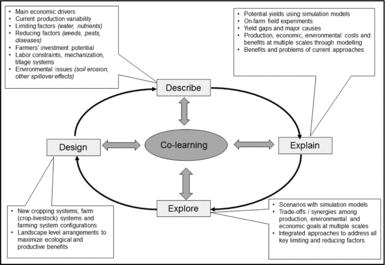
Learning and research processes can be conceived as iterative cycles that complement and reinforce each other (Kolb, Reference Kolb1984). The DEED research cycle (Giller et al., Reference Giller, Leeuwis, Andersson, Andriesse, Brouwer, Frost, Hebinck, Heitkönig, Van Ittersum and Koning2008; Reference Giller, Tittonell, Rufino, van Wijk, Zingore, Mapfumo, Adjei-Nsiah, Herrero, Chikowo, Corbeels, Rowe, Baijukya, Mwijage, Smith, Yeboah, van der Burg, Sanogo, Misiko, de Ridder, Karanja, Kaizzi, K'ungu, Mwale, Nwaga, Pacini and Vanlauwe2011) is one example. It consists of phases of Describe, Explain, Explore and Design, and centres on a process of co-learning amongst researchers, farmers and other stakeholders (Figure 1). It usually begins with a description of drivers, dynamics and patterns, followed by the explanation of observed processes and system behaviour. The next phase focusses on exploring trade-offs, ex-ante impacts and scenarios. Based on that knowledge, new farm or land use configurations can be designed and baskets of options are tailored to specific conditions. Farm typologies are a common component in the first phases of the DEED cycle as they assist in understanding and classifying the wide diversity amongst farms (see the examples from Malawi and Rwanda below for further discussion).
The DEED research cycle with co-learning amongst researchers, farmers and other stakeholders influencing and influenced by every step in the process.

Building on insights from farm typologies and detailed farm characterizations, farming systems analysis relies heavily on a combination of experimental trials and modelling. First, on-farm trials, conducted in the smallholder context, are able to capture the large variability in yield and yield response to treatments (e.g. Bielders and Gérard, Reference Bielders and Gérard2015; Franke et al., Reference Franke, Baijukya, Kantengwa, Reckling, Vanlauwe and Giller2019; Vanlauwe et al., Reference Vanlauwe, Coe and Giller2019), highlighting the riskiness of smallholder farming. Insights in the causes of this variability offer scientific understanding of farming system functioning. Moreover, the improved understanding of the risks farmers face in their day-to-day decisions helps to design solutions that are relevant to farmers, more likely to be adopted and to result in desired change. Second, models are highly valued tools for understanding complex systems and the relationships between system components, as well as for ex-ante impact assessments and exploring trade-offs. Commonly used models include dynamic simulation models, linear programming models and agent-based models (Feola et al., Reference Feola, Sattler, Saysel, Darnhofer, Gibbon and Dedieu2012). Due to the large data requirements for model calibration and setup, many farm-level models simulate farms that are representative of farm types (e.g. Franke et al., Reference Franke, Van Den Brand and Giller2014). Model outcomes can then be scaled up based on information about the composition of the farm population. Increasingly, models are also run for entire farm populations based on information about soils, crop allocation, herd composition and farm management (Masikati et al., Reference Masikati, Homann-Kee Tui, Descheemaeker, Crespo, Walker, Lennard, Claessens, Gama, Famba, van Rooyen, Valdivia, Rosenzweig and Hillel2015).
We distinguish farming systems analysis as a branch of research related to Farming Systems Research (Giller, Reference Giller2013), which has evolved over time through several cycles and trends (e.g. Collinson, Reference Collinson2000; Darnhofer et al., Reference Darnhofer, Gibbon, Dedieu, Darnhofer, Gibbon and Dedieu2012; Giller, Reference Giller2013). Participatory research gained traction in the 1980s, resulting from the concerns around low technology adoption, which was attributed to the fact that the direct beneficiaries were insufficiently involved in the entire research process (Chambers et al., Reference Chambers, Pacey and Thrupp1989). Later on, the increased emphasis on participatory work attracted criticism on the time-consuming and site-specific nature of the approach, limiting its potential for scaling out. However, when embedded in farming systems analysis, participatory research adds value by improving researchers’ understanding of the stakeholder-specific contexts and perceptions, leading to the development of options that are relevant, legitimate and credible (Clark et al., Reference Clark, Tomich, van Noordwijk, Guston, Catacutan, Dickson and McNie2011). Such options fulfil a certain demand by their users, are acceptable in terms of their performance, and fit with the agro-ecological, social, cultural and institutional context (Sumberg, Reference Sumberg2005). Hence, rather than static products designed by researchers, agronomists or engineers, options that are co-designed with their users allow for flexibility and adjustments if the context changes (Pinch and Bijker, Reference Pinch and Bijker1984).
TAILORING OPTIONS TO CONTEXTS
Given the wide variability amongst potential options for agricultural development on the one hand and the contexts on the other hand, a broad range of methods can be used in the ‘DEED’ research cycle. Here, we introduce examples from recent work across sub-Saharan Africa using (combinations of) surveys, detailed characterization, experiments, modelling and participatory approaches. Across the approaches and the targeted levels, the common aspect is the assessment of the context, based on which baskets of adapted, best-fit options are proposed. The examples show that this tailoring process leads to the identification of feasible options with a higher relevance and performance compared to non-tailored options.
Describing systems and contexts through rapid characterization
Past agricultural research in Africa has often focussed on areas with high population density. The Bougouni district of southern Mali's Guinea Savannah is one example of a less-researched area with low population density and relatively high agricultural potential (Morris et al., Reference Morris, Binswanger-Mkhize and Byerlee2009). For identifying best-fit options at the regional level, a useful first step is rapid characterization of the area's farming systems, considering the diversity amongst farms and identifying overall key constraints and opportunities from an analysis of the socio-economic and institutional context.
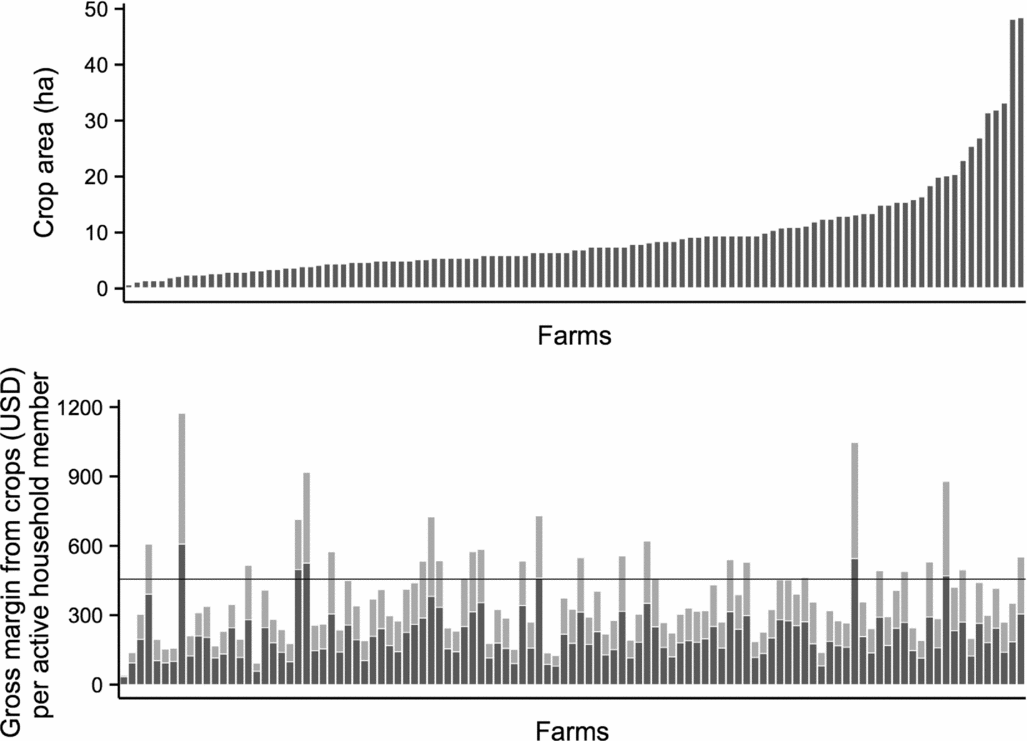
In Bougouni, rapid characterization based on a survey of 109 farms in three villages suggests that narrowing yield gaps through, for example, more intensive crop management or increased input use, is not sufficient to lift the majority of households out of poverty. Key crops in the area are maize, the main staple food crop, cotton, a key cash crop and groundnut, which is used as both a cash and food crop. A shift from the median to the ninetieth percentile of observed yields in these crops would only lift 20% of households out of poverty, leaving 75% below the poverty line (as defined using the extreme poverty level of US$1.25 per person day−1; Figure 2). In this region, land size is closely correlated with household size (0.47 ha cultivated per household member, with r 2 of 0.85), suggesting that labour availability is a key constraint. The commonly proposed pathway towards intensification is labour-intensive, with more intensive on-farm nutrient cycling through use of manure (de Ridder et al., Reference De Ridder, Breman, van Keulen and Stomph2004). This pathway usually starts as population density increases, and has been witnessed in relatively densely populated areas in Mali such as Koutiala (Falconnier et al., Reference Falconnier, Descheemaeker, van Mourik, Sanogo and Giller2015). The Bougouni area, however, may not follow this pathway as labour constraints limit the use of manure. Furthermore, the Malian parastatal ‘Compagnie Malienne pour le Développement du Textile’ (CMDT) facilitates access to mineral fertilizers and in the past helped farmers acquire draft animals and traction equipment (Bigot, Reference Bigot1989; Fuentes et al., Reference Fuentes, Bumb and Johnson2011). This support is tied to cotton cultivation and thus constrains farmers in their crop choices.
Cultivated area (top) and gross margins from crop production per active household member (bottom) for all 109 farms in three villages in Bougouni district, Mali. Farms are ranked from smallest on the left (0.75 ha) to largest on the right (48.5 ha) in both graphs. The horizontal line represents the US$1.25 day−1 extreme poverty level. Dark bars represent margins at 50th percentile (median) yields, whilst light bars indicate margins at 90th percentile yields. Farm characteristics including family size and land allocations by crop were collected with assistance from the CMDT. Yield and price data are taken from the AfricaRISING Mali Baseline Survey (ARBES), conducted in 2014 for 275 households in 8 villages in the district of Bougouni including the study villages (Azzarri et al., Reference Azzarri, Haile, Howard and Roberts2014).
The context-specific constraints in Bougouni suggest that recommendations that may be relevant for other areas of Mali or neighbouring countries cannot simply be transferred, and that different options need to be considered. Improvements in labour productivity, input:output price ratios and associated cost:benefit ratios are needed to make farming attractive relative to other activities. The latter are particularly important, given that migration and off-farm employment are common in the area. Households report participation in small businesses, firewood and charcoal sales, and artisanal gold mining, with annual incomes from these activities ranging up to US$2000 per person year−1. Taking the historical example provided by the CMDT, mechanization could reduce constraints on labour and allow for expansions in cultivated area, making ‘sustainable extensification’ options interesting ones to consider. Following this type of general analysis, more specific options can be developed and tested in more detailed experimentation and modelling, as illustrated in the sections below.
Exploring options through on-farm trials
When technologies are tested across many fields on smallholder farms, a huge variability in yield and yield response is typically observed (Bielders and Gérard, Reference Bielders and Gérard2015; Falconnier et al., Reference Falconnier, Descheemaeker, Van Mourik and Giller2016; Franke et al., Reference Franke, Baijukya, Kantengwa, Reckling, Vanlauwe and Giller2019). This raises questions as to the broader applicability of the technologies, as well as the risks that farmers incur when using new approaches. In this section, we reflect on some recent experiences of technology testing on large numbers of farmers’ fields in West Africa.
Soyabean yields and response to inoculation and P fertilizer in Ghana
Smallholder farmers grow grain legumes for food and cash, whereas the improvement of soil fertility through N2-fixation is also widely appreciated as a secondary benefit. However, low and variable yields, poor input access and the uncertainty around the response to inputs limit adoption of improved legume management options (cultivars, fertilizer and rhizobium inoculants, crop management). To identify field-level niches where soyabean management options perform best, experiments were conducted on 205 farmers’ fields in 2011 and on 222 fields in 2012 in northern Ghana. Each farmer implemented a single replicate of four treatments (10m × 10m each) with the promiscuously nodulating variety TGx 1448-2E: (i) a control plot without the use of inputs, (ii) a plot with P fertilizer application only (20 kg P ha−1 applied as TSP), (iii) a plot where seeds were inoculated with rhizobia, and (iv) a plot with both P fertilizer and inoculation. Yield data were recorded by weighing the whole plot grain harvest at the end of the season, and data on agronomic management and socio-economic background of the farmers were also recorded. Restricted maximum likelihood (REML) mixed model analysis was performed to assess the impact of agronomic parameters on yield, using region, year and site as factors in the random model.
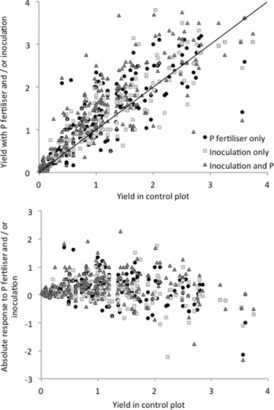
Seed inoculation significantly increased soyabean grain yields from 1.14 to 1.26 t ha−1 on average. Whilst this seems a modest increase, inoculation is a very cheap technology (5–10 US$ ha−1), making even small increases in grain yield economically worthwhile. The application of P fertilizer significantly increased yield to 1.32 t ha−1, whilst the combined application of P fertilizer and inoculants yielded 1.47 t ha−1, a significant increase of 29% relative to the control. Figure 3 highlights the massive variability in soyabean yields and responses to inputs. Poor control yields were significantly associated with late planting and poor emergence. Absolute yield responses to inputs tended to be highest with control yields between 0.5 and 2.8 t ha−1 (Figure 3a and b), but the statistical analysis could not reveal which factors influenced the effect of P fertilizer and/or inoculation. At sites with large control yields (> 2.8 t ha−1), soils probably provided sufficient P and N or N2-fixing rhizobia to the plant, making the application of P fertilizer or inoculation unnecessary.
Scatter graphs of soyabean yield in a control plot without the use of inputs (x-axis) and (a) yield observed in treatments with P fertilizer and/or inoculation, and (b) the absolute response to P fertilizer and/or inoculation (t ha−1). The promiscuously-nodulating soyabean variety TGx 1448-2E was used everywhere.

The large variability in yield and response to inputs has several implications. Although average responses were substantial, for many farmers, the responses were insufficient and too risky to make the application of the inputs worthwhile. In a development context, a key question for effective targeting of technologies is whether we can predict in advance which farmers are likely to get a substantial response to inputs. Given that poor responses to inputs were associated with poor control yields, identifying and addressing the constraints in these fields is essential. If poor yields are due to poor management, probably the constraint is located at the farm level (e.g. late planting or weeding due to labour constraints). Another possibility is that the constraints are related to inherent poor soil conditions, such as shallow rooting depth, in which case, not much can be done. A third reason for non-responsiveness can be low soil organic matter and/or deficiencies of secondary (S, Ca, Mg) or micronutrients (e.g. B, Zn), in which case ISFM options could be helpful (Vanlauwe et al., Reference Vanlauwe, Descheemaeker, Giller, Huising, Merckx, Nziguheba, Wendt and Zingore2015). It is clear that farming systems analysis based on on-farm trials does not provide all the answers. However, compared to classical on-station agronomy trials, it is more powerful at understanding real-world constraints, thus providing a better-grounded basis for tailoring options.
Niches for maize/cowpea intercropping in Koutiala, Mali
In the densely populated Koutiala district of southern Mali, farmers need to adapt to increasing land pressure and decreasing fodder availability for livestock. Maize/legume intercropping is a promising option to produce fodder without penalizing cereal production. As in the previous example from Ghana, on-farm maize/cowpea intercropping trials in Koutiala showed large variability in yields and responses to inputs and management. For example, the partial Land Equivalent Ratio (pLER) of maize grain ranged from 0.1 to 2.8 (average 0.87) for an additive intercropping pattern (i.e. the same maize density as in the sole crop and fodder cowpea added every other row in-between maize planting stations). A substitutive pattern (i.e. two rows of maize and one row of fodder cowpea) significantly reduced maize pLER to 0.67 on average (range 0–2.21) but significantly increased cowpea fodder pLER from 0.51 to 0.73. Also for cowpea fodder, the range in pLER was large, from 0 to 1.33 and from 0 to 2.19 for additive and substitutive patterns, respectively (see Falconnier et al., Reference Falconnier, Descheemaeker, Van Mourik and Giller2016, for more detailed results). This variability illustrates the considerable risks for farmers, which may be a barrier for adoption. In particular, as they are concerned with family food self-sufficiency, farmers want to avoid the maize grain yield penalty often associated with intercropping. Hence, it is important to unravel the intertwining set of factors influencing crop performance and identify the context in which the option is most likely to perform well according to farmers’ criteria.
Co-learning cycles, in which statistical analysis was combined with farmer evaluations during field days and feedback sessions, were used to identify niches where intercropping resulted in good productivity without a drop in maize yield. Maize-cowpea intercropping resulted in an average overall LER above 1 in all cropping contexts and with each pattern (Figure 4). The additive intercropping pattern gave no penalty for maize grain only when practiced after cotton or maize in the rotation (average maize grain pLER > 1; Figure 4). Together with the bonus biomass production of cowpea (cowpea fodder pLER = 0.4; Figure 4) intercropping in this niche resulted in an average overall LER of 1.47 (maize grain + cowpea fodder), which was significantly higher than elsewhere, and maize and cowpea fodder yields of 1.77 and 1.38 t ha−1, respectively. In this niche, the probability for greater yields was improved and risks for farmers reduced. Soil analysis indicated that fields previously grown with cotton or maize (the crops that receive manure and mineral fertilizer) had significantly larger soil organic carbon (SOC) and nutrient content at the start of the season, compared with fields previously cropped with sorghum and millet (Falconnier et al., Reference Falconnier, Descheemaeker, Van Mourik and Giller2016), a finding that was in line with farmers’ perceptions. As a result, intercropping, when tailored to the right position in the rotation in farmers’ fields, holds potential to improve income (sale of cowpea fodder or use as livestock feed) without endangering food self-sufficiency at the farm level.
Average partial Land Equivalent Ratio (pLER) of maize grain and cowpea fodder for two intercropping patterns and three previous crops in 62 maize-fodder cowpea intercropping trials over three years (2012–2014) in the Koutiala district in southern Mali. Average pLERs per previous crop and intercropping patterns are significantly different (mixed model analysis with pattern and previous crop as fixed effect, trial number as random effect). The black circle indicates the identified niche where there is no penalty for maize grain compared to sole crop and a bonus through fodder production.

Modelling and ex-ante impact assessment
Opportunities for sustainable intensification with grain legumes on smallholder farms in Malawi
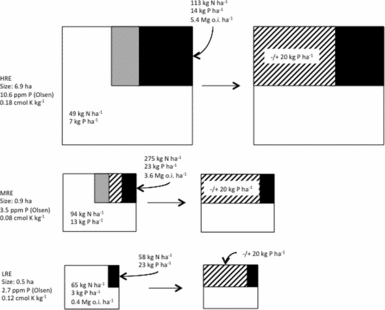
Cropping systems in Malawi are dominated by maize and inclusion of legumes is expected to have multiple benefits for soil fertility, food security and farm profitability. Whether benefits are realized depends inter alia on the farm context, which determines the opportunities for uptake of legume crops and appropriate management practices. We investigated the impact of grain legumes on farm-level food production and profitability for different types of farms through an ex-ante assessment (Franke et al., Reference Franke, Van Den Brand and Giller2014). In total, five farm types were distinguished, but here we highlight the differences between three contrasting types: high resource endowed farmers (HRE), medium resource endowed farmers (MRE) and low resource endowed farmers (LRE)Footnote 1 . Detailed farm characterization (van den Brand, Reference van den Brand2011) described the current role of maize and legumes, and allowed the construction of virtual farms, each representing a farm type (Figure 5). Farm types not only differed in size, but also in soil fertility characteristics, input use and cropping pattern (Figure 5). The NUANCES-FARMSIM model (van Wijk et al., Reference Van Wijk, Tittonell, Rufino, Herrero, Pacini, De Ridder and Giller2009) was used to simulate the effects of replacing maize with legumes on yields and total farm productivity of the virtual farms. Besides the base case, two alternative options were evaluated:
1. Option 1: the area of maize was reduced to 50% of the total arable area; maize and any groundnut were replaced by soyabean receiving no inputs;
2. Option 2: the same cropping pattern as Option 1, but 20 kg P ha−1 was applied as mineral fertilizer to soyabean inoculated with rhizobium.
Schematic presentation of the land of the virtual farms representing the three farm types, with maize (white), tobacco (black), groundnut (grey) and soyabean (striped). At the left, the current cropping pattern is depicted, at the right an alternative option with maize covering only 50% of the farmed area and the area with soyabean expanded. The relative proportion covered by each crop is rounded to the nearest 10%. (o.i. = organic inputs). Based on Franke et al. (Reference Franke, Van Den Brand and Giller2014).

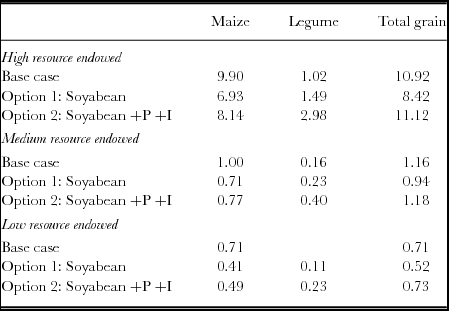
Simulations indicated that maize-dominated systems often produced less food at farm level than systems with more grain legumes (Table 1). However, replacing part of the maize crop with legumes logically reduced maize production, which might be a difficult compromise for some farmers. Improved management practices such as addition of P-based fertilizer and inoculation of soyabean were crucial to increase biological nitrogen fixation and grain yields of legumes and maize, explaining the farm-level increase in food production, compared with the current farms. Improved legume management was especially needed for LRE who, due to little past use of P-based fertilizer and organic inputs, have soils with a poorer P status than wealthier farmers (MRE and HRE). Besides increasing food production, legume cultivation was considerably more profitable than continuous maize cropping (data not presented) (Franke et al., Reference Franke, Van Den Brand and Giller2014). Grain legumes have excellent potential as food and cash crops, particularly for MRE and HRE farmers, a role that could grow in importance as legume markets develop. For LRE farmers, legume crops can improve food self-sufficiency, but only if they can be cultivated with P fertilizer and inoculation in the case of soyabean. Given the fact that LRE farmers tend to be risk averse and have few resources to invest, the ability of poorer farmers to adopt legume technologies may be limited. This points to the importance of: (i) understanding the factors driving the response to inputs (as in the Ghana example) and (ii) enabling policies, such as fertilizer subsidies, to remove constraints beyond the farm level.
Simulated farm production (t farm−1) of maize and legume (primarily soyabean) grain of high, medium and low resource endowed farms in the base case and with two different options in Malawi (based on Franke et al. (Reference Franke, Van Den Brand and Giller2014)).
The ‘One cow per poor family’ policy in Rwanda
Mixed farming systems, in which crop production and livestock play complementary roles, are found throughout East Africa on land sizes as small as 0.2–1.0 ha (Tittonell et al., Reference Tittonell, Vanlauwe, Leffelaar, Rowe and Giller2005). Livestock fulfil many important roles in these farming systems and cattle are a major livestock species alongside small ruminants. The ‘One cow per poor family’ programme was initiated in Rwanda as part of a poverty alleviation strategy through providing rural families with a cow of an improved breed (Klapwijk et al., Reference Klapwijk, Bucagu, van Wijk, Udo, Vanlauwe, Munyanziza and Giller2014). Yet, heterogeneity in resource endowment, reflected in wide-ranging landholdings from 0.11 ha for poor, 0.46 ha for medium, to 1.71 ha for wealthier households, means that this option is not viable for all households. In south western Rwanda, a detailed farm-level characterization and exploration study (Klapwijk et al., Reference Klapwijk, Bucagu, van Wijk, Udo, Vanlauwe, Munyanziza and Giller2014) was conducted to evaluate the feasibility of the ‘One cow per poor family’ programme through: (i) quantifying the current on-farm fodder availability, and (ii) analysing potential fodder availability with fodder improvement options. The study was conducted with households from three different resource groups: LRE, MRE and HRE. The total land availability of each household was used to estimate potential fodder production per day. This was compared with fodder demands for two different breeds. Here, we focus on two options, in which changes were assumed in the cultivation of the three major fodder sources: Napier grass (Pennisetum purpureum), the fodder legume tree (Calliandra calothyrsus) and banana plant parts (Klapwijk et al., Reference Klapwijk, Bucagu, van Wijk, Udo, Vanlauwe, Munyanziza and Giller2014). For banana, the current intercropped land percentage was kept to 10% in Option 1 and increased to 20% in Option 2. Furthermore, in Option 1, all field edges were planted with Pennisetum, whilst Option 2 was based on a mixture of 80% of the field edges planted with Pennisetum and 20% with Calliandra Footnote 2.
Whilst in theory the ‘One cow per poor family’ programme aims to assist the least endowed LRE farmers, detailed farm characterization showed that in reality keeping an improved cow was only feasible for the wealthier HRE farmers, who were able to meet the fodder demands (Figure 6). The poorest farmers were not able to feed even a local cow, mainly due to very low land availability. For the poorer farmers, a more viable option would be to keep livestock with smaller feed requirements, such as goats or sheep. For the MRE farmers, an intermediate option would be to keep a local cow, which they were able to sustain with on-farm fodder production (Figure 6).
Average (± standard error) daily fodder production per farm (kg DM day−1 farm−1) during the rainy season for the three farm types (LRE: n = 3, MRE: n = 5, HRE: n = 3) with two different fodder improvement options (see text). The solid line represents the fodder demand (kg DM day−1) for one local (Bos indicus) cow, the dashed line for an improved (Bos taurus) cow (based on Klapwijk et al., Reference Klapwijk, Bucagu, van Wijk, Udo, Vanlauwe, Munyanziza and Giller2014).

Co-design of management options
When evaluating the performance of farming systems and technologies, scientists typically employ criteria and indicators like productivity, resource use efficiency or profitability. These do not necessarily match with what matters to farmers, who may be more interested in labour savings, in the amount of food produced rather than productivity, and in the stability or reliability of production rather than in maximizing yields. Here, we illustrate how multiple criteria, used by different types of farmers, can be incorporated in the co-design of a basket of climbing bean technology options for smallholder farmers in Uganda.
Climbing beans were initially identified by researchers as a ‘best-bet’ option for densely populated highland areas with small farm sizes, and technologies were further tailored to the local context during a co-design process. The process consisted of iterative cycles of design, implementation and evaluation with farmers. A first set of improved technology options was tested in on-farm demonstrations with mono-cropped climbing beans in Eastern Uganda in the first season of 2014 (Season A). The options were chosen based on exploratory interviews with a randomly selected group of farmers, who indicated that staking was a major challenge. To address this challenge, researchers, in consultation with farmers, proposed alternative low-cost staking materials, such as sisal string and banana fibre. These materials were tested next to the commonly used wooden, single stakes and more labour-intensive tripods (three stakes tied together at the top) with high yield potential. Groups of five to eight male and female farmers representing different types of farms (LRE, MRE and HRE) evaluated these technologies and identified their preferred options. They also indicated the reasons for their preference which fed into an assessment of criteria for technology appraisal by different types of farmers. It was hypothesized that LRE and MRE farmers would prefer technology options which maximize returns to labour, and HRE farmers options which maximize returns to land.
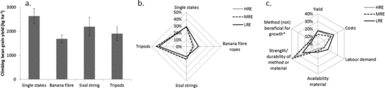
Amongst the staking methods, sisal strings and single stakes performed best in terms of yield (Figure 7a). Remarkably, farmers of all types preferred the tripods (Figure 7b), which yielded less than single stakes (although farmers did not yet know the final yield during the evaluations). The most frequently mentioned reason for preference was that tripods were strong and prevented the stakes from falling over (Figure 7c). This may mean that over the course of the season, tripods were actually considered as less labour-intensive than single stakes. LRE farmers preferred the low-cost banana fibre ropes more often than MRE and HRE farmers, and mentioned costs and labour demand more frequently as reasons for their preference. This emphasizes that farmers of different types have different preferences and objectives, and are interested in different options that address their objectives best. Results of the evaluations were used to co-design options for the subsequent seasons. Farmers contributed to the design process by refining the initial set of options (further cost-reduction with sisal string and banana fibre, labour and risk reduction by planting two seeds per hole instead of one), proposing solutions for locally identified problems (use of shorter stakes to reduce damage by birds) and by adding new treatments to experiment with (testing the effect on yield of cutting the growing tip of beans at a certain height). The iterative co-design process was followed over two subsequent seasons and resulted in a long list of about 20 promising, ‘best-fit’ options, including the above-mentioned suggestions from farmers. This long list can be used to select options in similar contexts, and for further tailoring to different contexts.
A: Climbing bean grain yield (air-dry weight, kg ha−1) for climbing bean staking options in on-farm demonstrations (n = 7) in Eastern Uganda, season 2014A. B: Pairwise comparison of staking methods by high (HRE), medium (MRE) and low (LRE) resource endowed farmers; % is number of times the method was preferred in pairwise ranking, divided by total number of comparisons. C: Categories of reasons mentioned for preference of staking methods; % is number of times the reason was mentioned divided by total number of reasons. *Category ‘Method not beneficial for growth’ includes comments on stake length, plant spacing, risk of pest and disease, competition for light and nutrients.

ADDRESSING CHALLENGES ASSOCIATED WITH TAILORING OPTIONS
Approaches of farming systems analysis are helpful in understanding the multi-level constraints farmers face and for designing best-fit options to overcome those constraints. The earlier example of Koutiala, Mali, illustrates how a best-bet option like intercropping can be refined to a best-fit option with high performance potential. Farmers and researchers identified animal feed deficits in the dry season as a key constraint, due to the disappearance of grazing land (Describe and Explain in the DEED cycle). Involving farmers, we used on-farm trials on a large number of fields to test, evaluate and identify promising options to overcome the feed deficit constraint (Explore in the DEED cycle). Informed about farmers’ appraisal criteria and priorities (e.g. food self-sufficiency), we conducted statistical analyses of trial data, which revealed spatial and temporal niches within the farm where farmers can implement maize–cowpea intercropping to produce additional fodder without compromising on-farm food production. This then led to specific recommendations for the design of improved farm systems which meet multiple needs with limited land (Design in the DEED cycle). In each step of the DEED cycle, co-learning amongst farmers and researchers ensured that priority constraints were identified, that relevant options were tested and that the developed options truly matched the farmers’ context.
On-farm trials are valued for their potential to reveal risks and constraints faced by farmers, and to identify options that meet the multiple criteria used by farmers. Options can be thoroughly tested and evaluated in the context of low and spatially variable soil fertility and climate variability, and under farmer-specific management conditions. Notwithstanding these strengths, on-farm trials often suffer from difficulties in trial design, because of for example, the many confounding factors and the lack of sufficiently large homogenous pieces of land. Additionally, there are challenges related to data quality and oversight of field activities. These can be addressed through, for example, the use of detailed logbooks, tablet-based data recording technologies, regular photographing of crops and automated data uploading and quality checks. Besides improving data quality, these techniques offer the possibility to record factors that may help to explain the variability in treatment response. Conducting trials at multiple sites across a large geographical range and during multiple years is helpful to capture the most essential yield-determining factors. Nevertheless, explaining the large variability in yield and yield response from on-farm trials (Figure 3) remains complex and challenging. Statistical techniques such as mixed models are commonly used to unravel the complexity of wide-ranging explanatory and confounding factors, but a considerable proportion of the variability usually remains unexplained (as in the above example from Ghana). Whereas factors that are significantly related to yield can usually be identified, our ability to predict yields, based on these variables, is limited. This is partly related to data quality, but probably also to our limited capacity to measure the right things at the right time at the right spot, given the complexity of the yield-determining context. Being open about what is unknown is essential to furthering scientific understanding and enabling effective tailoring of options. Going beyond tabulated results of mixed models, which may hint at successful explanation of observed phenomena, scatterplots (e.g. Figure 3) may reveal patterns that are more difficult to explain, thus highlighting priorities for future research.
Embedding co-learning and co-design cycles in farming systems analysis is a powerful way to effectively tailor options to context, but is also time-consuming, hence running the risk of only reaching a limited number of beneficiaries. Similarly, going too far in trying to identify the perfectly fitting technology for an individual farm, field or animal, would result in an endless search, options with limited potential for scaling out, or options that are so specific that soon they no longer fit the ever-changing farm context. These challenges can be addressed by identifying recommendation domains and co-developing baskets of options that are tailored to these domains. Such baskets of options give different groups of farmers not one, but various options, which they can choose, test and adjust to their own specific needs. Recommendation domains offer a compromise between being too detailed (i.e. each field, for every farmer) and too coarse (i.e. silver bullets, blanket recommendations). The process of identifying recommendation domains relies heavily on careful site selection and sampling strategies, which can benefit from encompassing the multi-level nature of the context. Clearly, the purposeful selection of contrasts in sites should not be limited to agro-ecological conditions (e.g. soils and climate), but should include also socio-institutional factors (culture, markets, infrastructure, policies). Within sites, involving different types of farmers is necessary, whilst within farms, including a range of landscape positions, soil types, positions in the rotation or animal types, can reveal promising niches. The above examples of farming systems analysis illustrate the multi-level approach, beginning by conducting a scoping study at regional level to identify or rule-out pathways. Next, ex-ante assessments for different farm types narrow down the feasible baskets of options, followed by niche identification in terms of the place in the rotation or the soil type. This shows that recommendation domains vary by level, and become more detailed with finer levels. Finally, in the operationalization of the agro-ecological niche concept, it is important to aim for the creation of salient, credible and legitimate ‘boundary objects’ (Clark et al., Reference Clark, Tomich, van Noordwijk, Guston, Catacutan, Dickson and McNie2011) that facilitate the scaling process. The farming systems analysis approach that we describe here ensures saliency by engaging farmers and other stakeholders in all the stages of the co-learning cycles. Credibility is obtained through thorough scientific analysis, whilst legitimacy is ensured by the participation of different types of farmers. Two examples of effective boundary tools for scaling include: (i) recommendation domains based on easy-to-use indicators (e.g. related to soil type and previous crop) that allow farmers and extension workers to estimate the effect of options and (ii) co-designed baskets of options, which are promising for specific farmer contexts.
The adoption rate of technologies is often positively correlated to resource endowment (Sietz and van Dijk, Reference Sietz and Van Dijk2015). An important reason for this is that few options at the field, animal and farm level fit the unfavourable context of LRE. For example, the Ugandan case study showed that the so-called low cost option was still considered expensive and more labour intensive, and the Rwandan case study showed that poorer households are too constrained in resources to benefit from a policy specifically intended to help them. In line with this, inverse modelling for mixed farming in Kenya showed that with a small financial investment, only small gains in farm production could be expected, no matter the investment strategy (Tittonell et al., Reference Tittonell, van Wijk, Rufino, Vrugt and Giller2007). Even though the proportional increase in production can be large for LRE, the absolute gains in income are often negligible, making non-adoption of options a very rational choice. Because of the stringent constraints related to, for example, farm size (Harris and Orr, Reference Harris and Orr2014), labour assets or animal holding, agricultural options alone do not result in considerable income gains. It is difficult to find options that can fit to this highly constrained context (Tittonell and Giller, Reference Tittonell and Giller2013). In these cases, the strength of farming systems analysis lies in its ability to point out the limitations of technological options and to underscore the need to alter the larger level context through enabling institutions and policies. These may include changes in institutions, including subsidies (Ricker-Gilbert et al., Reference Ricker-Gilbert, Jayne and Chirwa2011) or the promotion of farmer associations or cooperatives to improve the bargaining power of smallholder producers (Seville et al., Reference Seville, Buxton and Vorley2011). Similarly, improvements in infrastructure, marketing structures (Duflo et al., Reference Duflo, Kermer and Robinson2011) or credit accessibility (Morris et al., Reference Morris, Kelly, Kopicki and Byerlee2007), may improve farmers’ access and participation in markets. Such changes in context may lead to improved fits of options that were previously inappropriate.
Over the past decade or so we have witnessed an increased recognition of the rich diversity of smallholder farms and farming systems in sub-Saharan Africa. Tailoring options to the multi-dimensional and multi-level context in which smallholders operate, improves their effectiveness and uptake potential. Ensuring that research and development can assist farmers across the whole band-width of this diversity remains a huge challenge, but our work takes some steps in this direction.
Acknowledgements
We are grateful for the funding of our work by the McKnight Foundation through the Collaborative Crop Research Program, the Bill & Melinda Gates Foundation through N2Africa and the USAID through AfricaRISING.





 Open access

