


There are several reasons to provide liaison psychiatric services. General hospital staff see high rates of psychiatric illness compared with rates in the community, as well as acute presentations of psychiatric problems, patients with comorbid psychiatric and chronic physical illness, and patients with somatisation disorders who will not attend a community mental health service but may see psychiatric specialists in the general hospital setting (Reference Peveler, Feldman and FriedmanPeveler et al, 2000). Despite this large potential need, liaison psychiatry services are often underdeveloped and provision varies greatly (Reference Howe, Hendry and PotokarHowe et al, 2003; Reference Ruddy and HouseRuddy & House, 2003). In planning more comprehensive and coherent liaison services for the future, we will require knowledge about which interventions work for the common psychiatric problems seen in general hospitals. We therefore conducted this meta-review of high-quality systematic reviews of interventions for clinical problems likely to be treated by liaison psychiatry services. We focused on systematic reviews because they are the highest quality of evidence in any hierarchy of evidence; they are good for identifying the limits of current knowledge and for prioritising areas for future research.
Our study was designed to identify high-quality systematic reviews for all interventions in three defined areas of liaison psychiatry, to summarise their clinical implications and to highlight areas where more research is needed.
METHOD
Types of studies
All relevant systematic reviews and meta-analyses were included.
Areas of liaison psychiatry
We identified six key areas of liaison psychiatry practice by reading the liaison psychiatry research literature and liaison psychiatry textbooks. These six areas were:
-
(a) psychological effects of physical illness or its treatment;
-
(b) somatoform disorders;
-
(c) self-harming behaviour;
-
(d) emergency presentations of acute psychiatric illness to general hospitals;
-
(e) physical effects of psychological or psychiatric treatment;
-
(f) physical findings or behaviour raising concerns about possible physical or sexual abuse.
We decided to focus our review on the psychological effects of physical illness or treatment, somatoform disorders and self-harming behaviour. We excluded emergency presentations because review groups linked to the Cochrane Collaboration undertake systematic reviews covering the acute management of different psychiatric illnesses. We felt that the physical effects of psychological or psychiatric illness and treatment are generally the concern of physicians, general psychiatrists or general practitioners rather than liaison psychiatrists, and physical findings raising concerns about abuse are predominantly the concern of child and adolescent liaison psychiatry.
Within each of our three categories we further defined the scope of the review. Under somatoform disorders we decided to exclude interventions for somatoform pain disorder (except psychotropic drugs), because psychological interventions for pain had recently been covered in the UK's Department of Health review of psychological therapies (Department of Health, 2001). We also chose to exclude treatments for psychosexual problems, eating disorders, pregnancy and related disorders, traumatic brain injury, learning disabilities, and alcohol and recreational drugs misuse, because - although these areas may impinge upon a liaison psychiatry service - they are often dealt with by designated specialist services.
For the purpose of this review we classed dementia as a neurological disorder and therefore included psychiatric complications of dementia (such as behavioural disturbance and depression) in the category ‘psychological effects of physical illness or treatment’. We also included delirium as a medical illness in the category ‘psychological effects of physical illness and treatment’.
Participants
We reviewed interventions in adults (over 16 years old). Evidence on interventions in child liaison psychiatry is covered comprehensively in a report by the Royal College of Psychiatrists (Reference Scott, Shaw and JoughinScott et al, 2001). We included reviews where it was implied that the majority of the participants had a problem area consistent with the areas of liaison psychiatry being reviewed, regardless of the length of illness. Reviews were not excluded on the grounds of nationality or gender of participants. Reviews were excluded if they were conducted before 1980 (because of changes in medical treatments) and if the only treatment settings were primary care or prisons.
Types of intervention
We classified interventions under six headings:
-
(a) assessment and advice by a mental health specialist;
-
(b) physical interventions: for example, medication, electroconvulsive therapy, surgery, physiotherapy, nursing, feeding and bathing;
-
(c) psychological interventions: these include all types of therapies mentioned in the Department of Health document covering treatment choice in psychological therapies and counselling (Department of Health, 2001);
-
(d) service interventions: for example, out-patient clinics, admission to a medical ward, admission to a psychiatric ward, specialist units, day hospitals, helplines and provision of crisis cards;
-
(e) packages of interventions: two or more of the above interventions, or one or more of the above coupled with a social intervention (for example, occupational therapy, home support, housing, financial support or social activities);
-
(f) no intervention: included because it is possible that not receiving an intervention from a liaison psychiatry service might be more beneficial than receiving one.
Outcome measures
We recorded outcomes as reported by the authors, with special attention to psychological outcome, medical outcome, social functioning and quality of life, service outcomes, adverse effects, satisfaction and economic outcomes.
Search strategy
The ACP Journal Club, the Database of Abstracts of Reviews of Effects (DARE), the Cochrane Controlled Trials Register, Medline, EMBASE and PsycINFO were searched from 1980 to the end of 2002 for systematic reviews of all interventions listed above in all areas of liaison psychiatry. The scope of the review was wide so the search strategy was extensive and used Medical Subject Headings (MeSH) terms to cover physical and mental health problems; the standard Cochrane Collaboration search strategy for systematic reviews was also used. Next, the journal Evidence-based Mental Health (1998-2002) and the December issue of Clinical Evidence Concise ( BMJ, 2002) were hand-searched, and the references of all reviews found in this way were searched. Experts in liaison psychiatry were consulted by circulating the findings to members of the European Association of Consultation Liaison Psychiatry and Psychosomatics, the Liaison Psychiatry JISCmail group and the Trent, Yorkshire and North East Liaison Psychiatry Network.
Appraisal of quality
All Cochrane reviews were included as they are known to be methodologically sound and are peer-reviewed against methodological criteria. Review articles and meta-analyses that were not registered with the Cochrane Collaboration were evaluated using quality criteria suggested by Oxman & Guyatt (Reference Oxman and Guyatt1988). Each review or meta-analysis was assigned to one of three bands - high quality (all eight criteria), medium quality (five, six or seven criteria) and low quality (fewer than five criteria); R.R. rated all the reviews and A.H. rated a sample of 20% of the papers independently. Any disagreement in rating was discussed and reported. Only papers rated as being high quality or medium quality were included.
Data extraction
Data relating to the methods of the review, including studies and conclusions, were extracted from the reviews using a standardised form.
RESULTS
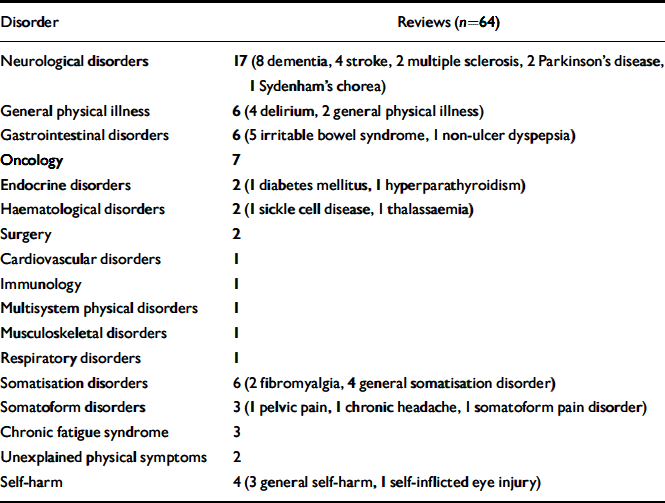
After screening 4084 abstracts and the references of 341 reviews to see if they met the inclusion criteria, we found 64 relevant systematic reviews (including 10 completed Cochrane reviews). Most of the other reviews were excluded because they did not summarise data from intervention studies or were of poor quality. Table 1 summarises the number of reviews included in each area of our meta-review. It can be seen that there is an imbalance in the number of reviews for different areas; the availability of evidence does not match well with government priority areas or with the prevalence and severity of the conditions. For example, we found five reviews of treatment for irritable bowel syndrome but only one for cardiovascular disorders. We identified 13 relevant Cochrane reviews that were only at protocol stage and so could not be included in this meta-review.
Number of systematic reviews included for each area of the meta-review
| Disorder | Reviews (n=64) |
|---|---|
| Neurological disorders | 17 (8 dementia, 4 stroke, 2 multiple sclerosis, 2 Parkinson's disease, 1 Sydenham's chorea) |
| General physical illness | 6 (4 delirium, 2 general physical illness) |
| Gastrointestinal disorders | 6 (5 irritable bowel syndrome, 1 non-ulcer dyspepsia) |
| Oncology | 7 |
| Endocrine disorders | 2 (1 diabetes mellitus, 1 hyperparathyroidism) |
| Haematological disorders | 2 (1 sickle cell disease, 1 thalassaemia) |
| Surgery | 2 |
| Cardiovascular disorders | 1 |
| Immunology | 1 |
| Multisystem physical disorders | 1 |
| Musculoskeletal disorders | 1 |
| Respiratory disorders | 1 |
| Somatisation disorders | 6 (2 fibromyalgia, 4 general somatisation disorder) |
| Somatoform disorders | 3 (1 pelvic pain, 1 chronic headache, 1 somatoform pain disorder) |
| Chronic fatigue syndrome | 3 |
| Unexplained physical symptoms | 2 |
| Self-harm | 4 (3 general self-harm, 1 self-inflicted eye injury) |
Fourteen of the included reviews contained meta-analyses that provided a quantitative summary of the effectiveness of the intervention, with confidence intervals. Table 2 summarises these reviews and Table 3 summarises the other included reviews. Of the other 50 included reviews there were 13 in which the primary data used in the review were poor and no clear result was achievable. Even among the reviews with meta-analyses, in only four was there unequivocal evidence of an effective intervention. These interventions were antidepressants for depression in physical illness, antidepressants for physically unexplained symptoms, antidepressants for chronic headache and cognitive-behavioural therapy for chronic fatigue syndrome (Reference O'Malley, Jackson and SantoroO'Malley et al, 1999; Reference Tomkins, Jackson and O'MalleyTomkins et al, 2001; Reference Gill and HatcherGill & Hatcher, 2002; Reference Price and CouperPrice & Couper, 2002).
Included reviews with meta-analyses (14 reviews)

| Reference | Topic | Relevant interventions | Quality rating | Search results | Main findings |
|---|---|---|---|---|---|
| Anie & Green (2002) | Coping in sickle cell disease | Patient education programme | 8 | 5 RCTs | There was a significant improvement in attitudes towards service personnel (WMD=−4.39, 95% CI −6.45 to −2.33) and medication (WMD=−1.74, 95% CI −2.98 to −0.50) compared with TAU. They used a non-validated rating scale so the finding is questionable |
| Anie & Massaglia (2002) | Coping in thalassaemia | CBT | 8 | 1 RCT | Compared with TAU, CBT significantly reduced the affective component (WMD=−3.00, 95% CI −4.63 to −1.37) but not the sensory component of pain severity (WMD=0.00, 95% CI −9.39 to 9.39). Also improved scores on daily functioning (WMD=−15.00, 95% CI −22.16 −7.84) and increased internal locus of control beliefs about pain (WMD=−3.80, 95% CI −6.05 to −1.55) |
| Davidson et al (2000) | Psychosis and aggression associated with dementia | Novel antipsychotics | 8 | 3 RCTs | Olanzapine and risperidone better than placebo (OR=0.59, 95% CI 0.44 to 0.78; NNT=8, 95% CI 5 to 18). More than 80% of patients had at least one adverse event (EPS: OR=2.04, 95% CI 1.24 to 3.33; NNH=13, 95% CI 8 to 40) and somnolence (OR=1.74, 95% CI 1.18 to 2.57; NNH=10, 95% CI 7 to 22). No significant difference in withdrawals from trial (OR=1.31, 95% CI 1 to 1.71). Risperidone v. haloperidol: no significant difference in clinical improvement, adverse events or withdrawals |
| Gill & Hatcher (2002) | Depression in physical illness | Antidepressants | 8 | 18 RCTs | Patients treated with antidepressants were significantly more likely to improve than those given placebo: NNT=4.2, 95% CI 3.2 to 6.4. Antidepressants seemed reasonably acceptable to patients: NNH (withdrawal) 9.8, 95% CI 5.4 to 42.9 |
| Hawton et al (2002) | Self-harm | Problem-solving, contact card, intensive after-care, antidepressants, depot. flupentixol, DBT | 8 | 23 RCTs | Depot flupentixol v. placebo (summary OR=0.09, 95% CI 0.02 to 0.50) and DBTv. TAU (summary OR=0.24, 95% CI 0.06 to 0.93) both reduced rates of further self-harm in cases of multiple repeated self-harm. No significant effect of problem-solving therapy (OR=0.70, 95% CI 0.45 to 1.11), emergency contact card (OR=0.45, 95% CI 0.19 to 1.07), intensive aftercare (OR=0.83; 95% CI 0.61 to 1.14) and antidepressants (OR=0.83; 95% CI 0.47 to 1.48). Many of the trials are small and the results should be treated cautiously |
| Kugler et al (1994) | Anxiety and depression in patients with coronary disease | Rehabilitation exercise programmes | 8 | 13 studies | Anxiety: ES=0.31, 95% CI 0.07 to 0.35 (P<0.01). Depression: ES=0.46, 95% CI 0.11 to ? (P<0.001). Both anxiety and depression may benefit from an exercise intervention, but eight of these studies did not have controls and there is no test for heterogeneity of studies |
| Lanctot et al (1998) | Behavioural disorders in patients with dementia | Neuroleptics | 8 | 17 studies | The pooled mean percentage of patients who improved for all neuroleptics was 61% (95% CI 47 to 75) and for placebo was 26% (95% CI 14 to 38). The therapeutic effect was 26% above placebo (95% CI 14 to 38), z=4.26, P<0.0001. No significant difference was found between neuroleptics. When the trials were weighted for quality there was no difference between neuroleptics and placebo. Studies were homogeneous. Sideeffects (95% CI 13 to 37, z=4.06, P<0.001) and withdrawals were significantly more common for neuroleptics v. placebo |
| Meyer & Mark (1995) | Cancer patients | Psychosocial interventions | 8 | 45 studies | Effect sizes for emotional adjustment (ES=0.24, 95% CI 0.17 to 0.32), functional adjustment (ES=0.19, 95% CI 0.06 to 0.32), treatment and disease-related symptoms (ES=0.26, 95% CI 0.16 to 0.37) and global measures (ES=0.28, 95% CI 0.08 to 0.49) were all significant (although some effects were weak), but no significant difference was seen between the treatment groupings. Could be a type 2 error because of the number of comparisons or due to heterogeneity of grouped treatments |
| Mullen et al (1987) | Depression in arthritis | Psychoeducational interventions | 8 | 9 studies | Weighted average ES estimates for depression ranged from +0.05 to +0.59. The weighted mean of the homogeneous set of ES estimates was 0.28 (95% CI 0.15 to 0.42). The experimental group had a 22% improvement over the control group. Value of psychoeducation unclear |
| O'Malley et al (1999) | Medically unexplained physical symptoms | Antidepressants | 8 | 94 RCTs | Odds ratios were: chronic headache, OR=3.4 (95% CI 2.7 to 4.4); fibromyalgia, OR=5.1 (95% CI 3.1 to 8.5); functional gastrointestinal disorders, OR=4.4 (95% CI 2.5 to 7.7); idiopathic pain, OR=2.0 (95% CI 1.4 to 2.8). Four patients (95% CI 3 to 7) would need to be treated to improve one additional patient's condition. A meta-analysis for continuous outcomes gave a pooled standardised mean difference of 0.87 (95% CI 0.59 to 1.14) |
| Price & Couper (2002) | Chronic fatigue syndrome | CBT | 8 | 3 RCTs | It is necessary to treat two patients to prevent one additional unsatisfactory physical outcome about 6 months after treatment end (NNT=2); CBT appeared highly acceptable to the patients in these trials. No satisfactory evidence for the effectiveness of CBT for this syndrome in primary or in-patient care or as a group intervention |
| Sheard & Maguire (1999) | Preventing anxiety and depression in patients with cancer | Psychological interventions | 5-7 | Anxiety 19, depression 20 | Combined effect sizes: preventing anxiety, ES=0.42 (95% CI 0.08 to 0.74), n=1023; preventing depression, combined ES=0.36 (95% CI 0.06 to 0.66), n=1101. Both in favour of treatment v. no-treatment controls. A more robust estimate of mean effect, taking into account study quality, is 0.19. Group therapy is as good as individual therapy. Psychoeducation is helpful in both anxiety and depression. Interventions may be more effective in those considered more at risk |
| Tomkins et al (2001) | Chronic headache | Antidepressants | 8 | 38 RCTs | Headache improvement with antidepressants: rate ratio 2.0 (95% CI 1.6 to 2.4). Clinicians would need to treat 4 patients for I patient to improve. The average amount of improvement (standardised mean difference) was 0.94 (95% CI 0.65 to 1.2). Treated patients used less analgesic medication (standardised mean difference 20.7, 95% CI 20.5 to 20.94). No difference between antidepressants or type of headache. Assessment of depression across studies was insufficient to determine whether the effects were independent of depression |
| Van der Sande et al (1997) | Self-harm | All interventions | 5-7 | 15 RCTs | Psychiatric management of poor compliance (RR=0.81, 95% CI 0.6 to 1.2), psychosocial crisis intervention and guaranteed in-patient shelter in cases of emergency showed no significant effect on the repetition of suicide attempts. Cognitive-behavioural therapies showed a significant preventive effect on repeated suicide attempts (relative risk reduction 50%, 95% CI 20 to 70), but small sample sizes |
Included reviews without meta-analyses (48 reviews)

| Reference | Topic | Relevant interventions | Quality rating | Search results | Main findings |
|---|---|---|---|---|---|
| Akehurst (2001) | Irritable bowel syndrome | Psychotropic medication | 5-7 | 2 RCTs | Amineptine improved depressed mood, retardation and cognitive dysfunction. Combination buzepide, metiotide and haloperidol improved symptoms and global functioning |
| Allen et al (2002) | Somatisation disorder | Psychosocial treatments | 5-7 | 34 RCTs | The authors were unable to draw clear conclusions from the data |
| Barsevick et al (2002) | Depressive symptoms in cancer patients | Psychoeducation | 8 | 36 RCTs | In 22 of 36 RCTs psychoeducation interventions improved depressive symptoms |
| Brandt et al (2002) | Irritable bowel syndrome | Antidepressants and behavioural therapy | 8 | 32 RCTs | Symptoms improved with desipramine, trimipramine, doxepin and behavioural therapy (11/16 studies) but not with amitriptyline |
| Britton (2002) | Delirium in patients with chronic cognitive impairment | Multidisciplinary team interventions | 8 | 0 RCT | No study in this area |
| Carter et al (1996) | Drug-induced delirium | All interventions | 5-7 | 0 RCT | No study in this area |
| Cole et al (1996) | Delirium in hospitalised patients | Nursing, psychiatric and educational interventions | 8 | 3 RCTs (7 non-RCTs) | In middle-aged cardiac surgery patients, nursing, psychiatric and educational interventions (also in elderly orthopaedic patients) decreased rates of delirium. Not in elderly medical patients |
| Cole et al (1998) | Delirium | All interventions | 8 | 23 studies (7 RCTs) | Many interventions prevented delirium in young and old surgical patients but not in elderly medical patients. Haloperidol, chlorpromazine and mianserin worked in all populations |
| Cole et al (2001) | Post-stroke depression in elderly medical patients | Antidepressants | 8 | 4 RCTs (9 non-RCTs) | Heterocyclics and citalopram improved depressive symptoms and activities of daily living |
| Cummings (1992) | Depression in Parkinson's disease | Antidepressants | 5-7 | 4 studies | Imipramine, nortriptyline, desipramine and bupropion have some efficacy in the treatment of depression in Parkinson's disease |
| Devine & Cook (1986) | Recovery, pain, well-being and satisfaction in hospitalised adult surgery patients | Psychoeducational interventions | 8 | 102 studies | Statistically reliable and positive effects were found on each of the four classes of outcome |
| Dyer et al (1995) | Postoperative delirium | Education, psychiatric interview, treatment protocol | 8 | 3 RCTs | Education resulted in more personal control. Psychiatric interview decreased morbidity and length of stay. Treatment protocol decreased the delirium rate |
| El-Serag et al (2002) | Quality of life in irritable bowel syndrome | CBT | 8 | 1 RCT | There were significant positive changes in health-related quality of life |
| Fick et al (2002) | Delerium superimposed on dementia | Geriatric consultation, orientation strategies and therapeutic activities | 8 | 1 RCT, 1 CCT | Orientation strategies and therapeutic activities significantly decreased rates of delirium in people with dementia. Geriatric consultation significantly decreased delirium in an elderly surgical population for those with and without dementia |
| Fishbain et al (1998) | Analgesia in somatoform pain disorder | Antidepressants | 8 | 11 studies | Antidepressants led to significant reduction in pain intensity for overall pain, headache and mixed pain (P<0.01) |
| Forbes (1998) | Behavioural symptoms in Alzheimer's dementia | Walking, simulated presence, bright light and calming music therapy | 8 | 27 studies | Planned walking programme reduced aggressive incidents. Possible value of simulated presence therapy, bright light therapy and calming music for improving aggressive or agitated behaviour |
| Goodnick et al (1995) | Depression in diabetes mellitus | Antidepressants | 5-7 | 28 studies | The authors were unable to draw clear conclusions from the data |
| Gordon & Hibbard (1997) | Post-stroke depression | All interventions | 5-7 | 225 studies | The authors were unable to draw clear conclusions from the data |
| Guthrie (1996) | Emotional disorder in chronic illness (chronic organic disorder and somatisation) | Psychotherapeutic interventions | 5-7 | 14 studies | Early intervention may be preventive; CBT for atypical chest pain, irritable bowel syndrome and functional dyspepsia, and dynamic therapy for refractory irritable bowel syndrome are helpful |
| Hadhazy et al (2000) | Fibromyalgia syndrome | Mind-body therapy | 8 | 13 RCTs | There was strong evidence that exercise of moderate to high intensity was more effective than mind-body therapy |
| Howland (1993) | Dysthymia and medical illness | All interventions | 5-7 | Uncontrolled studies | Non-tricyclic antidepressants might be most useful for treating dysthymia in medical illness |
| Jailwala et al (2000) | Irritable bowel syndrome | Psychotropic medication | 8 | 7 RCTs | Amitriptyline, nortriptyline, desipramine were beneficial for treating the symptoms of irritable bowel syndrome |
| Karjalainen et al (2002) | Fibromyalgia | Multidisciplinary rehabilitation | 8 | 7 RCTs | The authors were unable to draw clear conclusions from the data |
| Kennedy & Feldmann (1994) | Preventing self-inflicted eye injuries | All interventions | 5-7 | 41 cases | The authors were unable to draw clear conclusions from the data |
| Klaassen et al (1995) | Depression in Parkinson's disease | Antidepressants, selegeline v. placebo | 8 | 12 RCTs | The authors were unable to draw clear conclusions from the data |
| Kroenke & Swindle (2000) | Somatisation disorder and symptoms | CBT | 8 | 29 RCTs and 2 CCTs | Physical symptoms significantly improved in 20 of 28 studies. Only 10 of 26 reported significant improvement in psychological distress; 9 of 19 reported significant improvement in function |
| Krupnick et al (1993) | Cancer patients | Professionally led support groups 5-7 (counselling, coping skills) | 5-7 | 12 studies (3 RCTs) | Professionally led support groups were significantly better than treatment as usual on a wide range of outcome measures |
| Lonergan et al (2002) | Agitated dementia | Haloperidol | 8 | 5 RCTs | There was no significant improvement in agitation but aggression did decrease. No significant difference in withdrawal rates |
| Lovejoy & Matteis (1997) | Cancer-related depression | Psychological therapies | 5-7 | 10 RCTs (5 individual, 5 group) | Simple, brief therapy (<6 sessions) was effective for mild cancer-related depression. Severely depressed participants responded best to individual CBT. Directive cognitive restructuring was best for patients who were newly treated, able to share feelings, and had mild depression (effect not as lasting as in patient-directed group) |
| Ly et al (2002) | Depression in palliative care patients | Pharmacological interventions | 8 | 3 RCTs | The authors were unable to draw clear conclusions from the data about the treatment of depression in this patient group |
| Miller & Cohen (2001) | Increase immune response | Stress management, hypnosis, relaxation, disclosure | 5-7 | 59 studies | There was no evidence to recommend any of these interventions, and one study suggested that disclosure interventions might actually reduce immune response |
| Mohr & Goodkin (1999) | Depression in multiple sclerosis | Insight-oriented, CBT and stress management groups, and desipramine | 8 | 5 studies | Both psychotherapy and antidepressant therapy were useful in the treatment of depression in multiple sclerosis |
| Moore (1996) | Neuropsychiatric aspects of Sydenham's chorea | All interventions | 5-7 | Not specified | The authors were unable to draw clear conclusions from the data |
| Newell et al (2002) | Anxiety, depression and functioning in cancer patients | Psychological therapies | 8 | 34 RCTs | Group therapy, education, structured and unstructured counselling and CBT helped with psychosocial outcomes; relaxation training and guided imagery helped with side-effects; nothing increased survival time |
| NHS Centre for Reviews and Dissemination (2002) | Chronic fatigue syndrome | All interventions | 8 | 38 RCTs | Treatment with CBT, graded exercise therapy, homoeopathy, magnesium, fatty acids, massage and general supplements showed beneficial effects. Antiviral interventions, antidepressants, anticholinergics, corticosteroids showed no consistent effects |
| Okamoto et al (1997) | Psychiatric disturbance in primary hyperparathyroidism | Parathyroidectomy | 8 | 1 before and after study | Psychiatric symptoms were significantly reduced after parathyroidectomy |
| Opie et al (1999) | Behavioural disturbance in dementia | Non-pharmacological interventions | 8 | 43 studies (5 RCTs) | Activity and music interventions proved successful in reducing agitated behaviour. Light therapy increased night-time sleep |
| Patten & Metz (1997) | Depression in multiple sclerosis | CBT, group psychodynamic psychotherapy, desipramine | 8 | 3 RCTs | Group CBT, psychodynamic psychotherapy and desipramine improved depression |
| Pratt et al (2002) | Agitation in dementia | Divalproex sodium | 5-7 | 1 RCT | No effect |
| Repper (1999) | Reducing suicide in adults | Interventions in accident and emergency department | 5-7 | 7 studies | Problem-solving intervention was probably better than no intervention at all, particularly for people at high risk of repeating self-harm, women and people with relationship problems |
| Rose et al (2002) | Anxiety and panic in patients with chronic obstructive pulmonary disease | Psychological treatments | 5-7 | 6 RCTs | No study was adequately designed to provide an assessment of psychological intervention aimed at anxiety in this disorder |
| Schneider et al (1990) | Dementia | Neuroleptic medication (typical antipsychotics) | 8 | 33 studies | Neuroleptics had a small effect in agitated dementia and no one typical neuroleptic had a better effect than another |
| Smith (1992) | Depression and pain or somatisation | Benzodiazepines and antidepressants | 5-7 | 2 RCTs | Alprazolam was significantly more effective than amitriptyline (6 weeks) for somatisation with major depression |
| Soo et al (2002) | Non-ulcer dyspepsia | Group support, CBT and psychodynamic-interpersonal therapy | 8 | 3 RCTs | All interventions significantly reduced dyspepsia compared with the control, but only one study showed continued effect at I year. No study showed a significant change in psychological outcomes |
| Stones & Mountfield (2002) | Chronic pelvic pain in women | Sertraline | 8 | 1 RCT | Sertraline was not beneficial compared with control for the treatment of chronic pelvic pain |
| Talley (1991) | Irritable bowel syndrome | Psychological therapies | 8 | 14 studies (poor quality) | Psychological therapy was significantly superior to control for primary symptoms of irritable bowel syndrome in eight studies; five found no difference and one did not report whether there was a difference |
| Trevisani et al (2002) | Neuropsychiatric complications of systemic lupus erythematosus | Cyclophosphamide v. methylprednisolone | 8 | 0 RCT | No study in this area |
| Turner-Stokes & Hassan (2002) | Post-stroke depression | Antidepressants | 5-7 | 6 RCTs | Tricyclic antidepressants, trazodone and SSRIs all showed significant improvement compared with placebo. Tricyclics and fluoxetine trials had significant withdrawals due to side-effects |
| Whiting et al (2001) | Chronic fatigue syndrome | All interventions | 8 | 44 studies (36 RCTs) | Eighteen trials (41%) showed an overall beneficial effect of the intervention. Cognitive-behavioural therapy and graded exercise therapy showed significant effects |
| Whyte & Mulsant (2002) | Post-stroke depression | Biological interventions | 5-7 | 6 RCTs | Tricyclic antidepressants, trazodone and SSRIs all showed significant improvement compared with placebo. Tricyclics and fluoxetine trials had significant withdrawals due to side-effects |
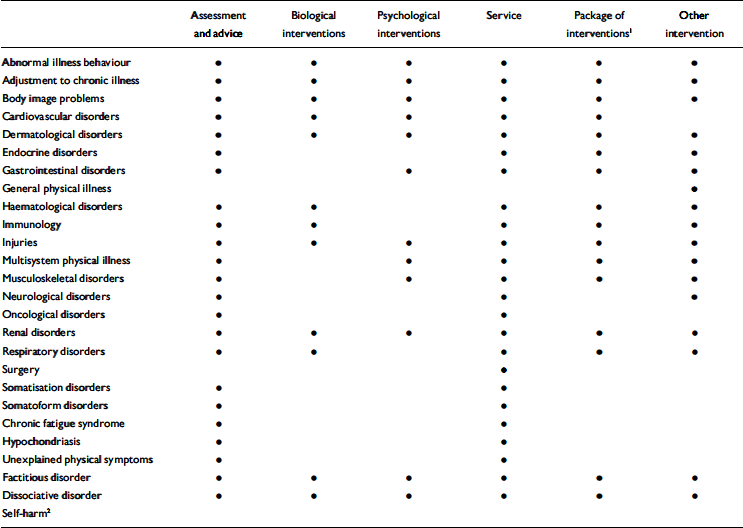
Table 4 shows the areas for which there was no good-quality systematic review. It demonstrates large gaps in review evidence for some of the most common components of a liaison psychiatry service, such as assessment and advice, and service level interventions; for one of the basic problems that a liaison psychiatry service deals with (adjustment to chronic illness); and for some of the most common medical conditions, such as renal, respiratory and cardiovascular disorders.
Areas covered by our review for which there is no quality systematic review of the literature (bullet point indicates absence of reviews)
| Assessment and advice | Biological interventions | Psychological interventions | Service | Package of interventions1 | Other intervention | |
|---|---|---|---|---|---|---|
| Abnormal illness behaviour | • | • | • | • | • | • |
| Adjustment to chronic illness | • | • | • | • | • | • |
| Body image problems | • | • | • | • | • | • |
| Cardiovascular disorders | • | • | • | • | • | |
| Dermatological disorders | • | • | • | • | • | • |
| Endocrine disorders | • | • | • | • | ||
| Gastrointestinal disorders | • | • | • | • | • | |
| General physical illness | • | |||||
| Haematological disorders | • | • | • | • | • | |
| Immunology | • | • | • | • | • | |
| Injuries | • | • | • | • | • | • |
| Multisystem physical illness | • | • | • | • | • | |
| Musculoskeletal disorders | • | • | • | • | • | |
| Neurological disorders | • | • | • | |||
| Oncological disorders | • | • | ||||
| Renal disorders | • | • | • | • | • | • |
| Respiratory disorders | • | • | • | • | • | |
| Surgery | • | |||||
| Somatisation disorders | • | • | ||||
| Somatoform disorders | • | • | ||||
| Chronic fatigue syndrome | • | • | ||||
| Hypochondriasis | • | • | ||||
| Unexplained physical symptoms | • | • | ||||
| Factitious disorder | • | • | • | • | • | • |
| Dissociative disorder | • | • | • | • | • | • |
| Self-harm2 |
Quality of the included studies
Tables 2 and 3 show the quality ratings for the included reviews. Forty-three of the included studies were rated as highest quality using the criteria of Oxman & Guyatt (Reference Oxman and Guyatt1988). This means that these studies had a clear research question, a comprehensive search strategy and a repeatable method for appraisal and data extraction and that the data combination and conclusions were appropriate.
The other 21 studies were of medium quality. All of these studies had a clear research question and a comprehensive search strategy. Three reviews did not describe the methods used to determine which articles to include in the review (Reference HowlandHowland, 1993; Reference Krupnick, Rowland and GoldbergKrupnick et al, 1993; Reference GuthrieGuthrie, 1996). Ten reviews did not describe assessing the validity of the primary studies and therefore did not have reproducible methods (Reference HowlandHowland, 1993; Reference Kennedy and FeldmannKennedy & Feldmann, 1994; Reference Carter, Dawson and LopertCarter et al, 1996; Reference GuthrieGuthrie, 1996; Reference MooreMoore, 1996; Reference Gordon and HibbardGordon & Hibbard, 1997; Reference RepperRepper, 1999; Reference Sheard and MaguireSheard & Maguire, 1999; Reference Allen, Escobar and LehrerAllen et al, 2002; Reference Turner-Stokes and HassanTurner-Stokes & Hassan, 2002). Ten reviews described assessing the validity of the studies, but the method used was not reproducible (Reference CummingsCummings, 1992; Reference SmithSmith, 1992; Reference Goodnick, Henry and BukiGoodnick et al, 1995; Reference Lovejoy and MatteisLovejoy & Matteis, 1997; Reference Van der Sande, Buskens and AllartVan der Sande et al, 1997; Akehurst et al, 2001; Reference Miller and CohenMiller & Cohen, 2001; Reference Pratt, Davis and NazarioPratt et al, 2002; Reference Rose, Wallace and DicksonRose et al, 2002; Reference Whyte and MulsantWhyte & Mulsant, 2002). Four reviews did not analyse (even descriptively) the variation in the findings of the primary studies (Reference CummingsCummings, 1992; Reference Goodnick, Henry and BukiGoodnick et al, 1995; Reference Gordon and HibbardGordon & Hibbard, 1997; Reference Sheard and MaguireSheard & Maguire, 1999). Several studies formed conclusions that were not supported by their findings (Reference Kennedy and FeldmannKennedy & Feldmann, 1994; Reference Goodnick, Henry and BukiGoodnick et al, 1995; Reference MooreMoore, 1996; Reference Gordon and HibbardGordon & Hibbard, 1997; Reference Allen, Escobar and LehrerAllen et al, 2002).
DISCUSSION
Meta-reviews are important because they summarise the highest-quality research evidence in a field, identify gaps in the research literature and explain the reasons for discordant conclusions between systematic reviews. It is clear from our meta-review that there are large gaps in the systematic review evidence, not only in clinical areas such as renal, respiratory and cardiovascular disorders, but also in some of the most common interventions such as assessment and advice, and service level interventions. Even in the areas that are covered there is often no clear conclusion because of the poor quality of the primary data or because the reviews provide conflicting results, for example concerning the role of neuroleptics in behavioural disorders in dementia (Reference Lanctot, Best and MittmannLanctot et al, 1998; Reference Davidson, Weiser and SoaresDavidson et al, 2000). Some of the review results are difficult to interpret clinically. For example, Price & Couper (Reference Price and Couper2002) found that cognitive-behavioural therapy was helpful in preventing deterioration in physical functioning in people with chronic fatigue syndrome up to 6 months after treatment ended. However, it is unclear what overall impact this would have on someone who is living with chronic fatigue syndrome. The review of the use of antidepressants in chronic headache (Reference Tomkins, Jackson and O'MalleyTomkins et al, 2001), which provides a number needed to treat of four for one patient to improve, suffers from the lack of evidence in the primary studies to indicate whether this effect is independent of depression.
Clinical implications
Lack of evidence implies that much of the clinical practice of liaison psychiatry is based on lower-quality evidence or extrapolation from other areas of psychiatry where there is high-quality evidence. It is hard to know where to set the limits of such extrapolation (Reference NaylorNaylor, 1995). For example, Gill & Hatcher (Reference Gill and Hatcher2002) combined the results of trials of treatment for depression in a wide range of physical illnesses despite possible clinical heterogeneity. It may be that use of antidepressants for depression is not indicated in some physical illnesses and that the costs and benefits of treating depression with antidepressants in different medical disorders will vary.
In the absence of adequate evidence other factors must be influencing liaison psychiatry service development, which might help account for the current service variability (Reference Ruddy and HouseRuddy & House, 2003). Clinical services cannot be packages of interventions that systematic reviews have shown to be effective. If we are to build rational services, then we need to be clearer about what factors other than clinical research should influence planning decisions. We should develop technologies for integrating each of these factors (values, policies, funding contingencies and so on) into planning, and indicate explicitly how we arrive at the trade-offs between them.
Research implications
The clinical practice of liaison psychiatry needs research in the form of systematic reviews with meta-analyses and primary studies. Systematic reviews are important because for the busy clinician they are a valuable, unbiased summary of the current literature (Reference Egger, Davey Smith and AltmanEgger et al, 2001). It is interesting to note that there is currently no Cochrane group to cover the work in this psychiatric specialty, which may be one of the reasons there are so few good systematic reviews. Even in areas where there appears to be unequivocal evidence of benefit, it would be difficult to use this evidence to guide service planning. Future research should be more service-oriented, researching common interventions in liaison psychiatry such as assessment and advice, and whole service interventions. It should also focus on common problem areas encountered in clinical practice, and ensure that outcomes of importance to patients are included.
Clinical Implications and Limitations
CLINICAL IMPLICATIONS
-
▪ There is a lack of systematic review evidence for interventions in liaison psychiatry.
-
▪ Much practice in liaison psychiatry must therefore be based on lower-quality evidence or extrapolation.
-
▪ Deciding on the implications of this evidence for planning and delivering liaison psychiatry services is not straightforward, since evidence must be integrated with other factors such as policy, financial constraints and values.
LIMITATIONS
-
▪ We included only systematic reviews, but in some areas there may be large clinical trials that guide practice.
-
▪ Areas of practice that might be considered a part of liaison psychiatry were excluded.
-
▪ This meta-review will soon become out of date, as new reviews are published.
Acknowledgements
This meta-review was sponsored by Priorities and Needs, Research and Development funding from the Leeds Mental Health Trust. We thank members of the European Association of Consultation Liaison Psychiatry and Psychosomatics, the Liaison JISCmail group and the Trent, Yorkshire and North East Liaison Psychiatry Network who supplied references for inclusion.




eLetters
No eLetters have been published for this article.