


1 Introduction
Private land conservation is not recent. Aldo Leopold, renowned for advocating what he termed the ‘land ethic’, honed his conservation values on a Wisconsin acreage he acquired in the 1930s to protect and restore (Leopold, Reference Lippmann1949). Contemporaneously, Australia’s Elynne Mitchell was championing a similar vision on her farm near the Snowy Mountains (Mitchell, Reference Mitchell1945). Today, private land conservation has flourished into a worldwide phenomenon, with the law increasingly shaping landholders’ actions. ‘Private land conservation’ refers to biodiversity conservation on privately owned or managed land, and occasionally extends to protection of open-space buffers. Focusing on the former context, this publication provides a unique international study of one key legal mechanism for private land conservation – commonly known as conservation covenants or conservation easements. It assesses and compares their use in seven jurisdictions: Australia, Belgium (Flanders), Canada, Chile, New Zealand (NZ), South Africa, and the United States (US). These were chosen because they illustrate the variety of legal arrangements governing covenants and easements, and directions in recent law reform. Informing our study about how law shapes private land conservation is the concept of Earth System Governance – the web of formal and informal norms, institutions, and actors at multiple scales, from the local to the global, addressing environmental problems.
Much land worldwide is privately owned, which is why private land conservation has become a global concern, as biodiversity loss, global warming, and other environmental upheavals engender a push for better approaches to safeguard nature (Barnosky et al., Reference Barnosky2011; UNEP & ISC, 2024). Recognising this urgency, the 2022 United Nations (UN) Biodiversity Conference endorsed the ‘
 ’ initiative which aims to protect at least 30% of the Earth’s terrestrial, inland water, and marine environments by 2030 (the ‘protection target’) (Convention on Biological Diversity, 2022). This commitment forms part of the Kunming-Montreal Global Biodiversity Framework (GBF) negotiated under the Convention on Biological Diversity 1992, seeking to halt and reverse environmental degradation. The GBF also includes a commitment to have at least 30% of degraded ecosystems under effective restoration by 2030 (the ‘restoration’ target).
Much biodiversity exists on privately owned or managed land (Kamal, Grodzinska-Jurczak & Brown, Reference Kamal, Grodzinska-Jurczak and Brown2015). Current protected area networks are globally not representative of the extensive diversity of ecosystems and their species (Bingham et al., Reference Bingham2021). The UN Environment Programme (UNEP) and its partners in 2024 reported that 17.6% of terrestrial and inland waters, and 8.4% of marine and coastal areas, are now legally protected (UNEP-WCMC and IUCN, 2024: 2). To meet the ambitious
 protection target, many countries must engage with private landholders (Lewis et al., Reference Lippmann2023). Illustratively, Australia, as of 2024, had 22% of its terrestrial and inland water areas protected. Of this, around 6% were areas under private control (amounting to less than 2% of Australia’s landmass), yet 62% of the continent is privately owned or managed, and at least 70% of currently unprotected or poorly protected biodiversity exists in these areas (Ivanova & Cook, Reference Jansen, Reimann and Zimmermann2020). Although fifty-one countries have reported already conserving at least 30% of their land, most have not, and UNEP and its partners have called for progress to be ‘accelerated considerably’ (UNEP-WCMC and IUCN, 2024: 2).
Conservation covenants and easements are relevant to these goals. While comprehensive evidence on their long-term effectiveness is still being compiled (Capano et al., Reference Capano2019), studies suggest they can greatly assist in protecting biodiversity (Kareiva et al., Reference Kiesecker2021) and reducing loss of ecosystems in agricultural landscapes (Braza, Reference Braza2017). Contributing more substantially to the UN restoration target may require changes to these legal instruments. Covenants or easements have traditionally been based on a passive conservation model, aiming to avoid environmental harm rather than to actively manage land. Apart from the need to restore ecologically degraded areas, accelerating climate change necessitates active land management to help biodiversity adapt. If conservation covenants and easements are to become relevant to twenty-first-century environmental policy, and contribute to national and global protection and restoration targets, they will need to embrace this agenda.
This subject lends itself to the conceptual lens of Earth System Governance. Private land conservation, and specifically covenants and easements, bring to the fore the agency of non-state actors working with governments to achieve environmental goals. It also illuminates the value of governance at different scales, mobilising local actors and addressing local issues to contribute cumulatively to global biodiversity targets and, conversely, how international governance aspirations can inform local decisions. Moreover, the role of informal rules and practices associated with conservation covenants and easements, such as adaptation of their management to tackle new environmental challenges or their reliance on cooperative approaches to enforcement, addresses another dimension of Earth System Governance.
We address these themes through a comparative study of conservation covenants and easements in seven jurisdictions that together furnish a representative understanding of the variety of international experiences. Section 2 of this study elaborates on the history, characteristics, and terminology of these legal instruments. Section 3 explains the methodology and conceptual framing for the case study jurisdictions. Section 4 distils their legal frameworks governing conservation covenants and easements, as well as available evidence on their implementation. Section 5 examines several interjurisdictional key themes: recruitment and retention of landholders into conservation agreements, climate adaptation and mitigation, ecosystem restoration, and, finally, compliance. Some insights into future law and policy reform, informed by Earth System Governance, are outlined in Section 6.
2 Conservation Covenants and Easements: Characteristics
The term ‘conservation covenant’ refers to agreements created under legislation for nature conservation purposes between a landholder and a government entity or authorised nongovernmental body, and which are registered on the subject property’s title (Kamal, Grodzinska-Jurczak & Brown, Reference Kamal, Grodzinska-Jurczak and Brown2015). Similar legal instruments are known as ‘conservation easements’ in the US, ‘conservation burdens’ in Scotland, ‘real environmental obligations’ in France, and ‘real rights of conservation’ in Chile (Rodgers & Grinlinton, Reference Root-Bernstein, Carvajal, Ladle and Jaksic2020: 374). Within individual jurisdictions the terminology may also vary, such as in Canada, where conservation ‘easement’ applies in Nova Scotia but ‘covenant’ in British Columbia. Similar eclectic terminology occurs in Australia, including ‘nature refuges’ (in Queensland) and ‘conservation agreements’ (in New South Wales (NSW)). Their ‘terminological variation reflect[s] the different legal cultures in each jurisdiction’, explain Rodgers and Grinlinton (Reference Root-Bernstein, Carvajal, Ladle and Jaksic2020: 374), as well as marketing preferences to attract landholders. In common law systems, a covenant and easement are distinct property interests: under the general law, a covenant governs use of a landowner’s property for the benefit of another landowner whilst an easement gives a landowner rights to use the property of another, such as a shared driveway. While the term ‘conservation easement’ is widely used in the literature, owing mainly to the disproportionate influence of US literature, in this study we use ‘conservation covenant’ as the default term; however, the jurisdiction-specific term is used where appropriate.
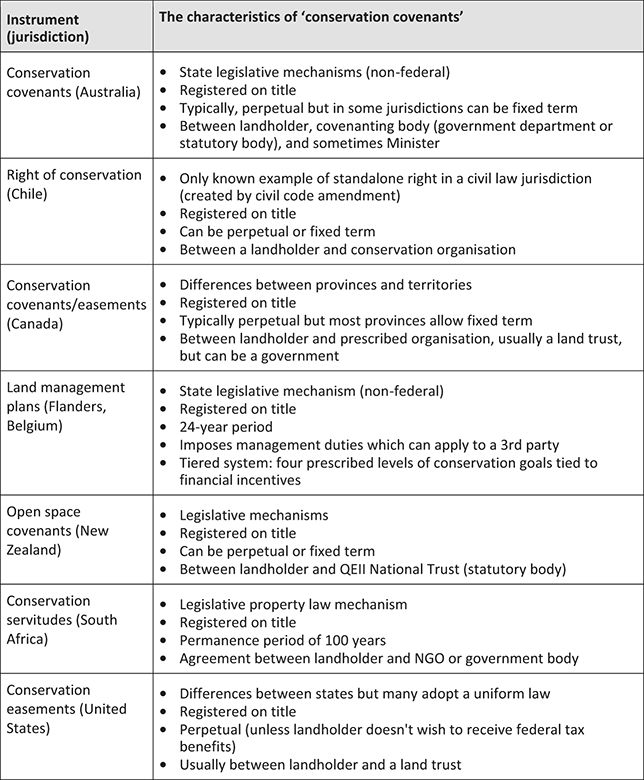
Briefly, the main features of conservation covenants found across most jurisdictions are that they: (1) are usually voluntary, although financial incentives can be offered to motivate landowners; (2) restrict how privately held land is used or developed, so as to protect biodiversity; (3) operate permanently or long-term, thus legally binding future landowners; (4) offer landowners access to technical assistance to support management of their property; (5) allow property monitoring and compliance overseen by government agencies or other authorised bodies; and (6) do not alter underlying ownership of the land, which remains private property and thus typically excludes visitors without permission. Nonetheless, there are some variations across jurisdictions, such as the parties involved, the scope of aid provided or land management obligations, which underscores the value of an international study on covenants (Figure 1 highlights key features in the seven jurisdictions covered in this study).
Key characteristics of conservation covenant-like instruments considered in this study.
The creation of conservation covenants was a response by lawmakers to the perceived limitations of property tenure and contract law in enabling long-term agreements to govern land use. Property ownership has metaphorically been described as a ‘bundle of rights’ – to possess, sell, develop, among others – rather than proprietorship of a ‘thing’ (Johnson, Reference Johnson2007). Although the metaphor is not accepted by all property law scholars, because it detracts from identifying an overarching individual land ‘owner’ and a distinct parcel of land, the notion of a ‘bundle’ remains for capturing the collection of legal rights associated with land ownership. In common law systems, one of these rights allows a landowner to create a freehold covenant, in which the landowner is compensated for relinquishing, in favour of another property owner, some of those rights relating to land use whilst retaining ownership of the remainder (Hepburn, Reference Hering2023: 946–9). Such an agreement begins as a contract between the parties, but if appropriately designed, it ‘runs with the land’ as a creature of property law, thereby binding successor owners of the benefitted or burdened land (known as the ‘covenantee’ and ‘covenantor’, respectively) (Stoebuck, Reference Stolton, Redford and Dudley1976–77).
Freehold covenants have a long history in common law systems but only became widespread in private land control from the mid-nineteenth century following judicial support (Tulk v. Moxhay, 1848) for their enforcement against successor covenantors. While the original covenanting parties can freely negotiate their preferred terms as a matter of contract law, upholding them against successor covenantors is subject to several requirements (Bradbrook & MacCallum, Reference Bradbrook and MacCallum2011). The covenant’s terms must relate to the mode of land use, rather than merely confer a personal advantage to the covenantee. Further, the benefit must attach to identifiable property (called the ‘dominant tenement’), usually located adjacent or near the burdened land, meaning the benefit cannot be held ‘in gross’ (Clem Smith Nominees v. Farrelly, 1978). Thirdly, the covenant can impose only negative obligations, such as ‘don’t cut trees’, rather than positive ones, like ‘plant trees’ (Austerberry v. Corporation of Oldham, 1885). Finally, a purchaser of the burdened land is bound by the covenant only if they had prior notice of it. In a few jurisdictions, such as the US and NZ, some of the foregoing requirements for valid covenants have been relaxed by courts or legislatures (Goulding, Reference Goulding2007; NZ’s Property Law Act, 1908), but not so far as to remove the overall advantages of bespoke rules for conservation covenants. Furthermore, the numerus clausus principle (Merrill et al., Reference Merrill and Smith2000) generally prevents courts from creating new property interests not already recognised by the common law, thus necessitating reform via overriding legislation.
‘Restrictive covenants’, as the foregoing covenants are technically known in common law systems, were used mainly to maintain local amenities, limit undesirable development, and preserve property values (Tooher, 1992). In North America, covenants were widely used in the early twentieth century for racial segregation, excluding racial minorities from owning or leasing properties in white neighbourhoods (Brooks & Rose, Reference Brooks and Rose2013). Civil law systems have also been identified as ‘not provid[ing] fertile ground for the adoption and use of conservation easements’, including due to their prohibition of in gross interests and restrictions on affirmative obligations, in the absence of special enabling legislation (Korngold, Reference Kotze and Rokhyun2010–11: 25).
The difficulties of adapting the foregoing property law mechanisms to conservation purposes have been confirmed by case law. For example, their historical use to conserve nature in peri-urban areas in Australia was not particularly effective owing to high transaction and administrative costs (Richardson, Reference Richardson2026). A study by Law Commission of England and Wales found a strong case for law reform to overcome the rigidities of traditional restrictive covenants (United Kingdom, Law Commission, 2014). Similar problems have arisen with enforcement of easements; illustratively, in 2004 in the Canadian province of Manitoba, the environmental organisation Ducks Unlimited Canada was unable to enforce an agreement against a successor landowner to maintain a property for waterfowl habitat on the basis that their arrangement was a common law easement, because the court ruled that the applicant lacked the necessary ownership of a dominant tenement (Willman v. Ducks Unlimited (Canada), 2004). Some scholars suggest that restrictive covenants today are not entirely irrelevant to private conservation (Richardson, Reference Richardson2025), but their use is generally superseded by statutory reforms.
The first legislative reforms were adopted in the 1950s, starting with the US states of Massachusetts and California (Lippmann, Reference Lippmann2006: 1086). In 1981, the Uniform Law Commission (established in 1892 to promote harmonisation of laws in US states) drafted the Uniform Conservation Easement Act to serve as a convenient template, leading to a surge in covenanting laws (Burnett, Reference Burnett2013: 89). Conservation covenants emerged in Australia and NZ in the 1970s, with significant growth in recent decades (Fitzsimons & Carr, Reference Fitzsimons and Carr2014). In civil law systems, such as the Netherlands, France, and Germany, there has been growing interest among scholars and policymakers in combining contractual and property law techniques. Law reforms have also been adopted in many European Union (EU) member states (Račinska & Vahtrus, 2019). Surprisingly, though, the United Kingdom (England and Wales only) first legislated in this direction as recently as 2021 through its Environment Act.
Conservation covenants can create positive and negative obligations, allow the benefit of the covenant to be held in gross, and include management plans and compliance mechanisms. Another significant difference between traditional covenants and conservation covenants is that the latter do not normally lapse because of non-enforcement, changes in land use, or uses inconsistent with the purposes of the covenant. Figure 1 illustrates the key characteristics of the conservation covenant-like instruments examined in this study.
Conservation covenants are commonly created voluntarily by landholders rather than imposed by regulators, but their establishment may be influenced by a variety of laws and public policies. In the US, for instance, generous tax benefits are available for donating a conservation easement in land to a qualified organisation (King & Fairfax, Reference Korhonen-Kurki2006). Australian covenantors may benefit from concessional property taxes and capital gains taxes. Land use planning law also affects covenanting decisions in many countries: planning authorities may require a conservation covenant as a condition of development approval.
In recent years, conservation covenants in some jurisdictions have been integrated into biodiversity offset transactions. These involve conservation actions, typically to restore degraded wildlife habitat, that compensate for environmental losses from a development on another site (Draste et al., Reference Draste2022). Covenants can be used to legally protect an offset site. However, biodiversity offsets are controversial for myriad reasons, including their association with poor policy design and failures in compliance and implementation (Maron et al., Reference Martens, Ventocilla and Tucker2025). The inclusion of biodiversity offsets in some recent covenant law reforms, notably in England and Wales, has been accompanied by calls for greater public accountability in their use (Holligan, Reference Husa, Siems and Yap2025). While a discussion on the complexity and merits of biodiversity offsets is beyond the scope of this publication, we refer to their interaction with covenants where relevant to the comparative overview and interjurisdictional themes.
3 Research Design
3.1 Research Framing
We use the concept of Earth System Governance to frame this study and highlight the context of rapid, ongoing, ecological and climatic change. Earth System Governance has been defined as:
the interrelated and increasingly integrated system of formal and informal rules, rule-making systems, and actor-networks … set up to steer societies towards preventing, mitigating and adapting to global and local environmental change.
Its proponents form a ‘broad church’ of diverse research interests, and theoretical and empirical traditions. However, underpinning this governance paradigm are concerns about global change, including ‘how societies prepare for accelerated climate change and wider earth system change, as well as policy responses’ (Burch et al., Reference Burch2019: 13). Policy responses of interest to Earth System Governance scholars include legal and policy instruments to facilitate preparation for global change and responses to unfolding change, as well as the assessment, reform, and enhancement of these legal and policy instruments (Korhonen-Kurki et al., Reference Korhonen-Kurki2025; Kotzé & Kim, Reference Kotze and Rokhyun2019). In proposing Earth System Governance, Biermann (Reference Biermann2007) identified five core research and governance challenges for it, including questions of agency beyond the state (i.e. private landholders and nongovernment organisations), and the adaptiveness of governance mechanisms in a context of global change.
Earth System Governance scholars are interested in global forms of governance and the transformations driven by ‘megatrends’ such as climate change, biodiversity loss, and social inequality (Nilsson & Persson, 2012). Lately, reliance on ‘hard law’ treaties and their outputs such as the GBF, has been supplemented with overlapping ‘soft’ global standards, such as in UN Decade on Ecosystem Restoration 2021–2030. Consequently, scholars have also concentrated on how global megatrends and global targets are interpreted and implemented at national and even local scales, and across diverse sectors and actors (Burch et al., Reference Burch2019). While climate change is a global phenomenon, its effects manifest at local scales, through the vulnerability of human communities and local ecosystems – such as wetlands and coasts – to extreme local events, including droughts, storms, and wildfires. Proponents of Earth System Governance focus on how governance instruments – such as laws, policies, strategies, institutions, and networks of actors – engage with, anticipate and respond to these changes, and how they govern the interplay between rapid transformations in the Earth’s systems (Burch et al., Reference Burch2019).
The multiscalar focus of Earth System Governance makes it valuable framing for our study. Conservation covenants are, after all, designated at the individual property scale and, as such, represent a hyper-local site contributing to global biodiversity and climate targets to protect and restore land and waterways and their carbon stocks. They also function as important, yet often overlooked, sites for norm generation in managing privately held land. Variation in covenanting practices across jurisdictions demonstrates how governance is distributed and tailored to local needs.
We have embraced this global-to-local connection in our study, revealing innovation and trends in covenanting worldwide (see Section 3.2). The interest of Earth System Governance in testing and improving governance instruments has also influenced how we interrogate the conservation covenant. We seek to understand the covenant in its diverse, existing forms, as well as emerging legal and policy reforms aimed at enhancing its effectiveness amidst global change.
Earth System Governance is not the only theoretical framework concerned with global change or transformation, and its broad and inclusive framing means it has been applied to sectors that are wildly different to the local, private property focus of our study. However, this inclusivity is also a strength, accommodating analyses that cross jurisdictional borders, methodologies, disciplines, and the theory-practice divide. This expansive framing enables us to present our research as both a contribution to comparative legal scholarship and as a practical resource for covenanting practitioners seeking to enhance these instruments.
3.2 Methodology
This project compares the approach of various legal regimes to conservation covenants. Given different legal approaches across countries to managing conservation efforts on private lands, a comparative approach can help identify key lessons and best practices to inform law reform. Ours is not the first such study, but earlier work is now dated and more limited in scope (e.g. Korngold, Reference Kotze and Rokhyun2010–11; Rodgers & Grinlinton, Reference Root-Bernstein, Carvajal, Ladle and Jaksic2020). Consequently, a comparative law research approach to covenants is both appropriate and timely.
There exists a spectrum of comparative law research methods (Örücü, Reference Örücü and Smits2006). Unlike strict scientific methodologies, the methods for comparative law enquiries can be organic and layered, allowing researchers to employ several methods either together or separately (Husa, Reference Husa, Siems and Yap2024). That a problem is shared and/or addressed by different jurisdictions often justifies comparative research (Schmitthoff, Reference Schwing1939). All countries face unprecedented biodiversity loss, and many cooperate to reduce it. A ‘factual approach’ in comparative law considers whether different jurisdictions are seeking solutions to the same problem, whereas a ‘universalist approach’ considers the similarity of their solutions (Örücü, Reference Örücü and Smits2006). Our study combines these approaches to evaluate the design and implementation of conservation covenants in responding to shared biodiversity challenges, including changing ecological, social, and especially climatic conditions.
As written law does not necessarily reflect law in practice, we added a contextual approach to better understand how the law operates (Eberle, Reference Eberle2011). Banakar (Reference Banakar2009) explains: ‘the contextualisation of law should be regarded as the indispensable methodological characteristic of all comparative studies of law that aspire to transcend the understanding of law as a body of rules and doctrine’. The laws of a place are usually deeply rooted in its economic, political, cultural, and moral background (Jansen, Reference Jansen, Reimann and Zimmermann2019). Accordingly, we apply a law-in-context approach: first, to describe the economic, political, and cultural background in each jurisdiction, and second, to analyse the similarities and differences using shared issues as points of comparison to evaluate the potential value of conservation covenants.
We aim to minimise the risk of misunderstanding foreign laws due to linguistic or other cultural differences by engaging in ‘cultural immersion’ as much as possible, which involves understanding underlying cultural traditions, beliefs and rationales for the law (Curran, Reference Curran1998). For instance, in Chile, covenants operate under a civil law tradition, while in Belgium they are additionally shaped by EU regulations. In the common law jurisdictions of Australia, Canada and the US, their federalist systems introduce an important variable, with both national and subnational laws shaping covenants, such as federal tax law incentives and subnational covenanting regulations.
For each jurisdiction, data were gathered through extensive searches of scholarly literature databases and examination of primary source materials (e.g. legislation and court judgements), supplemented by anecdotal evidence from international experts we consulted. Our discussions with them were designed to check the accuracy of our understanding and interpretation of the published legal materials and identify recent or pending developments.
3.3 Selection of Case Studies
Central to a comparative legal study is explaining how the jurisdictions selected for comparison were chosen. We initially reviewed nature conservation instruments in many countries, culminating in a shortlist of countries that we subsequently narrowed by assessing each against criteria.
The first and primary criterion focused on jurisdictions with a mechanism that accords with a generally accepted understanding of privately held land subject to legally supported protection mandates. The International Union for Conservation of Nature (IUCN) – the world’s preeminent organisation in this field, and responsible for persuasive guidance on conservation standards – has produced guidance for privately protected areas (PPA) that informed our approach. The IUCN defines a PPA as a place under ‘private governance (i.e. individuals and groups of individuals; nongovernment organisations (NGOs); corporations’, and where the subject area is a ‘clearly defined geographical space, recognised, dedicated and managed, through legal or other effective means, to achieve the long-term conservation of nature with associated ecosystem services and cultural values’ (Mitchell et al., Reference Mitchell2018: 1). The IUCN defines ‘long-term’ for a protected area as ‘managed in perpetuity’ (Dudley, 2008: 9). In this context, the IUCN accepts that ‘long-term’ can be demonstrated in different ways; for instance, a period of at least twenty-five years, provided the underlying intent of the parties is conservation of the area in perpetuity and no mechanism exists to frustrate that goal beyond that initial timeframe (Stolton, Redford & Dudley, Reference Stolton, Redford and Dudley2014; Fitzsimons et al., Reference Fitzsimons, Stolton, Dudley and Mitchell2024a).
Thus, the primary criteria for selecting the case study jurisdictions were that each country: (1) recognises conservation covenants and regulates them through a legislative framework; (2) provides that covenant obligations and rights attach to the land on the long-term, binding both current and future owners; and (3) ensures that covenant arrangements, overall, meet the IUCN definition of a privately protected area.
To further refine our selection across different legal systems, we also examined which countries have responded to changing ecological and social conditions, including climate change, ecosystem degradation, and development pressures. These secondary criteria helped ensure that our analysis captures the range of contextual factors shaping contemporary use of conservation covenants. Our secondary criteria also included to study examples from both civil law and common law legal systems, and to include jurisdictions with meaningful uptake of conservation covenants. Lastly, we limited our study to jurisdictions that have adequate scholarly or practitioner literature to inform our analysis.
To illustrate our approach, in South America we found substantial use of conservation covenant-like mechanisms in Brazil but encountered limited English-language research literature, leading us to select Chile as a more informative case study, particularly due to its innovative legal reform in 2016. In Africa, we found that South Africa has relatively extensive experience with private land conservation and use of covenant-like agreements. We did not find any jurisdictions in Asia that offered additional insights beyond those captured in the selected case studies. Whilst our selected jurisdictions reflect a bias towards English-speaking countries and common law systems, this reflects their comparatively long and well-developed legal histories with conservation covenants, from which valuable insights can be gleaned of significance for Earth System Governance.
We excluded countries that, although formally offering conservation covenants, lacked evidence of their practical use, had only very recently adopted relevant laws, or otherwise offered limited additional insights. For example, a comprehensive statutory regime for conservation covenants in England and Wales only came into force in 2022, building on the National Trust Act 1937 with a more limited purview (Rodgers & Grinlinton, Reference Root-Bernstein, Carvajal, Ladle and Jaksic2020: 390); accordingly, we omitted England and Wales. We also found limited evidence or analysis of the use of various private land conservation instruments across many EU member states. We also chose not to analyse the EU as a single jurisdiction due to substantial variation in relevant legal frameworks for conservation covenants among its member states (Racinska & Vahtrus, 2019). However, the region of Flanders in Belgium was selected as an illuminating example of legal practice within the Union. There are also some jurisdictions outside our study with valuable experience with conservation covenants, such as Kenya and Scotland, but we concluded that our seven case study jurisdictions collectively offer the best insights for understanding this topic.
Lastly, we elected to examine a relatively large number of jurisdictions. While a smaller number might have furnished greater detail about covenants in each case, that advantage would likely have been outweighed by a reduced understanding of the global variety in the legal design and implementation of conservation covenants. Moreover, existing literature (e.g. Rodgers & Grinlinton, Reference Root-Bernstein, Carvajal, Ladle and Jaksic2020) already offers more narrowly focused analyses. Experts we consulted in our research also confirmed a strong preference for a wide-ranging international study capable of highlighting key trends, patterns, and salient issues.
4 National Legal Frameworks
This section introduces the legal frameworks governing conservation covenants in seven jurisdictions. These were selected using the methods described in Section 3.3. Belgium (Flanders) and Chile follow civil law traditions, while Australia, Canada (apart from Quebec), NZ, and the US (apart from Louisiana) operate under common law systems. South Africa’s legal system has a hybrid of civil and common law traditions. Besides evaluating their formal legal arrangements for covenants, we examined available data on their use and implementation. Such data are not available at an aggregate, global level, either because not all countries consider their privately protected areas to contribute to international conservation targets or because of other privacy concerns (Clements et al., Reference Clements2018). Land title registries do not generally provide a convenient method of examining conservation covenant data (Olmsted, Reference Olmsted2011). Even where such data are officially reported, they usually underrepresent the true extent of such arrangements (Bingham et al., Reference Bingham2021).
A comprehensive review of the laws of each jurisdiction is beyond the scope of this study. Many jurisdictions have federal systems, with multiple legislative frameworks at national and subnational levels for conservation covenants, as well as many associated laws, such as tax law and planning regulations, that influence covenanting practices. The commentary that follows thus highlights only the principal features of each jurisdiction’s legal framework and some examples of the variety of approaches. It does not delve into the broader body of environmental laws of each jurisdiction, and it should be kept in mind that many have experienced extensive law reforms in recent decades, sometimes without commensurate reform to their covenant legislation. In Section 5, we investigate policy issues in using covenants, such as their role in ecosystem restoration. In Part 6, we distil key themes to guide law reform in light of Earth System Governance, notably: valuing diverse governance scales (e.g. enabling both local and national governments to shape covenants), a plurality of actors (e.g. both nongovernmental organisations and state agencies) and the adaptiveness of governance mechanisms (e.g. the capacity of covenants to move beyond a one-off transaction to foster ongoing relationships in conservation management).
4.1 Australia
Australia has a federal system with lawmaking powers divided between the national (Commonwealth) and state governments. The English common law system, including property tenure, was introduced to Australia from 1788 when it was established as a British penal colony (Hepburn, Reference Hering2023), thereby displacing the laws and customs of its Indigenous peoples. Under the constitutional order created in 1901, when Australia became an independent nation, the states have primary responsibility for the use of land, water, and related natural resources (Fowler, Reference Fowler and Robbins2015). The Australian territories, such as the Northern Territory, can make their own conservation laws but are potentially subject to overriding federal laws. Since the mid-1970s, the Commonwealth government has increasingly legislated on environmental matters including, for example, national parks (within territories), marine conservation in Commonwealth waters and environmental impact assessments of nationally significant developments (APEEL, 2017). The main national biodiversity law is the Environment Protection and Biodiversity Conservation Act 1999 (Cth) (EPBC Act), whose implementation, along with many other environmental laws and policies, has increasingly been coordinated with state governments under a ‘co-operative’ approach. Collaboratively agreed nationwide strategies include Australia’s Strategy for Nature 2024-2030 (Commonwealth of Australia, 2024), the Strategy for Australia’s National Reserve System 2009-2030 (National Reserve System Task Group, 2009), and the National Climate Resilience and Adaptation Strategy 2021-2025 (DAWE, 2021). Australia’s Threatened Species Action Plan 2022-2030 (DCCEEW, 2022b) and the Nature Positive Plan (DCCEEW, 2022c) also include national commitments to protected area targets and ecosystem restoration. Australian national environmental laws have recently been reformed, including amendments to the EPBC Act (December 2025), and enactment of the Nature Repair Act 2023 to facilitate ecosystem restoration with private investment (Brugler, Richardson & Fitzsimons, Reference Fitzsimons2025).
Freehold covenants have been available for private land use control for over a century, but their cumbersome restrictions, as explained earlier, led state governments from about 1970 to establish bespoke legislation for conservation covenants. There is also a little-used national mechanism for covenant-like agreements under the EPBC Act, which can apply to public land. The state-based, statutory regimes for conservation covenants, including local land-use planning laws that interact with covenants, are specific to each state jurisdiction. Nonetheless, there has been some convergence nationally around biodiversity policies and strategies, including use of covenants; for instance, the objects of Australia’s Strategy for Nature 2024-2030 include to ‘empower Australians to be active stewards of nature’, such as by increasing ‘the number [and] extent of … ecosystems managed [under] covenants’ (Commonwealth of Australia, 2024: 24).
Conservation covenants are generally overseen by a dedicated agency, within either a state government department (e.g. in Tasmania) or a quasi-government body (in Victoria and NSW). Occasionally, some state-based covenants are made pursuant to Commonwealth funding support for the purchase of ecologically significant private land for conservation (Fitzsimons, Reference Fitzsimons2015). The covenant will ordinarily exist in perpetuity on a freehold property, or for a defined period when applied to a long-term lease on pastoral lands owned by the government. It may be supplemented with a management plan (usually also legally binding) that informs implementation of the covenant. The management plan is generally reviewed periodically (e.g. every five years) or when ownership of the property changes, thereby improving the covenant’s adaptive flexibility.
The statutory objectives of conservation covenants vary across each jurisdiction but all relate to ‘conservation purposes’ (e.g. Biodiversity Conservation Act 2016 (NSW), section 5.20(1); Victorian Conservation Trust Act 1972 (Vic), section 3A(1); Nature Conservation Act 2002 (Tas), section 34(1)). South Australia has extended the purposes of its conservation covenants to the ‘conservation, restoration or enhancement of biodiversity’ (Biodiversity Act 2025 (SA), section 98(1)). Conservation covenants in Australia typically restrict human activities that may harm natural values, such as through prohibitions on clearing native vegetation, introducing non-native wildlife such as cats, and grazing livestock. They may also include positive obligations, often directed to removing weeds and culling pest animals. The governing legislation may prescribe penalties for violation of the terms of the covenant, and compliance may be monitored through site visits, aerial photography, and other surveillance.
Conservation covenants do not typically exclude landowners from occupying or and using their land. A balance between conservation and use is often achieved by excluding a small ‘domestic zone’ for a house and ancillary facilities from the covenanted area. Conservation covenants in Queensland, often known as ‘nature refuges’, have a more flexible approach than most other jurisdictions, and may allow livestock grazing to co-exist with nature conservation (Allen et al., Reference Allen, Ledger, Leverington and Leverington2018). Conservation covenants that are nationally reported into the Collaborative Australian Protected Areas Database must be in-perpetuity, or if this is not possible, then at least ninety-nine years (DCCEEW, 2022a). Some state jurisdictions allow shorter-term covenants, although they are uncommon (Elton & Fitzsimons, Reference Elton and Fitzsimons2023).
Reflecting a strong collaborative approach to governance, conservation covenants in Australia are ordinarily created with the voluntary participation of landowners. Occasionally, landowners are obliged to adopt a covenant as a condition of a regulatory approval for an associated development activity or as part of a funding deal for nature conservation. Landowners who have not received any money for covenanting may be eligible for concessional capital gains tax liability, although in practice many do not qualify (Smith et al., Reference Smith2016). Some states and local municipal councils offer exemptions from land tax or council rates to covenantors (e.g. Land Tax Management Act 1956 (NSW), section 10(1)(p); Local Government Act 1993 (NSW), section 555)). In NSW, and to a lesser extent in Queensland, large financial incentives are available for landowners to conserve ecosystems that are underrepresented in the states’ protected area system (Elton & Fitzsimons, Reference Elton and Fitzsimons2023; Fitzsimons et al. Reference Fitzsimons2025). In NSW, there is the possibility of in-perpetuity, annual stewardship payments to landowners, whereas in Queensland financial incentives tend to be up-front payments. However, generally landowners participating in conservation covenants have so far been ‘conservation-minded’ rather than financially motivated (Groce & Cook, Reference Groce and Cook2022; Selinske et al., Reference Selinske, Howard, Fitzsimons, Hardy and Knight2022; Yasué & Kirkpatrick, Reference Yasué and Kirkpatrick2020). Participation in covenants has grown significantly since 2000, with more than 6,500 conservation covenants nationwide registered as of mid-2024, covering just over 6.7 million hectares (DCCEEW, 2024b).
Conservation covenants in Australia are generally viewed positively in the literature in terms of their contribution to private land conservation (Gooden & Sas-Rolfes, Reference Gooden and Sas-Rolfes2020). They are praised for providing safe havens for biodiversity, fostering landscape-scale conservation, and complementing publicly managed protected areas and other private land conservation initiatives (Bingham et al., Reference Bingham2017; Fitzsimons, Reference Fitzsimons2006; Fitzsimons & Wescott Reference Fitzsimons and Wescott2001). Regarding governance challenges, commentators have also recommended more secure funding and incentives to encourage landholders’ participation (Fitzsimons, Reference Fitzsimons2015; Fitzsimons et al., Reference Fitzsimons, Picone, Partridge and Cornish2023; Richardson et al., Reference Rissman, Owley, L’Roe, Morris and Wardropper2026), as well to diversify the type of participating landowners (Bond, O’Connor & Cavagnaro, Reference Bond, O’Connor and Cavagnaro2018; Selinske et al., Reference Selinske2019). Furthermore, conservation covenants are increasingly being evaluated for how they can be incorporated into environmental markets for carbon and biodiversity values (Richardson et al., Reference Richardson, Brugler, Fitzsimons, McCormack and Akhtar-Khavari2024), which the Nature Repair Act 2023 may facilitate. Some have already been used to deliver biodiversity offsets as a condition of development approval. Finally, concerns have been expressed about exemptions for mining to override the protections of conservation covenants in some jurisdictions (Adams & Moon, Reference Adams and Moon2013; Wawryk, 2014). Although there has been negligible litigation in Australia regarding conservation covenants, one notable case involved an objection to a mining operation that would have caused serious and irreversible damage. In Queensland, the Land Court recommended that the Minister refuse a proposed mine that would have, inter alia, damaged land in a designated nature refuge (Waratah Coal Pty Ltd v. Youth Verdict Ltd & Ors (No 6) (2022)).
One of the biggest challenges for private land conservation in Australia is to increase covenants in its vast agricultural landscapes. About half the continent is privately owned or managed for agriculture (primarily livestock grazing but also cropping), with gaps in ecosystem and species habitat representation in the protected area estate (Ivanova & Cook, Reference Jansen, Reimann and Zimmermann2020; Ward et al., Reference Ward2025). By area, the National Reserve System mainly comprises national parks and Indigenous Protected Areas, with privately managed land under covenants contributing the smallest share, at 6% of the total area as of 2024, although this still amounts to more than 10.6 million hectares (DCCEEW, 2024b).
Australia made a domestic policy commitment in 2022 to the international
 protection target. With around 22% of its land protected that year, this necessitates bringing an additional 62 million hectares of land under protection. Since then, the Australian government has invested in expanding protected areas on lands managed by Indigenous peoples, has released a national policy for other effective area-based conservation measures (DCCEEW, 2024a), and established the Nature Repair Market (under the Nature Repair Act 2023) to promote market investment in ecosystem restoration and conservation. These initiatives are likely to influence covenants’ future role. Concomitantly, several state governments are promoting private land conservation through covenants, such as Victoria’s ‘Bushbank’ scheme (Victorian Government, 2022) and NSW’s ‘carbon plus biodiversity’ initiative (NSW Biodiversity Conservation Trust, 2024). Covenanting in Australia shows increasing sensitivity to climate change and interest for ecosystem restoration outcomes, and its governance exemplifies the role of multi-scale and multi-actor processes characteristic of Earth System Governance.
4.2 Belgium (Flanders)
The Flemish legal system operates within Belgium’s federal structure, following a civil law tradition (Debaenst, Reference Debaenst, Koch and Kjolstad2023). The country has several layers of governance with capacity for multi-scale environmental decision-making: ‘Communities’, ‘Regions’, and the national government. Within each Region, one of which is Flanders, further governance subdivisions comprise the provinces and municipalities. In Flanders, much of the governing law comes from federal legislation, including the Belgian Civil Code (Heirbaut & Storme, Reference Heirbaut and Storme2006). For nature conservation, responsibility is shared across all governing levels, but primary authority resides with the Regions (Martens & Ventocilla, Reference Martens, Ventocilla and Tucker2023). Superimposed on Belgian law is a plethora of EU laws and policies, many dealing with environmental issues, and potentially inculcating Earth System Governance concepts such as the ecosystem restoration agenda. Article 23 of the Belgian Constitution (1831, as revised) affirms that everyone has the right to ‘protection of a healthy environment’, a provision that serves to guide legislators rather than confer an enforceable right on private persons against the state.
Private land conservation has been furthered by several recent laws. Flanders emphasises detailed management planning to underpin conservation easements and links them to EU protected area goals, supported by public financial subsidies (Halevy, Cabuy, & Vandenadeele, Reference Hardy, Fitzsimons, Bekessy and Gordon2024). In Flanders, the Decree Concerning Nature Management Plans and the Decree of Establishing the Criteria for Integrated Nature Management (Flemish Government, 2017a, 2017b), which overhauled regulations dating from the 1990s, enables landholders to voluntarily participate in land management plans to achieve nature conservation and restoration goals (Racinska & Vahtrus, 2019). These plans, once approved by the Agency for Nature and Forests, can be registered on title as an ‘easement of public importance’ that will bind all current and future owners of the subject land – an important measure that also departs from the traditional legal position in Belgium, which prohibits positive obligations in servitudes except where subsidiary to the servitude’s primary purpose (Demeyere, Reference Demeyere2017: 205–6). The new type of easement can also be held in gross. The challenges for private land conservation are, however, significant, as 79% of Belgian habitats of European conservation importance were classified in 2025 as being in ‘poor’ condition (Belgian National Focal Point to the Convention on Biological Diversity, 2025: 20).
Under Belgian law, there are several types of nature management plans of varying ambition, with three types linked to the EU’s Natura 2000 scheme – the network of protected areas to safeguard biodiversity, including sites designated under the EU directives on habitats and birds (Jackson, Reference Jansen, Reimann and Zimmermann2018). In summary, a management plan can have one of four purposes: to preserve the land’s present conservation status (known as Type 1); to achieve a better conservation status, implementing 25% of Nature 2000 objectives (Type 2); to implement 90% of Natura 2000 objectives (Type 3); or to become a designated nature reserve, which is usually owned/managed by an nature conservation organisation because of the more onerous commitments to manage them (Type 4). Unusually for covenanting programmes worldwide, public consultation with local residents and other stakeholders sometimes occurs before a management plan is finalised.
A distinctive feature of the Flanders’ approach to covenanting is the highly prescriptive arrangements, and strong support for, the management plans attached to protected properties. Under the Decrees, management plans must describe the current environmental state of the land; detail its ecological, social, and economic functions; outline the management goals; provide measures to implement them; and set methods to monitor progress towards those goals (CONSOLE, 2020). If the property sits within the Natura 2000 network or Flemish Ecological Network (a Flemish-governed protected area network), the purpose of the management plan must be set at Type 2 or higher. Management activities may be performed by a third-party organisation or public authority, and management plans can extend over multiple properties (where relevant landholders agree). As discussed in Section 5, these attributes may position land managed in these progressive ways to address ecosystem restoration and climate adaptation goals. The EU’s new Nature Restoration Law of 2024 is already leveraging increased ecosystem restoration in Belgium, and EU courts have upheld enabling measures over private property interests (Schoukens & van der Burgt, Reference Schoukens and van der Burgt2026).
The Flemish government incentivises landholders to adopt management plans by offering benefits according to the type of plan (minimal or no financial incentives for Type 1 plans, but more generous inheritance, gift and property tax exemptions, plus other financial benefits, for Type 4 plans (Flemish Government, 2017c, 2018; OECD, 2021). The Flemish government also subsidises land managers’ implementation of management plans, and the Agency for Nature and Forests evaluates their progress every six years. The furnishing of some of these financial incentives for nature conservation has led to litigation in Belgium and other states challenging the payments as a violation of EU rules on state aid (e.g. Court of Justice of the European Union, 2020).
The Agency can propose changes to management measures where it appears the goals of the plan will not be met, and the manager can request changes if the objectives become unfeasible. Management plans do not exist in perpetuity: they remain in place for twenty-four years but will bind any successor landowner managers during this period, after which they can be renegotiated – a feature that can improve adaptive governance capacity in private land conservation. The manager must ensure there is no net loss of biodiversity in the area covered by the plan. Yet, a landowner can apply to withdraw from a Type 1 plan. For Types 2–4 management plans, withdrawal is only permitted where, due to an unforeseen event, it has become impossible to implement the plan. If this happens, the Agency may assume the role of manager for the remainder of the term of the plan if the area is essential to achieving conservation goals and the task cannot be assigned to another willing manager.
In Flanders, as of 2020, one third of the land under effective nature management was privately owned and under land management plans (CONSOLE, 2020). The World Database on Protected Areas (WDPA) reports that, as of early 2026, there were 480 Type 2 sites, 324 Type 3 sites, and 572 Type 4 sites, comprising 38% of total protected areas in Flanders (WDPA, Reference Yasué and Kirkpatrick2026). Much land not formally classified as protected is also subject to planning and environmental regulations that significantly constrain land use, resulting in biodiversity benefits (Racinska & Vahtrus, 2019: 33).
4.3 Canada
Canada has a federal system, with the nation’s Constitution dividing powers between the national government and ten provincial governments (Canada’s three territories have no inherent constitutional status, functioning under delegated federal power). Canada primarily follows a common law tradition, with the notable exception of Quebec, where civil law governs some issues. In relation to biodiversity protection and conservation, there is some jurisdictional overlap between federal and provincial laws. The federal government oversees Canada’s international commitments and matters of national significance, relying, for instance, on the Canadian Environmental Protection Act 1999 and Species at Risk Act 2002, but such laws interact – may even clash with, and thereby often override – provincial environmental laws. Substantial areas are also owned and governed by First Nations, Métis or Inuit peoples, managed according to their traditional rights or the terms of treaties with Canadian/provincial governments (Asch, Reference Asch2011). For some years, Canada was widely regarded as a pioneer of environmental law reform, but since the early twenty-first century has languished owing, inter alia, to the political difficulties of regulating its economy heavily reliant on natural resources extraction (Wood, Tanner & Richardson, Reference Wood, Tanner and Richardson2010). The Canadian government has officially committed to implementing the
 targets and recognises the contribution of the nongovernment sector to achieving them (Environment and Climate Change Canada, 2024).
Prior to legislation enabling conservation covenants, land and water conservation in Canada were generally limited to acquisition and protection by government agencies, nongovernment organisations or Indigenous peoples (Good & Michalsky, Reference Good and Michalsky2008). As of March 2026, eleven of Canada’s thirteen provinces and territories had enacted legislation to facilitate conservation easements (the most common terminology in Canada), although these vary in eligibility, supervision, and allowable activities on conserved land (Hisey, Reference Husa, Siems and Yap2025). Such easements are commonly created by agreements between landowners and private land trusts or municipal governments. The legislative frameworks for such agreements serve to overcome the limitations of common law servitudes, notably the prohibition on holding an easement in gross. Conservation covenants in Canada are overwhelmingly concentrated in its southern regions, where land is more commonly under private ownership, whereas the country’s northern areas are predominantly owned by the Crown or Indigenous peoples. There is also growing federal government leadership in supporting private land conservation, such as through the A Force of Nature strategy to promote financial investment in it (Government of Canada, 2026).
As in the US, and reflecting the pluralistic and local approach to Earth System Governance, much of the growth of conservation easements in Canada has ensued through private land trusts. These are registered charities with an explicit nature conservation purpose that acquire property mostly through philanthropic support (Korngold, Reference Kotze and Rokhyun2010-11), and they benefit from federal tax law that incentivises landowners to donate property to them. The Alliance of Canadian Land Trusts, representing some 150 land trusts nationwide, reported in its 2023 survey of members that 53% of their properties were held in freehold, 37% under conservation easements, and the remainder under other biodiversity stewardship mechanisms (ACLT, 2024). These areas covered 630,000 acres (255,000 ha) as of April 2025. Land trusts’ operations rely heavily on volunteer labour and financial subsidies or donations from governments and the private sector. Provincial-level networks of land trusts also exist, such as the Ontario Land Trust Alliance with fifty-one members as of February 2026, providing support services and best practice standards for private land conservation. Although governments are not always parties to these conservation easements, they influence them through the enabling legislation and the provision of taxation incentives (as discussed later). While the growth of land trusts can be viewed as a laudable expression of community-driven, participatory action congruent with one strand of Earth System Governance, and a mechanism often more palatable for conservation on private land than state acquisition of land, some Canadian commentators suggest that this trend also reflects a retreat of government leadership in environmental policy and biodiversity conservation (Gravel, 2024: 27–46; Logan & Wekerle, Reference Jebson and Mitchell2008).
The latter criticism may be somewhat misplaced when we consider that many government bodies in Canada are themselves parties to conservation easements. Municipalities are the second main holder of conservation easements, and although they may create such easements under the same legislation as land trusts, they often do so for different purposes. For instance, municipalities may use easements to reinforce their land use planning and zoning schemes or as part of environmental offset arrangements with developers. Many municipalities, however, work closely with land trusts to promote shared goals (ACLT, 2023).
Provincial governments can also hold the benefit of a conservation easement, as for example with Ontario Heritage Trust, a government agency. Its enabling legislation, the Ontario Heritage Act 1975, allows for covenants/easements to contain positive or negative obligations, and be held in gross. While the protection of historical buildings and other cultural heritage is the Trust’s principal goal, it has occasionally protected natural heritage such as wetlands. Another example is New Brunswick’s Protected Natural Areas Act 2003 (section 5), which permits its provincial government to establish protected natural areas on private land and for the Minister to enter into conservation agreements for that purpose. In Nova Scotia, the Special Places Protection Act 1989 (section 14) allows the responsible Minister, with the landholder’s consent, to designate ecological sites and develop management plans to conserve them. Federal legislation can overlap with provincial legislation: for example, the Species at Risk Act 2002 (section 11) authorises the Minister to enter into long-term, conservation agreements with any government, organisation, or person to protect listed endangered species.
An interesting feature of the Canadian approach, which differs from some jurisdictions in this study, is the availability of conservation easements to protect land for agricultural purposes – highlighting how covenanted land does not necessarily mean conservation is its principal goal. Ontario’s Conservation Land Act 1988 lists the allowable goals of covenants/easements as including ‘for the conservation, preservation or protection of the land for agricultural purposes’ (section 3(2)(d)). Similarly, Alberta’s Land Stewardship Act 2009 stipulates that an easement may be established to protect agricultural land, but, like Ontario’s legislation, it does not address whether agricultural lands so protected should be co-managed to secure biodiversity or other natural values (Chiasson et al., Reference Chiasson, Good, Greenaway and Unger2012).
Landholders who voluntarily commit to a conservation easement (or donate their entire property) may be rewarded with tax benefits. A federal tax credit is available for a certified ‘ecological gift’, which requires an application to have the land certified as ‘ecologically sensitive’ under the ‘Ecological Gifts Program’ governed by the Income Tax Act (Environment and Climate Change Canada, 2024). To qualify, the subject land must be considered by the Minister to ‘contribute significantly to the preservation of Canada’s biodiversity and environmental heritage’, and the property interest held by a qualifying charity such as a land trust (Environment and Climate Change Canada, 2024). The value of the gift is a tax credit, which reduces any capital gains tax payable on the future disposition of the land (Zweibel & Cooper, Reference Zweibel and Cooper2010). As of March 2017, 1,300 ecological gifts had been donated, valued at over C$823 million and protecting nearly 184,000 hectares (Environment and Climate Change Canada, 2018). Municipal authorities also often waive or reduce property taxes (as known as ‘local rates’ in some countries) on covenanted land (Greenway, Reference Groce and Cook2017: 31–2). They may also compensate landowners by waiving some development standards, such as subdivision or building requirements, for other areas of the property not subject to the easement (Greenway, Reference Groce and Cook2017: 24–5).
While conservation easements in Canada are typically perpetual, most provinces allow for fixed-term commitments, and there are procedures for amending or ending a covenant. Some provinces also allow for termination by a court, for instance, where the covenant/easement would cause severe hardship to the landholder holder (e.g. Manitoba’s Conservation Agreements Act 1997, section 9(3)). Typically, covenantors can also terminate covenants through written agreement with the covenantee (e.g. British Columbia’s Land Title Act 1996, section 219(9)). Terminations, however, may have adverse tax implications for parties if the covenant/easement was certified under the ecological gift program. Nearly all easements include a dispute resolution process, which typically begins with mediation or arbitration before any recourse to the courts.
The effectiveness of nature conservation via easements is increasingly studied by Canadian researchers. Common land use restrictions include clearing trees, tilling soil, draining wetlands, and certain agricultural or forestry uses. Some properties are subject to environmental management plans, sometimes with cost-sharing arrangements between the parties (Good & Michalsky, Reference Good and Michalsky2008). The Alliance of Canadian Land Trusts (ACLT, 2023) recently found that 84% of surveyed land trusts used land management plans, but only 39% had all the properties in their portfolio under a management plan. Nearly all land trusts (92%) inspected each of their properties at least annually. Nearly two-thirds (65%) of land trusts also reported following the Canadian Land Trust Standards and Practices, which include provisions on baseline surveys, easement compliance monitoring, and maintaining cooperative landowner relationships (ACLT, 2023: 27).
As each province or territory is partly responsible for its own environmental and property laws, the broader legal context of conservation easements depends significantly on the jurisdiction is question. One identified drawback of easements held by private land trusts is that they may be established in a piecemeal fashion, without achieving landscape-scale biodiversity protection. While easements held by municipal governments are more likely to be strategically embedded in local, land-use plans (Good, Reference Good2012), those planning regimes are not necessarily conducive to biodiversity conservation, and municipalities may also opt to create easements outside their land use planning, subdivision and development processes (Kwasniak, Reference Kwasniak2009). Governing legislation displays some acknowledgement of the need to integrate private land conservation into broader frameworks. For example, the Alberta Land Stewardship Act Reference Kwasniak2009 aims to ‘provide for the co-ordination of decisions by decision-makers concerning land, species, human settlement, natural resources and the environment’ (section 1(2)(c)). The Act provides in sections 7–11 for the creation of regional plans intended to permanently protect and conserve environmental values, but also conservation easements which can fall within regional plans. Conversely, some provincial legislation may discourage or limit the use of conservation easements. British Columbia’s Agricultural Land Commission Act 2002 governs land reserves that are designated for agricultural use, providing that covenants restricting agricultural activities in those reserves are ineffective unless approved by the Commission (section 22). Overall, therefore, conservation covenants in Canada exhibit significant variability in how they interact with wider municipal or provincial land use planning regimes, and in the priority given to biodiversity conservation relative to other policy goals. As discussed in Section 5, Canadian covenanting laws lack explicit ecosystem restoration and climate change provisions, but do not necessarily inhibit addressing such issues if the parties are willing.
4.4 Chile
Chile operates under a civil law system governed by its Civil Code of 1855. The Chilean Constitution of 1980 establishes the fundamental rights and obligations of its citizens and outlines its democratic system of government, dividing authority among the executive, legislative, and judicial branches. Chile does not have a federal system, meaning that governance of private land conservation could, in theory, follow a more uniform pattern across the country. Chile has taken a variety of steps to protect its environment. The National System of State Protected Wild Areas Law 1984 (Law No. 18.362) has traditionally furnished the main legal framework for conservation, safeguarding national parks, reserves and other protected areas, although the country’s full variety of biodiversity is not yet adequately protected (Myron et al., Reference Myron, Gloss, Fabiano and Ahmed2019). In 2022, Chile passed its groundbreaking Framework Law on Climate Change (Law No. 21455), which, besides ambitious climate mitigation goals for the nation, strengthens planning and assessment processes to improve adaptation to the impacts of climate change. While this law has obvious relevance to nature conservation governance (Parra & Jensen, Reference Parra and Jensen2025), its impact on covenants and other conservation actions will depend on how it is interpreted and implemented by government agencies.
Private land ownership is significant in Chile, with about half of all land in private hands. Although landholders can donate land to the government for conservation management, fiscal constraints limit the government’s capacity to manage and expand protected areas, making it difficult to incorporate privately donated lands. Nonetheless, Chile has a relatively large conservation estate, comprising, as of 2018, 145 terrestrial protected areas covering nearly 20% of the country (Petit et al., Reference Petit, Campoy, Hevia, Gaymer and Squeo2018). As in several other countries examined in our study, in Chile’s Indigenous peoples are important stakeholders in nature conservation, although they have struggled to gain recognition of their traditional land rights and thus tend not to enjoy similar levels of responsibility in protected area management as in Canada and Australia, for example (Serenari et al., Reference Serenari, Petersen, Wallace and Stowhas2017).
In 2016, Chile amended its Civil Code (Law No. 20.930) to create the Derecho Real de Conservación Medioambiental (DRC) or ‘real right of environmental conservation’, allowing landholders to voluntarily make agreements with another private or public parties concerning their property for conservation purposes. Previously, it was difficult to establish long-term servitudes for nature conservation because in Chile, as in other South American nations, the concept of a covenant or easement attaching to land title lacked a strong doctrinal basis in civil law systems. Instead, reliance was placed on contractual agreements that bound only the current landowner (Root-Bernstein et al., Reference Root-Bernstein, Carvajal, Ladle and Jaksic2013). The DRC is not explicitly defined in the Chilean legislation as an ‘easement’ or ‘covenant’; but it operates similarly to a servitude attached to the land title, binding current and future property owners (Chen et al., Reference Chen2023).
The DRC defines this new legal right as one ‘to conserve the environmental heritage of a property or certain attributes or functions’ thereof (article 2) which will operate in perpetuity unless the parties agree otherwise (article 3). A valid DRC must specify the identity of the parties, the encumbered property, and its duration (article 7). Under article 6, a DRC must include at least one of the following restrictions on permitted land uses (e.g. real estate, commercial, industrial, agricultural, or forestry activities): land maintenance obligations; or the implementation of an agreed environmental management plan governing sustainable natural resource use.
DRCs are remarkably flexible. They can accommodate both positive and negative duties, and the right may be held in gross. A DRC may restrict the uses of the property, permit income-producing activities (e.g. tourism), require maintenance works, and they can apply either to entire properties or to specific environmental attributes (e.g. water). Two identified important goals that DRCs can achieve are protecting land between national parks and creating buffer zones around them (Disselhoff & Kirschey, Reference Disselhoff and Kirschey2018). Whether DRCs will commonly provide for public access to such protected areas remains uncertain, as this depends on the terms negotiated by the parties.
Property owners must hold legal title to create a DRC over their property. Although article 3 of the governing law provides that conservation is an inherent right of property ownership and allows DRCs to be perpetual, the contracting parties may agree to a finite term. The terms of a DRC may later be modified (article 10); however, it will be extinguished if the landholding entity, such as a corporation, is dissolved (article 12).
DRCs are a relatively recent innovation and have not yet been widely used. As of June 2024, around 25,000 hectares in Chile were protected under DRCs (Robinson & Yanez, Reference Root-Bernstein, Carvajal, Ladle and Jaksic2024), a relatively small proportion of the country’s 75 million hectares. Fundación Tierra Austral is the land trust responsible for most of the DRCs to date. After three years of fundraising, culminating in a significant 2019 grant from the Australian-based BHP Foundation, Fundación Tierra Austral expanded its use of the DRC instrument, and is now supported by a diverse range of donors, including Chilean companies, international charities, and individuals (Robinson & Yanez, Reference Root-Bernstein, Carvajal, Ladle and Jaksic2024). Another proponent of DRCs is the Fundación Centro de Derecho de Conservation (2025), which has brokered several agreements with local environmental groups and landholders to create habitat corridors and local sustainability projects. Other organisations involved in making DRCs include The Nature Conservancy and private investment funds.
The contribution of the DRC reform to private land conservation in Chile remains uncertain at this stage. Some recent academic commentary questions the reform, suggesting that discrete conservation parcels may constitute ‘ecological legal fictions’ that reinforce private control over land rather than leveraging systemic changes to the property law system to support comprehensive biodiversity conservation (Greene & Achondo, Reference Groce and Cook2025). Similar critiques of the property law system have been made in Australia (Davies, Godden & Graham, Reference Davies, Godden and Graham2021), although conservation covenants there have also been seen to challenge traditional conceptions of property by ‘ceding particular use and exploitation rights associated with private property’ (Cooke & Lane, Reference Cooke and Lane2020, 31). Unlike in some jurisdictions, there is no dedicated agency (public or private) to oversee the promotion and management of the DRCs; their uptake depends largely on private initiative. Some researchers suggest that DRCs may struggle to flourish because of few financial resources and tensions between development and conservation objectives (Nahuelhual & Carmona, 2024). Others, however, regard the DRC reform as an innovative model for a private land conservation that other civil law jurisdictions in Latin America can follow (Robinson & Yanez, Reference Root-Bernstein, Carvajal, Ladle and Jaksic2024). The creation of DRCs must also compete with other land use rights, such as mining, or Indigenous land claims (Disselholf & Kirschey, Reference Disselhoff and Kirschey2018), and the legislation provides that pre-existing property rights take priority (article 6). Relatedly, the UN’s Food and Agriculture Organization (FAO, 2022) has observed that there is ‘no effective integration’ between different instruments and actors in landscape-scale conservation and restoration in Chile.
A recent legal development in Chile has changed how DRCs relate to the country’s network of protected areas. Initially, DRCs were not recognised as a state-approved category of private protected area. In September 2023, the Chilean government passed Law No. 21600 establishing National System of Protected Areas. Privately owned protected areas now form part of this National System, potentially including DRCs that meet appropriate levels of high conservation. The latest research has found that ‘Chile is on track towards achieving a properly connected protected areas system’, although the contribution of privately protected areas to ‘overall connectivity is small’ (Jackson & Fuller, Reference Jansen, Reimann and Zimmermann2024: 5–6).
4.5 New Zealand
Like Australia and Canada, NZ’s legal system is rooted in the English common law tradition, with similar pressures to reconcile the laws introduced by British colonisation with First Nations’ (Māori) rights. The country operates under a unitary system but is subject to the principles of the Treaty of Waitangi 1840 (Allan, Reference Allan1998), creating a pluralistic legal context. District and regional authorities operate under the national government, alongside Māori governance authorities (Jones, Reference Martens, Ventocilla and Tucker2016). Land in NZ falls into several categories of ownership, mainly comprising the Crown (public) estate, privately owned land and Māori territory, with private ownership covering about 55% of the country. Private land ownership and transactions are regulated by key statutes including the Property Law Act 2007 and the Land Transfer Act 2017, whilst Māori lands are mainly governed by the Te Ture Whenua Māori Act 1993. Environmental management relating to private land has long been regulated by the Resource Management Act 1991, furnishing provisions for land use planning, environmental assessment and mitigation of environmental effects, public participation in decision-making, and recognition of Māori interests (Nolan, 2020). In 2025, the government has announced plans to repeal the Resource Management Act, and replace it with two statutes aimed, in part, at reducing red tape for developers (Bishop & Court, Reference Bishop and Court2025). In early 2026, the government introduced the Natural Environment Bill and the Planning Bill for this purpose.
Having suffered significant environmental changes since colonisation, especially due to invasive species, NZ provides a valuable case study in the role of ecosystem restoration in biodiversity conservation, a theme further explored in Section 5. The country has a long history of conservation covenants dating from the 1970s. Several covenanting options are available, principally under the Queen Elizabeth the Second National Trust Act 1977 (QEII NT Act), Conservation Act 1987 and the Reserves Act 1977. Land use covenants can also be imposed under the Resource Management Act 1991 by municipal authorities as conditions of development consent. The Heritage New Zealand Pouhere Taonga Act 2014 also provides for covenants, to protect places of historic or cultural values, which may indirectly encompass natural values. The following comments focus on the QEII NT Act, the most widely used law for private land conservation.
The QEII NT Act, overriding the common law and equitable restrictions on covenants, provides for ‘open space covenants’ to be negotiated between landholders and the Queen Elizabeth II National Trust where the Trust considers the land should be protected (Donahue, Reference Donahue2003). The Act applies to private freehold, Māori land, and leased Crown land. These covenants are registered on title, typically in perpetuity, although fixed-term covenants are also possible. Section 22 A allows covenants to be varied with the approval of both parties, so long as the variation is consistent with the Act’s purpose. Open space covenants are not limited to conserving undeveloped natural areas, and have been used to conserve a range of landscapes (Rodgers & Grinlinton, Reference Root-Bernstein, Carvajal, Ladle and Jaksic2020: 385–7). The legislation defines ‘open space’ broadly as: ‘any area of land or body of water that serves to preserve or to facilitate the preservation of any landscape of aesthetic, cultural, recreational, scenic, scientific, or social interest or value’ (section 2). When negotiating covenants, the Trust aims to align them with national biodiversity strategies (Rodgers & Grinlinton, Reference Root-Bernstein, Carvajal, Ladle and Jaksic2020: 385), and the Aotearoa New Zealand Biodiversity Strategy 2020 identifies the QEII NT Act as a key instrument to protect biodiversity (Department of Conservation, 2020: 66).
With open space covenants, the land must be maintained as an ‘open space’ in accordance with the terms of the agreement and the Act. Typically, such covenants restrict development activities including mining, forestry and some agricultural uses (Jebson, Reference Jebson and Mitchell2018). Covenanted properties are typically site inspected by the Trust’s regional representatives once every two or three years (Queen Elizabeth II National Trust, 2025: 13), and more frequently if the landholder is undertaking funded ecosystem restoration. The goals of monitoring visits are to support landholders with stewardship advice and to assist and inspire landholders who have recently acquired covenanted land. Unusually for covenant legislation, the QEII NT Act declares ‘the public shall have freedom of entry and access to … all land subject to an open space covenant’ (section 33), although this right is subject to the terms of the covenant.
Covenanting landholders receive some financial support. The Trust typically covers all or part of the initial legal and surveying costs of establishing a covenant, as well as some of the costs of new protective works, such as fences to exclude livestock. Covenantors may also receive remission of local government rates, and can apply for competitive funding from the Trust’s Stephenson Fund for conservation projects (e.g. pest control or revegetation). This Fund is disbursed through a separate, personal contract with the landholder and does not form part of the covenant itself. Landholders, however, usually bear most of the ongoing management costs (Jebson, Reference Jebson and Mitchell2018), and no special income tax concessions apply.
Despite relatively modest financial incentives, the covenant scheme has been popular with many landowners. As of mid-2025, there were 5,856 covenants covering approximately 200,000 ha across all regions of NZ (Queen Elizabeth II National Trust, 2025: 16). Covenants are generally seen by landholders as a partnership tool rather than regulatory impositions, although they have been used to restrict developments, and breaches have been sanctioned by NZ courts (Jebson, Reference Jebson and Mitchell2018). Factors contributing to their success include peer influence among landholders and a culture of altruism among landholders (Grinlinton, Reference Groce and Cook2023). The Trust may also leverage development consent processes under the Resource Management Act 1991 to secure covenant agreements. Judicial decisions have also reinforced the open space covenant framework. In Green Growth Trust v. QEII National Trust (2016), the Supreme Court held that minor documentary imperfections do not stop covenants from binding successor landholders, affirming their indefeasibility once registered on title.
Other conservation mechanisms are available in NZ, and properties may be subject to multiple, overlapping covenants for enhanced protection (Barkley, Short & Chivers, Reference Barkley, Short and Chivers2024). Thousands of covenants have been introduced via municipalities under the Resource Management Act 1991, especially to control development pressures in peri-urban areas (Fredrickson, Reference Fredrickson2018). Under of the Reserves Act 1977, whose purpose is to classify and manage a variety of reserves, the Department of Conservation or any local authority may enter into perpetual conservation covenants with private landowners or Crown land leaseholders to preserve the natural environment, landscape amenity, wildlife, habitat, or historical value (section 77). Although this covenanting scheme differs from the QEII NT regime in that the government is the covenantee, under the Act the government may delegate its authority to an NGO. For instance, in 2003 the Minister of Conservation granted an environmental NGO, the Banks Peninsula Conservation Trust, with covenanting authority status to protect natural values near the city of Christchurch. A drawback of the covenanting process under the Reserves Act is that establishment costs are more often borne by landowners; for example, the Whangerei District Council’s policy is that the applicant landowner must pay an application fee, as well as costs for expert reports, legal work, and surveying. The rationale for imposing such costs is that the covenant is, usually, an obligation of the landowner in return for development or subdivision consent under the Resource Management Act.
Conservation covenants can also be created under the Conservation Act 1987. It aims to promote the conservation of NZ’s natural and historic heritage, and the Department of Conservation can negotiate with landholders to create covenants for this purpose (section 27). Covenants under this Act are formally held only by the Department’s responsible Minister. But like the Reserves Act, the Conservation Act also contains a special provision for negotiating covenants over Māori land, such as to protect the ‘spiritual and cultural values which Māori associate with the land’ (section 27A). These statutes therefore overlap in their functions and purposes.
As explored in Section 5, covenanting schemes in NZ generally have high compliance oversight, and have been adapted to address new challenges such as ecosystem restoration. Their emphasis on collaboration with NGOs and local communities also aligns closely with key principles of Earth System Governance.
4.6 South Africa
South Africa has significant experience in private land conservation and environmental law reform. Its legal system was founded on a combination of Dutch civil law, English common law, and local customary rules. Legally and politically, the nation has experienced momentous changes since the apartheid regime ended in 1994, having since been governed by the African National Congress alone or, most recently, in coalition with other parties. The Constitution of the Republic of South Africa of 1996 establishes a federal system of government, with nine provinces, and enshrines several human rights relevant to the environment (Feris, Reference Feris2008). These include the rights of ‘everyone’ ‘to an environment that is not harmful to their health or wellbeing’ (section 24(a)), ‘to have the environment protected, for the benefit of present and future generations’ (section 24(b)), and ‘to have access to sufficient food and water’ (section 27(1)(b)). The Constitution further provides that ‘the state must take reasonable legislative and other measures, within its available resources, to achieve the progressive realisation of these rights’ (section 27(2)). It also upholds private property rights but outlines processes for land reform to enable land restitution and redistribution.
Land reform remains politically contentious in South Africa because of racial inequities in land ownership, which form an important backdrop to private land conservation. About 82% of the country’s land is privately owned, mostly by white landowners and predominantly used for agriculture (Department of Rural Development and Land Reform, 2017: 6). There are numerous privately owned conservation areas, which are generally owned by non-black South Africans and their owners have generally opposed redistribution of their lands (Ramutsindela, Reference Richardson2015). In 2018, 35% of the country’s terrestrial protected areas were privately owned and another 5% owned communally by tribal authorities (Stevens, Reference Stevens and Mitchell2018: 80). Many of these areas are also managed for eco-tourism and wildlife safaris, and are viewed as playing a ‘vital role in biodiversity conservation’ (Gallo et al., Reference Gallo, Pasquini, Reyers and Cowling2009).
Conservation ‘servitudes’ (the South African term for covenants) were legally available prior to the post-apartheid era but were little used due to several perceived disadvantages. At the time, servitudes were considered ‘not suited to providing for the management of the land in question, it being restricted to imposing negative conditions’ and ‘reliance for its enforcement is placed upon the public and not upon a person or body directly responsible for it’ (Rabie, Reference Rabie1985: 77). Many private reserves also were dedicated to game hunting (Rabie, Reference Rabie1985: 68–9).
A stronger statutory and policy framework for private land conservation has since emerged, supported by high-level constitutional provisions. The government’s National Protected Area Expansion Strategy of 2018 identifies agreements with private landholders as the ‘primary tool for protected area expansions efforts in the terrestrial environment’ (Department of Environmental Affairs, 2018: 9). The strategy recognises that as the cost of acquiring more land for publicly owned protected areas is often prohibitively expensive, necessitating more cooperation with private landowners for biodiversity stewardship. Such arrangements can range from personal contracts, typically lasting up to ten years and binding only the current landowner, to longer-term, covenant-like agreements. The government has found that ‘the overall cost of contractual protected areas tends to be substantially less than the cost of acquisition’ of the property outright (Government of South Africa, 2010: 34).
Another key policy is the National Biodiversity Strategy and Action Plan 2015-2025, which recognises that nature conservation must accommodate socio-economic needs and poverty alleviation, including through the promotion of nature-based tourism (Department of Environmental Affairs, 2015). Concomitantly, the plan seeks to expand private protected areas through contracts for biodiversity stewardship. Complementing this national framework is the government’s Biodiversity Stewardship Guideline, first adopted in 2009 and revised in 2018, which advocates private land conservation through voluntary agreements (SANBI, 2018: 16). It sets out principles for stewardship and best practice procedures, and identifies a variety of conservation-related agreements. It also delineates different categories of protected area, including Category 1 (e.g. areas, which may include private land, managed mainly for biodiversity conservation) and Category 2 (areas subject to lower levels of protection, which may include conservation servitudes).
Conservation servitudes resemble conservation covenants (Theart & Meiring, Reference Theart and Meiring2020). They are governed by the Deeds Registries Act 1937 rather than a dedicated statutory framework, as found in many other jurisdictions. A deed of servitude, which incorporates the terms of the agreement between the landowner and a third party (e.g. a land trust or government body), is registered on the property’s title but automatically lapses after 100 years. Like restrictive covenants in common law jurisdictions, the South African praedial servitude generally imposes only negative duties. However, the benefit of a servitude may be held personally, thus removing the need to own property identified as benefitting from the servitude (Theart & Meiring, Reference Theart and Meiring2020: 109–10). Any positive duties in a conservation servitude will operate only as personal obligations, for which contractual remedies are available, but they will not bind successor owners of subject land unless they also enter a personally binding contract (Theart & Meiring, Reference Theart and Meiring2020: 114–5). The Biodiversity Stewardship Guideline identifies some procedural and substantive considerations in establishing conservation servitudes, including: site suitability assessments, the preparation and approval of environmental management plans, and ongoing environmental monitoring and review of the adequacy of the site’s management plan (SANBI, 2018: 19).
Some South African environmental and planning laws touch on the operation of conservation servitudes. Guidelines issued in 2023 under the National Environmental Management: Biodiversity Act 2004 identify conservation servitudes as relevant to the creation of biodiversity offsets (Paterson, Reference Petit, Campoy, Hevia, Gaymer and Squeo2023: 17). The National Environmental Management: Protected Areas Act 2004 does not expressly recognise conservation servitudes or other Category 2 biodiversity stewardship options, but the Act offers its own set of agreements for private landowners that may constitute Category 1 stewardship mechanisms under the Biodiversity Stewardship Guideline. The Subdivision of Agricultural Land Act 1970 (section 6A) requires ministerial consent to register any servitude affecting agricultural land – which may prevent conservation servitudes in areas of high agricultural productivity. Consent may sometimes also be needed from municipal authorities if a conservation servitude in their territory would conflict with a local land use plan (Theart & Meiring, Reference Theart and Meiring2020: 117). On the other hand, financial incentives may be offered under the Local Government: Municipal Property Rates Act 2004, whereby property rates are waived or reduced in respect of land conserved under a servitude. This is a matter for individual municipalities, but has occasionally been offered, as by the City of Cape Town (2024: 19). By contrast, South Africa’s Income Tax Act 1962 has been criticised for failing to offer sufficient incentives for private land conservation, as relevant concessions (e.g. schedule 1, clauses 12 and 15) are skewed to farmers who can deduct expenses connected to agriculture (e.g. controlling weeds) rather than for setting aside land for conservation (Paterson, Reference Paterson2005). Furthermore, this Act (section 37C-D) provides incentives for some stewardship options (predominantly Category 1 and 2 stewardship options that are governed by national environmental legislation) but not for conservation servitudes (Wright et al., Reference Yasué and Kirkpatrick2018).
Unfortunately, data on the extent and use of conservation servitudes in South Africa remain limited. Anecdotal evidence suggests that servitudes are becoming more common, particularly in protecting fragments of endangered ecosystems in agricultural landscapes (Theart & Meiring, Reference Theart and Meiring2020: 127). For instance, in 2025 the media reported on a new servitude established over farmland to protect the habitat of an endangered butterfly, through an agreement between the landowner, the Lepidopterists’ Society of Africa, and the Endangered Wildlife Trust (Bega, Reference Bega2025). The 2025 National Biodiversity Assessment emphasises the importance of involving private landowners and communities in arresting environmental decline, and may increase attention to servitudes as one solution (SANBI, Reference Schmidt2025).
4.7 United States
The US is founded on a common law tradition, with governmental authority organised federally (von Mehren & Murray, Reference Walsh2007). Both the federal and fifty state governments can control land use within their territorial spheres of jurisdiction, resulting in a complex array of laws affecting private land conservation. The extensive tracts of federal territory are located mainly in Alaska and the western states. Nationwide, numerous statutes governing pollution control, environmental impact assessment, protection of endangered species, and other subjects, frequently intersect with private property rights, which enjoy constitutional protection and may give rise to compensation when intrusive regulation amounts to a ‘taking’ (Rowell & van Zeben, Reference Rowell and van Zeben2021). The states have their own portfolios of environmental laws and regulatory agencies, and have traditionally cooperated with federal authorities in many domains, although declining federal environmental leadership in recent years has increased the importance of state-level action (Popovich, Albeck-Ripka, & Pierre-Louis, Reference Popovich, Albeck-Ripka and Pierre-Louis2021).
Conservation covenants in the US are generally known as ‘conservation easements’, and enabling legislation is found in most states (Morriss, Reference Myron, Gloss, Fabiano and Ahmed2024). Legislators’ preference for the terminology of easement may reflect a desire to distance these legal arrangements from covenants, as the latter acquired an unsavoury reputation in the first half of the twentieth century as means of racial segregation in residential settings (Brooks & Rose, Reference Brooks and Rose2013). According to the National Conservation Easement Database (2026), as of February 2026, approximately 38 million acres (15.3 m ha) were protected under 221,256 easements.
The first statutes enabling conservation easements began in the 1950s to ameliorate common law and equity restrictions, but widespread adoption followed reforms in the 1980s. Their impetus was the Uniform Conservation Easement Act in 1981 (Korngold, Reference Korngold2007). This model legislation codified the acceptable purposes for conservation easements, including protecting natural values, and preserving historical, architectural, or cultural aspects of the land. Despite this legal template, which is not obligatory, some variation in US conservation easement regulation has ensued (Owley, Reference Owley2011). Conservation easements are usually perpetual, with land use restrictions determined by agreements between parties (Pidot, Reference Popovich, Albeck-Ripka and Pierre-Louis2005). Active management or ecosystem restoration is not commonly required. Conservation easements can be terminated by courts if their purpose becomes impossible or impracticable to fulfil (Owley, Reference Owley2011).
A distinctive feature of US private land conservation is the central role of private land trusts – exemplifying the beneficial role of nongovernmental actors in Earth System Governance. These charitable organisations, established under state law, qualify for special tax concessions under the federal Internal Revenue Code, and either acquire land outright or hold conservation easements. They have a long history, predating the Second World War, and today trusts vary greatly in size, from small, local bodies operating within just one state or region to large, nationwide trusts, such as The Nature Conservancy, The Conservation Fund, and Trust for Public Land (Brewer, Reference Brewer2004). Many are members of the Land Trust Alliance, which facilitates cooperation and sets standards, and hosts an annual ‘rally’ (conference) for its members. According to the Land Trust Alliance (Reference Lippmann2026), as of January 2026, its 948 members collectively were protecting about 61.07 million acres (24.7 m ha) (owned outright or under easement), an area reputedly larger than all US national parks combined. Some state-wide land trust collectives have also been formed, such as the California Council of Land Trusts with about 130 members.
Besides the catalyst provided by the Uniform Conservation Easement Act, the growth in conservation easements and land trusts since the mid-1970s has owed to improving tax incentives. The federal Internal Revenue Code allows landholders to claim tax deductions provided the easement is gifted in perpetuity, serves a conservation purpose, and is donated to a non-profit entity (usually a land trust). The value of the tax benefit is calculated as the difference between the property’s market value before and after the easement was created. The Internal Revenue Service assesses eligibility for tax benefits, and thus is an important quasi-easement regulator. Additional tax breaks for easements are provided by some states.
These taxation provisions can also influence the modification of conservation easements. The Internal Revenue Service has ruled any amendment that may affect the perpetual nature of the easement may invalidate associated tax benefits (Teague, Reference Teague2022). Consequently, conservation easement holders often only agree to minor technical changes (e.g. small boundary adjustments) or changes that strengthen the operation of the easement (Morriss, Reference Myron, Gloss, Fabiano and Ahmed2024). Further, land trusts often draft conservation easements with the intention of making them difficult to change. The lack of flexibility in conservation easements and the long-term expense of maintaining them have also resulted in land trusts being highly selective of the type of land they accept for easements. The scope to vary and update a conservation easement can thus be constrained by the Inland Revenue Service’s treatment of tax benefits (Jay, Reference Jay2021a, Reference Jay2021b). In 2022, the federal Congress passed the Charitable Conservation Easement Program Integrity Act to curb perceived abuses of federal tax incentives, further reinforcing the influence of tax law on easements (Land Trust Alliance, Reference Lippmann2023). The foregoing demonstrates that adaptive governance capacity of conservation easements and their uptake by landholders can be influenced by laws outside of the easement itself.
Given the country’s geographical size, its legal diversity and reliance on private land trusts rather than centralised government oversight, it is difficult to accurately ascertain the effectiveness of easements in advancing private land conservation (e.g. Armsworth & Sanchirico, Reference Armsworth and Sanchirico2008). Nevertheless, some research suggests they make important contributions to biodiversity conservation at landscape and regional levels (e.g. Kieseker et al., 2008; Kaireva et al., Reference Kiesecker2021). Most states do not maintain public databases of conservation easements or systematically review their efficacy. The Land Trust Alliance created the Land Trust Accreditation Commission in 2006 to provide an accreditation process to improve the quality of governance of land trusts and their easements.
5 Common Governance Challenges with Covenants
In this part, we assess conservation covenants in the previously surveyed jurisdictions for how they help to meet global biodiversity and conservation targets more generally. Four key issues of relevance to Earth System Governance matter for this challenge. First, the recruitment and retention of more landholders in covenant schemes are vital. Second, conservation covenants must not merely passively conserve natural values, as traditionally done, but must enable more active land management, including addressing climate change. Third, given the cumulative environmental degradation that can hinder the recovery or maintenance of biodiversity values, covenants should facilitate ecosystem restoration (where necessary). Finally, the parties’ compliance with conservation covenants is crucial; this challenge includes improving the monitoring of environmental conditions on covenanted land and supporting covenantors. Section 4 described these legal systems in some detail, and here we compare and analyse them in the context of these issues, which help us understand the value of covenants for Earth System Governance.
5.1 Recruiting and Retaining Covenantors
The recruitment of landholders into conservation covenants is important for meeting ambitious national and international conservation goals. This consideration is not just about increasing the number of covenantors or the area of land protected, but also about the types of ecosystems protected. Conservation covenants are usually voluntarily arranged rather than imposed by regulators, and many factors influence a landholder’s decision to commit. These include the extent to which the landholder depends economically on the land, such as for farming, whether the land is revered as family heritage held over successive generations, and whether the landholder has a strong nature conservation ethic (Kabii & Horwitz, Reference Kabii and Horwitz2006).
Financial incentives, such as tax breaks and grants, can also influence landholders’ interest by helping to reduce any economic opportunity costs and direct financial outlays (Stern, Reference Stern2006). The extent to which such incentives are perceived to financially compensate landholders thus factors into their calculations. Community recognition, engagement with other landholders, and the availability of land stewardship advice can also be important social incentives for prospective covenantors, especially for those with a conservation ethic (Figure 2). However, such intangible, social benefits may have limited appeal to commercial landholders when compared with the time and cost associated with land conservation and foregone economic opportunities. Also relevant are constraints in enrolling more land in covenant schemes, a factor pertinent in some jurisdictions due to antipathy towards private land conservation or a lack of administrative resources.
Official signs for select conservation covenanting programmes in Australia. Clockwise from top right: Victoria, Queensland, Tasmania, and New South Wales. Signs give community recognition of conservation covenants.
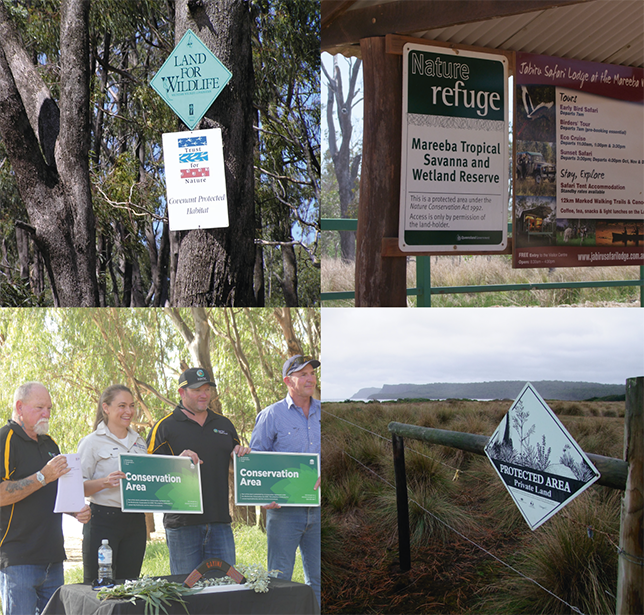
The availability of financial incentives to covenantors is often primarily governments’ responsibility, although philanthropic funds increasingly fill funding gaps. In some jurisdictions, the primary benefit offered is concessional capital gains tax treatment to compensate for the potentially lowered market value of covenanted land. In Canada, as noted earlier, the tax benefits are differentiated depending on whether the covenanted land is certified as ‘ecologically sensitive’. The US uses a similar certification, administered by the Inland Revenue Service, based on the integrity and longevity of the conservation easement. The adequacy of such tax breaks, however, has been questioned. One Canadian study found that some conservation agencies believed tax incentives were still inadequate to encourage uptake of conservation covenants, especially among agricultural producers (Good & Michalsky, Reference Good and Michalsky2008). In Australia, primary producers are often exempt from land taxes, and may benefit from reduced capital gains tax if classified as small businesses, so they may have little to gain financially from covenanting. Yet, relief from municipal levies (Selinske et al., Reference Selinske, Howard, Fitzsimons, Hardy and Knight2022) and ongoing financial payments (Elton & Fitzsimons, Reference Elton and Fitzsimons2023) can help these landowners.
An example of a broader and more tailored package of financial incentives for private land conservation is found in Flanders (Belgium). The support offered for a ‘Type 4’ land management plan (the most ambitious category of conservation) includes various tax exemptions, plus: subsidies to improve visitors’ access to the site, to prepare its management plan, up to 90% of the cost of ad hoc measures aimed at achieving EU’s nature conservation objectives, and 100% of the purchase price of the land to create a nature reserve (Martens & Ventocilla, Reference Martens, Ventocilla and Tucker2023). Interestingly, these tax benefits (inheritance, gift and property tax exemptions) apply only to natural persons, and not to legal persons (e.g. corporate holders of property), which may limit their reach (CONSOLE, 2020).
Conversely, in NZ the income tax system offers no specific rewards for conservation covenantors, and covenanting programmes may expect landholders to contribute financially to some upfront costs and most of the ongoing management costs. Calls to improve private land conservation in NZ have long recommended the need for stronger financial incentives (Clough, Reference Clough2000; Donahue, Reference Donahue2003). A 2017 study found that landowners collectively spent about NZ$25 million of their own money annually to protect natural values on their QEII NT covenants (Scrimgeour, Kumar & Weenink, Reference Selinske2017). There are, however, some occasional, targeted covenanted programmes in NZ that use financial levers to recruit landholders, such as the Forest Heritage Fund (established in 1990) and under the Reserves Act 1977 landholders can receive financial assistance with fencing, surveying and legal costs (Hartley, Reference Heirbaut and Storme1997: 283). More recently, initiatives such as the ‘Jobs for Nature’ scheme (introduced in 2020) have also contributed.
The need for better financial incentives is also a common refrain in many other countries. However, some critics argue that financial incentives are inefficient for encouraging conservation efforts (Hutton & Leader-Williams, Reference Jansen, Reimann and Zimmermann2003) relative to other mechanisms promoting long-term protection (e.g. Schöttker & Santos, Reference Schoukens and van der Burgt2019), and some empirical studies suggest that financial considerations are not always decisive in landholders’ decisions (Cooke & Corbo-Perkins, Reference Cooke and Corbo-Perkins2018; Kemink et al., Reference Kiesecker2023). Rather than using financial incentives as a blanket approach to encouraging covenanting of land, some authors advocate more socio-psychological research to better understand landholders’ motivations and behaviours (Selinske et al., Reference Selinske, Howard, Fitzsimons, Hardy and Knight2022; Yasué & Kirkpatrick, Reference Yasué and Kirkpatrick2020) (Figure 3).
Field days for the community are one means to promote interest in private nature conservation, such as on this Tasmanian Land Conservancy property.
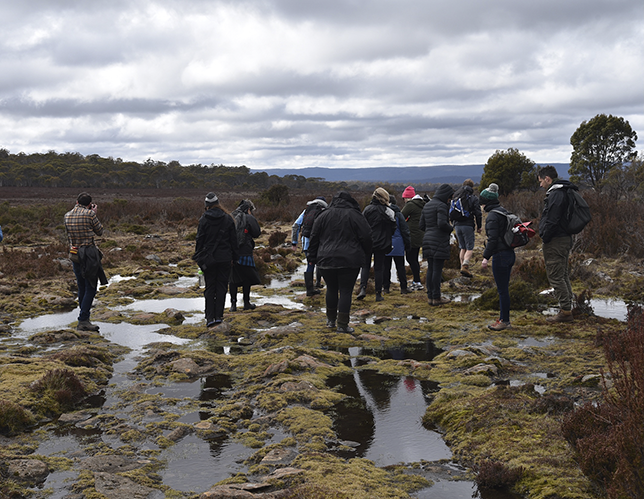
A further consideration is the timing of financial incentives: they can be front-loaded, for recruiting landowners to a covenant or distributed periodically to existing covenantors. Given the growing need for active land management, including for climate adaptation and ecosystem restoration, ongoing financial support is becoming commensurately more important. One jurisdiction taking that approach is Flanders. Here, tax exemptions and subsidies to encourage conservation are distributed according to a tiered system linked to broader EU nature conservation laws, where the greatest level of support attaches to the most environmentally valuable and ambitious commitments, with support continuing indefinitely, such as for management plans and ad hoc conservation interventions. In Australia, some financial incentives to covenantors are ongoing (e.g. concessional land taxes and municipal rates), although the overall financial benefit tends to be modest, and not calibrated to environmental outcomes (Selinske et al., Reference Selinske, Howard, Fitzsimons, Hardy and Knight2022). A notable exception is the Australian state of NSW, where perpetual annual payments are made to landowners for stewardship of high-value conservation covenants (Elton and Fitzsimons, Reference Elton and Fitzsimons2023; Fitzsimons et al., Reference Fitzsimons2025).
Some covenanting landholders also care about community recognition and support, although their availability falls outside the role of the law. Open space covenants in NZ under the QEII NT Act have been very successful for addressing this need. Participating landholders become life members of the QEII NT, are invited to educational events, receive signage to recognise their protected area, are recognised in Open Space (a national magazine about open space covenants), and receive land stewardship advice by Trust representatives. Other intangible benefits include a sense of pride, development of a legacy, and living in accordance with their personal ethics (Selinske et al., Reference Selinske2019). New Zealand’s experience demonstrates how non-financial factors such as ‘social diffusion’ and effective marketing can impact the uptake and success of a covenanting programme (Stern, Reference Stern2006). This aligns with findings in the US that awareness and knowledge of conservation issues have stimulated participation in easements (Kemink et al., Reference Kiesecker2023).
Public access to covenanted lands can also influence the recruitment or retention of landholders, if that right was not previously there (such as under ‘right to roam’ laws in some European countries). ‘Public access’ refers to the right of the general community to access privately owned land, often for limited purposes such as nature hiking, short-term camping or collecting natural products (e.g. berry and flower picking) (Uusivuori, 2016). While public access rights may enhance community benefits, they can be unappealing to private landholders because of loss of privacy and fears around legal liability from injuries to visitors. Public access sometimes may even be contrary to conservation objectives because of the risk of ecological disturbance.
The issue is dealt with legally by a variety of approaches. In NZ, unless the covenant provides to the contrary, the public can freely access covenanted land (QEII NT Act, section 33). In practice, the Trust leaves public access decisions to the landholder’s discretion, and many landholders prohibit it. Some covenants restrict public access generally but grant it to certain nature conservation groups for environmental monitoring. Occasionally, public access is an explicit goal of a covenant: for example, landholders near Queenstown, a mountainous region in the South Island, arranged in 2015 for open space covenants to allow perpetual public access to their property for rock climbing and hiking (QEII National Trust, 2020). Another example is the Millennium Native Forest Reserve, in which a 5-hectare wetland under a covenant established in 2000 in the middle of the town of Masterton is publicly accessible. This has also facilitated local community involvement in the site’s extensive environmental restoration (Stebbing, Reference Stern2023).
In other jurisdictions, public access is uncommon. In Chile, the Derecho Real de Conservación Medioambiental (DRCs) can include rights of public access, but such rights have yet to be commonly incorporated into the agreements (Disselhoff & Kirschey, Reference Disselhoff and Kirschey2018). In Canada and the US, the option to allow public access is generally up to the contracting parties, but it is uncommon (van Sant, Hardy & Nuse, 2021). One US study found many landholders would not accept a covenant if they were obliged to give the public access, owing to concerns that included interference with their land use operations and potential civil liabilities (Miller et al., 2010). In Australia, whilst the terms of covenants do not explicitly grant public access, some covenanted properties of high aesthetic and recreational value are sometimes opened by their owners for community educational events and citizen science projects, as done, for example, in properties managed by the Tasmanian Land Conservancy. Some covenanted lands are also used for tourism operations, such as the Huon Bush Retreats, in Tasmania. Such activities, in turn, can boost the social incentives some landholders seek with covenanting. A similar practice occurs with some Canadian land trusts.
It is difficult to ascertain the extent to which conservation covenants have been amended or revoked in any jurisdiction because instances may not be publicly reported; but a few studies suggest it is uncommon (see Hardy et al., Reference Hardy, Fitzsimons, Bekessy and Gordon2017; Jay, Reference Jay2012). A covenant cannot be amended unless the parties agree or because of a court order on limited grounds. Some landholders may seek amendments to their covenants, their management plans, or ad hoc authorisations from the covenantee, to allow for activities otherwise barred. These commonly include building a structure, such as a house, to construct tracks for vehicles, and sometimes even non-intensive agricultural activities. Where significant natural values are threatened, such requests are more likely to be denied or strictly limited, as discussed further in Section 5.4.
5.2 Managing Climate Change
Conservation covenant mechanisms originated before climate change became a major policy concern. Historically, they arose when policymakers, landholders and other stakeholders assumed that nature conservation could often be achieved through passive protection. The limitations of this stance were questioned several decades ago, however. As one report into NZ’s conservation strategies in the late 1990s observed, with reference to covenants specifically:
a potential weakness of all these programs is that they appear to be designed to have land placed under covenant but provide little incentive, or financial support, to encourage ongoing management of the areas. They perhaps represent an outdated attitude to conservation that ‘locking land away’ is all that is needed. In fact, however, ongoing management to eradicate ferals, weeds, control fires and so on is needed if worthwhile conservation outputs are to be delivered.
A more recent inquiry by Australia’s Productivity Commission into regulation of agricultural landscapes advised:
[w]here native vegetation and biodiversity conservation regulations require landholders to preserve trees or parcels of vegetation, it is not a matter of simply ‘locking up and leaving’ the land – ongoing involvement of the landholder is required.
Recognition of the need for active land management has grown further because of climate change (Brown et al., Reference Brown, Rotman, Powell and Wilhelm Stanis2023; Section 5.3 examines ecosystem restoration and active management). Organisations interested in private land conservation, in the US for instance, have expressed deepening concerns about the risks of climate change and other environmental adversities impacting their work, including from increased droughts, floods, and fires (Owley et al., Reference Hardy, Fitzsimons, Bekessy and Gordon2017). Addressing such risks requires both climate mitigation – relating to reducing greenhouse gas emissions and protecting and restoring carbon sinks – and climate adaptation, which concerns human interventions to enable ecological, social, and economic systems to minimise or avoid harm (IPCC, Reference Jansen, Reimann and Zimmermann2022).
Conservation covenants have potential roles in climate mitigation and adaptation. Covenants can protect valuable carbon sinks such as forests and wetlands. The inclusion of covenanted lands in carbon credit trading schemes, such as in Australia and NZ for some years, and more recently in the EU pursuant to its 2024 Carbon Removals and Carbon Farming Regulation, can offer a valuable financial incentive for landholders to manage their properties that hold carbon sinks (McCormack, McDonald & Brent, Reference McCormack, McDonald and Brent2020). Yet, covenants may also produce perverse outcomes, as land subject to a covenant may not satisfy the necessary ‘additionality’ requirements under some schemes, thereby preventing the generation of carbon credits.
Climate adaptation, by contrast, may require more hands-on effort by landholders. Relevant interventions include creating wildlife movement corridors, and even translocation of species better adapted to climate change into covenanted lands, as well as strengthening works such as livestock-exclusion fences to withstand extreme weather events (Heller & Zavaleta, Reference Hering2009). The efficacy of such measures may depend on scaling them across large areas by working with other covenantors or other landholders, potentially coordinated through a covenanting agency (e.g. Fitzsimons & Wescott, Reference Fitzsimons and Wescott2005). Both mitigation and adaptation actions also require periodic environmental monitoring to assess their efficacy – a further responsibility for covenanting parties to consider and a research priority for privately protected areas (Fitzsimons & Mitchell, Reference Fitzsimons and Mitchell2024). However, because covenants attach only to discrete property titles and do not create legal obligations on neighbouring landowners, legal impediments to landscape-scale climate adaptation may arise without policy levers to facilitate action by other property owners.
Whilst covenant legislation worldwide was generally introduced before climate change became an acute concern, these laws typically have sufficient malleability to promote climate-conscious action where parties are willing and have access to expertise and resources. Conversely, such malleability may also lead to neglect of climate change issues. Reliance on vague, boilerplate duties on landholders regarding active management, such as to use ‘best endeavours’ or ‘as practicable’, risks leaving the parties with too much discretion, potentially resulting in inaction. Yet, evidence is emerging that covenantors are interested in preparing for climate change. A recent, empirical study in NSW, Australia, found that landholders’ experiences of past, extreme weather events, such as floods and forest fires (Figure 4), and their perception of future risks, were associated with greater interest in entering into covenants and implementing adaptation measures (Budhathoki et al., Reference Budhathoki2025).
Aftermath of catastrophic forest fires, Tasmania, which are increasing with climate change.
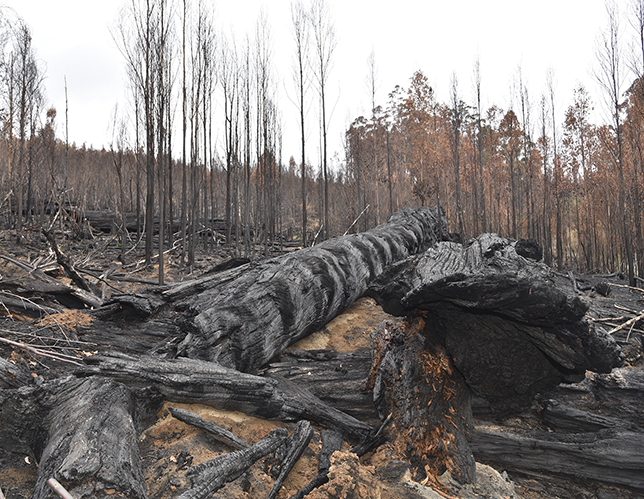
Australian covenants legislation is generally silent on climate change, although some biodiversity laws acknowledge its relevance. The objects of South Australia’s Biodiversity Act 2025, which governs conservation covenants, include promotion of ‘resilience … to the impacts of climate change’ and that regulators’ decisions should have regard to the ‘impacts of climate change’. Likewise, the objectives of NSW’s Biodiversity Conservation Act 2016 refer to ‘support[ing] biodiversity conservation in the context of climate change’, and the Act’s covenanting programme is to be administered to take account of these issues. The NSW Biodiversity Conservation Trust (the covenantee body) has adopted a policy of ‘building resilience of climate change’ and that through private land conservation ‘pathways for the movement of species’ can be created to enhance biodiversity resilience (NSW Biodiversity Conservation Trust, 2022: 4).
New Zealand’s covenanting law and practice have also yet to be modernised to explicitly address climate change, although existing legislative provisions are broad enough to accommodate change-related action. The QEII NT Act 1977 provides that covenanted land must be ‘maintained as open space’ (section 22(4)), a term defined broadly in the Act to mean to ‘preserve or to facilitate the preservation of any landscape of aesthetic, cultural, recreational, scenic, scientific, or social interest or value’ (section 2). As of 2025, the QEII NT’s template covenant document allows for the negotiation of a land management plan, but it is not obligatory, nor are management plans required to consider climate change risks (QEII National Trust, 2024a). However, the QEII NT has advised covenantors that their land may be eligible to generate carbon credits for trading in NZ’s emissions trading scheme, under the Climate Change Response Act 2020, which may thereby promote awareness of using covenanted land in protecting and enhancing carbon sinks (QEII National Trust, 2023).
The QEII NT does not, as of 2025, have any formal policy for managing climate adaptation, although climate impacts are occasionally considered when establishing covenants, particularly in coastal areas vulnerable to cyclones, storm surges, and other events exacerbated by global warming. Cyclone Gabrielle in February 2023 damaged many covenanted properties in northeast NZ, destroying trees and livestock-exclusion fences (McClure, Reference McCormack, McDonald and Brent2023). From our consultations, QEII NT staff advised it would be unreasonable to impose climate adaptation obligations on landowners for events beyond their control. For example, in the aftermath of Cyclone Gabrielle, the QEII NT did not hold covenantors responsible for the destruction of livestock-exclusion fences they were otherwise obliged to maintain. Such situations raise an important and under-explored legal issue: the extent to which covenanting landholders should be expected to repair environmental damage caused by climate change or so-called ‘acts of God’.
Other examples of jurisdictions making tentative, ad hoc progress to address climate change in conservation covenants law include Canada and Chile. In Canada, the provincial legislation governing conservation covenants or easements typically requires, as in the case of Ontario’s Conservation Act 1990, that they be ‘for the conservation, maintenance, restoration or enhancement’ of land or wildlife (section 3(2)). The scope of ‘maintenance’ or ‘enhancement’ of land arguably extends to climate adaptation and mitigation works. Though, so far, climate change is absent from the Ontario Land Trust Alliance’s template conservation easement agreement (Ontario Land Trust Alliance, Reference Örücü and Smits2020).
In Chile, the Framework Law on Climate Change (2022) mandates different levels of government to address adaptation to climate impacts in their planning processes. Although the Law No. 20.930 establishing DRCs does not explicitly refer to climate change, its framework is broad enough to address climate adaptation measures. The law for example allows DRCs to include environmental maintenance, repair, and protection obligations, and parties to a DRC may agree to a management plan for the rational and sustainable use and exploitation of the natural resources of the property. Whilst climate adaptation activities are not yet explicitly mentioned, this provision could support climate-related actions. Already, the conservation group Fundación Tierra Austral reports using DRCs to make the protected landscapes more ‘resilient to the negative impacts of climate change’ (Robinson & Yanez, Reference Root-Bernstein, Carvajal, Ladle and Jaksic2024).
South African environmental law increasingly acknowledges the need for climate action, notably through the country’s Climate Change Act 2024, which obliges the government to develop a national climate adaptation strategy and plan, whose objects are to include ‘an integrated and coordinated approach to the management of adaptation measures … in all spheres of government’ and ‘where relevant it must also include nongovernment organisations, the private sector and local communities’ (section 21(3)(e)). This and other provisions in this ambitious South African legislation give government bodies negotiating conservation servitudes a mandate to address climate adaptation and mitigation. Although the Act has no specific provisions addressing conservation servitudes, its list (in Schedule 2) of national departments deemed to be responsible for fulfilling the Act and its enabling plans include bodies responsible for agriculture, environment, and land reform.
Similar patterns can be found in the US. Most conservation easements were not originally designed to address climate adaptation or mitigation (Owley et al., Reference Owley2017). Rissman and others (Reference Rissman, Owley, Shaw and Thompson2015) found from their sample that 2% of easement documents referenced climate change, while 35% provided for environmental monitoring. More recently, some US land trusts have acknowledged that climate change effects can be accounted for through drafting of conservation easements (Teague, Reference Teague2022). Researchers have proposed integrating climate change into conservation easements’ purposes, providing for environmental monitoring, anticipating ecological changes, and allowing adaptation to changing conditions through mechanisms such as amendment clauses and incorporation of external management standards where relevant to climate-adapted stewardship (Owley et al., Reference Owley2017). While most US states’ laws do not prevent parties from agreeing to positive land management provisions in conservation easements, there are other influences that may discourage them doing so, such insurance liability constraints (Brown et al., Reference Brown, Rotman, Powell and Wilhelm Stanis2023). Still, Owley and others (Reference Owley2017), in a study covering six US states, found that approximately half of the reviewed conservation easements provided for some form of active land management by easement holders. Some conservation easements also include amendment provisions and refer to external land management plans as a guide, both of which may allow the easement to be updated to respond to changing ecological conditions (Rissman et al., Reference Rissman, Owley, Shaw and Thompson2015).
The legality of amending or revoking conservation easements in the US remains complex. Owley and others (Reference Owley2017) found from their sample of 269 properties under easements that about two-thirds of conservation easements have amendment clauses. A few US judicial decisions suggest amendment clauses may be unenforceable (discussed in Teague, Reference Teague2022). Jay (Reference Jay2012: 4) argues that clear and consistent legislative guidance around easement modification and termination is essential for ‘protecting the integrity and perpetual nature of conservation easements’. Termination or revocation of conservation easements may also have adverse tax liabilities given their concessional treatment when set up, which may thus deter later taking action to modify an easement to address climate change issues if that modification would nullify eligibility for the tax concessions. Schwing (Reference Schwing2013) believes that foreseeable impacts like climate change should be considered and included in the drafting of conservation easements. Similarly, in areas commonly affected by particular adversities (e.g. bushfires or floods), these risks should be considered reasonably foreseeable to the parties to the easement, and thus within the scope of the conservation easement. Other authors (e.g. Teague, Reference Teague2022) have proposed extending the US tax benefits to landholders who donate a fixed-term conservation easement that can be negotiated to address new circumstances, such as those related to climate change. This suggestion aims to address the inflexibility from the Inland Revenue Service’s ‘perpetuity’ requirement for accessing tax benefits, which tends to prevent landholders and land trusts from making any amendment that might affect the permanency of the easement.
While laws in the selected jurisdictions often appear to allow for flexibility, explicit provisions considering climate adaptation remain rare. One notable exception is Flanders, Belgium, where its tiered system of land management plans is aligned with the EU’s Natura 2000 objectives, including to maintain and restore wildlife habitat that can incorporate climate adaptation measures (Directorate-General for Environment, 2013). The management plans for conservation easements last for an initial term of twenty-four years, thus providing a legally mandated opportunity to review and revise a management plan to address new environmental exigencies.
Overall, we need much more scholarly research to understand the extent to which conservation covenants can or should manage future climate change impacts. Recent US research indicates that conservation easements continue to prioritise healthy, intact ecosystems rather than degraded lands that could be restored to improve adaptation to climate change (Kolarik et al., Reference Korhonen-Kurki2025). Covenantors, like all landowners, will face increasing challenges from climate change. Many covenants can readily be enrolled in climate mitigation programmes because they protect carbon sinks even though that was not their original, explicit purpose (see also Archibald et al., Reference Archibald2021). To promote more widespread and concerted efforts to address climate adaptation through covenants may require amending legislation to explicitly refer to climate change as a pertinent consideration. It may also require new ways of using covenants to address particularly challenging climate adaptation issues (e.g. sea-level rise and coastal ecosystems: Bell-James et al., Reference Bell-James, Fitzsimons, Gillies, Shumway and Lovelock2022). For existing covenants, it may be difficult to amend them to address climate adaptation unless their parties agree. There are thousands of existing covenants that were developed with different goals in mind, and updating legislation or covenant documents will be insufficient without additional resourcing, land management advice and environmental monitoring. As Earth System Governance recognises, action by private landowners to address climate change must be linked to broader governance reforms at higher decision-making scales.
5.3 Undertaking Ecosystem Restoration
Ecosystem restoration is now gaining unprecedented attention from policymakers and scholars, although law reform has yet to materialise in most countries. The Earth System Governance agenda emphasises ecosystem restoration as a goal that strongly exemplifies the need for multi-party and multi-scale governance of environmental challenges. Dovetailing with the GBF, the UN is promoting ecosystem restoration initiatives under the auspices of its Decade on Ecosystem Restoration 2021-2030 (UN, 2021). International and national interest in this subject began earlier, however (Akhtar-Khavari & Richardson, Reference Akhtar-Khavari and Richardson2019; Richardson, Reference Richardson2016). Since 1988, the Society for Ecological Restoration (SER) has developed a global network of thousands of practitioners to exchange knowledge and design best practice. According to SER, ‘ecosystem restoration’ means to ‘initiate or accelerate ecosystem recovery following damage, degradation or destruction’ with the goal to return the ecosystem ‘to its historic trajectory, not its historic condition’ (Society for Ecological Restoration, 2024).
Traditionally, restoration attracted lawmakers’ attention only in limited, discrete situations, typically to restore terrain disfigured by mining operations or contaminated by industrial waste (Richardson, Reference Richardson2016). Large-scale, ecosystem restoration addressing historic degradation and ongoing losses was largely left to other mechanisms, such as government funding to land care support bodies, such as Australia’s Natural Heritage Trust and successor programmes, and via the philanthropic and community sectors, through projects such as ‘Gondwana Link’ in Australia and the ‘Yellowstone to Yukon’ initiative in North America. More recently, under the aegis of global initiatives such as the UN Decade, some jurisdictions have begun legislating standards and goals. A leading example is the EU’s Nature Restoration Regulation, adopted in 2024, which requires restoration measures to cover at least 20% of the EU’s land and sea areas by 2030, and ultimately all ecosystems in need of restoration by 2050 (Hering et al., Reference Hering2023).
A further driver of ecosystem restoration is managing climate change (von Holle, Yelenik & Gornish, Reference Von Holle, Yelenik and Gornish2020). Restoring forests and grasslands, for instance, can enhance sequestration of carbon, and through the restoration of wildlife habitat, biodiversity may better adapt to climate change. Conversely, researchers caution that ‘the course and success of restoration can itself be impacted by climate change’, such as through increases in drought, fires, floods, invasive species and other vectors of disturbance amplified by the shifting climate (Simonson et al., Reference Smith2021: 301).
Like most environmental law, conservation covenants are governed by laws designed before ecosystem restoration became a national or global priority. Indeed, covenants were generally introduced to protect largely intact natural areas, often leaving degraded environments ineligible or not prioritised by covenanting agencies. One recently enacted law for covenants in Chile explicitly refers to restoration, by allowing landholder agreements to include an ‘obligation to undertake … decontamination [and] repair’ (article 6). Nonetheless, in many other countries, covenants have already started to accommodate restoration purposes despite the absence of an explicit mandate (Figure 5). Statutory provisions to ‘conserve’, ‘enhance’ and like terms are being reinterpreted by covenanting parties to encompass restoration of natural values (Figure 6). However, few covenanting programmes make ecosystem restoration (where needed) an obligation.
Active provision of habitat features diminished due to past land uses can enhance wildlife occurrence and persistence on covenanted land. This includes nest boxes (upper image) and coarse woody debris (lower image) (Fitzsimons & McDonald, Reference Fitzsimons and McDonald2021).

Revegetation of fenced-off covenanted land in Tasmania under restoration.

The most concerted effort to use covenants for restoration has occurred in NZ, under the auspices of the QEII NT. Historically, ecosystem restoration was considered within the scope of its open space covenants but was done only sporadically and altruistically (Donague, Reference Donahue2003; Ewing, Reference Ewing2008). Sometimes, interested landowners were required to first undertake restoration to demonstrate the property’s suitability for a covenant, rather than include restoration obligations within the terms of the covenant itself. A variety of more recent restoration projects have also been initiated within covenants. On the Banks Peninsula, a cluster of landholders with covenants are regenerating their native vegetation, with the covenants allowing the landholders to operate and maintain walking tracks, with the public access fees supporting their restoration works (Rogers & Grinlinton, Reference Root-Bernstein, Carvajal, Ladle and Jaksic2020: 388). Near Christchurch, a large ecosystem restoration project on the covenanted Tussock Hill Farm is underway, relying on community volunteers for tree planting, revegetating native grasslands, and repairing stream flows (QEII National Trust, 2022: 17).
A major new initiative in NZ was launched in 2020 to create a new covenanting arrangement known as a ‘restoration agreement’ (QEII National Trust, 2024c). Enabled by government funding under the ‘Jobs for Nature’ programme, some 200 restoration agreements have since been initiated in which landowners have covenanted with the QEII NT to undertake environmental restoration work according to prescribed standards. Restoration projects commonly target removing weeds and pests, coupled with planting native vegetation. Funding for participating landowners is provided in return for their restoration obligations, and their implementation is closely monitored. Sometimes, however, restoration may, as in the past, still precede covenanting: one example is the Thomsons Catchment Project, initiated in 2022 to reinstate a wetland on private farmland in the Otago region, supported by community volunteers who planted 41,000 seedlings (Radio New Zealand, 2025).
Canada is another jurisdiction promoting ecosystem restoration through covenanting programmes. Provincial legislation governing conservation easements commonly includes terms related to restoration such as ‘enhancement’, alongside ‘conservation’. The Alberta Land Stewardship Act 2009 defines the purpose of such easements as ‘the protection, conservation and enhancement of the environment’ (section 29(1)). Manitoba’s Conservation Agreements Act 1997 specifies in its preamble that ‘conservation agreements [are] for the protection and enhancement of natural ecosystems’. Quebec’s Natural Heritage Conservation Act 2002 declares its objects as including ‘ecological restoration’ (section 1), although the Act’s private land conservation provisions do not explicitly refer to restoration. British Columbia’s Land Titles Act 1996 provides that a conservation covenant may contain provisions for the subject land to be ‘conserved, maintained, enhanced, restored or kept in its natural or existing state’ (section 219(4)(b)). In its conservation easement template, the Ontario Land Trust Alliance restricts using property in a manner that would prevent the restoration or remediation of its conservation values (Attridge & Schmolka, Reference Attridge and Schmolka2020: 11). Reinforcing these directions, the federal government’s ecological gifts programme, which provides tax breaks to certified covenanted properties, advises that land management duties often involve ‘setting up a stewardship program and initiating a monitoring regime’ (Government of Canada, 2024). The extent to which covenanted properties across Canada undertake restoration work is, however, unknown because such data are not systematically collected. But anecdotal evidence suggests restoration is increasing (ACLT, 2023: 7).
Australian law is less explicit in accommodating restoration, although a variety of projects have been initiated. Older covenant legislation generally does not refer to restoration or any related terms. For example, Tasmania’s Nature Conservation Act 2002 specifies that a covenant is for a ‘conservation purpose’, a term defined to include ‘conservation’ and ‘maintenance’ of natural values (section 34(1); Schedule 1, column 3). Yet, this terminology has not necessarily precluded tree planting and other restoration actions (see Figure 6). Slightly more relevant is NSW’s Biodiversity Conservation Act 2016, which specifies that a conservation agreement may include any matter ‘relating to the conservation or enhancement of the land’ (section 5.22(h)), although the Act contains numerous explicit references to ‘restoration’ in other contexts not directly relating to covenants. South Australia’s Biodiversity Act 2025 goes further, including an overarching statutory goal to promote biodiversity restoration, establishment of a Biodiversity Restoration Fund, and acknowledgement that restoration of biodiversity is one of the purposes of biodiversity agreements (as covenants are known there) (sections 7, 36, and 98).
In practice, covenant schemes in Australia are increasingly hosting restoration works. In NSW, they are being used in the government’s Restoring Murray Woodlands Biodiversity and Carbon Tender project, where landowners bid for public funding in exchange for commitments to protect and restore their properties along the Murray River. In Victoria, the ‘BushBank’ scheme provides financial incentives for covenantors to undertake ecosystem restoration projects. In Western Australia, which hosts one of Australia’s largest ecosystem restoration projects, known as ‘Gondwana Link’, covenants are used to protect bush regeneration work to restore habitat connectivity, such as at the Nowanup former sheep-grazing property. However, in agricultural landscapes landholders have tended to prefer short-term contracts over covenants to formalising their restoration commitments (Fitzsimons and Cooke, Reference Fitzsimons and Cooke2021), as seen in the ‘Tasmanian Island Ark’ project restoring a habitat corridor in the Midlands region (Richardson & Davidson, Reference Richardson and Davidson2021) (Figure 6). Some conservation groups may opt to restore degraded areas not under a covenant, but with the option to add a covenant later to protect their efforts (Figure 7).
Properties such as this one in the Daintree Rainforest, Australia, owned by the NGO Rainforest Rescue may be covenanted after the necessary restoration activities have been undertaken and succeeded.
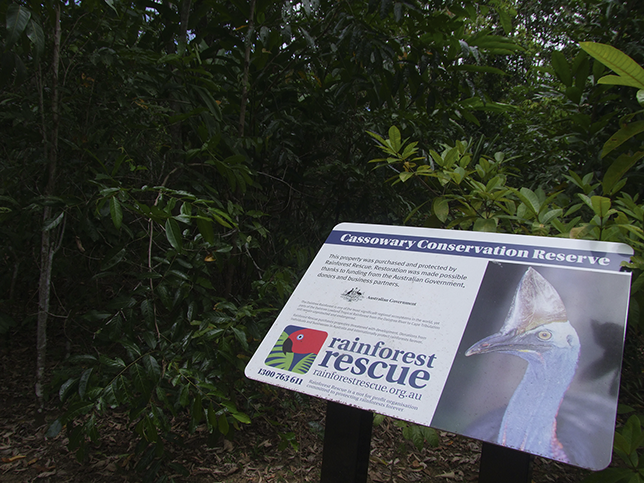
Ecosystem restoration is also becoming integrated into management of numerous conservation easements in the US (Sonnier et al., Reference Stern2018). The Minnesota Land Trust (2024) advises that it cooperates with landowners to ‘craft habitat management plans that guide upkeep of natural areas’ and that such plans may include ‘specific restoration’ recommendations. But rather than impose such obligations on landowners, the Minnesota Land Trust helps landowners to secure grants from state and federal funds. Another example, from the state of Washington, is the Whidbey Camano Land Trust (2024), which undertakes restoration of easement lands. These and other initiatives are enabled by conservation easement legislation that rely on broad eligibility criteria. Under the Uniform Conservation Easement Act 1981, the template for many state laws, a conservation easement is defined broadly for the purpose of: ‘retaining or protecting natural, scenic, or open-space values of real property, assuring its availability for agricultural, forest, recreational, or open-space use, protecting natural resources, maintaining or enhancing air or water quality (Figure 8), or preserving the historical, architectural, archaeological, or cultural aspects of real property’ (section 1(1)). Besides furnishing legislative frameworks, some federal and state authorities are partners in restoration projects on eased lands. One example, launched in 2014, is the US Natural Resource Conservation Service’s Agricultural Conservation Easement Program, which protects and restores wetlands and native grasslands on working farms through easements (Natural Resource Conservation Service, 2025).
Santa Fe Canyon, New Mexico, USA, protected via a conservation easement, and delivering biodiversity conservation and water quality outcomes.
Broadly, the foregoing jurisdictions reflect patterns in other jurisdictions, where existing legislation or administrative guidance either explicitly reference ‘restoration’ or remain silent while allowing covenanting parties to undertake restoration projects voluntarily. For example, South Africa’s Biodiversity Stewardship Guideline, which informs private land conservation measures, defines ‘stewardship’ as including ‘restoration of terrestrial and aquatic ecosystems’ (SANBI, 2018: 16). As elsewhere, the initiation of projects in South Africa ultimately comes down to grassroots’ initiative from landholders and conservation groups. One example is the covenanting and restoration of native vegetation and other wildlife in the Renosterveld of Western Cape, through collaboration of scores of farmers and a regional land trust (Overberg Renosterveld Conservation Trust, Reference Owley2025). Yet, as conservation servitudes in South Africa in theory only accommodate negative obligations on landholders, anyone who wishes to undertake restoration voluntarily will presumably do so for reasons of altruism or external funding.
In Belgium, ecosystem restoration is poised to become more significant following the passage in 2024 of the EU’s pioneering Nature Restoration Regulation. It requires EU member states to prepare by 2026 National Restoration Plans, outlining how the EU law will be implemented domestically. Cliquet et al. (Reference Cliquet, Aragao, Meertens, Schoukens and Decleer2024) note that adoption of the EU law encountered some trenchant opposition from the farming and forestry sectors, and their resistance to additional legal obligations may continue to influence how the EU law is implemented and the extent to which covenants in Belgium, as in other EU jurisdictions, can advance nature restoration targets. Importantly, the new law reform builds on, rather than replaces, existing restoration efforts motivated by financial, legal, or altruistic reasons (Backes, Kreveld & Schouckens, Reference Backes, van Kreveld, Schoukens and Roggema2020).
Overall, covenant programmes are evolving from a traditionally passive conservation model to encompass ecosystem restoration. The management plans attached to covenants provide one mechanism to guide restoration work. Another mechanism is separate agreements between landholders and providers of financial support for restoration projects. However, mandatory restoration obligations remain uncommon, largely because they may impose excessive burdens on landowners without adequate financial and technical support, especially given that covenants are typically a voluntary undertaking. Where the benefit of the covenant is managed by a land trust of similar organisation, with better access to the necessary resources, restoration work may be more prevalent. Legislative reform to promote ecosystem restoration is intensifying, and in turn this should facilitate complementary changes in governance of covenants.
5.4 Complying with Conservation Covenants
The value of covenants is ultimately measured by how well they contribute to nature conservation. For lawyers, however, success is typically assessed more narrowly in terms of how well the parties comply with their covenant obligations. Our study is not designed to empirically assess the overall, actual impact of covenants on nature conservation, although other researchers are making progress in this area (e.g. Archibald et al., Reference Archibald2020; Ivanova & Cook, Reference Jansen, Reimann and Zimmermann2020). Analysis of compliance with covenants is itself challenging without extensive empirical data (Hardy, et al. Reference Hardy, Fitzsimons, Bekessy and Gordon2017), but anecdotal evidence allows for some plausible generalisations.
The maxim that ‘law on the books’ is not necessarily the same as ‘law in practice’ applies strongly to covenants. Moreover, what the law requires can itself be open to interpretation because of its vague terminology and discretionary provisions. Additional considerations include that covenants often arise from voluntary undertakings rather than regulatory compulsion, and that their success depends heavily on maintaining goodwill with landowners (both current and future) and their community peers. Relevantly to that, Earth System Governance research highlights the importance of non-state actors and collaborative relationships in achieving effective governance (Kotze & Rokhyun, Reference Kotze and Rokhyun2019).
Several distinct challenges occur in the supervision of conservation covenants. One is that covenantees, whether private land trusts or public agencies, often have meagre resources to monitor the hundreds or thousands of properties in their portfolios (Fitzsimons & Carr, Reference Fitzsimons and Carr2014). While some properties are inspected annually (as is common among Canadian land trusts) in many other jurisdictions properties are inspected infrequently. Illustratively, in the Australian state of Victoria, conservation covenants are inspected by the covenantee body on average just once every nine years (Trust for Nature (Victoria), 2023). Second, monitoring covenantors who overtly damage protected natural values, such as by felling trees or building structures, is generally easier than supervising their implementation of positive duties, such as controlling pests and weeds. Thus, obligations to ‘maintain’ natural values may be difficult to supervise where landholders have not engaged in clearly harmful conduct. Third, because ownership of covenanted properties can change over time, it can be difficult to determine whether any violation is attributable to the current or a former landowner. Noncompliance may be higher among successor landowners, although this important issue has not yet been systematically researched (Hardy et al., Reference Hardy, Fitzsimons, Bekessy and Gordon2017).
An additional challenge arises from third parties who damage covenanted lands. Unauthorised entry into covenanted properties is a chronic problem in some areas, associated with removal of timber for firewood, campfires, dumping of rubbish, off-road use of vehicles, and even wildlife hunting (Tasmanian Land Conservancy, Reference Teague2014: 38). These threats can be most acute on remote properties without on-site covenantors in residence. Holding third parties legally accountable can be difficult unless they are apprehended in the act, which may leave covenantors at risk of being blamed if there’s no evidence of a third party’s malfeasance. Not uncommonly, covenant legislation lacks provisions dealing with this problem, which is left to be prosecuted under other legislation such as criminal codes governing trespass. Another type of third-party impact is associated with neighbours of covenanted lands whose land use practices, such as grazing livestock, spraying herbicides or disturbing water flows, may be lawful and yet adversely affect covenanted land.
Conversely, landholders may have little recourse against covenantees if they do not provide expected assistance, such as financial or technical aid. Such aid is often couched under the legislation or the covenant agreement as discretionary. In NZ, the standard template for QEII NT covenants provides that ‘the Trust may provide technical advice or assistance to the Covenantor as is appropriate and practical to help meet the purpose and objectives of this deed’ (QEII National Trust, 2019, clause 6.1). Similarly, collateral benefits, such as concessional treatment under land or income tax and municipal rates in many jurisdictions, such as in Australia, Canada, and US, are typically not guaranteed under the terms of the covenant but depend on separate legal and policy mechanisms (Richardson & Brugler, Reference Richardson and Davidson2025; Smith et al., Reference Smith2016). Financial benefits available to covenanting landholders under carbon and biodiversity offset or credit markets, as in NZ, Australia, and South Africa, are likewise governed by separate legislation.
Landholders’ compliance with conservation covenants can be encouraged through many mechanisms, ranging from informal cajolery to formal sanctions. The former can involve education, technical advice, and relationship building (Pendleton, Reference Petit, Campoy, Hevia, Gaymer and Squeo1998). Coercive measures can involve civil penalties (e.g. injunctions) or criminal sanctions (e.g. monetary penalties). Responsive regulation theory, as pioneered by Ayres and Braithwaite (Reference Ayres and Braithwaite1992), suggests these options are interrelated rather than mutually exclusive: a regulator is more likely to induce a desired outcome if enforcement strategies are applied in an escalating manner, increasing in severity in response to the degree that non-compliance persists. The pyramid of sanctions begins with education and persuasion, rising to formal and more intrusive responses to the extent the first-order strategies fail, with criminal prosecution typically a last resort (Ayres & Braithwaite, Reference Ayres and Braithwaite1992). The responsive regulation pyramid has been widely observed across jurisdictions and regulatory contexts (Wood, Reference Wood, Tanner and Richardson2010).
The jurisdictions surveyed in our study suggest responsive regulation is prevalent in covenant relationships. Covenantees tend to rely on cajolery and education than on formal prosecutions or civil actions. That conservation covenants typically arise through voluntary negotiations, where financial compensation or other incentives are not a primary consideration, is likely to influence covenantees’ preference for a collegial approach. This markedly contrasts to enforcement of traditional freehold covenants, which have historically generated significant litigation between parties (Walsh, Reference Walsh2016).
In Australia, conservation covenants have rarely come before courts. Covenant agreements typically provide for disputes to be resolved at first instance through mediation or arbitration, and these mechanisms can be used by landholders in disputes with covenantees. Governing legislation typically furnishes the option to prosecute through civil or criminal proceedings for serious violations by covenantors. NSW’s Biodiversity Conservation Act 2016 authorises the government to seek an order in the Land and Environment Court to remedy or restrain a breach of a conservation covenant (section 13.15(2)). The NSW Biodiversity Conservation Trust also has the option under this legislation (section 5.23) to vary or terminate a covenant if it believes it has become redundant or unsuitable. In Tasmania, whose legislation creates a criminal offence for contravening a covenant (Nature Conservation Act 2002, section 46(1)), there has never been recourse to the courts (Richardson & Brugler, Reference Richardson and Davidson2025). Likewise, there has been negligible litigation reported in Belgium, Chile, and South Africa, where governance of covenants also relies on cooperative approaches.
In NZ, formal enforcement action is more common, though still used as a last resort. The QEII NT covenants commonly grant the Trust a reasonable right of access to subject land to view its condition and monitor compliance (Soho Property & QEII National Trust, 2015). Generally, the QEII NT collaborates with covenantors to address noncompliance, relying on education and persuasion. Occasionally, litigation has occurred to address intransigent behaviour (e.g. Queen Elizabeth the Second National Trust v. Green Growth No 2 Ltd (2016)). Injunctions are sometimes sought to stop environmentally damaging conduct, as done in Queen Elizabeth the Second National Trust v. Netherlands Holdings and Wobben (2014) to halt illegal clearing of protected woodland. Occasionally, litigation has been initiated by a covenantor wishing to amend a covenant to allow for an otherwise prohibited development. In Kaimai Properties Ltd v. Queen Elizabeth the Second National Trust (2024), the court rejected the developer landholder’s proposed expansion of quarrying into protected bushland.
In the US, enforcement patterns differ somewhat, with litigation often focusing on tax treatment or easement interpretation. Some litigation has concerned the availability of tax benefits where the Inland Revenue Service has ruled that the conservation easement is not ‘in perpetuity’ or otherwise eligible (e.g. Valley Park Ranch, LLC v. Commissioner of Internal Revenue (2024); Green Valley Investors, LLC v. Commissioner of Internal Revenue (2022)). Another source of US litigation is successor landowners seeking to amend or overturn an easement to allow for development activity on protected land (Jay & Thompson, Reference Kabii and Horwitz2001). Some of this litigation has centred on the interpretation of clauses in conservation easements where the land use restrictions were ambiguously defined. Land trusts themselves are also occasionally resorting to the courts to protect their easements, and on the whole courts have generally sided with them (Jay & Thompson, Reference Kabii and Horwitz2001: 410). The availability of litigation insurance mechanisms, such as from the Terrafirma Risk Retention Group, has improved land trusts’ capacity to enforce easements (Jay, Reference Jay2021c).
In Canada, litigation has occurred occasionally, although land trusts rely on informal strategies to secure compliance with covenants. A few of the recent, important cases reveal the variety of issues litigated. In Nature Conservancy of Canada v. Waterton Land Trust (2014), the covenantor was unsuccessful in stopping the fencing of its bison ranch in Alberta owing to errors in the drafting of their conservation agreement that dealt with wildlife management fencing. In Burns Bog Conservation Society v. Canada (Attorney-General) et al. (2012), a covenant between two municipalities in British Columbia and the federal government to protect a wetland was found not to constrain the latter from constructing a road through the site, nor was the government under any public trust duty to protect it. In Vida (Re) (2021), the court rejected that a covenant to protect bird habitat had become ‘obsolete’ despite environmental changes in the surrounding area. In Rural Municipality of Calder v. Ducks Unlimited Canada (2024), the Saskatchewan court upheld the latter party’s application to register a covenant to protect a wetland, despite concerns about local flooding impacts on roads.
6 Reforming Conservation Covenants for Earth System Governance
Conservation covenants were developed several decades before the notion of Earth System Governance. Their original purpose included incentivising private landholders to contribute to nature conservation. Lately, the purposes of some conservation covenant programmes have broadened to include ecosystem restoration and, to a lesser extent, climate adaptation and mitigation. In all these roles, covenants have the potential to contribute to Earth System Governance.
As noted in Section 3.1, the concept of Earth System Governance arose early this century (Biermann, Reference Biermann2002), representing an important evolution in scholarly understandings of environmental decision-making. This theoretical paradigm departs from traditional, state-centric systems approaches to environmental law, encompassing multi-disciplinary enquiry and recognising the broader decision-making context of the Anthropocene. It emphasises multi-scale governance from local to global levels, the contributions of both state and non-state actors as agents of governance, the adaptability of governance mechanisms to rapid environmental change, and democratic accountability in decision-making. However, some of the concepts and proposals now evaluated under the rubric of Earth System Governance predate the term itself. Earlier scholarship in environmental law and related disciplines addressed related themes about ‘multi-scale governance’, ‘legal pluralism’, the ‘subsidiarity principle’, ‘global governance’, and the like (Bodansky, Reference 68Bodansky1999; Brown, Reference Brown1996; Sand, Reference Schmidt1991; Wils, Reference Wood, Ivec, Job and Braithwaite1994). Other, new seminal ideas shaping environmental law have arisen in parallel to Earth System Governance thinking, such as ‘rights of nature’, ‘Earth jurisprudence’, and ‘ecological law’ (Anker et al., Reference Anker, Burdon, Garver, Maloney and Sbert2020; Schmidt, Reference Schmidt2022).
How, then, do conservation covenants fit within this agenda? Thus far, the legal literature on conservation covenants has focused overwhelmingly on their operation within individual jurisdictions, with little comparative analysis (see e.g. Korngold, Reference Kotze and Rokhyun2010-11; Račinska & Vahtrus, 2019). Research and guidance on the international scope of privately protected areas, which include conservation covenants, are increasing (Fitzsimons et al., Reference Fitzsimons, Stolton and Rafa2024b; Mitchell et al., Reference Mitchell2018). Some non-law scholars have also evaluated conservation covenants in their global context, although the legal issues have not been their primary focus (Hardy et al., Reference Hardy, Fitzsimons, Bekessy and Gordon2018). Thus, research on conservation covenants has not been strongly aligned with the Earth System Governance agenda and has evolved without reference to the important, global perspectives this paradigm offers.
Following our discussions in Section 5 we suggest that conservation covenants are relevant to several key themes in Earth System Governance, particularly scale, actors, and adaptive governance. Each is briefly unpacked below.
First, the architecture of Earth System Governance is not simply about global-level action; governance at all levels can matter, including local rules and institutions. What’s important is how environmental decision-making functions within larger governance webs. Existing literature highlights the need to identify gaps or weaknesses in this governance landscape, such as linkages between local and global institutions, challenges in translating international norms into local practice, and limited responsiveness of global organisations to local needs. Thus, researchers have highlighted how local action, such as cities addressing climate change, can contribute to solving global problems (Fuhr, Hickman & Kem, Reference Fuhr, Hickman and Kern2018).
The global
 biodiversity protection target, along with international efforts to promote ecosystem restoration, are well suited to an Earth System Governance perspective. This UN-backed framework envisions action to conserve and restore biodiversity not simply through intergovernmental cooperation but at various scales, including legal institutions that function on local scales. Property tenure, for instance, can be considered in this light: at its base, property rights in a covenant govern a discrete, local area, as small as a few hectares, but the legal framework governing conservation covenants is usually created by governments, either at a national level or at a state/provincial level. In turn, such legislation and their accompanying nature conservation policies can act as conduits for global governance, translating international commitments, such as those found in treaties and soft law codes, into local practice. In Australia, illustratively, the objects of the federal government’s Nature Repair Act 2023 explicitly identify ‘meeting Australia’s international obligations in relation to biodiversity’ (section 3(b)), thereby linking this domestic market mechanism for private land conservation to global goals. Likewise, in Flanders (Belgium), the EU’s Natura 2000 framework is closely integrated with conservation easements.
Second, related to scale, Earth System Governance emphasises the plurality of actors, including the vital contributions of non-state actors, involved in environmental governance. While nation-states (including sub-national governments) remain the dominant agent for nature conservation, governments’ commitment to private land conservation through covenanting and other mechanisms reflects an explicit acceptance that non-state actors are crucial partners to safeguarding and restoring biodiversity. With covenants, many non-state actors are involved, including individual landowners, land trusts, Indigenous peoples, and philanthropic investors. The nation-state itself is not homogenous, and our study of covenanting shows different state actors being involved, including state/provincial governments and municipalities. This multi-actor configuration dovetails with Earth System Governance by highlighting how diverse actors contribute varying resources, expertise, and perspectives, ranging from local biodiversity knowledge to global, climate change risks, which through covenants can be governed within specific spatial contexts.
Third, covenants can contribute to adaptive governance. Ostensibly, this may seem improbable, given that conservation covenants are often perpetual and difficult to change without mutual consent, and may incur significant legal and other transaction costs. Yet, covenants have flexibility to respond to new challenges, from ecosystem restoration to climate adaptation. First, the very terminology in covenant agreements is often sufficiently broad to allow the parties to adopt evolving approaches to nature conservation. Second, the management plans associated with covenants can allow for detailed management prescriptions, and these plans are generally easier to update and amend than the underlying covenants themselves. Third, because covenants are typically connected to a wider governance network, including land use planning, carbon/biodiversity credit markets, and tax incentives, so changes in these collateral mechanisms can indirectly influence covenant management without requiring formal amendment of the covenant itself. Illustratively, introduction of carbon credit schemes can motivate eligible landholders to better protect carbon sinks on their properties through a new income stream. Nonetheless, the governance of covenants in some jurisdictions has scope to improve, and this depends not only on formal legal mandates or prescriptions but also on the parties’ motivations and commitment.
Precise legal reforms to conservation covenants cannot be recommended in this study because there are too many variations within each jurisdiction regarding their legal context, property tenure, environmental challenges, and other factors. However, several general insights about potential reforms can be offered. We suggest the following seven key ideas to guide future development of conservation covenant law and practice in alignment with Earth System Governance:
Additionality: Given changes in how environmental problems are increasingly regulated, it is essential that covenants continue to be adopted with an additionality requirement. This means they should facilitate actions to conserve biodiversity that are additional to, going beyond, baseline environmental regulations. Chile’s new law on conservation covenants sets a useful precedent by expressly requiring additionality (Law No. 20930, article 6). Likewise, NZ’s new ‘restoration’ covenants aim to go beyond the status quo. As environmental regulation strengthens, it’s essential that newly adopted or renegotiated covenants deliver outcomes that surpass minimum environmental standards.
Dedicated legal frameworks: Conservation covenants should be overseen by customised legislation (be it stand alone, e.g. in Australia, the Victorian Conservation Trust Act (Vic) or discrete sections within broader environmental legislation, e.g. the Biodiversity Act (SA)), rather than be regulated through miscellaneous regulations designed with other purposes in mind. In South Africa, for example, there is no bespoke legislation for conservation servitudes, which has thus constrained their scope, such as by limiting the mechanism to negative obligations on successor landowners. Many jurisdictions considered in our study also reveal the benefits of having legislation offering clear terminology, meaningful governing principles, and statutory objects, as against just furnishing enabling powers and discretionary terms. Some covenanting laws also focus on prescribing the procedures for the adoption and registration of covenants in land titles systems, rather than promoting their uptake.
Institutional independence and resourcing: Thirdly, there can be advantages when the covenantee is an independent body, operating at arm’s length from the government, in order to minimise conflicts of interest. New Zealand’s QEII NT illustrates this advantage, as do some land trusts in North America. Where covenanting programmes are closely controlled by the government, as in parts of Australia, there has sometimes been insufficient resources allocated to support covenant programmes. However, an independent covenanting body is no assurance of better outcomes if it lacks access to adequate, stable funding, including money outside the public purse-strings, and if it lacks credible enforcement powers.
Integration of climate change: Climate change considerations must be explicitly factored into covenant governance. With climate mitigation, there is considerable scope to harness covenants to protect their carbon sequestration values. With climate adaptation, it’s unrealistic to unilaterally prescribe that individual landholders undertake costly actions of uncertain efficacy to adapt to extreme weather events or other adversities. Yet, covenanted lands can contribute to adaptation strategies within initiatives nested within a wider governance ecosystem that includes regional land use planning and national climate adaptation plans. For instance, covenantors could be funded through updated land management plans to take adaptation measures in vulnerable landscapes, such as coastlines.
Promotion of ecosystem restoration: Progress is underway with ecosystem restoration in some covenanting programmes, but usually where landholders are supported with considerable financial aid and technical advice. Although covenant legislation worldwide typically lacks explicit recognition of restoration, such laws are usually broad enough to support inclusion of restoration in covenant agreements. However, the law should move from merely allowing restoration to encouraging it, where needed. New Zealand’s pioneering introduction of explicit restoration covenants, as a stepping-stone to a permanent covenant, with generous financial and technical aid, suggests a model to follow. Many degraded lands are not usually eligible to be enrolled as conservation covenants, and thus law reform can be useful to broaden eligibility criteria. Bringing together the local community, restoration experts, and other stakeholders can also better support these lands once supported with a covenant arrangement.
Compliance and enforcement: Sixthly, because covenants are usually voluntarily created, through negotiation, and rely on landholders’ goodwill to be properly managed, it is impractical to suggest that compliance with covenants should be managed in the same manner as pollution licences or other environmental ‘command-and-control’ regulations. However, flagrant abuses should not go unaddressed, and covenantee bodies should be prepared to resort to the courts to protect natural values where necessary. Where covenantors receive financial aid tied to ecosystem restoration or other active management prescriptions, regulators could make staggered payments conditional on progress or include provisions to enable the clawback of funds for non-compliance. Conversely, covenantors should have clear rights to ensure that covenants will be supported in the manner agreed. Covenants legislation may need to be reformed from simply stipulating noncompliance penalties and the permissive enforcement powers of covenantees to codifying how disputes will be resolved and when action should be taken when parties breach covenants. The environmental impacts on covenanted lands by third parties, such as neighbours or trespassers, should also be considered by lawmakers.
Strategic integration: Finally, national plans and strategies for private land conservation should clearly outline how covenants should contribute towards national and global biodiversity targets. In countries surveyed in this study, such as Australia and South Africa, there have been a plethora of national initiatives extolling the value of private initiative in nature conservation. However, greater action is needed. National and subnational governments should support private land conservation through concrete measures, such as through creation of carbon and biodiversity credit schemes, national climate adaptation plans, better tax incentives, and other measures. Assisting private land trusts, who are often responsible for oversight and governance of covenants in some jurisdictions, may also help, such as resourcing them to report into national plans, strategies, and data collection.
The foregoing ideas are tendered provisionally and contingently, as one principal finding of this study is gaps in knowledge of how covenants are performing. We need more empirical research into the implementation and efficacy of conservation covenants, so that any future legal and policy reforms reflect robust evidence about what succeeds or not.
7 Conclusions
Conservation covenants are increasingly popular with landholders worldwide, yet their legal characteristics and efficacy vary. In terms of design, for example, NZ’s ‘open space covenants’ are governed by a broadly framed statement of purpose, whereas the US’s Uniform Conservation Easement Act enunciates more specific purposes for conservation easements. There is similarly much international variation in their administration and enforcement, ranging from the stringent prescriptions in Flanders (Belgium), where management plans play a central role in covenants, to the more flexible approach in South Africa, where conservation servitudes are more akin to private agreements.
Although the uptake of covenants is increasing rapidly, we should not be complacent about their potential to support global biodiversity goals. Our study suggests a range of constraints and challenges, along with opportunities. Conservation covenants emerged from a tradition of passive land conservation, primarily aimed to secure areas of existing high conservation value. The first generation of law reforms for covenants were introduced many decades ago, when there was limited strategic direction to align private land conservation with national, let alone global, policy goals. That approach is increasingly unsuitable in the context of Earth System Governance, particularly given the ambitious targets of the GBF, which prioritises ecosystem restoration and adaptation to climate change, in addition to protection. Governments cannot be entirely responsible for all the necessary growth in protected areas to meet the
 targets, nor the restoration of existing degraded areas, especially given the extent of terrestrial areas under private ownership or management.
Conservation covenants offer the strongest, long-term protection for biodiversity values on private property. However, that strength can also be a weakness, as landholders may be reluctant to commit to indefinite legal obligations and ongoing management costs. Even highly altruistic, conservation-motivated landholders may be deterred by the paucity of financial support, particularly where they are expected to actively manage their properties, such as for ecosystem restoration.
A second key issue is that conservation covenants are sometimes poorly integrated with their broader network of environmental governance. Effective Earth System Governance depends on coordination across legal and policy instruments, yet covenants are often not explicitly connected to other mechanisms, such as regional land use plans, carbon trading schemes, or tax incentives for nature conservation. These complementary legal mechanisms, which can be invaluable for private land conservation, frequently operate in isolation from covenant regimes.
A third key consideration is compliance and enforcement. Because most conservation covenants arise from voluntary agreements, their effectiveness depends significantly on landholder goodwill. While this approach can often be feasible for first-generation covenantors, who established the covenant, it is less assured for successor landowners. Outside of North America and NZ, there has been negligible recourse to the courts to enforce conservation covenants. In addition, in some jurisdictions, monitoring of covenanted lands is infrequent, limiting understanding of their long-term conservation outcomes and making non-compliance difficult to detect.
Despite these challenges, our study reveals the important role of dedicated conservation covenants in several jurisdictions. They may be nationally organised, such as NZ’s QEII NT, which is relatively well-resourced, has considerable experience and highly dedicated staff. Some bodies in larger countries are regionally organised, such as the Ontario Land Conservation Trust and Victoria’s Trust for Nature. And at the smaller scale, there are local land trusts. These bodies may offer valuable technical assistance to covenantors, facilitate knowledge exchange, and foster networks among landowners through activities such as community forums, field tours, and educational programmes.
Finally, our study has encouragingly found many recent law reforms for covenants. Chile legislated a landmark reform in 2016, whilst the Australian state of NSW modernised its covenants legislation in 2016, and NZ in 2021 introduced a covenant mechanism specifically for ecosystem restoration. Flanders (Belgium) has also overhauled its governance of conservation easements in the last decade. Beyond the jurisdictions examined in our study, law reform bodies elsewhere, such as in England and Wales, have also pioneered change (United Kingdom, Law Commission, 2014). As reform gathers momentum, we hope that our study can help legislators, policymakers, landholders, and other stakeholders develop more effective models for conservation covenants that enable this local instrument to support global biodiversity goals and promote the broader objectives of Earth System Governance.
Abbreviations
- ACLT
Alliance of Canadian Land Trusts
- APEEL
Australian Panel of Experts on Environmental Law
- DAWE
Department of Agriculture, Water and the Environment.
- DCCEEW
Department of Climate Change, Energy, the Environment and Water
- DRC
Derecho Real de Conservación Medioambiental
- EPBC Act
Environment Protection and Biodiversity Conservation Act
- EU
European Union
- FAO
Food and Agricultural Organization of the United Nations
- GBF
Global Biodiversity Framework
- IPCC
Intergovernmental Panel on Climate Change
- IUCN
International Union for Conservation of Nature
- NGO
Nongovernment organisation
- NSW
New South Wales
- NZ
New Zealand
- OECD
Organisation for Economic Cooperation and Development
- PPA
Privately protected area
- QEII NT
Queen Elizabeth the Second National Trust
- SANBI
South African National Biodiversity Institute
- SER
Society for Ecological Restoration
- UN
United Nations
- UNEP
United Nations Environment Programme
- UNEP-WCMC
United Nations Environment Programme – World Conservation Monitoring Centre
- US
United States of America
Acknowledgements
This publication was supported by the Australian Research Council’s ‘Discovery’ grant, DP240100719. See: www.utas.edu.au/research/projects/conservation-covenants-for-ecosystem-restorationand-climate-adaptation. McCormack was also funded under an Australian Research Council DECRA Project, DE250101463. We thank experts we consulted in Belgium,Canada, New Zealand, and South Africa, and the reviewer and editor for their helpful feedback on an earlier draft. The authors would also like to acknowledge the Aboriginal and Torres Strait Islander peoples, as the traditional custodians of the lands on which we live and work in Australia, and where the book was written. We acknowledge Aboriginal and Torres Strait Islander peoples continuing connection to and care for, Country.
Benjamin J. Richardson is a professor of environmental law at the University of Tasmania, and previously worked in universities in Canada, England, the Netherlands, and New Zealand. His research collaborations include the Australian Panel of Experts on Environmental Law, and currently a project on conservation covenants funded by the Australian Research Council (Project DP240100719).
Dominic Bilton was a research assistant at the Queensland University of Technology, and completed an initial international conservation covenants law survey. Recently, Dominic interned with the International Coalition to Ban Uranium Weapons (Berlin), and was previously a commercial litigator and Associate to a member of the Land Court of Queensland.
Afshin Akhtar-Khavari is a specialist in ecosystem restoration and biodiversity conservation law and has widely published and provided legal advice on restoration-related legal issues. He is the head of School of Law and Social Sciences, at the University of the South Pacific, and on leave from the Queensland University of Technology.
Sarah Brugler holds teaching and research appointments at the Faculty of Law, Monash University, and the School of Law, University of Tasmania. She is a board member of the National Environmental Law Association. Sarah previously served as a legal counsel at Trust for Nature (Victoria), the state’s dedicated private land conservation organisation.
James A. Fitzsimons is senior advisor, global protection strategies at The Nature Conservancy, where he advances policy and implementation of the global 30 × 30 protection target. He’s an adjunct professor at Deakin University and the University of Tasmania, co-chair of the IUCN-WCPA Privately Protected Area Specialist Group, a member of the Nature Repair Committee, and councillor at the Biodiversity Council.
Phillipa C. McCormack is an associate professor at the Adelaide Law School, Adelaide University. Her research focuses on legal frameworks for biodiversity conservation, climate adaptation, and disaster mitigation. Her work is funded by a prestigious Australian Research Council fellowship (Project DE250101463).
Frank Biermann
Utrecht University
Frank Biermann is Research Professor of Global Sustainability Governance with the Copernicus Institute of Sustainable Development, Utrecht University, the Netherlands. He is the founding Chair of the Earth System Governance Project, a global transdisciplinary research network launched in 2009; and Editor-in-Chief of the new peer-reviewed journal Earth System Governance (Elsevier). In April 2018, he won a European Research Council Advanced Grant for a research program on the steering effects of the Sustainable Development Goals.
Aarti Gupta
Wageningen University
Aarti Gupta is Professor of Global Environmental Governance at Wageningen University, The Netherlands. She is Lead Faculty and a member of the Scientific Steering Committee of the Earth System Governance (ESG) Project and a Coordinating Lead Author of its 2018 Science and Implementation Plan. She is also principal investigator of the Dutch Research Council-funded TRANSGOV project on the Transformative Potential of Transparency in Climate Governance. She holds a PhD from Yale University in environmental studies.
Michael Mason
London School of Economics and Political Science (LSE)
Michael Mason is Associate Professor in the Department of Geography and Environment at the London School of Economics and Political Science (LSE). At LSE he is also Director of the Middle East Centre and an Associate of the Grantham Institute on Climate Change and the Environment. Alongside his academic research on environmental politics and governance, he has advised various governments and international organisations on environmental policy issues, including the European Commission, ICRC, NATO, the UK Government (FCDO), and UNDP.
About the Series
Linked with the Earth System Governance Project, this exciting new series will provide concise but authoritative studies of the governance of complex socio-ecological systems, written by world-leading scholars. Highly interdisciplinary in scope, the series will address governance processes and institutions at all levels of decision-making, from local to global, within a planetary perspective that seeks to align current institutions and governance systems with the fundamental 21st Century challenges of global environmental change and earth system transformations.
Elements in this series will present cutting edge scientific research, while also seeking to contribute innovative transformative ideas towards better governance. A key aim of the series is to present policy-relevant research that is of interest to both academics and policy-makers working on earth system governance.
More information about the Earth System Governance project can be found at: www.earthsystemgovernance.org.
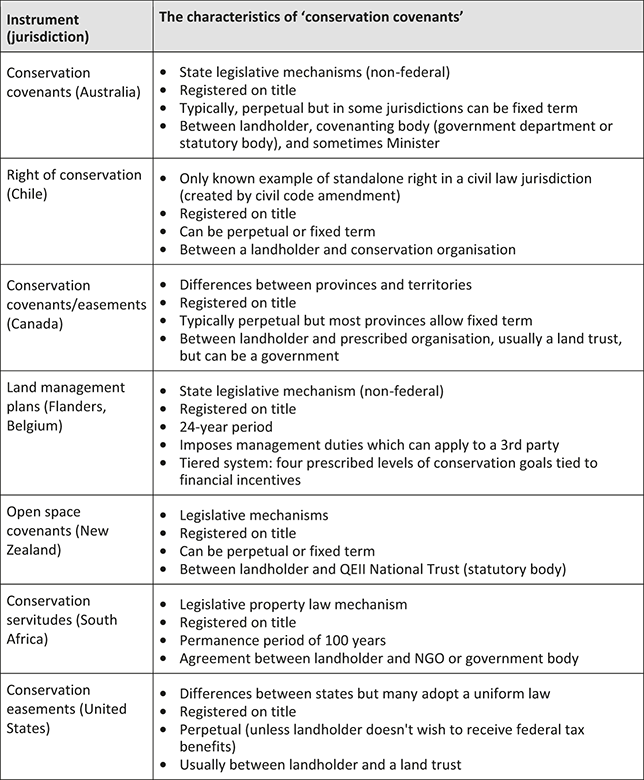
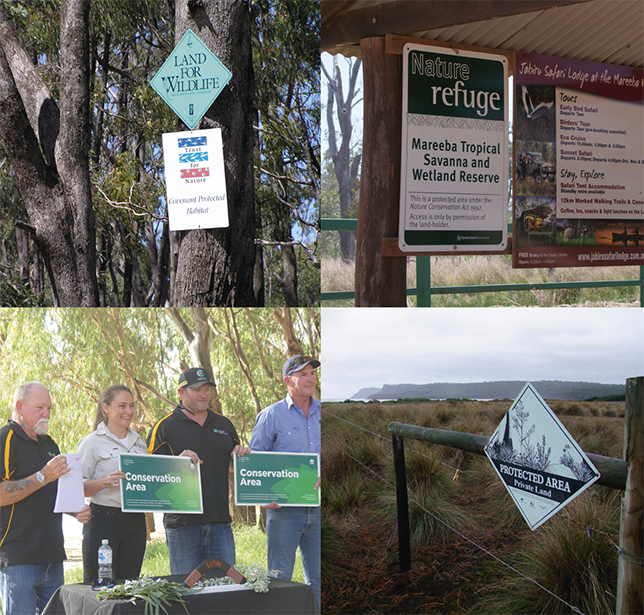
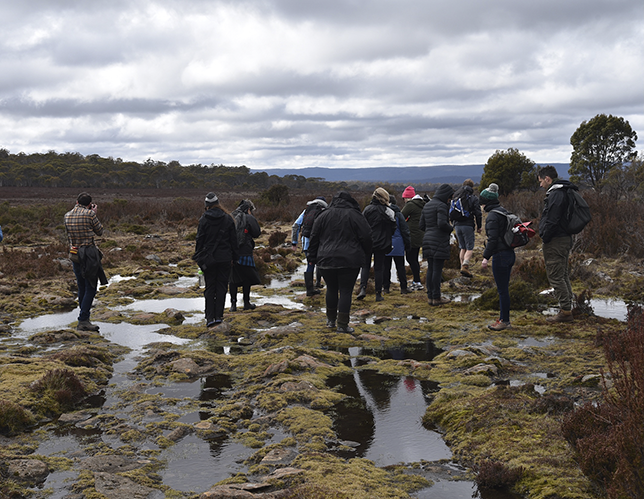
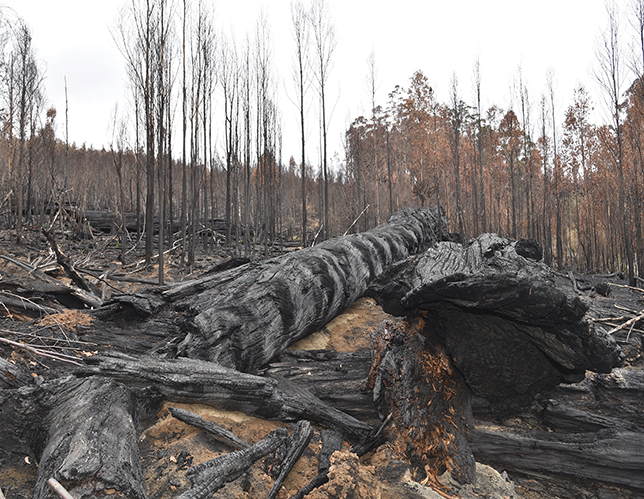


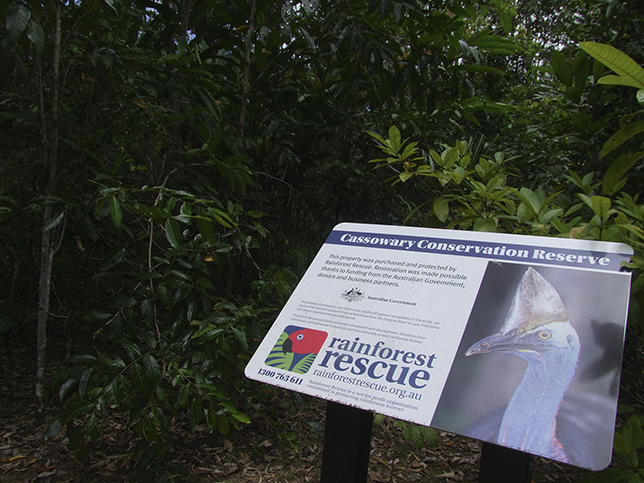
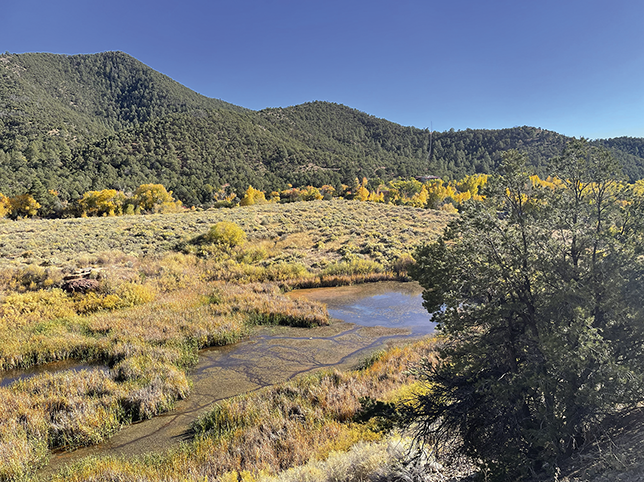

 Open access