




1. Introduction
Ordinary language is rich with meaning and possibility. In fact, language is so rich as to be ungainly. To study strategic communication profitably, game-theoretic models typically abstract away from this richness, studying incentives over much more limited message spaces. As in many other areas, laboratory experiments based on cheap talk sender-receiver games have generally followed the strategic model. Rather than offer opportunities for subjects to communicate with the full richness of any language they might have in common, most lab experiments instead offer message spaces limited to literal translations of whatever information is hidden, typically the numeric value of the state variable. For example, the experimental setup from Cai & Wang Reference Cai and Tao-Yi Wang(2006) includes five possible values for the hidden state, and five, similarly labeled values for messages. Similarly, Minozzi & Woon Reference Minozzi and Woon(2016) present senders with a number line that simultaneously illustrates the hidden state, the preference divergence between players, and all possible messages. The implicit assumption is that there are no material or inferential consequences of flattening ordinary language down to its game-relevant numeric content.
Yet, it remains unclear whether such limited message spaces suffice in experimental settings. Consider overcommunication. Over the last 25 years, evidence from experimental cheap talk games has yielded two stylized facts (Blume et al., Reference Blume, Lai and Lim2020). First, there is support for the key comparative statics prediction from theoretical sender-receiver games (Crawford & Sobel, Reference Crawford and Sobel1982). As the preferences of senders and receivers diverge, less information is transmitted by experimental subjects (Dickhaut et al., Reference Dickhaut, McCabe and Mukherji1995). Second, there is little to no support for the main theoretical prediction, that messages and actions correspond to a partially informative equilibrium in which there is a partition of the state space. Instead, senders appear to overcommunicate and naïvely exaggerate, simply adding an amount to the hidden state in a strategically unstable way. This instability leaves receivers with the capacity to infer more about the hidden state than predicted by equilibrium (Blume et al., Reference Blume, Douglas, Kim and Geoffrey2001; Cai & Wang, Reference Cai and Tao-Yi Wang2006; Kawagoe & Takizawa, Reference Kawagoe and Takizawa2009; Minozzi & Woon, Reference Minozzi and Woon2016; Wang et al., Reference Wang, Spezio and Camerer2010). If generalizable,the second of these regularities casts doubt on the inferences warranted by the first. On the one hand, while the evidence for the comparative statics prediction is robust, it is also consistent with behavioral rules beyond optimization and equilibrium. On the other hand, the evidence for overcommunication and naïve exaggeration may itself be an artifact of the lab, including choices about how subjects communicate.
Does overcommunication generalize, or does it depend on the common elements used in most laboratory experiments? Most sender-receiver experiments bind the message space to the state space. This technology may artificially encourage subjects to exaggerate and thus overcommunicate. Specifically, numeric messages may make it more difficult to send the partially informative messages predicted by Crawford and Sobel (CS). CS’s equilibria require messages that partition the state space, offering only the information that the state lies in one of the partition’s subsets. The problem is that asking subjects to provide particular numbers means asking for precision. For subjects to use partition equilibria, they would either have to randomize over points, which is cumbersome, or coordinate on any one of many different equilibria in message meanings, which is difficult. Thus, many subjects might instead employ simpler, albeit unstable strategies in the lab—even though they could have easily offered partially informative messages if allowed access to a richer language.Footnote 1 If this account is correct, the evidence for the second regularity from cheap-talk experiments would not be robust. Similarly, if the comparative statics prediction remained, the result would be stronger evidence for the predictions of equilibrium analysis. And both would be artifactual, depending on the limited language used in cheap talk experiments.
In this paper, we experimentally manipulate the available communication technology to probe the generalizability of overcommunication and naïve exaggeration, exploring the consequences of allowing senders to communicate via natural language, without any encouragement to use text-based messages artificially lashed to the state space. Specifically, we conduct an experiment to explore whether play in sender-receiver games changes with the set of possible messages. In one of our conditions, senders select messages from the set of possible values of the hidden state information. In the other condition, we enrich this set of messages by providing senders with an open text box.Footnote 2 The latter is an enrichment because senders could choose to type messages such as, “Your hidden number is 12.” For each condition, we also have subjects play multiple rounds of the game under two regimes: one in which there is an informative partition equilibrium, and another in which the only equilibrium is babbling.
Our main goal was to test the hypothesis that overcommunication, operationalized as the difference between equilibrium predictions about receivers’ actions and observed behavior, is caused by the use of numeric messages. Our expectation is that such overcommunication would either be limited to the numeric condition or, more weakly, would be greater in the numeric condition than in the text condition.
We ultimately produce several findings. First, in contrast to our main expectation, we continue to observe evidence of overcommunication even in the text condition, mitigating concerns about the artificiality of previous experiments. Second, we continue to observe evidence of the comparative statics prediction even in the case of text messaging. The combination of these two findings at once eases concerns about the generalizability of the overcommunication finding, but also further problematizes the inference from the comparative statics prediction to claims based on equilibrium analysis. Third, we show that natural language increases payoffs and efficiency, although most of these benefits accrue to senders, not receivers. Fourth, we go on to identify how and when senders use particular messaging tactics with their capacity to use text, particularly focusing on their use of informativeness, normative concerns like honesty and fairness, and which quantities are mentioned. Finally, we connect these two measures, showing that senders and receivers benefited differently from different messaging tactics, and that many of the increases in efficiency were split between the two.
2. Design
Our study builds on the experimental cheap talk setup used by Minozzi & Woon (Reference Minozzi and Woon2013, Reference Minozzi and Woon2016, Reference Minozzi and Woon2019, Reference Minozzi and Woon2020). Similar to Crawford & Sobel Reference Crawford and Sobel(1982), there is an unobserved state of the world, which we call the Target, t, an integer randomly selected from −100 to 100. The first player S (Sender) observes the Target, and then sends a Message to the second player R (Receiver). We experimentally manipulate the set of messages available to S. R does not learn the Target directly but observes the Message and then chooses an Action, a. Like the Target, the Action is an integer from −100 to 100.
As in Crawford & Sobel Reference Crawford and Sobel(1982), the sender and receiver have partially overlapping incentives. The degree of overlap is inversely related to the Shift, s, which measures the preference divergence between the players. All players in our experiment participated in 30 rounds of the game, separated into two sets of 15 rounds, one in which s was 80 (High Shift) and another in which s was 40 (Low Shift). Payoffs were denominated in points: given values of  $t,s,$ and a, R earns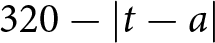 $320 - |t - a|$ points and S earns $320 - |t + s - a|$ points.
In theory, both Shift values include the possibility for uninformative babbling equilibria. But this is the only equilibrium outcome for the High Shift case. While many messages would be consistent with such equilibria, all of them require R to choose a = 0, the ex ante expected value of the Target. For the Low Shift case, there is also an informative, partition equilibrium. Here, S would use the cutpoint −80 to send two sorts of messages: one indicating target values below the cutpoint, and another indicating targets above the cutpoint. In turn, R would choose a Low Action equal to −90 when the Target is below the cutpoint, and a High Action equal to 10 otherwise.
Our experiment includes two conditions: Numeric and Text. Each session was assigned to one condition, and each subject participated in one session. In each session, subjects were randomly assigned to a fixed role, either R (receiver) or S (sender). They then played 30 rounds of a sender-receiver game, first playing 15 rounds with the High Shift and then 15 more rounds with the Low Shift. In each round, subjects were randomly matched into pairs. The sender is shown the Target, a random integer from −100 to 100, and selects a message. In the Numeric condition, senders could select a number from the Target space using a slider. In the Text condition, senders entered messages in an open text field. After each round, subjects were shown all results from that round for their pair.
In October 2017, we recruited 74 subjects through the Pittsburgh Experimental Economics Laboratory’s database. Most subjects were undergraduates at the University of Pittsburgh. Our experiment was conducted using z-Tree (Fischbacher, Reference Fischbacher2007). Each session lasted under 2 hours. At the end of a session, one round was randomly selected to calculate payoffs. Points from that round were converted to cash at the rate of  $ \$1$ per 20 points. Sessions lasted under 2 hours. Payments ranged between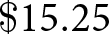 $ \$15.25$ and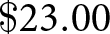 $ \$ 23.00$, averaging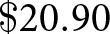 $ \$20.90$, including a $ \$7$ show-up fee. Table 1 presents details by session.
Session details
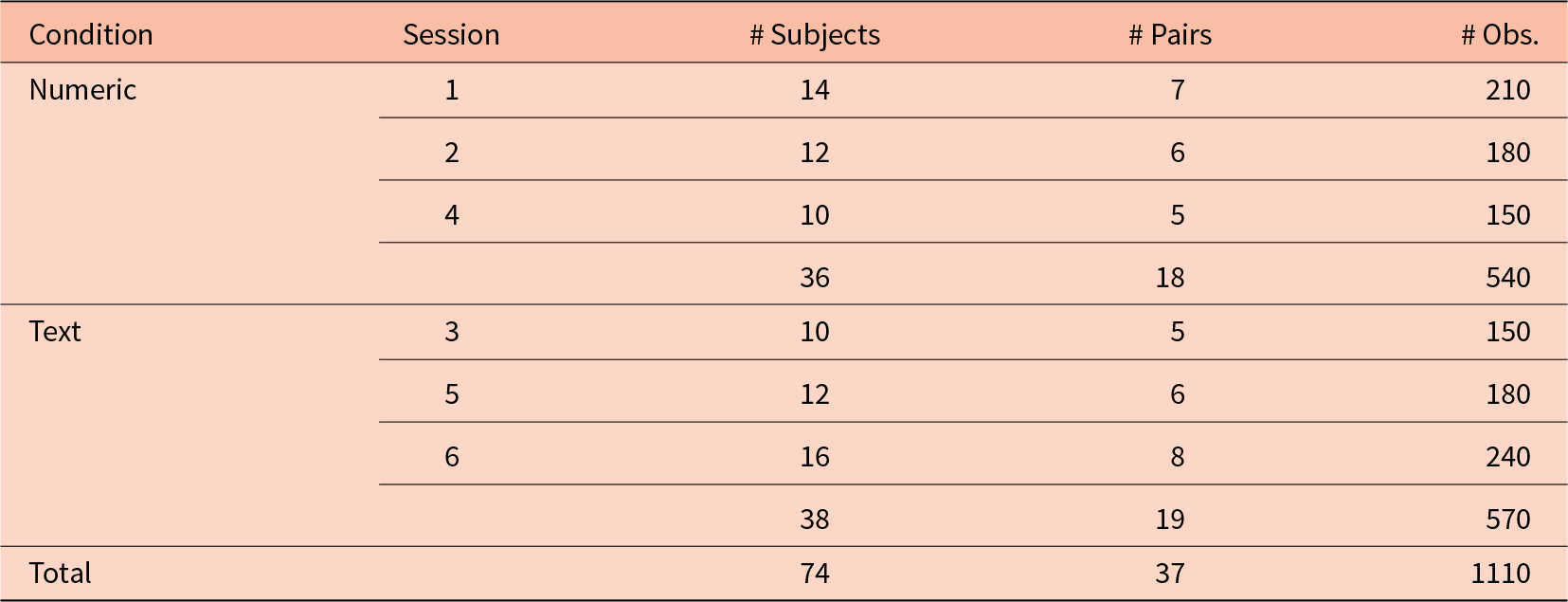
Note: Pairs were randomly assigned every round. An observation is a single interaction. There were 30 observations per pair.
3. Results
We first focus on evidence of overcommunication in each condition. Overcommunication is typically measured with the correlation between senders’ messages and the hidden state information. However, many senders chose not to send messages including numbers, and so message behavior is difficult to compare across conditions with this measure. Therefore, we focus instead on the relationship between receivers’ actions.
We begin with a simple comparison of the Target and Action in each condition. Recall that we expected the Text condition to result in less overcommunication, which would manifest here in a lower correlation coefficient relative to the Numeric condition. Instead, we see the opposite. Figure 1 presents scatterplots and linear regressions of Target and Action in each condition, and it is clear that the relationship between the two is stronger with Text rather than Numeric messages. Similarly, the Pearson correlation coefficient between Target and Action is 0.64 ( $95\%$ interval =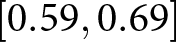 $[0.59, 0.69]$) in the Text condition but only 0.47 ( $95\%$ interval =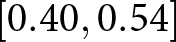 $[0.40, 0.54]$) in the Numeric condition, and the mean absolute difference between Target and Action is 39.0 ( $95\%$ interval =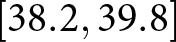 $[38.2, 39.8]$) in Text vs. 43.6 ( $95\%$ interval =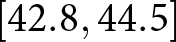 $[42.8, 44.5]$) in Numeric. Because of non-independence across observations, we eschew straightforward tests of the differences between these statistics by condition, but the initial evidence directly contradicts our expectation and suggests that overcommunication is not due artificially to numeric messages. If anything, numeric messages may lead us to underestimate the potential scope of overcommunication.
The figure displays scatterplots of Target and Action in each experimental condition, along with regression lines. Against expectations, the relationship between the two is more informative with Text rather than Numeric messages

We more carefully probe for differences in overcommunication by using regression to examine the extent to which receivers exhibited equilibrium-like behavior across conditions. Specifically, we compare the negative distance between the Actions expected in equilibrium and those selected by receivers. In the High Shift case, the only equilibrium is babbling, and so the unique equilibrium action is 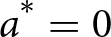 $a^*=0$. In the Low Shift case, the most informative equilibrium is a two-partition of the target space, with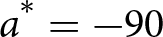 $a^*=-90$ for target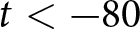 $t \lt -80$ and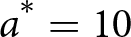 $a^*=10$ for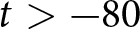 $t \gt -80$. In both cases, we regress the negative distance between $a^*$ and the Actions actually chosen. Observations are not independent because they are derived from a limited number of participants, and so we address this non-exchangeability using multilevel models, in keeping with related previous work (e.g., Minozzi & Woon, Reference Minozzi and Woon2013, Reference Minozzi and Woon2016, Reference Minozzi and Woon2019, Reference Minozzi and Woon2020). The multilevel models we estimate include random intercepts at the session, period, sender, and receiver levels, thus adjusting for average levels of Target-Action proximity within each group at each level.
Table 2 presents the results of these regressions. If the Text condition had moved behavior closer to equilibrium, we would have seen positive and significant coefficients. Instead, both estimates are negative; in the High Shift case, significantly so. Thus, rather than moving play closer to equilibrium predictions, the Text condition seems to have widened the gap between theory and evidence.
Text increases distance from equilibrium predictions
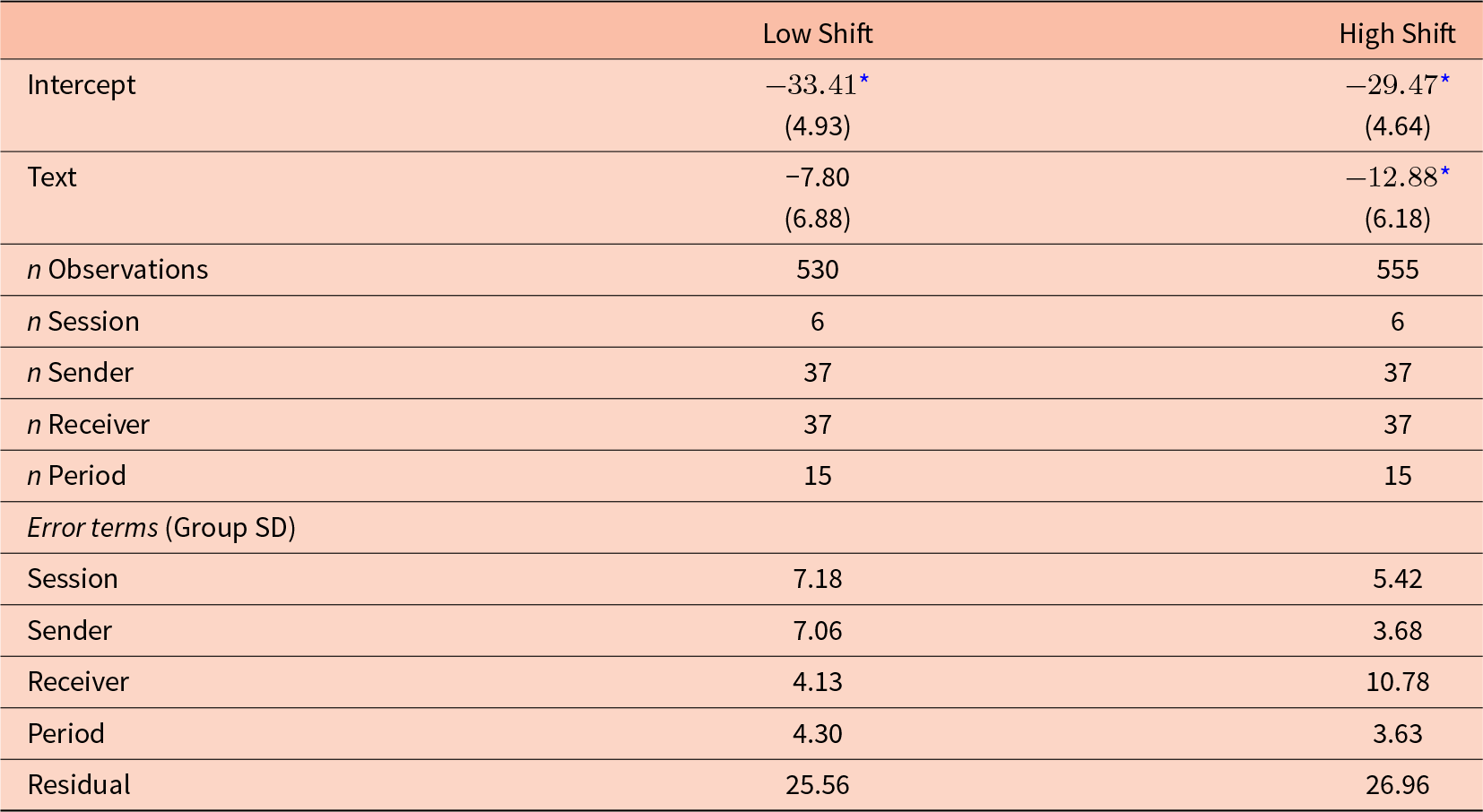
Note: The table presents mixed effects linear models of the negative distance between equilibrium predictions for actions and those actually selected by subjects. The models include random intercepts for session, period, sender, and receiver.
* Zero is not included in the  $95\%$ interval.
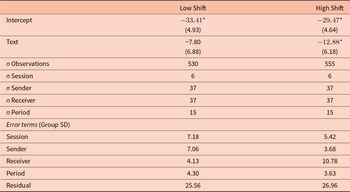
Next, we verify that the comparative statics prediction—decreasing the divergence between preferences of senders and receivers should increase informativeness—persists with Text communication. Again, message behavior is difficult to compare across conditions because many senders chose not to send messages including numbers. Therefore, we focus on Actions. To test the comparative statics prediction, we regress the negative distance between Target and Action on a dummy for Low Shift, separately by treatment condition. We present results from mixed effects linear models, which include random intercepts at the session-, sender-, receiver-, and period-levels, to account for the panel structure of the data.
Table 3 presents the results. In both cases, the comparative statics prediction is consistent with positive coefficients on Low Shift. Indeed, that is what we find. Regardless of condition, the effect of Low Shift appears to be to increase the proximity of Targets and Actions, as expected.Footnote 3 If anything, it appears that this effect may have been increased by the Text condition.Footnote 4
Evidence for the comparative statics prediction persists
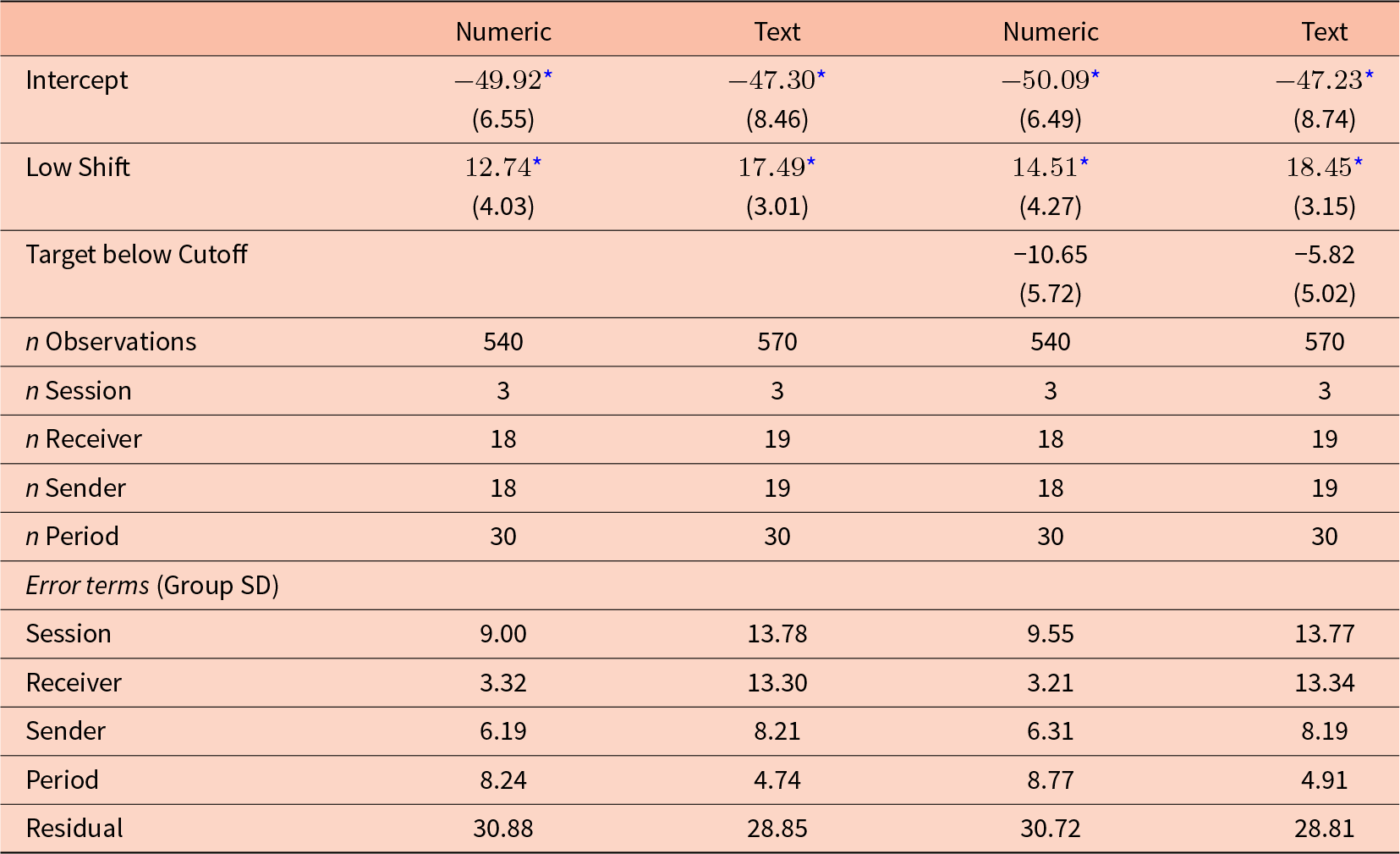
Note: The table presents mixed effects linear models of the negative distance between targets and actions. The models includes random intercepts for session, period, sender, and receiver.
* Zero is not included in the  $95\%$ interval.
Based on these results, we conclude that the number line technology has not artificially caused overcommunication or naïve exaggeration to occur in the lab. If anything, it appears instead that the numeric communication technology may have inhibited overcommunication, even more than has been previously documented.
4. Text messages increased payoffs & efficiency
Given that Text caused improvements in informativeness, a reasonable first question is who benefited: senders or receivers? To investigate this, we estimated mixed effects regressions of senders’ payoffs and receivers’ payoffs on Text, Low Shift, and their interaction. All observations are used in both cases.
The first two columns of Table 4 present the resulting models of payoffs. It appears that senders benefited more than receivers from the ability to send text-based messages. On average, players earned about  $ \$0.50$ ( $95\%$ interval = $[\$0.11, \$0.93]$) more in Text than Numeric. But most of that difference appears for senders in the High Shift case, when the only equilibrium is babbling. There is a smaller, weakly positive effect for both senders and receivers in the Text condition with the Low Shift, but these do not reach statistical significance.Footnote 5
Payoffs depend on communication technology
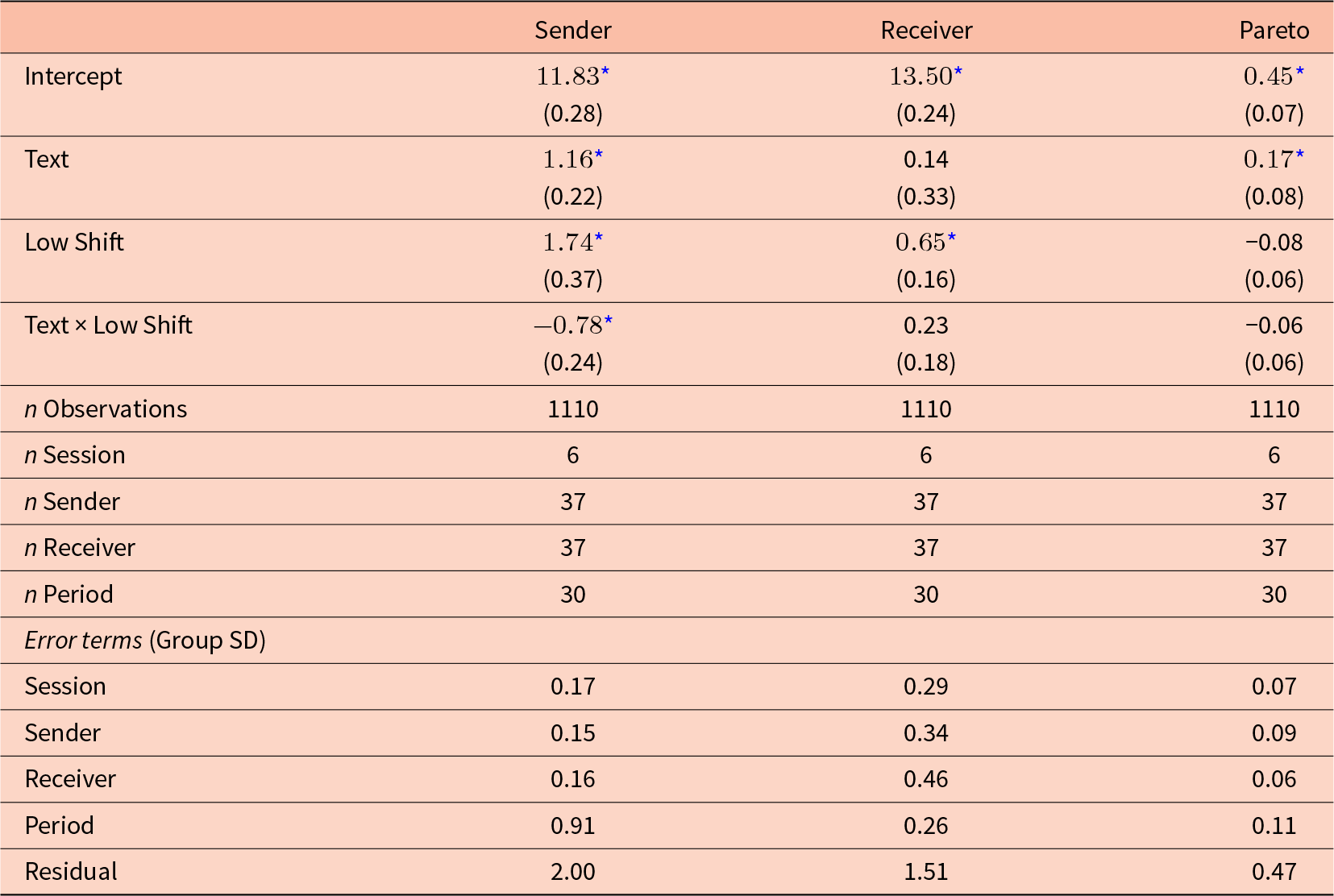
Note: The first two columns present mixed effects linear models of payoffs. The last presents a similar model of an indicator for whether the action selected was on the Pareto frontier, that is, between the target and the target + shift. The models includes random intercepts for session, period, sender, and receiver.
* Zero is not included in the  $95\%$ interval.
There are a few possibilities for how senders’ eked this pay rise from the Text condition. They could either have used the technology to successfully persuade receivers to move actions closer to the senders’ shifted targets and away from the receiver’s ideal points. Or, they could have moved actions from outside the Pareto optimal region—actions between the target and the shifted target—into that range. Finally, they might have used other aspects of text to establish trust with receivers. Given that receivers seem to have, on balance, benefited slightly from the difference in communication mode, the latter two possibilities appear more likely.
To further probe whether senders might have benefited by moving suboptimal actions into the Pareto region, we coded a dummy variable called Pareto that is 1 when the action is between the Target and Target + Shift, and 0 otherwise. We regressed Pareto on Text, Low Shift, and their interaction, using the familiar mixed effects model from above. The results appear in the third column of Table 4, and support the main claim. The coefficient on Text is positive and significant, indicating that this mode of communication resulted in about a  $17\%$ increase in Pareto-optimal actions in the High Shift condition. The increases were smaller and not statistically significant in the Low Shift.Footnote 6 One possibility for why the effect was more pronounced with the High Shift is that the Pareto region is simply larger in this case. We reconsider the relationship between changes in efficiency and payoffs below.
5. Did text change content and outcomes?
Text communication increased the gap between equilibrium predictions and experimental evidence. This technology also seems to have benefited senders, affording them the chance to move suboptimal actions into the Pareto region. But how did they achieve this?
To answer this question, we first code the Text messages, identifying a variety of tactics that senders used (e.g., sending precise messages, appealing to fairness, and more described below). Since we lack a priori expectations about the conditions under which subjects will use these tactics, we conducted exploratory analyses. Finally, we compare the text messages that included numeric content to the numeric messages themselves.
Based on these analyses, we conclude that senders achieved the Pareto improvement by selecting when and for what target values they sent precise messages, as opposed to other less informative options. Senders in the Text condition used numeric messages disproportionately when the Target was higher, that is, in the higher pooling region predicted by equilibrium analysis.
Senders used Text messages in many ways. We isolated a set of eleven different tactics that we observed subjects use, and coded each message for each tactic.Footnote 7 These tactics are clustered into a few groups. First, we coded messages based on their putative informational content. Some senders chose to send precise messages with numeric content, for example, “Your target is 89.” Others refrained from sending any information at all, for example, “Rainy days are not fun.” We therefore coded messages as being Empty if they included no relevant information to the decision at hand, and Precise if they identified specific, relevant information. Similarly, some senders split the difference, indicating that the Target lay in some Interval (“target is between -40 and 20”), or used Noisy language (“a medium positive number”), and so we coded each of these as well.Footnote 8
These four informational content categories are mutually exclusive.Footnote 9 Most messages—about 72%—were Precise (i.e., numeric messages, excluding those mentioning intervals), meaning that the sender either identified a unique Target value or suggested a unique Action. About 13% of messages were Noisy and slightly smaller fraction (11%) were completely Empty. Only the remaining 4% used explicit Interval messages.
Next, we coded whether senders invoked normative considerations. The most frequent such considerations were importuning receivers with pleas of Honesty (“Your target is 75, but can you put 90 cause I’m honest, pleaseeee”) and Fairness (“‘Aha!’ he shouted. ‘Pick 60 and we can share the spoils evenly!’”). Both tactics were relatively rare, with invocations of Honesty appearing in 11% of messages, and Fairness in 16%. These tactics were not mutually exclusive; in fact, they were weakly correlated. Conditional on appealing to Fairness, the frequency of mentioning Honesty increased from 11% to 17%. In the complementary case, conditional of invoking Honesty, the frequency of mentioning Fairness rose from 16% to 24%.
Finally, we coded whether senders mentioned particular quantities with their messages. Recall that the Sender’s Target is simply the value of the hidden state, t, and the Receiver’s Target is the shifted value, t + s. Senders might have indicated the Sender’s Target, the Receiver’s Target, called out a particular Action, or suggested a value for a Midpoint that lay between the two targets.Footnote 10 The most commonly mentioned quantity was the Receiver’s Target, which was called out in 46% of messages. Both the Sender’s Target and Action were also not uncommon, each appearing in about 30% of messages. The Midpoint was comparatively rare, with mentions in only 6% of messages, likely reflecting the relative rarity of Fairness. As with normative considerations, these mentioned quantities are not mutually exclusive. In fact, senders mentioned both Sender’s and Receiver’s Targets in almost  $25\%$ of cases.
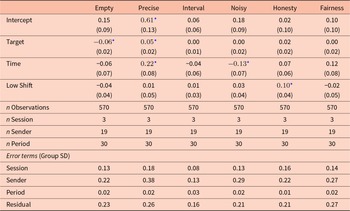
The first five columns of Table 5 present mixed effects regression models of each of the categories.Footnote 11 In each case, we regress the indicated dummy variable on the Target value (rescaled to run from -1 to 1), Time during the session (which has been rescaled to run from 0 to 1), and Low Shift. Recall that all Low Shift rounds occurred during the second half of sessions, and so Time and Low Shift are correlated. We also continue to rely on our random intercept strategy from above.
Varieties of text messages

Note: The table presents the results of mixed effects linear probability regression models. The models includes random intercepts for period and sender to control for the panel structure of the data.
* p<0.05 (two-tailed).
Regressions of each normative indicator appear in the final two columns of Table 5. Again, both models indicate a great deal of idiosyncrasy, although claims of Honesty were about  $5\%$ more frequent in the Low Shift case.
These regression models yield three systematic findings. First, senders relied on more precise messages for higher Target values. There is a negative, significant coefficient on Target in the first column, which models the choice of an Empty message, and there is a concomitant, positive significant coefficient on Target in the second column, which models Precise choices. Both indicate that higher Targets led to more precise messages. Second, senders relied on more precise messages later in the session. The positive coefficient on Time in the model of Precise messages indicates that these messages were used more late in sessions, while the negative coefficient on Time in the model of Qualitative messages in the fourth column suggests that the latter were used less over time. Third, not much else is well predicted by these models. In fact, the large group standard deviations reported in the bottom rows of the table suggest that senders behaved somewhat idiosyncratically. Perusing the messages themselves confirms this suspicion, as many senders would rely on a particular tactic for several periods in a row, then abruptly switch to another tack.
Table 6 shows the results of mixed effects regressions of the variables measuring which quantities senders mentioned. The results here suggest the most systematic variation in mentions of the Sender’s Target and Action. In both cases, higher Target values were associated with more mentions. The effect of Time played differently for these two variables, however, as the Sender’s Target was more likely to be mentioned later on, just as the Action was being mentioned less often. Nothing systematic emerged for either Receiver’s Target or Midpoint.Footnote 12
What gets mentioned?
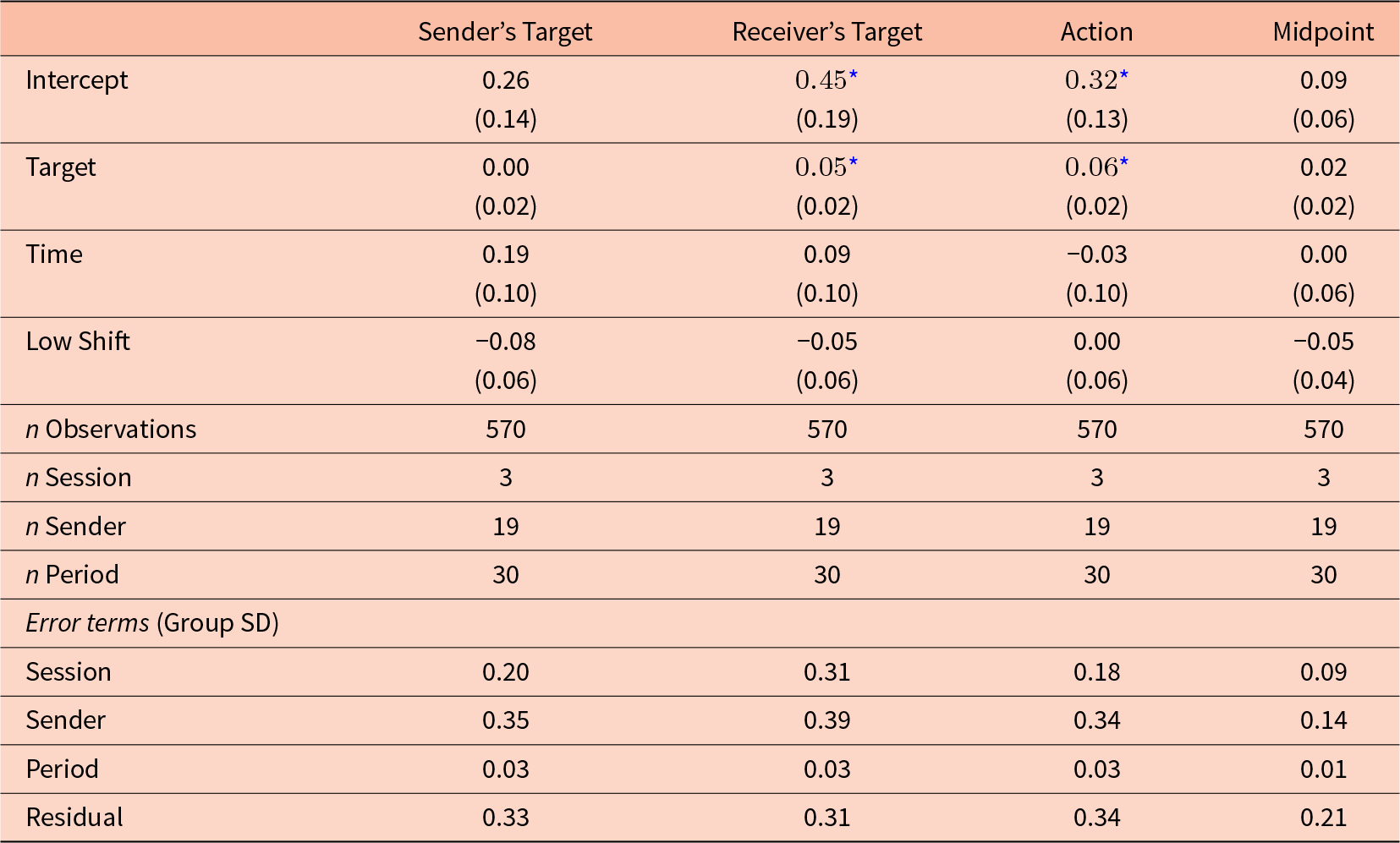
Note: The table presents the results of mixed effects linear probability regression models. The models includes random intercepts for session, period, and sender to control for the panel structure of the data.
* p<0.05 (two-tailed).
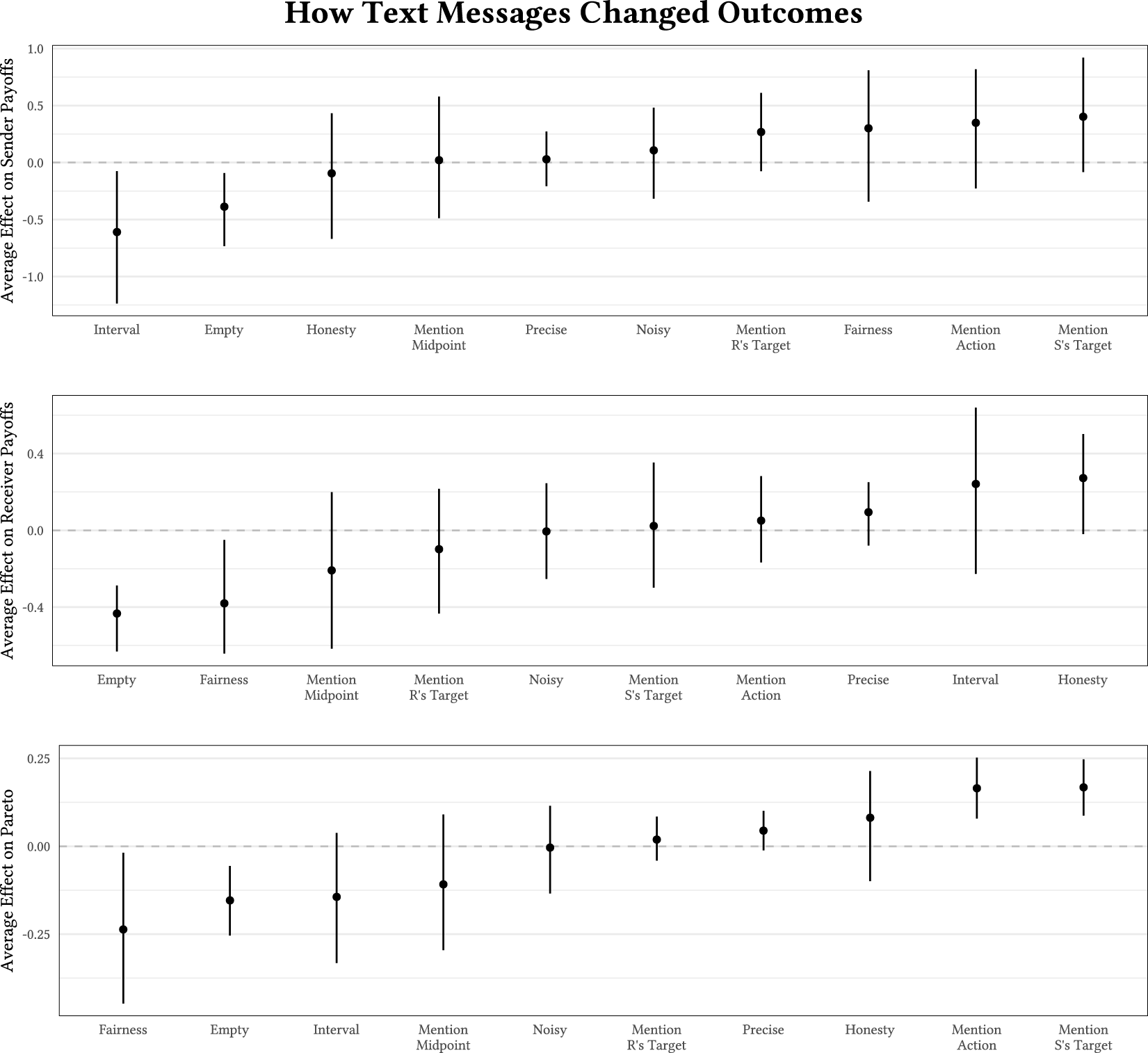
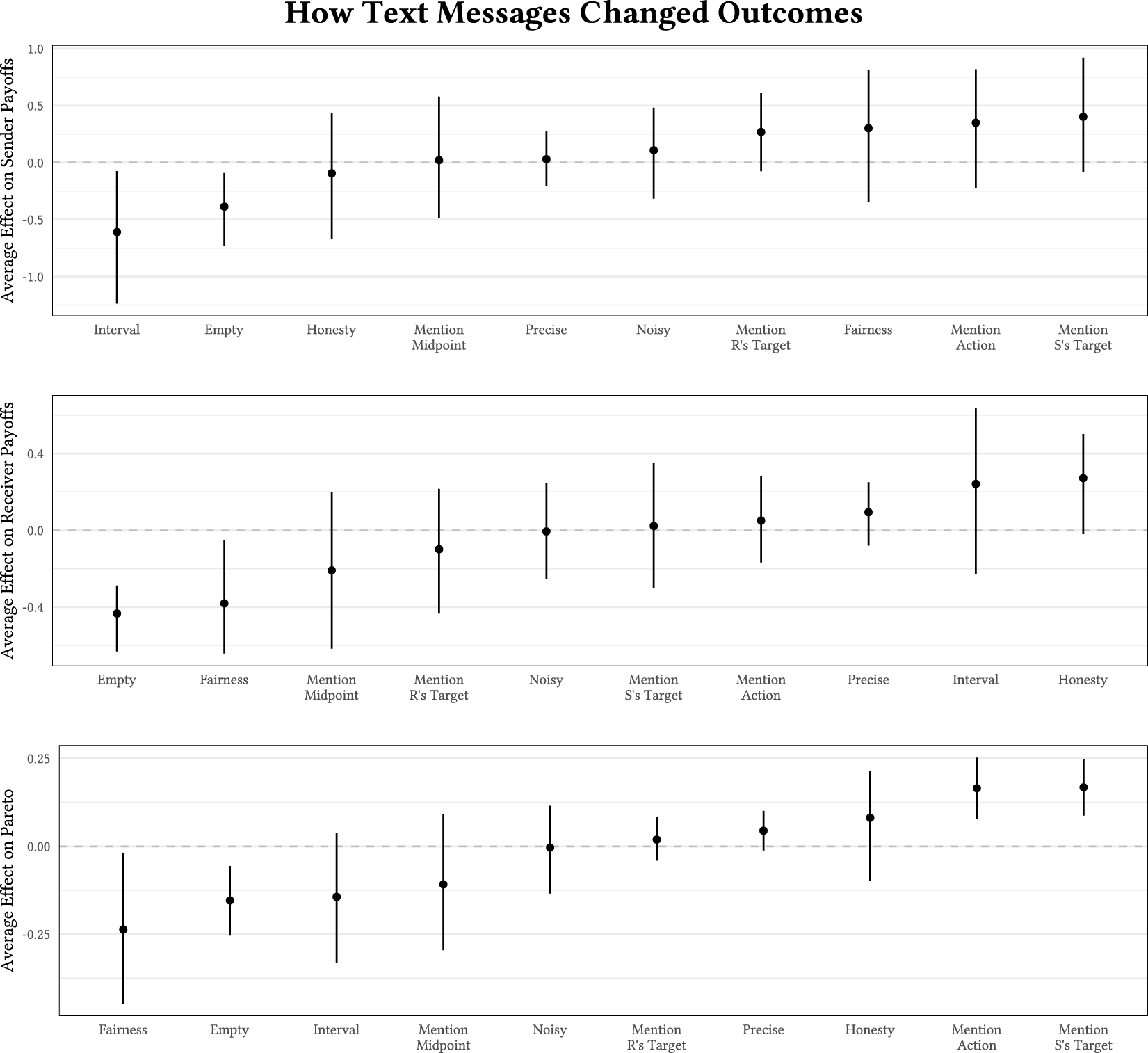
Finally, to bring our analysis of payoffs and efficiency together with that of senders’ use of text messages, we estimate the marginal effects of each tactic on outcomes. Specifically, we used the evidence from the Text condition to estimate the effects of each tactic on each outcome: sender’s payoff, receiver’s payoff, and Pareto. Because senders sometimes used more than one of these tactics within the same text message, we use support vector machine regression to isolate the effect of each tactic. In each case, we included all 11 tactics we modeled above, as well as Target, Time, and Low Shift. Support vector machine regressions flexibly adjust for all interactions between covariates, and so we focus on calculating marginal effects for each tactic and each outcome. To do so, we used our fitted models to predict outcomes, switching each tactic “on” and “off” and calculating the difference in predicted values. For inference, we rely on the interquartile range of pointwise estimates from the dataset.
The results appear in Figure 2, and they support several conclusions. First, we see that mentions of Honesty led to both increases in efficiency (i.e., Pareto, bottom panel) and receiver payoffs (middle panel), but not sender payoffs (top panel). Second, mentions of the Sender’s target were more likely to coincide with increases in sender payoffs and increases in efficiency, but not receiver payoffs. Third, the tactics that increased efficiency did not always redound mainly to either senders or receivers. Thus, it seems that the increases in sender payoffs and efficiency that we identified in the previous sections are partially, but not wholly related to each other. In particular, many aspects of text-based communication increased efficiency in ways that did not directly benefit the sender.
The figure displays summaries of estimated pointwise marginal effects with means depicted by points and interquartile ranges by segments. All estimates are based on support vector machine regressions
Finally, we focus on the text messages that included numeric content. Specifically, we analyze the subset of cases in the Text condition that offered precise values for the Receiver’s Target. Therefore, we drop all cases in which senders in the Text condition sent imprecise, interval, or exclusively non-numeric content, which total 164 of the 1110 observations, leaving us with about  $85\%$ of cases (i.e., all numeric messages, including both precise and those mentioning intervals). Of course, these cases were not randomly selected, and we do not claim that they are. Nevertheless, exploring the differences between these two cases helps illuminate how the communication technology affected message accuracy. We estimate two dependent variables on this subsample. First, we modeled the proximity (negative absolute difference) of Target and Message for all cases sent in the Numeric condition, and second we focused on the Message itself.
The first column of Table 7 reports the results of a mixed effects regression of the proximity of Target and Message on the Low Shift and Text dummies and their interaction. As expected, Target and Message are more proximate in the Low Shift case, and the Text condition led to more accurate messages, conditional on the sender choosing to send precise messages. This accuracy effect of Text was larger in the Low Shift case, given the positive, albeit insignificant, coefficient on the interaction term.
Evidence for the comparative statics prediction persists
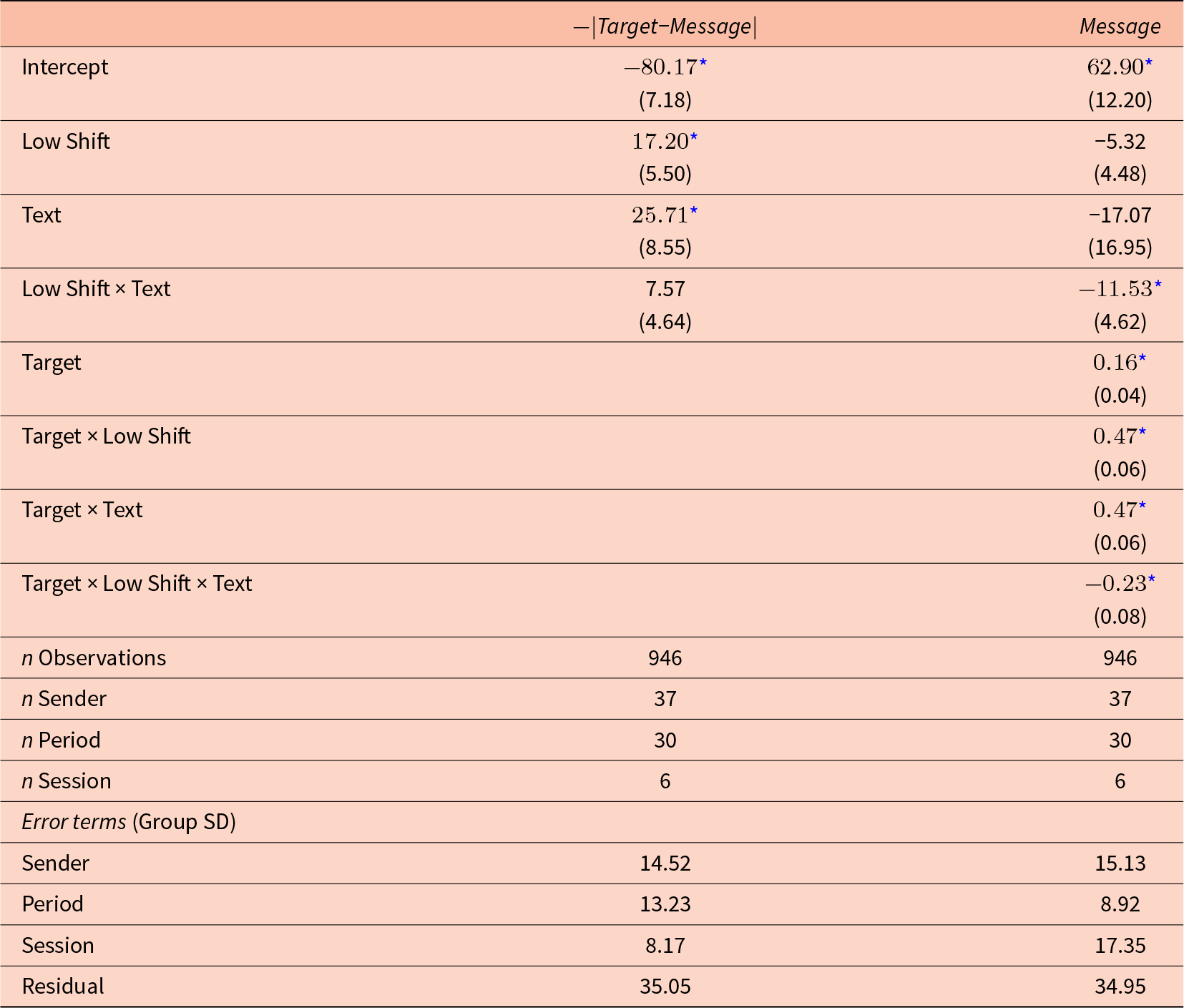
Note: The table presents mixed effects linear models of the negative distance between targets and actions. The models includes random intercepts for session, period, and sender. The number of observations is 946 rather than 1110 because wecan only include messages with numeric content in this analysis.
* Zero is not included in the  $95\%$ interval.
The second column of Table 7 displays the details of a saturated mixed effects regression of Message on the Target, Low Shift, and Text. The results resonate with those from the first column. While there is an intercept shift for Low Shift, it seems mostly limited to the Text condition, as seen by comparing the coefficients on Low Shift and Low Shift × Text. There are also large differences in the slopes on Target. With Text, numeric messages were most closely tied to the target, with the slope in the Low Shift case being 0.87, closer to 1 than in any of the other three cases.Footnote 13 Thus, the difference in proximity demonstrated in the first column is corroborated by the message strategies documented in the second.
That said, these two conditions are not exactly comparable, as we can only compare messages in the Numeric condition to the subset of Text messages with precise, numeric content. However, this evidence does entail one clear inference: receivers in the Text condition who observed a precise, numeric message could feel more confident about its accuracy than their counterparts in the Numeric condition. Even when given a rich text box format to communicate, many senders feel bounded by the conceptual limits of the numeric state space. Moreover, it does not appear that the numeric message space caused the overcommunication findings from the literature. Instead, it seems like the limited communication technology may have inhibited some subjects’ tendency to convey accurate information about the hidden state.
6. Discussion
We reported on how senders in a cheap talk game used different communication technologies to communicate, contrasting the numeric messages familiar from other experiments with unrestricted natural language messages. Our research produced several results. The comparative statics prediction—that less preference divergence leads to more informativeness—persists, even in the case of text messaging. But the overcommunication finding, in which senders reveal more information than predicted by equilibrium not only persists, it is somewhat exacerbated by this alternative technology. As a consequence, we cannot conclude that the lack of equilibrium play observed in existing sender-receiver experiments is an artifact of the lab. Instead it seems to be a stylized fact of interpersonal communication.
A key implication of our findings is that overcommunication is not an artifact of requiring experimental subjects to use numeric messages. Yet the difference in behavior caused by using natural language to communicate also has implications for how we explain overcommunication. Common explanations of overcommunication include level-k thinking, lying costs, and other-regarding preferences (Lafky et al., Reference Lafky, Lai and Lim2022). Both lying costs and other-regarding preferences suggest that there is a dispositional character to overcommunication, a feature that is invariant to the linguistic medium used to convey information. Our findings, therefore, are more supportive of the position that overcommunication is tied to strategic thinking as constrained by cognitive limits.
We go on to explore how senders used text, and who benefited from it. Specifically, we showed that text increased both payoffs and efficiency, but mostly for senders and not receivers. These increases emerged from the use of a variety of tactics, including proclamations of honesty and invocations of fairness, but also mentions of specific quantities, including the sender’s own ideal action. On balance, many of these tactics improved efficiency, moving the receivers’ suboptimal actions into the Pareto region. Most of these benefits were split between players, but some accrued more to one than the other. Senders seemed to benefit more across the board, while receivers only benefited from isolated tactics. There are a few possible explanations for this phenomenon, notably, that precise mentions of specific information mean more when they might have been replaced by more nebulous, ambiguous signals. Future work should focus on the mechanisms that explain how these tactics improved efficiency and payoffs.
Supplementary material
The supplementary material for this article can be found at https://doi.org/10.1017/esa.2025.3.
Data availability statement
Data and replication materials will be posted to an online repository upon publication.
Acknowledgements
We thank seminar audiences at Texas A &M, the London School of Economics, the University of Warwick, and the University of East Anglia. Replication code is available at the following OSF repository: (https://doi.org/10.17605/OSF.IO/JZAY9).
Author contributions
All authors contributed to the study conception and design. Data collection performed by Jonathan Woon. Statistical analysis conducted by William Minozzi. First draft of manuscript written by William Minozzi. Manuscript edited and revised by Jonathan Woon. All authors read and approved final manuscript.
Funding statement
Internal funding, Ohio State University.
Competing interests
Authors have no conflicts or competing interests.
Ethics approval
Research was approved by University of Pittsburgh Institutional Review Board (IRB# PRO16090059).
Code availability
Replication code is available at the following OSF repository: (https://doi.org/10.17605/OSF.IO/JZAY9).
















 Open access

